
In 1964 the whole morning depended on an adult having gone out into a garden early and unobserved. A hunt only works if the hider has not been seen, which meant somebody had been outside before the children were up, doing something they would never explain afterwards. Children knew perfectly well it was an adult and did not want to know which – the arrangement depended on nobody asking directly, and almost nobody did. Here are fifteen things every kid remembers about the egg hunt in the yard in 1964, and how organized events replaced it.
1. Somebody Had Hidden Everything Before Anybody Was Awake
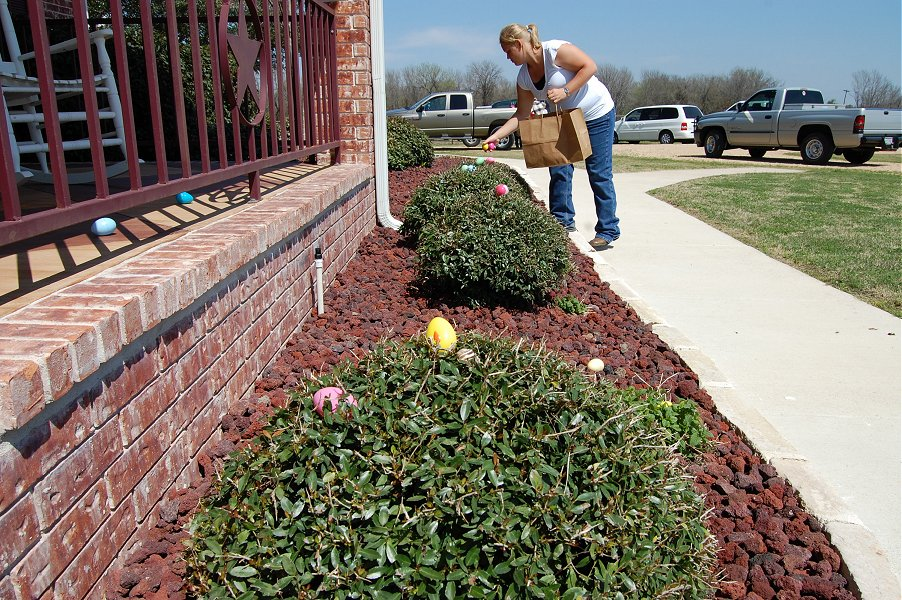
The whole thing depended on an adult having gone out into a garden early and unobserved.
The secrecy was the entire production value. A hunt only works if the hider has not been seen, which meant an adult had been outside before the children were up, doing something they would never explain afterwards.
Children knew it was an adult and did not want to know which. The arrangement depended on nobody asking directly, and almost nobody did, which is a piece of collective tact that children of that period managed remarkably well.
Like our content? Follow us for more.
2. The Hiding Was Done Badly and Deliberately So
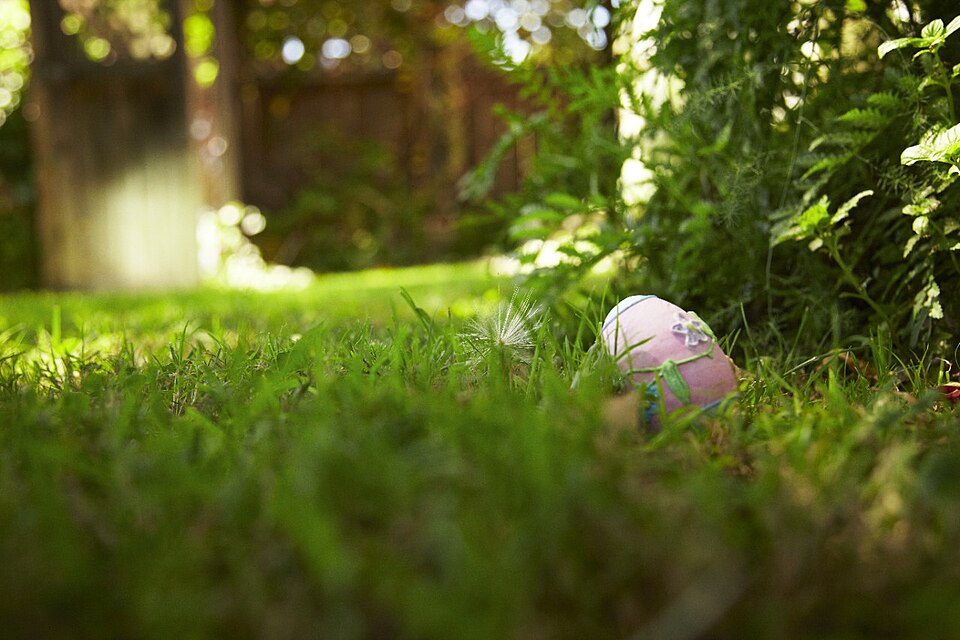
Most of what was hidden was in plain sight, because the point was finding rather than searching.
The calibration was the hider’s real skill. Hidden properly, nothing is found and the morning collapses; hidden badly, it is over in two minutes, and the correct standard is just concealed enough that a child has to look at something before noticing it.
The difficulty scaled with the child. A household with a range of ages hid at several levels of difficulty simultaneously, which is a considerable amount of planning for something nobody acknowledged had been planned.
The hider also had to work in whatever light there was. Doing this before anybody was up means doing it at the least convenient hour of the day, in a cold garden, without being able to see properly, which accounts for a good deal of why the concealment was as approximate as it was.
3. The Garden Decided Everything
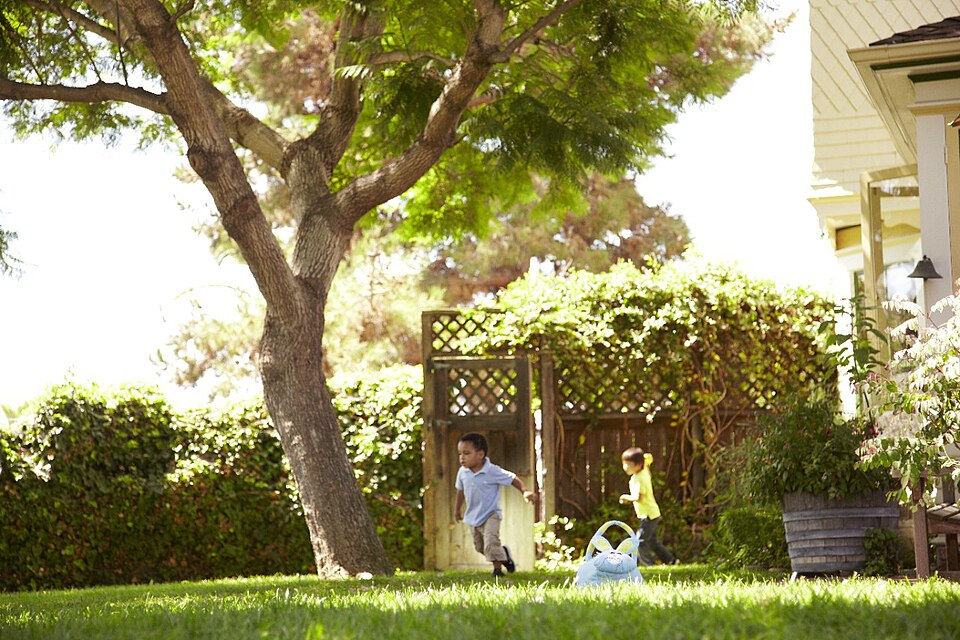
What could be hidden and where depended entirely on what a household’s outdoor space contained.
The variation between households was enormous. A garden with shrubs, a wall, steps and a shed offers dozens of positions, and a small paved yard offers almost none, which meant the same morning was a completely different event two doors apart.
Children compared notes and drew conclusions. The discovery that somebody else’s hunt had been longer, harder or larger was made at school afterwards and was not always welcome.
4. The Containers Were Household Objects

Children collected into whatever a household could spare, which was rarely anything intended for the purpose.
The improvisation was standard. A basket, a bowl, a bag or a hat was issued at the door, and the allocation was made on the basis of what was in the kitchen rather than on what would work.
The container decided your capacity. A child issued something small had a real disadvantage, which produced an argument before the hunt had even started and was never resolved satisfactorily.
5. Everybody Went Out at Once and That Was the Problem
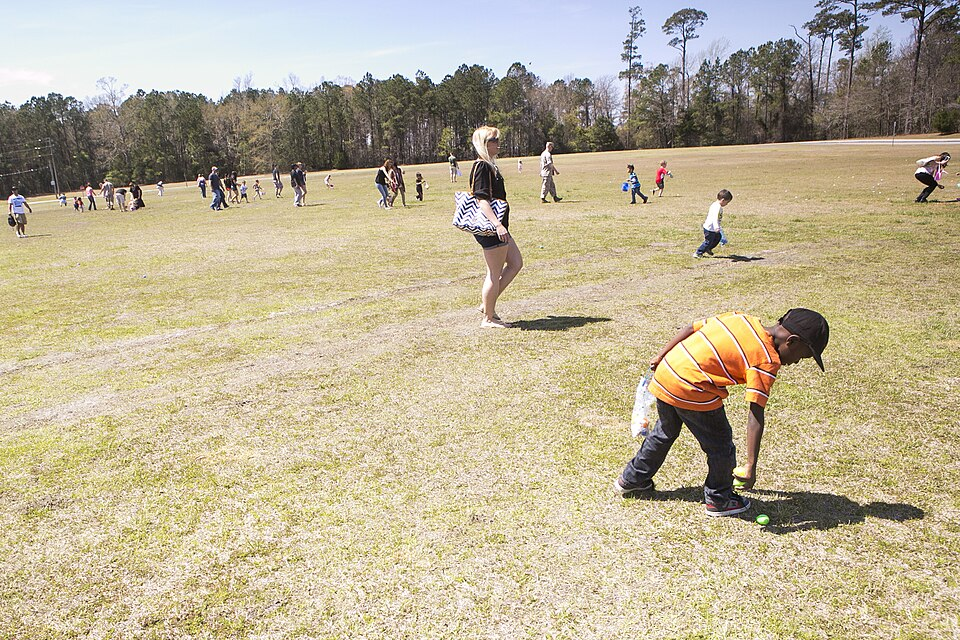
A simultaneous start meant the fastest child collected most of what was easy to find.
The design flaw was obvious and universal. A hunt with no allocation and no zones rewards speed above everything else, which means the youngest and smallest children were structurally guaranteed to do worst.
Households intervened unevenly. Some redistributed afterwards, some imposed zones in advance and some let it stand, and children remembered precisely which of those their household did.
The start itself was also badly managed in every household. Nobody counted anybody down, somebody simply said go, and the question of whether a child had left before that was raised immediately and disputed for the rest of the morning without ever being settled.
6. The Oldest Child Was Expected to Hold Back
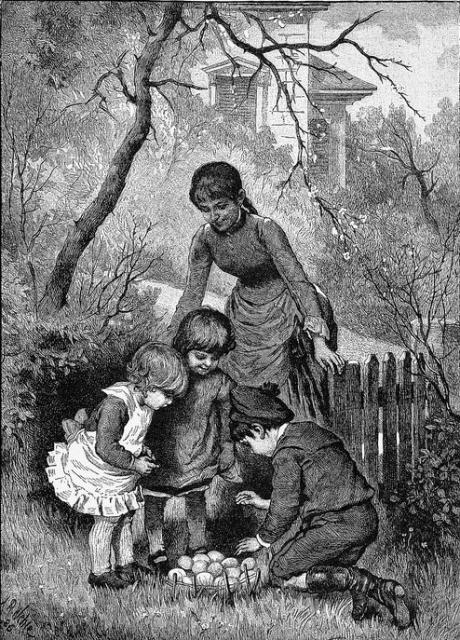
Whoever was biggest was told to let the others find things, which they resented and mostly complied with.
The instruction was the only correction available. A household that had not thought to separate the search in advance could only ask its fastest child to perform worse on purpose, which is a difficult thing to ask of anybody.
Compliance was partial and visible. An older child slowing down conspicuously, while still arriving first at anything substantial, is the standard behaviour and was not fooling anybody.
7. Counting the Total Was the Real Event

The hunt concluded with everybody comparing what they had, and that comparison was what the morning had actually been about.
The arithmetic mattered more than the contents. A child who had found more had won something, however informally, and the count was conducted carefully and publicly by everybody involved.
Disputes about the count were constant. Whether something found on the ground rather than hidden should be included was argued in every household, and no household ever established a ruling.
8. Something Was Always Found That Had Not Been Hidden

Children turned up objects in the garden that had nothing to do with the morning and claimed them anyway.
The by-product was inevitable. A dozen children searching a garden thoroughly for the first time in months will find things that had been lost, and all of it was gathered up on the assumption that it counted.
Those finds were frequently the better haul. A lost object recovered from under a shrub was considerably more interesting than anything the adults had put there, and children remember those discoveries more clearly.
The claiming was also instantaneous and non-negotiable. A child who had put a hand on something had it, and two children arriving simultaneously produced the only genuine physical contest of the whole morning, resolved by whoever was more willing to hold on.
9. At Least One Thing Was Never Found
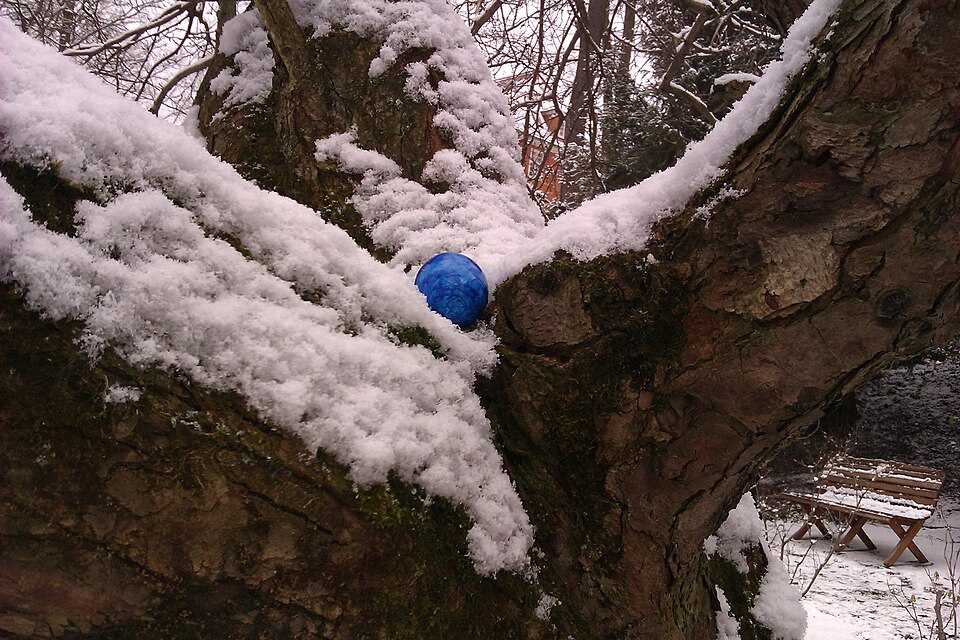
Every hunt left something outside, and nobody could establish how many had been hidden.
The accounting failed at the source. A hider working quickly before dawn did not keep a list, which means there was no total to check against and no way of knowing whether the garden had been cleared.
It surfaced weeks later. Something turning up in a garden in May, in whatever condition it had reached, is a universal detail of this practice and produced a short and entirely predictable conversation.
10. The Weather Decided Whether It Happened Outdoors

A wet morning moved the whole thing inside, which was a completely inferior version.
The indoor substitute failed structurally. A house has far fewer hiding positions than a garden, the search is over in minutes and everybody can see where everybody else is looking, which removes most of what made the outdoor version work.
Children were acutely aware of the downgrade. The indoor version is remembered as a disappointment, and the households that went ahead with it anyway were doing the best available thing.
11. It Was Over in Under Ten Minutes
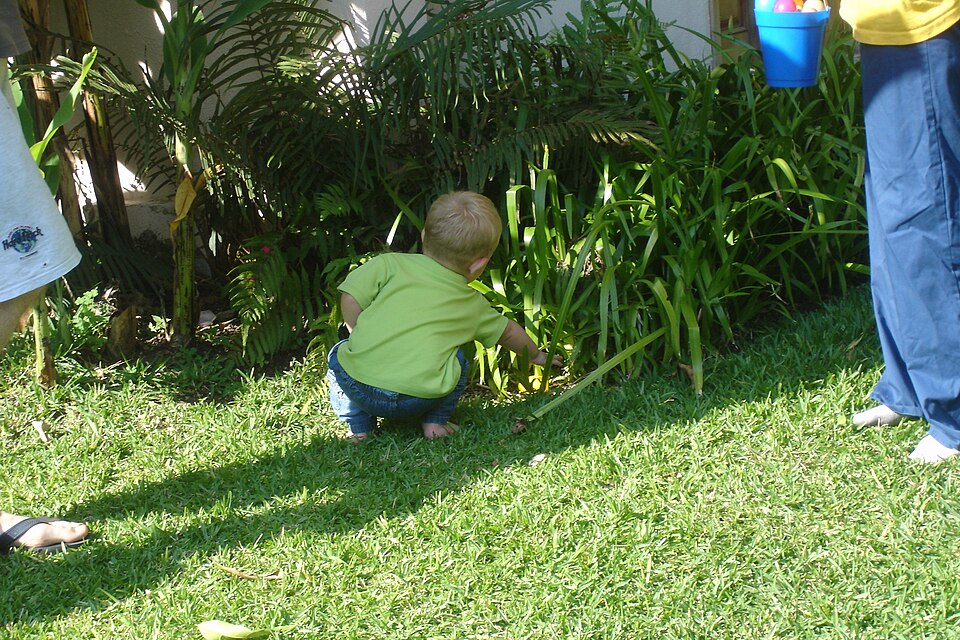
An operation somebody had got up early to arrange was finished almost immediately.
The disproportion was total and nobody commented on it. An adult had spent half an hour in a cold garden before dawn, and the result occupied the children for less time than the preparation had taken.
The adults appeared not to mind. Whoever had done the hiding watched the whole thing conclude in ten minutes and made no remark about the arithmetic, which children only understood much later.
The ten minutes also included a surprising amount of standing about. A child who had finished searching their accessible area, and could not reach anywhere else, spent part of the event simply watching other people work, which is a poor use of an occasion somebody had got up early for.
12. The Clothes Were Not Suitable and Nobody Changed Them

Children went out in whatever they had been dressed in, which was frequently the wrong thing entirely.
The conflict was with the rest of the day. A household that had particular plans had dressed its children accordingly, and then sent them into a wet garden to crawl under things, which is not compatible.
The consequences were dealt with afterwards. A child returning from a hunt in a state that had to be corrected before anything else happened is a universal detail, and the correction was done at speed and without much comment.
13. Nobody Explained Any of It
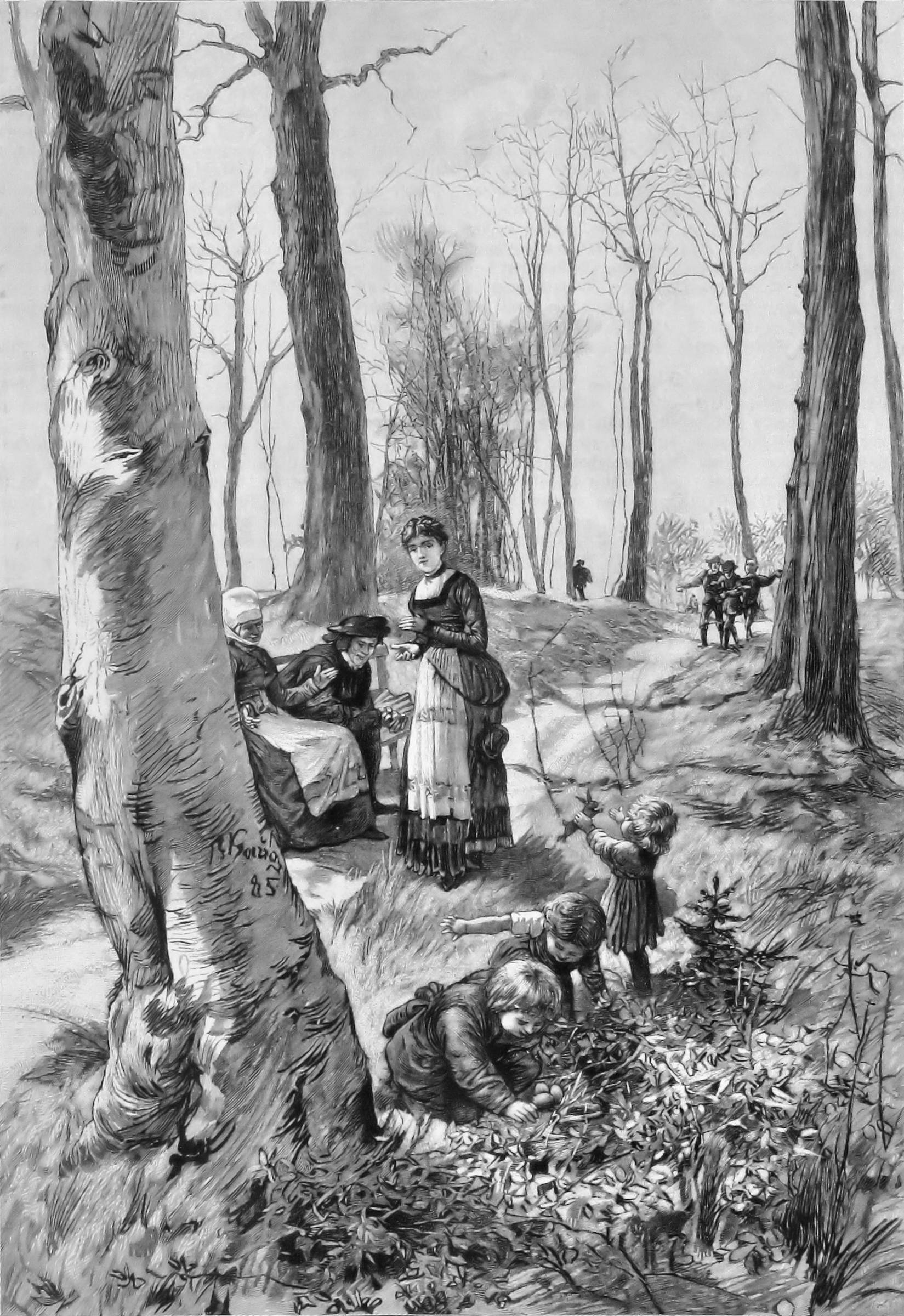
The practice was conducted annually without anybody ever accounting for why it took the form it did.
The absence of explanation was ordinary. Household customs of the period were simply performed, not justified, and a child who asked why anything was hidden in a garden received an answer that explained nothing.
Children constructed their own accounts. The explanations arrived at independently by children for this practice were various, confident and entirely wrong, and a number of people held theirs into adulthood.
14. The Whole Thing Was Repeated Identically Every Year
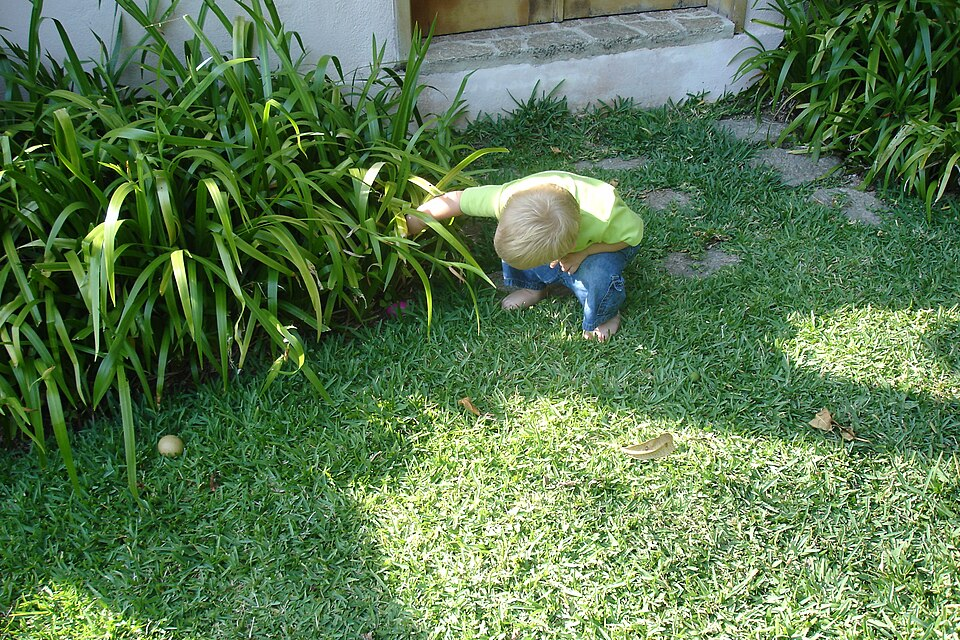
The same positions, the same containers and the same arguments recurred annually with almost no variation.
The repetition was the hider’s convenience. Somebody working quickly in a cold garden uses the positions they used last time, which meant the hunt became predictable to any child who had been paying attention.
Children exploited that and said nothing. A child who had remembered last year’s positions had an enormous advantage and had every reason not to mention how they were doing so well.
The positions were also remembered better than almost anything else about the day. People who cannot say what year it was can still describe three specific places in a garden where something was always put, which is a strange thing to have retained for sixty years.
15. Then the Hunt Stopped Being a Garden Event
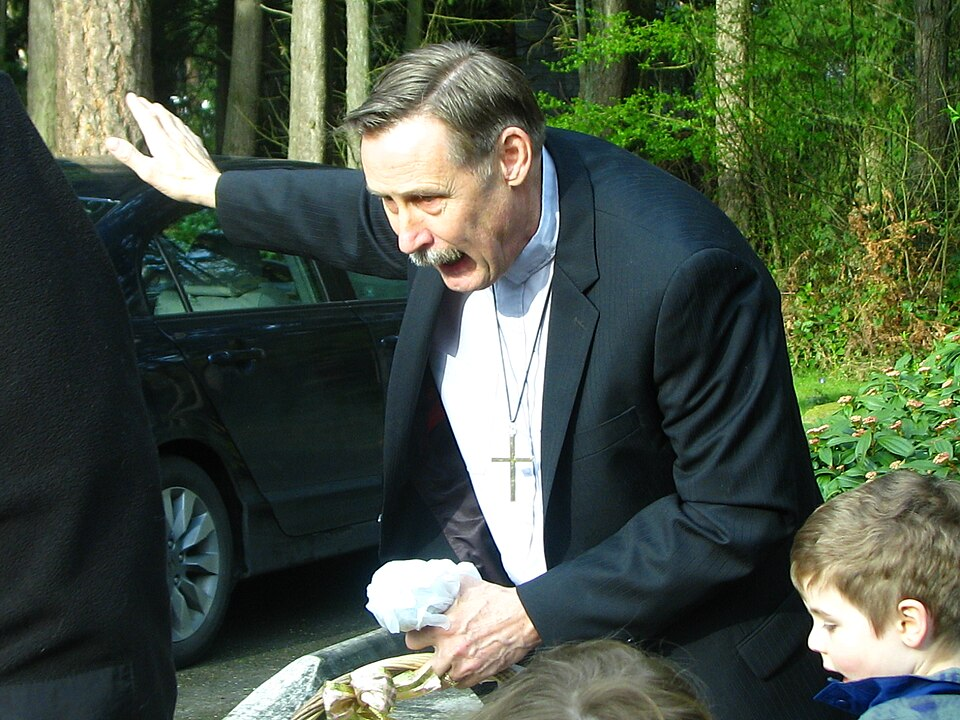
Organised public hunts, smaller gardens, fewer children per household and a general move of the occasion out of the home removed the version conducted before breakfast by one adult in the dark.
Nothing here is an argument about how anybody should mark anything. The organised versions are fairer, better supervised and considerably longer than ten minutes, and the change is not a loss in any respect worth defending.
What went with it is half an hour’s work before dawn. An adult outside unobserved, hiding things just badly enough to be found, at three levels of difficulty for three different children, into containers issued from a kitchen, for an event that was over in under ten minutes and left at least one thing outside until May.
The Design Flaw Nobody Fixed
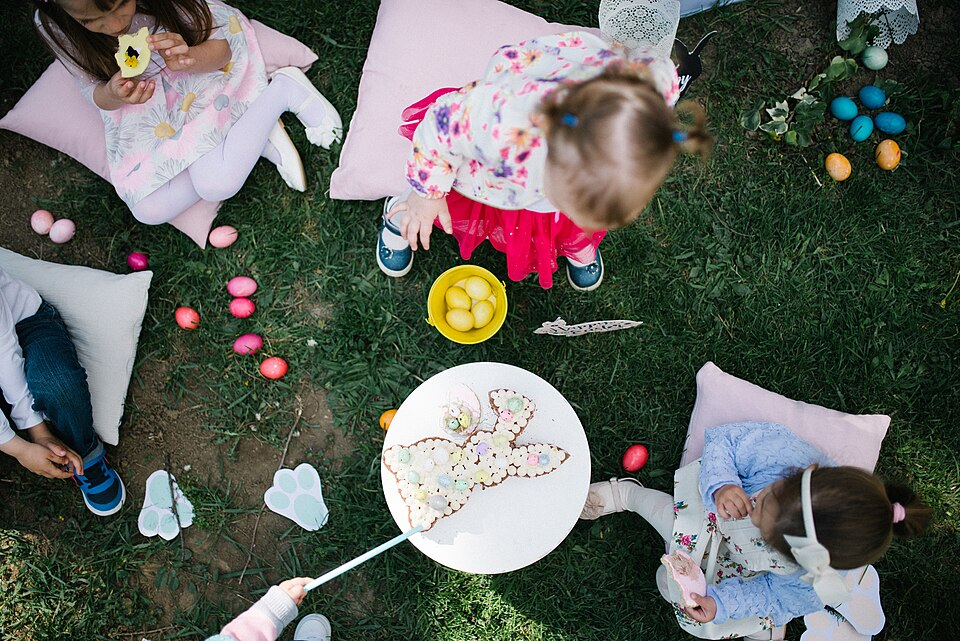
Read in order, the fifteen come back to one piece of bad design that every household reproduced. A simultaneous start, with no zones and no allocation, rewards speed above everything else – which structurally guarantees that the youngest and smallest children do worst. The only correction available to a household that had not separated the search in advance was to ask its fastest child to perform worse on purpose, which is a difficult thing to ask of anybody and produced exactly the conspicuous half-compliance you would expect.
The hiding itself was a real skill in the opposite direction. Hidden properly, nothing is found and the morning collapses; hidden badly, it is over in two minutes. The correct standard is just concealed enough that a child has to look at something before noticing it – and a household with a range of ages was calibrating at several levels of difficulty at once, which is a considerable amount of planning for something nobody ever acknowledged had been planned.
The accounting failed at the source, which is why every hunt left something outside. A hider working quickly before dawn did not keep a list, so there was no total to check against and no way of knowing whether the garden had been cleared – and something turning up in May, in whatever condition it had reached, is a universal detail of the whole practice.
Nothing above is an argument about how anybody should mark anything. The organised versions are fairer, better supervised and considerably longer than ten minutes, and the change is not a loss in any respect worth defending.
What went with it is half an hour’s work before dawn, for an event that was over in under ten minutes: an adult outside unobserved, hiding things just badly enough to be found, at three levels of difficulty for three different children, into containers issued from a kitchen – and watching the whole thing conclude without ever remarking on the arithmetic, which the children only understood much later.
Like our content? Follow us for more.