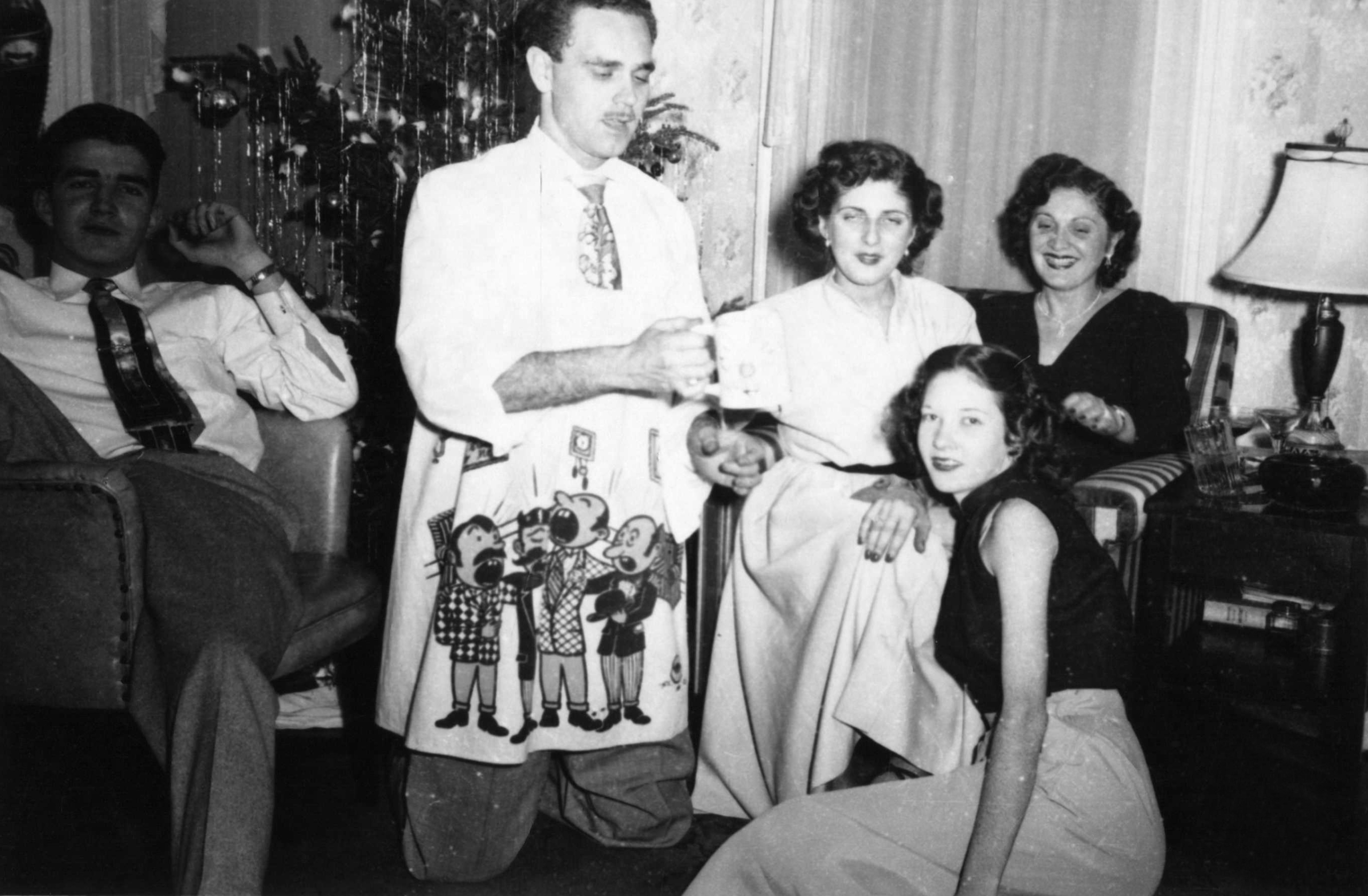
In 1964 an evening’s entertainment for a group of American teenagers happened in somebody’s house, arranged by the parents of that house, who stayed in the building the whole time – and the supervision was the enabling condition rather than a restriction.
The parlour was opened, heated and lit for the occasion, which is a statement a household made deliberately. The evening ran on a managed succession of parlour games, several of which existed specifically to pair people off by chance so that nobody had to ask.
And the taffy pull required two people facing each other, with buttered hands, working together for a long time while everybody laughed. Here are sixteen things every young person knew.
1. Young People Were Entertained at Home by Arrangement
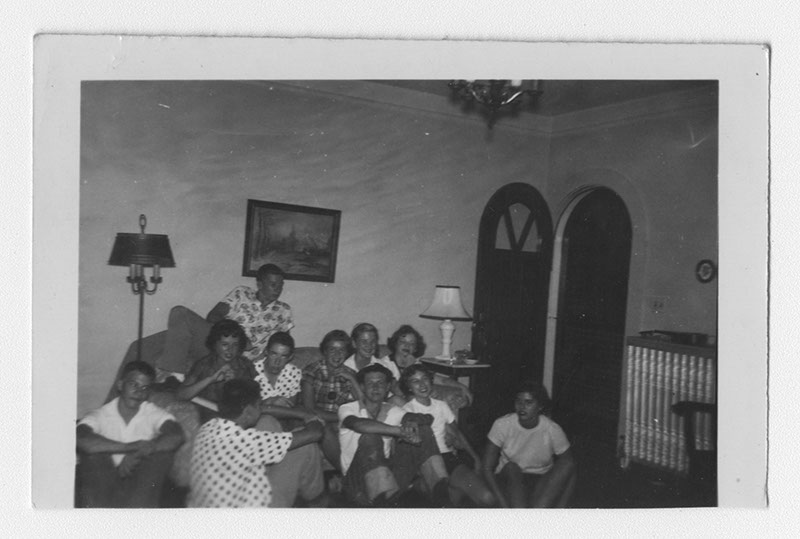
An evening’s entertainment for a group of teenagers and young adults happened in somebody’s house, arranged by the parents of that house, with those parents present somewhere in the building for the entire duration.
Young people socialise away from adult households almost entirely, in vehicles, at commercial venues, outdoors, or individually through screens.
The supervised home evening was the standard setting for American youth socialising for a very long time, and the supervision was the enabling condition rather than a restriction. Parents permitted their daughters to attend because another set of parents was in the house, which is the only reason the gathering could happen at all.
Like our content? Follow us for more.
2. A Taffy Pull Was Work Disguised as a Party
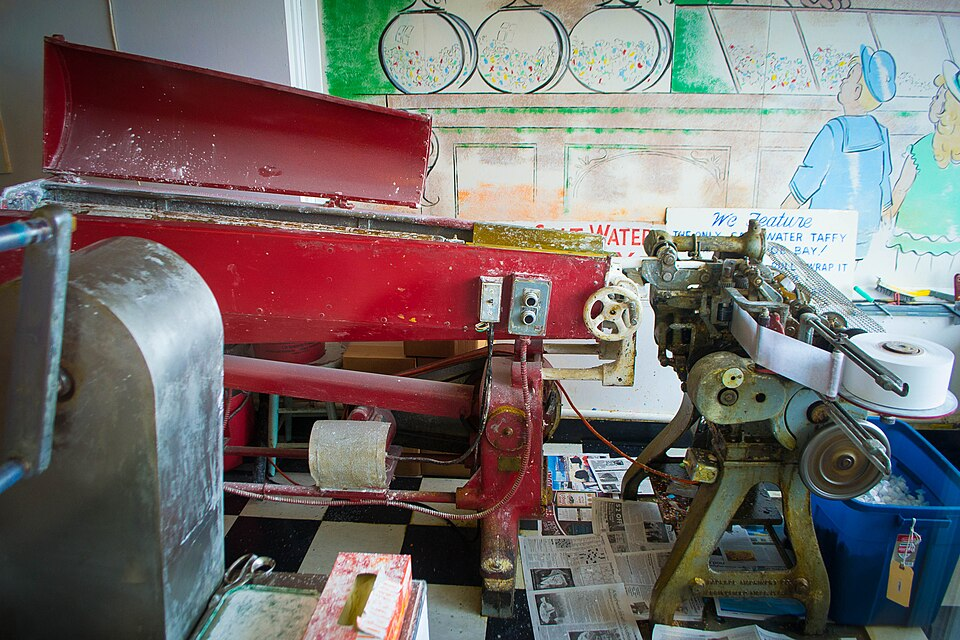
Sugar and water were boiled to a stage, poured out to cool, and then pulled – stretched and folded repeatedly between two people’s buttered hands until it went from a dark sticky mass to a pale, aerated, firm candy.
Not done socially. Pulled candy is made commercially by machines that perform exactly the same stretching and folding operation.
The pulling is not decoration and it is not optional. Stretching and folding candy repeatedly works air into it and aligns the sugar structure, which is what turns it pale and changes the texture completely – so the social activity and the manufacturing process were the same thing.
3. It Required Two People Facing Each Other
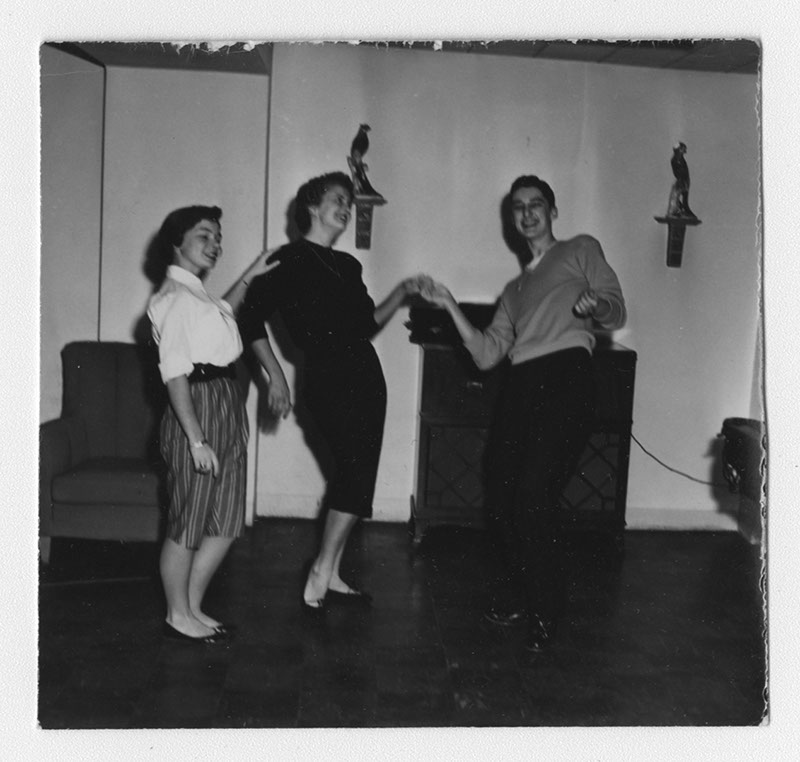
A pull is done in pairs, each holding one end, stepping apart to stretch and together to fold, over and over, for as long as it takes – which is a considerable time and gets harder as the candy stiffens.
Not applicable.
That is the entire reason a taffy pull was a courting occasion and everybody involved understood it. The activity requires two people, buttered hands, close coordination, sustained physical effort and a great deal of laughing, in a room full of chaperones who could see everything and could not object to any of it.
4. The Parlour Was Opened for the Occasion
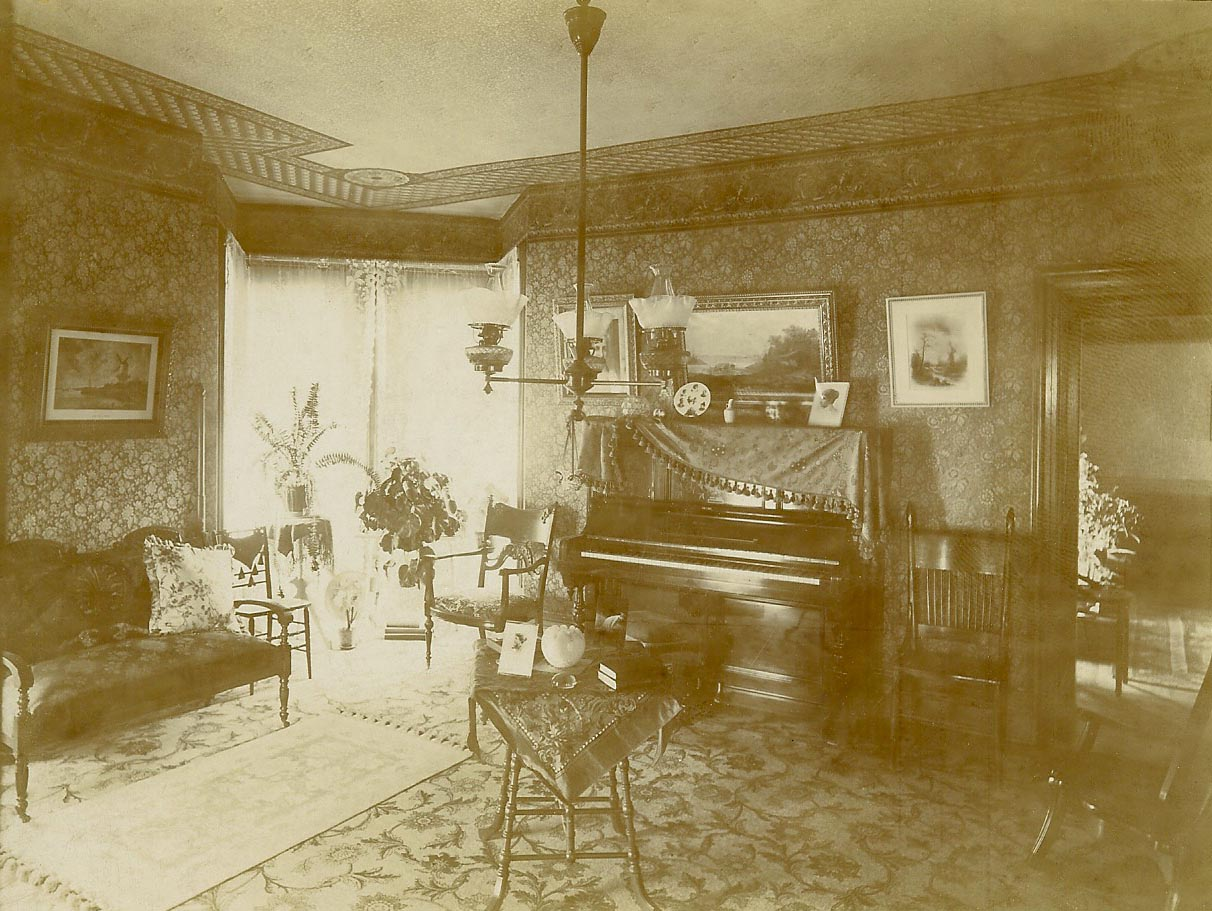
The front room – kept closed, cold and unused for most of the year – was opened, heated, lit and given over to the evening, which is a significant statement by the household.
Not applicable in most homes, since the parlour as a reserved room has gone.
Opening the parlour was how a household signalled that an occasion was serious. The room existed precisely for events too important for the kitchen, so using it told everybody – including the young people – that this gathering was being accorded a particular status.
5. Games Were the Structure of the Evening
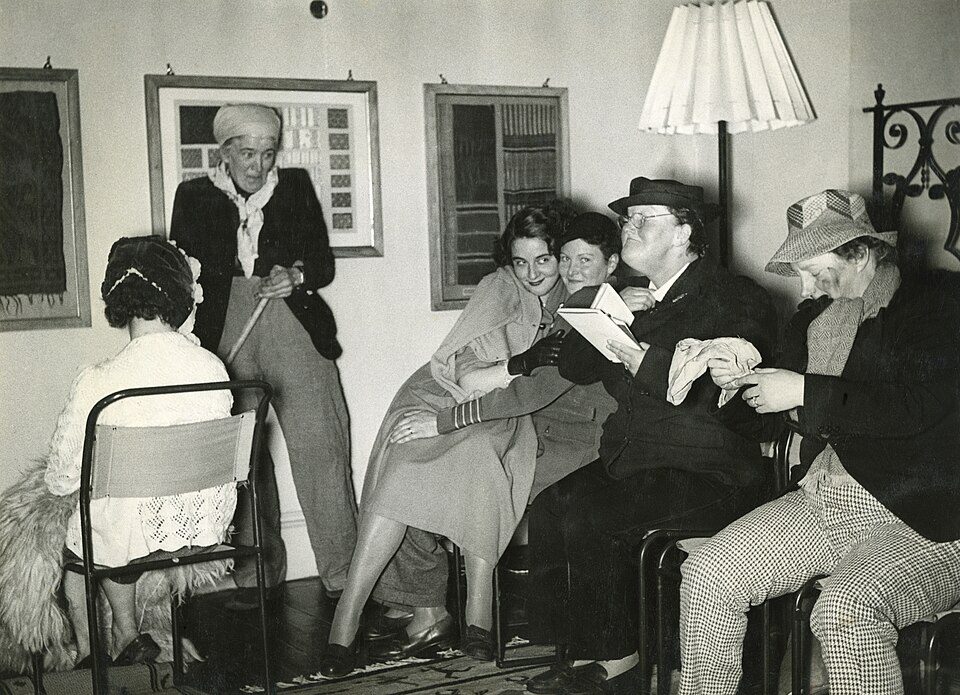
The evening ran on a succession of parlour games – guessing games, word games, forfeit games, memory games, charades, musical games and games that paired people off – organised by whoever was hosting.
Not applicable at that scale, with structured parlour games essentially gone from youth socialising.
The games were doing social work rather than merely passing time. A roomful of young people who do not all know each other needs a structure that produces interaction without requiring anybody to be brave, and a game with rules supplies exactly that – which is why the repertoire was so large and so carefully managed.
6. Several Games Existed to Create Pairs
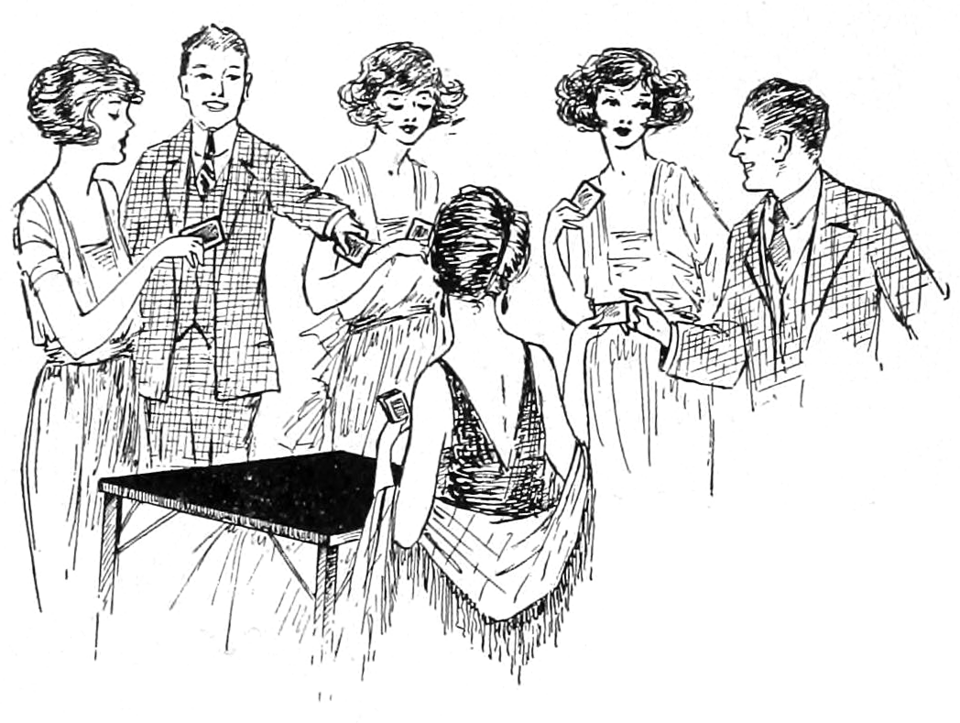
A recognisable subset of the repertoire had the specific function of pairing people off, assigning partners, or producing a forfeit that required two people to do something together.
Not applicable, and the function is now performed by applications.
Those games were understood by everybody present, including the parents, to be doing what they were doing. A game that assigns a partner by chance removes the need for anybody to ask, which is an enormous service to a sixteen-year-old and the reason that part of the repertoire persisted for generations.
7. The Play Party Existed Where Dancing Did Not
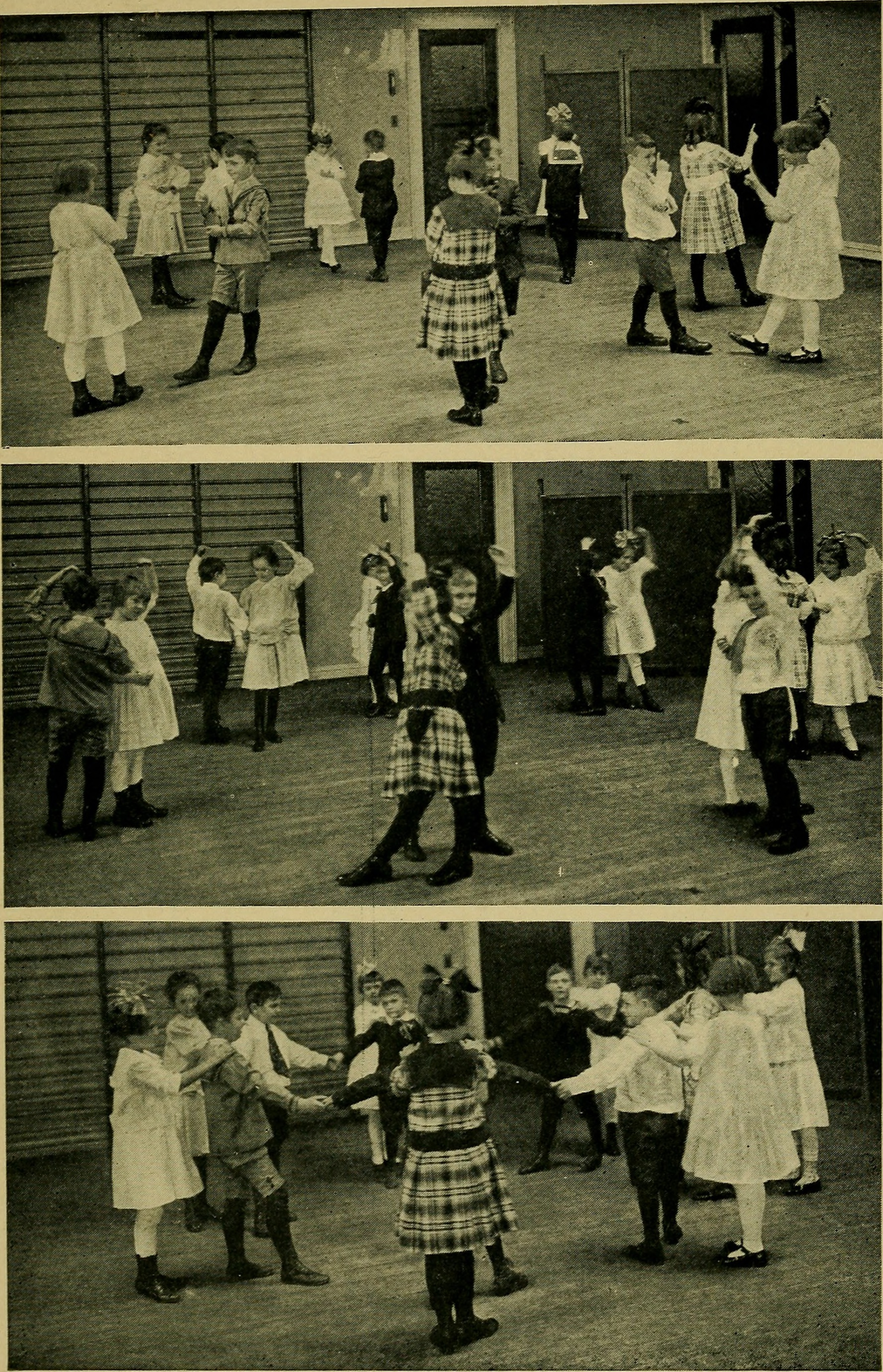
In communities where dancing was disapproved of, the same evening ran on play party games – singing games in which participants moved in figures to their own voices, with no instruments involved.
Essentially extinct, surviving in documented collections and deliberate revival.
The distinction between a play party and a dance was taken entirely seriously and rested on two specifics: no instrumental music, and the activity described as a game. Everybody involved knew precisely what was being accomplished, and the arrangement held for decades.
8. Somebody Played and Everybody Sang
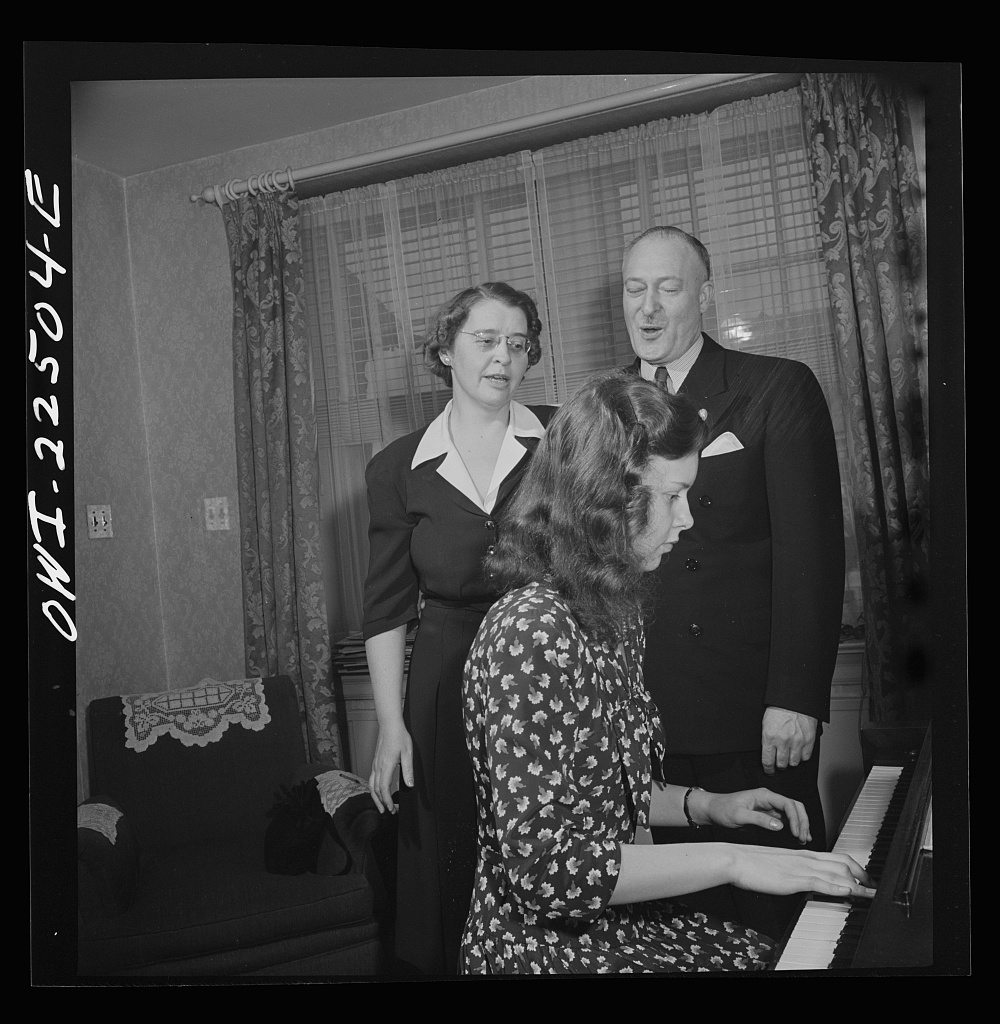
Where a household had a piano or an organ, somebody played it, and the evening included group singing from whatever repertoire everybody held in common.
Recorded music, with group singing by young people now rare outside organised settings.
Group singing worked because the repertoire was shared, which it no longer is. A roomful of young people in 1964 could sing together because the supply of music they had all absorbed was narrow; the same room now holds no overlap and therefore cannot sing.
9. Refreshments Were the Host’s Statement
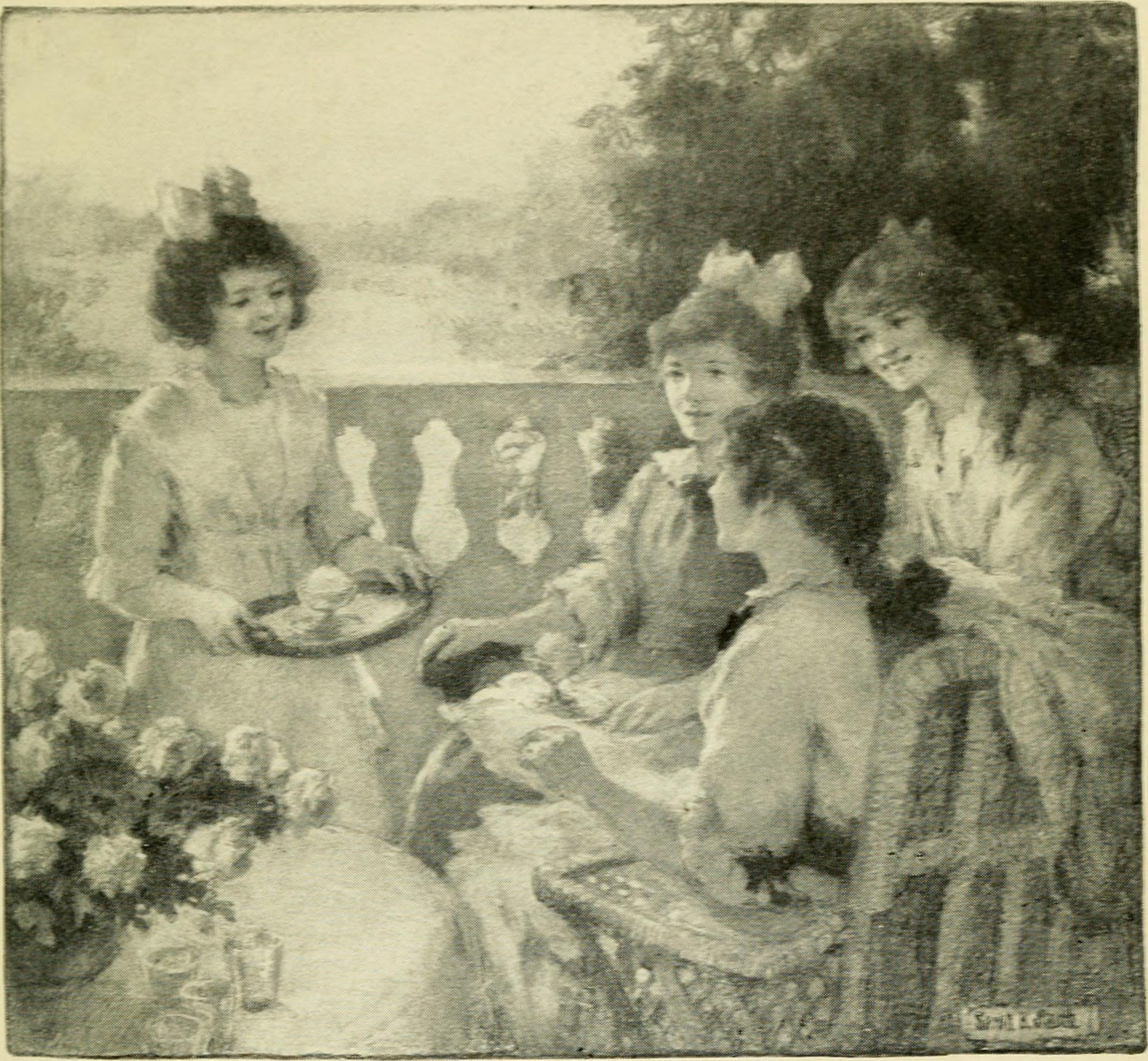
The household produced food – cake, sandwiches, cocoa, cider, ice cream, lemonade – prepared in advance, served at a set point in the evening, and judged by everybody present.
Not applicable in the same form.
Serving refreshments to a dozen young people was the mother of the house making a visible contribution, and the quality of it was discussed afterwards. A household that entertained young people well acquired a reputation that brought more of them, which was frequently the point.
10. The Candy Was Divided and Taken Home

Finished taffy was pulled into ropes, cut into pieces with buttered scissors, wrapped in waxed paper and divided among everybody – so each person left with something they had made.
Not applicable.
Leaving with the product is a detail that explains the appeal. An evening that ends with everybody holding a share of something they physically made together is doing more than an evening that simply ends, and the wrapped pieces went to school the following week.
11. Nobody Left the House
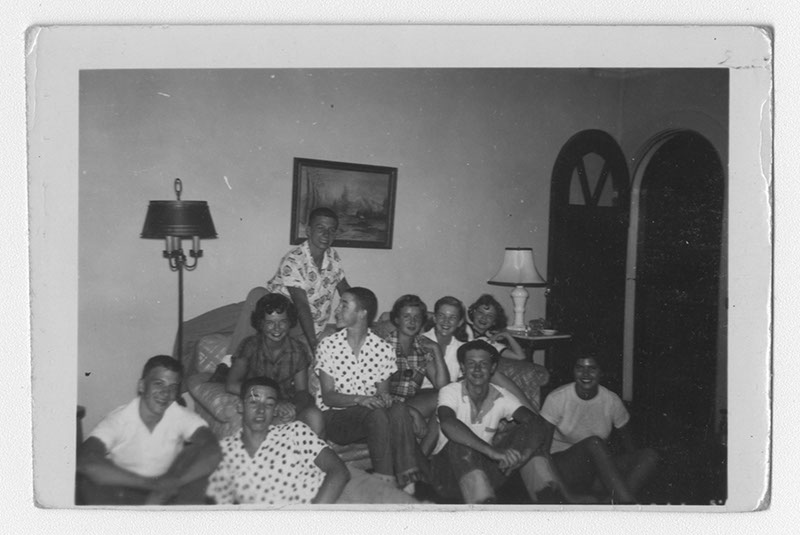
The gathering began when people arrived and ended when they went home, with no intermediate stage – nobody went out to a vehicle, nobody went anywhere else, and the entire evening occurred within the building.
Young people’s evenings now routinely involve movement between locations, which is the single largest change in the structure of American youth socialising.
That containment was the whole architecture of the arrangement and it collapsed the moment young people had cars. An evening confined to one house with adults in it is a different proposition from an evening that can relocate, and the parents of 1964 understood which one they were permitting.
12. The Car Ended It Almost Immediately
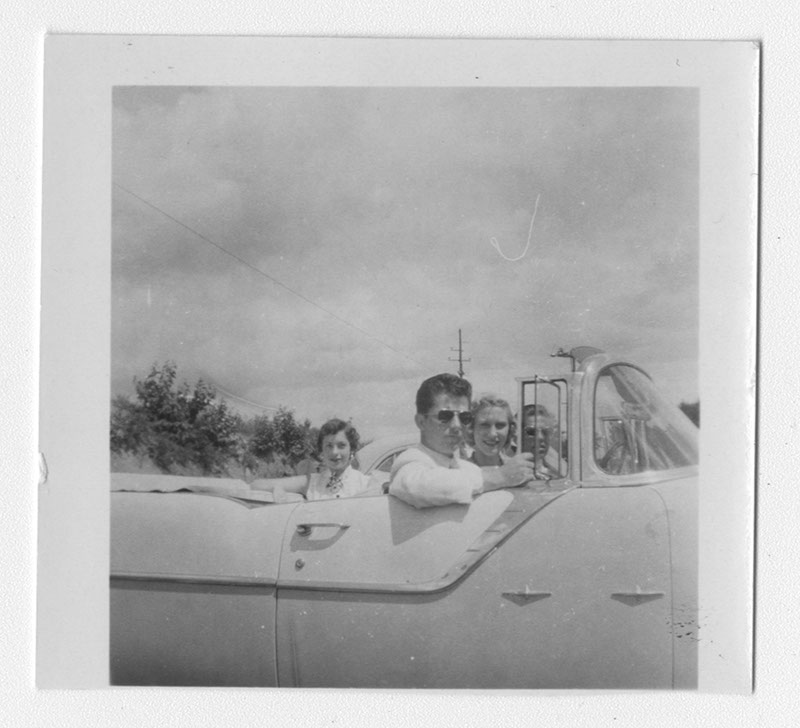
Once young people had access to vehicles, the supervised home evening stopped being the only available form of socialising and became the least attractive one.
Complete. American youth social life reorganised around the automobile within roughly one generation.
Nothing else in this story comes close to the car for explanatory force. A car supplies mobility, privacy, a destination and an exit, all of which a parlour evening is specifically designed not to provide – and no amount of good refreshments competes with that.
13. Commercial Entertainment Was Better
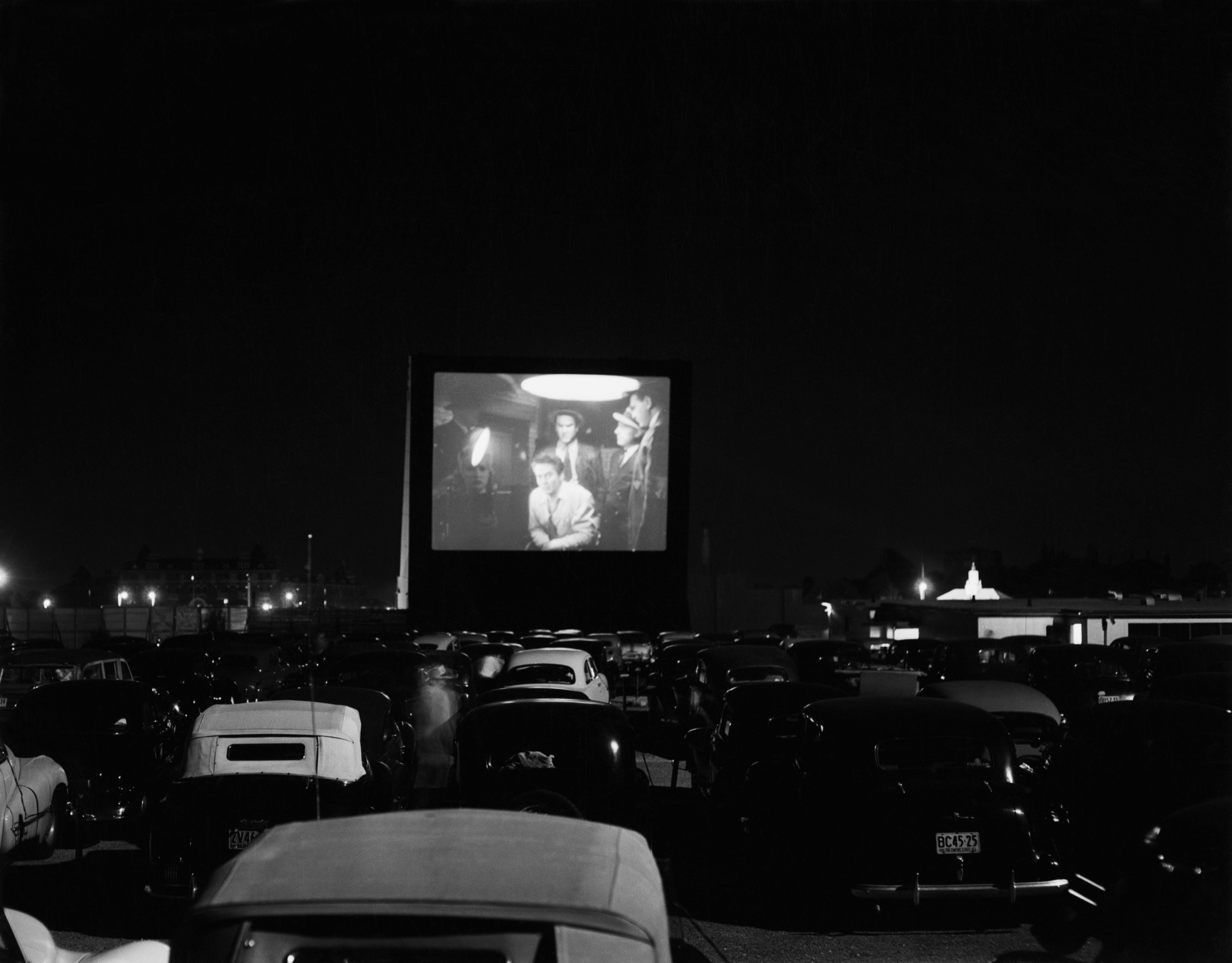
Cinemas, drive-ins, skating rinks, bowling alleys, soda fountains, dance halls and later almost everything else offered young people a place to go that was not somebody’s front room with their friend’s mother in the kitchen.
The dominant form through the second half of the century, now itself substantially displaced by screens.
A commercial venue beats a parlour on every dimension a young person cares about: more people, no adults who know your parents, novelty, and the fact that attendance is not a favour anybody is doing you.
14. Television Took the Room
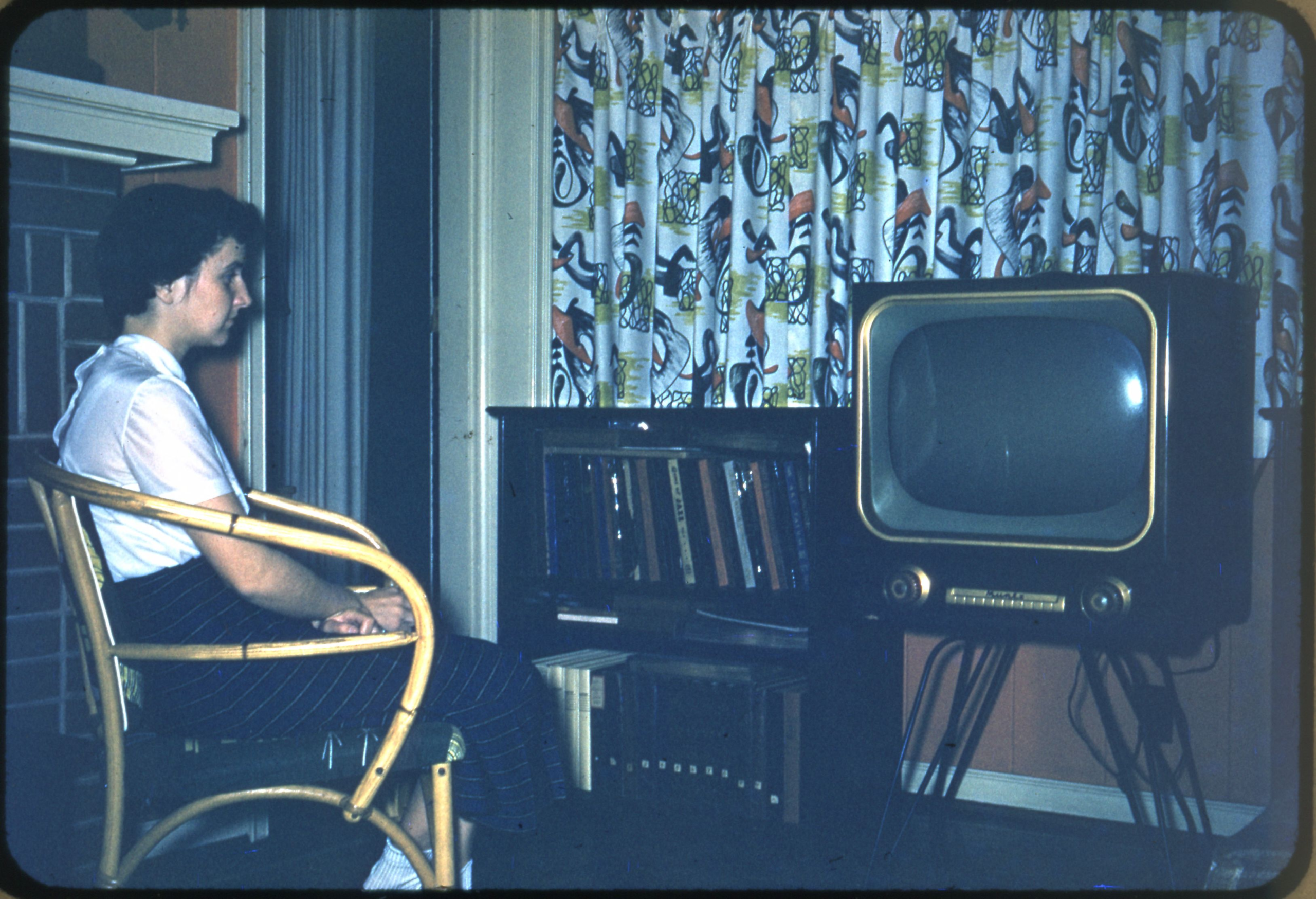
The front room acquired a television, which both occupied the space physically and supplied entertainment that required no organising, no games, no refreshments and no other households.
Universal.
Television is the quieter cause and it attacked the arrangement from the host’s side rather than the guest’s. A parlour evening is a substantial amount of work for the hosting household, and the moment entertainment is available at no effort, the motivation to put on an organised evening for twelve other people’s children largely disappears.
15. The Games Themselves Were Never Written Down
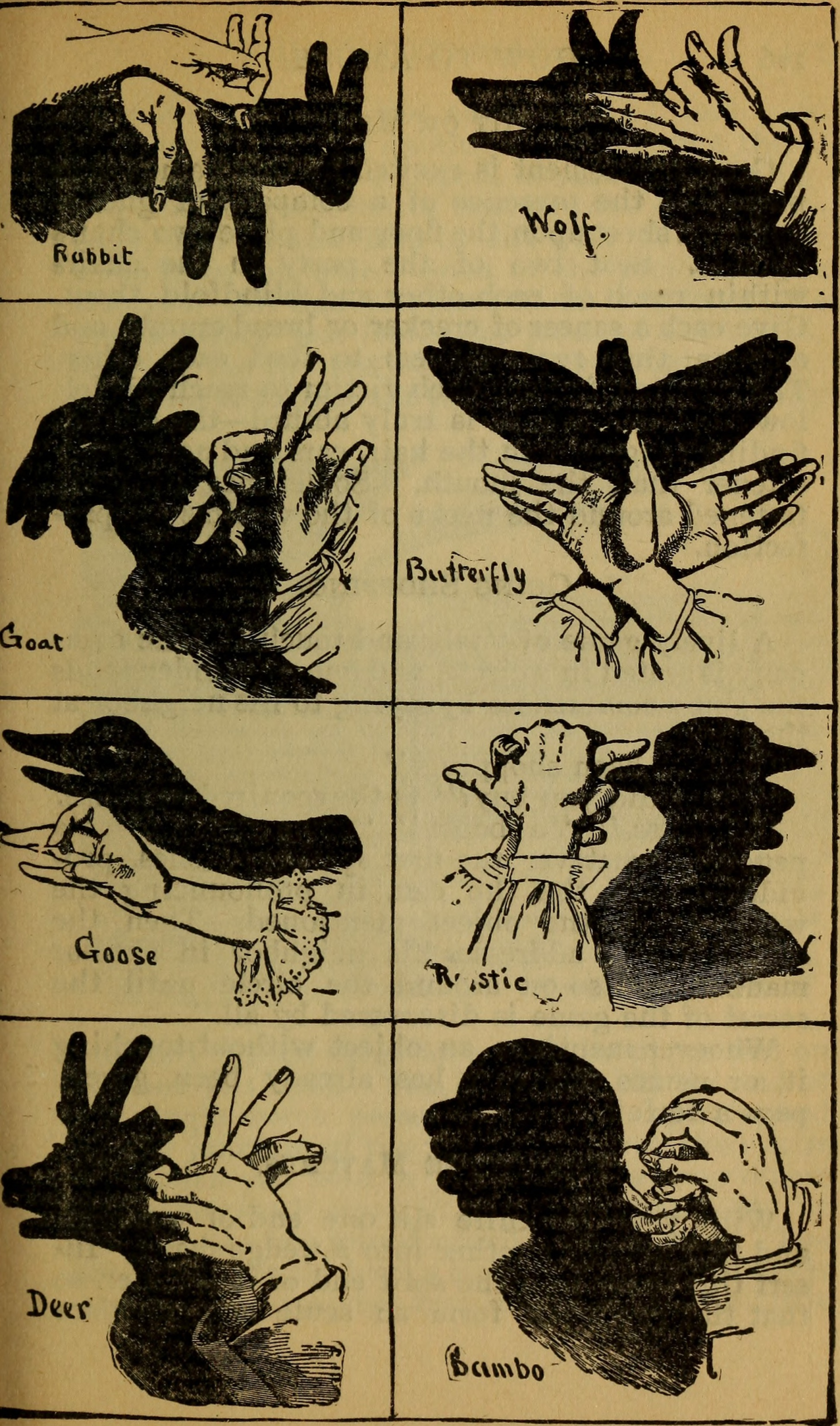
The repertoire was held entirely in memory and transmitted by playing – which means the games went completely when the evenings stopped, except for the ones folklorists had already collected.
Recoverable only from collections, with the living practice gone.
That is the ordinary fate of an oral repertoire. A body of games known by everybody and recorded by nobody survives exactly as long as the occasions that call for it, and a generation that never attended one of these evenings has no route to the material at all.
16. Then the House Stopped Being the Venue
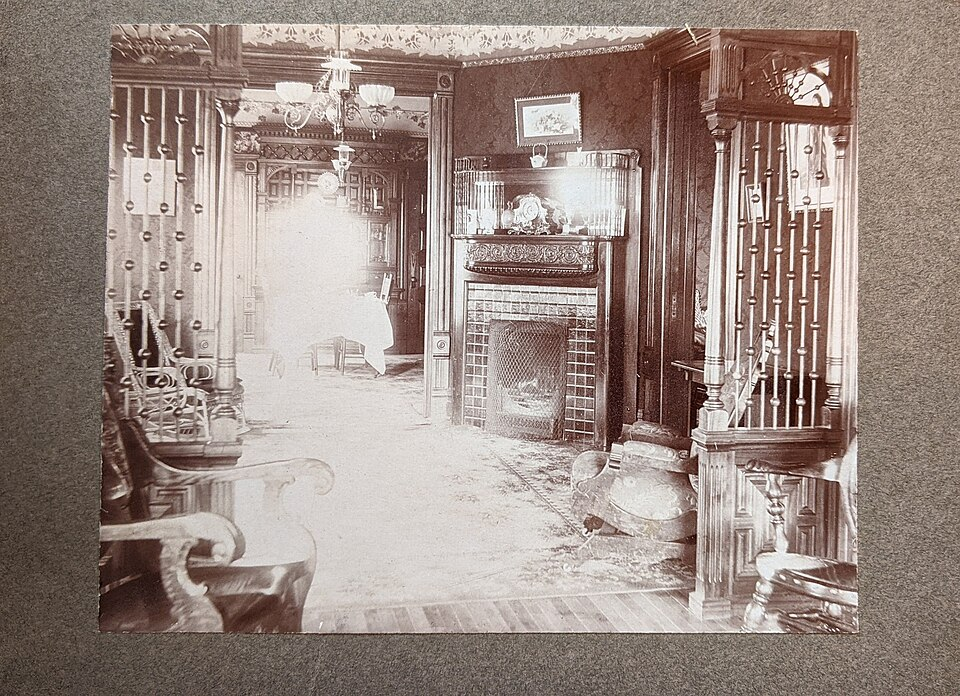
In 1964 a group of American young people spent an evening in a neighbour’s opened parlour, pulling candy in pairs with buttered hands, playing a managed succession of games several of which existed to pair them off, singing from a shared repertoire, eating refreshments somebody’s mother had prepared, and going home with wrapped candy they had made.
Young people socialise away from adult households almost entirely, and the supervised home evening has no modern equivalent of any kind.
And the thing that makes this more than a quaint picture is how carefully designed the whole arrangement was, by people who never described it as a design. Consider the problem it solved. A community needs its young people to meet each other, form attachments and eventually marry, and in 1964 it wanted that to happen under observation. The solution was an occasion held in a private house, hosted by one set of parents who were visibly present, structured by games with rules so that nobody had to be brave, including a recognised subset of games whose function was to pair people off by chance rather than by anybody having to ask, built around a physical activity requiring two people to work closely together with a great deal of laughing, and ending with everybody leaving at the same time with no intermediate stage during which anybody could go anywhere. Every element of that is doing a job, and together they produce supervised courtship that does not feel supervised – which is an extremely difficult thing to arrange and which generations of American households managed without writing a word of it down. Then it was dismantled by three things, none of which anybody could reasonably have resisted. The car supplied mobility, privacy, a destination and an exit, which is precisely the set of things the arrangement was built to withhold. Commercial venues offered more people, more novelty and no adults who knew your parents. And television meant the hosting household could be entertained for the evening at no effort, which removed the motivation to spend two days preparing a parlour for twelve other people’s children. What went with it is not the candy, which can be bought, or the games, which are in books. It is the last widely practised arrangement in which American courtship happened in front of the community rather than away from it.
It Was Supervised Courtship That Did Not Feel Supervised
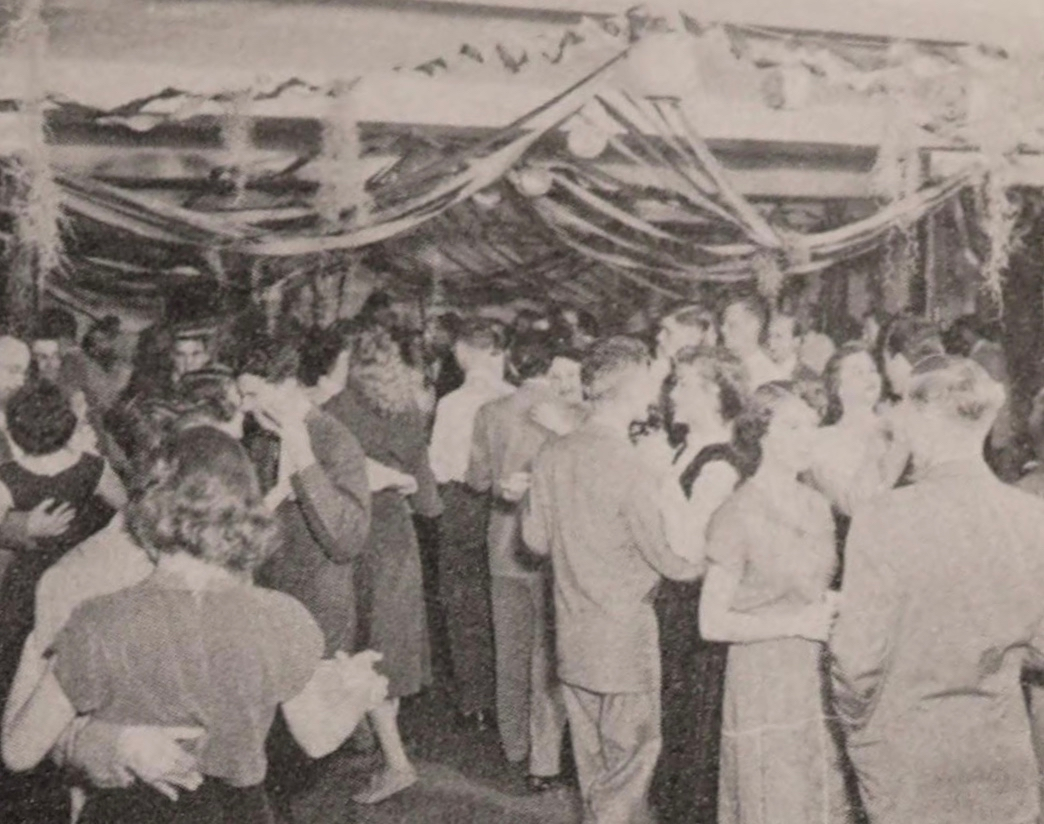
The parlour evening reads as quaint and it was in fact an extremely well-engineered solution to a difficult problem, arrived at by people who would never have called it a design.
The problem is this. A community needs its young people to meet, form attachments and eventually marry. In 1964 it also wanted that process to happen where adults could see it. Those two requirements pull hard against each other, because young people will not willingly spend their evenings being watched, and a gathering that feels like surveillance does not attract anybody.
Now look at the solution, element by element, and notice that every single piece is doing a job.
Hold it in a private house, hosted by one set of parents who are visibly present in the building. That satisfies every other parent in the neighbourhood and is the only reason their daughters were permitted to attend at all – the supervision is what makes the invitation acceptable.
Open the parlour. A room kept closed and unused most of the year, opened and heated specially, tells everybody that the occasion is being taken seriously, which flatters the guests and raises the stakes.
Structure the whole evening with games. A roomful of young people who do not all know each other cannot be left to interact on their own, because that requires courage nobody has at sixteen. A game with rules produces interaction automatically and lets anybody participate without having chosen to approach anybody.
Include games that pair people off. There was a recognised subset of the repertoire whose function was to assign partners by chance, or to produce a forfeit requiring two people to do something together. Those games remove the need for anybody to ask, which is an enormous service – and everybody in the room, parents included, knew exactly what they were for.
Build the centrepiece around an activity that requires two people working closely together for a long time with buttered hands and a great deal of laughing. A taffy pull is not a party trick; the stretching and folding is the actual manufacturing process that makes the candy pale and changes its texture. But it also happens to require pairs, physical coordination, sustained effort and proximity, in full view, doing something nobody could object to.
End it with everybody leaving at once, from one place, with no intermediate stage in which anybody goes anywhere else.
That is supervised courtship that does not feel supervised, and generations of American households ran it without writing down a word.
Then three things dismantled it, none of which anybody could reasonably have resisted.
The car supplied mobility, privacy, a destination and an exit – which is exactly the list of things the arrangement had been built to withhold. Nothing else in this story comes close for explanatory force.
Commercial venues offered more people, more novelty, and no adults who knew your parents. A parlour cannot compete with that, and nobody should expect it to.
And television attacked from the host’s side rather than the guest’s. A parlour evening is two days of work for the hosting household. Once the family could be entertained in that same room for an entire evening at no effort whatsoever, the motivation to prepare it for twelve other people’s children largely evaporated.
What disappeared is not the candy, which is sold in shops, or the games, which folklorists collected in time. It is the last widely practised American arrangement in which courtship took place in front of the community instead of away from it.
If you were at one of these, you remember whose house it was and who you got paired with.
And you remember that your hands were buttered and that you ate more of it than you took home.
Like our content? Follow us for more.