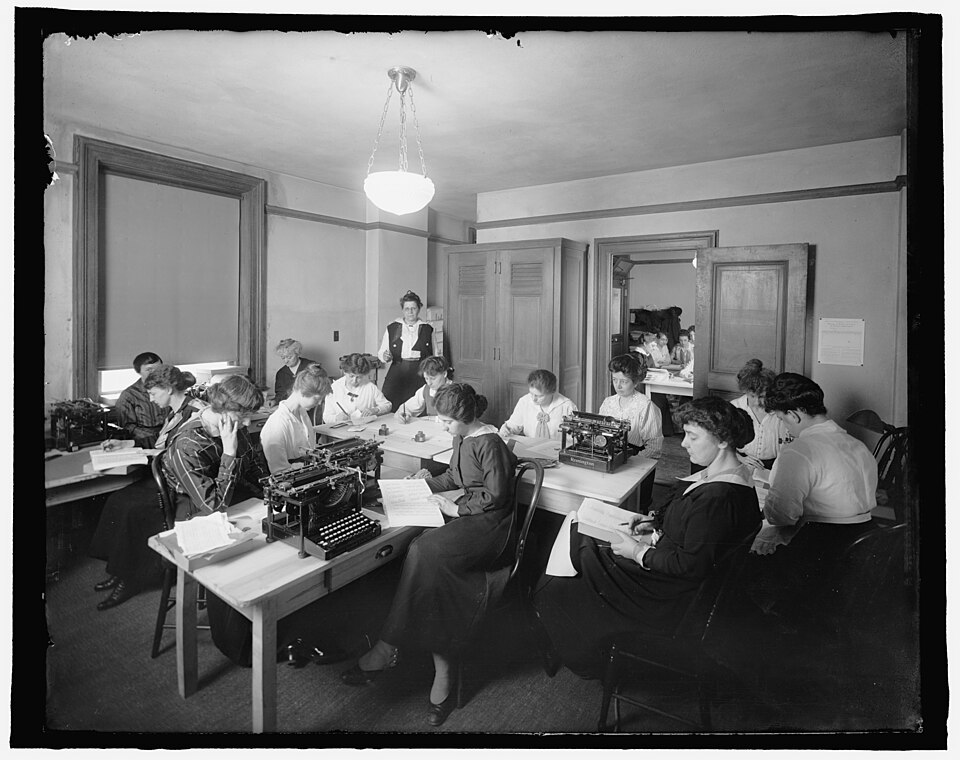
The typing pool was one of the largest employers of American women in the twentieth century and it has vanished so completely that the phrase now needs explaining. A room of desks, a typewriter on each, work distributed by a supervisor from a tray, output measured, and a career ceiling at the far wall.
It is remembered, by the women who worked in one, with a mixture of real affection for the company of it and considerable clarity about everything else. What follows is both halves: the equipment and the craft, which were genuine, and the employment conditions, almost every one of which was dismantled by federal law between 1963 and 1993.
The work itself was a skill
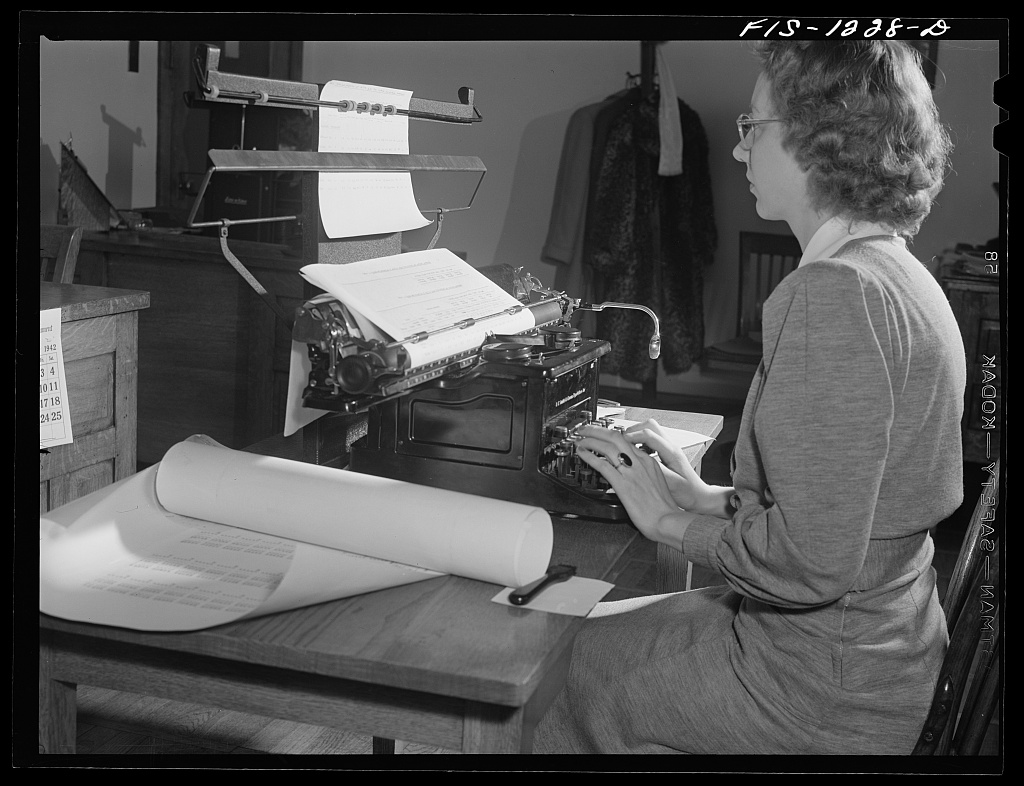
This should come first because it is routinely patronised. A competent 1965 typist worked at a speed that modern keyboard users do not approach, on a manual machine requiring real finger strength, producing a page with no error at all because there was no practical way to correct one invisibly.
She took shorthand at dictation speed and transcribed it. She set up a carbon set — original, carbons, flimsies — and typed through five or six sheets at once, which required even heavier striking and left no margin for a mistake, because an error had to be corrected on every copy separately. She laid out tabulated work by hand, calculating the stops. She knew the house style for correspondence to the comma. It was a trade with an apprenticeship, a speed qualification and a professional identity, and the reason it looks like unskilled work in retrospect is that the machine that replaced it made the skill invisible.
Like our content? Follow us for more.
Correcting an error was a procedure
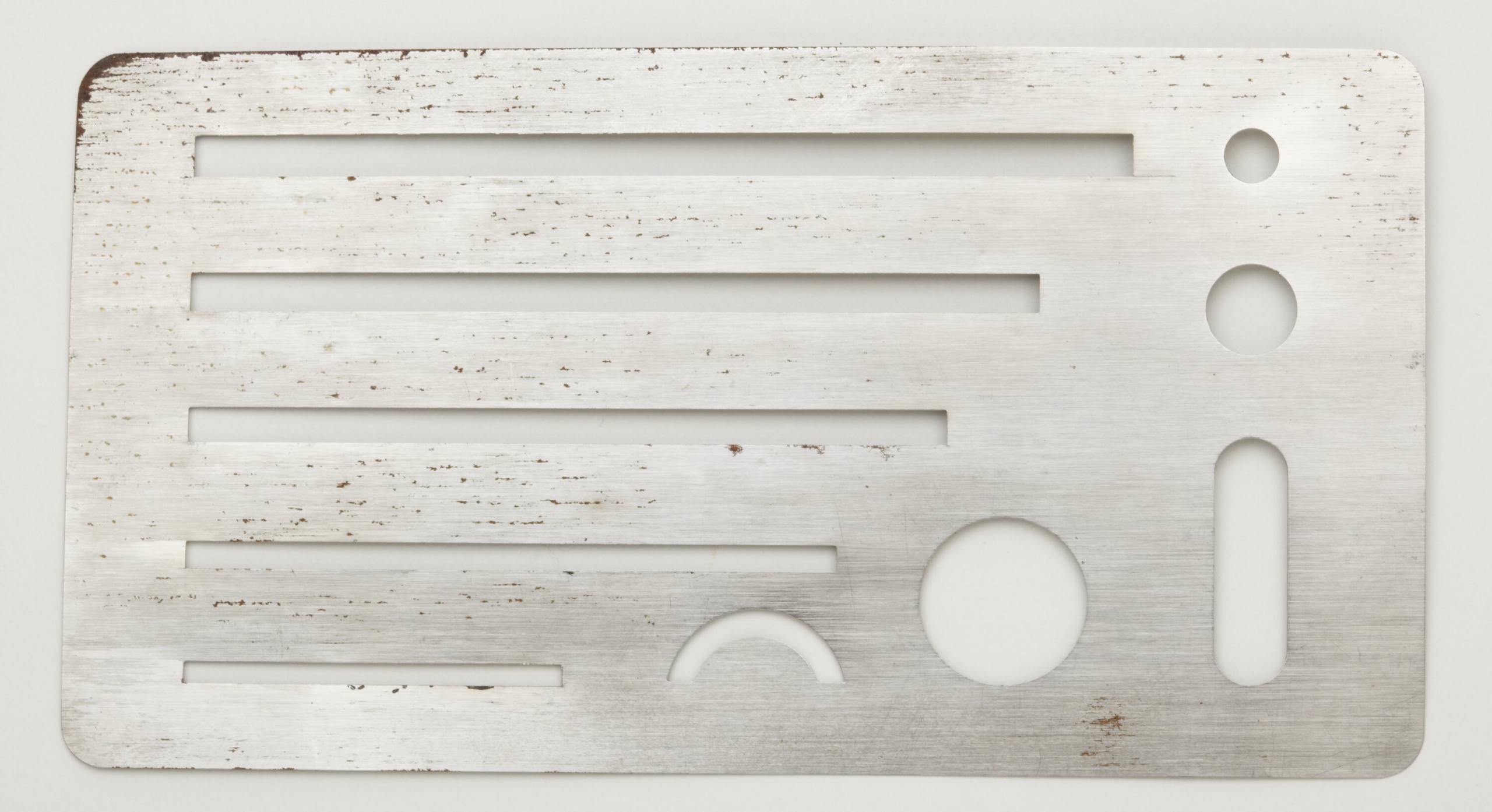
There was no delete key. The first line of defence was a typewriter eraser, a hard abrasive disc, used with a metal erasing shield to protect the surrounding characters, which removed ink by removing paper and left a visible thin patch.
Correction fluid, invented by a secretary in the mid-1950s and commercialised shortly after, was the great improvement. The early formulations were solvent-based, and the solvents involved were later a regulatory matter in their own right: one of the chlorinated solvents used in the industry was phased out of American production in the 1990s under the international ozone agreement, and the products were reformulated to water-based. Correcting ribbon and then the self-correcting electric machine followed, and a modern reader should understand that a 1965 typist who made an error in the fifth line of a page with five carbon copies was looking at several minutes of careful work or a retype.
The duplicating room smelled of the solvent
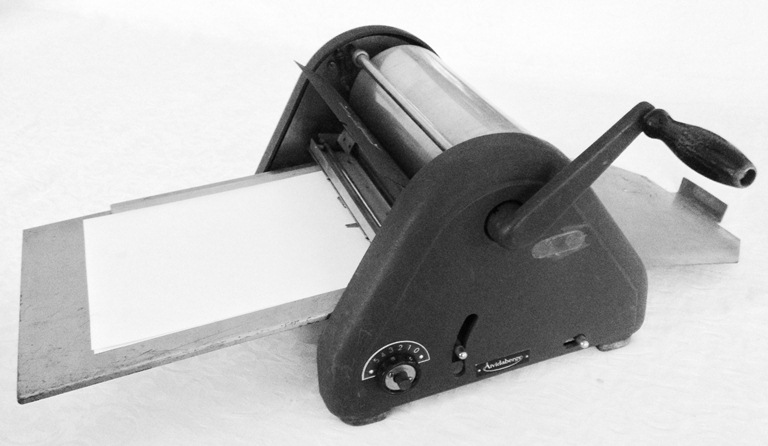
Copies beyond what carbon could produce came from the duplicating machines, and the spirit duplicator is the one every American who was at school in the period remembers: purple print, slightly damp, and a solvent smell that children actively liked.
That smell was the duplicating fluid, and the machine was operated by the office staff, in a small room, repeatedly, all day. The ventilation was a window. Mimeograph work used ink and stencils and was messier rather than more volatile. Neither process was regulated in the way a solvent process in an industrial setting would later be, and the exposure fell on whoever was running the machine, which in a 1965 office meant the youngest woman in the pool. Photocopying displaced both through the following decade and the solvent room went with them.
Advertised for by age, sex and marital status
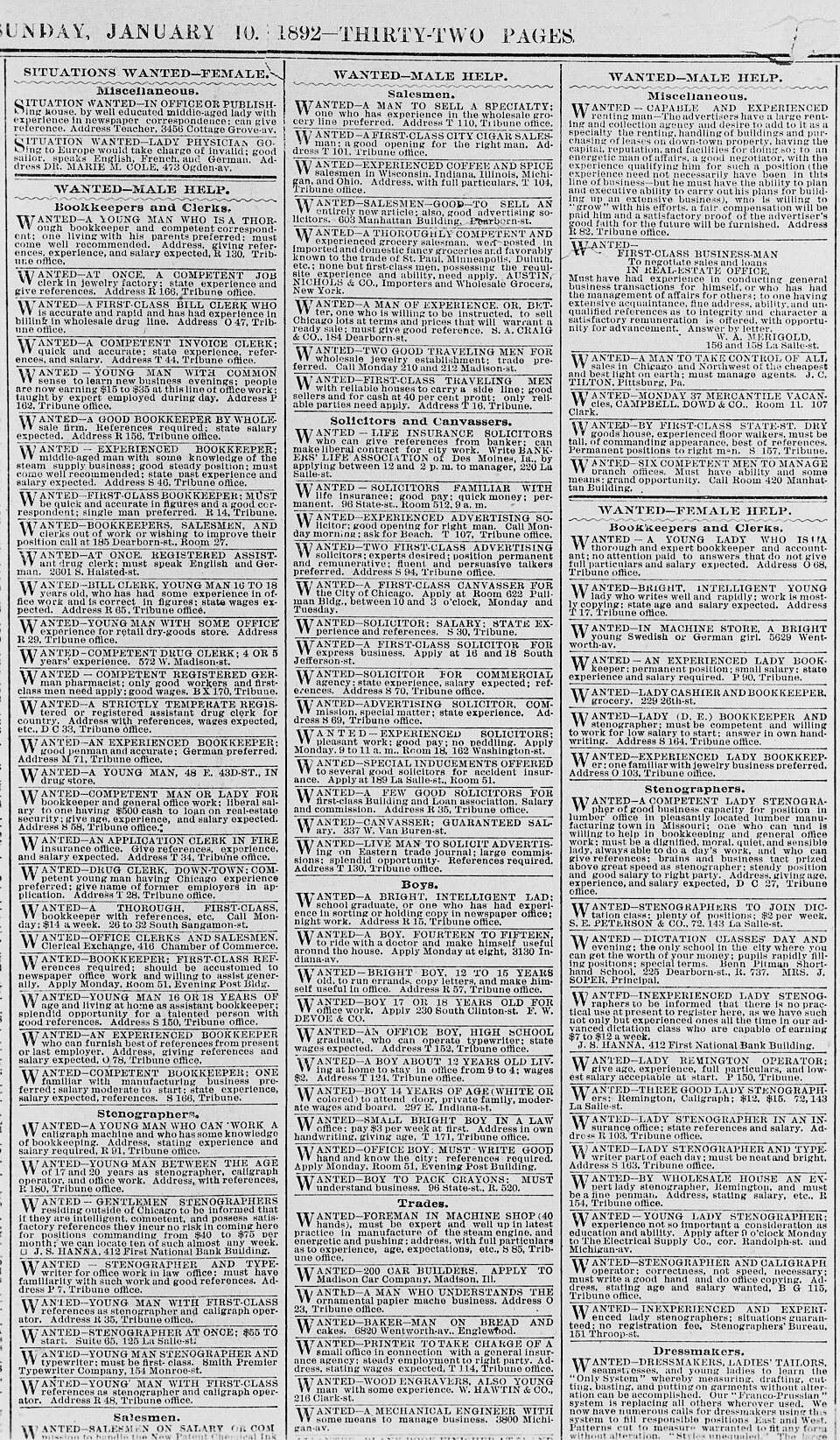
The job advertisement for a 1965 typing pool could specify sex, age range and marital status, and newspapers printed help-wanted columns divided into male and female sections. Application forms asked for marital status, date of birth and in some cases a photograph.
Title VII of the Civil Rights Act of 1964 took effect in 1965 and prohibited employment discrimination on the basis of sex. Sex-segregated help-wanted advertising nevertheless continued for years and was finally closed off by litigation reaching the Supreme Court in 1973. Age discrimination was addressed separately by federal legislation in 1967. The point worth holding onto is that these were not loopholes being exploited; they were the ordinary printed practice of respectable employers, and the statutes arrived into a market where everybody did it.
Dismissed on marriage, and again on pregnancy
Marriage bars — the practice of requiring a woman to leave on marrying — were formally in force at some American employers into the 1960s and operated informally at many more. Where they had lapsed, the pregnancy bar had not. A woman who became visibly pregnant was commonly expected to resign, and could be dismissed if she did not.
The Pregnancy Discrimination Act of 1978 amended Title VII to make discrimination on the basis of pregnancy and childbirth unlawful sex discrimination, and the Family and Medical Leave Act of 1993 established an entitlement to unpaid protected leave. Between 1965 and 1993 the entire legal architecture of combining employment with having a child in the United States was built from nothing. A woman in the 1965 pool had no protected leave, no right to return and no remedy if she was let go for being pregnant.
Paid less for the same work, as policy
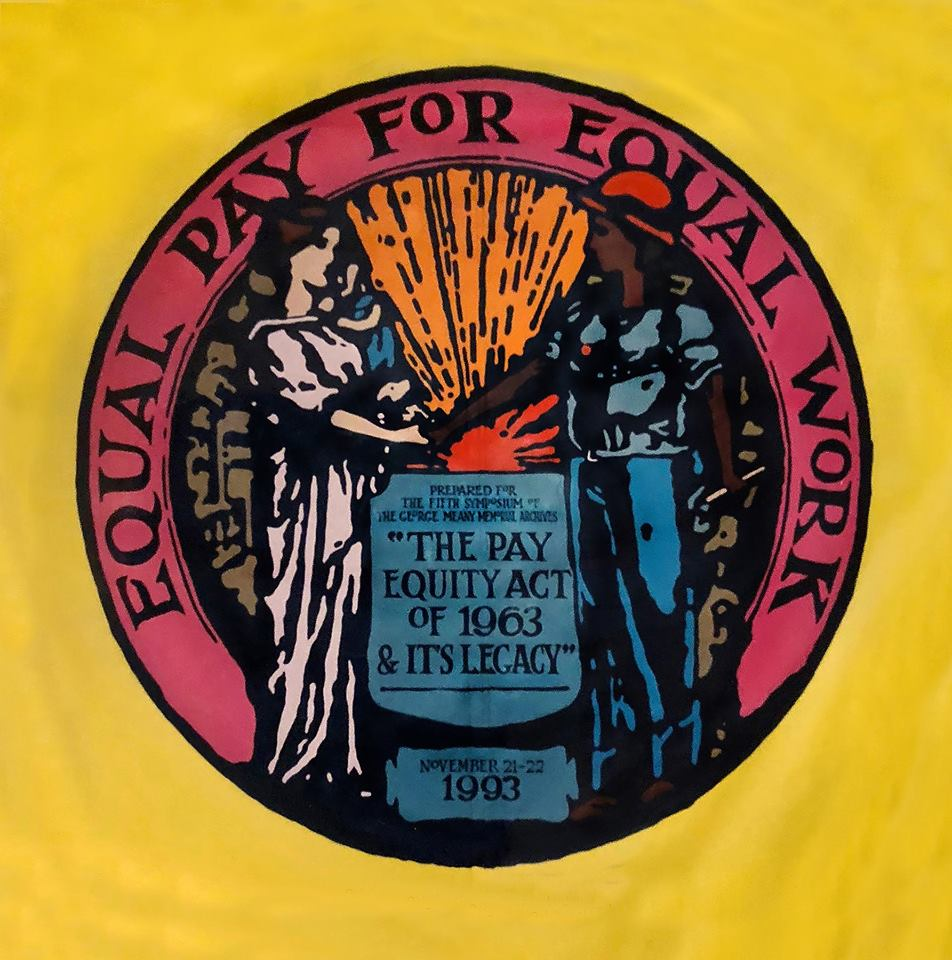
Pay scales were openly differentiated. The Equal Pay Act of 1963 had just been passed and prohibited paying different wages to men and women for substantially equal work in the same establishment, and in 1965 it was new, narrow in its drafting and weakly enforced.
The more durable mechanism was not the pay rate but the job title. A pool typist and a male clerk performing comparable work could be given different classifications, which placed them outside the comparison the act required. That is why subsequent American equal pay litigation and legislation has concentrated on the classification question rather than on the rate, and it is the reason the gap proved so much harder to close than the 1963 act implied.
The conduct that had no name
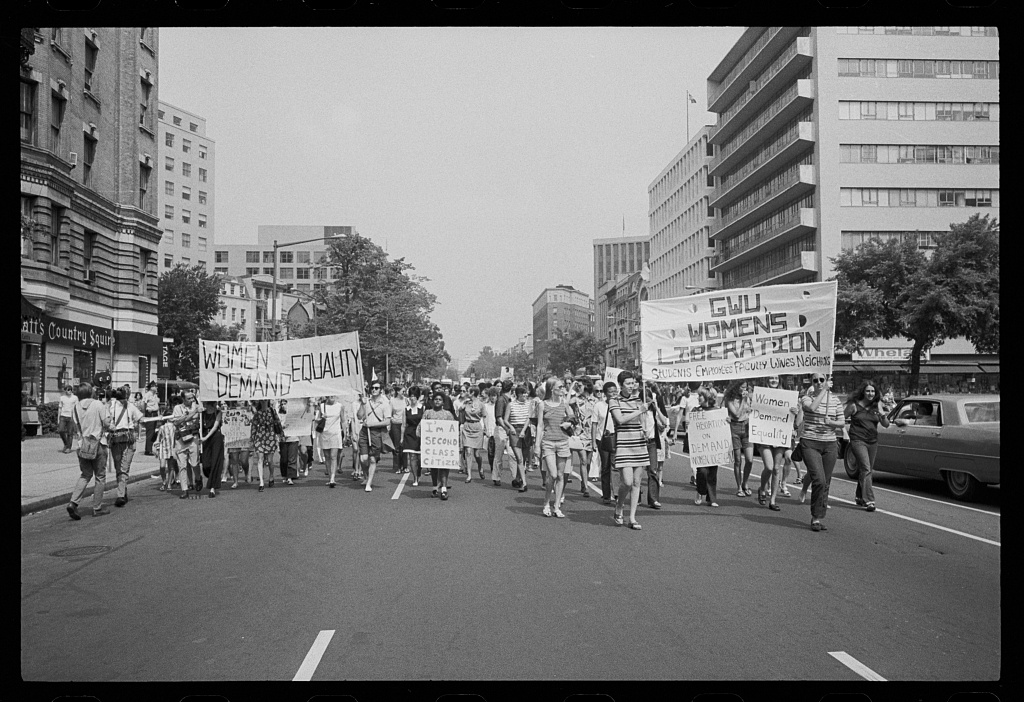
In 1965 there was no term for sexual harassment in American law or in ordinary speech, no employer policy addressing it, no complaints procedure and no legal remedy. What happened to women in offices happened, and the available responses were to tolerate it, to manage around it, or to leave.
The term itself came into use in the mid-1970s. Federal guidelines identifying it as a form of unlawful sex discrimination were issued in 1980, and the Supreme Court confirmed that reading in 1986. Employer policies, training and complaints procedures followed from the liability that created. Nothing is described here, and nothing needs to be: the relevant fact is structural. A 1965 typing pool was a room of young women, a male management hierarchy above them, a dismissal power exercised without stated reasons, and no mechanism of any kind for raising a complaint. The absence of a remedy is the entire point.
Dress, deportment and the supervisor’s clipboard
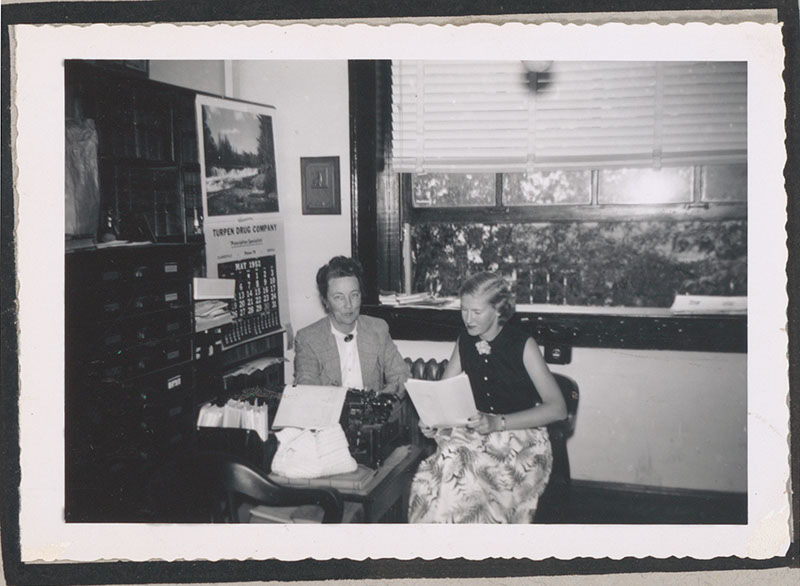
Appearance was managed. Skirts rather than trousers, stockings in all weather, specified grooming, and in some firms a weight or appearance expectation written into the role. Deportment was supervised directly: the pool supervisor sat facing the room, logged output, timed absences and assessed manner.
Output measurement is the part that has come back rather than gone away, and it is worth noticing. A 1965 pool counted pages and errors; a modern operation counts keystrokes, response times and screen activity, with far more precision and less human judgement. What has gone from the American office is the dress code and the clipboard. What has returned, in a more exact form, is the measurement.
What the word processor actually did
The pool was not dismantled by social progress. It was dismantled by equipment. Dedicated word processing systems arrived through the 1970s, the personal computer followed, and the central insight of both was that a document could be corrected without being retyped.
That removed the entire reason for a pool. If a manager could amend his own draft without generating a retype, the machine that justified a room of typists disappeared, and the work was redistributed upward to the people who had been dictating. A great deal of American office employment for women vanished in that transition, and the women who had been in the pool were not, in the main, promoted into the jobs above it. The legal protections described here arrived over thirty years, and the job they protected was gone in about fifteen.
That sequence is the thing most worth taking from the whole account. Every statute above was necessary and every one of them came too late to matter much to the women actually described, who were in the pool in 1965 and out of the labour market, or in a different job, long before the protections attached to it meant anything in practice. The law caught up with the workplace at roughly the same moment the workplace ceased to exist, which is a pattern worth recognising, because it is how a great deal of employment regulation has arrived.
Like our content? Follow us for more.