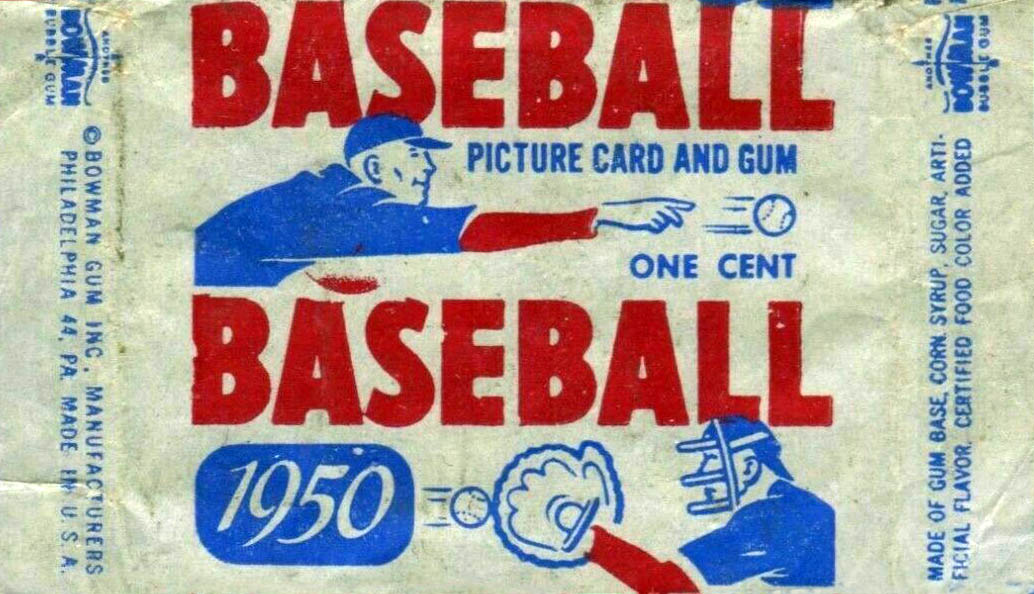
In 1974 trading cards were a premium sold to move chewing gum. They came in an opaque wax pack with a flat pink stick of gum pressed against the cards, leaving an oily rectangle on whichever one it touched.
You bought blind. Most of what you got were duplicates, there was no singles market anywhere, and the only route to a specific card was a trade or a game won against another child. So the surplus went into bicycle spokes, into flipping games, and into shoebox stacks held with rubber bands that cut into them permanently.
Here are sixteen things every kid knew about trading cards in 1974, and what each one looks like now.
1. There Was a Stick of Gum in the Pack and It Ruined a Card
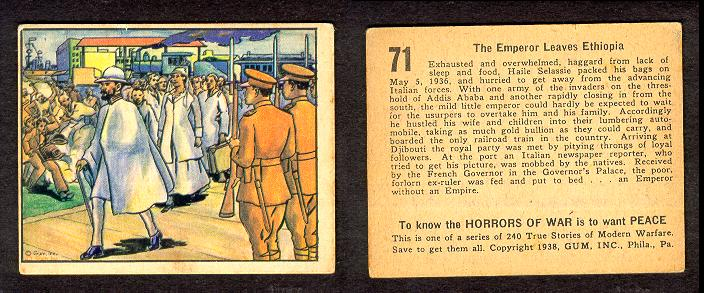
Wax packs came with a flat pink stick of gum pressed against the cards, which left an oily rectangle and sometimes a permanent stain on whichever card it touched.
Gum was removed from packs in the early 1990s, partly because of the staining and partly because the collector market had taken over from the children the gum was there for.
The gum is why the whole thing existed in the shape it did. Cards began as a premium to sell confectionery rather than the reverse, which is why they were sold from the candy counter, why they cost a few cents, and why nobody designed them to survive – and the gum stain that collectors now treat as damage was simply what the back card looked like.
Like our content? Follow us for more.
2. You Bought Blind and the Wax Seal Was the Whole Point
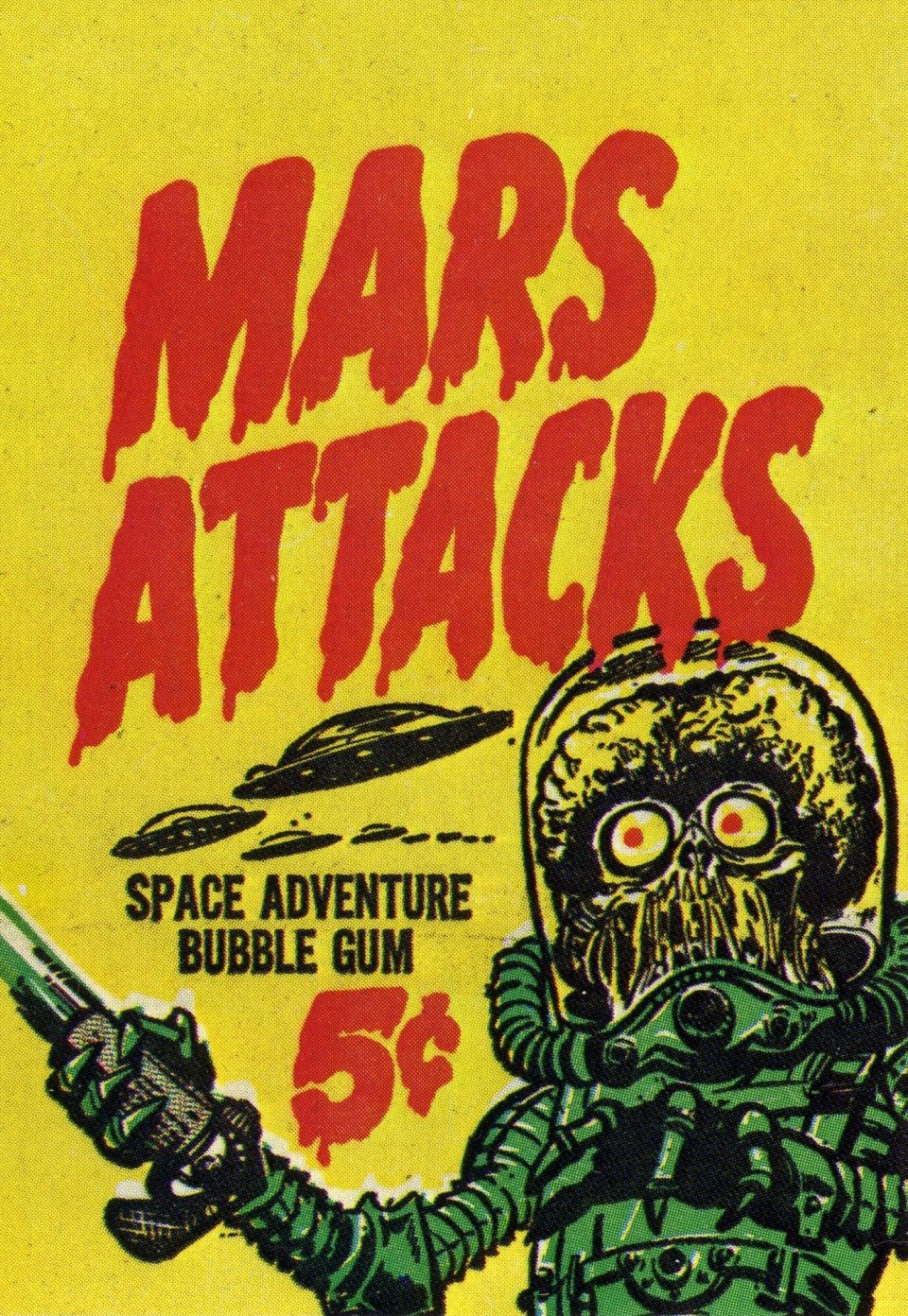
Packs were sealed with wax paper, printed, opaque and identical, holding a handful of random cards. There was no way to know what was inside until you tore it open.
Full checklists, serial numbering, pack odds printed on the box and a singles market where any specific card can be bought outright. Blind purchase still exists but is no longer the only option.
The tearing open was the product. A child with fifteen cents got a few seconds of genuine uncertainty followed by either triumph or disappointment, repeated as often as the money allowed – and the mechanism is the same one that every collectable and loot system has used since, which is why it worked so well on so many people for so long.
3. Duplicates Were the Majority of What You Got and You Could Do Nothing About Them
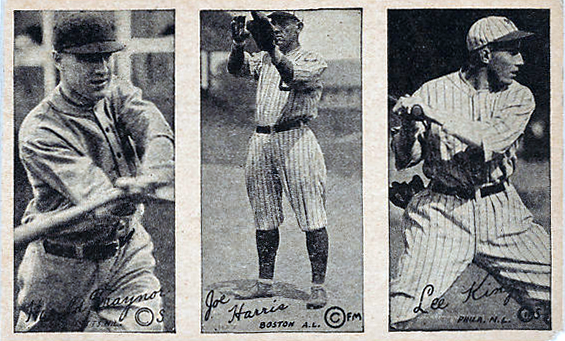
Random distribution from a limited print run meant that the more packs you bought, the higher the proportion of cards you already had, until almost every pack was entirely duplicates.
Online singles markets let a collector buy exactly the missing cards for a few cents each. The duplicate pile was the central and insoluble economic problem of collecting in 1974.
Which is why the duplicates got used for everything else. They went into bicycle spokes, into flipping games, into stacks held with rubber bands, traded away at terrible rates, given to younger siblings and eventually thrown out – and the games children invented with cards were, almost without exception, invented because there were far too many of the wrong ones.
4. You Clipped Them to Your Bicycle Spokes on Purpose
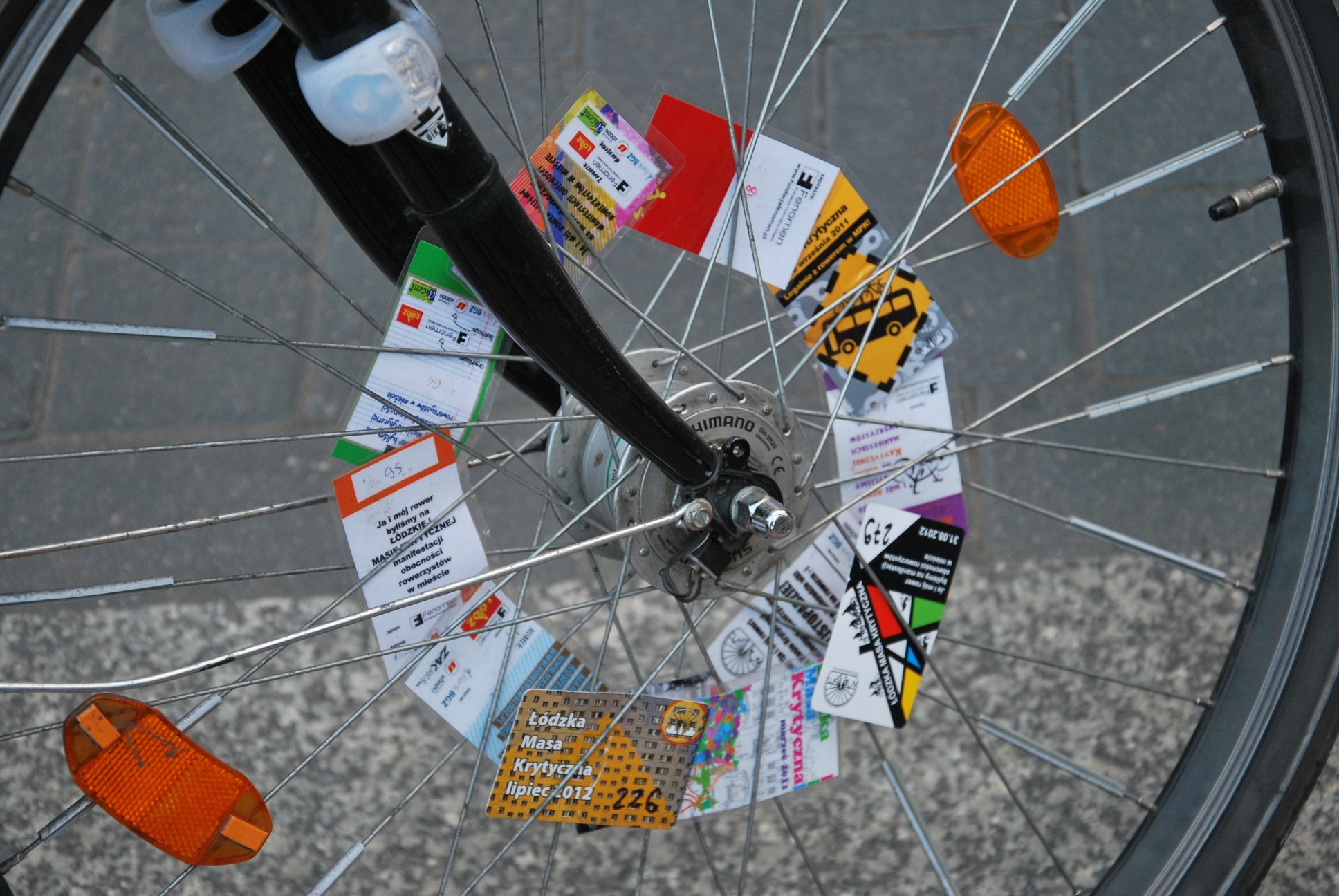
A card clipped to the fork with a clothes peg so it caught the spokes produced a loud mechanical clatter, and the better the card did it the faster it was destroyed.
Nothing, really – the practice has no modern equivalent, and the cards that were used this way were destroyed completely.
It is the single most quoted example of how cheap these things were, and the economics were clear at the time. A duplicate was worth nothing, a bicycle that sounded like a motorcycle was worth a great deal to a nine-year-old, and the exchange was obviously correct – which it remained right up until somebody published a price guide.
5. Flipping and Leaning Were Gambling Games Children Played for Keeps

Cards were wagered in games – flipping for matching faces, pitching at a wall for the closest, leaning cards against a wall to be knocked down – with the winner taking the stake in cards.
Nothing comparable, and the games have vanished with the surplus that made them possible. They were played at school, in the street and on porches, with rules that varied street by street.
They were straightforwardly gambling and were treated as entirely normal. Children lost whole collections in an afternoon, skill genuinely mattered, the good players accumulated and the bad ones were cleaned out, and the entire economy ran on cards nobody valued – which is why no adult ever intervened.
6. The Printing Was Bad and Nobody Cared
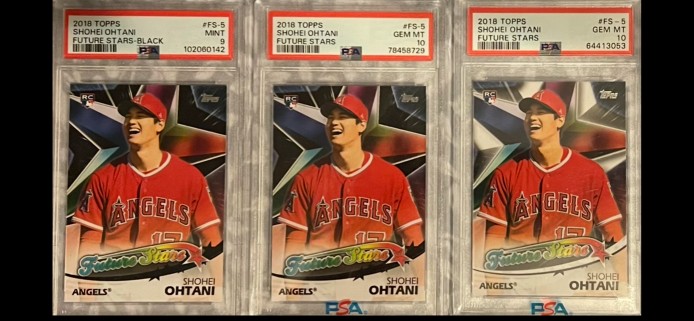
Cards were cut from large sheets on fast equipment, which produced off-centre images, diamond-shaped cuts, rough edges, ink specks, misregistered colour and print lines, all of it routine.
Tight tolerances, quality control, and a grading system in which centring alone can multiply a card’s value several times over. The defects were simply what the product looked like.
This is the part that genuinely baffles a modern collector. A grading service now assesses centring to within a few percent and the market pays enormous premiums for it, and in 1974 a badly cut card was neither remarkable nor worth a complaint – the child looked at the picture on the front and the statistics on the back, and the border was not something anybody examined.
7. The Checklist Card Was the Only Reference and People Wrote On It
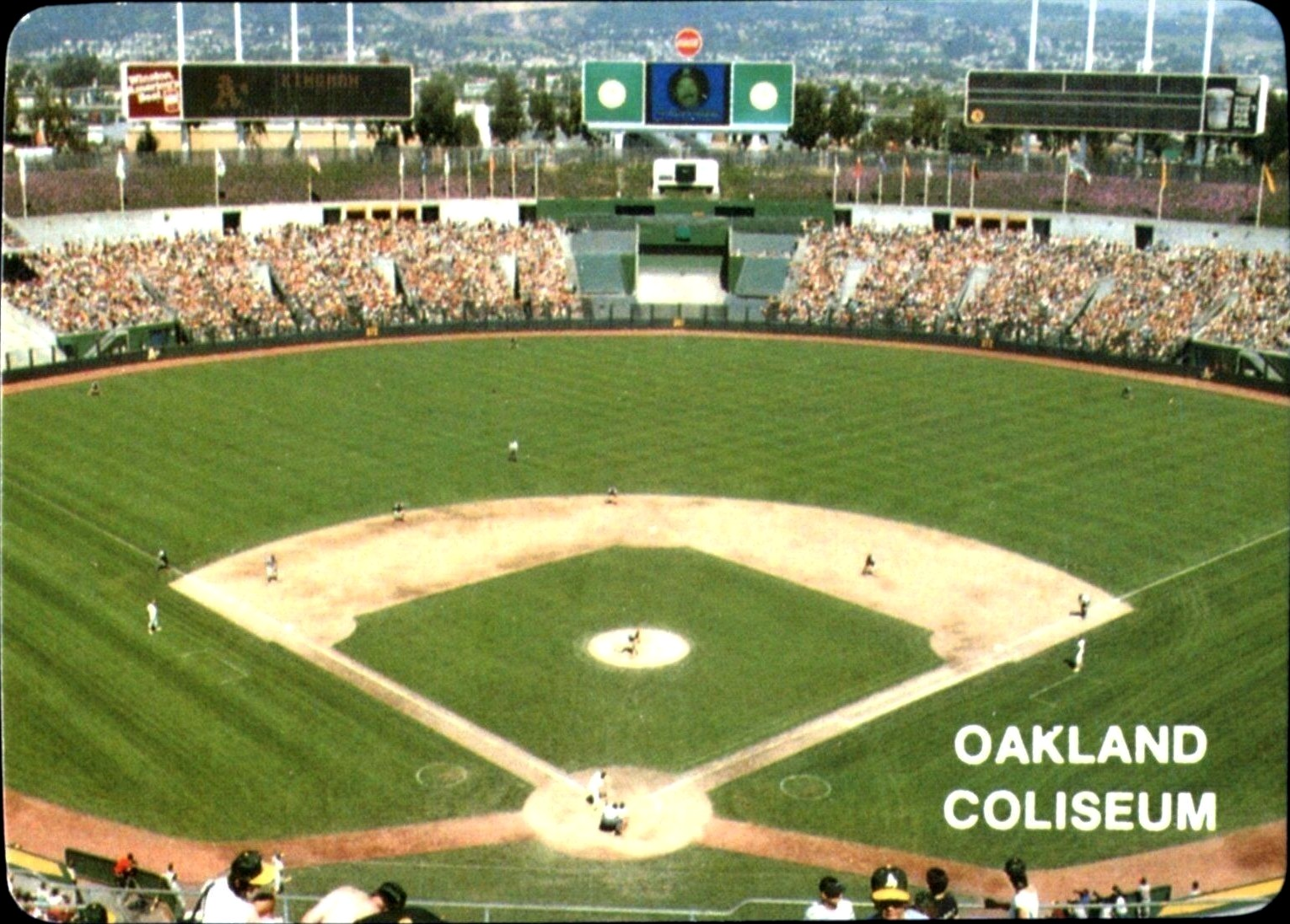
Sets included a checklist card listing every card in the series, and the intended use was to tick off the ones you had, in pen, on the card.
Printed guides, online databases and collection-tracking applications. The checklist was the only way to know what existed, and using it as designed destroyed its collectable value entirely.
There is something neat about that contradiction. The manufacturer printed an instruction to mark the card, children followed it, and an unmarked checklist is now scarce precisely because it was the one card in the set with a stated purpose that involved writing on it.
8. You Could Not Buy a Single Card Anywhere
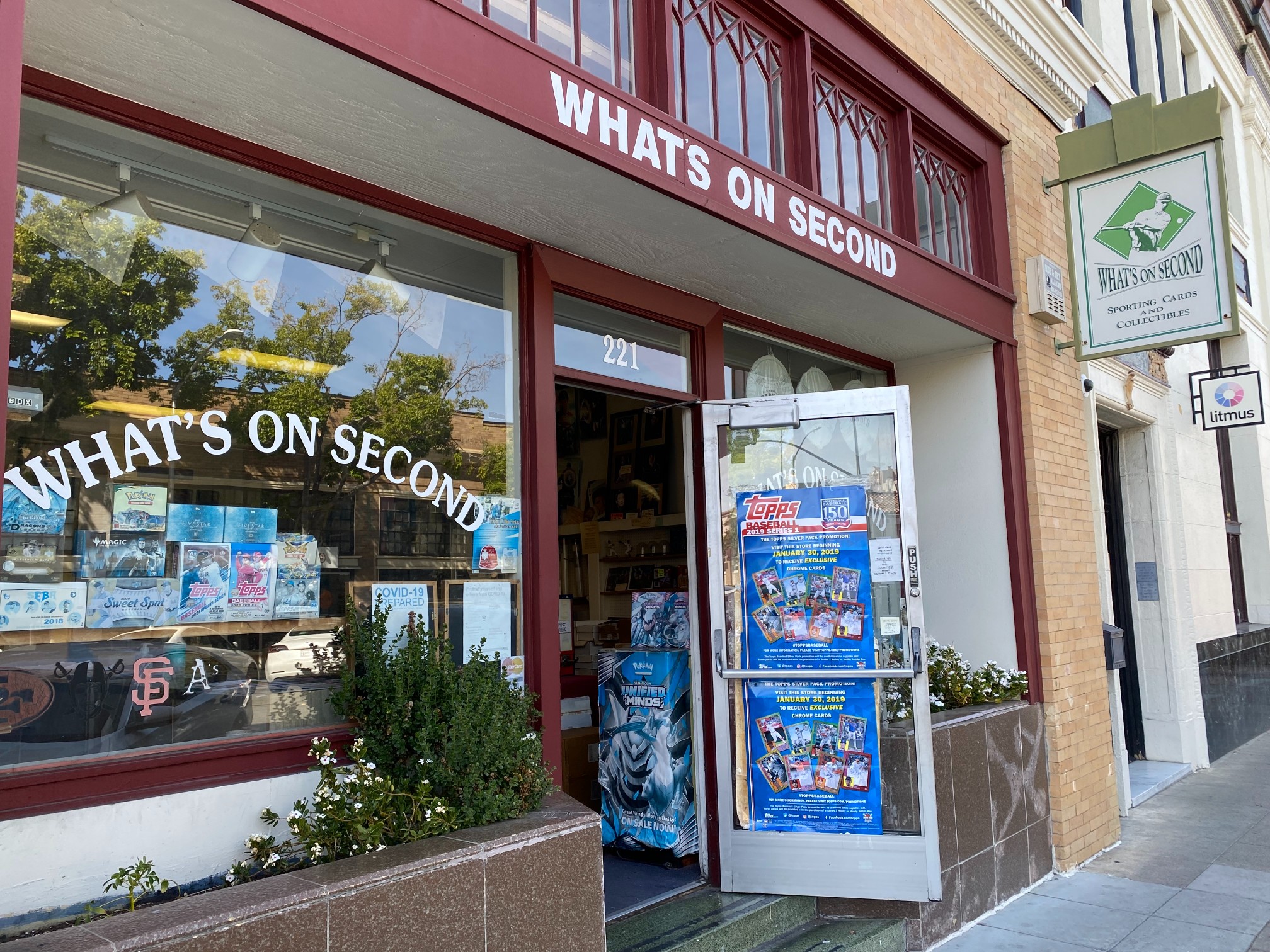
There was no singles market. Shops sold sealed packs and boxes only, and the only route to a specific card was a pack, a trade, or a game won against another child.
Enormous online singles markets, card shops, shows and auctions where any card can be bought individually. The absence of a singles market is what made trading essential rather than optional.
And it meant every collection was shaped by who you knew. A child’s set was completed – or not – entirely through the children within walking distance, which meant two children in different neighbourhoods had different gaps, and the final few cards in a set were often simply unobtainable because nobody nearby had one.
9. Distribution Was Regional and Some Cards Barely Reached You
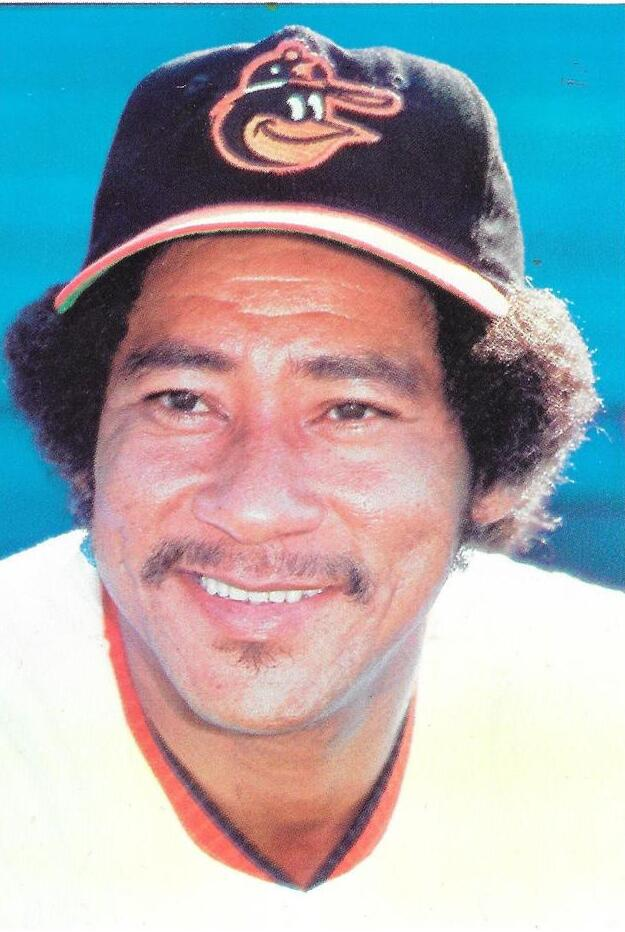
Cards shipped through regional confectionery and periodical wholesalers, and print runs, series releases and late-series availability varied considerably from one part of the country to another.
National and international distribution with online availability from anywhere. Regional variation is why certain cards and whole late series are scarce today in ways unrelated to how many were printed.
Children experienced this as a straightforward injustice. A card everyone had heard about simply never turned up in local packs, no amount of buying produced it, and the explanation – that the wholesaler serving your area had not received that series in quantity – was not available to anybody and would not have helped.
10. They Lived in a Shoebox Under the Bed, Held With Rubber Bands
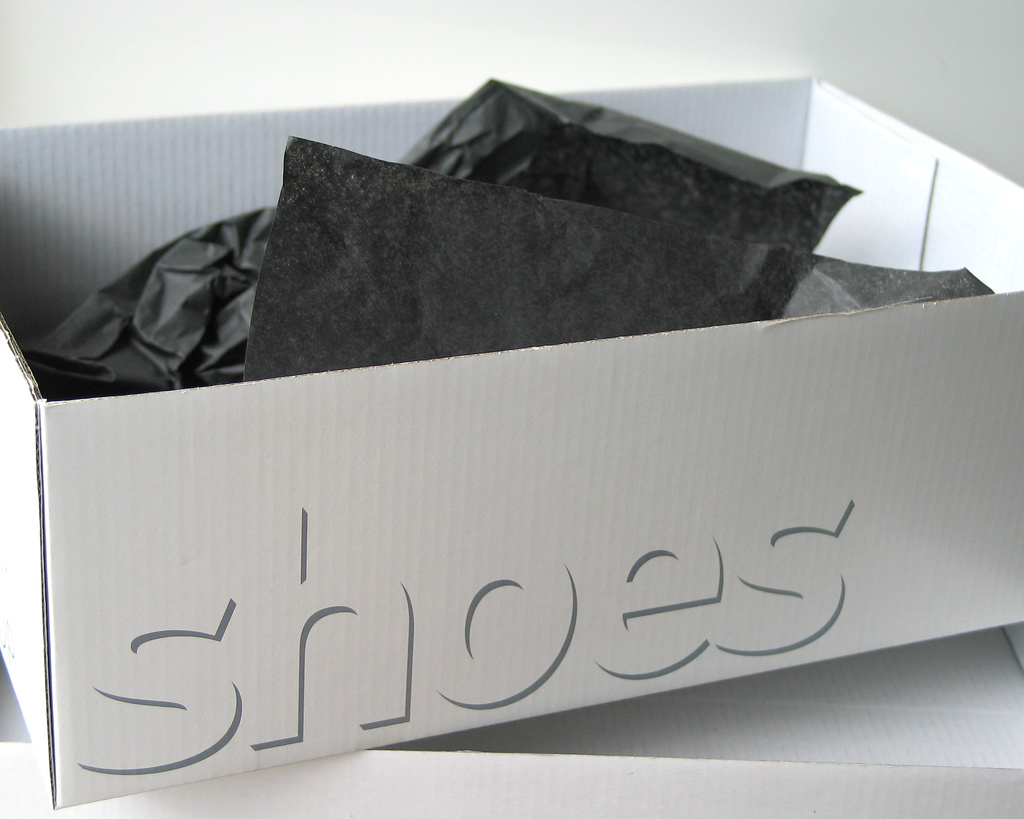
Collections were stored in shoeboxes, cigar boxes and desk drawers, sorted into stacks held together with rubber bands, carried to school in pockets and handled constantly.
Penny sleeves, top loaders, binders with archival pages, rigid holders and graded slabs. The rubber band is the single most destructive thing that was done to these cards routinely.
A rubber band left round a stack for a few years cuts into the top and bottom cards, leaves a permanent indentation across the whole stack and perishes into the surface. Which means the standard storage method of the entire era was actively damaging, applied to every collection, and nobody knew because there was nothing to preserve them for.
11. Trading Rates Were Negotiated by Children With No Information
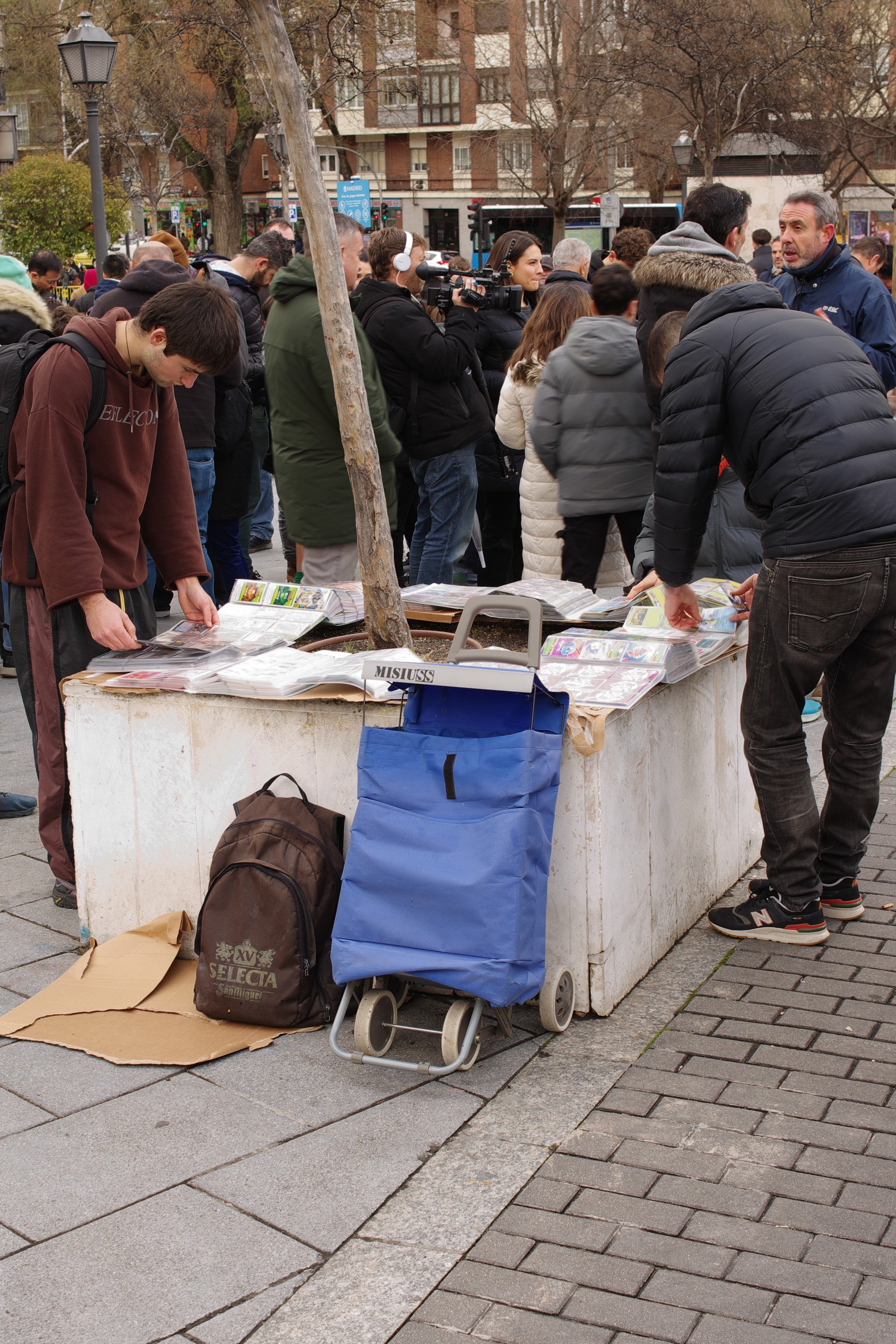
Exchange rates were set locally by whoever was trading – a star for three ordinary cards, a duplicate for a duplicate, a whole stack for one card somebody badly wanted.
Published price data, sales histories and instant comparison. Child trading operated with no reference prices at all, so value was whatever two children agreed on that afternoon.
The negotiation was the real education and the lesson was not always pleasant. Older children traded advantageously with younger ones, scarcity was asserted rather than demonstrated, a card could be talked up by whoever wanted to keep it, and most people who collected can remember one specific trade they still consider a swindle.
12. Mothers Threw Them Out and It Was the Correct Decision
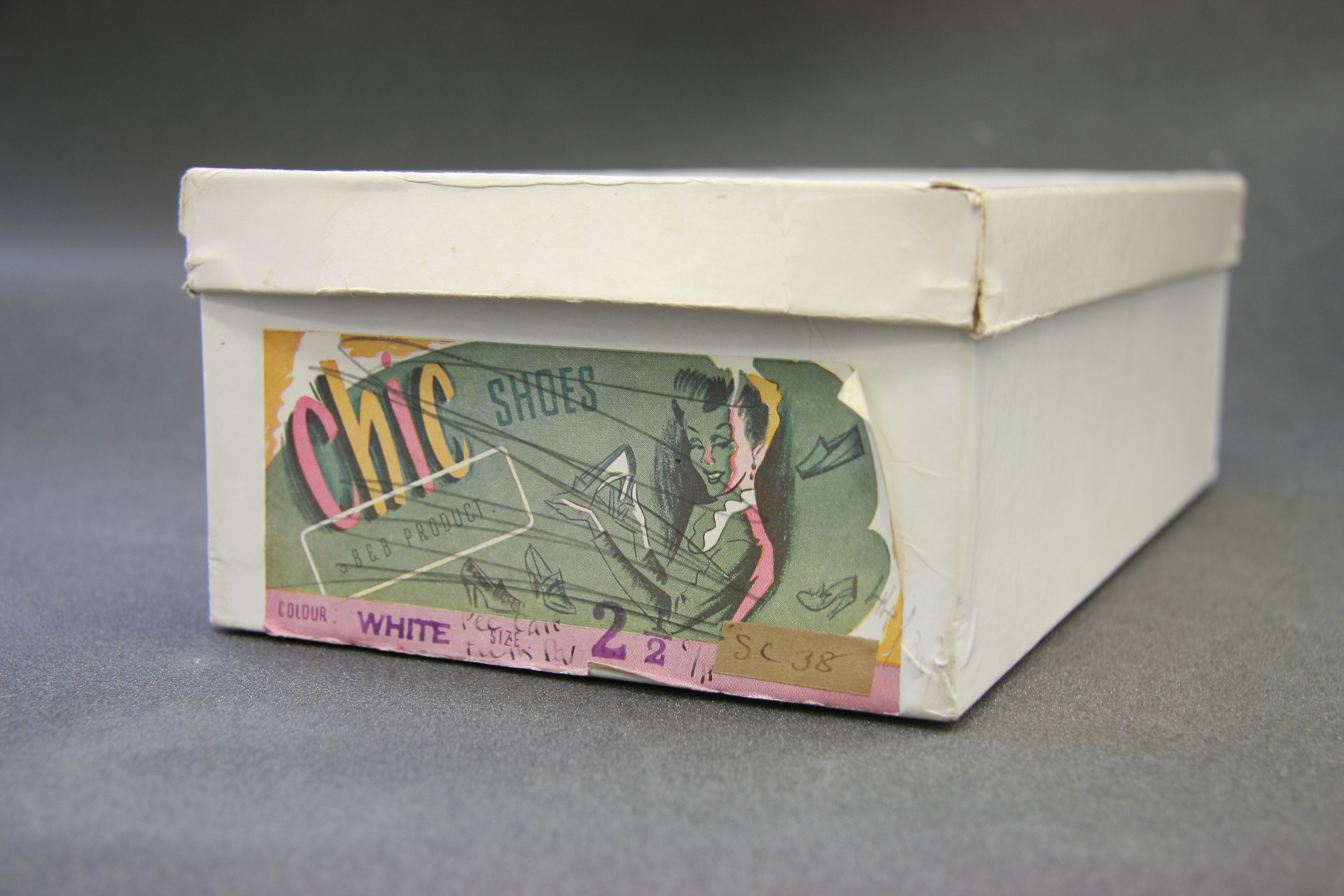
Collections were disposed of during moves, bedroom clear-outs and departures for college, as boxes of worn cardboard with no apparent value.
A substantial market with professional grading and auction records. The disposal story is the central folk tale of card collecting and it is usually told as a tragedy.
It was not a mistake by any reasonable standard and it is worth saying so. These were creased, stained, spoke-clattered duplicates in a damp box, worth nothing at the time by any available measure, taking up space – and the people who kept theirs overwhelmingly did so by forgetting about them rather than by foresight.
13. The Statistics on the Back Were How Children Learned Numbers
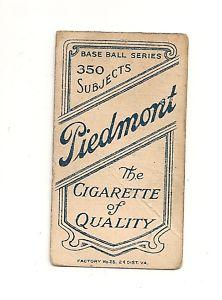
Card backs carried columns of figures – seasons, totals, averages – printed small, and children read them repeatedly, compared them and memorised them.
Instant access to complete statistics with every conceivable derived measure. The card back was, for a great many children, the first dense table of numbers they ever chose to read for pleasure.
It is an underrated piece of informal education. Children who would not willingly look at a table in a schoolbook spent hours comparing columns, worked out ratios to settle arguments, and learned to read a dataset for the purpose of winning a disagreement in a playground – which is a better motivation than most curricula manage.
14. Sets Were Released in Series Through the Year and the Last One Was Hard to Get
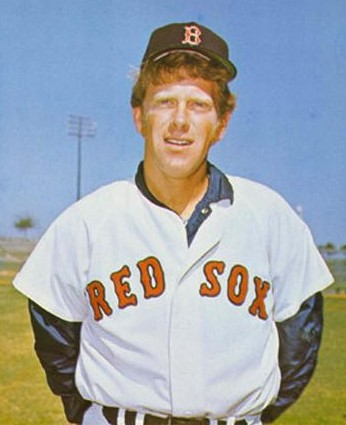
Large sets were issued in numbered series over the course of a season, with later series printed in smaller quantities and shipped when interest was already falling off.
Complete sets released at once, with print runs disclosed and factory sets sold intact. The declining late-series print runs are why the final numbers in a set are the expensive ones today.
It made completing a set genuinely difficult for reasons nobody explained. A child who had kept up all season found that the last fifty cards simply were not in the shops, the shops had moved on to other stock, and the set stayed incomplete through no failure of effort – which is a frustration that an entire generation of collectors shares and that modern releases deliberately removed.
15. Nobody Thought of Them as an Investment Because Nobody Had Yet Said It
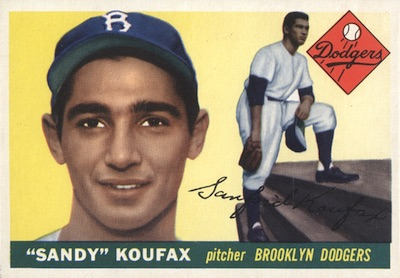
Cards were a confectionery premium bought by children with pocket money, played with, traded, damaged and discarded, with no secondary market, no price data and no adult participation.
An investment asset class with graded population reports, auction records and institutional buyers. The shift took place over roughly fifteen years from the mid-1970s.
The absence of the idea is the hardest thing to convey. It was not that people thought cards were a bad investment; the category did not exist, there was nothing to consult and nobody to sell to, and the first adults who began assembling price information in the later 1970s were doing something that struck everyone around them as distinctly odd.
16. Then Grading Arrived and Turned Cardboard Into an Asset Class
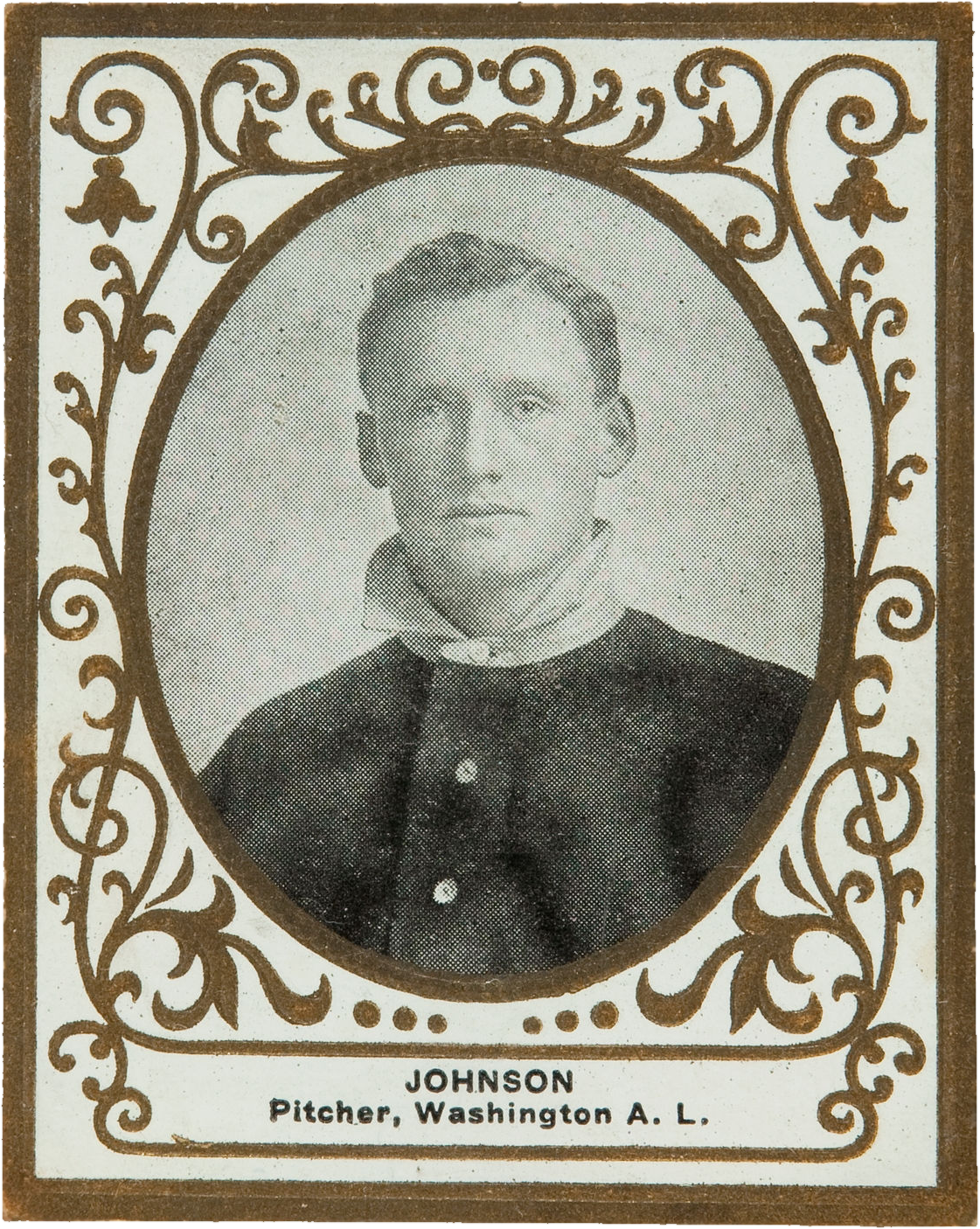
The whole system rested on a confectionery premium, bought blind by children, with no singles market, no price information, no preservation and no adults involved at any point.
Price guides from the later 1970s, a dealer and show circuit through the 1980s, a speculative boom and crash in the early 1990s, and from the later 1990s third-party grading – which sealed cards in slabs with a numerical condition score and made them tradeable sight-unseen.
Grading is the change that did it, because it solved the one problem that had kept the market small. Condition had always been subjective and arguable, which meant buying a card at a distance was a gamble on somebody else’s description; a sealed slab with a number on it converted an idiosyncratic object into a standardised unit that could be bought, sold and valued by people who never looked at it. That is precisely what an asset requires. And it is why the cards worth the most now are the ones that escaped every single thing described on this list – never traded, never flipped, never clipped to a bicycle, never banded in a shoebox, and above all never enjoyed.
The Valuable Ones Are the Ones Nobody Enjoyed
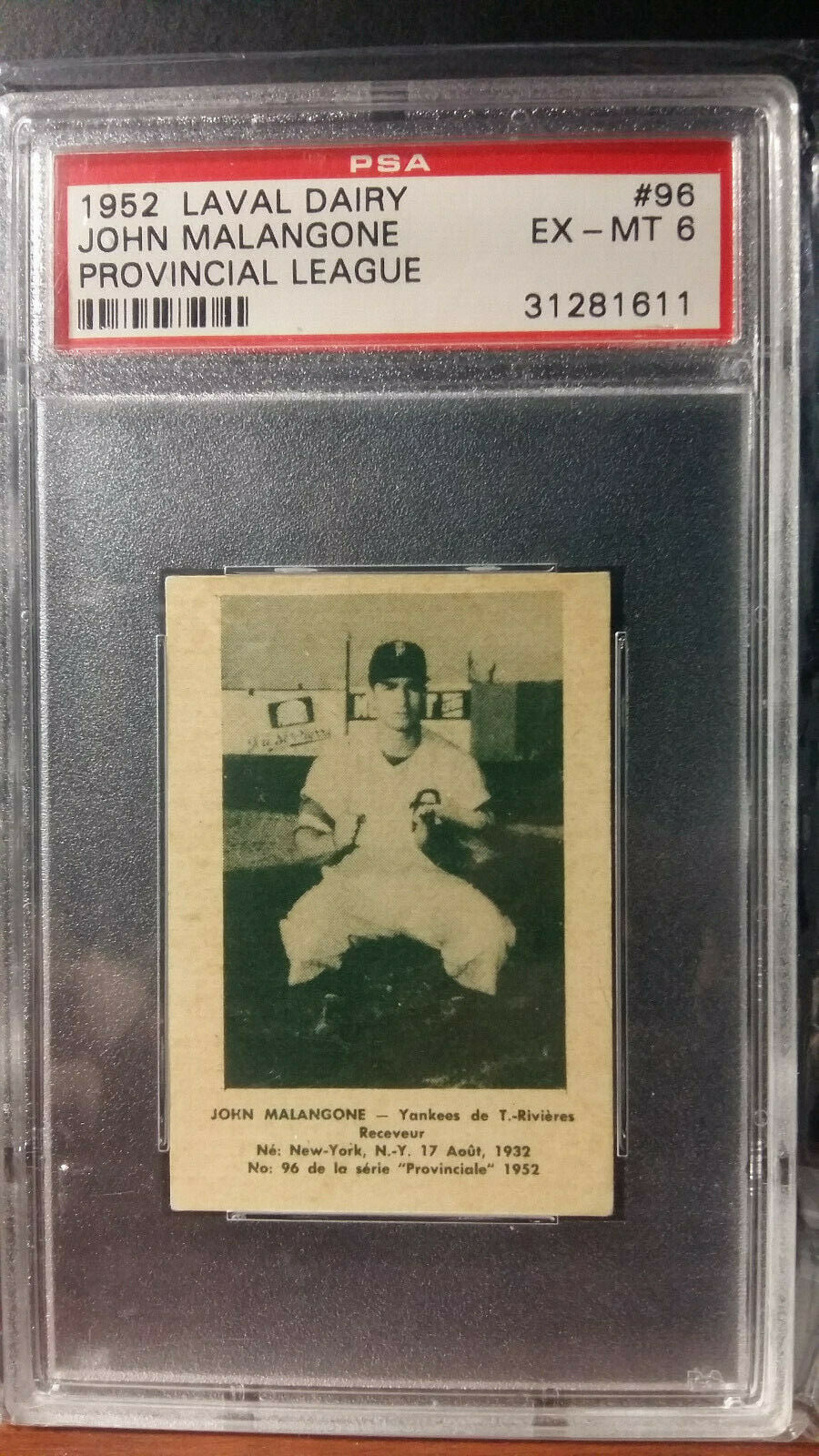
Every item on this list is a way these cards were used, and almost every one of them destroyed the card.
The gum stained it. The spokes shredded it. Flipping creased it and pitching rounded its corners. Rubber bands cut permanent lines into the top and bottom of every stack. Children carried them in pockets, wrote on the checklists because the checklist told them to, traded them away at rates invented on the spot, and eventually a parent cleared the room.
None of that was careless, which is the point usually missed. It was a confectionery premium printed on cheap card and sold for a few cents to children, with no secondary market, no price information and no adults involved anywhere in the system. Treating it as disposable was not a failure of foresight. It was an accurate assessment of what the object was.
Then the market arrived, in stages. Price guides from the later 1970s. A dealer and show circuit through the 1980s. A speculative boom and crash in the early 1990s – which is also when the gum was removed from the packs, because the gum was there for children and the children were no longer the customers.
And then, from the later 1990s, third-party grading.
That is the change that mattered, and it is worth being precise about why. Condition had always been the problem with trading cards as a market: it was subjective, arguable, and impossible to verify at a distance, so buying a card you had not handled was a gamble on a stranger’s adjectives. Grading replaced the adjectives with a number and sealed the card in a slab so the number could not be contested. An idiosyncratic piece of cardboard became a standardised unit, with population reports telling you how many exist at each grade.
That is the definition of an asset, and the consequence follows automatically.
The cards worth the most today are the ones that avoided every single thing on this list. Never clipped to a bicycle. Never flipped for keeps. Never banded into a shoebox. Never handled by the children they were printed for.
Which means the market now pays a premium, precisely and measurably, for cards that nobody ever played with.
If you collected these, you had a shoebox, and the rubber band left a line across the whole stack.
And you can still name the trade you got cheated on.
Like our content? Follow us for more.