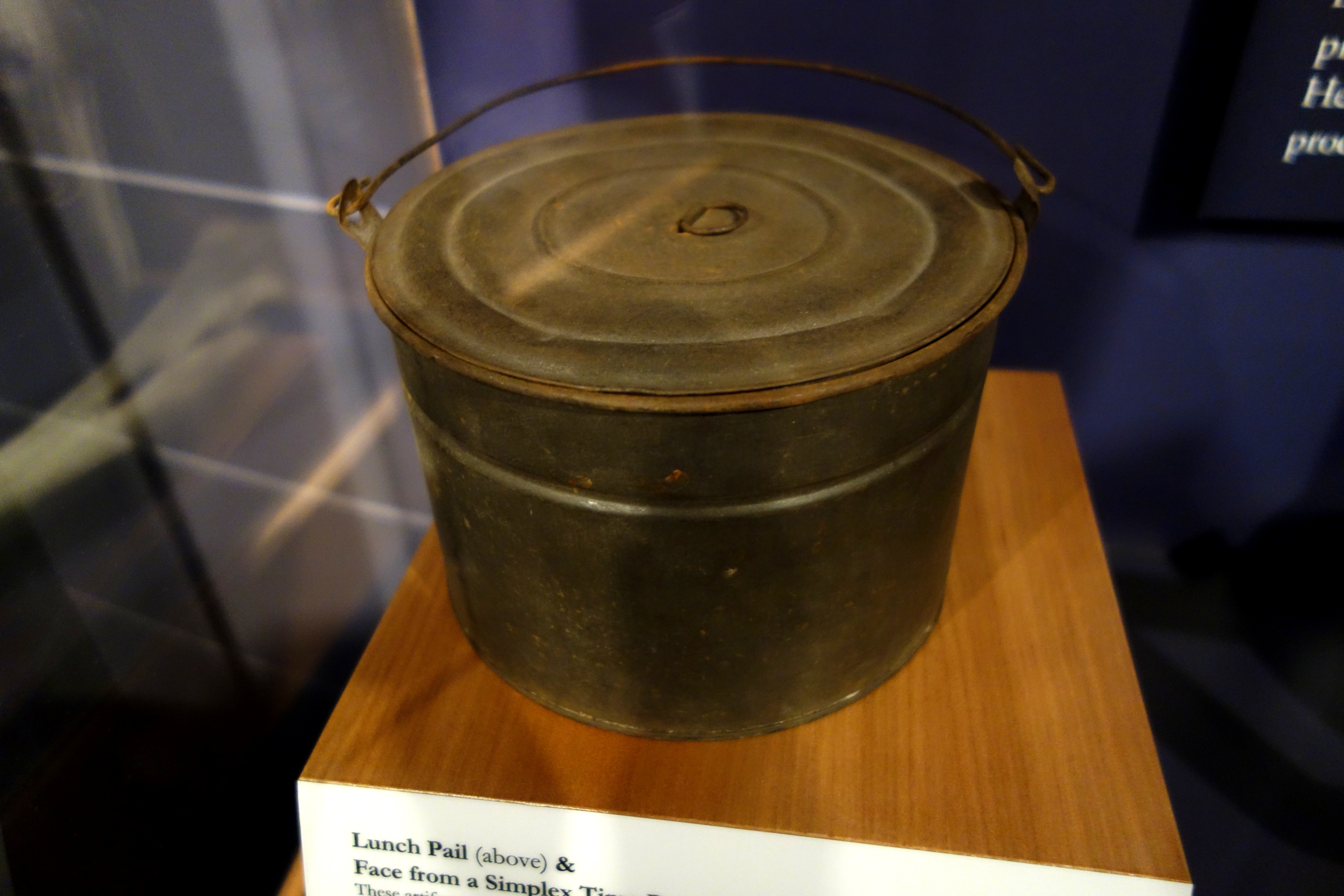
Rural schools had a shelf or a row of hooks inside the door, and on it sat a line of containers – tin pails with wire handles, small lunch boxes, baskets, cloth bags, syrup buckets, and a good many repurposed tins that had come into the house holding something else.
That shelf was the school’s entire food arrangement. There was no kitchen, no cafeteria, no cook and no provision of any kind, and the children were there all day.
Which means every child carried a cold meal from home, in whatever the household had to hand – and because the containers and the contents were on open display to everybody, that shelf was also one of the more visible pieces of social information in a child’s day.
The School Had No Food Arrangements at All
Start with the simple fact, because it determines everything else.
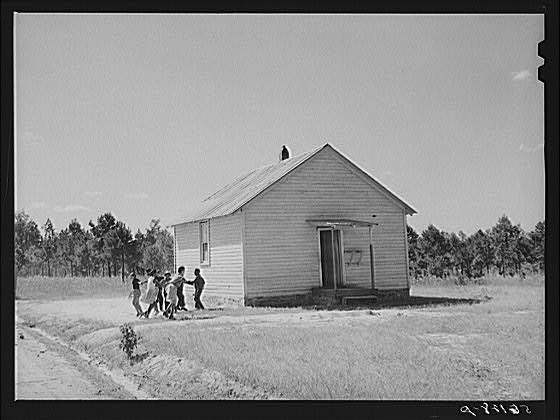
A one-room country school was a building with a stove, desks, a blackboard and a water bucket. It had no running water in most cases, no refrigeration of any kind, and no cooking facility beyond whatever the heating stove could manage.
The school day ran from morning until mid-afternoon, and children frequently walked a considerable distance each way. Going home for a midday meal was not practical for most of them, which is why the dinner pail existed.
So the meal had to be packed at home, carried, kept at room temperature for several hours, and eaten cold – and it had to be something that would survive all of that. That one requirement shaped the entire contents.
Like our content? Follow us for more.
The Container Was Whatever Had Been Emptied
This is the detail that people find most telling, and it is worth taking seriously rather than treating as poverty.
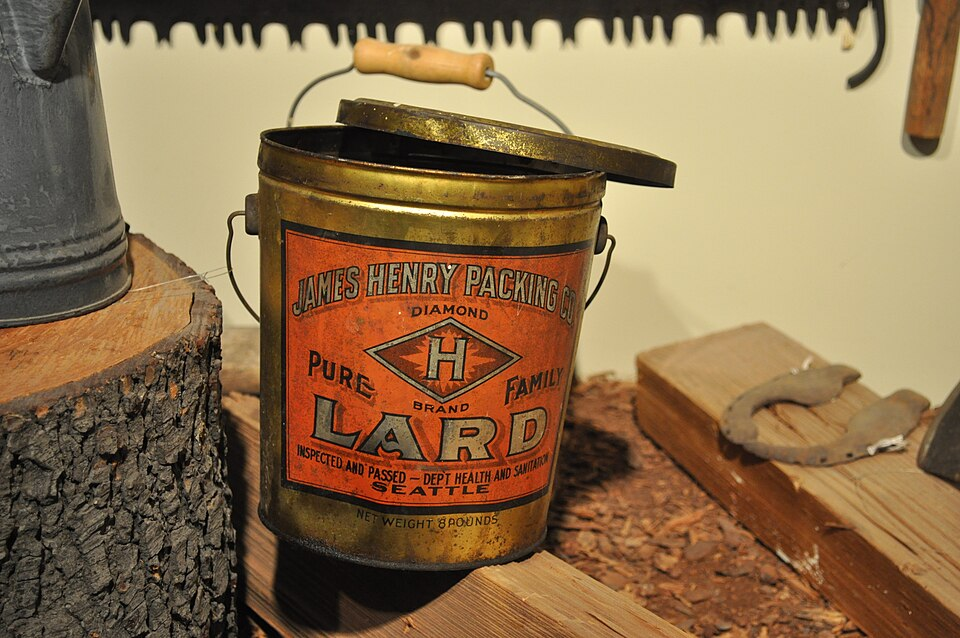
Purpose-made lunch boxes existed and some children had them – decorated tin boxes, sometimes shaped like a basket or a case, sold commercially and prized accordingly. But a great many children carried a tin that had arrived in the house full of something: lard, syrup, molasses, coffee, baking powder, tobacco.
Those tins were reused because they were free, they had lids, they had handles or could be given one, and they were the right size. A household that threw away a good tin with a lid on it was a household that had money to spare.
And the particular tin a child carried was visible to everybody. A new commercial lunch box and a dented lard bucket sat on the same shelf, which means the shelf was a row of statements about what each family could afford – and children being children, this was noticed.
The Contents Were Dictated by Physics
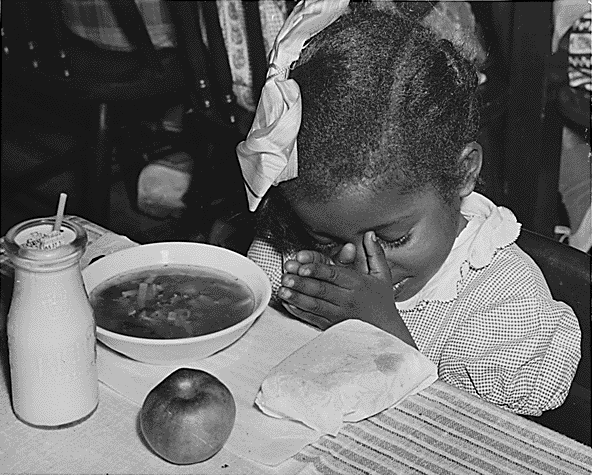
What went in was determined almost entirely by what survives a morning in a tin at room temperature.
Bread with something on or in it. Biscuits. Cold potatoes, which travel perfectly and were extremely common. Hard-boiled eggs. Cheese. An apple or whatever fruit was in season. Pickles. Cake, cookies or a piece of pie if there was any. Cold pancakes. Dried fruit. A jar or bottle of milk in cold weather and water the rest of the year.
The pattern is obvious once stated: dry, dense, hard-wearing, needing no plate, no utensil and no heat. Anything moist leaks, anything delicate arrives crushed, and anything perishable is a bad idea in a warm room.
So the food was repetitive by necessity rather than by preference, and the thing people remember most consistently is monotony. The same contents, most days, for years.
A Stove in the Room Changed What Was Possible
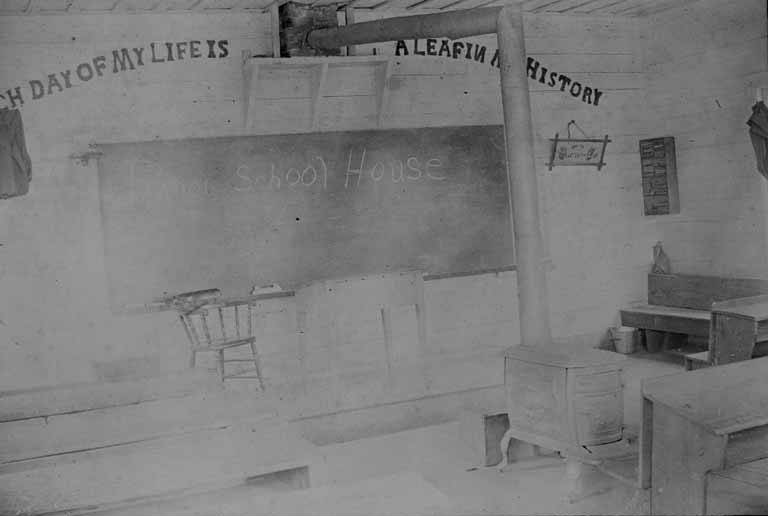
Worth noting, because it is the one piece of technology that made a difference.
A school with a heating stove had a heat source, and in winter that got used. Children set potatoes on or beside it to warm through the morning. Jars of soup or stew stood in a pan of water on the stove top. Bread was toasted on the stove lid.
In some schools this became organised – a teacher who was inclined that way kept a kettle or a pot going and warmed what the children brought, which is the beginning of the idea that a school might feed people.
But it depended entirely on the stove, the teacher and the season. In warm weather there was no heat, and a teacher who did not want the job did not do it, so a warm midday meal at school was a matter of luck rather than an arrangement.
Some Children Had Very Little in Theirs
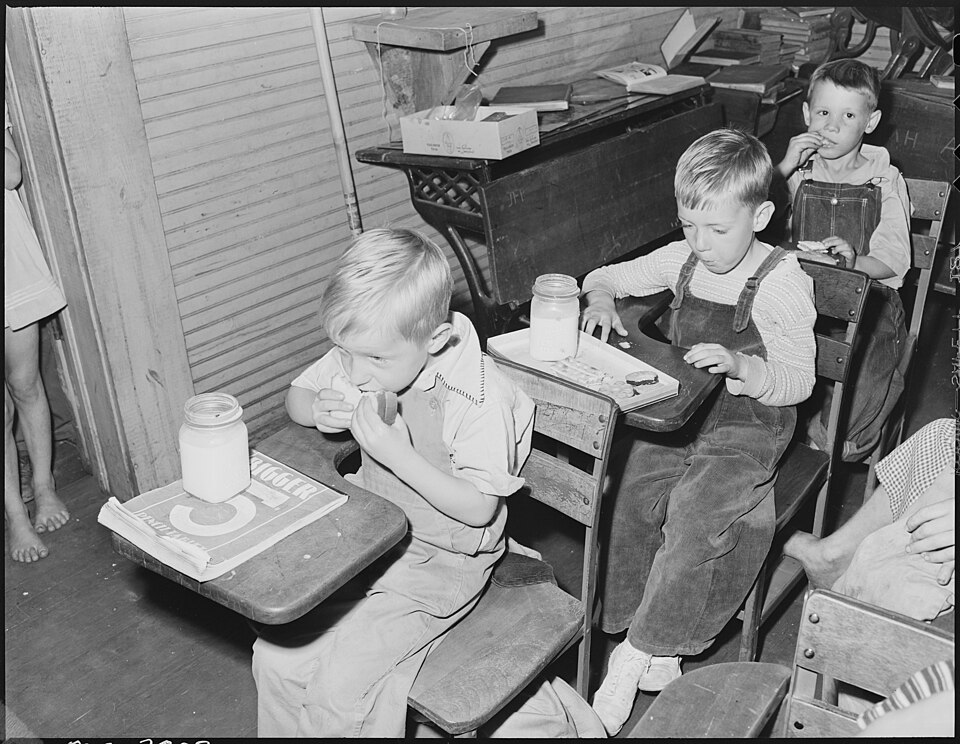
This has to be said directly, because every honest account of this period includes it.
A shelf of open containers in a single room means that what each child had was known to all the others. And the variation was substantial – some pails held a good deal and some held very little, and some children had nothing on some days.
What happened then depended on the particular school. Sharing was common and children frequently redistributed food among themselves without adult involvement. Teachers quietly supplemented. Other families sent extra. And sometimes none of that happened, and a child went without in front of everybody.
There was no system. The absence of any provision meant that a child’s midday meal was entirely a function of the household’s circumstances that week, visible daily to the whole school, with nothing between the family and the outcome.
Which Is Why School Feeding Started
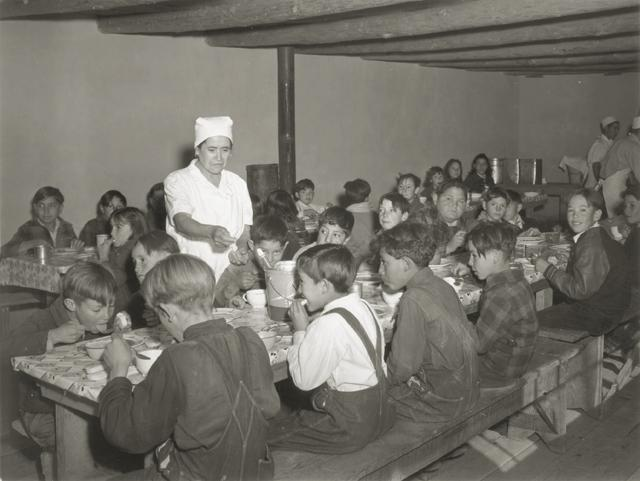
And this is the part that makes the dinner pail historically interesting rather than merely nostalgic.
The movement to provide meals at American schools grew directly out of exactly the situation above – the observation that children arrived hungry or with inadequate food, that hungry children cannot learn, and that the problem was visible in every classroom in the country.
It started small and locally: individual teachers, women’s clubs, charitable organisations and parent groups providing hot soup or milk at schools, frequently funded by subscription and cooked by volunteers. Those efforts were patchy, dependent on local initiative, and reached a fraction of the children who needed them.
Over time they were formalised and became a federal programme, which is what replaced the shelf of pails with a kitchen and a serving line.
So the cafeteria is not a modern convenience that happened to arrive. It is the institutional answer to a problem that the dinner pail made visible every single day.
The Lunch Box Became a Product Instead
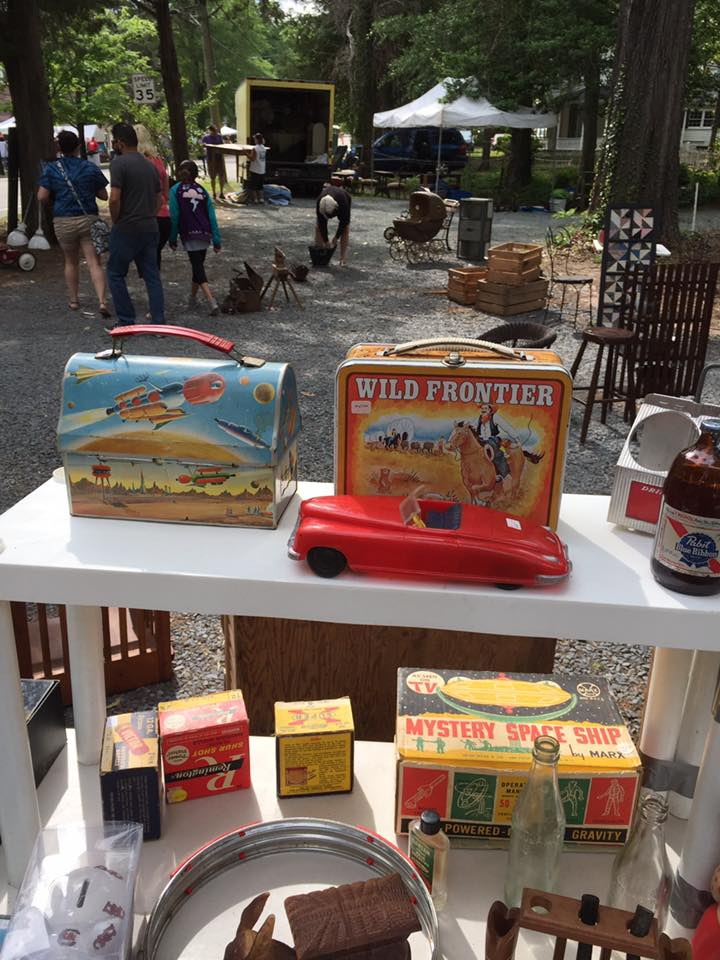
The commercial side went the other way entirely, which is a nice irony.
Once children were being fed at school, carrying lunch became optional – and the moment it became optional, the container stopped being a household necessity and became a consumer item. Decorated metal lunch boxes with matching vacuum flasks were sold as products aimed directly at children, chosen for what was printed on them rather than for whether a lid fitted.
Which is the complete inversion of the earlier situation. The old pail was a tin that had held lard, carried because the household had nothing else and the child needed to eat. The later box was bought new, selected by the child, and valued for its decoration.
Same object, opposite meaning. One was evidence of what a family could afford, and the other was a thing a family bought to please a child.
Then Refrigeration and Consolidation Finished the Old Arrangement
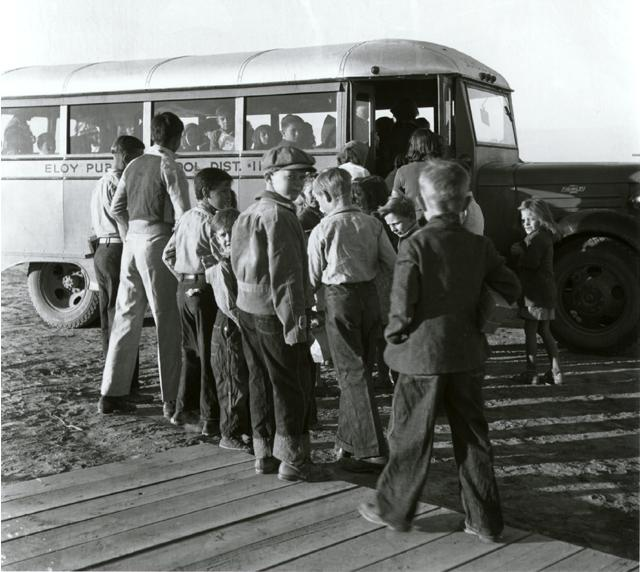
Two further changes completed it.
School consolidation closed the one-room schools and put children on buses to larger buildings – and a larger building has a kitchen, staff and a serving line, because feeding several hundred children at once is a logistical operation rather than a shelf by the door.
And refrigeration changed what could be carried. A cold chain at both ends, plus insulated containers and later ice packs, means a packed lunch is no longer restricted to dry hard-wearing food that survives a warm morning. The physics that dictated cold potatoes and hard bread stopped applying.
So even the children who still carry a lunch are not doing what the dinner pail did. They are carrying a chosen meal in a designed container, with options – rather than whatever travelled, in whatever tin was empty.
The Pail on the Shelf
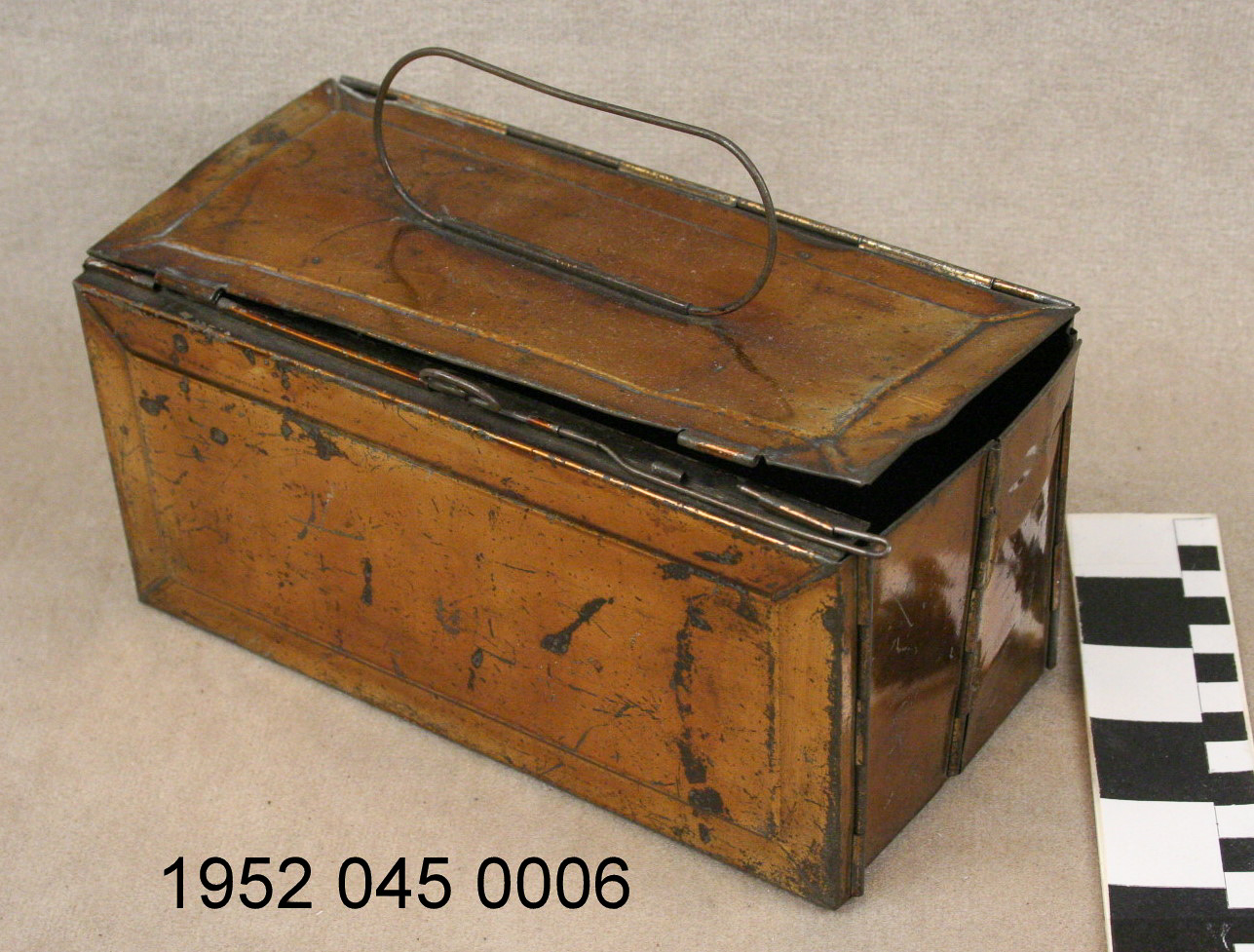
If you find one – a dented tin with a wire bail handle and a lid, no decoration, with a trace of what it originally held still on it – that is what it was.
It is worth holding for a second, because it is a genuinely informative object. It tells you there was no cafeteria. It tells you the child walked too far to go home. It tells you the household bought lard or syrup in a tin and did not throw the tin away. And it tells you that whatever was in it that morning sat on an open shelf all day where every other child in the school could see it.
Nobody designed that arrangement. It was simply what happened when a school had a hundred-year gap between opening its doors and anybody deciding that feeding the children was part of the job.
Like our content? Follow us for more.