

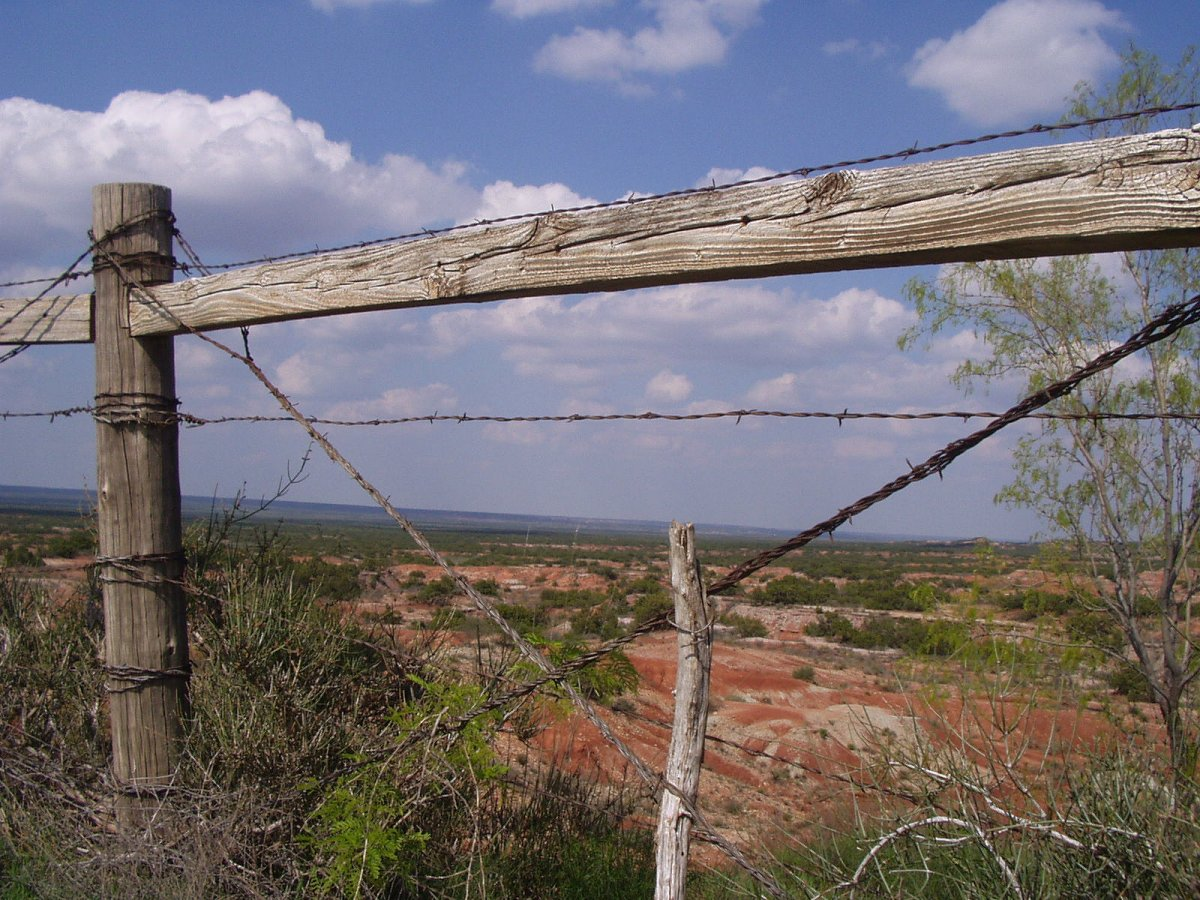
Barbed wire looks like the least interesting thing on a farm, and it reorganised the use of an entire continent.
The problem it solved was weight. Across the open grasslands there was no timber for rails and no stone for walls, and shipping fencing material in cost more than the land was worth – so a roll of wire, light enough for one wagon to carry a quarter mile of fence, turned an impossible expense into an ordinary purchase.
Smooth wire had already been tried and failed, because a fence does not physically restrain an animal that weighs half a ton. It teaches the animal not to try, and smooth wire gives it no reason to stop pushing. Here are sixteen things every American farm knew.
1. It Solved a Problem That Had No Other Answer
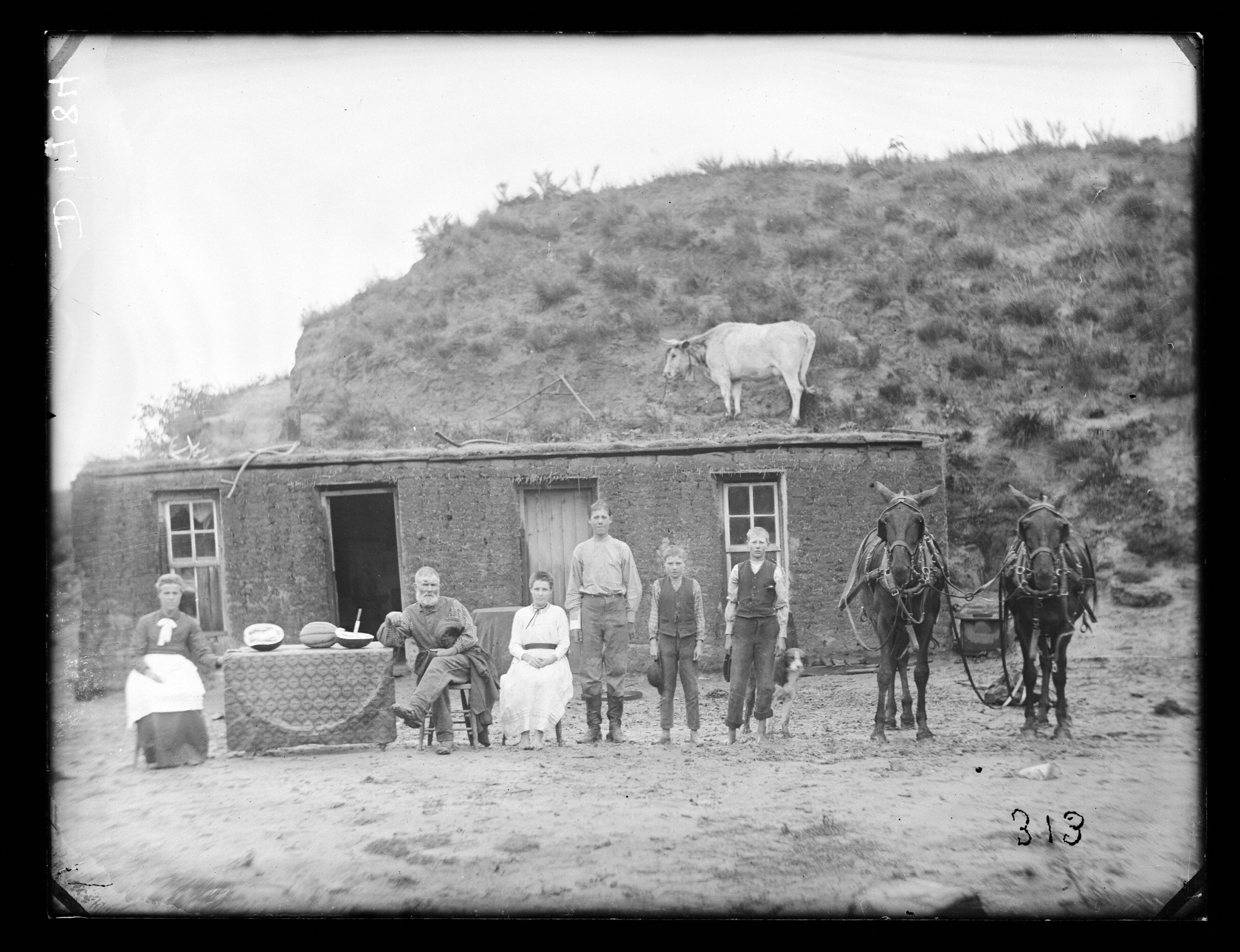
Across the open grasslands there was no timber for rails and no stone for walls, and shipping fencing material in cost more than the land. Wire was light enough to ship and cheap enough to buy.
Still the standard agricultural fence across most of the country, in a form recognisably the same.
Weight is the whole invention. The reason prairie fencing was impossible was transport cost, and a roll of wire delivers a quarter mile of fence in a package one wagon can carry – which turns an impossible expense into an ordinary purchase.
Like our content? Follow us for more.
2. Plain Wire Had Already Failed
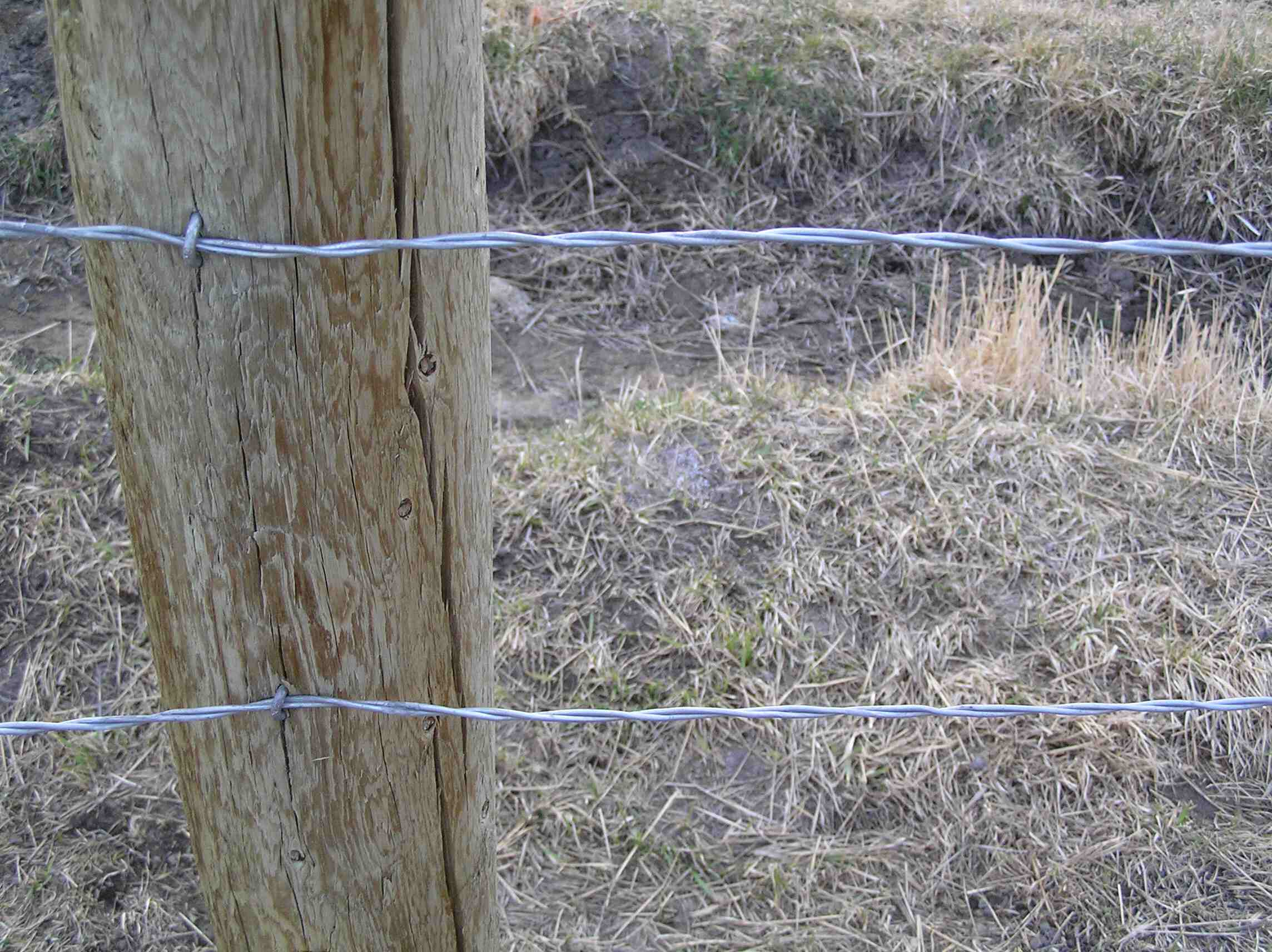
Smooth wire fences were tried first and did not work. Cattle leaned on them, pushed through, stretched them out of shape and broke them.
Not applicable. Plain wire is used for other purposes and is not relied on to turn stock.
The failure of smooth wire is the key fact and it explains why the barbs matter. A fence does not physically restrain an animal that weighs half a ton – it teaches the animal not to try. Smooth wire gives no reason to stop pushing, and an animal that leans on it discovers that leaning works.
3. The Barb Is a Teaching Device
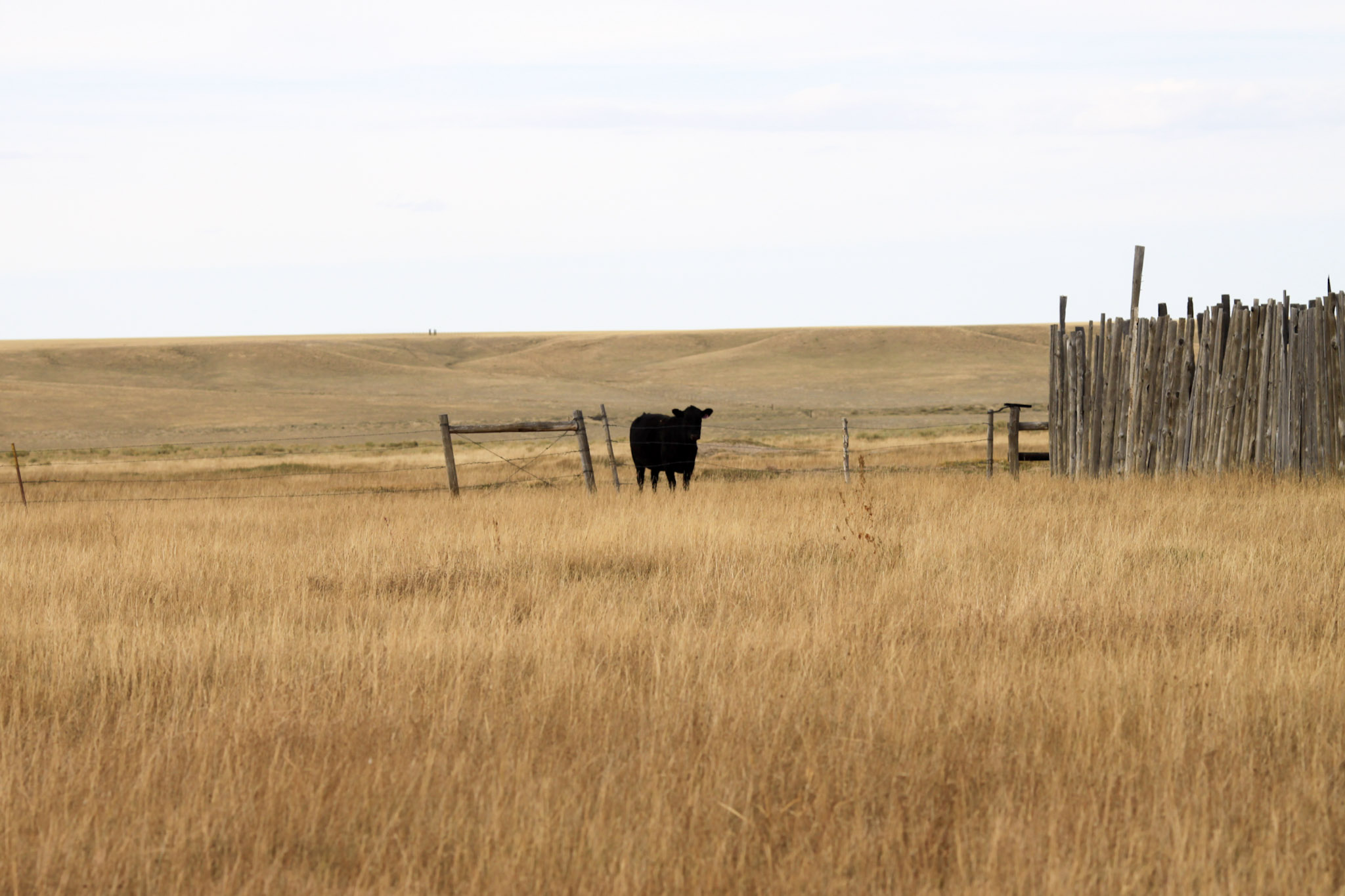
A short twisted point fixed at intervals along the wire makes contact unpleasant, so an animal that touches it once learns to respect the line and stops testing it.
Unchanged in principle.
This is the honest description of the mechanism and it should be stated plainly rather than softened. The fence works by causing pain on first contact, and then by the animal remembering. That is why it holds stock with a fraction of the material any physical barrier would require.
4. The Patent Fights Were Enormous
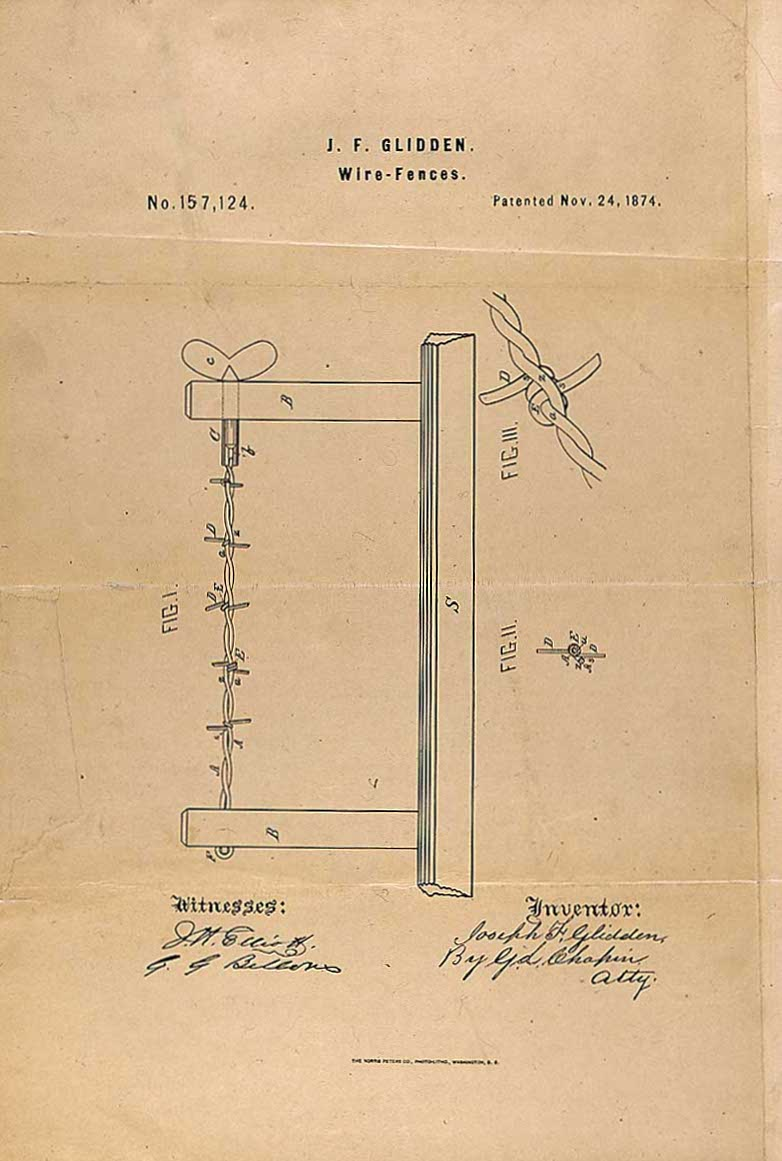
Dozens of designs were patented in a short period, and the resulting litigation over who had invented what ran for decades and consumed very large sums.
Not applicable. The basic patents expired long ago.
The scale of the legal argument tells you how much money was involved. A cheap effective fence for a continent is one of the most valuable things anybody could own a patent on, and the courts spent years sorting out which twisted point belonged to whom.
5. It Was Manufactured by the Mile and Sold Everywhere
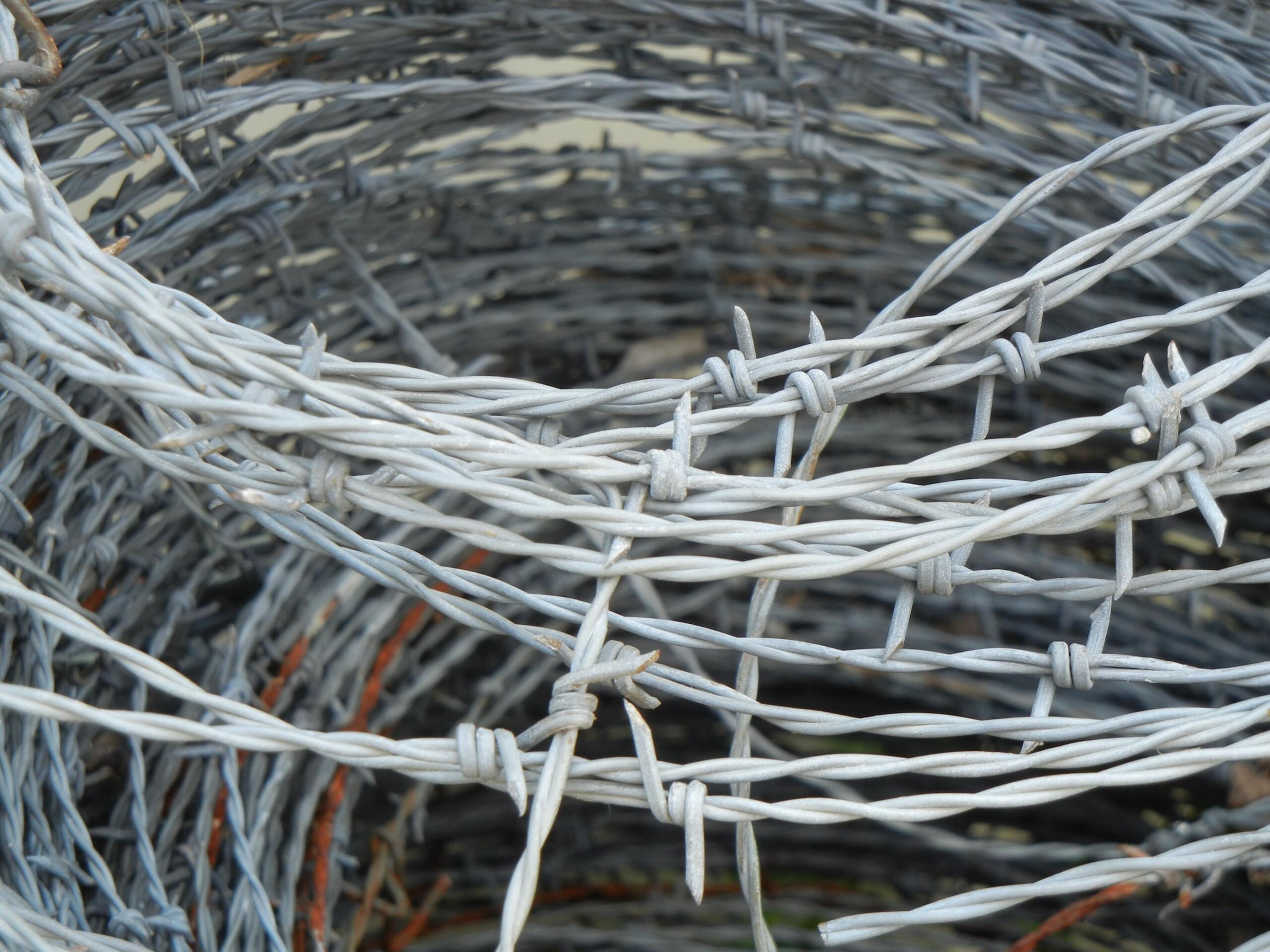
Production scaled up fast, prices fell steeply, and the product reached hardware stores, general stores and mail order across the country within a few years.
Standard and universal.
Price collapse is what made the change happen so quickly. A technology that halves in cost every few years goes from novelty to default inside a decade, and the speed of adoption is the reason the landscape changed as fast as it did.
6. Posts Were Still the Expensive Part
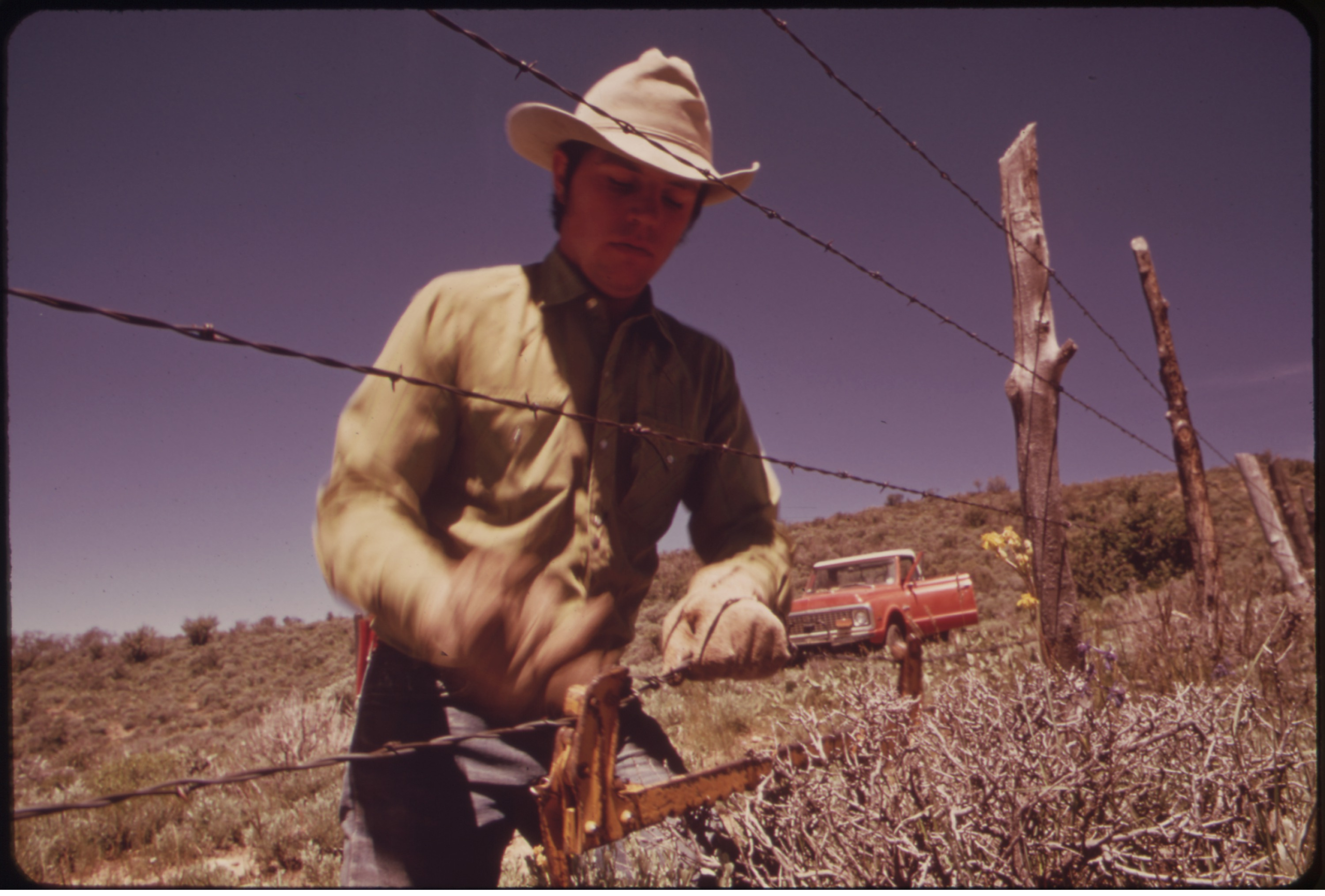
Wire needs something to hang on, and in treeless country posts had to be bought, shipped, cut from a hedge, or made from whatever was available.
Steel posts, treated wood and fewer of them per mile.
The post problem is the part that gets forgotten. Wire solved the fencing material shortage and immediately created a demand for several hundred posts a mile, which is why rot-resistant timber became valuable and why old hedges were cut up for posts.
7. It Closed the Open Range
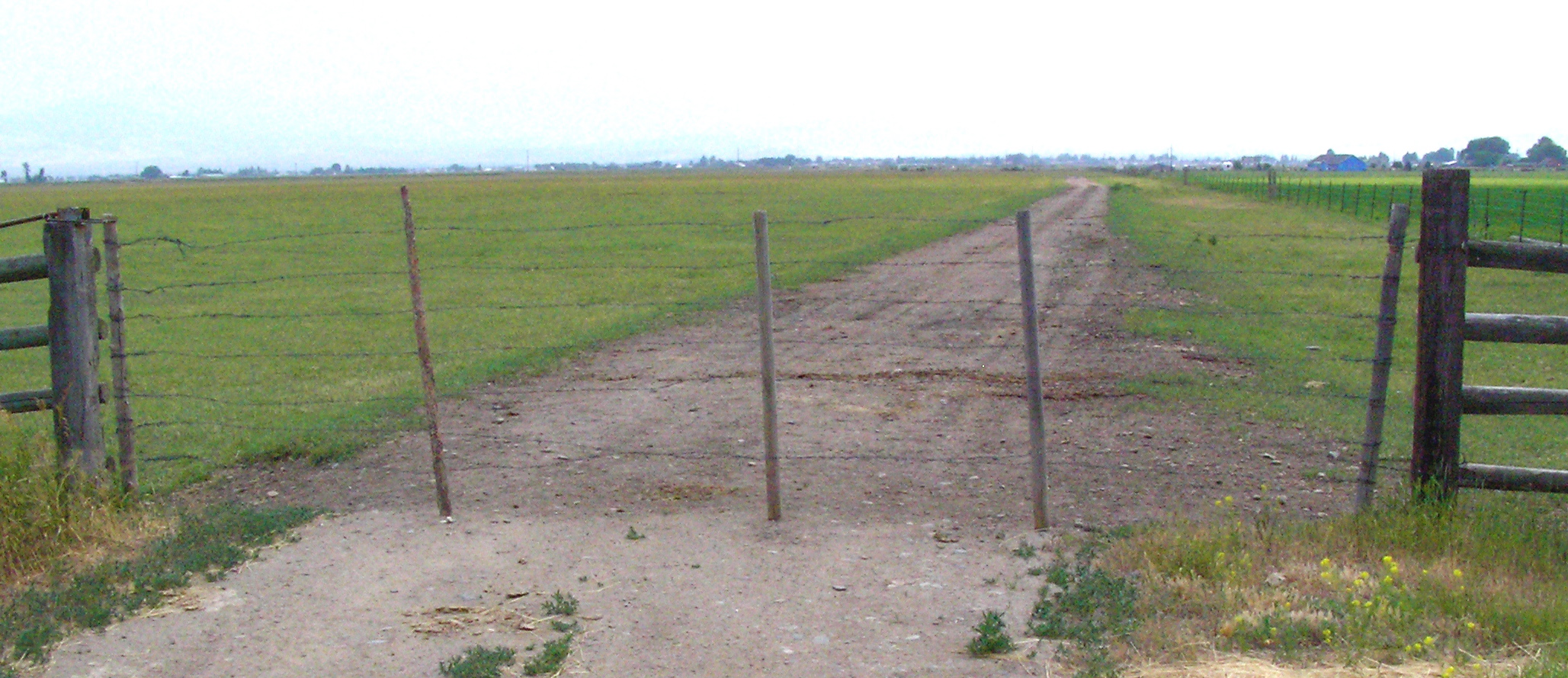
Where stock had grazed freely across unfenced grassland, wire allowed land to be enclosed – and once enclosure was cheap, it happened.
Not applicable. The open range system is gone.
This is the largest consequence and it was not a side effect. Enclosure changes who can use land, where animals can go, where water is accessible and whose property is whose, and the technology that made it affordable reorganised an entire way of using the grasslands.
8. The Fence-Cutting Disputes Were Real and Serious
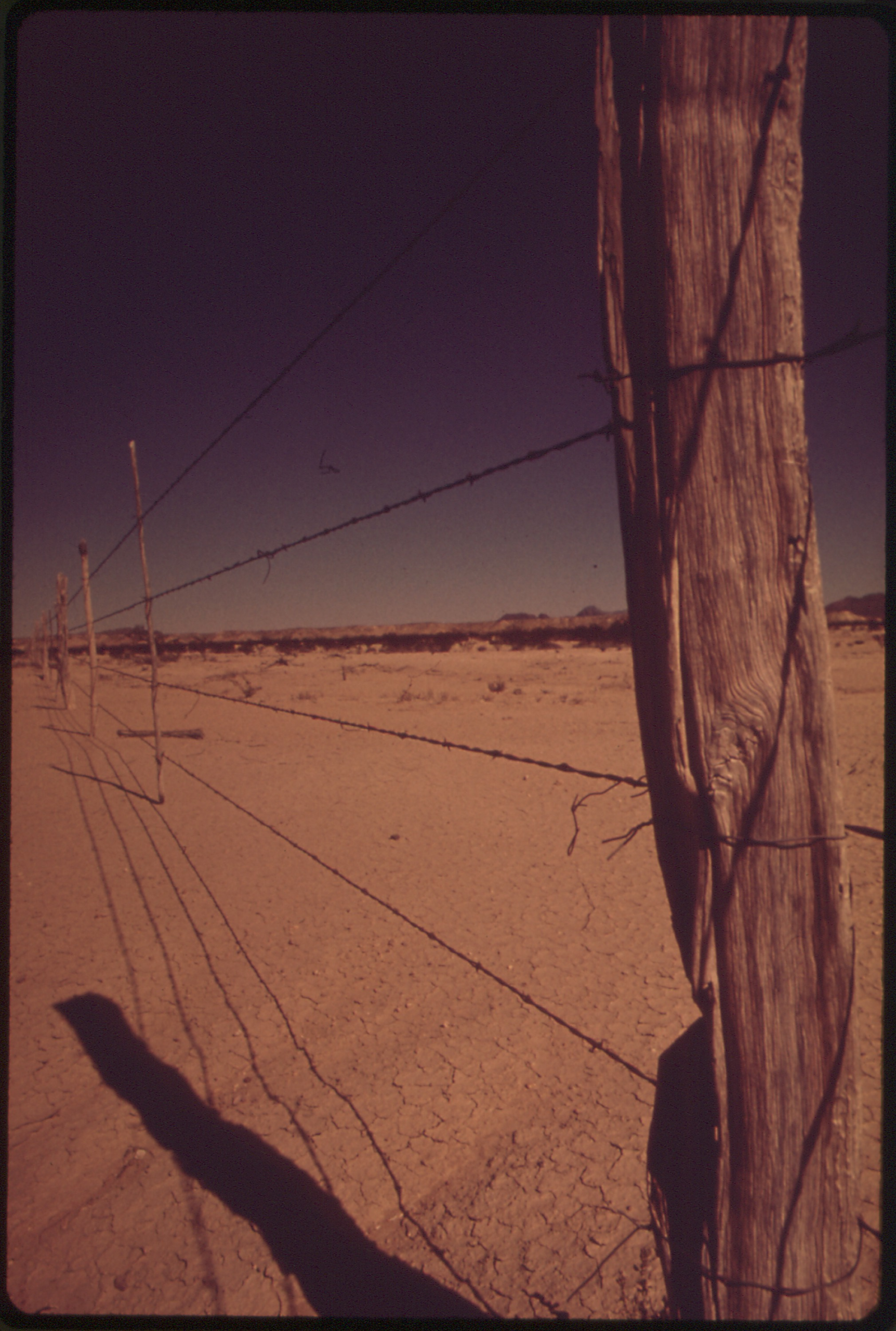
Where fencing blocked access to water, roads or grazing that others had used, fences were cut – repeatedly, at night, sometimes in organised fashion – and the resulting conflicts involved property damage, intimidation and violence.
Not applicable. The disputes were settled by legislation and by the courts.
These confrontations deserve to be named rather than skipped, and also not romanticised. People on both sides had genuine interests: those enclosing land had bought or claimed it, and those cutting had depended on access that enclosure removed. It was a dispute about resources that the law had not yet resolved, and it was resolved by law.
9. Water Access Was the Sharpest Issue
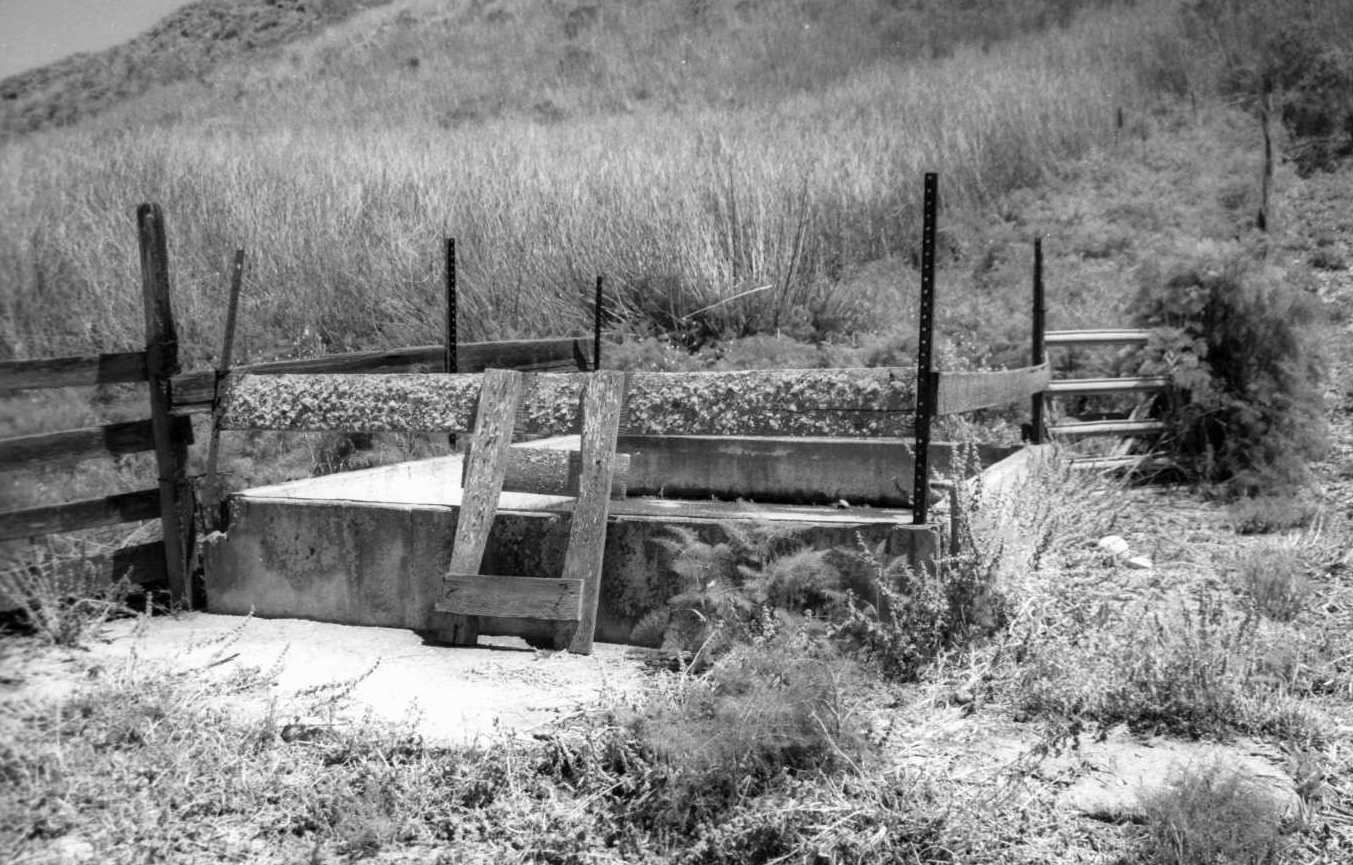
On dry grassland the critical resource is not grass but water, and a fence across the approach to a creek or a spring makes a very large area of surrounding grass useless to anybody else.
Not applicable in the same form, with water rights now legally defined.
Understanding this makes the disputes comprehensible rather than merely lawless. Enclosing a water source is functionally enclosing everything that depends on it, and a stockman who could no longer water his animals was facing ruin rather than inconvenience.
10. It Changed What Breeding Was Possible
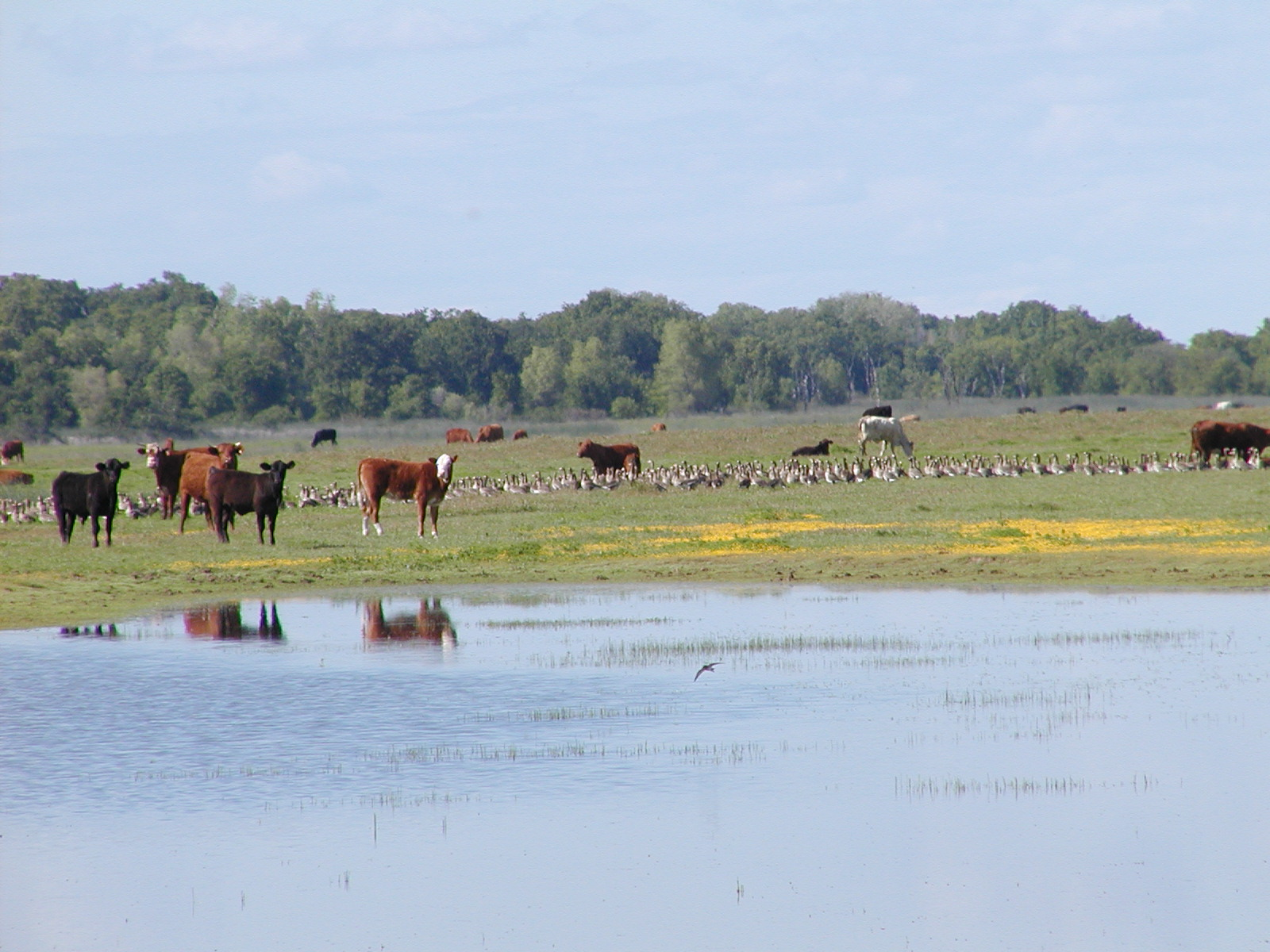
Fencing allows herds to be kept separate, which allows controlled breeding – and controlled breeding is what makes improvement of stock possible at all.
Fundamental to all modern livestock management.
This is the agricultural consequence that mattered most in the long run. On open range, animals breed with whatever is there. Behind a fence, an owner decides – and that single capability is the foundation of every improvement in farm animals since.
11. It Also Fenced the Railroads
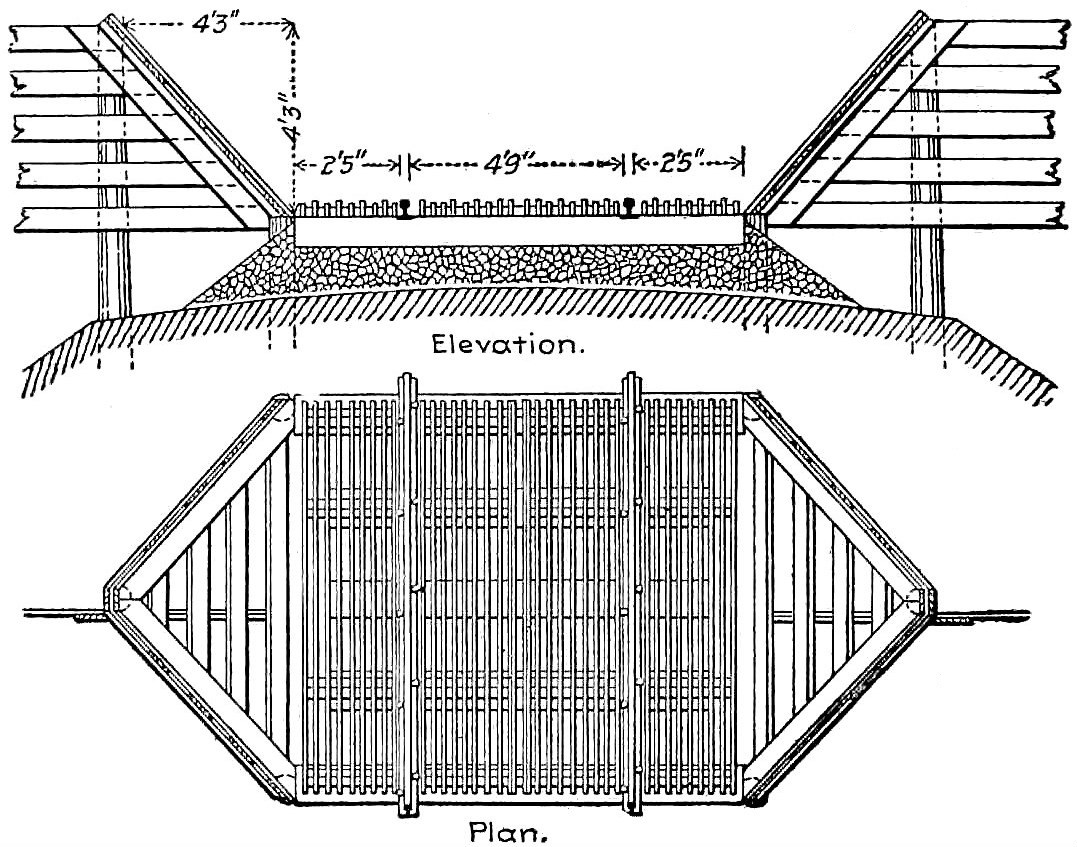
Railroads fenced their lines, which kept stock off the track, reduced collisions and settled a long-running question about who was liable when an animal was killed by a train.
Standard, and still required in many places.
The railroad application is a good illustration of how widely applicable the product was. The same wire that divided a pasture resolved a legal problem between two industries, and it did it by making the cheap option physically possible.
12. Farmers and Stockmen Wanted Opposite Things
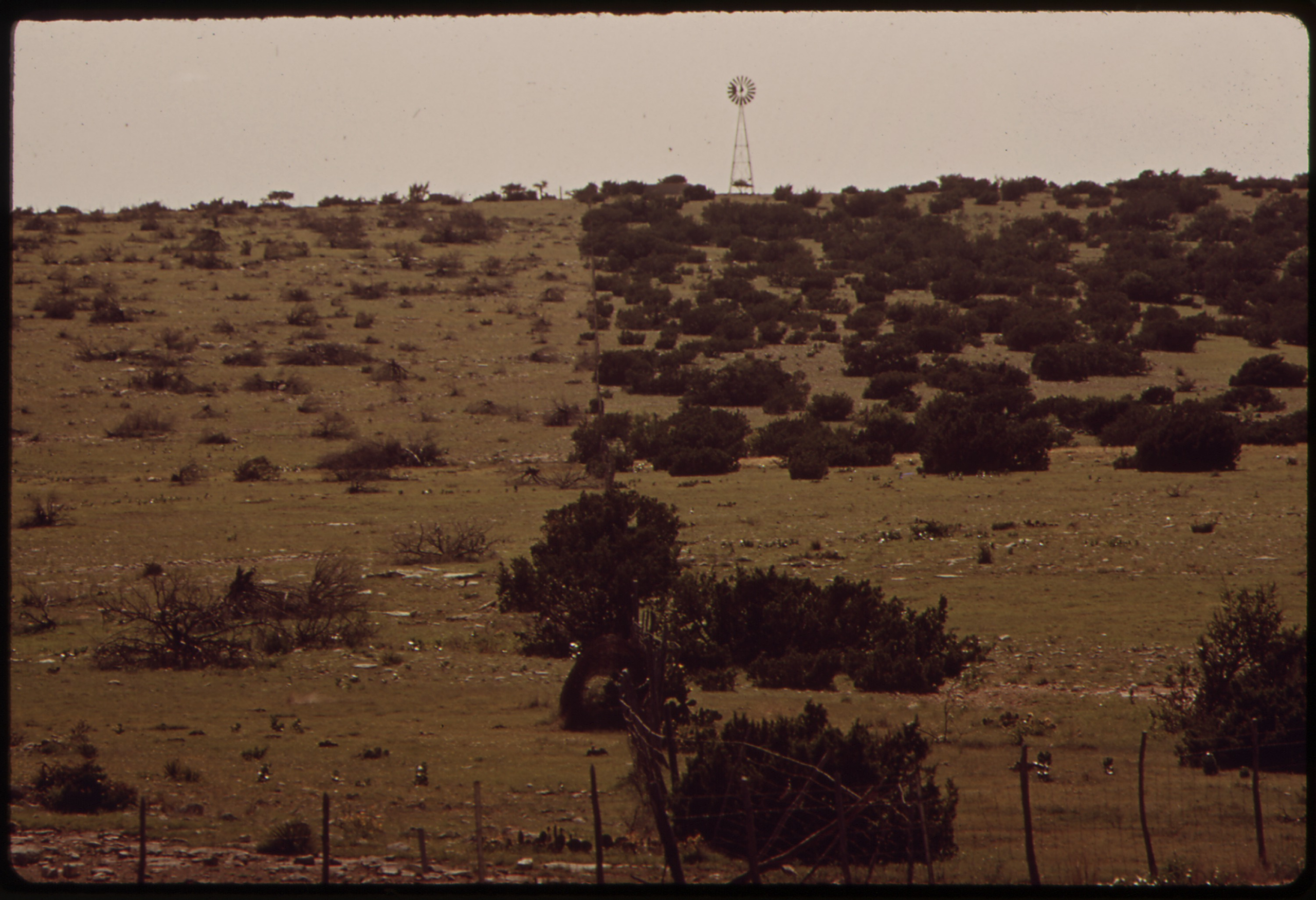
Crop farmers needed fences to keep other people’s animals out, while open-range stockmen needed the absence of fences to move herds to grass and water.
Not applicable. The question was settled in favour of enclosure.
Framing it as a conflict of interests rather than a conflict of characters is the accurate way to read it. Both groups were making a living on the same ground under incompatible systems, and a cheap fence forced a decision that had been avoidable while fencing was expensive.
13. Then the Law Caught Up
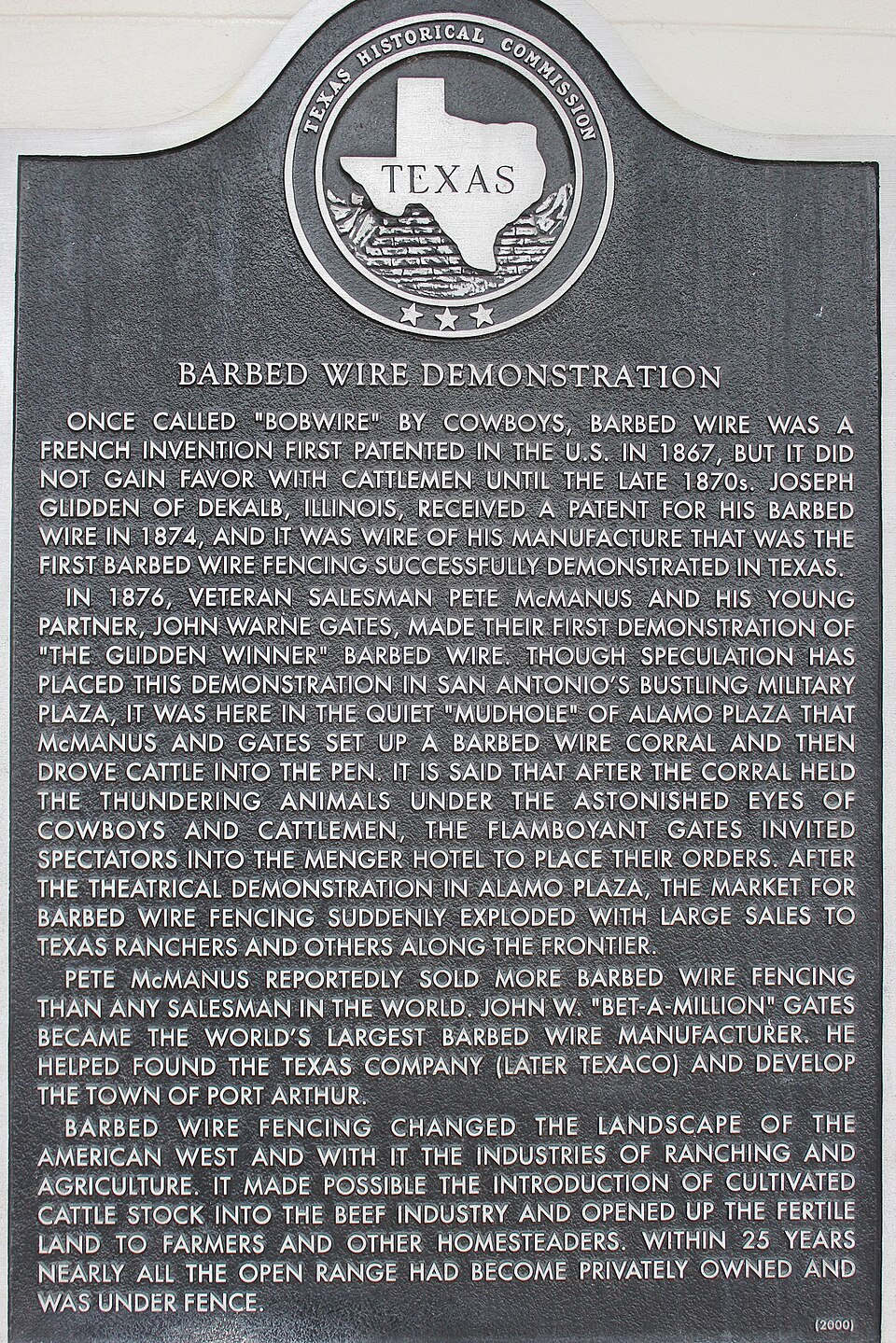
States passed fence laws, herd laws and legislation on cutting, which settled who had to fence what, who was liable for straying animals, and what penalties attached to destroying a fence.
The basis of agricultural fencing law.
Legislation is how this actually ended, which is less dramatic than the usual telling and considerably more important. Once the rules were written down and enforceable, the question stopped being a matter of who was prepared to cut a wire at night.
14. Then Steel Posts and Machinery Changed the Work
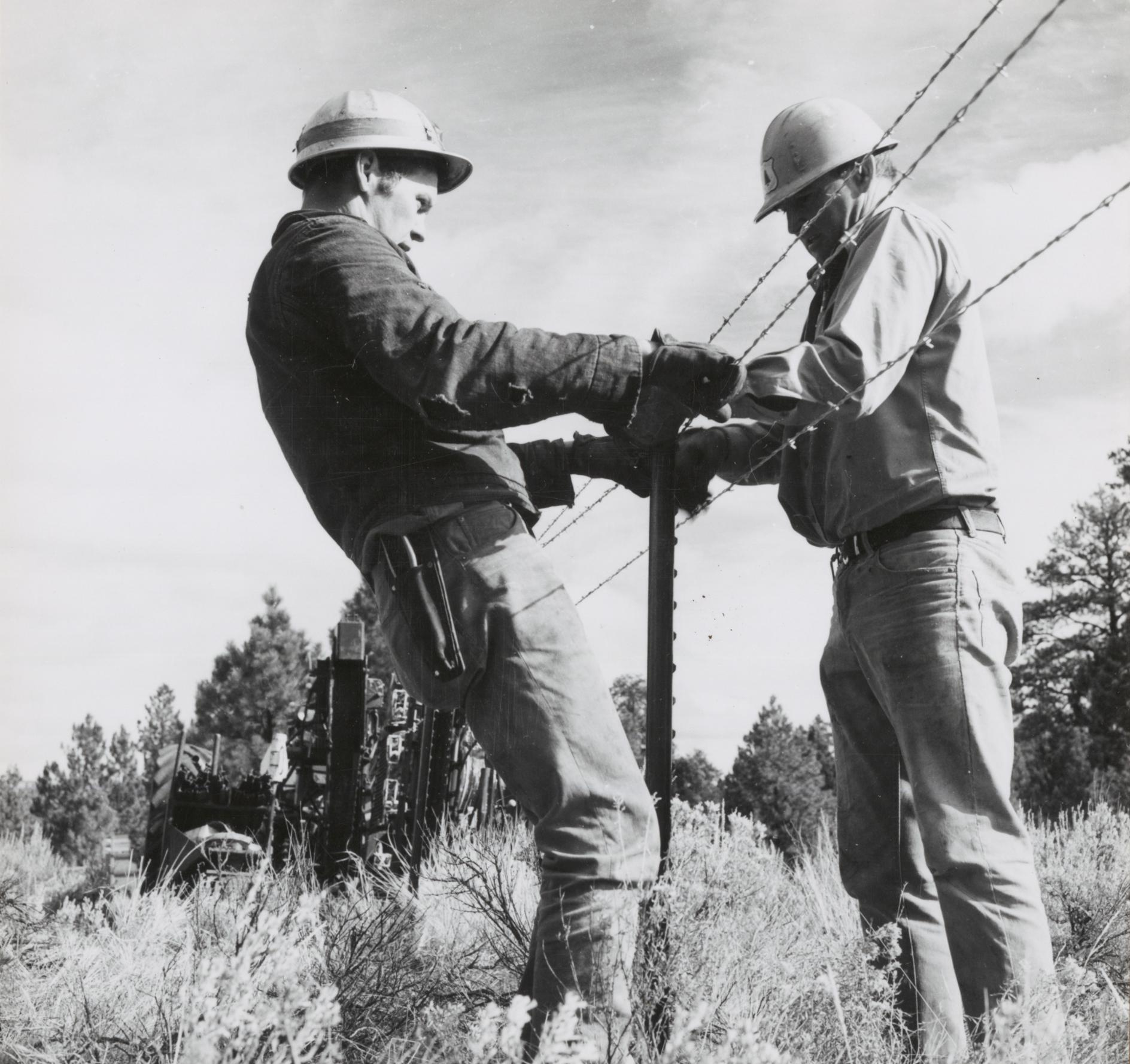
Driven steel posts, wire stretchers, mechanical post drivers and later high-tensile wire made fence building far faster and less laborious.
Standard.
The labour reduction is substantial and it is the quiet half of the story. Building a mile of fence by hand with a shovel and a tamping bar is weeks of work, and every improvement in the tools is a direct reduction in the cost of enclosing land.
15. Then Electric Fence Took Over the Temporary Work
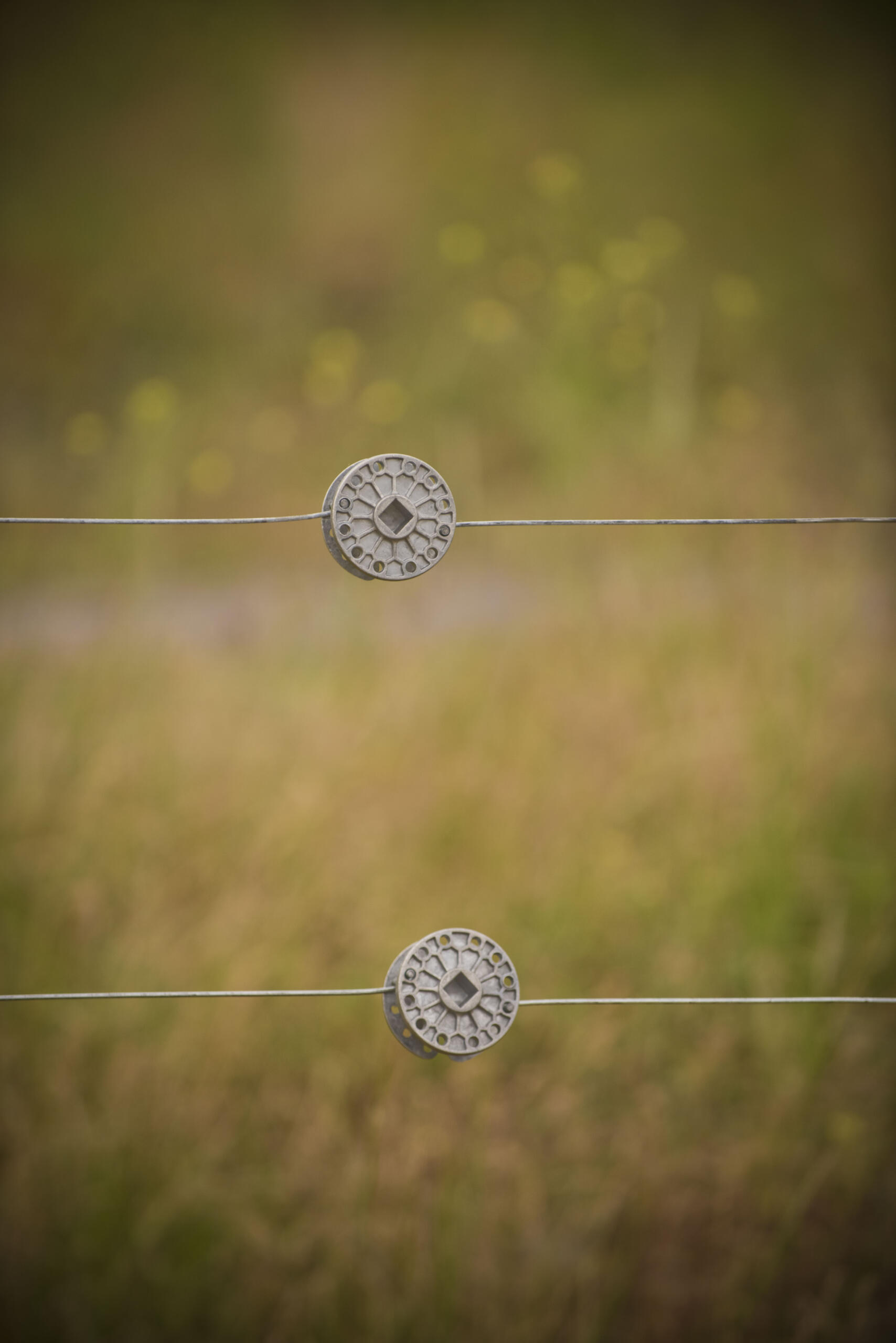
A single wire carrying a pulsed charge turns stock reliably, costs very little, and can be moved in an afternoon – which suits rotational grazing and temporary divisions.
Widespread alongside permanent wire fencing.
Electric fence is the same insight applied again. It works by teaching rather than restraining, uses the minimum possible material, and its real advantage is that it is temporary – which barbed wire, being permanent, never was.
16. Then It Became the Thing Nobody Notices
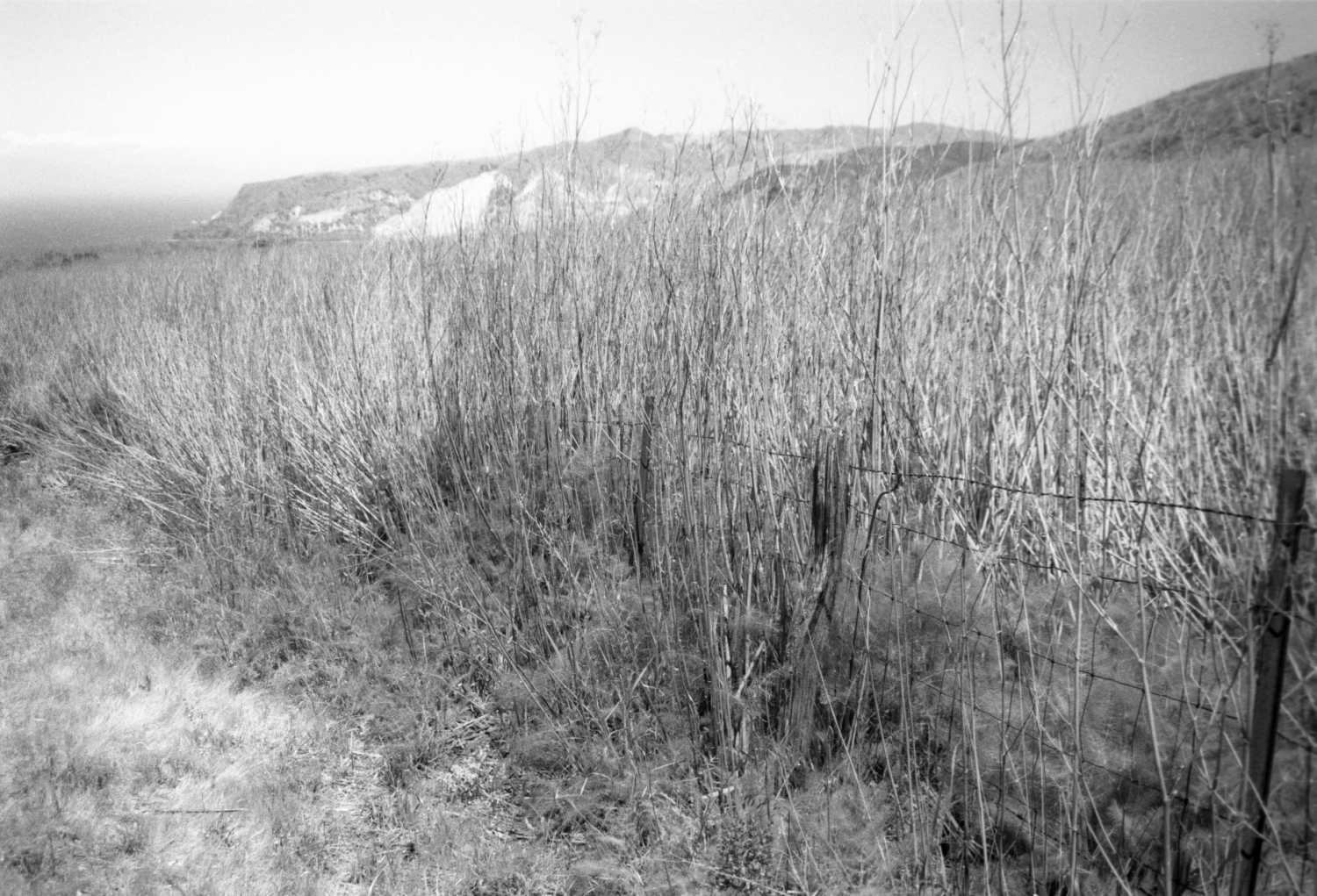
In 1964 barbed wire was simply what a fence was made of across rural America, with the arguments about it two generations in the past.
Universal, unremarked, and mostly noticed only when it needs repairing.
And the thing worth taking from it is how much followed from one small change in a piece of hardware. The problem was that fencing material was too heavy to ship to a treeless country. Somebody made a fence out of something light. That is the entire invention, and what came out of it was the enclosure of the grasslands, a reorganisation of who could use land and water, a wave of litigation over patents, a series of serious disputes that had to be settled by legislation, the beginning of controlled livestock breeding, a resolution of the liability question between railroads and stockmen, and a landscape divided into rectangles that is still divided into rectangles today. Nobody intended most of that. The intention was to make a fence that a wagon could carry – and the reason the consequences were so large is that the thing it made cheap was the ability to say that a piece of ground belongs to somebody and that an animal may not cross this line.
One Cheap Fence Reorganised a Continent
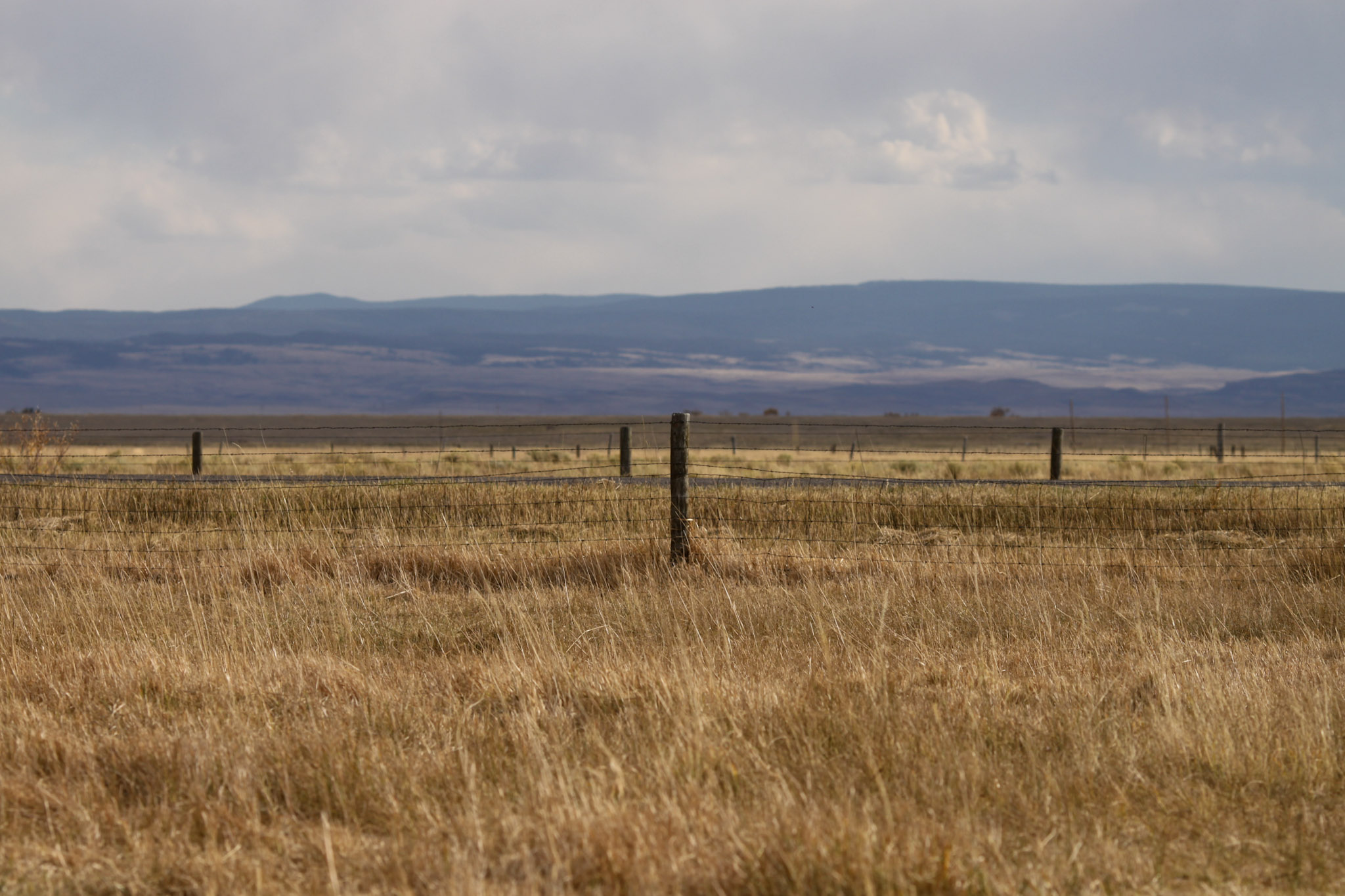
The whole of this follows from a single engineering fact, and it is worth starting there before anything else.
The reason the American grasslands were almost impossible to farm was not the soil, the climate or the distance. It was fencing.
A farm has to control where animals go, and in the eastern woodlands that was easy because timber was everywhere. On open prairie there was no timber and no stone, which meant every rail, post and board had to be shipped in – at a cost that could exceed the price of the land itself. Cheap land that cannot be fenced cannot be farmed.
Wire solved it by being light. That is the entire invention. A roll delivers a quarter mile of fence in a package one wagon can carry, which converts an impossible expense into an ordinary purchase.
But plain wire had already been tried and it failed. Cattle leaned on it, pushed through it, stretched it and broke it – and the reason is the most important thing in this subject. A fence does not physically restrain an animal of that weight. It teaches the animal not to try. Smooth wire gives no reason to stop pushing, and an animal that leans on it learns that leaning works.
The barb supplies the reason. A twisted point at intervals makes contact unpleasant, so an animal that touches it once respects the line afterwards and stops testing it. That is worth stating plainly rather than softening: the fence works by causing pain on first contact and then by memory, which is why it holds stock with a fraction of the material a genuine barrier would need.
Everything else came out of that.
Production scaled fast, prices collapsed, and the product reached hardware stores, general stores and mail order across the country within a few years – and a technology that keeps halving in cost goes from novelty to default inside a decade, which is why the landscape changed so quickly. Dozens of competing patents produced litigation that ran for decades, because a cheap effective fence for a continent is about as valuable a thing as anybody could hold a patent on.
It immediately created a new shortage, too. Wire needs posts, several hundred to the mile, which is why rot-resistant timber became valuable and why old hedges were cut up to supply them.
Then the large consequences arrived, and they were not side effects.
Enclosure became cheap, so it happened – and that reorganised who could use land, where animals could go, which water was accessible and whose property was whose. On dry grassland the critical resource is water rather than grass, and a fence across the approach to a creek makes a very large area of surrounding grass useless to anybody else. Which is what the fence-cutting disputes were actually about.
Those confrontations were real and serious, involving property damage, intimidation and violence, and they deserve naming without romance. Both sides had genuine interests: those enclosing had bought or claimed the land, and those cutting had depended on access the enclosure removed. Crop farmers needed fences to keep other people’s animals out; open-range stockmen needed their absence to reach grass and water. Two livings on the same ground under incompatible systems, and a cheap fence forced a decision that had been avoidable while fencing was expensive.
It was settled by legislation rather than by anybody winning. Fence laws, herd laws and statutes on cutting established who had to fence what, who was liable for straying stock, and what penalties attached to destroying a fence.
And one agricultural consequence outlasted all the drama. Fencing allows herds to be kept apart, which allows controlled breeding – and on open range animals breed with whatever is present, while behind a fence an owner decides. That capability is the foundation of every improvement in farm livestock since.
The intention was only ever to make a fence a wagon could carry.
If you grew up on a farm, you have torn a coat on it and you have stretched it in cold weather.
And you have never once thought of it as an invention.
Like our content? Follow us for more.
