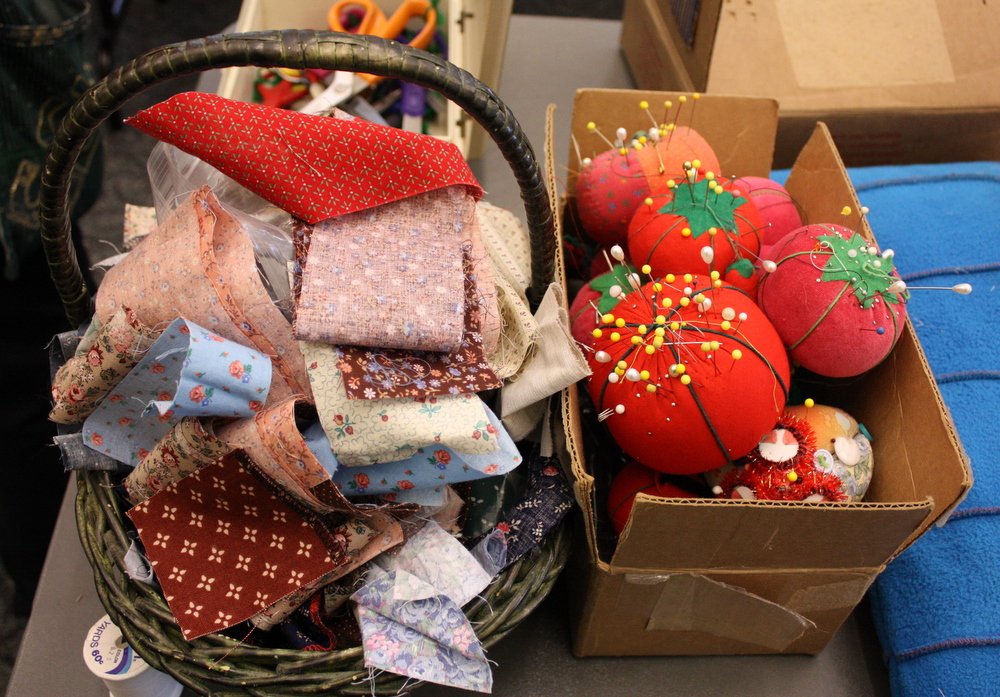
It hung on a nail on the back of a closet door, or inside the pantry, or on the cellar stairs. A sack – usually itself made from something worn out – with scraps of cloth stuffed into it.
If you grew up around one, you were taught not to throw fabric away. Anything made of cloth that had finished its life as a garment or a sheet went in the bag, and the bag was never emptied into the trash.
The reason is the part that has disappeared, and it is not thrift in the vague moralising sense. Worn cloth was a commodity. It had a buyer, a weight and a price, and the sack on the closet door was closer to a savings account than a waste bin.
Cloth Used to Be Expensive, and That Explains Everything
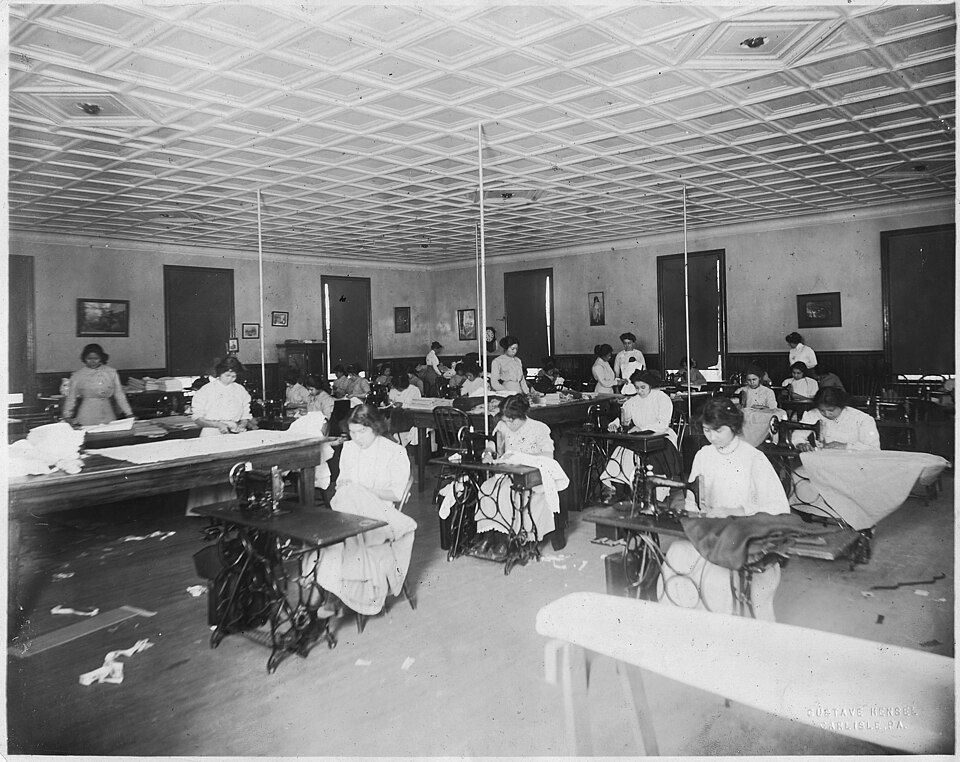
Before the full industrialisation of textile production and the arrival of synthetic fibre, fabric cost real money relative to what households earned.
That single fact reorganises the whole economy of a house. A garment was not a disposable item with a season’s life. It was an object representing a significant purchase, which was expected to be worn, then altered, then handed down, then repurposed, then cut up, and then sold or used as raw material – a sequence of five or six distinct lives, each one further down the hierarchy.
So the rag bag is not the end of that sequence. It is the staging area for the last two or three stages of it. Nothing arrived in the bag until it had already failed as clothing, and nothing left the bag until somebody had decided which of the remaining uses it was good for.
Which means the bag had internal order. Households that ran this properly sorted as they went.
Like our content? Follow us for more.
What Was Actually in There, Sorted
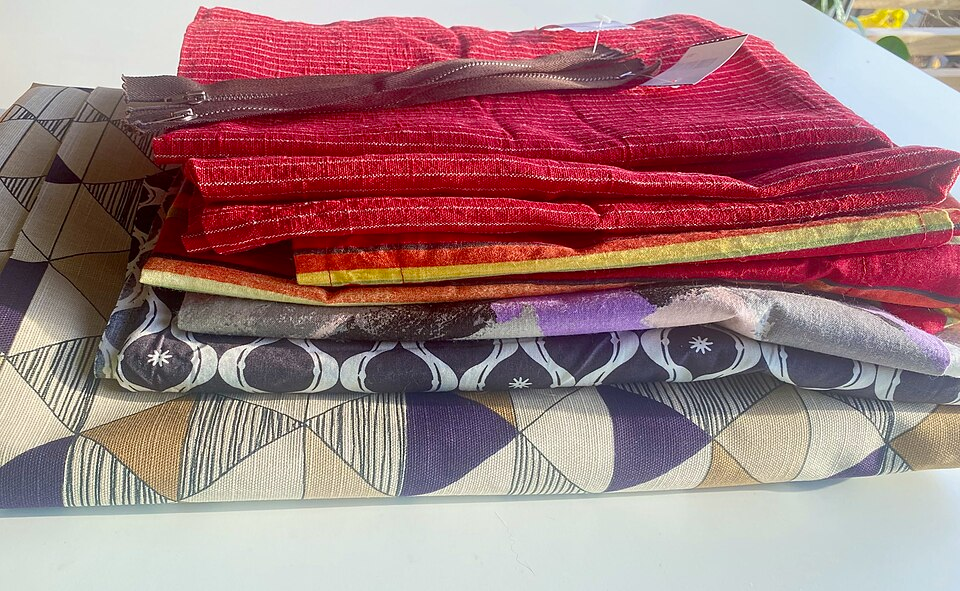
The categories were real and consistent enough across American households that they are worth listing.
Good cotton, in pieces large enough to be cut – the most valuable contents. This went to patching, to quilt piecing, to rug material, to backing, to pressing cloths and to anything that needed clean usable fabric.
Soft worn cotton and linen, too thin or small to sew with. This became cleaning cloth, polishing cloth and dish cloth, and worn thin cotton is genuinely better for some of those jobs than new fabric, because it is lint-free and absorbent in a way new cloth is not.
Wool, kept entirely separately. Wool was worth more, it had its own buyers, and it had its own uses – padding, stuffing, and material for heavier work.
Strings, tapes, bindings and buttons, generally removed before anything went in the bag at all, because fastenings and trim outlasted cloth and were worth more per item than the fabric they came off.
And the genuinely finished material – stained, rotted, oily – which was the bottom of the hierarchy and went for the roughest work or was finally burned.
The Rag Man Paid Cash
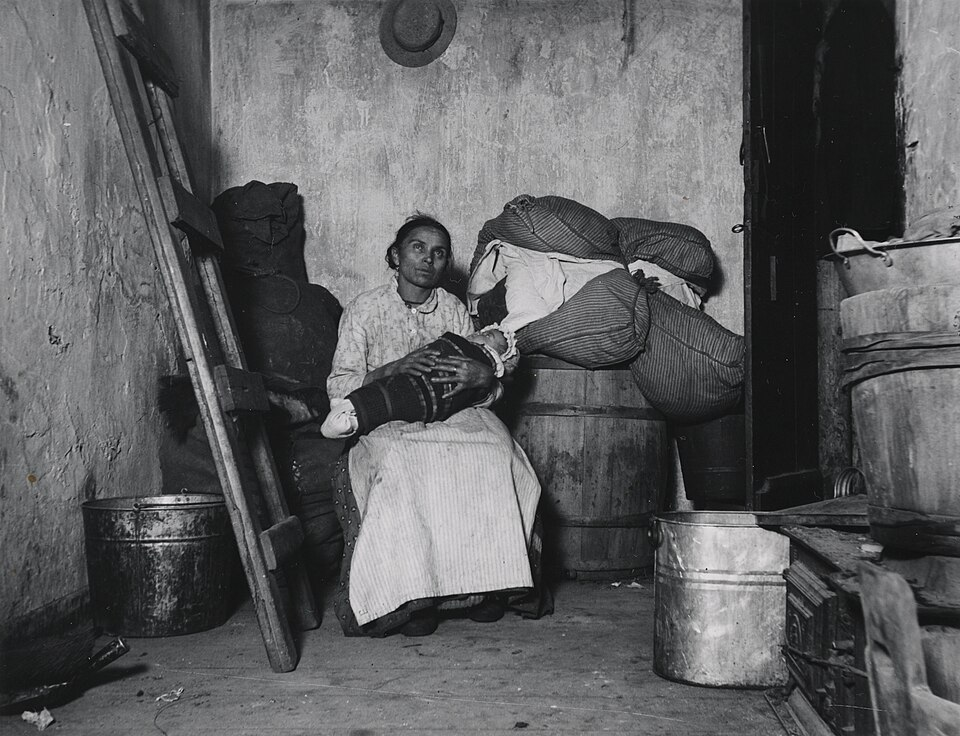
This is the fact that modern readers find hardest to believe. Somebody came to the door and bought your rags.
The rag peddler, the junk man, the ragman – the names varied – travelled a route with a wagon and later a truck, buying rags, scrap metal, bottles, bones and paper from households by weight. He had scales. He paid in coin, or he traded against goods he carried, and in many households the rag money was the only cash a woman controlled outright.
That deserves emphasis. In a farm household where the crop money went through the man of the house and the accounts were kept at the store, a handful of coin from the rag man was income that did not pass through anybody else’s hands. It bought small things. It was remembered.
And the demand was real rather than charitable. Cotton and linen rags were the raw material for paper, and for a long period the best paper in the country was made from them – which means the worn-out sheets off an American bed had an industrial buyer at the other end of a supply chain. Wool rags were reprocessed into cheaper woollen cloth. There was a trade, with prices that moved, and the household was selling into it.
The Bag Fed the Household’s Own Manufacturing
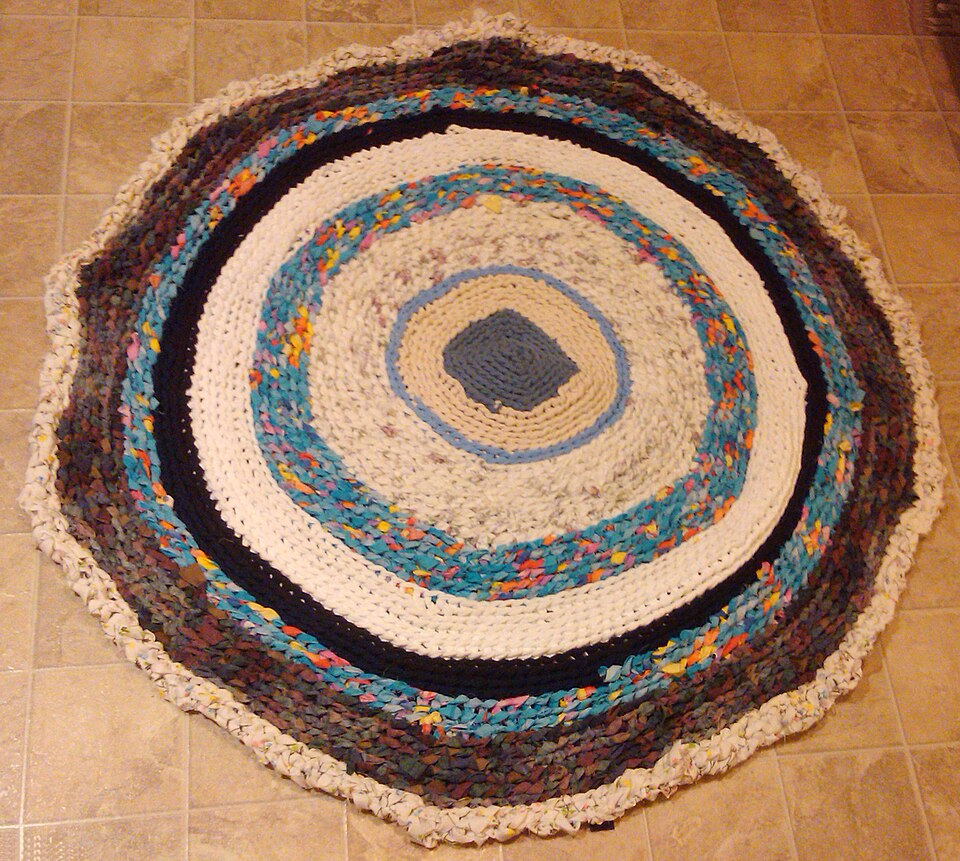
Selling was only part of it. A great deal of what came out of the bag was made into something at home.
Patching and mending, continuously. Quilt piecing, which is the best-known use and which has its own enormous literature. Rag rugs, braided or woven. Stuffing for cushions, pads and dolls. Holders for hot pans. Binding and ties for a hundred small jobs. Cleaning material for every surface in the house. Wicks. Wrapping. Padding inside anything that needed to be protected.
The important point is that the bag was an input to production rather than a store of sentiment. A household that needed a thing made looked in the bag first, and the question was always whether the material was already in the house before anybody considered buying any.
That is a reflex that has gone almost completely, and it went not because people became wasteful but because the answer to the question changed. When new cloth is cheap enough, looking in a bag of scraps for a usable piece is a worse use of twenty minutes than buying the right thing.
It Was Also How Textiles Moved Between People
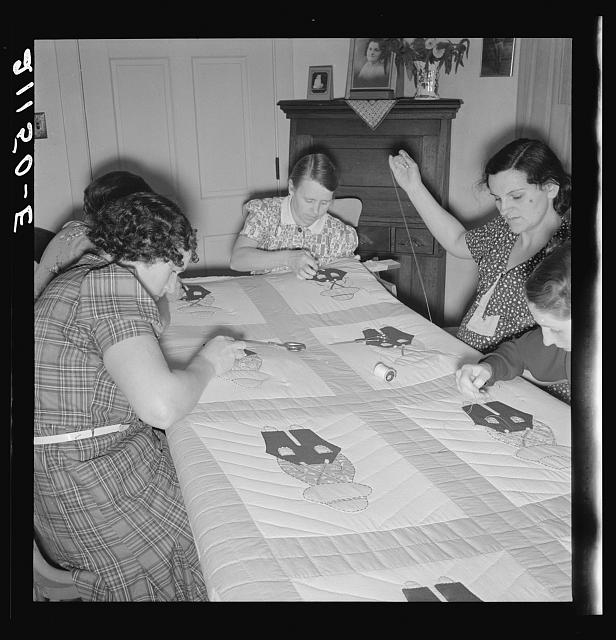
There is a social layer worth naming. Fabric circulated, and the rag bag was a node in that circulation.
Pieces were given. A woman starting a quilt would be supplied with scraps by relatives and neighbours, which is why old quilts contain fabric from a dozen households and why the pieces in them can sometimes be identified by the people who remember the dresses. Outgrown clothing moved between families with children of staggered ages. Material was swapped for material of a different kind.
None of that was commerce and none of it was charity exactly. It was an exchange network in a commodity everybody had some of and nobody had enough of, and the bag was where each household’s contribution to it was held.
The Sorting Was the Skill
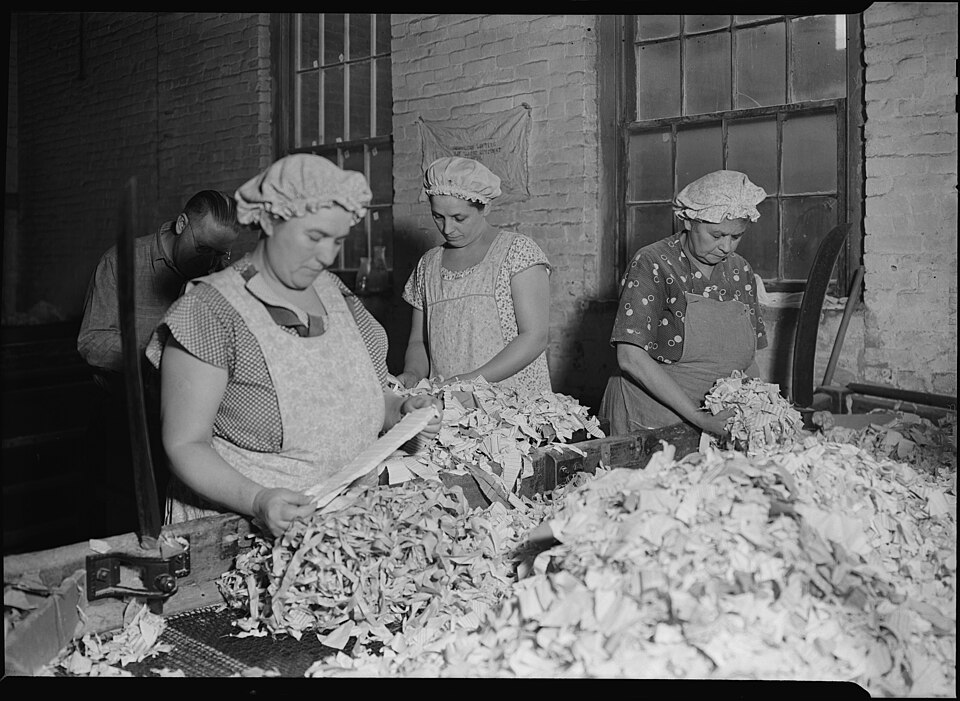
It is tempting to picture a sack of random scraps, and that is exactly what a badly run household had. A well-run one had something closer to a stock cupboard.
The woman in charge of it knew what was in there. Not approximately – specifically. She knew there was enough of a particular blue cotton to finish a border, that the heavy pieces were near the bottom, that the wool was in a separate sack because mixing it would waste it, and that the thin white cotton was the stuff to reach for if somebody cut themselves or something needed straining.
That knowledge was the actual asset, and it is the part that cannot be inherited. Daughters were taught to sort as they went, because a bag you have to empty onto the floor to search is a bag you will stop using, and the whole value of the system depended on being able to answer the question – have we got something that will do? – in under a minute.
Which is why the bags that survive in attics are almost useless to the people who find them. The cloth is there. The index went with the woman who built it.
Four Things Emptied It
The collapse was quick and it had four causes stacking up.
Cloth got cheap. Industrial scale, global supply and synthetic fibre together drove the real cost of fabric down so far that the economics of reuse simply inverted. A new dish towel costs less than the attention required to find and cut one out of a bag.
Synthetics also made the material worse for reuse. A worn cotton sheet is an excellent cleaning cloth. A worn polyester blend is not absorbent, does not take a crease, melts rather than scorches, and is poor quilt material – so the contents of the bag declined in quality at the same time as its contents became less necessary.
The rag trade changed. Paper moved to wood pulp, which removed the largest industrial buyer of household cotton rag. Wool reprocessing shrank. The peddler’s route economics stopped working once the per-pound value fell, and the man with the scales stopped coming.
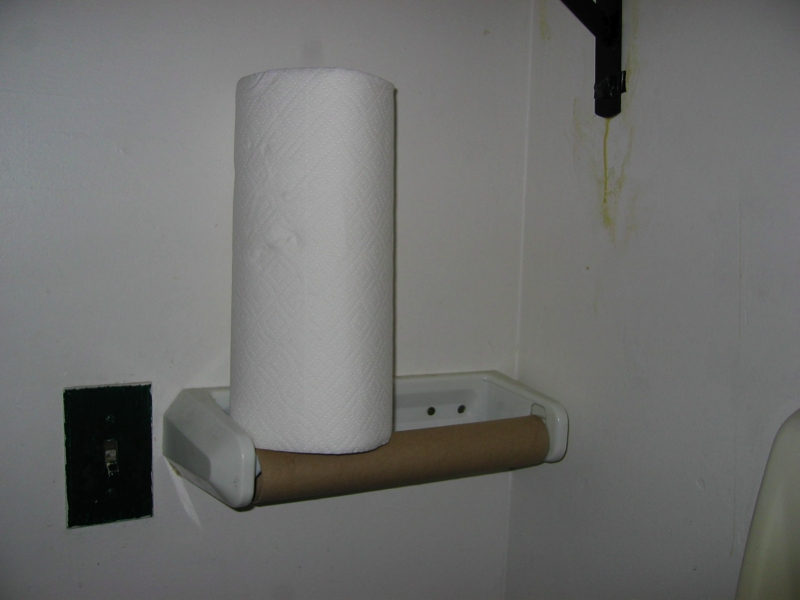
And the disposable arrived. Paper towel, paper napkins, factory-made cleaning cloths and then the whole category of single-use household products did the jobs that worn cotton used to do, better and with no sorting and no washing.
What Is Left of It
Three remnants, and they are all visible.
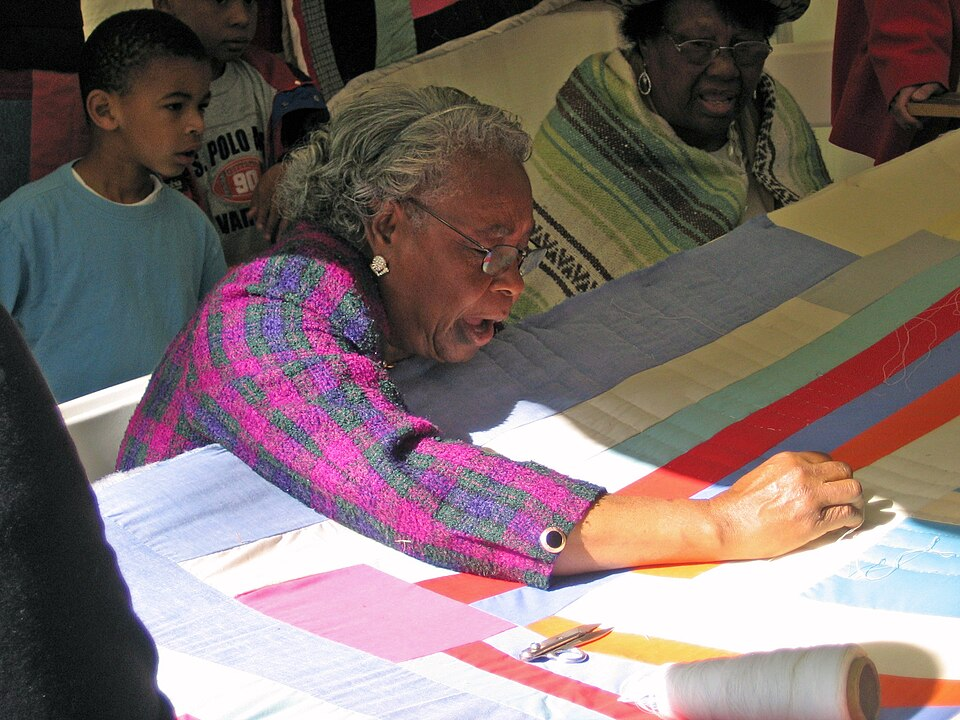
Quilting survived, and thrived, but it inverted. Modern quilting is overwhelmingly done with new fabric bought for the purpose, which means the craft outlived its own material supply chain and reversed the logic that created it – from making something out of what you had to buying material in order to make something.
The rag for cleaning survived in garages and workshops, where an old cotton shirt is still the correct tool, and anybody who works with oil or paint still keeps a box of them for exactly the reasons the kitchen used to.
And the reflex survived in the people who were raised with it. There are American households right now with a drawer or a bag of fabric scraps, kept by somebody who cannot throw cloth out, who is not going to use most of it, and who could not fully explain why.
That is not hoarding and it is not sentiment. It is a correct instinct about the value of material, formed when the instinct was right, and persisting into a period when the arithmetic that justified it quietly stopped being true.
Like our content? Follow us for more.