Somewhere in the fence line of an old farm in the stony parts of this country there is a pile of rocks, or a wall of them, and it did not get there by itself. Somebody moved every one of those stones by hand onto something, and then something dragged it.
The something was a stone boat: a flat sled, usually planks on two heavy wooden runners, with no sides, no wheels and no bed worth speaking of. Hitch a team to the front and it slides along the ground.
It looks primitive and it looks like something a farm built because it could not afford a wagon. It is neither. It is the correct tool, and the reason is a piece of simple physics about where the load has to be lifted to.
Loading Is the Hard Part, Not Hauling
Here is the thing that makes the whole design make sense.
A field stone is heavy, awkward, and has no handle. The work of dealing with it is almost entirely the work of getting it off the ground and onto whatever is going to carry it.
A wagon has a bed sitting on top of its axles, which puts the loading height somewhere around a man’s waist or higher. To put a rock in a wagon, two or three men have to lift it to that height, which is the single most dangerous and exhausting way to handle a heavy irregular object. Do it four hundred times in a day and somebody gets hurt.
A stone boat has a deck a couple of inches off the ground. A rock does not have to be lifted onto it at all. It has to be rolled, tipped or levered sideways, which can be done by one person with a bar, using the ground itself as the working surface.
That is the entire argument. The sled is worse than a wagon at moving a load and better than a wagon at receiving one, and for field stone the receiving is where nearly all the work lives.
Like our content? Follow us for more.
Why Dragging Is Acceptable
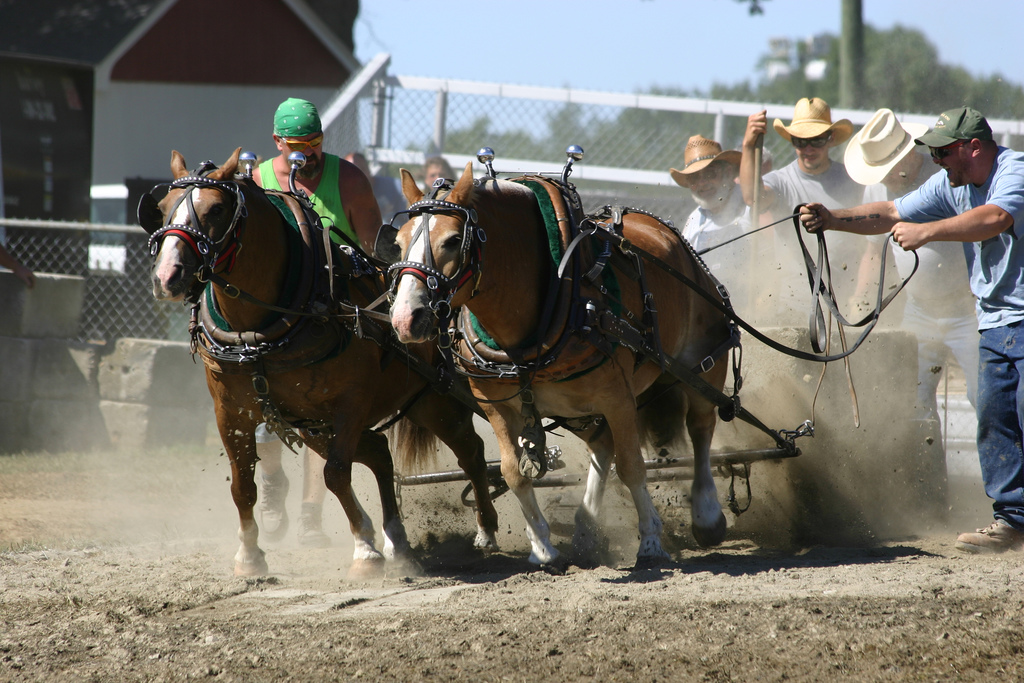
A sled has more resistance than wheels. On a hard road that difference is enormous, which is why nobody hauled anything to town on one.
But this work does not happen on a road. It happens in a field – soft ground, stubble, sod, mud, stones underfoot – and a wheeled vehicle in a field has its own problems. Narrow wheels cut in and sink. A loaded wagon on soft ground can bog to the axle, and getting it out is a project. Wheels also break, and a wheel is the most repair-prone part of any farm vehicle.
A sled has nothing to break. It has no axles, no bearings, no spokes, no hubs, no tyres. It is planks and runners, and when it wears out a farm with a saw and some oak makes another one.
Across sod and stubble the drag penalty is also much smaller than it is on a road, and on frozen ground or snow it nearly disappears, which is why so much heavy hauling on American farms happened in winter.
So the comparison is not sled versus wagon in general. It is sled versus wagon for short hauls across soft ground with a load that has to come up off the earth, and under those conditions the sled wins on every count that matters.
Where the Stones Came From
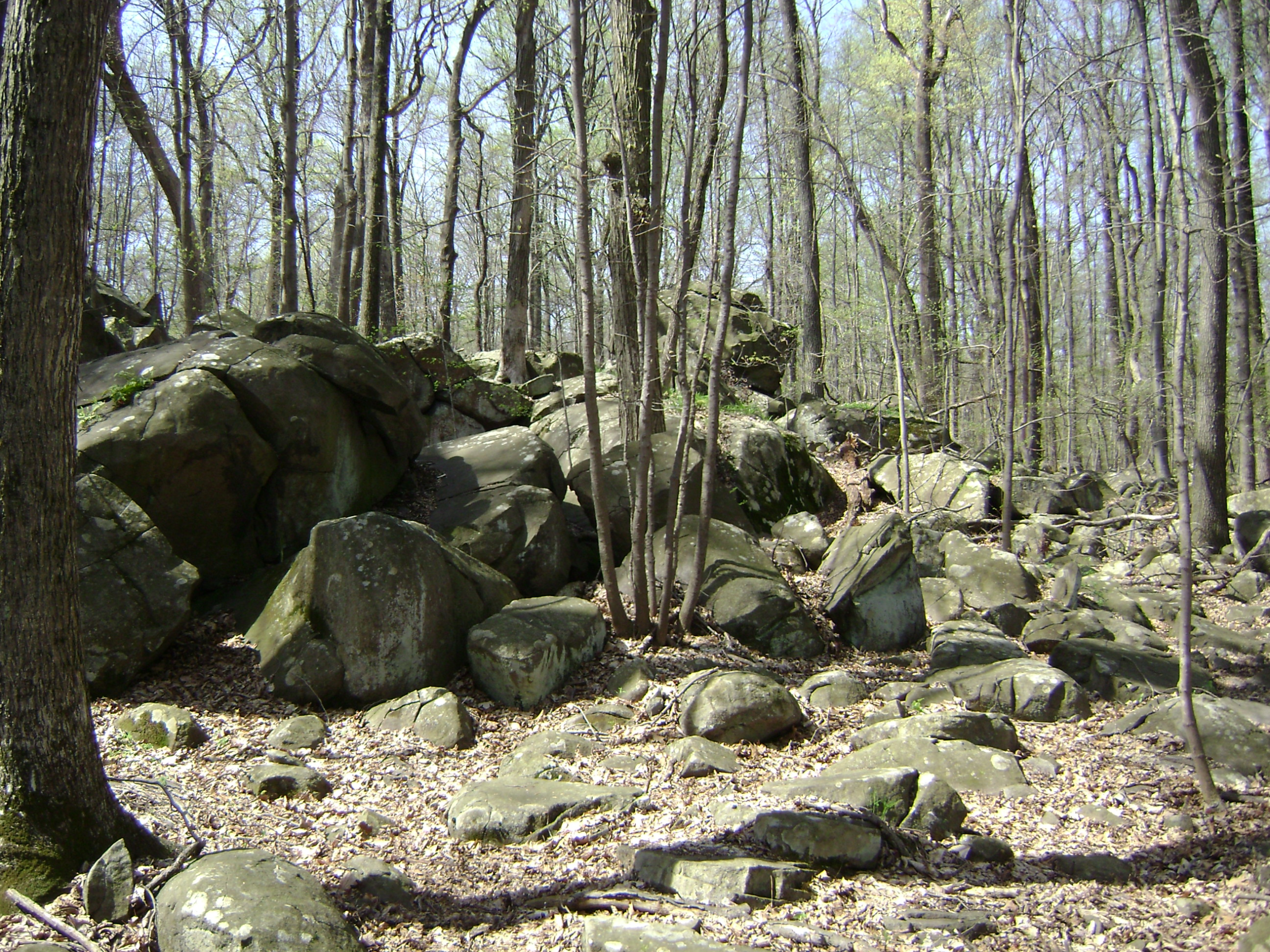
This needs saying, because it surprises people who did not grow up with it: the stones keep arriving.
In the glaciated parts of North America, the soil is full of rock left behind by ice, and it is not a fixed quantity sitting on the surface. Every winter, water in the ground freezes and expands, and the expansion pushes objects upward. Stone, being denser and conducting heat differently from the soil around it, migrates up through the profile over repeated freeze cycles.
Which means a field that was cleared of surface rock one spring has new rock on the surface the following spring. Not because anybody did anything wrong. Because the ground is manufacturing it.
Every spring, before working the ground, somebody went over the field picking rock. This was the job given to children and to anybody else available, and it ran for as long as the field took. The stone boat went along behind, and the picked stone went onto it.
That is why the job never ended and why there is no point in a farm history anywhere that says the stones were finally all gone.
Where the Stones Went
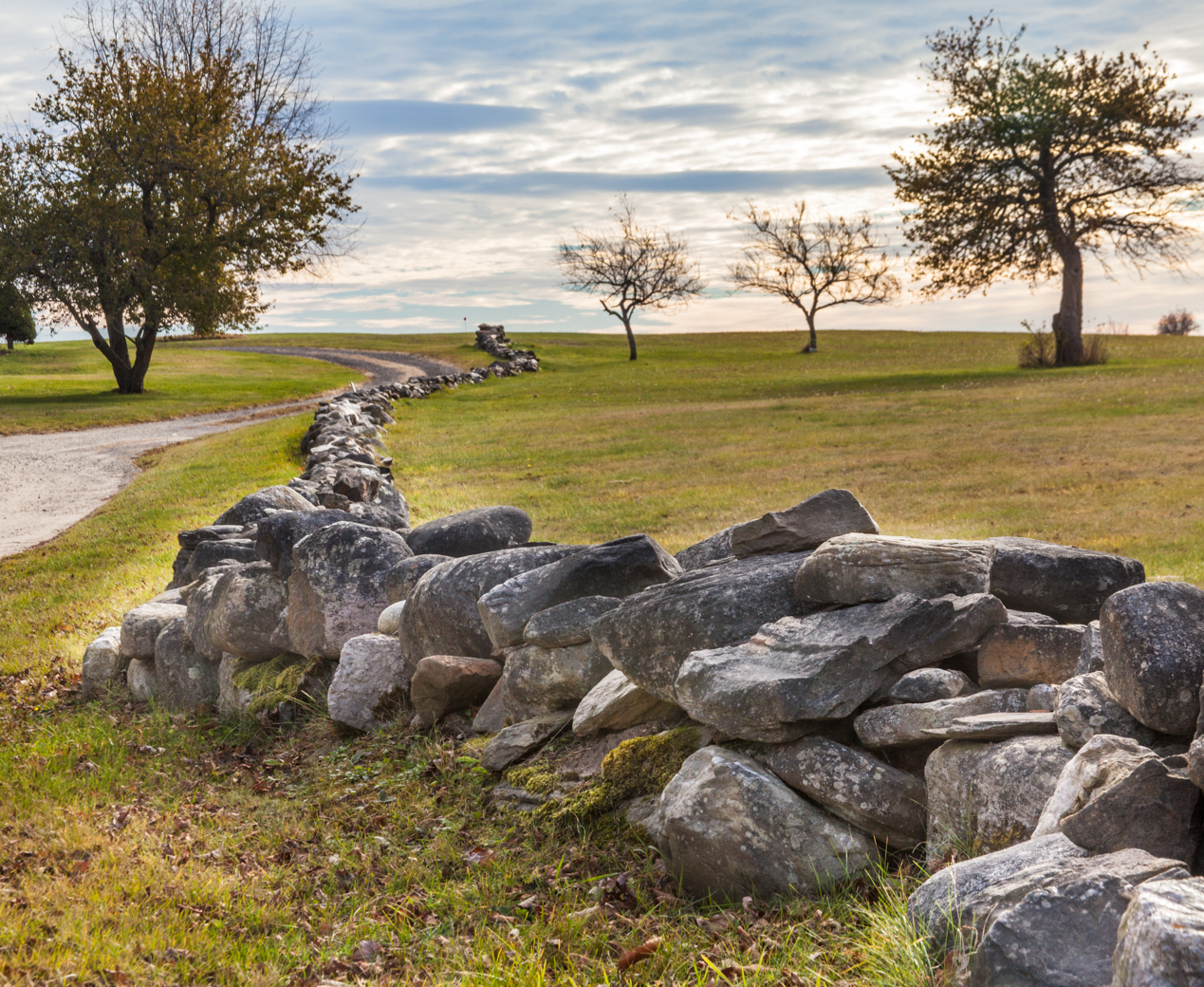
Four destinations, and you can read a farm’s history in which ones it used.
The fence line, which is the commonest. Stone dumped along a field edge, eventually becoming a continuous ridge, and in places built up properly into a wall. Those walls are famous in the northeastern United States and they are frequently misread as a landscape feature somebody designed. They are mostly a disposal problem given a shape.
Gullies and wet spots, where rock was dumped to stop erosion or to make a soft crossing passable.
Lanes and yards, where stone went to make a surface that would carry traffic in mud.
And foundations, walls and buildings, because a farm with a large supply of free stone and somebody who could lay it had a building material. Spring houses, cellars, barn foundations and bridge abutments all came out of fields.
The stone boat is the link in all four cases. It is the thing that got the rock from where it emerged to where it was wanted.
It Did Everything Else Too
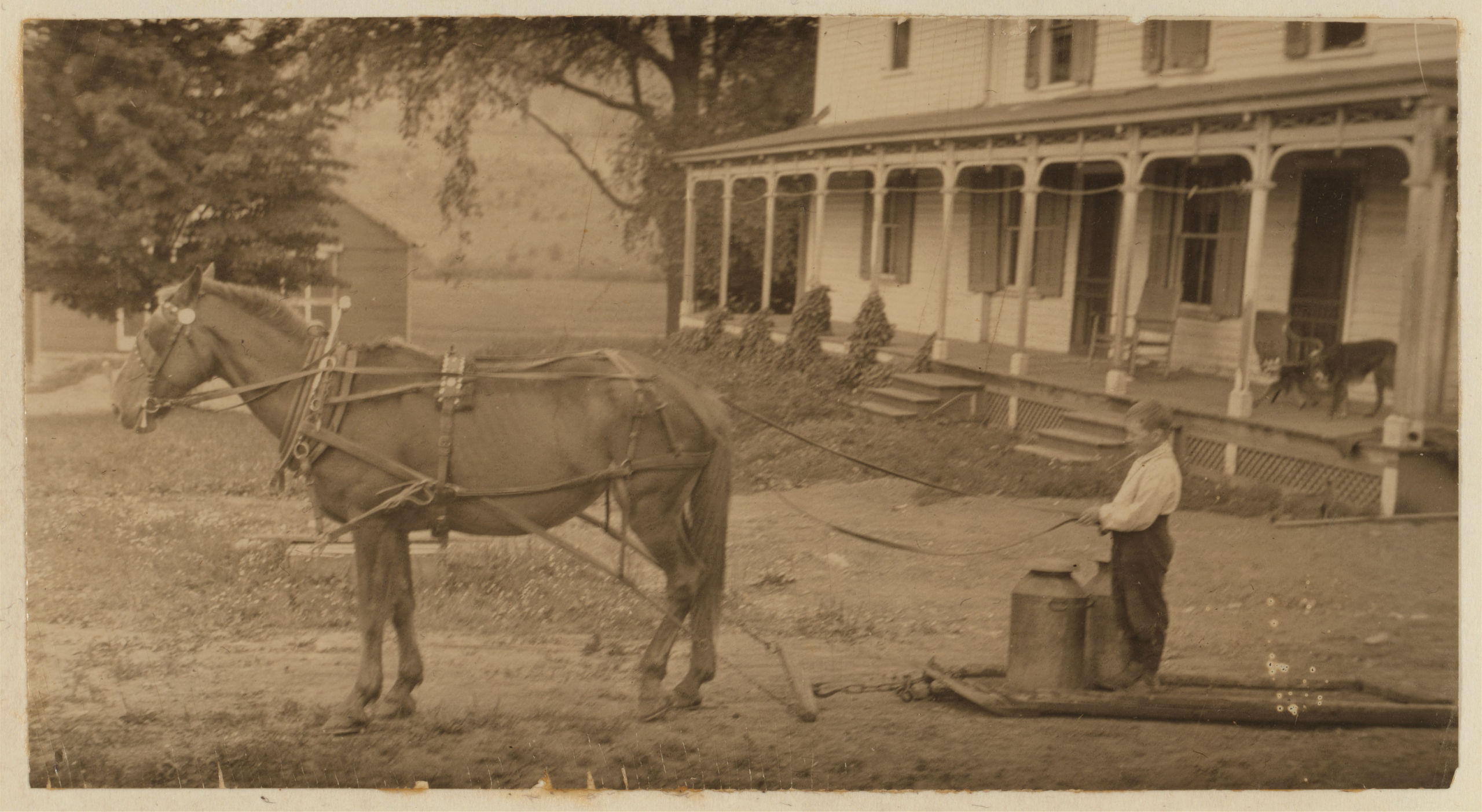
The name says stone, and stone was the hardest duty, but a flat low sled turns out to be the right answer to a great many farm jobs.
Moving a heavy crate or a barrel. Carrying tools and a toolbox out to a repair. Hauling feed. Taking a load of anything across a yard too muddy for a wheeled cart. Dragging a dead weight of any kind. Hauling the family’s wood in from the woodlot in winter, when the runners were doing exactly what runners are for.
Some farms had a purpose-built one with iron-shod runners and a proper tongue, and some had a thing knocked together from planks that a horse was hooked to with a chain. Both worked. The design has essentially no tolerance requirements, which is why there is no standard version of it and why every old farm had one that looked slightly different from the neighbour’s.
Rock Picking Was the Job Everybody Remembers Resenting
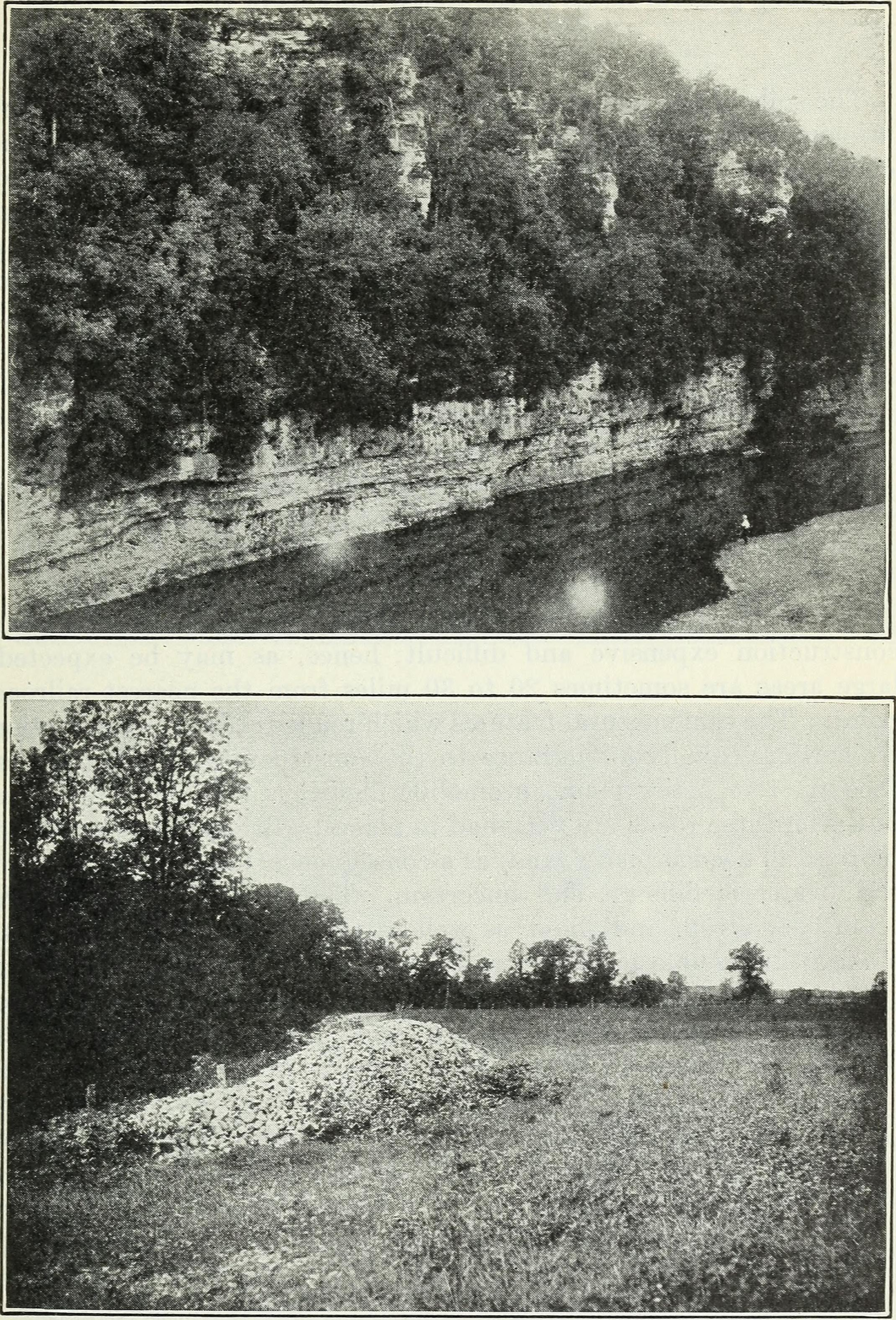
Ask anybody who grew up on stony ground about this and you will get the same reaction, which is not nostalgia.
It happened in spring, in cold wet weather, before anything interesting was going on. It was slow. It was dirty. The stones were cold and sharp and there was no end point visible from the start of the field. And the reward for finishing was knowing with complete certainty that the same work was waiting the following year, because the ground had already started pushing up the next batch while you were carrying this one.
It was also one of the few farm jobs where a child’s labour was genuinely useful rather than mainly educational. A ten-year-old cannot pitch bundles or drive a team, but a ten-year-old can pick up a rock and put it on a sled, which meant the whole family went to the field.
The one thing people do say in its favour is that it taught everybody the ground. Walk a field slowly, bent over, four or five springs in a row, and you end up knowing where it is wet, where the soil changes colour, where the slope actually runs and where the thin spots are. Nobody set out to teach that and it could not have been taught any other way.
What Replaced It
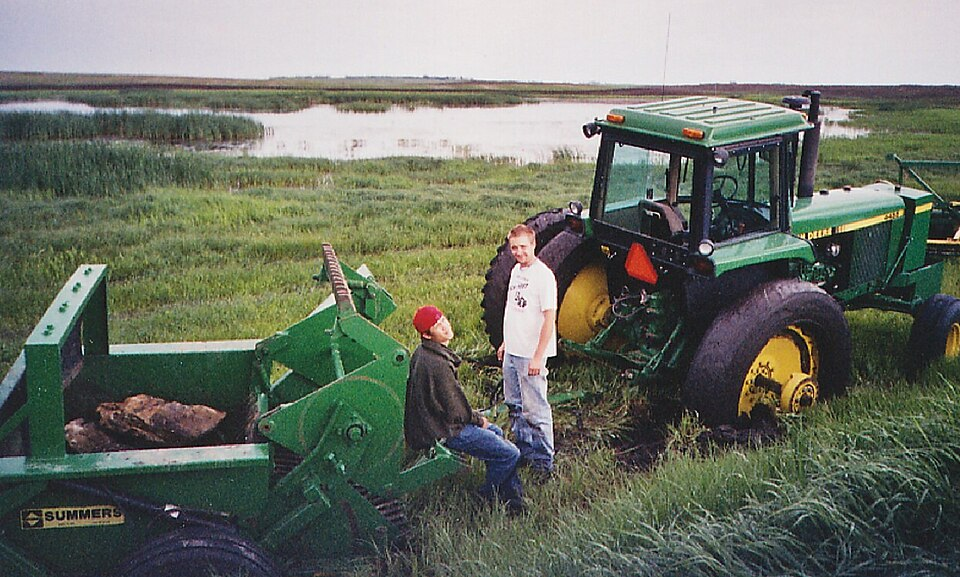
The tractor did not end the stone boat. For a while it improved it, because a tractor pulling a sled is a better arrangement than a team pulling one, and a great many stone boats were dragged by tractors well into living memory.
What ended it was the loader.
A tractor with a front end loader, or later a skid loader, removes the problem the stone boat was designed around. The whole point of a low deck is that lifting is expensive. Give a farm a hydraulic bucket and lifting becomes nearly free, which means the loading height stops being a constraint at all and a rock can simply be scooped off the ground and dropped into a trailer at whatever height is convenient.
Once that happened the stone boat had no advantage left. The sled’s only superiority was at the loading step, and the loading step had been mechanised.
Rock picking also changed as a task. Purpose-built mechanical rock pickers exist, fields got larger, and in many areas the economics shifted toward tolerating stone and accepting the implement wear rather than paying people to walk the field.
The Planks in the Fence Corner
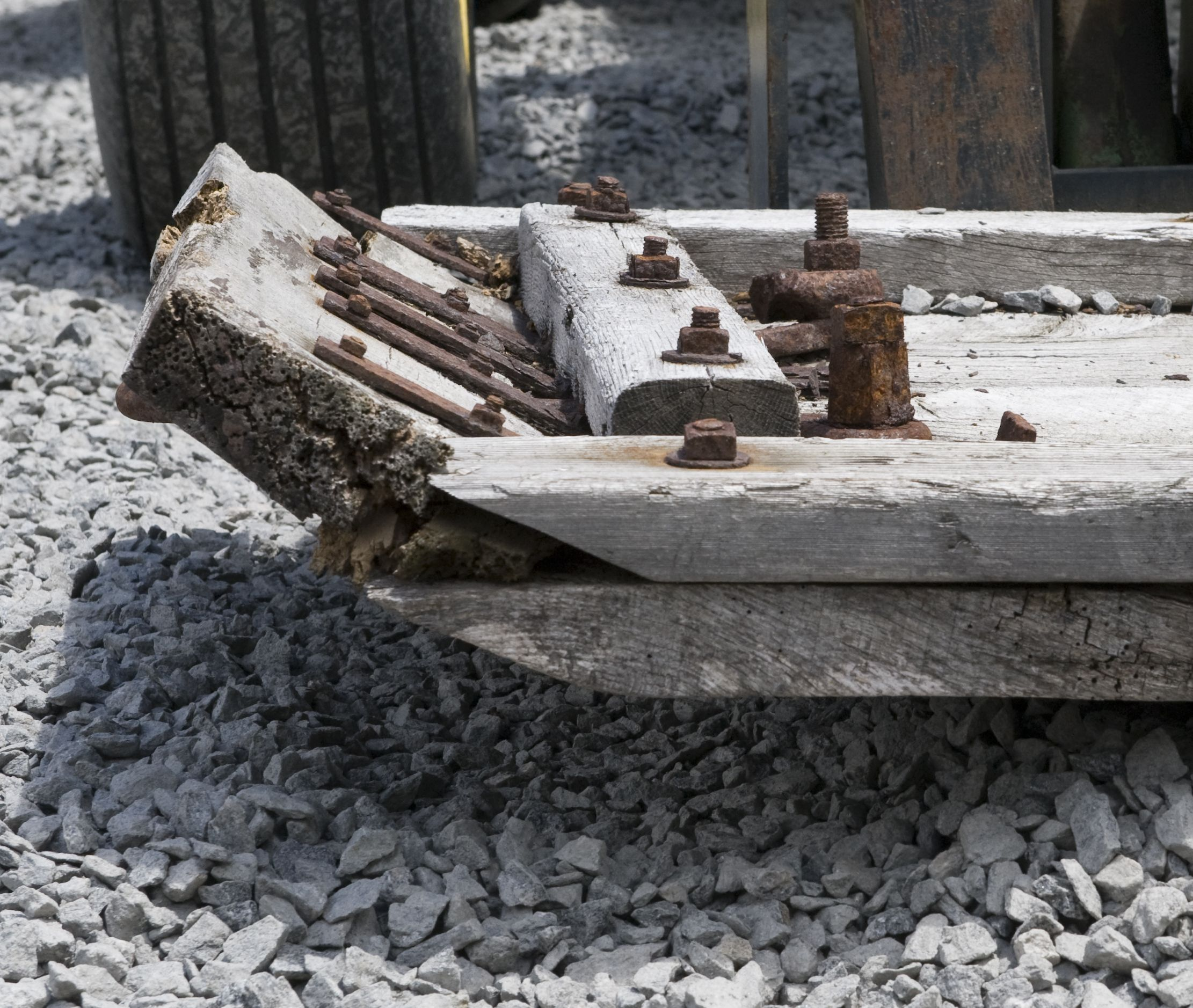
They do not survive well, which is part of why most people have never seen one. A stone boat is untreated wood that spent its life in contact with wet soil, and when a farm stops using one it rots where it was left.
So what is left is the evidence rather than the object: the stone walls and the field-edge ridges and the rock-filled gullies, all of which are the output of a vehicle that has mostly disappeared.
If you walk a stone wall in old farm country, it is worth remembering how each of those stones travelled. Not quarried, not delivered, not placed by a mason working from a design. Levered sideways out of a field by somebody’s hands onto a plank sled two inches off the ground, dragged to the edge, and tipped off.
Then the next spring the ground pushed up some more, and they did it again.
Like our content? Follow us for more.