

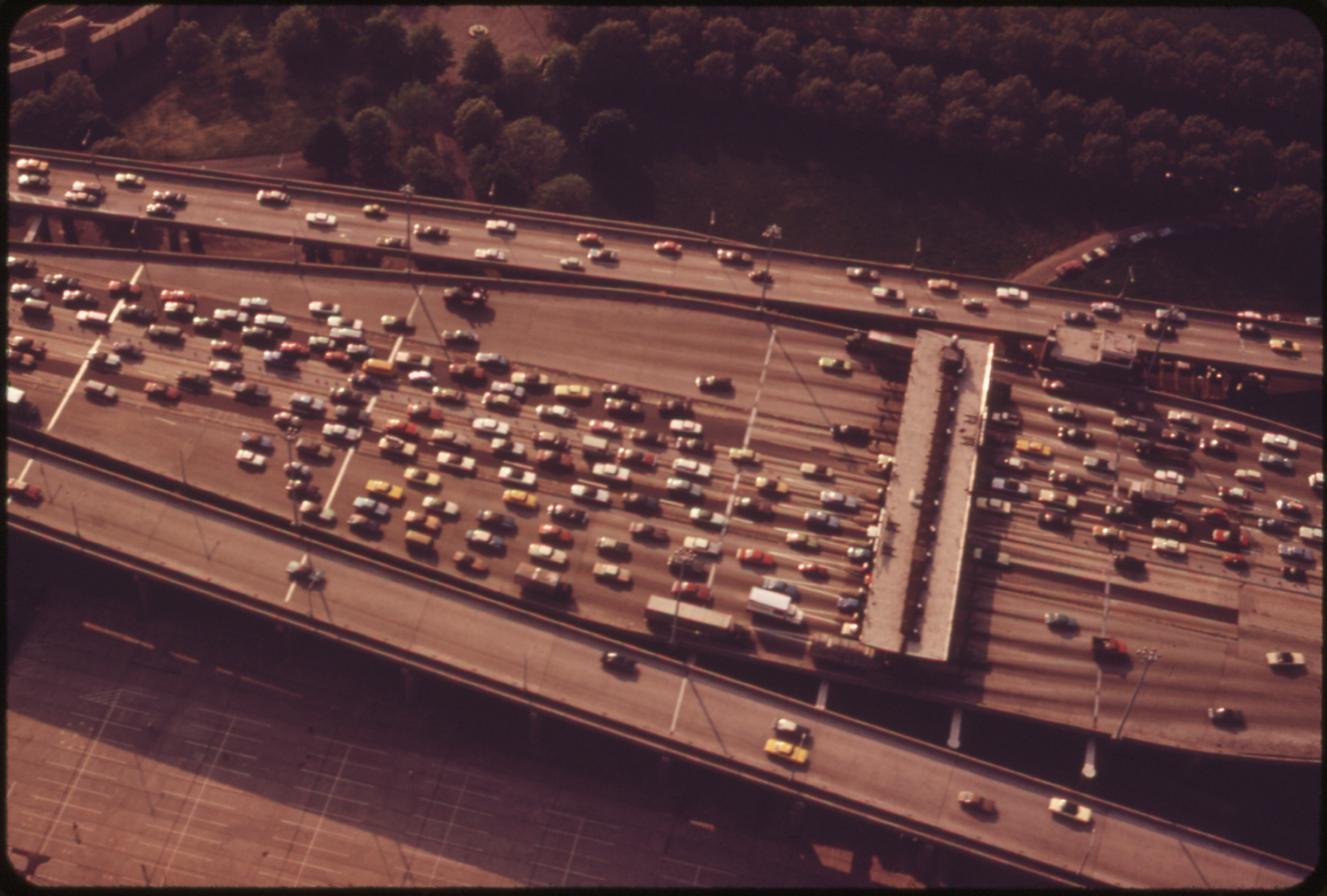
In 1974 every toll meant stopping. The whole road came down from highway speed to a dead halt, in lanes that fanned out from three to a dozen, and then merged back again.
There was a person in the booth. You handed them coins, or you threw exact change into a wire basket and hoped you did not miss. On a turnpike you took a stiff ticket at one end and surrendered it at the other, and losing it meant paying the maximum for the whole road. Your toll depended on how many axles a treadle counted under you.
Here are fifteen things every American driver did at a toll booth in 1974, and what replaced each one.
1. There Was a Person in the Booth and You Spoke to Them
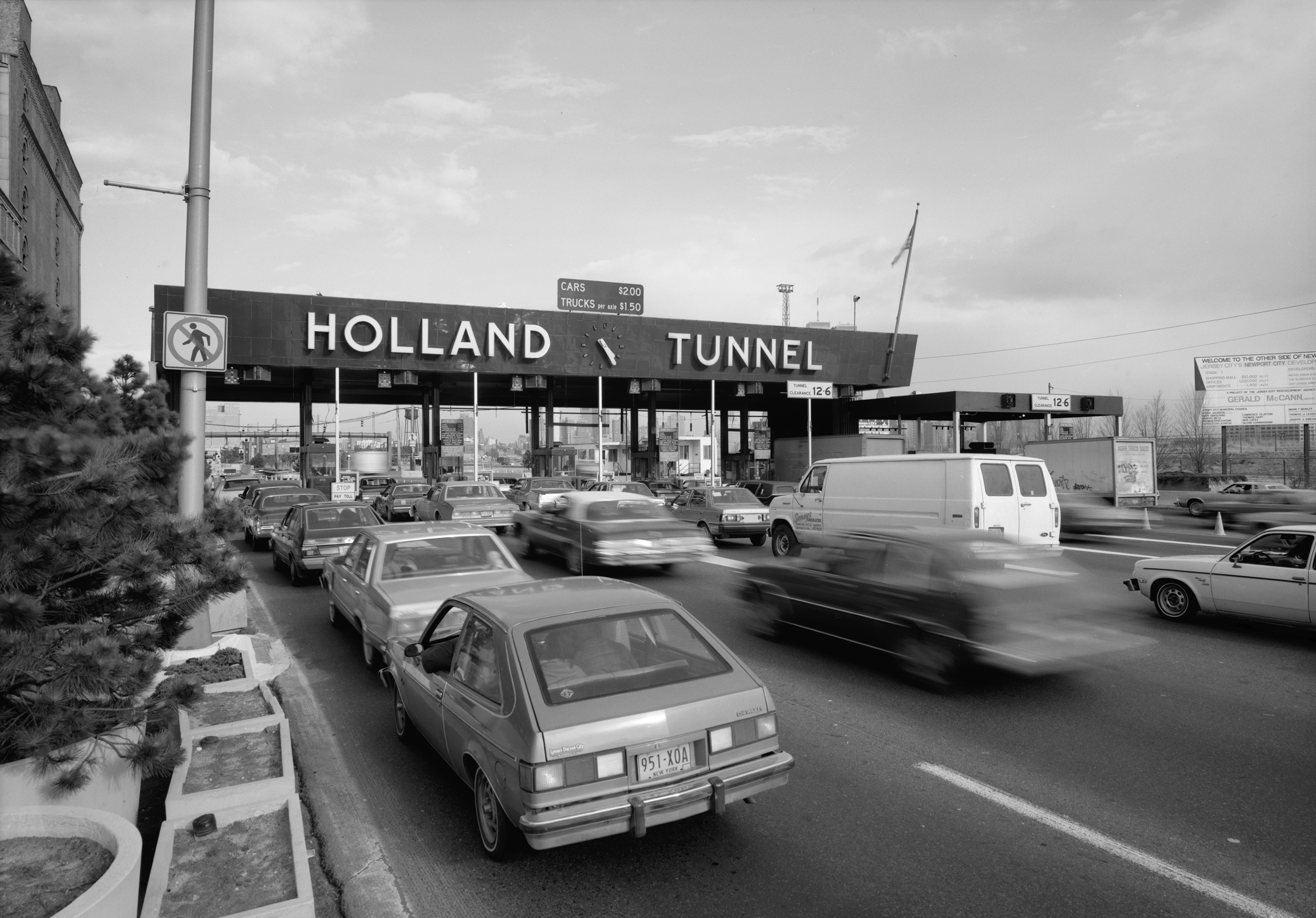
Most toll lanes were staffed by a collector sitting in a glass booth, who took your money, made change, handed back a receipt if you wanted one and waved you through, several hundred times an hour.
Open road tolling read by overhead gantries at highway speed, with the vehicle identified by transponder or licence plate and billed afterwards. Many systems have removed their booths entirely.
The human contact is the part people describe when they talk about it. You said thank you, they said something back, and on a route you drove regularly you came to recognise the person in the booth and they recognised the car – which is a strange thing to have lost, because nobody chose to lose it and nobody particularly defended it either.
Like our content? Follow us for more.
2. The Exact Change Lane Had a Basket and You Threw Coins Into It
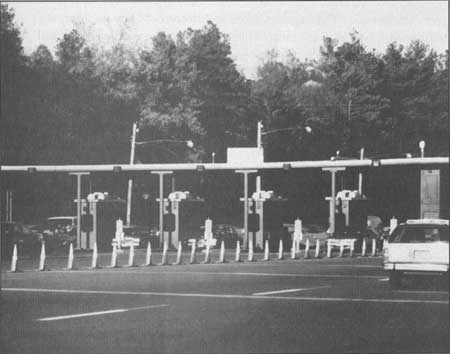
Automatic lanes had a wire or metal basket beside the window. You tossed in the exact toll in coins, a mechanism counted them, and a light or a barrier released you.
Electronic collection with no stopping at all. The basket was an elegantly simple machine that counted coins by weight and size and is one of the few pieces of public infrastructure almost everyone used and nobody thought about.
Throwing the coins correctly was a genuine skill and getting it wrong was mortifying. Miss the basket and your coins went onto the road under the car, the light stayed red, a queue formed behind you, and you had to decide between getting out in a live traffic lane to retrieve them or finding more change – which is why a lot of drivers kept a dedicated cup of toll coins in the car at all times.
3. You Took a Ticket at One End and Surrendered It at the Other
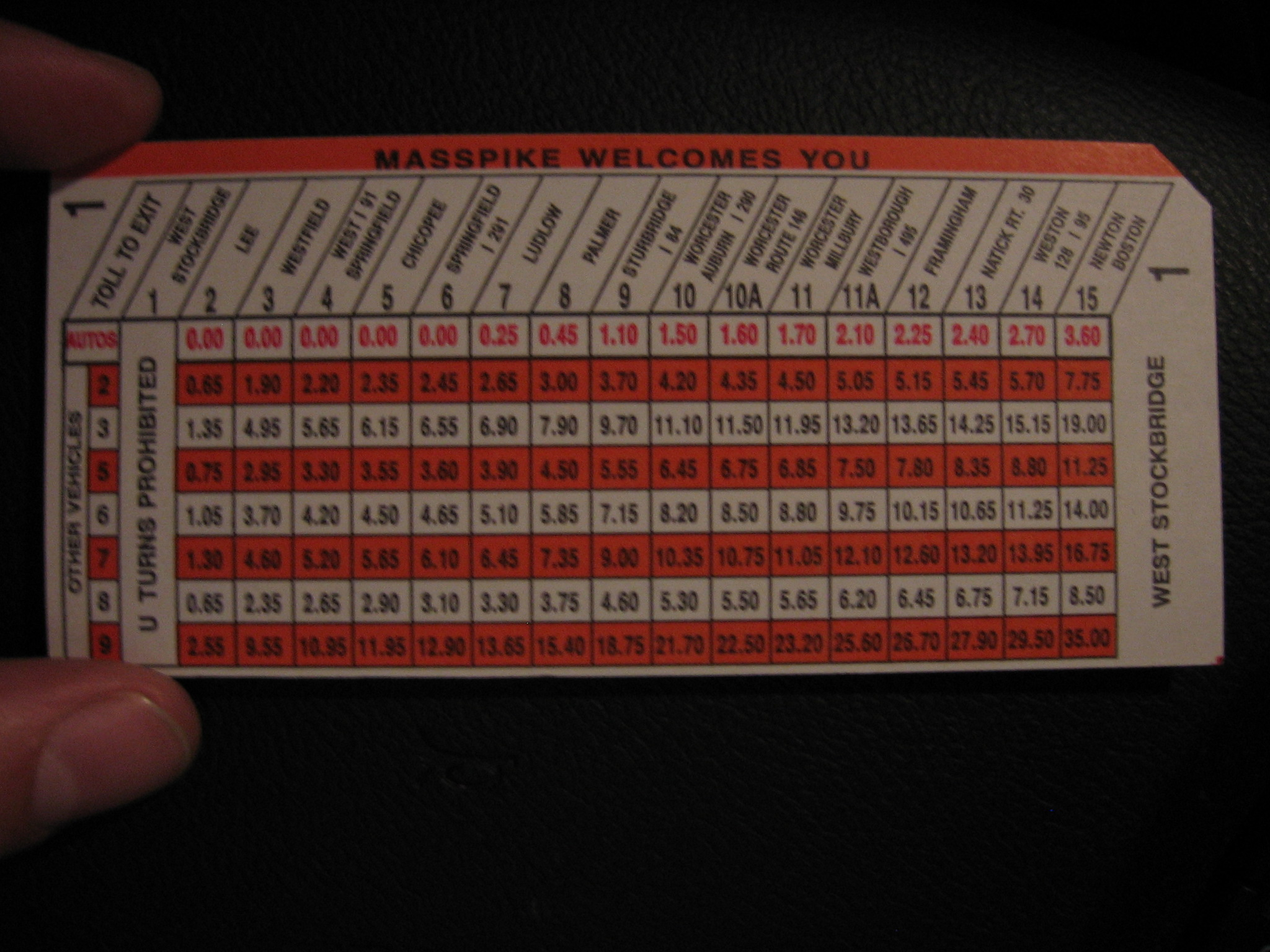
On ticket-system turnpikes you stopped at an entry plaza, took a stiff card from a machine or an attendant, kept it for the whole journey, and handed it over at the exit where the toll was calculated from where you had got on.
Automated distance-based billing with no physical token. The ticket was the only record of your entry point and losing it meant paying the maximum toll for the full length of the road.
Which made the ticket an object of real anxiety on a long drive. It went on the dashboard, in the visor clip or in a shirt pocket, it blew out of open windows, children lost it, and the lost-ticket maximum charge was a known and feared penalty that drivers discussed in the same tone as a speeding fine.
4. The Toll Depended on How Many Axles You Had and a Treadle Counted Them
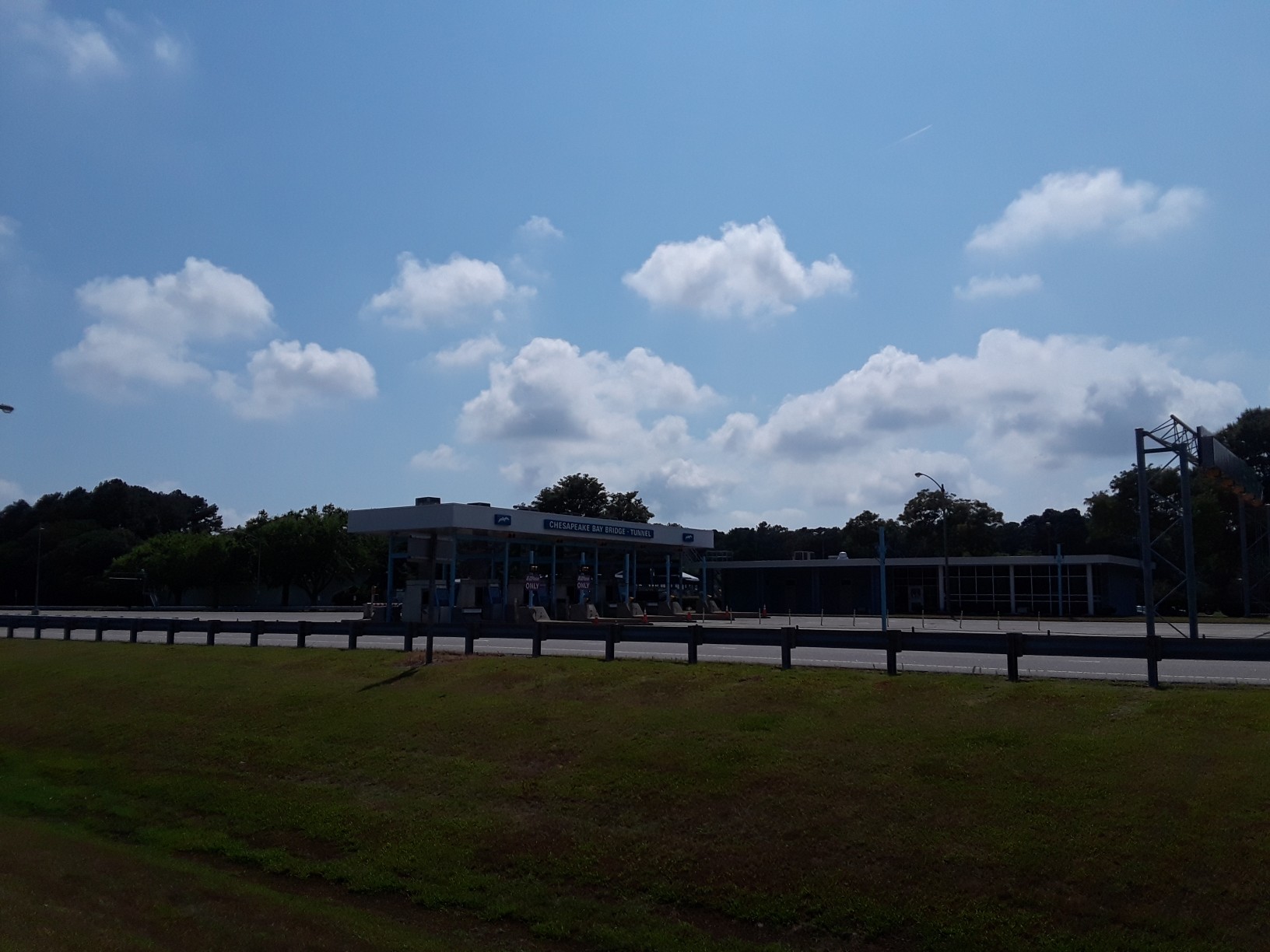
Vehicle classification was done by axle count, read by treadles set into the road surface at the booth, with the attendant checking visually and adjusting the class for duals, trailers and towed vehicles.
Overhead laser and camera classification that profiles the vehicle at speed. The treadle was mechanical, simple and occasionally wrong, and the attendant’s judgement was the correction.
Towing anything turned a routine stop into a negotiation. A car with a small trailer, a boat, a camper or a car on a tow bar could be classified several different ways, the classification doubled or tripled the toll, and drivers who towed regularly learned which plazas and which attendants read it which way.
5. Nobody Took Paper Money in the Automatic Lane and Signs Said So
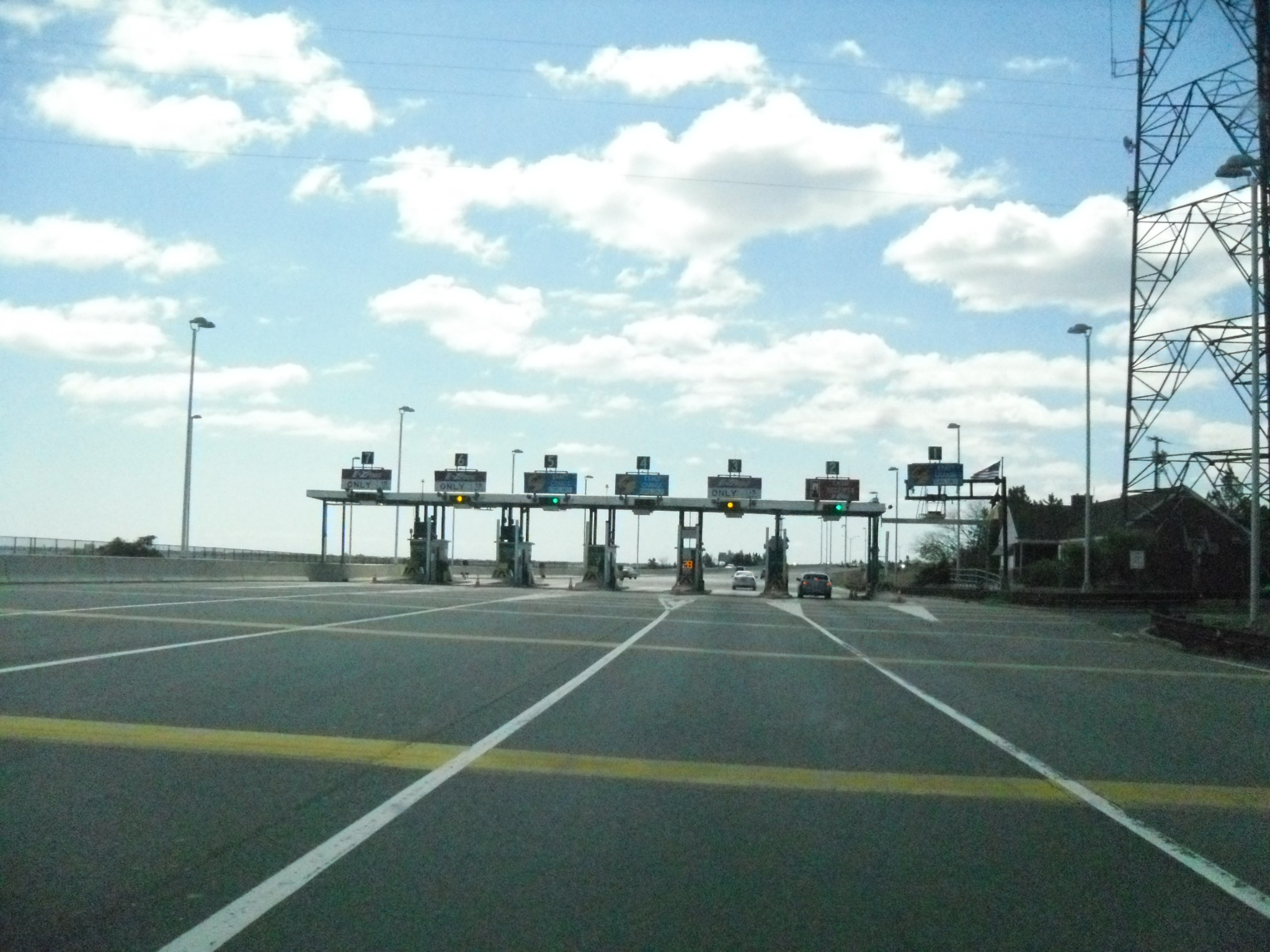
The exact change lanes took coins only. Bills were not accepted, there was no change given, and signs well before the plaza warned you to get your coins ready and to pick your lane accordingly.
Any payment method, or no payment interaction at all. The coins-only rule drove a specific behaviour that every regular driver had: the toll fund in the car.
The pre-plaza scramble was a universal domestic scene. A mile out, the driver asked for change, the passenger searched the glovebox, the ashtray and under the seats, children were sent into coat pockets, and the decision about which lane to take was made on the basis of whether the coins had been found in time.
6. Commuters Bought Tokens or Ticket Books in Advance
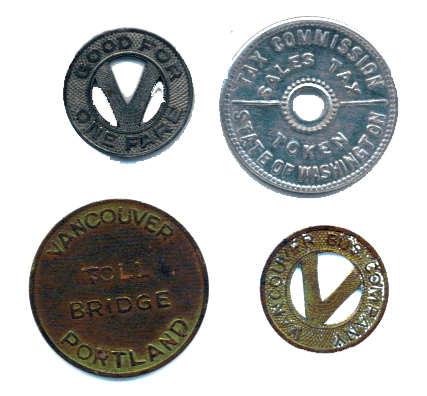
Regular users bought brass or nickel tokens, or books of pre-paid tickets, at a discount from the plaza office or by post, and used a dedicated lane where they dropped a token in the basket.
Automatic account top-up on an electronic tag, with commuter discounts applied by plan. The token was a physical pre-payment, bought in bulk, carried in the car and occasionally used as a substitute for a coin elsewhere.
Tokens created their own small economy that outlasted the systems that issued them. They were lent between neighbours, found in drawers decades later, accepted by some vending machines by accident, and when systems converted to electronic collection the surviving tokens became collectable objects – which is an unusual afterlife for what was essentially a receipt.
7. The Collector Sat in Exhaust Fumes All Day and It Was a Known Problem
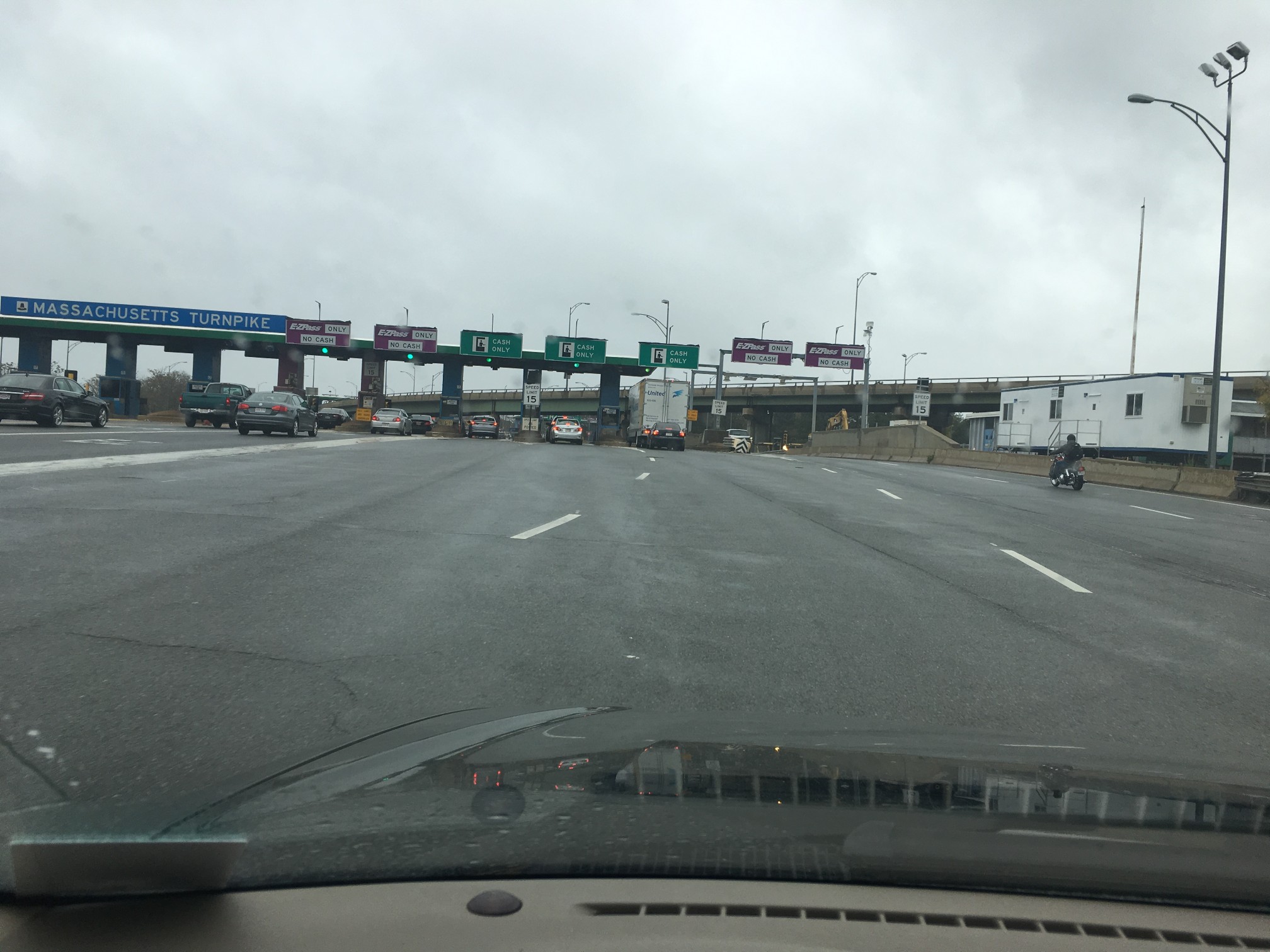
Booth collectors spent whole shifts in a small glass box at the level of the exhaust pipes of idling and accelerating traffic, with the window open to take money.
Booth ventilation and filtration standards where staffed booths remain, with a great many booths eliminated. The exposure was recognised as an occupational health issue and was studied.
It is worth recording as the occupational history it is. Collectors reported respiratory symptoms, air quality in the booths was measured and found to be poor, and the pressurised and filtered booths that followed – along with the removal of staffed lanes altogether – were a direct response to that evidence rather than a general modernisation.
8. Everybody Slowed From Highway Speed to a Stop, Together
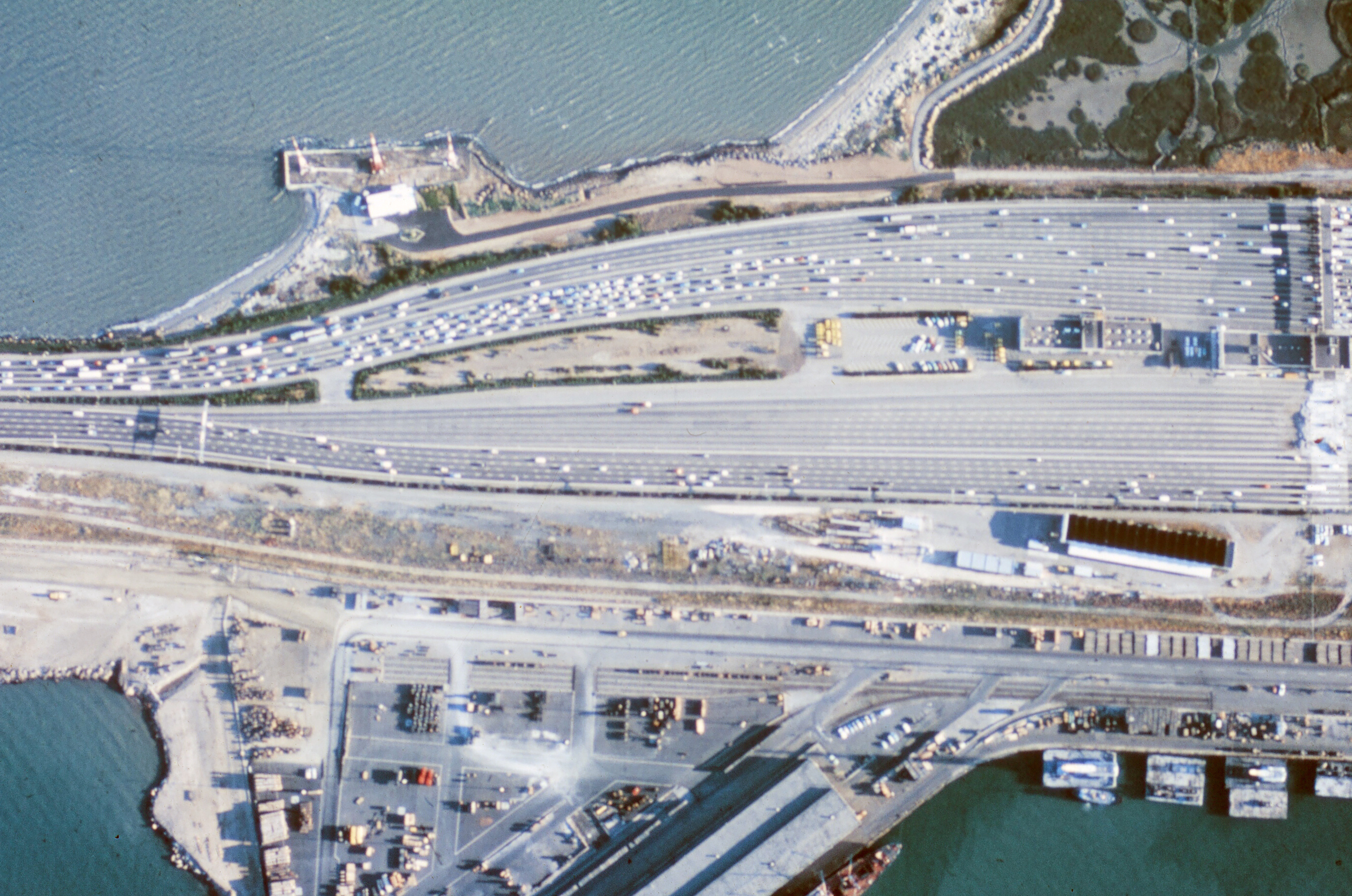
A toll plaza required every vehicle on the road to decelerate to a complete stop, pay, and accelerate back to speed, in lanes that fanned out from three to a dozen or more and then merged back again.
Highway-speed gantry reading with no deceleration at all. The plaza was a deliberate bottleneck on a road designed for continuous flow, which is a contradiction people simply accepted.
The merge after the plaza was where the trouble was. Twelve lanes of stopped traffic accelerating back into three, with nobody having an obvious right of way, produced a particular kind of jostling that every regular driver recognised and that generated a disproportionate share of the plaza’s collisions.
9. The Receipt Was Written or Stamped by Hand
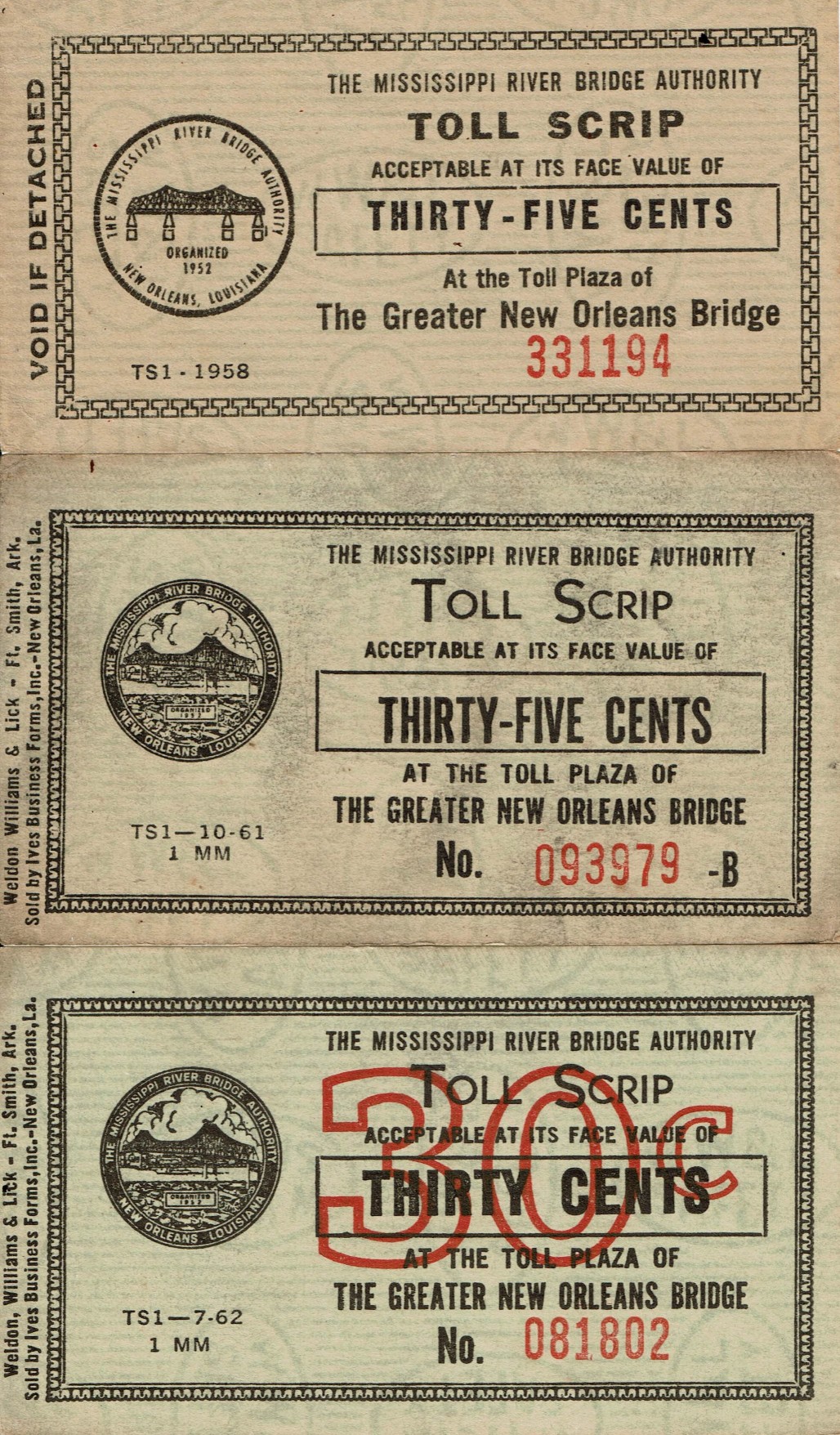
Drivers who needed to claim the toll back asked for a receipt, and the collector tore one from a pad, stamped it or wrote the amount and the date on it and passed it through the window.
Automatic electronic statements itemising every transaction, downloadable and dated. The handwritten receipt was slow, held up the lane, and was the only proof available.
Commercial drivers and travelling salesmen built their expenses on those slips. They came back from a long trip with a fistful of stamped paper in an envelope, reconciled it against a mileage log by hand, and a lost receipt meant a toll paid out of pocket – which made asking for one, and the delay it caused, entirely worth it.
10. You Could Pay Somebody Else’s Toll and People Did
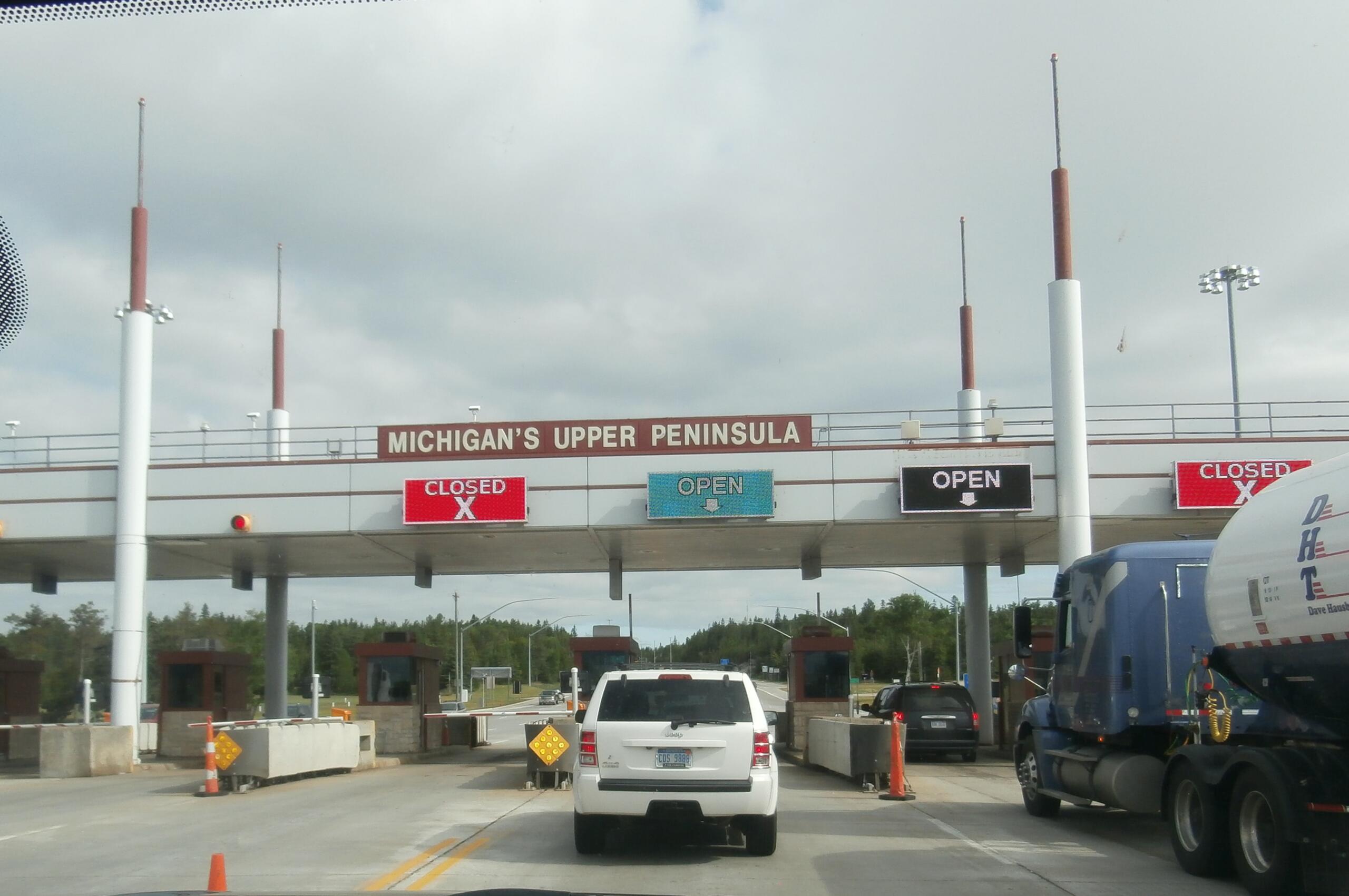
Because payment was handed to a person, a driver could pay the toll for the car behind them, and the collector would pass the message on when that car reached the window.
Account-based billing that makes it impossible. The practice was common enough to have a recognisable social rhythm, especially around holidays, and occasionally ran to chains of several dozen cars.
Its disappearance is a small, clean example of what automation removes. Nobody set out to stop people doing a kindness for a stranger, the cost saving from removing the booths was real and substantial, and the gesture simply had nowhere to happen once there was no longer a person in the middle of the transaction.
11. Bridges and Tunnels Charged in One Direction and Everybody Knew Which
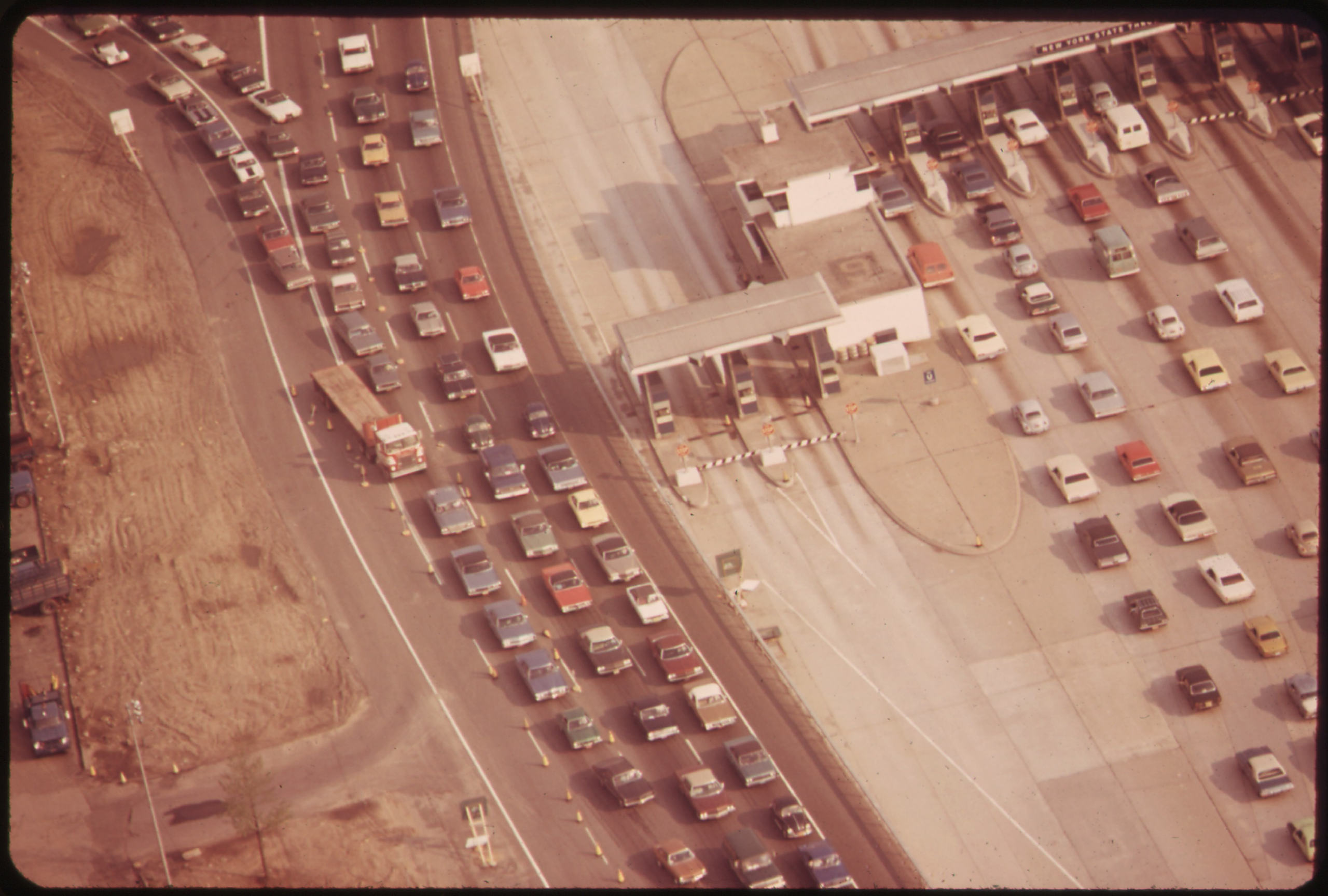
Many crossings collected in one direction only, at double the rate, to halve the number of plazas and the delay – so you paid going one way and crossed free coming back.
Electronic collection in both directions at half the rate, or variable pricing by time of day. One-way collection was a straightforward efficiency measure that produced a quirk every local driver knew.
It shaped local route decisions in ways that outsiders found baffling. People planned errands around which direction was free, took a longer route to cross on the free side, and could recite which crossings charged which way – and some of those one-way arrangements persisted for decades after the reason for them had gone.
12. Breaking Down in the Plaza Was a Specific Kind of Disaster
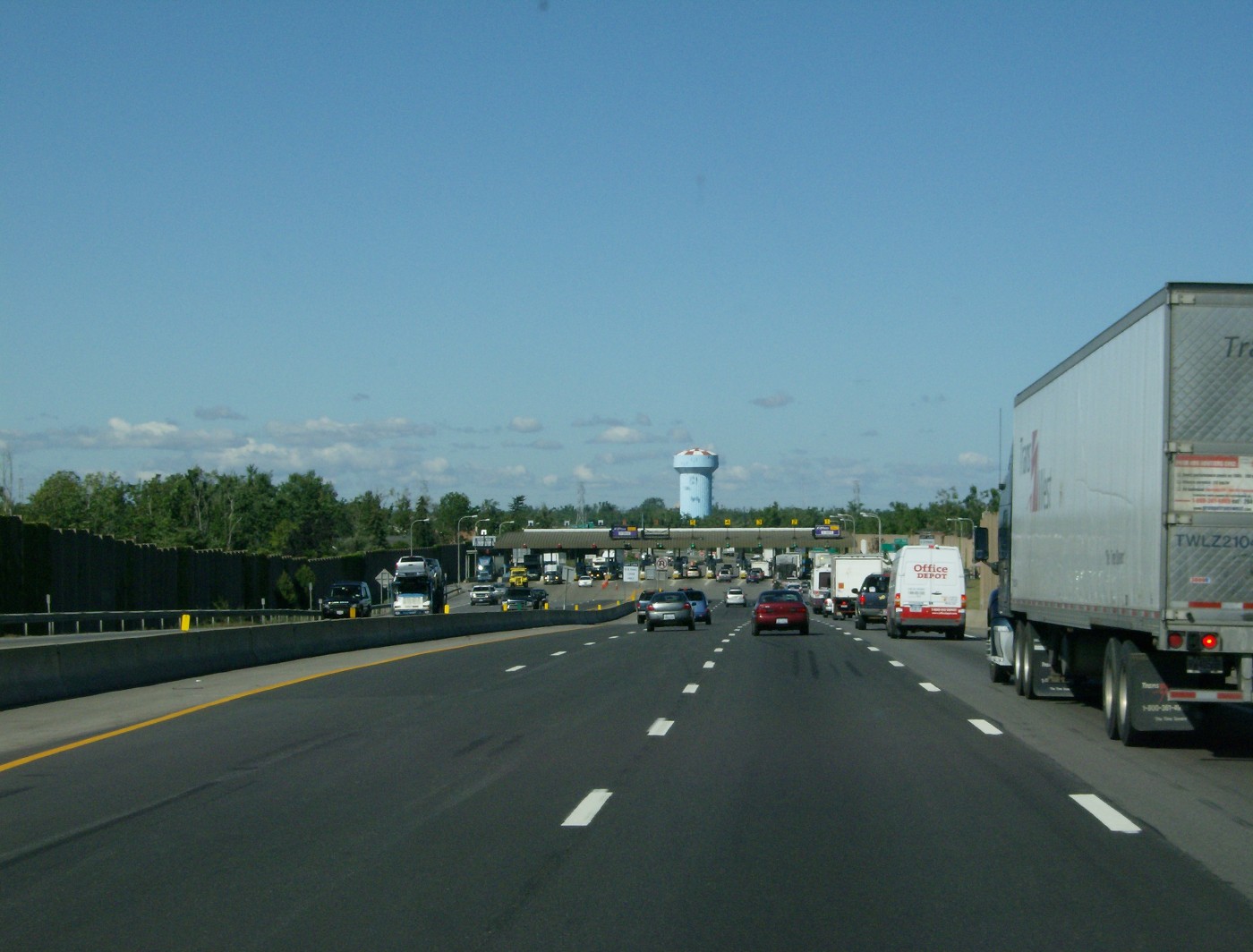
A stall at the window blocked a lane entirely, with no shoulder, cars behind unable to reverse out, and the collector unable to leave the booth to help beyond calling it in.
Open lanes with no stopping point, electronic incident detection and far less chance of a stall at a payment point. The plaza was the one place on a highway where every vehicle had to stop and restart.
Older cars stalled at exactly that moment with some regularity. Carburetted engines idling in a queue on a hot day, manual transmissions on a plaza incline, and vapour lock in summer traffic all came together at the window – and the plaza was designed with no accommodation at all for a vehicle that would not restart.
13. The Toll Was Small and It Still Felt Like a Lot
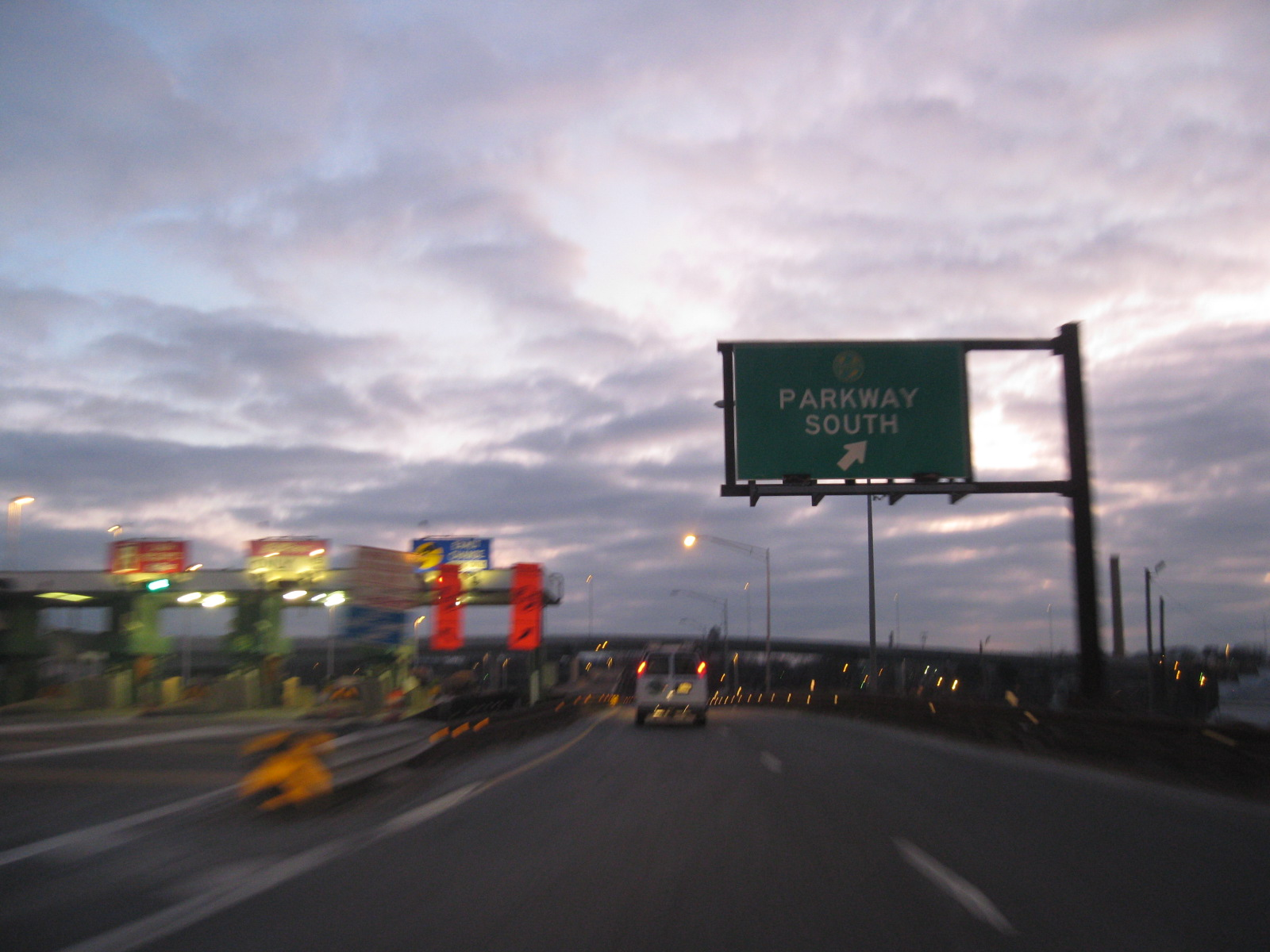
Tolls were a matter of coins – a quarter, fifty cents, sometimes a dollar at a major crossing – and were paid in cash out of a visible supply that the driver could watch being depleted.
Automatic billing from an account, with the total appearing on a statement weeks later alongside everything else. The amount is larger in real terms and is noticed considerably less.
The visibility of cash payment changed how people drove. Drivers took longer free routes to avoid a toll, planned journeys to minimise plaza crossings, and could tell you the cost of a trip in tolls to the cent – and the single most effective thing electronic collection did was to make the charge invisible at the point of payment.
14. Holiday Weekends Produced Queues Measured in Miles
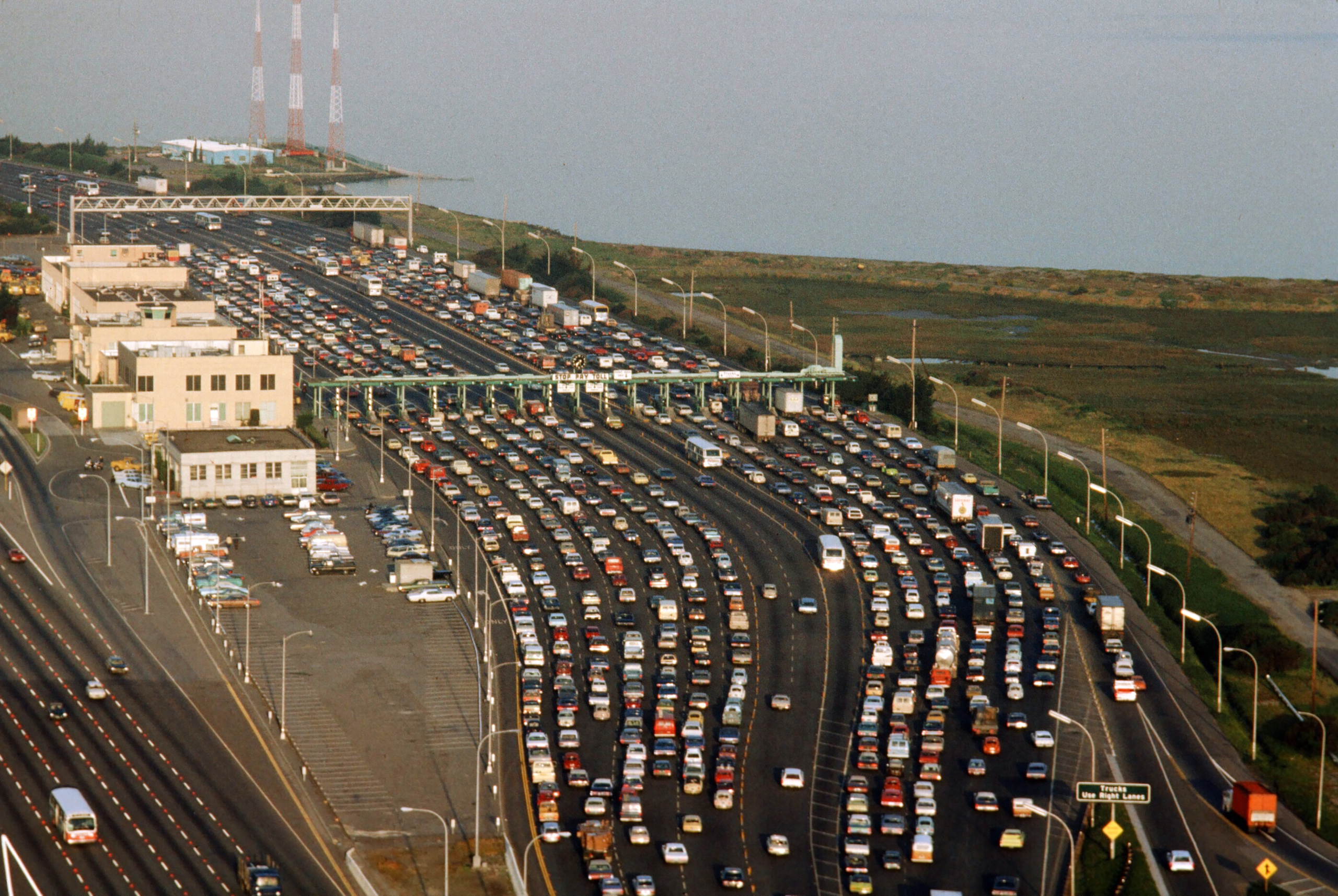
A plaza built for ordinary flow met a holiday exodus, and the result was stopped traffic backed up for several miles, with every vehicle waiting to hand coins to a person.
Dynamic pricing, gantry reading at speed and traffic management. The holiday plaza queue was an annual and entirely predictable event that no amount of additional staffed lanes could fix.
The arithmetic explains why it was unfixable. A staffed booth processes a few hundred vehicles an hour at best, a basket lane somewhat more, and a highway delivers several thousand – so beyond a certain volume the queue is a mathematical certainty regardless of how many booths are open, which is the argument that eventually won.
15. Then the Transponder Arrived and the Booths Came Down
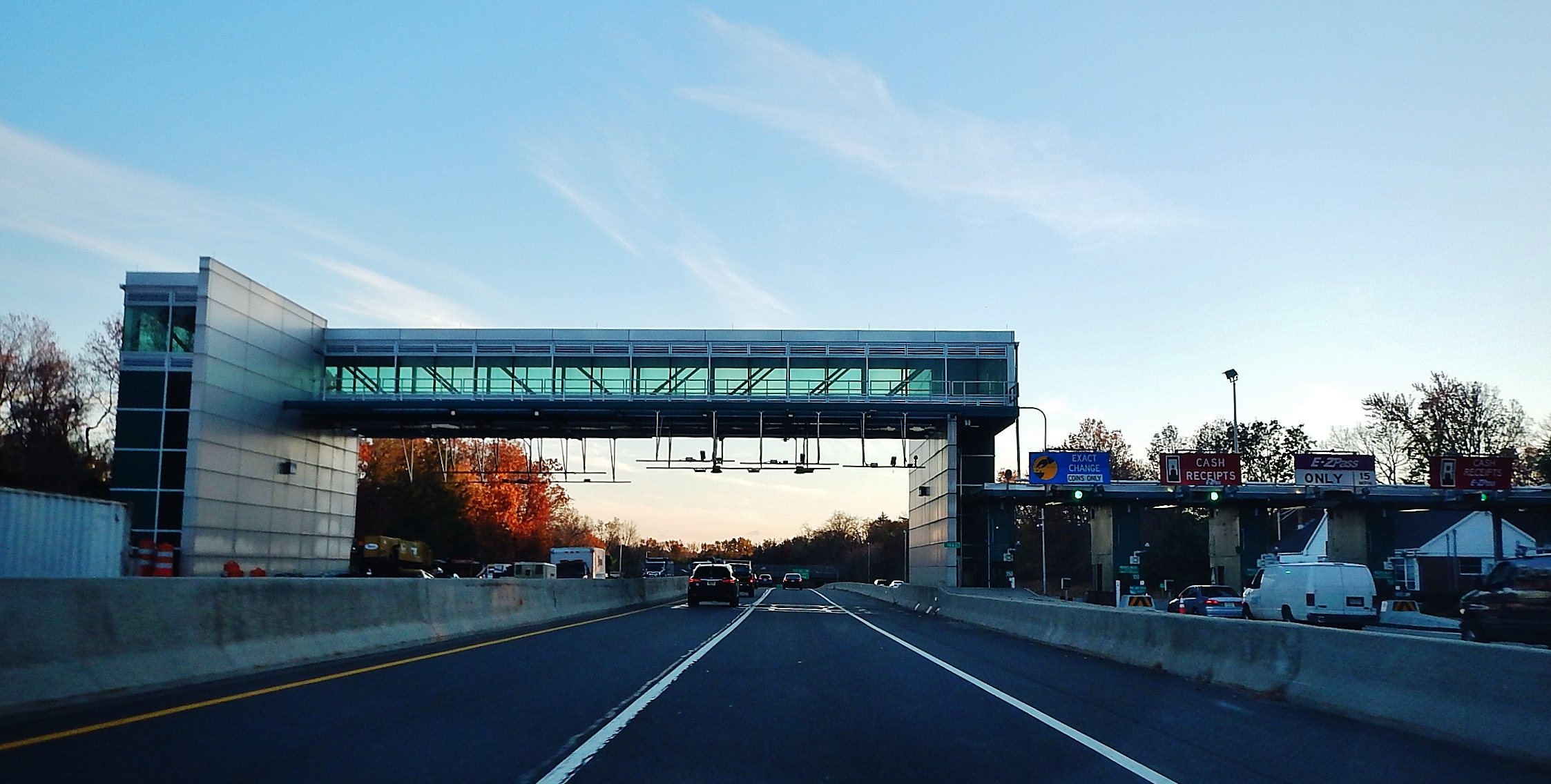
The whole system rested on stopping every vehicle to collect cash by hand, which required plazas, collectors, baskets, tickets, tokens, treadles and the queues that came with all of it.
Electronic collection by transponder from the late 1980s and 1990s, then open road tolling with overhead gantries, then plate recognition and billing by post – which removed the stop, then the booth, then the plaza itself.
The change was larger than a payment upgrade and the consequences were mixed. Journey times improved substantially and the plaza collisions and queues largely went. Collectors lost their jobs by the thousand. Variable and congestion pricing became possible for the first time, because a system that bills an account can charge different amounts at different hours. And paying a toll stopped being an event you noticed at all – which made the charges easier to raise, easier to extend to roads that had never had them, and much harder for anyone to object to.
Making the Charge Invisible Was the Real Change
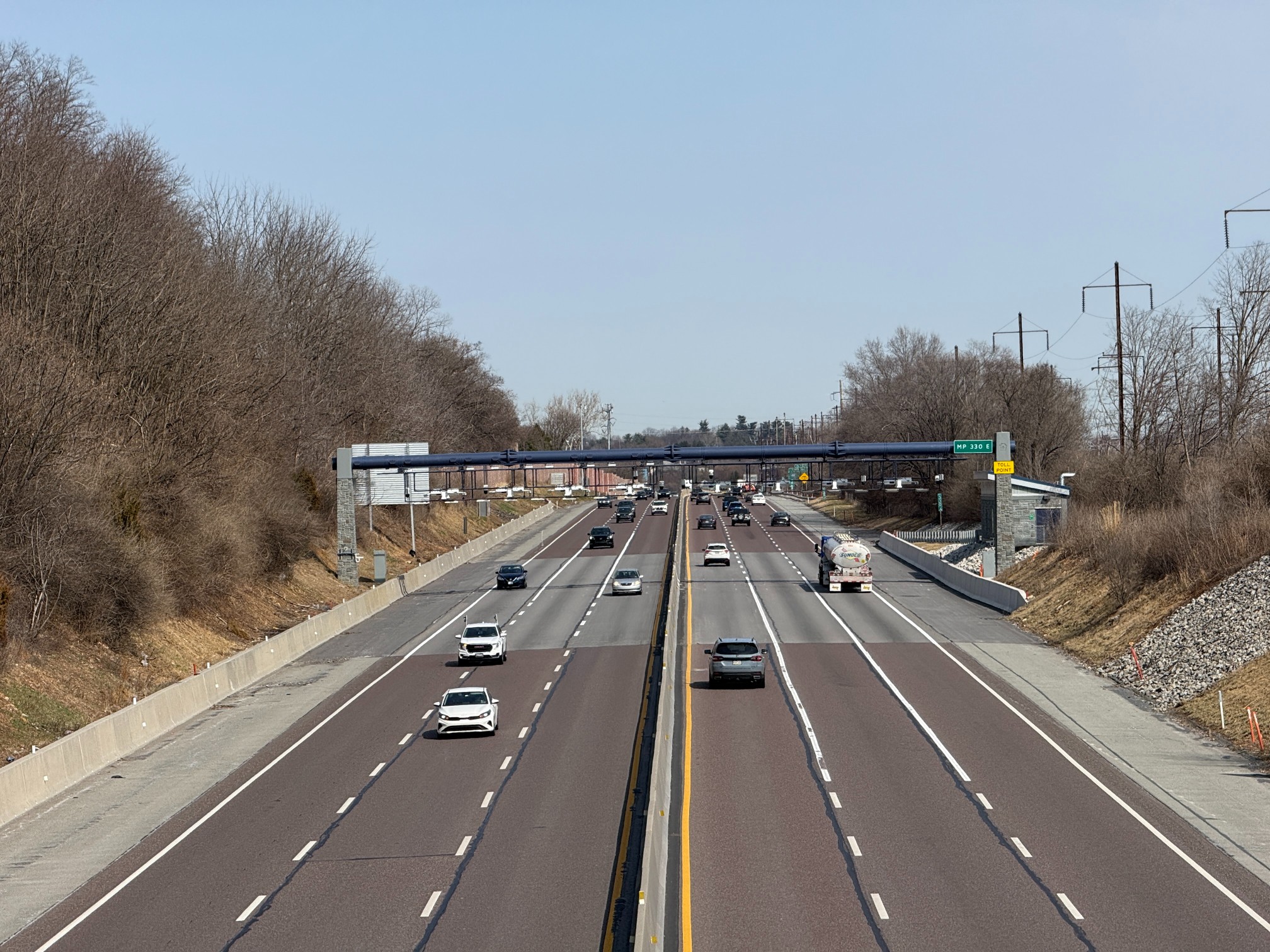
Electronic tolling is remembered as a convenience upgrade, and the convenience was genuine. But the significant consequence was something else entirely.
Under the old system you paid a toll with coins, by hand, to a person, out of a visible supply in the car. You watched the money go. You knew what a trip cost in tolls to the cent, you took longer free routes to avoid a crossing, and you could recite which bridges charged which way. The charge was impossible to ignore because the act of paying it stopped your car.
That visibility functioned as a brake on the whole enterprise, and not by anybody’s design.
A toll increase was felt immediately by every driver, in coins, at the window. Extending tolling to a road that had not had it meant building a plaza, staffing it, and stopping every vehicle on it – which was expensive, conspicuous and politically awkward. The friction of collection was itself a constraint on how much could be collected and where.
Open road tolling removed every part of that. The charge is read overhead at speed, billed to an account, and appears on a statement weeks later alongside everything else. In real terms tolls are higher than they were and are noticed considerably less.
Which made several things possible at once. Variable and congestion pricing – charging different amounts at different hours – cannot be done by a person making change in a booth, and is straightforward for a system billing an account. Tolling could be extended to roads where a plaza would never have been built. And increases stopped being events.
Set against that: journey times improved substantially, the plaza queues and the collisions in the merge largely went, and the collectors – who had spent whole shifts in glass boxes at the level of the exhaust pipes, with documented respiratory consequences – stopped having to do that job. Those are real gains, and the health one in particular should not be sentimentalised away.
The honest summary is that the technology solved the problems it was built to solve and quietly removed a constraint nobody had identified as valuable.
The coin in the basket was an annoyance. It was also the only moment in the transaction when the driver was definitely paying attention.
If you drove this, you kept a cup of coins in the car and you knew which crossings charged which way.
And you remember the sound the basket made when you got it right.
Like our content? Follow us for more.

