In 1974 a set gelatin ring full of shredded cabbage, grated carrot and olives was a salad, and it was served alongside the meat rather than after it. Nobody found this odd.
The mold was copper and hung on the wall. Unmolding it with a hot wet towel was the moment the dish succeeded or failed in front of everyone. Fresh pineapple ruined it for a real chemical reason. And most of the recipes came free from the companies that sold the gelatin.
Here are fifteen things every American kitchen did with molded gelatin in 1974, and what happened to each of them.
1. It Was Called a Salad and It Was Served With the Main Course
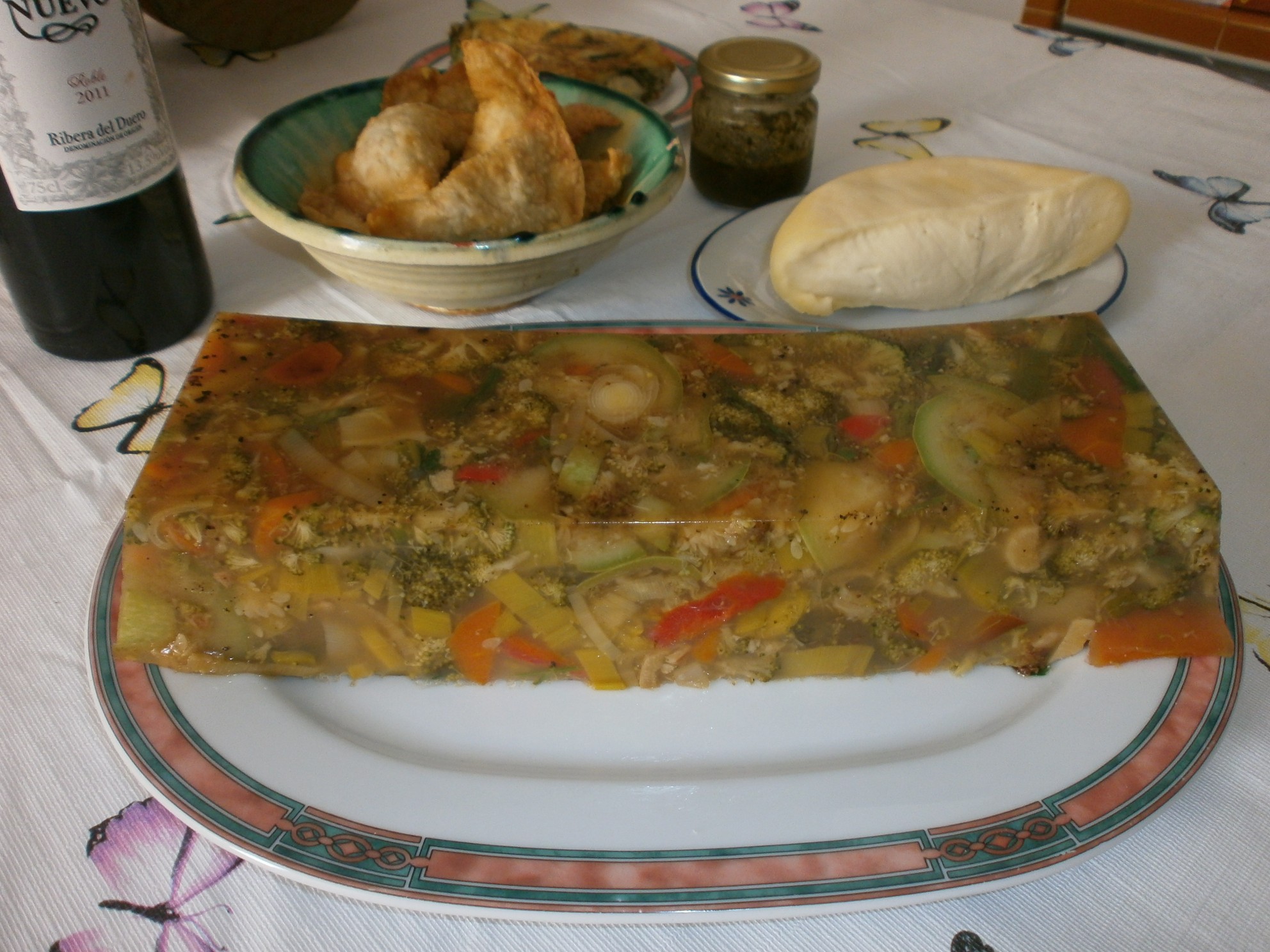
A set gelatin ring containing shredded cabbage, grated carrot, celery, olives or cottage cheese was a salad in the strict sense of the word as used in American home cooking – a cold dish served alongside the meat, not after it.
The word has narrowed to mean leaves and raw vegetables. The older usage covered any cold composed dish, which is why potato salad, macaroni salad and a gelatin ring all carried the same name without anybody finding it odd.
The classification is the single hardest thing to explain to anyone who did not grow up with it. These were not desserts that had gone wrong; they occupied the salad course, they were expected to be savoury or only faintly sweet, and the sweetened fruit versions were a separate and acknowledged category.
Like our content? Follow us for more.
2. The Mold Was a Serious Piece of Copper and It Lived on the Wall
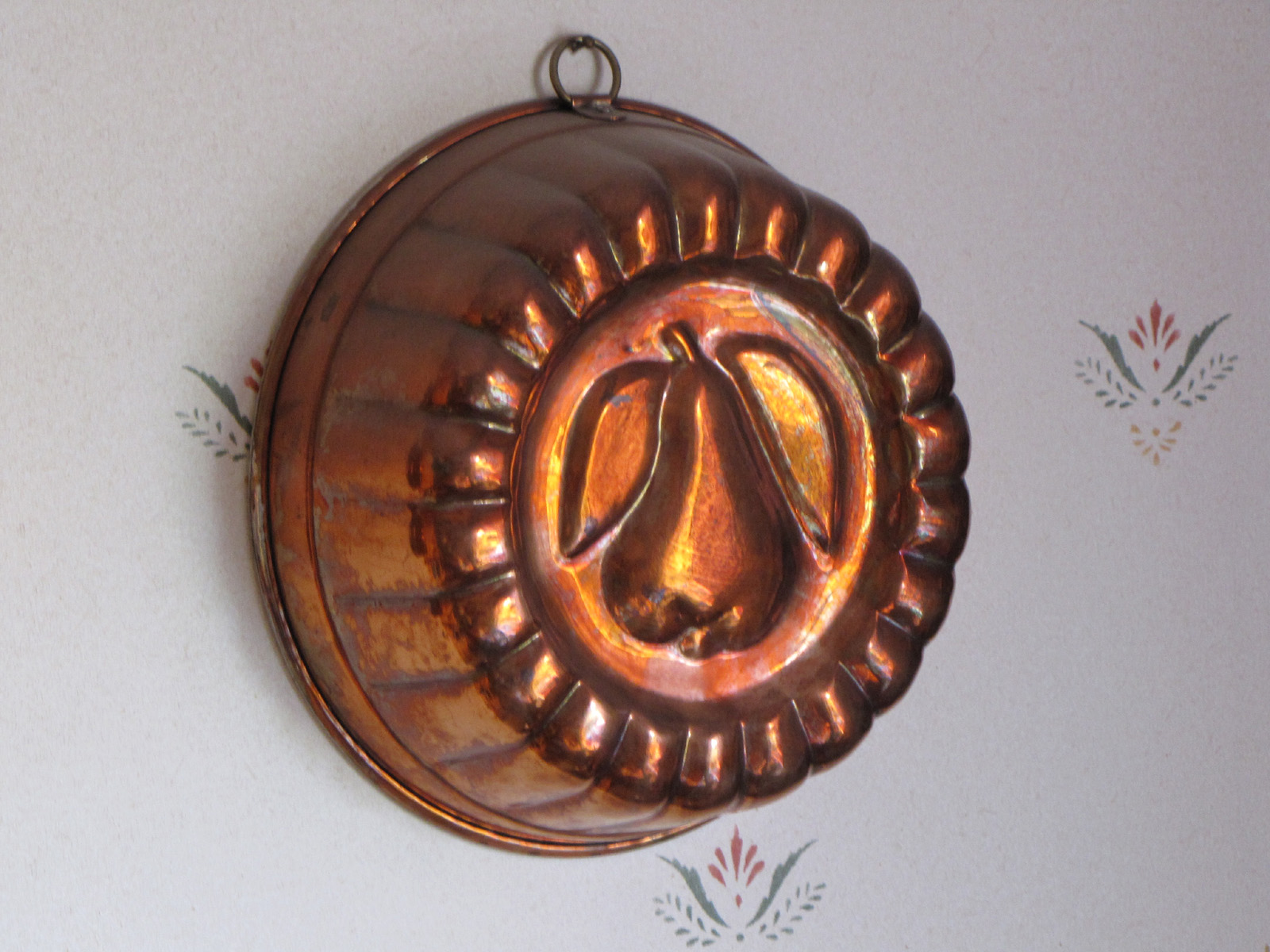
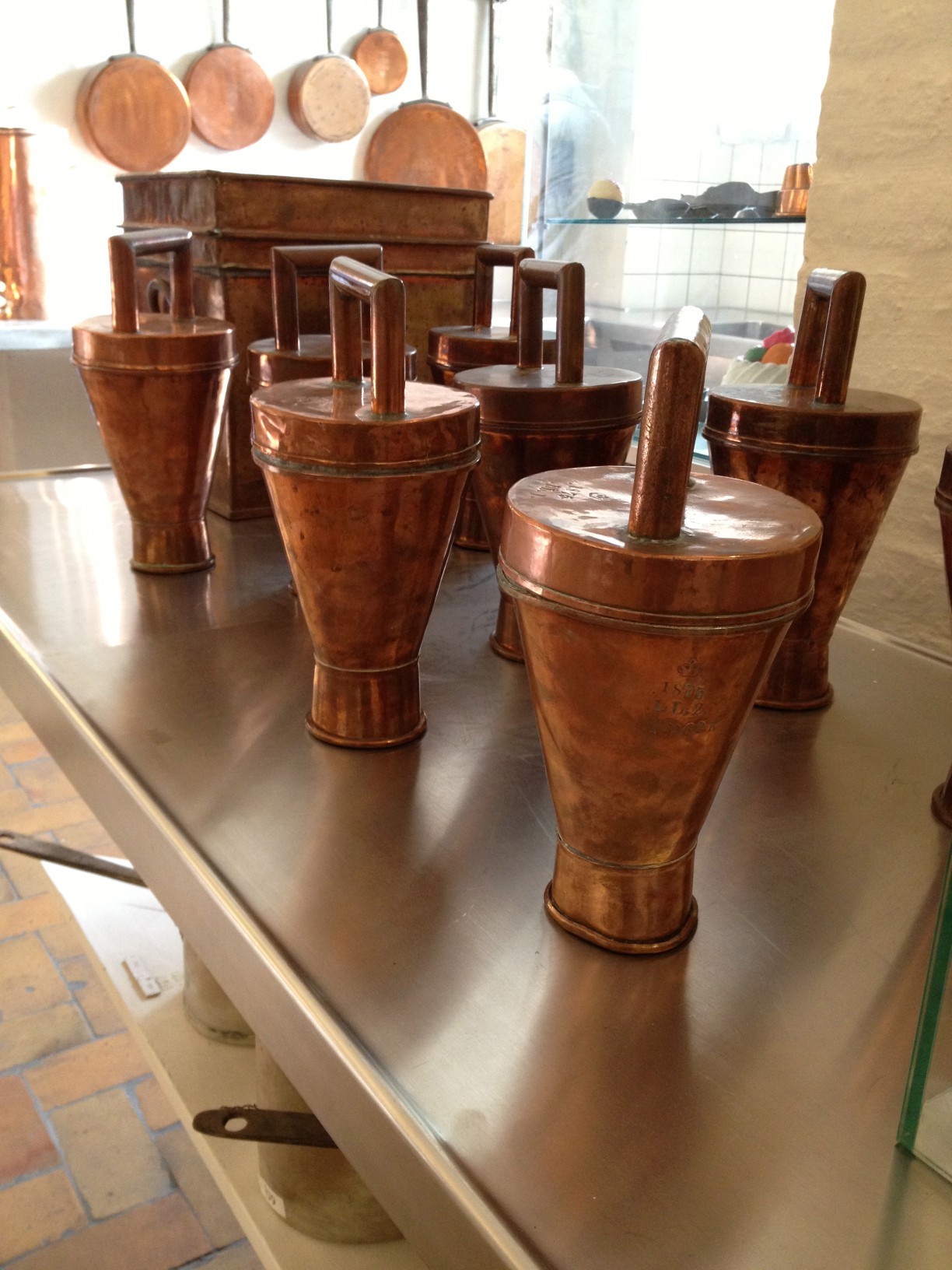
Decorative molds in copper, tinned steel or aluminium – fluted rings, fish shapes, melon shapes, elaborate tiered forms – were kitchen equipment that doubled as wall decoration when not in use.
Silicone and plastic forms stored in a drawer, used rarely. The copper mold hanging in a kitchen is now read as decoration that was always decoration, which gets it backwards.
They were on the wall because they were used and because they were handsome, and a household might own several in graduated sizes. The shape mattered to the finished dish, the fluting gave it definition, and a cook who owned a distinctive mold produced a recognisable dish that people associated with her.
3. Getting It Out of the Mold Was the Hardest Part of the Whole Thing
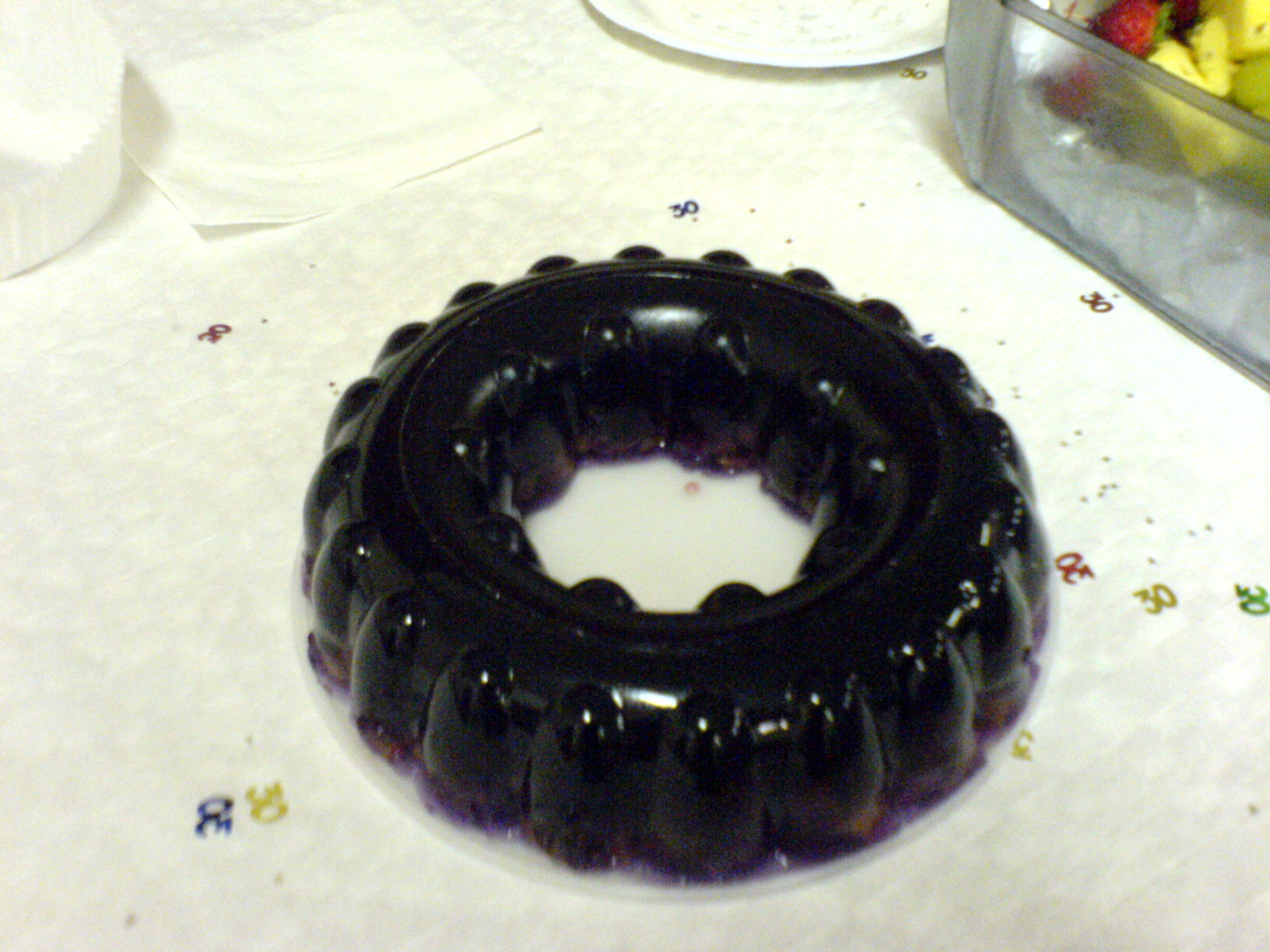
Unmolding required loosening the set edge, inverting onto a plate and persuading the whole thing to release intact – most commonly by applying a hot wet towel to the outside of the mold.
Flexible silicone that peels away, and the general abandonment of molded presentation. The unmolding was the moment the dish succeeded or failed completely, in front of everybody.
And it failed often enough to be a recognised domestic drama. Too little warming and it stuck; too much and the surface slumped into a glazed puddle; a complex mold could release in two pieces – and the cook’s reputation rested on an operation performed at the last minute with the guests already seated.
4. Fresh Pineapple Destroyed It and the Reason Is Genuine Chemistry
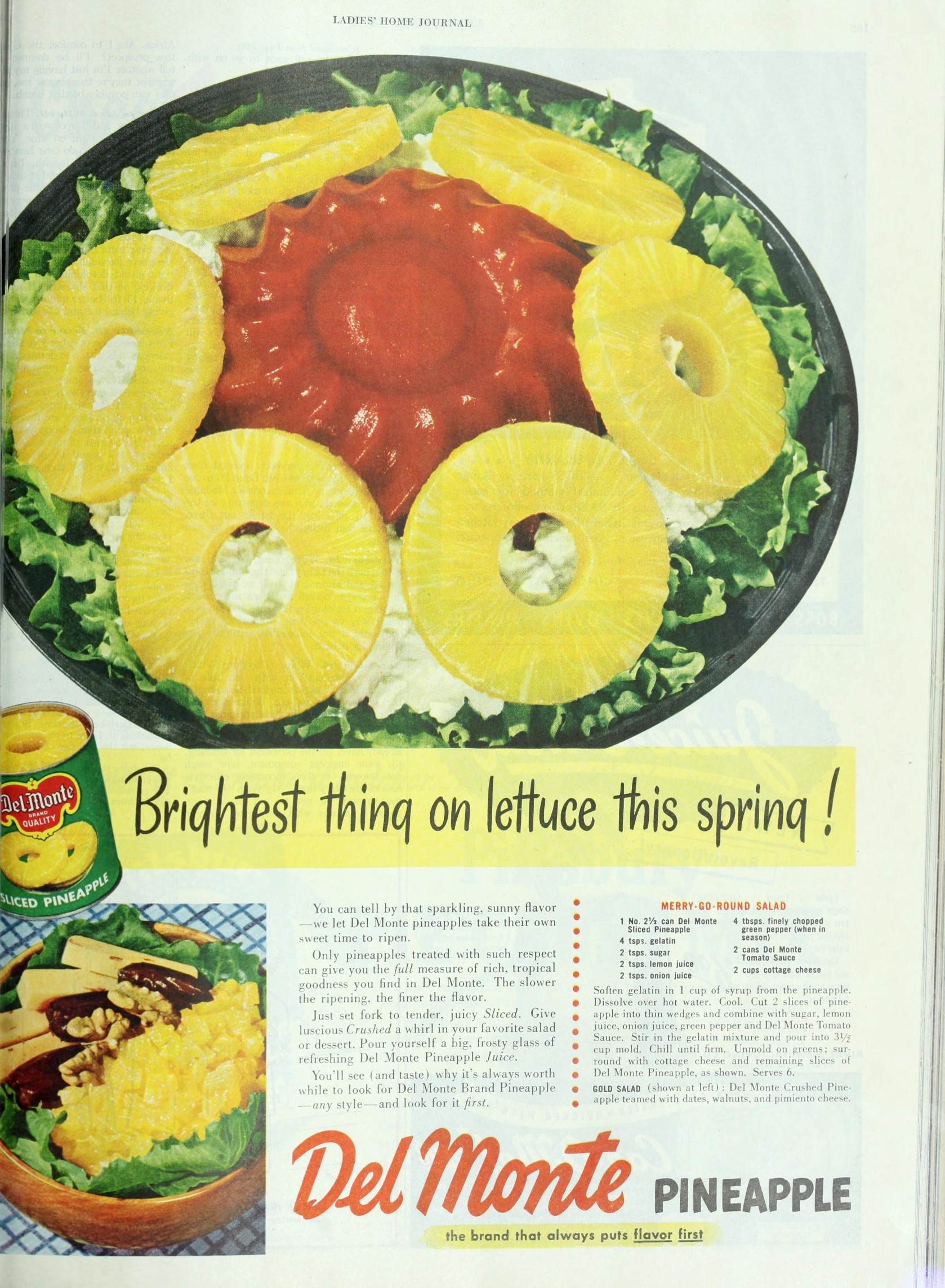
Fresh pineapple, kiwi, papaya, figs and fresh ginger contain protein-digesting enzymes that cut the gelatin’s protein chains, so a gelatin containing any of them never sets or sets and then collapses.
The same chemistry, and the same rule. Canned pineapple works because the canning heat denatures the enzyme – which is why period instructions specified canned and were widely assumed to be a marketing preference.
This is one of the few pieces of home cookery folklore that turns out to be exactly correct for exactly the stated reason. Generations of cooks passed on a rule about pineapple without being able to explain it, the rule was right, and the explanation – bromelain is a protease and gelatin is a protein – was available the whole time in the food science literature.
5. Tomato Aspic Was a Standard Dish and People Liked It
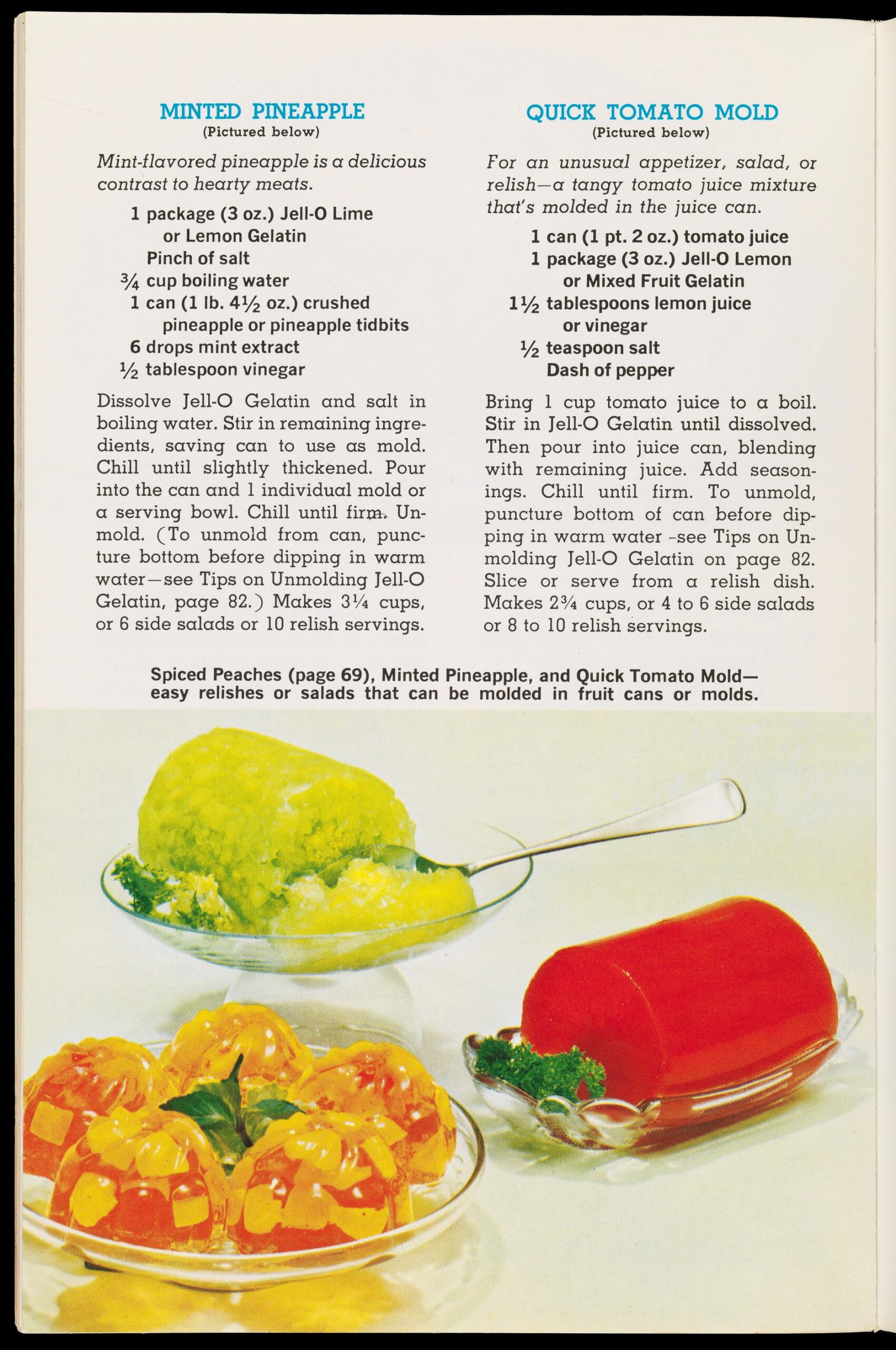
A savoury set dish of tomato juice with celery, onion, lemon and seasoning, set firm and served in slices or a ring, frequently with a mayonnaise or cream cheese dressing alongside.
Essentially nothing. Savoury aspics survive in professional kitchens and in some European traditions, but the home tomato aspic has vanished almost completely from American cooking.
It is worth saying that it was not endured. Tomato aspic appeared on menus in good restaurants, was requested at family gatherings, and was genuinely popular across several decades – and the modern assumption that everyone secretly disliked these dishes is a retrospective judgement rather than a recorded opinion.
6. Things Were Suspended in It and That Took Timing
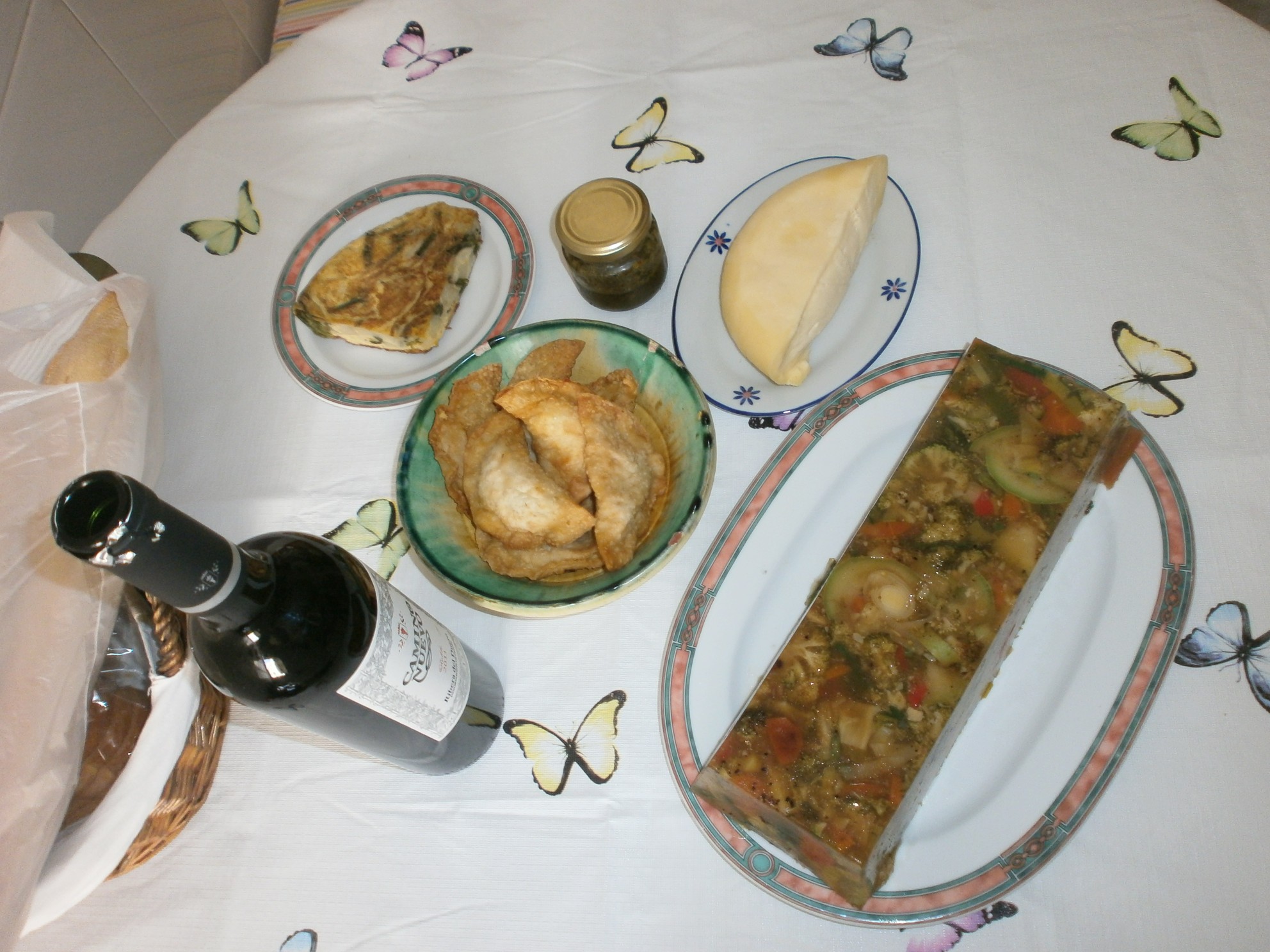
Fruit, vegetables or nuts suspended evenly through a clear set required partially setting the gelatin to the consistency of raw egg white first, then folding the solids in so they neither floated nor sank.
Nothing, because the presentation has gone. The partial-set technique was standard knowledge, described in every general cookbook, and judged by eye and by touch rather than by a timer.
It was a real skill with a narrow window. Fold too early and everything sank to what would become the top; too late and the gelatin was already setting in lumps and the surface would not be clear – and a cook who got an even suspension of grapes through a clear ring had demonstrated something that other cooks in the room recognised immediately.
7. Mayonnaise Went Into It and Nobody Flinched
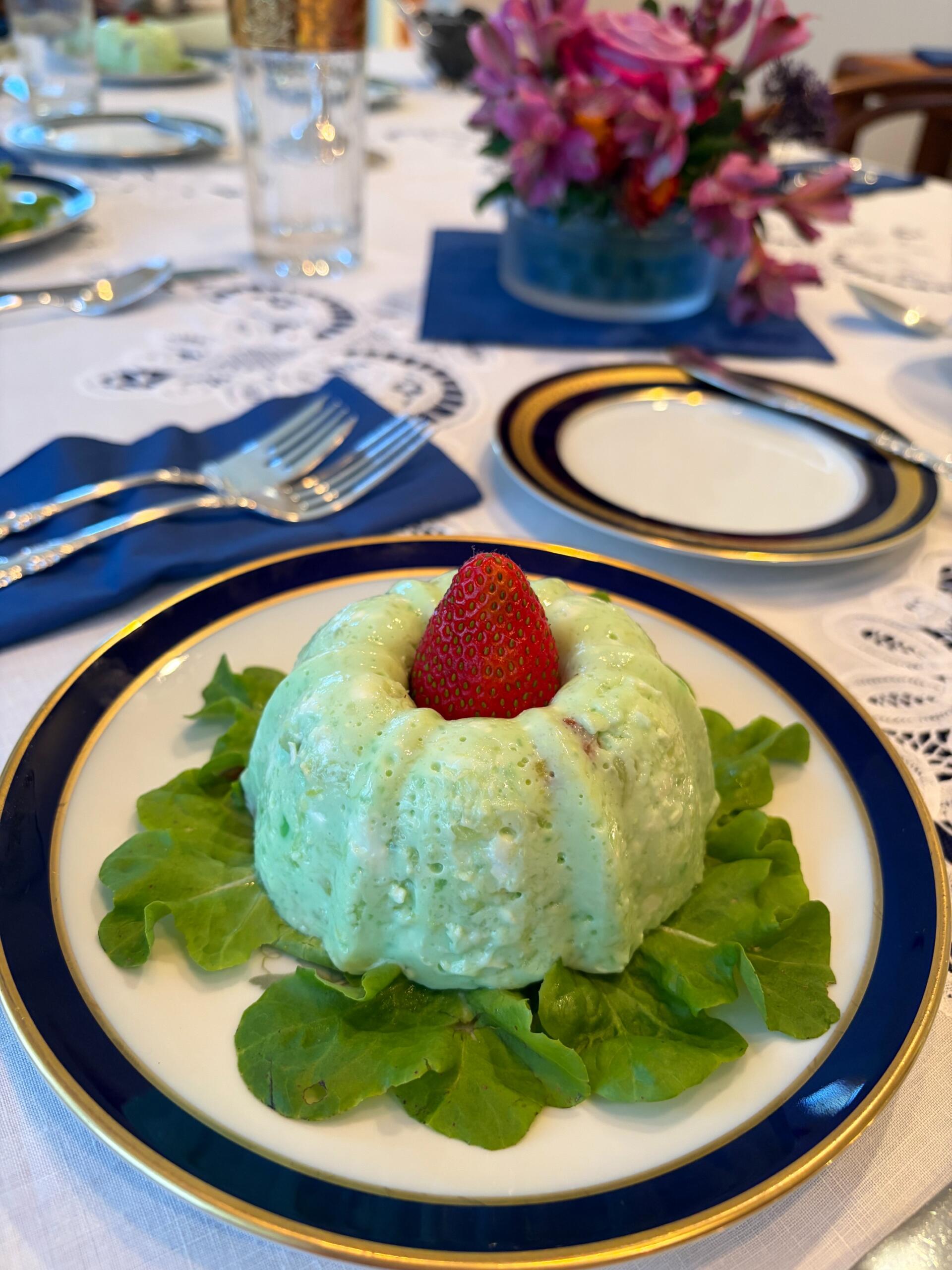
A large family of recipes combined gelatin with mayonnaise, cream cheese, sour cream, evaporated milk or whipped cream, producing opaque pastel-coloured sets rather than clear ones.
Nothing at all – this is the specific category that later became shorthand for everything wrong with the period. The creamy sets were a deliberate texture, not a mistake or a shortage.
The reason they existed is practical and gets lost in the mockery. An opaque set holds suspended solids far more forgivingly than a clear one, it does not show cloudiness or imperfect dissolving, and it was considerably more reliable for a home cook working without the partial-set timing – so the dishes now considered the worst of the genre were in fact the easiest to get right.
8. Layered Sets Took All Day and the Timing Was the Recipe
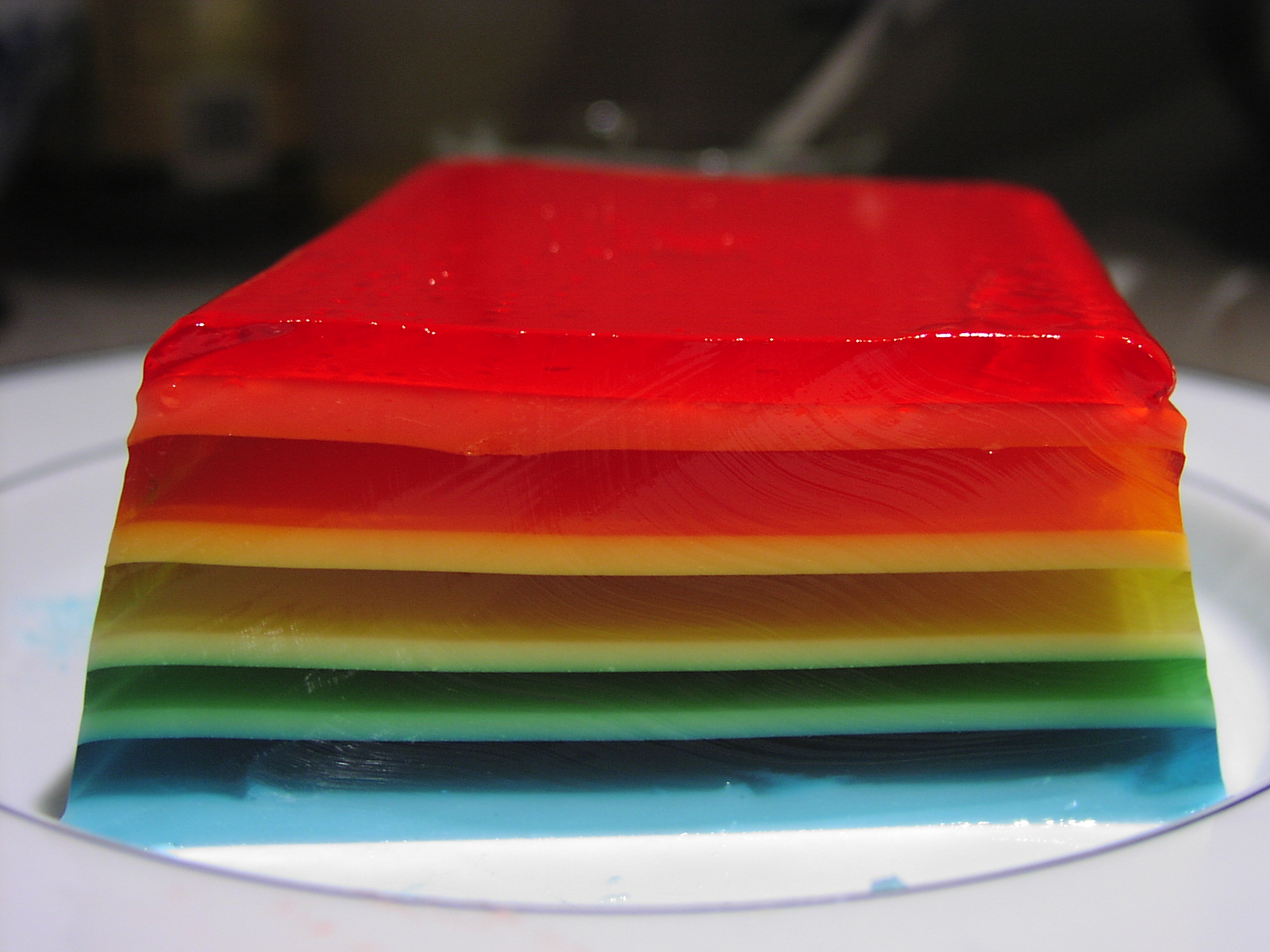
Multi-coloured layered dishes required each layer to be set firm enough to support the next but still tacky enough to bond to it, with the next layer poured cool so it did not melt the one beneath.
Nothing comparable in home cooking. A four-layer dish occupied a refrigerator shelf and a cook’s attention for most of a day, in stages, with nothing to do between them but wait.
Which tells you something about what home cooking was for. A dish requiring six hours of intermittent attention to produce a striped ring was worth making because somebody would look at it and know what it had cost – and the labour was the message, in a way that is no longer how anybody cooks for anybody.
9. The Recipes Came Free From the Companies That Sold the Ingredients
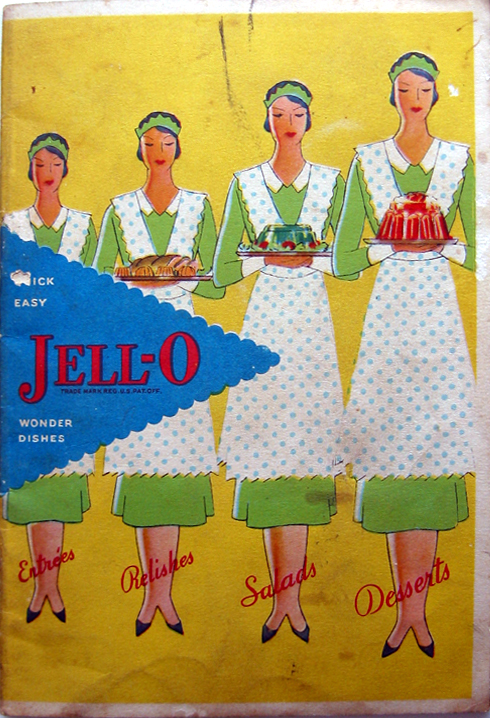
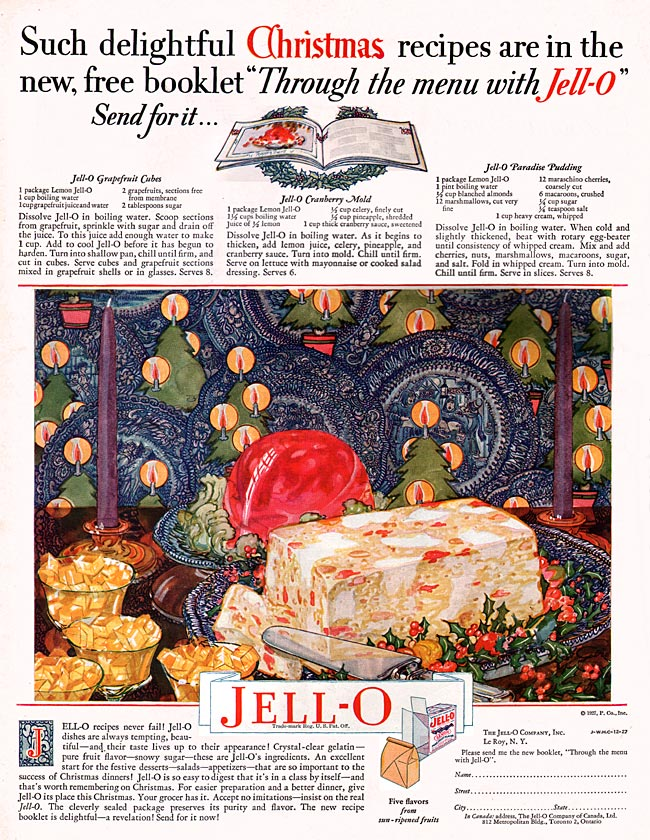
Gelatin and dairy manufacturers published recipe pamphlets, booklets and leaflets, given away at shops or sent for with a box top, and these were where most molded salad recipes actually came from.
Recipes come from the open internet, from publications with no stake in the ingredients, and from each other. The manufacturer pamphlet was a dominant recipe source and was understood to be advertising.
Its influence on what people ate was enormous and is underappreciated. A company with a product to move invented dishes that used a great deal of it, published them attractively and free, and those dishes entered the national repertoire as traditional cooking – which is how a surprising amount of twentieth-century American home cooking actually originated.
10. It Was the Dish You Made Because You Owned a Refrigerator
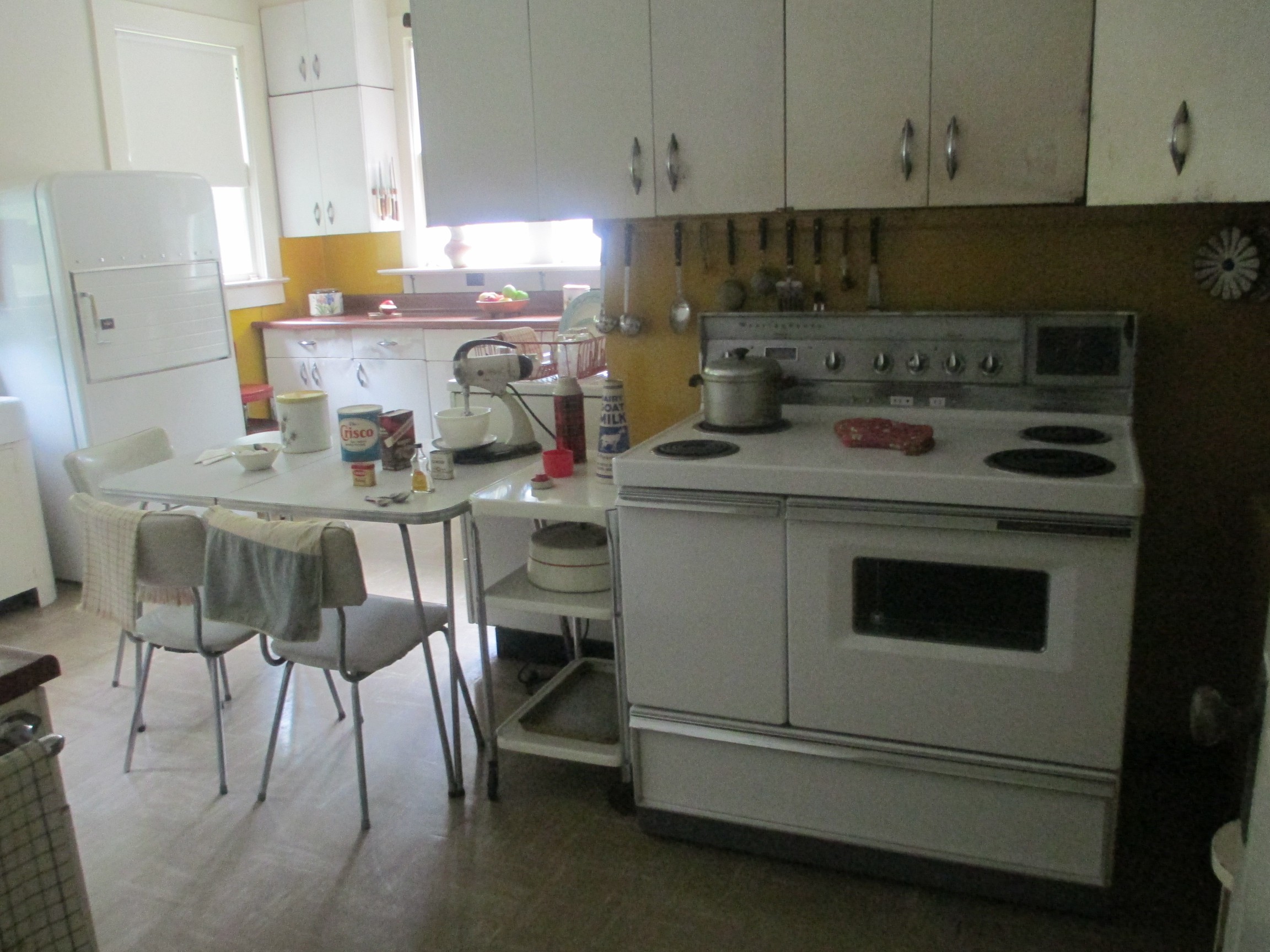
A molded gelatin dish cannot be made without reliable mechanical refrigeration, and it was the most visible possible demonstration that a household had it.
Universal refrigeration, which makes the point invisible. When refrigerators spread through American homes across the preceding decades, the molded salad was among the first things people made with one.
That is the real origin of the whole genre and it explains the enthusiasm. These dishes were modern. They were what the new appliance could do that the old larder could not, they looked engineered rather than cooked, and serving one was a statement about the kitchen it came out of as much as about the food.
11. The Ring Mold Had a Hole and Something Always Went In It
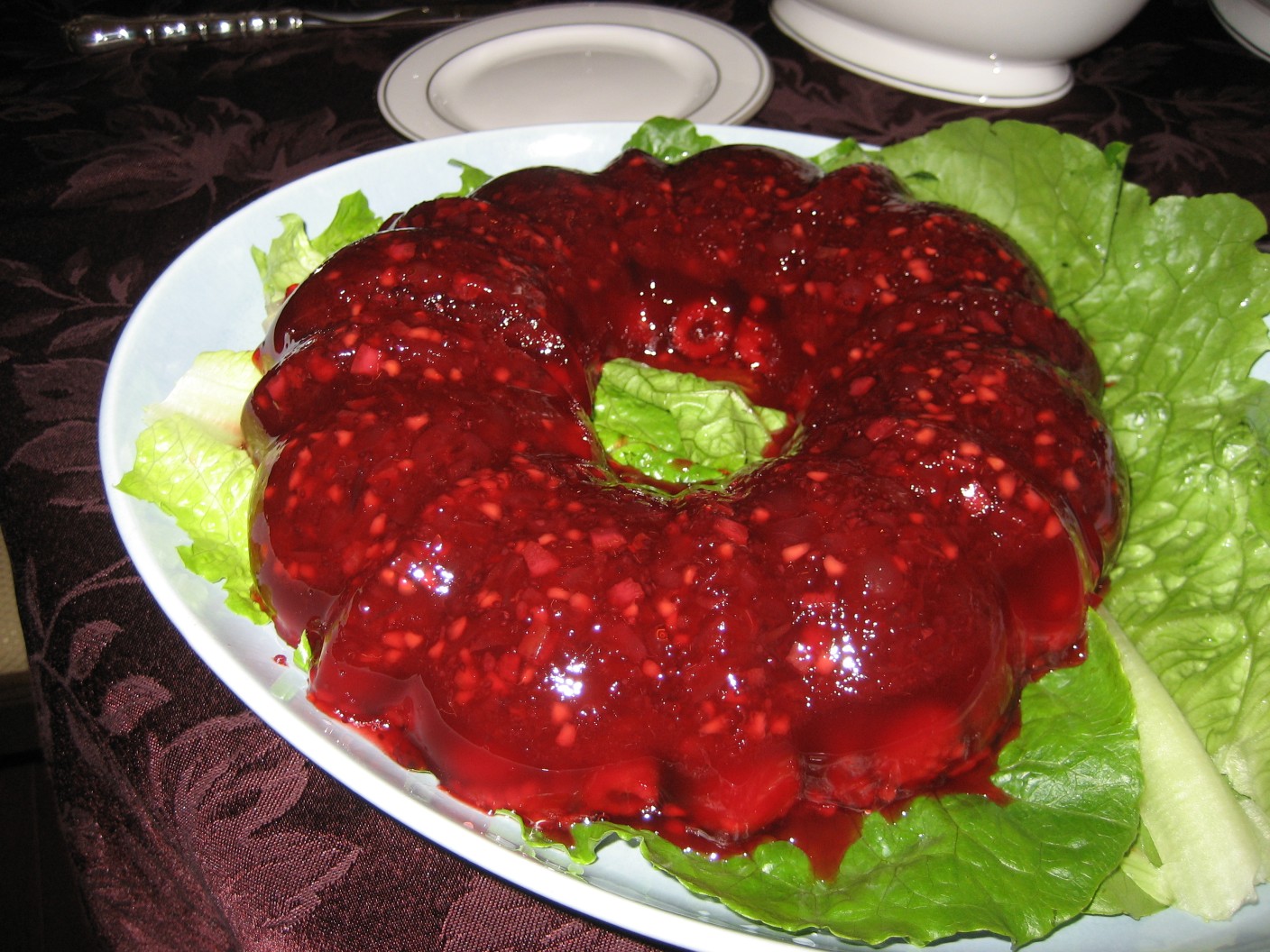
Ring molds set the gelatin around a central void, which was filled at the table with chicken salad, shrimp salad, cottage cheese, fruit or dressing – making one dish out of two.
Nothing, with the ring mold itself largely gone. The filled centre was the standard presentation and the filling was frequently the more substantial half of the dish.
It was a genuinely clever bit of design and the practical logic held up. The ring held its shape far better than a solid dome, it sliced cleanly, it served a table of ten from one mold, and the centre could be filled at the last minute with something that would not have survived being set in gelatin.
12. Everybody Owned the Same Few Molds and You Could Tell
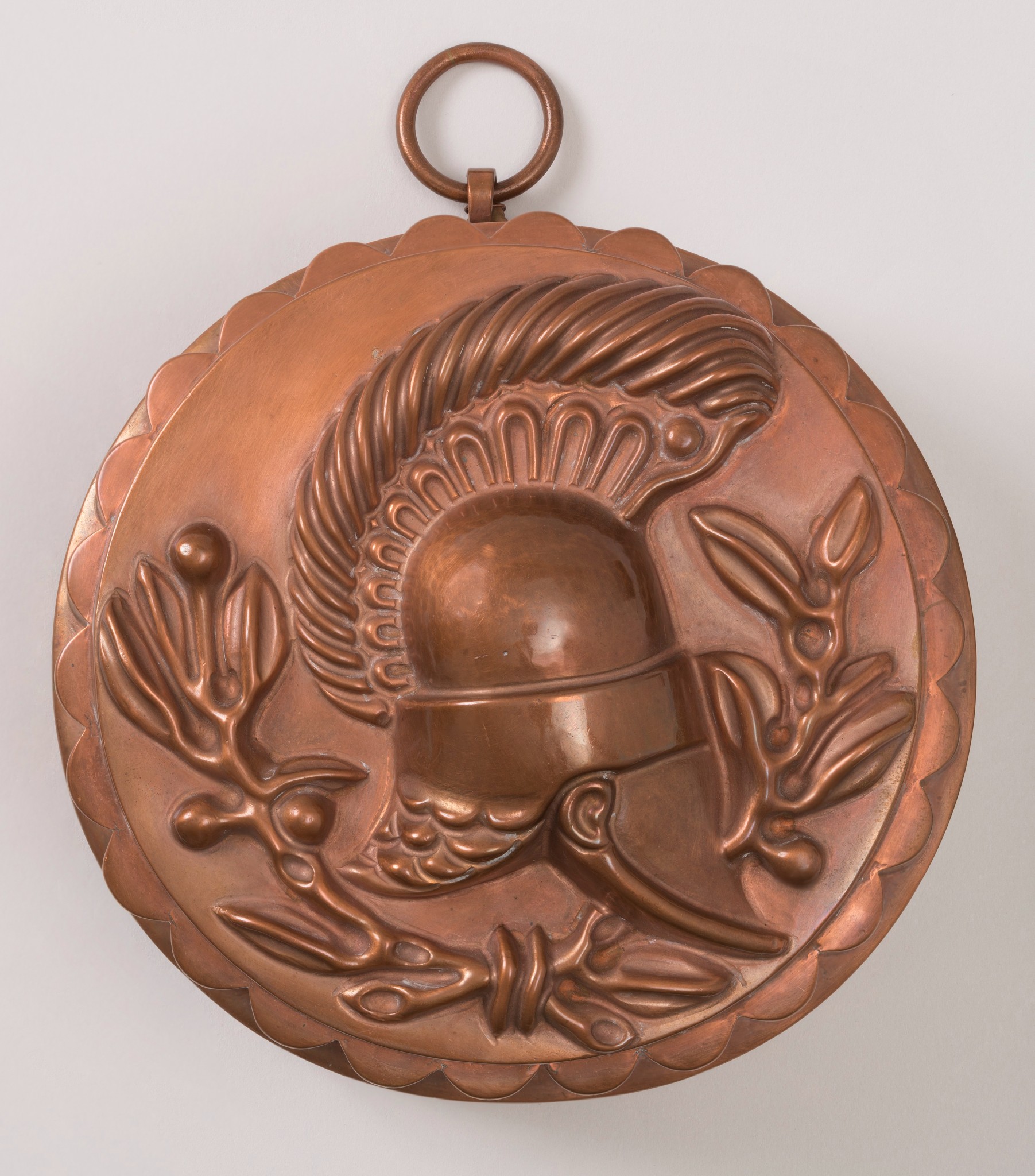
A limited number of mold patterns were manufactured and widely sold, which meant the same fluted rings, fish and melon shapes appeared on tables across the entire country.
Enormous variety in bakeware and almost no shared forms. The standardisation meant a dish was recognisable by shape alone, and a cook’s choices showed in the contents rather than the outline.
It produced a visual vocabulary everybody could read. A fluted ring meant one sort of occasion and a fish mold meant another, guests knew which mold had been used before they knew what was in it, and bringing out the large elaborate one signalled that the event mattered – which is a kind of communication that requires everybody to own the same equipment.
13. Nobody Thought It Was Strange, Including the People Eating It
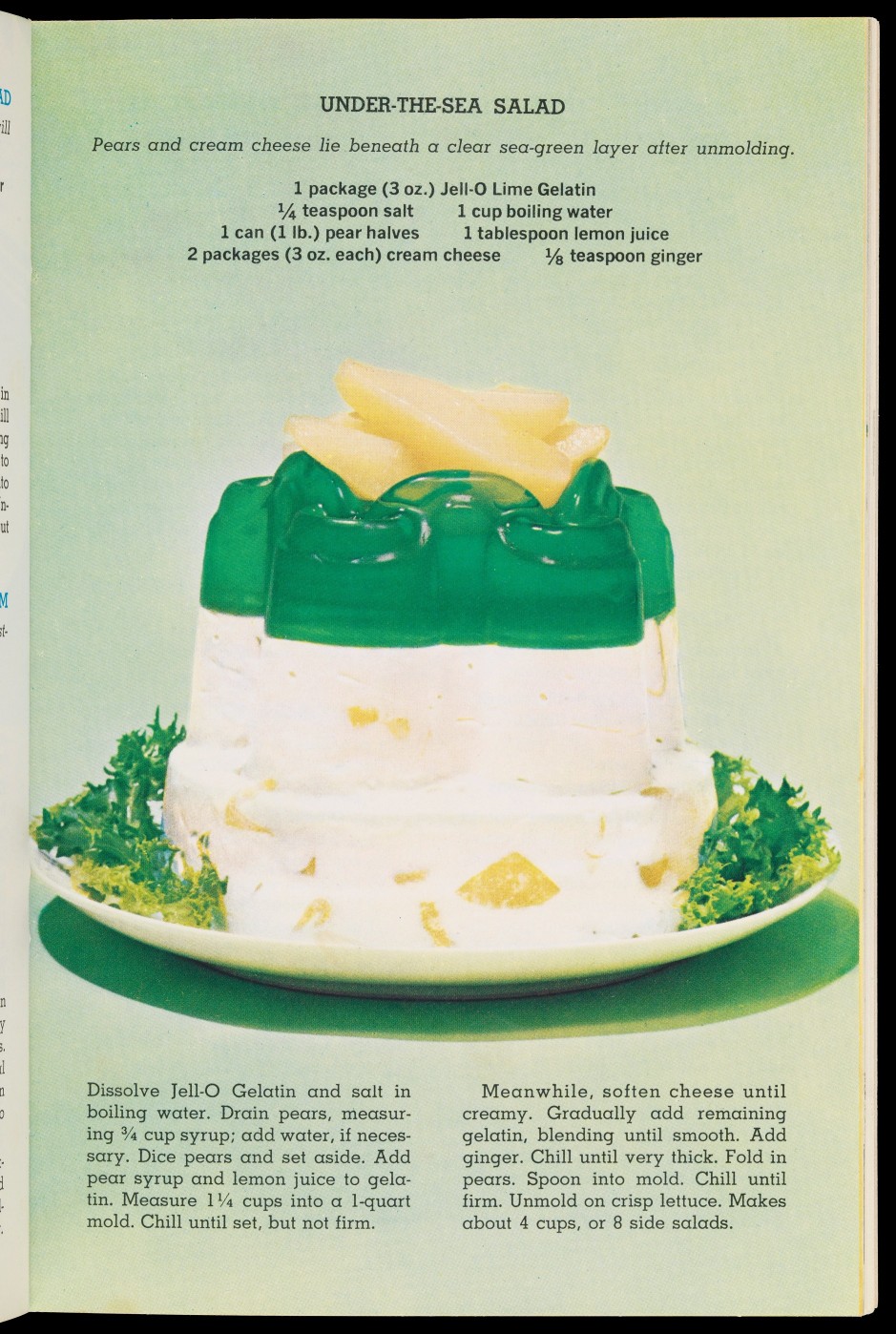
Molded savoury gelatin appeared at Sunday dinners, holiday tables, ladies’ lunches, club meetings and restaurant menus, continuously, for decades, without comment.
A reputation as the defining culinary embarrassment of mid-century America, circulated endlessly as evidence that the period had no taste. The dishes were ordinary food at the time.
The retrospective verdict says more about us than about them. Tastes change and there is no obligation to defend the dishes, but the specific modern framing – that everyone was secretly suffering and nobody admitted it – is not supported by anything, and the same logic applied to current food in fifty years will produce an equally confident list.
14. Then Fresh Vegetables Became Available All Year and the Point Dissolved
The savoury gelatin salad solved a real problem: it made a cold vegetable dish possible, out of season, from tinned and stored ingredients, with structure and presentation.
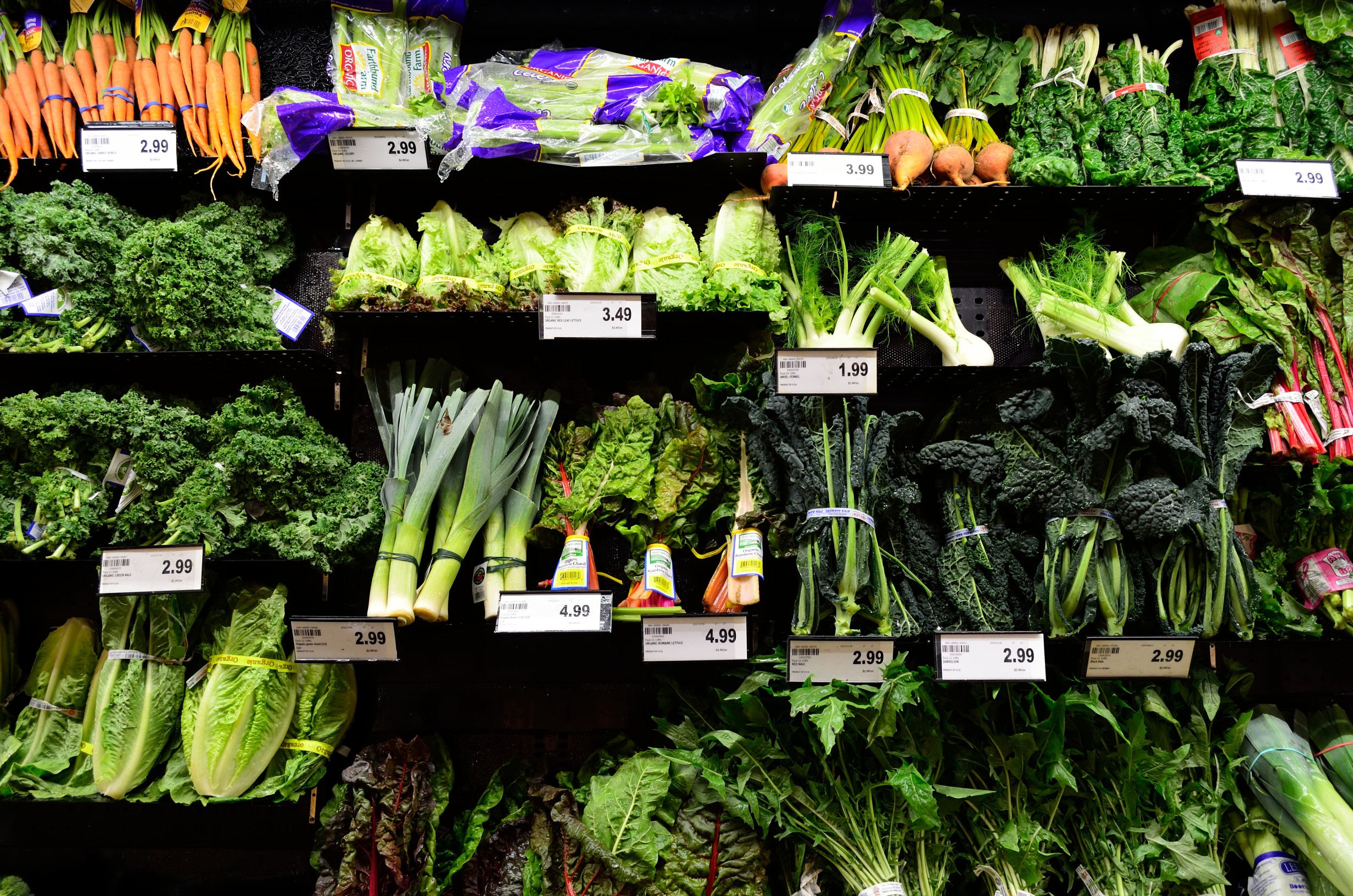
Year-round air-freighted fresh produce, bagged salad leaves and refrigerated distribution made a genuinely fresh salad available in February – which removed the entire reason the gelatin version existed.
That is the cause, and it is unglamorous. The dishes did not fall out of fashion because people’s palates improved or because a food writer mocked them; they stopped being necessary. When a cook in a northern state in winter could buy a crisp lettuce, the set cabbage ring had nothing left to offer, and it went – which is the same way most cooking disappears.
15. The Molds Survived Because They Were Beautiful and Nothing Else Did
The whole genre rested on a limited winter vegetable supply, a new appliance worth demonstrating, manufacturer recipe pamphlets, and a definition of salad that covered any cold composed dish.
Every one of those supports went. Produce became available year-round, refrigeration became unremarkable, recipes stopped coming from the companies selling the ingredients, and the word salad narrowed to mean leaves.
What remains is the hardware, which is a strange thing to be left with. The copper molds are sold as decoration, hung on kitchen walls by people who have never set anything in one and would not know where to start, admired precisely for the look of competent domestic craft – while the dishes they were made for are a national joke. The object outlasted its purpose and got promoted in the process, which almost never happens.
It Was Solving a Problem That No Longer Exists
The molded salad is now the standard shorthand for mid-century American food having no taste, and the usual explanation is that palates improved. That is not what happened.
Work backwards from what the dish actually did.
It produced a cold vegetable course, with structure and presentation, in a northern state in February, from cabbage, carrots, celery, tinned fruit and store cupboard ingredients. In 1974 a crisp lettuce in winter was not reliably available, and what was available was expensive and poor. The gelatin ring took ordinary stored vegetables and made them into something that could be carried to a table and looked at.
It also demonstrated the refrigerator, which in living memory had been a significant purchase and a modern one. These dishes were not rustic. They were what the new machine could do, and they looked engineered on purpose.
And the recipes came free from the companies selling the gelatin and the dairy products, published attractively in pamphlets handed out in shops, which is how a remarkable proportion of twentieth-century American home cooking actually entered the repertoire. Dishes designed to move inventory became traditional cooking inside a generation.
Then the supports went, one at a time. Refrigerated distribution and air freight put fresh produce in every store all year. Refrigeration stopped being worth demonstrating. Recipes started coming from people with no stake in the ingredients. And the word salad narrowed until it meant leaves, which left the gelatin ring without even a category to sit in.
None of that is a verdict on the food. Tastes do change, nobody has to defend a cabbage ring, and the creamy mayonnaise sets are a legitimate matter of preference. But the specific modern story – that everybody was quietly suffering through these dishes and nobody would say so – is supported by nothing at all. They were requested, they appeared on good restaurant menus, and they lasted decades, which suffering food does not do.
What survived is the equipment. The copper molds hang on kitchen walls now, bought as decoration by people who have never set anything in one, admired for exactly the look of serious domestic craft they were made to serve.
The tool got promoted to an ornament. The dish became a punchline. And the problem both of them existed to solve was quietly solved by a refrigerated truck.
If you grew up with these, somebody in your family owned the big fluted mold and it only came out for the occasions that counted.
And you remember whether it came out of the mold cleanly, because everybody in the room was watching.
Like our content? Follow us for more.