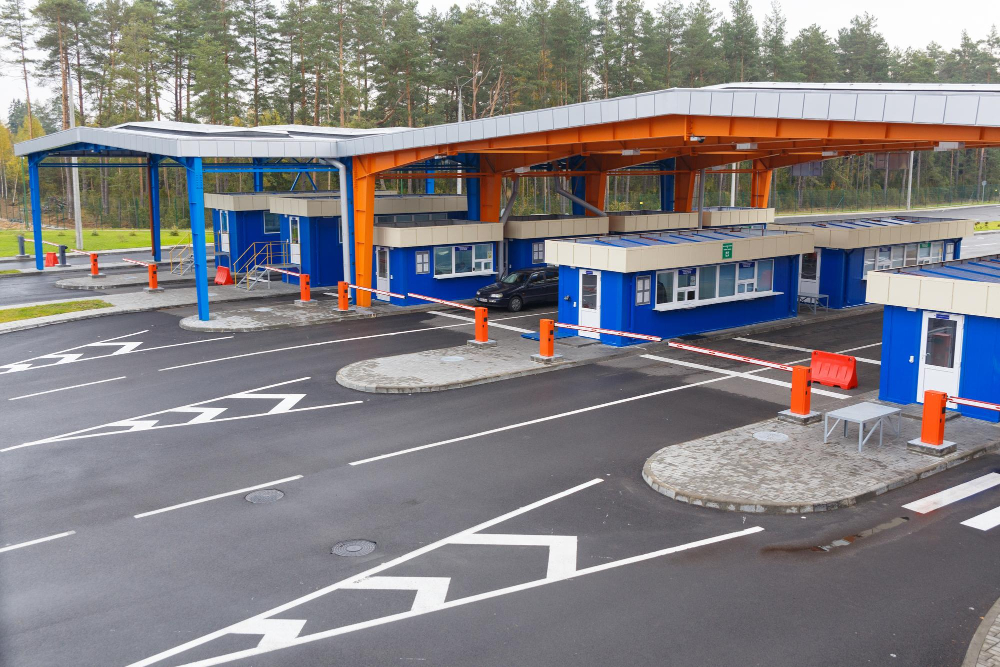
An airport does immigration once, indoors, with an airline having already checked your documents. A land border does it twice, in two countries, in two buildings that may be separated by a stretch of road belonging to neither — and nobody has checked anything on your behalf.
Almost every problem in overland travel comes from that structural difference, or from the fact that a crossing is a physical place with opening hours, a cash desk and no appeal process. Here are fourteen things that decide how it goes.
1. Leaving and arriving are two separate controls, and they can be far apart
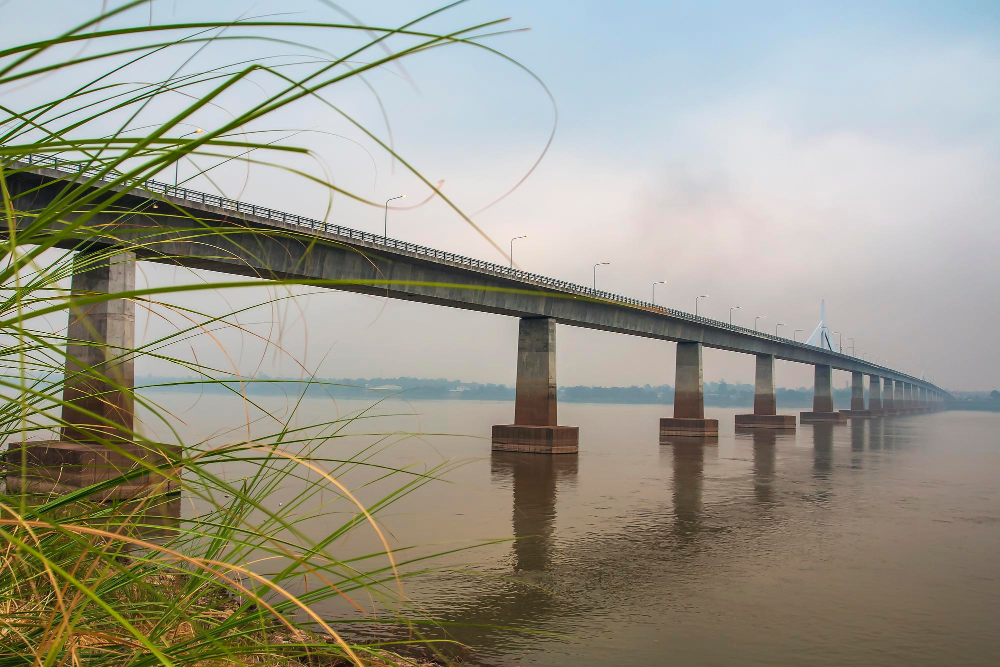
An airport does immigration once. A land border does it twice, in two different countries, in two different buildings, sometimes separated by a stretch of road that belongs to neither and occasionally by several miles.
Both have to be completed in order. A traveller who walks or drives past the departing country’s control because there was no obvious barrier has left without being processed, which is a problem that surfaces much later.
Look for both posts deliberately. If you cannot see where the exit control is, ask before you cross the line rather than afterwards. At a quiet rural crossing the exit post can be a single room in a building with no sign in a language you read, several hundred metres back from the line, and the only indication that you have missed it is a question asked by somebody on the other side.
Like our content? Follow us for more.
2. The exit stamp is the one that matters later
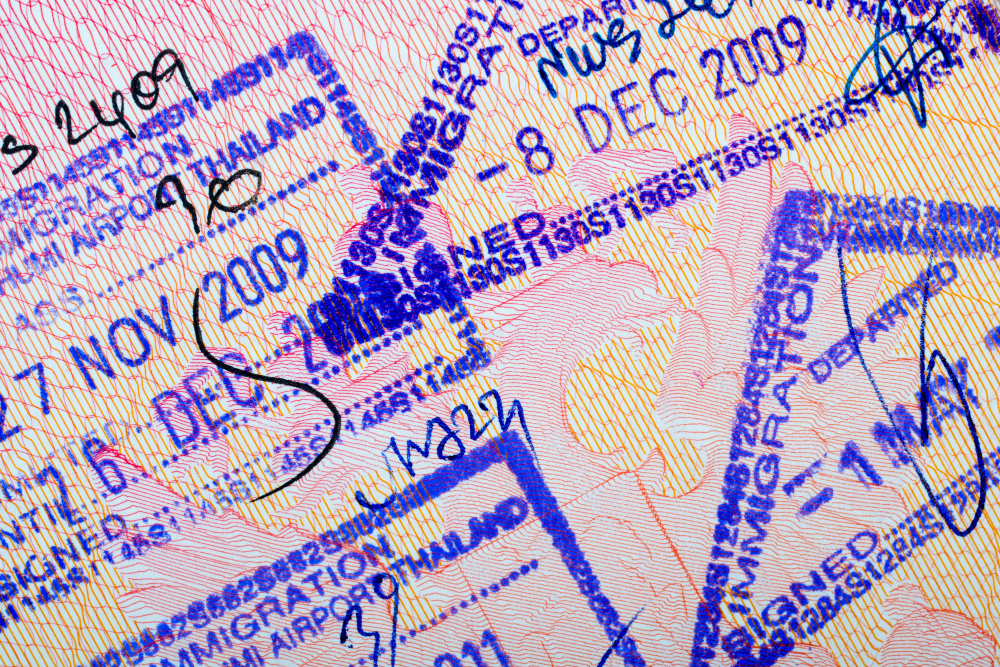
Many countries reconcile entries against exits. A missing exit record can mean an overstay on the file, difficulty obtaining a future visa, questions on the next entry, and in some places a fine on departure the following time.
This is the single most common consequence of a casually administered land crossing, and it is usually nobody’s fault — a post that was unstaffed, a barrier that was open, a queue that was waved through.
Check your passport before you leave the crossing area. If there is no exit stamp or electronic record, go back and get one while you are still there.
3. Crossings have opening hours, and they close
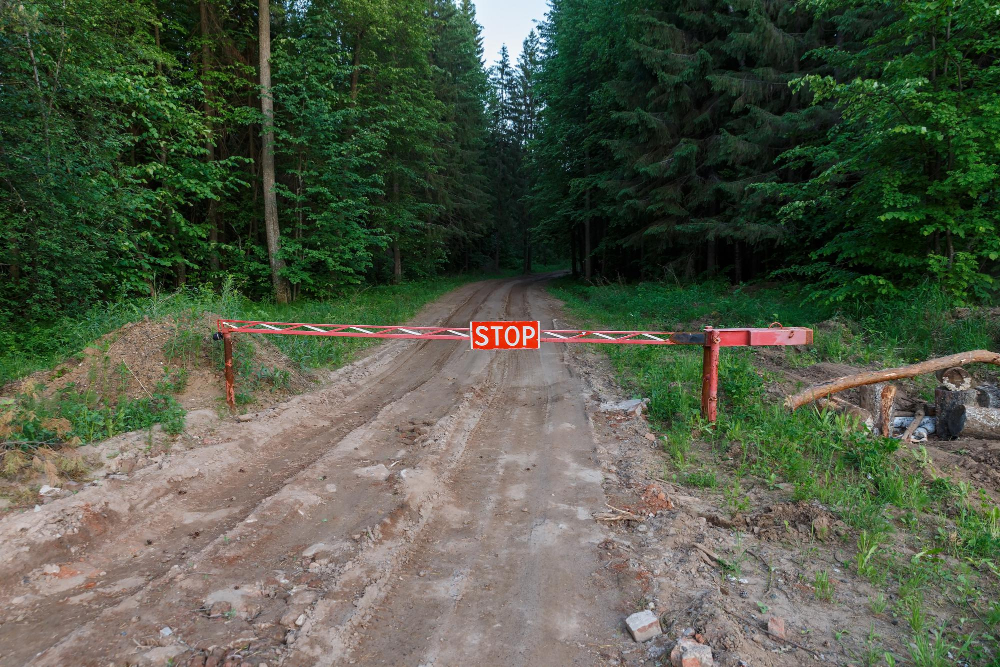
Land borders are not continuously open. Many operate stated hours, some close for lunch, many close at nightfall, and most close on certain public holidays — of either country, which doubles the number of dates involved.
Arriving after closing usually means waiting until morning, in whatever accommodation exists on that side, which at a remote crossing may be nothing. Published hours are also not always current.
Check the hours for the specific crossing from both countries’ sources, plan to arrive with hours in hand, and know where the nearest accommodation on your side is. Holidays are the part worth checking twice, because a crossing closes for the public holidays of either country and the two calendars rarely coincide.
4. Not every crossing is open to every nationality
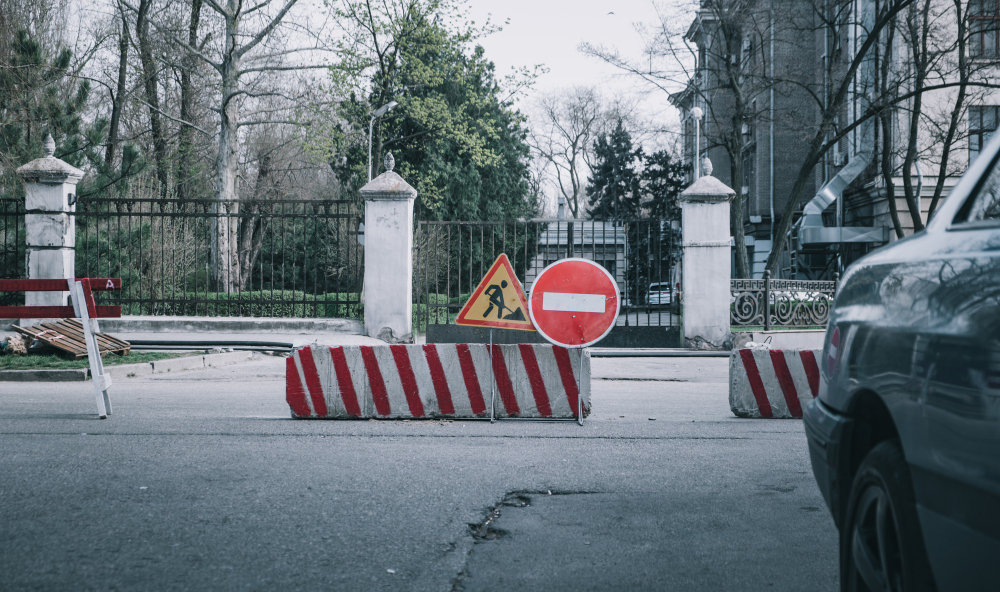
A land border may be open to nationals of the two neighbouring countries and not to anybody else, or open to third-country nationals only at designated crossings. The restriction is on the crossing rather than on the visa.
This catches travellers who hold a valid visa and assume it can be used anywhere. The visa permits entry; the designation decides where. A crossing can also be open for exit and not for entry.
Confirm that your specific crossing is designated for international traffic and for your nationality, in writing from an official source, before you travel to it.
5. A visa available on arrival at an airport may not be available on land
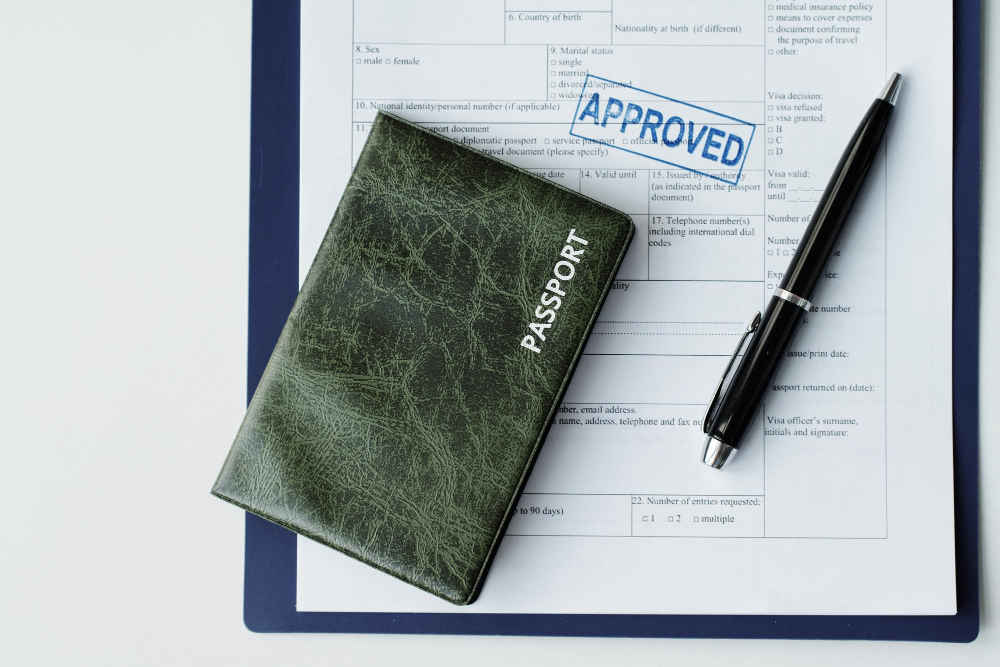
Visa on arrival and electronic authorisation schemes are frequently limited to named air entry points, and a traveller who could obtain one at the capital’s airport may find there is no facility at a land crossing at all.
The result is a refusal with no remedy on the spot, because there is nowhere to apply and no appeal at a border post. The traveller returns the way they came.
If you are relying on a visa on arrival, verify that your specific crossing issues it. If it does not, obtain the visa in advance.
6. Fees are in cash, in a currency you may not have
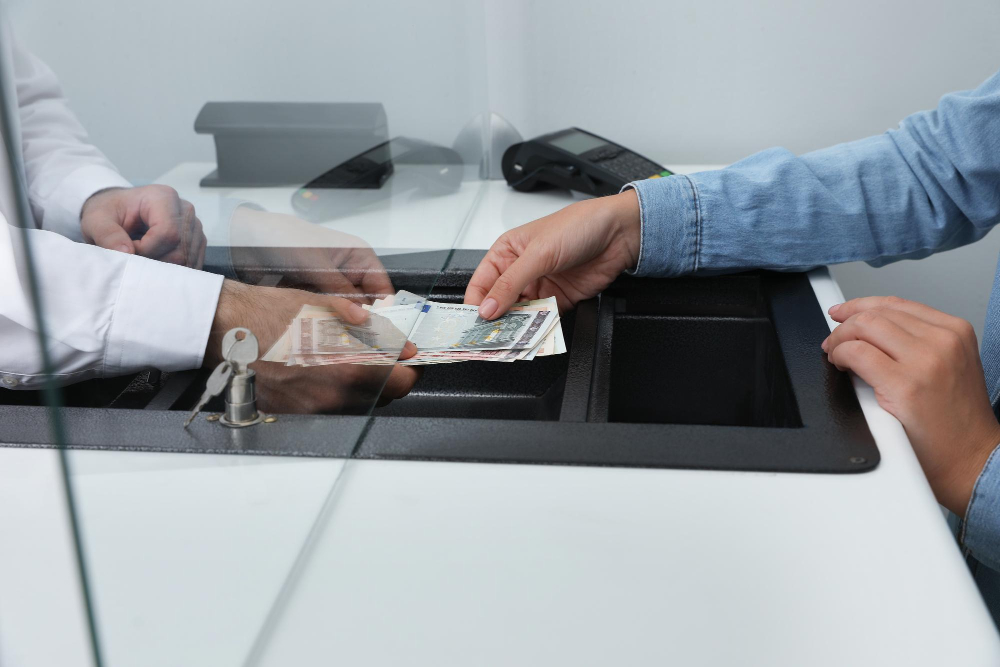
Entry fees, exit fees, road taxes, insurance and disinfection charges at land borders are commonly cash-only, sometimes in the local currency, sometimes in a major foreign currency, and sometimes specifically in clean notes.
There is often no bank, no working machine and no card facility, and the money changers who are present are not obliged to offer a reasonable rate. This is the most reliably annoying feature of overland travel.
Carry small denominations of both the local currency and a widely accepted major currency, in good condition, and keep them separate from the rest of your money.
7. A vehicle needs its own paperwork, and it is more than the car
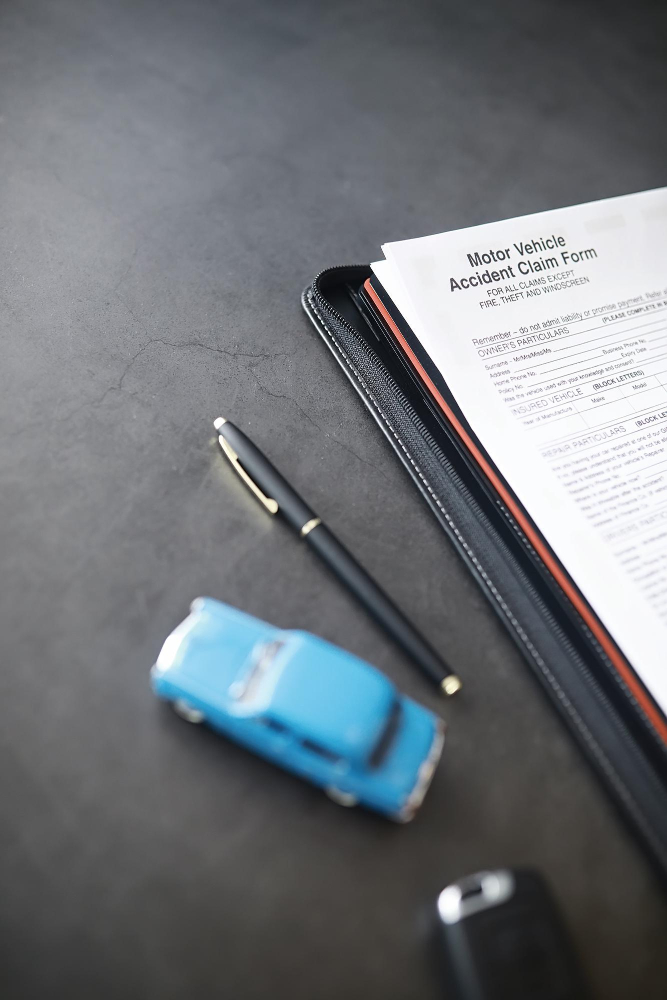
Taking a vehicle across a land border generally requires proof of ownership, a temporary import permit issued at the border, insurance valid in the destination country, and sometimes a customs document that guarantees the vehicle will leave again.
The permit ties the vehicle to the driver’s passport, which means the vehicle must leave with that person. Selling, abandoning or even lending it inside the country creates a serious problem on exit.
Research the vehicle requirements separately from the personal ones, carry the original ownership document, and keep every piece of paper issued at the border until you have left.
8. Hire cars frequently cannot cross at all
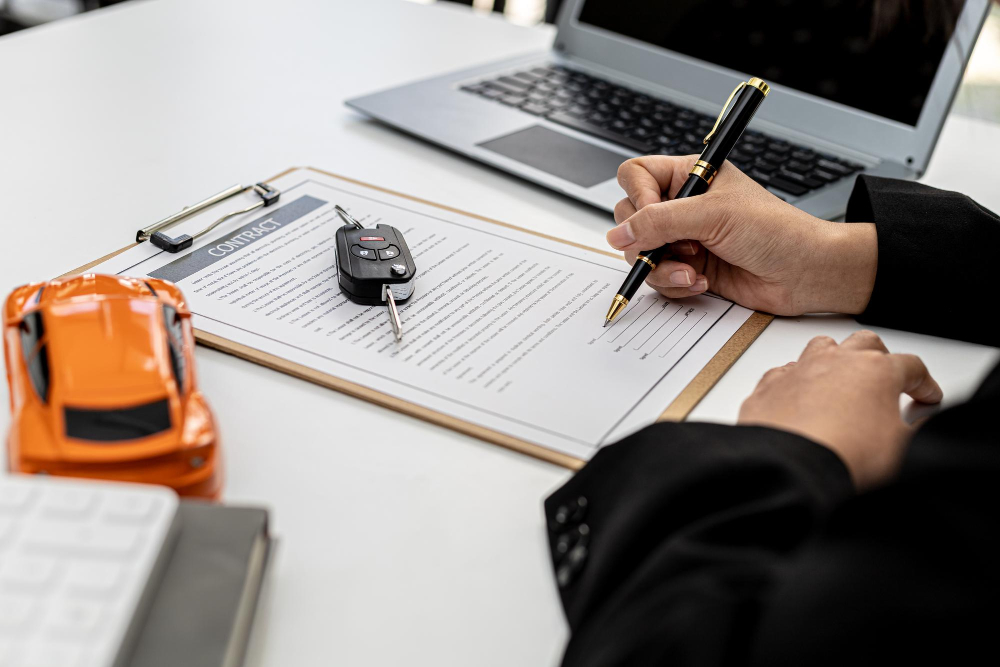
Rental agreements commonly prohibit taking the vehicle out of the country, and where crossing is permitted it requires a written authorisation letter from the hire company, additional insurance, and sometimes a surcharge.
Border officials ask for that letter and will refuse the vehicle without it. The rental company’s insurance also usually ceases at the frontier, which leaves the driver uninsured in a country where that may be an offence as well as a risk.
Ask the hire company before booking, get the cross-border authorisation and the insurance extension in writing, and carry both.
9. The space between the two posts has its own economy

At busy crossings the area between controls supports money changers, porters, taxi touts, people offering to expedite paperwork, and sometimes people presenting themselves as officials. Some are useful and some are not.
The reliable test is whether a person can show official identification and whether what they are offering is something the post does for free. Paying somebody to do what a counter does anyway is the common outcome.
Deal with counters rather than with people who approach you, keep your documents in your own hands, and agree any taxi fare before the bags go in.
10. You may not be able to change money once you are through

Some currencies cannot be obtained or disposed of outside their own country, which makes the border the only practical place to change. On the other side there may be nothing for a considerable distance.
The reverse also applies on the way out: leftover local notes may be unusable and in some cases unlawful to export, and the crossing is the last opportunity to spend or change them.
Plan the currency in both directions, change enough at the crossing to reach the next town, and spend out restricted local notes before you leave.
11. Insurance validity changes at the line
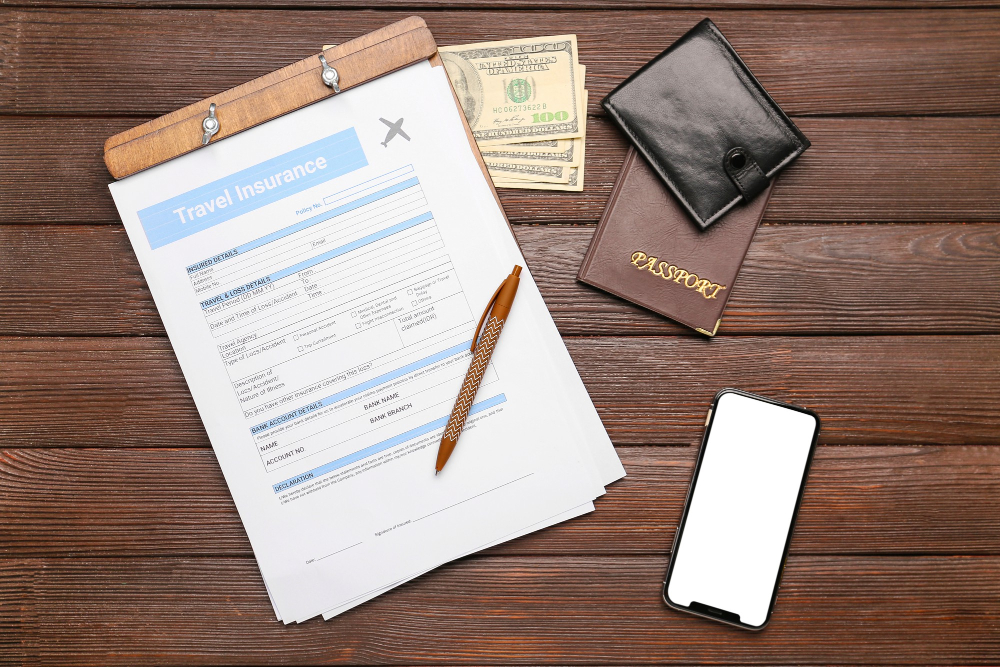
Travel insurance, vehicle insurance and breakdown cover are all written by territory, and a policy valid on one side may simply not apply on the other. Some policies also exclude travel by land into a country entirely.
This matters most for medical cover. A traveller who crosses for a day trip without checking is uninsured for that day, in a country they may know nothing about medically.
Read the territorial limits on every policy you hold before crossing, including for a short excursion, and extend them if the destination is not listed.
12. Onward travel and funds can be asked for at a land border too

Requirements to show an onward or return ticket, accommodation and sufficient funds exist at land crossings as well as airports, and are sometimes applied more rigorously because the traveller arrived without an airline having checked anything.
A traveller planning to continue overland has no ticket to show, which is a recognised awkwardness. A written itinerary, a booked first night and evidence of funds generally satisfy it.
Carry a printed itinerary and a confirmed first night’s accommodation, and have evidence of funds in whatever form the country accepts. A printed booking that can be cancelled afterwards without charge is the usual way travellers continuing overland satisfy a requirement written for people arriving by air.
13. Health documentation is checked at land borders where it applies
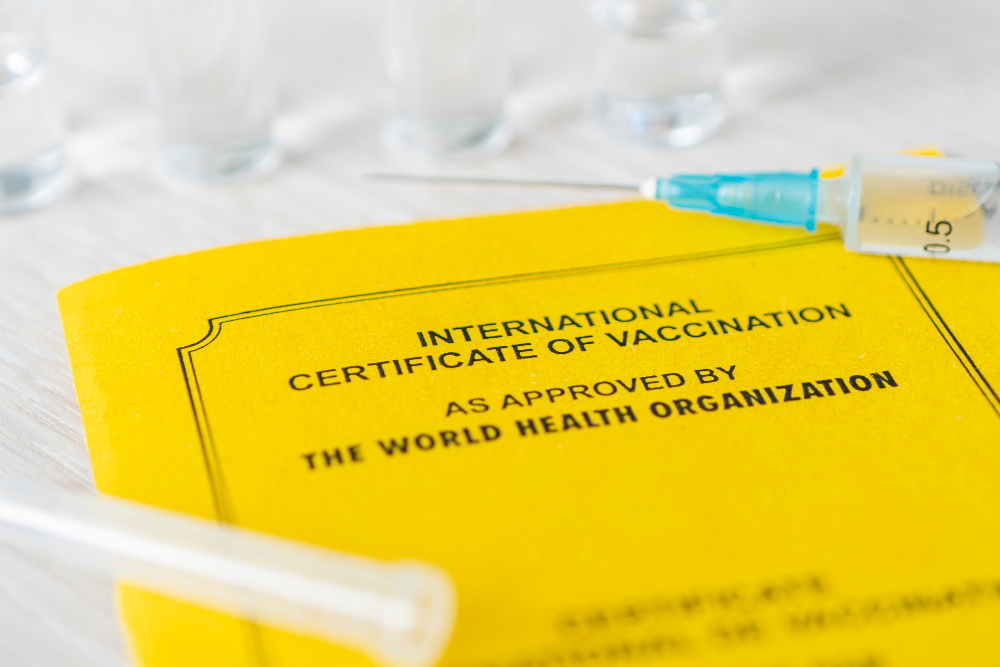
Where a country requires a vaccination certificate for entry, land crossings check it, and some crossings also operate vehicle disinfection, animal and plant inspections, and food import restrictions that an air traveller never encounters.
Agricultural restrictions in particular are enforced at land borders because that is the route by which plant and animal material actually moves. Food in a vehicle is a common and avoidable reason for a delay.
Carry whatever certificates the destination requires in paper form, and clear out fresh food, plants and animal products before you reach the post.
14. And the sequence that makes an overland crossing straightforward
Before travelling: confirm the crossing is designated for your nationality, confirm its hours from both sides, confirm whether a visa is issued there, confirm the vehicle and hire car requirements in writing, and check the territorial limits on your insurance.
At the crossing: complete the exit control first and check for the stamp, then the entry control, keep every document issued, pay at counters rather than to people, and change enough money to reach the next town.
The honest summary: the missing exit stamp is the failure that follows a traveller for years, a visa on arrival at an airport often does not exist at a land post, a hire car needs written authorisation that officials genuinely ask for, and insurance is written by territory and may stop at the line even for a day trip.
The four that cause lasting problems

The exit stamp is first and it is the one with the longest tail. Countries reconcile entries against exits, so a crossing where the post was unstaffed or the barrier was simply open can leave an overstay on a file that surfaces years later as a refused visa or a fine. It is checkable in thirty seconds before you leave the crossing area and almost impossible to fix afterwards.
The designation of the crossing is second. A visa permits entry; the crossing’s designation decides where that entry can happen. A border may be open only to nationals of the two neighbouring countries, or open to others only at named posts, or open for exit and not entry — and a valid visa does not change any of it. Related to it: visa on arrival and electronic authorisation schemes are frequently limited to air entry points, so a traveller who could have obtained one at the capital’s airport finds there is no facility at all.
The vehicle paperwork is third. A temporary import permit ties the vehicle to the driver’s passport, so it must leave with that person, and a hire car generally needs a written cross-border authorisation and an insurance extension that officials genuinely ask for.
And insurance is fourth, because it is written by territory. A policy valid on one side may not apply on the other, including for a day trip, which leaves a traveller uninsured medically in a country they know nothing about.
Before you go: confirm the crossing is designated for your nationality and for the direction you are travelling, confirm its opening hours from both countries’ sources, confirm whether a visa is issued there, get any vehicle or hire car authorisation in writing, and read the territorial limits on every policy you hold.
At the crossing: complete the exit control first and check your passport for the stamp before you move on, then the entry control. Keep every document issued. Pay at counters rather than to people who approach you. Carry small denominations of both the local currency and a major one, in clean notes, because the fees are cash and there is often no bank. And change enough to reach the next town, since on the far side there may be nothing for a long way.
Then clear the fresh food, plants and animal products out of the vehicle before you arrive, because agricultural restrictions are enforced hardest exactly where things actually move.
Like our content? Follow us for more.