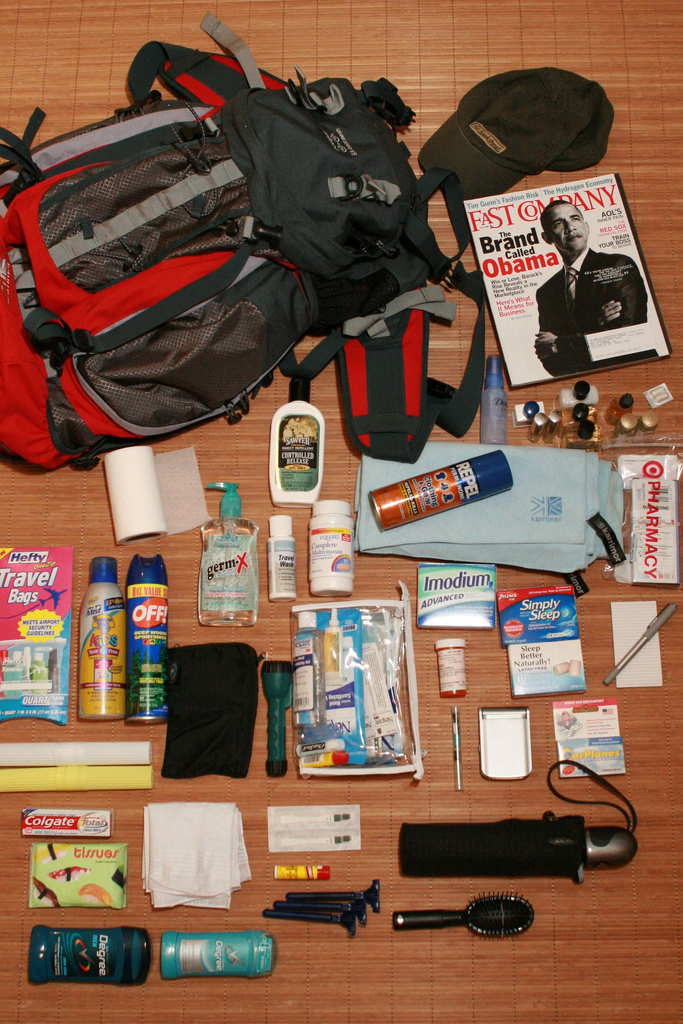
The question travellers ask about medicines is whether they will get through security. The question that actually matters is whether the country they are flying to permits the medicine at all, and for a number of ordinary prescribed treatments the answer in some jurisdictions is no.
The consequences in the strictest places are not administrative, and the authority is never your own doctor or your own government. Here are fifteen things to settle, and the single most useful one is last.
1. The destination country’s rules decide, not your prescription
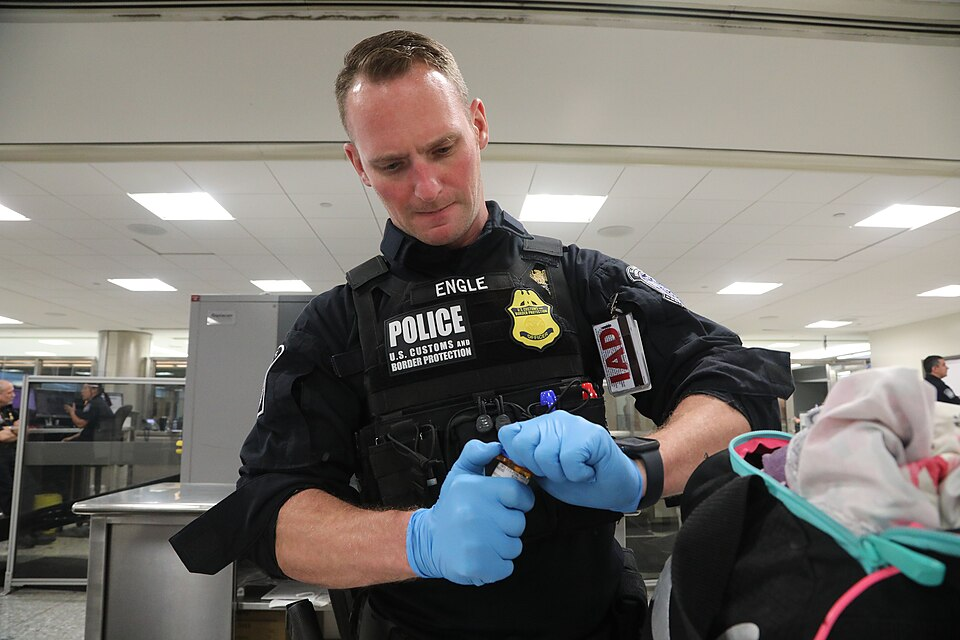
A medicine lawfully prescribed to you at home has no automatic standing anywhere else. Each country regulates what may be brought across its own border, and a prescription from another jurisdiction is evidence of why you have it rather than permission to carry it.
That is the single fact behind everything else in this file, and it is the one travellers consistently do not expect. The question is never whether the medicine is legal where you live; it is whether it is permitted where you are going.
Nothing here is medical or legal advice and no medicine is named anywhere. The purpose of this file is to tell you which questions to ask and who to ask, well before you fly.
Like our content? Follow us for more.
2. Some entirely ordinary medicines are prohibited in some countries
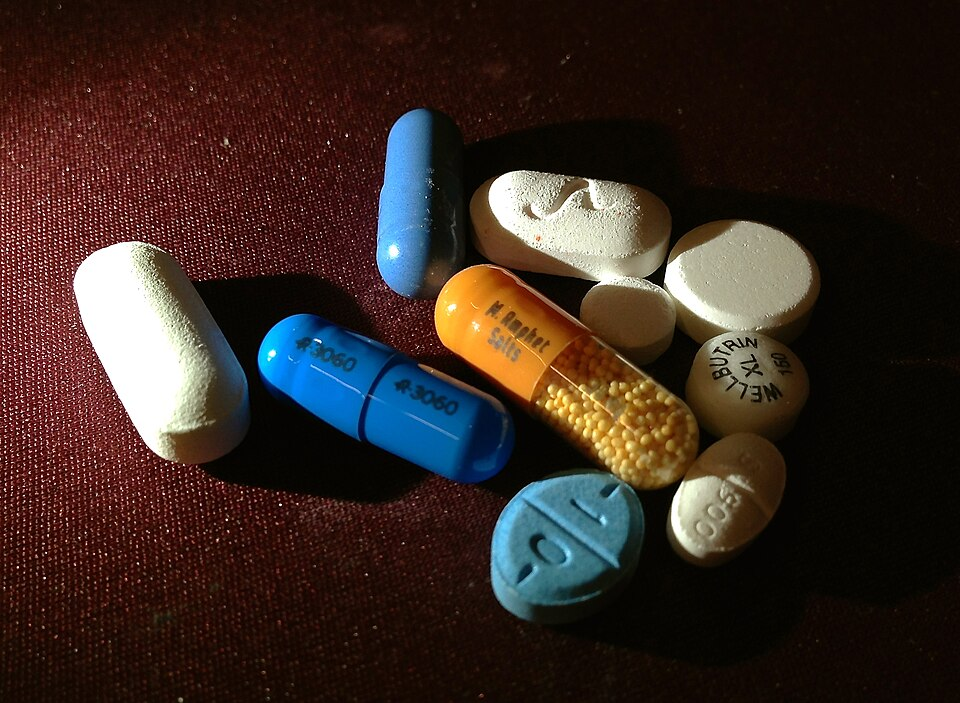
A number of countries restrict or prohibit medicines that are sold without prescription elsewhere, and the categories that most often cause problems are strong painkillers, some cold and sinus remedies, sleep aids, anxiety medicines, stimulant medications prescribed for attention disorders, and preparations containing certain hormones or cannabis derivatives.
The consequences in the strictest jurisdictions are not administrative. Travellers have been detained and prosecuted for carrying quantities that would be unremarkable at home, and the fact that a medicine was prescribed by a doctor is relevant to the defence rather than to whether an offence occurred.
No country and no medicine is named here deliberately, because both lists change and because getting either wrong would be worse than saying nothing. The authority is the destination’s own government.
3. The embassy or consulate is the authority worth asking
The reliable source is the embassy, consulate or health ministry of the country you are travelling to, and for several countries that is the only source that will give a definitive answer about a specific medicine.
Travel health clinics, pharmacists and your own country’s foreign ministry travel advice are all useful starting points and none of them is the authority. A pharmacist can tell you what a medicine contains, which is what you need in order to ask the question properly.
Allow time. Some countries operate a formal prior-authorisation process for particular categories, and the processing is measured in weeks rather than days.
4. Carry it in the original labelled packaging
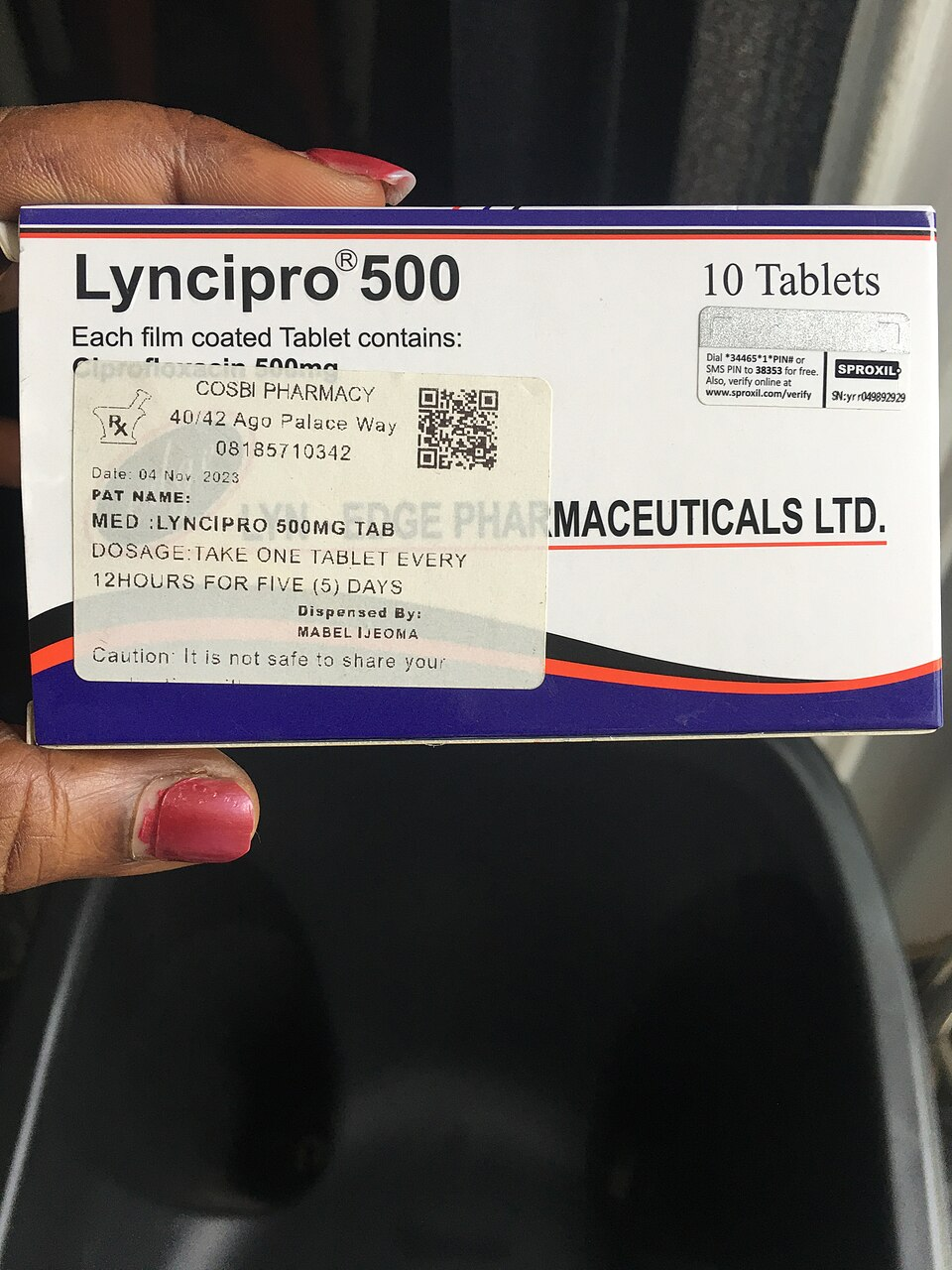
The single most useful practical step is to keep medicines in the packaging they were dispensed in, with the pharmacy label showing the patient’s name, the medicine, the strength, the quantity and the prescriber.
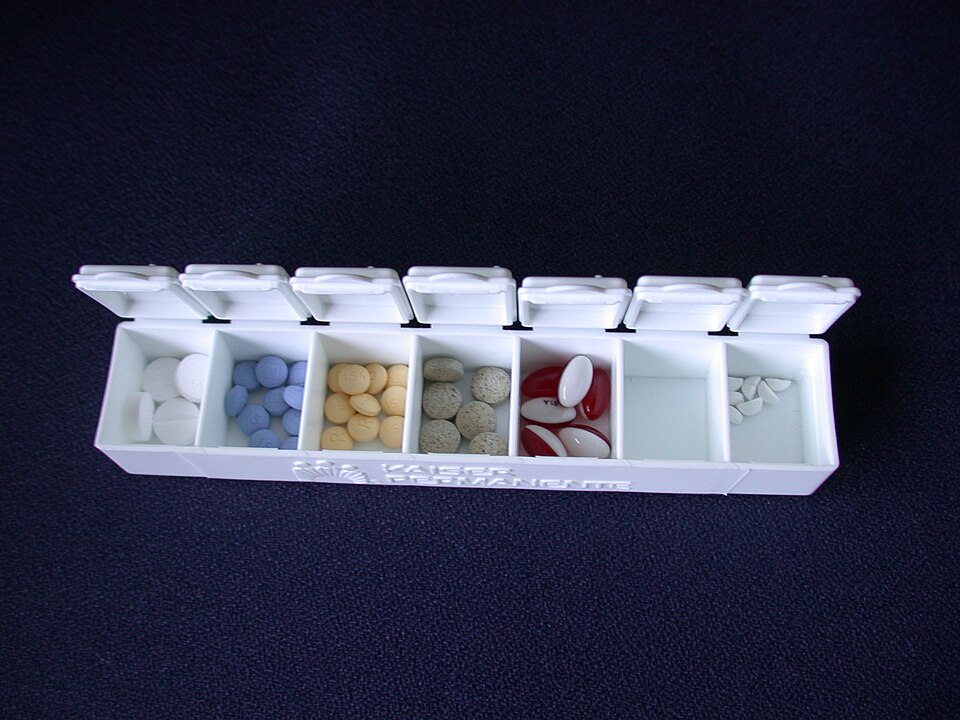
The decanted pill organiser is where this goes wrong. A week’s medication sorted into an unlabelled plastic box is the hardest thing to explain at a border and the easiest thing to have taken away, and it is also the arrangement most travellers find convenient.
If you use an organiser, carry the original boxes as well. The organiser for the week and the packaging in the bag is the arrangement that satisfies both requirements.
5. Carry documentation even where it is not demanded
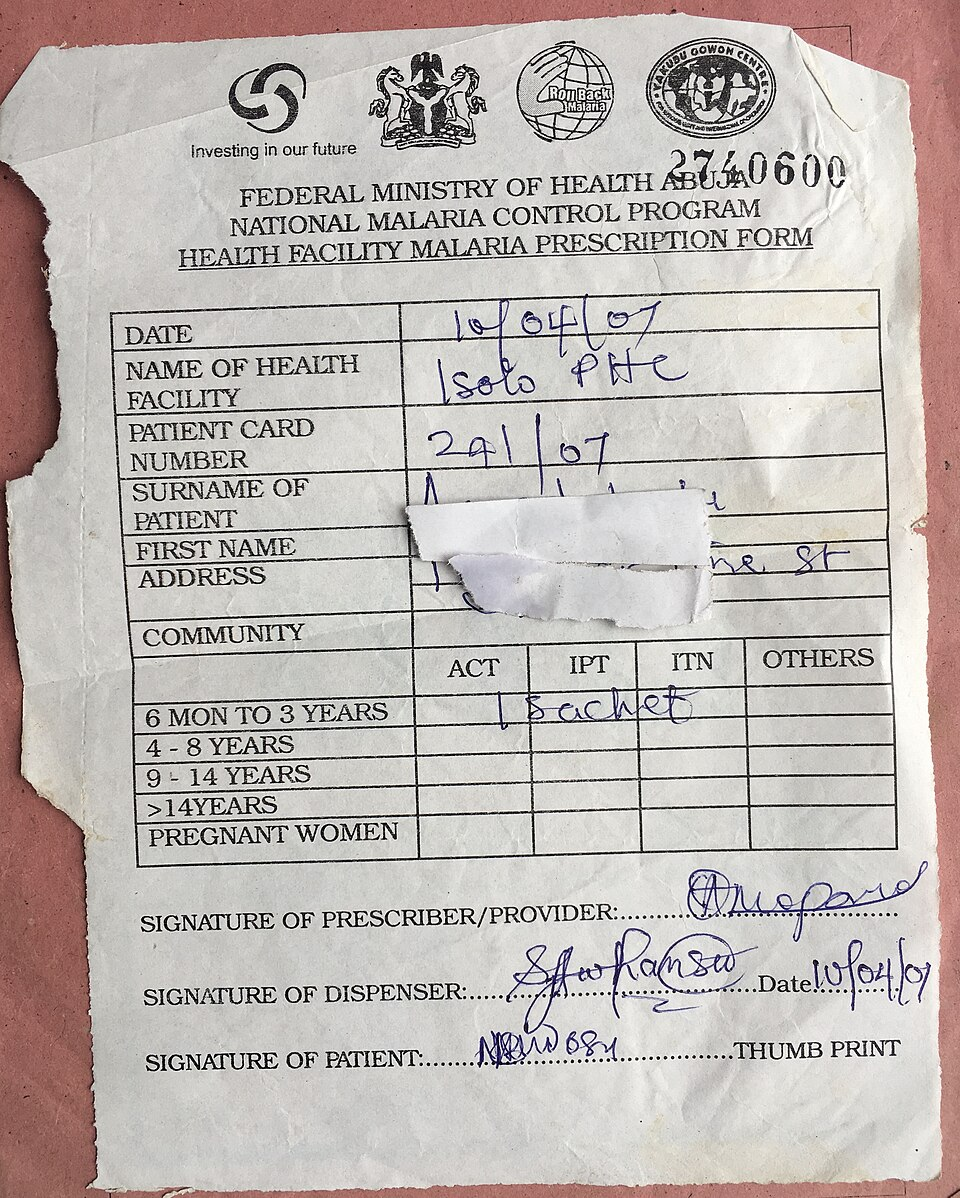
A copy of the prescription, or better a letter from the prescriber on headed paper stating the diagnosis in general terms, the medicine by its generic name, the dose, the quantity and that it is for the traveller’s personal use, is the document that resolves a question quickly.
The generic name matters more than the brand. Brand names differ between countries and an officer looking at an unfamiliar trade name has no way to establish what the medicine is, while the international generic name is recognised everywhere.
Two copies, one in the bag with the medicine and one elsewhere, costs nothing. A photograph on a phone is a reasonable third copy and is not a substitute for paper.
6. Bring a quantity proportionate to the trip
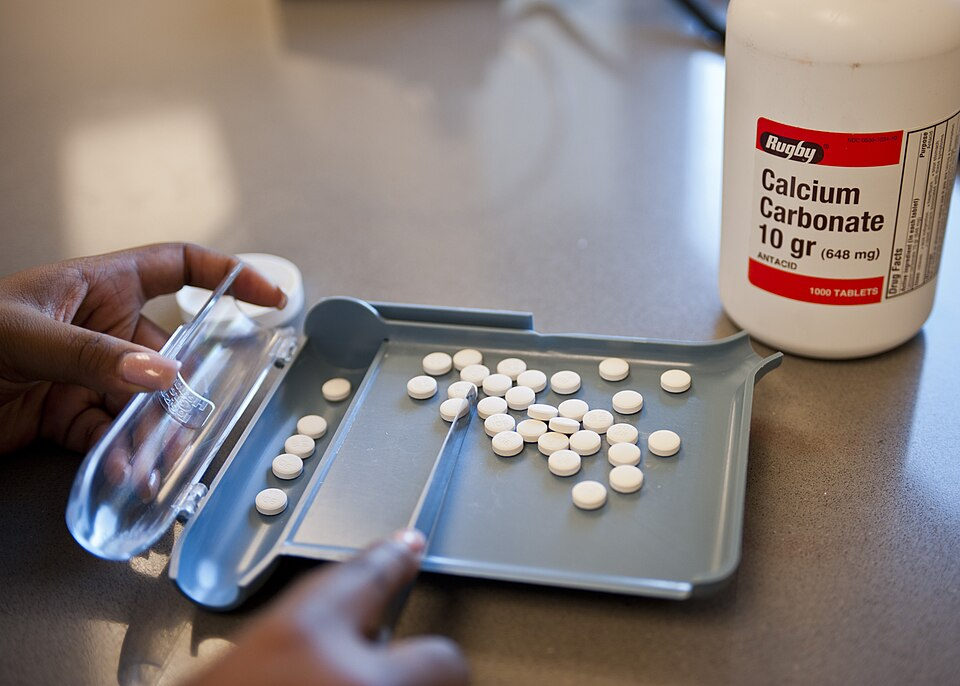
The expectation in most systems is a quantity reasonable for the duration of the journey plus a margin, and a supply substantially larger than the trip length invites the question of whether it is for personal use or for supply to somebody else.
Several countries set an explicit limit, commonly expressed as a number of days’ supply, and some require prior authorisation above it. The limits differ and are revised, which is why no figure appears here.
The sensible margin is enough to cover a delayed return and a lost bag, carried in the cabin, which is a different calculation from bringing three months because you happened to have it.
7. Medicines go in the cabin, always
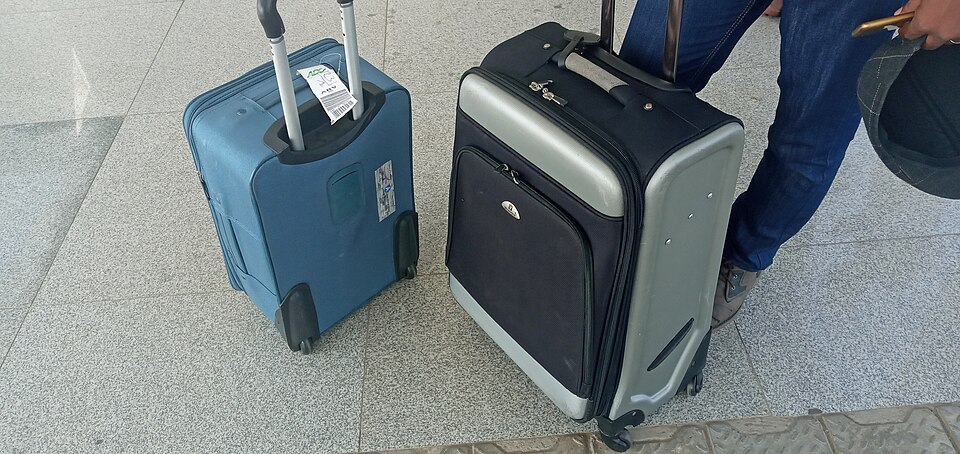
Checked baggage can be delayed, misrouted or lost, hold temperatures and pressures are not controlled for pharmaceuticals, and a bag that arrives two days late is a bag that arrives two days after the medication was needed.
Airline liability for checked baggage also generally excludes medication, which means a claim for medicines lost in a checked bag typically fails rather than being reduced. There is no scenario in which the hold is the right place for a medicine somebody depends on.
Split the supply if the trip is long: most in the cabin bag, a few days’ worth in a second bag or on a travelling companion, so that a single loss is not total.
8. The liquids restriction does not apply to medically necessary liquids
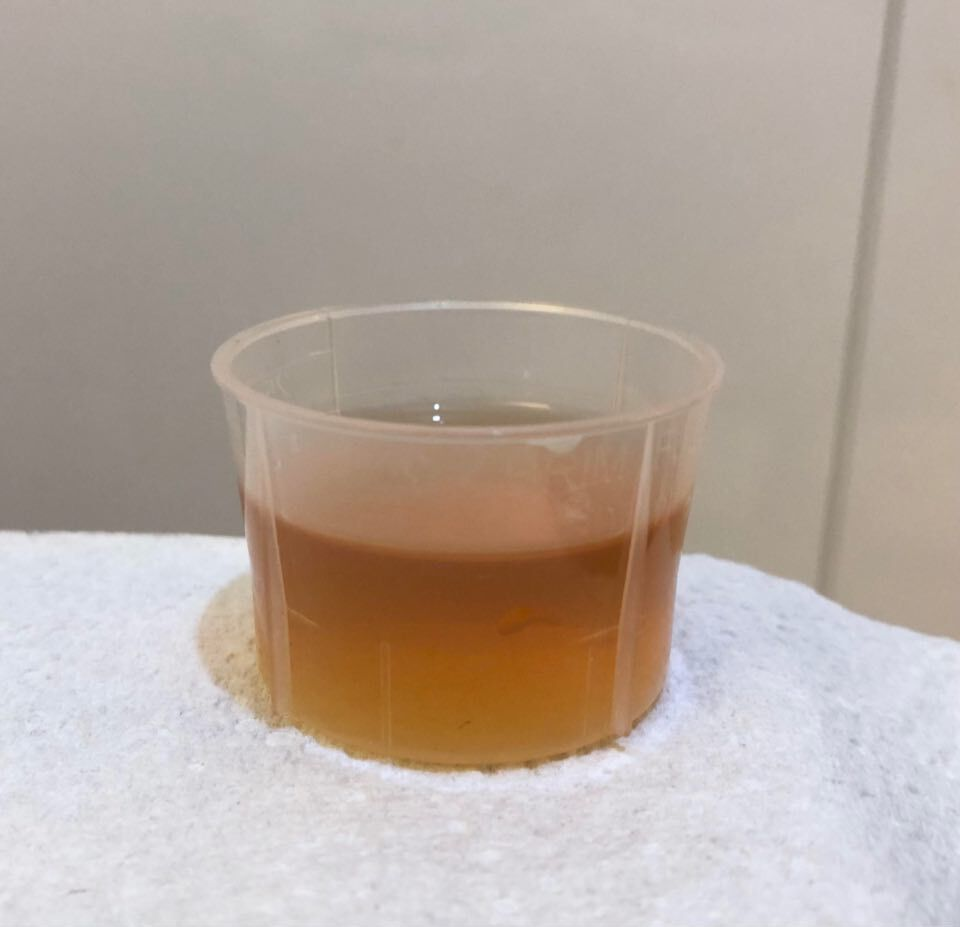
Liquid medicines, and the liquids and gels needed to administer or accompany them, are exempt from the cabin container restriction in reasonable quantities for the journey, in essentially every jurisdiction that operates the restriction.
The exemption is not automatic in the sense of being invisible. The practical approach is to carry the items separately, declare them to the screening officer before going through rather than after, and have the documentation available, and screening of the items themselves still applies.
The same applies to cooling packs and to the gel packs used with temperature-sensitive medicines, which are permitted as part of the exemption.
9. Needles, pens and sharps need the documentation with them
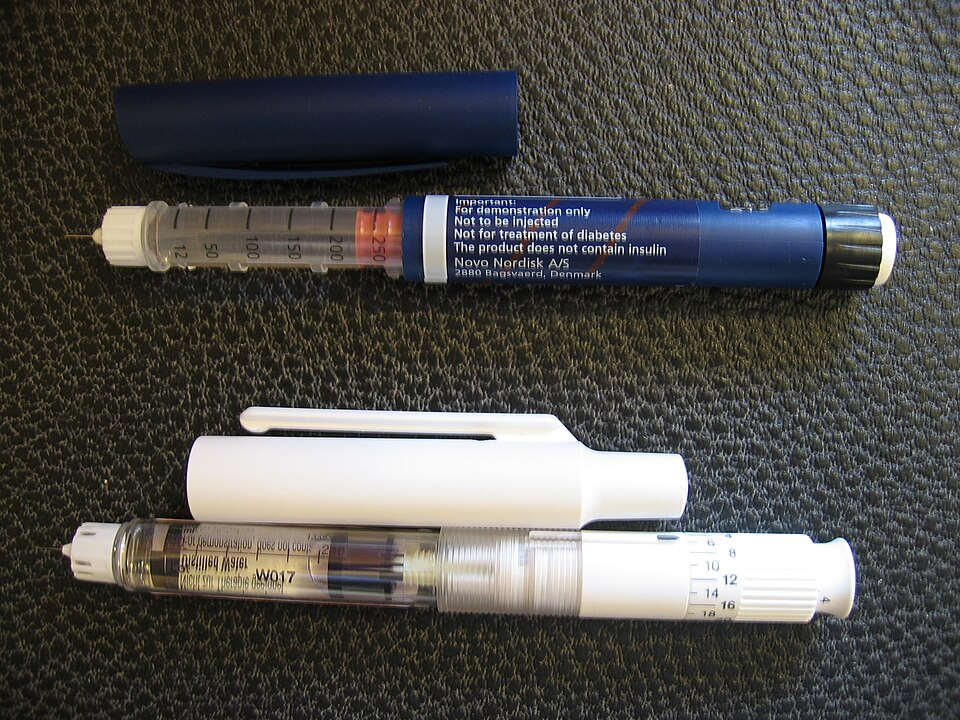
Injectable medicines, insulin pens, pre-filled syringes, auto-injectors and the needles for them are permitted in the cabin where they accompany the medicine, and the requirement in most systems is that the medicine and the device travel together with the labelling and documentation.
A sharps container or a plan for used needles is the part people forget, and disposal arrangements abroad are not the same as at home. Some destinations have no domestic sharps collection at all and the practical answer is to bring them home in a proper container.
No device, medicine or condition is named here. The procedural point is that the device is permitted, the paperwork travels with it, and the disposal is the traveller’s problem to have thought about.
10. Temperature-sensitive medicines need a plan rather than a cool bag
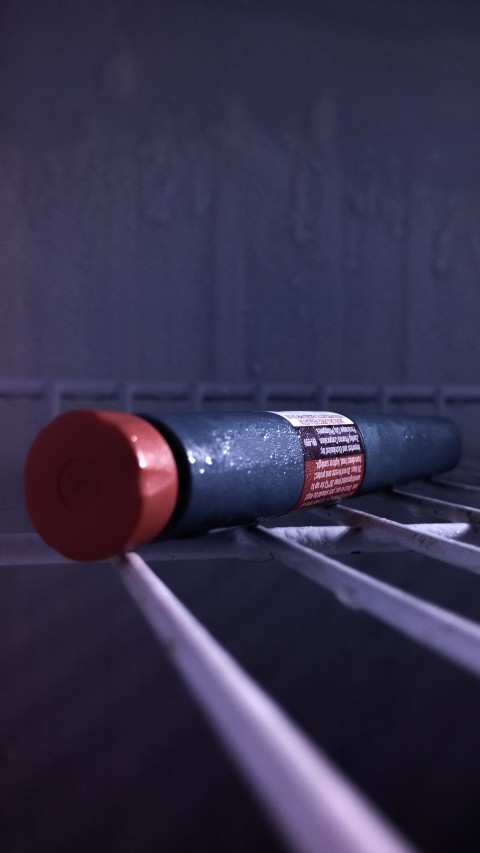
Medicines requiring refrigeration are a logistics problem for the whole trip, not just the flight: the journey, the destination’s climate, the accommodation’s facilities, any onward travel and the return all have to work.
The components of a workable plan are a validated cool bag or medical travel case rather than a picnic cooler, gel packs, a means of monitoring that the temperature has stayed in range, confirmation that the accommodation has a usable refrigerator, and a contingency if it does not.
The pharmacist who dispenses it is the person to ask about the specific requirements, because the tolerance differs between medicines and a generic answer is not useful.
11. Find out whether you can get more at the destination
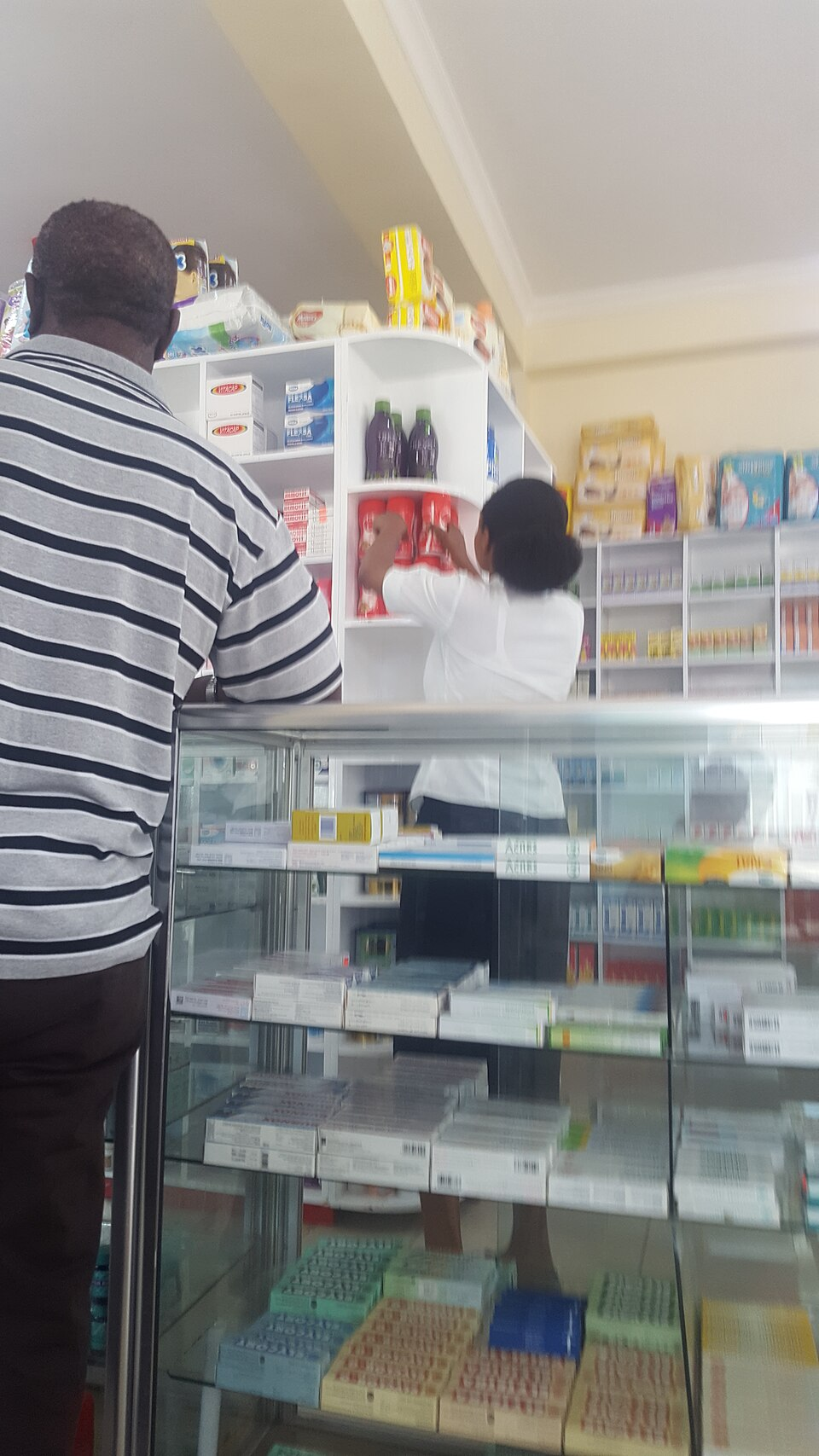
Before travelling it is worth establishing whether the medicine is available at the destination at all, under what name, on what basis and at what cost, because a lost or stolen supply abroad is a problem solved locally or not at all.
The answers vary enormously. A medicine may be freely available over the counter in one country, prescription-only in another and unavailable in a third, and a prescription from your own country is generally not dispensable abroad without a local consultation.
Travel insurance frequently covers the cost of replacing lost prescription medicines and almost never covers the consequences of not having them, which is the asymmetry that makes this worth checking in advance.
12. Controlled medicines are a separate and stricter category
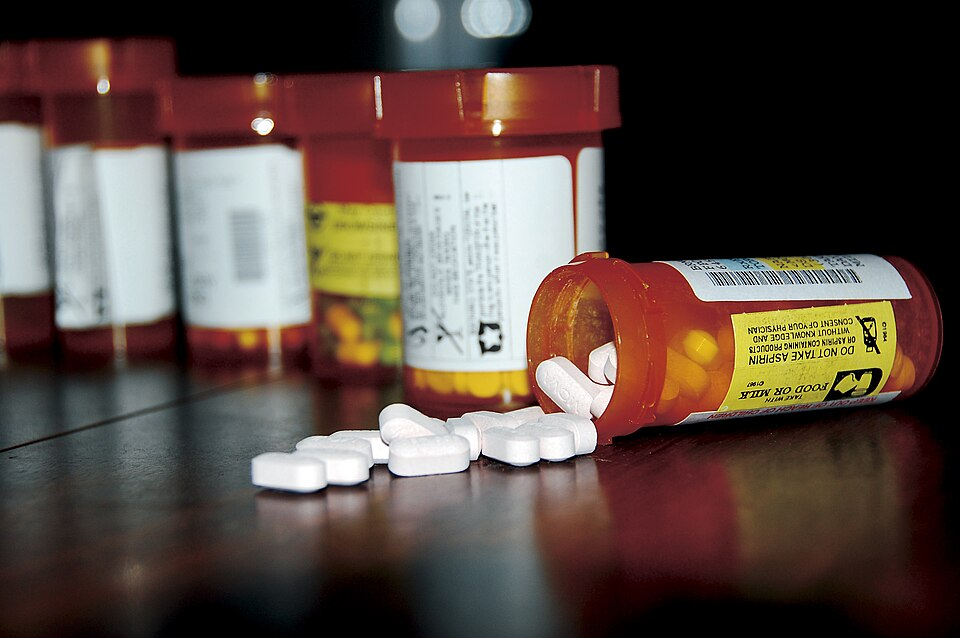
Medicines under international drug control conventions — which include a range of ordinary prescribed treatments for pain, anxiety, sleep and attention — are subject to additional requirements in most countries, and those requirements are the ones with real consequences attached.
The typical requirements are a doctor’s letter, original labelled packaging, a limited days’ supply, declaration on entry and in some countries a permit obtained in advance from the destination’s health authority. Some countries prohibit particular controlled medicines outright regardless of documentation.
If any of your medicines falls into this category, that is the one to start researching first and the one where the embassy’s answer is worth waiting for.
13. Vaccination and health entry requirements are a different question
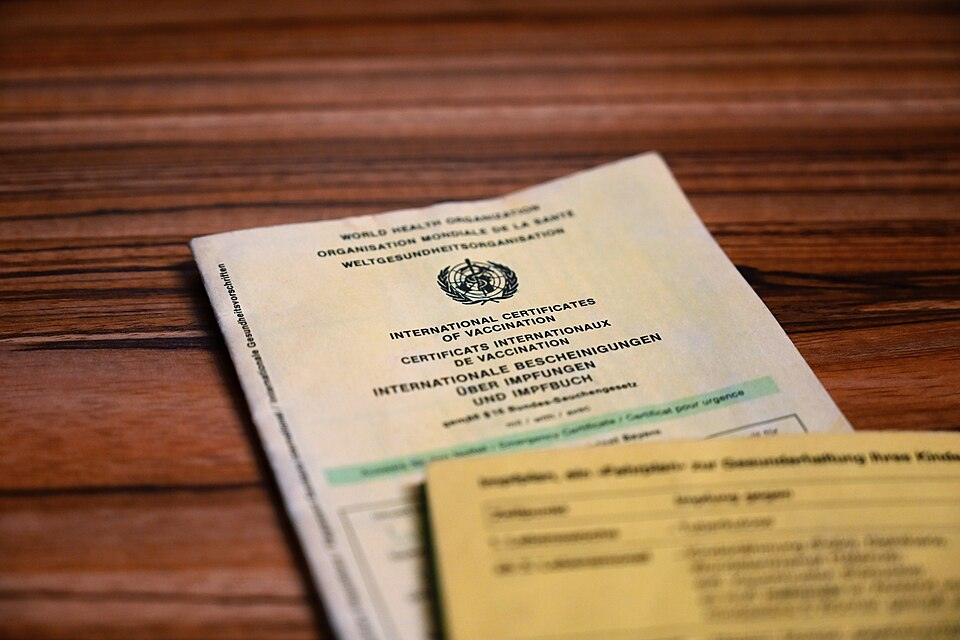
Entry health requirements — a certificate for a particular vaccination, or proof of a test — are separate from the question of what medicines you may carry, and they are enforced by a different part of the system at a different point.
The requirements change, are sometimes imposed at short notice and sometimes depend on your travel history rather than your nationality, including which countries you have transited. This is the category where current official information matters most and where last year’s answer is least reliable.
A travel health clinic several weeks before departure is the sensible route, because some vaccinations require a course and a certificate may have a validity period that has to be in force on arrival.
14. Pack for the delay rather than for the itinerary
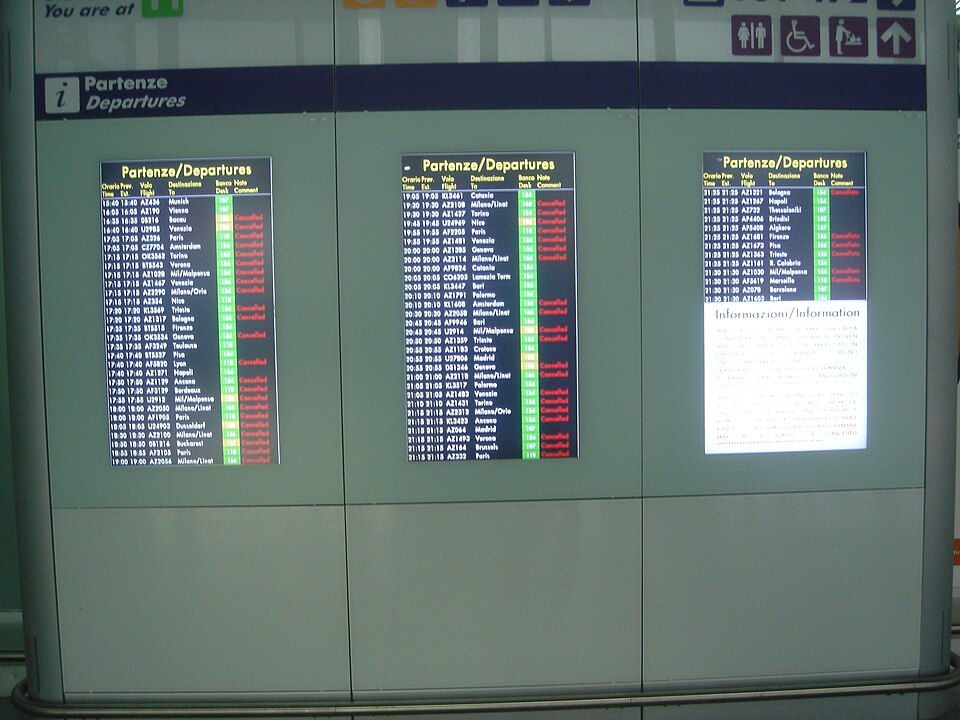
The realistic failure in this whole subject is not confiscation; it is a cancelled flight, a missed connection, a closed airport or an unexpected extra three days somewhere, with the medication calculated exactly to the planned return date.
A margin of several days beyond the itinerary, in the cabin, with the documentation, covers the great majority of what actually goes wrong. It costs nothing and requires only that the prescription be collected before travelling rather than on the way to the airport.
This item is last in substance and first in usefulness. More travellers are caught by the extra three days than by any border.
15. And the five things to do before you fly
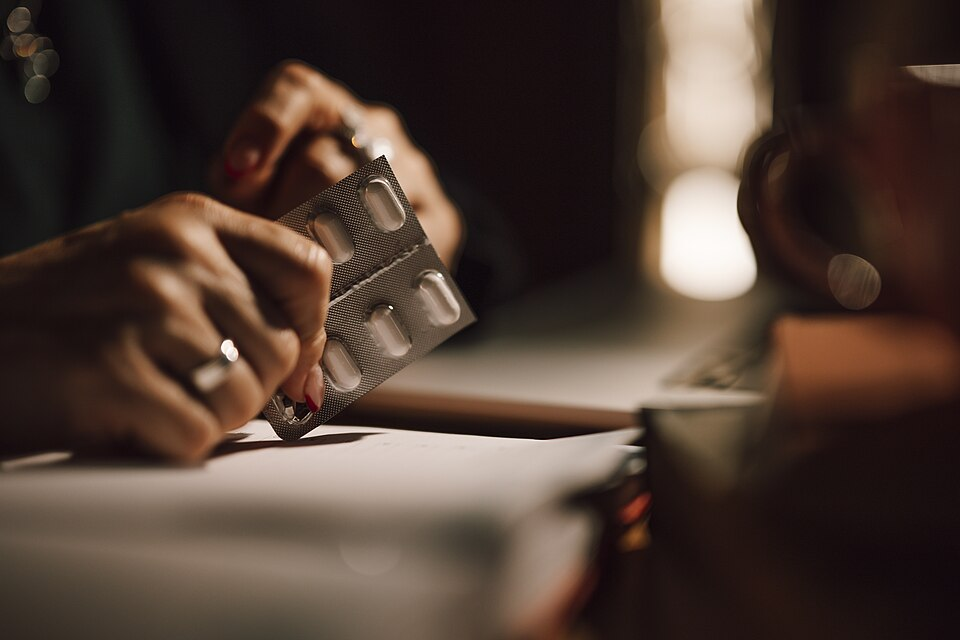
Ask the destination’s embassy, consulate or health ministry about any medicine you are unsure of, and start with anything that might be a controlled medicine. Get a prescriber’s letter using generic names. Keep everything in original labelled packaging. Put it all in the cabin, split across two places if the trip is long. And carry several days more than the itinerary needs.
Then check the entry health requirements separately, through a travel health clinic if vaccinations are involved, and allow weeks rather than days for anything requiring a course or a permit.
Rules on permitted medicines, quantities, documentation and entry health requirements vary by country and change regularly, and nothing in this file is medical or legal advice. The destination country’s own government is the only authority on what it will allow across its border, and your prescriber and pharmacist are the authorities on your own medicines.
Who the authority is, and the four things that resolve almost everything
The structure of this subject is simple once stated. Your prescriber and your pharmacist are the authorities on your medicine. The destination country’s embassy, consulate or health ministry is the authority on whether it may be brought in. Your own government’s travel advice and a travel health clinic are useful starting points and are not the authority on either. Almost every problem in this area comes from asking the wrong one of those four.
Four practical steps resolve the great majority of what goes wrong, and none of them costs anything. Keep medicines in original labelled packaging, carry a prescriber’s letter that uses generic rather than brand names, put everything in the cabin rather than the hold, and bring several days more than the itinerary requires. The decanted pill organiser, the brand name nobody recognises, the checked bag and the exact-quantity supply are the four corresponding failures.
Two categories deserve to be started earlier than the rest. Controlled medicines — which include ordinary prescribed treatments for pain, anxiety, sleep and attention — carry additional requirements in most countries and outright prohibitions in some, and a permit where one is needed takes weeks. And entry health requirements such as vaccination certificates are a separate system entirely, change at short notice, sometimes depend on which countries you have transited, and may involve a course of vaccinations with a validity period that has to be in force when you land.
The most useful item in the file is the least dramatic one. Far more travellers are caught out by a cancelled flight and three extra days with medication calculated exactly to the planned return than by anything that happens at a border, and the fix is to collect the prescription before travelling and carry a margin.
Nothing here is medical or legal advice, no medicine and no country is named anywhere, and the lists of what is permitted where change regularly. The destination’s own government is the only authority on its border, and your prescriber and pharmacist are the authorities on what you take.
Like our content? Follow us for more.