


Hotels oversell deliberately, the trade has a word for what happens next, and the guests it happens to are not chosen at random. Short stays, third-party bookings, no loyalty status and a late arrival is the profile, and three of those four are within your control.
What you get when it happens depends far more on what you ask for than on any legal entitlement, because the chains’ own policies are considerably better than the law and are almost never volunteered in full. Here are fourteen things to know.
1. Being walked is the industry’s own word for it

When a hotel has sold more rooms than it has, it relocates the surplus guests to another property, and the trade term for it is walking. It is a routine operational event rather than a rare failure, it happens most often on sold-out nights, and the hotel has usually known for several hours before you arrive.
The practice exists because hotels deliberately oversell to compensate for no-shows and late cancellations, which is a rational response to a perishable product. A room unsold on the night earns nothing, so the arithmetic favours a small amount of overselling.
Knowing the word is genuinely useful at the desk, because it signals that you understand what is happening and are not going to accept the first thing offered.
Like our content? Follow us for more.
2. What you are owed depends almost entirely on where you are
There is no general American federal right to compensation when a hotel cannot accommodate a confirmed reservation. What you have is a contract, and the remedy for its breach is governed by state consumer law, by the booking terms and in practice by the chain’s own policy.
Other jurisdictions differ. Where the stay forms part of a package, European package travel rules impose obligations on the organiser to provide equivalent alternative arrangements and in some circumstances compensation, and a number of countries have specific accommodation consumer provisions.
The practical consequence is that your position rests on the chain’s policy and your own persistence rather than on a statute, which is why what you ask for matters so much.
3. The chains’ own policies are better than the law and are not advertised

Most major hotel groups have an internal walk policy: a comparable or better room at a nearby comparable or better property, paid by the original hotel, transport to it, a refund or non-charge for the first night, and in some programmes a points award or a free night certificate as compensation.
These policies are real, are applied, and are almost never volunteered in full at the desk. The guest who knows the shape of them and asks specifically gets considerably more than the guest who asks what the hotel can do.
The thing to ask for by name is a comparable or better property, the room paid in full by this hotel, transport there, and whatever the brand’s standard compensation is for a walked guest.
4. There is an order in which guests get walked, and you can be in it
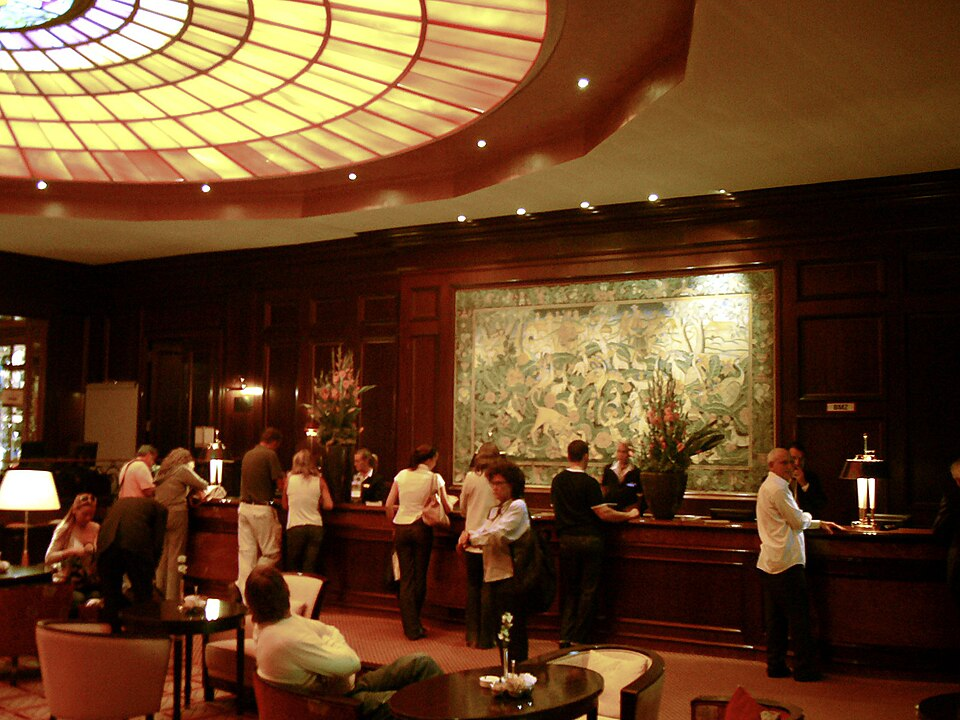
Hotels do not select at random. The guests walked first are typically those on the shortest stays, those who booked through third-party channels at the lowest rates, those with no loyalty status, and those who arrive latest. A single-night guest who booked through an aggregator and checks in at eleven at night is the standard profile.
The logic is commercial rather than punitive: a long stay is harder to relocate, a direct booking is a more valuable relationship, and status guests have retention value. It also means the factors are partly within your control.
If a night cannot go wrong — a wedding, a flight the next morning, a conference — book direct, join the loyalty programme however briefly, and arrive earlier than you otherwise would.
5. Late arrival is the single biggest risk factor
Hotels hold rooms against arrival and release them as the evening goes on, and a guest who has not appeared by late evening is the easiest one to walk because the hotel can no longer be sure they are coming.
A guaranteed late arrival, secured by giving a card at booking and confirming the expected time, is what the hotel is actually holding the room against, and it changes your position substantially. It is free and it takes one phone call.
This is the most effective preventive action in the file and almost nobody takes it. A call in the afternoon saying what time you will arrive is worth more than any argument at midnight.
6. A guaranteed reservation does not guarantee a room
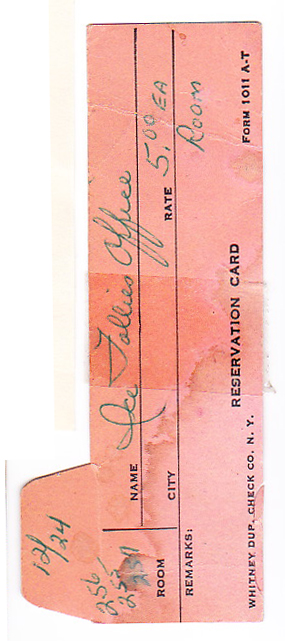
The word guaranteed in hotel booking means that payment is guaranteed to the hotel, not that a room is guaranteed to you. It commits you to pay whether or not you turn up; it does not commit the hotel to have anywhere for you to sleep.
That asymmetry is in the booking terms and is widely misread. The hotel’s obligation is to provide accommodation, and its position when it cannot is that relocating you to an equivalent property discharges it.
The practical implication is to stop treating the confirmation as a certainty and to treat a reconfirmation the day before as part of the booking process rather than as fussing.
7. Who fixes it depends on who you booked with
If the booking was made through a third party, your contract is with that intermediary and the hotel’s ability to relocate, rebook or refund you is limited. The desk may genuinely be unable to see or alter your reservation terms.
Chains also apply their walk policies most generously to their own guests, which is not arbitrary: the policy exists to protect a direct relationship. A third-party guest is frequently offered less and has to pursue the intermediary afterwards for the difference.
For a night that matters, this is the strongest single argument for booking direct, and the price difference is usually small compared with the cost of resolving a failed arrival from a hotel lobby at midnight.
8. Get it in writing before you leave the lobby

The commitments made verbally at a desk — that the other hotel is paid for, that the taxi is covered, that tonight will not be charged, that the points will be credited — are the ones that evaporate. The person who made them may be gone tomorrow.
What to ask for is an email or a printed note stating the name of the property you are being sent to, that the room there is paid in full by this hotel, what transport is covered, that the first night will not be charged here, and the name of the manager authorising it.
It takes five minutes at the desk and it converts the entire rest of the process from a negotiation into an administrative matter.
9. Keep every receipt, because some of it will be yours to reclaim

Even a well-handled walk produces costs: a taxi, a meal because the new property’s restaurant has closed, a phone call, parking. A guest being relocated at eleven at night incurs small expenses that add up.
Those are recoverable in most chains’ policies and are routinely paid when claimed with receipts and refused when claimed without. The claim is easier made within days than weeks.
Photograph the receipts in the moment. The one you lose is always the taxi.
10. The replacement property is where the real argument is

Comparable or better is the standard phrase and the interpretation is where guests lose out. A hotel under pressure on a sold-out night will relocate to whatever has availability, which may be a lower-rated property, considerably further out, or in a different part of the city entirely.
Distance matters as much as rating. A property of the same class twenty-five minutes further from the reason you came is not comparable in any sense that matters to you, and that is a reasonable point to make calmly at the desk.
Ask what the replacement is, look it up on your phone before you agree, and say no if it is not comparable. The hotel has usually called more than one option.
11. Your loyalty night and your points should still count
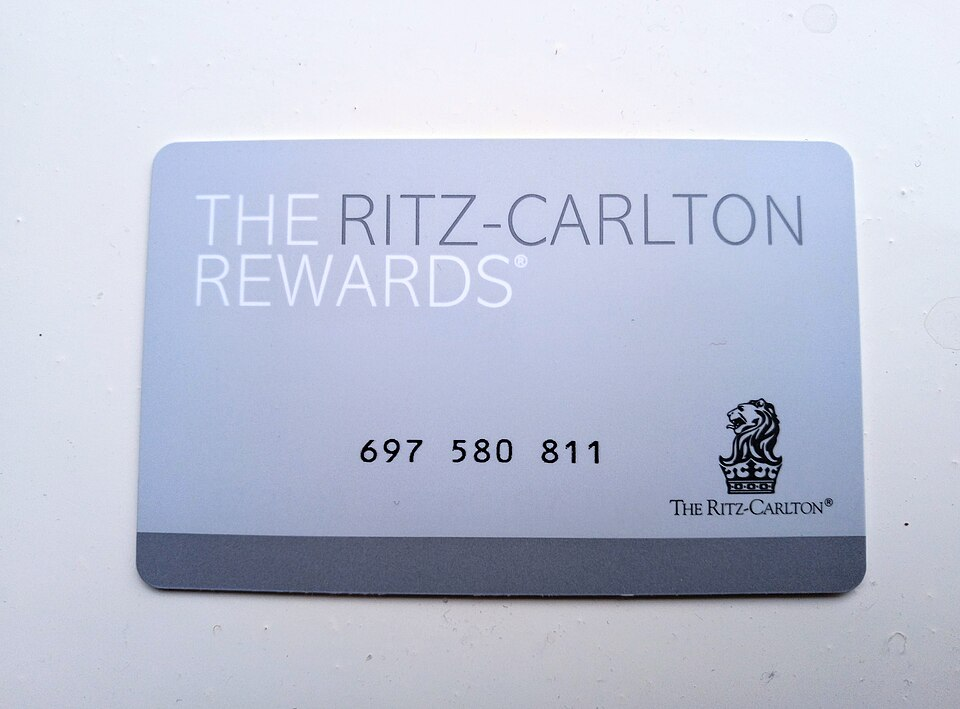
A walked guest frequently loses the stay credit, the night credit toward status and the points for the stay, because the reservation at the original property was cancelled and the stay at the replacement was never in the programme.
Most major programmes have a provision for this and will credit the stay as though it had taken place, on request, with the reservation number. It is not usually applied automatically and it is the item guests most often forget.
Ask for it in the same message as everything else, and quote the original confirmation number.
12. The compensation is better the earlier the hotel knows

A hotel that identifies an oversell at four in the afternoon can call you, arrange a relocation properly, pay for a good alternative and compensate you generously. A hotel that discovers it when you are standing at the desk at midnight has no good options left.
This is why the reconfirmation call matters in both directions. A guest the hotel has spoken to in the afternoon is a guest it can warn, and being warned is what allows you to say where you would rather go.
If a hotel calls you before arrival to discuss a relocation, that is the moment when you have the most bargaining room. The options are still open and the hotel wants the problem solved quietly.
13. Escalating works, but not at the desk
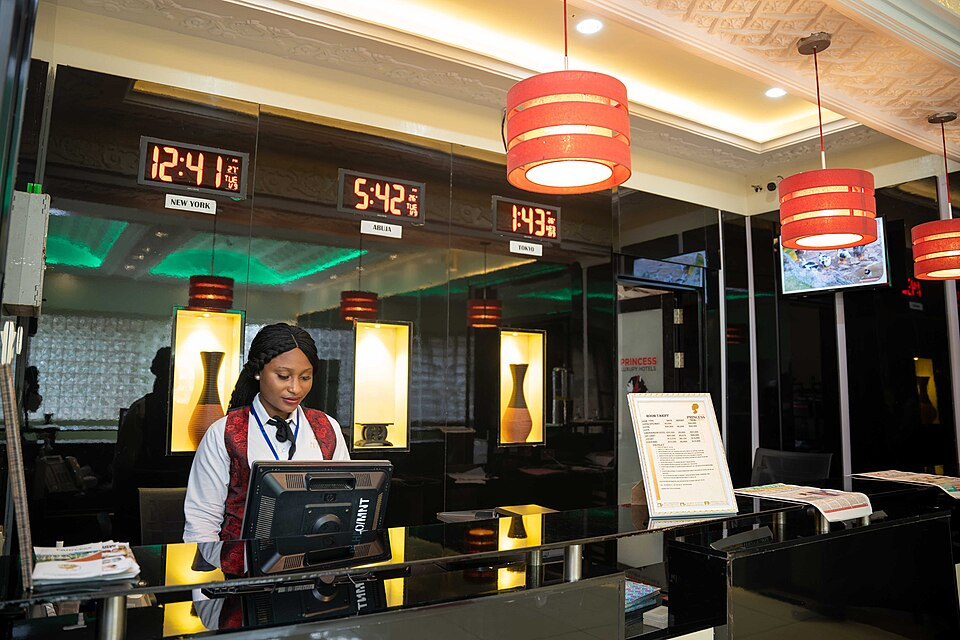
The person at the desk at midnight has limited authority and no power to change the fact that there is no room. Arguing with them produces nothing except a worse evening for both of you.
The escalation routes that work are the duty manager on the night, and afterwards the brand’s customer relations channel with the written note, the receipts and the confirmation number. Chains settle these quickly because the cost of a dissatisfied guest exceeds the cost of a night and some points.
Be calm, be specific, and ask for the duty manager by title rather than complaining to a clerk. That single distinction determines how most of these end.
14. And what to do in the first ten minutes
Ask directly whether you are being walked. Ask for the brand’s walk policy by name. Establish the replacement property and look it up before agreeing. Ask for the room there paid in full, transport covered, no charge for tonight here, the stay credited to your loyalty account, and whatever the standard compensation is.
Then get it in writing with the manager’s name on it, keep every receipt, and take the issue up with the brand rather than the property afterwards if anything agreed does not materialise.
The prevention is shorter than the cure: book direct for any night that cannot go wrong, join the loyalty programme even for one stay, guarantee a late arrival with a card and a phone call, reconfirm the day before, and arrive earlier rather than later. Policies and legal positions vary by country, brand and booking channel and change, so the booking terms in front of you are the authority rather than anything here.
Prevention, and then the ask

This file divides cleanly into avoiding it and handling it, and the avoidance half is cheap. The guests walked first are those on the shortest stays, booked through third-party channels at the lowest rates, with no loyalty status, arriving latest. Booking direct, joining the free base tier of the programme, guaranteeing a late arrival with a card and a phone call, reconfirming the day before and arriving earlier all move you out of that profile, and together they cost nothing but ten minutes.
The handling half comes down to the ask. There is no general American federal entitlement here — your position is a contract, governed by state law, the booking terms and in practice the chain’s internal policy — and that policy typically provides a comparable or better room at a comparable or better nearby property paid by the original hotel, transport, no charge for the first night and some form of compensation. None of that is usually offered in full, and the guest who names it gets it.
Two details decide the outcome more than anything else. Get the commitments in writing with a manager’s name on them before leaving the lobby, because verbal assurances at a desk do not survive the night. And look up the replacement property before agreeing to it, because comparable or better is a phrase with a great deal of room in it and distance matters as much as rating.
If a hotel calls you in the afternoon rather than telling you at the desk, that is the point in the whole process where you have the most bargaining room: the options are still open, the hotel wants it settled quietly, and you can say where you would rather be sent.
Policies, legal positions and brand compensation all vary by country, by chain and by booking channel, and they change. The booking terms in front of you and the brand’s current published policy are the authorities rather than anything written here.
Like our content? Follow us for more.
