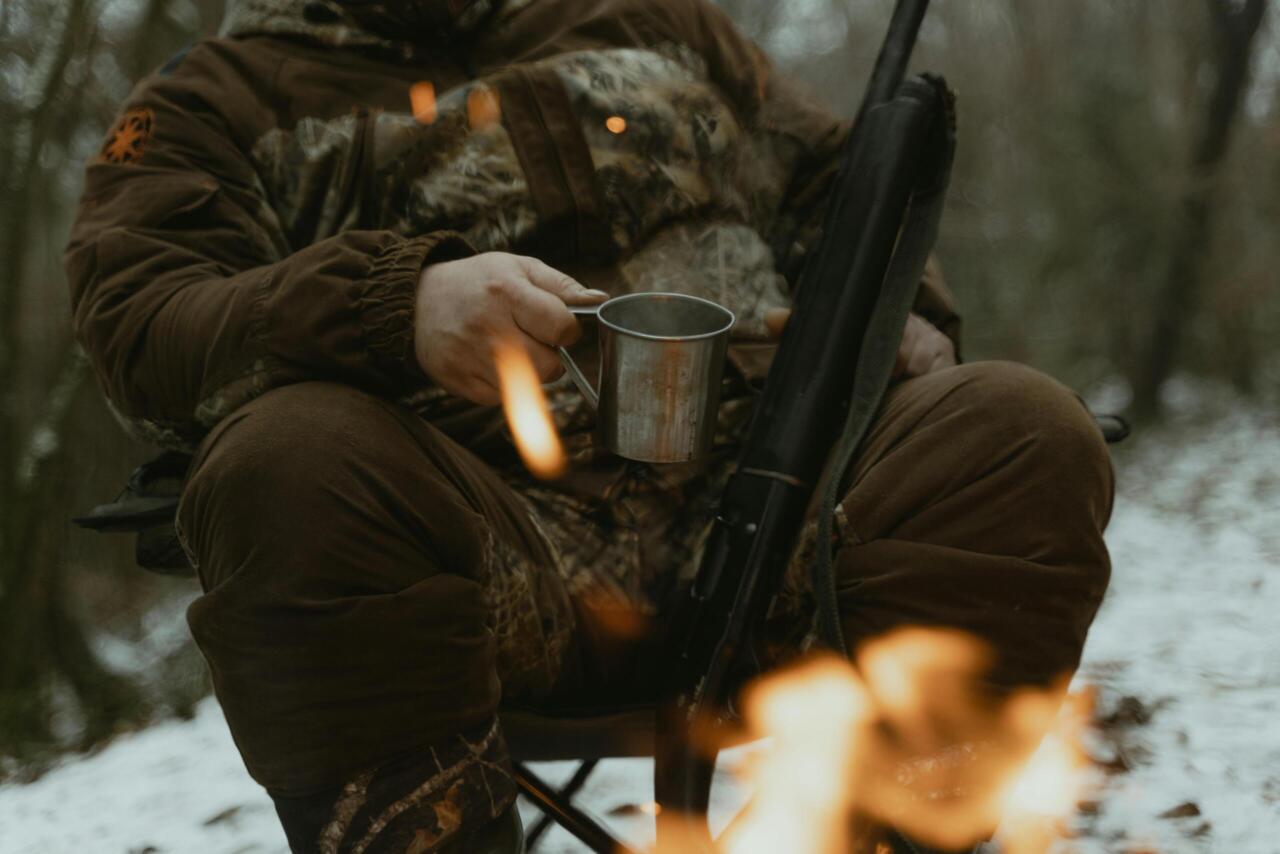
The debate surrounding the necessity of firearms for camping is as varied as the landscapes campers explore. While some seasoned outdoors enthusiasts advocate for carrying a firearm as a prudent measure for self-defense against both human and animal threats, others argue that the risks and responsibilities associated with firearm ownership outweigh potential benefits. This discussion is further complicated by the intricate web of legal regulations that govern firearm possession across different jurisdictions, especially within national and state parks. Experienced campers often weigh factors such as the remoteness of their location, the prevalence of wildlife, and their personal comfort level with firearms when making this decision.
The Spectrum of Preparedness
Experienced campers often approach firearm carry with a nuanced perspective, recognizing that “preparedness” is not a one-size-fits-all concept. For some, carrying a firearm is an extension of their overall safety strategy, providing a sense of security, particularly when venturing into remote or unfamiliar territories. This perspective is rooted in the understanding that while rare, encounters with dangerous wildlife or individuals can occur, and having a means of self-defense can offer peace of mind. As one seasoned camper noted, “It helps me sleep better at night knowing I can actually respond if something or someone dangerous enters my camp.” This sentiment highlights the psychological benefit of feeling armed, even if the firearm is never used. However, this view is not universal. Many experienced individuals prioritize other forms of preparedness, such as situational awareness and non-lethal deterrents, believing that firearms introduce a level of responsibility and potential risk that is not always necessary for a safe camping experience. The decision, therefore, often hinges on individual risk tolerance and a thorough assessment of the specific camping environment.
Legal Labyrinths and Campground Rules
Navigating the legal landscape of firearm carry while camping can be a complex undertaking. Federal laws, such as the Gun Control Act of 1968, provide a framework for interstate firearm transport, generally allowing unloaded firearms to be carried across state lines if stored in a locked compartment separate from ammunition. However, state, city, and county laws, as well as specific regulations for national and state parks, introduce significant variations. For instance, while federal law permits carrying firearms in national parks, their use for hunting or target practice is often prohibited. Campground owners, especially on private land, also have the authority to establish their own rules regarding firearms, necessitating direct inquiry before a trip. This patchwork of regulations means that campers must meticulously research the laws of every jurisdiction they plan to visit, including any reciprocity agreements for concealed carry permits. The potential for significant legal penalties, such as fines and felony records, underscores the importance of diligent legal research for any camper considering bringing a firearm.
Wildlife Encounters: Deterrent or Danger?
The presence of wildlife is a significant factor in the firearm debate for campers. While firearms can be perceived as a potent deterrent against dangerous animals like bears or mountain lions, their effectiveness and suitability are subjects of ongoing discussion. Some experienced campers and wildlife experts emphasize that firearms, particularly handguns, may not be the most effective tool for deterring large predators, with some recommending specialized bear spray as a more accessible and less risky option, especially for those not extensively trained in firearm use. Others argue that in predator-rich environments, a firearm offers a critical last line of defense, especially when other deterrents like noise or bear spray might fail. However, the presence of a firearm can also introduce its own set of risks, including accidental discharge or the weapon falling into the wrong hands. The decision often involves assessing the specific wildlife threats in a region and balancing the perceived benefit of a firearm against its potential drawbacks and the effectiveness of alternative measures.
The Human Element: Assessing Personal Safety
Beyond wildlife, the potential for human threats is another critical consideration for campers deciding whether to carry a firearm. While statistics suggest that dangerous human encounters are statistically rarer in wilderness settings than in urban environments, the remote nature of camping can amplify feelings of vulnerability. Some campers carry firearms primarily for peace of mind, feeling more secure knowing they have a means to defend themselves against a potential human aggressor, especially when camping alone. This perspective is informed by the understanding that in isolated areas, help may be distant, and self-reliance is paramount. However, responsible firearm ownership also entails the readiness to use lethal force, a decision that carries immense psychological and legal weight. Many experienced campers emphasize de-escalation and avoidance as primary safety strategies, viewing a firearm as a tool to be used only in dire, life-threatening situations.
Alternatives to Firearms: Non-Lethal Deterrents
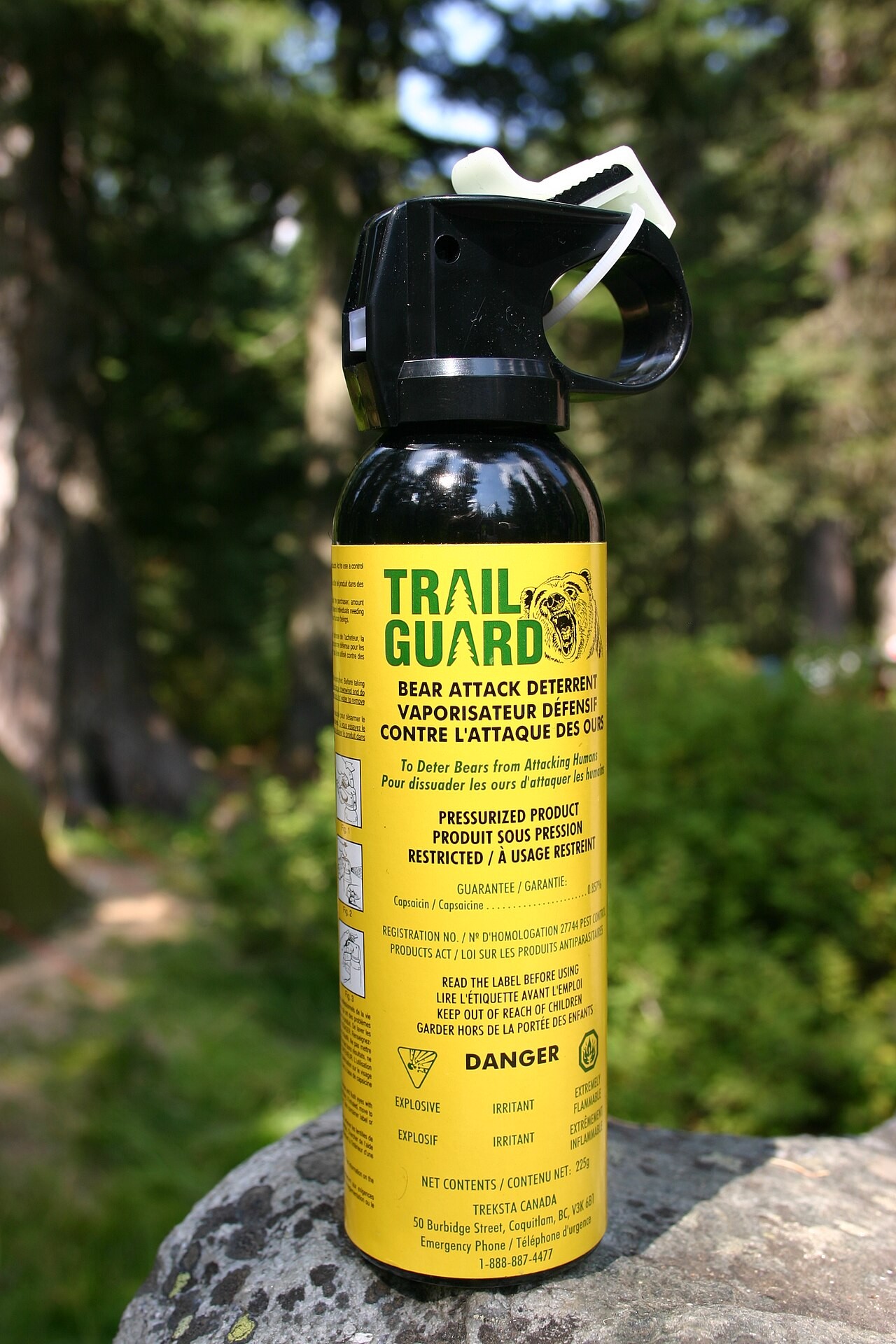
For campers who choose not to carry a firearm, or as a complementary safety measure, a range of non-lethal deterrents are available. Bear spray and pepper spray are frequently cited as effective alternatives for both animal and human threats, offering a way to create distance and escape without the risks associated with firearms. These sprays are generally lighter, easier to acquire, and require less specialized training than firearms. Other options include personal alarms, tactical flashlights, stun guns, and tasers, all of which can serve to disorient, deter, or attract attention in a threatening situation. These tools provide a layer of security that can be readily accessible and used with a greater degree of comfort for those who are not comfortable with or legally able to carry a firearm. The effectiveness of these alternatives often lies in their accessibility and the user’s ability to employ them quickly and confidently when needed.
Responsible Ownership and Training: A Universal Mandate
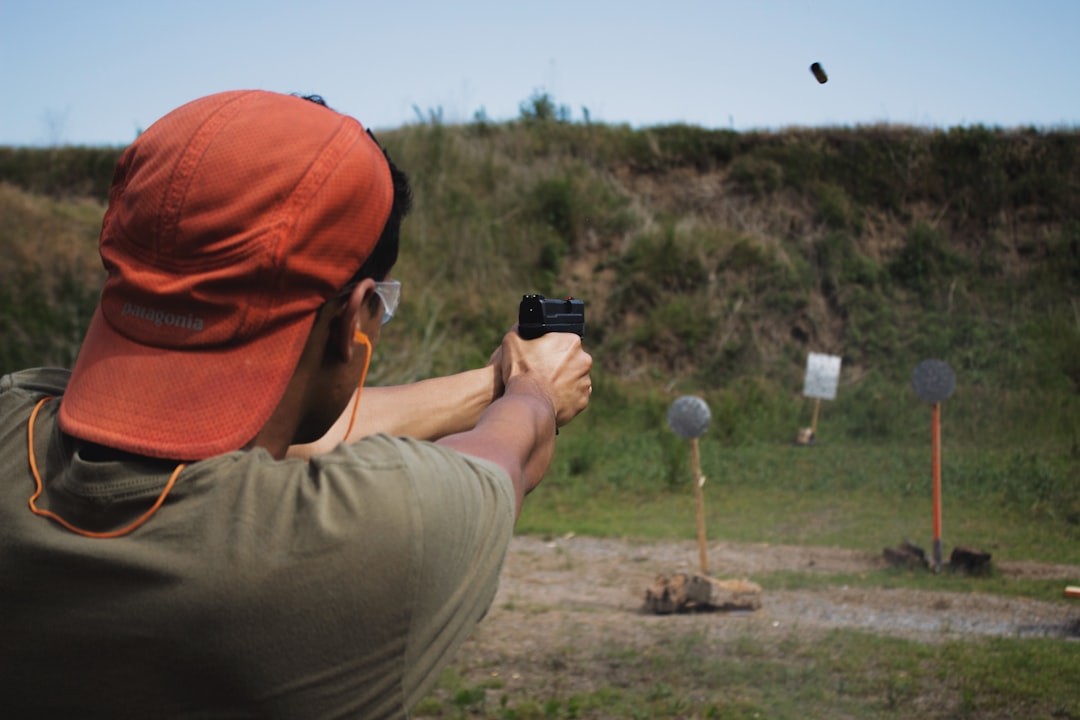
Regardless of whether a camper decides to carry a firearm, the principles of responsible ownership and adequate training are universally emphasized by experienced individuals. For those who choose to carry, understanding firearm safety is paramount. This includes proper storage, handling, and a thorough knowledge of local laws to avoid legal repercussions. Many experts recommend taking firearm safety courses and practicing regularly to maintain proficiency. The decision to carry a firearm is not merely about possession but about the commitment to using it safely and ethically. For those who opt for non-lethal alternatives, understanding their proper use and limitations is equally crucial. Ultimately, the goal for all campers, whether armed or not, is to enhance their safety through informed decisions, preparedness, and a respect for the natural environment and the laws governing it.
The Weight of Responsibility: Is It Worth It?
The decision to carry a firearm while camping inevitably involves weighing the perceived benefits against the inherent responsibilities and potential risks. For some, the peace of mind and added layer of security it provides in potentially dangerous situations justify the burden of carrying and the commitment to rigorous safety protocols. They see it as an essential tool for preparedness in environments where help might be far away. For others, the added weight, legal complexities, and the profound responsibility of potentially using lethal force make firearms an unnecessary complication. They often find that situational awareness, non-lethal deterrents, and a healthy respect for wildlife and other people are sufficient for a safe and enjoyable camping experience. The consensus among experienced campers is that the choice is deeply personal, dependent on individual circumstances, threat assessment, and a clear understanding of one’s own capabilities and comfort levels.