

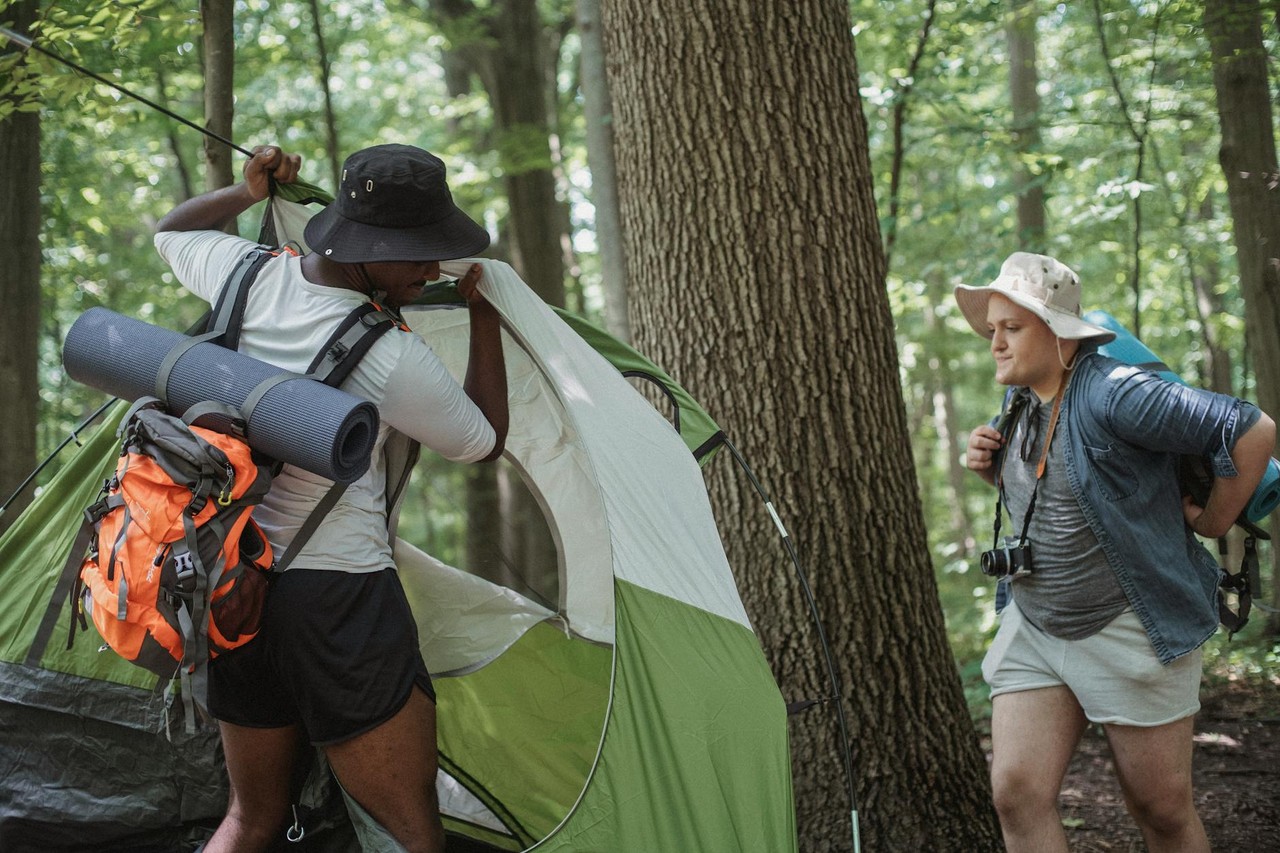
Seasoned campers and beginners approach outdoor safety with distinctly different mindsets and preparation levels. While novices might overlook crucial details or rely on chance, experienced individuals integrate safety into every facet of their planning and execution. This difference often stems from a deeper understanding of the wilderness’s inherent risks and a hard-earned appreciation for meticulous preparation. The contrast is evident in everything from gear selection to emergency response, showcasing how experience transforms a casual outing into a well-managed adventure.
Pre-Trip Planning and Research
Beginners often underestimate the importance of thorough pre-trip planning, sometimes relying on spontaneous decisions. This can lead to overlooking critical factors like local weather patterns, trail conditions, or potential wildlife encounters. They might pack based on assumption rather than necessity, leading to insufficient supplies or inappropriate gear. Seasoned campers, conversely, view research as a non-negotiable first step. They meticulously study maps, check weather forecasts repeatedly, understand park regulations, and even research local flora and fauna. This deep dive ensures they are mentally and physically prepared for a variety of scenarios, from unexpected storms to encounters with wildlife. Their planning includes detailed itineraries shared with trusted contacts, minimizing risks associated with getting lost or facing an emergency without support. This proactive approach is a cornerstone of experienced campers’ safety philosophy, transforming potential hazards into manageable challenges.
Gear Selection and Maintenance
The distinction between beginner and seasoned camper safety is starkly evident in their approach to gear. Beginners might opt for the cheapest or most readily available equipment, often without understanding its limitations or proper use. They may overlook the importance of testing gear before a trip, only to discover a faulty tent or a malfunctioning stove in inconvenient circumstances. Experienced campers, however, understand that reliable gear is an investment in safety. They prioritize quality, durability, and functionality, selecting items that have been proven in various conditions. Furthermore, seasoned individuals engage in regular gear maintenance, ensuring their equipment is in optimal working order. This includes testing fire starters, checking battery levels for illumination devices, and ensuring repair kits are complete. They also understand the nuances of essential gear like sleeping bags and tents, choosing appropriate ratings for expected temperatures and weather. This deliberate approach to gear mitigates many common beginner pitfalls, such as being unprepared for cold nights or rain.
Risk Assessment and Mitigation
New campers often have a limited awareness of potential risks, viewing the outdoors with a degree of naivete. They might pitch a tent in a low-lying area susceptible to flooding or too close to dead trees, unaware of the dangers. Seasoned campers, on the other hand, possess a heightened sense of situational awareness and conduct informal risk assessments constantly. They actively look for potential hazards such as widowmaker trees, unstable slopes, or signs of dangerous wildlife. Their experience has taught them to read the environment, recognizing subtle cues that might indicate danger. This awareness extends to understanding inherent risks, like exposure to local wildlife or the possibility of communicable diseases, and developing strategies to minimize these exposures. For instance, they meticulously manage food storage to avoid attracting animals and choose campsites wisely, considering factors like drainage and overhead hazards.
Wildlife Encounters and Food Storage
Beginners may approach wildlife with curiosity or even a desire to interact, often failing to secure food properly, which can attract animals to their campsite. This can lead to dangerous confrontations. Experienced campers, however, treat wildlife with a healthy respect bordering on caution. They understand that wild animals are unpredictable and can pose significant threats. A key aspect of their safety protocol is rigorous food storage. Seasoned campers use bear canisters, hang food bags properly, and meticulously clean their campsites to eliminate any enticing scents. They know that proper food management is not just about preventing annoyance, but a critical measure to avoid potentially life-threatening encounters. Their preparedness often includes carrying bear spray and knowing how to use it, further demonstrating a proactive approach to wildlife safety.
Navigation and Emergency Preparedness
A common mistake for beginners is relying solely on mobile phone GPS, which can fail in remote areas with no service. This often leads to them getting lost. Seasoned campers, while utilizing modern technology, always carry and know how to use traditional navigation tools such as a map and compass. They understand that these are reliable backups when electronics fail. Furthermore, their emergency preparedness extends beyond a basic first-aid kit. They often carry more comprehensive kits tailored to the specific environment and potential risks. Experienced individuals are more likely to have plans for various emergency scenarios, including how to signal for help or implement a stay-put strategy if lost. They have a well-developed understanding of the “Ten Essentials” for outdoor safety, which includes items for navigation, illumination, fire, and shelter.
Fire Safety and Camp Management
Beginners sometimes underestimate the power and danger of campfires, leading to careless practices. They might build fires too close to tents or flammable materials, or fail to extinguish them completely. Seasoned campers, conversely, treat fire with profound respect. They understand its utility for warmth, cooking, and signaling, but also its destructive potential. They strictly adhere to fire safety regulations, use designated fire rings, and ensure fires are fully extinguished before leaving or sleeping. Their campsite management also includes keeping the area clean and organized, storing flammable materials away from heat sources, and understanding that a clean camp deters unwanted wildlife, contributing to overall safety.
