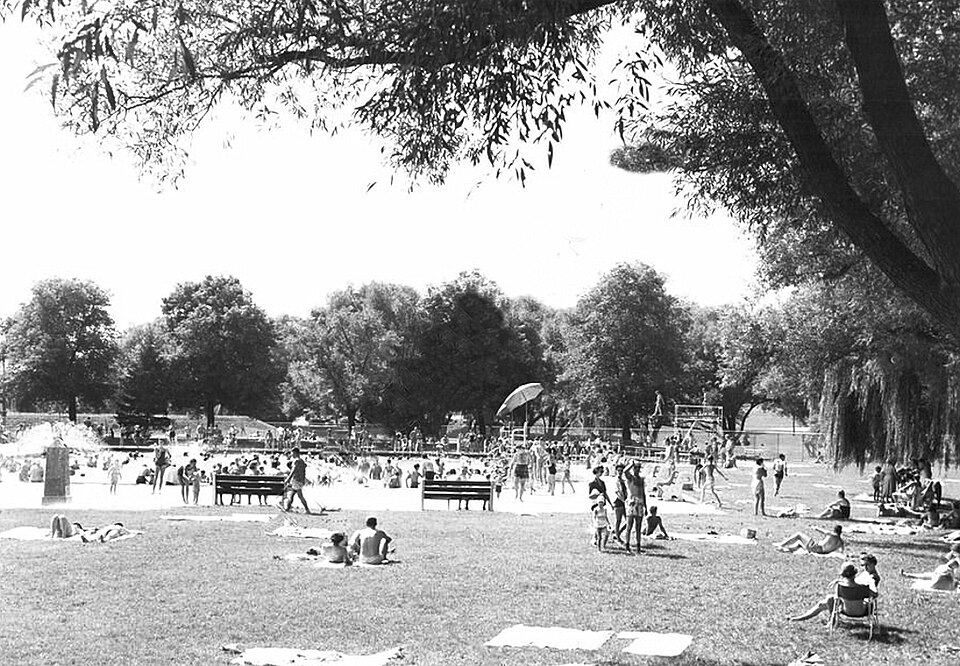
Water safety is the subject where 1965 got the most things wrong and where being wrong mattered most, because almost all of its advice concerned mechanisms that do not occur while the things that do occur went unmentioned.
The hour after lunch, the cramp, the shouting and waving, the arm bands and the belief that a child who could swim no longer needed watching were the whole of the framework. One of its pool games actively created a hazard. And its most repeated instruction was completely correct. Here are twelve things that changed.
1. Wait an hour after eating before you go in
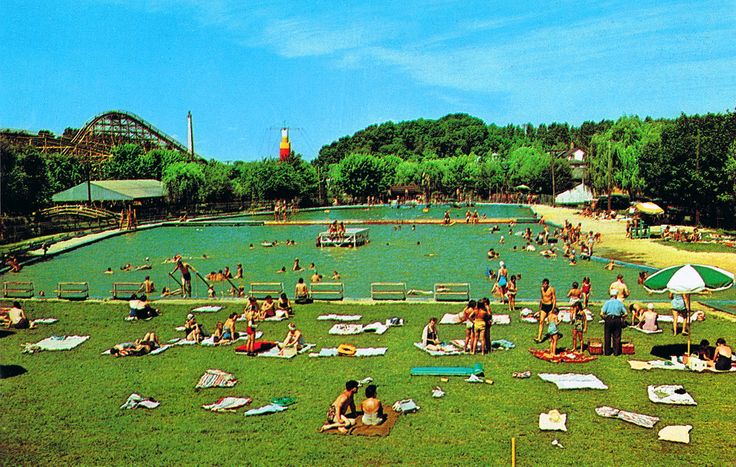
The rule was absolute and universally enforced at American pools, lakes and beaches. A child who had eaten was made to sit on a towel for an hour, timed, on the stated reasoning that swimming on a full stomach causes cramp severe enough to prevent them from staying afloat.
There is no evidence for it. Digestion diverts some blood flow to the gut, which is real, and the effect on a recreational swimmer’s muscle function is not meaningful. No credible body of research has linked recent eating to swimming incidents, and American water safety organisations no longer teach the rule.
It is the single best-known piece of water safety advice of the twentieth century and it was addressing a mechanism that does not occur, which matters because the attention it absorbed was attention not spent on supervision.
Like our content? Follow us for more.
2. Cramp was the explanation for everything
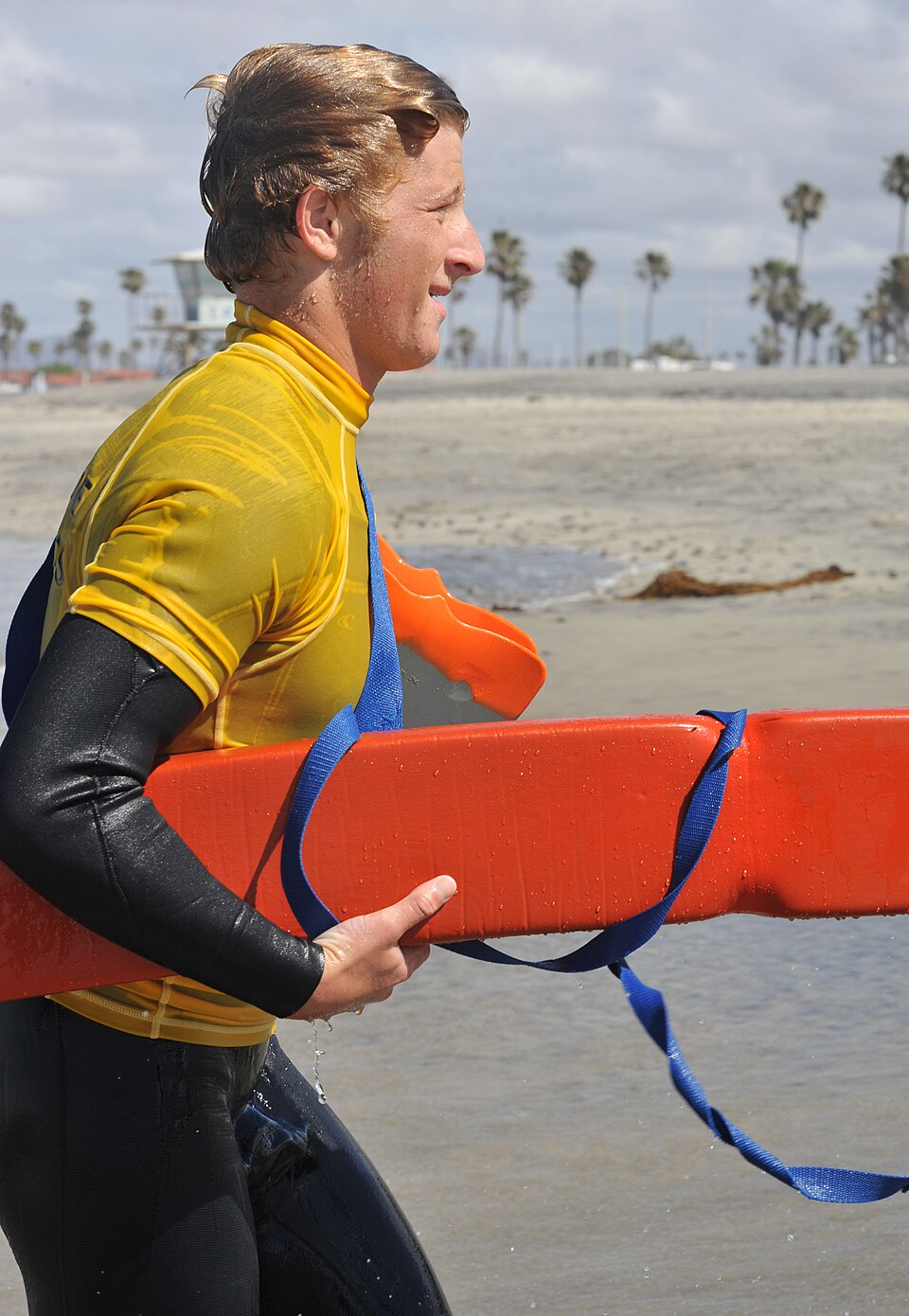
When something went wrong in the water, cramp was the assumed cause, and the advice that followed from it concerned eating, cold water and swimming too far from shore. It was a tidy explanation that fitted the available facts.
The modern understanding of what actually causes trouble in water is quite different and considerably more useful: inability to swim or overestimation of ability, absence of supervision, alcohol, cold water shock on sudden immersion, currents and rip currents, and submerged hazards. Cramp appears nowhere near the top of any of it.
Replacing a wrong explanation matters more than it sounds. A family worried about cramp watches the clock after lunch; a family worried about supervision watches the water.
3. Somebody in trouble shouts and waves
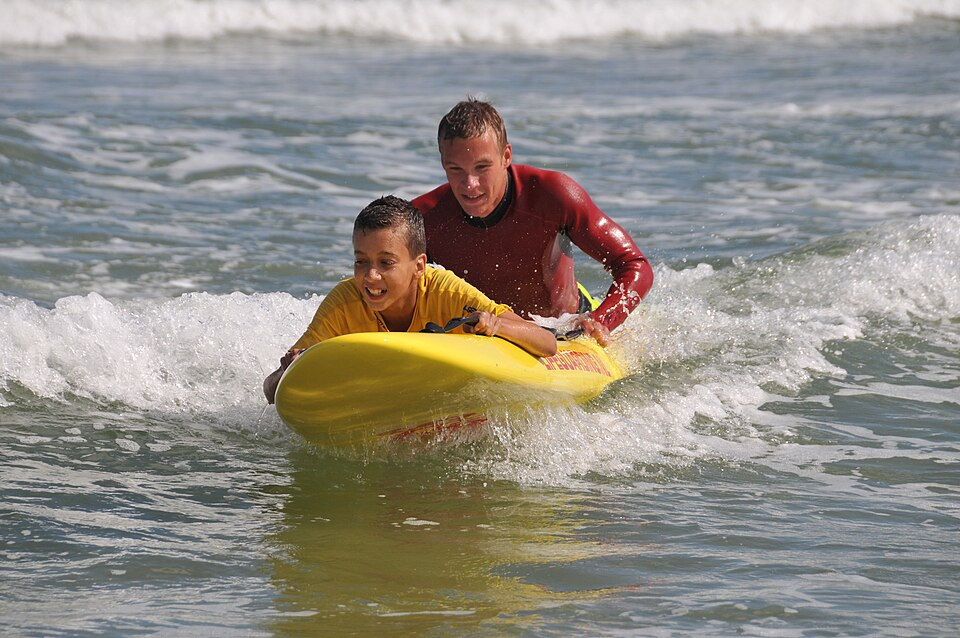
Every film, every poster and every adult of the period described the same picture: a person in difficulty calls for help, splashes, waves an arm. Children were told to shout if they got into trouble and to listen for shouting from others.
This is the most important reversal in the entire subject. A person who cannot keep their airway clear of the water cannot call out, because speech requires breath they do not have, and the observed behaviour is quite different: upright in the water, head low, arms pressing down to the sides, no kicking, no waving, and silence. It lasts a short time and it does not look dramatic.
American water safety organisations now teach this explicitly, because the entire 1965 picture trained a generation of supervising adults to look and listen for the wrong thing. Quiet is the signal, not noise.
4. Water wings and inflatable rings were treated as safety equipment

Inflatable arm bands, rubber rings, inflatable animals and air mattresses were standard at every American pool and beach, and a child wearing them was understood to be safe in the water in a way that permitted an adult to look away.
None of them is a safety device. They are toys, they deflate, they slip off, they tip a child face-downward, and they can be carried away from shore by wind and current with the child on them. Current American guidance distinguishes clearly between toys and a properly fitted Coast Guard approved life jacket, and recommends the latter for weak swimmers and on open water.
The deeper problem is the false confidence. The device’s real effect was on the adult’s attention rather than on the child’s buoyancy.
5. He can swim, so he is fine

Once a child could swim a width, supervision effectively ended. Swimming ability was treated as a binary state that removed the need to watch, and American children spent entire afternoons in lakes and quarries with no adult present at all.
Swimming ability reduces risk and does not remove it. The factors that defeat competent swimmers are the environmental ones — cold water, current, distance from shore, fatigue, entrapment, and in older swimmers alcohol — and ability can increase exposure by taking somebody further out. Current guidance pairs swimming ability with constant designated supervision for children, and the phrase used is a water watcher: one named adult, not scanning the barbecue.
The designated-watcher idea is the practical heart of modern water safety and it exists precisely because distributed supervision among several adults reliably becomes no supervision at all.
6. Hyperventilate first and you can hold your breath longer
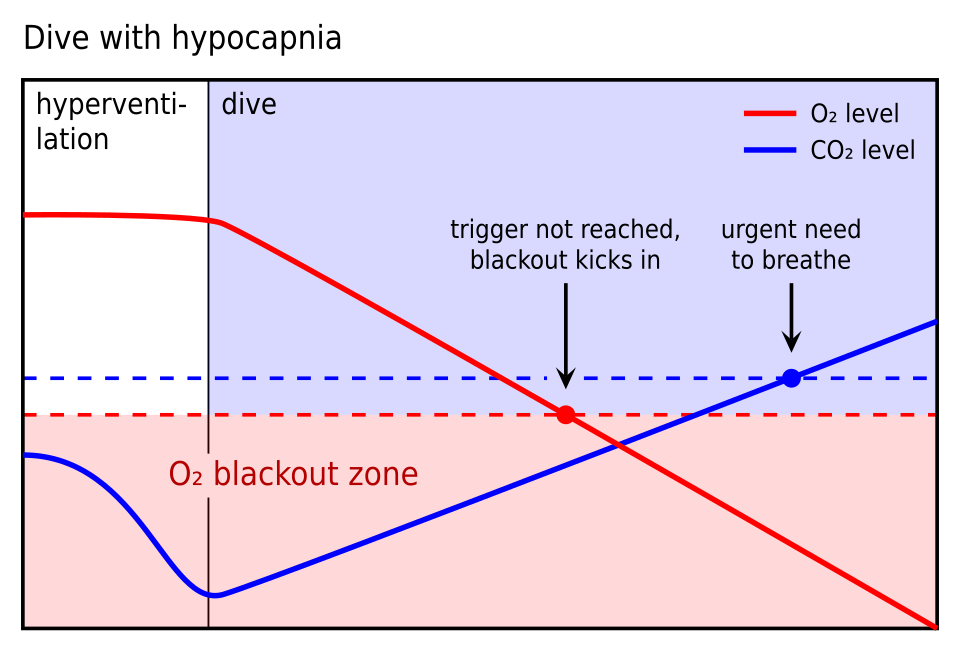
Breath-holding competitions were ordinary pool games, and the technique passed between children was to take a series of rapid deep breaths first, which does allow a longer hold. Lifeguards of the period taught it as a swimming skill.
It works by removing the carbon dioxide that triggers the urge to breathe, without adding any meaningful oxygen reserve, which means the warning signal is suppressed while the actual limit arrives unchanged. American aquatic organisations and public health authorities now warn specifically against hyperventilation and against prolonged and repetitive breath-holding games, and many pools prohibit them outright.
This is the item on the list where the 1965 advice was not merely useless but actively created the hazard, and it is still not widely known among parents.
7. Dry drowning and secondary drowning were coming for you later

The idea that a child who had been in difficulty in water could be apparently fine and then deteriorate hours or days later circulated widely, under the names dry drowning and secondary drowning, and generated a great deal of parental anxiety.
Medical and water safety bodies have moved away from both terms, on the basis that they are not recognised diagnoses and that the phenomenon as popularly described does not occur. What is real is that any significant water incident warrants assessment at the time, and that symptoms appearing afterwards — difficulty breathing, persistent coughing, unusual sleepiness or confusion — require prompt medical attention.
The reversal here is in the framing rather than the action. The terms were retired; the instruction to get a child assessed after a significant incident in water remains, and anything about a particular child belongs with a doctor.
8. Lessons were for older children
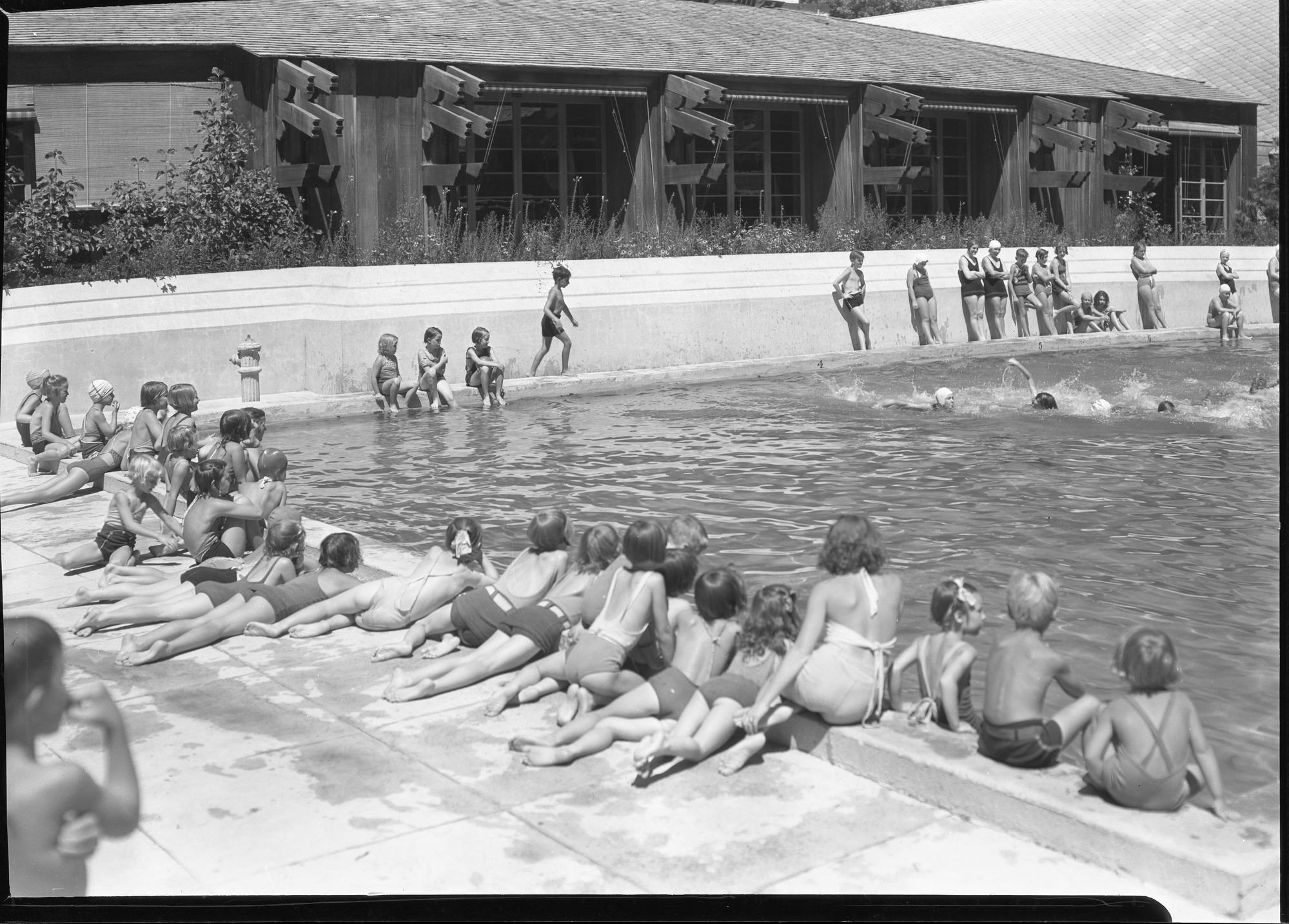
Formal swimming instruction in 1965 began at school age or later, and the idea of teaching a toddler anything in water was regarded as unnecessary or faintly ridiculous. Younger children simply did not go in beyond the shallows.
American paediatric guidance now supports swimming lessons from around the age of one as one layer of protection, alongside barriers, supervision and life jackets, having previously been more cautious. The change reflects evidence that lessons are associated with reduced risk in young children and that no single measure is sufficient on its own.
The phrase to take from modern guidance is layers of protection: fencing and gates around home pools, constant designated supervision, lessons, life jackets and knowing what to do. No one of them substitutes for another, which is the opposite of how 1965 treated swimming ability.
9. If somebody is in trouble you go in after them
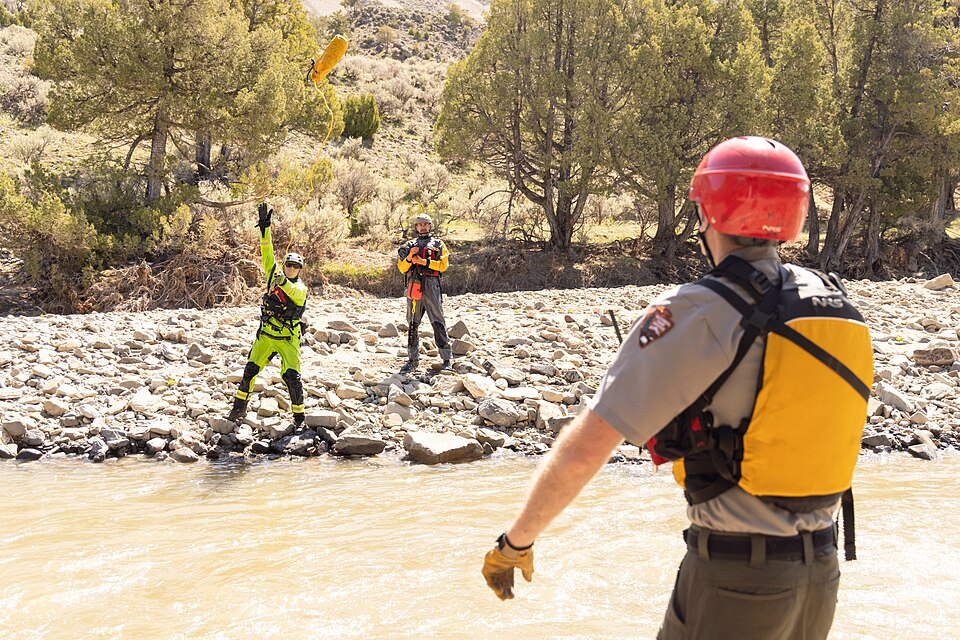
The expected response, taught to children and assumed by adults, was to swim out and bring the person back. It was understood as courage and it was what everybody said they would do.
Current guidance everywhere is the opposite in order of preference: reach with an object, throw something that floats, call for help and for a lifeguard, and enter the water only as a last resort and only if trained and equipped. The reason is that an untrained rescuer entering deep or moving water very frequently becomes a second person in difficulty, and that this is a documented pattern rather than a caution.
Reach, throw, do not go is the formulation American and international water safety bodies use, and it is the single most useful sentence in this file.
10. Diving in headfirst to find out how deep it was
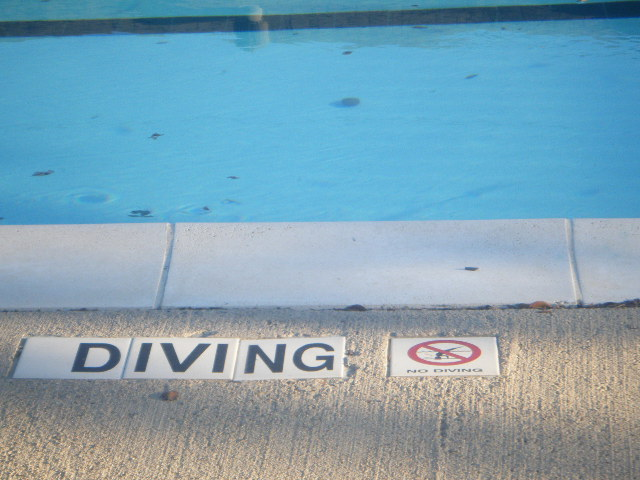
Children dived from banks, rocks, bridges, jetties and the shallow end, into water whose depth and contents nobody had established, as an ordinary part of swimming. Shallow-water diving was a game rather than a hazard.
Diving into water of unknown depth is now addressed specifically in American water safety guidance because of the injury it produces, which is to the cervical spine and is frequently permanent. The rule given is simple and absolute: feet first the first time, every time, and no diving into water that has not been established as deep enough and clear of obstruction.
No injury is described here. The instruction is the whole of the content and it is the one item in the file that concerns a consequence that does not resolve.
11. A lake, a quarry or a river was the same as a pool
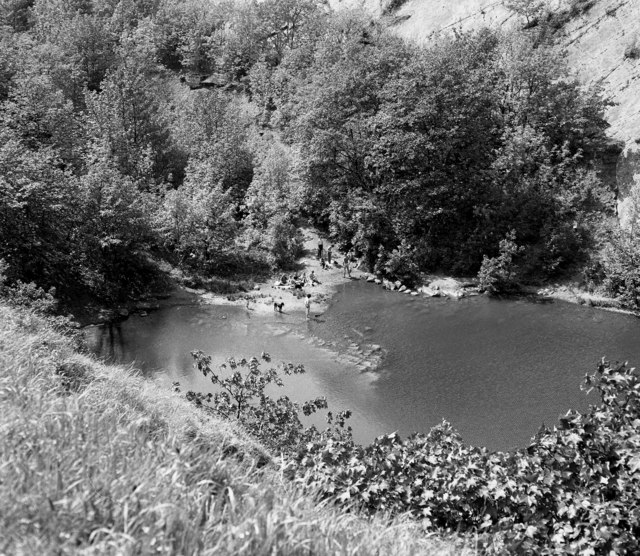
Children swam wherever there was water, and the differences between a supervised pool and open water — temperature, current, depth changes, visibility, submerged objects, distance from help — were not part of anybody’s thinking.
Cold water shock on sudden immersion is now well understood: an involuntary gasp, rapid breathing and a sharp loss of swimming ability and strength within the first minute, in water temperatures that do not feel dangerous. Open water guidance covers entering gradually, wearing a flotation device, knowing the exit point and never entering alone, and American agencies also address rip currents specifically, where the instruction is to swim parallel to shore rather than against the pull.
Quarries are their own category and are the one place where the modern answer is simply not to. Sheer sides, no exit, very cold deep water and submerged machinery is a combination with no safe version.
12. And the thing 1965 got right and said constantly
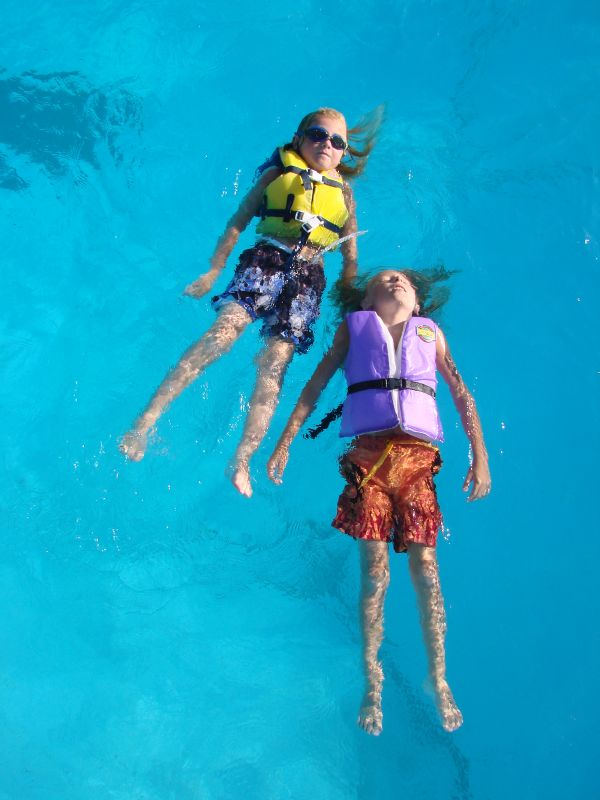
Never swim alone. It was repeated by every adult, every poster and every lifeguard of the period, it was the first rule anybody learned, and it remains the first rule in every modern water safety programme in the world.
It is correct for the reason the 1965 adult could not have articulated: because a person in difficulty in water is silent and inconspicuous and has a short window, the only thing that reliably changes the outcome is somebody being present and looking. Not a swimming badge, not an inflatable, not an hour on a towel after lunch. A person watching.
The honest summary is that almost every mechanism 1965 believed in was wrong, that one of its games actively created a hazard, that its rescue instinct made things worse, and that its single most repeated rule was exactly right. This is an account of how the guidance changed and is not a substitute for a qualified instructor, a lifeguard or current local safety information.
What replaced the framework
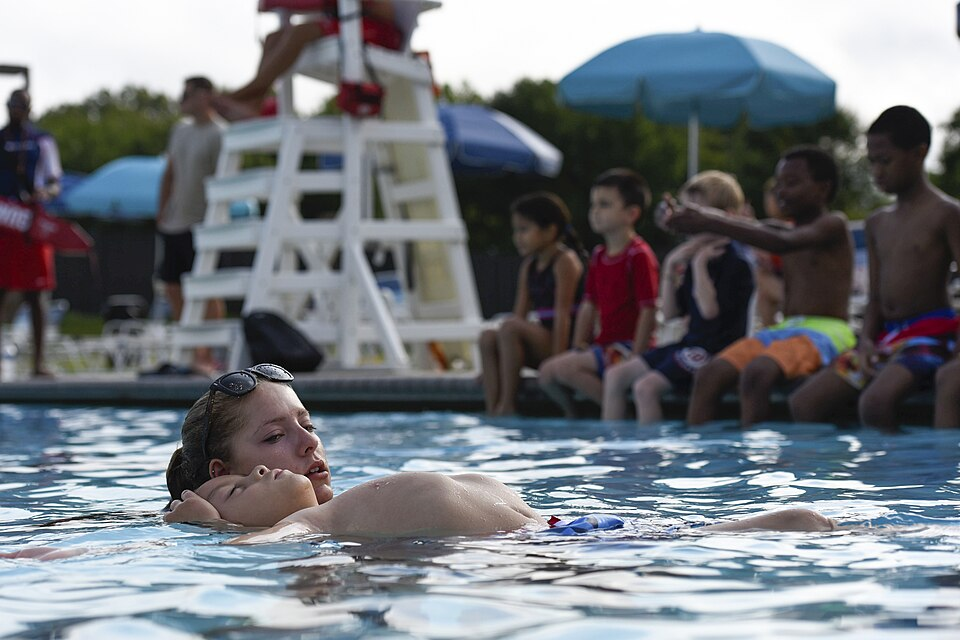
The 1965 model located the danger inside the swimmer: cramp, a full stomach, insufficient ability. The modern model locates it in the situation, which is why the advice looks so different. Cold water shock on sudden immersion, currents and rip currents, depth changes and submerged hazards, distance from help, fatigue, alcohol in older swimmers, and above all the absence of somebody whose actual job in that moment is to be watching.
That shift explains the two most useful ideas in current water safety, neither of which existed in 1965. The first is layers of protection: barriers around home pools, constant designated supervision, lessons, properly fitted approved life jackets, and knowing what to do, with no single layer treated as sufficient. The second is the designated water watcher — one named adult, not several adults assuming somebody else is looking — which exists because distributed supervision reliably becomes none.
The two items that are not about supervision are the ones most worth repeating. Hyperventilating before a breath-hold suppresses the urge to breathe without adding any reserve, which is why pools now prohibit breath-holding games. And the rescue instinct that 1965 taught as courage is the one that turns one person in difficulty into two, which is why every modern programme teaches reach, throw, do not go.
Four things from this file are worth carrying: a person in difficulty is silent rather than loud, arm bands and inflatables are toys rather than safety equipment, breath-holding games are the one pool activity to stop outright, and reach or throw rather than going in.
This is an account of how the advice changed rather than a water safety course. Current local guidance, a qualified instructor and an actual lifeguard are the authorities, and anything concerning a particular child or a particular stretch of water belongs with them.
Like our content? Follow us for more.