Ask anyone over a certain age about the moment television ended for the night, and you’ll watch a very specific memory light up. There was a time — and it lasted for decades — when television was not the endless, always-on, 24-hour river of content it is today. It had a beginning and an end each day, like a business with hours. And late at night, when the programming ran out, the station would sign off: it would play the national anthem, often over a montage of patriotic images, then bid its viewers goodnight and switch off its programming entirely, leaving behind a test pattern or a screen full of hissing static until it signed back on the next morning.
For a generation that grew up before cable, streaming, and round-the-clock broadcasting, the nightly sign-off was a completely ordinary and deeply familiar ritual — a marker of the day’s end as reliable as the setting sun. And it is now utterly gone, one of those pieces of everyday life that vanished so completely that younger people struggle to believe it ever existed. The idea that television could simply stop, that there could be a time of night when there was literally nothing on, is truly foreign to anyone raised in the age of infinite content. But for decades, that was just how television worked, and the memory of it — the anthem, the test pattern, the static — remains vivid for the millions who lived it.
Television With a Bedtime
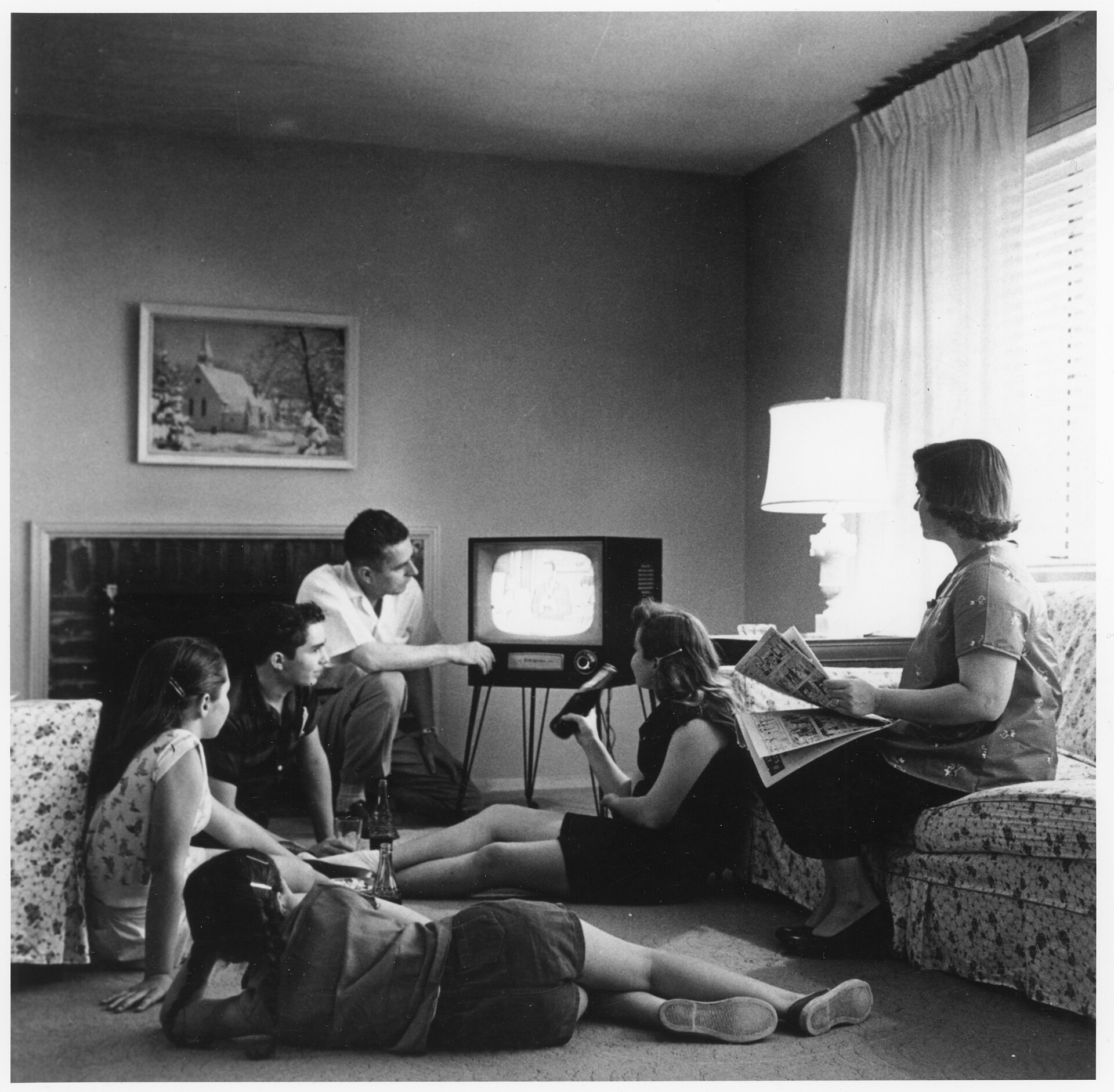
The nightly sign-off existed because of how broadcasting worked and what it cost. In the era before cable and satellite, television came from local broadcast stations transmitting over the airwaves, and running a station around the clock made little economic sense when the late-night and overnight hours drew few viewers. Producing or airing programming through the small hours, keeping the transmitter running, and staffing the operation cost money that the tiny overnight audience couldn’t justify. So stations operated on a daily schedule: they signed on in the morning, broadcast through the day and evening, and signed off late at night, going dark until the cycle began again.
This meant television had a rhythm that mirrored the day itself. There was a first program in the morning and a last program at night, and beyond those bookends, nothing — no broadcast, no content, just the empty airwaves. The schedule shaped viewing habits and family life in ways that are hard to imagine now: you couldn’t watch television at three in the morning because there was nothing to watch, and the day’s viewing had a natural, enforced conclusion. When the station signed off, the entertainment was really over until morning, and there was nothing to do but go to bed. Television, in other words, had a bedtime, and so, in a sense, did the country.
Like our content? Follow us for more.
The Anthem, the Flag, and the Goodnight
The sign-off itself was a small production, and its details are etched into the memories of those who watched it. The centerpiece was almost always the national anthem. As the broadcast day ended, the station would play “The Star-Spangled Banner,” and the accompanying visuals became iconic: montages of American imagery — waving flags, national monuments, landscapes, and, in some of the most fondly remembered versions, military footage such as fighter jets streaking across the sky. It was a patriotic flourish that closed the broadcast day on a note of national sentiment, and for many families it was the last thing they saw before the screen went dark.
Around the anthem came the other rituals of signing off. An announcer might deliver a formal goodnight message, often noting the station’s call letters and location, thanking viewers, and stating that the station was concluding its broadcast day and would return in the morning. Some stations included a poem or a reflective closing message. Then the programming ended, and the screen transitioned to what came next — the test pattern or the static — marking the definitive close of the day’s television. For countless people, drifting off to sleep with the television on, the anthem was a familiar lullaby, the sound that meant the day was honestly done.
The Mysterious Test Pattern
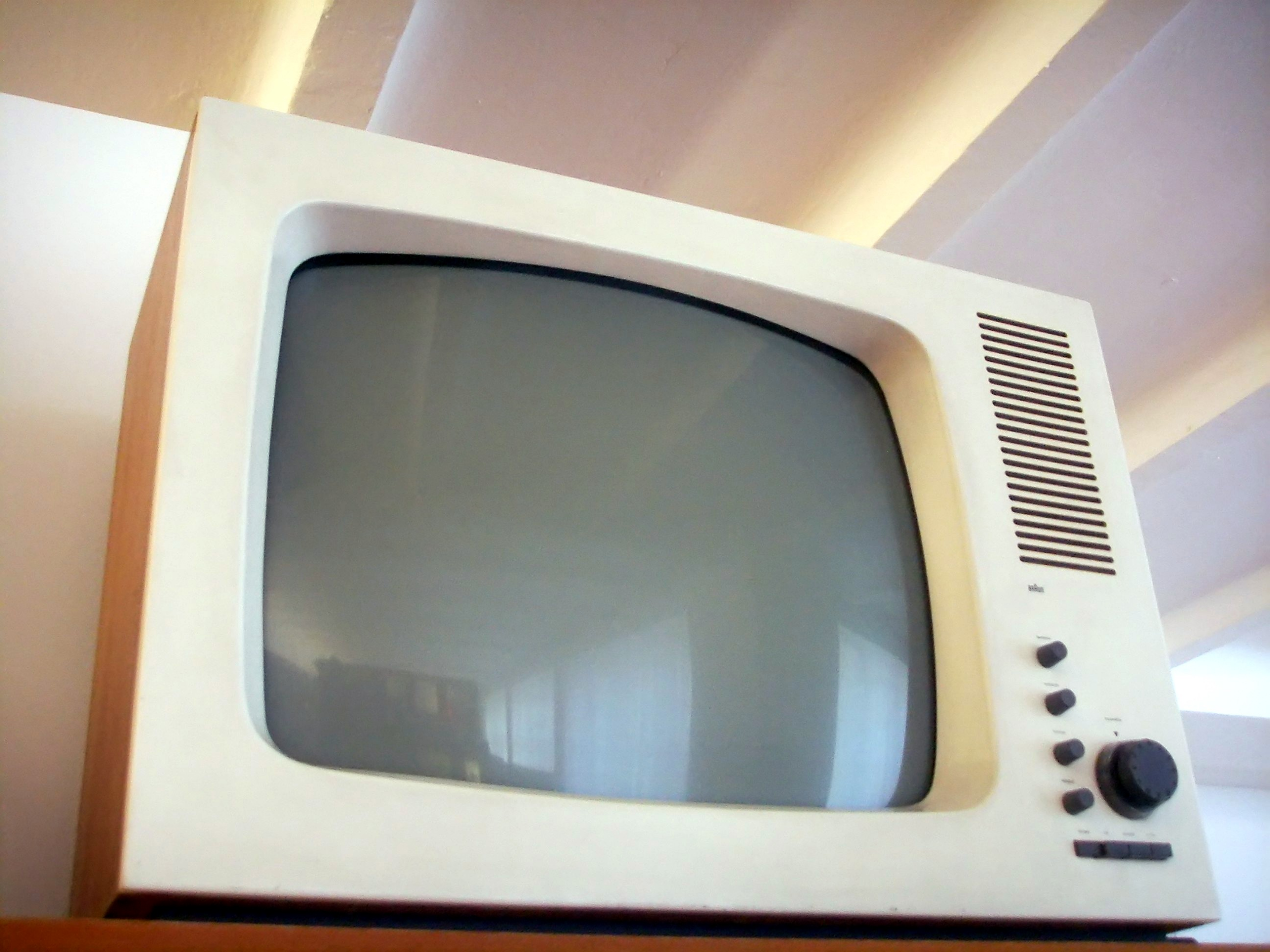
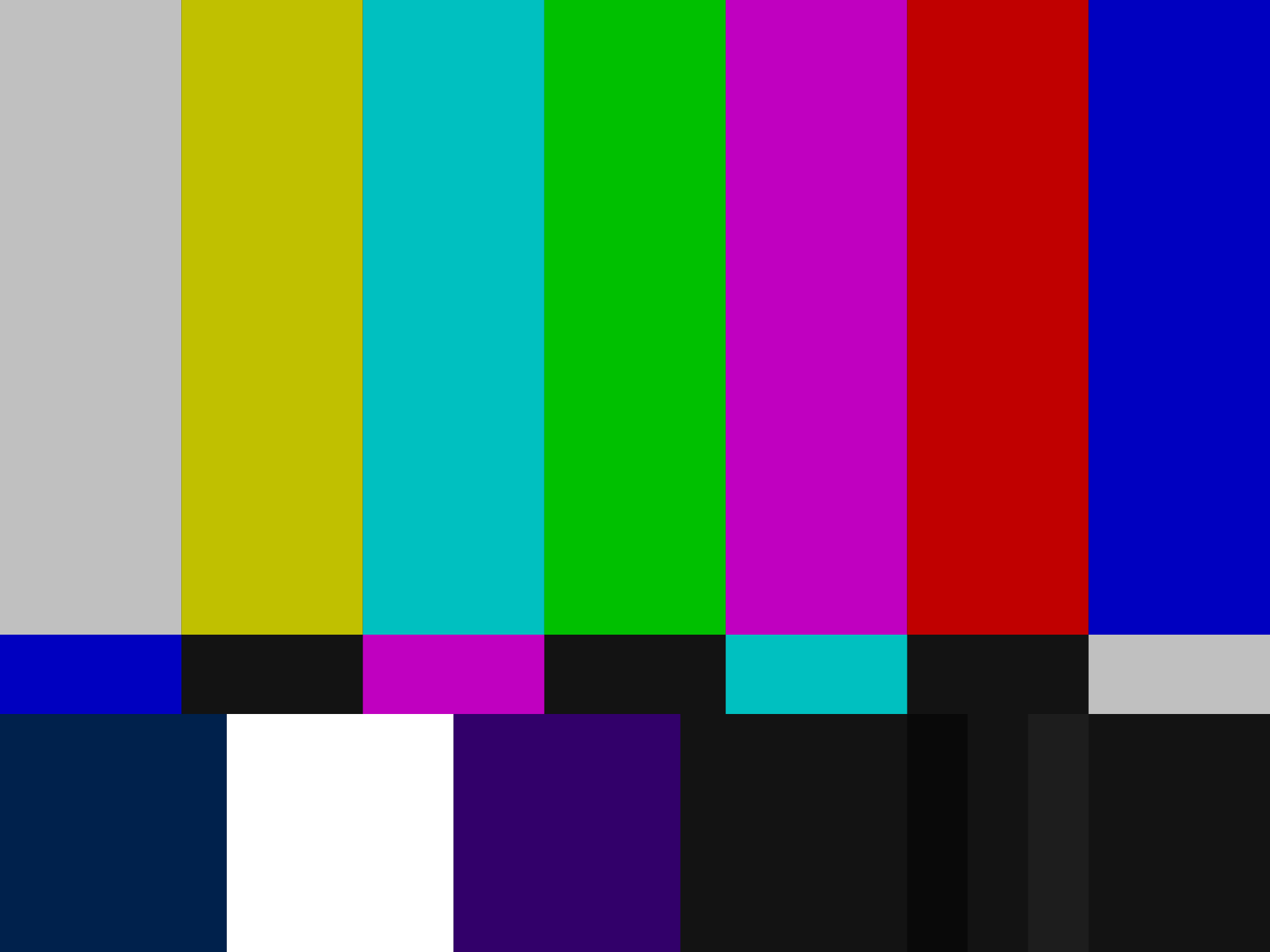
What appeared after the sign-off is one of the most distinctive visual memories of old television: the test pattern. This was a static image, often a striking geometric design full of circles, lines, grids, and gradients, sometimes incorporating a Native American chief’s headdress in one especially famous version, or other standardized graphics. To viewers, it looked like some kind of mysterious symbol or arcane emblem, and generations of children puzzled over what it meant. In fact, the test pattern served a practical technical purpose: it was a calibration tool, a reference image that television engineers and technicians — and viewers adjusting their sets — could use to check and tune the picture, ensuring proper alignment, focus, contrast, and geometry of the broadcast image.
The test pattern would sit on screen, unchanging, sometimes accompanied by a steady tone, filling the hours when the station was off the air but its signal remained. For anyone who stayed up too late or woke in the middle of the night and turned on the television, the test pattern was what greeted them — a silent, glowing, geometric placeholder standing in for the absent programming, at once boring and strangely hypnotic. It became an unlikely icon of the era precisely because it represented the void, the nothing, the time when television had stopped, and its distinctive design is instantly recognizable to anyone who grew up with it.
The Snowstorm of Static
The other thing that filled the post-sign-off screen was static — the famous “snow,” a chaotic gray-and-white visual noise accompanied by a loud hiss, that appeared when a station had gone off the air entirely and the set received no signal at all. Turning the channel to a station that had signed off, or waking to a television whose station had gone dark, meant confronting the snowstorm: a screen full of dancing gray specks and a wall of white-noise hiss that was one of the most distinctive audiovisual experiences of the era.
The static was, in its way, as memorable as any program. Falling asleep in front of the television and waking hours later to the hissing snow, then fumbling to turn the set off, was a near-universal experience. The sound became cultural shorthand — it appeared in movies and stories as the signature of an abandoned or malfunctioning television, and it carried an eerie quality that filmmakers exploited for decades. To a generation, that specific hiss and that specific visual chaos meant one unmistakable thing: television was over, the station was gone, and you had stayed up past the end of the broadcast day. The empty static was the sound of the medium itself sleeping.
How Television Stopped Stopping
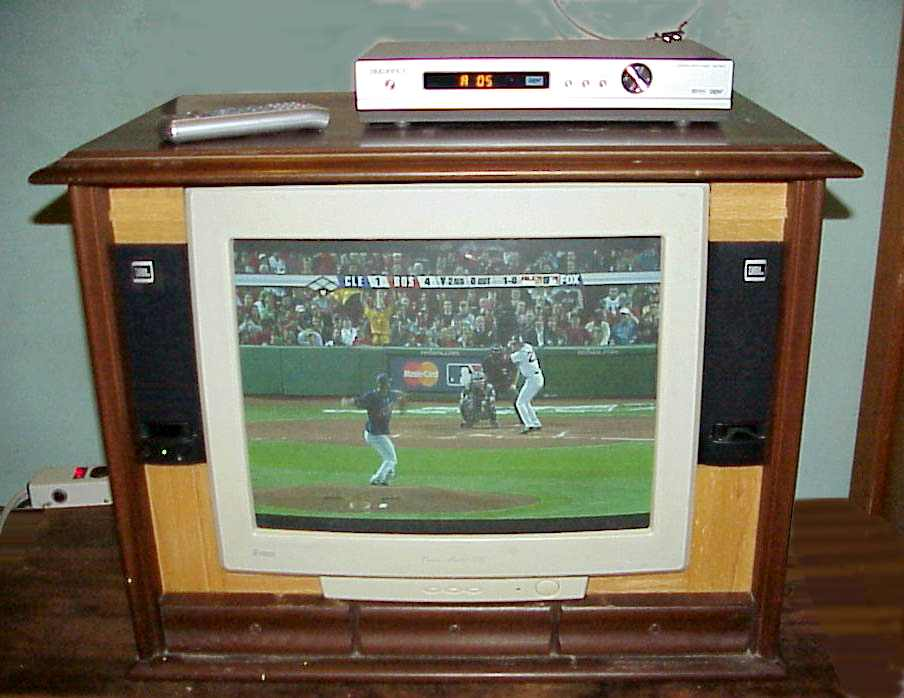
The nightly sign-off faded away with the transformation of the television landscape in the late twentieth century. The rise of cable television, with its many channels and its economic model built for round-the-clock programming, changed the entire calculus. Dedicated 24-hour channels emerged, offering news, movies, music, and shopping through the night, and the concept of a broadcast day with a defined end no longer fit an industry racing to fill every hour. Local broadcast stations, too, gradually extended their hours, adding late-night and overnight programming — infomercials, reruns, syndicated content — until the overnight void was filled and the sign-off became unnecessary.
Bit by bit, television stopped stopping. The anthem-and-test-pattern ritual, once a nightly certainty, became first occasional and then obsolete, disappearing from most stations as continuous programming became the norm. By the time streaming arrived and made literally infinite content available at any hour, the idea of television having an end for the night had become a historical curiosity, a relic of a slower and more bounded media age. The generation that grew up after the change has never known a television that turned off on its own, never fallen asleep to the anthem, never woken to the test pattern or the snow.
The End of the Day That Doesn’t End Anymore
The disappearance of the nightly sign-off is, on its surface, a small thing — just a change in broadcasting schedules. But it represents something larger about how life has changed, because the sign-off was, in effect, a built-in stopping point, a moment when the entertainment ran out and the day was declared over whether you liked it or not. Television used to end, and its ending was a gentle enforcer of bedtime, a signal that it was time to stop watching and go to sleep. The always-on media world that replaced it offers infinite content and no natural stopping point at all — the stream never runs dry, the next thing is always available, and the decision to stop now rests entirely, and exhaustingly, on the viewer.
There’s a quiet poignancy in that, and it’s part of why the memory of the sign-off carries such warmth for those who lived it. The anthem playing over the waving flag, the announcer’s goodnight, the mysterious test pattern, the hiss of the static — these weren’t just quirks of old technology but the markers of a world with edges and endings, a world where even the television knew when to call it a night. That world is gone, replaced by something more convenient and more relentless, and while almost no one would trade infinite choice to get the limited broadcast day back, there’s a reason a whole generation goes misty remembering the moment the screen went dark. It was the sound of the day being over, and it doesn’t come anymore.
Like our content? Follow us for more.