

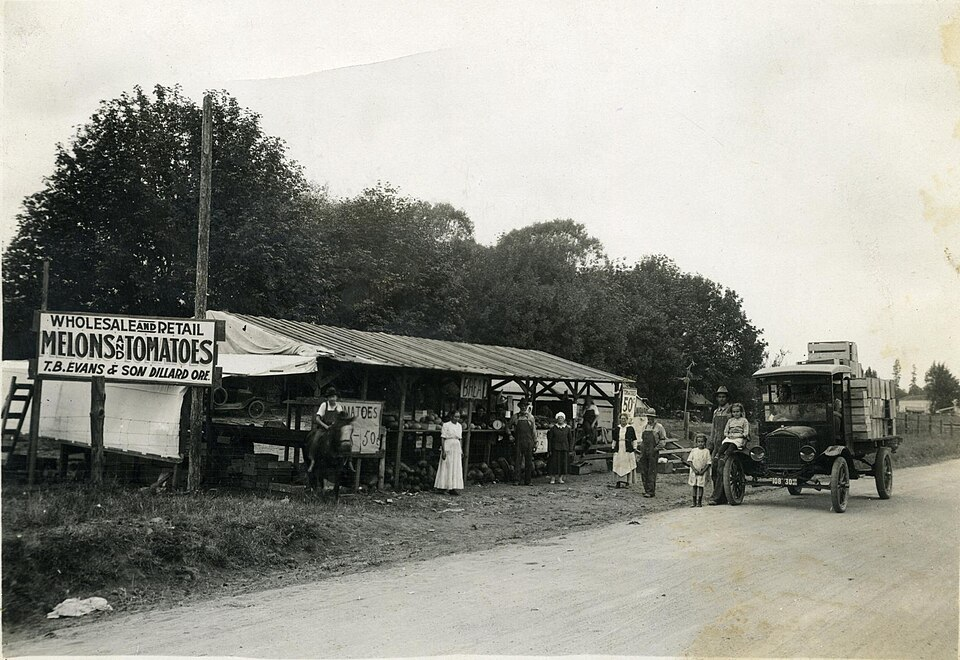
In 1974 a great many American households kept two separate pieces of ground. The garden fed the family. The truck patch – an acre or two – was planted deliberately for sale.
That is a small commercial enterprise rather than gardening, and it shows in the planning. Crops were chosen for what townspeople would buy and could not easily grow. The same crop was sown in repeated small batches so that something was always coming ready, which means planting backwards from a selling calendar. Everything was picked at first light on the day it sold, because freshness was the only advantage over a store.
And a child sat at a plank table at the end of the lane and made the change. Here are fifteen things every family knew.
1. A Truck Patch Was Grown to Sell, Not to Eat
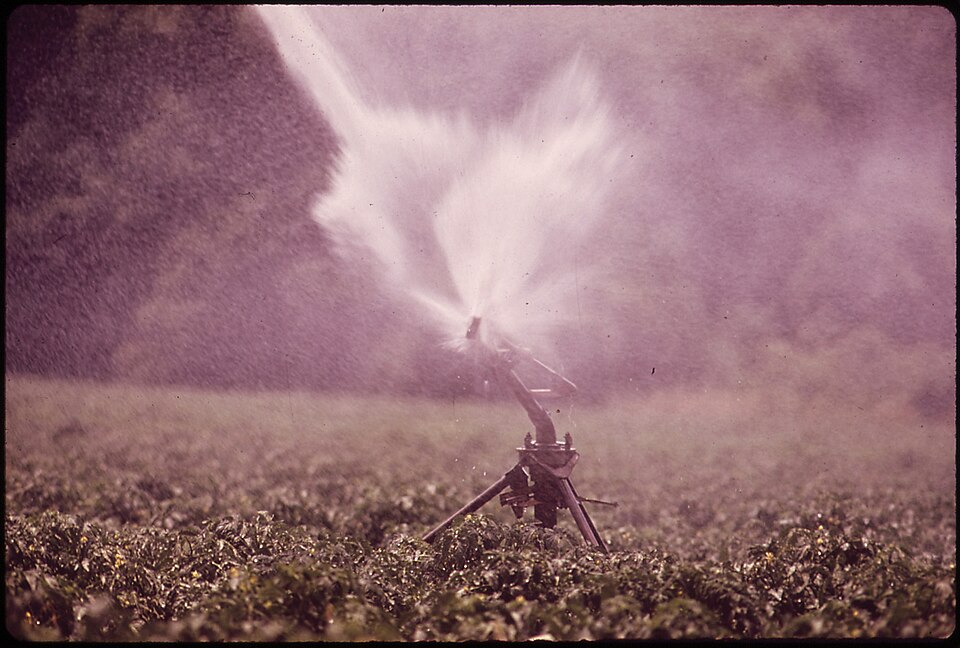
The term meant a piece of ground – frequently an acre or two, sometimes less – planted deliberately in vegetables for sale rather than for the household’s own table, which was a separate garden.
Market gardening at that scale has largely gone, with vegetable production concentrated into large specialist operations and household plots grown for consumption rather than income.
The distinction between the garden and the truck patch is the whole point and it is easy to miss. The garden fed the family; the truck patch was a small commercial enterprise, planted in quantities and varieties chosen for what would sell, with an income attached.
Like our content? Follow us for more.
2. The Name Came From Hauling Rather Than From Vehicles
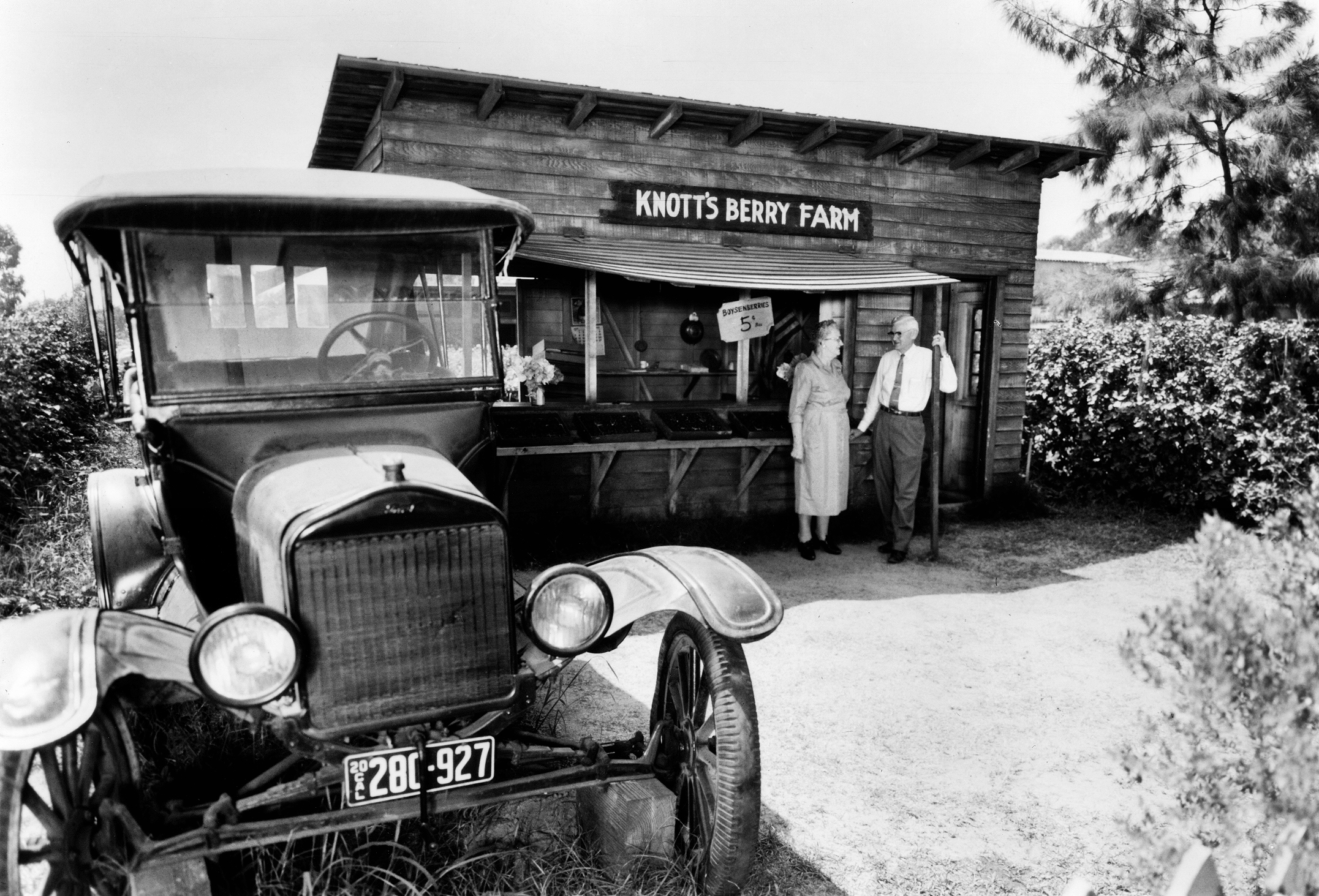
Truck in this sense is an old word for garden produce grown for market, and it predates the motor truck entirely – a truck farmer was somebody who grew produce to haul to town.
The word survives in truck farming and truck crops as agricultural terminology, with the original sense now opaque to nearly everybody.
That etymology trips people constantly and is worth clearing up. The patch was not named after the pickup that carried the produce; the pickup happened to arrive later and fit a word that was already there.
3. The Crops Were Chosen for What Would Sell Fast
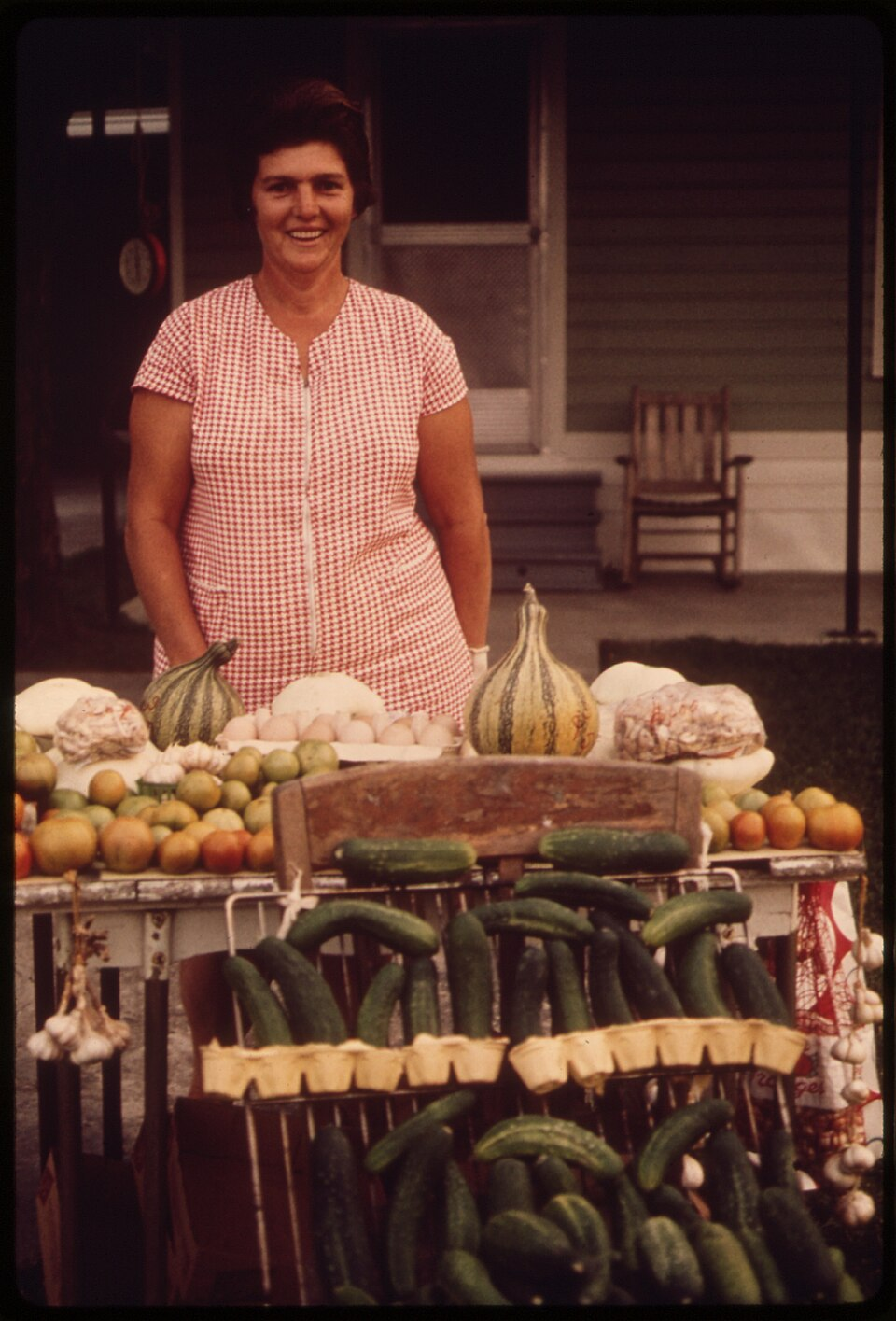
Planting favoured the things townspeople wanted and could not easily grow – sweet corn, tomatoes, beans, cucumbers, melons, squash, early potatoes, onions – in varieties selected for appearance and for arriving at a sellable moment.
The same logic at industrial scale, with variety selection dominated by shipping durability and uniformity.
Choosing for the buyer rather than for the household is what made this farming rather than gardening. A family grows what it likes to eat; a truck patch grows what somebody will pay for, which is a different plan and sometimes means growing things nobody in the house particularly wants.
4. Succession Planting Was the Actual Skill
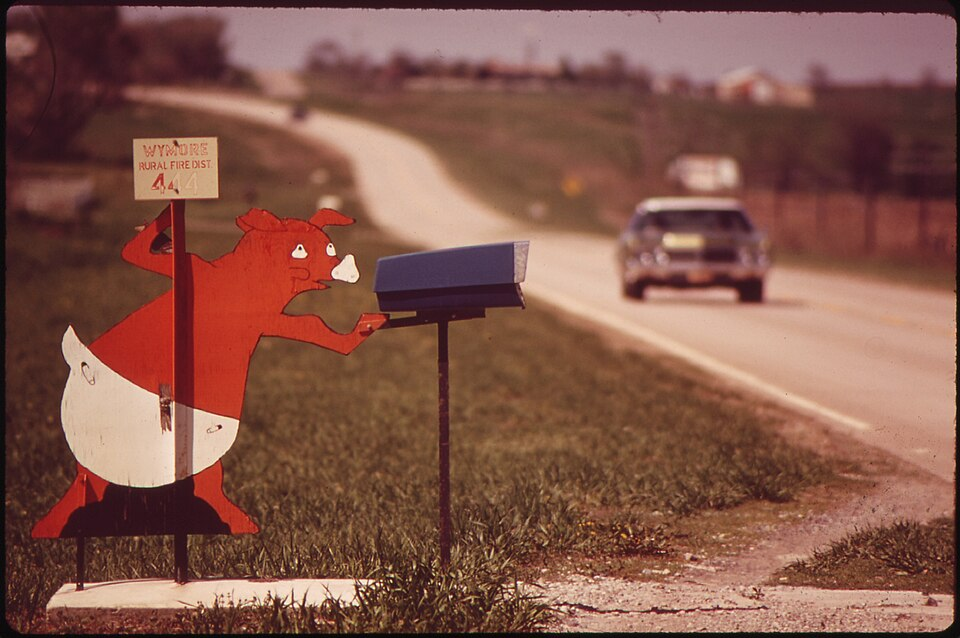
The point was continuous supply, so the same crop was sown in repeated small batches at intervals – which meant something was always coming ready across the whole season rather than everything arriving at once.
Standard commercial practice, planned with considerably more precision and supported by varieties bred to mature on schedule.
Succession planting is the difference between a garden and a business. A household garden can afford to have forty pounds of beans ready in one week; a seller needs beans every week for two months, which requires planning backwards from a selling calendar.
5. Everything Was Picked the Morning It Sold
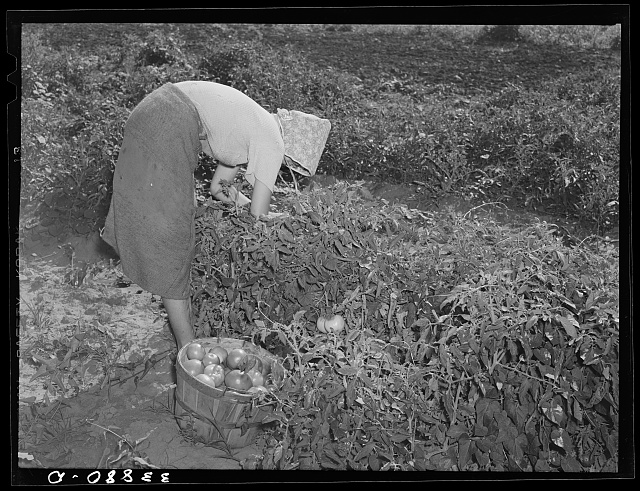
Produce was harvested at first light on the day it went to market or to the roadside, because freshness was the entire competitive advantage over a store.
Refrigerated handling and distribution, which decouples picking from selling and has made several days between the two entirely normal.
Same-day picking was the whole proposition and it is the one thing a small seller still has. A grower who picks at six and sells at nine is offering something a distribution chain structurally cannot, and everybody on both sides of the transaction understood that.
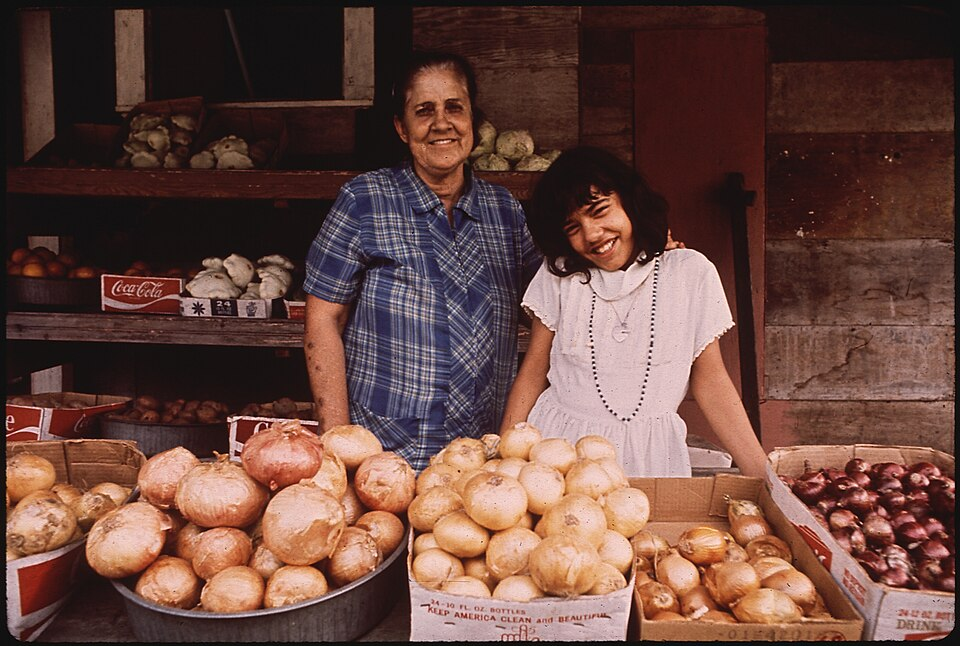
6. The Stand Was a Table at the End of the Lane
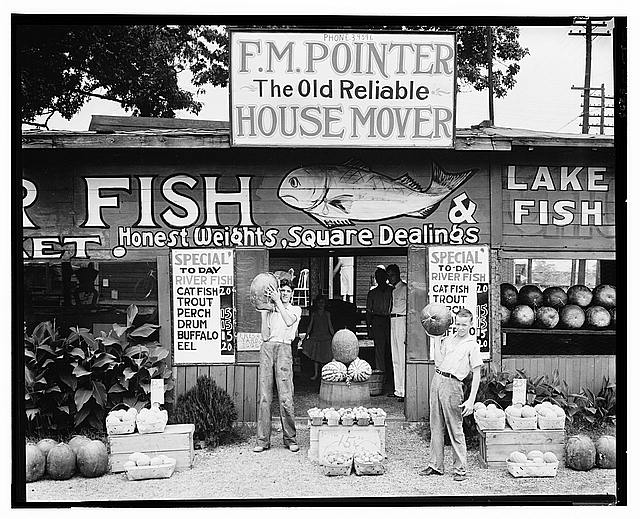
Selling happened from a plank table, a tailgate, a wagon or a small shed at the road – with a scale, a cash box, a sign and somebody sitting there.
Roadside stands continue, alongside honour-system stands, farm shops and markets, with far fewer in total and considerably more regulation.
The stand was a shop with no overhead and no staff cost, which is why the arithmetic worked. A table at the end of a lane requires no rent, no fixtures and no employee, so a very small quantity of produce could be sold profitably.
7. Children Ran the Stand
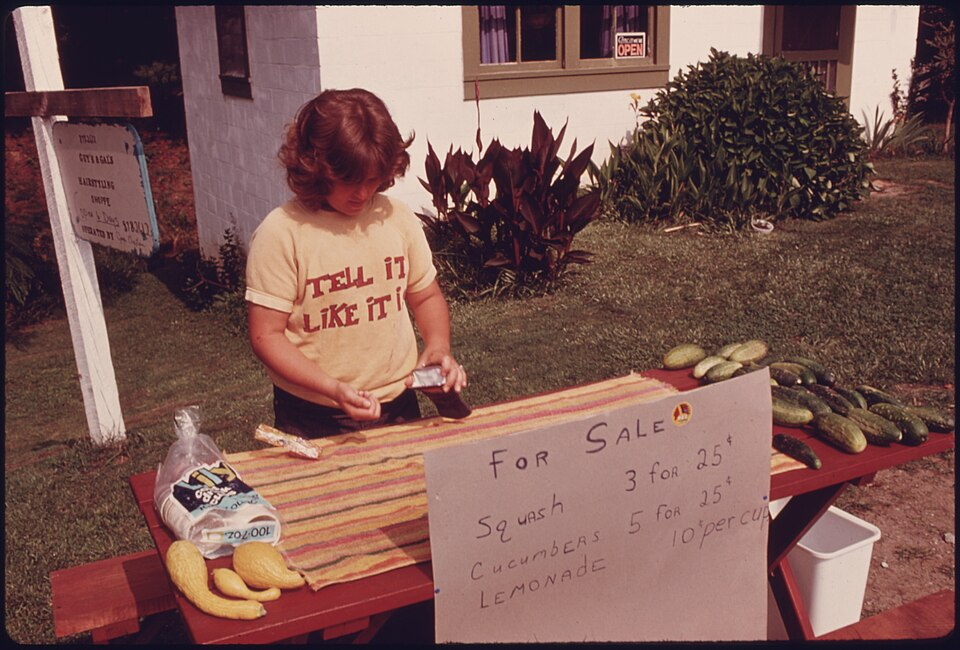
Minding the stand was a child’s job – sitting with the produce for hours, making change, weighing, restocking from the patch and reporting the takings.
Not applicable in the same way.
Sitting at a table making change for strangers all afternoon is a serious early education in commerce. A child who ran a stand learned pricing, weighing, mental arithmetic, stock control and dealing with adults who were trying it on – which is a curriculum nobody designed.
8. The Price Was Whatever the Road Would Bear
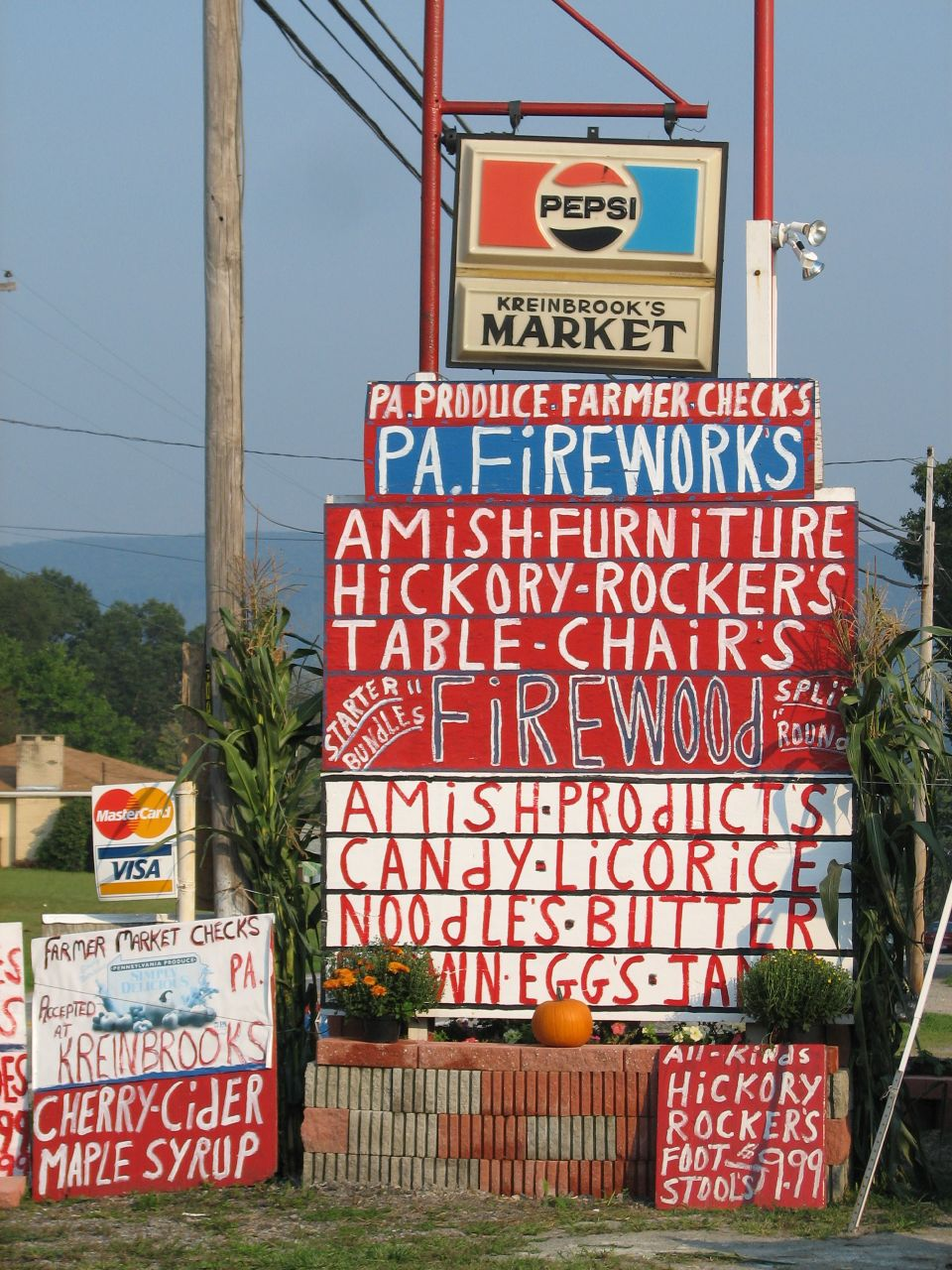
Prices were set by what the store was charging, what the neighbours were asking, how much the grower had, how fast it was going off and what the customer looked like they would pay.
Posted prices, with far more consistency and far less negotiation.
That flexibility was both the advantage and the weakness of the arrangement. A seller with perishable stock late in the day will take what they can get, and a buyer who waited until evening knew it – so the whole thing ran on a continuous read of both sides’ positions.
9. Honour Boxes Worked Better Than They Should Have
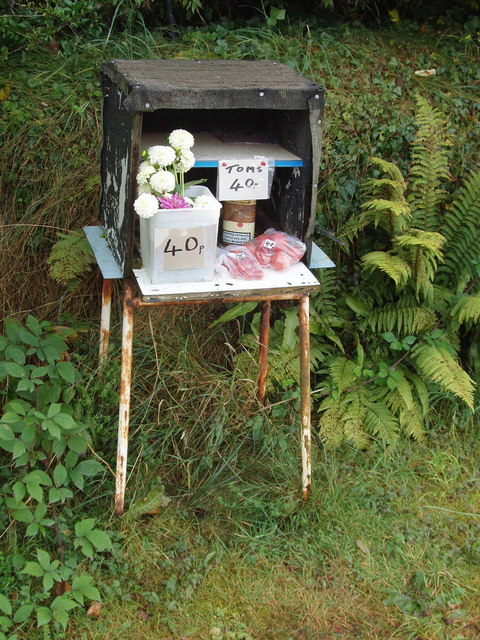
Unattended stands with a price list and a box for money were common, and the general report is that they mostly worked, with losses that were real but tolerable.
Still common, now frequently with electronic payment options, and still working on the same basis.
The honour stand is a genuinely interesting piece of social evidence and it persists because it continues to pay. A seller who leaves produce unattended has made a calculation that the labour saved exceeds the theft expected, and the fact that the practice survives suggests that calculation is usually right.
10. Culls and Seconds Were Sold Cheap and Nothing Was Wasted
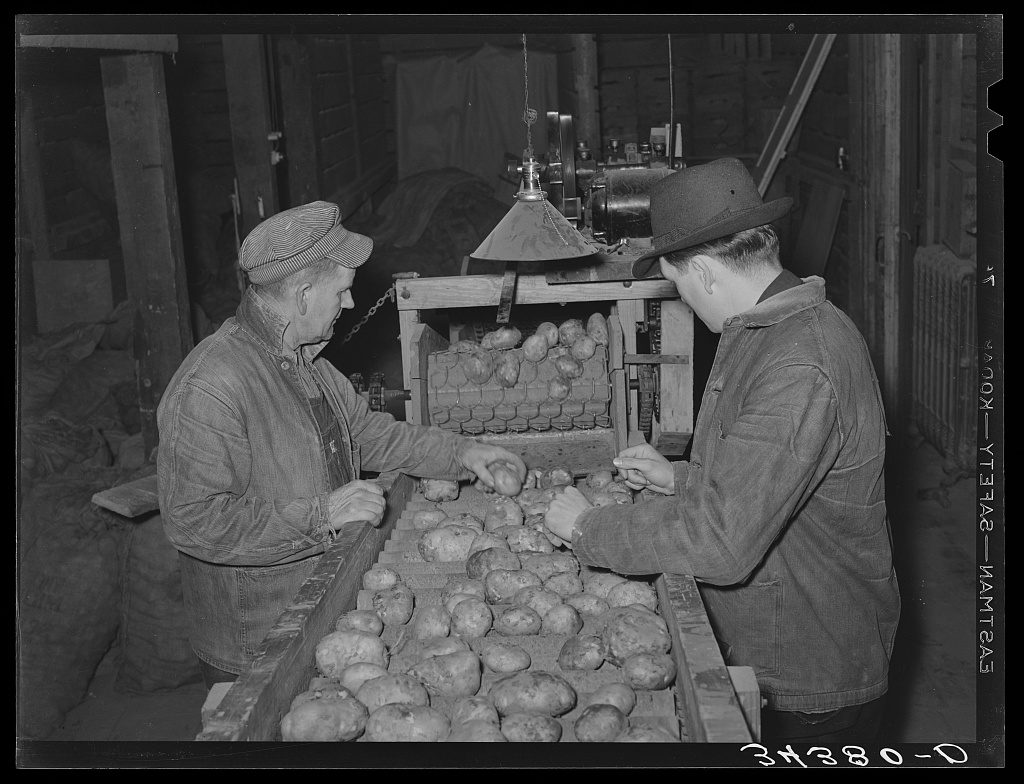
Misshapen, oversized, blemished or overripe produce was sold at a lower price for canning, for stock feed or to anybody who did not care – so almost everything grown found a buyer somewhere.
Cosmetic standards in retail distribution are strict, and a substantial quantity of perfectly edible produce is rejected on appearance before it reaches a shop.
This is the real efficiency of direct selling and it is the opposite of how the subject is usually discussed. A grower looking the buyer in the eye can explain that a tomato is ugly and sound, and price it accordingly – which is a conversation a supply chain cannot have.
11. The Patch Was Work for the Whole Household
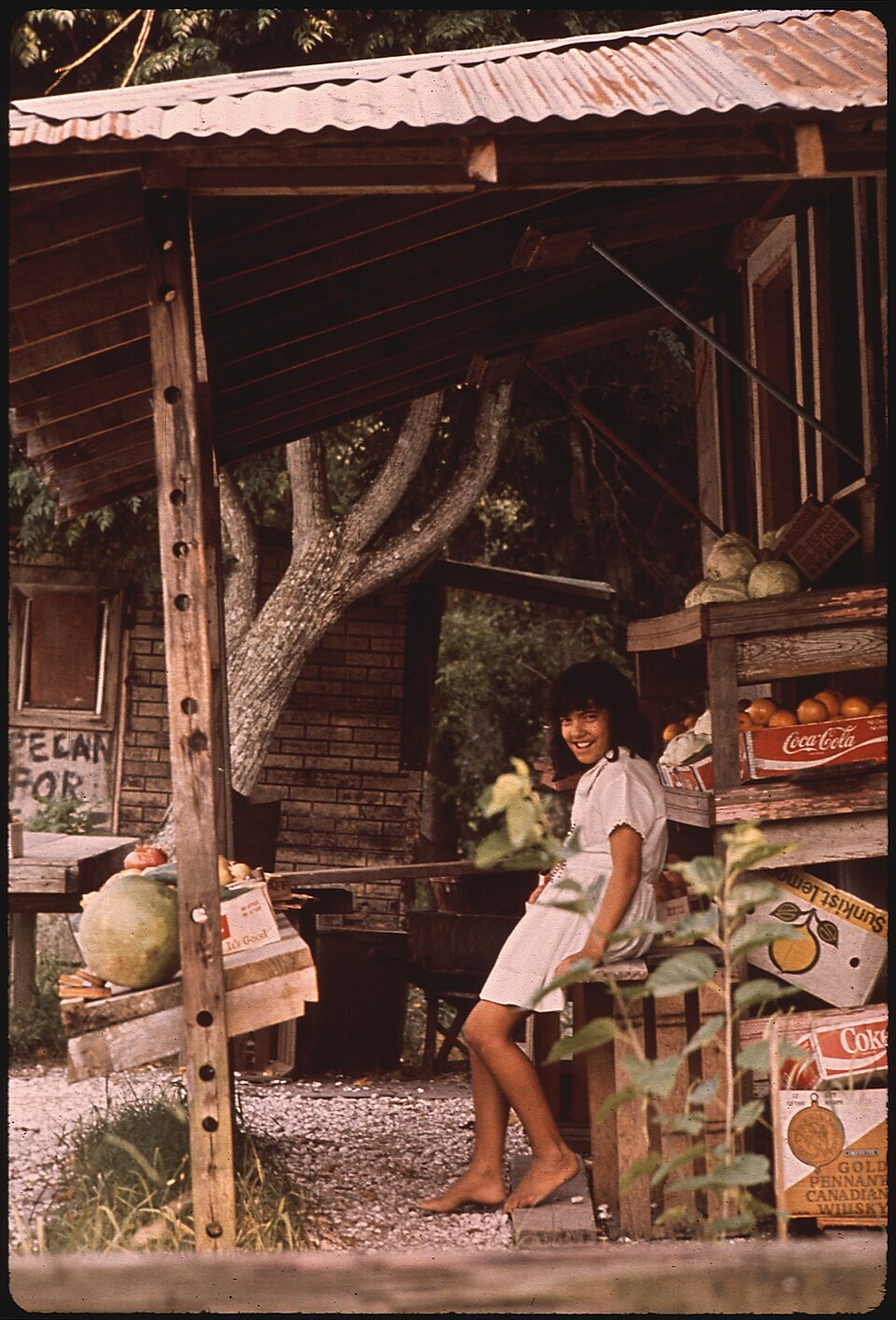
A truck patch was hoed, weeded, watered, picked, graded and sold by the family, with the labour falling on whoever was available and disproportionately on women and children.
Hired labour, mechanisation and contract production.
The labour arithmetic is why the scale stayed small. An acre of vegetables picked by hand by a family in addition to everything else they were doing is about as much as that household can manage – and the patch grew no larger than the hands available.
12. It Was Real Money and It Was Spent on Real Things
Truck patch income was a recognised household revenue stream – school clothes, taxes, a payment, Christmas, a piece of equipment – rather than pocket money.
Not applicable at household scale.
That income mattered out of proportion to its size because it arrived in cash through the season rather than in a lump at harvest. A household with a truck patch had money coming in weekly in summer, which is a completely different financial position from waiting for a crop cheque.
13. Supermarkets Took the Convenience Argument
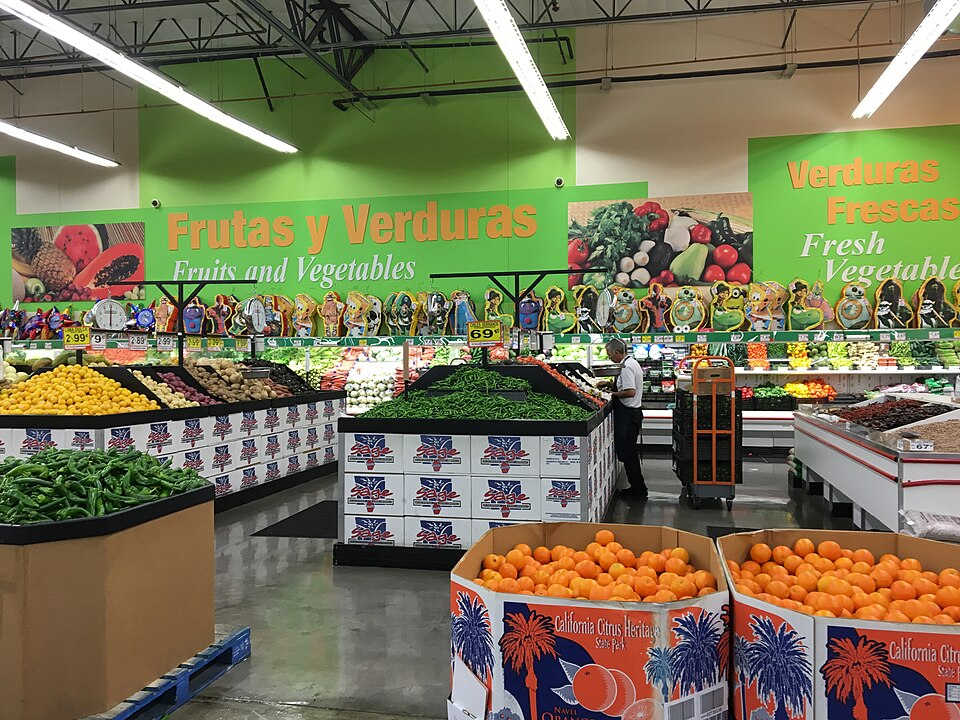
Year-round availability, refrigerated distribution, consistent appearance, one stop for everything and prices that a small grower could not match removed most of the reason to stop at a roadside table.
Dominant, with the overwhelming majority of American vegetable purchasing happening in stores.
The competition was never really about quality and both sides knew it. A roadside stand beats a supermarket on freshness and loses on everything else – hours, variety, convenience, weather, parking and the simple fact that the customer is already in the store buying other things.
14. Then the Road Itself Changed
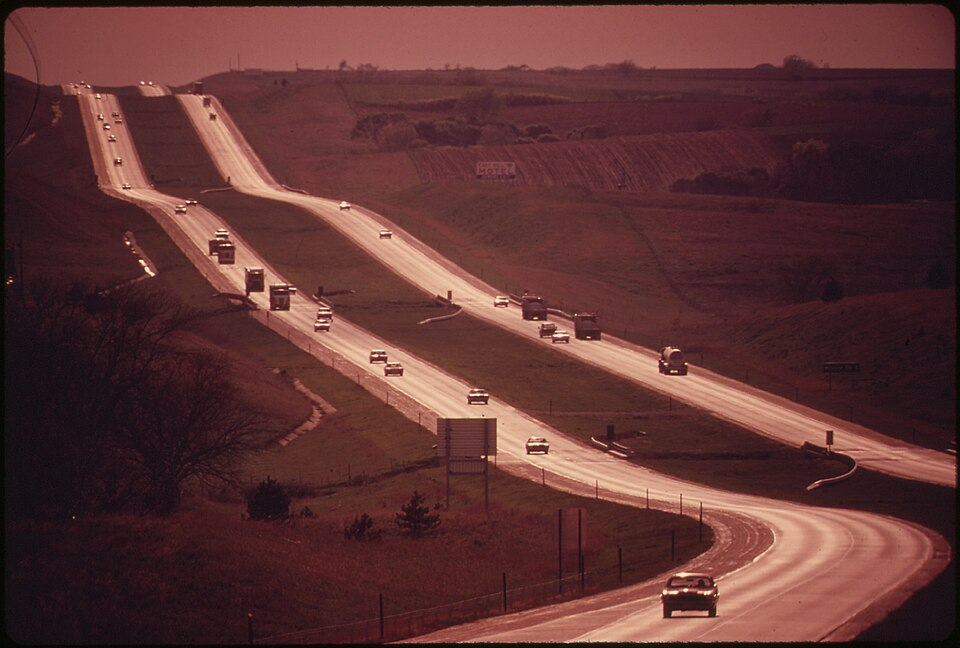
Rural roads became faster, straighter and busier, with higher speeds, wider shoulders, access controls and traffic that does not stop – which made a table at the end of a lane both less visible and considerably less safe.
Stands are sited with parking, pull-offs and visibility in mind, under permit requirements in many places, and highway selling is regulated or prohibited in a great many jurisdictions.
The road is the cause nobody mentions and it may be the largest. A roadside stand depends on passing traffic that is going slowly enough to notice it and able to stop safely, and the reconstruction of American rural roads for speed removed both conditions at once.
15. Then the Small Commercial Garden Disappeared Entirely
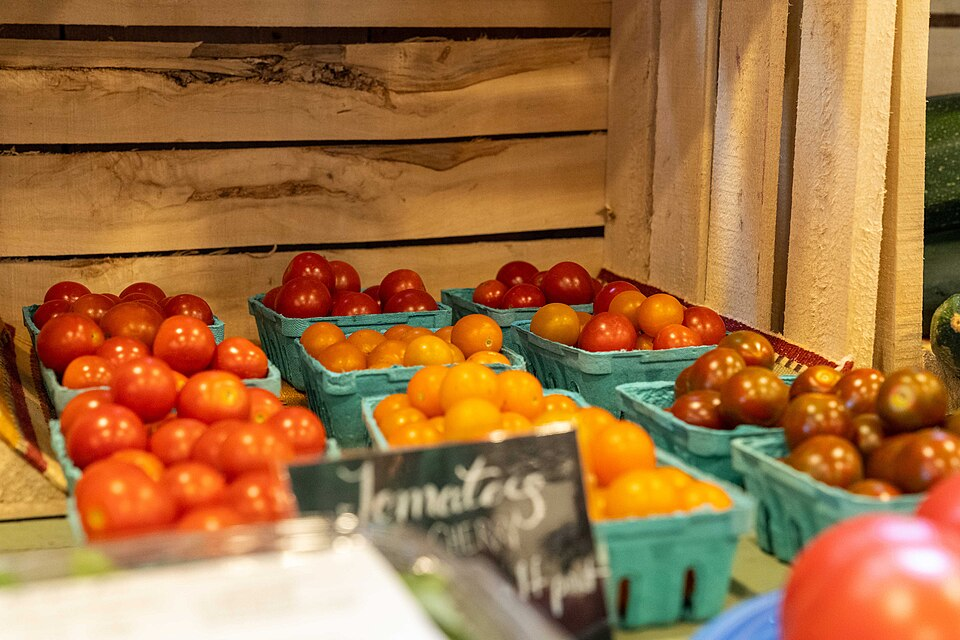
In 1974 a great many American households grew an acre or two deliberately for sale – succession planted for continuous supply, picked at first light, graded, and sold by a child from a table at the end of the lane for cash that paid the school clothes and the taxes.
Vegetable production is concentrated into large specialist operations, household plots are grown for eating rather than earning, and the roadside stand survives as a much rarer and more deliberate enterprise.
And the thing worth drawing out is that the truck patch occupied an economic position that has simply ceased to exist. It was not a hobby garden and it was not a farm. It was a deliberately commercial operation at a scale set by the number of hands in one household, selling into a market a single family could reach on foot, with an income that arrived weekly in cash through the summer. Three things closed that position. The supermarket took the customer, by offering year-round supply, consistent appearance, one stop and prices a small grower could not meet – which is a defeat on every dimension except freshness. The road took the stand, because a table at the end of a lane requires traffic moving slowly enough to notice it and able to stop safely, and American rural roads were rebuilt for speed. And the labour arithmetic closed from the other side, because the households that had supplied the hands now had other things to do with them – off-farm jobs, school, and the general reasonable preference of young people for not hoeing an acre of beans. What is left is a barbell, and it is the same shape that has appeared wherever small-scale American agriculture used to sit. At one end, large operations supplying stores. At the other, household gardens producing food that nobody sells. In between, where an acre of vegetables and a plank table used to turn a family’s spare labour into weekly cash, there is nothing at all.
The Position It Occupied No Longer Exists
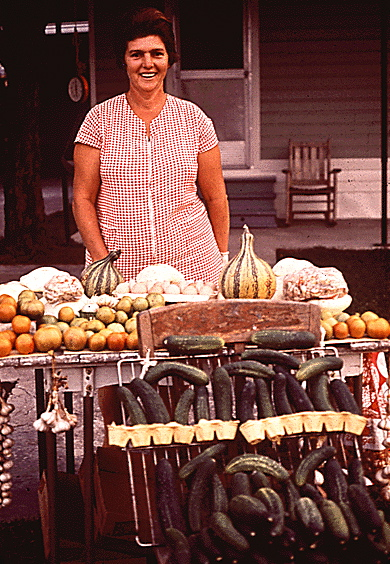
The truck patch is worth attention because it sat in an economic position that has closed completely, and the position is more interesting than the vegetables.
It was not a hobby garden. A household that plants an acre of sweet corn, tomatoes, beans, cucumbers and melons in succession, grading and selling the output, is running a business – small, seasonal and labour-intensive, but a business with a plan, a customer and an income.
It was also not a farm. The scale was set by exactly one thing: how many hands the household had. An acre of vegetables hoed, weeded, picked and graded by a family on top of everything else they were doing is about the limit of what that family can manage, so the patch never grew beyond the available labour. Nobody hired anybody.
And it sold into a market a single family could reach without leaving home – a plank table at the end of its own lane, requiring no rent, no fixtures and no employee, which is why the arithmetic worked on such a small quantity of produce.
The income is the part that mattered most and it is the easiest to underestimate. Truck patch money arrived weekly, in cash, through the summer. For a farm household whose other income came in one lump after harvest, a weekly stream through July and August is a completely different financial position – and it is why the proceeds went on specific recurring things: school clothes, a tax payment, an instalment, Christmas.
Then three separate pressures closed the position, and they came from different directions.
The supermarket took the customer. Year-round availability, refrigerated distribution, consistent appearance, one stop for everything, and prices a small grower could not match. That is a defeat on every dimension except freshness – and freshness is a real advantage that simply does not outweigh hours, variety, convenience, parking and the fact that the shopper is already inside the store buying other things.
The road took the stand, and this is the cause nobody mentions. A roadside table depends on two conditions: traffic moving slowly enough to notice it, and traffic able to stop safely. American rural roads were rebuilt for speed – straighter, faster, wider, busier, with access controls – and that removed both conditions simultaneously. A stand that was obvious and easy to pull into in 1950 is invisible and dangerous beside the same road today, which is why surviving stands are sited deliberately with parking and visibility and frequently under permit.
And the labour closed from the other side. The households that had supplied the hands acquired other uses for them – off-farm employment, more schooling, and the entirely reasonable preference of young people for not spending a July hoeing beans.
What remains is the same barbell that has appeared everywhere small-scale American agriculture used to sit. At one end, large specialist operations supplying stores. At the other, household gardens producing food that nobody sells.
In the middle, where an acre of vegetables and a plank table converted a family’s spare labour into weekly cash, there is nothing.
If your family had a truck patch, you picked in the dark and you sat at that table all afternoon.
And you remember exactly what you charged for a dozen ears of corn.
Like our content? Follow us for more.
