Order “tea” in Charleston and it arrives cold and sweet without a follow-up question; order an egg cream in Manhattan and no one warns you about the name; ask for either one 500 miles away and you’ll get a blank stare. American summer runs on regional drinks — recipes tied to soda fountains, farm fields, and drive-in stands that never bothered going national. Here are eight worth crossing a state line for, ice included.
1. Sweet Tea: The South’s House Wine
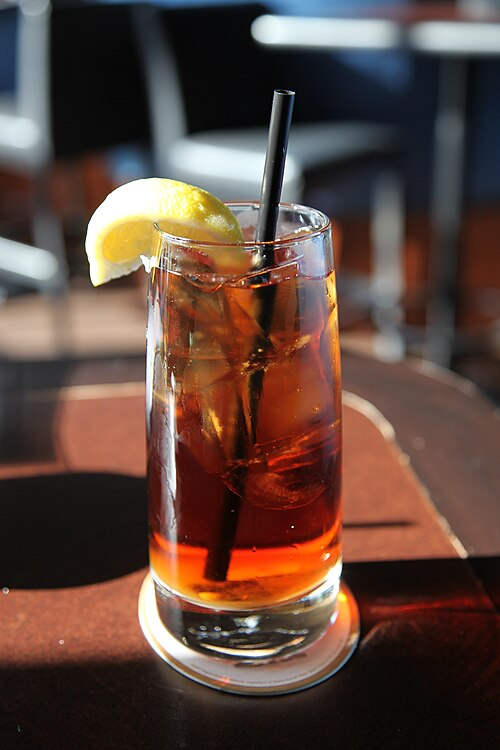
Brewed strong, sweetened hot, served over a glacier of ice. Below a certain line, “tea” means this.
Sweet tea is less a beverage than a border: south of it, tea arrives iced and emphatically sweet — the sugar dissolved into the brew while it’s still hot, which any Southern host will explain is the entire difference between sweet tea and the sad afterthought of sugar stirred into cold — and asking for “unsweet” marks you as a visitor faster than a license plate. It’s on every table from gas stations to white-tablecloth rooms, refills are assumed, and the phrase “house wine of the South” has been earned a gallon at a time for over a century.
Like our content? Follow us for more.
2. The Egg Cream: New York’s Beautiful Lie
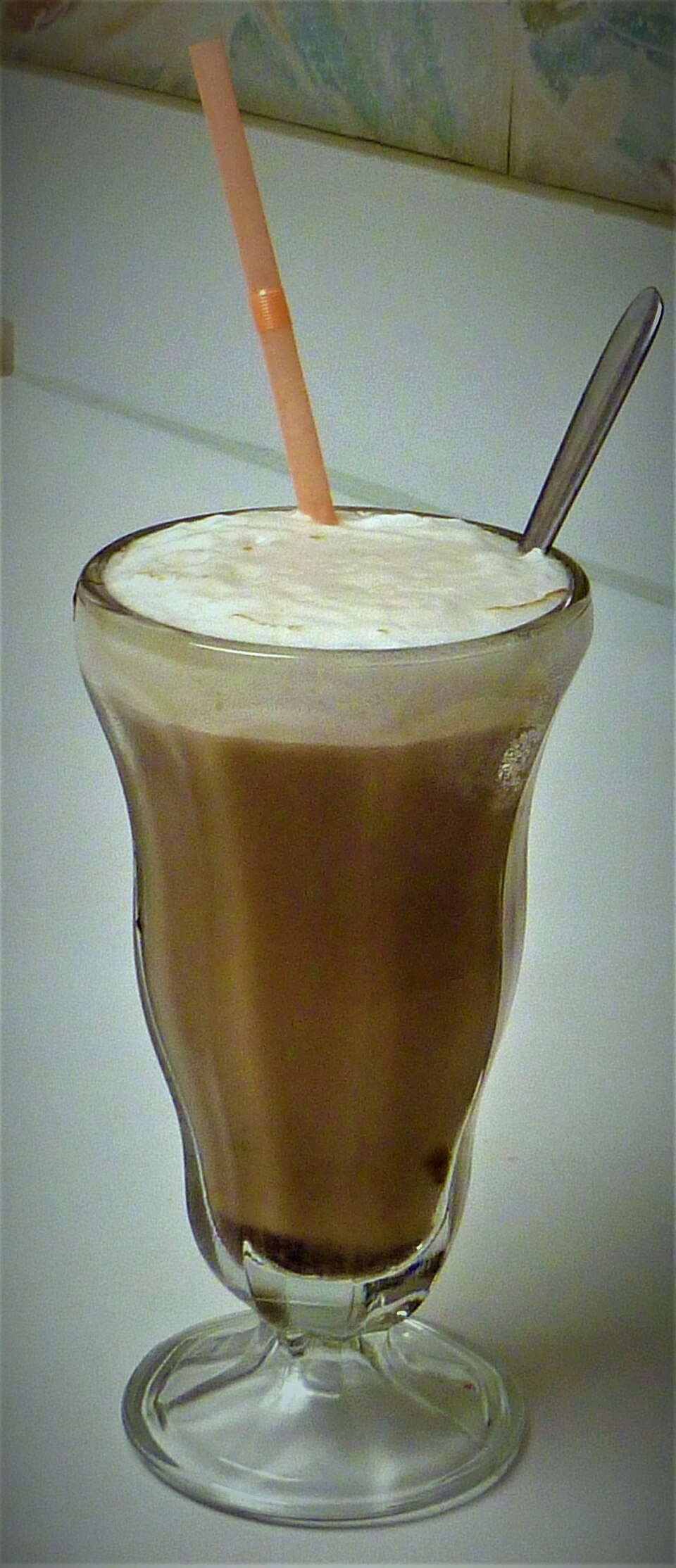
No egg, no cream — just milk, seltzer, and chocolate syrup. Brooklyn will not be taking questions.
The egg cream — cold milk, a hard spray of seltzer, and chocolate syrup, stirred to a foamy head — contains exactly none of its name, a mystery with a half-dozen origin theories and zero interest in resolving them. Born at the candy stores and soda counters of Brooklyn and the Lower East Side, it survives at the city’s old-school fountains and diners, where it’s drunk fast (the foam won’t wait) and defended fiercely. Attempts to explain the name to tourists are considered a waste of good seltzer.
3. Sun Tea: The Midwest’s Slowest Recipe
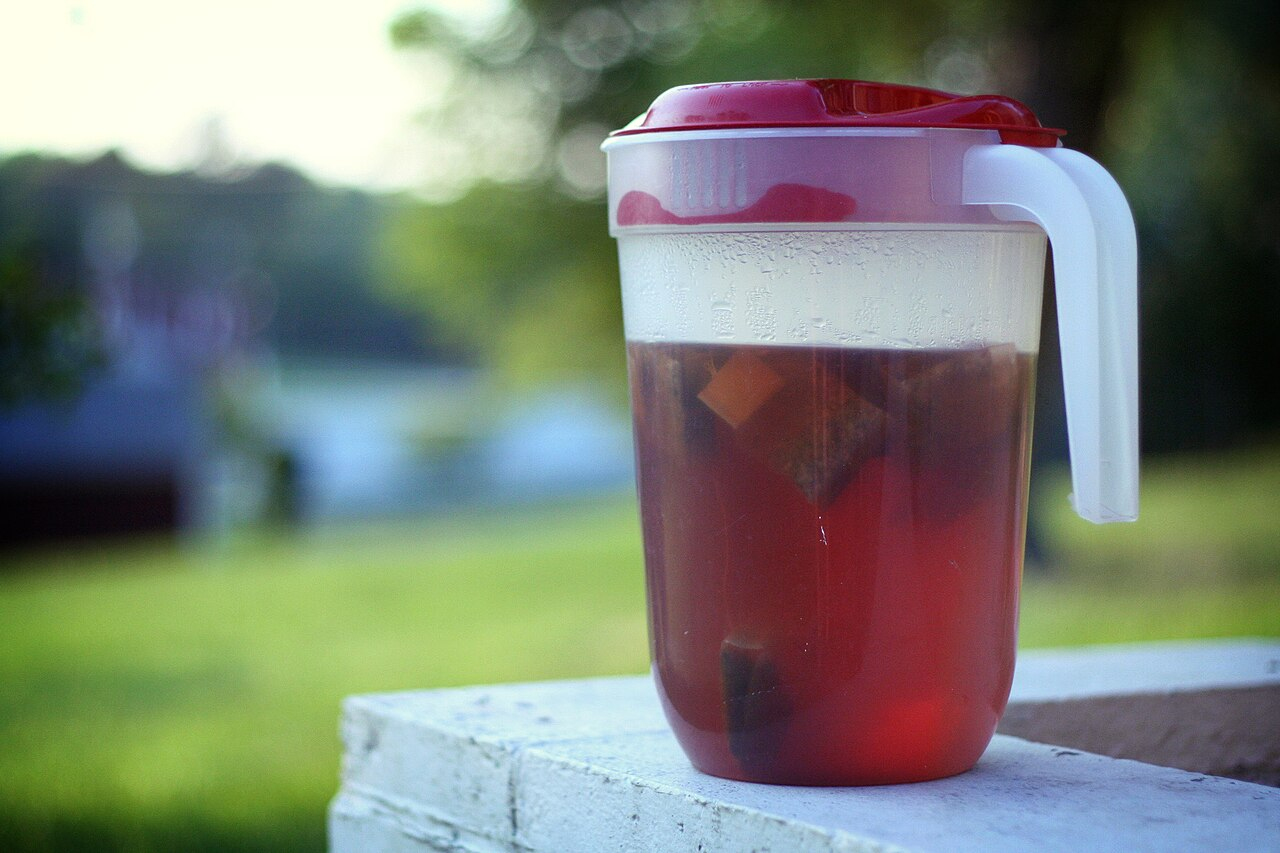
A glass jar, tea bags, and a porch rail in July. The recipe is patience.
Across the Midwest, summer announces itself when the big glass jar appears on the porch rail or back step — water and a rope of tea-bag strings under the lid — to brew all afternoon in nothing but sunshine. Sun tea is as much ritual as recipe: checking the color on the way past, arguing about whether it tastes gentler than kettle tea (believers say absolutely), and pouring the first amber glass at supper. Food-safety folks recommend the fridge method these days; the porch jars, from Indiana to Kansas, have not noticeably surrendered.
4. Switchel: The Hayfield Cure That Outlived the Hayfields
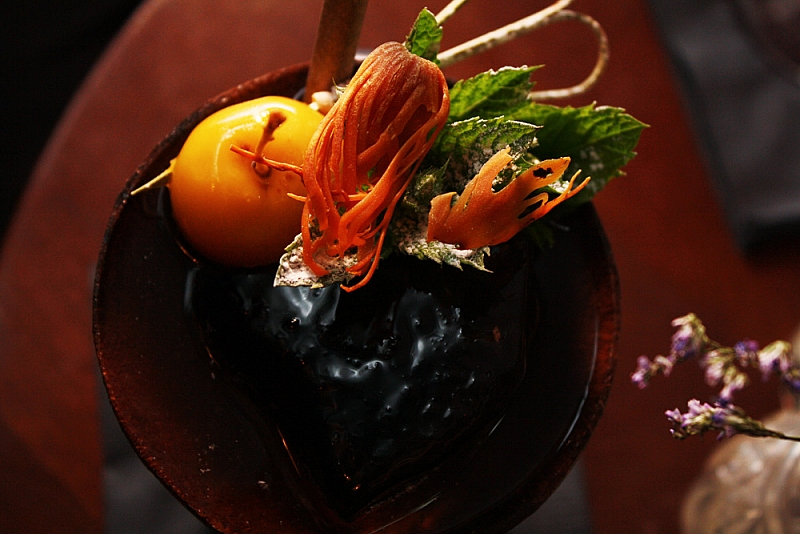
Vinegar, ginger, and sweetener in cold water. New England’s farmers drank it by the jugful.
Before sports drinks, New England’s haying crews cut summer heat with switchel — cold water sharpened with cider vinegar and ginger and rounded with molasses or maple — a colonial-era formula so tied to the harvest it was called haymaker’s punch. It reads strange and drinks brilliantly: tart, spicy, weirdly refreshing, which is why Vermont general stores never fully stopped stocking it and why modern small-batch versions periodically “discover” a recipe the hill farms never lost. Ask for it above a certain latitude in New England and watch someone’s grandfather light up.
5. Cherry Limeade: The Sonic Boom of the Southern Plains
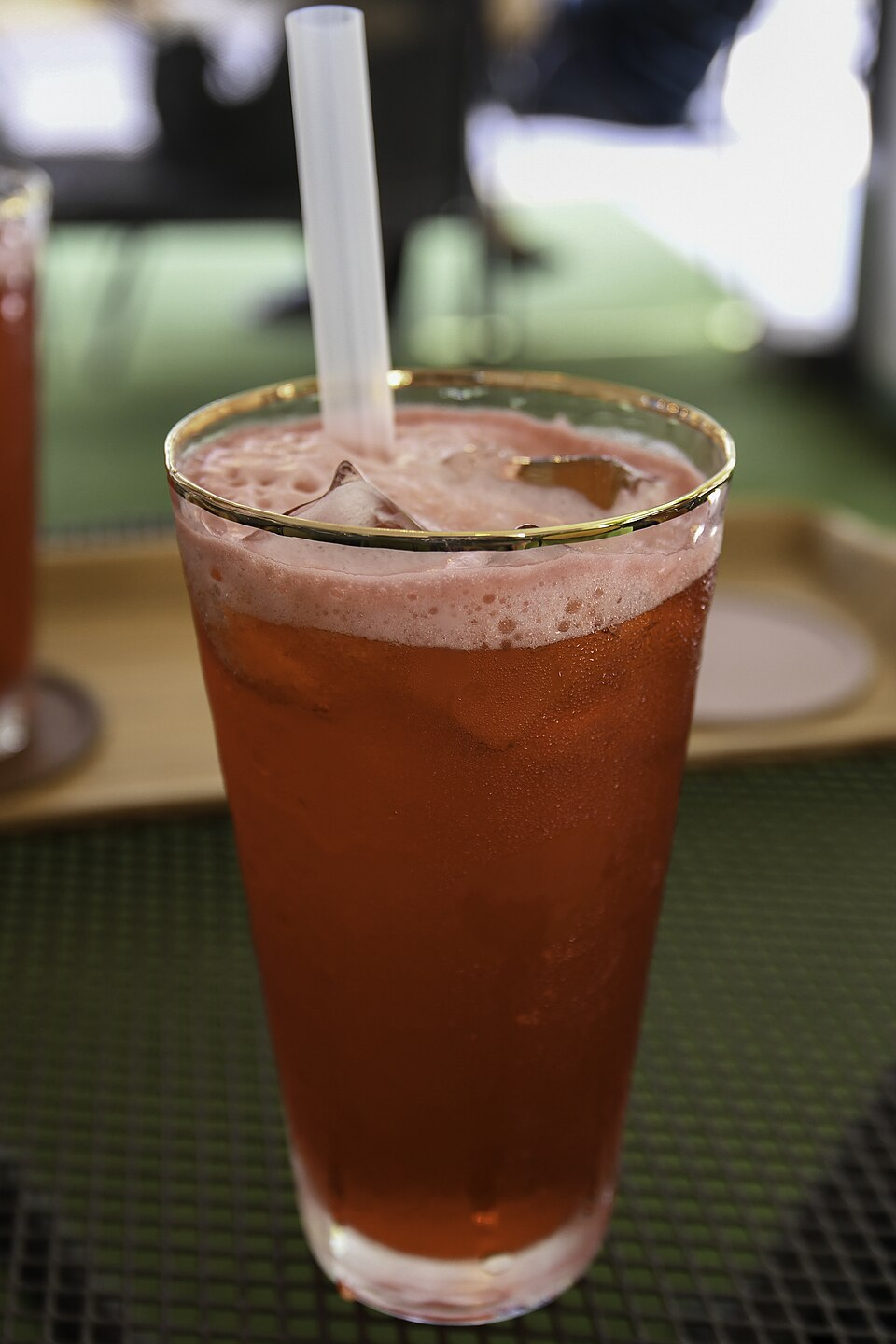
Fresh lime, cherry syrup, and crushed ice at the drive-in. Oklahoma considers it a food group.
The Southern Plains’ contribution is the cherry limeade — squeezed lime and cherry syrup over a mountain of pellet ice, born of the region’s drive-in stand culture and elevated to an institution by the Oklahoma-founded chain that carried carhops national. Purists still grade versions on real lime wedges in the cup and the correct crunchy ice, teenagers still order them after games the way their grandparents did, and the drink remains the rare fountain classic whose homeland can be identified by the sound of the ice alone.
6. Horchata: The Southwest’s Cinnamon Cooler
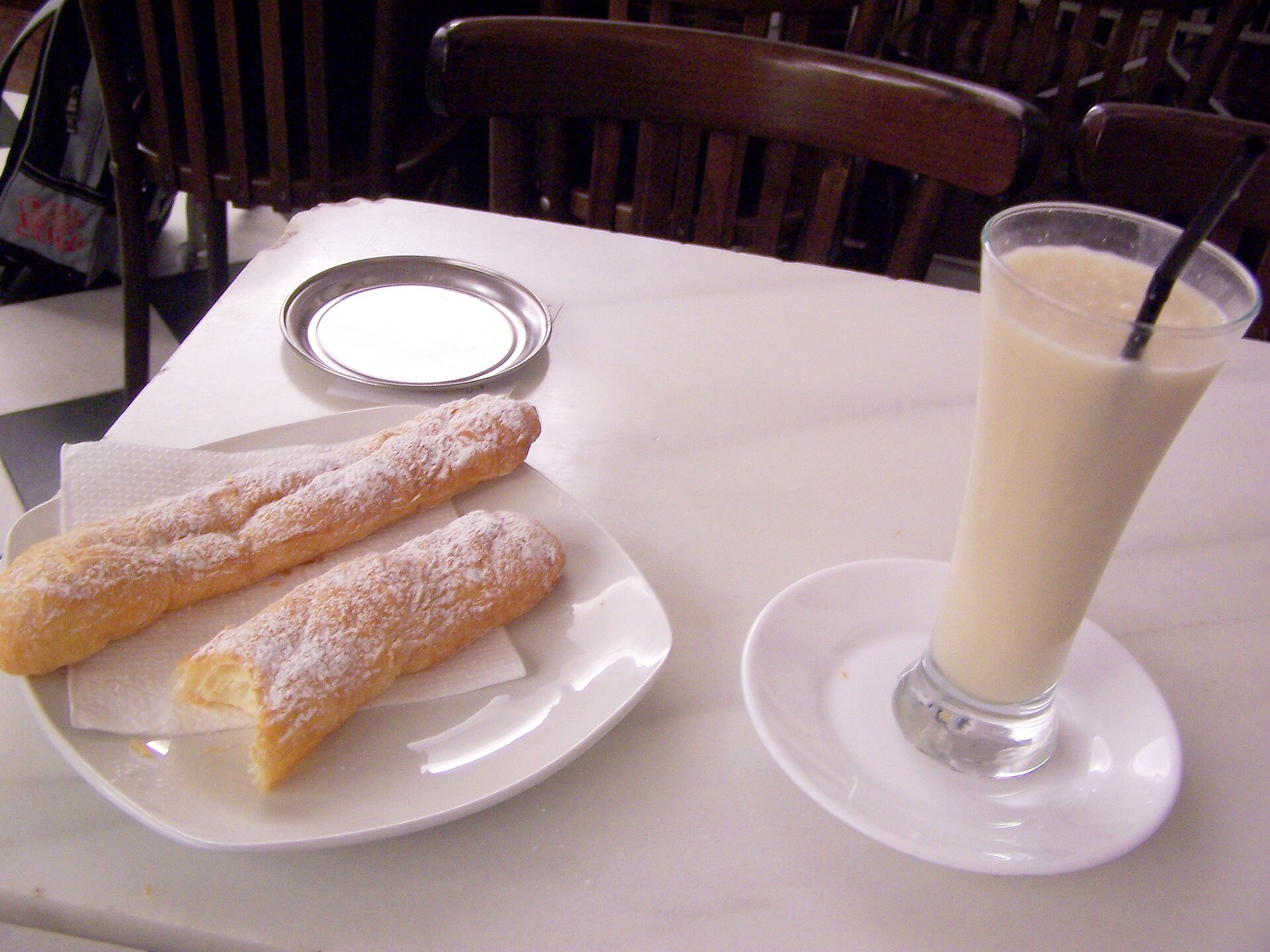
Rice, cinnamon, and sweetened cold water. Taquerias pour it by the barrel all summer.
Across the Southwest and everywhere Mexican-American food culture reaches, summer’s pale, sweet answer is horchata — rice steeped and blended with cinnamon and sugar into a milky cooler that meets a hot afternoon or a hot salsa with equal authority. Ladled from big glass barrel jars at taquerias beside jamaica and tamarindo, it carries centuries of history from Spain through Mexico to every American strip mall worth eating at, and first-timers reliably take one sip and order a large.
7. The Boston Cooler: Detroit’s Misnamed Masterpiece
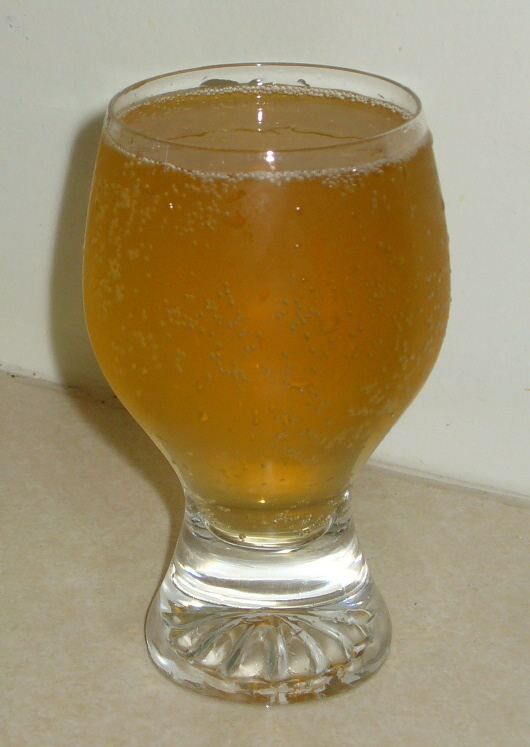
Ginger ale blended with vanilla ice cream. It’s from Michigan. Nobody knows why it’s called Boston.
Detroit’s summer classic is the Boston cooler — vanilla ice cream blended (not floated; blended, this matters locally) into the sharp golden ginger ale the city has bottled since the 1860s — and its name is an unsolved mystery, with theories pointing to a Detroit boulevard rather than the city of Boston, which has never heard of it. Michigan drugstore fountains and ice cream stands keep it on the board, and its bite-and-cream combination converts skeptics in one glass. The confusion is regional seasoning at this point.
8. The Arnold Palmer: Half and Half, Named at a Country Club
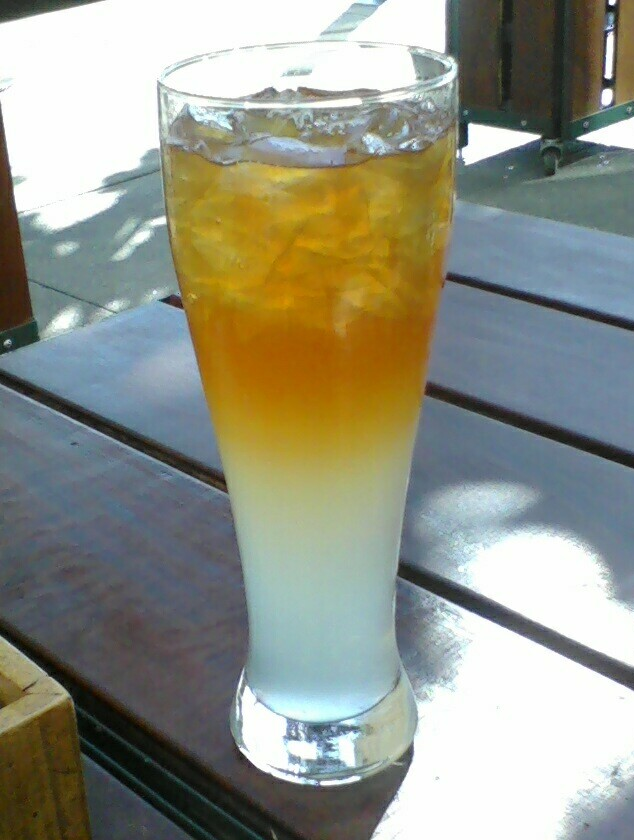
Iced tea meets lemonade, christened after the golfer who ordered it. America’s clubhouses made it a standard.
The youngest tradition on the list has the best-documented origin: the golfer Arnold Palmer really did order his iced tea cut with lemonade — by his own telling, a home habit that went public when a fellow patron overheard him request it and told the waitress, “I’ll have that Palmer drink.” The half-and-half spread from clubhouse menus to the whole country, one of the few regional drinks (Pennsylvania and the golf South claim shared custody) that finished the journey national — proof the border-crossing can be done, if your name is on the glass.
Eight Glasses, Eight Homelands
A tea line across the map, a lie in Brooklyn, vinegar in Vermont, and a Detroit drink named for the wrong city — America’s summer coolers stay local because they’re recipes for a specific porch, fountain stool, or hayfield, and they lose something in translation that ice can’t fix. Which is the argument for drinking them at the source.
Summer road-trippers get the benefit: the drink board at any local stand is a regional ID card, and ordering the house classic — sweet, strange, or misnamed — is the cheapest cultural immersion in American travel. One caution from experience: sweet tea by the gallon and switchel by the jug are both habit-forming, and neither travels home right. The glass belongs to the place. That was always the recipe.
Like our content? Follow us for more.