It is the oldest unsolved mystery in American history, and one of the strangest disappearances anywhere: an entire English colony, more than a hundred people, gone without explanation from a small island on the North Carolina coast sometime between 1587 and 1590. No remains were found. No wreckage. No evidence of violence. The houses had been taken apart rather than burned. And carved into a post of the settlement’s defensive palisade was one word — CROATOAN — with the letters CRO cut into a nearby tree.
For more than four centuries, that single word has been the entire physical inheritance of the Lost Colony mystery, and it has sustained an extraordinary volume of speculation, research, and outright invention. The truth is probably less dramatic than the legend and more interesting than most people expect, because the colonists appear to have left a deliberate message about where they were going — and the man who most needed to read it was never able to follow them.
The Colony That Almost Wasn’t
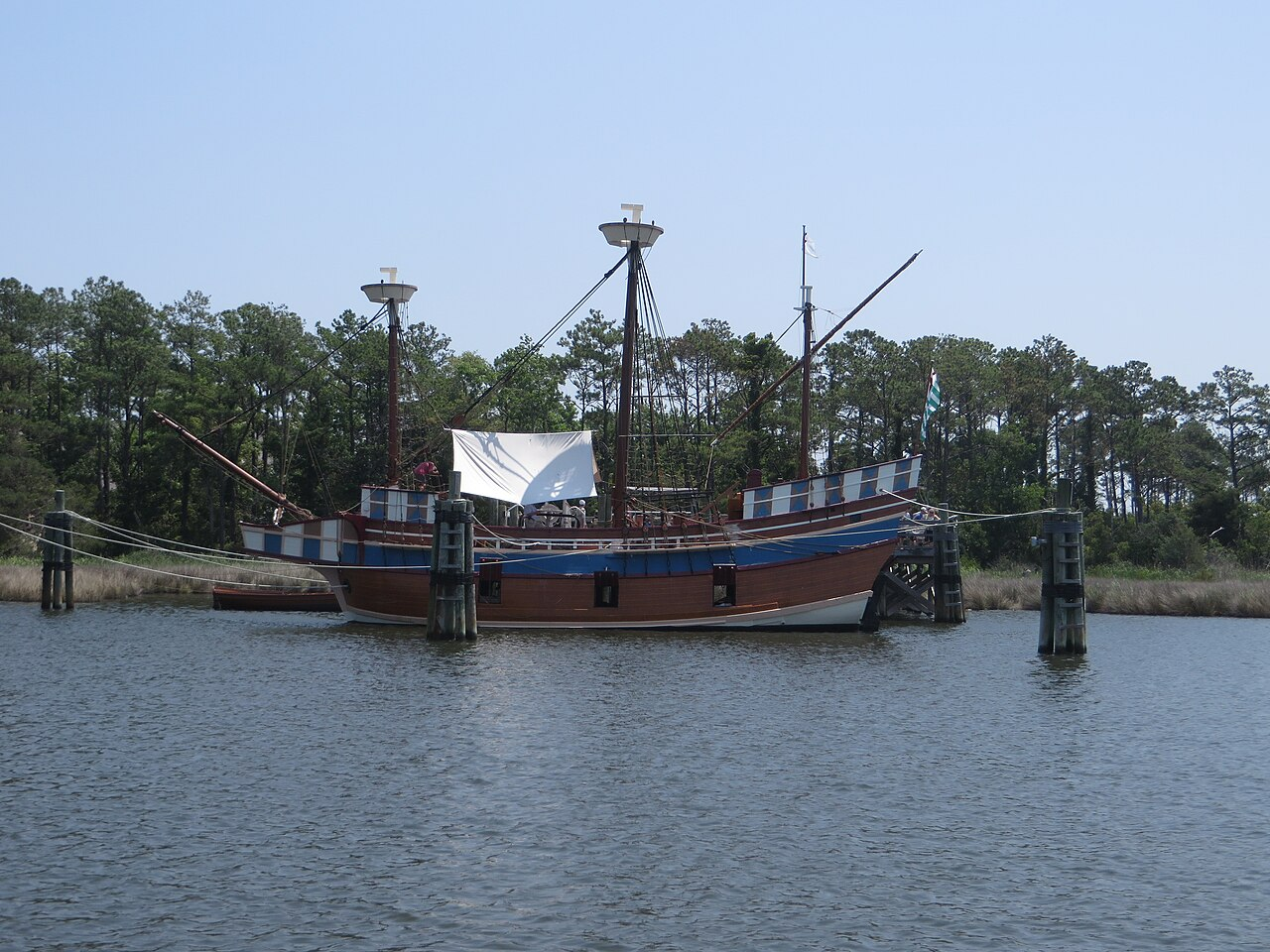
England’s attempts to plant a colony in North America began badly. A first settlement on Roanoke Island, backed by Sir Walter Raleigh and established in 1585, was a military-style outpost that fared poorly — short on food and increasingly hostile to the Indigenous peoples it depended on — and its inhabitants abandoned the effort and returned to England in 1586 aboard Sir Francis Drake’s ships.
The second attempt, in 1587, was different in character: a colony of families rather than soldiers, including women and children, led by the artist and governor John White, with the intention of establishing a permanent settlement farther north around the Chesapeake. That plan collapsed almost immediately. When the expedition reached the coast in July 1587, the ships’ pilot refused to carry the colonists any farther north, insisting it was too late in the season, and put them ashore at Roanoke instead — the site of the failed earlier outpost, in a region where relations with the local peoples had already been poisoned by the previous colony’s conduct.
The consequences were immediate. Shortly after landing, a colonist named George Howe was killed. The settlers retaliated with a raid that went catastrophically wrong: in the dark they attacked what they believed was a hostile village and instead struck the Croatoan, the one local group that had remained friendly to them. It was a grievous error, and it damaged the colony’s most important relationship at the worst possible moment.
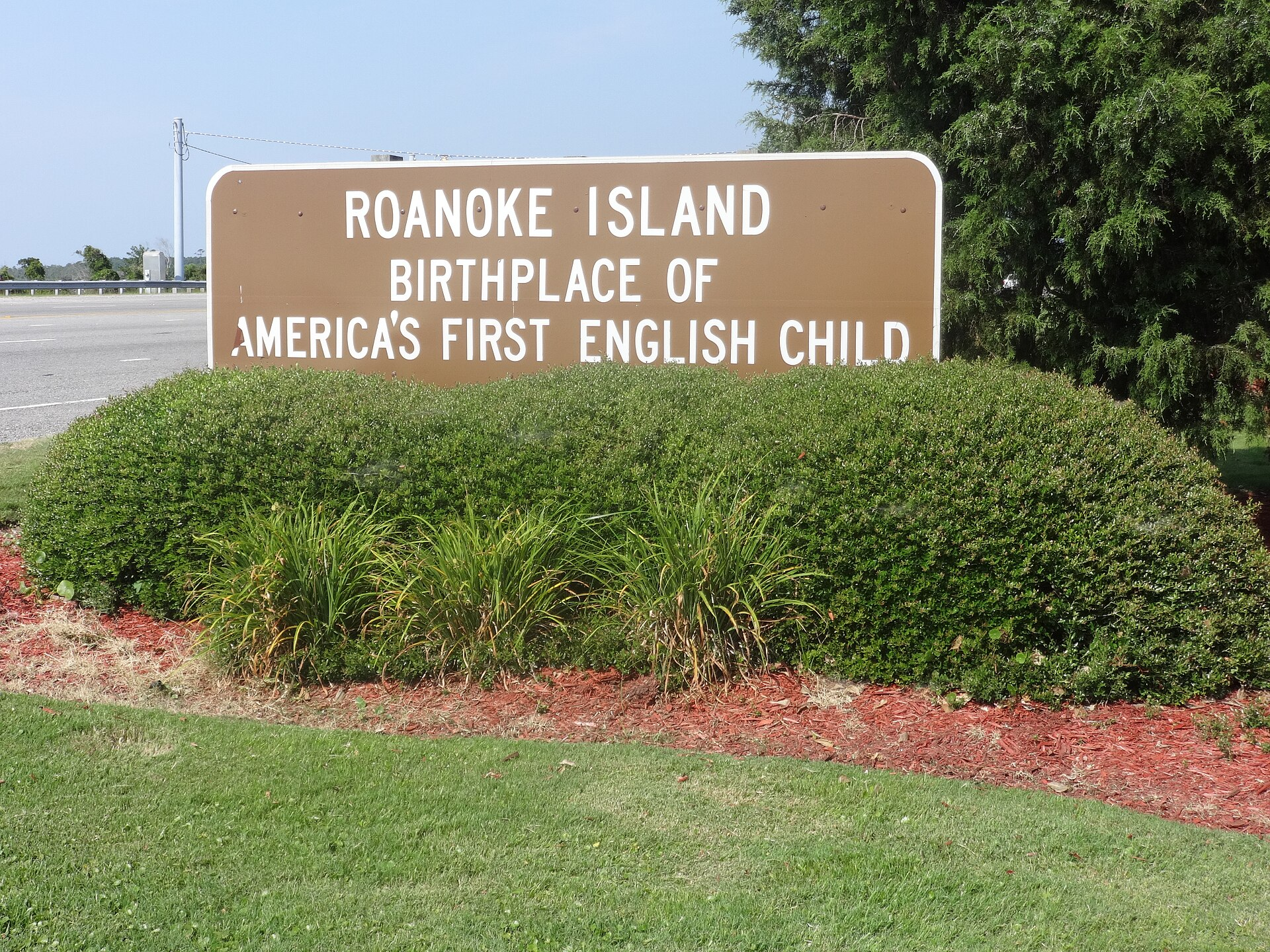
There was one bright spot. On August 18, 1587, White’s daughter Eleanor Dare gave birth to a girl named Virginia — the first English child born in the Americas, and a symbol, at the time, that the colony might actually take root.
Like our content? Follow us for more.
The Governor Who Couldn’t Get Back
Nine days after Virginia’s birth, John White sailed for England to secure supplies and additional settlers, leaving behind his daughter, his infant granddaughter, and more than a hundred colonists. He expected to return within months.
Instead, he was trapped by history. England went to war with Spain, and the Spanish Armada campaign consumed every available ship; vessels that might have carried supplies to Roanoke were requisitioned for national defense. White spent three agonizing years trying to arrange passage back across the Atlantic. He finally secured it in 1590 by attaching himself and his supplies to a privateering voyage — ships whose primary business was raiding Spanish shipping, and which took their time about it.
Before he had left, White and the colonists had agreed on a signal system. If they moved from Roanoke, they would carve the name of their destination. And critically, if the move was forced or made under distress, they would add a Maltese cross to the carving.
August 18, 1590
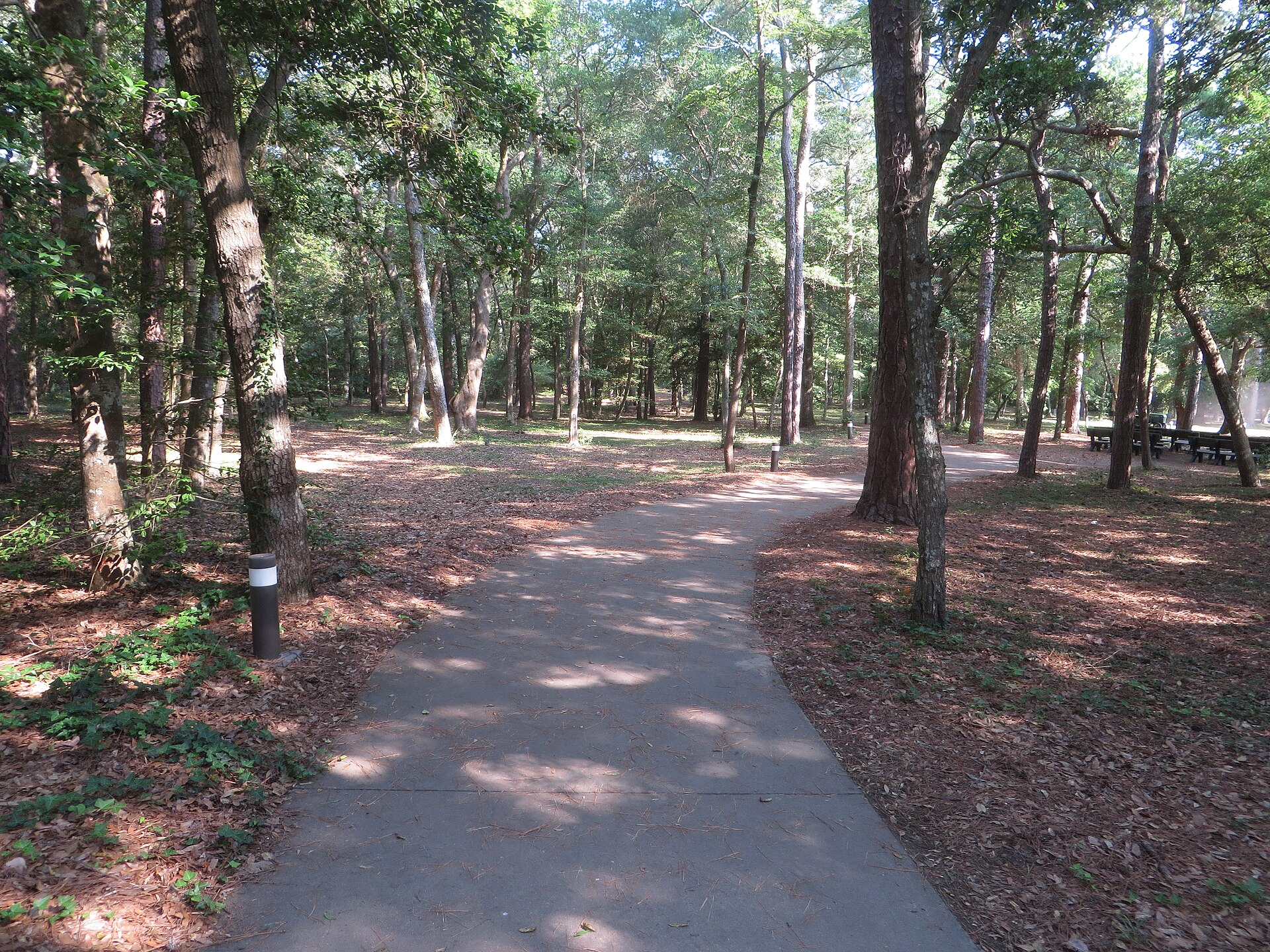
The ships reached the Outer Banks in mid-August 1590. On August 18 — Virginia Dare’s third birthday — White went ashore with a small party to find his family.
The settlement was empty. The houses had been dismantled rather than destroyed, and the site had been enclosed with a palisade of tree trunks forming a fort-like structure. There were no people, no bodies, no graves, and no indication of a battle. Carved into a tree were the letters CRO. On a post of the palisade was carved the full word CROATOAN.
And there was no cross. By the agreement White himself had made with the colonists, the absence of a distress signal meant the departure had been orderly — that they had moved by choice rather than fled under attack. White read the message the way it was plainly intended: the colonists had relocated to Croatoan Island, the home of Manteo and the Croatoan people, some fifty miles south — the place we now call Hatteras Island.
He never got there. Weather turned against the expedition, the privateering ships had their own priorities, and a storm ultimately drove the vessels away from the coast. White was forced to abandon the search and return to England. He never saw his daughter or granddaughter again, and he died a few years later without learning what had become of them. It is one of the most steadily devastating personal stories in early American history: a man who left his family for a supply run and spent the rest of his life unable to get back.
What Probably Happened
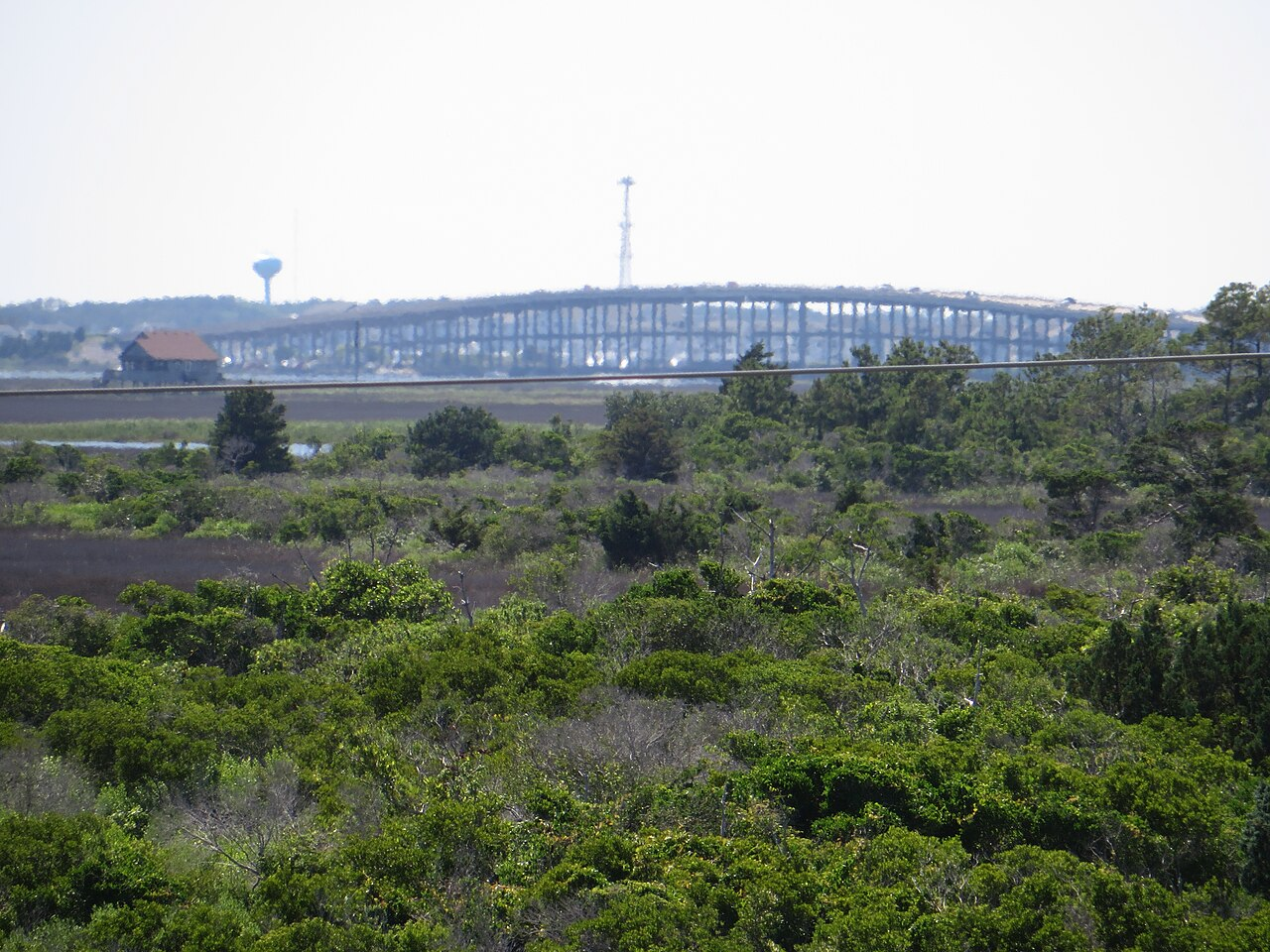
Popular retellings have long favored the eerie explanations — mass slaughter, mysterious vanishing, supernatural theories — but the evidence points somewhere much more ordinary. There were no mass graves, no skeletal remains, and no signs of a struggle at the site. The houses had been carefully taken down, which suggests a planned move with time to salvage materials. And the colonists left exactly the message they had agreed to leave, without the distress marker.
The leading explanation among historians today is that the colonists, running short of supplies with no relief ship in sight, dispersed and were absorbed into nearby Indigenous communities — most likely the Croatoan on Hatteras Island, and possibly other groups as well. Archaeological work on Hatteras Island and at other sites in the region has recovered European material in Indigenous contexts that some researchers interpret as consistent with this account, though attribution is complicated, since trade goods moved widely and later English contact followed. Other colonists may have attempted to reach the Chesapeake, the original destination, and met an uncertain fate there.
In other words: the Lost Colony may not have been lost at all in the way the name implies. The likeliest outcome is that the colonists made a rational decision to survive by joining the people who knew how to live there, and that their descendants continued in communities whose history was subsequently written by people uninterested in recording it. The disappearance is arguably less a mystery of what happened to them than a record of what the colonists’ own countrymen failed to follow up on.
Visiting the Site
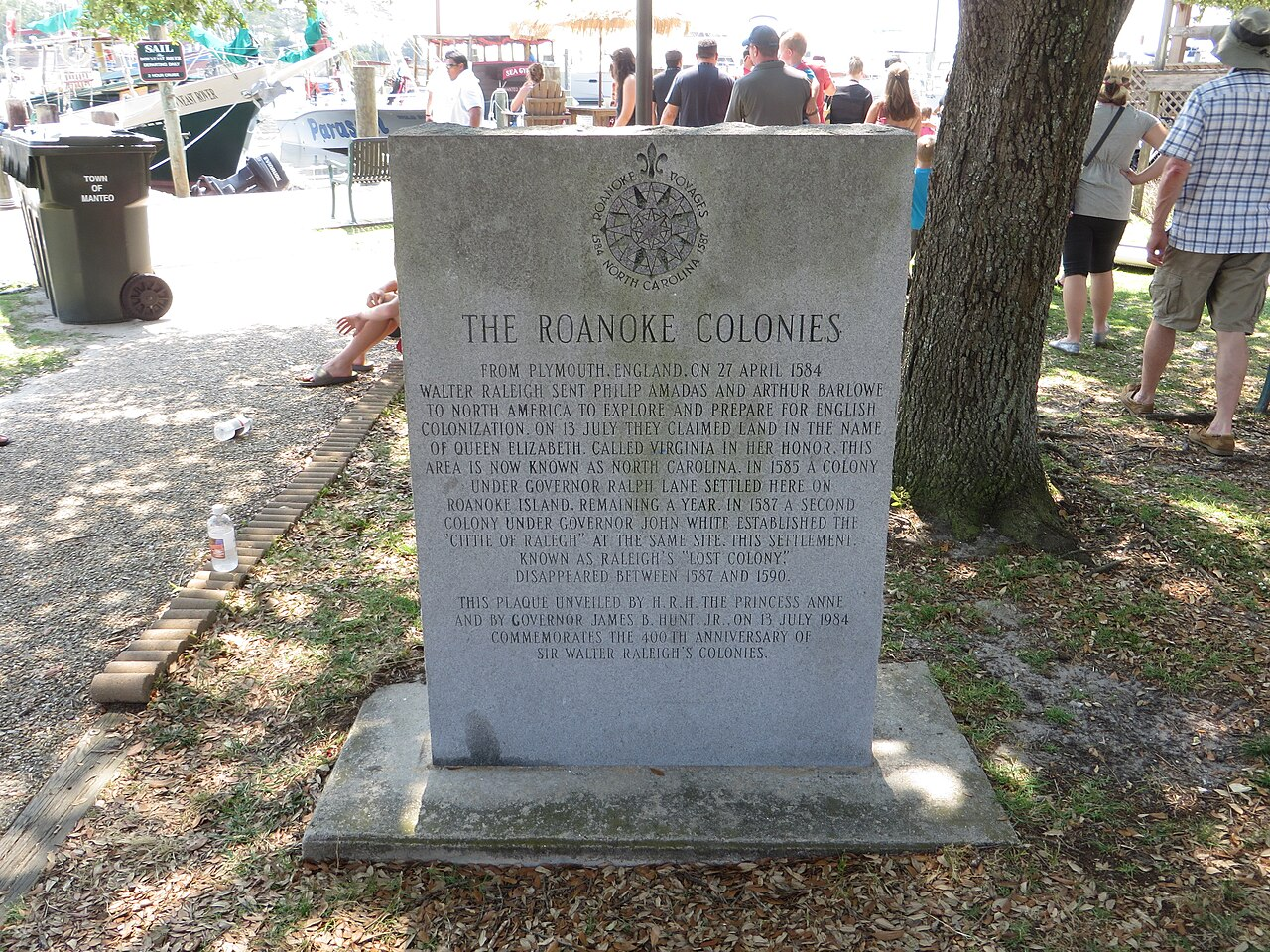
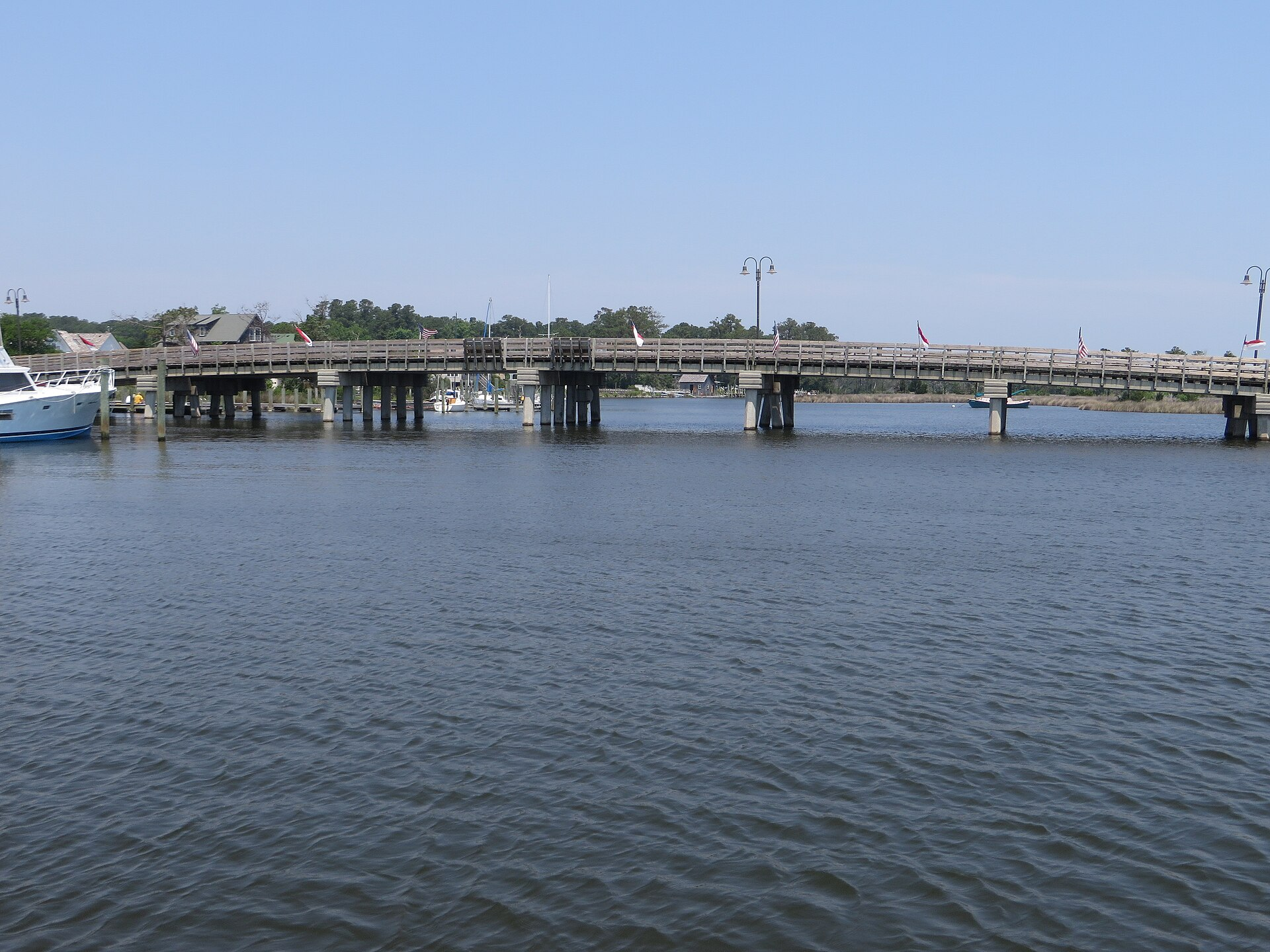
For travelers, the story is anchored on the North Carolina Outer Banks. The Fort Raleigh National Historic Site on Roanoke Island preserves the area associated with the settlements and interprets the history, with trails, exhibits, and ongoing archaeological work; nearby, an outdoor drama has told the colony’s story to summer audiences for generations, and the Elizabethan Gardens offer a related stop. Manteo, the island’s main town, makes a pleasant base.
The Outer Banks setting adds to the appeal — a long chain of barrier islands with wide beaches, historic lighthouses, wild horses in the northern reaches, and the site at Kitty Hawk where powered flight began. A history-minded trip can easily combine the first English attempt at American settlement with the first airplane, which is a fairly remarkable pairing for one stretch of coastline.
The Word on the Post
More than 430 years later, CROATOAN remains one of the most evocative words in American history — five syllables carved into wood by people who knew someone would eventually come looking, and who wanted whoever it was to know where to go. The tragedy is not that the message was cryptic. The message was clear. The tragedy is that the one man determined to follow it was stopped by a war, a storm, and a set of circumstances entirely beyond his control.
That’s the version worth remembering: not a supernatural vanishing but a group of ordinary people making a practical decision in an impossible situation, leaving careful instructions, and trusting that someone would come. Someone did come. He simply arrived three years late, in the wrong weather, on ships that would not wait — and the small carved word on the palisade post has been left to speak for them ever since.
Like our content? Follow us for more.