Sardinia produces one of the most controversial cheeses in the world. It’s made from sheep’s milk and finished by the larvae of a single specific fly species. The larvae are still alive and moving when the cheese is eaten. The European Union has classified it as a food safety hazard and prohibited its commercial sale since 1992. The cheese is still being made — quietly, in farmhouses, by people whose grandparents and great-grandparents made it the same way. Eating it is a cultural practice that has outlasted the regulation designed to end it.
Editorial note: This article describes a traditional food that carries food safety concerns. It is not a recommendation to seek out or consume casu marzu.
1: What the Cheese Actually Is
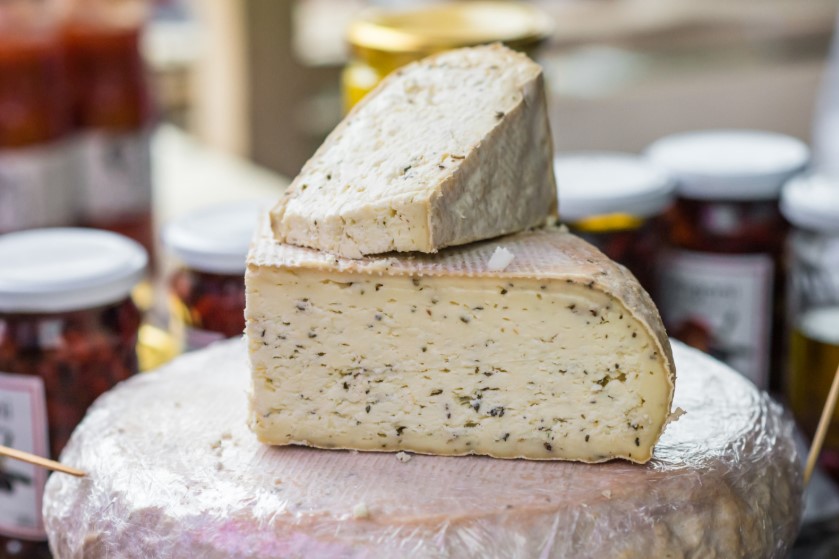
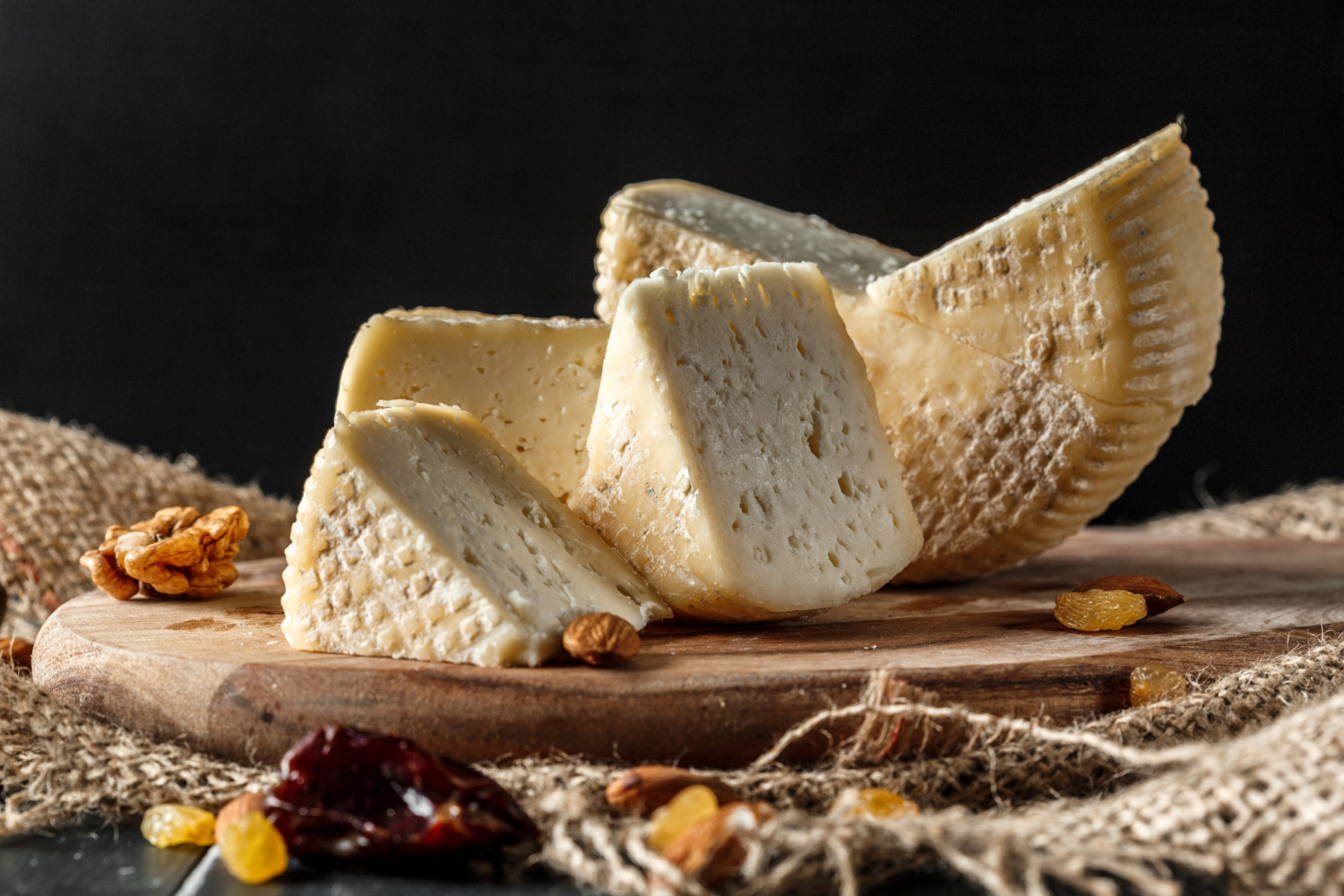
Casu marzu (Sardinian: “rotten cheese”) begins as pecorino sardo, a standard Sardinian sheep’s milk cheese. Producers cut a hole in the rind of a finished pecorino and leave it exposed to the open air for several months. Cheese flies of the species Piophila casei find the exposed cheese and lay eggs. The eggs hatch into larvae that consume the cheese’s fat content while excreting enzymes that break remaining proteins into a soft, creamy paste. When the cheese is ready — typically two to three months after the larvae arrive — the interior has transformed from solid pecorino into a viscous mass with hundreds of live larvae still feeding throughout.
2: How Larvae Transform the Cheese
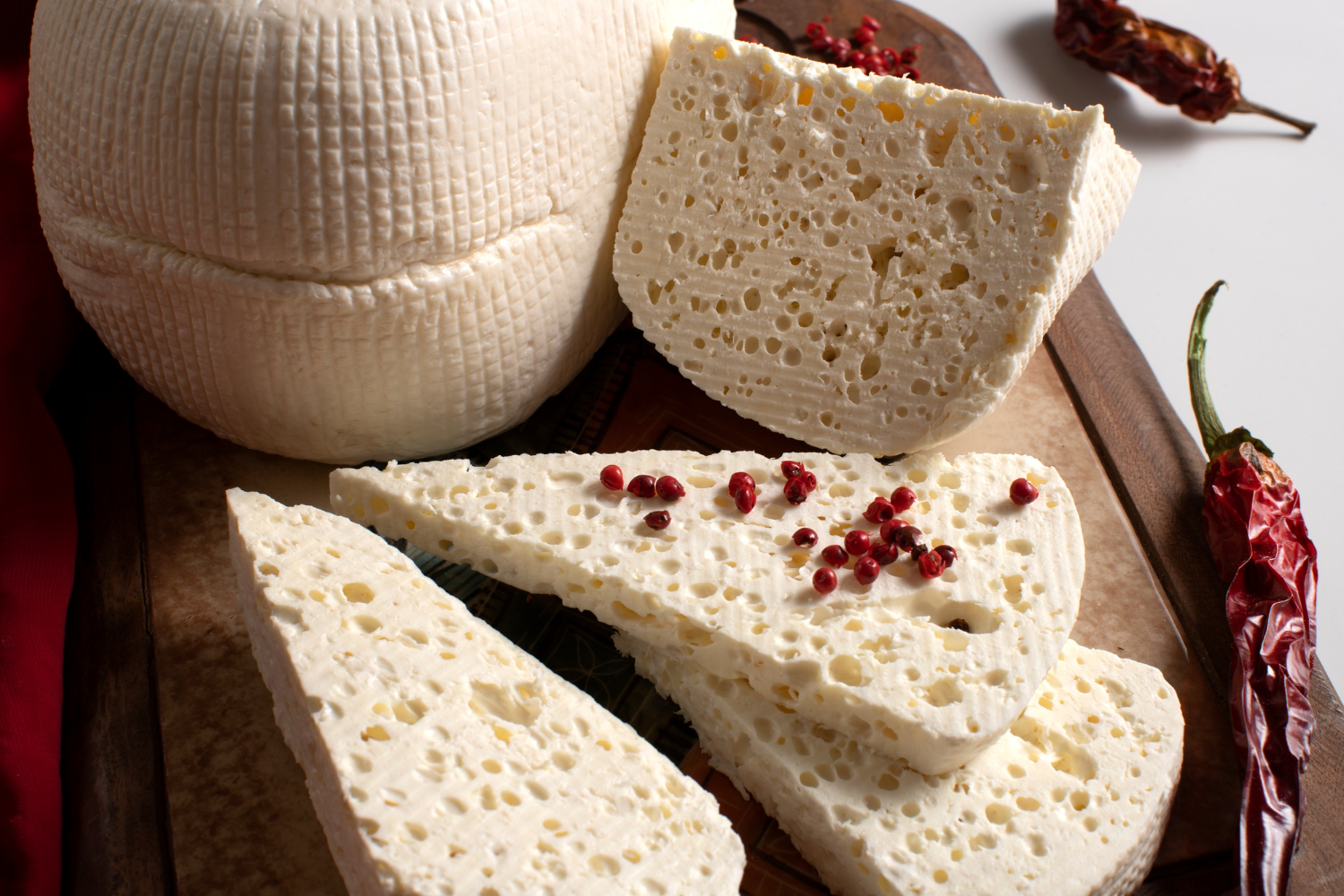
The larvae don’t just eat the cheese — they digest it in a specific way. As they consume the fat and proteins, they break down the complex molecular structures that make pecorino hard and crumbly. The result is a soft paste with an intensely concentrated flavor. The process is essentially controlled fermentation using insect larvae instead of bacteria or mold. It produces a genuinely unique flavor that cannot be replicated by other methods. Traditional eaters describe it as incomparable to any other cheese — not better or worse, but entirely distinct.
3: The Eating Experience
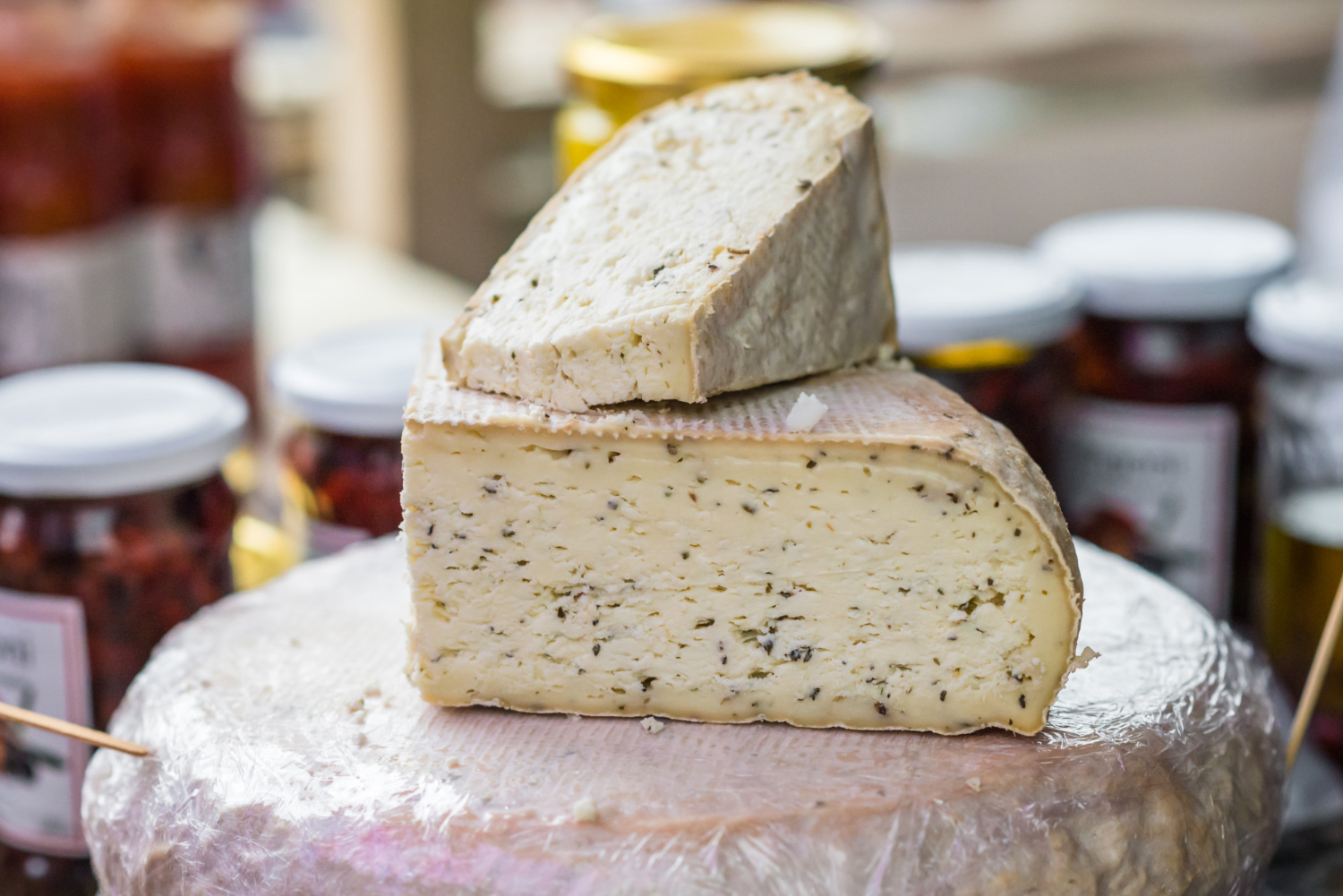
Traditional eaters spread the larvae-containing paste on pane carasau (Sardinian flatbread) and eat it in small quantities. Larvae jump when disturbed — they can launch themselves up to 15 centimeters from the cheese surface — so experienced eaters cover the cheese while taking each bite, or wear glasses to protect their eyes. The jumping is a real phenomenon, not exaggeration. First-time eaters are typically shocked by the movement. The practice has been documented in Sardinian culture for an undetermined but very long period — long enough that the cheese appears in 19th-century Italian gastronomic writing.
4: The 1992 EU Regulation
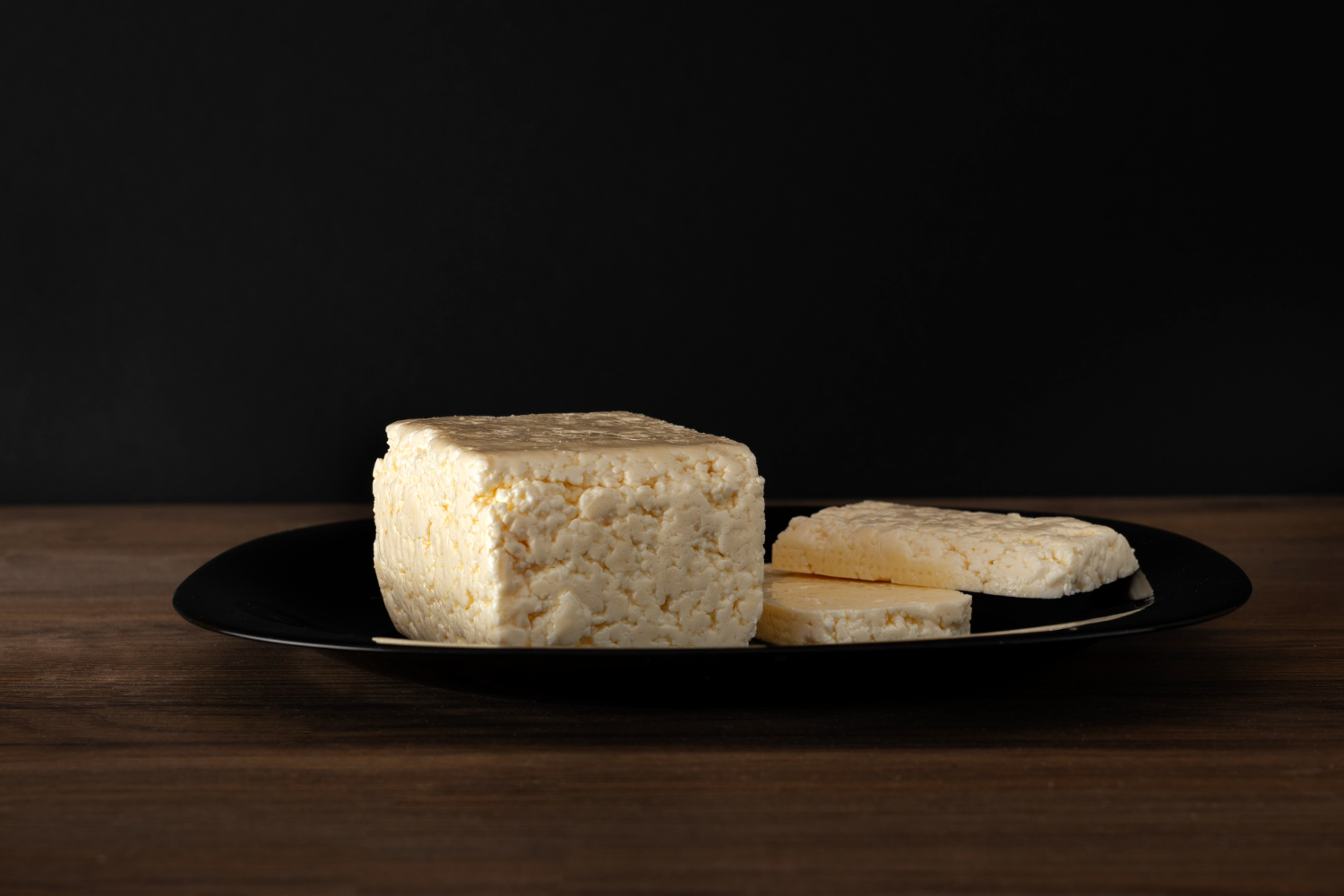
The European Union’s general food hygiene regulation (Council Directive 92/46/EEC, later superseded by Regulation EC 853/2004) established baseline standards for dairy product production. The standard included a prohibition on the presence of “insects, parasites, or visible contamination of any kind” in dairy products at point of sale. This effectively prohibited the commercial production and sale of casu marzu, which by definition contains thousands of insects in larval form. The cheese could not be legally sold in shops, served in licensed restaurants, or exported across EU borders.
5: What Sardinians Actually Did
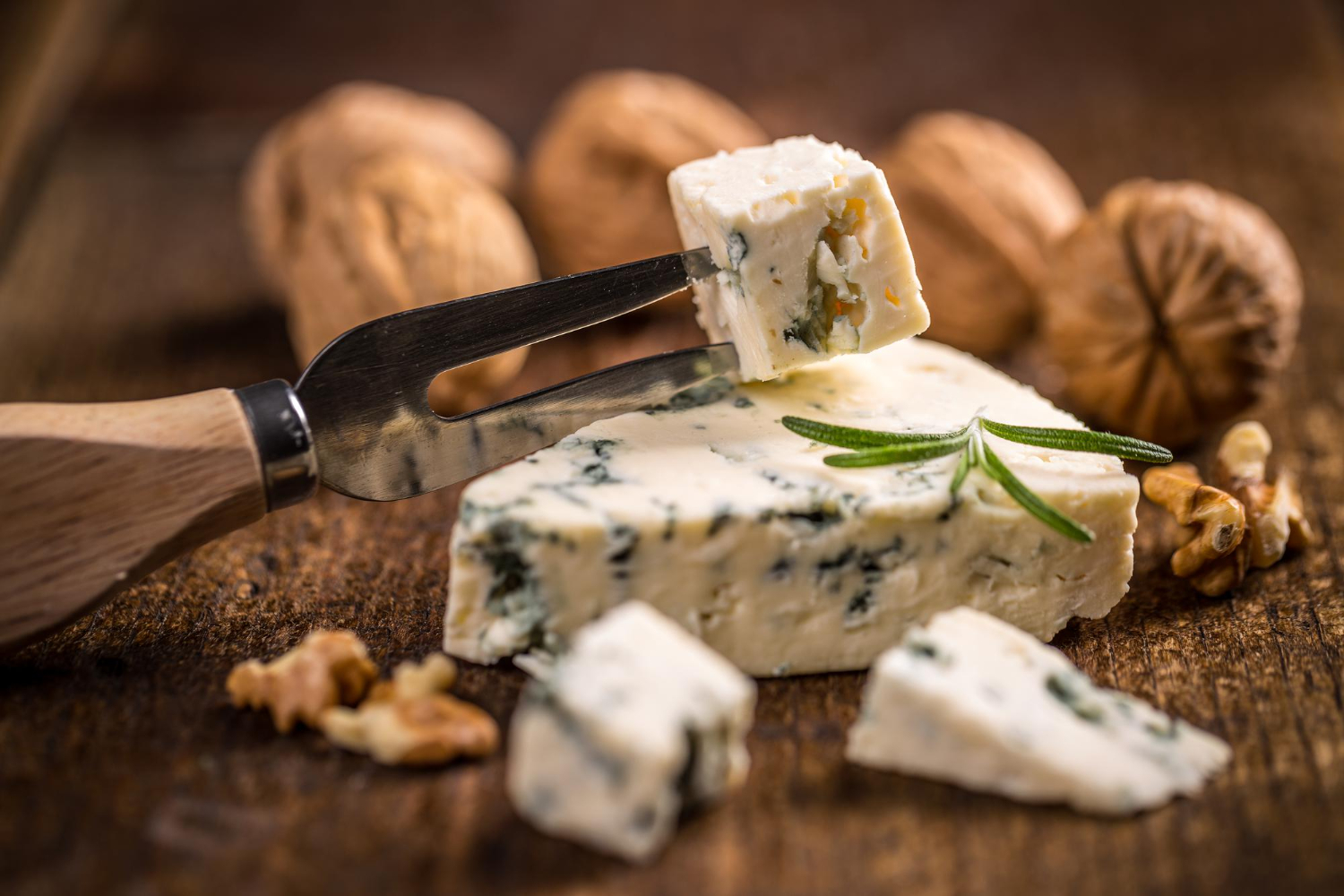
The Sardinian response to the 1992 regulation was practical rather than confrontational. Commercial production largely ceased. Private production for personal consumption continued, on the principle that food made for one’s own household has historically been outside the scope of commercial food safety regulation in most European jurisdictions. The distinction between commercial and household production became the legal boundary that allowed the practice to survive. Families that had made casu marzu for generations continued making it — just not for sale.
6: The Failed 2005 Protected Status Bid
In the early 2000s, the regional government of Sardinia attempted to obtain protected status for casu marzu under EU rules for traditional and regional foods — a category that includes Parma ham, Roquefort cheese, and Champagne. The petition was unsuccessful. The EU food safety authority’s reasoning was essentially that traditional-food exemptions cover production methods but not the presence of living insect larvae in the final product. That distinction has held in subsequent reviews. Some food scholars have argued the distinction is arbitrary — Roquefort contains live mold — but the difference in regulatory treatment has persisted.
7: The Medical Question
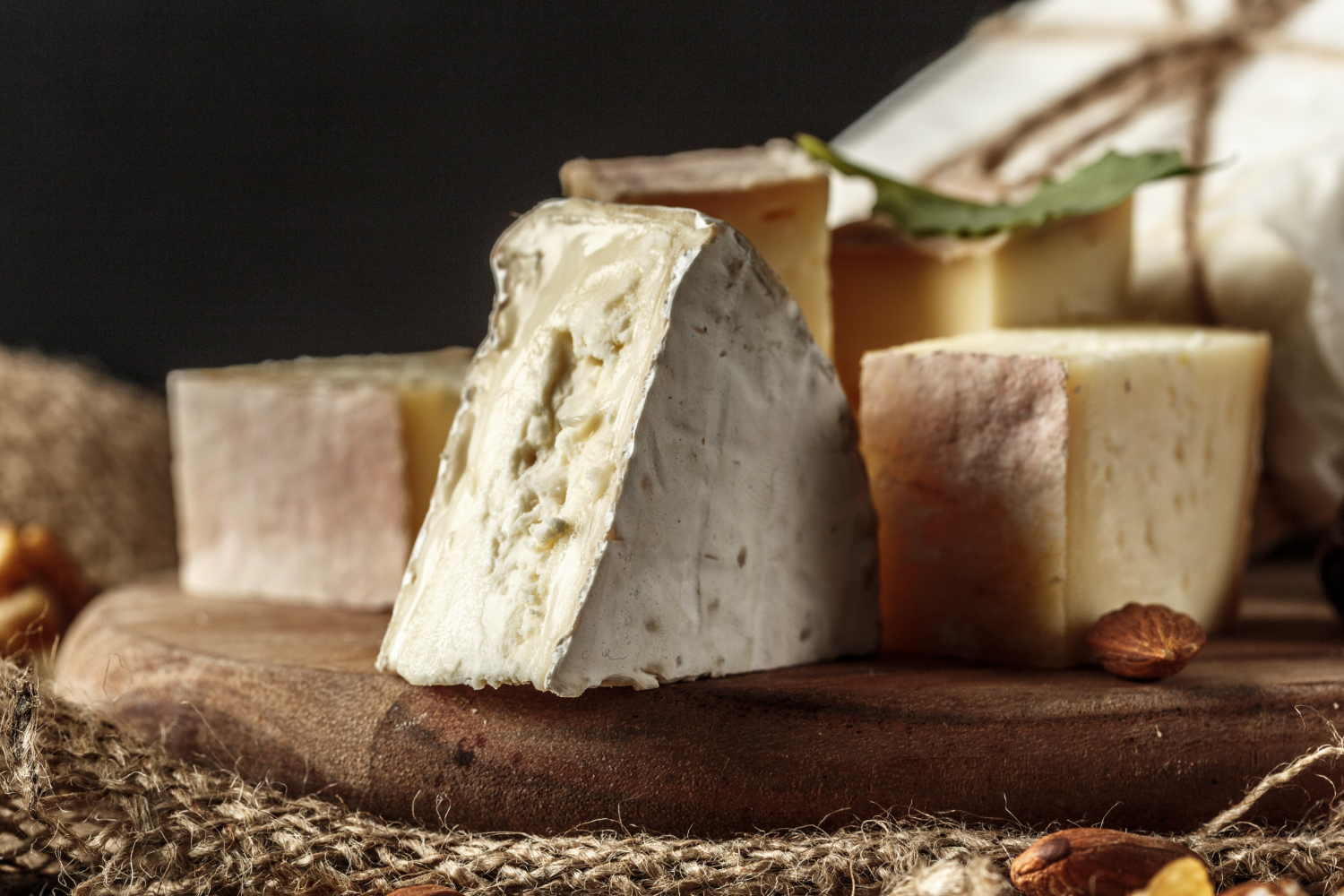
The specific medical concern is intestinal pseudomyiasis — the possibility that live Piophila casei larvae could pass through stomach acid and into the intestines, causing symptoms from abdominal discomfort to serious complications. Cases of intestinal myiasis from related species have been documented in medical literature, though such cases are rare relative to the long history of casu marzu consumption in Sardinia. Some traditional preparation methods address this risk directly: sealing the cheese in an airtight container to suffocate the larvae before consumption. Eaten in this form, the cheese is essentially a strong fermented cheese without live insects.
8: Where You Can Actually Find It
Outside Sardinia, casu marzu is functionally impossible to find legally. It is not legally sold in the EU, is not legally imported into the United States, and is effectively unavailable in any commercial channel. Restaurants in Italian-American communities sometimes claim to serve it — these claims should be treated with skepticism. Within Sardinia, locating the cheese is a function of personal connections rather than commercial discovery. It is not on standard restaurant menus, not sold in regular shops, and not advertised in tourist materials. Authentic casu marzu is an artisan product made in private settings.
9: The Taste, by Report
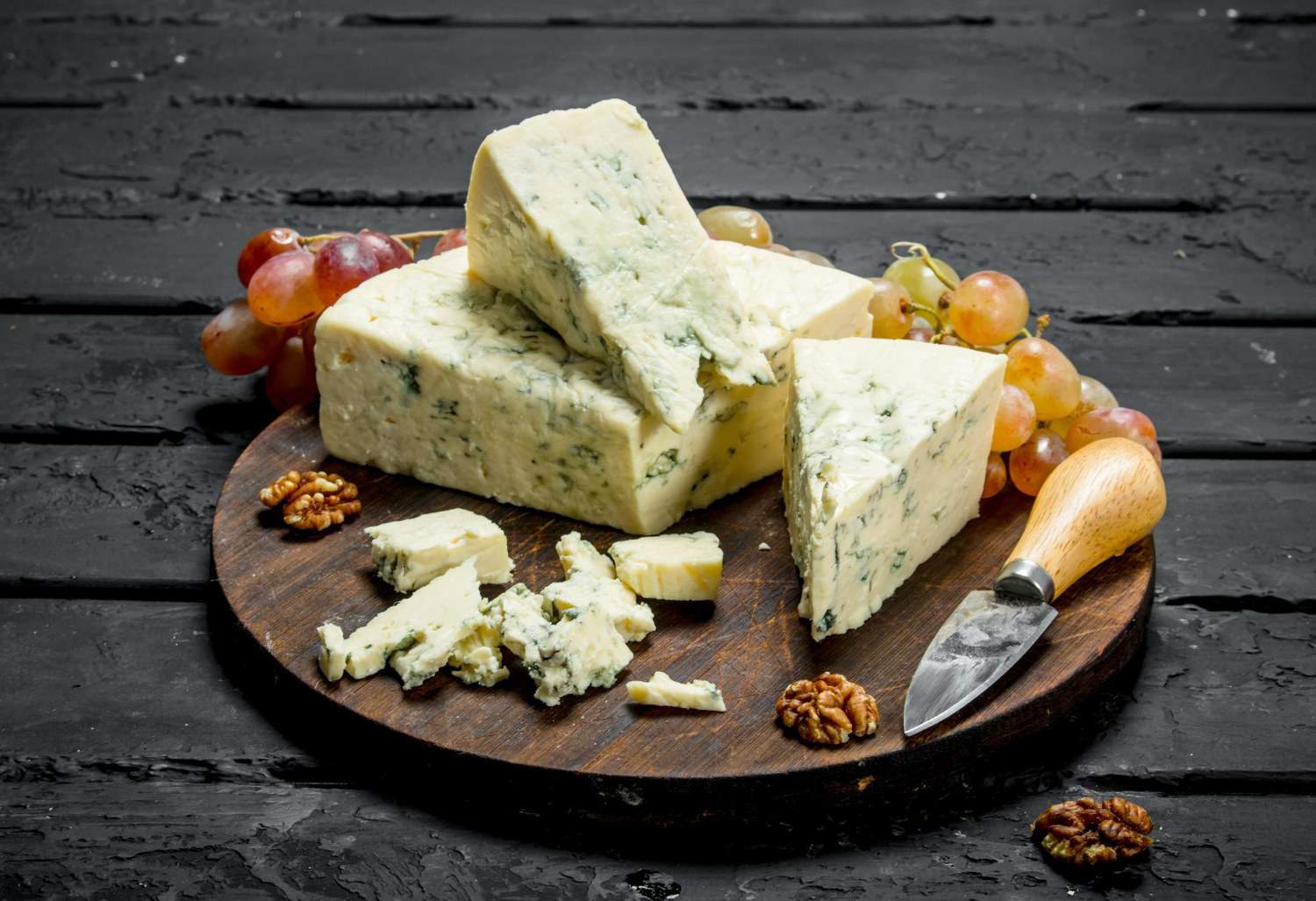
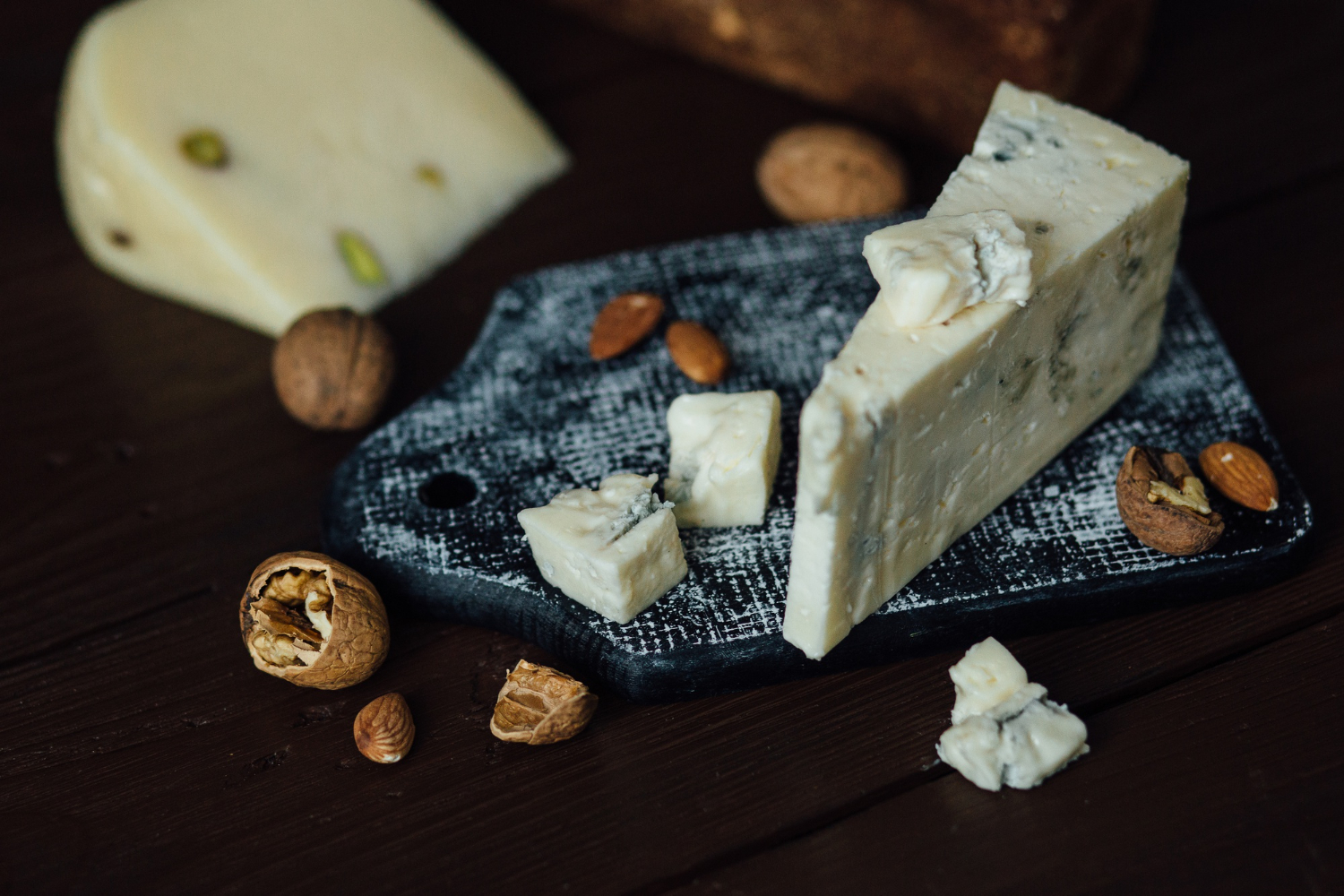
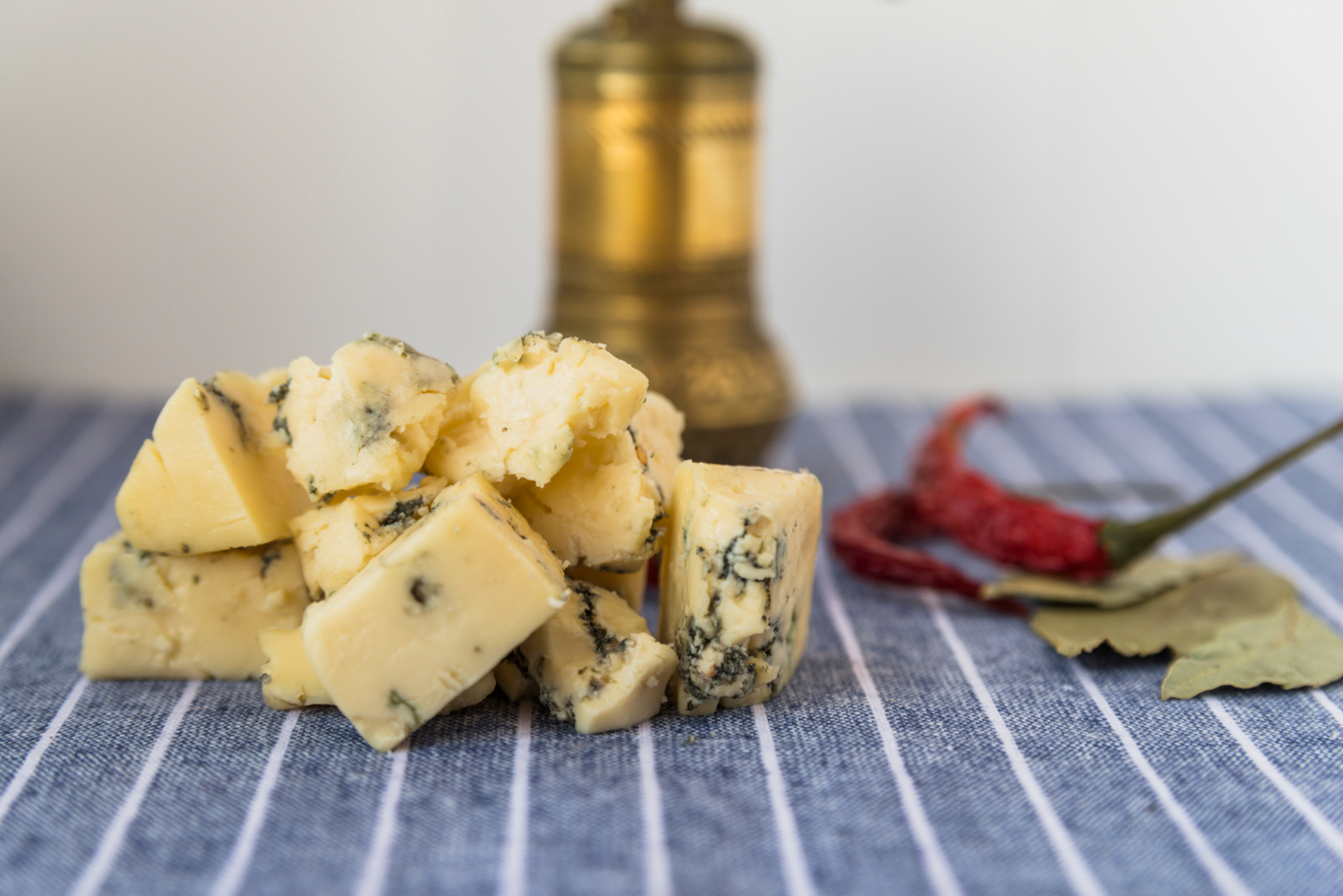
Descriptions from people who have eaten casu marzu vary substantially. The cheese has been described as “intensely pungent,” “ammoniated like old gorgonzola but stronger,” “burns the tongue,” and “leaves a long aftertaste like nothing else in dairy.” Some food writers note it requires acquired taste — like very strong blue cheeses or aged anchovy paste. For someone who hasn’t grown up with the cheese, most descriptions suggest it is unlikely to be enjoyable on first encounter. For someone curious about food traditions that exist at the edges of contemporary regulation, casu marzu is one of the more documented examples.
10: Why the Regulation Hasn’t Ended It
EU food law primarily governs commercial activity, not private household food preparation. As long as Sardinian families continue to know how to make casu marzu, share the practice within their networks, and consume it within their own households, the cheese persists. The regulation removed it from the commercial food supply — which was the goal — but could not eliminate the household practice without surveillance and enforcement mechanisms that EU member states have never attempted to impose on private food preparation.
11: The Demographic Challenge
What may eventually end the tradition is not regulation but demography. The traditional knowledge is concentrated in older rural Sardinians, particularly shepherds and farmers whose households have been making this kind of cheese across generations. Rural Sardinia has been emptying out for decades, with younger generations moving to Cagliari, mainland Italy, or further abroad. Some traditional foods have failed to make this generational transition successfully — they survive in food histories but no longer in living kitchens.
12: The Cultural Significance
In Sardinian food writing and cultural discourse, casu marzu occupies the same status that aged sheep cheeses occupy in other Mediterranean traditions — the strongest and most complex expression of the form, reserved for special occasions, eaten in small quantities, and discussed with seriousness usually reserved for expensive wines or prestigious blue cheeses. It is not a curiosity or a dare. It is a valued expression of a specific cultural and ecological context — sheep herding in Mediterranean scrubland, the fermentation knowledge that made milk preservable.
13: Persistence and Change
Casu marzu has outlasted the regulation that targeted it because EU law drew a boundary between commercial and household activity, and because the knowledge and practice remain embedded in living families. What the future holds depends on choices about whether younger Sardinians will maintain the knowledge their grandparents possessed. For now, the cheese remains one of the world’s most genuine examples of how cultural food practice persists in the face of standardizing pressure — not through rebellion, but through quiet continuity within the private sphere.