Few things trigger nostalgia quite like a snack from childhood. For anyone who grew up in the ’80s, ’90s, or early 2000s, certain treats defined lunchboxes, sleepovers, and after-school afternoons, and then one day they simply vanished from shelves, usually because of low sales, rising costs, or changing tastes. Some sparked such devoted fan campaigns that they were eventually resurrected, while others remain gone for good, mourned in online forums to this day. Here are the discontinued snacks people miss the most, the stories behind why they disappeared, and which ones have actually staged a comeback. Fair warning: reading this may send you straight to an online checkout in search of the survivors.
Dunkaroos
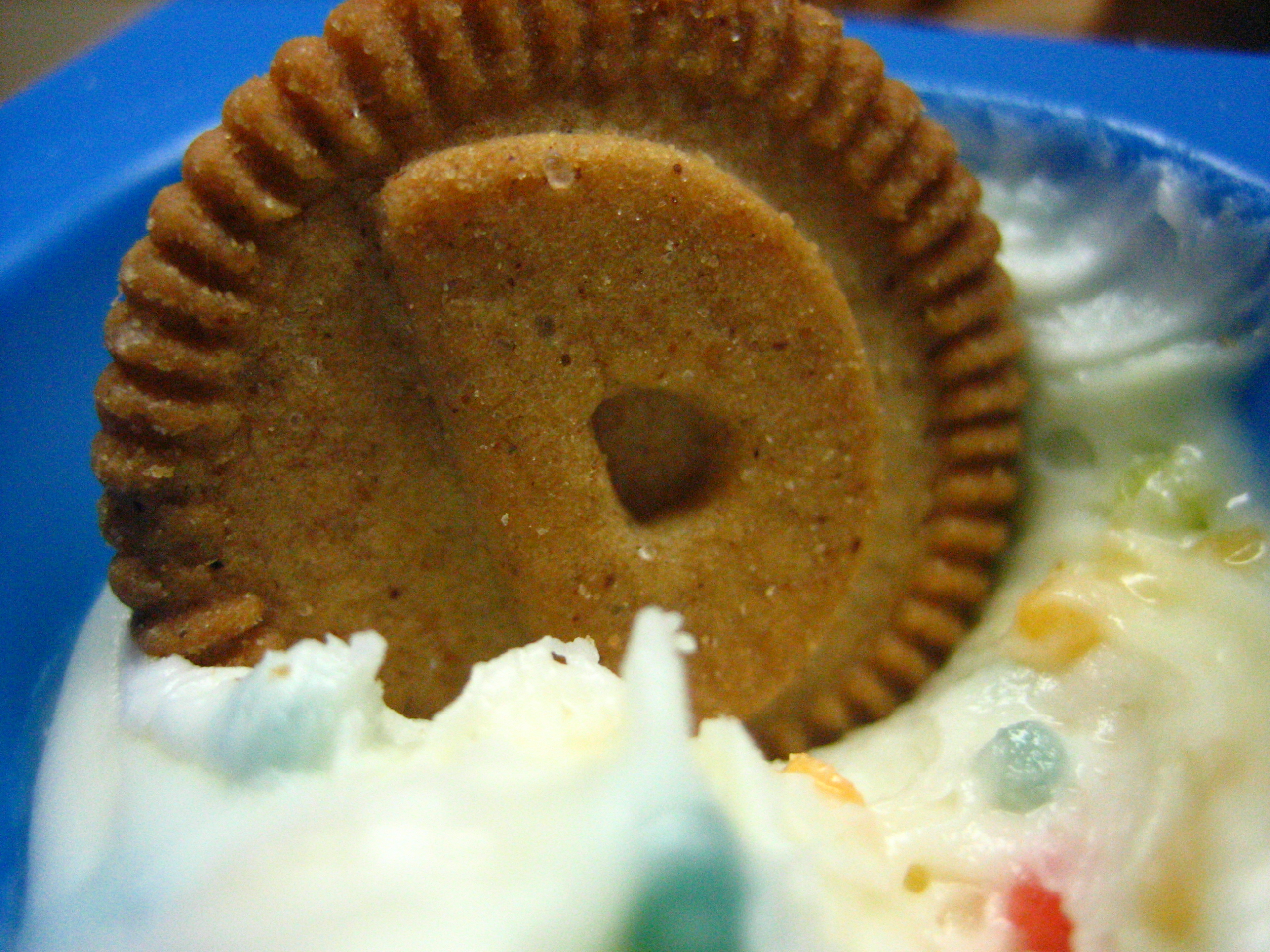
Few snacks define ’90s nostalgia like Dunkaroos, the little kangaroo-branded cookies that came with a tub of frosting for dunking. A lunchbox legend, they were discontinued in the U.S. in 2012, leaving a frosting-shaped hole in a generation’s heart. But this is one of the great snack comeback stories: after years of demand, Dunkaroos returned to U.S. shelves in 2020, complete with new flavors like cotton candy and birthday cake alongside the classic. For those who grew up dunking, the relaunch was pure joy, and for younger snackers it was a brand-new discovery. Dunkaroos prove that sometimes enough nostalgia and online clamor really can bring a beloved treat back from the dead.
Like our content? Follow us for more.
Planters Cheez Balls
Instantly recognizable by their big blue canister, Planters Cheez Balls were a movie-night and party staple from 1981 until they were discontinued in 2006 when their maker streamlined its lineup. Their light, melt-in-your-mouth cheesy crunch earned them a genuine cult following, and the demand never faded; fans traded remaining cans and signed petitions for years. The campaign worked: Planters brought Cheez Balls back in 2018 in classic-style packaging, to widespread delight, though some devotees still insist the revived version doesn’t quite match the original formula. Either way, the return of the blue canister stands as one of the clearest examples of fan power successfully reviving a discontinued favorite.
Butterfinger BB’s
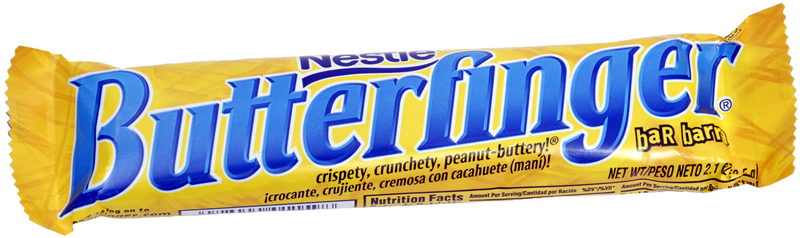
Immortalized by Simpsons commercials in which Bart warned that nobody better lay a finger on his Butterfinger BB’s, these bite-size balls of the classic candy bar were a Halloween-pail icon from their 1992 launch. The trouble was practical: the chocolate coating melted too easily, and the product was discontinued in 2006. A few years later, Nestlé offered Butterfinger Bites as a seeming replacement, but fans were adamant it just wasn’t the same. To this day, “bring back Butterfinger BB’s” remains one of the most common refrains in discontinued-snack discussions online. It’s a reminder that a reformulated stand-in rarely satisfies the people who remember the original, crispety, crunchety, peanut-buttery thing.
Planters PB Crisps
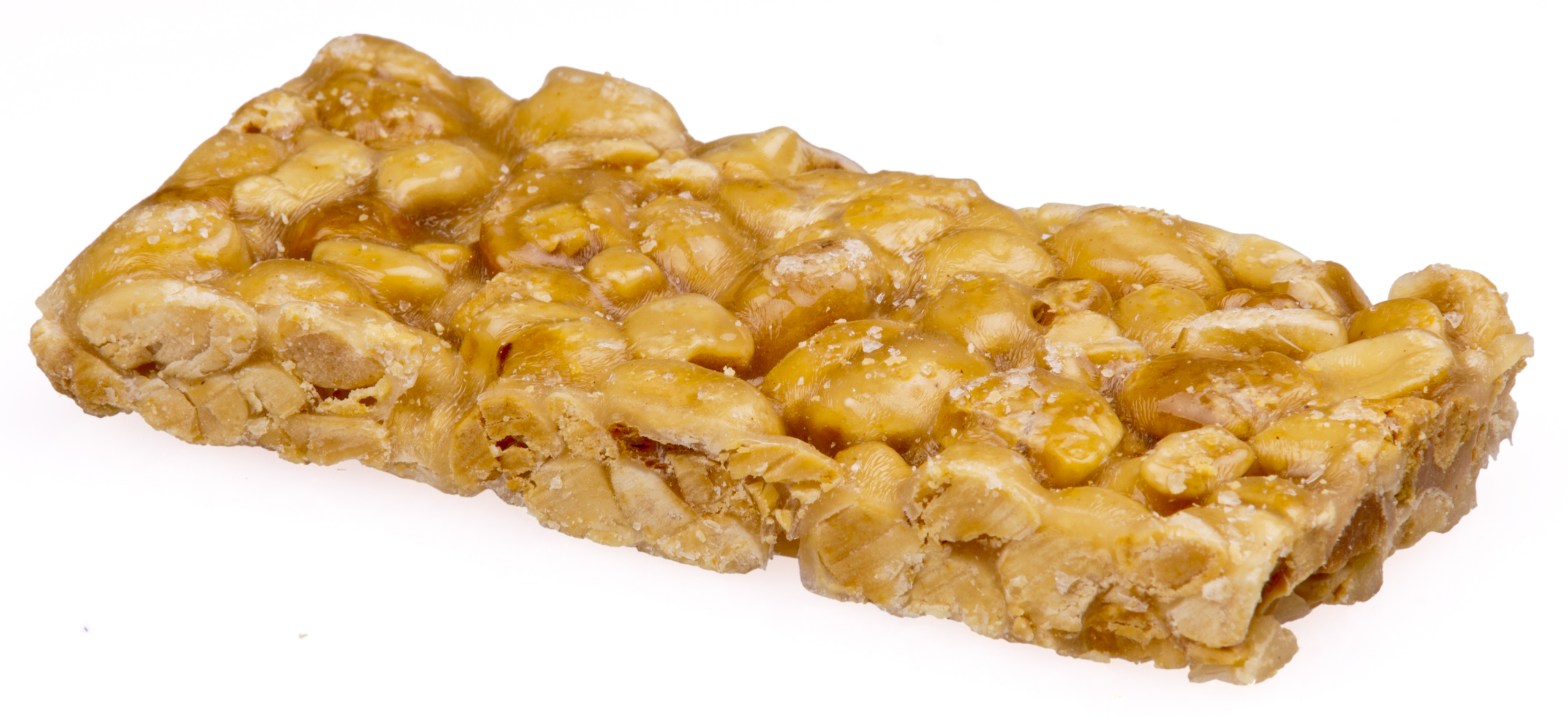
If one discontinued snack inspires near-obsessive devotion, it’s Planters PB Crisps. Launched in the mid-’90s, these peanut-shaped cookies had a crunchy shell wrapped around a smooth peanut butter center, and they developed a passionate following before disappearing within just a few years. Unlike many on this list, PB Crisps have never returned, which has only intensified the campaign to revive them: fans have signed petitions, flooded the brand’s social media, written letters, and even bought a dedicated website domain solely to lobby for their comeback. Many describe trying and failing to find anything comparable. Of all the snacks people beg to have back, PB Crisps may be the single most requested, and the most stubbornly absent.
Surge

Before energy drinks took over, there was Surge, the neon-green citrus soda Coca-Cola launched in 1997 to take on Mountain Dew. Bold, sugary, and marketed as “extreme,” it became the unofficial fuel of ’90s sleepovers and late-night gaming sessions before being discontinued in the early 2000s. Its devoted fan base refused to let it die, organizing online campaigns that eventually persuaded Coca-Cola to bring it back, initially as an online exclusive. The Surge revival became a model for how a determined internet fan movement could resurrect a long-gone product. For a certain generation, the fizzy crack of a green Surge can is the sound of their childhood weekends.
Crispy M&M’s
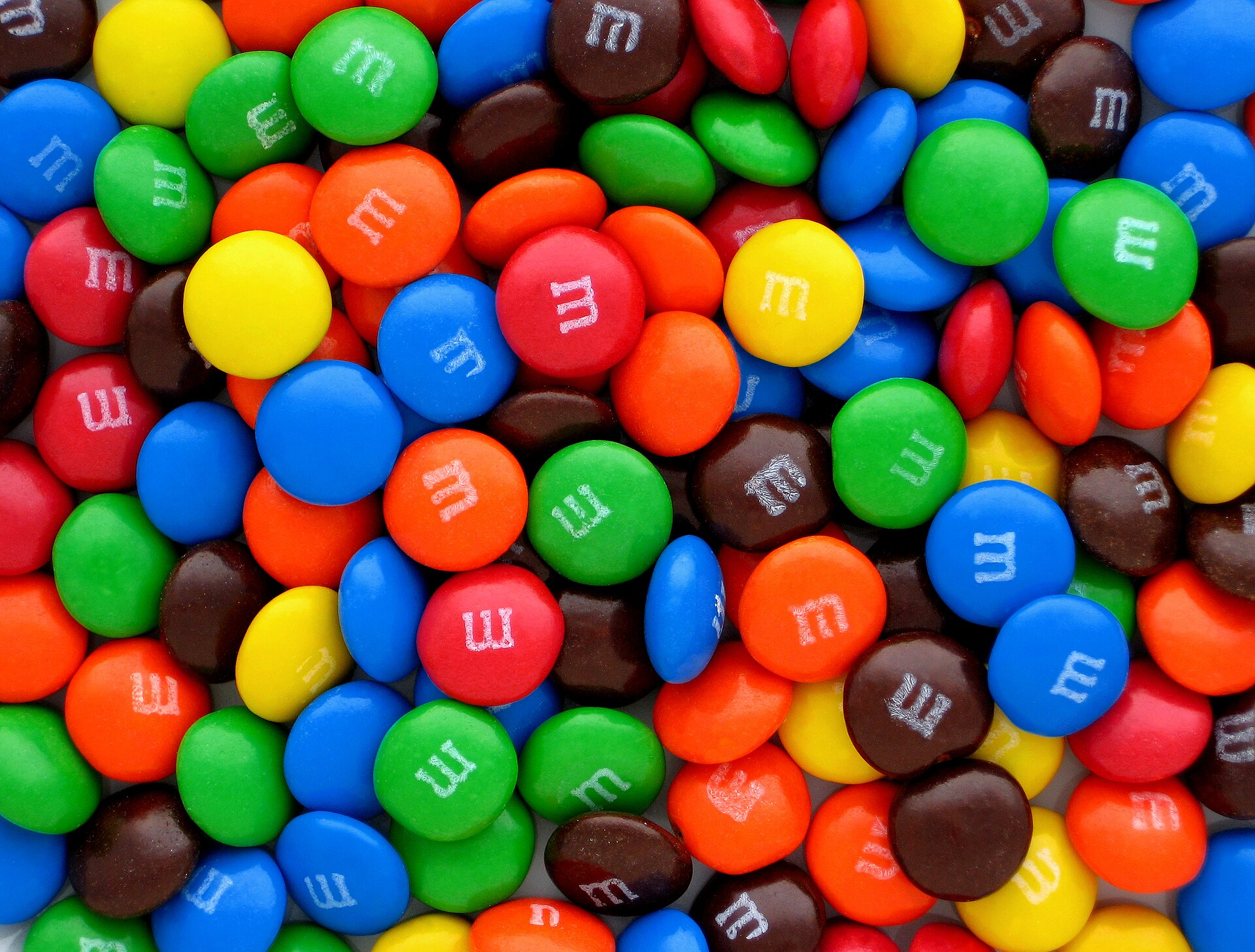
Introduced in 1999, Crispy M&M’s added a light, crunchy center to the familiar candy shell and quickly won fans, only to be discontinued in the U.S. in 2005. The crispy variety enjoyed a long afterlife abroad, which made its American absence all the more frustrating for devotees. Overwhelming public demand eventually paid off when Crispy M&M’s returned to U.S. shelves in 2015, this time for good. It’s another case where persistent consumer nostalgia, amplified online, convinced a major brand that there was real money in resurrection. For anyone who spent the late 2000s wishing for that satisfying crunch, the comeback was a sweet vindication.
Doritos 3D’s
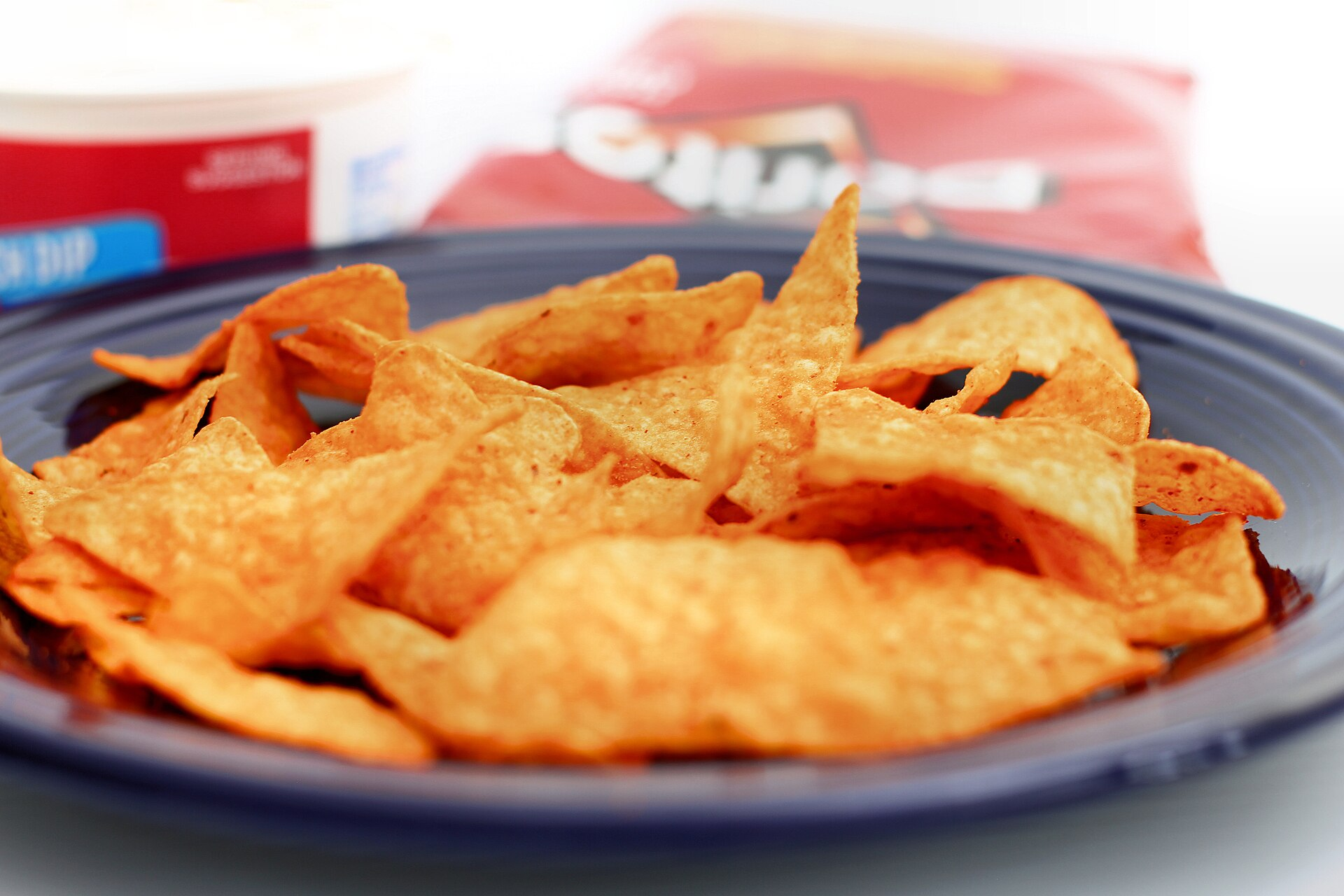
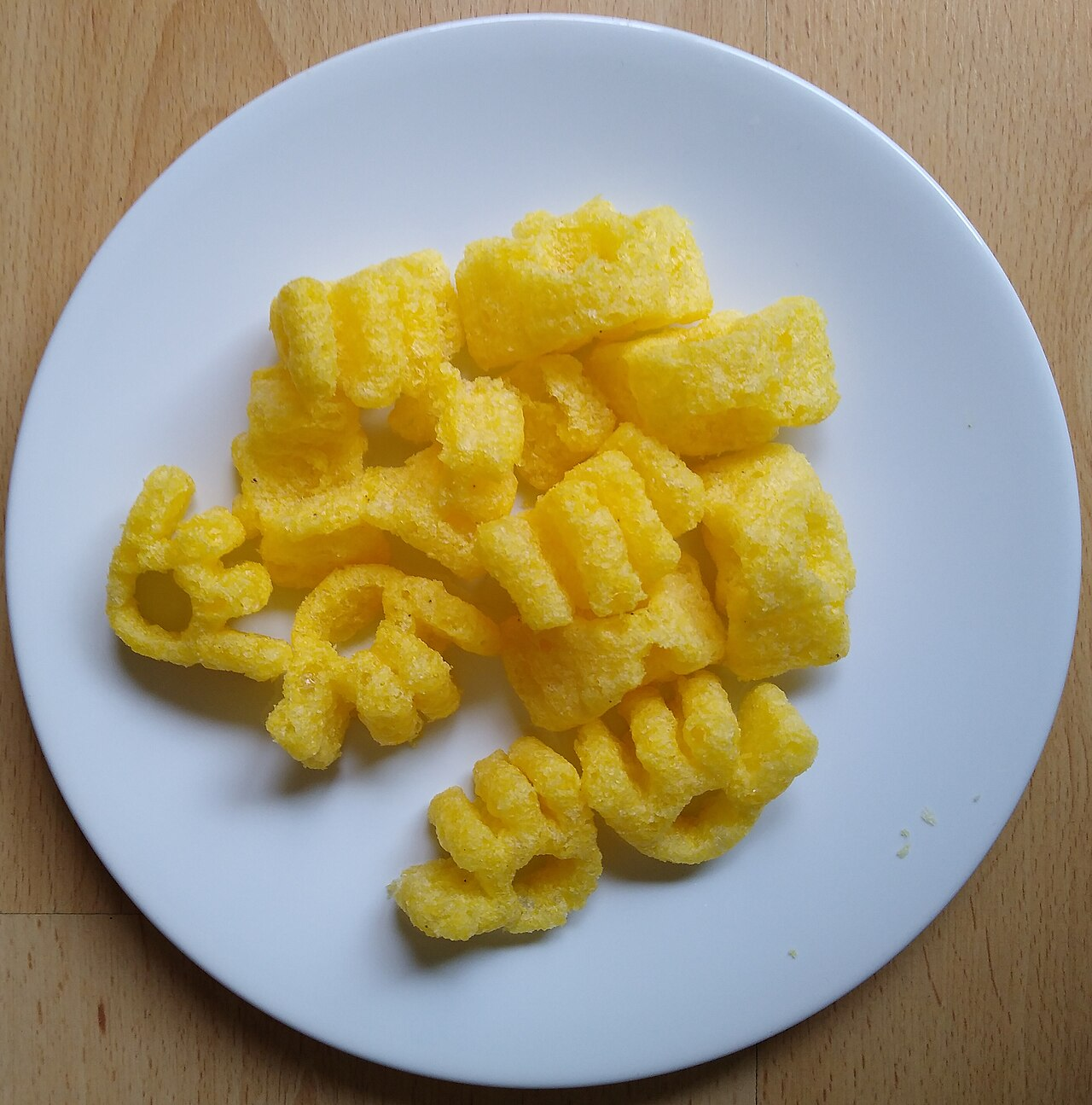
In the mid-’90s, Doritos 3D’s delighted kids with a puffed-up, three-dimensional take on the classic chip, hollow, crunchy, and undeniably fun to eat segment by segment, even if they could be a bit rough on the roof of your mouth. They eventually disappeared, joining the ranks of fondly remembered ’90s snacks. Years later, the brand revived the concept with a product called Doritos 3D Crunch, a modern reinterpretation of the puffed shape. Reaction has been mixed, with some fans thrilled and others insisting the originals had a flakier, more satisfying texture. Still, the return shows how brands increasingly mine their own back catalogs, betting that nostalgia will move product.
Yogos
A staple of early-2000s lunchboxes, Yogos were small, yogurt-covered, fruit-flavored balls with a sweet, tangy taste and a chewy texture that snackers adored. They had a relatively short run before being discontinued, and unlike the bigger comeback stories, they’ve stayed gone, which has turned them into a kind of half-remembered legend. Fans online describe the snack with such fondness that some joke they’re not even sure the memory is real. Yogos sit in that bittersweet category of treats beloved enough to be deeply missed but apparently not quite popular enough, in the eyes of the brand, to justify a revival. The pleas to bring them back continue regardless.
Altoids Sours
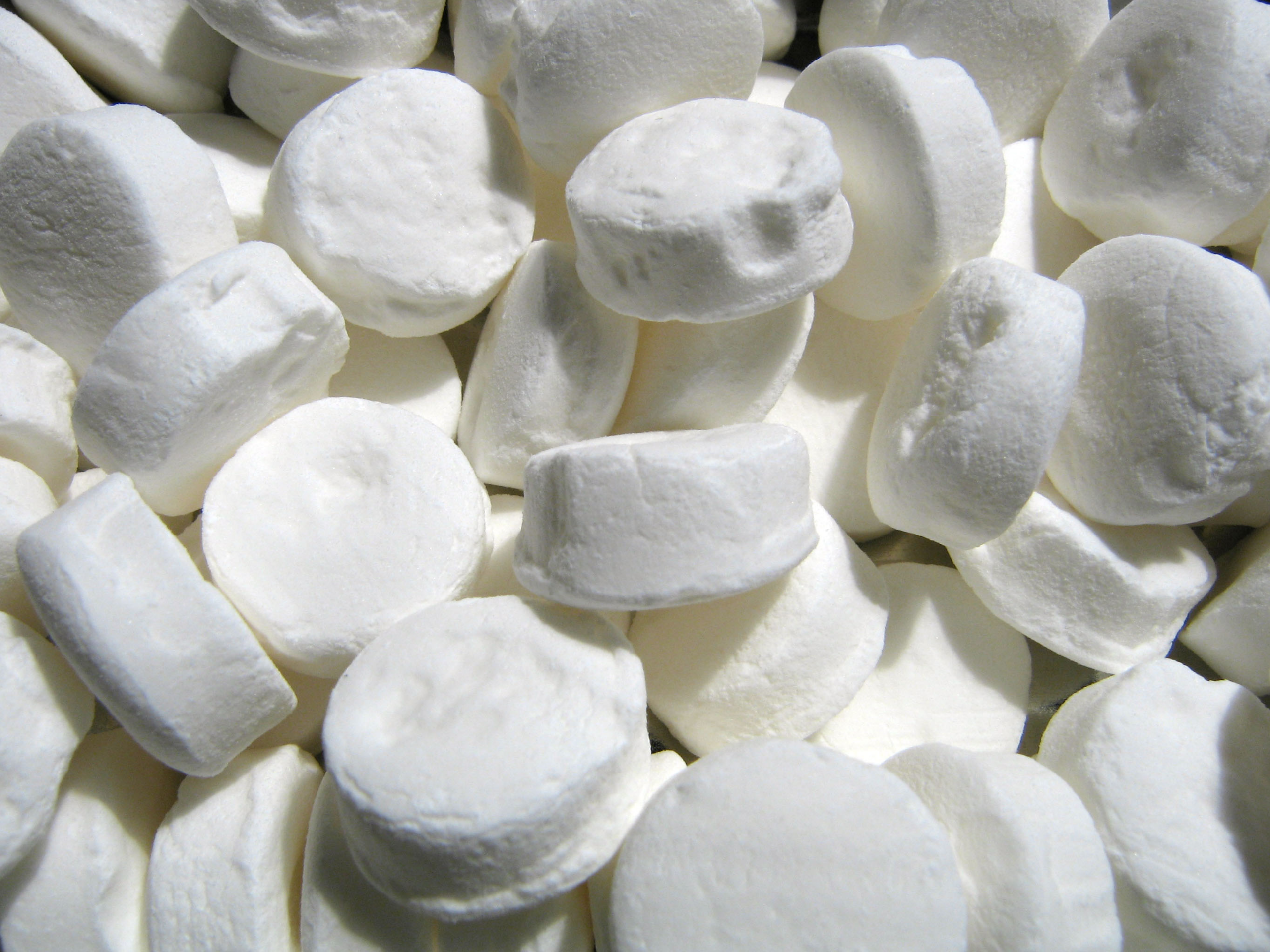
Not every missed snack is sweet and kid-focused. Altoids Sours, introduced as a tangy counterpart to the famous “curiously strong” mints, developed a loyal following thanks to their genuinely intense, puckering sour flavor that set them apart from anything else on the market. They were discontinued in 2010, and fans have lamented their absence ever since, arguing that no other sour candy quite replicates that combination of sharpness and quality. They frequently come up in nostalgic candy discussions as one of the most-wanted revivals. For those who preferred a sour kick to a sugary one, the little tins of Altoids Sours remain a sorely missed favorite with no true replacement.
Squeezit
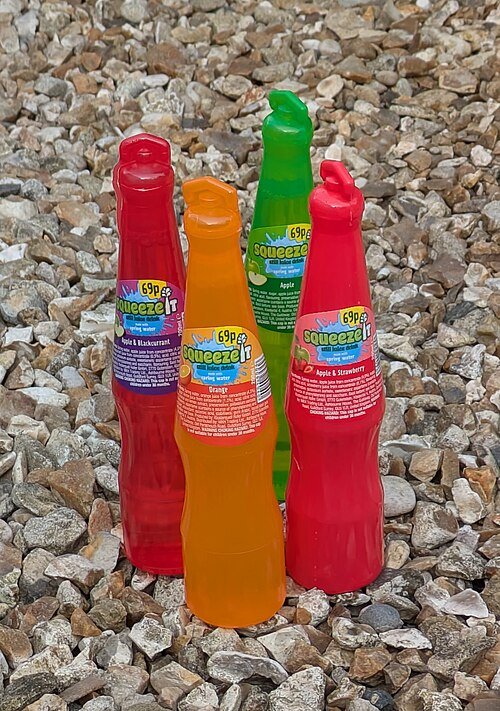
What’s a nostalgic snack without a drink to wash it down? In the ’80s and ’90s, that drink was often Squeezit, the fruit-flavored beverage in distinctive squeezable plastic bottles, introduced in 1985. Kids loved squeezing the colorful bottles, and the characters tied to each flavor became part of the fun, especially once they debuted in the early ’90s. Like so many treats of the era, Squeezit eventually disappeared from shelves, becoming another fondly remembered relic of ’90s snacking. It captures something specific about the period’s food marketing, when the packaging and interactivity were half the appeal, and it remains a nostalgic touchstone for anyone who grew up squeezing one dry.
Why Snacks Vanish — and Sometimes Return
The pattern behind every discontinued snack is usually mundane: companies pull products because of low sales, rising production costs, or shifting consumer trends toward new flavors or healthier options. What’s changed in recent years is the comeback culture. Social media has given fans a megaphone, turning petitions, hashtags, and viral demand into a genuine force that brands now monitor, which is how Cheez Balls, Dunkaroos, Crispy M&M’s, and Surge all clawed their way back. The lesson for anyone mourning a lost favorite is that it’s worth making noise, because nostalgia has become big business. Just remember that revivals are sometimes limited, regional, or subtly reformulated, so the comeback doesn’t always taste exactly like the memory.
Like our content? Follow us for more.