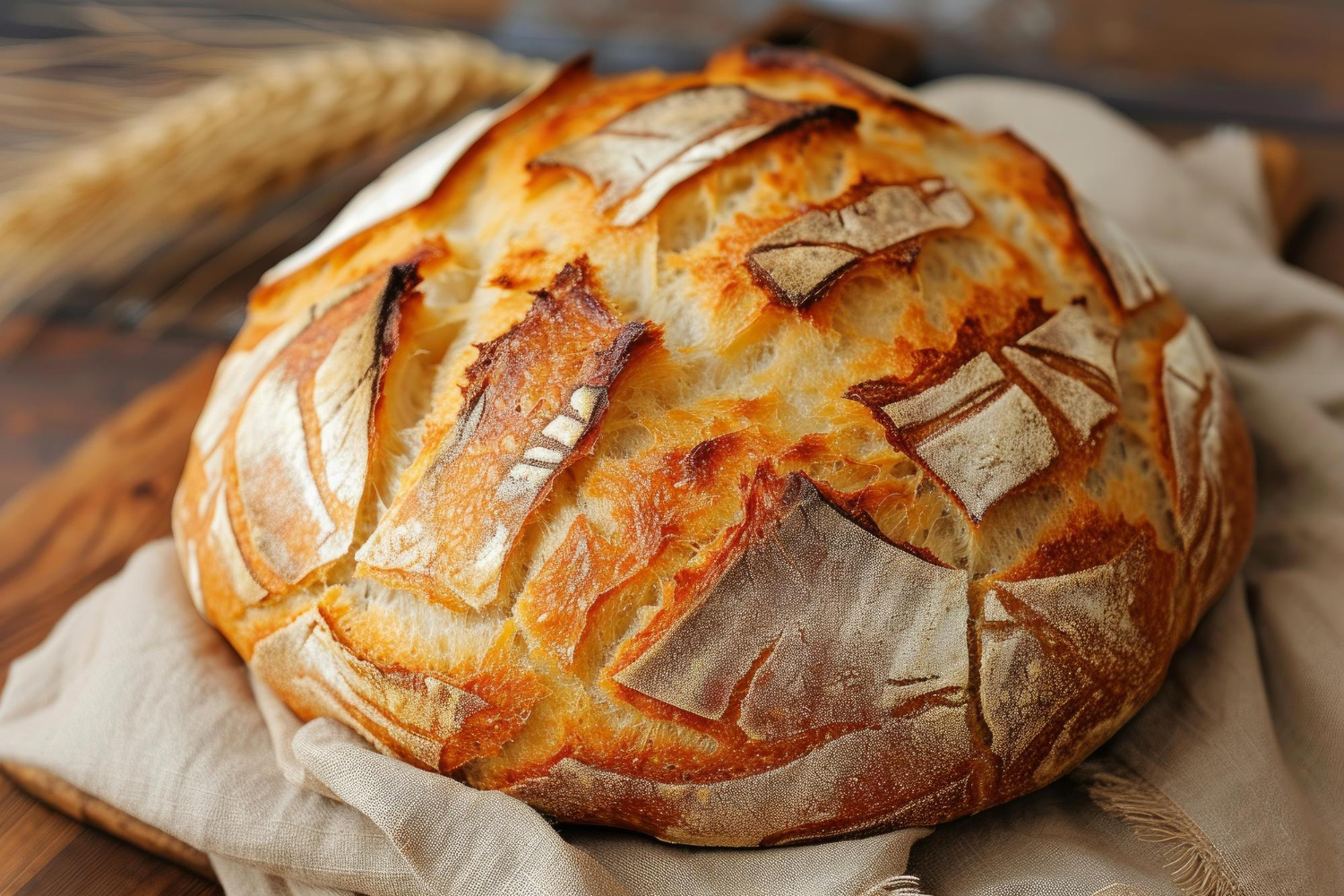
Sourdough occupies an unusual place in food culture. It is simultaneously the oldest form of leavened bread, a craft with real skill involved, and a subject about which an extraordinary amount of confident folklore circulates.
The folklore has a recognisable shape. Starters are described as ancient, as carrying the character of a particular place, as containing microbes unique to a city. People name them. They are given as gifts, carried across continents, and treated as heirlooms.
Some of that is true. Cultures truly are passed down over decades, and the practice is a lovely one. But the microbiology underneath is not what most of the stories assume, and the actual science is more interesting than the mythology.
Here is what is really in a sourdough starter, and what happens to it over time.
It Is Mostly Bacteria
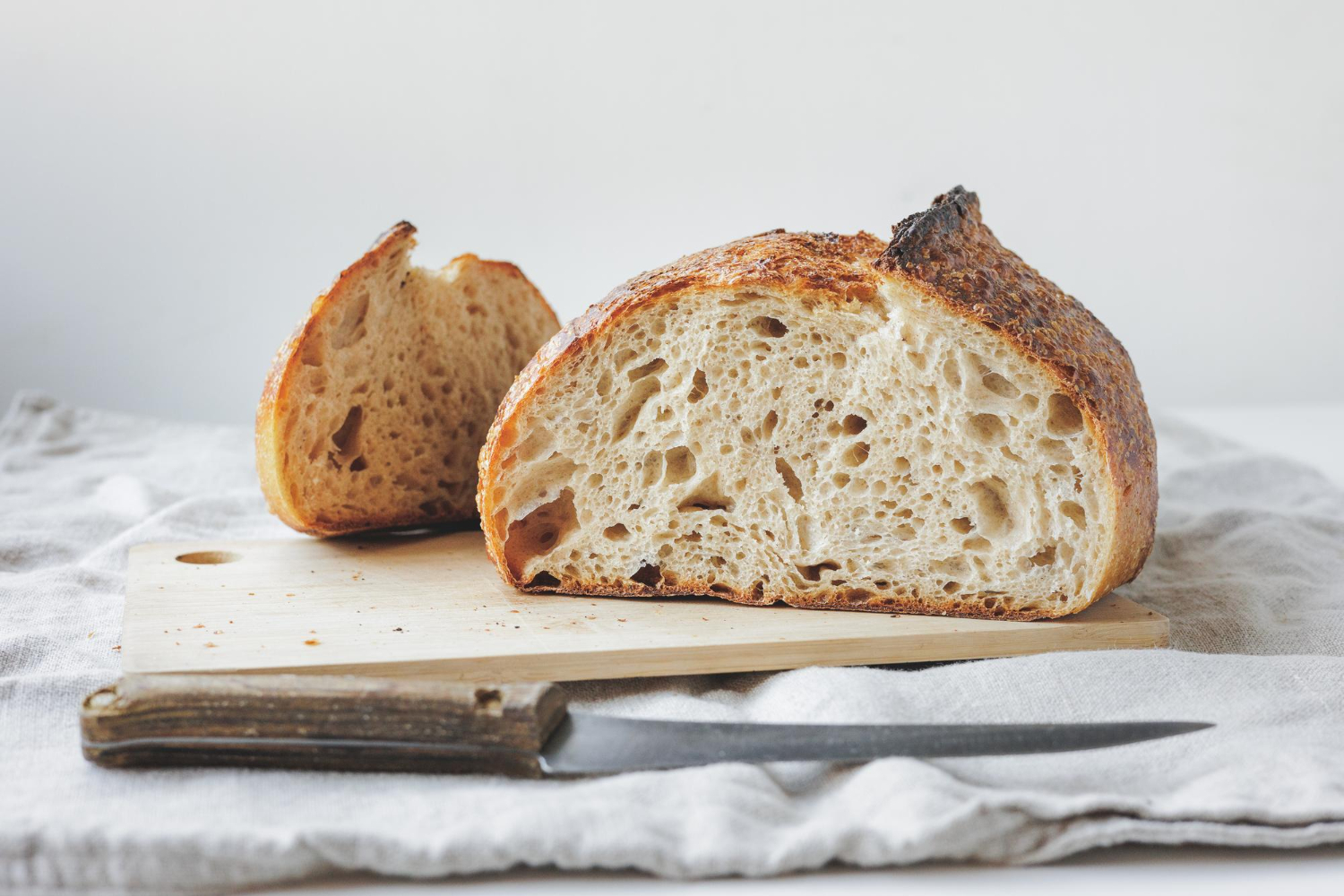
Start with the most common misconception, which is that a sourdough starter is essentially a colony of wild yeast.
It is not. A starter is a symbiotic community of yeasts and lactic acid bacteria, and by cell count the bacteria dominate overwhelmingly — outnumbering yeast cells in a mature starter by roughly a hundred to one.
The two do different jobs, and both are necessary.
The yeast produces carbon dioxide, which raises the dough. That is the leavening.
The bacteria produce the sour. They metabolise sugars in the flour that the yeast cannot process, secreting lactic and acetic acid, which lower the pH substantially. Measured comparisons put sourdough at roughly pH 3.8 to 4.6 against 5.3 to 5.8 for commercial yeast breads.
The relationship is actively cooperative rather than merely coexisting. The bacteria break down sugars the yeast cannot use, and the yeast can then metabolise some of the products of that bacterial fermentation. Meanwhile the lactic acid bacteria tolerate the ethanol the yeasts produce — some strains better than the yeasts themselves do — and they thrive in the increasingly acidic environment they create.
That acidity is also why a healthy starter resists spoilage: it is an environment most unwanted organisms cannot establish themselves in.
Like our content? Follow us for more.
The Cast of Characters
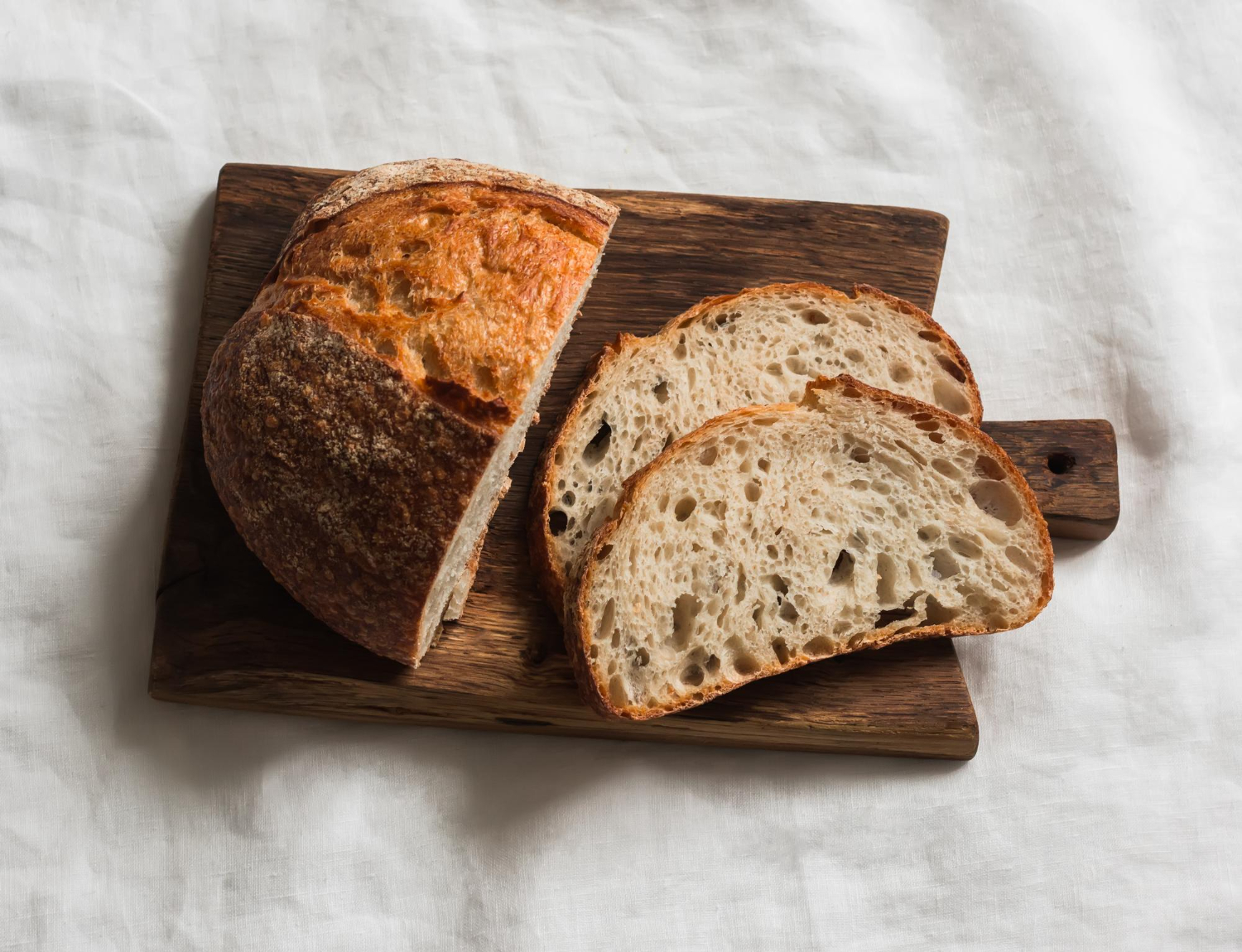
Surveys of starters worldwide have identified a substantial range of organisms. Figures vary by study, with counts of roughly 23 to 30 yeast species and 43 to over 60 bacterial species reported across the literature.
The most famous bacterium is the one first isolated from a San Francisco starter in 1971 and named after the city. A 2020 taxonomic revision split the old genus Lactobacillus into 25 new genera, which renamed a number of these organisms; the species is the same, and older recipes and most bakers still use the historical name.
Other common bacteria include species formerly grouped as Lactobacillus brevis, widespread in European starters, and Lactobacillus plantarum. Common yeasts include Kazachstania humilis, Wickerhamomyces anomalus and Saccharomyces cerevisiae.
That last one is worth a note, because its presence is not what you would expect from a wild culture — it is standard baker’s yeast. The likely explanation is unglamorous: starters are often made and maintained in bakeries, where commercial yeast is present in the air and on surfaces, so it finds its way in. Many of the other yeast species truly do arrive with the flour.
The Terroir Question
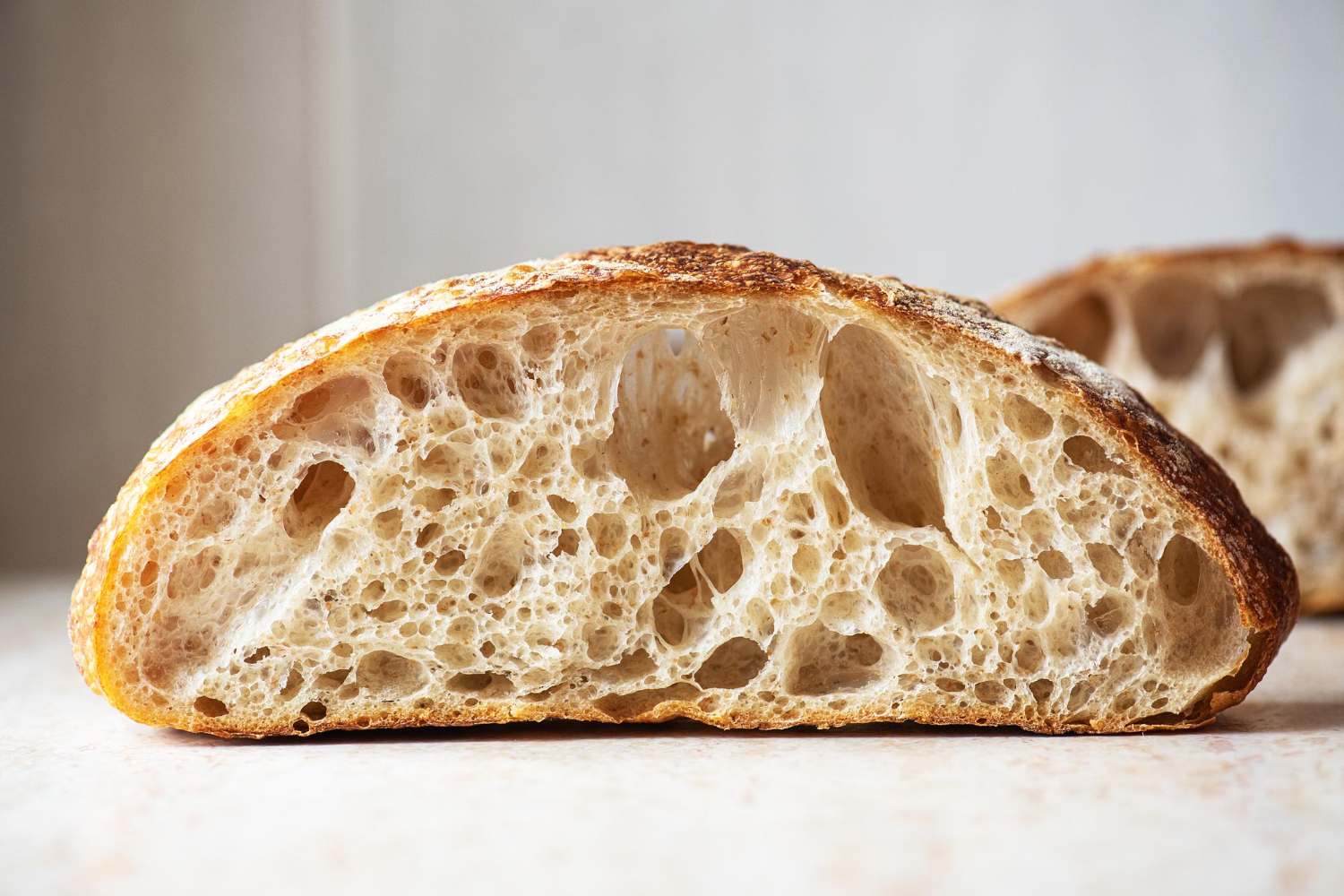
The most appealing sourdough belief is that a starter reflects its location — that San Francisco sourdough tastes as it does because of San Francisco’s specific microbes, in the way wine is said to reflect a vineyard.
The evidence complicates this substantially.
The bacterium named for San Francisco, thought responsible for that city’s characteristic tang, turns out to be geographically widespread rather than local. It shows up in starters around the world.
The largest study of the question came from the Global Sourdough Project, led by microbial ecologist Erin McKenney and colleagues at North Carolina State University, which gathered more than 500 samples from the United States, Europe, Asia and Oceania — including commercial and homemade starters, some with lineages traced back around 200 years. The team cultured the microbes, sequenced their DNA, and had a panel assess the aromas of 40 representative starters.
The picture that emerges from this and related work is that the composition of a starter is shaped principally by the flour used, the water, the ambient temperature and the feeding regime — the conditions in your kitchen — rather than by wild microbes unique to your postcode.
That is not to say every starter is identical. They differ substantially, and the differences are real and tasteable. The point is that the variables driving those differences are largely ones you control, not ones your geography imposes.
What Happens to an Inherited Starter
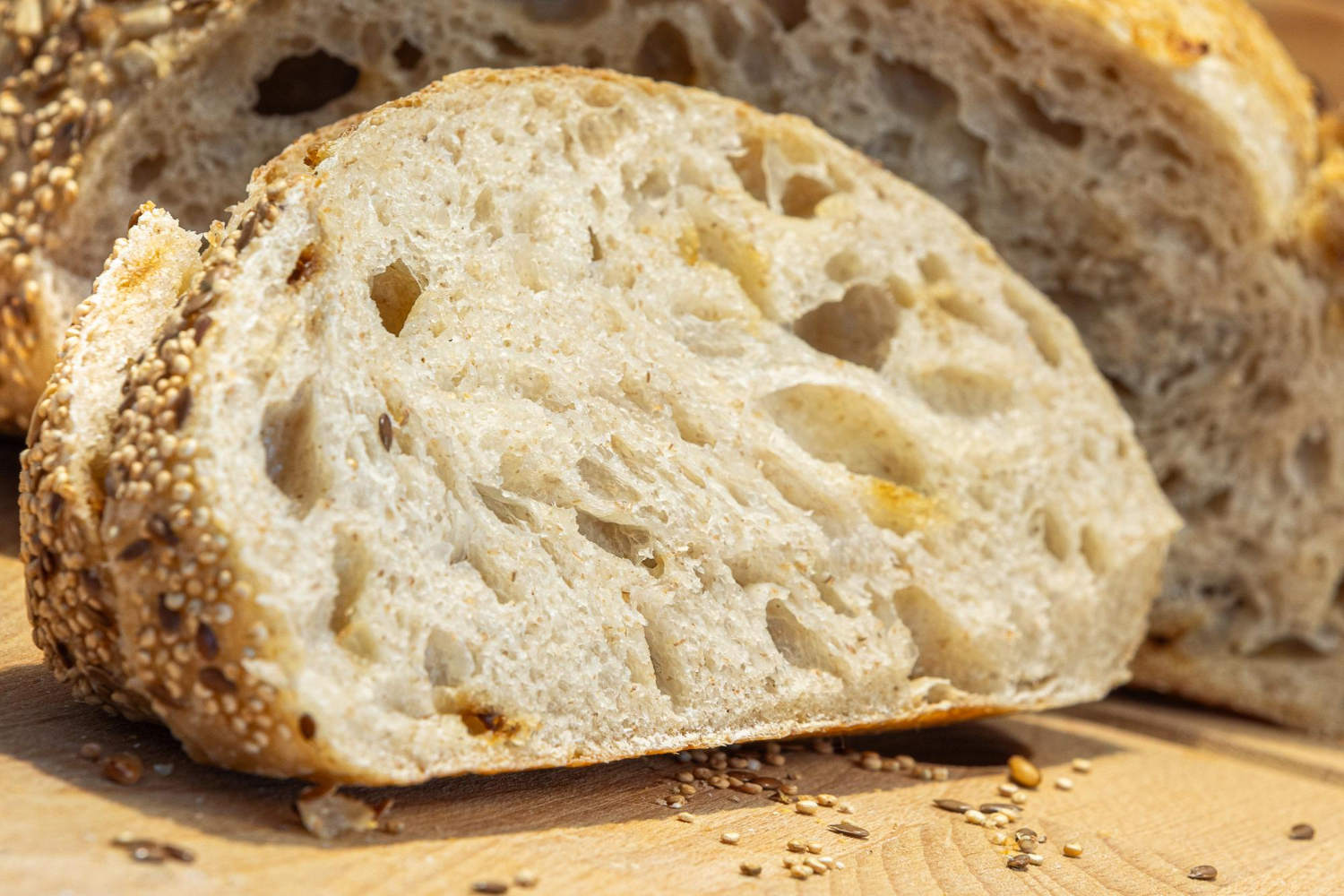
Which brings us to the heirloom question, and the answer is not what the marketing suggests.
A bakery in San Francisco claims a lineage back to the mid-nineteenth-century Gold Rush. A German commercial starter is documented at around seventy years old, and has been shown to remain stable in composition over a decade despite seasonal changes in the bakery. An English bakery maintains a starter of around fifty-seven years.
Those lineages are real as histories of continuous propagation. What is unlikely is that the microbial community is the same one that existed at the start.
The reason is straightforward. Feeding regime, flour type, water and kitchen temperature all significantly affect which strains dominate. Move a starter to a new kitchen with different flour and a different schedule, and the balance shifts. Over years, that shift is substantial.
One baker writing about their own inherited starter put the conclusion honestly: their kitchen is different, their feeding regime is different, and the evidence indicates those factors materially change the dominant strains — so the notion that it is the same as when it was first taken is sadly unlikely.
The German starter’s decade of stability is instructive rather than contradictory. It stayed stable in a single bakery, with a consistent regime, using consistent flour. Consistency preserves a community; relocation reshapes it.
So an inherited starter is best understood as a continuous cultural practice rather than a preserved biological specimen. The tradition is unbroken; the organisms have been steadily replaced.
Where the Microbes Come From
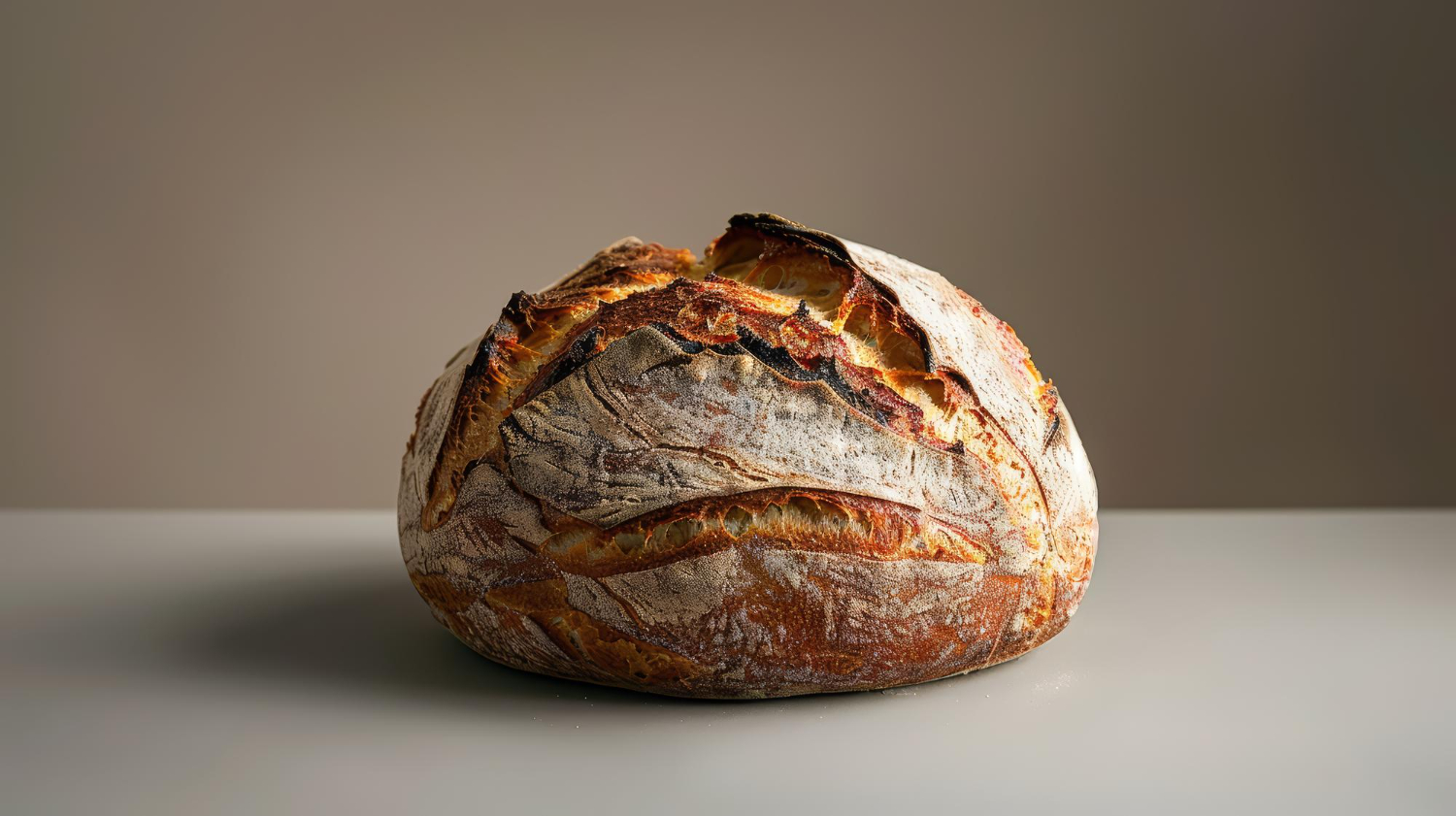
If a starter is not seeded by microbes drifting in from your local air, the obvious question is where the organisms actually originate.
The answer is mostly the flour. Grain carries a microbial community on and within it, and milling does not remove it. When flour meets water, those organisms have what they need and begin to multiply.
That is why a starter can be made anywhere with nothing but flour and water, and why the type of flour matters so much. Wholegrain and rye flours carry a richer microbial load than highly refined white flour, which is why many bakers begin a starter with them even if they later feed it something else.
The first days of a new starter are chaotic. A range of organisms compete, including some that produce unpleasant smells and gases, and the culture often behaves erratically before settling. What resolves the chaos is acidity: as lactic acid bacteria establish themselves and drop the pH, most competitors can no longer survive, and the community stabilises into the yeast-and-LAB partnership that makes bread.
That stabilisation typically takes a week or two, and it is a real ecological succession happening in a jar on a kitchen counter.
What This Means for Your Kitchen
The practical implications are more encouraging than the debunking might suggest.
If a starter’s character is driven by flour, water, temperature and feeding rather than by rare local microbes, then a starter you make yourself from scratch is not inferior to an inherited one. Give it a few weeks to establish a stable community and it will be a functioning culture with its own character.
It also means your starter is adjustable. Changing flour, feeding more or less often, or keeping it warmer or cooler will shift the balance of organisms and therefore the flavour — cooler and slower conditions tend to favour more acetic sourness, warmer and faster ones more lactic mildness. That is a dial you can turn.
And it explains why a starter given to you by a friend does not reproduce their bread. You have taken the culture into a different set of conditions, and within weeks it is on its way to becoming yours.
There is something more appealing in that than in the heirloom story. A sourdough starter is not a relic being preserved. It is a small ecosystem that responds continuously to how it is kept — which means it is less like an antique and more like a garden, and the person tending it now is the one whose choices are showing up in the bread.
Like our content? Follow us for more.