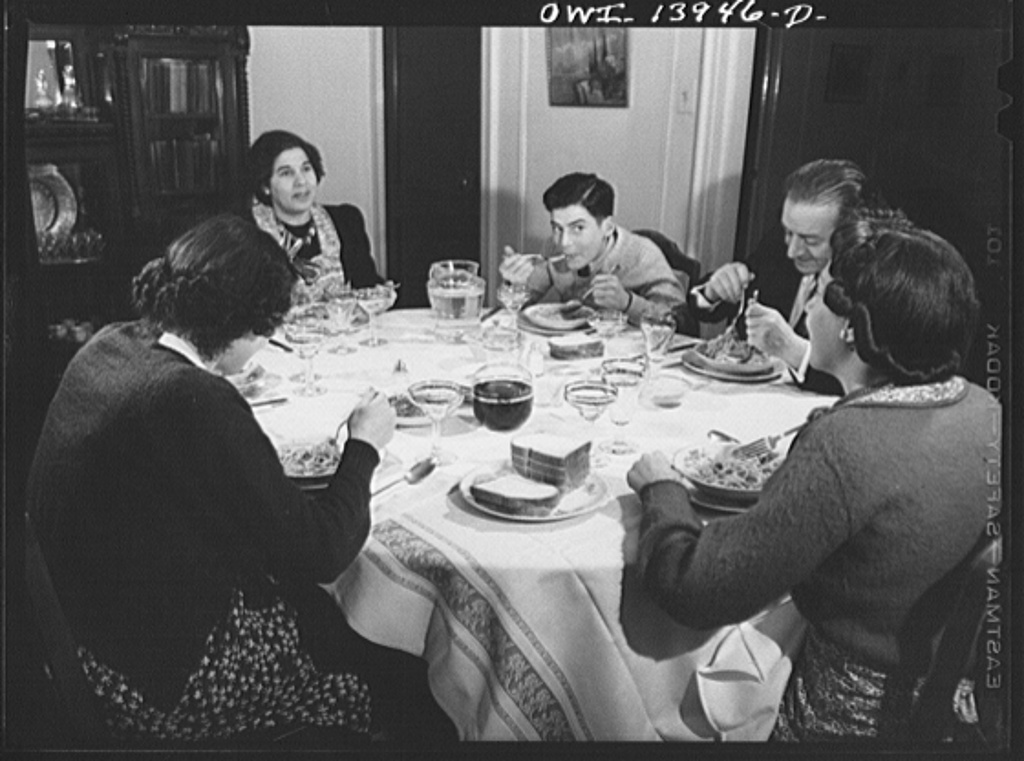
Almost everything a household in 1965 believed about digestion came from one real mechanism — stomach acid — generalised far past where it applied, with the gaps filled by habit, thrift and invented arithmetic.
Some of it was harmless folklore with a specific number attached to make it credible. Some of it was the settled medical position of the day and was comprehensively wrong. And some of it is still sitting in kitchen cupboards. Here are sixteen things about it.
1. Chew every mouthful a set number of times
Children were taught to count their chews, a habit inherited from a popular health movement of the early twentieth century that held thorough chewing to be the foundation of health and the cure for most complaints.
There is no magic number and never was. Chewing matters because it breaks food into pieces the rest of the system can handle and because it is where swallowing safely begins, and the right amount is however much makes the mouthful ready to swallow.
The underlying advice was not harmful and the arithmetic was invented. It is the clearest example in this file of a sensible habit given a false mechanism.
Like our content? Follow us for more.
2. Never drink water with a meal, because it dilutes the digestive juices

This was stated with complete confidence by parents, teachers and a good deal of published advice, and children were told to wait until after eating.
It is wrong. The stomach handles a very wide range of volumes and acidities as a matter of routine and regulates its own secretions; a glass of water with food has no measurable effect on digestion. Fluid with meals is unremarkable and for many people helpful.
The belief has proved remarkably durable and still circulates. It was never supported by anything.
3. Sit still for an hour after eating

Activity after a meal was treated as dangerous rather than merely uncomfortable, and children were made to sit quietly, with the rule applied most strictly to anything energetic.
Gentle movement after eating is positively useful and there is no physiological basis for enforced rest. The genuine observation underneath is that vigorous exertion on a very full stomach is unpleasant and can cause reflux, which is a comfort matter rather than a danger.
A walk after a meal is one of the better small habits available, which is close to the opposite of what was taught.
4. Ulcers are caused by stress, worry and spicy food
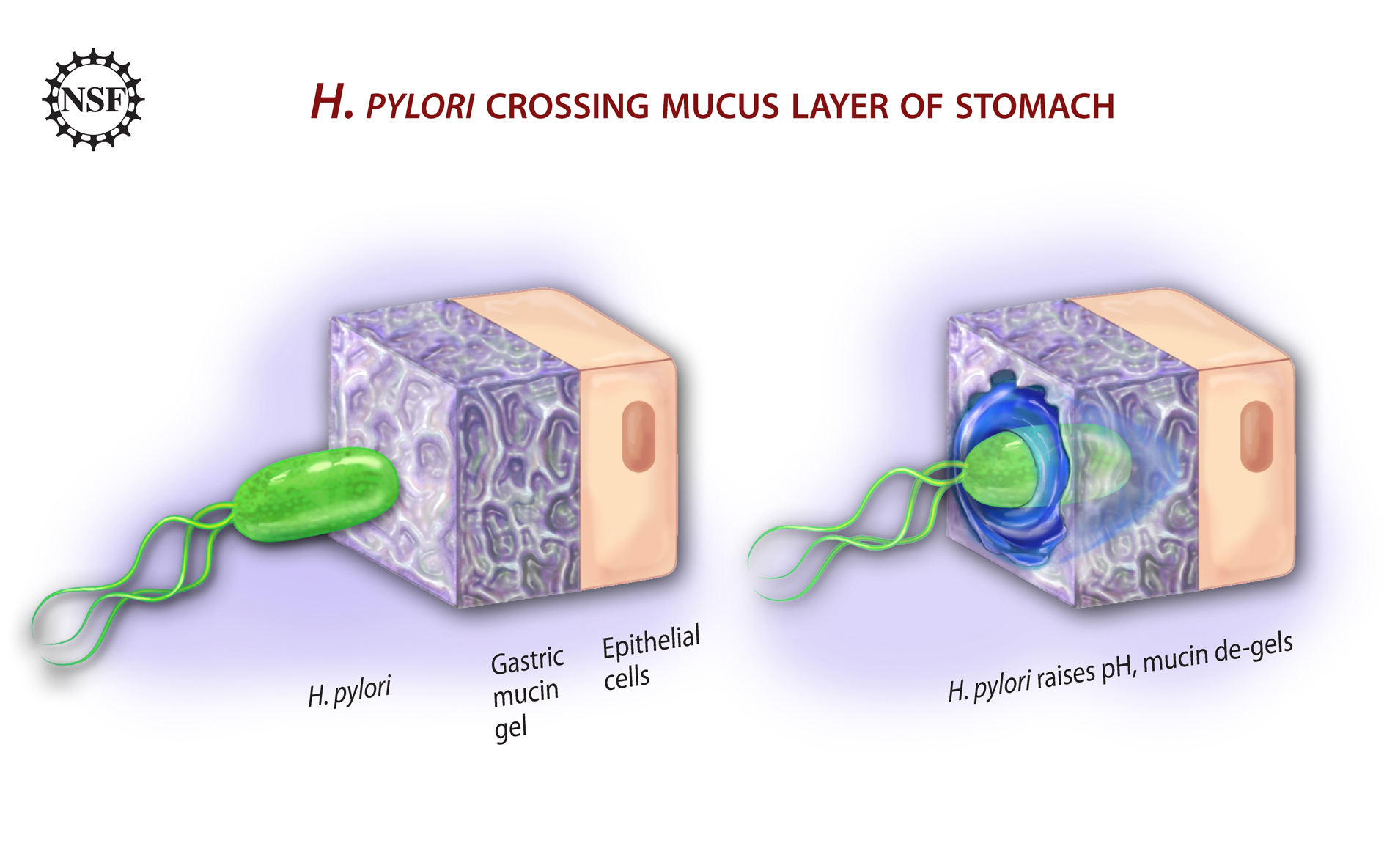
This was the settled medical position, not merely a household belief. Stomach ulcers were understood as a disease of temperament and diet, treated with rest, bland food and the management of nerves, and often with the implication that the patient had brought it on themselves.
The cause of most ulcers is a bacterial infection of the stomach lining, demonstrated in the 1980s and now treated with a course of antibiotics. The discovery was resisted for years because it contradicted a complete and confident explanation.
This is the single largest reversal in this file. A condition understood as psychological and dietary turned out to be infectious and curable, and anybody with persistent stomach pain should be seeing a doctor rather than managing their nerves.
5. The treatment for an ulcer was milk, and plenty of it

The standard regime was a bland diet built on milk, taken frequently through the day, on the reasoning that milk coats and neutralises. Patients were on it for months and sometimes years.
Milk raises stomach acid production after the initial buffering, so the regime worked against itself, and the diets were restrictive enough to cause problems of their own. It has been abandoned completely in favour of treating the infection and reducing acid with medication.
The milk treatment is the most striking case of a remedy whose mechanism ran backwards, and it was prescribed for decades.
6. Bicarbonate of soda for indigestion, straight from the kitchen cupboard
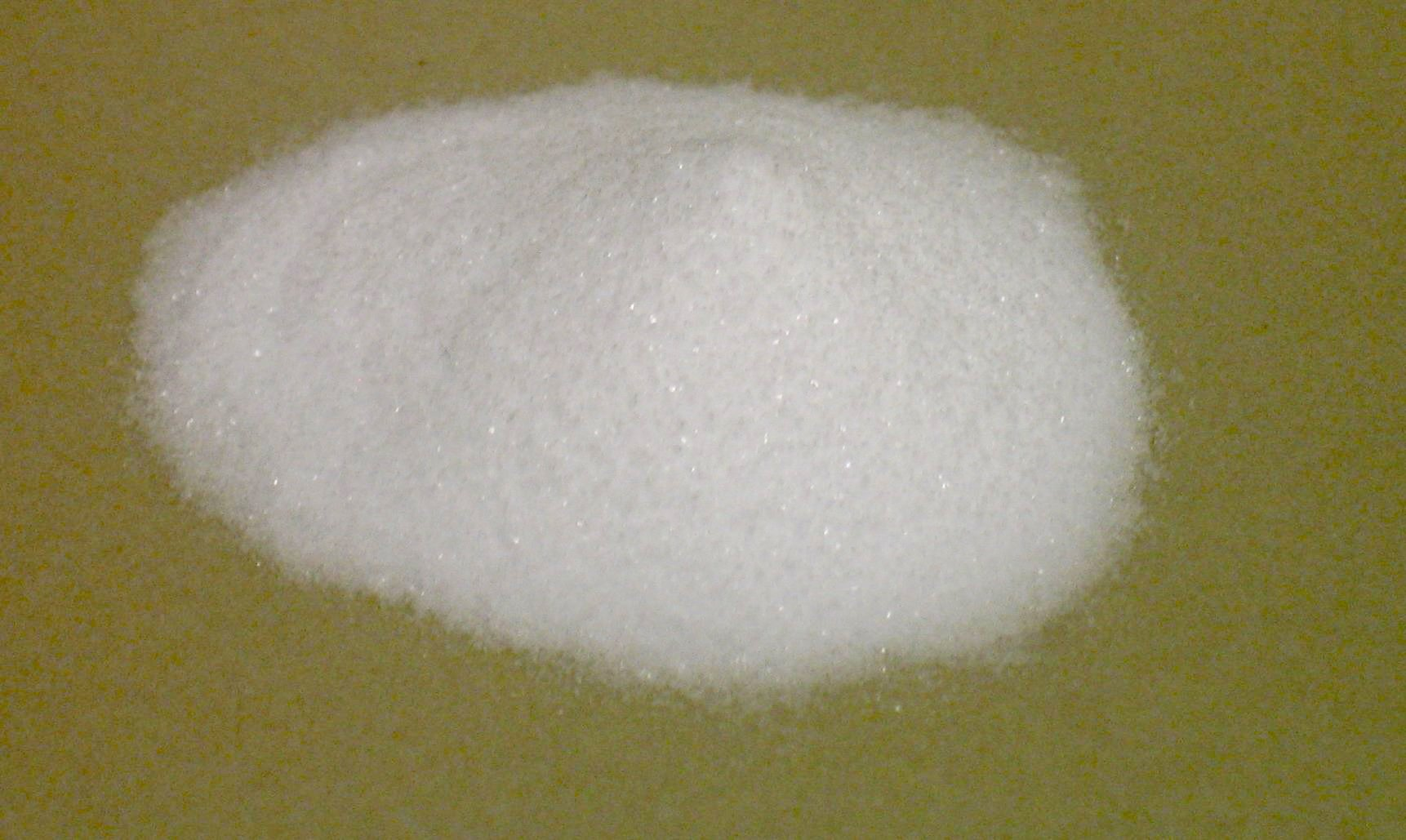
A spoonful in water was the universal household answer to indigestion, taken by adults and given to children, and it worked immediately, which is why nobody questioned it.
It neutralises acid and then provokes a rebound of further acid production, so relief is followed by a return. It also carries a significant sodium load, which matters for anybody with high blood pressure or heart or kidney problems, and modern antacids are formulated to avoid both effects.
This is a protective point rather than a historical one, because the cupboard remedy is still used. Anybody taking it regularly should be talking to a pharmacist instead.
7. White bread was modern, refined and therefore better

Refined flour was a mark of progress and of money, brown bread was what you ate if you could not afford white, and roughage was something prescribed to the elderly rather than eaten by choice.
The understanding has reversed. Dietary fibre is now recognised as central to how the large intestine works, to the bacterial population living in it, and to a list of long-term conditions. The reversal took most of the second half of the century.
No numbers or targets are given here on purpose. The shift in understanding is the point, and what anybody should actually eat is a conversation with a doctor or a dietitian.
8. Eating between meals ruins your appetite and your stomach

Eating outside the three fixed meals was treated as a character failing with physiological consequences, and children were refused food between meals on the grounds that it would damage the digestion.
There is nothing wrong with the digestive system of somebody who eats at other times, and meal timing varies enormously between cultures with no observable consequence. The genuine content underneath was about household order rather than about the body.
Modern understanding treats regularity as helpful for some people and irrelevant for others, with none of the moral weight attached.
9. Cold drinks shock the stomach

Iced water and cold milk were thought to interrupt digestion, cause cramps and in some versions cause illness, and children were given drinks at room temperature for their own good.
The stomach warms what arrives in it quickly and without difficulty, and there is no mechanism by which a cold drink interferes with digestion. The belief persists widely and is sometimes attached to specific foods or to exercise.
A cold drink on a hot day is simply a cold drink, and the discomfort some people feel after one is a sensation rather than a process.
10. Finish everything on your plate

The rule was absolute in most households, enforced for reasons that mixed thrift, memory of rationing and the conviction that a child who did not finish would not grow properly.
Current thinking runs the other way: that children are reasonably good at recognising when they have had enough, and that overriding it repeatedly teaches them to stop noticing. The practice is now generally discouraged.
This is worth saying carefully, because food and children is a subject where advice does harm easily. The sensible version is simply that the signal a child gives about being finished is worth listening to, and anything more complicated belongs with a doctor.
11. Swallowed chewing gum stays inside you for seven years
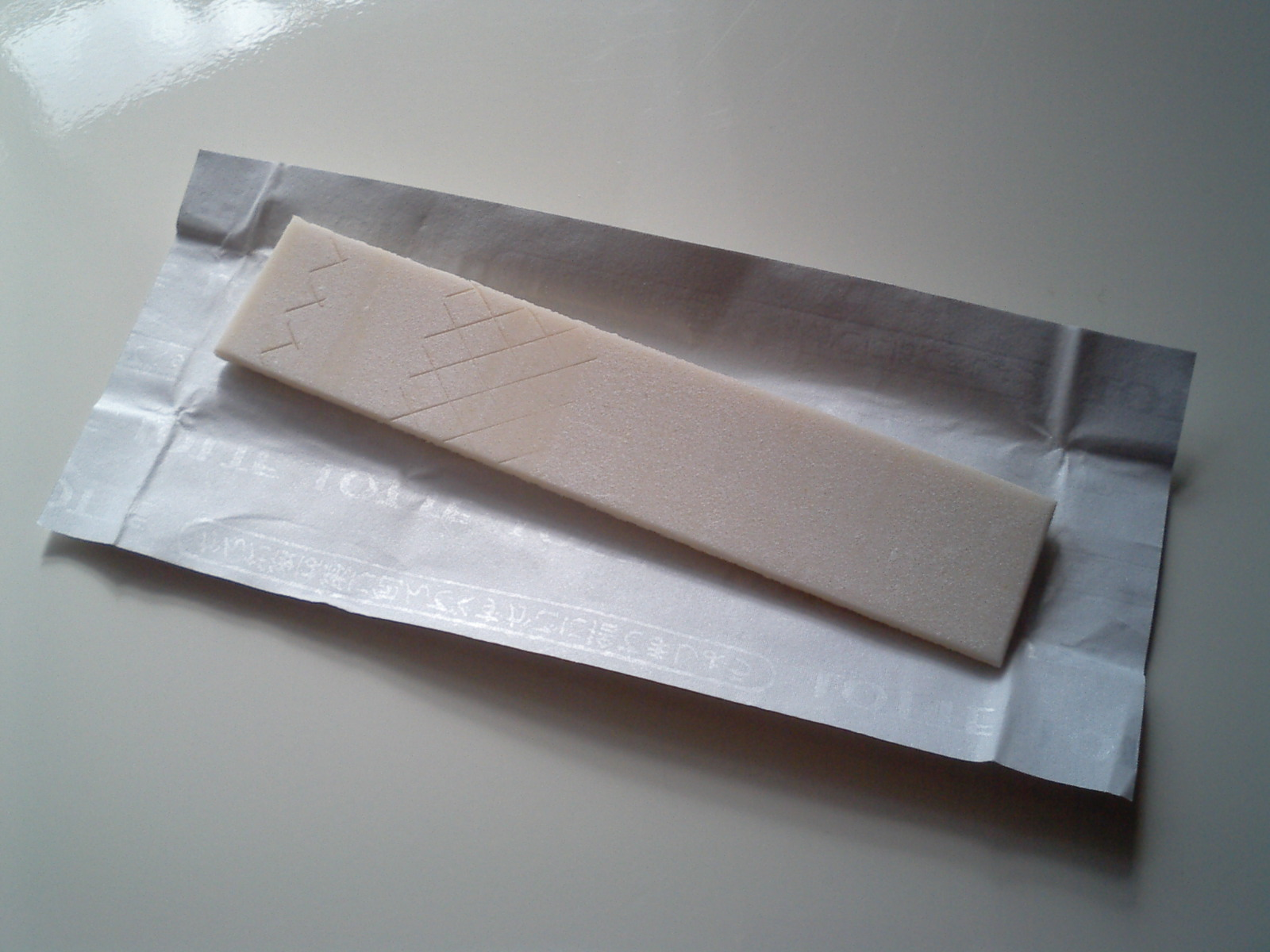
Universally believed, universally repeated, and precise enough in its arithmetic to sound like something somebody had measured.
Gum base is not digested, which is the grain of truth, and it passes through on the same timescale as anything else. The seven years has no origin in anything and appears to have been invented wholesale.
It belongs in this file as the purest example of how a specific number makes a false claim credible.
12. Everything was explained by acid

An acid stomach was the household diagnosis for indigestion, heartburn, nausea, fatigue and bad temper, and the remedies were all alkalis, sold in large quantities on exactly that reasoning.
Acid is genuinely involved in reflux and in ulcer symptoms, and is irrelevant to most of the rest of the list it was blamed for. The modern picture involves the valve at the top of the stomach, the movement of the gut, the nervous system and the bacterial population, none of which was available as an explanation.
The pattern is one that appears throughout this series: one real mechanism, generalised far beyond where it applies, because it was the only one anybody had.
13. Certain foods were simply hard to digest

Bananas, cucumber, onions, pastry and fried food appeared on household lists of things that lay heavy, and children were steered away from them on that basis rather than because of any individual reaction.
Individual intolerance is real and specific — lactose being the common example — but the general category of hard-to-digest foods was folklore, and the foods on the list varied by region and family in a way that a physiological cause would not.
If a particular food reliably causes a particular person trouble, that is worth investigating properly with a doctor rather than filed under a general rule.
14. A regular purge was part of keeping clean
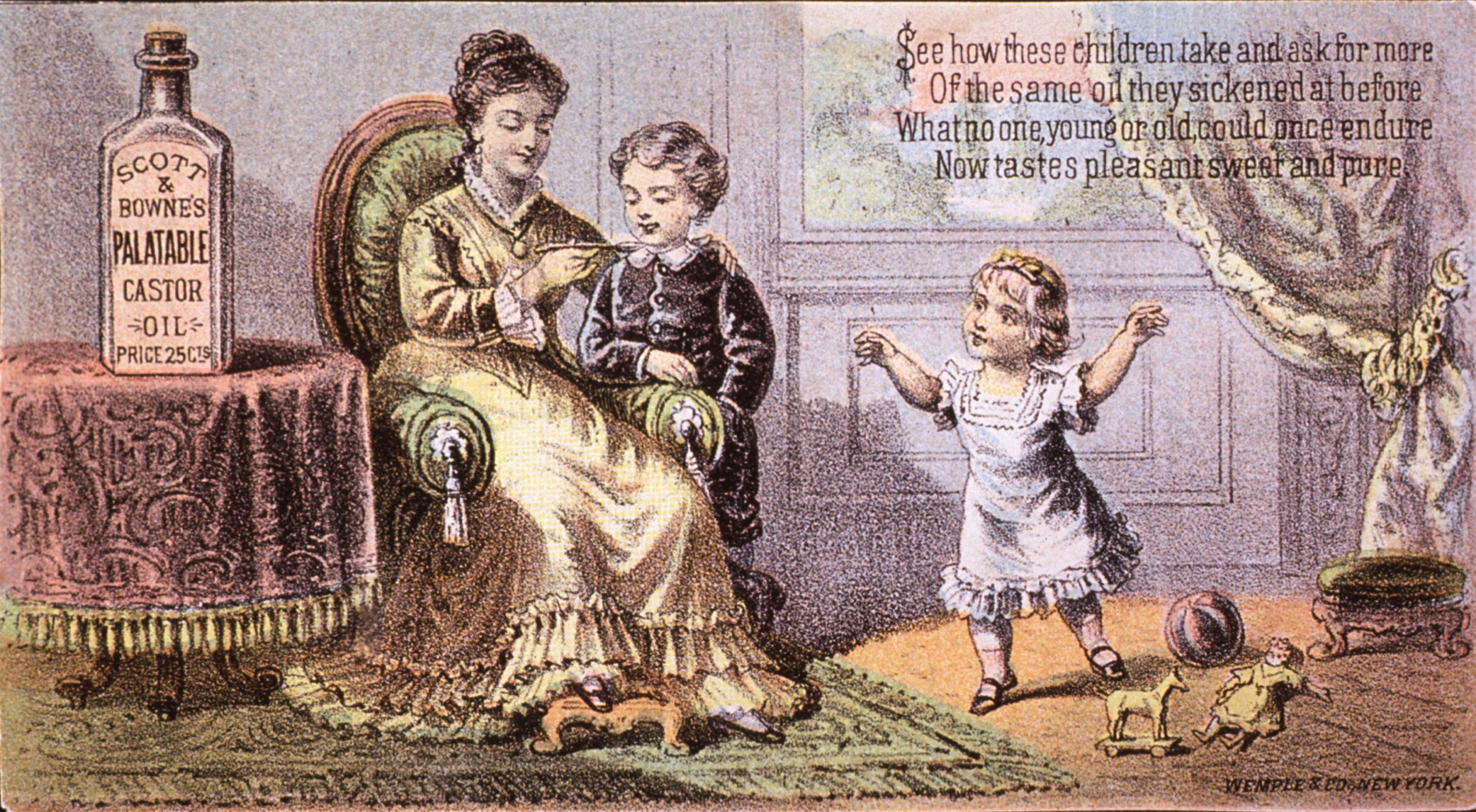
Weekly or monthly dosing with castor oil, senna or similar was standard in many households, given to children on a schedule rather than for a complaint, on the theory that the system needed clearing out.
This has been abandoned entirely. Routine use of stimulant laxatives is now understood to be counterproductive and is specifically advised against outside medical direction, and the theory of accumulated internal residue it rested on has no basis.
The practice was unpleasant, unnecessary and in some cases harmful, and it is the item in this file that most people from the period remember with the least affection.
15. Never mix protein and starch at the same meal
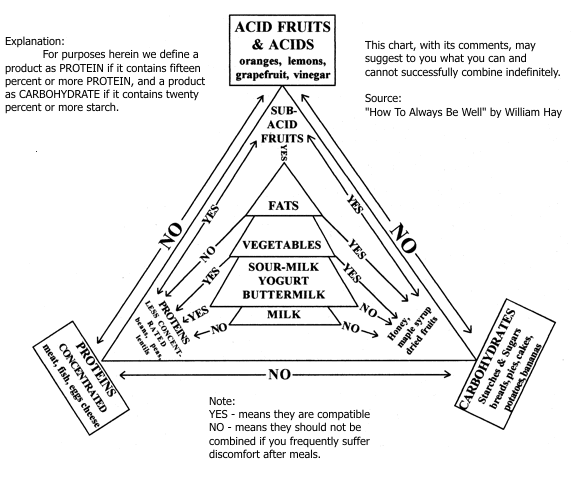
Food combining rules circulated widely, holding that different foods required different conditions in the stomach and that eating them together caused fermentation, with elaborate charts of permitted pairings.
The stomach does not separate a meal into categories and process them in sequence. The system handles mixed food as a matter of ordinary design, and the theory was constructed from a misunderstanding of enzyme chemistry.
Versions of it are still sold. The charts have changed and the reasoning has not improved.
16. And what they had right

Eat slowly. Chew properly. Sit down to eat rather than standing over the sink. Eat with other people at a table. Do not eat so much that you feel ill. None of those needed a mechanism and all of them have survived.
What has changed is the explanation rather than the practice. The family meal in particular has gone from being a matter of discipline to being one of the better-supported things in the whole of nutrition, for reasons — eating pace, portion awareness, children learning from adults, conversation — that nobody in 1965 would have listed.
The honest summary of this file: the ulcer reversal is the one that changed medicine, the bicarbonate habit is the one still worth stopping, the clean plate rule is the one modern advice has flipped outright, and the good habits underneath all of it were right for the wrong reasons.
What the reversals have in common

Sort them and three groups appear. The first is invented precision: the number of chews, the seven years for swallowed gum, the food combining charts. In each case a specific figure or rule made a claim sound measured when nothing had been measured, and in two of the three the underlying habit was perfectly sensible.
The second group is one mechanism stretched too far. Acid is genuinely involved in reflux and in ulcer symptoms and was made to explain indigestion, nausea, fatigue and temper as well, because it was the only mechanism available. Modern understanding of the gut involves the valve at the top of the stomach, the movement of the intestine, the nervous system and the bacterial population, none of which anybody in 1965 could reach for.
The third group is the serious one, and it is the medical advice rather than the household lore. Ulcers were understood as a condition of temperament and diet, with an implication that the patient had caused it, and treated with a milk regime whose mechanism ran backwards. They are now known to be mostly infectious and are usually cured with a course of antibiotics — a finding resisted for years precisely because the existing explanation was complete and confident.
Two things from this file are worth acting on now. If you still reach for bicarbonate of soda for indigestion, that is the one habit here with a live downside — the acid rebound and the sodium load — and a pharmacist can suggest something formulated to avoid both. And persistent stomach pain is a reason to see a doctor rather than to manage your diet or your nerves, because the thing it was blamed on for a century is treatable.
No targets, quantities or plans appear anywhere in this file, and that is deliberate. What anybody should actually eat is a conversation with a doctor or a dietitian and not with an article.
The habits underneath all of it survived anyway. Eat slowly, chew properly, sit down, eat with other people, and stop before you feel ill.
Like our content? Follow us for more.