In 1966 a child’s job during any household repair was to stand next to the adult doing it and hand over whatever was asked for. The work itself was none of their business; their entire function was to know where things were and get them there quickly.
The Request Was Never the Name of the Thing
Almost nobody asked for an implement by its actual name. They asked for the thing for the thing, described by what it did, what it looked like or where it had been last time, and the child was expected to translate.
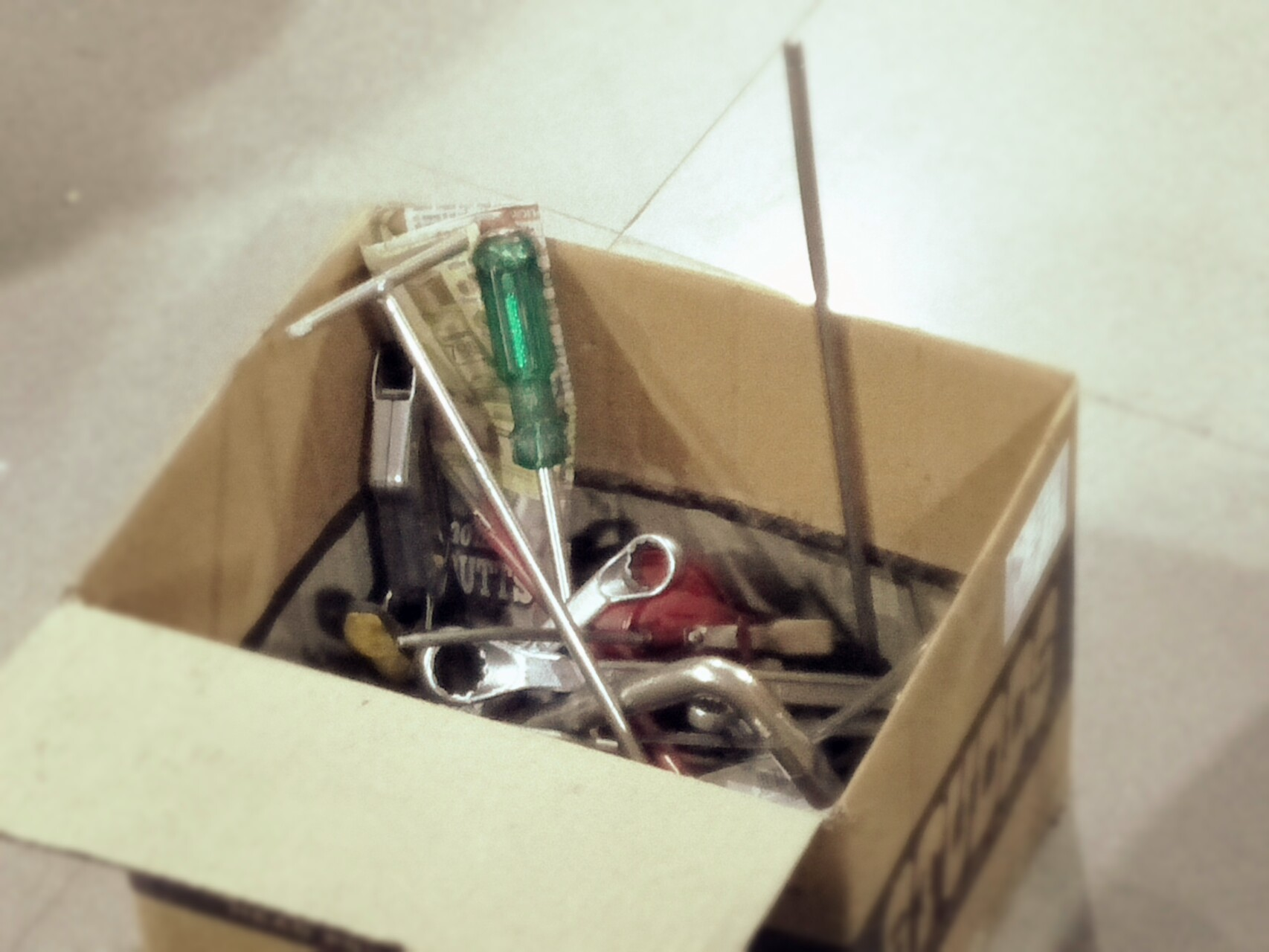
That is the whole experience in one sentence. A child holding a box of unfamiliar objects, trying to match a vague description to one of them, with somebody waiting and not looking up.
Like our content? Follow us for more.
Getting It Wrong Was the Normal Outcome
The failure rate was high and the correction was immediate. A child who brought the wrong thing was told so without ceremony and sent back, which happened several times per job and was not treated as a problem by anybody.
You Learned the Names Backwards
Children acquired the vocabulary by elimination rather than by instruction. Having brought the wrong object four times, a child knew what four things were not, which is a slow and surprisingly durable way of learning a set of names.
Nobody ever sat down and taught any of it. A substantial proportion of what that generation knows about tools was assembled from being corrected, one object at a time, over several years.
The Same Four Objects Came Out Every Time
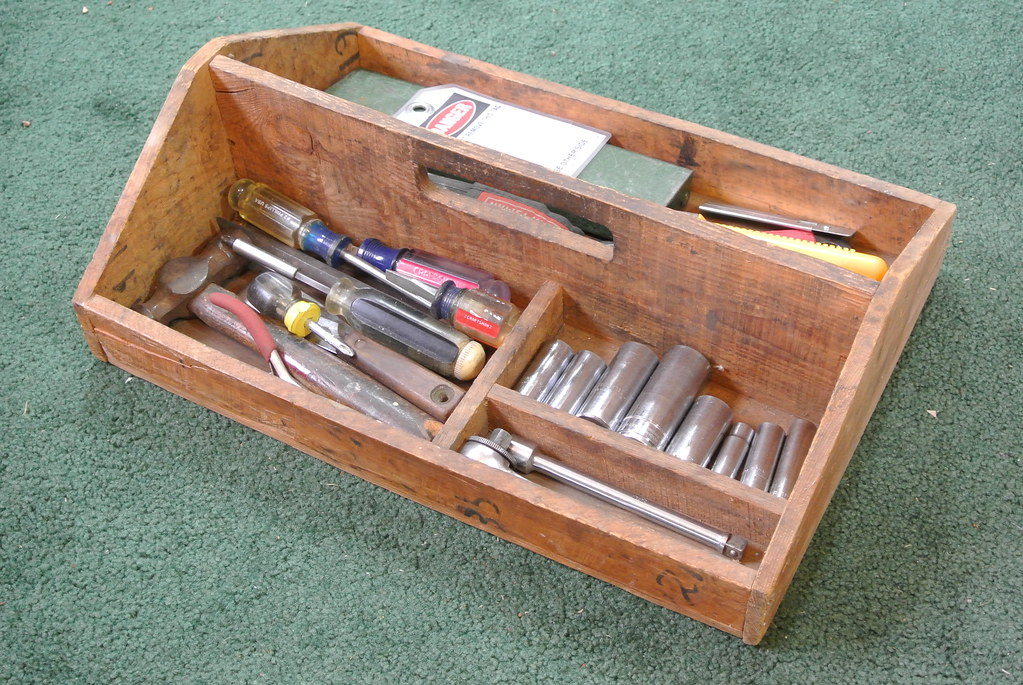
For all the quantity in the box, a household’s actual repairs used a very small subset of it, over and over. A child who had attended three or four jobs could predict most of what would be asked for, which made them considerably faster than their performance on the first occasion suggested.
The rest of the contents were never used at all. A substantial proportion of what was in those boxes had been inherited, bought for one job a decade earlier or acquired by accident, and no child ever saw any of it leave the container.
The Box Was Not Organised
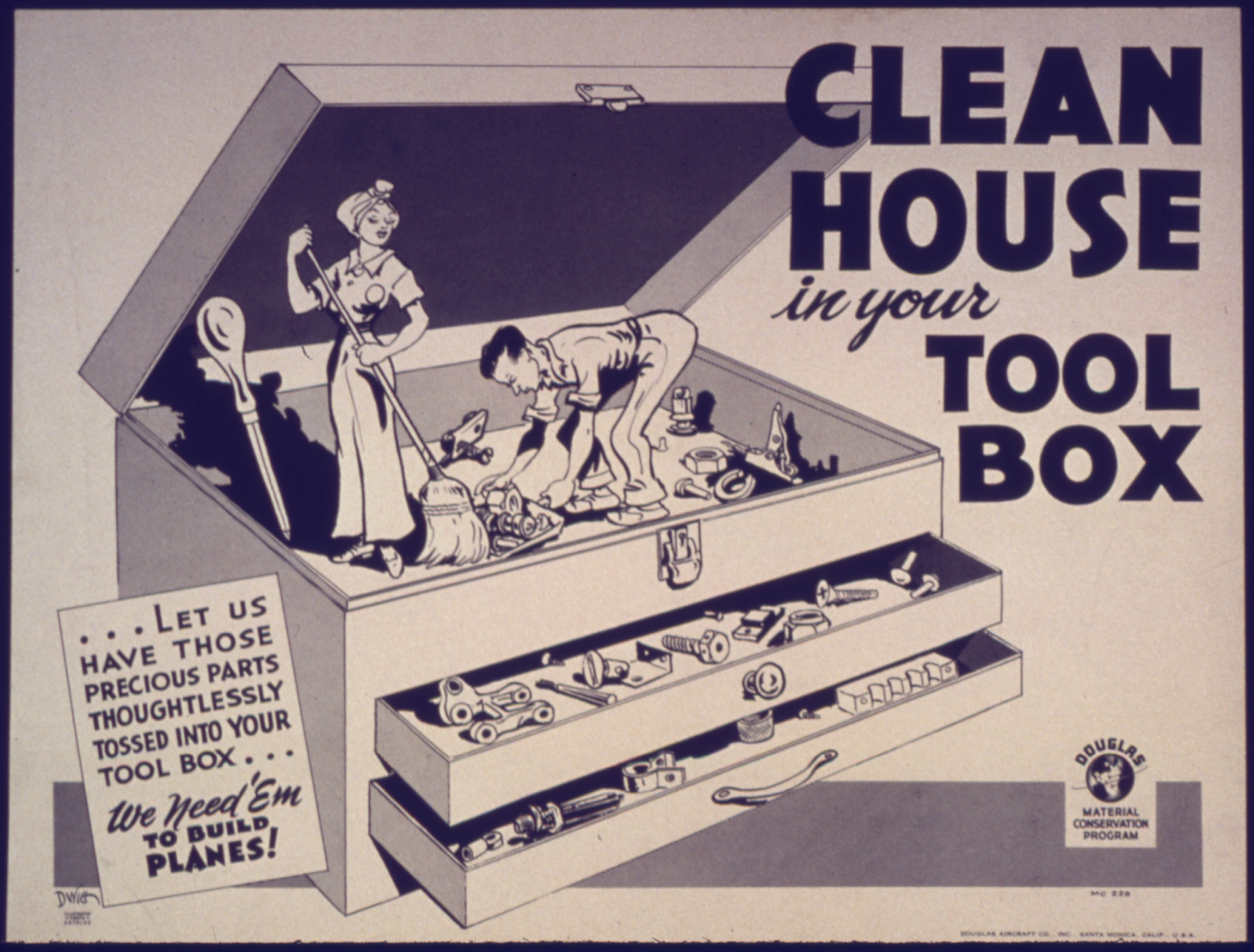
The container everything lived in had no system. Objects had been returned to it in whatever order they came out, small things had worked their way to the bottom, and finding anything required removing most of the rest.
Searching It Made Noise and the Noise Was Commented On
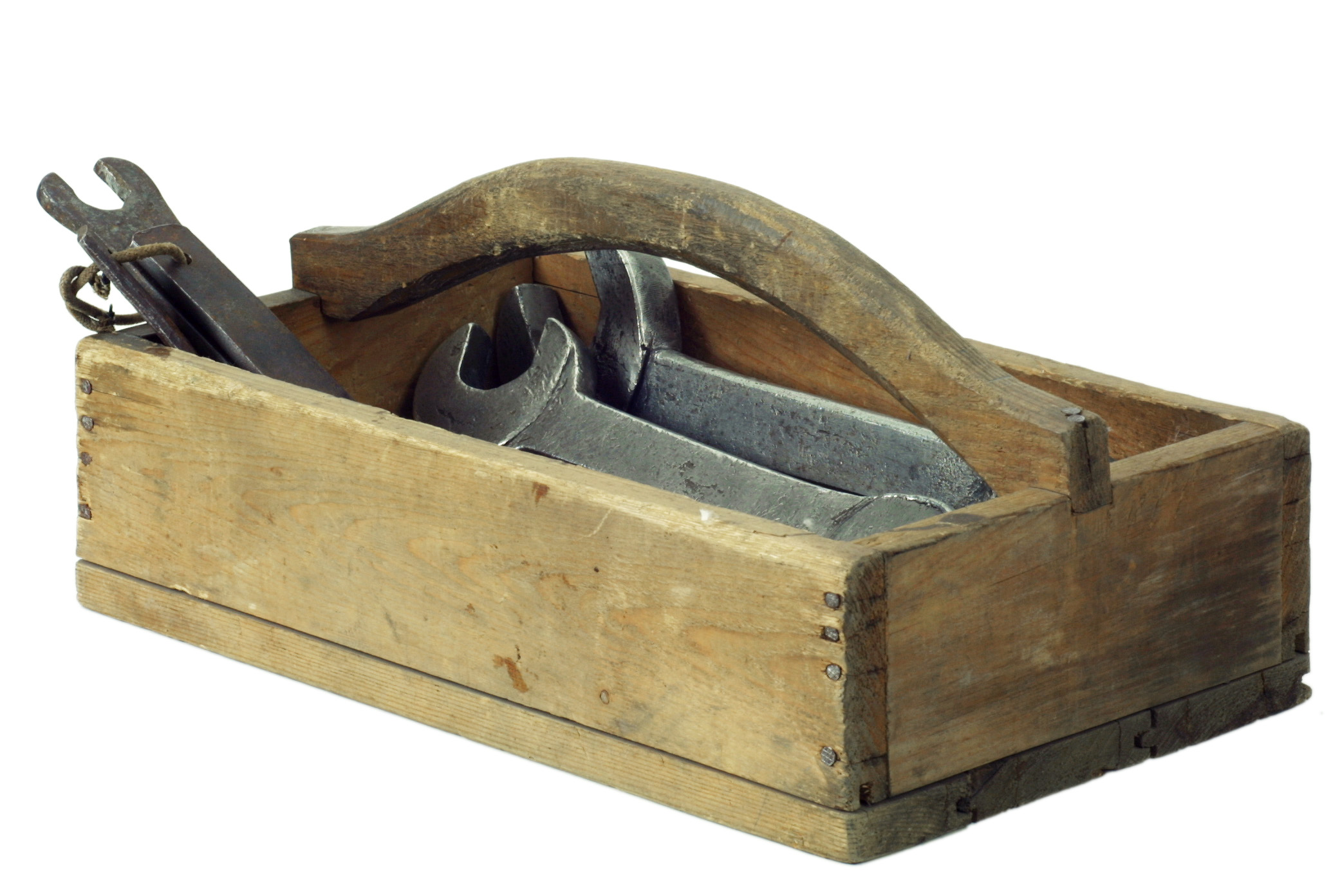
A child going through a metal box full of metal objects cannot do it quietly, and the sound of the search was an audible report on how badly it was going. Adults frequently responded to the noise rather than waiting for the result.
The Thing Being Asked For Was Usually Already in Their Hand
A considerable proportion of these requests were resolved by the adult finding the object in their own pocket, on the floor beside them or still in use. The child was sent for things that had not actually been lost, and was not generally told when that was what had happened.
Holding Something Was the Other Half of the Job
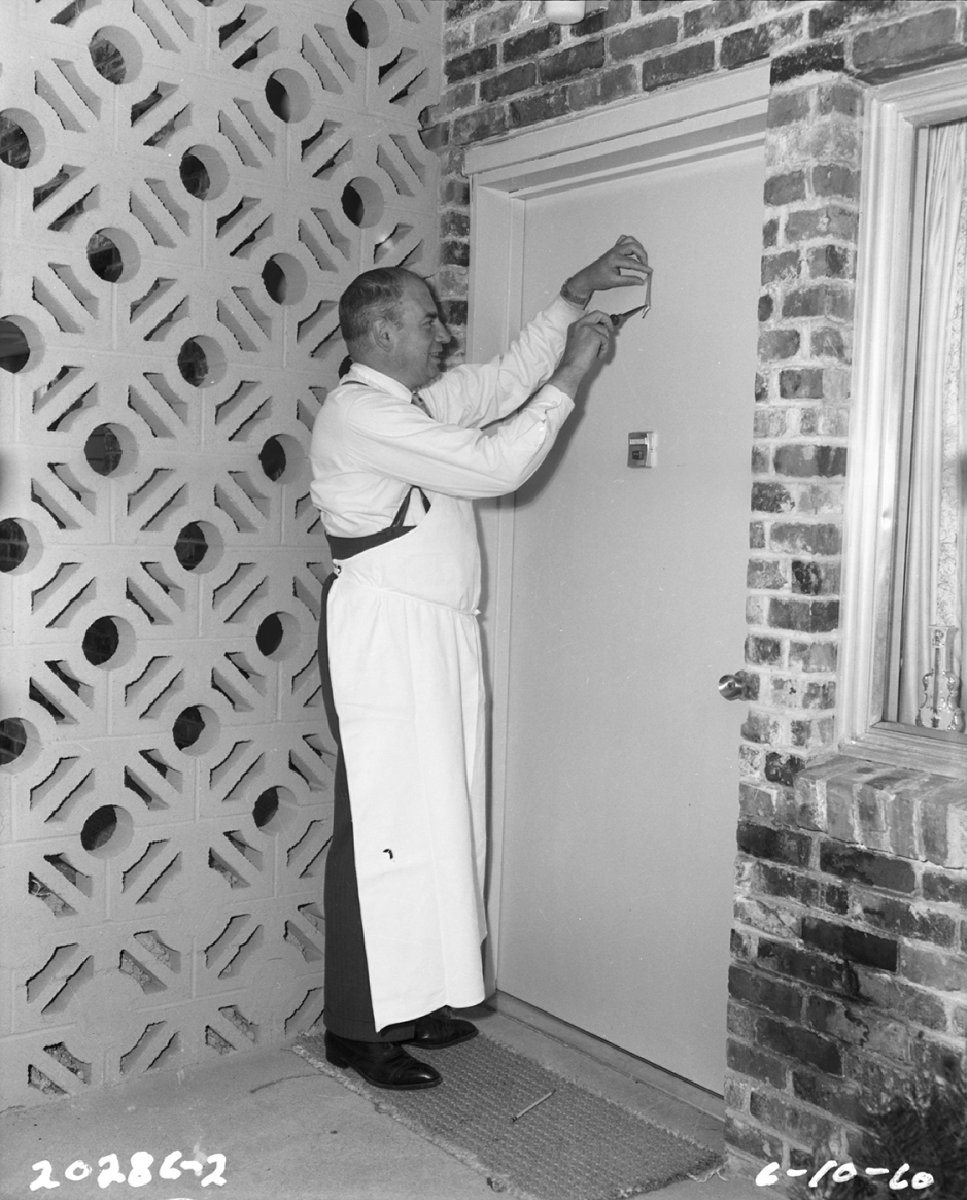
When nothing needed fetching, the child held whatever could not be put down – a part, a cover, a length of something – in a position they had been put in and were not to vary. It was more tiring than it sounds and lasted longer than anybody estimated.
The Position You Stood In Was Assigned and Wrong
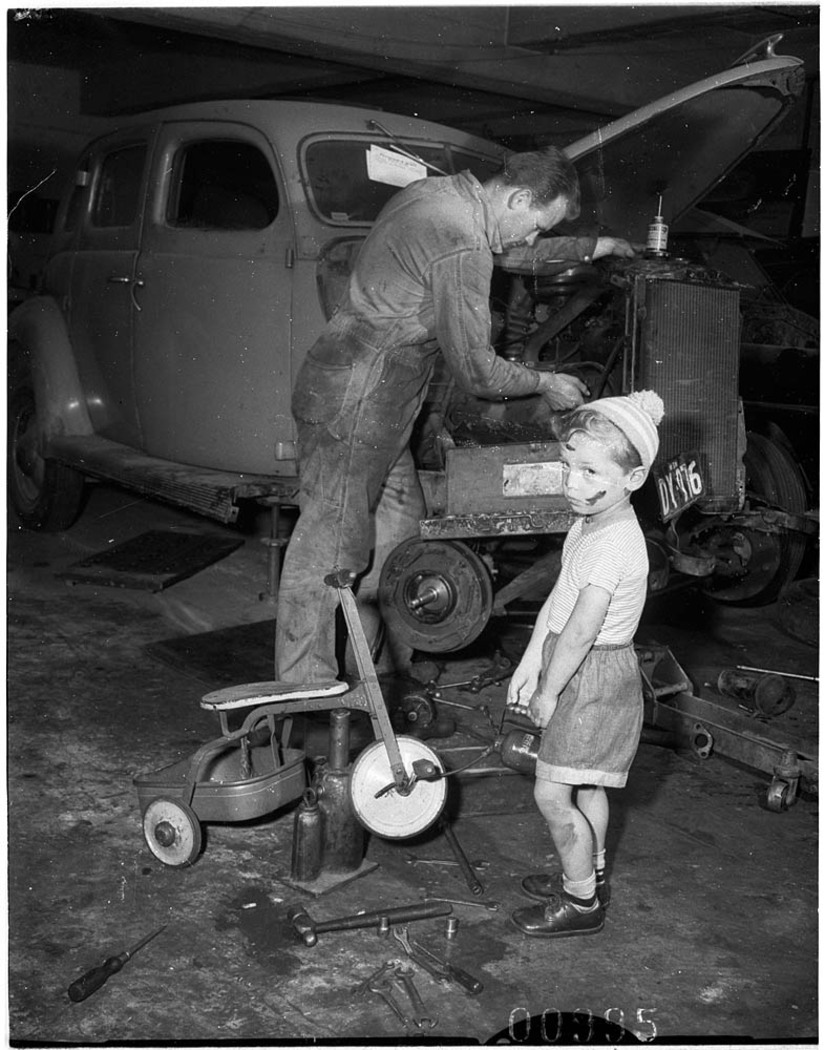
A child was put somewhere – beside, behind, slightly to one side – and the place chosen suited the adult’s reach rather than the child’s view. Moving to see better was permitted in principle and produced an immediate instruction to stop blocking the light or getting in the way.
So the whole hour was spent in a compromise. Close enough to be useful, far enough to be no help to themselves, and shifting between the two whenever they thought nobody would notice.
Nobody Explained What Was Being Done
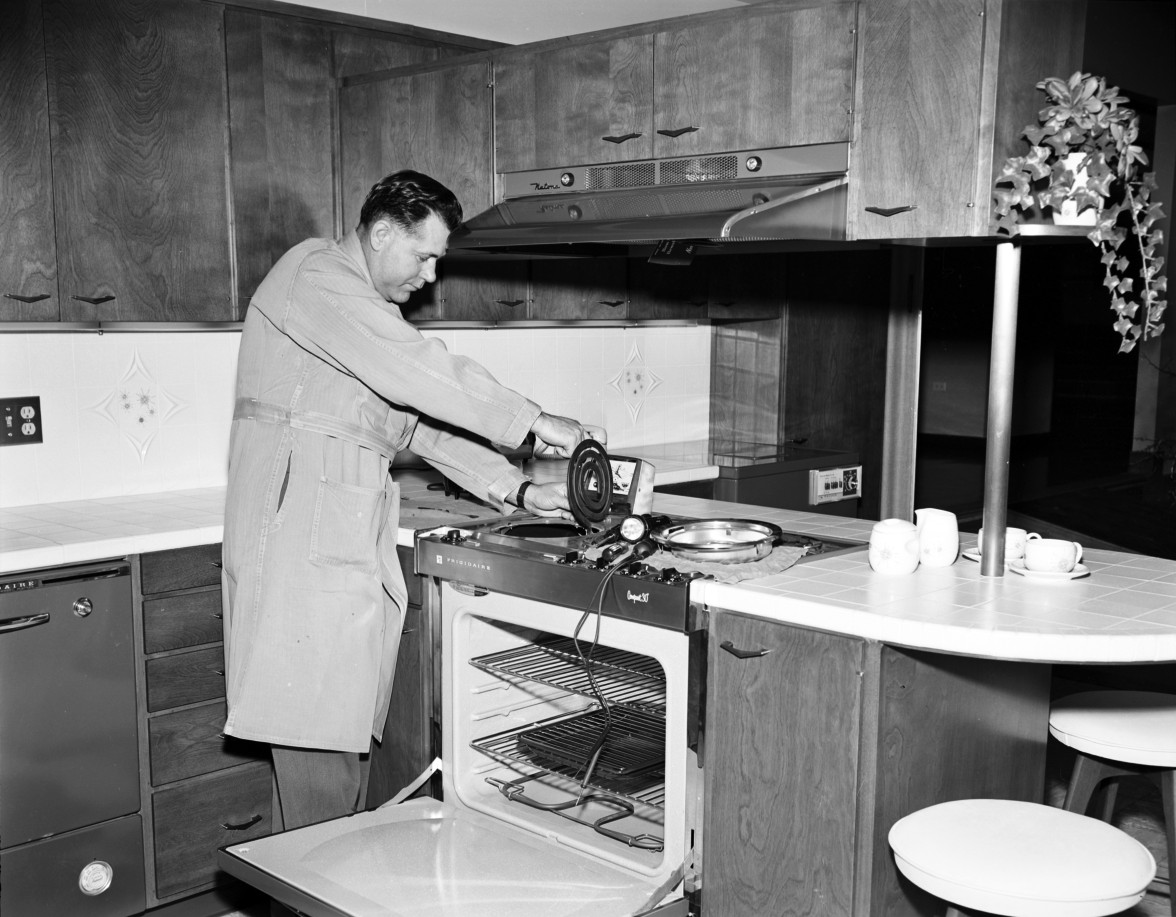
The work was conducted in near silence. A child could watch an entire repair from eighteen inches away and have no idea what the problem had been, what had fixed it or whether it had worked, because at no point did anybody describe any of it.
The ones who narrated were remembered for it. An adult who said what they were doing while they did it gave a child something nobody else was giving them, and the people who had such an adult mention it decades later.
Questions Were Tolerated to a Point
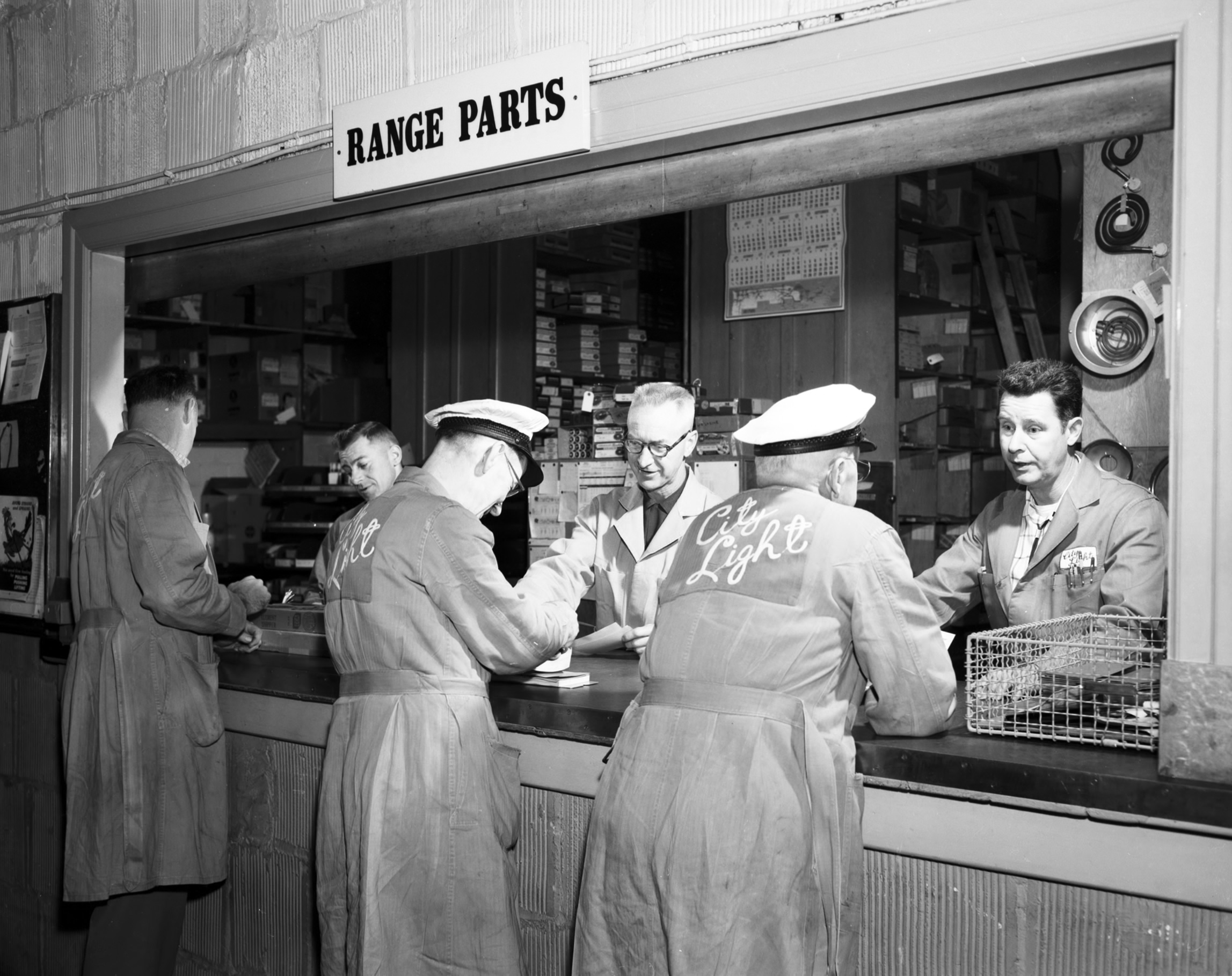
A child could ask one or two things and would be answered briefly. Beyond that the answers got shorter, and most children learned to read the moment at which further questions stopped being welcome.
Being Allowed to Do One Small Part Was the Reward

Occasionally a child was given something to actually do – tighten the last turn, hold a part in place while it was secured – and that is what the whole afternoon was remembered for. The contribution was trivial and the significance was not.
The Dangerous Things Were Kept Away and That Was Right
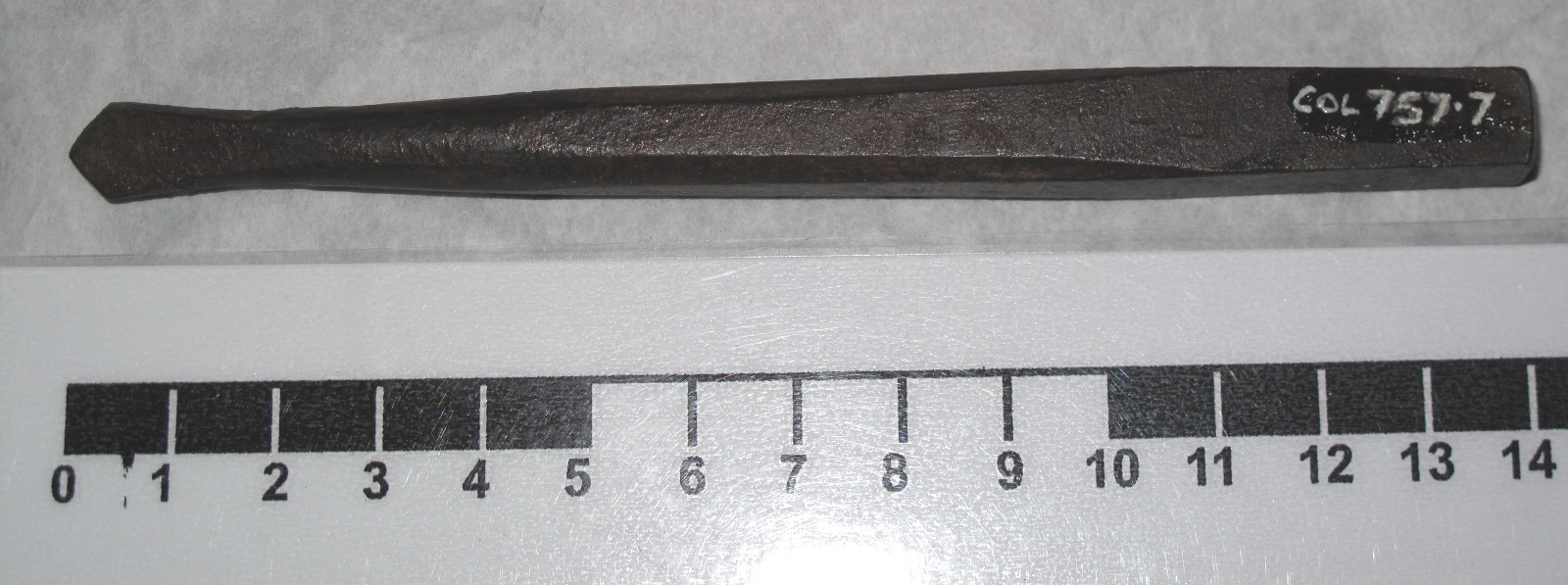
Anything sharp, heavy or powered was not handed to a child, and the line was observed without discussion. Present-day standards about children and tools go considerably further and they should; nothing in this piece describes how any child ought to be involved in any work today.
The reasons for current practice are not in dispute. This is an account of what households did when far less thought had been given to any of it.
The Light Was Always Wrong and You Were Holding It
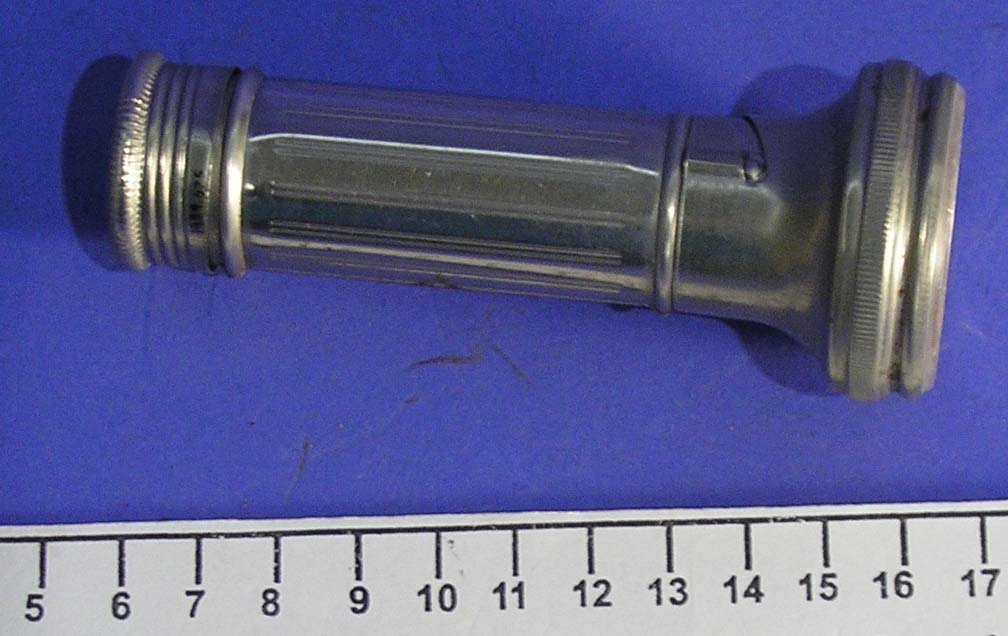
Every job of this kind eventually required somebody to direct light at something, and the child got that assignment. Nothing a child does in that position satisfies the person looking, and the instruction to move it was continuous and unachievable.
Being Sent to Ask Somebody Else Was the Worst Errand
A child dispatched into the house to ask another adult where something was, or whether it could be used, had to deliver a message they did not understand and bring back an answer they could not evaluate. The round trip frequently produced a second errand.
The Job Always Needed Something the House Did Not Have
Most repairs stopped partway through because an item was missing, which converted the afternoon into a wait. The child was released at that point, having spent an hour on a task that had not been completed.
Improvising Was the Actual Skill on Display
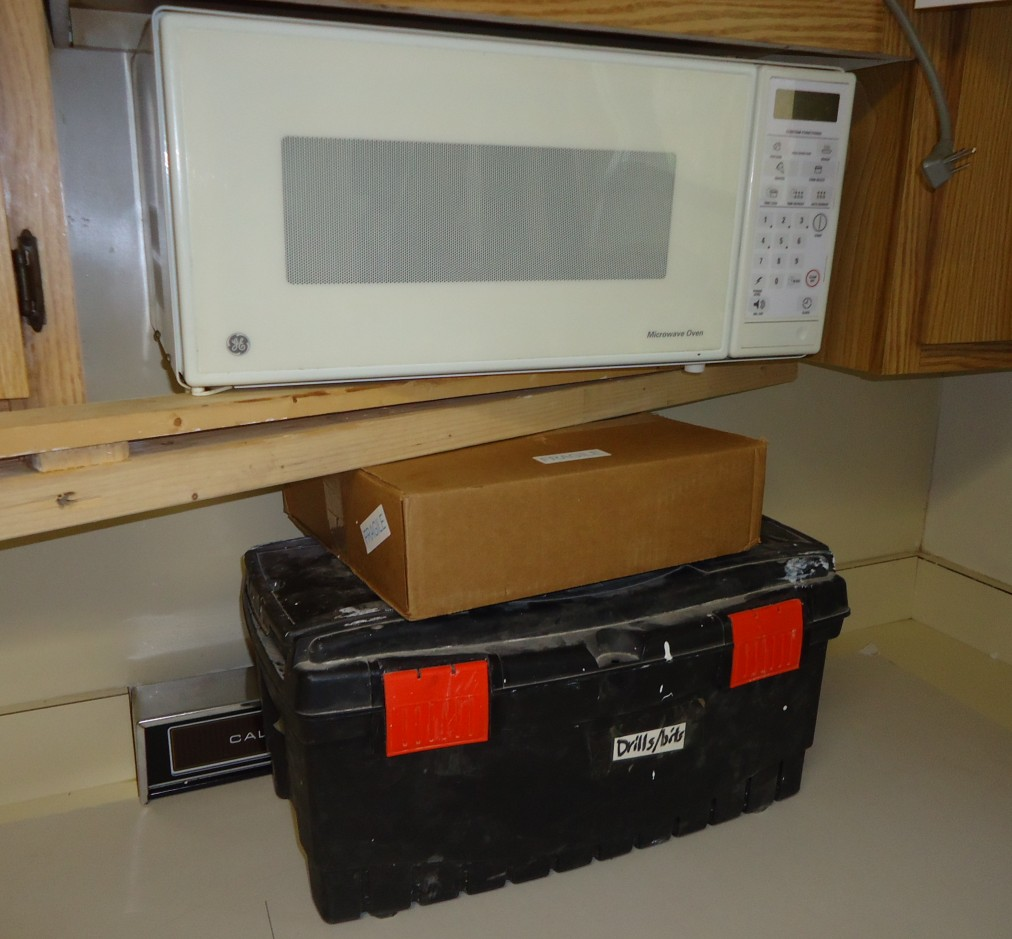
What children watched most often was not a repair done properly but a repair done with the wrong thing, because the right thing was not available. That is a genuine competence and it was transmitted entirely by observation.
Everything Had Been Mended Before

A child looking closely at the fabric of a house saw previous repairs everywhere – earlier solutions, earlier improvisations, earlier people’s decisions. Households of that period were palimpsests of their own maintenance, and the children holding the light noticed.
The Hands Were the Thing You Watched
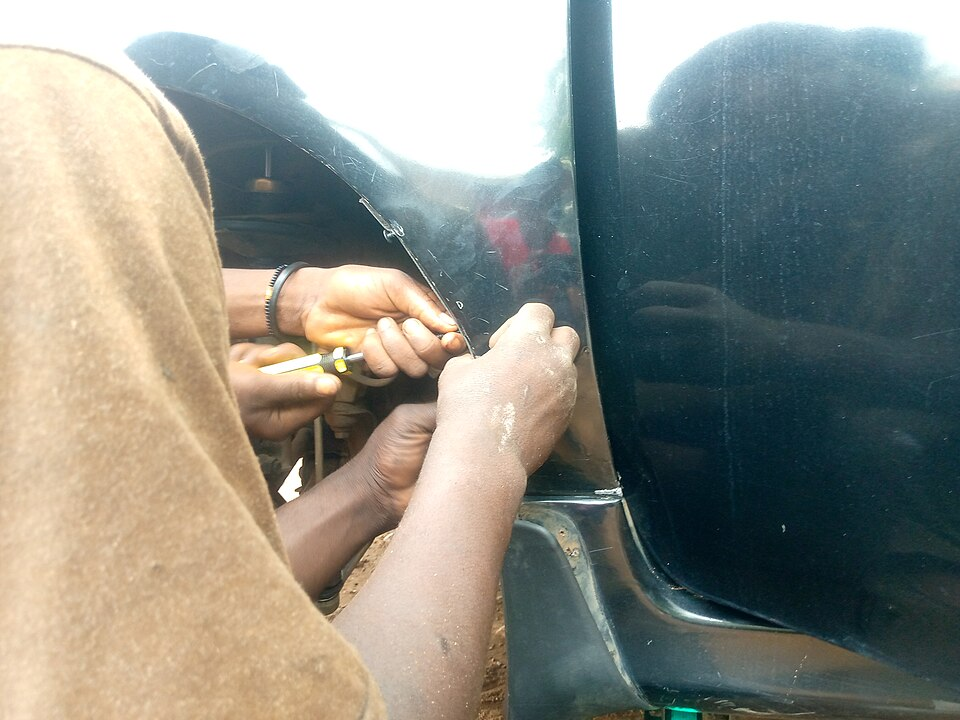
With nothing explained and nothing to do, a child’s attention went to what the adult’s hands were doing. People who did this describe remembering the hands with unusual clarity, in a way they do not remember faces from the same period.
Being Present Was the Point From the Adult’s Side Too
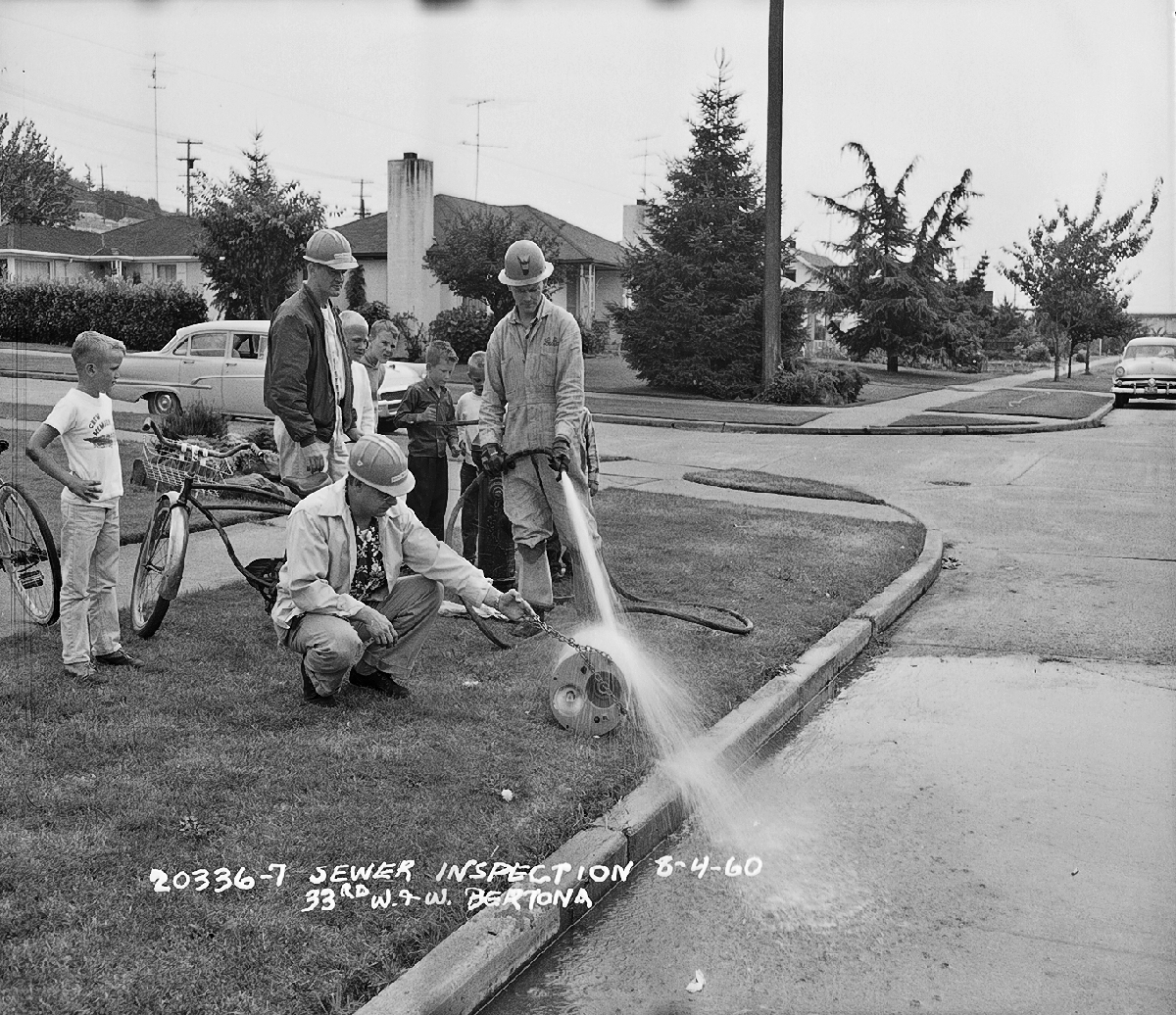
The child was not needed. A person doing a household repair is faster and less interrupted on their own, which means the arrangement cost the adult time and they did it anyway, for reasons neither party articulated.
That is worth stating plainly. The errands were not labour-saving; they were an invitation, and the children who were invited generally worked that out considerably later.
Siblings Competed for the Position
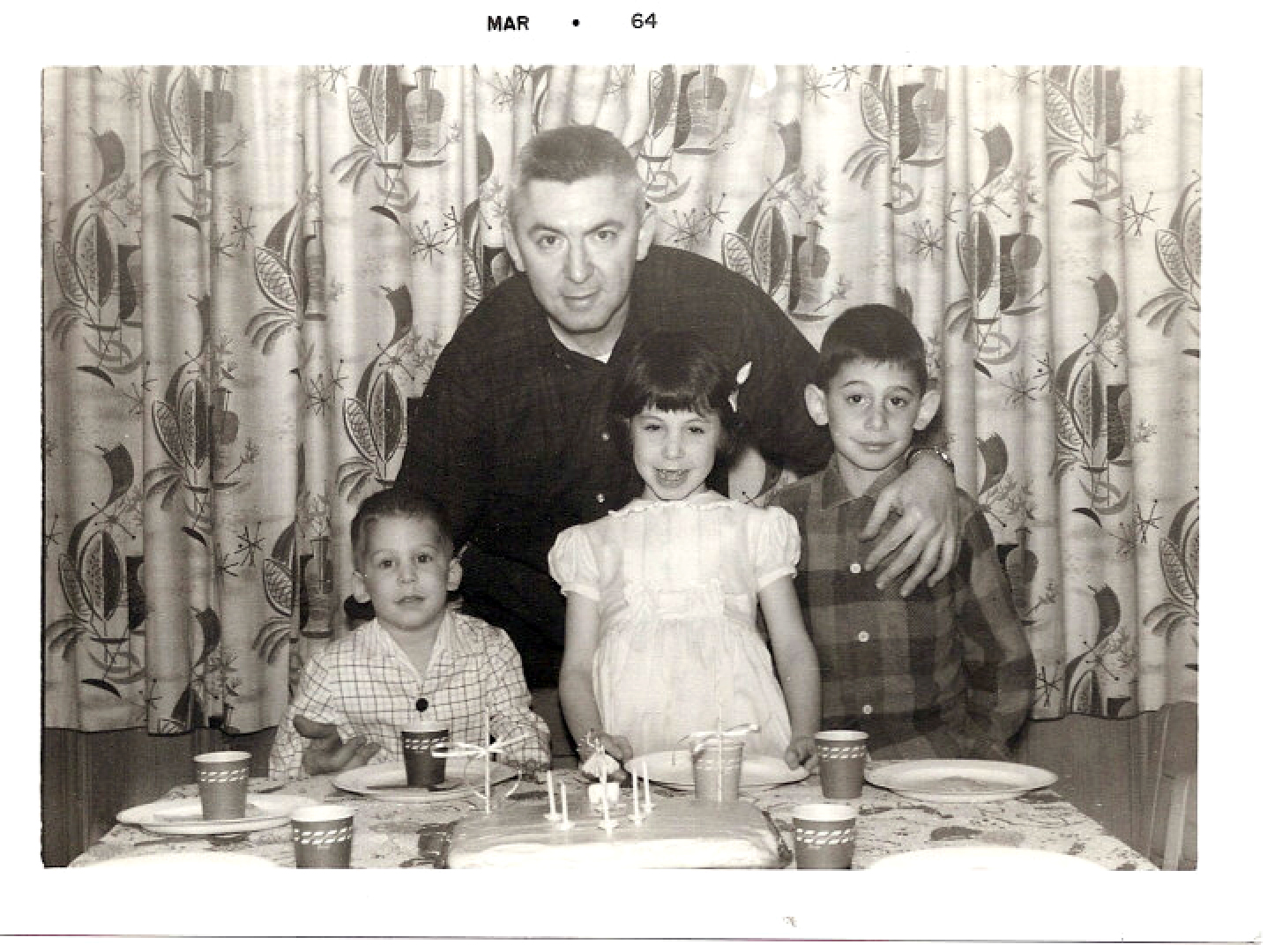
Being the one asked was a distinction, and households with more than one child had a quiet contest about it. The child who happened to be in the room when something broke had an advantage that the others resented.
The Hands Got Dirty and That Was Part of It

A child returning indoors with marks on their hands had visible evidence of having been involved in something, which mattered considerably more than the involvement itself. Several people describe not wanting to wash.
Nothing Was Said at the End
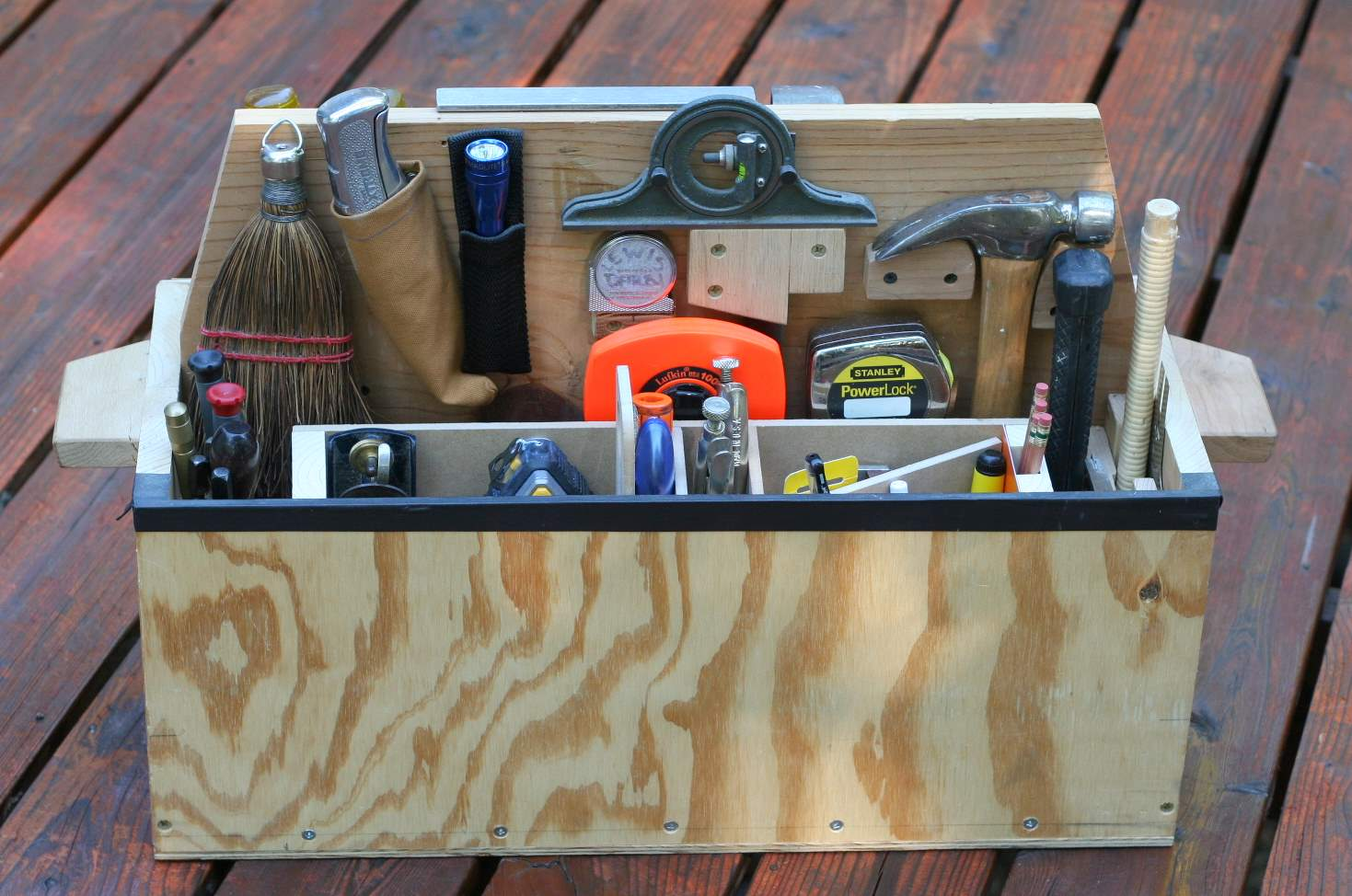
The job concluded, the adult put things away and everybody dispersed. There was no review, no thanks and no acknowledgement that the child had spent an hour standing there, which was entirely normal and bothered nobody at the time.
Then Households Stopped Fixing Things at Home
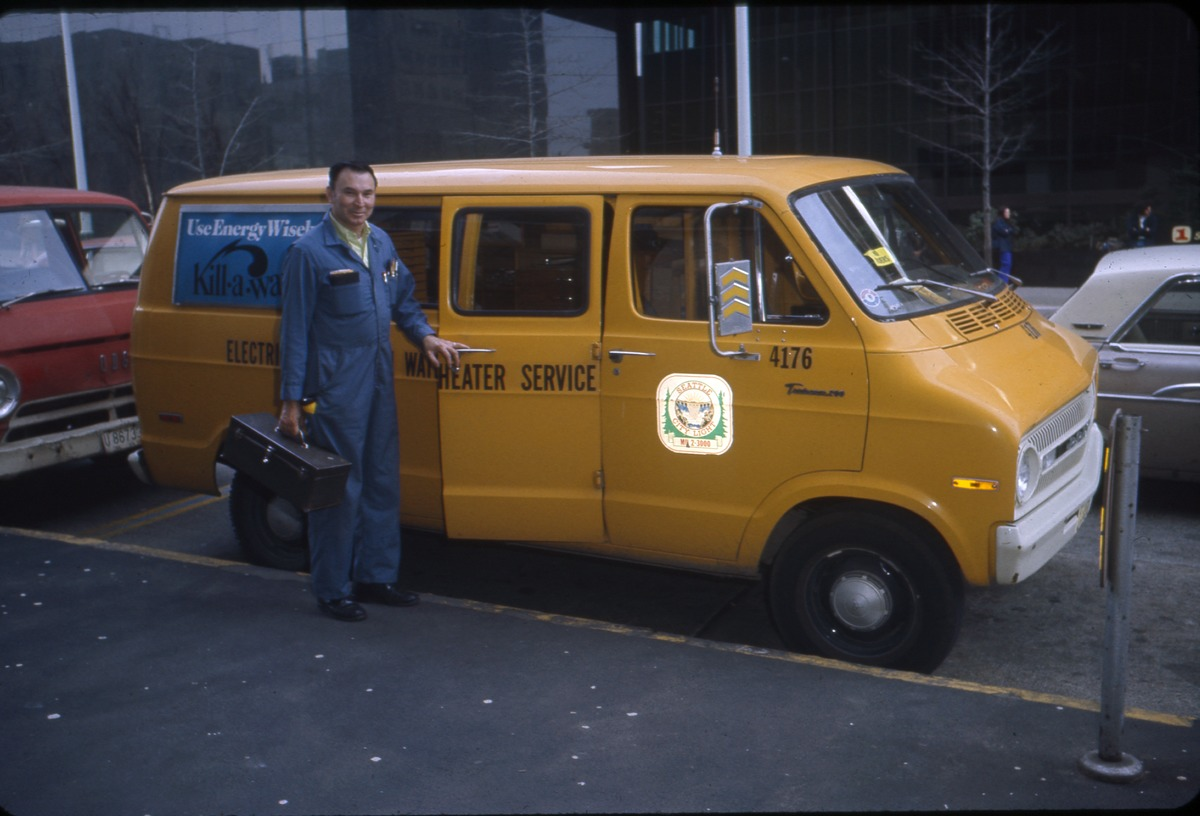
Sealed appliances, cheaper replacement than repair, specialist fittings, hired trades and far better thinking about children around tools removed the whole arrangement, and most of that is plainly an improvement.
What Actually Went
An hour of standing next to somebody who explained nothing, translating vague descriptions into objects out of an unsorted box, learning a set of names by being wrong about them, directing a light that could never be held correctly, and being invited to something you were not needed for by somebody who never said that was what they were doing.
Like our content? Follow us for more.