In 1962 a large floor covering could not be cleaned where it lay. A household without suction had no means of removing anything from deep inside a pile, which left impact as the only available technique – and impact cannot be applied indoors. So the whole thing went outside, over a line or a rail, which turned cleaning one rug into a half-day operation involving everybody available. Here are fifteen things every family remembers about beating the rug outside in 1962, and how vacuum cleaners ended it.
1. The Rug Had to Leave the House to Be Cleaned
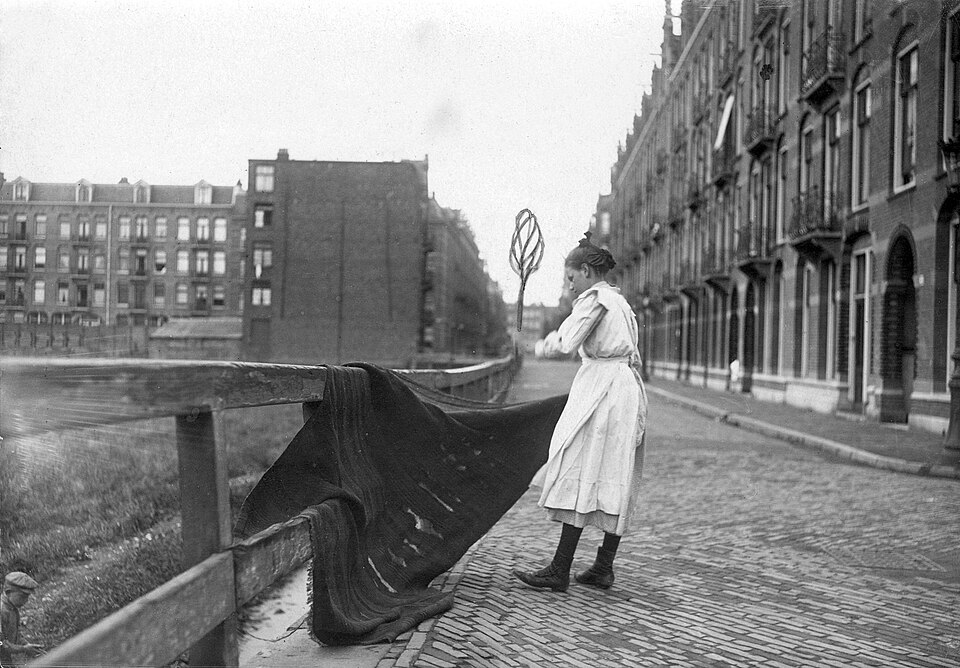
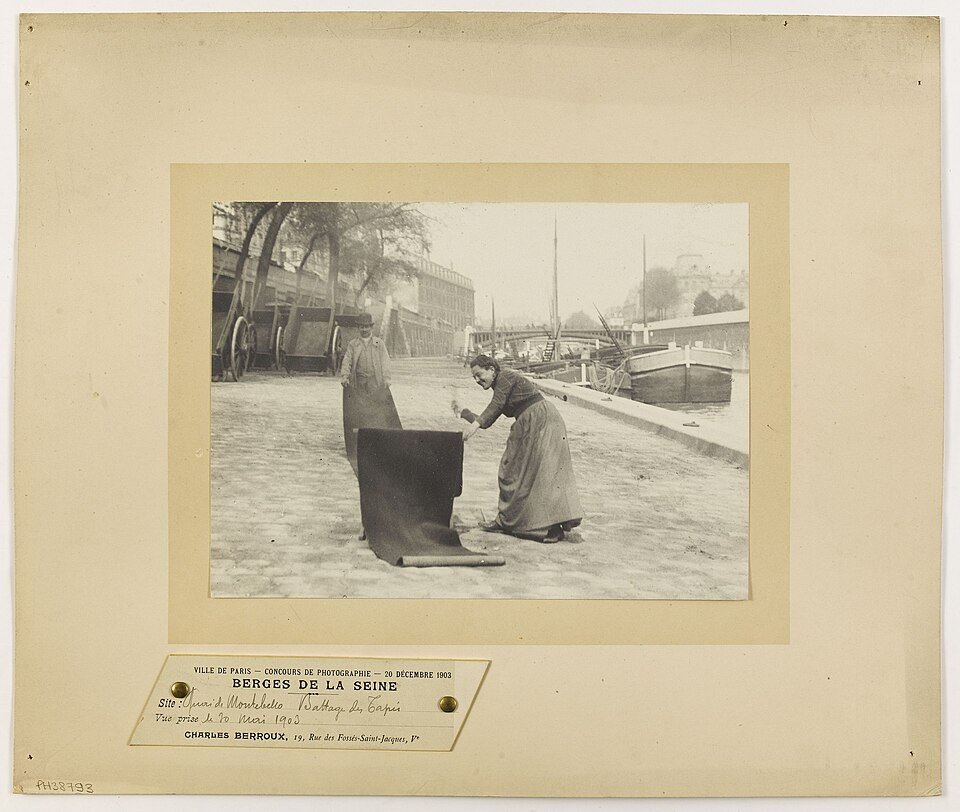
There was no way to clean a large floor covering in place, so the whole thing was carried outside.
The method followed from the equipment. A household without suction had no means of removing anything from deep inside a pile, which meant the only available technique was impact, and impact cannot be applied indoors.
That made the whole operation a production. Getting a heavy floor covering out of a house, over a line or a rail, worked on and brought back is a half-day job involving everybody available.
Like our content? Follow us for more.
2. Lifting It Was the Worst Part and Came First
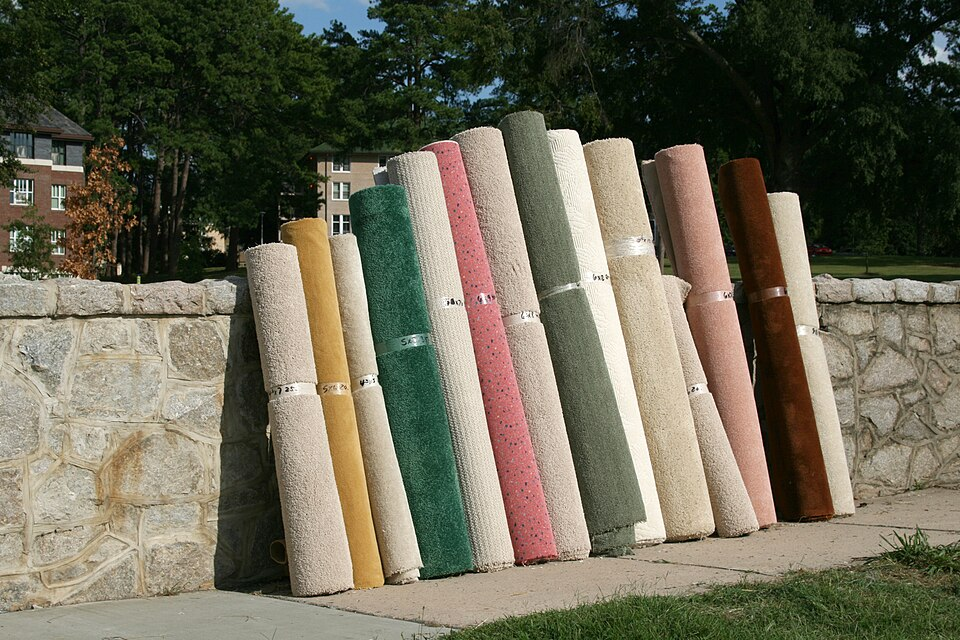
A large rug is considerably heavier than anybody expects, and the weight is all in the middle.
The handling problem is in the material. A floor covering of that period was dense, backed and sized for a whole room, which means it cannot be folded conveniently and sags in the centre however many people are carrying it.
Children were positioned badly and knew it. The smallest people ended up in the middle of the load, taking the most weight with the least purchase on it, which is the standard distribution of effort in a household task of this kind.
3. It Went Over a Line, a Rail or a Fence
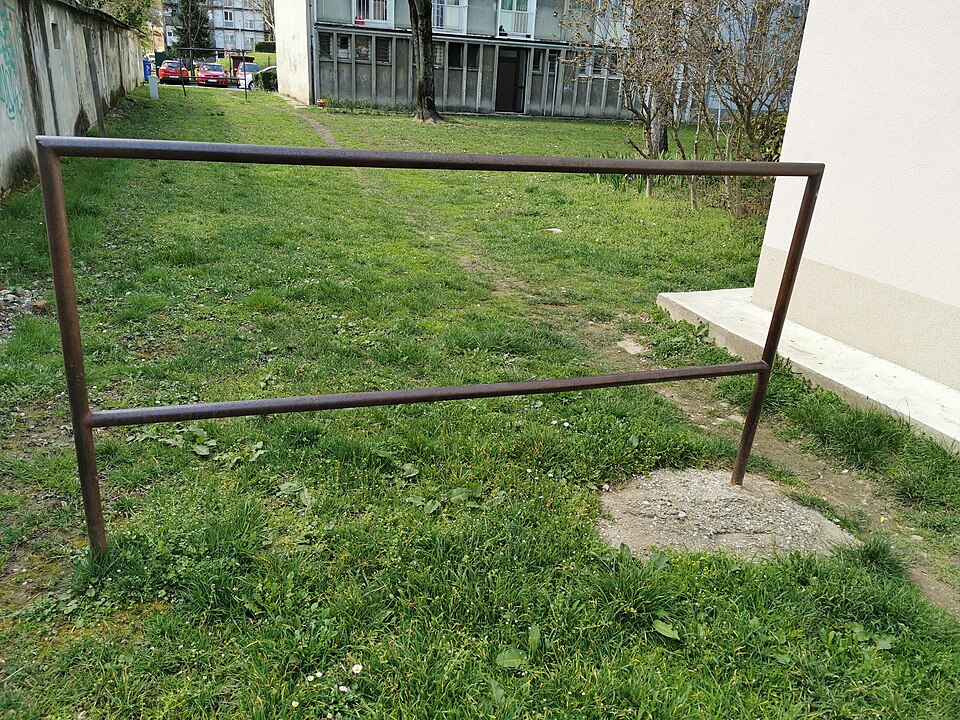
Whatever was available and would bear the weight became the support, and the choice determined how well the job went.
The requirement was height and tension. A rug has to hang clear of the ground and be firm enough to resist a blow, which means a slack line produced nothing and a solid rail produced a result.
A great many households used something unsuitable. A fence that bent, a line that sagged or a rail that was too low meant the whole afternoon’s work achieved considerably less than it should have.
Where in the garden it hung was also not a free choice. The support had to be clear of plants, away from anything that would be ruined and in the open, which in most gardens left exactly one viable position, and the whole operation therefore happened in the same spot every year.
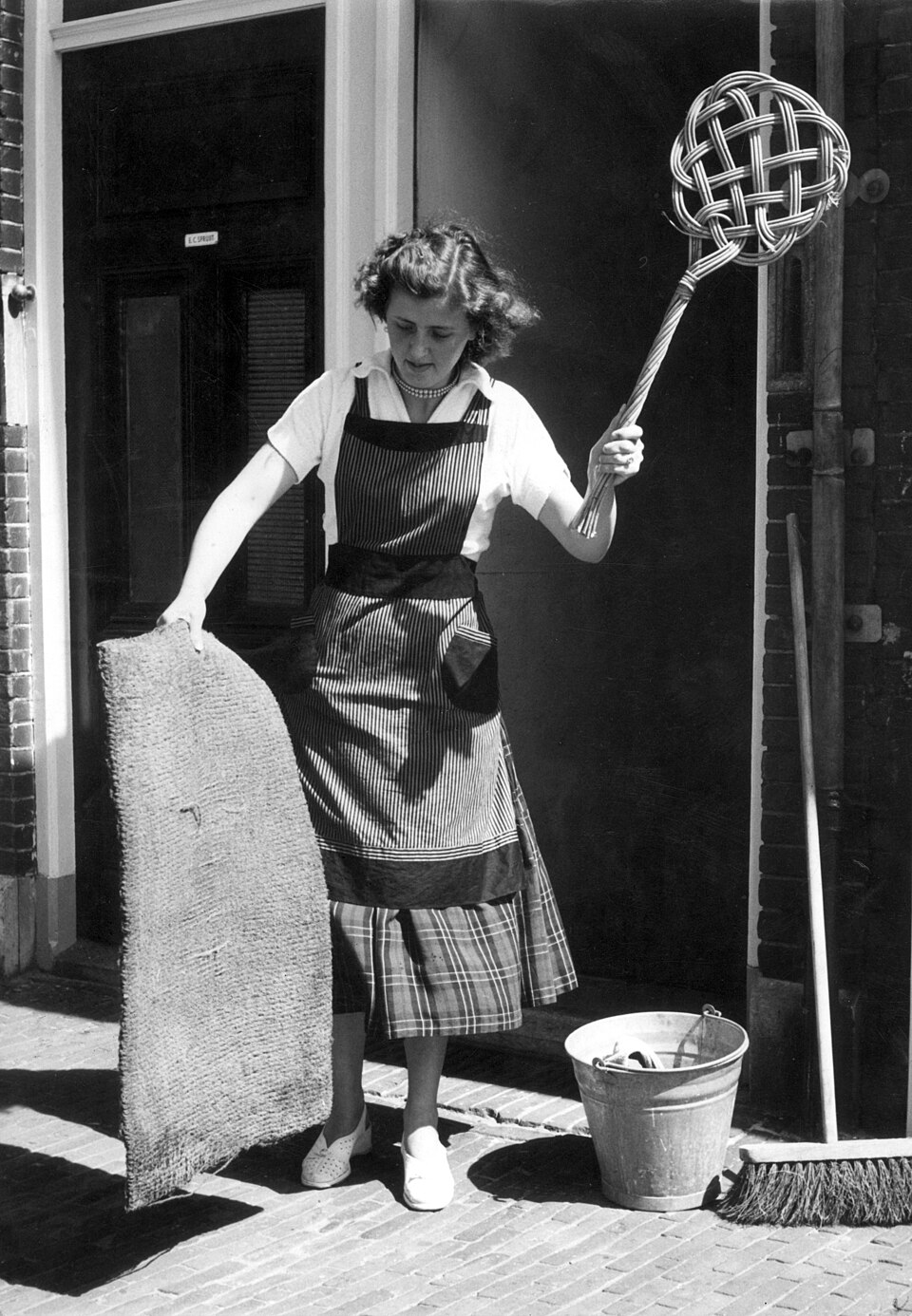
4. The Implement Was Rarely the Proper One
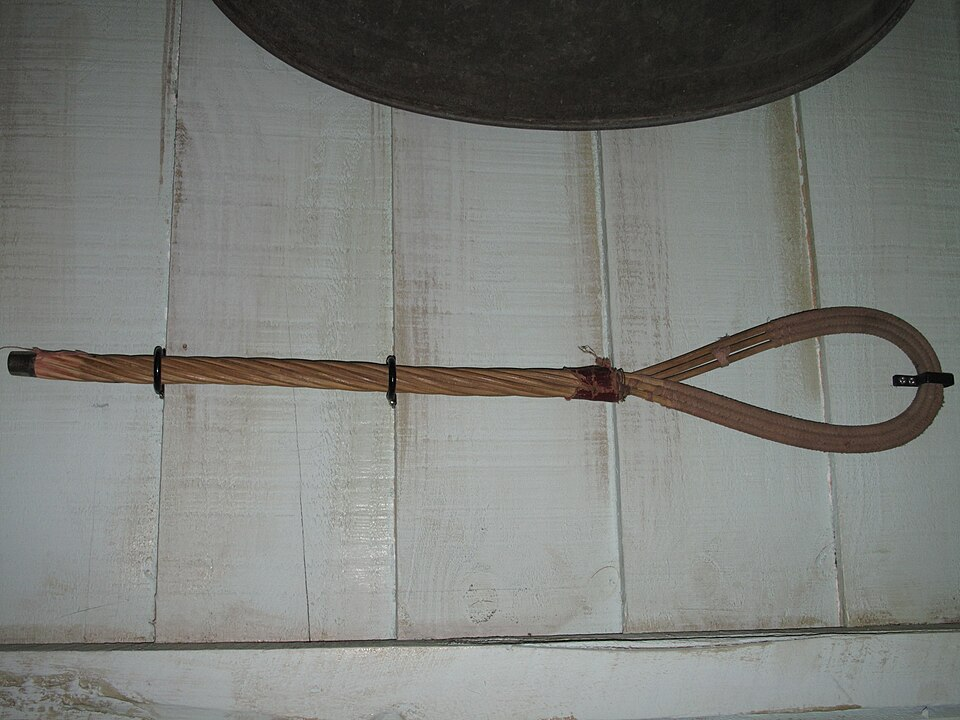
Purpose-made beaters existed and a substantial proportion of households used something else entirely.
The substitution was ordinary. A flat, rigid object with a handle will do the job approximately, and households that did not own the intended item used whatever was in a shed and accepted the inferior result.
Children were given the worst one. A household with one good implement and three people working allocated by age, which meant the youngest was issued something that barely functioned.
5. The First Blow Was Genuinely Shocking
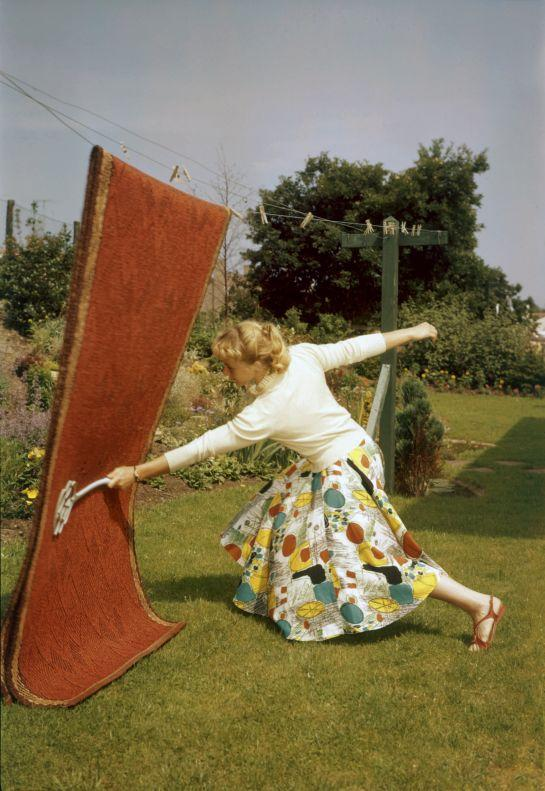
The quantity of dust that came out of a rug that had been in use for a year astonished everybody every time.
The accumulation was invisible until it was disturbed. A pile holds a remarkable amount of material down between the fibres, none of it apparent from above, and the first impact releases a visible cloud of it.
That moment is the whole memory for most people. The specific image of a dense cloud coming off a floor covering in sunlight is what survives, rather than any of the work that followed.
6. You Had to Stand Upwind and Nobody Did
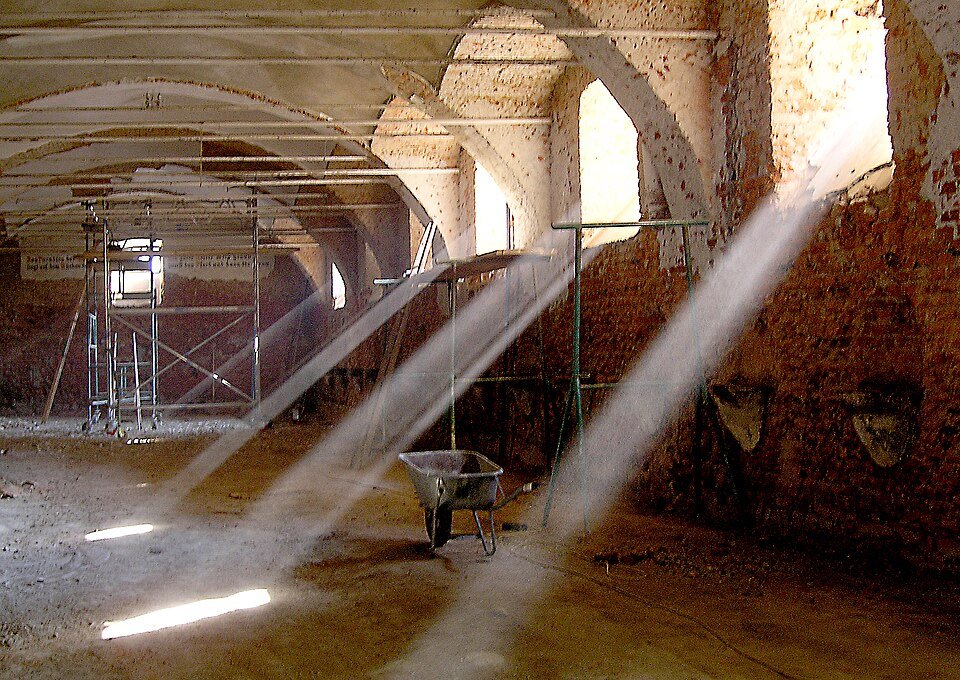
The dust went wherever the air took it, and the person producing it was usually in its path.
The geometry was learned the hard way. A child working on the downwind side of a hanging rug received everything they dislodged, and the correct position was discovered by having been in the wrong one.
Modern thinking about dust in the air is better informed and nothing here is a recommendation. Nothing in this piece should be read as describing how anybody ought to clean anything, and present-day practice is an improvement in every respect.
7. It Was Louder Than Anybody Expected
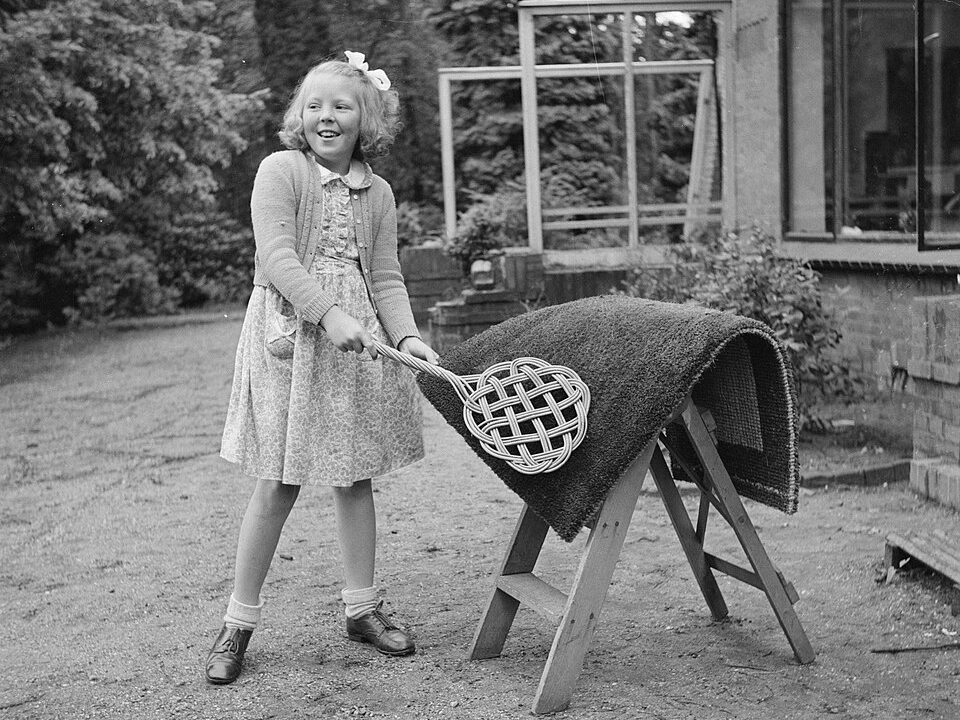
The sound carried across several gardens and identified exactly what was happening to everybody nearby.
The acoustics were a function of the impact. A flat object striking a tensioned surface produces a sharp report, repeated, which is audible from considerably further away than the people making it realised.
Neighbours knew what day it was. The noise announced a household’s spring cleaning to the whole area, which meant the practice spread across a street as people heard each other doing it.
Everybody developed a rhythm and then lost it. Steady work produced a consistent sound that carried, and the moment somebody tired the pattern broke up into irregular strikes, which is how anybody listening from inside the house knew exactly how the afternoon was going.
8. The Job Was Never Finished, Only Abandoned
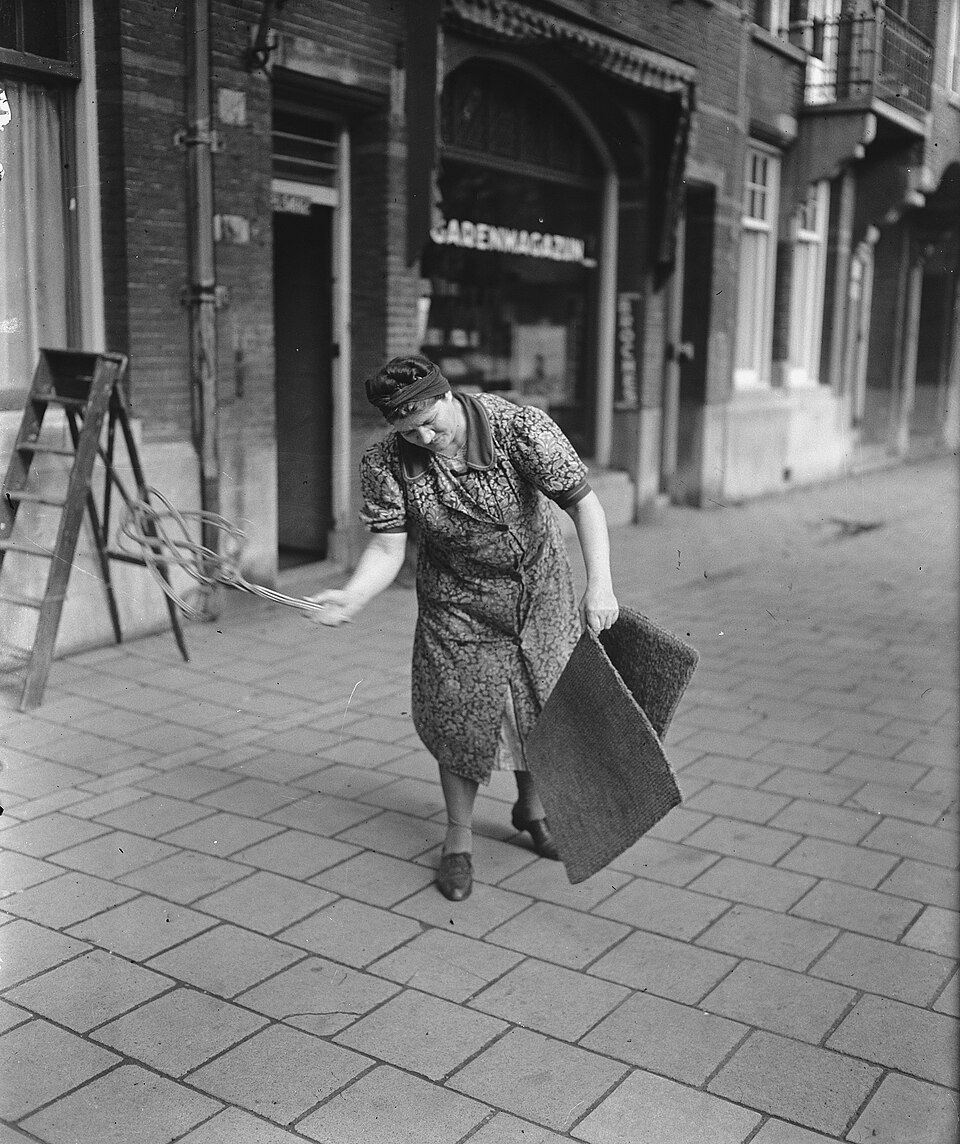
More dust came out however long anybody worked, which meant there was no point at which the rug was done.
The absence of an end condition was the real difficulty. A task with no completion test finishes when somebody decides it has, and the decision was made on the basis of effort rather than of result.
Children argued about it constantly. The question of whether the thing was clean was unanswerable, which produced a negotiation about stopping that recurred every few minutes towards the end.
9. Both Sides Had to Be Done and Turning It Was a Job
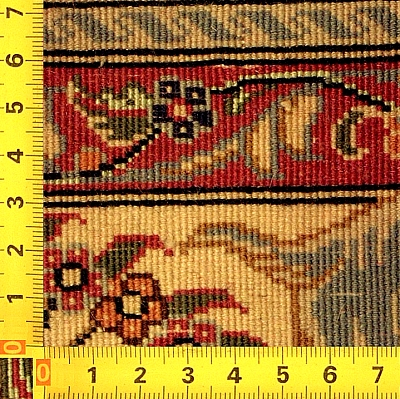
The rug had to be reversed on its support halfway through, which required taking the whole thing down and rehanging it.
The second half was worse than the first. Everybody was tired, the underside produced less visible reward, and the handling problem from the beginning of the operation had to be solved all over again.
A proportion of households skipped it. The underside of a great many floor coverings of that period was not worked on at all, which nobody mentioned and everybody suspected.
10. The Dust Settled on Everything in the Garden
Whatever came out of the rug landed on the washing, the plants and anybody standing nearby.
The conflict with the laundry was permanent. A household that beat a rug on the same day it hung washing had made a planning error, which is a mistake that was made repeatedly and produced a specific and entirely justified complaint.
Scheduling was therefore a real consideration. The order in which a household’s outdoor jobs happened mattered, and the households that had worked that out did this before anything else.
11. It Was One of the Few Jobs With a Visible Result
The evidence of the work was in the air and on the ground, which made it unusually satisfying for a household task.
The visibility was the reward. Most domestic work produces no proof of itself, and this one produced a cloud and a residue, which is why children were considerably more willing to do it than most things they were asked.
The colour change was the other proof. A rug that had been worked on properly looked noticeably different from one that had not, which gave the whole exercise a measurable outcome almost no other chore offered.
The improvement was also partly imaginary. A rug that looked transformed in outdoor light frequently looked much as it had done once it was back in a room, which nobody acknowledged, because the whole household had an interest in believing the afternoon had been worth it.
12. Getting It Back In Was Worse Than Getting It Out
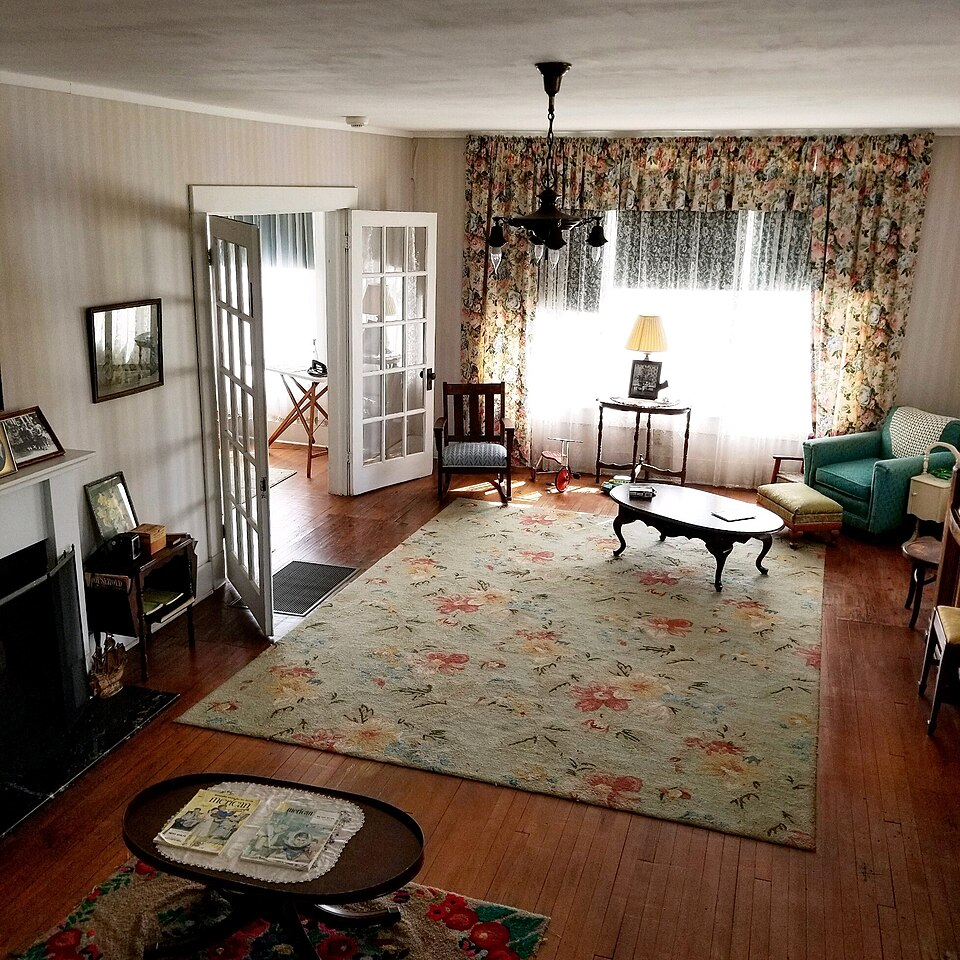
The return journey involved tired people, the same weight and the additional problem of positioning it correctly in a room.
The placement was the new difficulty. A rug has to go back square, in the right orientation, under furniture that had been moved, which means the hardest part of the whole operation came at the point everybody had least patience for it.
The result was usually slightly wrong. A floor covering put back by a tired household sat marginally off, was adjusted twice over the following week and never quite returned to where it had been.
13. The Furniture Had Been Moved and Had to Go Back

Taking a rug out of a room means emptying the room, which was a separate operation nobody counted as part of the job.
The scope expanded invisibly. A household that had set out to clean a floor covering had committed itself to moving every piece of furniture in a room twice, which nobody factored in at the start.
It also revealed what was underneath. A room emptied for the first time in a year showed a household what had accumulated under everything, which turned one job into three.
14. It Happened at a Particular Time of Year
The whole operation was part of a seasonal clean rather than a routine, and it happened once or twice a year at most.
The timing was determined by the weather. The job requires a dry day, an outdoor space and reasonable light, which restricted it to a few weeks in spring and occasionally a second attempt later in the year.
Children could see it coming. The approach of the season was signalled by a series of preparations, and the day itself was announced in advance, which gave everybody involved time to be elsewhere.
The preparation also took longer than the job. Clearing the room, finding the implement, checking the line and waiting for the right day occupied more of a household’s attention across a week than the actual work occupied in an afternoon.
15. Then Suction Replaced Impact Entirely
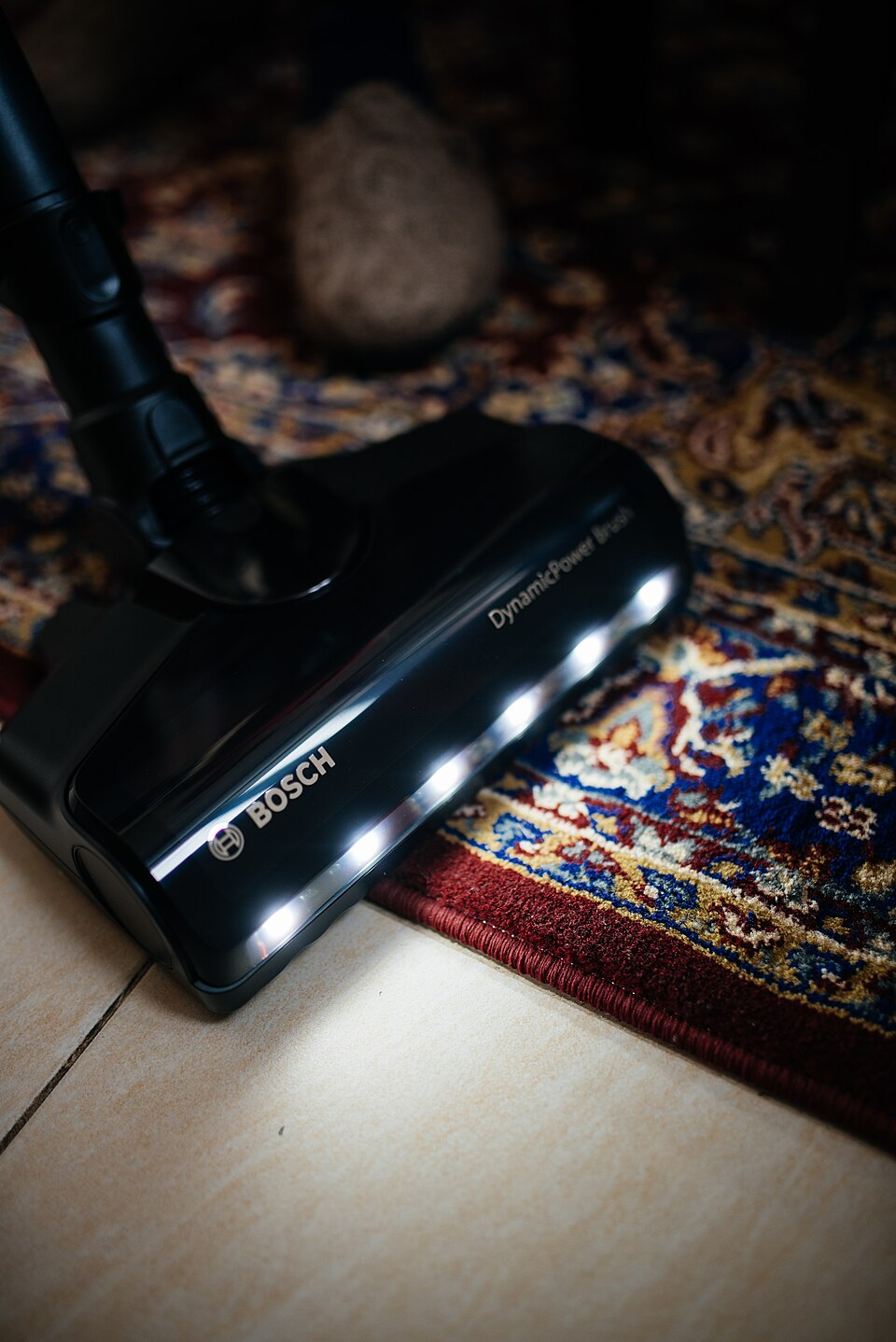
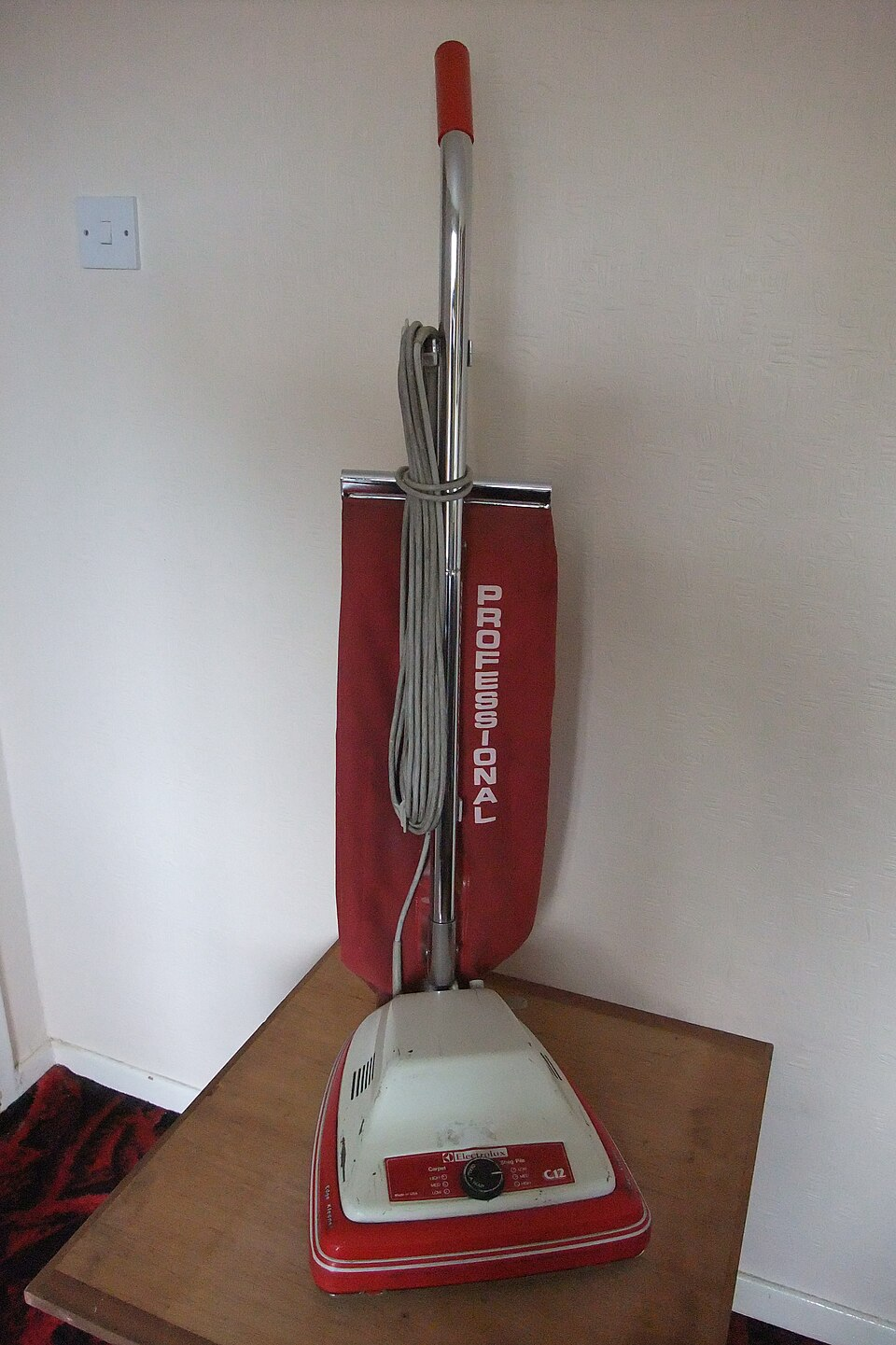
Domestic vacuum cleaners, fitted carpets, better flooring and a complete change in how households clean removed the whole operation.
The improvement is total and needs no defending. Removing material from a floor covering by suction, indoors, in minutes, by one person, with nothing released into the air, is better in every single respect than carrying it outside and hitting it.
What went with it is a half-day with a visible result. A load distributed so the smallest person took the most weight, a line that sagged, an implement that barely worked, a first blow nobody was ready for, an underside a great many households never touched, and a floor covering that went back marginally crooked and stayed that way.
The Job With No Finish Line

Read in order, the fifteen describe a task that expanded in every direction once it started. Taking a rug out of a room means emptying the room, which committed a household to moving every piece of furniture twice – and then showed them what had accumulated underneath, turning one job into three. Nobody counted any of that at the outset.
The two real difficulties were the weight and the absence of an end condition. A floor covering of that period was dense, backed and sized for a whole room, so it could not be folded conveniently and sagged in the centre however many people carried it – with the smallest people positioned in the middle, taking the most weight with the least purchase on it. And more dust came out however long anybody worked, which means there was no point at which the thing was done: the task finished when somebody decided it had, on the basis of effort rather than result, after a negotiation that recurred every few minutes towards the end.
What made it tolerable, and genuinely unusual among household jobs, was the visible proof. Most domestic work leaves no evidence of itself and this one produced a cloud, a residue and a noticeable change in the colour of the rug – which is why children were considerably more willing to do it than almost anything else they were asked.
The improvement is total and needs no defending: removing material from a floor covering by suction, indoors, in minutes, by one person, with nothing released into the air, is better in every single respect. One thing is worth stating plainly – modern thinking about dust in the air is better informed than the period’s, nothing above is a recommendation, and nothing in it should be read as describing how anybody ought to clean anything.
What went with it is a half-day with a visible result: a line that sagged, an implement that barely worked, a first blow nobody was ready for, an underside a great many households never touched, and a rug that went back marginally crooked and stayed that way.
Like our content? Follow us for more.