

In 1964 this was the only night of the year with no bedtime, and that was the whole event. A household that enforced a stated hour three hundred and sixty-four nights a year lifted it entirely on one, which means the night’s significance for children had nothing to do with the year changing. Children understood that perfectly: the appeal was the permission rather than the occasion, and a great many of them would have taken the same deal on any other date. Here are fifteen things every American kid remembers about staying up for New Year’s Eve in 1964, and what changed.
1. It Was the Only Night of the Year With No Bedtime
Every other evening had a stated hour and this one did not, which made it structurally unlike anything else in a child’s calendar.
The suspension was the whole event. A household that enforced a bedtime three hundred and sixty-four nights a year lifted it entirely on one, which meant the night’s significance for children had nothing to do with the year changing.
Children understood that perfectly. The appeal was not the occasion but the permission, and a great many of them would have taken the same deal on any other date if it had been available.
Like our content? Follow us for more.
2. Permission Was Granted Grudgingly and in Stages
Nobody was simply told they could stay up; it was conceded in increments across the evening.
The negotiation had a standard shape. A child was told they could stay up for a while, then until something specific, then until they were tired, each concession extracted separately and each one celebrated privately.
Younger children were sent up anyway. A household with several children generally drew a line somewhere, and the child immediately below it experienced the single most acute injustice available in the whole year.
The concessions were also never written down or remembered. A child who had been allowed until a particular point one year had no way of establishing that as a precedent, and the negotiation started again from nothing the following December, which children found genuinely unjust and could do nothing about.
3. Making It Was Genuinely Difficult
A child of eight attempting to remain awake until midnight is attempting something they have never done and are not equipped for.
The difficulty was underestimated by everybody including the child. Several hours past a normal bedtime, in a warm room, with adults talking quietly, is an environment designed to defeat the attempt.
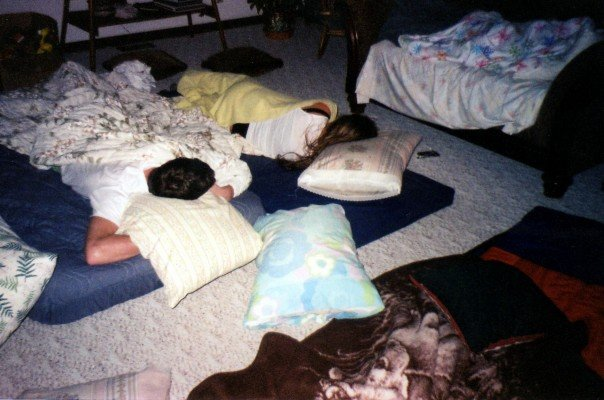
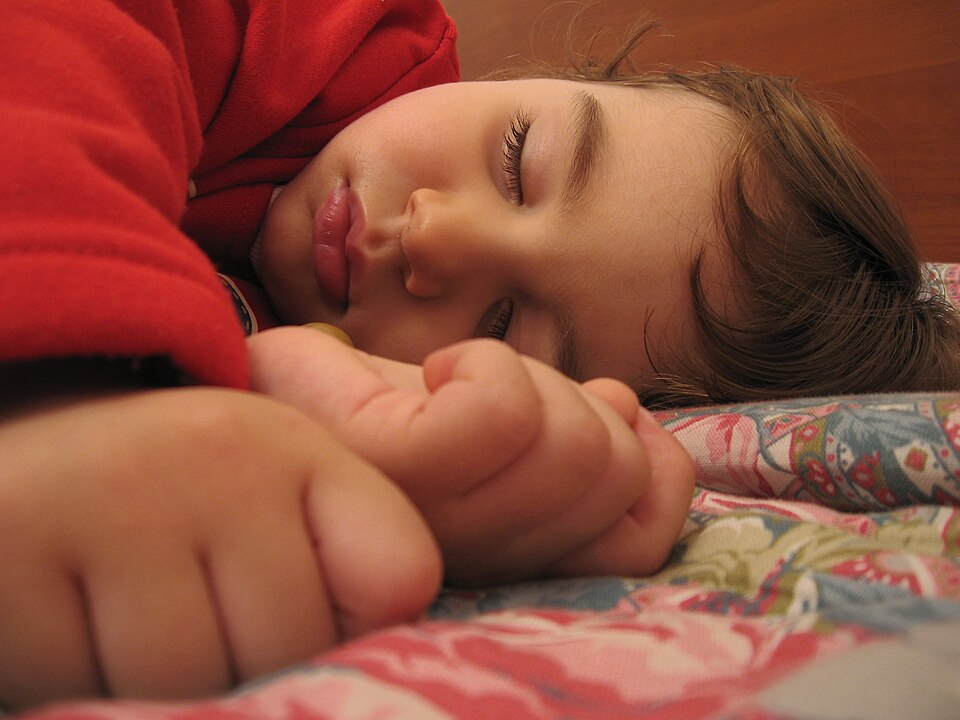
Most of them did not make it. The overwhelming majority of children who declared they would stay up until midnight were asleep somewhere in the room by eleven, which every household of the period knew would happen and let them attempt anyway.
4. Falling Asleep Was the Standard Outcome and the Standard Humiliation
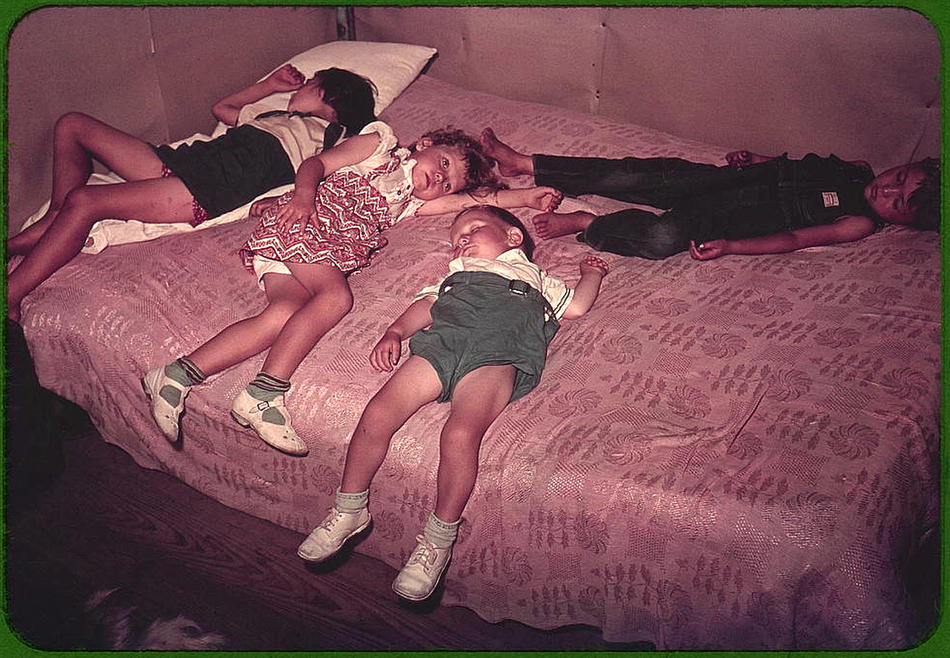
Being woken at midnight, having failed, was worse than having gone to bed voluntarily.
The failure was public in a way an ordinary bedtime was not. A child asleep in a chair in a room full of people has visibly lost a contest they announced, and being shaken awake for the moment they had been waiting for is a poor substitute for having seen it.
Adults handled it generously. Pretending a child had been awake the whole time was standard practice in most households, and it fooled nobody and was appreciated anyway.
5. The Room Was the Wrong Temperature in the Right Way

A heated room on a cold night, full of people, is the most effective sleep-inducing environment a household can produce.
The physics were against the child. Warmth, low light, soft furniture and the murmur of adult conversation are the four conditions under which anybody falls asleep, and all four were present simultaneously.
Children fought it with movement. Standing up, walking about and going to look out of a window were all deployed as countermeasures, and the children who stayed awake were generally the ones who did not sit down.
Siblings worked as a team against the clock. Two children keeping each other awake lasted considerably longer than one trying alone, which meant the pair who had both been given permission had a real advantage, and the arrangement collapsed the moment one of them went.
6. Adults Behaved Slightly Differently and Children Noticed
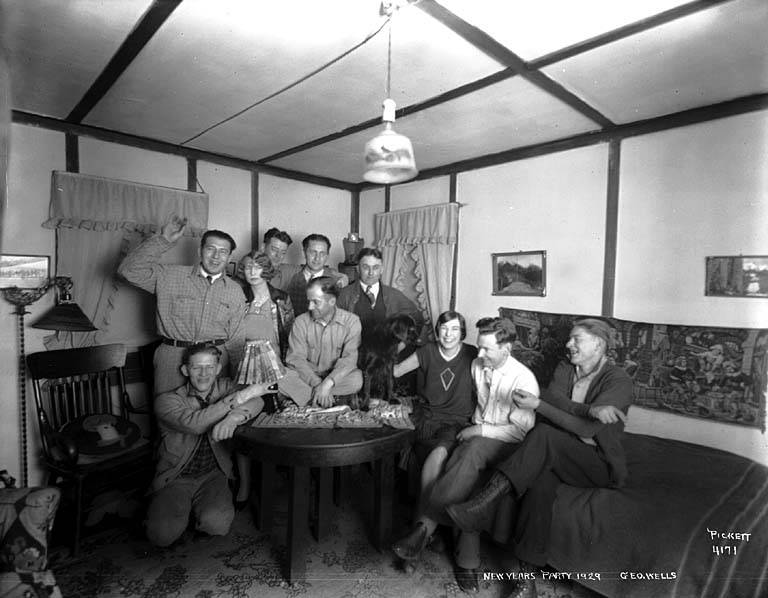
The evening involved grown-ups being louder, later and less formal than children normally saw them.
The novelty was the real content. A child’s picture of the adults in their household was assembled from ordinary evenings, and this was the one night a year on which that picture was visibly incomplete.
Children watched rather than participated. The actual experience of the night, for most of them, was observation of adults from the edge of a room, which is a considerably more interesting activity than it sounds.
7. Being Allowed Something You Were Not Normally Allowed

The night came with a small concession beyond the bedtime, and the concession was more significant than its content.
The symbolism did the work. Whatever the item or the privilege was, the point was being included in something adults were doing, and the specific nature of it was almost irrelevant to the child receiving it.
It was never repeated. Whatever had been permitted on that one night was not permitted the following week, and children tested that proposition and were refused.
8. The Radio or the Television Was the Timekeeper

Nobody trusted the household clock, so the moment was taken from a broadcast.
The reliance was sensible. A mechanical clock running several minutes out cannot be used to mark a specific instant, and a broadcast was the only accurate source of time available in an ordinary house.
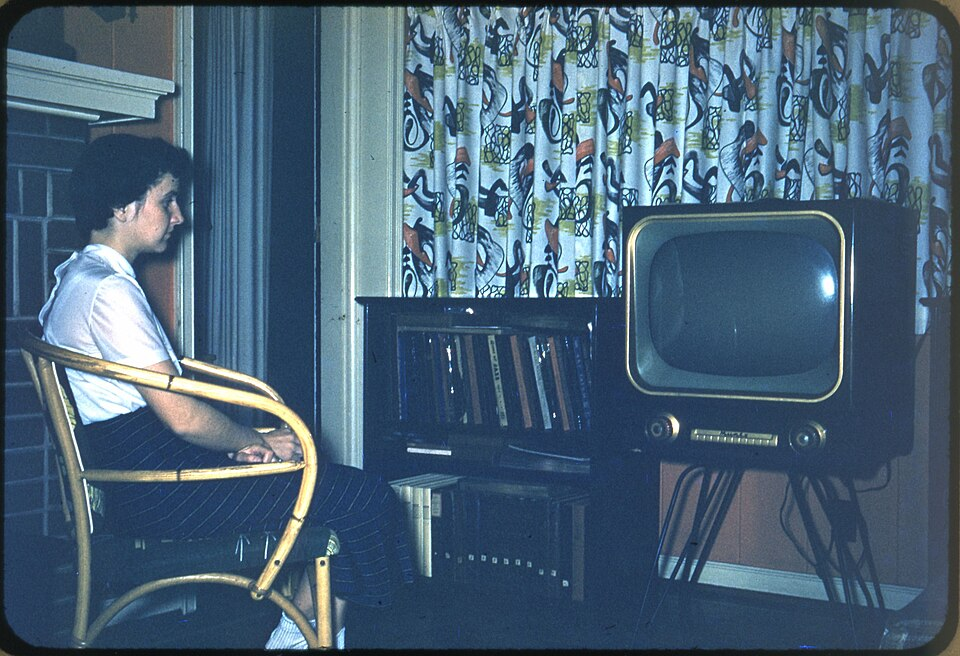
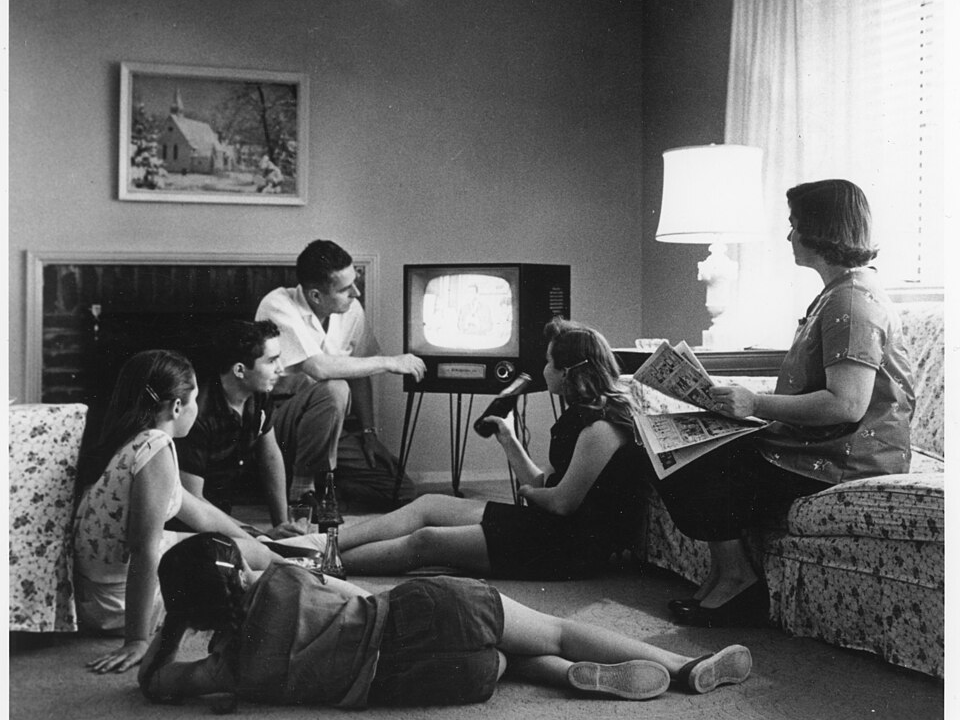
That made the set the centre of the room. Everybody arranged themselves around it for the final minutes, which is the only occasion in the year when a household gathered deliberately in front of it for something lasting under a minute.
Everybody also had an idea of what the moment would be like and nobody had any basis for it. A child who had never been awake at that hour had assembled an expectation from remarks adults had made, and the actual event bore almost no relation to whatever they had constructed.
9. The Countdown Was Shorter Than Anybody Expected
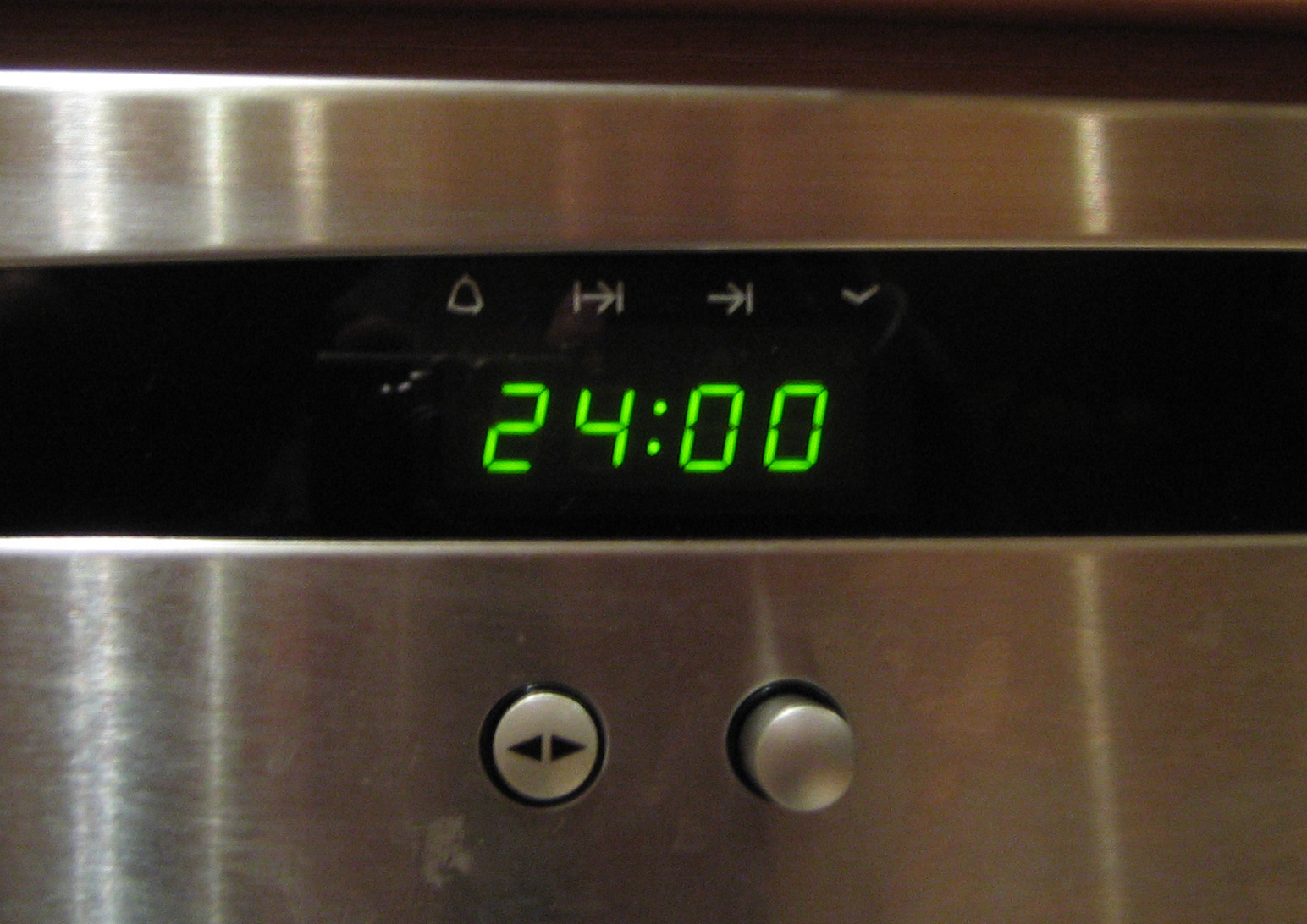
The thing children had stayed up five hours for took about fifteen seconds.
The disproportion was the lesson. An enormous amount of anticipation, effort and negotiation resolved into a very brief event, which is a structure children had not previously encountered.
Almost nobody remembers the moment itself. People who stayed up describe the waiting, the room and the struggle to stay awake in detail, and the midnight they had been waiting for in almost none.
10. Going Outside Afterwards Was the Best Part
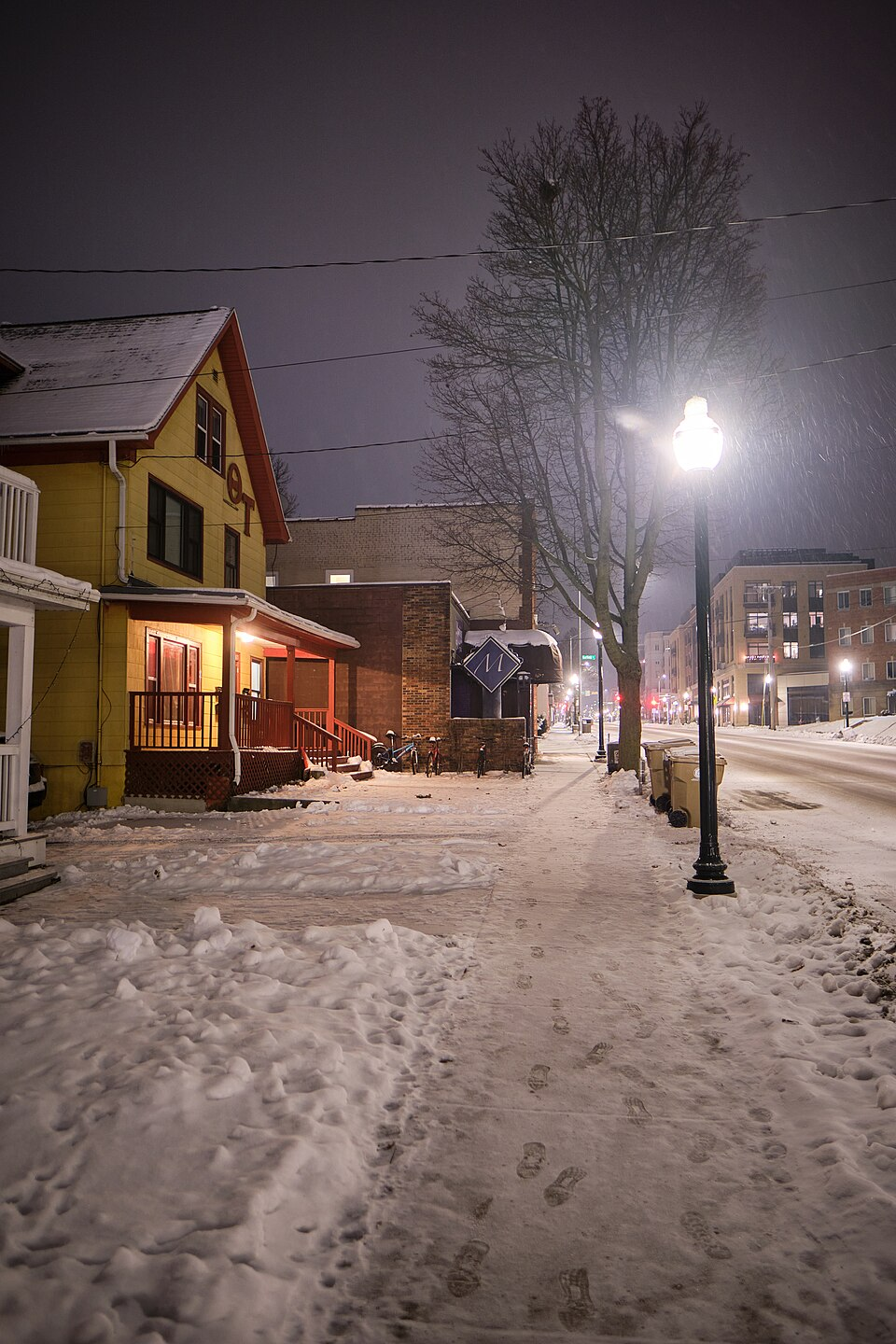
Households stepped out into the cold for a few minutes, which meant children were outdoors at an hour they had never experienced.
The novelty was the darkness and the quiet. A residential street at midnight, with people in doorways and nobody moving about, is a completely different place from the same street at any hour a child had previously seen it.
That is the clearest memory for a great many people. Not the countdown but standing in a cold street at midnight, in whatever they had been wearing indoors, looking at houses they saw every day.
11. The Noise Came From Everywhere at Once

Whatever households did to mark the moment happened simultaneously across a whole neighbourhood.
The coordination was accidental and total. Everybody was taking their time from the same broadcast, which meant a street produced one combined noise rather than a scatter, and it stopped almost as abruptly.
Children had never heard anything like it. A sound involving every house in the area, at once, in the dark, is outside the ordinary experience of a child of that period entirely.
The street filled with people who looked unfamiliar. Neighbours in coats over indoor clothes, at midnight, in doorways rather than on pavements, is a configuration a child had never seen, and the strangeness of it is reported more often than anything anybody said.
12. Neighbours Spoke to Each Other
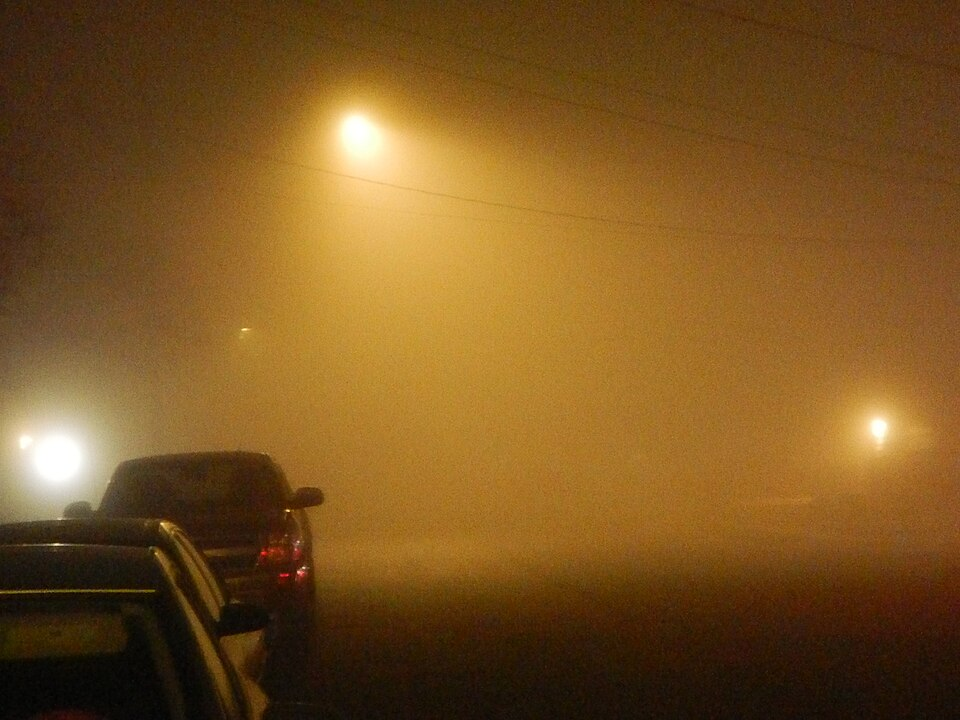
People who exchanged nothing all year held conversations in the street, and children witnessed the whole thing.
The licence was temporary and well understood. The occasion permitted an informality that was not available on any other night, and everybody took it up and then returned to normal the following day.
Children found it faintly unsettling. Seeing the adults of a street behave differently towards each other is an adjustment to a picture a child had assembled over years, and it was adjusted back within a day.
13. Nobody Was Driven Anywhere
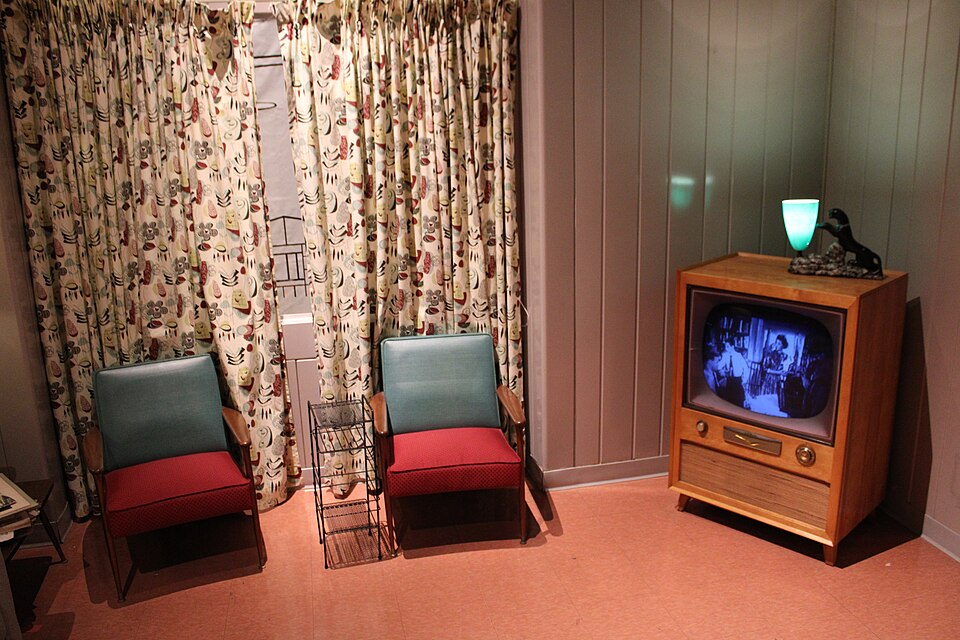
The whole evening happened at home or within walking distance, which is why children were included at all.
The geography made it possible. A household celebrating in its own front room can accommodate a child who will fall asleep at eleven, and one that has gone somewhere cannot, which meant the domestic version was the one children experienced.
That is what has changed most. The night is now substantially conducted elsewhere, which removes children from it almost automatically, and nothing here is an argument about how anybody should spend an evening.
14. The Next Morning Was Unrecognisable

A household that had been up until one in the morning behaved completely differently the following day.
The disruption was the only one of its kind. Nothing else in the year produced a morning on which the ordinary schedule simply did not happen, and children woke into a house operating on no rules at all.
It was better than the night. A considerable number of people describe the morning after as the part they actually enjoyed, which rather undermines the entire effort of the evening before.
Nobody slept properly afterwards either. A child who had been awake until one in the morning was not tired in any ordinary sense but was entirely unable to settle, which produced an hour of lying awake going over an evening that had amounted to about fifteen seconds.
15. Then the Night Stopped Being a Household Occasion

Later and more flexible bedtimes, celebrations held elsewhere, children with their own devices and screens and a general end to the single shared household evening removed the whole thing.
Most of that is simply change rather than loss. Children now have no particular reason to want one night without a bedtime, because the bedtime is less absolute, and nothing here is an argument for the older arrangement.
What went with it is one suspended rule. A permission conceded in stages, a contest almost nobody won, a countdown of fifteen seconds after five hours of waiting, a cold street at midnight full of people in doorways, and a morning afterwards on which a household operated on no rules whatever.
A Contest Almost Nobody Won
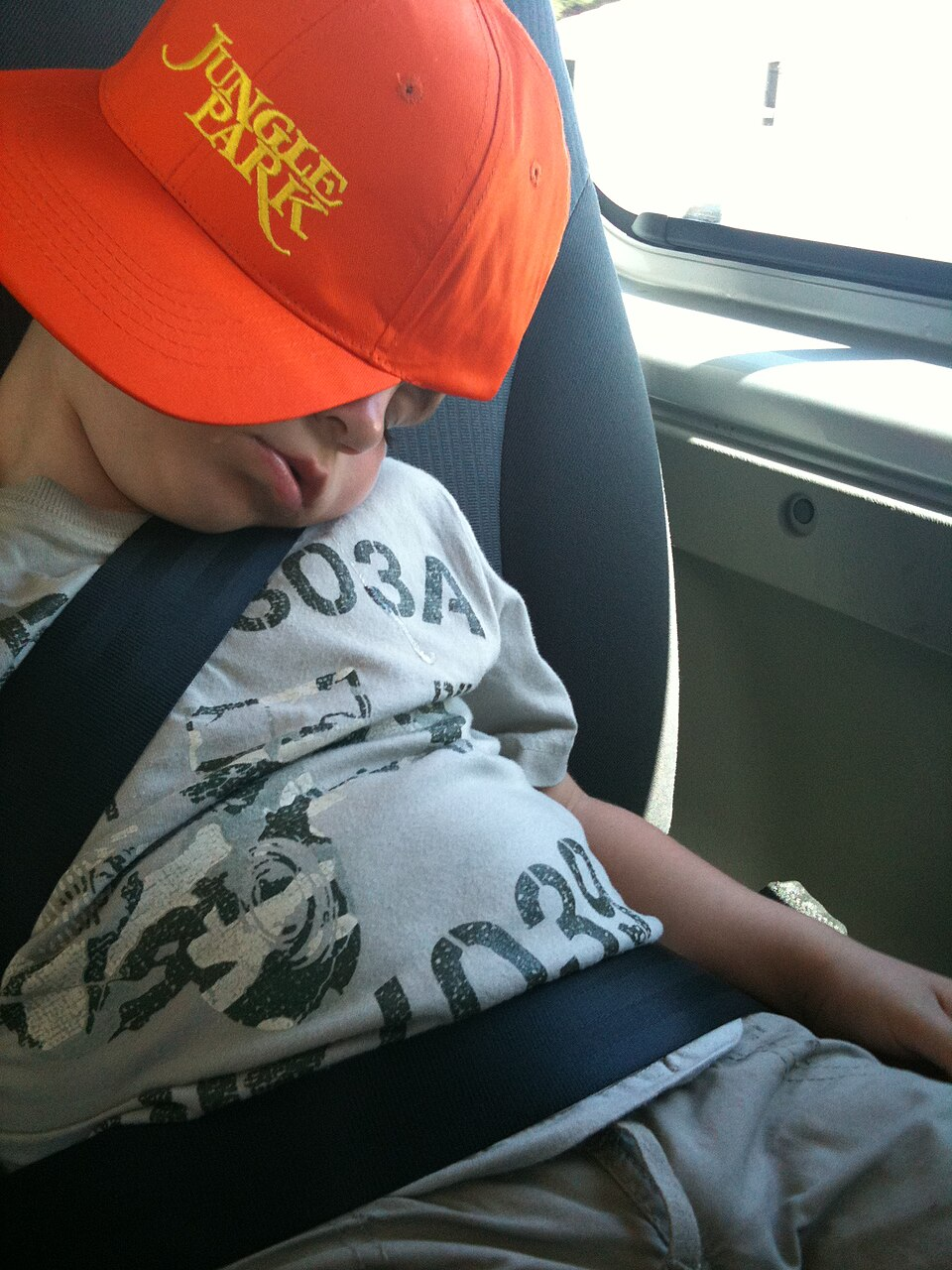
Read in order, the fifteen describe an attempt that was structurally doomed. A child of eight trying to stay awake until midnight is attempting something they have never done, in a warm room, in low light, on soft furniture, with adults talking quietly – which are precisely the four conditions under which anybody falls asleep. The overwhelming majority were asleep somewhere in the room by eleven, every household knew that would happen, and they let them try anyway. The children who made it were generally the ones who never sat down.
Failing was worse than not attempting, because it was public in a way an ordinary bedtime was not: a child asleep in a chair in a full room has visibly lost a contest they announced. Most adults handled that generously by pretending the child had been awake the whole time, which fooled nobody and was appreciated regardless.
What the night actually consisted of, for most of them, was watching adults. A child’s picture of the grown-ups in their household was assembled from ordinary evenings, and this was the one night a year on which that picture was visibly incomplete – louder, later and less formal than anything they normally saw. The same applied outdoors afterwards, where people who exchanged nothing all year held conversations in the street, and then went back to normal within a day.
The disproportion at the centre of it is the thing almost nobody mentions: five hours of waiting, negotiation and effort resolved into about fifteen seconds, and people who stayed up describe the room and the struggle in detail and the midnight itself in almost none. What they do remember is standing in a cold street afterwards, in whatever they had been wearing indoors, looking at houses they saw every day – and the morning after, on which a household operated on no rules whatever, which a considerable number of people describe as the part they actually enjoyed.
Most of what changed is change rather than loss. Children now have less reason to want one night without a bedtime, because the bedtime is less absolute, and nothing above is an argument for the older arrangement.
Like our content? Follow us for more.
