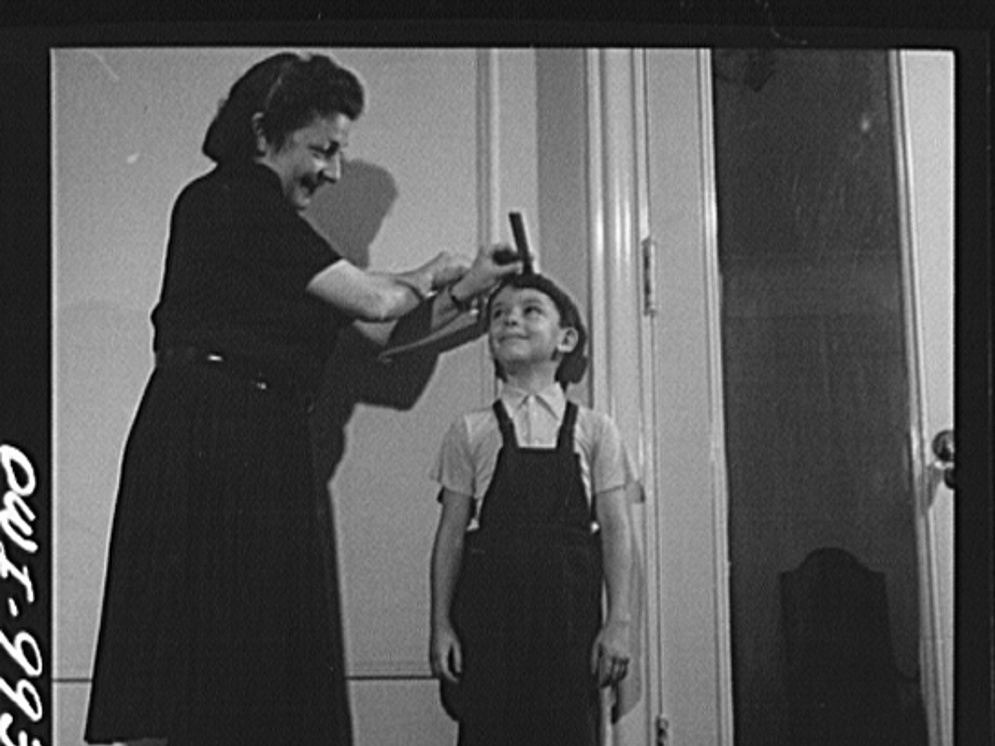
In 1964 a household that measured its children wrote the result on the building. A vertical edge that is reliably straight, in a place everybody passes, with a floor at the bottom you can stand flat on, is the only thing in an ordinary house that will do the job – so the door frame became the document. Nobody considered that this made the record permanent and immovable: it could not be filed, carried or copied, which is why a great many of these archives still exist in houses occupied by people who have no idea whose names are on them. Here are sixteen things every family remembers about the pencil marks on the door frame in 1964, and how moving ended it.
1. The Record Was Kept on the Building Itself
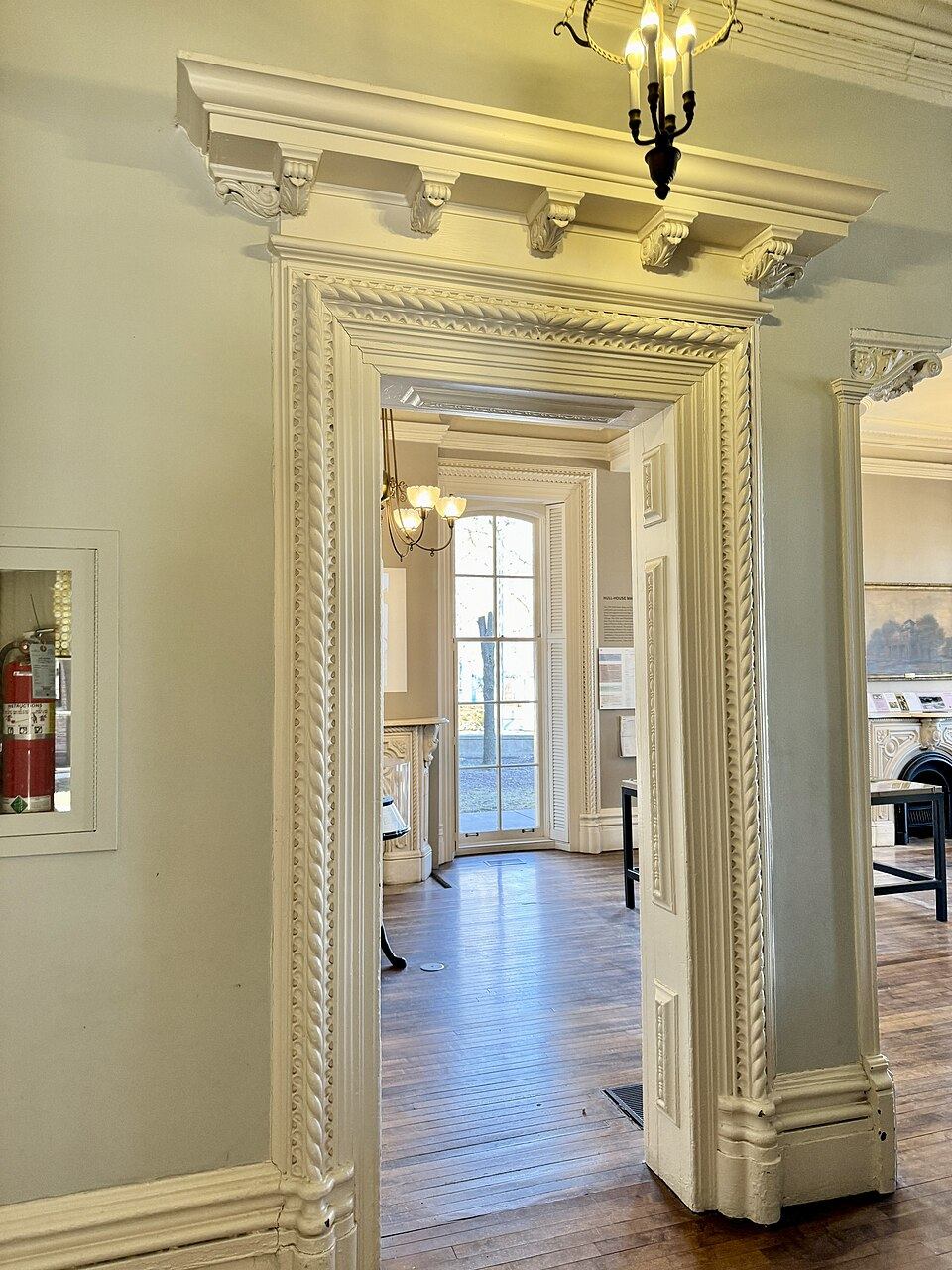
A household measuring its children marked the result on a door frame in pencil, which made the house the document.
The choice of surface was entirely practical. A vertical edge that is reliably straight, in a place everybody passes, with a floor at the bottom you can stand flat on, is the only thing in an ordinary house that will do the job.
Nobody considered that this made it permanent and immovable. The record could not be filed, carried or copied, which means a great many of these archives still exist in houses occupied by people who have no idea whose names are on them.
Like our content? Follow us for more.
2. It Was Done at Irregular Intervals and Never on a Schedule
Marks were made when somebody thought of it, which produced a record with large gaps and occasional clusters.
The irregularity reflects how it started. Nobody set out to keep a series; somebody measured a child once, the mark stayed, and the practice continued whenever it next occurred to anybody.
That is why the dates are so uneven. A door frame with four marks in one spring and none for two years afterwards is the normal pattern, and it records the household’s attention rather than the child’s growth.
Which frame it was had usually been settled by accident too. A household used whichever one somebody had happened to stand at the first time, and once two marks existed in one place nobody would start again anywhere else, so an arbitrary choice made in about four seconds governed the next decade.
3. Standing Properly Was Disputed Every Single Time
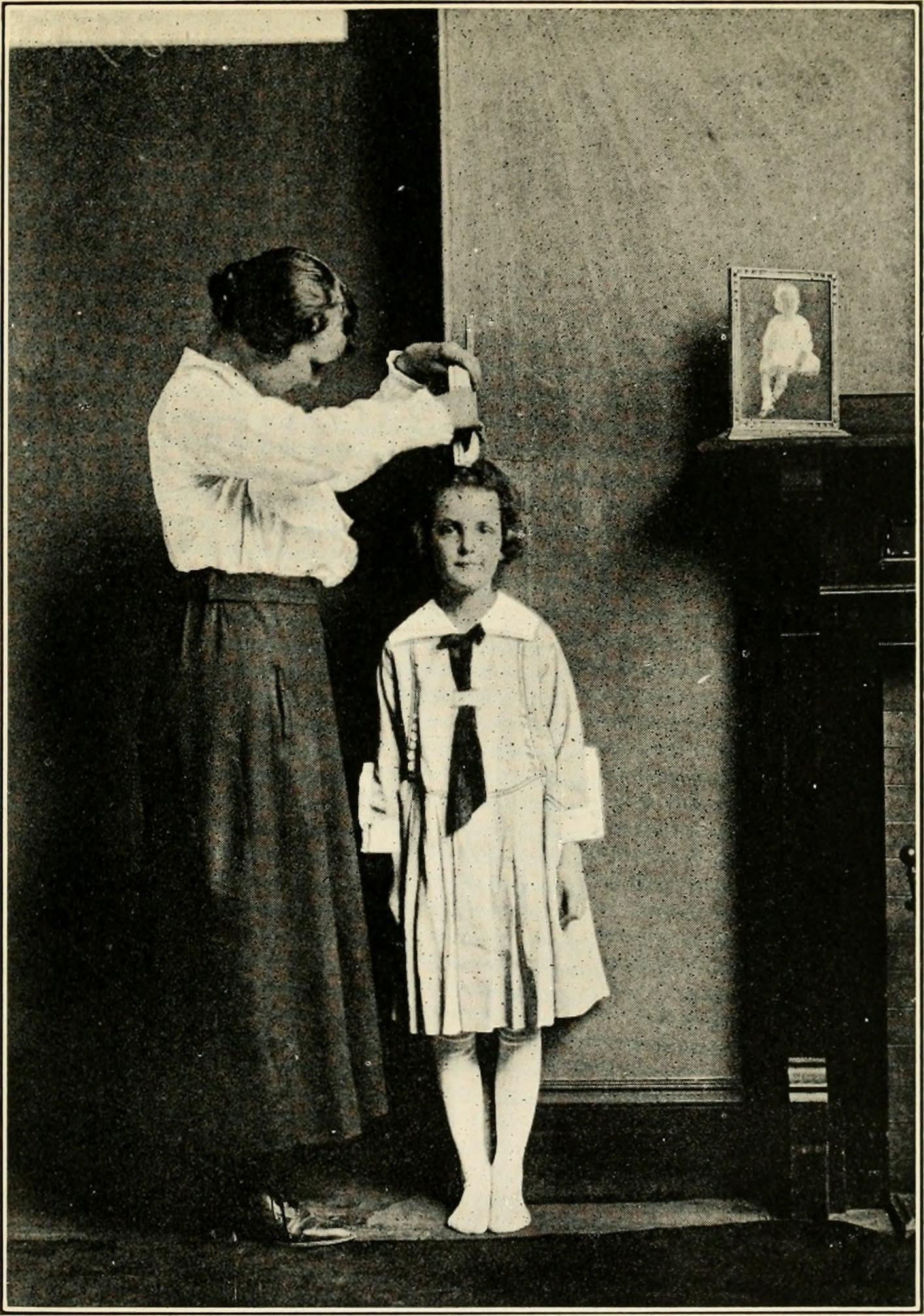
The measurement depended on posture, and every child attempted to improve theirs.
The incentive was obvious and the cheating was universal. Lifting the heels, stretching the neck and pushing up on the toes all add to the result, and every child tried at least one of them every time.
Adults countered with a standard set of instructions. Heels down, back flat, look straight ahead, stop stretching – the same four sentences were delivered in every household in the country and were ignored to the same degree.
4. Shoes Were the Main Source of Argument
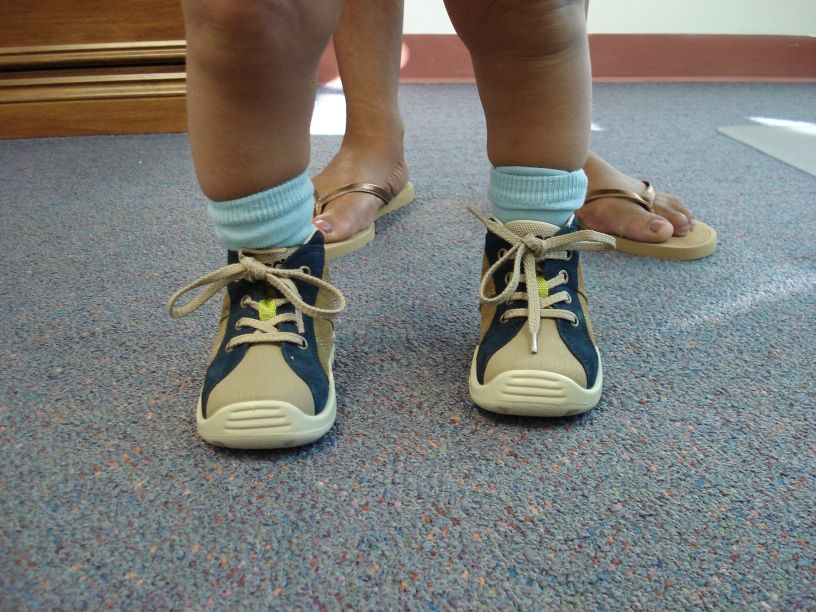
Whether footwear came off was decided differently in different households and inconsistently within them.
The inconsistency ruined the comparability. A series that includes some measurements with shoes and some without is not a series at all, and almost nobody kept track of which was which.
Children exploited it immediately. A child who had been measured without shoes the previous time had an obvious case for keeping them on, and the argument was conducted at the door frame with the pencil already in somebody’s hand.
5. The Implement Was Whatever Was Nearest
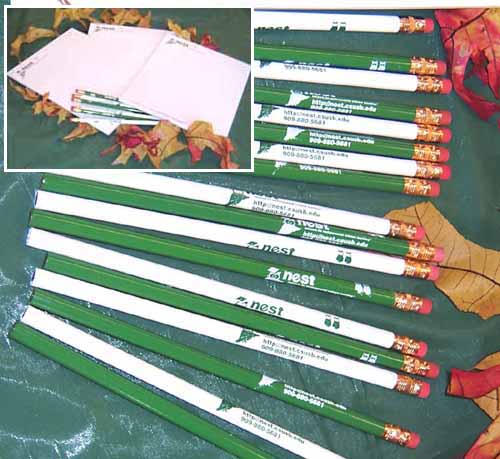
Marks were made with a pencil, a pen or anything that would leave a line, which meant the record was in several media.
The variation was a consequence of spontaneity. Nobody had a designated instrument for this because nobody had planned the exercise, so each mark was made with whatever happened to be in the room at the time.
The materials aged differently. Pencil faded, ink stayed, and a door frame measured over ten years ended up with a record in which some of the early entries had almost vanished.
6. The Name and the Date Were Added and Frequently Wrong
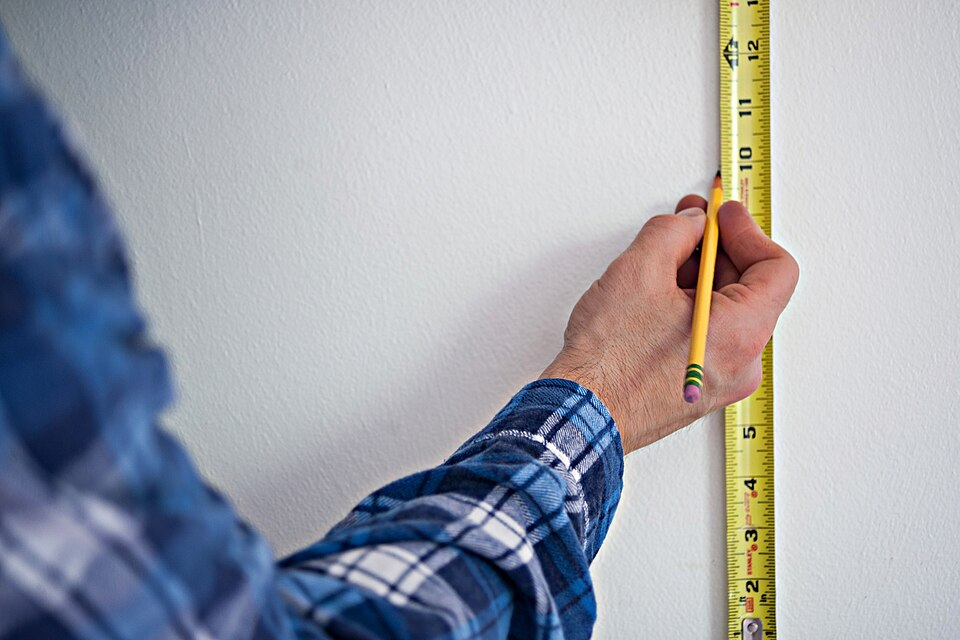
Each mark was labelled, in handwriting, by whoever was holding the pencil, and the labelling was unreliable.
The errors were ordinary. Somebody writing on a vertical surface at an awkward height, quickly, gets a date wrong or abbreviates a name illegibly, and nobody ever went back to correct any of it.
That is why so many of these records are partly unreadable. A door frame full of marks with ambiguous dates and initials is the normal survival, and the household that made it could not always interpret it either.
7. Everybody Was Measured Against Everybody Else
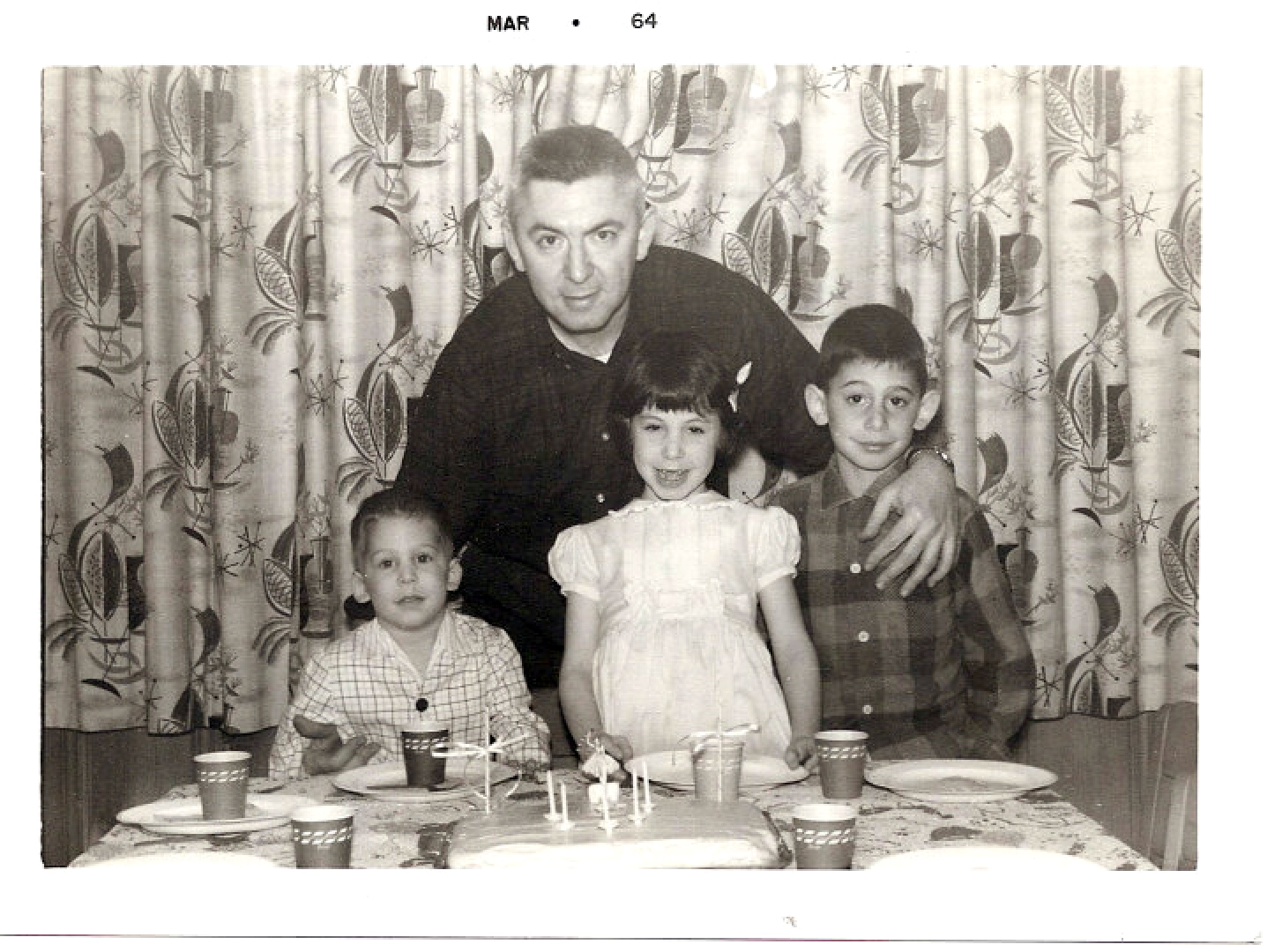
The point of the exercise was comparison, and the comparison was between siblings rather than against any standard.
The structure of the record forced it. Several children’s marks on the same frame invite the one question nobody can avoid asking, which is where each of them stood at the same age.
That question was asked constantly. A child who found that a sibling had been taller at the same age had acquired a piece of information that was useless, unchangeable and extremely interesting to them.
8. A Visiting Child Got Measured Too
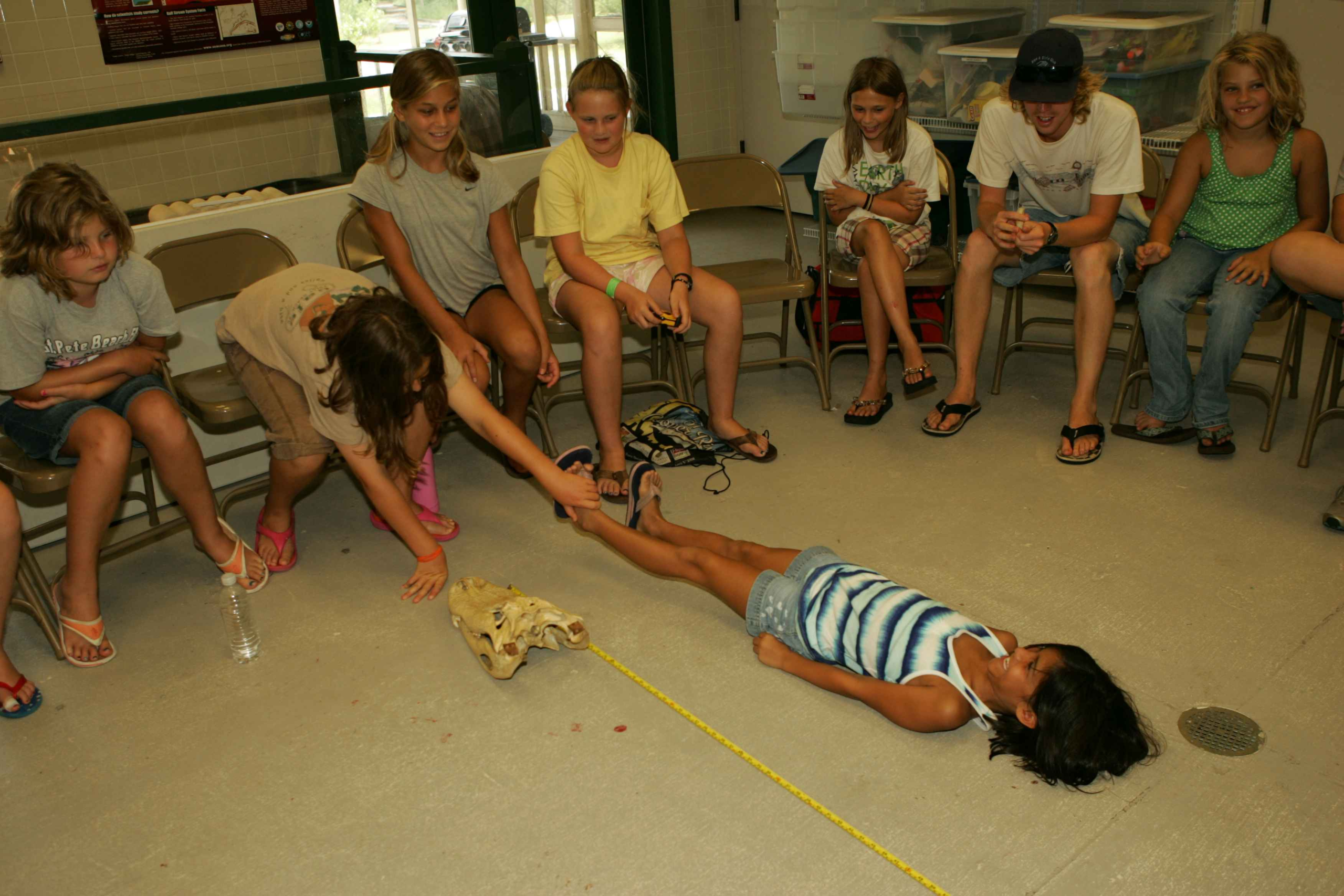
Anybody else’s child in the house was put against the frame, and the result joined the household’s record.
The inclusion was automatic rather than considered. A frame covered in marks is an invitation, and a visiting child who noticed it generally asked, which meant households accumulated marks belonging to people who did not live there.
Those entries outlasted the acquaintance. A great many of these records contain a single mark for somebody the household eventually lost touch with entirely, and nobody could say later who it had been.
9. Adults Were Measured as a Joke and Then Not Again
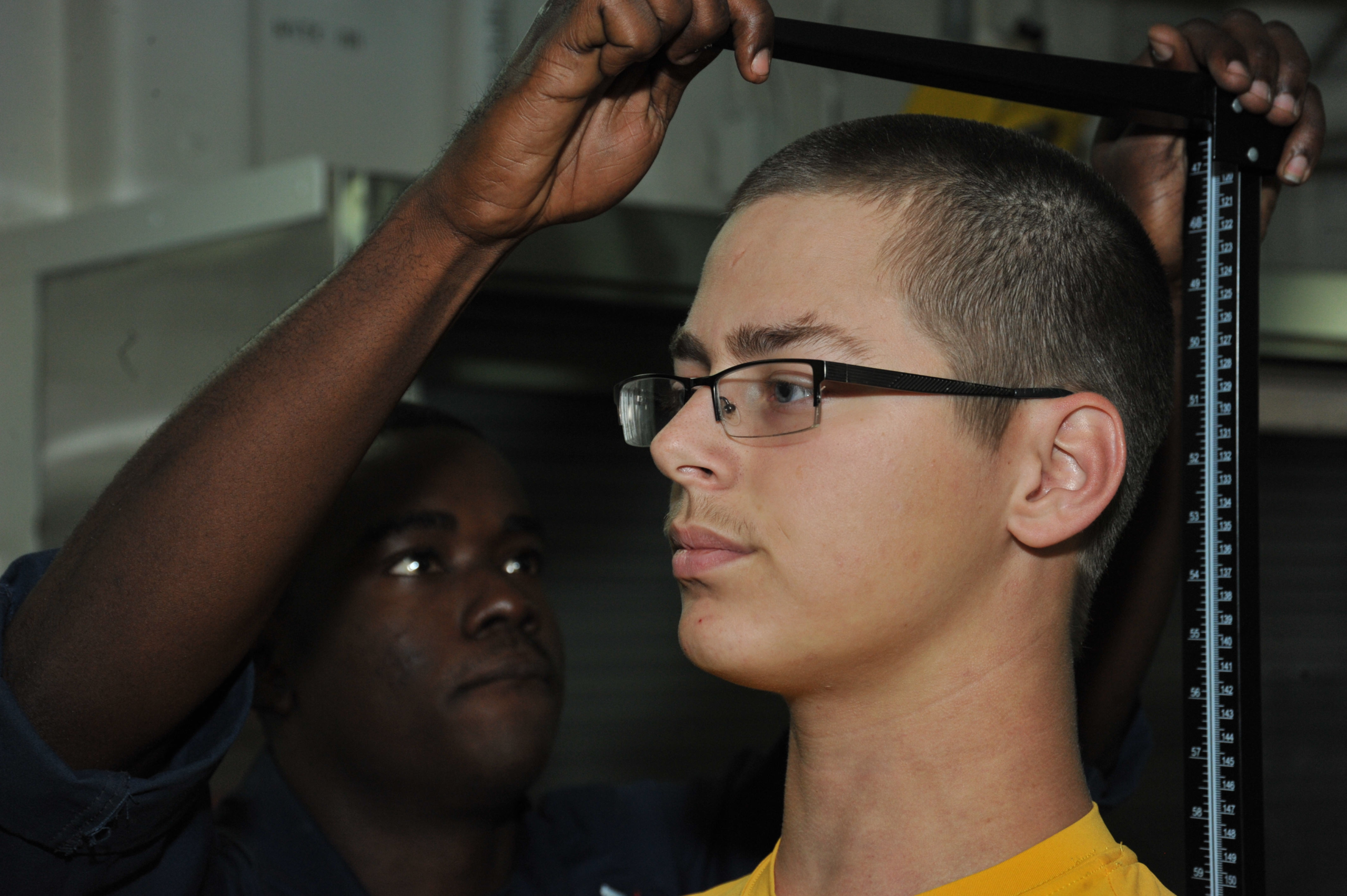
Somebody grown-up was put against the frame once, usually at a child’s insistence, and the mark sat at the top for years.
The novelty wore off immediately. An adult’s mark does not change, which makes it a one-off entry rather than part of a series, and the whole point of the exercise was the series.
It did useful work anyway. A fixed mark at the top gave the children something to measure the distance to, which is the only reason any of them cared where it was.
10. The Gap Between Marks Was More Interesting Than the Marks
What children looked at was the distance between consecutive entries rather than any individual position.
The interest was in the rate. A child can see their own position any time by standing at the frame, and the only new information in the record is how much changed between two occasions.
A large gap was a genuine event. A child who found several inches between two marks had evidence of something they could not otherwise perceive, and it was reported to everybody in the household immediately.
Reading it required knowing the household. An outsider looking at the frame saw a set of lines, and only somebody who had lived there could say which marks belonged to whom, which of them had been made with shoes on and which of the dates were wrong, all of which was held in memory rather than anywhere on the wall.
11. Decorating Over It Was the Standing Threat
Any painting or papering in that part of the house risked the whole record, and households made a decision about it.
The conflict was unavoidable in a house that was maintained. A door frame is exactly the surface that gets painted, which meant the archive was in the path of ordinary household work and everybody knew it.
Some households worked round it and some did not. A frame painted over was a loss nobody could reverse, and the children concerned remember the specific afternoon they discovered it had happened.
12. Moving House Ended the Record Completely

A family that moved left the archive behind, on a door frame, in a building belonging to somebody else.
The loss was total and was understood too late. Nobody thinks about a pencil mark while packing, and the record was discovered to have been abandoned some considerable time after the move.
A few households tried to transfer it. Copying the marks onto something portable was attempted occasionally, produced an obviously inferior object and was almost never completed.
13. The Next Occupants Inherited Strangers’ Children
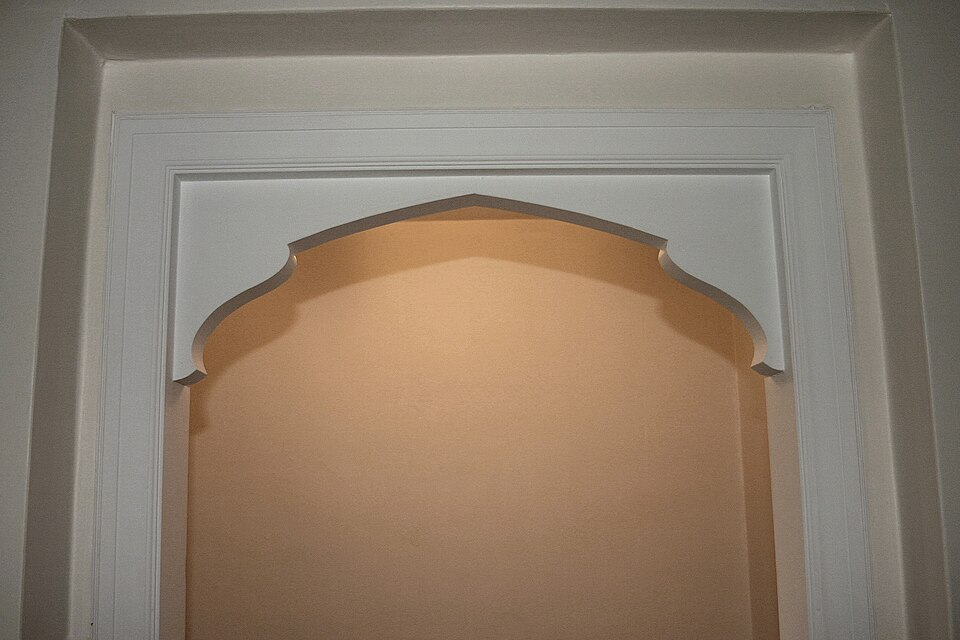
A household moving in found a door frame covered in somebody else’s names and dates and had to decide what to do about it.
The decision was awkward in a way nobody expects. Painting over a stranger’s record of their children feels wrong and keeping it is odd, and most households simply left it and stopped noticing it within a month.
Some of those records are still there. A door frame in a house that has changed hands three times may carry marks from 1964 belonging to people nobody in the building has ever met.
14. It Was the Only Thing Most Households Measured
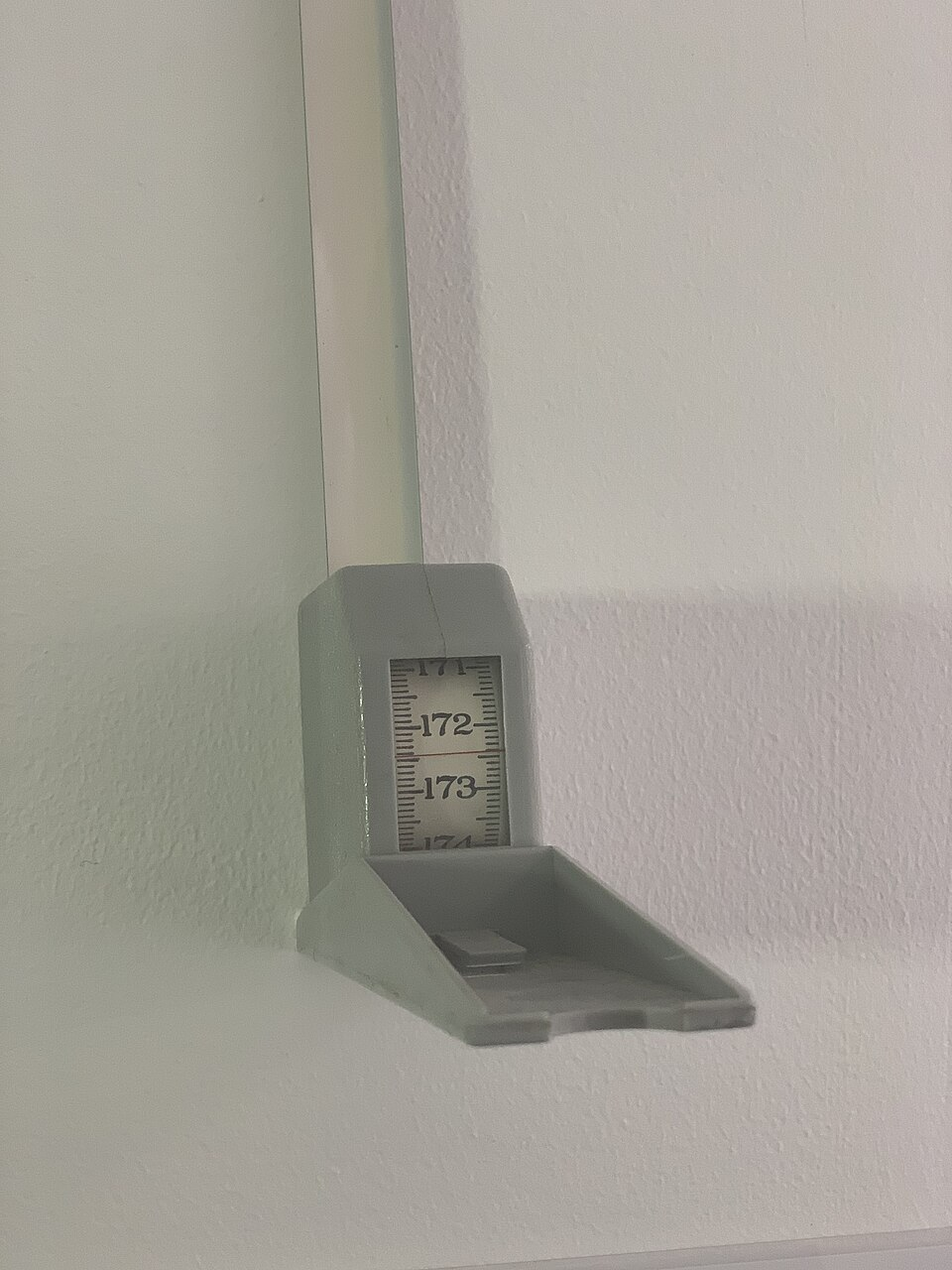
Nothing else about a child was recorded numerically at home, which gave this one series a disproportionate weight.
The absence of alternatives explains it. A household of that period kept no other data about its children at all, which meant a set of pencil marks constituted the entire quantitative record of a childhood.
That is why it is remembered as significant. People describe the door frame as a kind of document, which is exactly what it was, because there was nothing else playing that role.
15. The Last Mark Was Never Labelled as the Last

The practice stopped when children stopped growing or stopped being interested, and no household marked the end.
The ending was not an event. A series that depends on somebody thinking of it simply ceases when nobody does, and the final entry looks exactly like all the others.
Identifying it afterwards is the strange part. A person looking at the frame years later can see where their own record stops and cannot remember the occasion, which is true of almost everybody who has one.
16. Then Growth Stopped Being Marked on the House
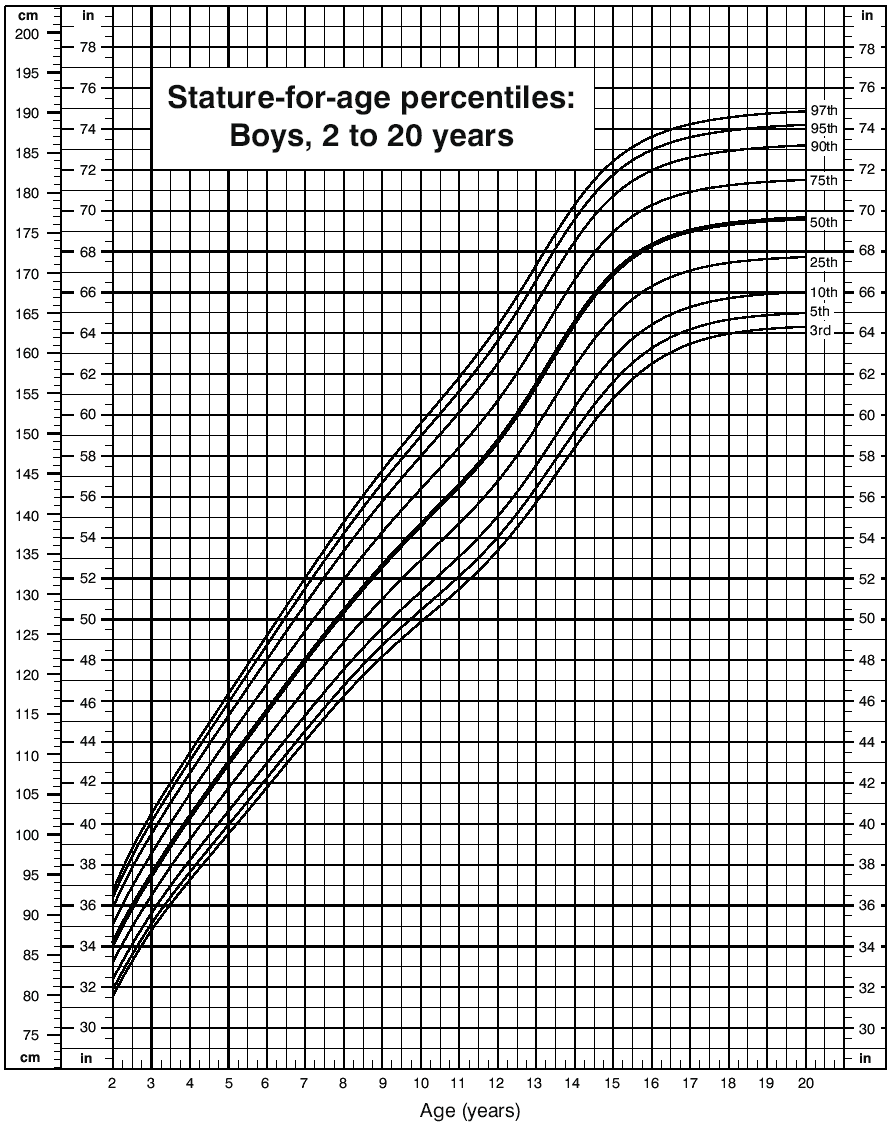
Rented accommodation, more moving, growth charts kept properly, measurements taken professionally and a general unwillingness to write on walls removed the practice.
Most of that is sensible and nothing here is an argument against it. A record kept where it can be painted over, left behind in a move or misread by its own authors was never a good archive, whatever it meant to the people in it.
What went with it is a document you could not take with you. An irregular series in three different media, with disputed postures and inconsistent footwear, labelled wrongly by whoever held the pencil, containing one mark for a visiting child nobody could later identify, still standing in a hallway that belongs to strangers.
Why It Was Such a Bad Archive
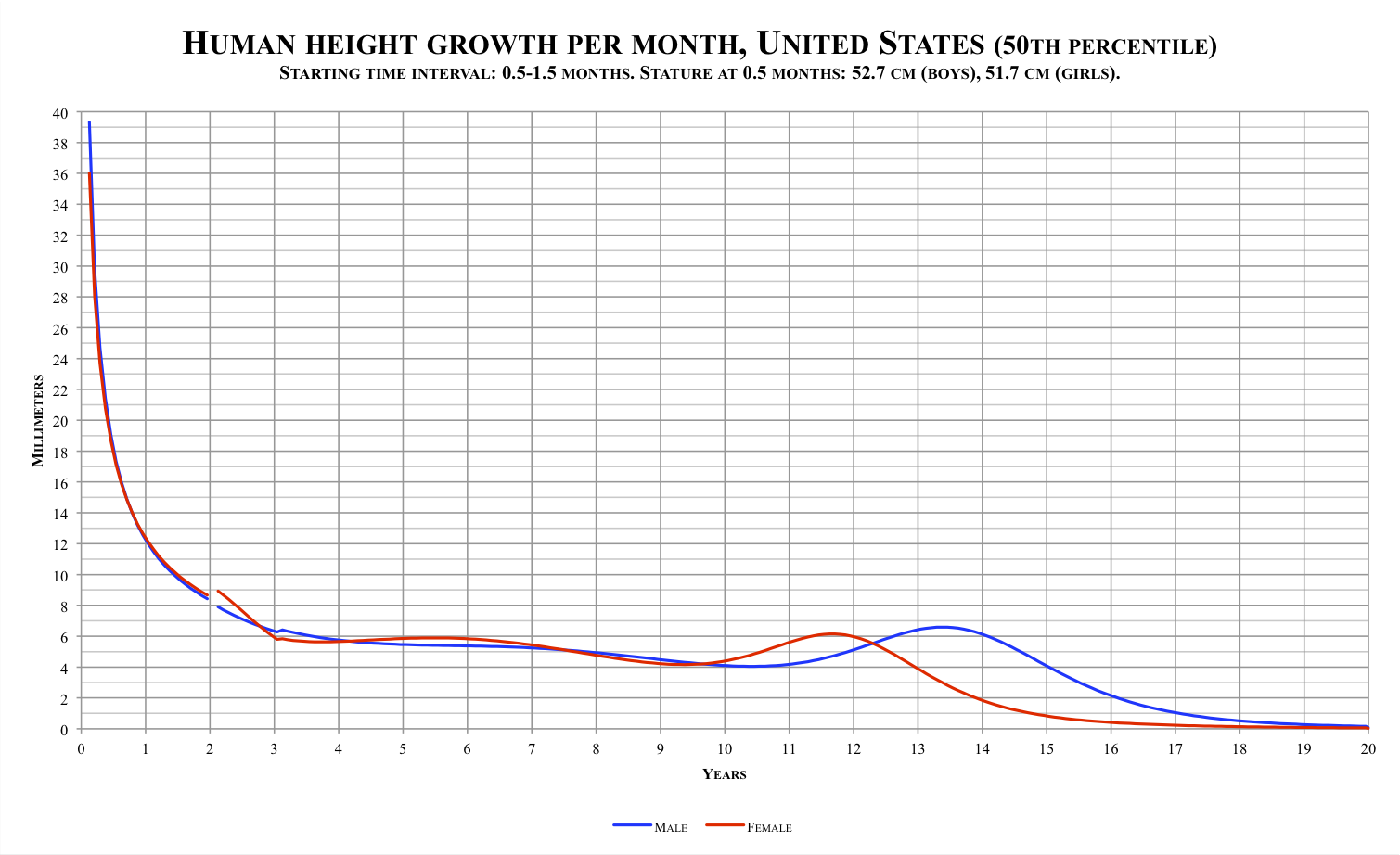
Read in order, the sixteen describe a record that almost nothing about was reliable. The intervals were irregular, because nobody set out to keep a series – somebody measured a child once, the mark stayed, and it continued whenever it next occurred to anybody. So a frame with four marks in one spring and none for two years afterwards records the household’s attention rather than the child’s growth. The posture was disputed every time and the cheating was universal. The shoes question was decided differently in different households and inconsistently within them, which destroys comparability in a series nobody was tracking anyway. The implement was whatever was in the room, so the entries aged at different rates and the earliest ones faded. And the labels were written on a vertical surface at an awkward height, quickly, by whoever held the pencil, which is why so many of these records are partly unreadable to the people who made them.
What children actually looked at was not their own position – they could see that any time by standing at the frame – but the distance between two consecutive marks, because that is the only new information in the whole record and the only evidence of something they could not otherwise perceive.
It mattered as much as it did because there was nothing else. A household of that period kept no other numerical record of its children at all, which meant a set of pencil marks constituted the entire quantitative account of a childhood.
Most of the change is sensible and nothing above is an argument against it. A record kept where it can be painted over, left behind in a move, or misread by its own authors was never a good archive, whatever it meant to the people in it.
What went with it is a document you could not take with you: an irregular series in three different media, with disputed postures and inconsistent footwear, labelled wrongly by whoever held the pencil, containing one mark for a visiting child nobody could later identify, still standing in a hallway that now belongs to strangers.
Like our content? Follow us for more.