

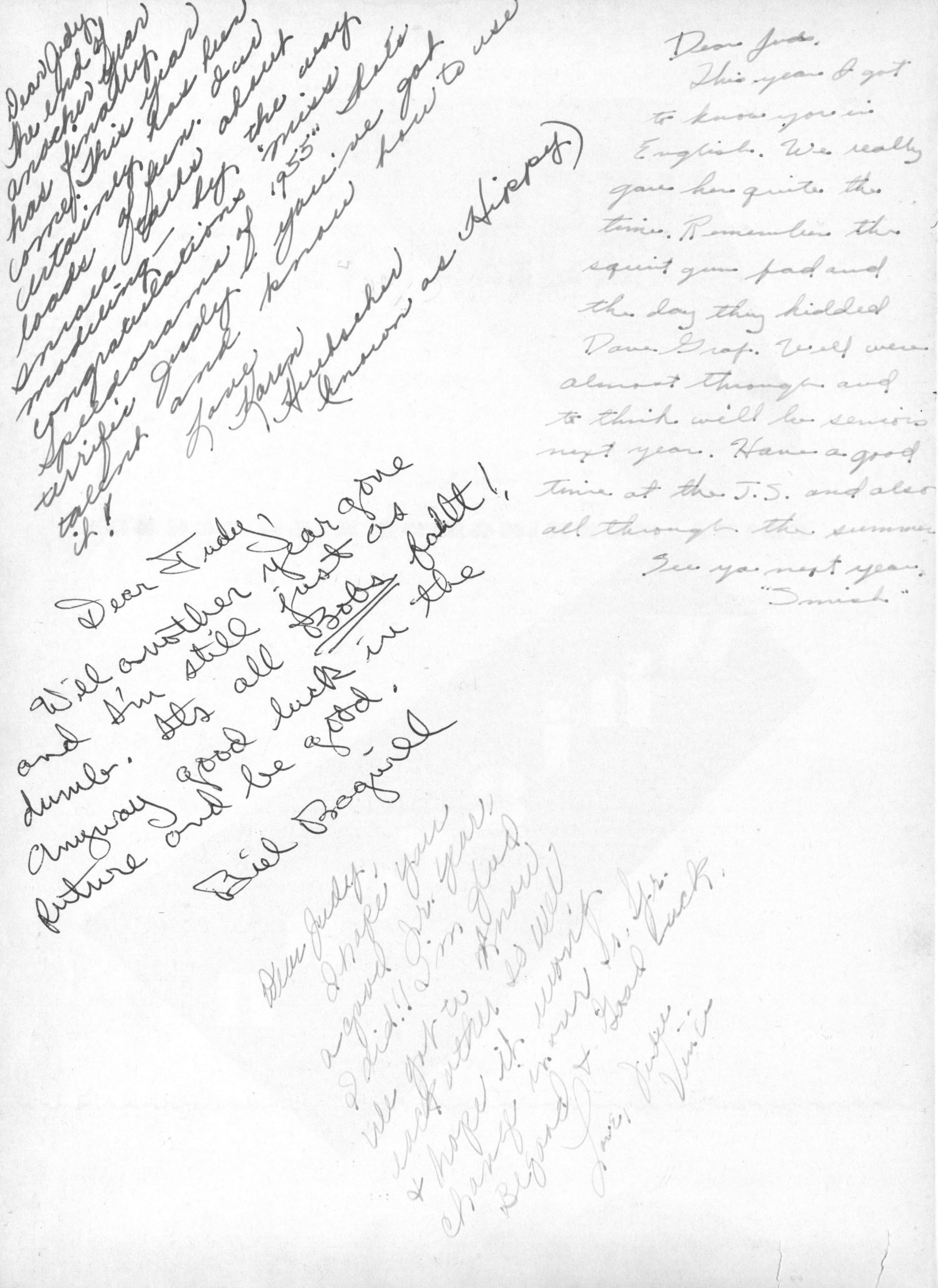
In 1975 the yearbook printed a directory at the back listing every student by name, with their home address and telephone number, and distributed several hundred copies around the town.
The superlatives were voted on and printed permanently. The portrait was one sitting with no retakes, taken early in the year for a book published at the end of it. Candid photographs were taken without anybody’s permission. And local businesses bought the advertisements that paid for the whole thing.
Here are fifteen things every student did with their yearbook in 1975, and what became of each one.
1. It Printed Your Home Address and Telephone Number
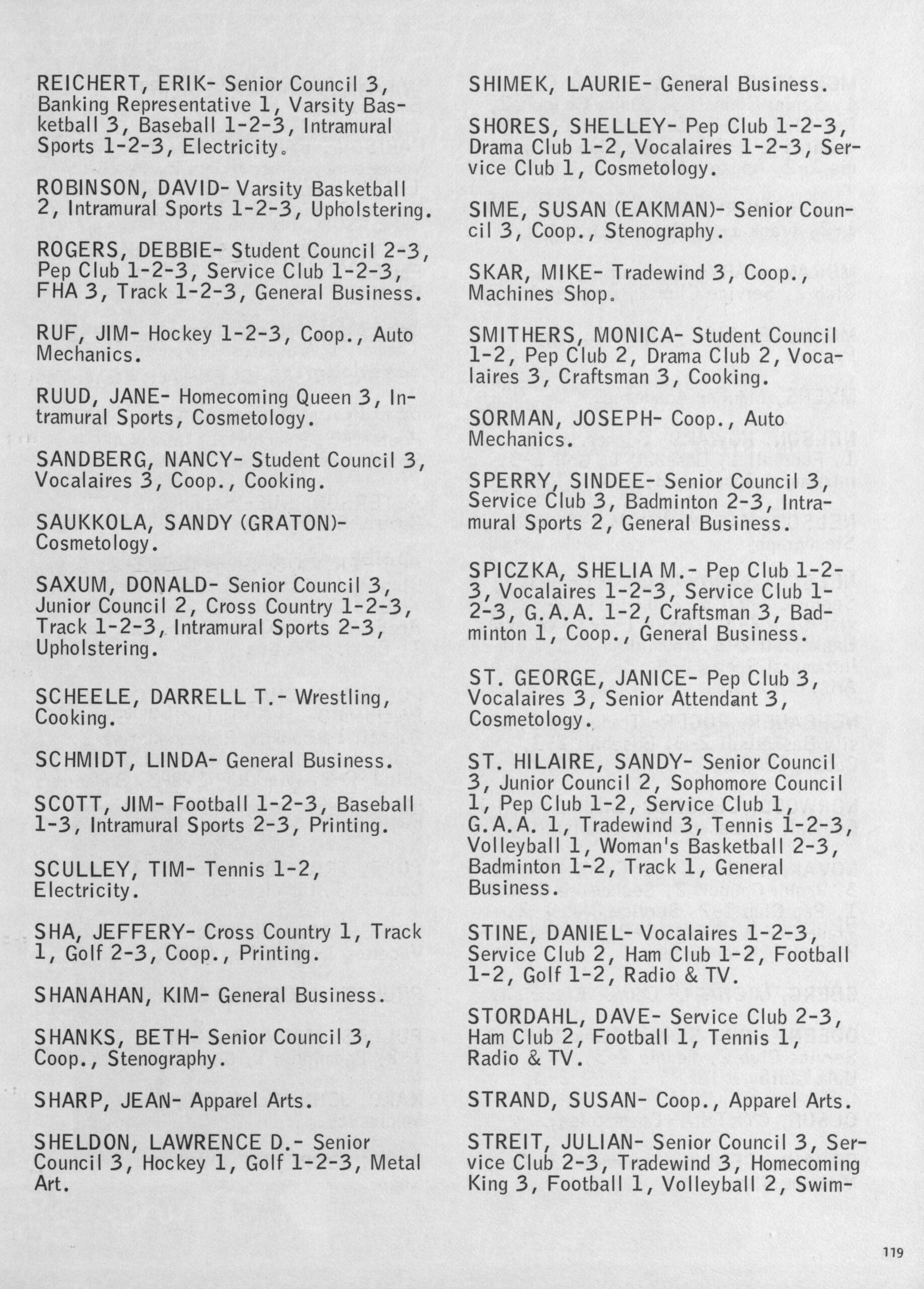
A great many yearbooks carried a directory at the back: every student listed by name, with a home address and a telephone number, printed and distributed to several hundred households.
Impossible. Publishing the home addresses and telephone numbers of minors in a document circulated outside the school is a straightforward data protection and child safety problem, and the directory was the first thing to go.
Nobody at the time saw it as a risk because the purpose was obvious and benign: it was how you contacted somebody over the summer, kept in touch after graduating, or organised a reunion twenty years later. The information was useful precisely because it was complete – and a complete list of where several hundred children live is the thing that cannot be printed.
Like our content? Follow us for more.
2. The Signing Was the Whole Point and It Took Days
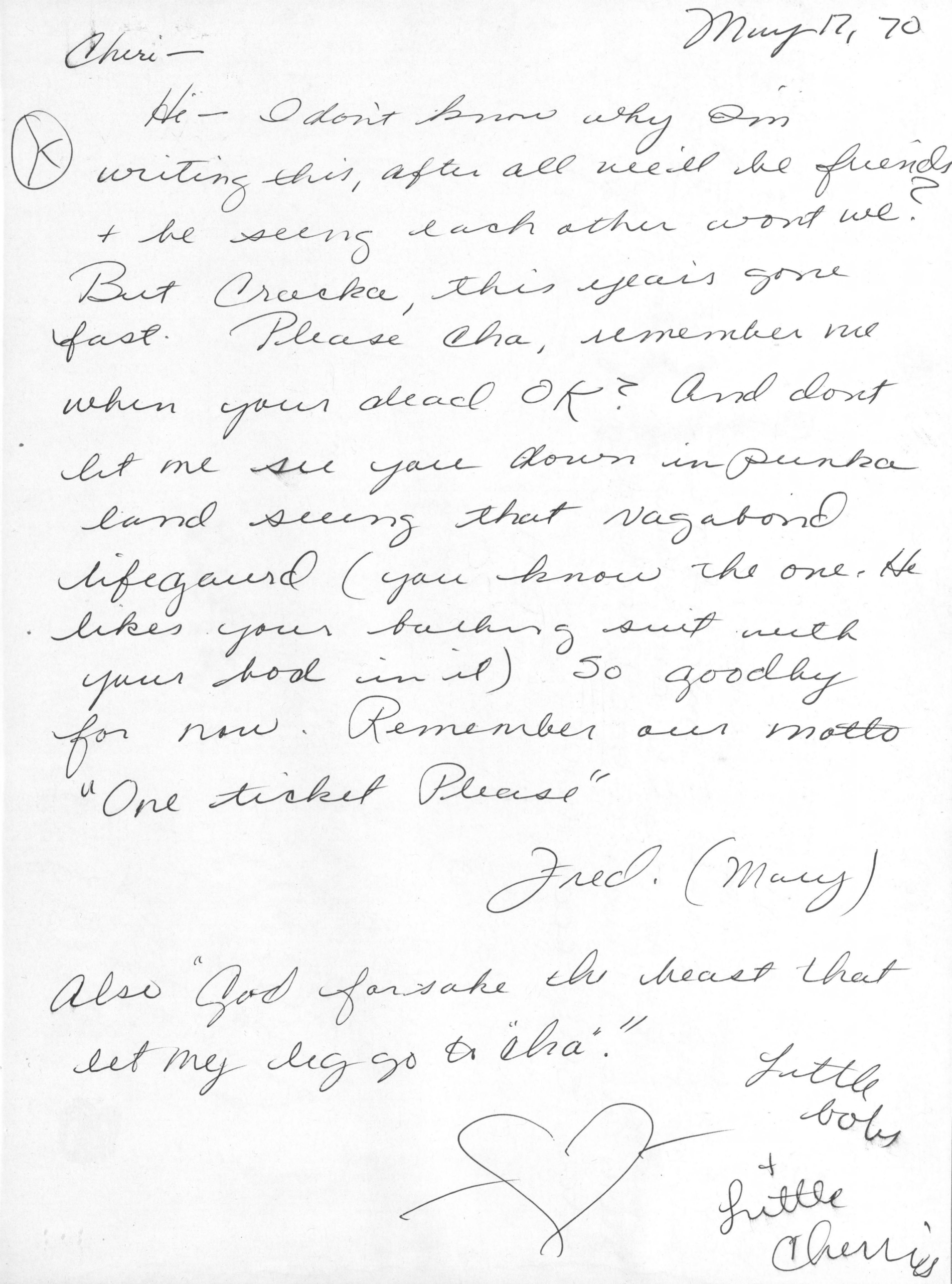
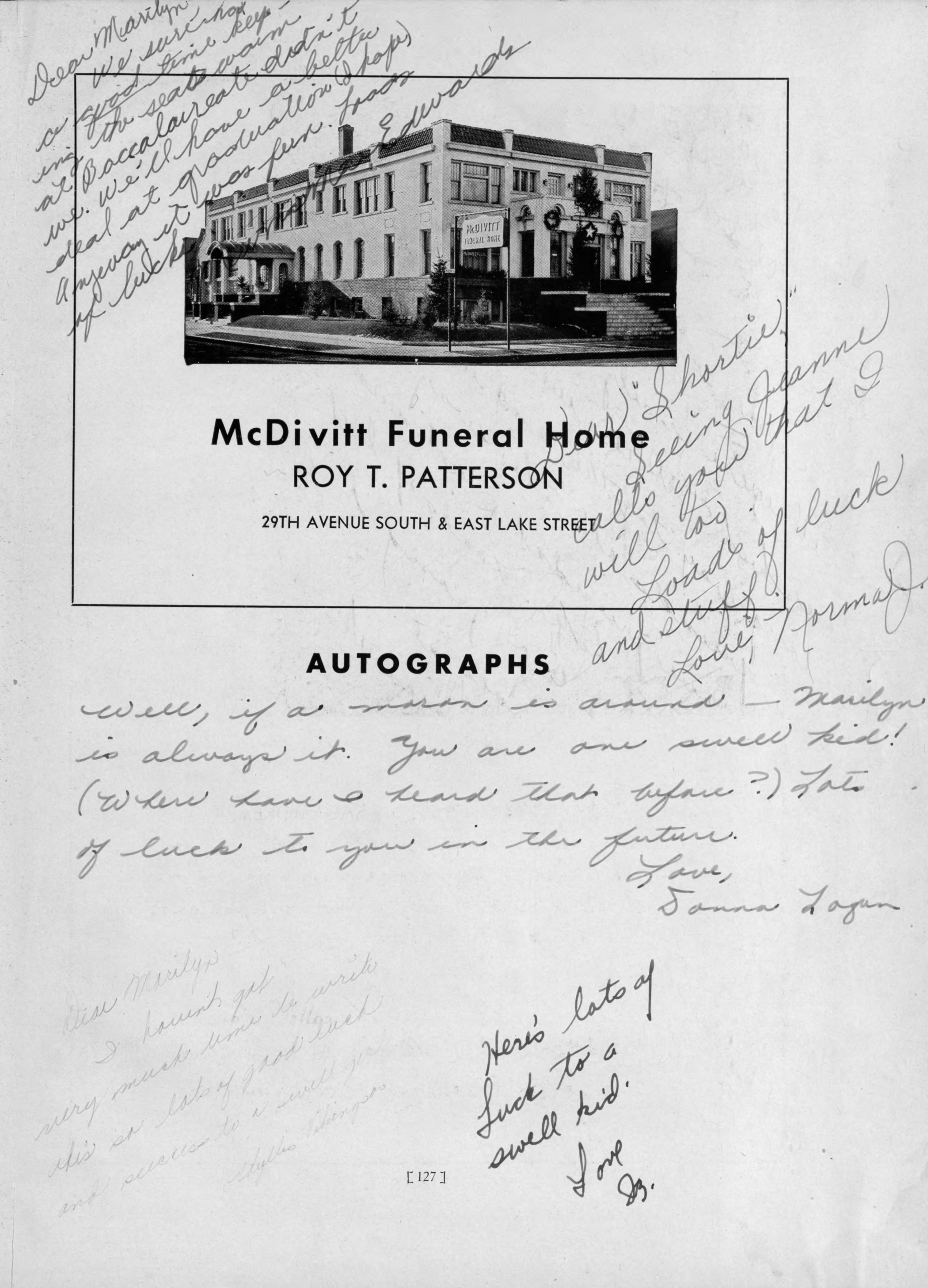
Distribution day was given over to signing: everybody carried their copy around, handed it to people, waited while they wrote, and swapped back, over several days at the end of term.
Still done where yearbooks exist, with far less time allocated. The book’s blank pages, inside covers and photograph margins were all signing surface, and a book with empty space in it at the end of term was a visible verdict on its owner.
That visibility is the part people remember with discomfort as well as affection. Signing was a public popularity audit conducted over several days – you could see who had a queue and who did not, who wrote a paragraph and who wrote two words – and for the pupils on the wrong end of it the signing period was not the celebration it was designed to be.
3. The Superlatives Were an Election and They Were Printed Permanently
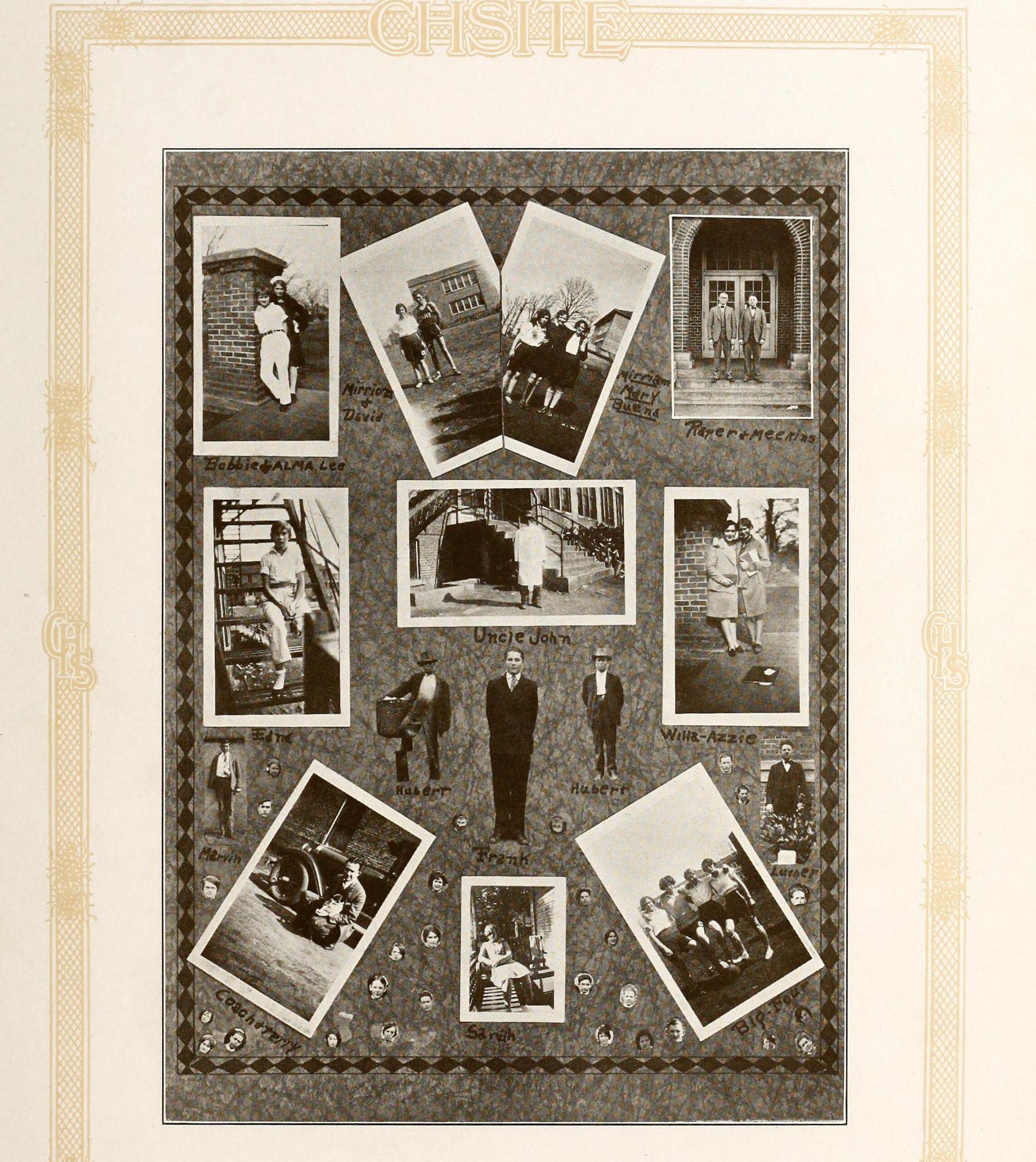
Each year group voted on a list of titles – most likely to succeed, best dressed, class clown, most changed, best smile, biggest flirt and a long list of others – and the winners were photographed and printed.
Heavily reduced, rewritten to be positive, or dropped. Several of the traditional categories were unkind by design, several concerned appearance, and a few would now be regarded as straightforwardly inappropriate to apply to a child.
The permanence is what makes them different from an ordinary piece of teenage cruelty. A nickname fades; a printed page in several hundred bound volumes does not, and a person labelled in print at seventeen is still labelled in every surviving copy. A lot of people remember the categories they won with pride and a smaller number remember them as something they have never been able to put down.
4. You Chose a Quote and It Went Under Your Photograph
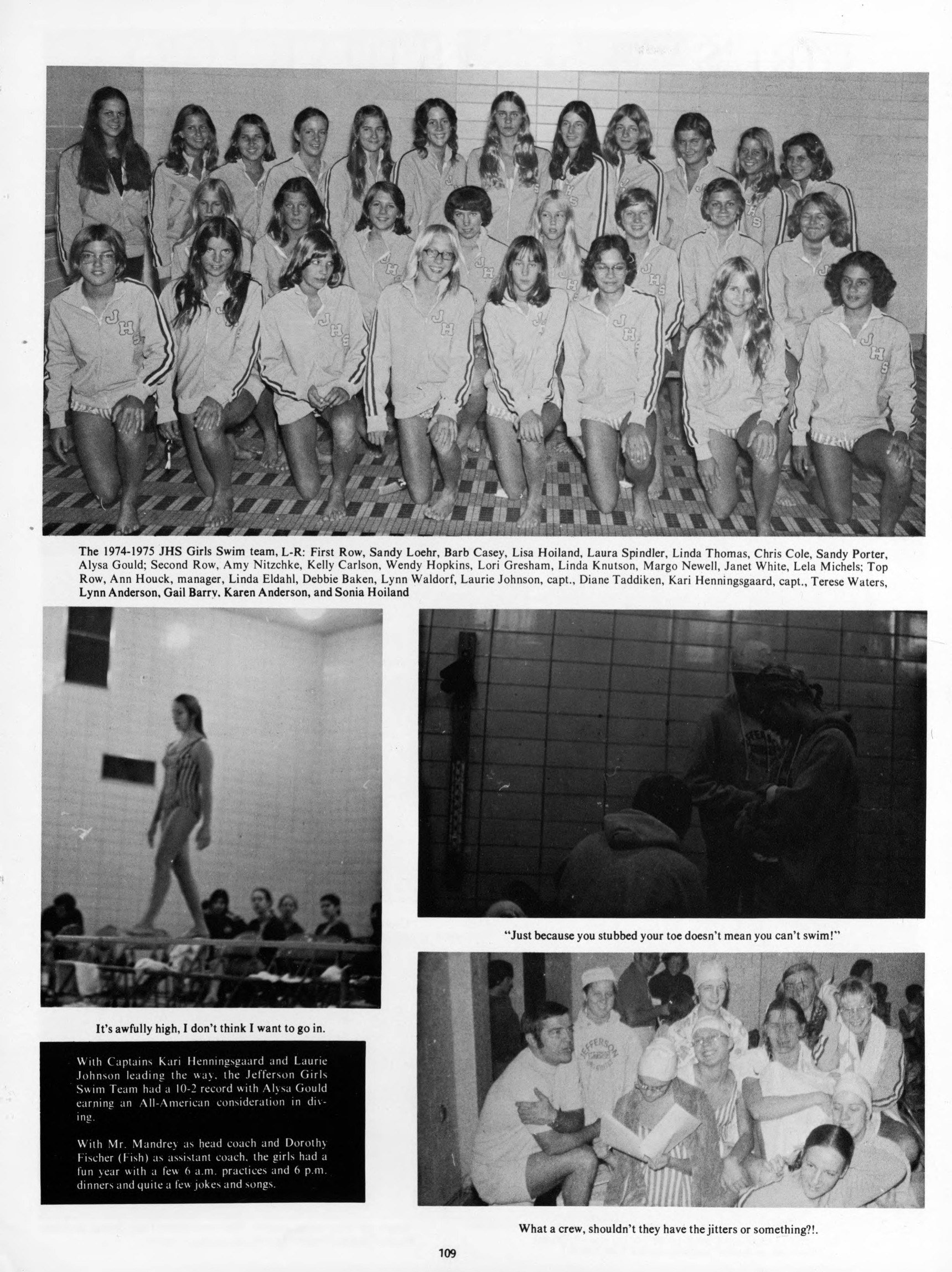
Graduating students submitted a short quotation or line of their own to be printed beneath their portrait – lyrics, a line from a book, a joke, a message to friends, a private reference.
Still common, now reviewed before printing. The quotes were lightly checked at best, which meant a large number of in-jokes, coded references and a certain quantity of material that got past an editor who did not know what it meant.
They are now the most interesting part of an old yearbook, and not for the reasons intended. A page of seventeen-year-olds’ chosen lines is a precise record of what that year group was listening to, reading and finding funny, dated to the month – which makes a single page of quotes a better cultural document than most of the photographs around it.
5. The Portrait Sitting Was a Single Appointment With No Retakes
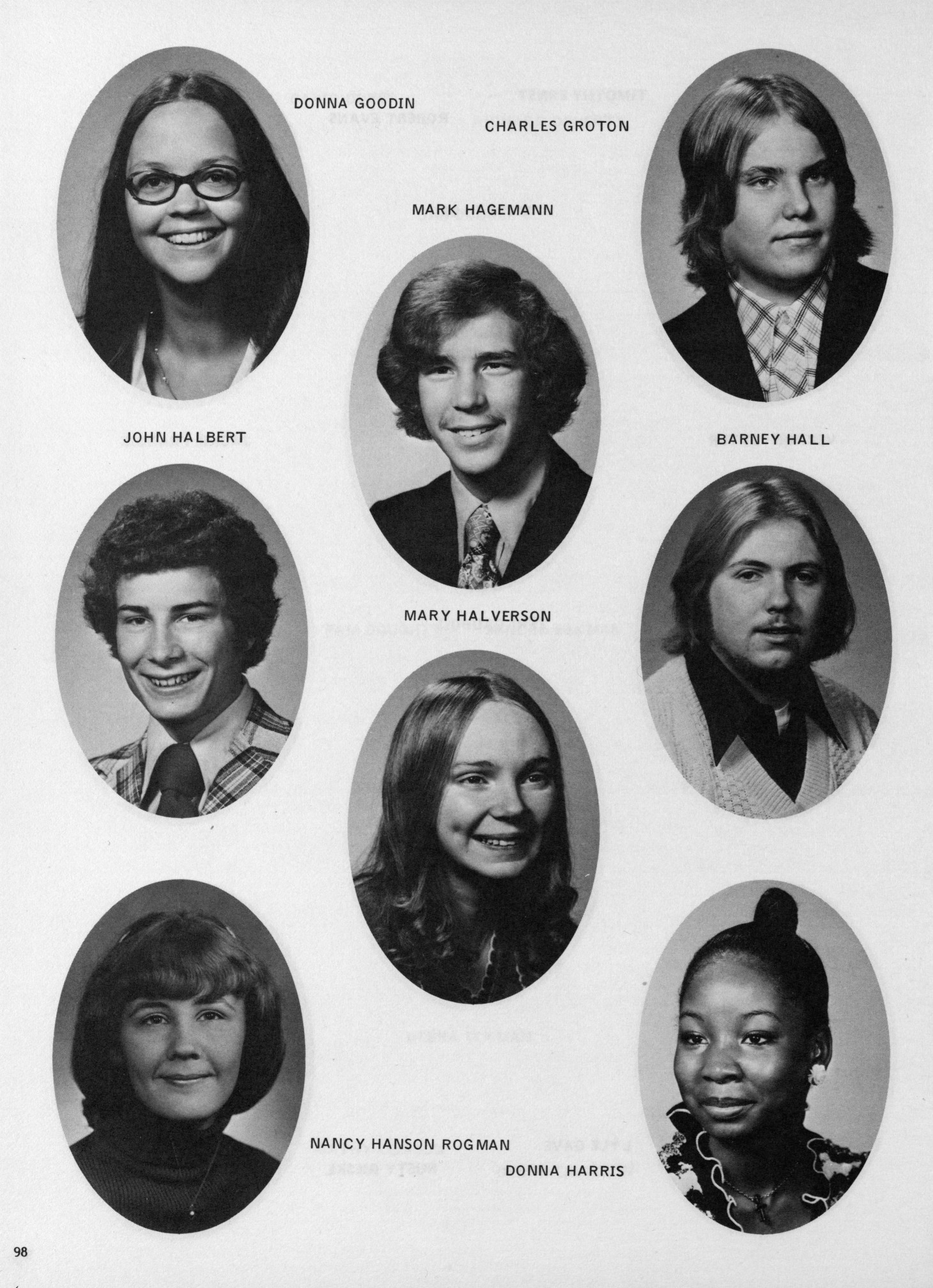
Portraits were taken by a visiting photographer in a day or two, in a set pose against a standard background, with one sitting per student and in most cases no opportunity to see or reject the result.
Digital proofs, multiple poses and retake days. One frame, chosen by the photographer, printed at the size the layout required, with no appeal – and whatever you looked like that morning is what is in the book.
The haircut problem is the universal grievance. Portraits were shot early in the year for a book published at the end of it, which meant a bad haircut, a cold, braces fitted the week before or a blazer borrowed from a sibling became the permanent record – and a great many people’s single surviving photograph from a whole year of their life is one they would not have chosen.
6. Local Businesses Bought Advertisements and Paid for the Book
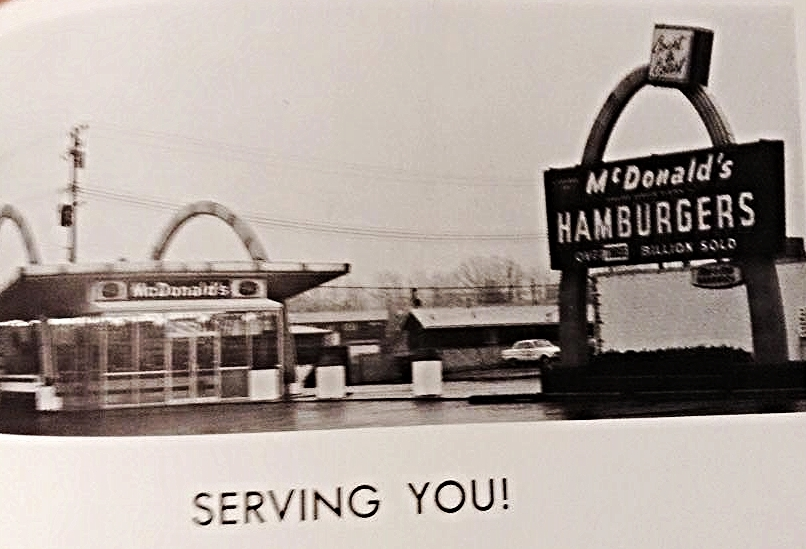
The back section carried paid advertisements from shops, garages, insurance offices, funeral homes, banks and restaurants, sold by students going round the town with a rate card.
Yearbooks are now funded largely by sales, school budgets and sponsorship arrangements, with far less local display advertising. The advertisements were what made the book affordable, and selling them was a student job with a target.
Those pages have become the most historically valuable part of the volume. A double spread of local advertisements, dated, with addresses, telephone numbers, trading names and prices, is a snapshot of a town’s commercial life that exists nowhere else – and local historians use old yearbooks for exactly that rather than for the portraits.
7. Parents Bought Space to Congratulate Their Own Children
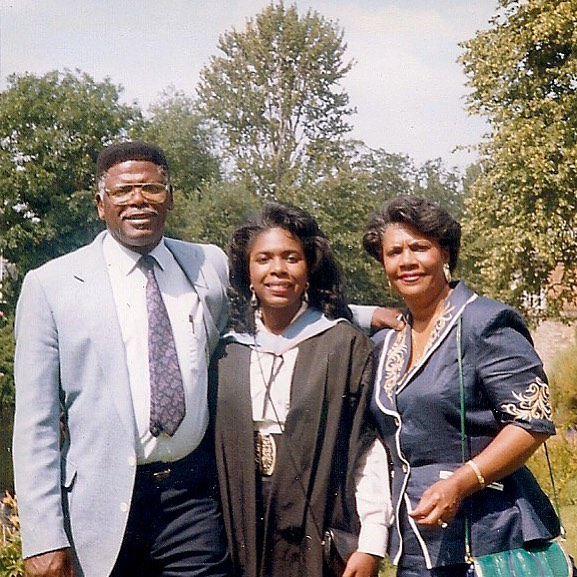
Alongside the business advertisements were parent messages – a photograph of the student as a baby, a few lines of congratulation, bought by the page, half page or quarter.
Still offered and still bought. The pricing tiers are the part that was visible to everybody: a full page with a professional photograph and a paragraph sat in the same section as a quarter page with one line, and the difference was legible.
Which made the section a straightforward public display of what each family could spend, printed in a book every student in the year owned. Nobody intended that and everybody could read it, and it is one of several ways the yearbook quietly recorded things about its subjects that had nothing to do with school.
8. The Candid Photographs Were Taken Without Anybody’s Permission
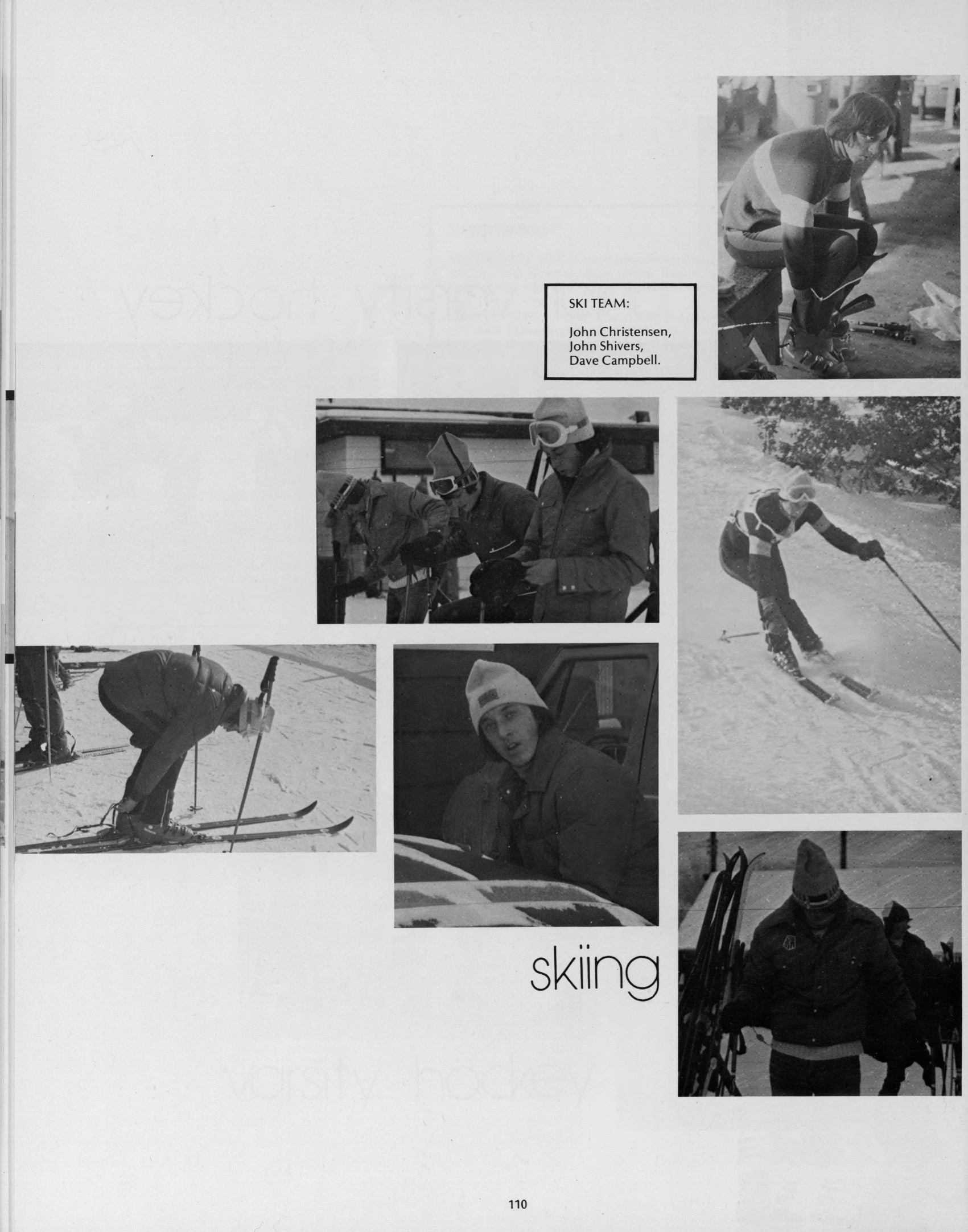
Student photographers roamed the school with cameras taking unposed shots in corridors, at lunch, in classrooms and at events, and whatever they got went in if the editor liked it.
Consent processes, opt-out registers and review before publication. There was no permission, no notification and no opportunity to object, and an unflattering candid published in the yearbook was published permanently.
The content of some of those photographs is the other change. Pictures of students smoking, pictures taken in changing areas, pictures of people who did not know they were being photographed and pictures that were funny at somebody’s expense all appear in yearbooks of this period – and every one of those categories is now excluded for reasons that do not need explaining.
9. Every Club, Team and Activity Got a Page and a Formal Photograph
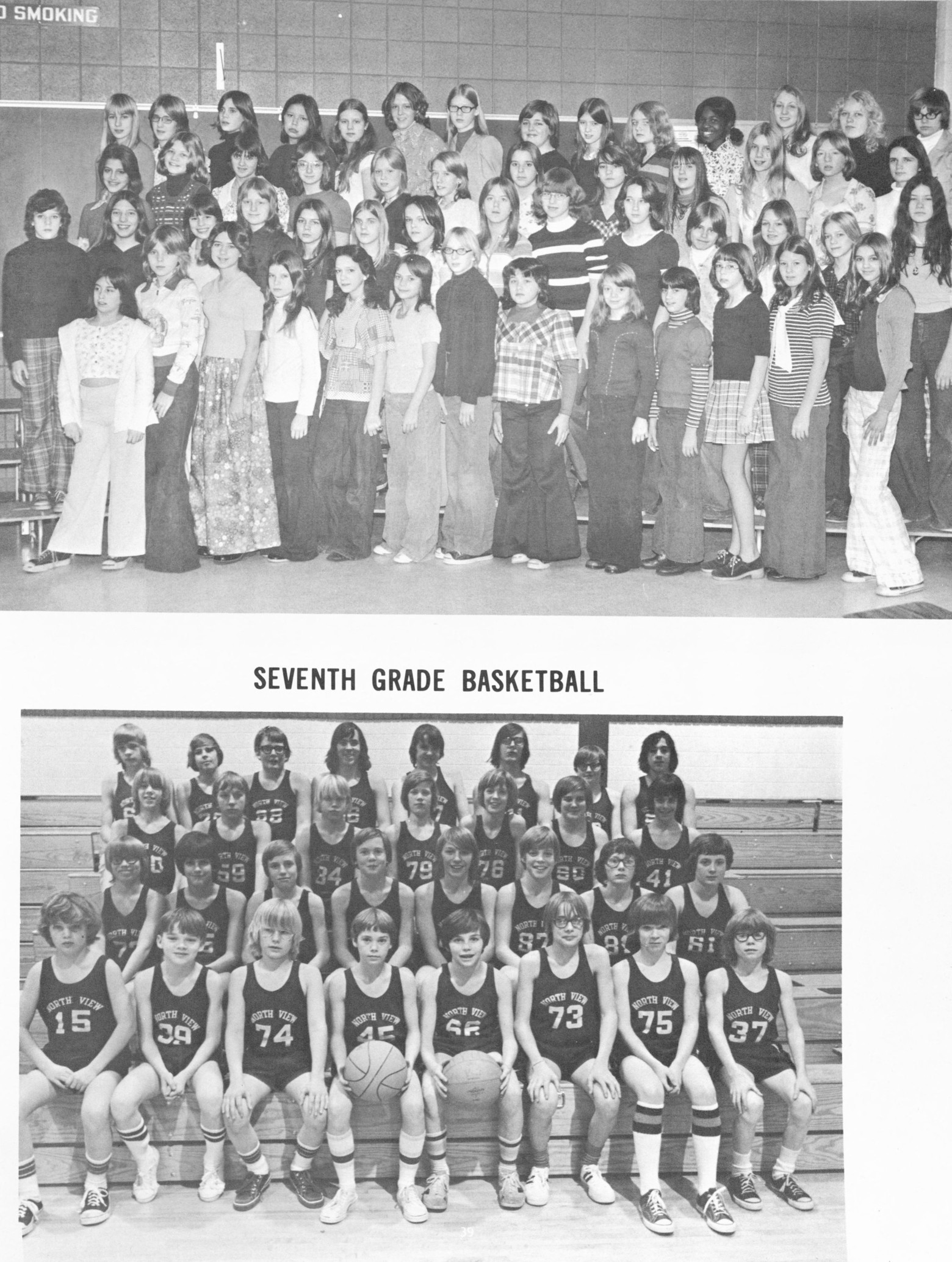
The bulk of the book was group photographs: every sports team, band, choir, club, society, committee and class, arranged in rows, named in a caption beneath.
Still the core of the format. The convention of naming everybody in the caption, left to right by row, is what makes these pages useful, and it was taken seriously – a misspelled or omitted name was a real complaint.
These pages are the reason yearbooks matter to people researching families. A named group photograph, dated, with a school and an activity attached, is a genuine genealogical record, and for a great many ordinary people it is the only published photograph of them in existence from their entire childhood.
10. There Was a Dedication, and It Was Usually a Teacher
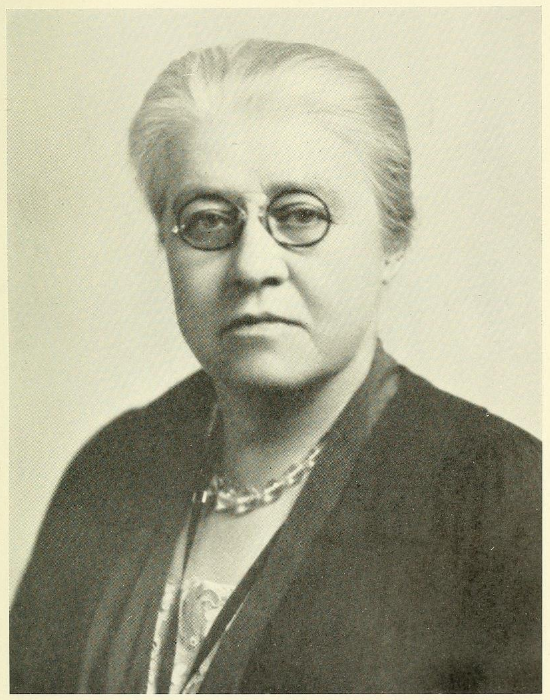
The front of the book carried a dedication – to a retiring member of staff, a long-serving teacher, a caretaker or a secretary – with a photograph and a page of tribute written by the student staff.
Still done. The choice was made by students and was frequently not the person the school would have chosen, which is exactly what made it meaningful: a dedication to the caretaker or the lunch supervisor was a judgement about who actually mattered in the building.
It was also, for the person dedicated to, a significant thing to receive. A page of tribute written by teenagers, printed in several hundred copies that will sit in houses for fifty years, is a more durable recognition than anything an employer was likely to provide – and a number of those pages are the only written record of a long career.
11. The In Memoriam Page Was Handled With Very Little Guidance
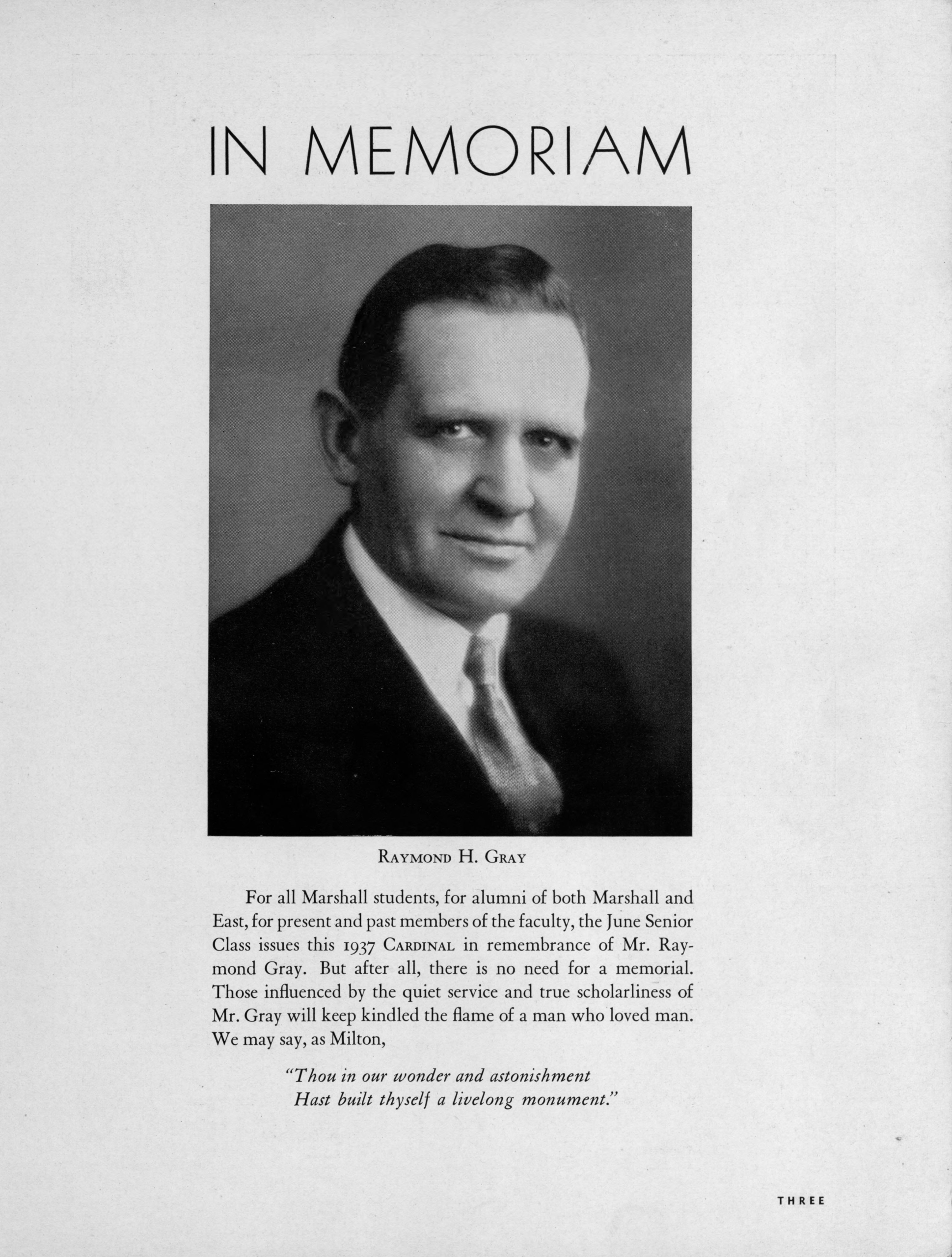
Where a student or a member of staff had died during the year, a page was given to them, assembled by student editors with whatever photographs and words they could find.
Handled with staff involvement, family consultation and awareness of how such a page affects the people reading it. The student editors were doing it without training, without support and in some cases without having been told very much.
It is worth saying only that those pages exist, that they were made by seventeen-year-olds, and that they are frequently the most carefully done thing in the whole volume. The change since then is that nobody is now asked to do that on their own, which is plainly right.
12. The Errors Were Permanent and Became Legendary
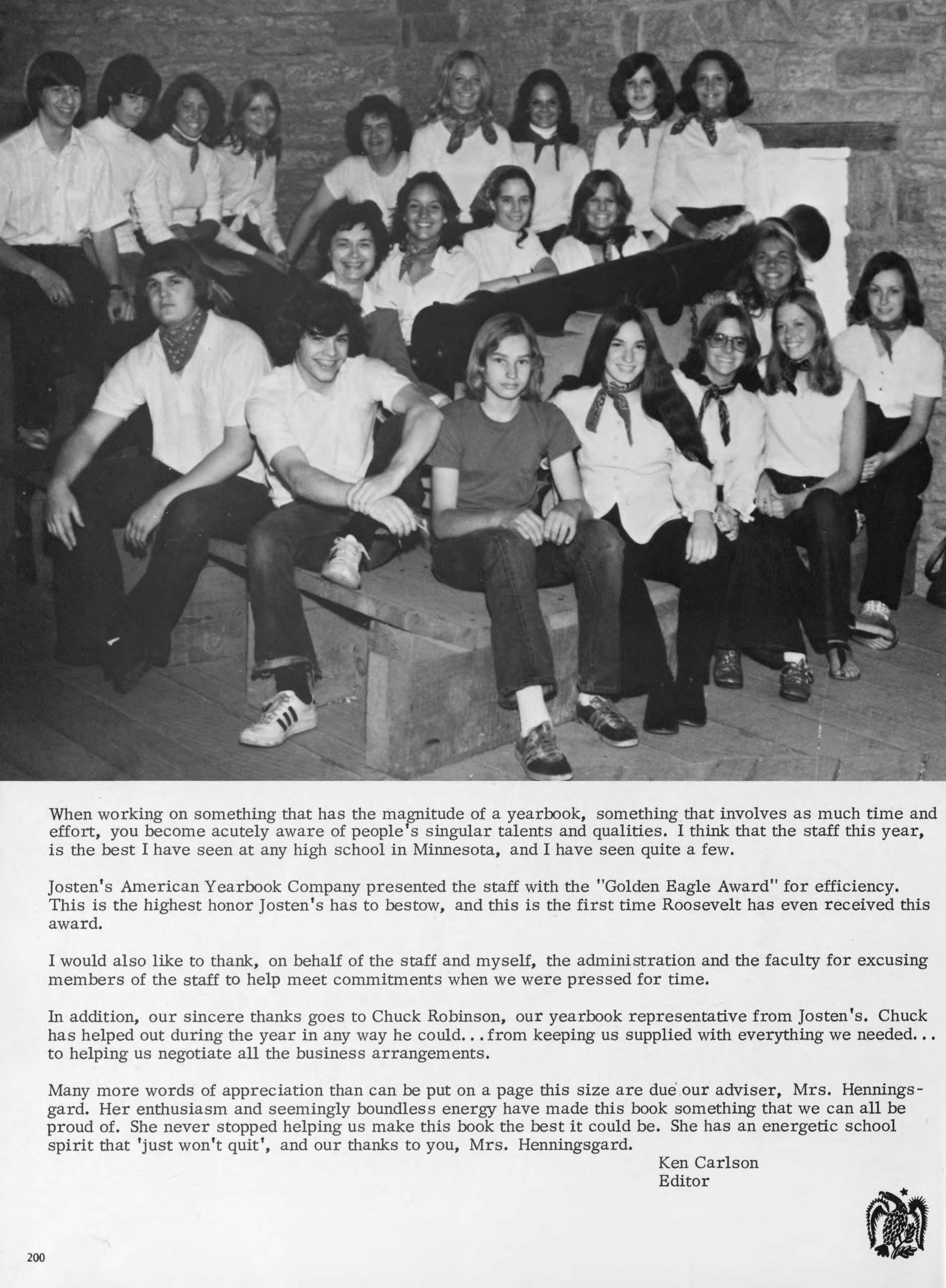
Names were misspelled, captions were attached to the wrong photographs, students were listed twice or omitted entirely, and a printing error ran through the entire print run with no possibility of correction.
Digital proofing, multiple review stages and in some cases errata inserts. A yearbook was typeset, laid out, sent to a printer and returned bound in quantity – the first time anybody saw the finished article, it was finished.
The famous errors are remembered for decades and they tell you something about the production. A book assembled by students, to a deadline, with pasted-up layouts, hand-typed captions and a single proofing pass, in which several hundred names must each be correct, is going to contain mistakes – and every one of them was distributed to the whole year group simultaneously.
13. The Cover Was Embossed and the Price Was Serious
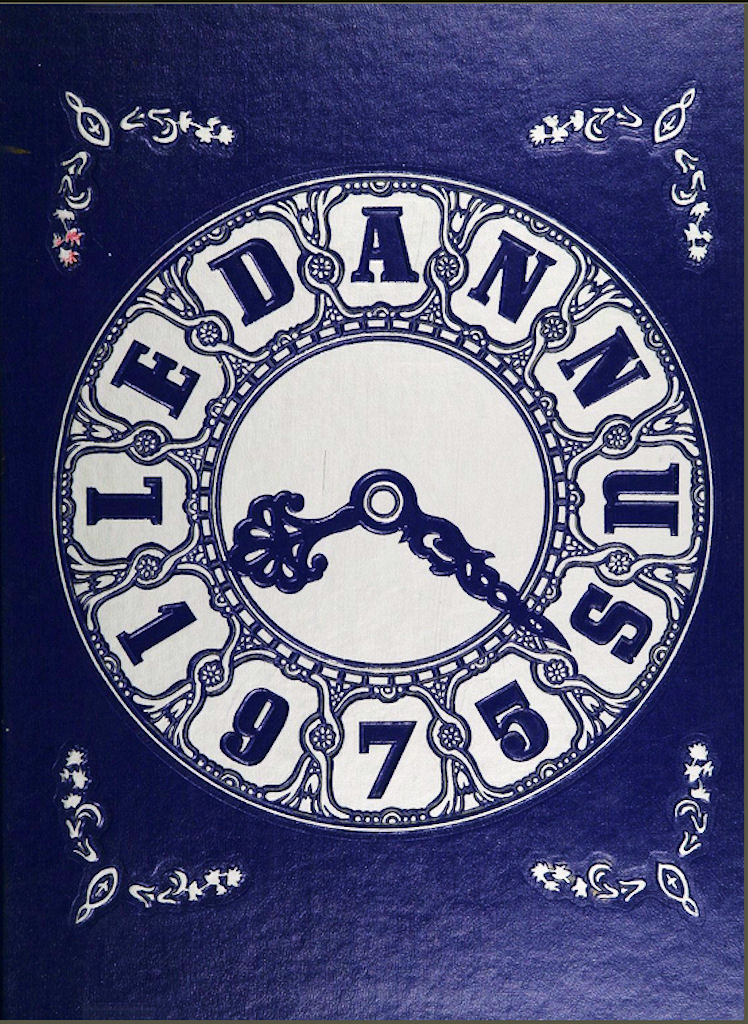
Covers were padded or hard-backed, embossed or foil-stamped with the school name, the year and frequently the owner’s name added for a supplement, and the book cost a meaningful amount of money.
Still produced to a similar standard with similar options. The cost put the book beyond some families, and a year group in which most people had one and some did not was obvious on distribution day.
Schools generally had a quiet mechanism for that – a fund, a discount, a copy found for somebody – and whether it was quiet enough is a fair question. The underlying problem is that a commemorative object sold to a year group at a real price cannot be universal unless somebody pays for the copies that nobody can afford.
14. You Were Given Your Copy and the Year Was Over
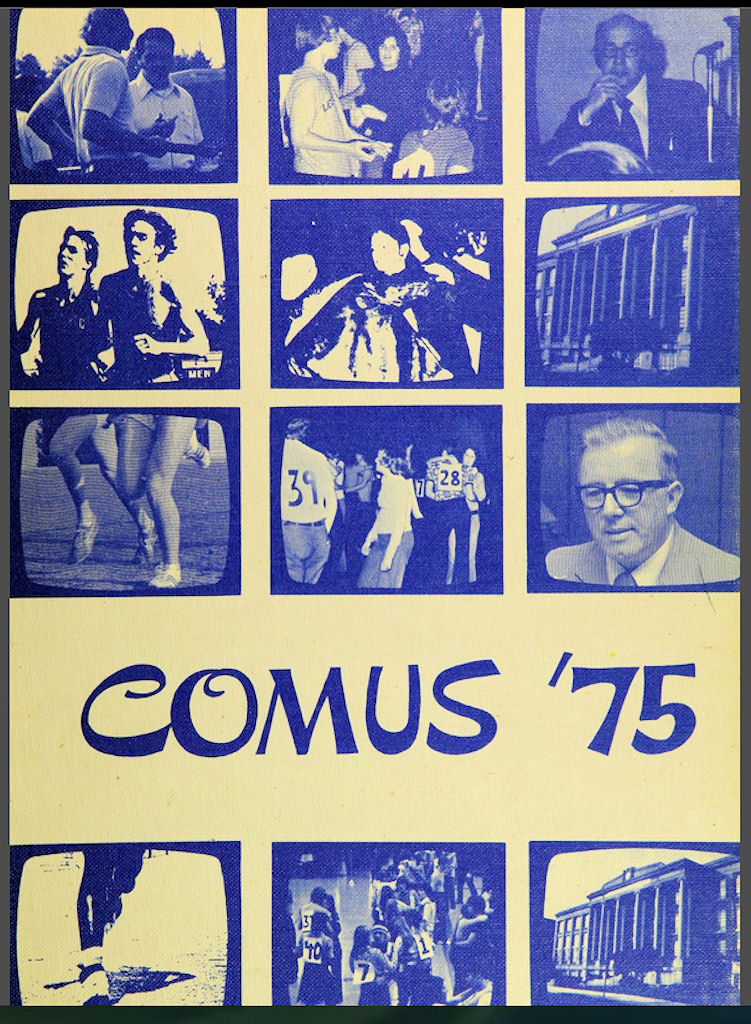
Distribution happened in the final days of term, frequently as an event – boxes opened, names called, books handed out – and it functioned as the formal end of the year.
Still a distribution day, often with the signing time built in. The timing was deliberate: the book arrives, everybody signs everybody else’s, and term ends, which gives the year a closing ceremony that nobody had to organise.
It is the clearest thing the yearbook actually did, as distinct from what it recorded. A year group needs a point at which the year is acknowledged as over, and a bound book handed to everybody at once, signed by everybody present, provides that – which is why the object survives in an era when every photograph in it could be shared instantly instead.
15. Then Everything In It Became Available Instantly and It Survived Anyway
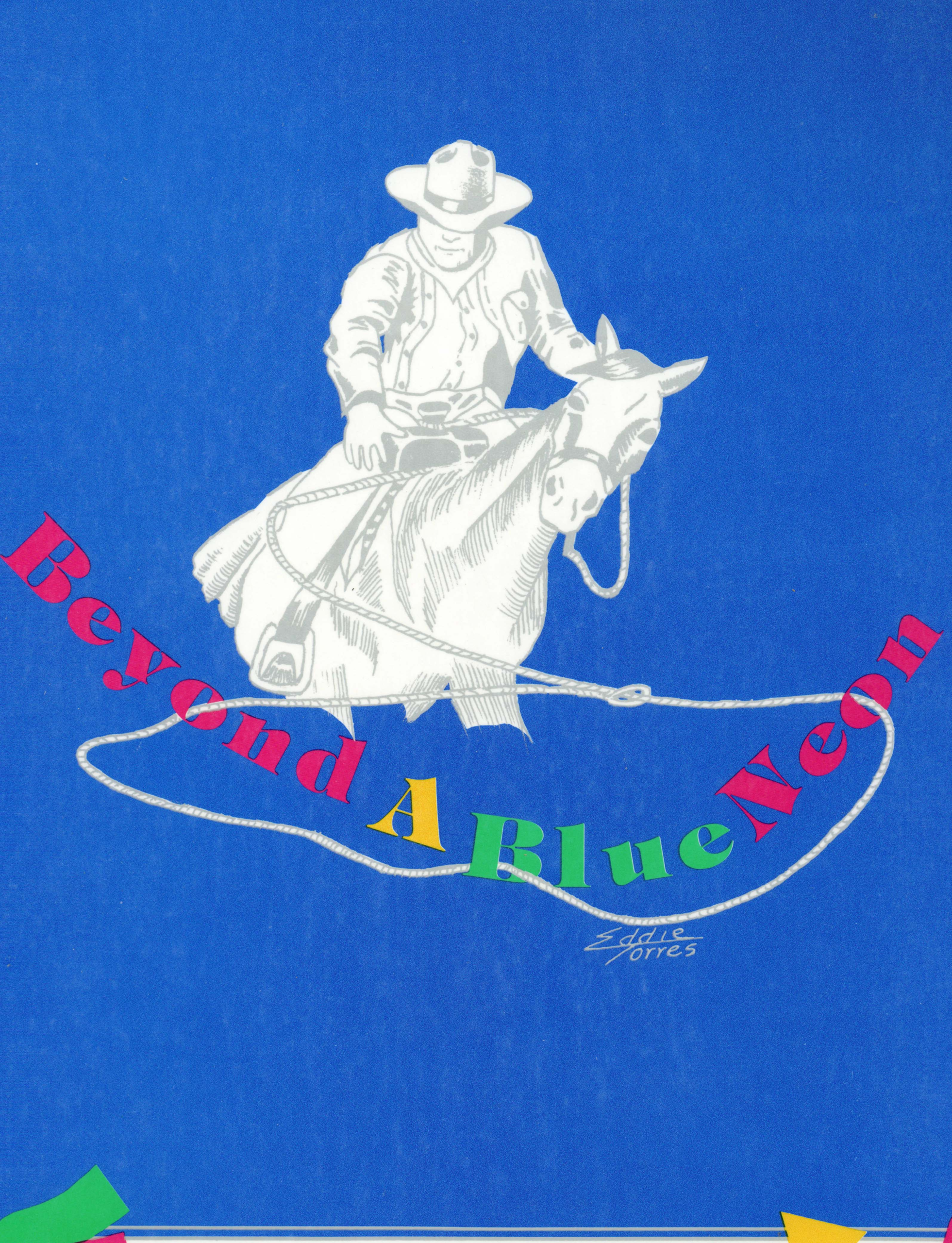
The yearbook existed because photographs were scarce, expensive to reproduce, slow to develop and impossible to distribute in quantity, so a bound annual volume was the only way a year group could all have the same pictures.
Every one of those constraints has gone. Photographs are unlimited, free to copy and shared instantly, and a year group’s entire visual record exists in everybody’s pocket continuously. By any functional measure the yearbook should be obsolete.
It is not, and the reason is the part that was never about photographs. A printed book is fixed, finite, shared and signable – everybody has the same one, it cannot be edited later, and it contains other people’s handwriting. None of that is available digitally, and it turns out that was always the product: not the pictures, which anybody can now get, but a single object that the whole year group touched.
Everything In It Is Free Now, and the Book Survived Anyway
The yearbook should not exist any more, and working out why it does is more interesting than the nostalgia.
Consider why it was invented. Photographs were scarce and expensive. Film had to be developed, prints cost money per copy, and distributing a few hundred images to a few hundred households was a genuine logistical undertaking requiring a printer, a press run and a budget. A bound annual volume was the only mechanism by which an entire year group could end up holding the same pictures.
Every one of those constraints has been removed completely. Photographs are unlimited and free. Copying is instant. A year group’s whole visual record sits in everybody’s pocket, continuously, in higher quality than any yearbook ever printed, and nobody has to sell an advertisement to a local garage to pay for it.
So by any functional measure the format is obsolete, and it has not gone.
What that reveals is that the photographs were never the product. The product was four things digital cannot supply.
It is fixed. A printed page cannot be edited, deleted, untagged or quietly improved later, which means it is an honest record of what people looked like and what they chose to put under their name.
It is finite. The book ends. A year has a boundary rather than a continuous feed.
It is shared. Everybody has the identical object, which is a different thing from everybody having their own version of events.
And it carries other people’s handwriting. That is the one nothing has replaced, and it is why the signing mattered more than the contents. A book with four hundred signatures in it is a physical record of who was there, in their own hand, on a date – and no amount of free photography produces that.
The things that could not be printed now – the addresses, the cruel superlatives, the unconsented candids – should not have been printed then either. But the object itself turns out to have been solving a problem that has nothing to do with the scarcity of pictures, which is why it is still here.
If you have yours, the signatures are the part you look at, and the photographs are the part you skip.
And the advertisements at the back are now the most historically useful pages in it.
Like our content? Follow us for more.


