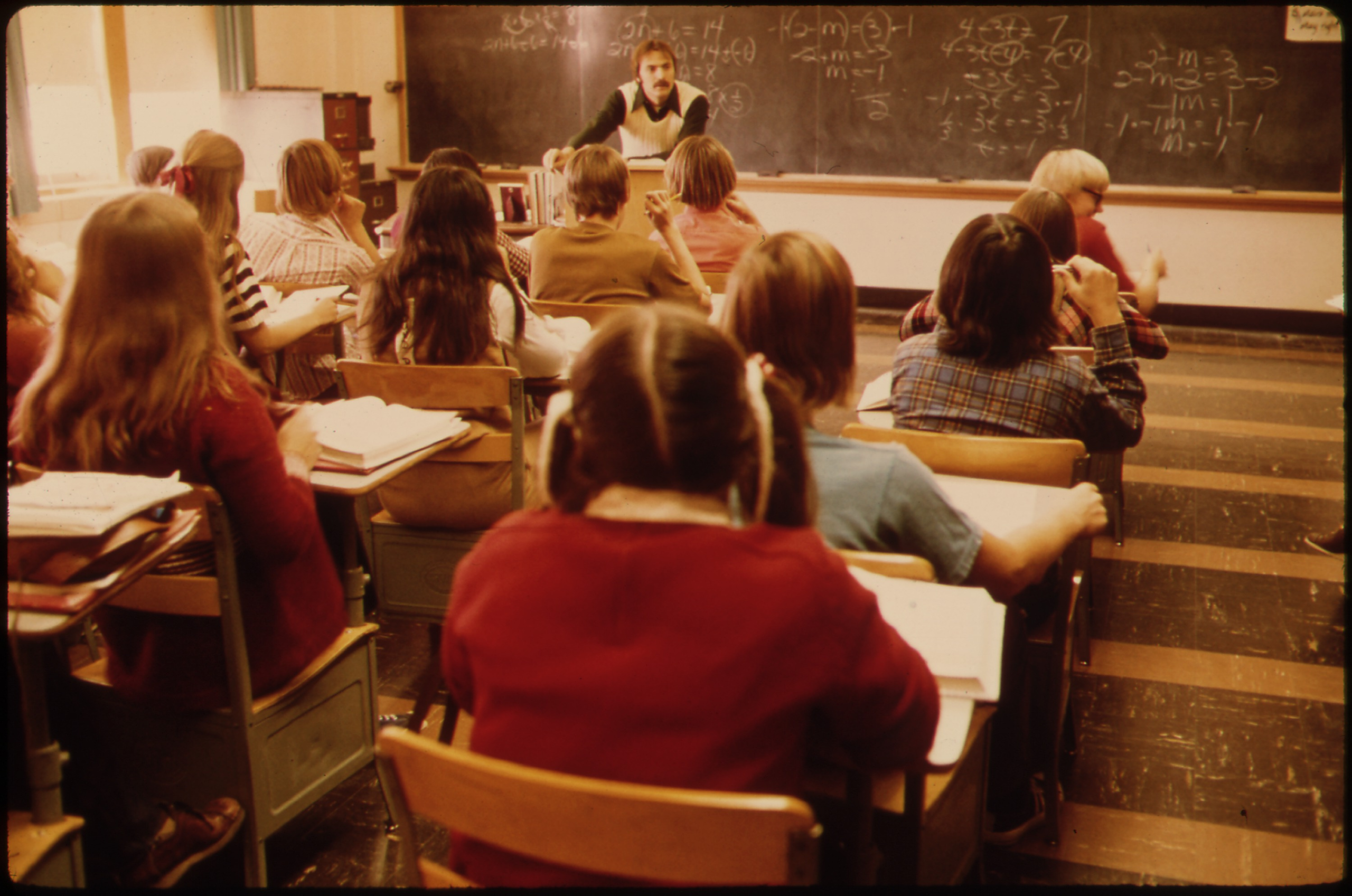
In 1974 study hall was a scheduled period in which you were given nothing to do. No subject, no instruction, no assignment and no grade – just a room, a register and a requirement to be silent for fifty minutes.
The supervising teacher was there for attendance and order, not to help, and frequently taught a subject unrelated to anything in the room. The venue was whatever was free: the cafeteria, the gym, an auditorium of tip-up seats with no desks. Leaving required a rationed pass. And almost nobody did any homework.
Here are fourteen things every American teenager did in study hall in 1974, and what became of each one.
1. It Was a Timetabled Period in Which You Were Given Nothing to Do
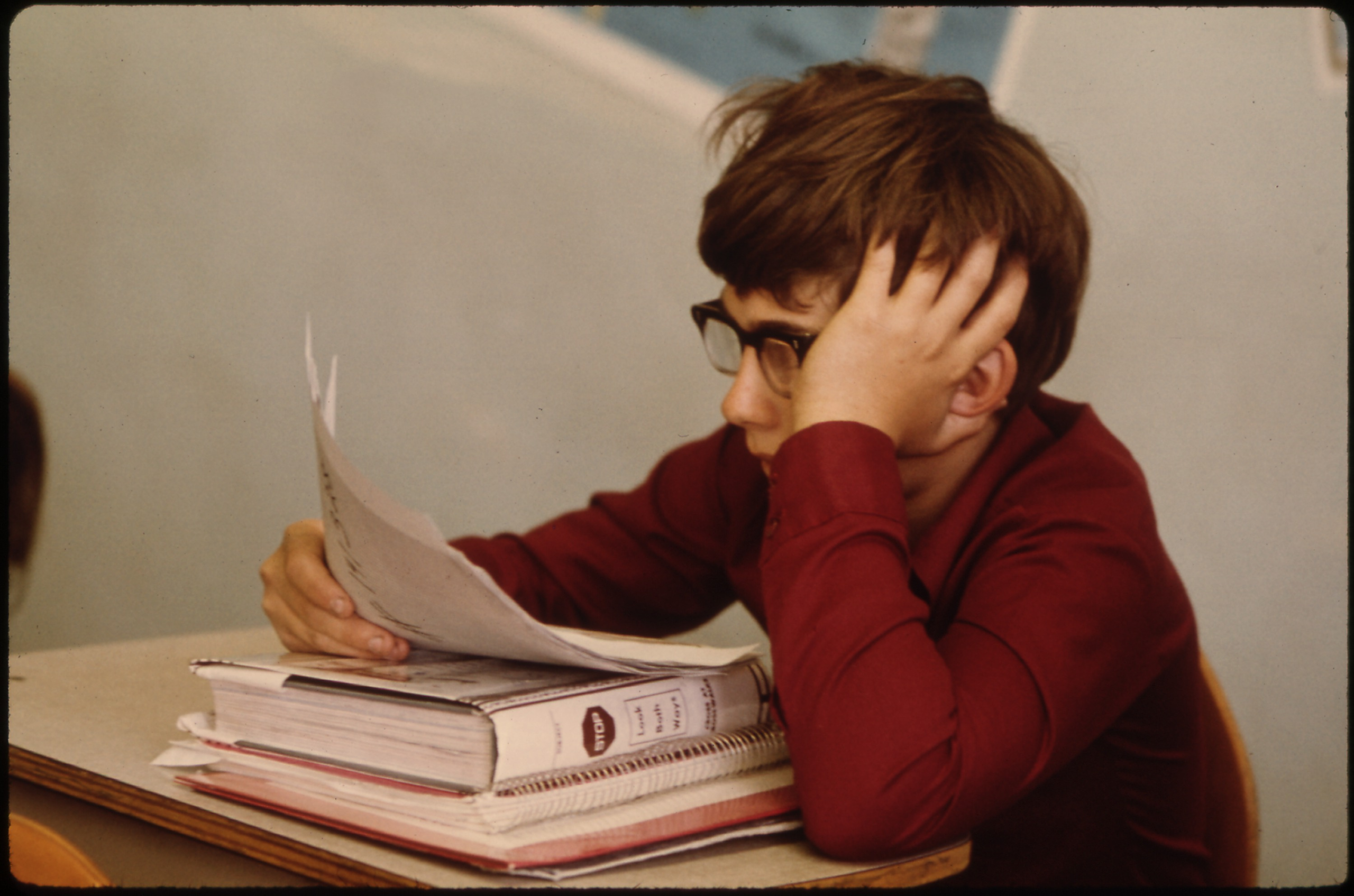
Study hall was a scheduled class, with a room, a teacher and a register, whose entire content was that you sat there. No subject, no instruction, no assignment issued and no outcome recorded.
Replaced almost everywhere by structured intervention, supervised homework with staff support, enrichment classes, extra core subject time or a shorter timetable. A period with no educational content cannot survive a system that measures outcomes per period.
The honest explanation for its existence is logistical. A school building has a fixed number of specialist rooms, a fixed number of teachers and a timetable that must place every pupil somewhere in every period, and study hall was the remainder – the slot that existed because the arithmetic did not come out evenly.
Like our content? Follow us for more.
2. Silence Was the Rule and It Was Enforced Absolutely
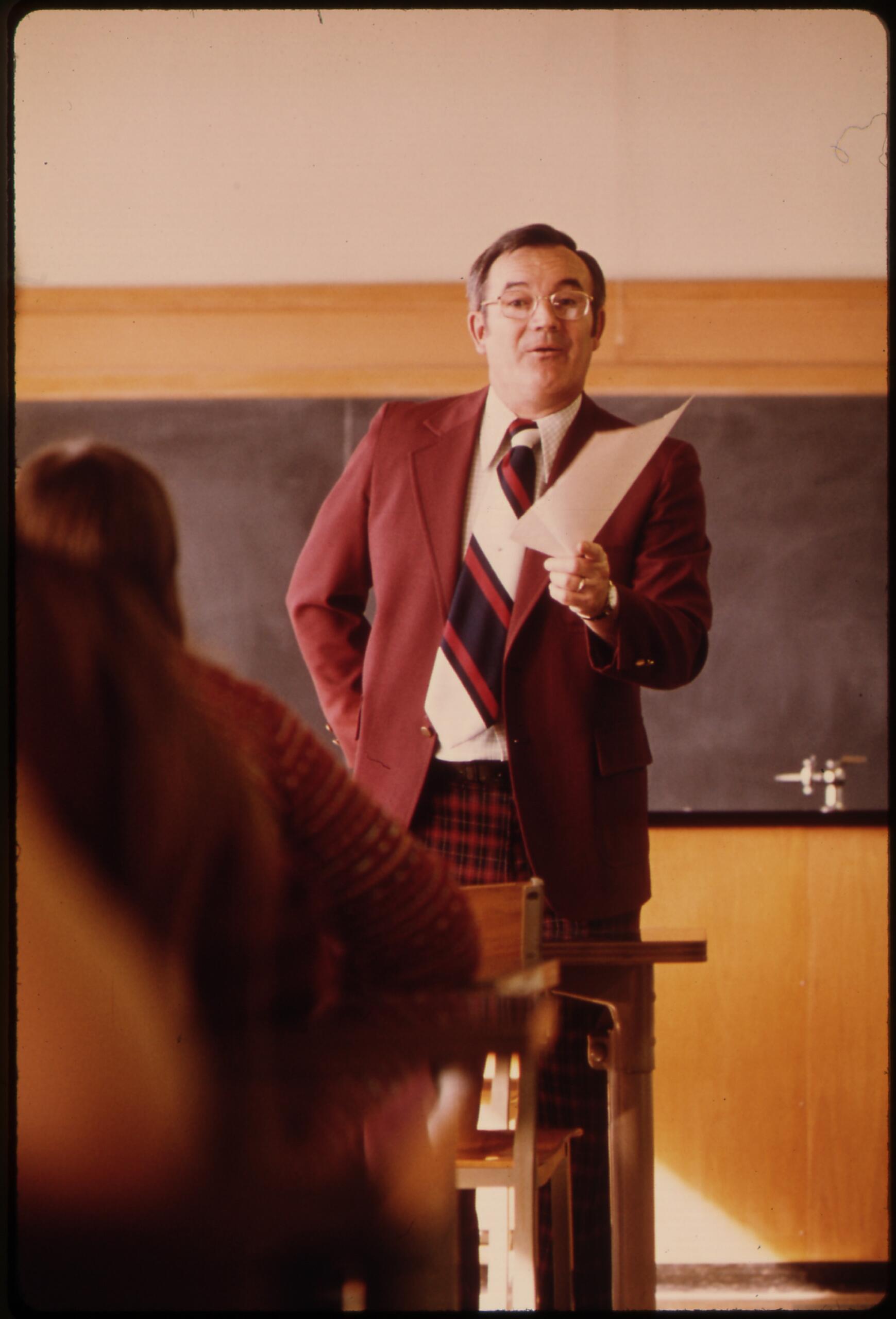
The requirement was total silence, maintained for the whole period, with talking punished by removal or detention. Not quiet working – silence.
Supervised study periods generally permit quiet collaboration, and the room is managed as a working space rather than as a silence. The absolute rule existed because it was the only enforceable one: a teacher supervising forty pupils with no common task cannot police the difference between work-related and social conversation.
That is why the discipline felt disproportionate to anybody in the room. Being punished for whispering in a period where you had been given nothing to do is obviously unfair, and it was also the only way the arrangement could function – which is a reasonable description of a great many school rules.
3. The Teacher Supervising It Was Not There to Teach You
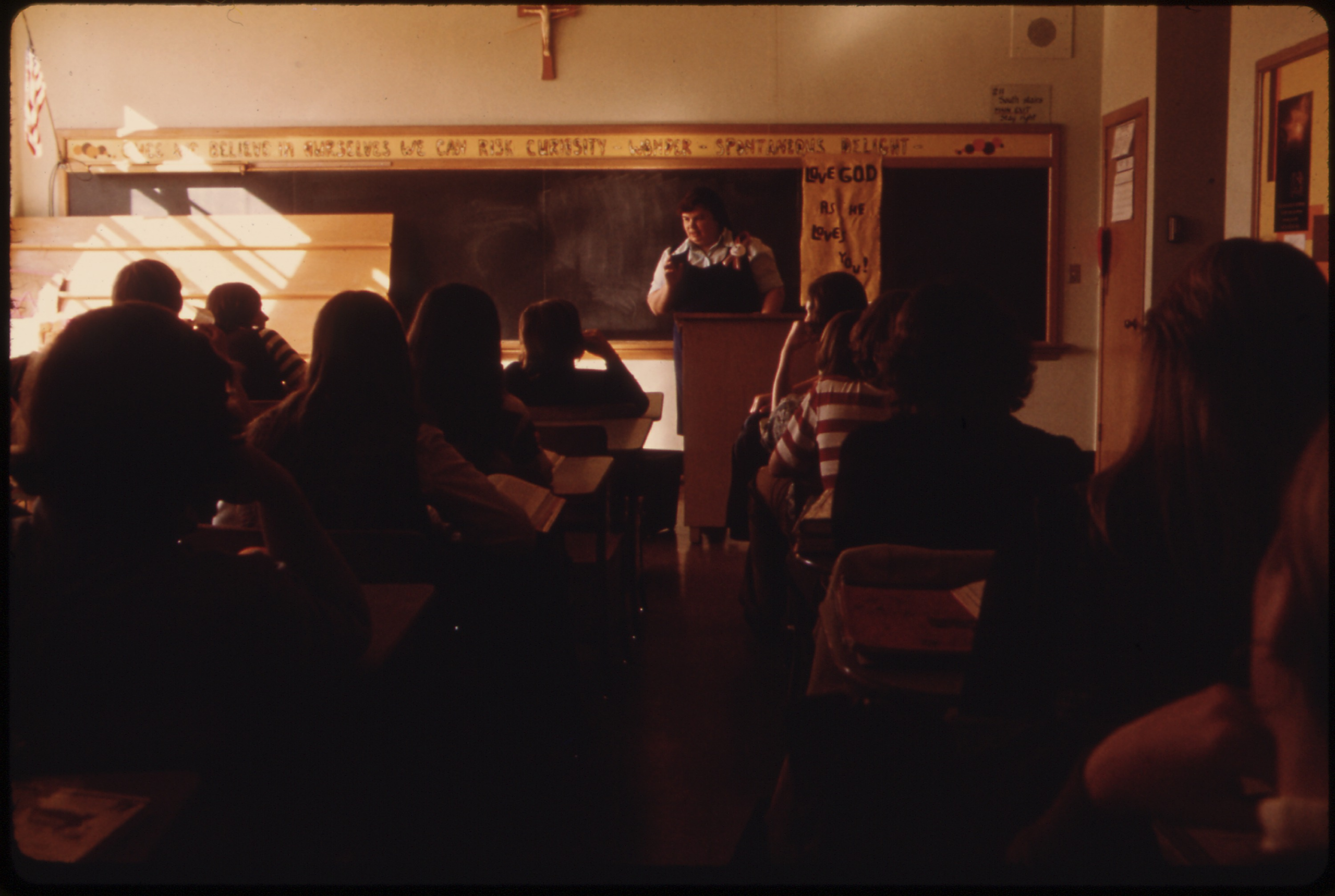
Supervision rotated among staff as a duty, frequently given to whoever had a free period, and the supervising teacher might teach a subject entirely unrelated to anything anybody in the room was working on.
Supervised study is generally staffed deliberately, with somebody able to help. The supervisor’s job was attendance and order, not assistance, and asking them a question about your work was frequently pointless through no fault of theirs.
It also meant the character of the period depended entirely on who had the duty. One teacher ran it as a silent examination hall; another marked their own books and ignored everything short of shouting; a third permitted reading, or chess, or quiet conversation at the back. Pupils knew the rota precisely and planned accordingly.
4. You Were Supposed to Do Homework and Almost Nobody Did
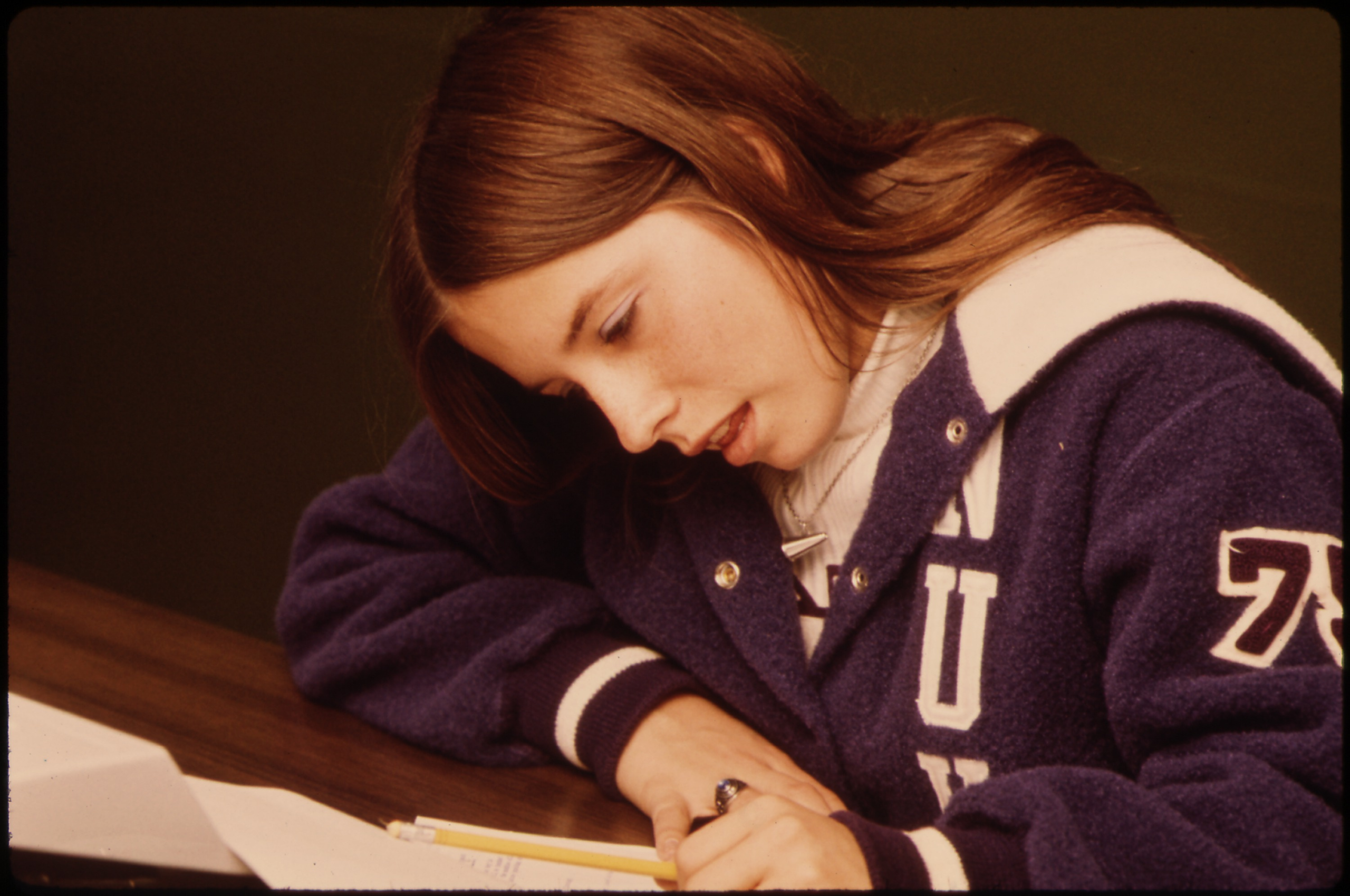
The stated purpose was to provide time for schoolwork, and the actual use was overwhelmingly something else – reading, drawing, writing notes, staring out of the window, or sleeping.
Structured supervised homework with checked outcomes. The design flaw was obvious: homework is set to be done after school, pupils did not carry the right books to an unscheduled period, and a pupil with nothing due had nothing to do.
Which exposes the real problem with the whole arrangement. A period intended for independent work needs the pupil to have work, the materials for it, and the ability to work alone – and a school that provides the time without providing any of the other three has provided an empty room, not a study facility.
5. The Room Was Whatever Was Free
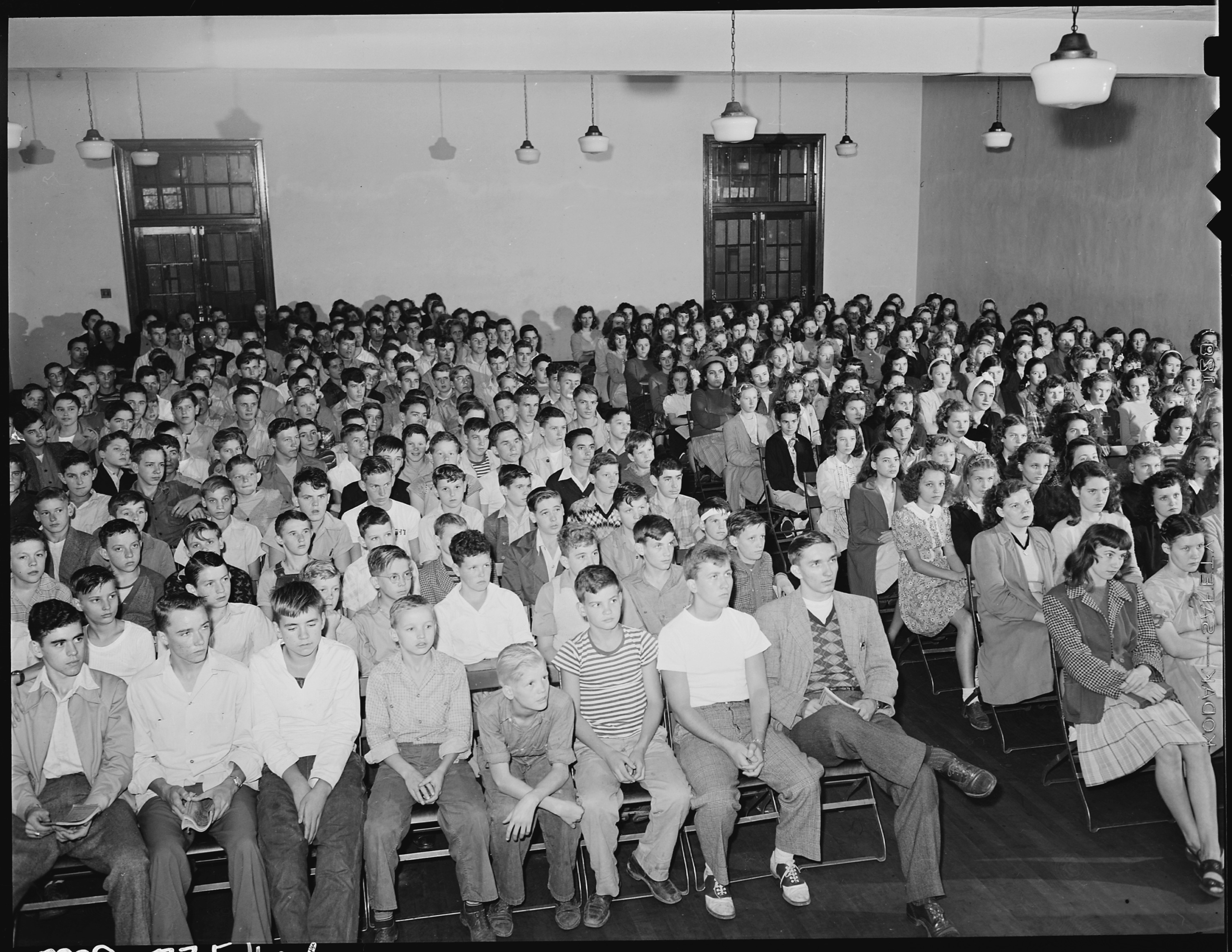
Study hall was held wherever the timetable could put it: the cafeteria between services, the library, the gymnasium, an auditorium, a corridor of desks, or a classroom borrowed from an absent subject.
Dedicated supervised study spaces in schools that provide them. The venue determined the experience completely – a library study hall was genuinely useful, a cafeteria one was a holding pen with the smell of lunch in it.
The auditorium version is the one people remember as absurd. Several hundred pupils seated in rows of tip-up seats with no desk surface, required to be silent, for fifty minutes, with one teacher on the stage – which is a logistical solution to a timetabling problem and is not in any sense a study facility.
6. The Library Version Was Rationed and Fought Over
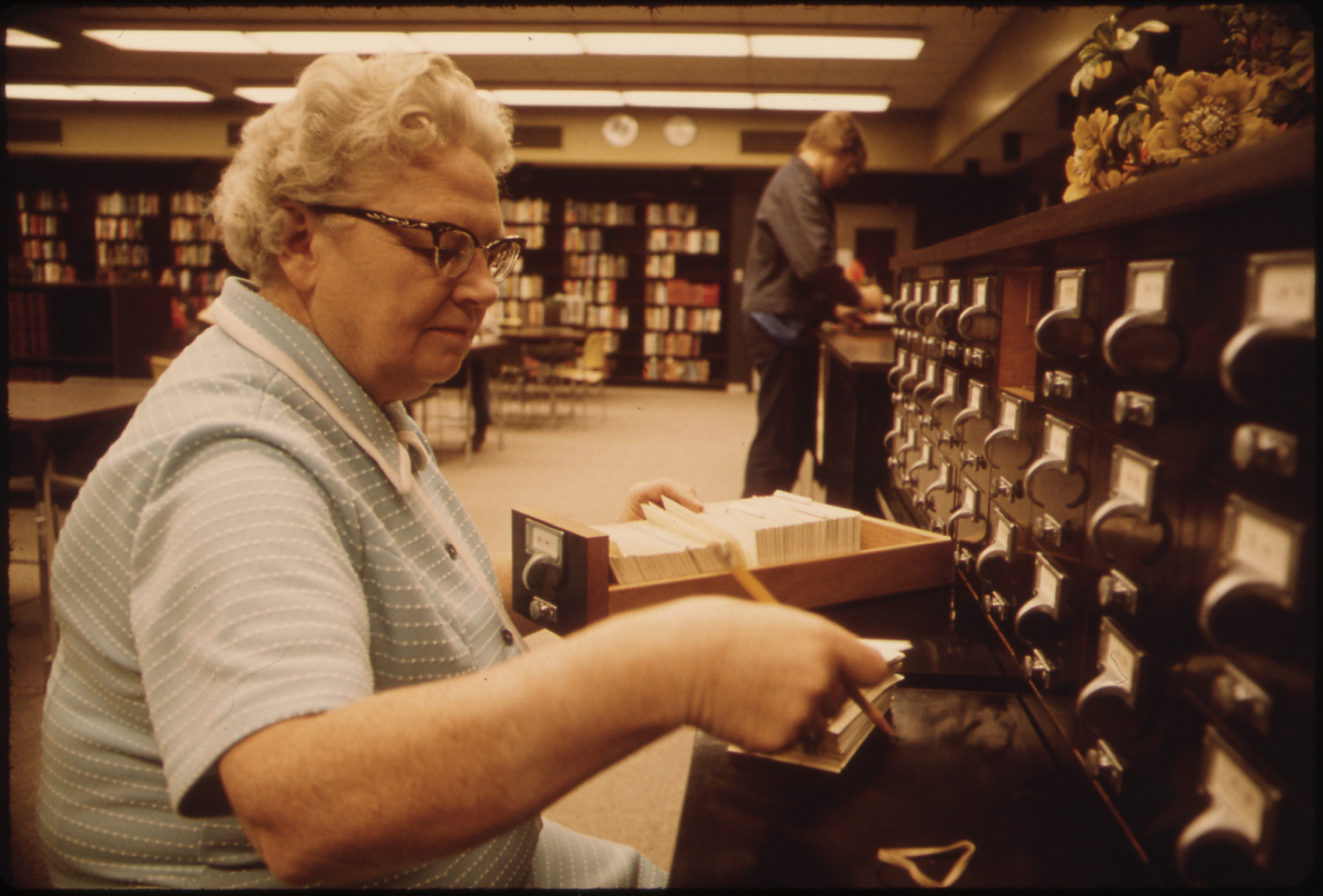
Where the library was used, places were limited and had to be signed for, requested in advance or earned, and pupils competed for them because the library was the only version of the period that was any use.
Library access is generally open rather than allocated as a privilege. The rationing happened because a library seats forty and a year group is three hundred, so most pupils got the cafeteria and a minority got the useful room.
The allocation tended to favour the pupils who were already doing well, which is the uncomfortable part. The children who could be trusted to use a library sensibly were given the library; the ones who most needed somewhere quiet to work were in the cafeteria. That is not anybody’s policy, it is simply how a scarce privilege gets distributed, and the effect compounds.
7. The Pass System Governed Whether You Could Leave
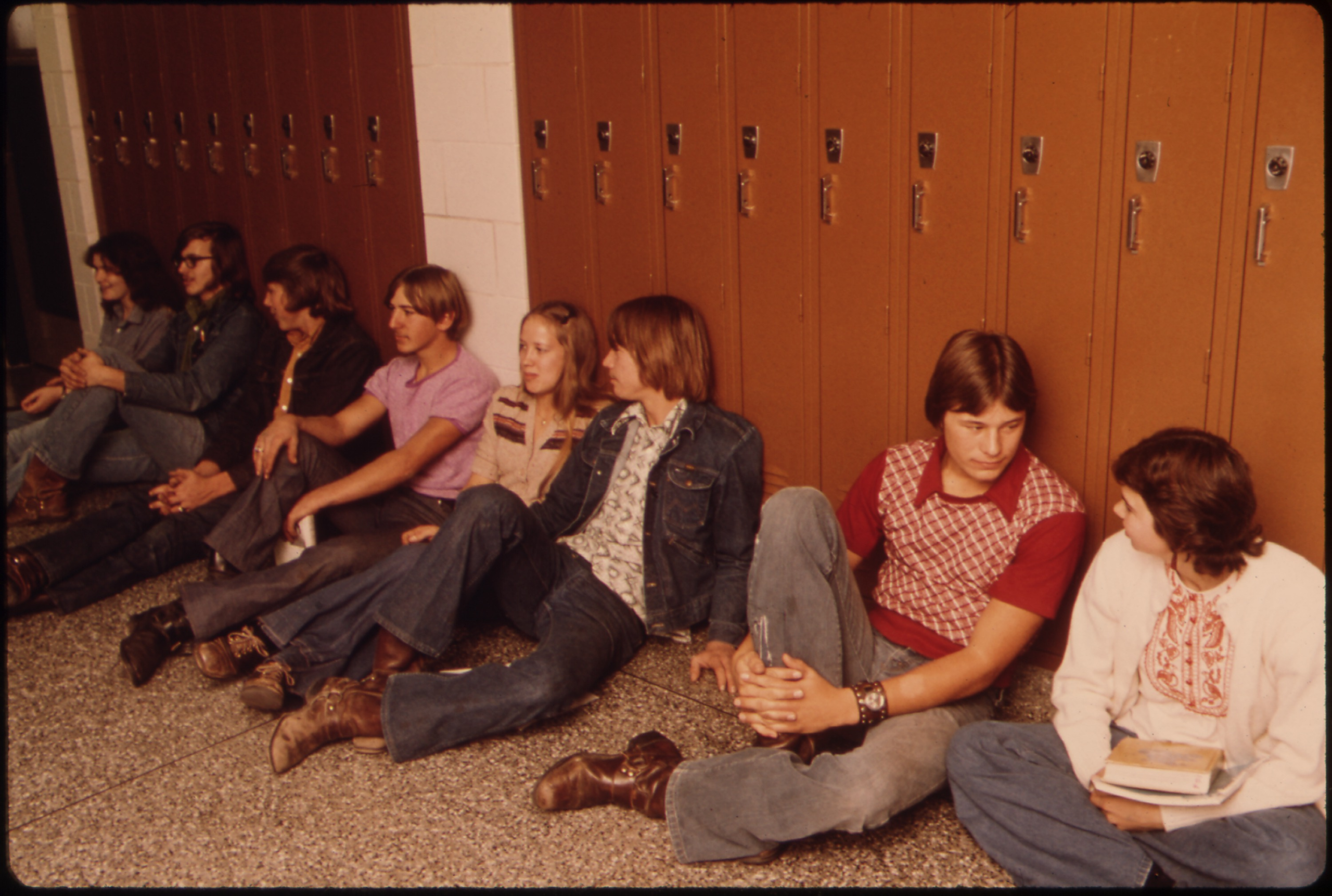
Leaving study hall required a pass – a slip, a signed note, a wooden block or a laminated card – issued by the supervising teacher and surrendered on return, with a log of who had gone where and when.
Electronic sign-out, hall monitoring systems or open movement depending on the school. The pass was the mechanism by which a pupil could visit the library, the office, a teacher or the lavatory, and it was rationed.
The rationing of lavatory access is the part that reads worst now, and it was absolutely standard. A limit on passes per period, with the supervising teacher deciding whether a request was genuine, applied to teenagers for fifty minutes at a time – and the objection that this is not a reasonable thing to control was not one anybody was making.
8. Note-Passing Was the Entire Communication Network
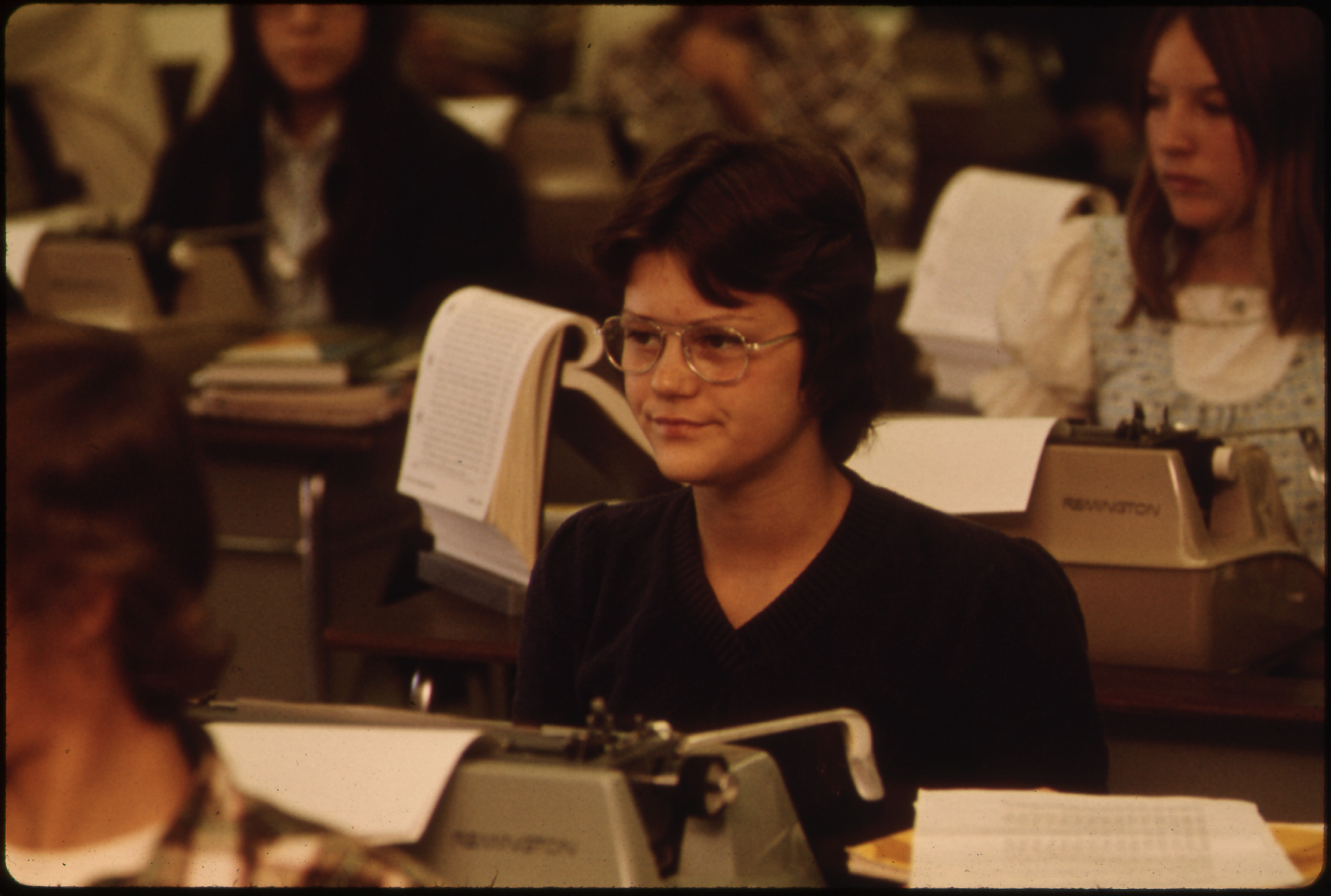
With silence enforced and no devices, written notes passed hand to hand along rows were the only way to communicate, folded in elaborate patterns, with a route planned through intermediaries.
Messaging, with the whole apparatus of folded-note culture gone. The folding was genuinely elaborate and regionally distinct, and the designs had names and were taught between pupils rather than invented individually.
The interception risk was what made it significant. A note confiscated by a teacher could be read aloud or kept, which meant the content carried a real cost, and the folding patterns existed partly to make a note identifiable as yours and partly to make it quick to hide. A great many people still remember how to fold one.
9. It Was Where a Lot of People Read for Pleasure for the First Time
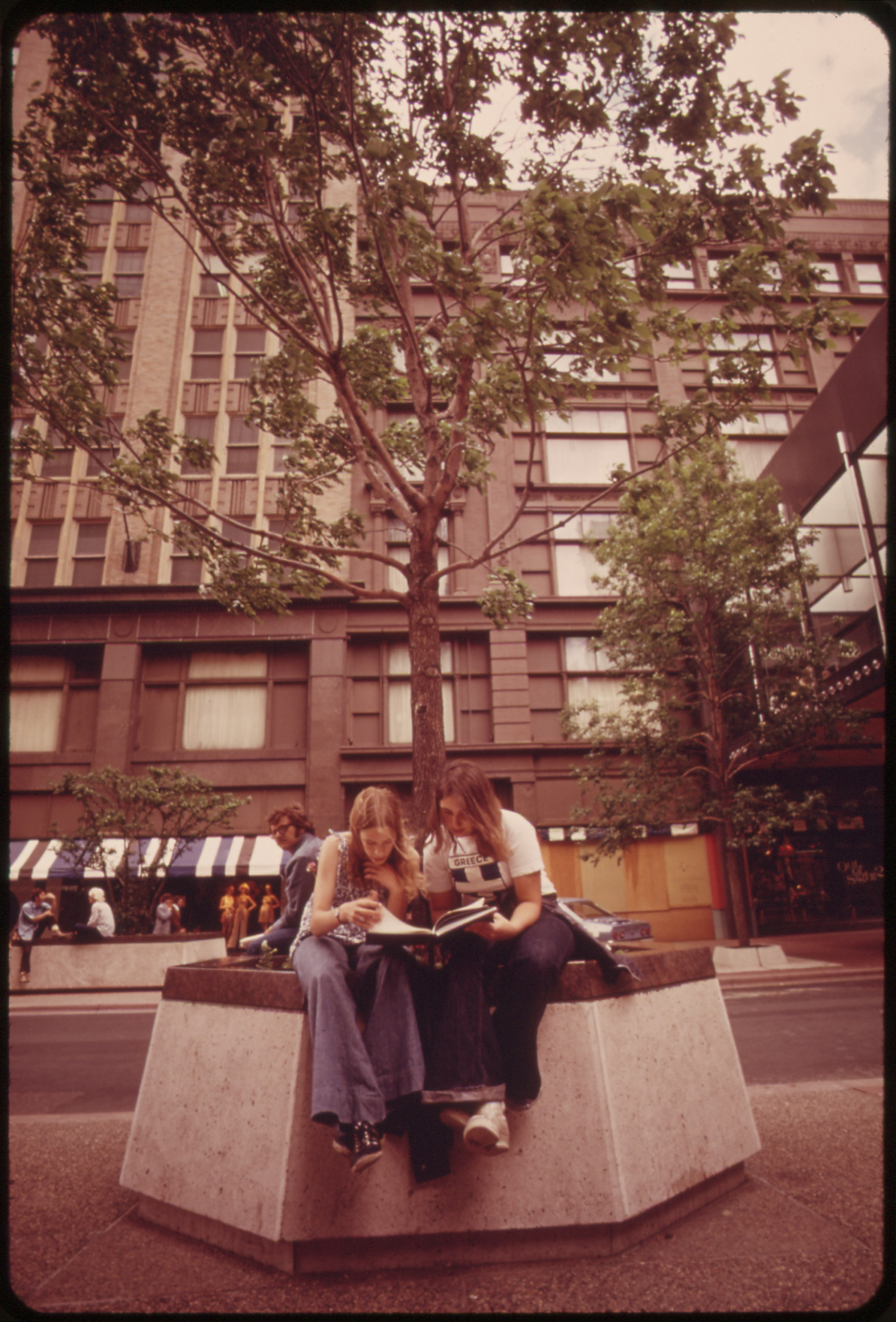
With nothing else permitted and nothing else to do, a substantial number of pupils read – whatever was in their bag, whatever the library had, whatever was being passed round the year group.
Structured periods leave far less unoccupied time, which is the point of them. The reading happened because the alternative was fifty minutes of nothing, and boredom is a reliable route to a book when a book is the only thing available.
This is the strongest argument anybody makes for the period and it deserves to be taken seriously. An enforced hour of silence with no instruction is, accidentally, the condition under which reading habits form – and the people who discovered reading in study hall did so precisely because the period was useless for its stated purpose.
10. Sleeping Was Common and Mostly Tolerated
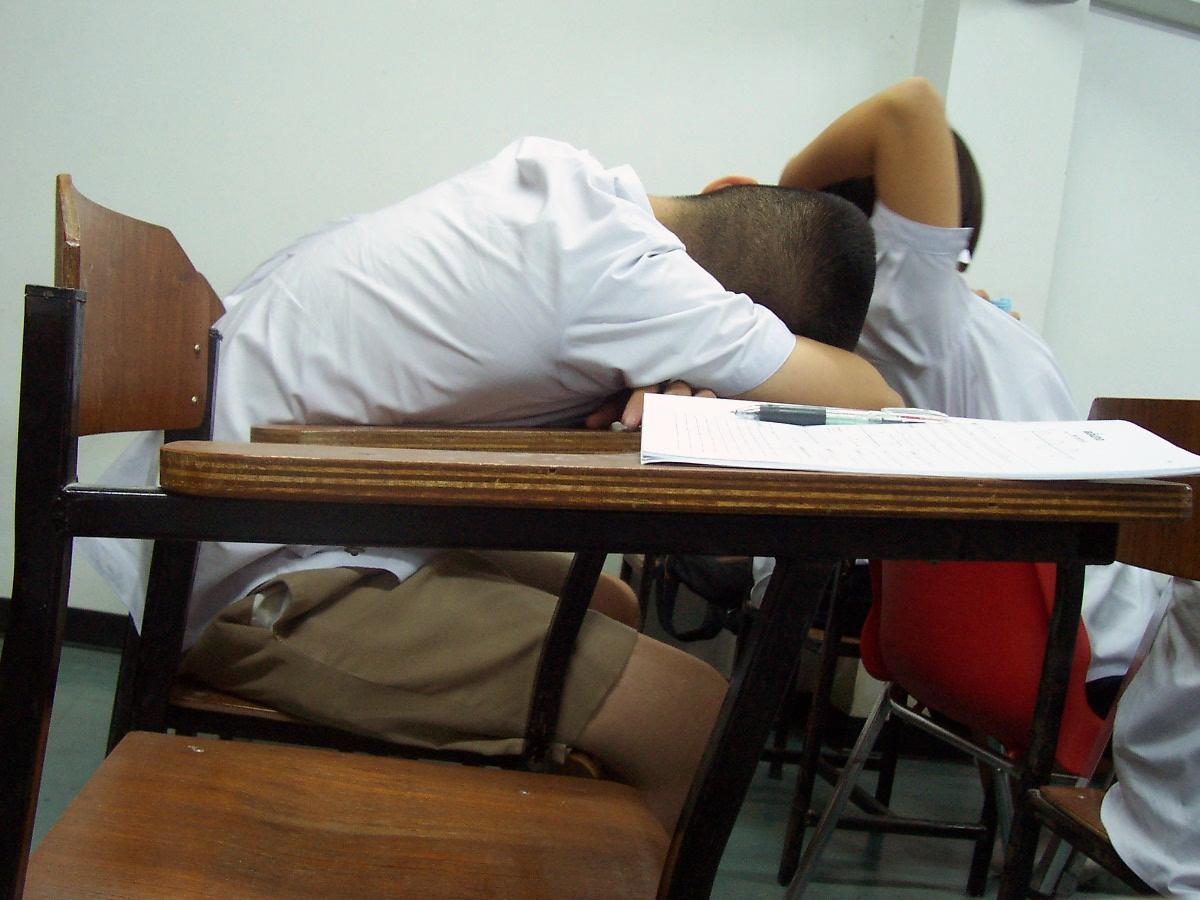
Pupils slept – head on arms on the desk – and a great many supervising teachers permitted it provided it was silent, because a sleeping pupil is not a disciplinary problem.
Far less tolerated, and adolescent sleep need is now a recognised issue discussed in relation to school start times. The teacher’s calculation was straightforward: the period had no outcome to protect, so a pupil asleep was a pupil not talking.
The underlying fact is the interesting one. A room of teenagers given fifty unstructured minutes will contain several who immediately fall asleep, which is a reasonably clear signal about how tired they were – and the recognition that adolescents are chronically short of sleep, and that early start times are part of the reason, arrived decades after everybody supervising a study hall had observed the evidence directly.
11. Everybody Knew Which Teachers Let You Talk
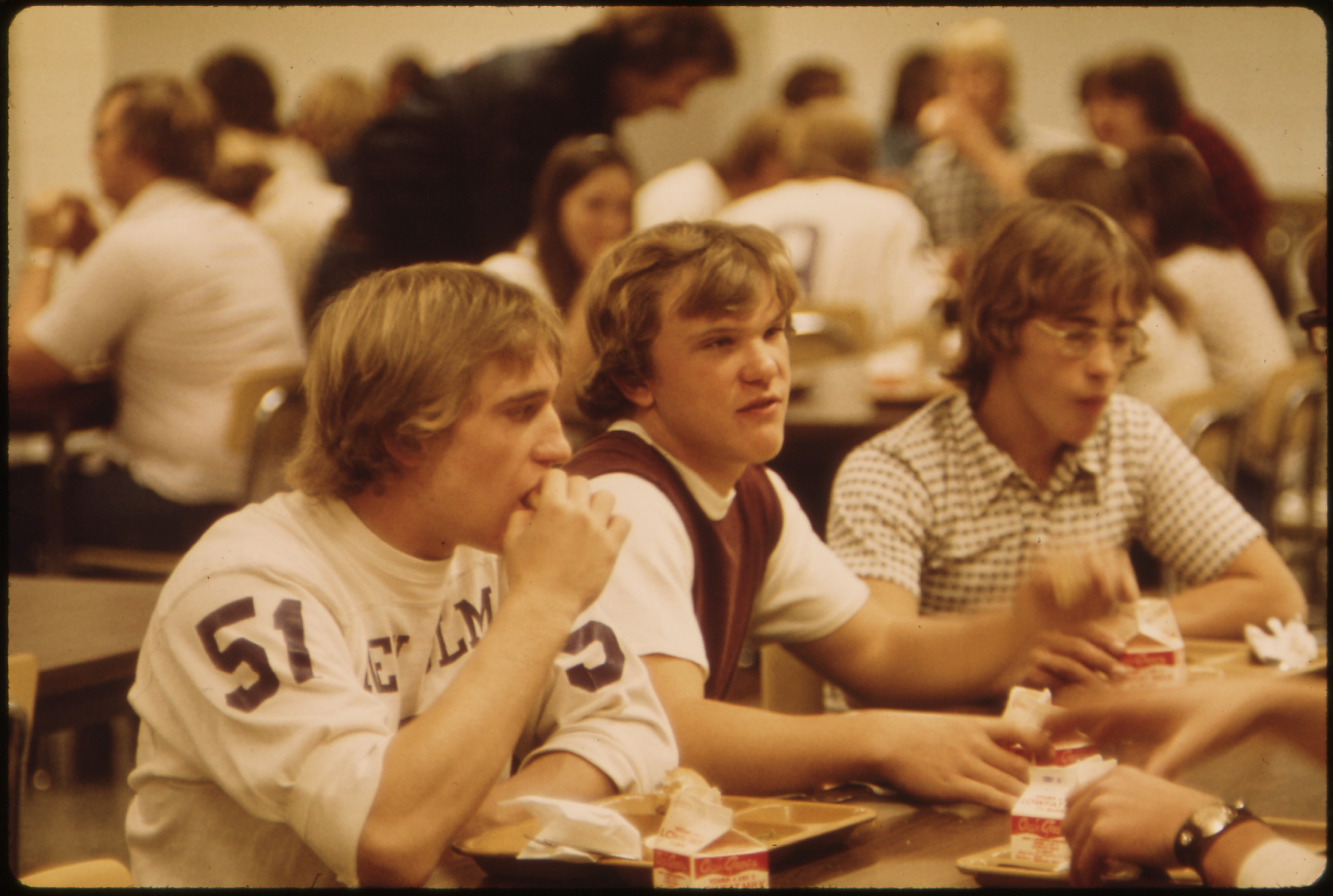
The informal reputation of each supervisor was common knowledge – who permitted conversation, who allowed card games, who left the room, who actually enforced the rules – and this information circulated with complete accuracy.
Consistent expectations across staff, at least as policy. The variation was enormous and entirely unofficial, and pupils’ knowledge of it was more reliable than most things they were formally taught.
It is a decent illustration of how school rules actually work. A written rule applied inconsistently by thirty adults is not one rule but thirty, and pupils respond to the version they encounter rather than to the version in the handbook – which is why a school with a strict policy and lax enforcement produces pupils who regard the policy as fiction.
12. It Was Used as a Dumping Ground for Pupils With Nowhere Else to Be
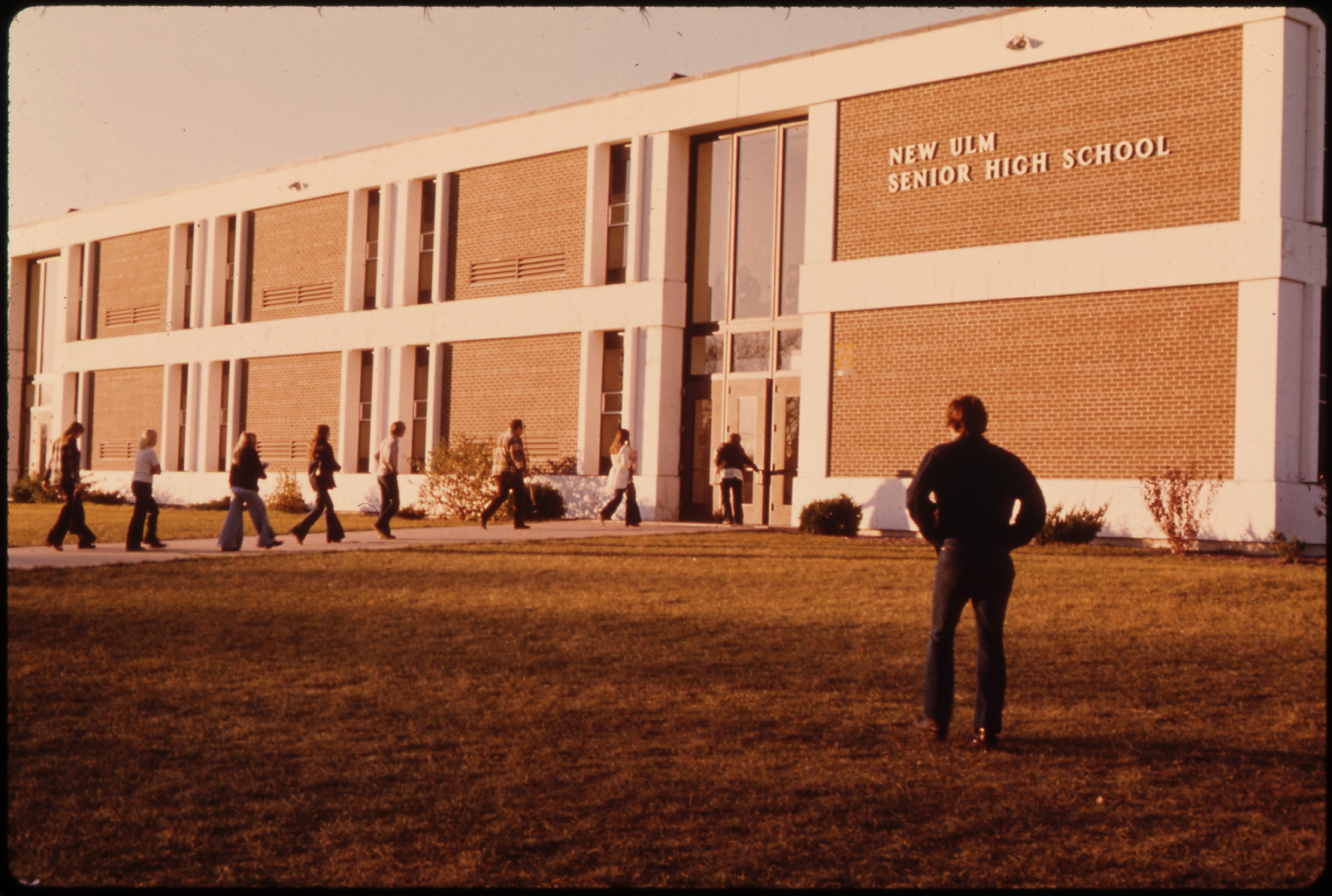
Pupils dropped from a class, awaiting a timetable fix, excluded from a subject, between options, or newly arrived mid-year were put in study hall because it was the one period that could absorb anybody.
Those situations now trigger an intervention, a support plan or an alternative provision. Being placed in study hall indefinitely meant losing curriculum time with no replacement and no record that anything was missing.
That is the genuine educational harm in this story, and it fell on exactly the pupils who could least afford it. A child whose timetable had a problem was parked in the period that taught nothing, for weeks in some cases, and because study hall produced no grade there was nothing in the paperwork to show that they had been there.
13. There Was Nothing to Look At and That Was the Point
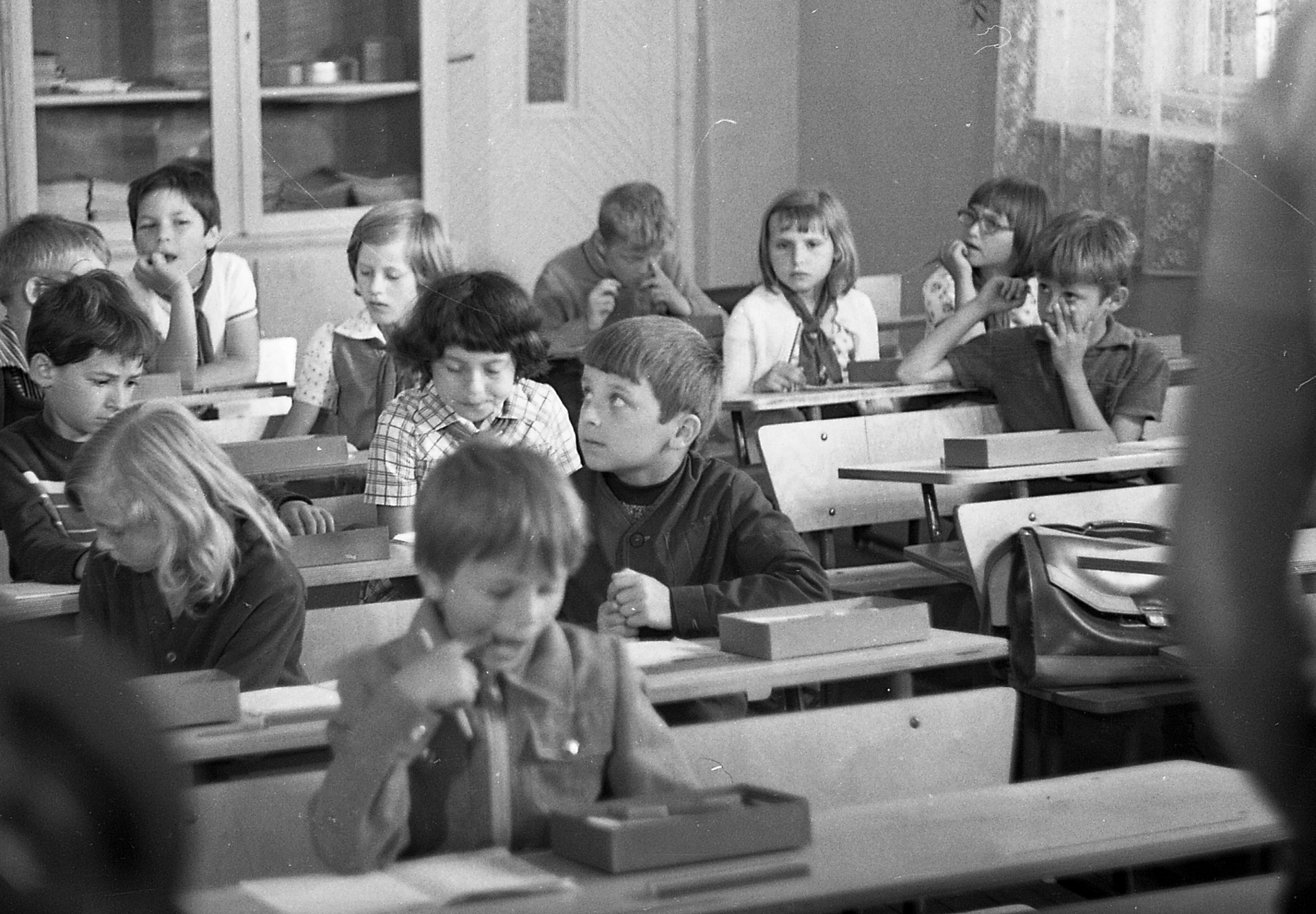
Rooms used for study hall were deliberately bare – no displays, no windows where possible, seating in rows facing forward – because anything interesting was a distraction from a task nobody had been set.
Supervised study spaces are designed as working environments with resources, light and flexible seating. The bareness was about control rather than about study, and the design logic was the same as any waiting room.
Which gets to what the period actually was. A bare room, forward-facing rows, enforced silence, rationed permission to leave and a supervisor monitoring compliance describes a holding facility, and the fact that it was called study hall does not change the specification. A great many pupils understood that perfectly well at the time.
14. Then It Was Measured, and It Did Not Survive Measurement

The period produced no grade, no assessment, no record of learning and no data of any kind, in a school day where every other period produced all four.
As accountability systems began measuring attainment, contact time and progress per subject, a period with no measurable output became indefensible. It was converted into additional core subject teaching, structured intervention, enrichment, supervised homework with staff support, or removed by shortening the day.
The abolition was correct and the thing that replaced it is better for almost every pupil. It is worth noting what also went: the only period in the week that nobody was measuring, in which a teenager could read something nobody had set, think about nothing, or sleep – and the fact that this was an accident of timetabling does not mean it was worth nothing.
It Was Useless, and the Uselessness Was Doing Something
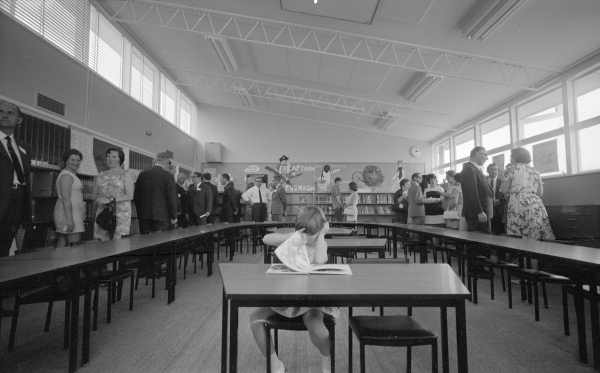
Study hall was abolished for good reasons and the replacements are better. That needs saying first, because the rest of this is going to sound like nostalgia for an empty room.
The case against it is overwhelming. It taught nothing. It produced no grade and no record, which meant pupils parked in it indefinitely – dropped from a class, awaiting a timetable fix, newly arrived mid-year – lost curriculum time with no paperwork to show it. The useful version, in a library, was rationed and tended to go to the pupils already doing well, while the ones who most needed somewhere quiet got the cafeteria. The discipline was absolute and the task was absent, which is an obviously unfair combination. And rationing teenagers’ permission to use a lavatory is not something that bears much examination.
So when accountability systems arrived and began measuring attainment per period, a period with no measurable output had no defence. It became core subject time, structured intervention, supervised homework with actual support, or it was removed by shortening the day. Every one of those serves pupils better.
Here is the part worth holding onto anyway.
It was the only period in the week that nobody was measuring. No outcome, no assessment, no data. And a surprising number of people describe what happened in that vacuum: they read. Not a set text – whatever was in the bag, whatever the library had, whatever was going round the year. The reading happened because fifty minutes of enforced nothing is, accidentally, the exact condition under which a reading habit forms.
Others thought. Others slept, which told anybody watching something true about how tired teenagers are that took the education system another thirty years to formally notice.
None of that was intended. It was a by-product of a timetable that did not divide evenly, and nobody designed it as unstructured time because nobody was designing it at all.
Which leaves a genuinely awkward question rather than a tidy conclusion. A school day in which every period produces a measured outcome is a better school day. It also contains no hour in which a fifteen-year-old is unobserved, unassessed and bored – and boredom turns out to have been doing some of the work.
If you had study hall, you remember exactly which teachers let you talk.
And a fair number of people found the book that made them a reader in a period that was teaching them nothing.
Like our content? Follow us for more.