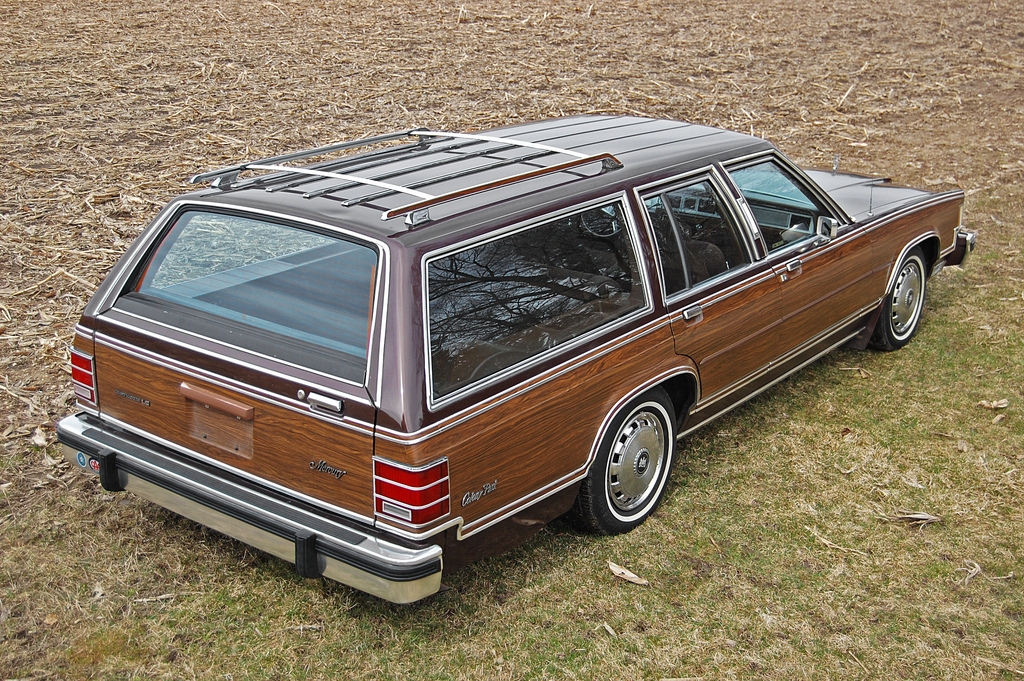
A family car was a room the household occupied regularly, and like any room it filled up with objects nobody had decided to put there. Here are fifteen things about the inside of it.
1. The Smell
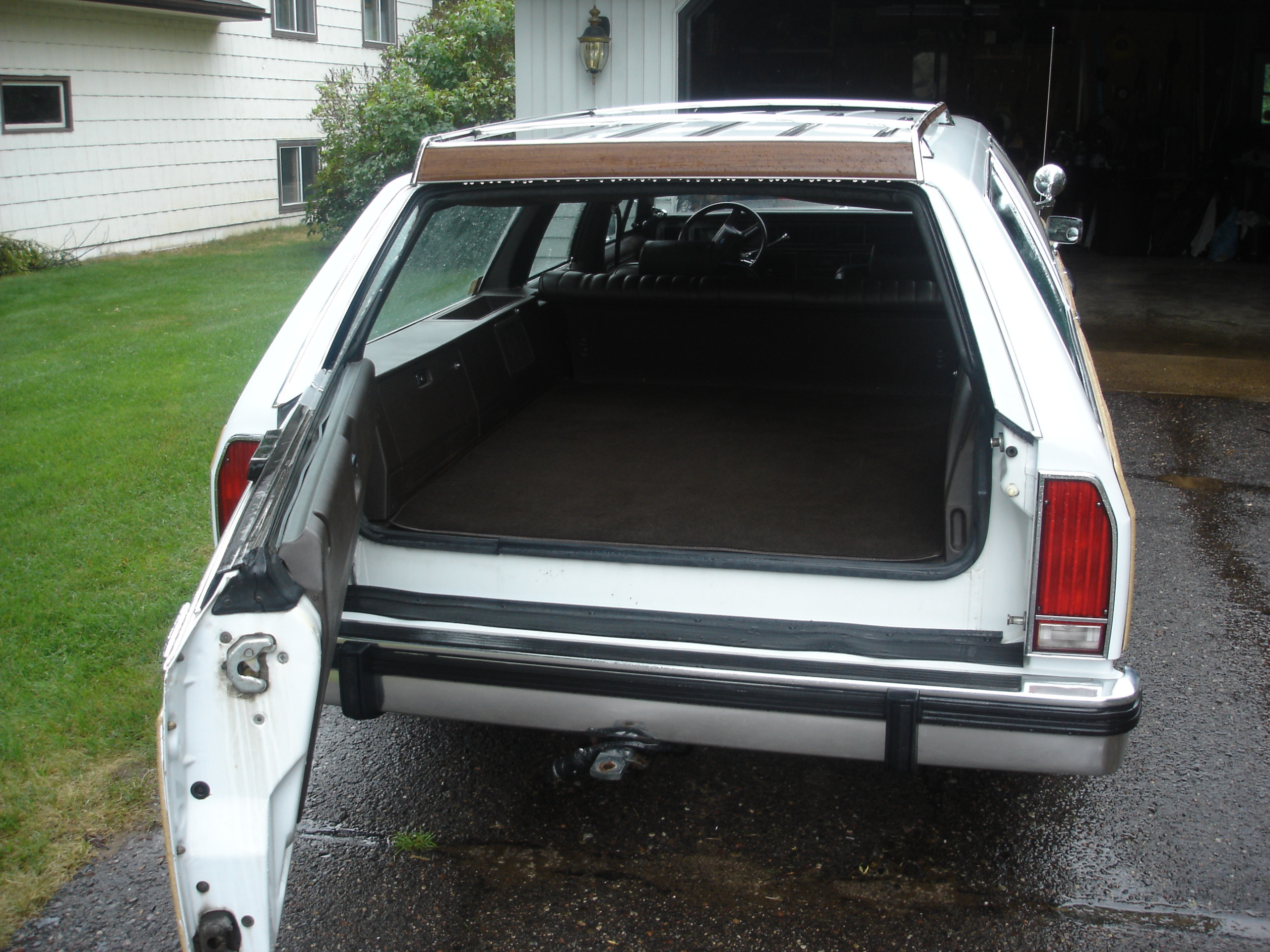
Every family car had a specific and completely distinctive smell, compounded from upholstery, warm plastic, whatever had been spilled and whatever lived under the seats.
You would know it instantly today. The car smell is the detail that identifies a vehicle more precisely than its appearance.
Like our content? Follow us for more.
2. The Glove Compartment Contents
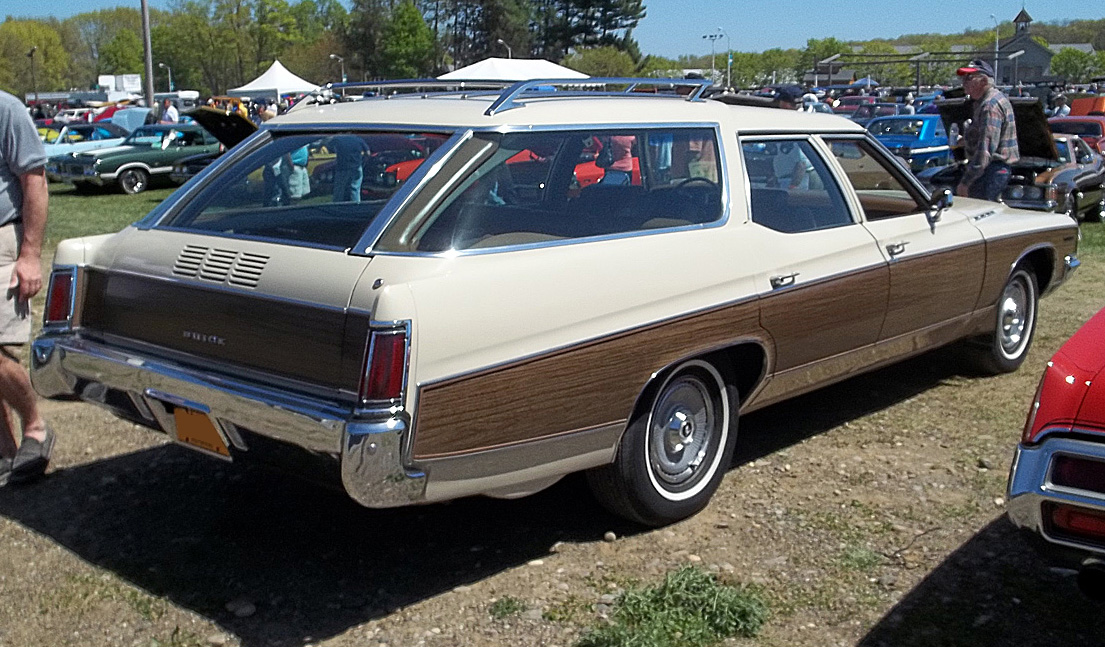
A handbook nobody had read, a torch, a folded map, a tin of something, several unidentified papers and a quantity of small objects that had accumulated over years.
Nothing in it had been put there deliberately. The glove compartment is the drawer every car had.
3. The Map That Was Out of Date
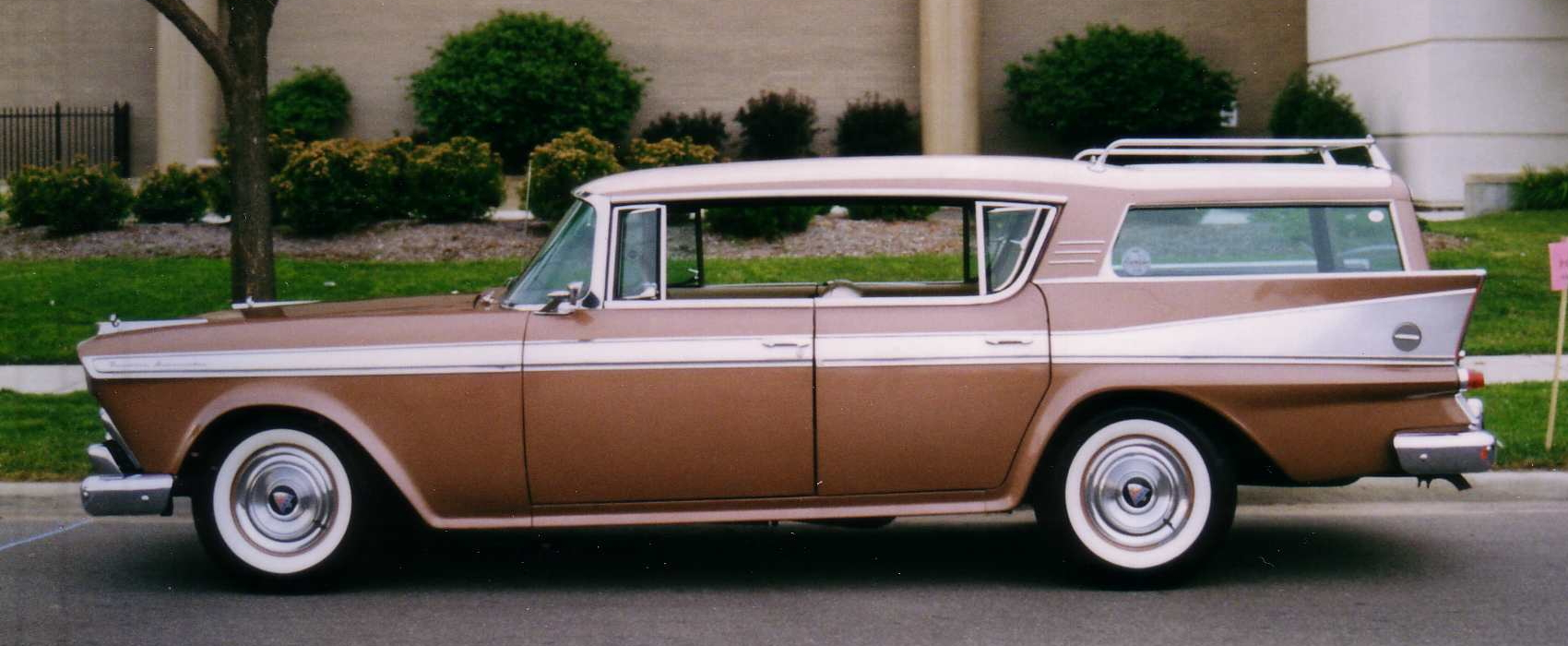
A folded map lived in a door pocket, had been refolded incorrectly many times, and described a road network that had changed since printing.
It was consulted while stationary and argued over. The old map is the navigation system every car carried.
4. The Things Under the Seats
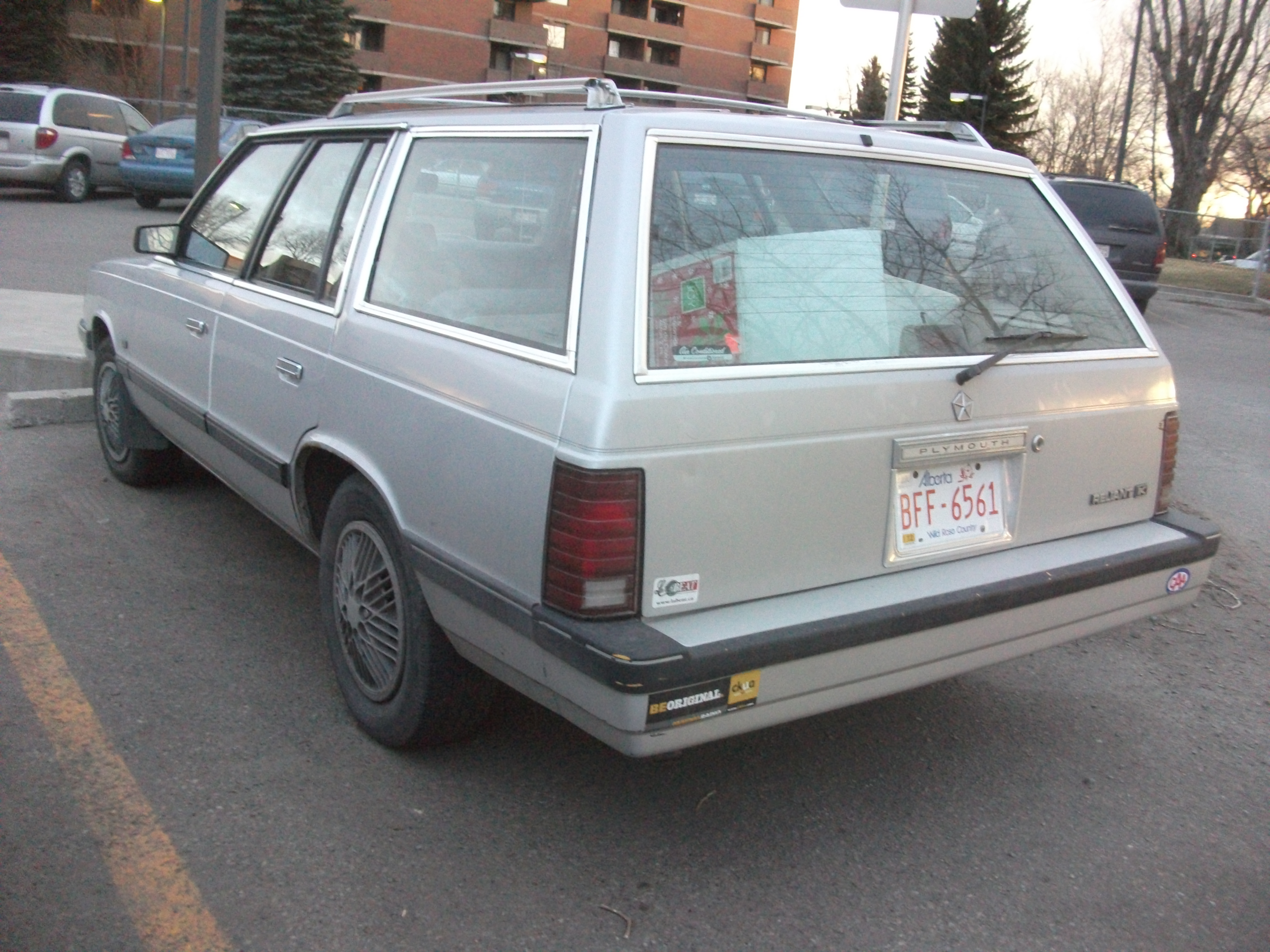
Coins, a pen, something that had rolled there years earlier and a quantity of material nobody could identify occupied the space beneath every seat permanently.
Retrieving anything required commitment. Under-seat archaeology is the layer no cleaning ever reached.
5. The Blanket in the Boot
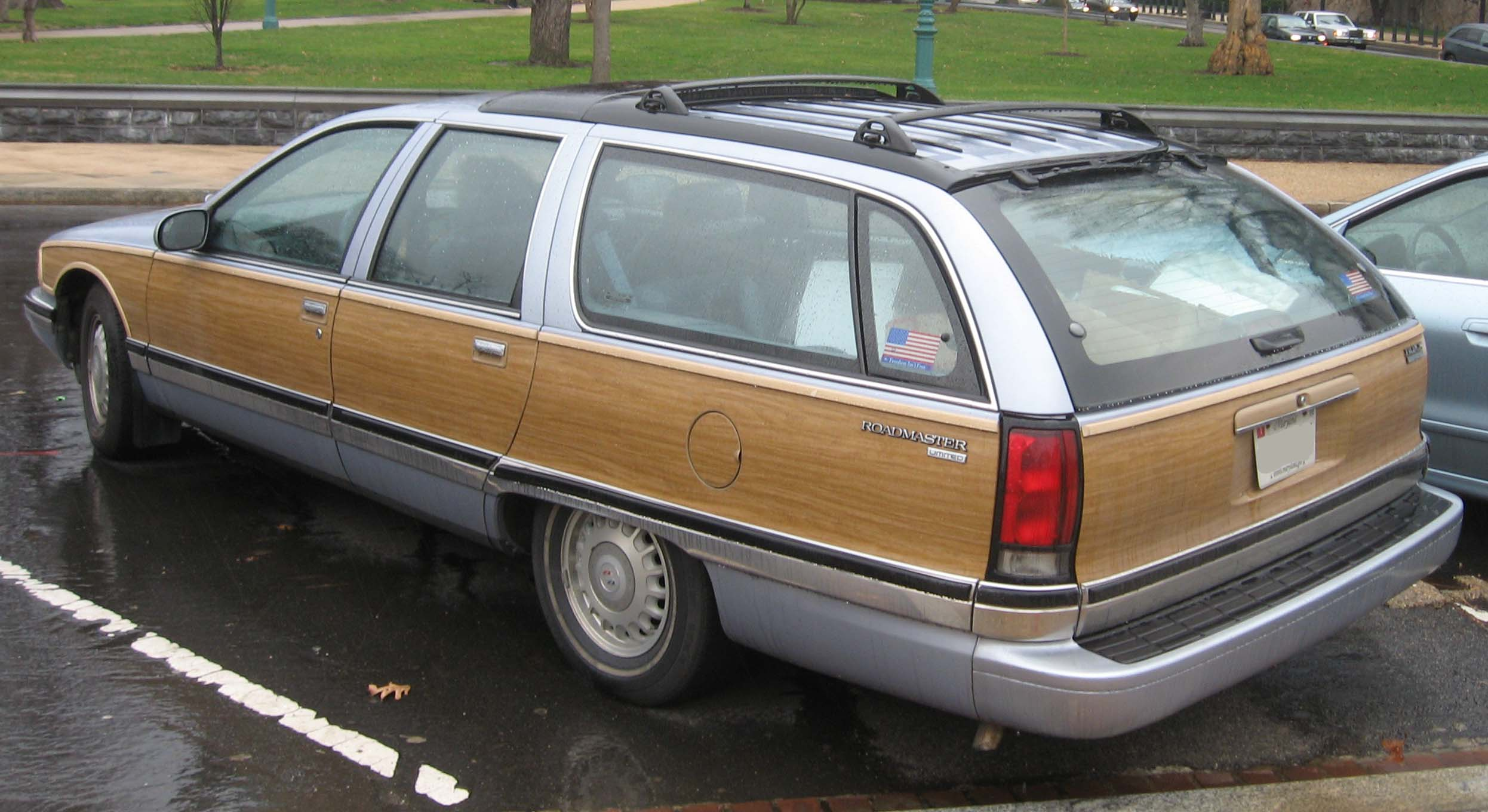
A folded blanket lived permanently in the back, was rarely used and was there for reasons everybody understood without anybody explaining.
It smelled of the car more than anything else did. The boot blanket is the item kept in case.
6. The Thing Hanging From the Mirror
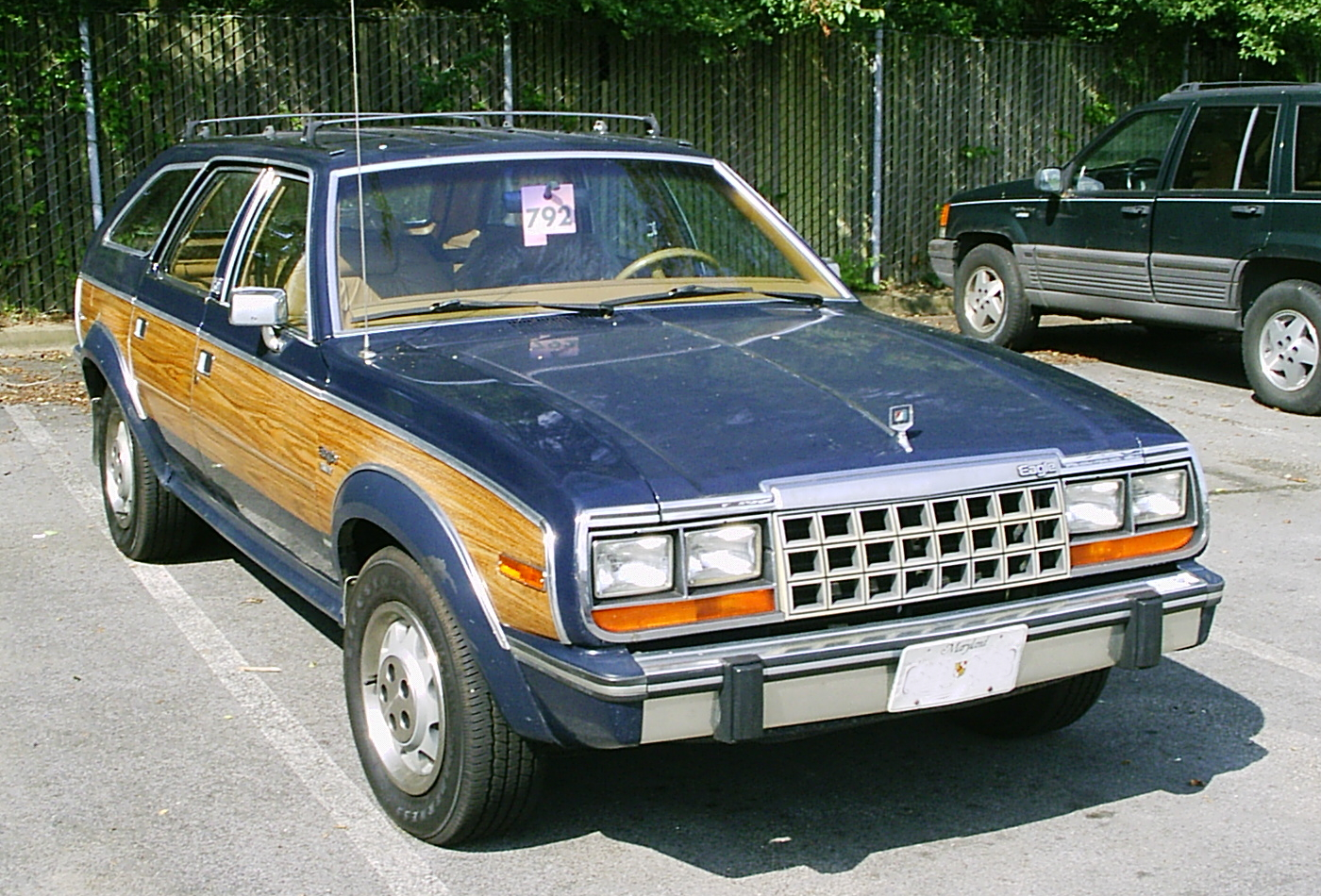
Something dangled – an ornament, a token, an air freshener that had stopped working years earlier – and it swung on every corner.
Nobody remembered acquiring it. The hanging object is the decoration nobody chose and nobody removed.
7. The Cassette or Tapes in the Door
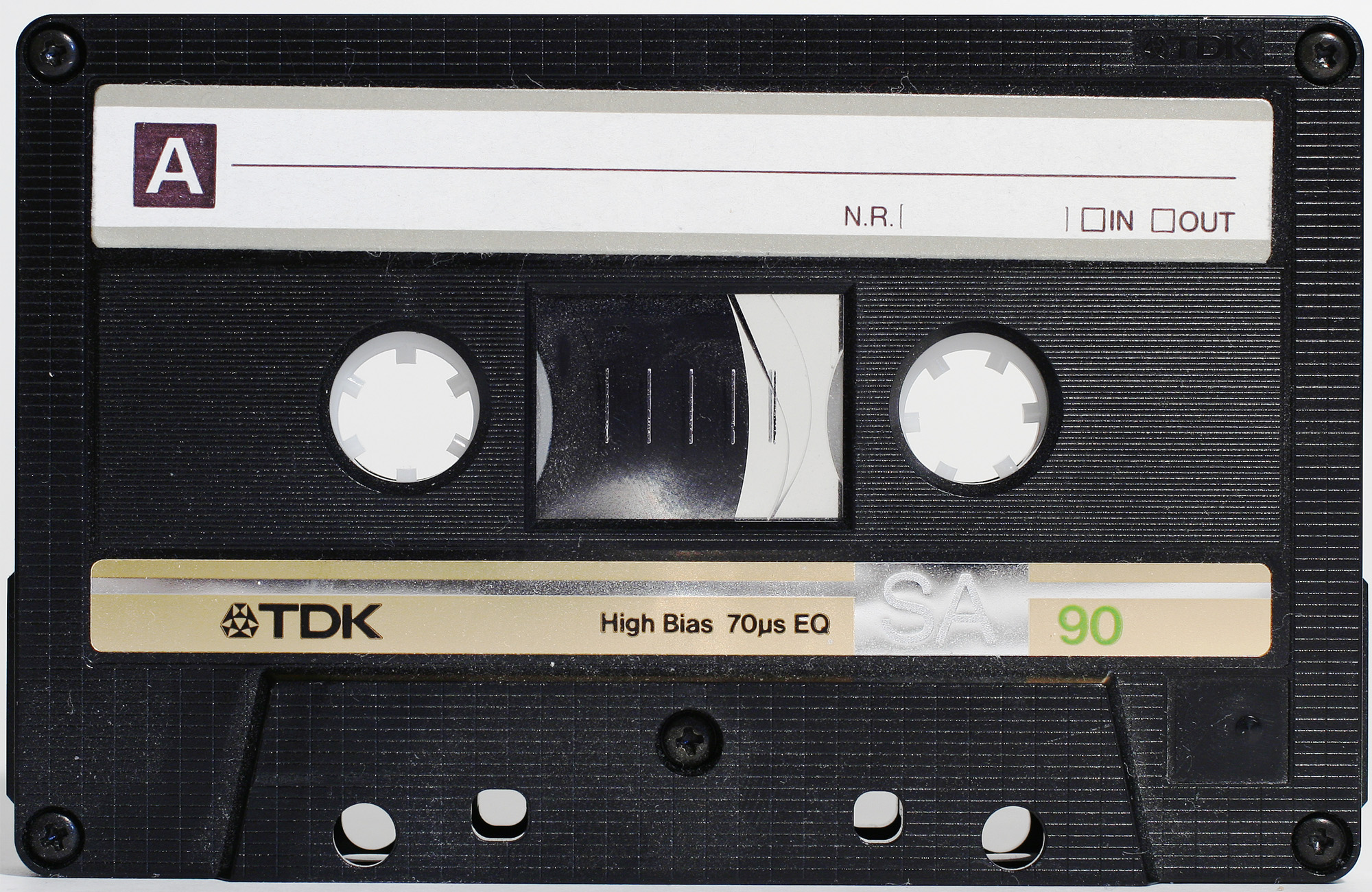
A collection of music lived in the door pocket or a box between the seats, was played constantly on every journey, and is permanently associated with the vehicle.
Everybody in the household knew all of it. The car music is what the vehicle sounded like.
8. The Middle Seat
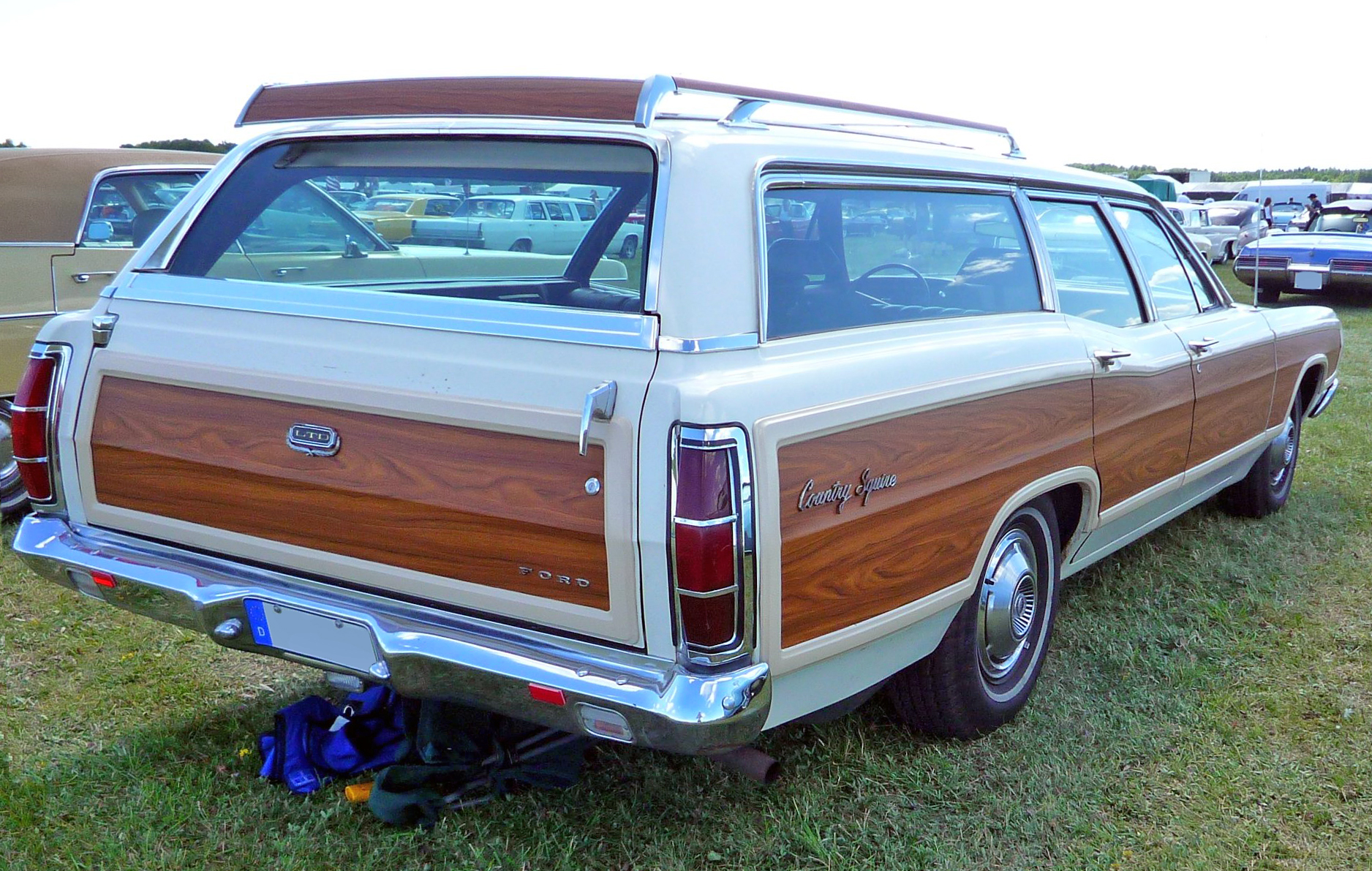
Where three sat in the back, the middle position was universally recognised as the worst, was allocated by negotiation or seniority, and was contested every single time.
The territorial disputes were constant. The middle seat is the arrangement that produced the friction.
9. Winding the Window
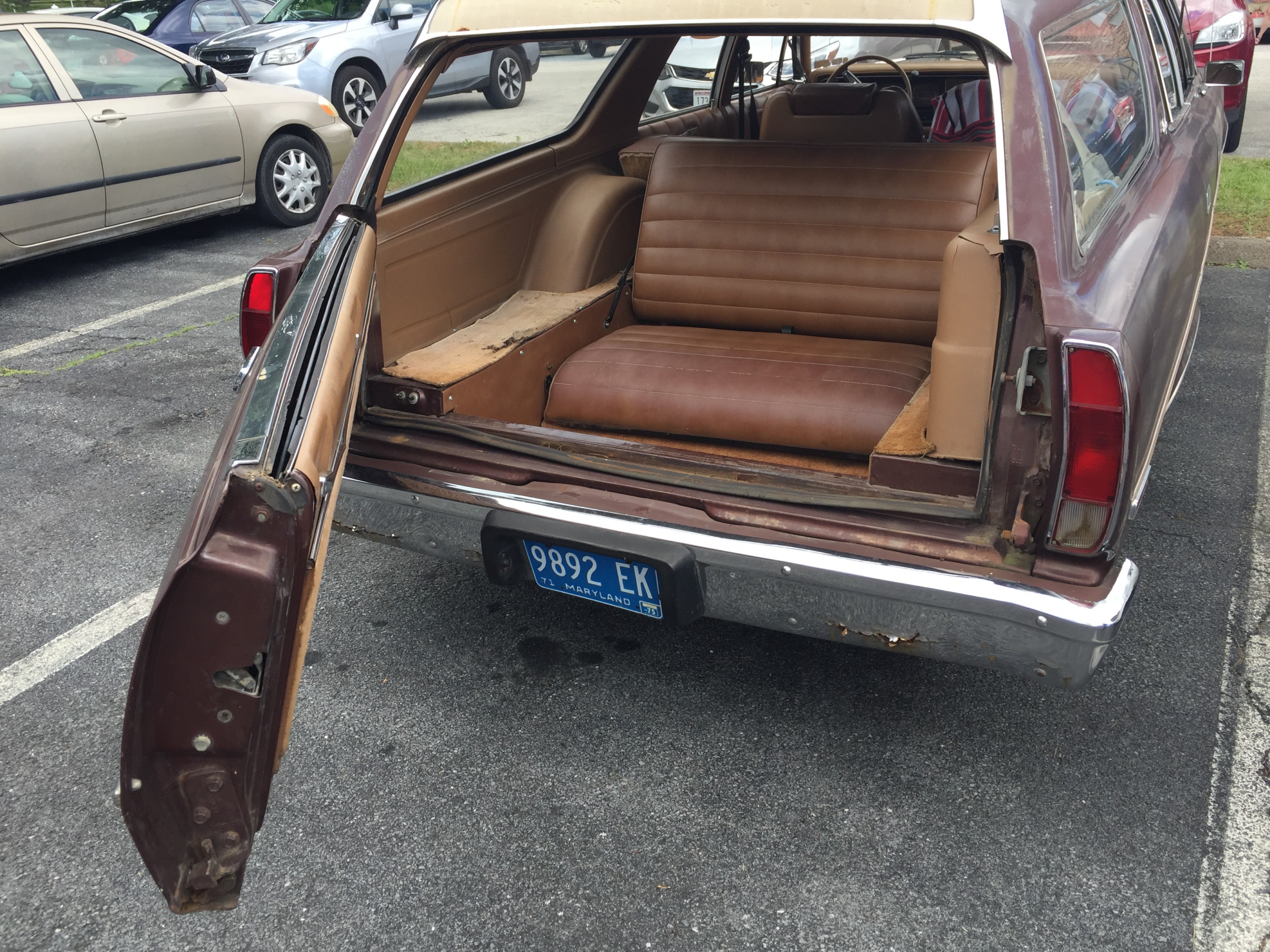
Windows were operated by a handle that required several full turns, worked at different speeds on different doors, and one of them was always stiff.
Somebody had to lean across to do the far one. The window handle is the fitting that required physical effort.
10. The Ashtray Nobody Used for Ash
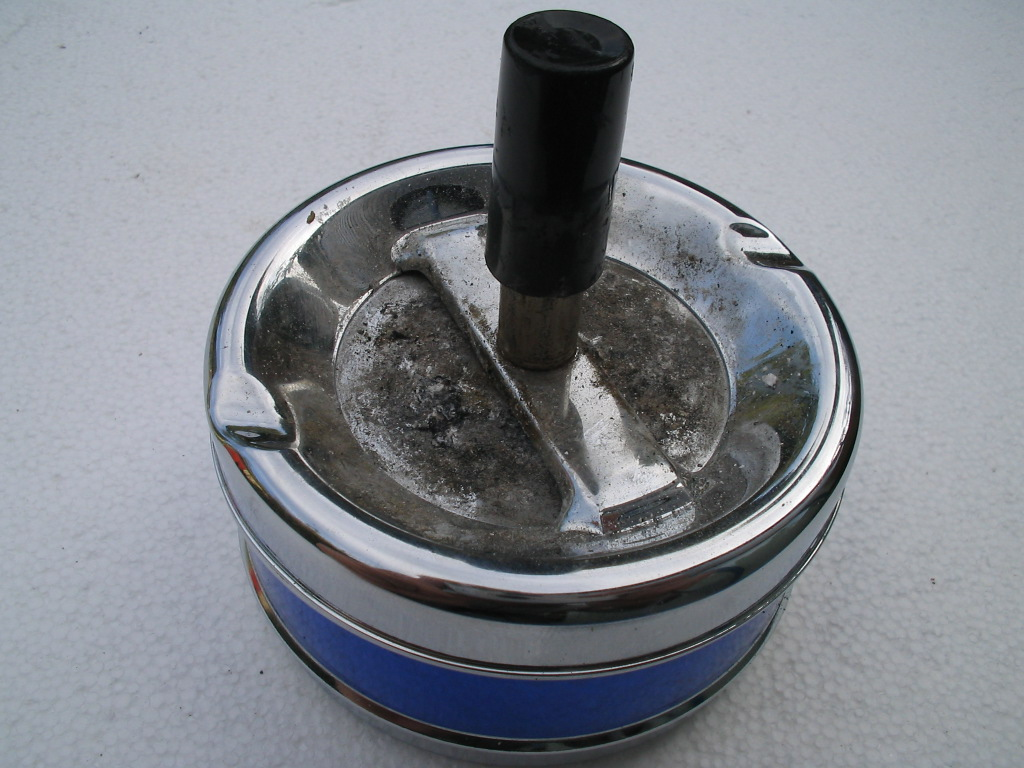
A recessed ashtray in the door or the console became a repository for coins, receipts, sweet wrappers and small objects, entirely regardless of its intended purpose.
It was full within a year. The repurposed ashtray is the container every car provided by accident.
11. The Windscreen in Winter
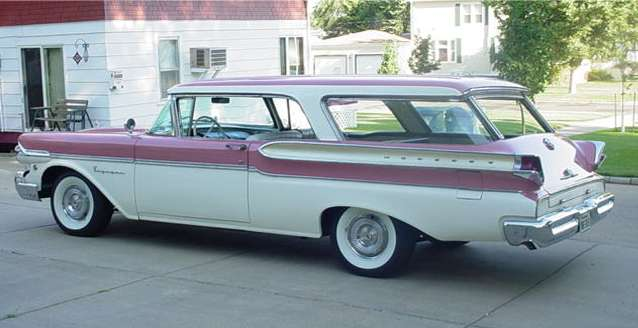
Frost inside as well as outside, a scraper kept for the purpose, a cloth for the condensation and a heater that took most of the journey to make any difference.
You set off half able to see. The winter windscreen is the routine that added ten minutes to every cold morning.
12. The Specific Noise It Made
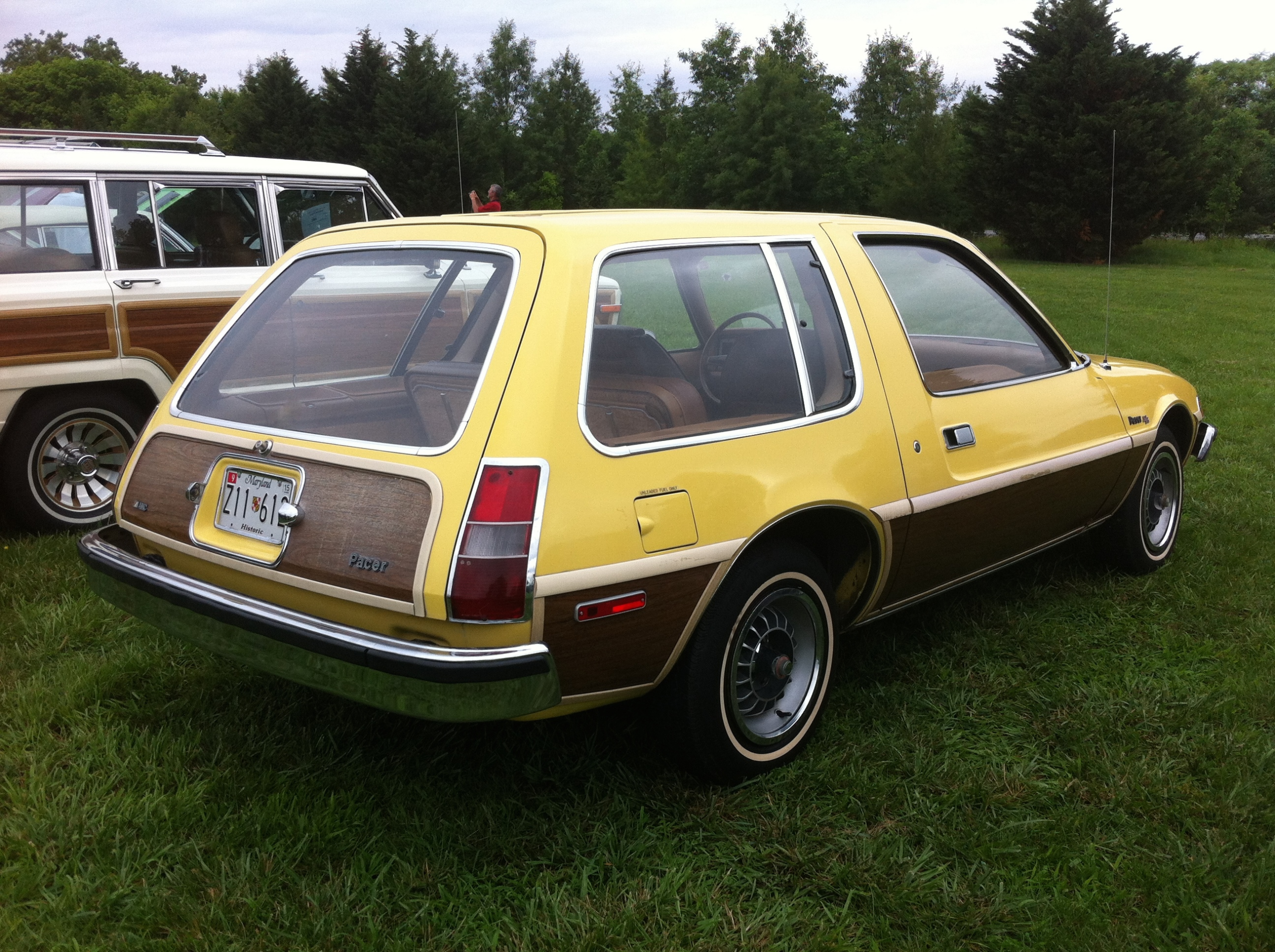
Every car had a rattle, a whine, a click on turning or a sound at a particular speed, which the household knew intimately and nobody ever had fixed.
It was diagnostic and entirely tolerated. The familiar noise is what a car sounded like when it was working normally.
13. Warming It Up
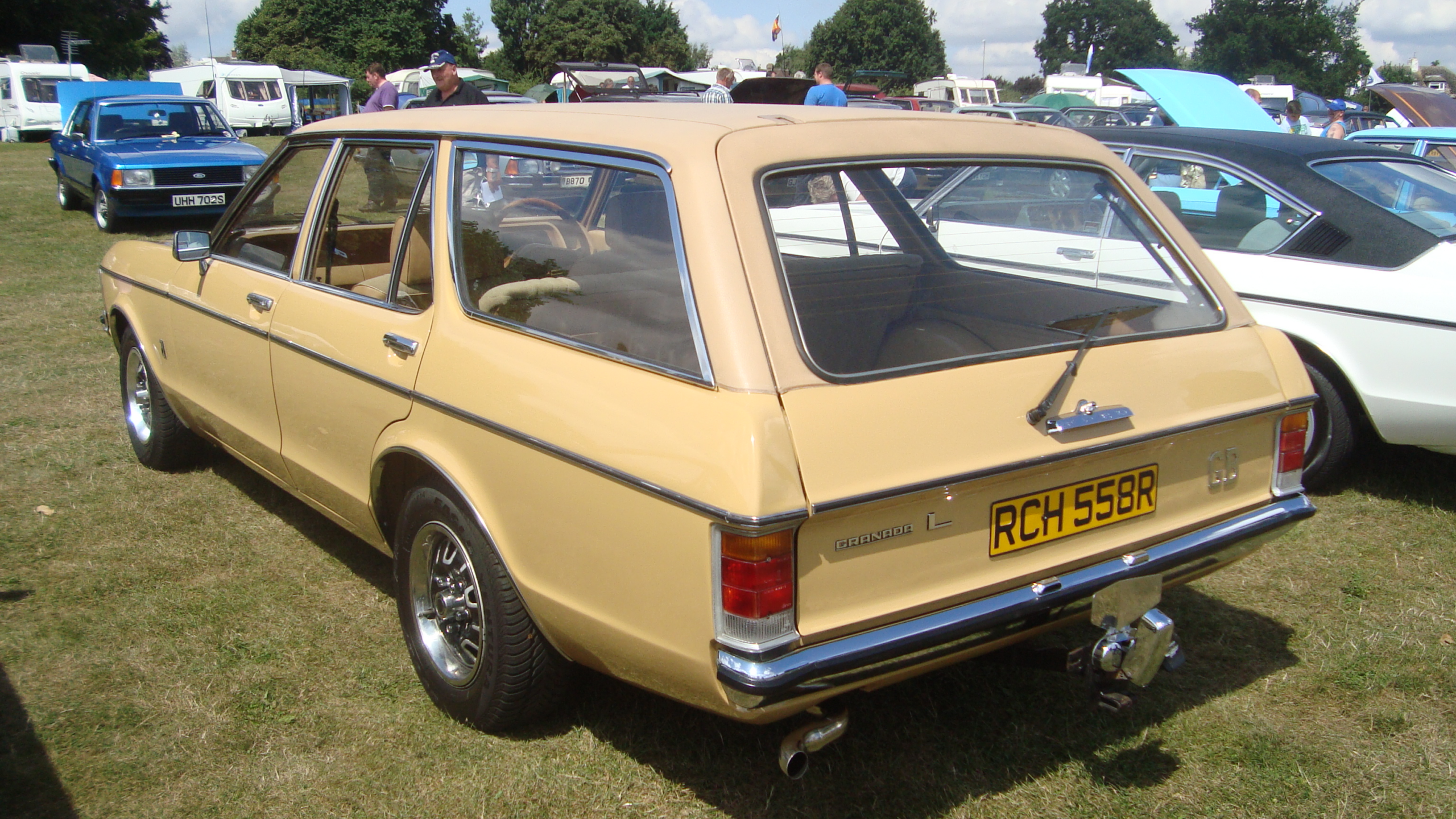
Cold mornings involved starting the engine and leaving it running while everybody assembled, which was standard practice and produced a specific waiting period.
The car was audible from the house. The warm-up is the routine that began every winter journey.
14. It Being Washed by Hand
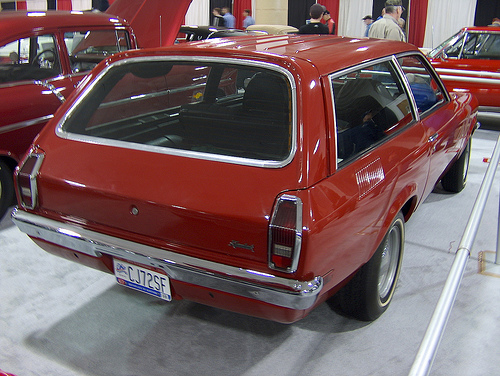
Cleaning happened on a driveway with a bucket, a sponge and a hose, took most of an afternoon, and involved whichever children could be recruited.
It was done properly a few times a year. The hand wash is the maintenance ritual the whole household participated in.
15. Knowing Exactly When It Went
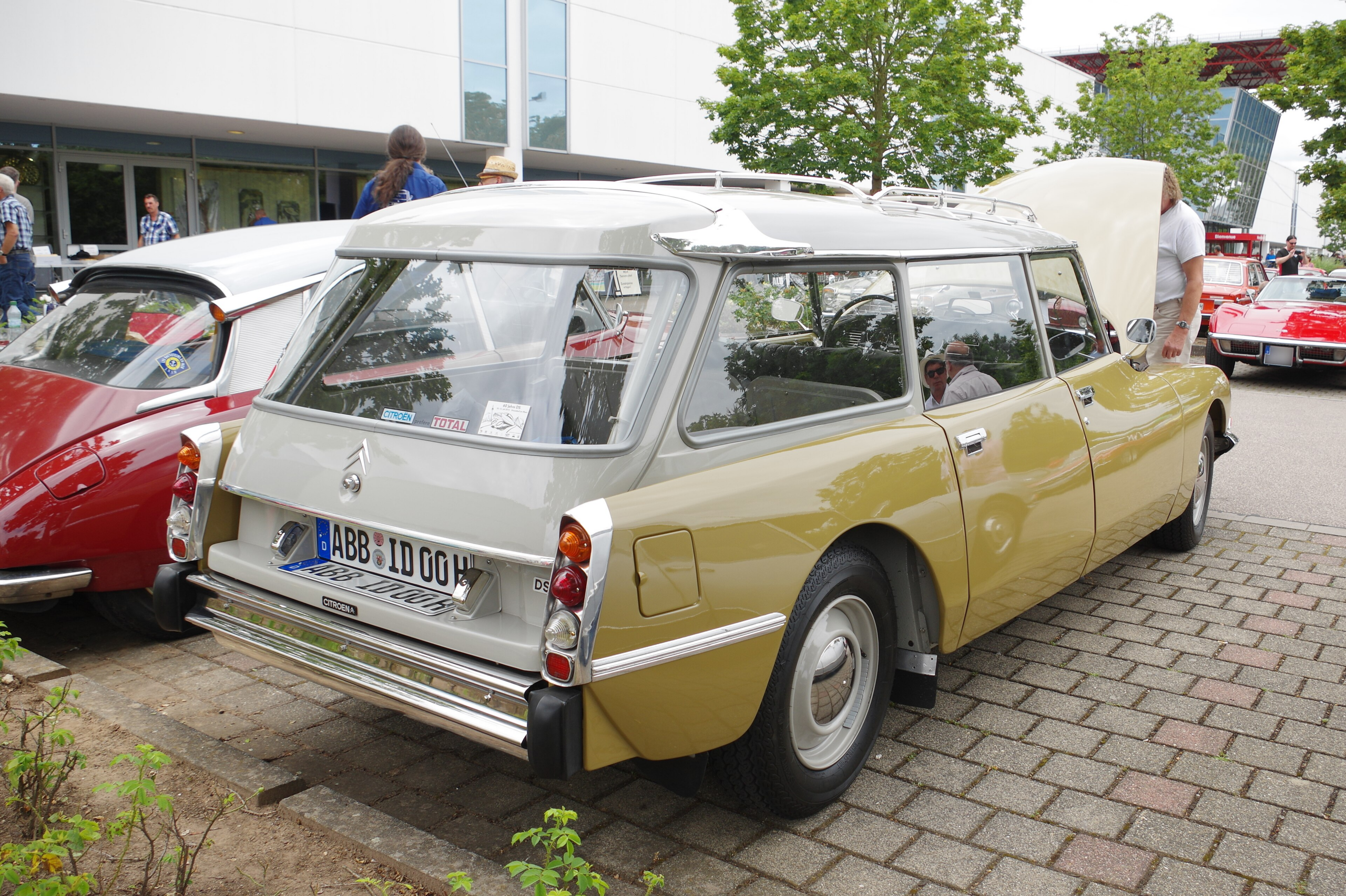
Almost everybody can name the car their household had at a given period and remember the point at which it was replaced, which is not true of most possessions.
It was a household member of a kind. The remembered replacement is the reason people can date their childhood by vehicle.
A Room the Household Kept Outside
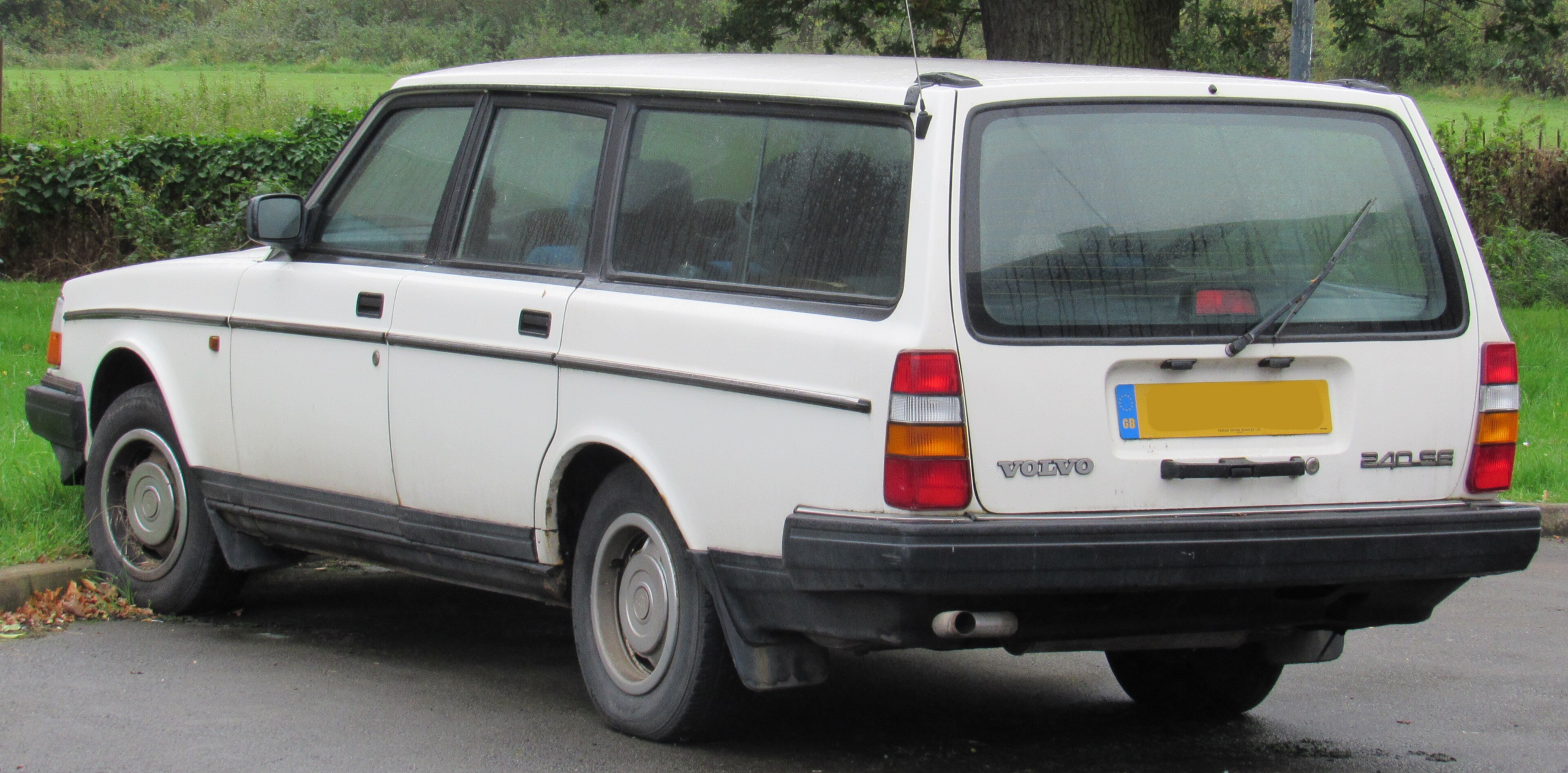
The smell, the contents, the fittings, the noise and the accumulated objects under the seats made a car a place rather than a machine – which is why people remember the inside of one so precisely.
The last item is the one that gives it away. Almost nobody can list the household appliances of their childhood in order, and almost everybody can name the cars and say roughly when each was replaced – which suggests a vehicle occupied a different category from other possessions, closer to a room than to an object.
Like our content? Follow us for more.