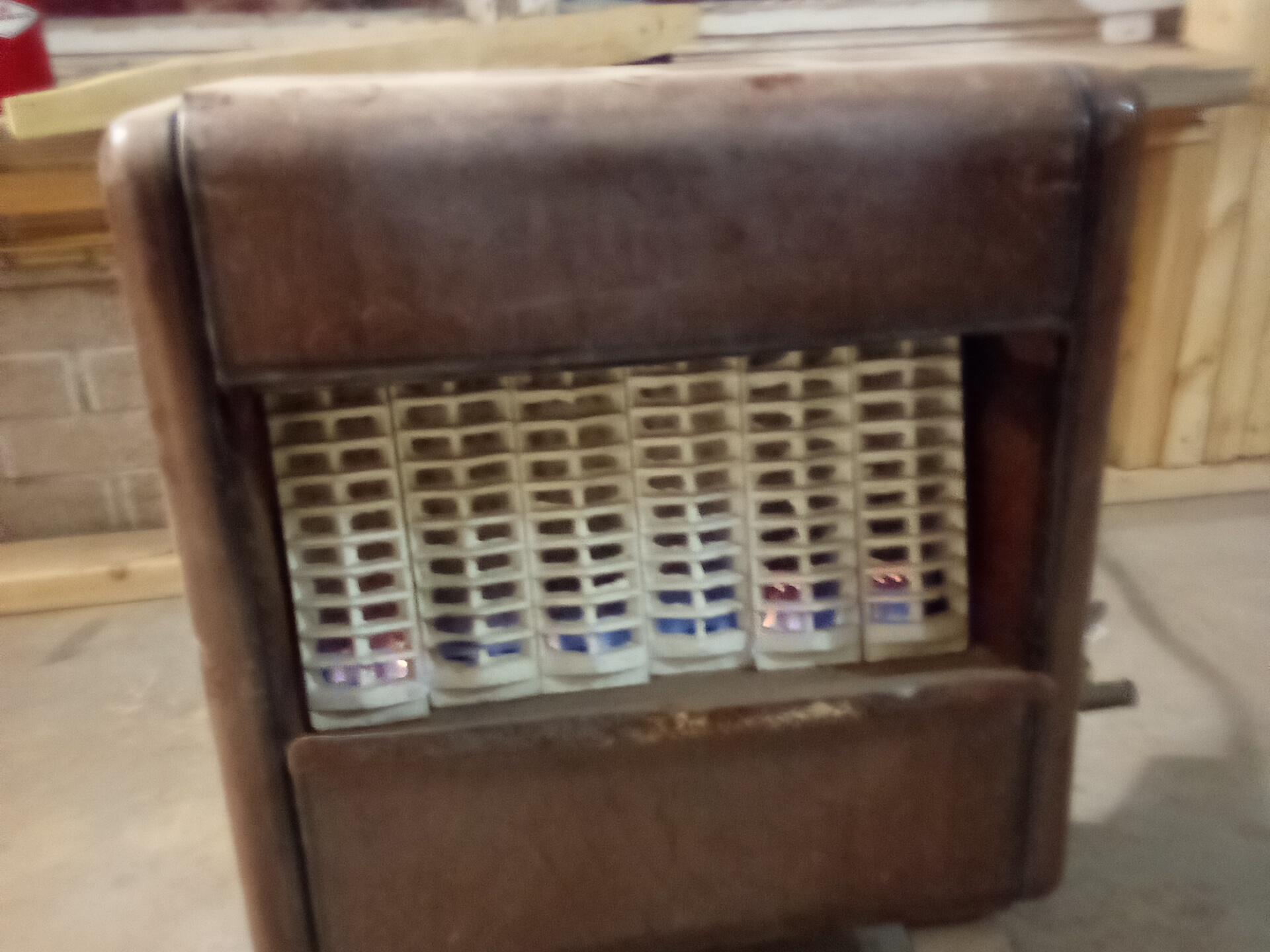
There Was a Hole in the Floor With a Fire Under It
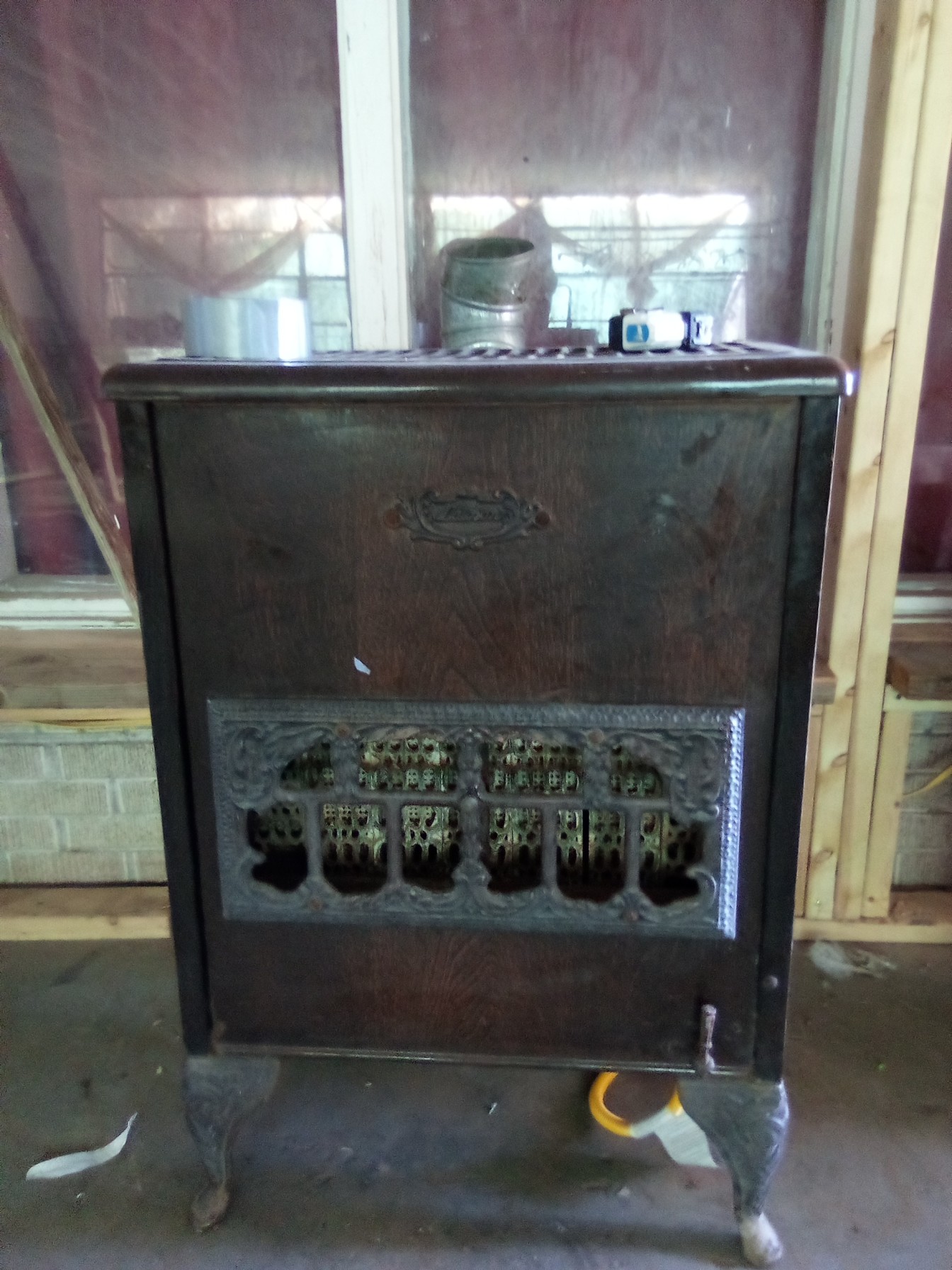
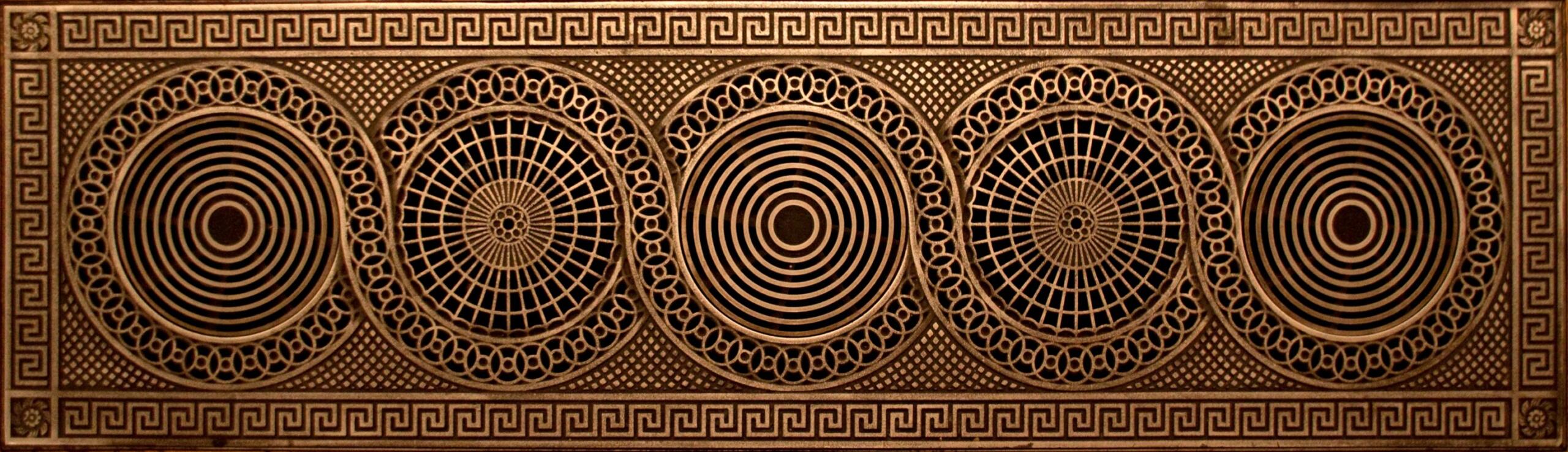
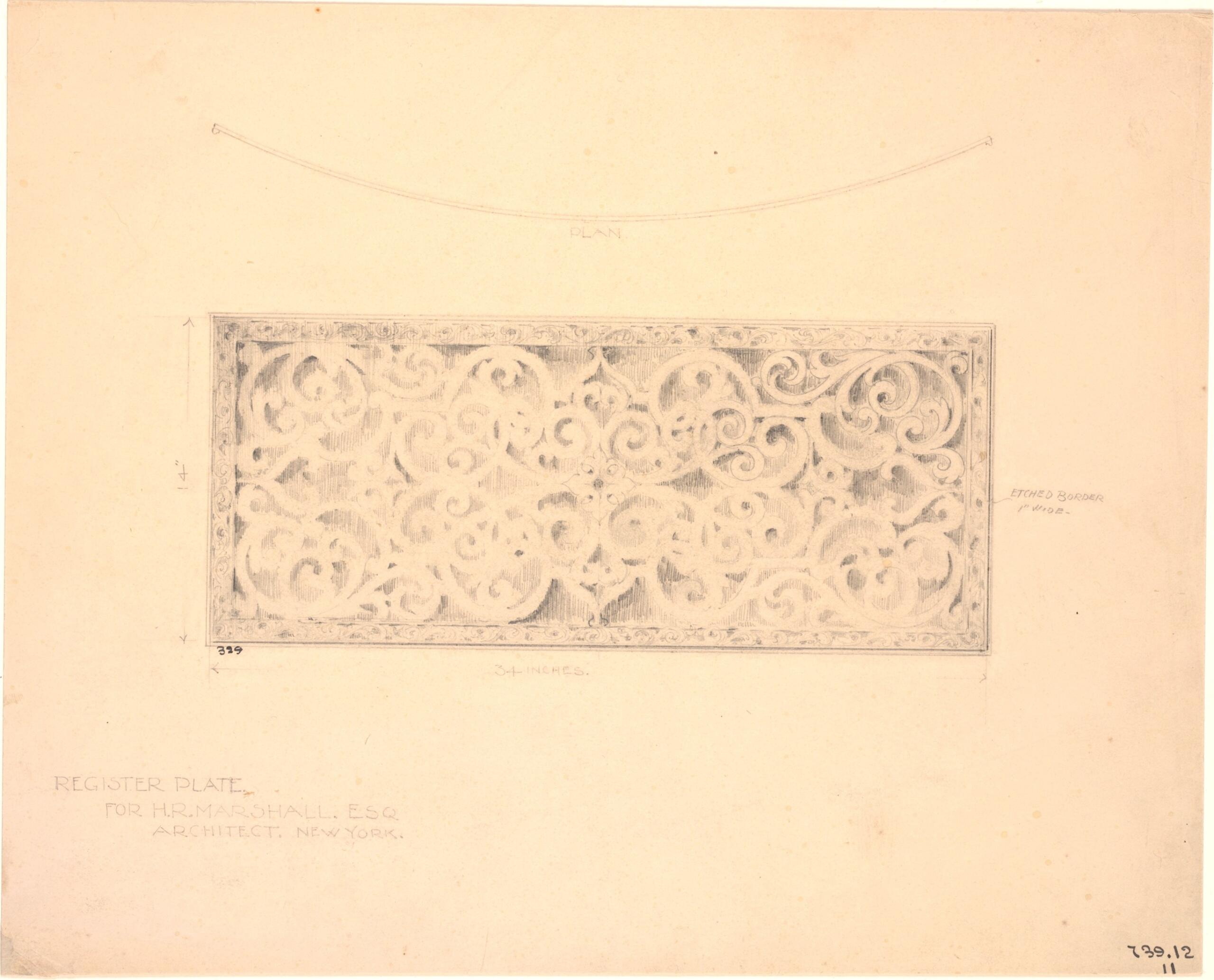
In the hallway, or where the hall opened into the living room, there was a cast-iron grate about two feet by three, set flush with the floorboards, with a pattern cast into it and a thin layer of dust in the gaps.
Below it, hanging in the crawl space under the house, was the furnace: a sheet-metal box containing a burner, a heat exchanger and a flue, suspended from the floor joists.
In winter you stood on it. Everybody stood on it. You stood on it in the morning before anybody else was up, and in the evening coming in from outside, and the sensation of warm air coming up through your pant legs is one of the most specific physical memories anybody who grew up in such a house has.
Like our content? Follow us for more.
It Worked With No Fan and No Ducts at All
This is the engineering fact that explains everything else about the thing, and it is why it could be sold so cheaply.
A floor furnace is a gravity system. There is no blower, no ductwork, no return air plenum and no distribution network of any kind. The grate is the entire heating and ventilation system of the house.
What happens is simple convection. The burner heats a steel or cast-iron heat exchanger. Air in contact with that exchanger becomes hot, becomes less dense, and rises – up through the centre of the grate and into the room. That rising air has to be replaced, so cooler air from the floor level of the room falls down around the outer edges of the same grate and enters the furnace to be heated in turn.
So the grate is doing two jobs in opposite directions at once: hot air out through the middle, cold air in around the perimeter. Stand with your feet on the outside edge and you feel a draught going down; stand in the middle and you get the heat.
The combustion gases never mix with any of that. They go through the exchanger on their own path and out to a flue, which is the entire reason a heat exchanger exists.
Which Made It the Cheapest Central Heating Ever Sold in America
Work out what has been eliminated. No fan, so no motor, no electricity and no moving part to fail. No ducts, so no sheet-metal trade, no soffits to box them in, and no labour running them through a house. No basement required, so it suited the enormous number of American houses built over a shallow crawl space or on a low pier foundation.
What is left is one appliance and one hole in the floor.
That combination is why these things went into so many modest houses so fast, particularly across the South, the Southwest and the Pacific coast, where winters are real but short, basements are uncommon, and a household wanted heat without rebuilding the house to get it.
It was also entirely retrofittable. Cut a hole in the floor, hang the box from the joists underneath, run a flue and a gas line, and a house that had been heated by a stove in one room had central heating in an afternoon.
The Grate Got Hot, and That Is Not a Minor Detail
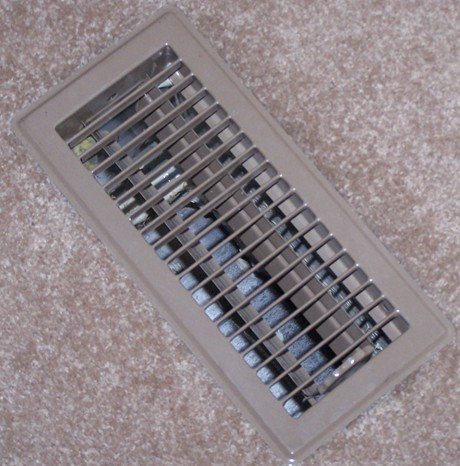
An iron grate sitting directly above a burner reaches a temperature that will burn skin, and it did, routinely.
The injuries fell into a predictable pattern that anybody from such a house will recognise. Bare feet in the morning. A child sitting down on it. A crawling baby, which is the serious case and the one that drove the regulation. A pet lying on it. And the specific American experience of a child being told, repeatedly and with feeling, not to walk across the grate without shoes.
Things also fell through. Coins, marbles, buttons, pencils, small toys, hairpins and a remarkable quantity of lint went down between the bars and were not recovered, and lifting a floor furnace grate after thirty years was a small archaeological event.
The lint is the part that was genuinely dangerous rather than merely painful, because an accumulation of combustible dust in and around a burner is exactly what it sounds like.
It Heated One Spot and the House Had a Gradient
A gravity floor furnace does not heat a house evenly and was never going to.
Heat left through one opening and spread by convection and by whatever air movement the house happened to have. Which means the hallway was warm, the rooms off the hallway were cooler, rooms with the doors shut were cold, and anywhere two doors away from the grate was effectively unheated.
Households managed this rather than solved it. Doors were left open or shut deliberately to steer the air. A bedroom at the end of the house was simply a cold bedroom, and people slept in cold bedrooms under more blankets. In larger houses a second furnace went in at the other end.
And the vertical gradient was severe. A room heated by a floor grate is hot at the ceiling and cool at the ankles two yards from the opening, because nothing is mixing the air.
The Controls Were a Pilot Light and a Dial on the Wall
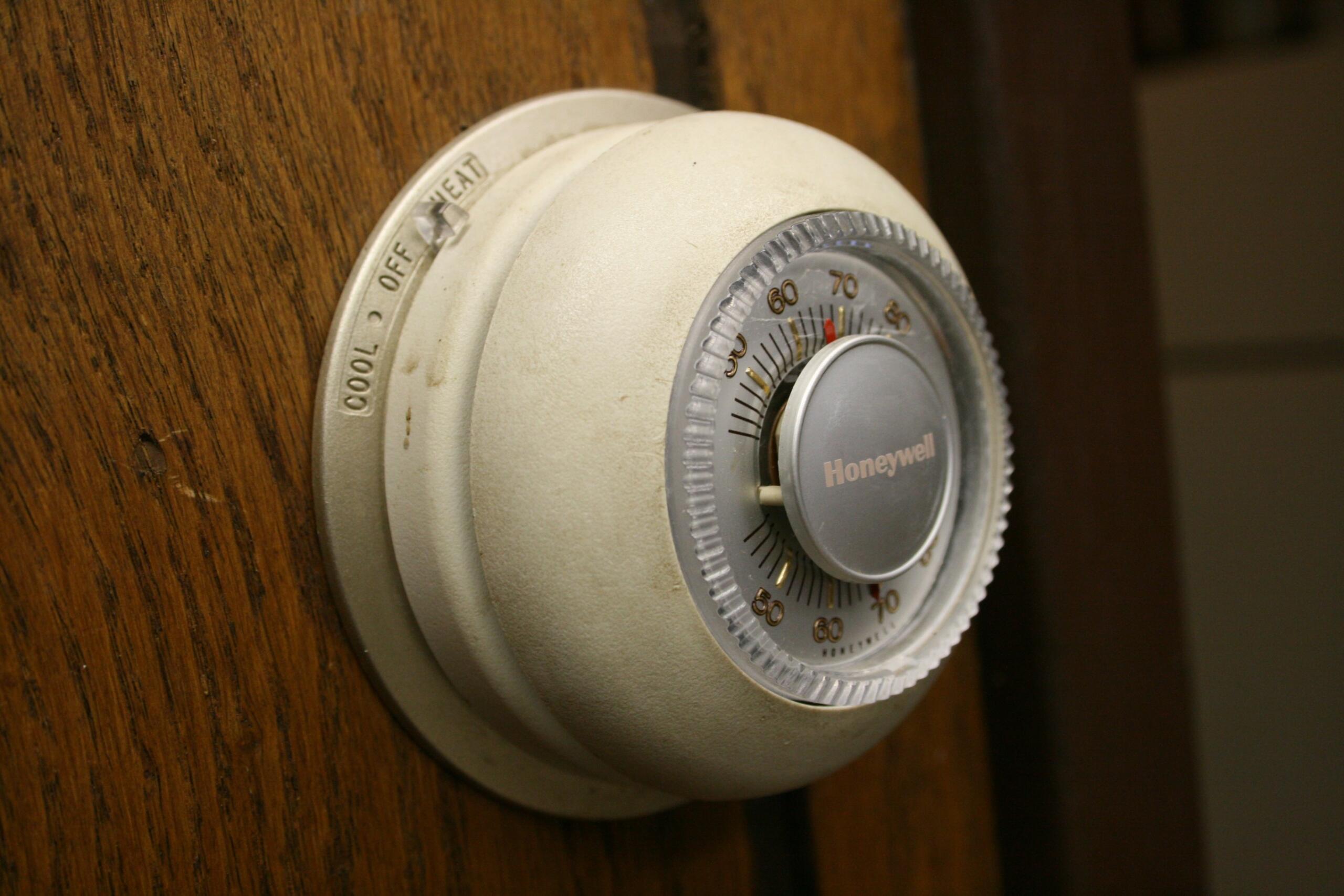
There was a thermostat, mounted on a wall in the hall, usually a round dial or a small rectangular box, and it did one thing: it opened and closed the gas valve.
Underneath the house there was a standing pilot light, burning continuously, all year in a great many houses because nobody went down to turn it off. The pilot lit the main burner when the valve opened and was itself monitored by a safety device that shut the gas off if the flame went out.
So the whole system had exactly one setting – on or off, at a temperature you chose – and no fan speeds, no zones, no stages and no programming. The house got warm, then the valve shut, then the house cooled, then the valve opened, and the cycle was slow and audible.
You could hear it come on. There was a soft thump from under the floor as the burner lit, and then a gradual rise in the sound of air moving through the grate, and in a quiet house at night both were perfectly distinct.
Four Things Finished It
The first was the burn hazard, which became a regulatory matter rather than a household one. Requirements covering the maximum surface temperature of accessible grates, the guarding of hot surfaces and the siting of such appliances made the simple flush grate progressively harder to supply, and manufacturers stopped offering them.
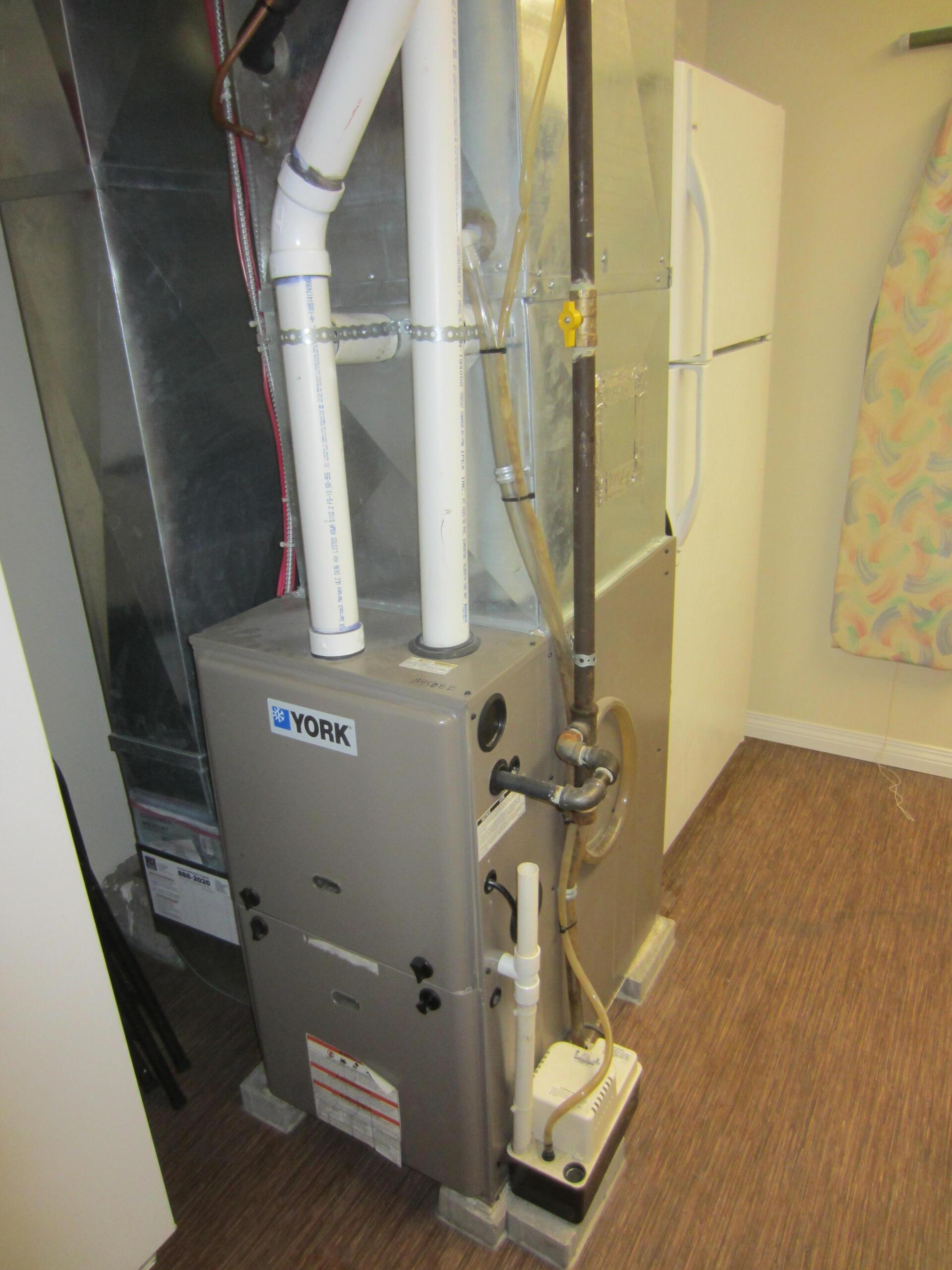
The second was forced air. Once a blower and sheet-metal ducts became cheap, a house could be heated evenly from a single appliance placed anywhere, with registers in every room. That is a strictly better outcome and it is what everybody wanted.
The third was air conditioning, and this is the one that settled it. A cooled house needs ducts and a fan regardless, because cold air will not distribute itself by gravity – it sinks and stays there. So the moment a household wanted cooling, it had to install a duct system, and once the ducts existed there was no argument left for heating the house through a hole in the floor.
The fourth was the slab. A great deal of later American construction sits directly on a concrete slab with no crawl space at all, and a floor furnace needs somewhere to hang.
The Twist: It Was Heating People, Not Houses
It is easy to file the floor furnace as a crude thing properly superseded, and the burn hazard alone justifies its disappearance. But its strategy was not crude, and the strategy is worth separating from the hardware.
A modern forced-air system heats the entire volume of air in a building to a uniform set point, including the rooms nobody is in, the hallway at three in the morning and the ceiling space above everybody’s heads. That is the definition of central heating and it is enormously comfortable.
A floor furnace did something quite different. It heated the one place where people actually were – the spot everybody walked through and stood on – and let the rest of the house find its own level. The warm bit was a few square feet, it was where the family gathered, and the energy went almost entirely into the air immediately around human beings.
Which is, stated in modern terms, zoned local heating with the zone set to the size of a person. And that is precisely the idea that current thinking on heating has worked its way back around to: heating people rather than volumes, through zoning, radiant floors, spot heating and the general recognition that bringing an entire building to one temperature in order to keep four people comfortable is a strange way to spend energy.
So the floor furnace was abandoned for being dangerous, which it genuinely was, and for being uneven, which it genuinely was. Its underlying bet – that the heat should go where the people are – turns out to have been right.
The grates are still in a great many American floors. Screwed down, carpeted over, or still there and still open, with the furnace long gone from underneath and nothing below the bars but the crawl space and fifty years of somebody’s dropped change.
Like our content? Follow us for more.