The first question at any boundary is what it is made of, because that was decided entirely by what was to hand. The second is what shape it is, which tells you when. Here are twelve things they record.
1. The Material Was Whatever Was There
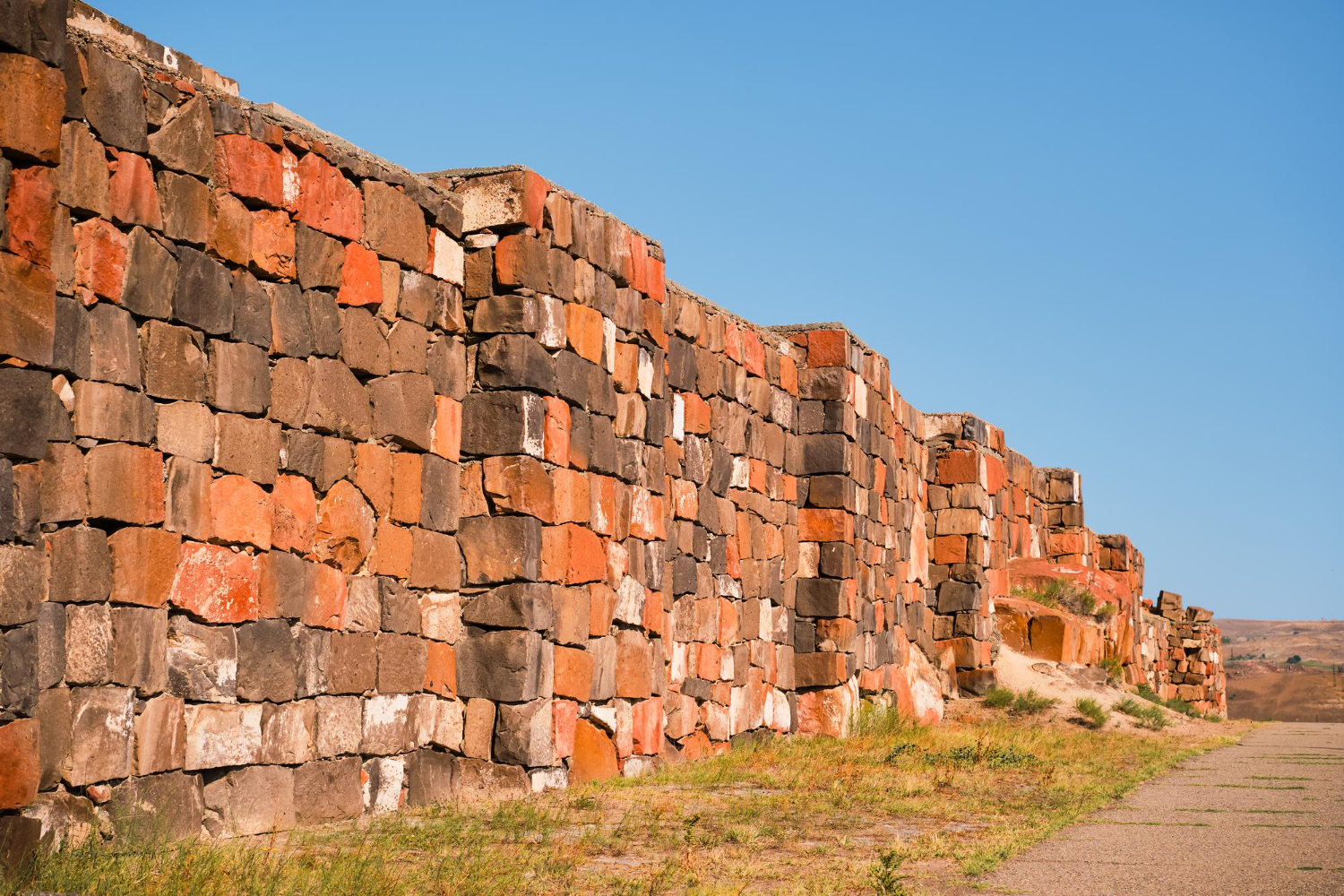
Walls appear where stone had to be cleared from fields anyway; hedges appear where it did not. The boundary type across a region is a direct map of the geology beneath it.
Nobody transported walling stone any distance. Local material is why boundary types change with the rock.
Like our content? Follow us for more.
2. A Drystone Wall Holds Itself Up
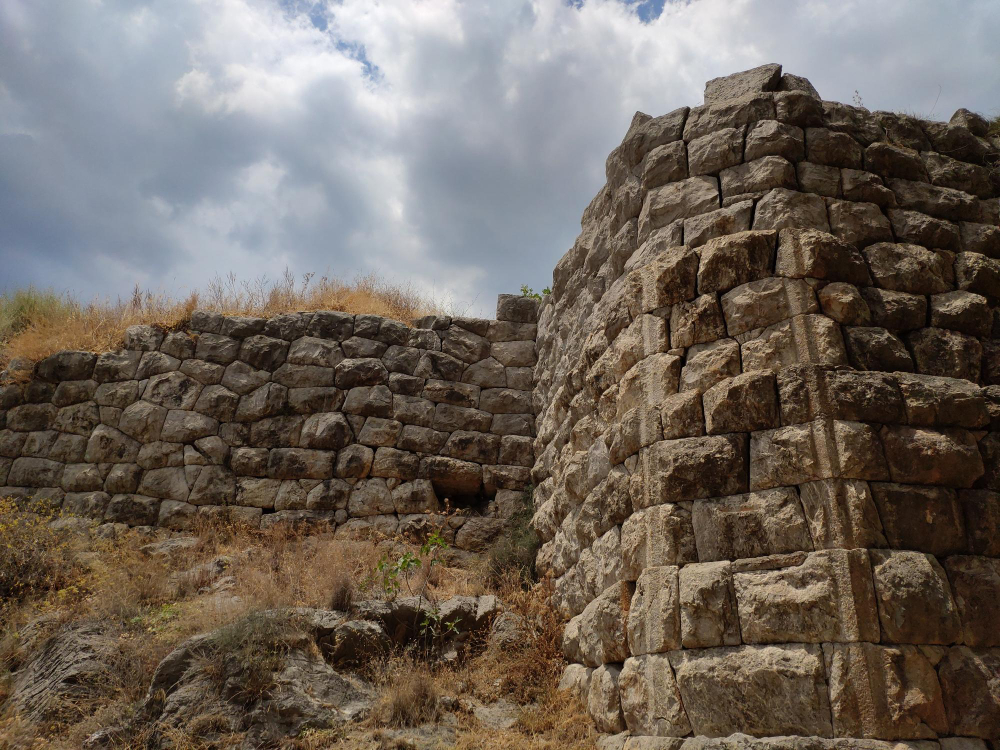
No mortar is involved. The stones are placed so that weight and friction lock them together, with each stone bearing on two below and the whole structure slightly tapered inward.
Movement settles it rather than loosening it. Friction construction is why these walls survive centuries without maintenance.
3. The Stones Going Right Through
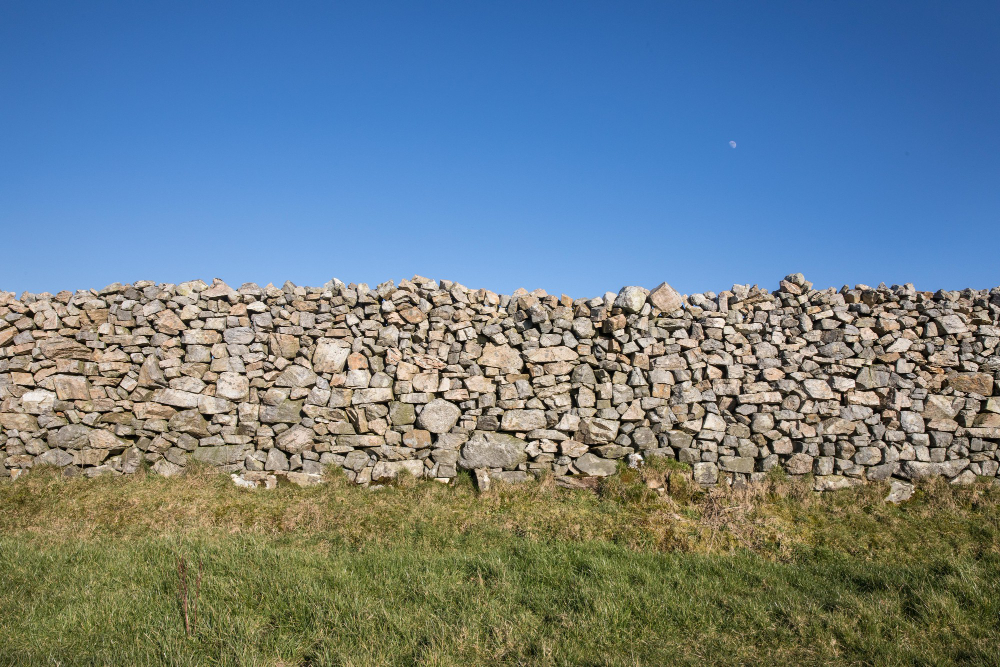
At intervals, longer stones span the full width, tying the two faces together so the wall behaves as one structure rather than two leaning piles.
They are visible from both sides. Through-stones are the feature that prevents a wall splitting down the middle.
4. A Hedge Was Managed, Not Grown
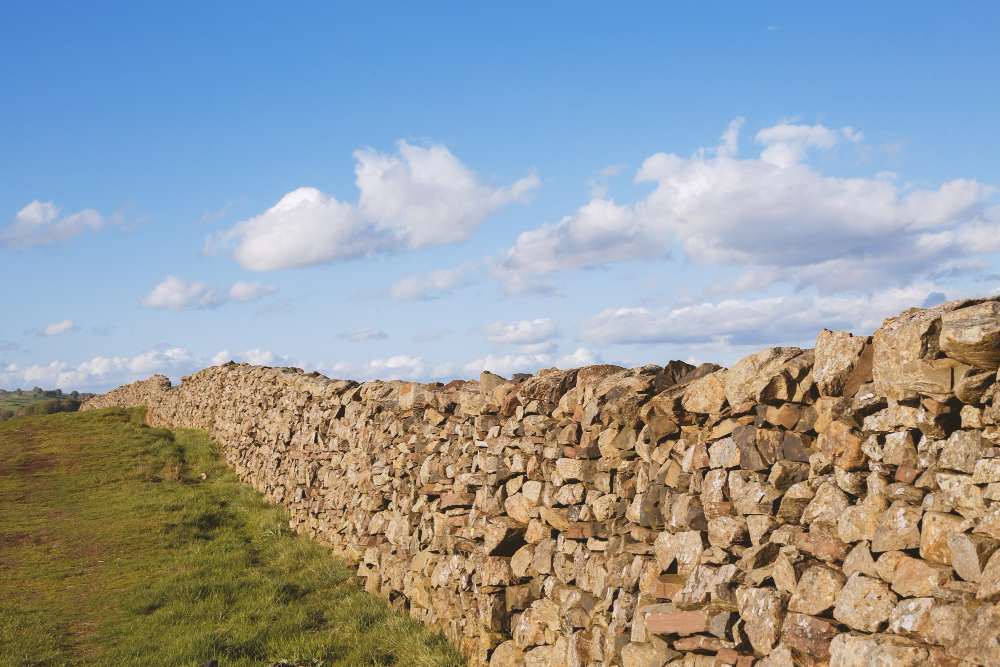
A stock-proof hedge requires laying – partly cutting the stems and bending them over at an angle so they continue growing horizontally and thicken the base.
Left unmanaged it becomes a line of trees with gaps beneath. Hedge laying is the practice that makes a hedge a barrier.
5. The Species Count Suggests an Age
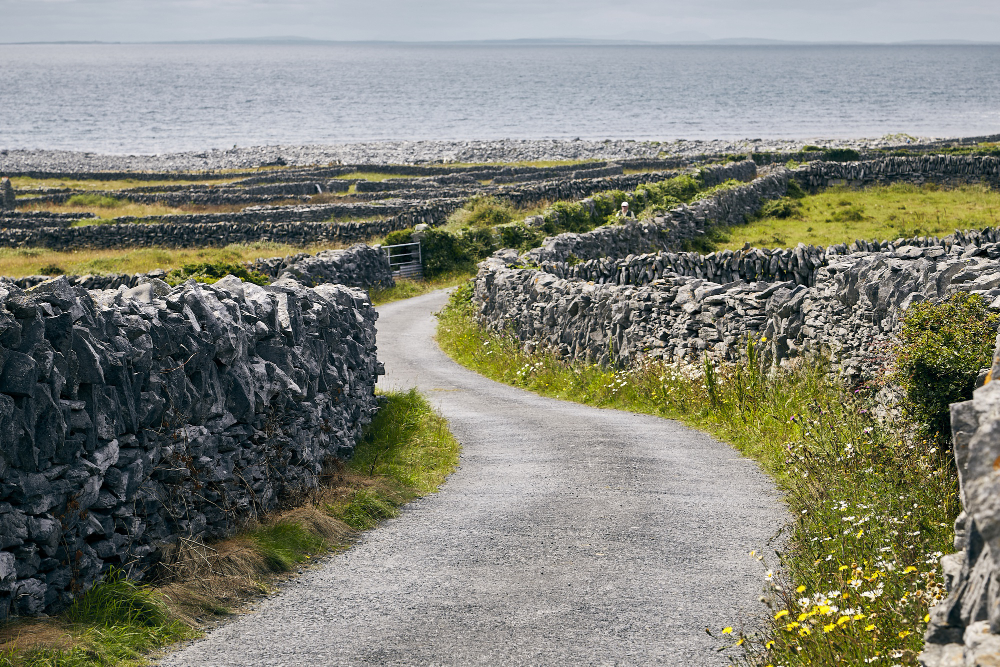
Older hedges tend to contain more woody species than recently planted ones, and counting them in a measured length has been used as a rough dating method.
The method is contested and unreliable in detail. Species diversity is a suggestive indicator rather than a measurement.
6. The Bank With a Ditch Beside It
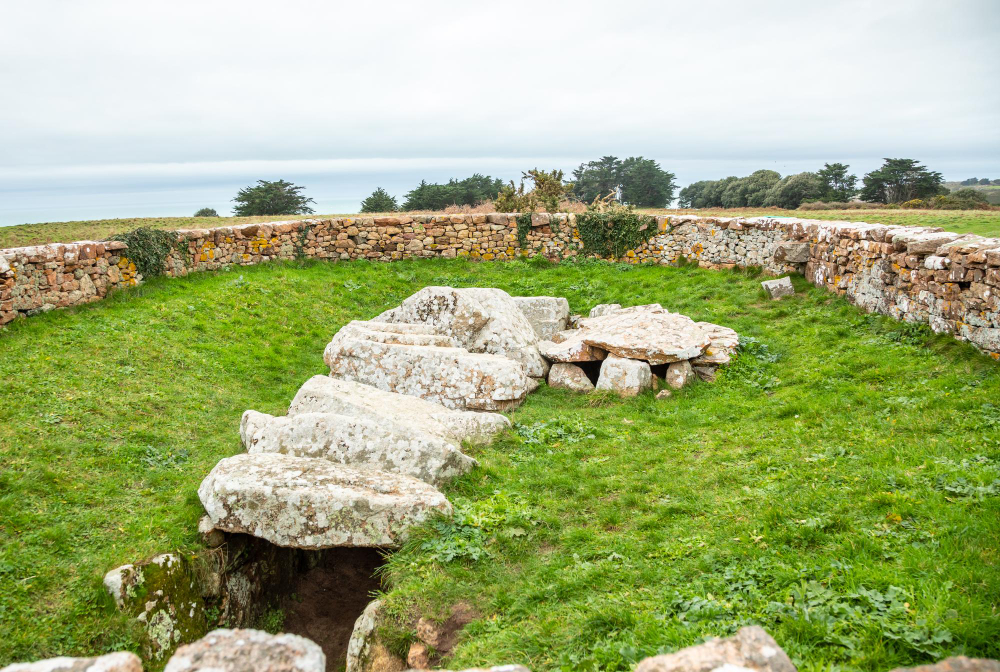
Where neither stone nor good hedging conditions existed, boundaries were built as earth banks, and the ditch alongside is where the material came from.
The ditch is generally on the outside. The bank and ditch is the boundary built from the ground it stands on.
7. The Ditch Tells You Which Side Owned It
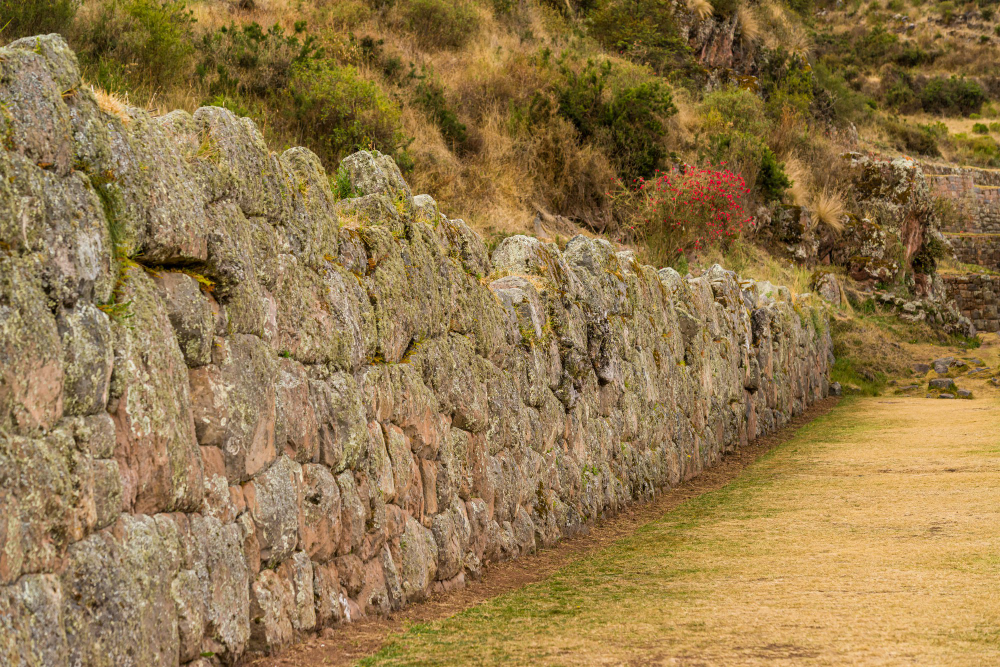
Because the material was dug from one side, the ditch indicates which party built and maintained the boundary – a detail that has settled property disputes.
The convention is consistent enough to rely on. Ditch position is the ownership record built into the earthwork.
8. Wiggly Lines Are Old
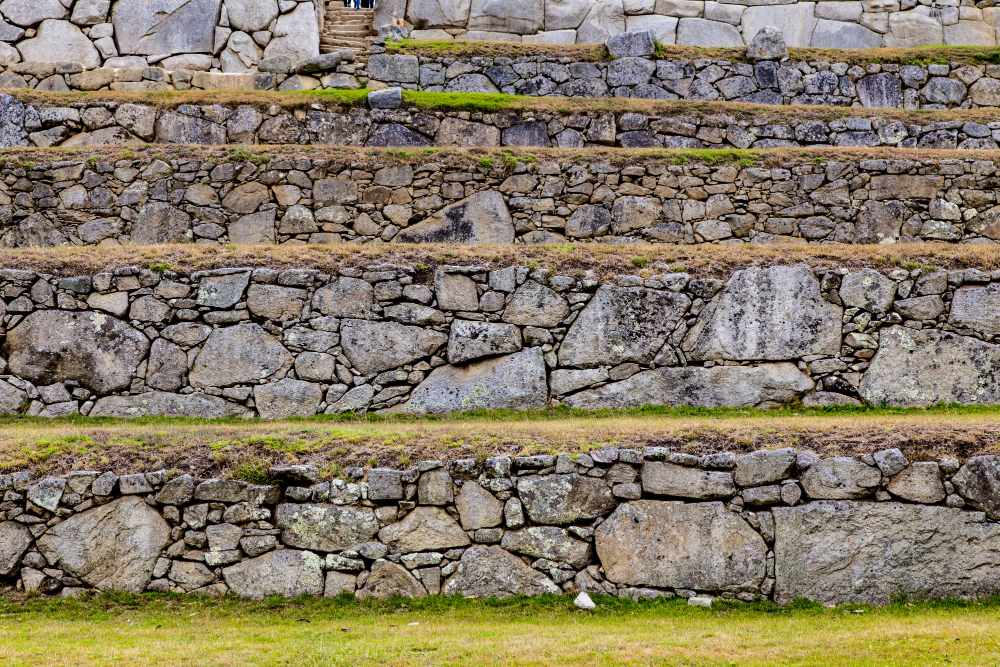
Irregular winding boundaries generally follow features that were already there – a stream, a track, a woodland edge, an earlier holding – and predate any deliberate layout.
The shape records something that has otherwise gone. Irregular boundaries are the oldest lines in most landscapes.
9. Straight Lines Are Not
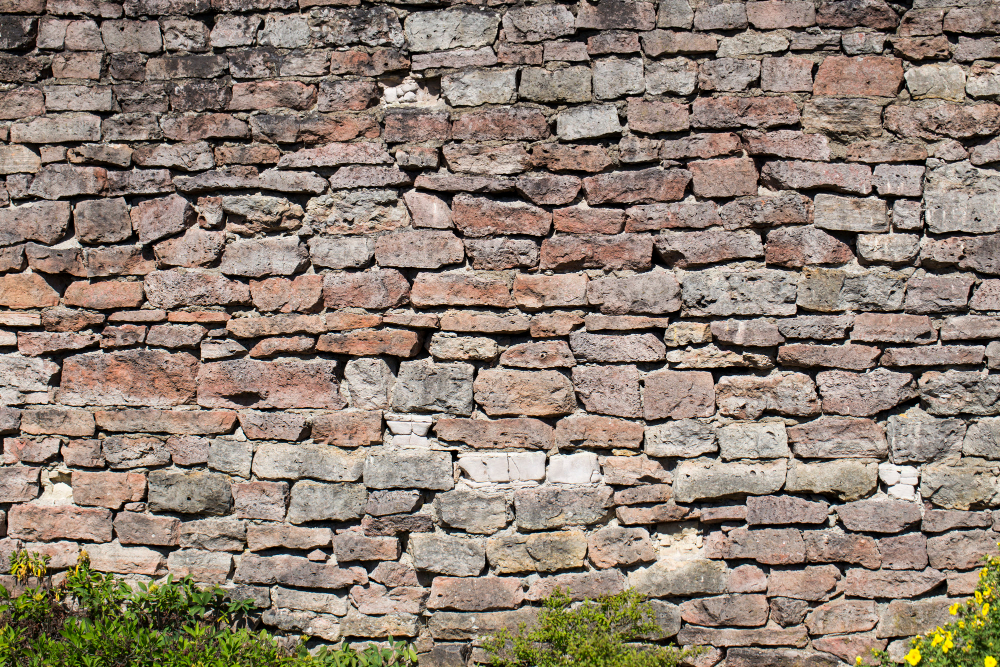
Rectangular fields with straight sides and regular sizes date from periods of deliberate reorganisation, when land was surveyed and redivided rather than accumulated.
The two patterns frequently sit side by side. Geometric regularity is the signature of planning rather than growth.
10. The Boundary May Be Older Than the Field
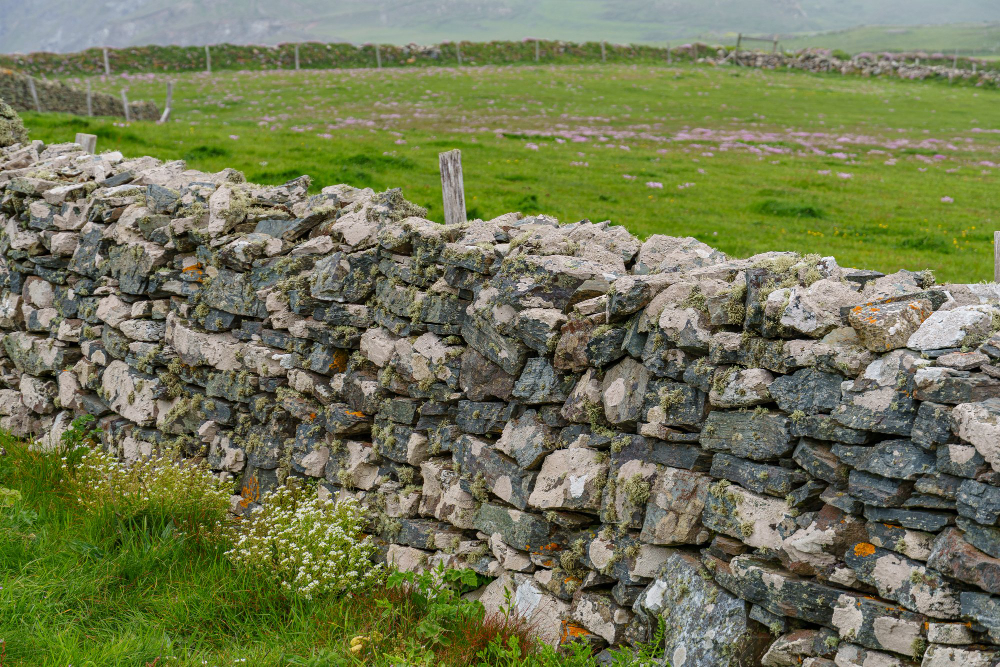
A great many hedge and wall lines follow routes established long before the current field pattern, which means the barrier is younger than the line it stands on.
Some follow boundaries that are truly ancient. Inherited alignment is why a hedge can be recent and its position not.
11. They Function as Corridors
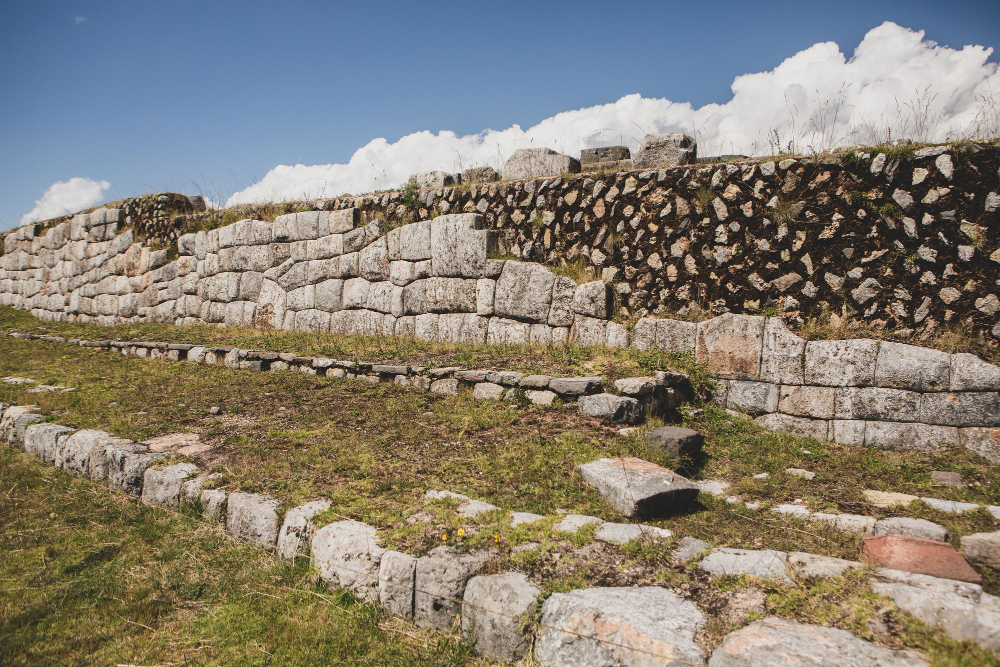
Walls and hedges provide continuous habitat and shelter across otherwise open ground, allowing species to move through a landscape that would otherwise separate them.
The value comes from being connected rather than from being large. Corridor function is the ecological role a boundary performs incidentally.
12. Somebody Was Legally Required to Maintain It
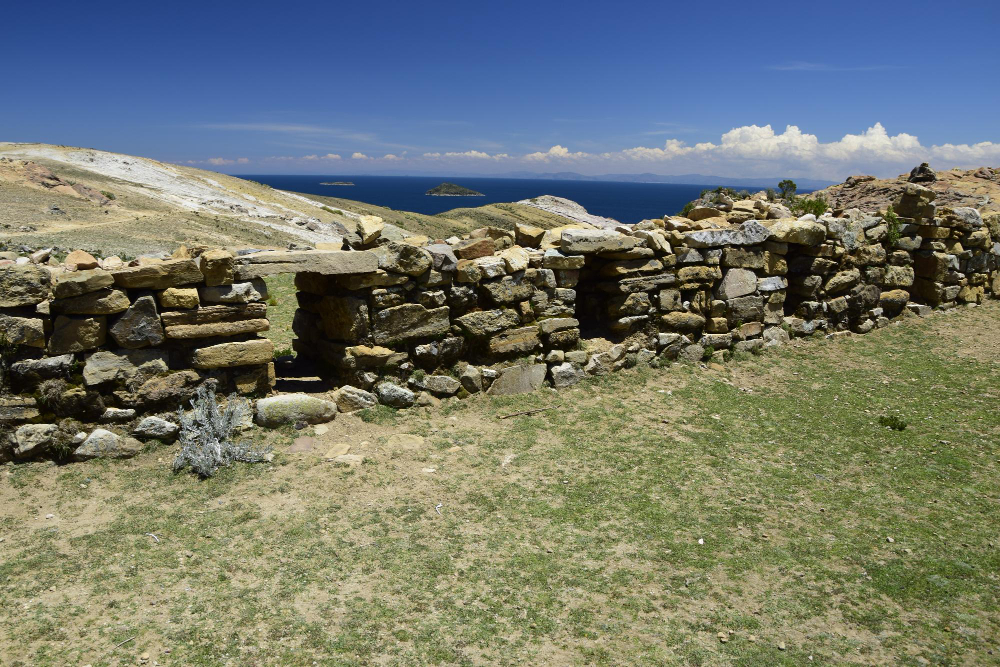
Boundary upkeep was a defined obligation attached to a holding, and the records of who was responsible for which stretch survive in documents across many centuries.
The duty was specific and enforceable. Maintenance obligation is why boundaries persisted for as long as they did.
Built From What Was There, Shaped by What It Held
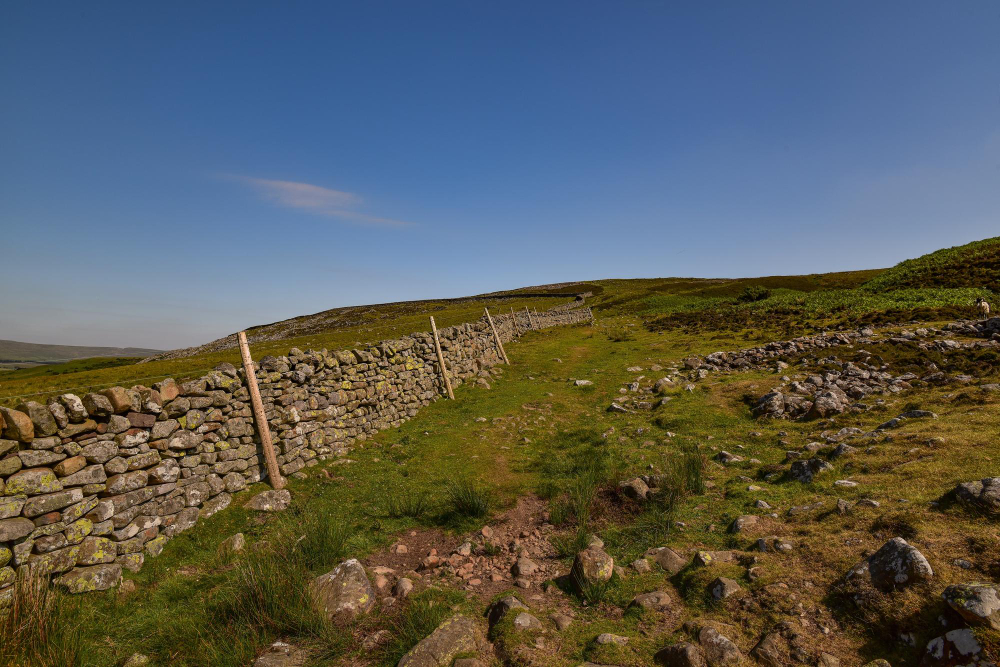
Material from the local geology, a construction method that works without mortar or a plant managed into a barrier, and a shape that records whether the line was inherited or surveyed.
One practical note: field boundaries are private property and are also structures, and walls in particular are damaged by being climbed – a dislodged stone can bring down a section that took a skilled person a day to build. Use gates, stiles and marked routes, and be aware that access rights differ enormously between countries and are worth checking locally.
Like our content? Follow us for more.