

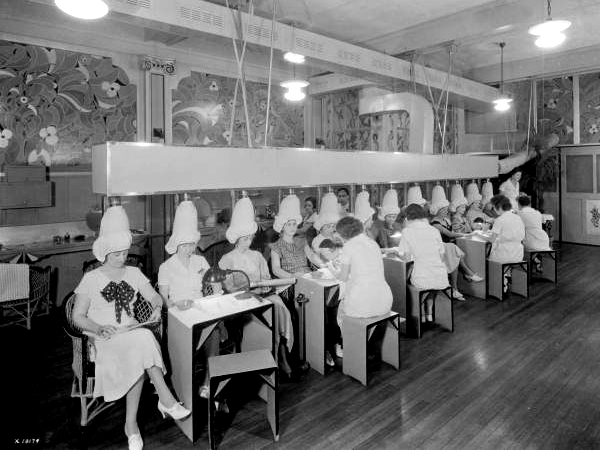
The 1960 beauty salon is one of the few workplaces of the period where the hazard was almost entirely chemical and was almost entirely carried by the staff. The client sat in that air for ninety minutes a week. The operator stood in it for a working lifetime, with wet hands, no gloves, no extraction and no training in what any of it was.
Every American state now licenses the trade, and the content of that licence is overwhelmingly about the things on this list. Here are sixteen things about that salon.
1. The permanent wave was produced by electrically heated clamps
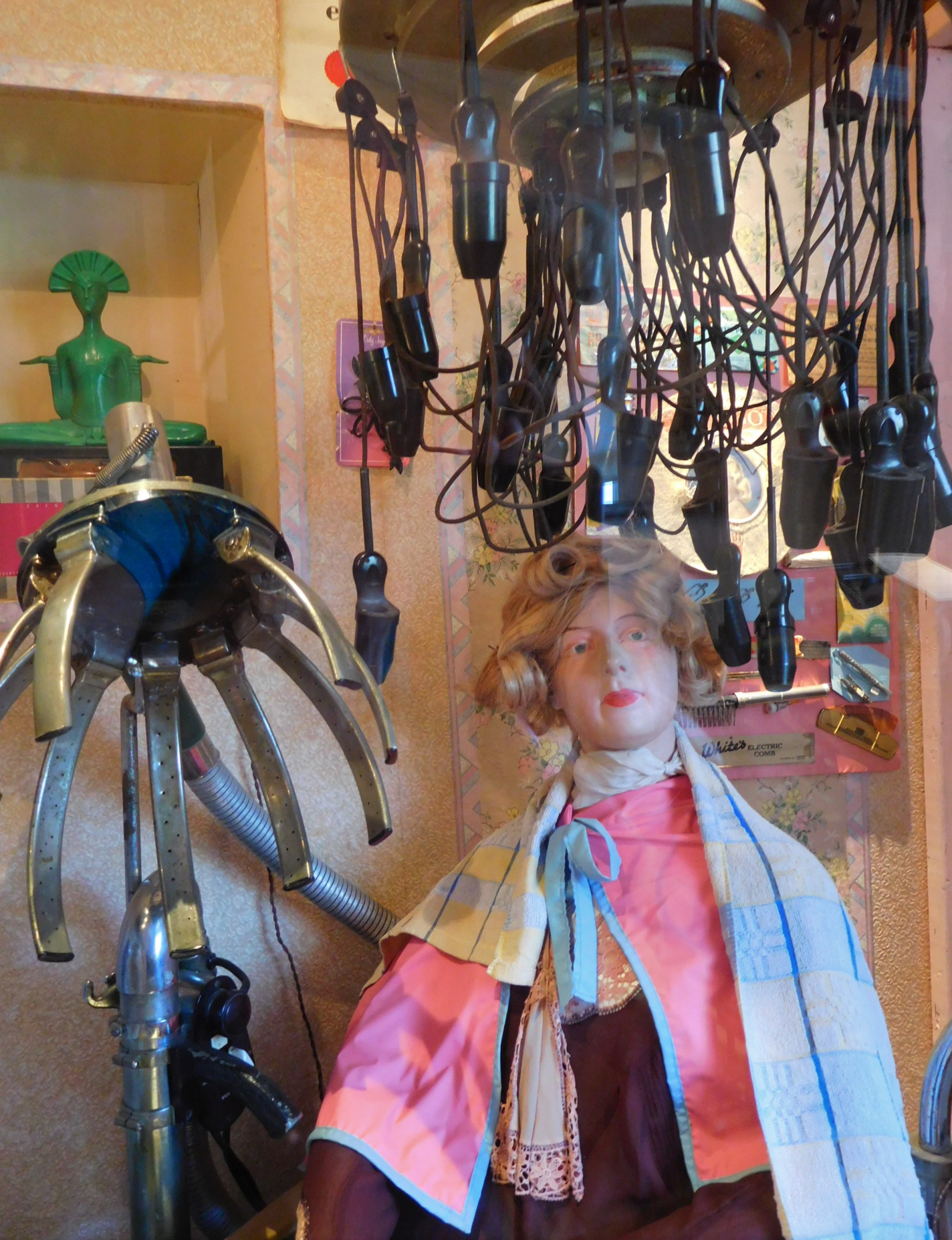
The machine permanent wave was a floor-standing unit with a hood and a cluster of cables, each ending in a heater clamp that was attached to a wound curler on the client’s head. The current was switched on and the hair was effectively baked into shape while she sat under it.
The hazards were burns to the scalp, the weight of the apparatus on the neck, and the client being physically attached to a mains-powered device for the duration. Operators became skilled at interposing pads and at judging heat by the client’s reaction, which is a control system with an obvious flaw.
The machines disappeared through the 1950s and 1960s as chemical cold waving replaced them, and nothing like them would be permitted now. They are the single most recognisable image of the period’s hairdressing and the most alarming item in the salon.
Like our content? Follow us for more.
2. The cold wave that replaced it was a thioglycolate solution, used without a test
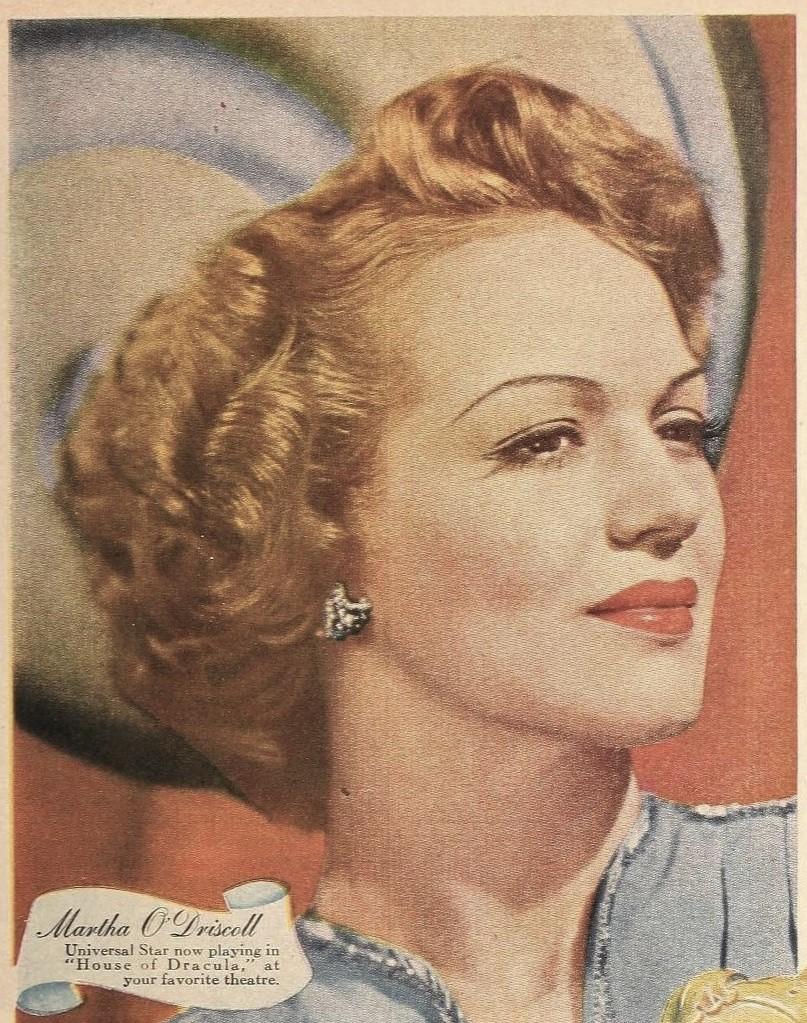
Chemical permanent waving works by breaking the bonds in the hair with a reducing agent, usually an ammonium thioglycolate solution, re-forming the hair around a curler and fixing it with an oxidising neutraliser. It arrived as the modern method and it still is.
The chemistry has not changed much and the procedure around it has. Current practice involves assessing the hair and scalp first, protecting the skin, controlling the processing time, and not applying it to a scalp that is broken or already irritated, because thioglycolate on damaged skin is a different proposition from thioglycolate on intact skin.
The 1960 salon ran the same chemistry with the timing judged by eye and no assessment at all, and the characteristic result — a scalp burn or a head of over-processed hair that snapped — was treated as an occupational hazard of being a client.
3. Permanent hair colour was applied with no patch test
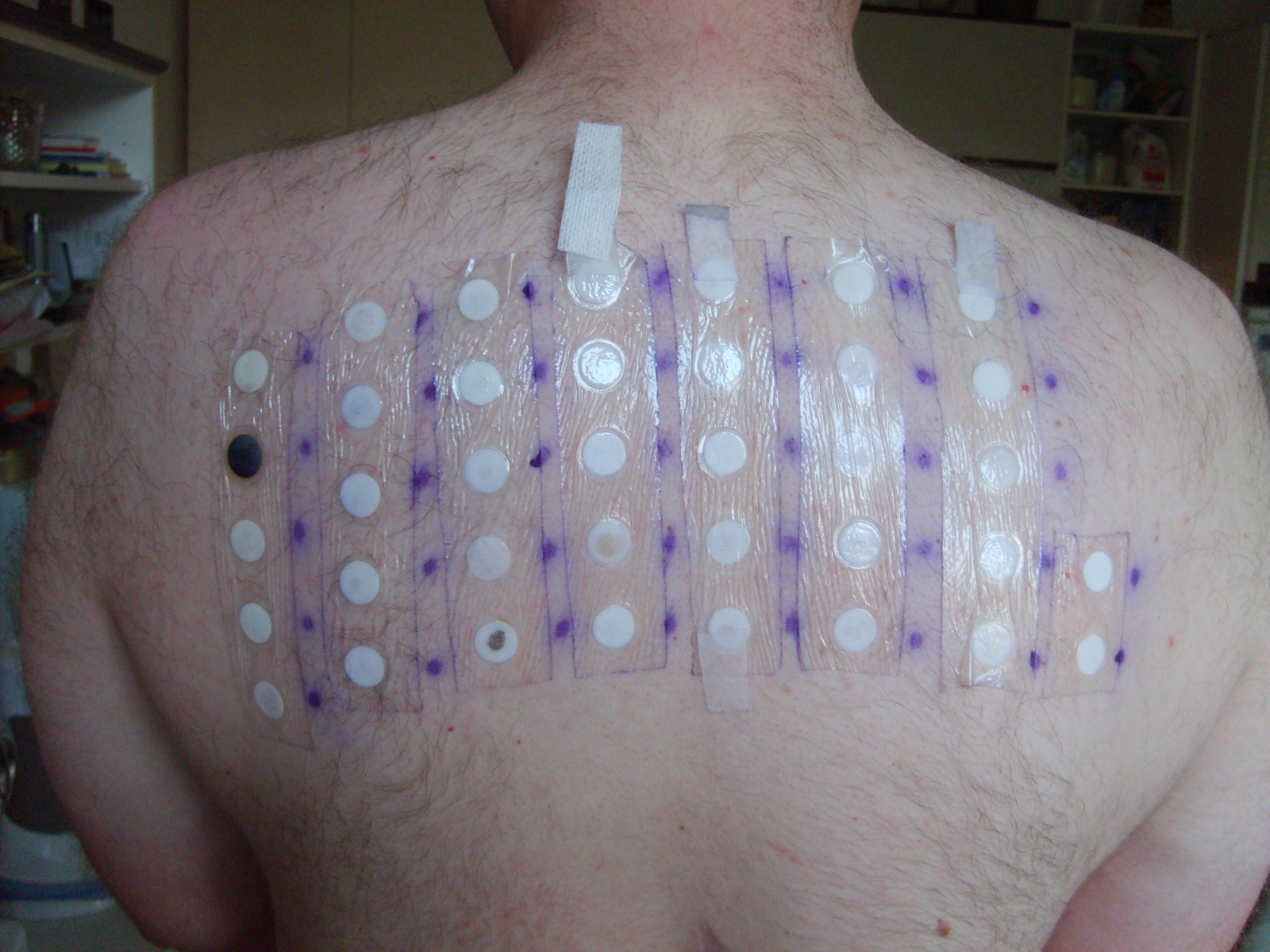
Oxidative hair dyes work through aromatic amines, and the principal sensitiser among them has been recognised as a cause of allergic contact dermatitis since the beginning of the twentieth century. In 1960 these were applied to clients routinely with no preliminary test.
The patch test is now the standard of care. Current professional practice and manufacturers’ instructions specify a skin test a defined period before a first colour service and after any gap, specifically because sensitisation can develop at any time and because a reaction in somebody already sensitised can be severe.
This is the clearest procedural change in the trade and it is the one clients notice. The test is not a formality, it is the whole of the protection, and the 1960 salon had no equivalent.
4. Eyelash and eyebrow dyeing was ordinary
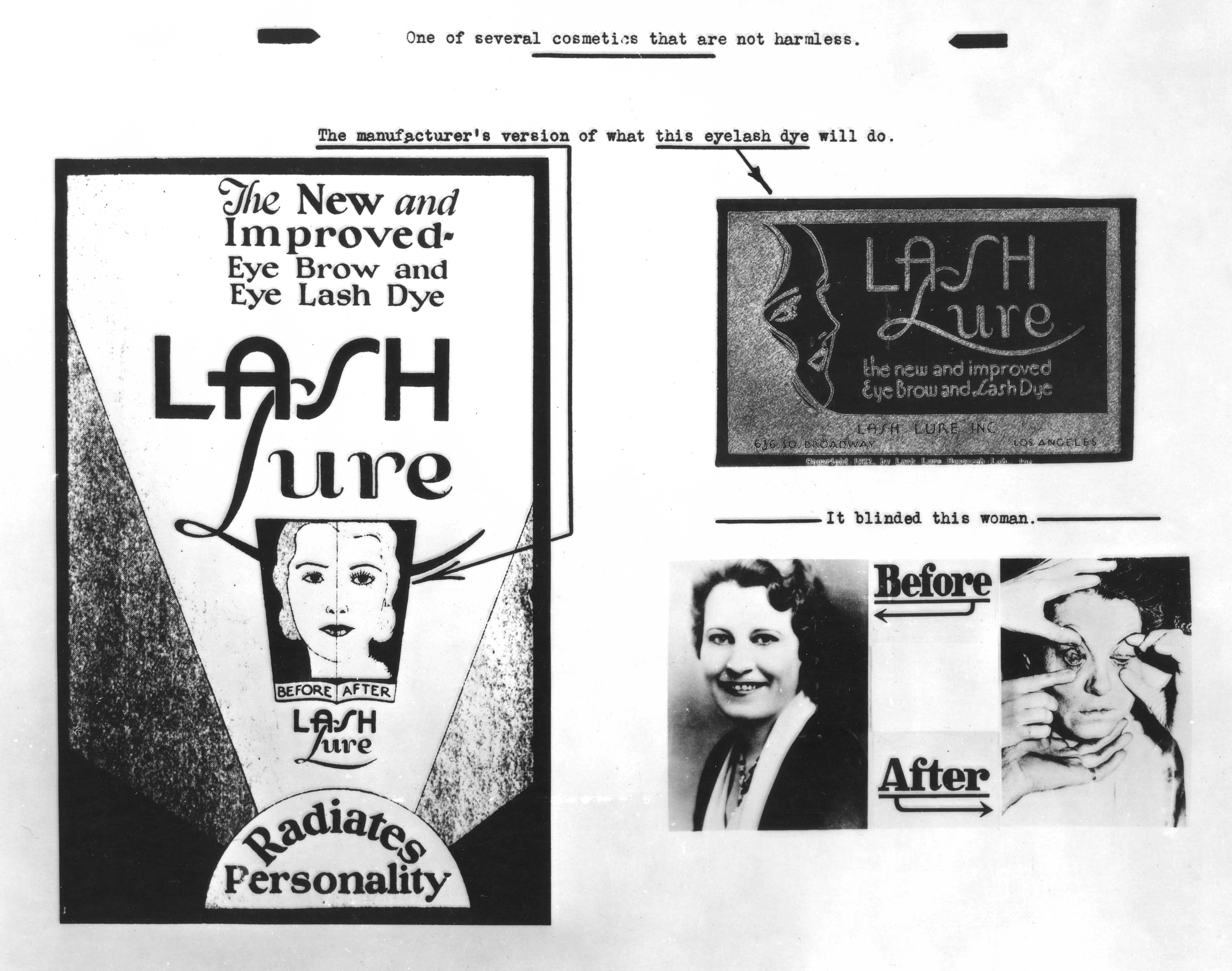
Tinting lashes and brows with permanent hair colour was a standard salon service, performed with the same products used on the head, a few millimetres from the eye.
The United States is unusually strict on this. Permanent dyes containing coal tar derivatives are not approved for use on the eyelashes or eyebrows, the products carry a statement to that effect, and salon application in that area is prohibited, which is why American salons offer lash tinting far less readily than salons elsewhere.
The reason is the specific consequence of a reaction or a chemical injury in that location. It is the one item on this list where the American position is stricter than much of the rest of the world and has been for decades.
5. Progressive dyes contained lead
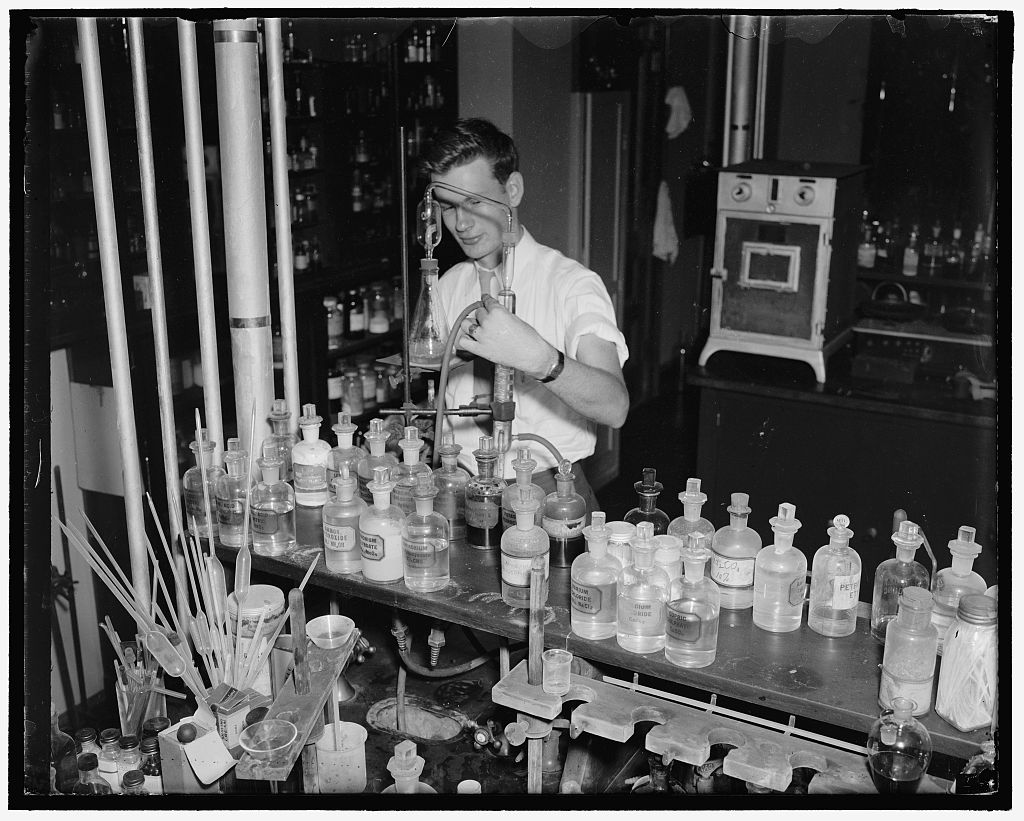
Lead acetate was the active ingredient in progressive hair colour products, which darkened hair gradually with repeated use and were marketed heavily, particularly to men. They were in salons and in bathrooms for most of the twentieth century.
The United States permitted lead acetate in hair dye under specific conditions for decades and then reversed, with the Food and Drug Administration banning it as a colour additive in hair dye in 2018 after concluding there was no longer a reasonable certainty of no harm, following reassessment of lead exposure generally.
It is a useful reminder that these withdrawals are not all ancient history. A product that was in the 1960 salon was still legally on American shelves within the last decade.
6. Bleaching was done by eye with no timer
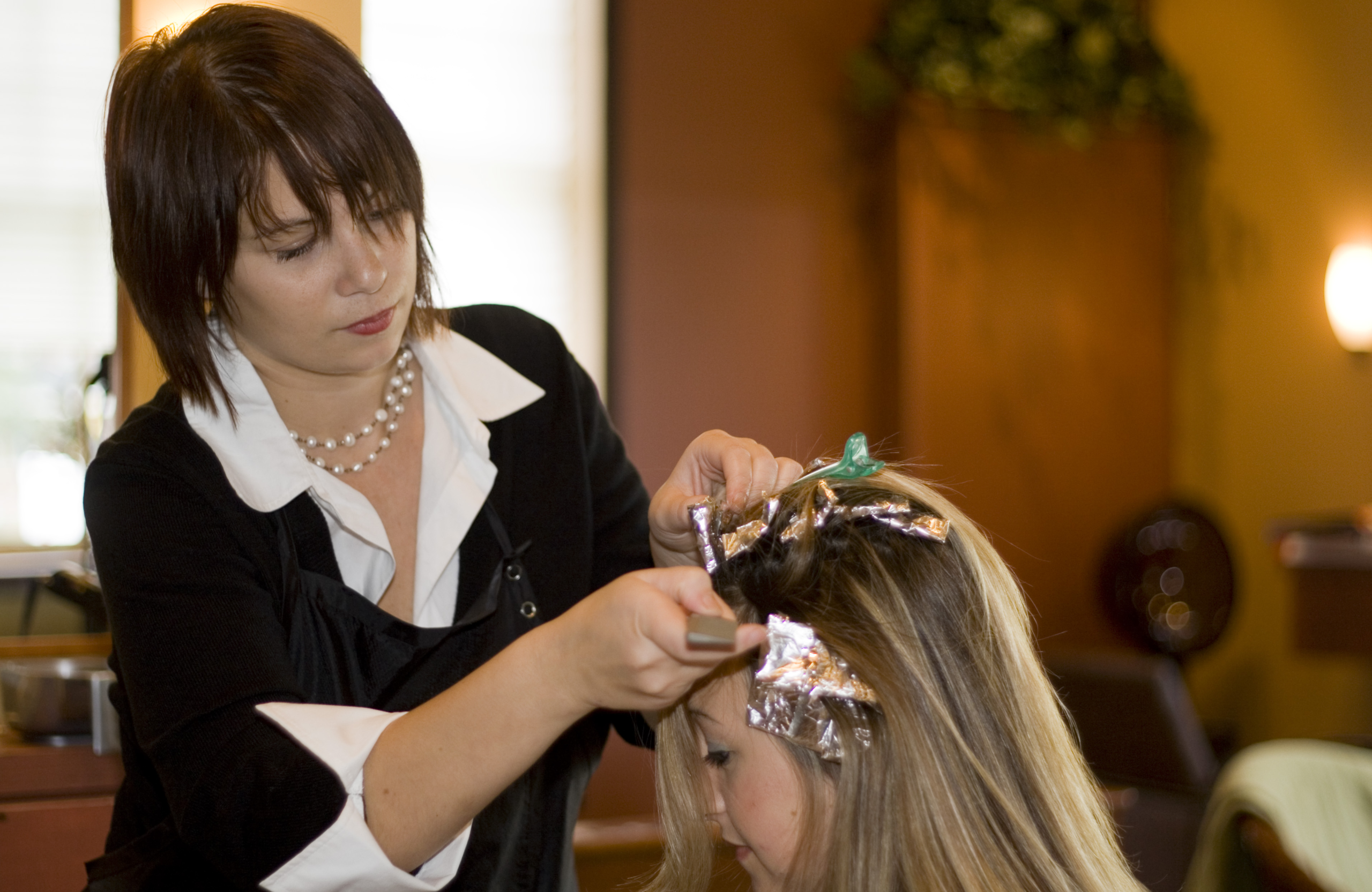
Lightening used hydrogen peroxide with an ammonia-based booster, mixed in a bowl, and the processing was judged by lifting a strand and looking at it. Scalp bleaching was done the same way, with the mixture in direct contact with skin.
Current practice uses controlled developer strengths, defined processing times, scalp protection and strand testing, and the specific hazard that modern training emphasises is the chemical burn from a strong lightener held against the scalp, which is a real injury rather than a discomfort.
The 1960 version relied entirely on the operator’s experience and the client’s willingness to say something. Both are real but neither is a timer.
7. Hairspray was propelled by vinyl chloride
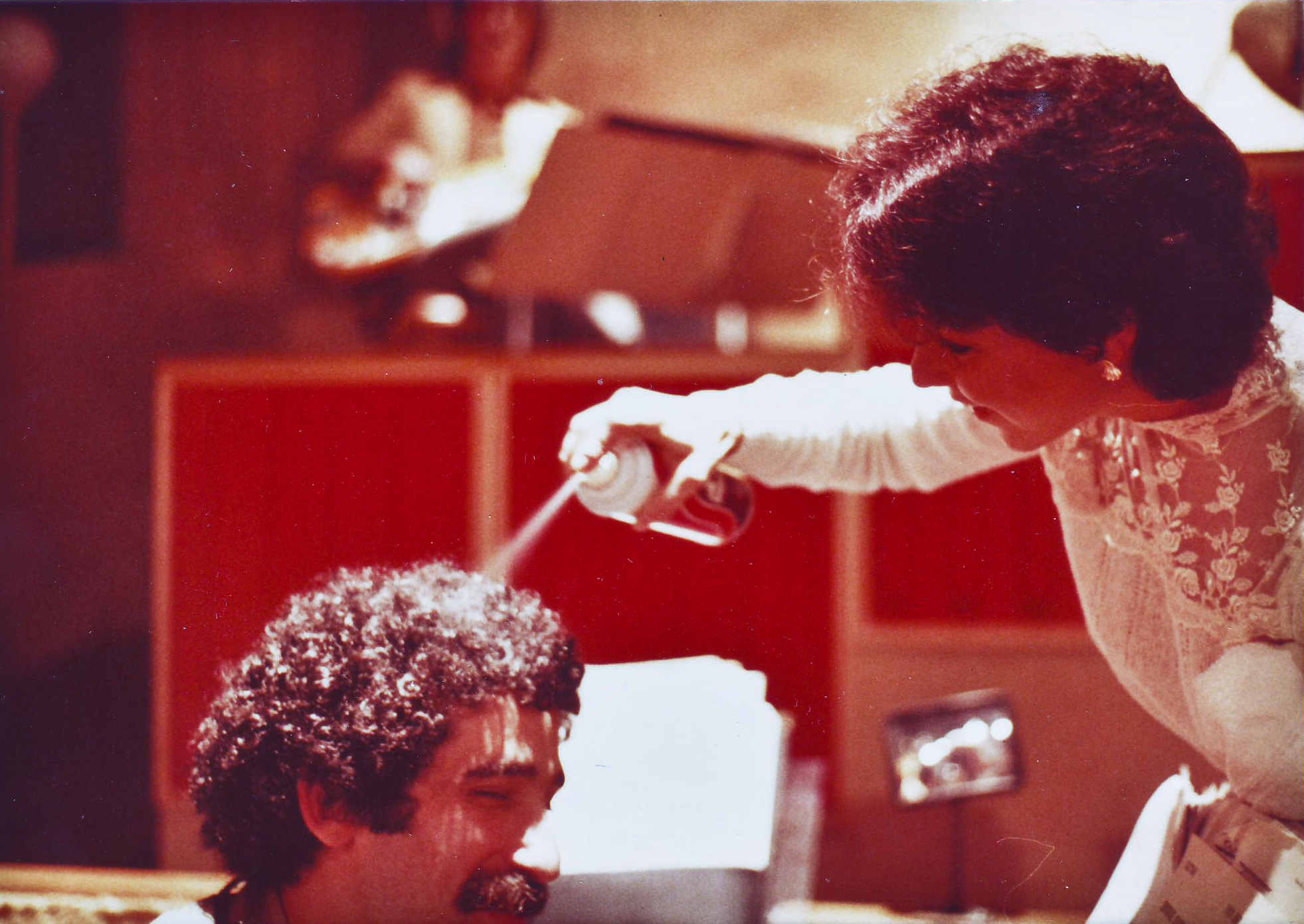
Aerosol hairspray was the defining product of the period and the propellant in a great many American aerosols, including cosmetic ones, was vinyl chloride. It was used because it worked well and was cheap.
Vinyl chloride was identified as a human carcinogen in the early 1970s, following work on exposures in the plastics industry, and American regulators prohibited its use in aerosol products in 1974. The propellant was replaced by hydrocarbons and later by compressed gases and pumps.
The salon context is the point. An operator spraying clients all day in a small room with no extraction was receiving a far larger exposure than any client, which is the pattern that runs through this whole list.
8. There was no ventilation at all
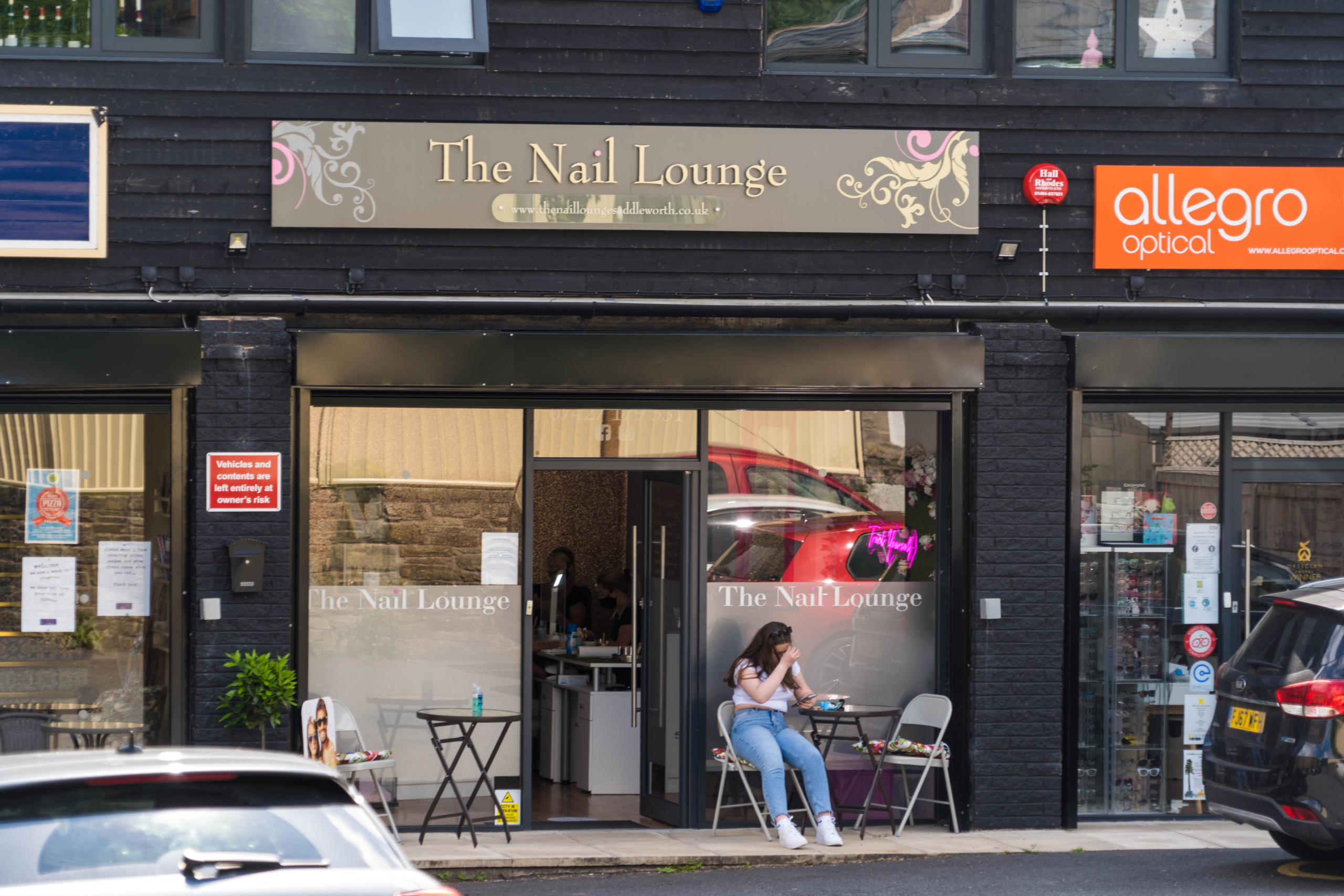
A 1960 salon was a small room with a street window, several dryers running, and a continuous output of solvent vapour, ammonia, thioglycolate, dye, aerosol and nail product fumes. Ventilation meant propping the door open in summer.
Modern salon requirements, where they are specified, cover mechanical ventilation and air exchange, local extraction at nail stations, and in some jurisdictions specific provisions for the chemicals in use. The reason is cumulative occupational exposure over a working life rather than any single service.
This is the item that defines the difference between the client’s experience and the operator’s. A client was in that air for ninety minutes. The operator was in it for fifty years.
9. The nail products contained things now prohibited for nails
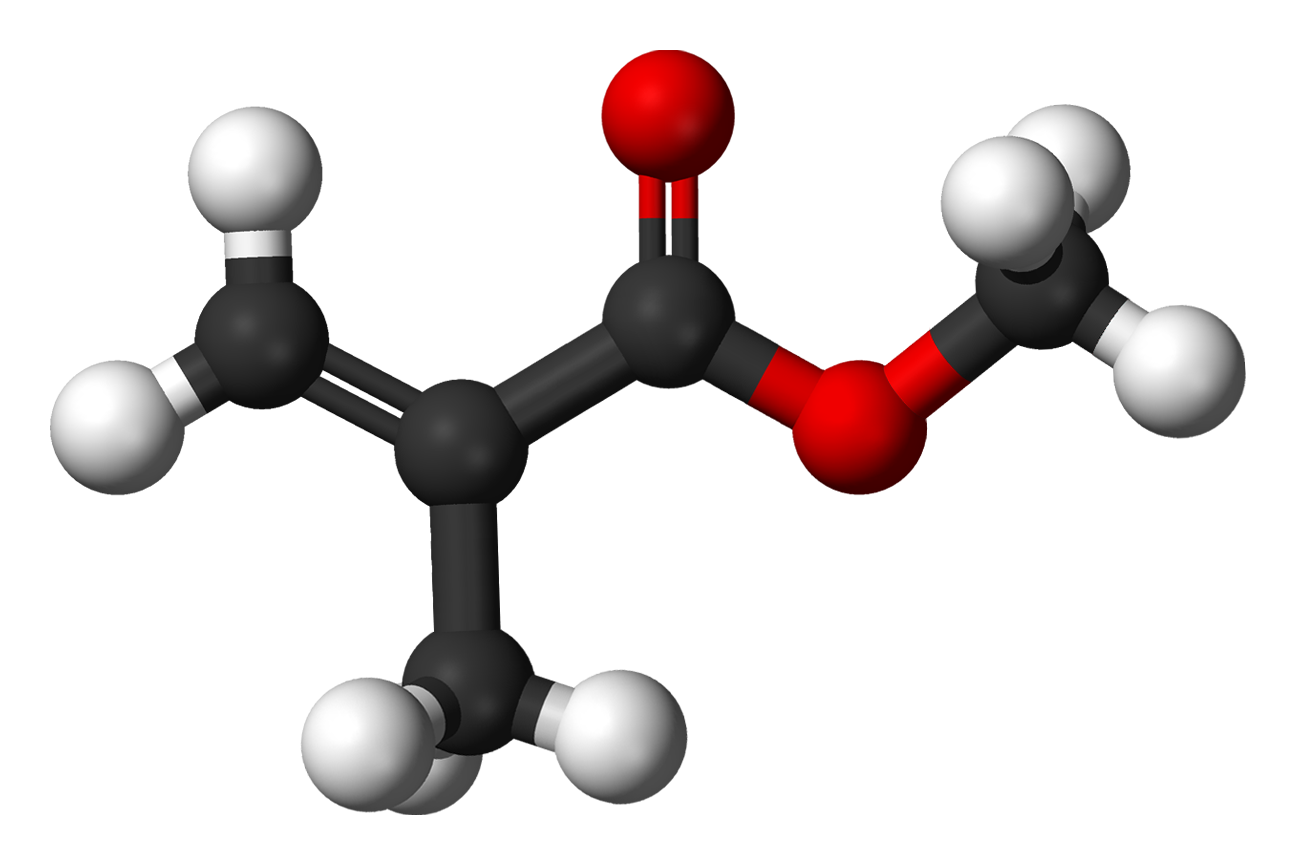
Artificial nail systems of the period and shortly after used liquid monomers, and the one that caused the trouble was methyl methacrylate, which produced extremely hard nails and a correspondingly high rate of injury to the nail bed and surrounding tissue.
American regulators acted against its use in nail products following numerous injury reports, and it is not an acceptable ingredient in nail preparations, with the industry moving to ethyl methacrylate and other systems. A number of state boards prohibit it explicitly in their rules.
Formaldehyde-containing nail hardeners belong beside it. They were common, they remain restricted in concentration and labelled accordingly, and the modern salon’s product shelf has been reshaped by exactly this kind of specific prohibition.
10. Implements were not disinfected between clients
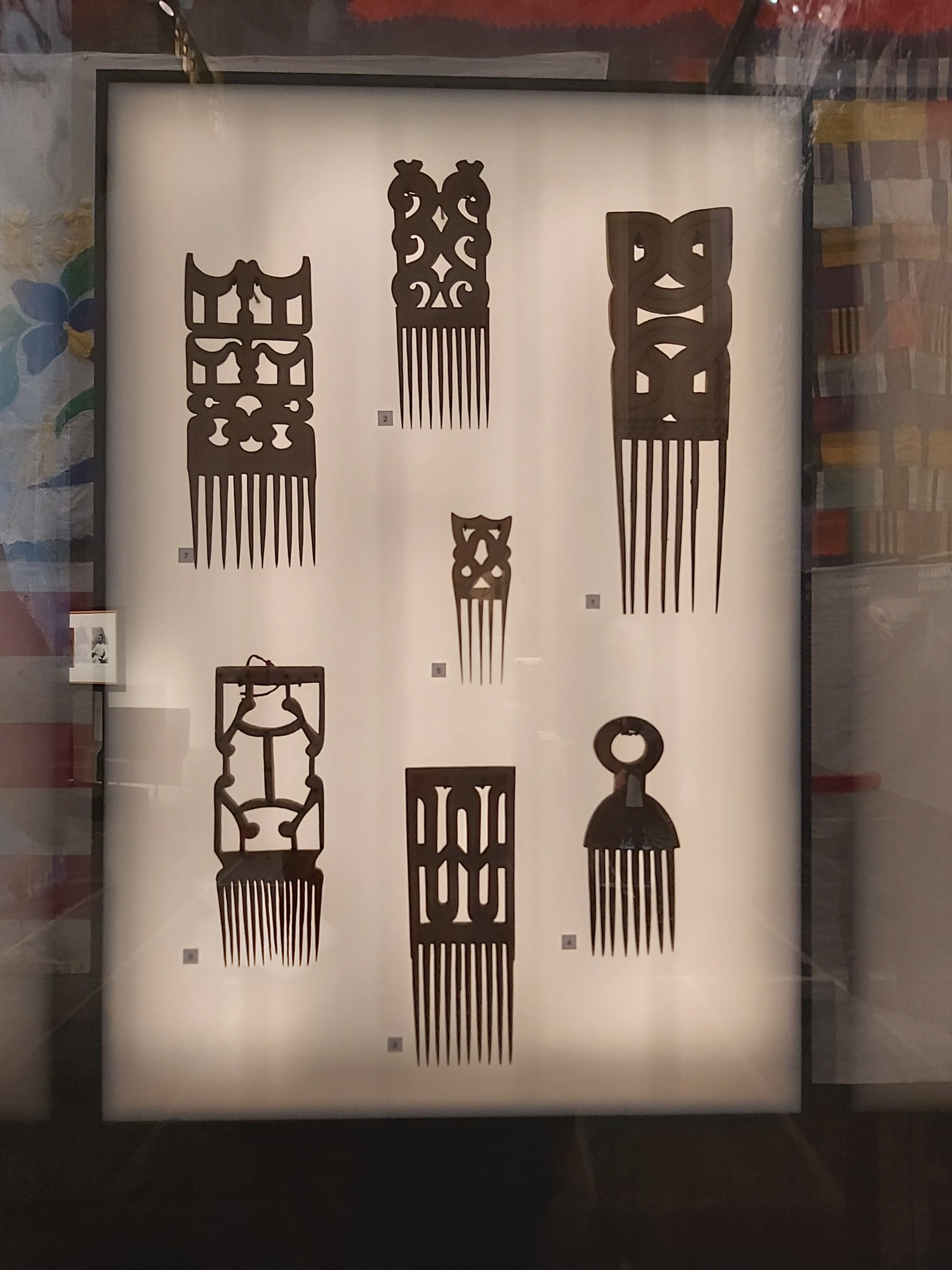
Combs, brushes, clips, scissors, nail implements and the neck brush went from one client to the next with a shake and a wipe. The basin, the chair and the towels were used continuously through a working day.
Every American state now licenses the trade and specifies sanitation in rules that are the main substance of the licensing examination: implements cleaned and then disinfected with a registered product between clients, single-use items discarded, separate storage for clean and used tools, and specific requirements for anything that breaks the skin.
The licensing and the sanitation rules developed together through the middle of the century, and they are the reason a modern salon looks the way it does. The jar of blue liquid on the counter is a regulatory object.
11. The dryers ran hotter than anybody measured
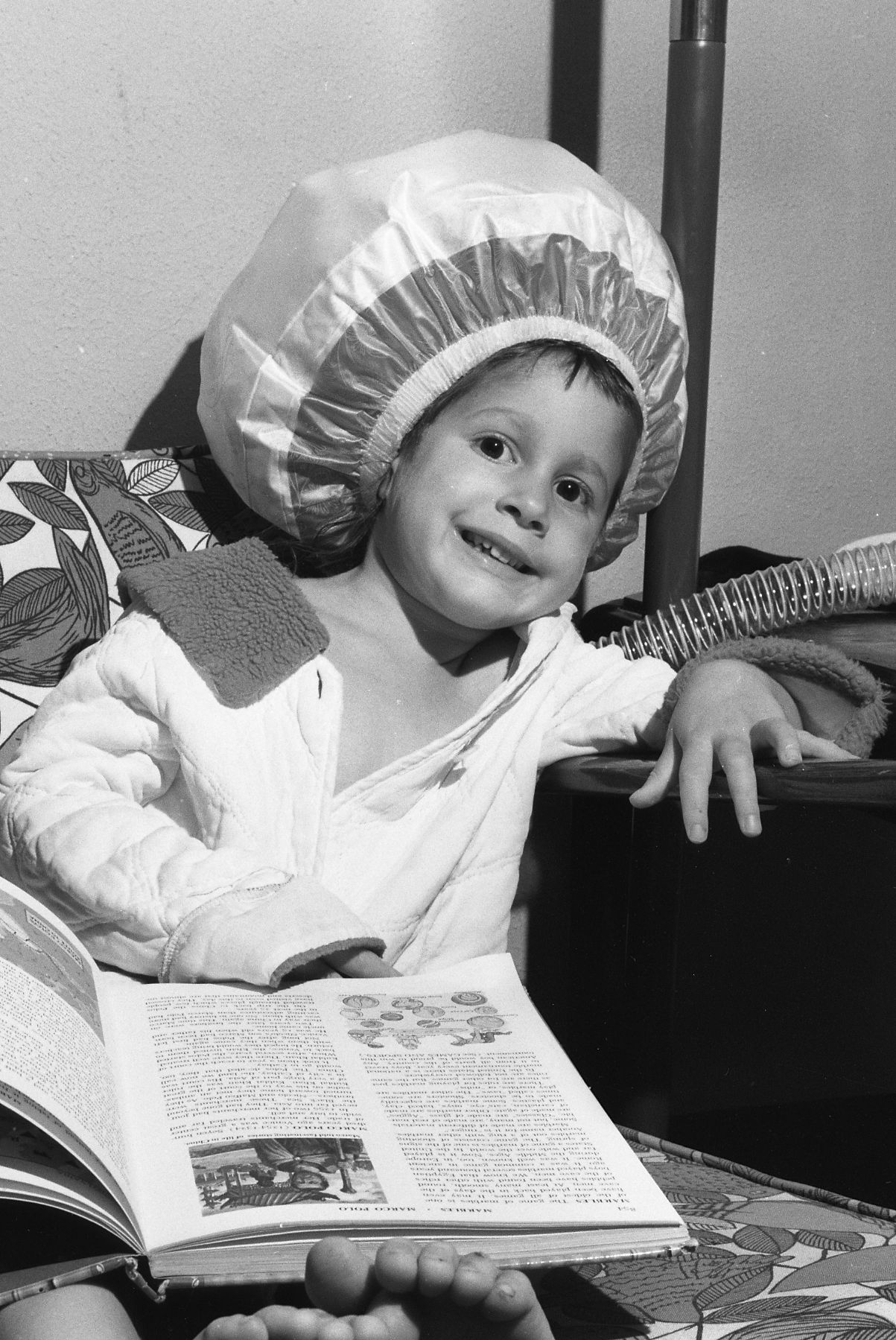
The hood dryer was a metal bonnet with an element and a fan, and the temperature was set by a dial with no calibration. Clients sat under them for an hour, and the standard of comfort was whether the client complained.
Appliance safety standards for salon equipment now cover thermal cut-outs, maximum temperatures, electrical protection and testing, and the equipment is subject to periodic inspection in many jurisdictions. Burns from overheating hood dryers were a recognised claim in the period.
It is one of several items here where the equipment was not badly made but had no protective layer behind the operator’s judgement, which is the recurring theme of 1960 occupational safety generally.
12. Operators worked with their hands wet in chemicals all day
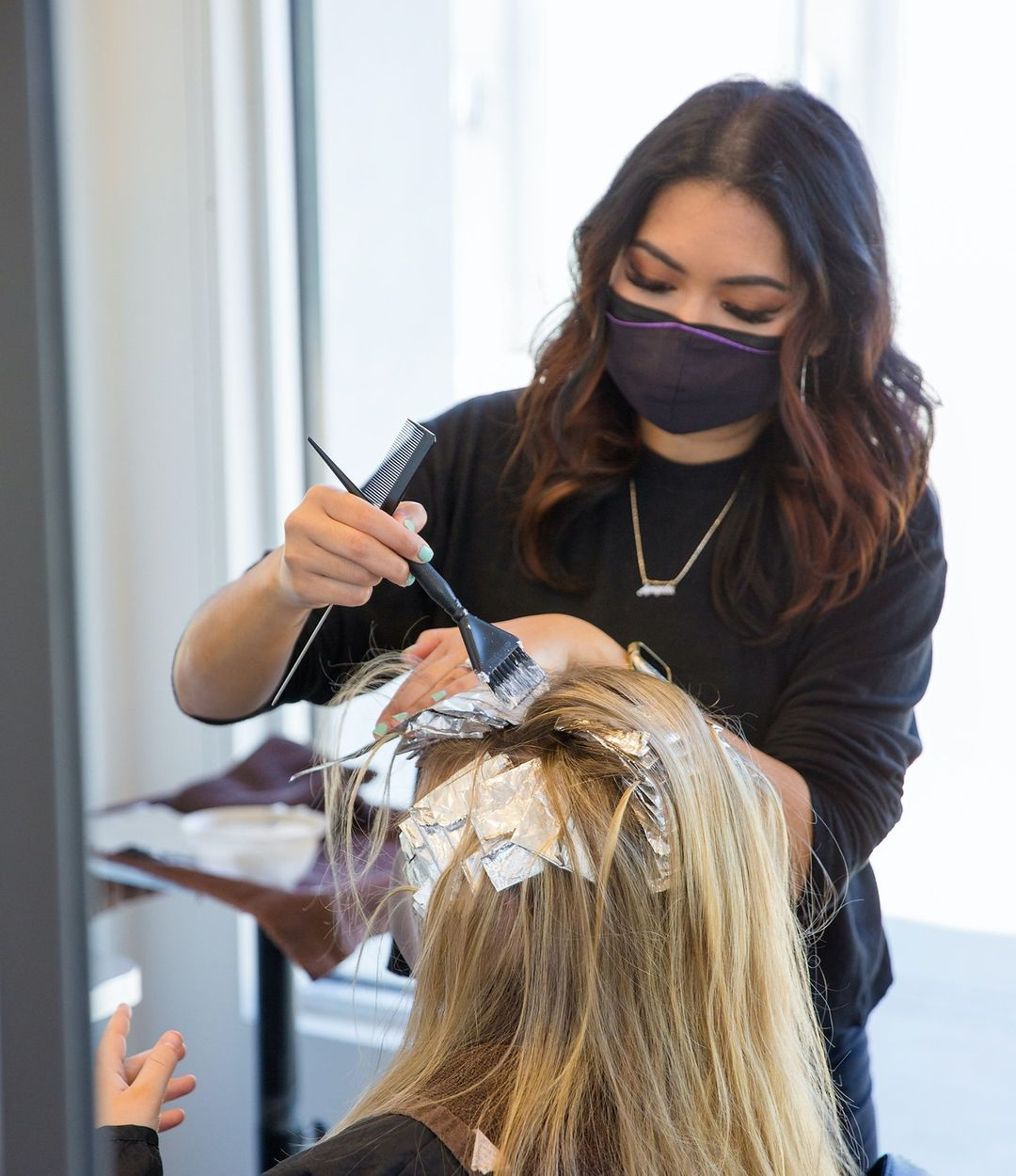
Gloves were available and were worn inconsistently, and a great deal of shampooing, colour application and waving was done bare-handed. Operators’ hands were wet for most of a shift and in contact with detergents, dyes and waving solutions throughout.
Occupational contact dermatitis is the classic disease of the trade, it is caused by precisely this combination of wet work and chemical contact, and it is the leading reason people leave hairdressing. Modern training addresses it directly: gloves for all chemical services, drying hands properly, moisturising, and recognising early signs rather than working through them.
The condition was well recognised in 1960 and was regarded as something that happened to you rather than as something preventable, which is the distinction occupational health spent the following decades changing.
13. Pregnancy was not a consideration
Operators worked full shifts in that air throughout pregnancy and nobody raised it, because there was no framework in which it would have been raised and no information to raise it with.
Current occupational guidance for salon work includes specific consideration of chemical exposure during pregnancy, and the standing advice is to discuss it with an employer and a doctor and to prioritise ventilation, gloves and avoidance of the most volatile products. The evidence on specific outcomes is mixed and the precautionary approach is the recommended one.
No claim is made here about any particular risk, because the evidence does not support a confident one. The change is that the question is now asked at all.
14. Smoking happened in the salon, by everybody
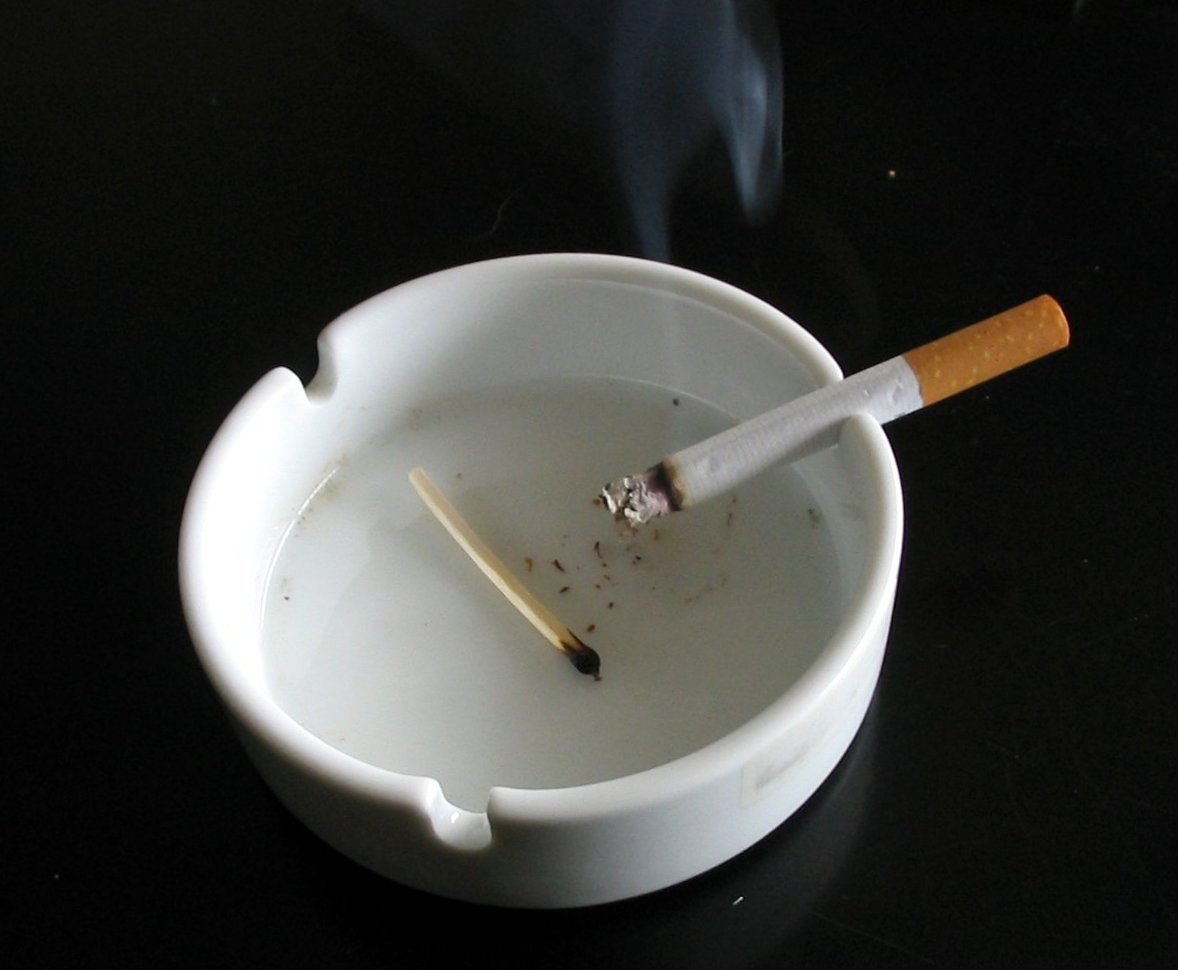
Operators smoked while working, clients smoked under the dryers, and ashtrays sat on the counters among the aerosols and the solvent bottles. The combination of flammable propellants, lacquer vapour and open flames in one small room was simply the normal working environment.
Fire is the obvious point and aerosol hairspray in the vicinity of a lit cigarette was a genuine and documented hazard. The broader change is that smoking in workplaces, salons very much included, has been prohibited across the United States, which removed the fire risk and the exposure in a single move.
A photograph of a 1960 salon with a cigarette burning next to an aerosol can is a hazard assessment all by itself, and nobody at the time saw anything in it.
15. The training was an apprenticeship with no curriculum
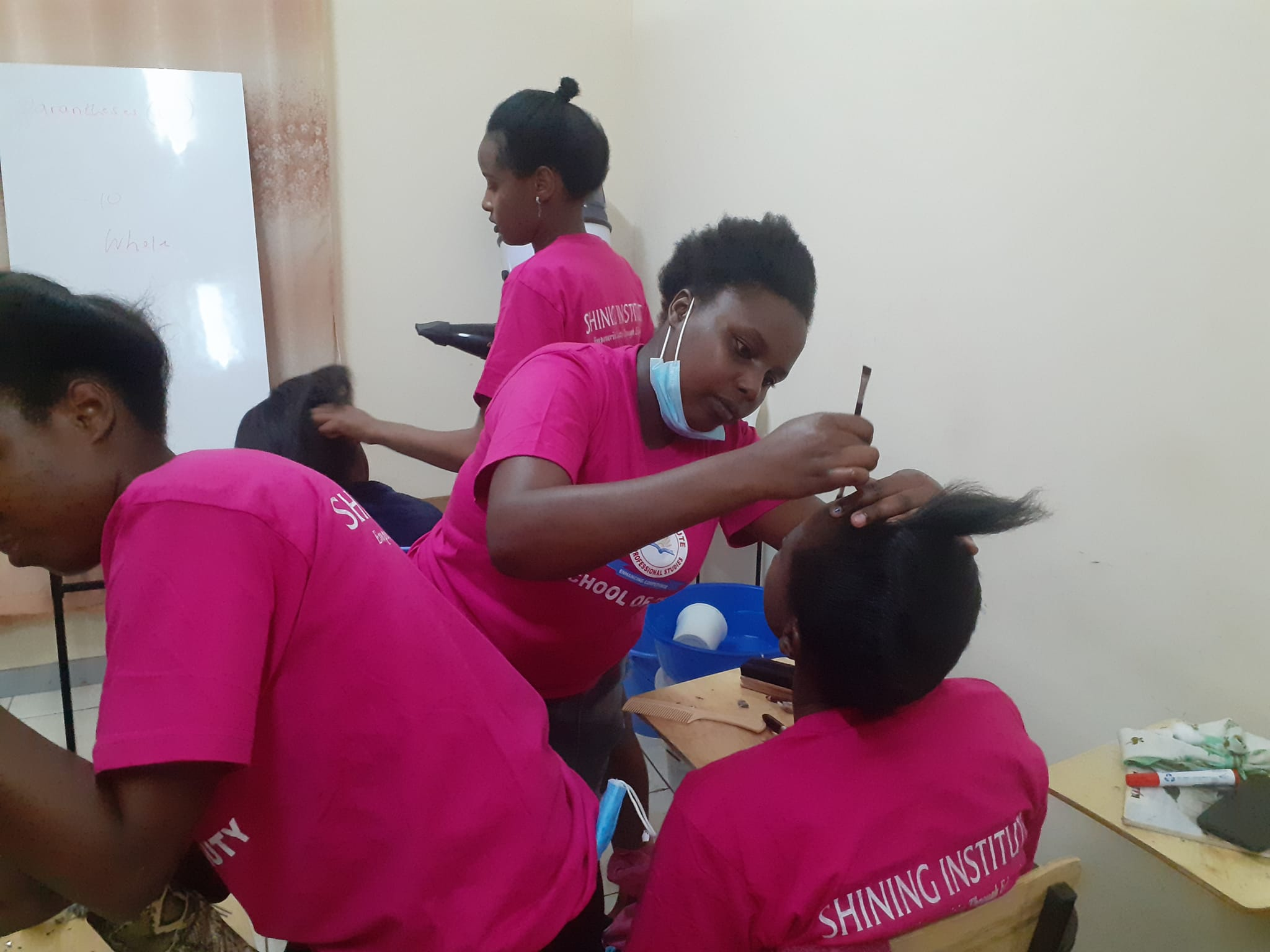
Operators learned by watching and doing, under an experienced stylist, and the content of that training was whatever the salon happened to do. Chemistry, skin biology, infection control and the properties of the products were not taught in any systematic way.
Licensing changed this. American cosmetology licensing now requires a specified number of hours of instruction at an approved school, written and practical examination, continuing education in many states, and the curriculum includes chemistry, infection control, sanitation and the state’s own rules.
Practitioners argue about the hour requirements and the cost, which is a reasonable argument. What is not in dispute is that the 1960 alternative was no standard whatsoever.
16. And the thing that has actually been lost
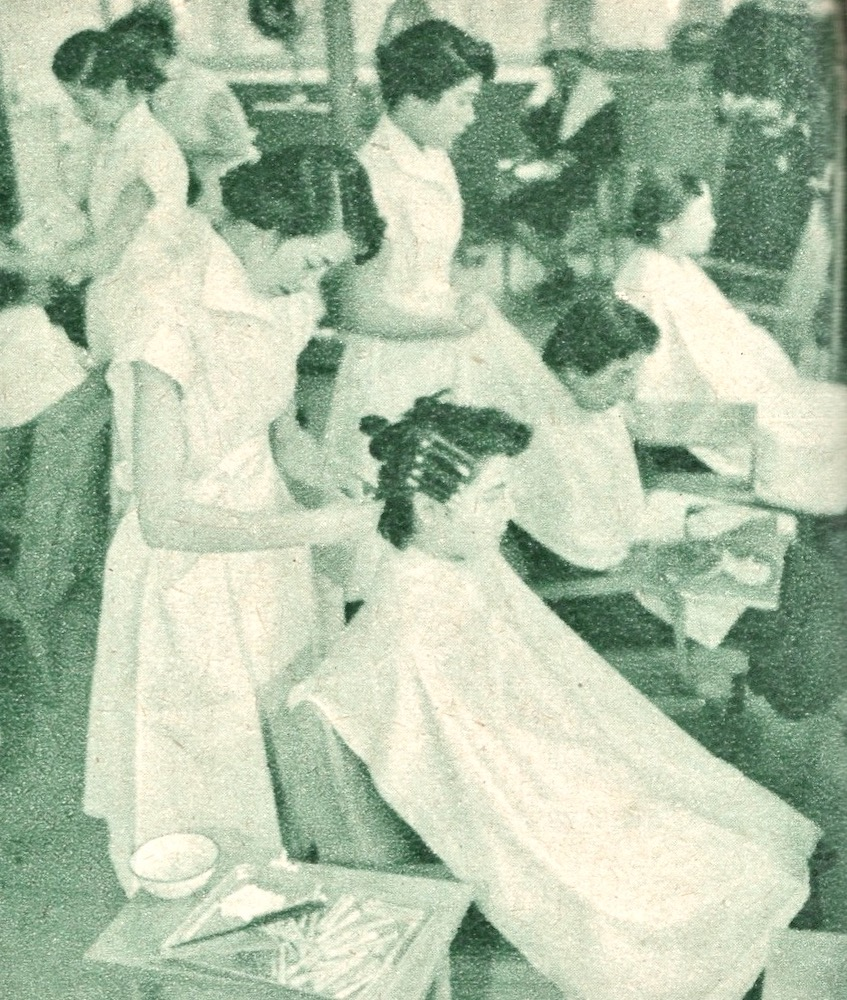
The 1960 salon was a social institution. A woman came weekly, sat for two hours, and talked, and the operator knew her family, her circumstances and her history across decades. In a period when women had few public places of their own, the salon was one of them.
That function was real and was independent of the hairdressing. The weekly set has gone, the frequency has collapsed, and the modern salon visit is a transaction of forty minutes with somebody who may be different each time, which is better in almost every technical respect and is not the same institution.
The fair summary of this list is that the chemistry, the equipment, the sanitation and the training have all improved beyond comparison, that the operators were the ones carrying the cost of the old arrangements, and that the thing worth missing is the two hours of conversation.
Who the rules were actually written for
The striking thing about the modern regulation of this trade is how much of it protects the operator rather than the client. Ventilation requirements, local extraction at nail stations, glove use for chemical services, the recognition of occupational dermatitis as the trade’s characteristic disease, the prohibition on particular nail monomers, the removal of a carcinogenic aerosol propellant: all of those address somebody who is in the room every day.
The client-facing rules are narrower and sharper. The patch test before colour, the prohibition on permanent dye near the eye, implement disinfection between clients, and the equipment standards on dryers are the four that a client would notice, and each one addresses a specific injury that was happening regularly in 1960.
The pattern is the same one that runs through every occupational file of the period. The hazard was understood as something that came with the job, the person exposed had no information and no standing, and the regulation that followed consisted largely of writing down what good practice already looked like and then requiring it.
The one piece of this that matters to a client is the patch test. It is not a formality and it is not a liability exercise: sensitisation to hair dye can develop at any point, including after years of uneventful colouring, which is why the test is repeated after a gap rather than done once.
The rest of the list is a history of a trade getting safer for the people who work in it, and the part worth keeping is the one that was never regulated at all. The weekly two hours of conversation did something that no amount of ventilation replaces.
Like our content? Follow us for more.
