In 1968 a child was given a wallet at an age when they had no money, which meant the object preceded its purpose by several years. A container for currency, handed to somebody with no currency, is aspirational rather than useful – and every child who received one understood that immediately. So it was carried empty for a long time: the first year of ownership consisted of having the thing, checking it, and demonstrating to anybody who would look that it existed, with nothing inside it at all. Here are sixteen things every kid remembers about their first wallet in 1968, and why cards and phones made it pointless.
1. It Arrived Before There Was Anything to Put in It
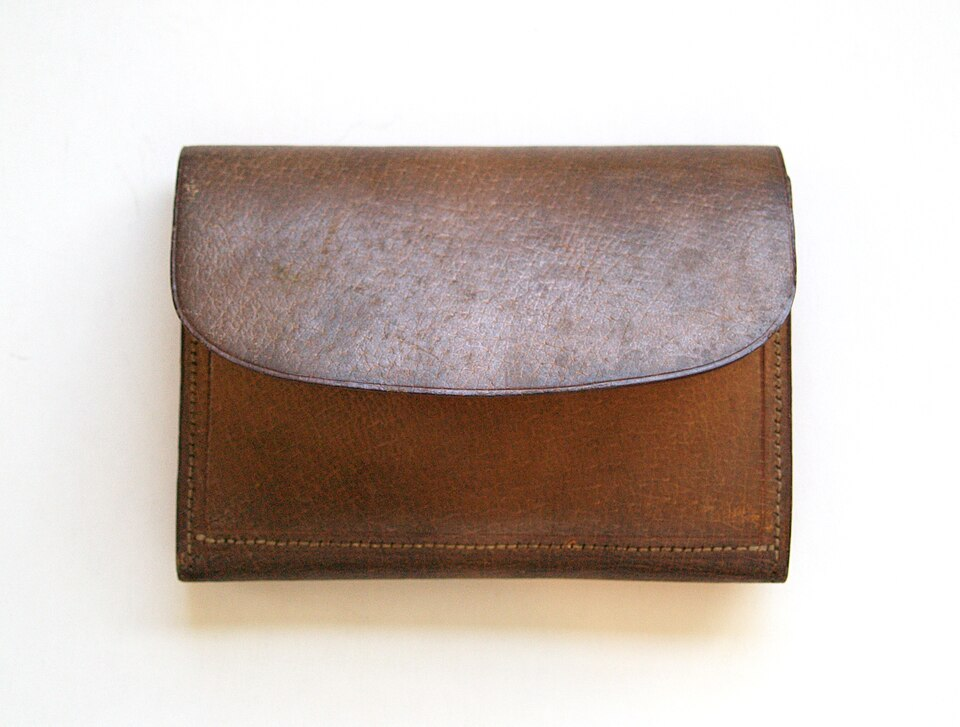
Children were given one at an age when they had no money, which meant the object preceded its purpose by several years.
The sequencing was the whole oddity. A container for currency, handed to somebody with no currency, is an aspirational object rather than a useful one, and every child who received one understood that immediately.
So it was carried empty for a long time. The first year of ownership consisted of having the thing, checking it, and demonstrating to anybody who would look that it existed, with nothing inside it at all.
Like our content? Follow us for more.
2. It Was Almost Always a Gift and Almost Never Requested
Nobody asked for one; they appeared, from an adult who had decided a child had reached a particular stage.
The decision was the significant part. Somebody had looked at a child and concluded that they were now a person who should have somewhere to keep money, which is a judgement about status rather than a response to a need.
That is why the giver is remembered. People who can recall nothing else about the object can generally say who handed it to them, which is unusual for a possession of such small value.
3. The Smell of It Was the First Thing
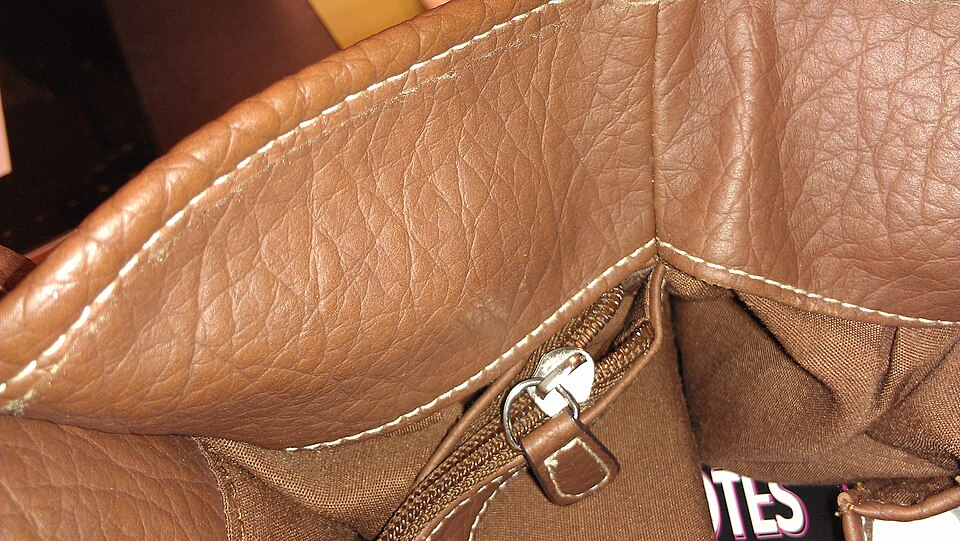
A new one had a distinct smell that lasted a few weeks and was the strongest early memory for a great many people.
The source was the material and the newness together. Whatever these were made of released something for a short period, and a child examining a new possession closely was positioned to notice it.
Nobody expects to remember that. The recollection of the smell of a specific object from 1968 surprises the people who have it, and it is reported consistently enough to be unmistakable.
4. Everything Went in It Except Money
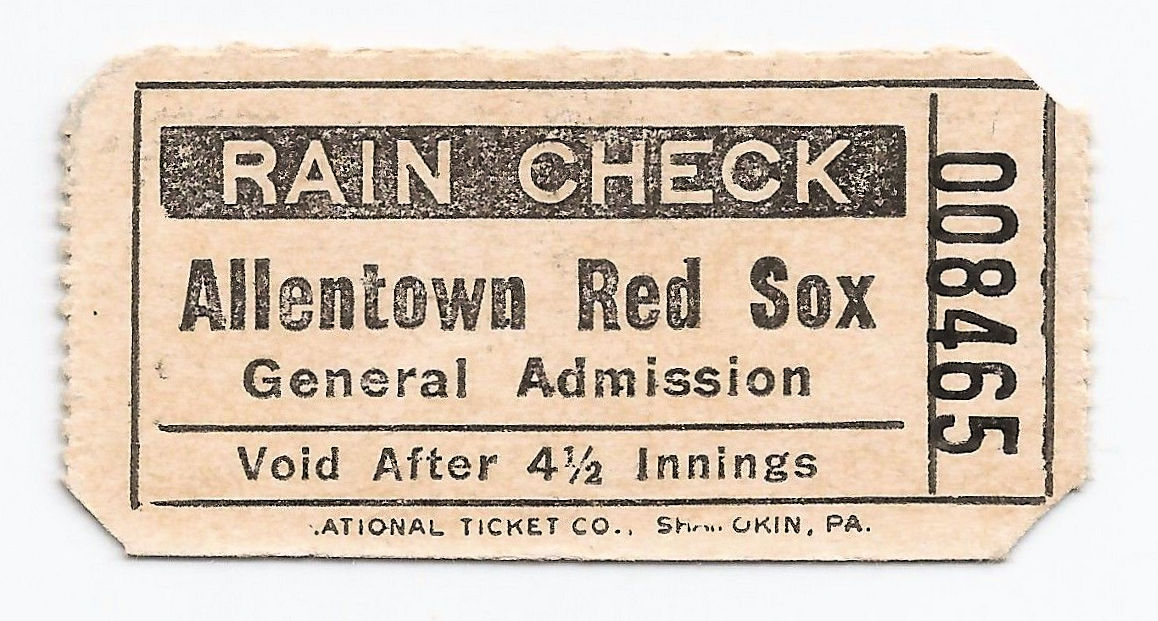
The compartments filled with paper, tickets, cards and small flat objects of no value to anybody else.
The function drifted immediately. A container with pockets and no money becomes a container for whatever is pocket-shaped, and children filled theirs with an accumulation that reflected their own interests exactly.
The contents were a self-portrait. What a child chose to carry in a wallet, given that none of it was currency, is a more honest record of what mattered to them than anything they would have said out loud.
The accumulation also grew faster than the object could hold it. A wallet designed for a small number of flat items was carrying twice that within a few months, which meant it would no longer fold properly and sat in a pocket as a wedge rather than as a flat object.
5. The Clear Window Was the Most Important Feature
Most of these had a transparent pocket intended for identification, and children put something in it immediately.
The window demanded an occupant. A frame designed to display something is unbearable when empty, and every child who owned one of these found something to put behind the plastic within days.
What went in it varied enormously and mattered a great deal. A picture, a card, a cut-out or something a child had made themselves occupied the one position in the object that other people would see.
6. It Was Opened and Shown to People Constantly
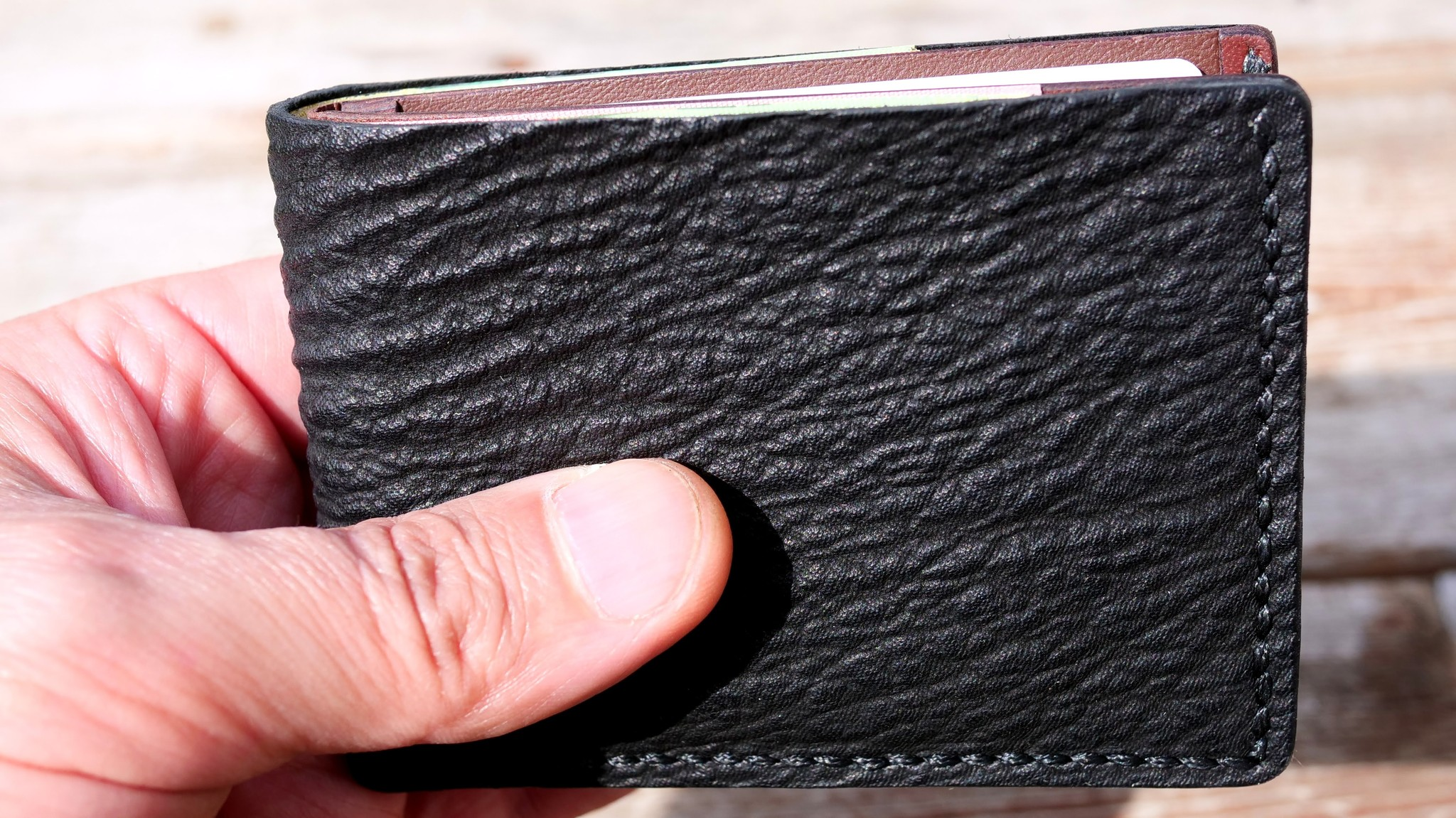
The contents were displayed to anybody who expressed the slightest interest, and frequently to people who had not.
The display was the point of ownership. A possession nobody has seen is barely a possession at a certain age, and the whole value of the thing lay in having it to open in front of somebody.
Adults played along generously. Being shown the contents of a nine-year-old’s wallet, and responding appropriately, was a small social duty of the period that a great many adults discharged repeatedly and without complaint.
7. Carrying It Was a Problem Nobody Had Solved
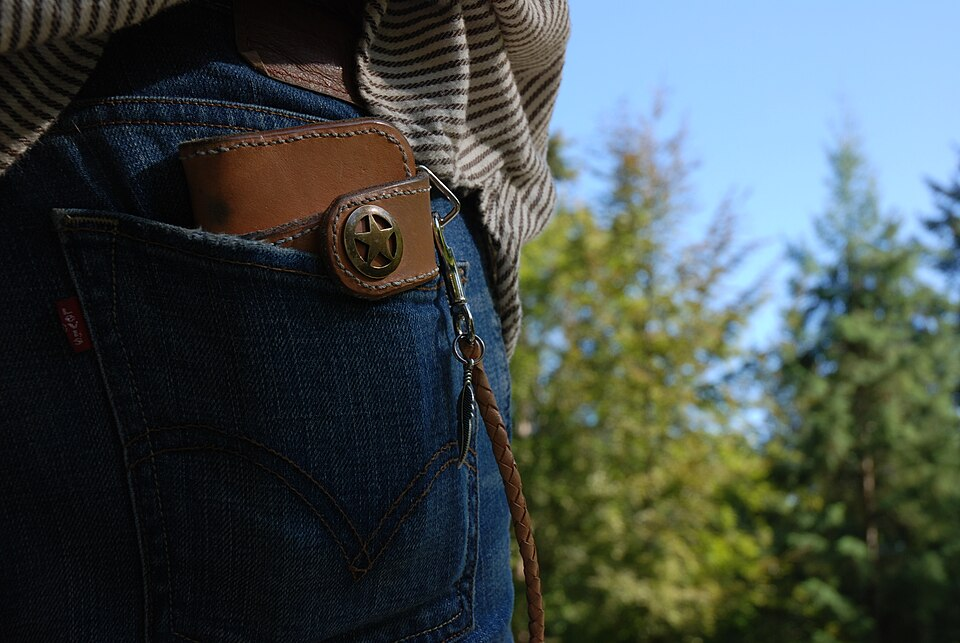
Children’s clothing of the period had pockets that were too shallow, too tight or not there at all.
The mismatch was a design failure in the clothing rather than in the object. A wallet is sized for an adult garment, and a child’s pocket is not an adult pocket, which meant the thing bulged, protruded or would not go in at all.
That produced the standard loss. A wallet carried in an inadequate pocket comes out when the child sits down, runs or turns over, and the overwhelming majority of these objects were lost rather than worn out.
8. Losing It Was a Serious Matter With Nothing Serious in It
A wallet containing no money at all was mourned out of all proportion to its contents.
The disproportion makes sense once the contents are considered. What was lost was not value but an accumulation that could not be reassembled – the tickets, the picture behind the window, the things a child had chosen to keep.
The search was exhaustive and usually futile. A great many people can describe where they last remember having it, which is the specific signature of something that was never found.
There was also a standard place it lived when it was not being carried. Almost every child had one specific location for it, chosen for being out of sight rather than for being secure, and the whole household generally knew where that was within a week.
9. Nobody Else Was Allowed to Look Inside
The object was private, the privacy was asserted strongly, and it was the first thing most children had any privacy about.
The scarcity explains the intensity. In a household where a child had no lockable space and nothing exclusively their own, a closed container they carried was the first and only thing nobody else could inspect.
Siblings tested it immediately. A wallet left anywhere was examined by whoever found it, and the discovery that it had been gone through produced a grievance that was entirely legitimate and not generally upheld.
10. The First Real Money in It Changed Everything
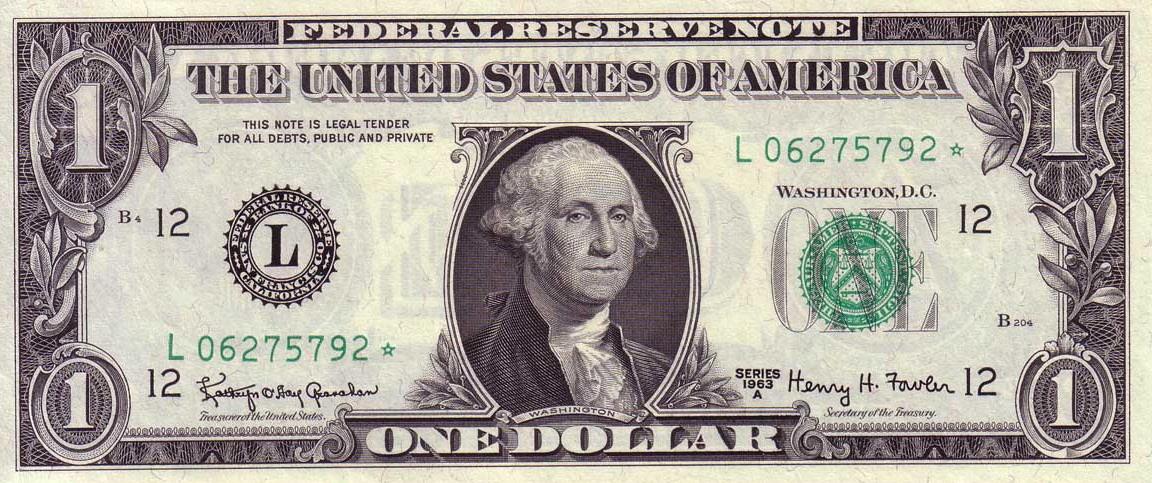
At some point actual currency went in, and the object acquired the function it had been waiting several years for.
The transition was abrupt and memorable. A wallet with money in it is a different object from a wallet with tickets in it, and children registered that change immediately and treated the thing differently afterwards.
They also stopped showing people. A container with money in it is not opened in front of an audience, and the display habit that had defined the first years of ownership ended within about a week.
11. It Taught Counting in a Way Nothing Else Did
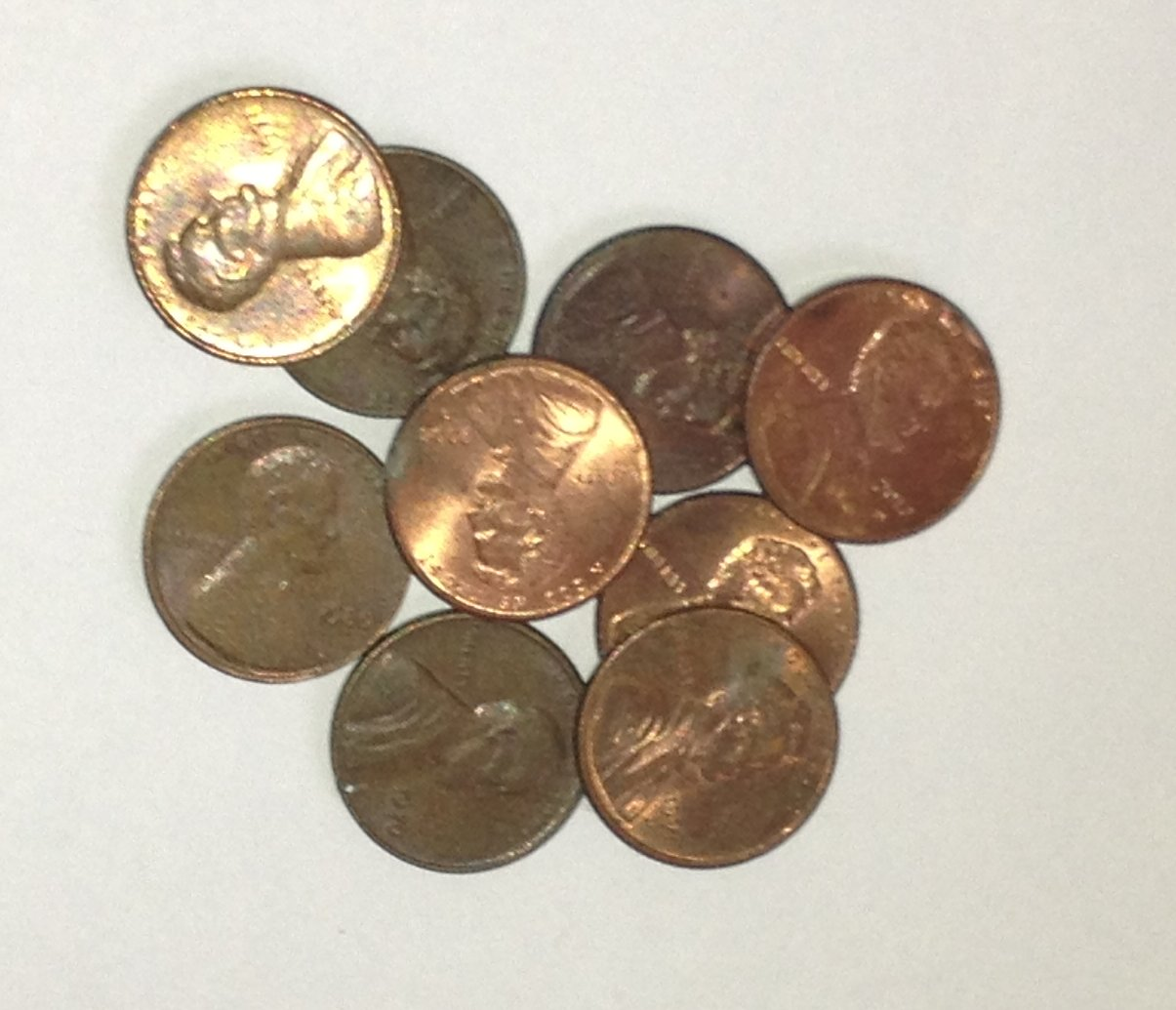
Money in a container that belongs to you gets counted, repeatedly, by somebody with a strong interest in the total.
The motivation was the difference. A child counting their own money is doing arithmetic they care about, which is a completely different activity from doing arithmetic somebody has set, and the accuracy improved accordingly.
The total was checked far more often than it changed. Counting an unchanged amount several times a day is characteristic behaviour, and almost everybody who owned one of these did it.
12. The Compartments Were Never Used as Intended
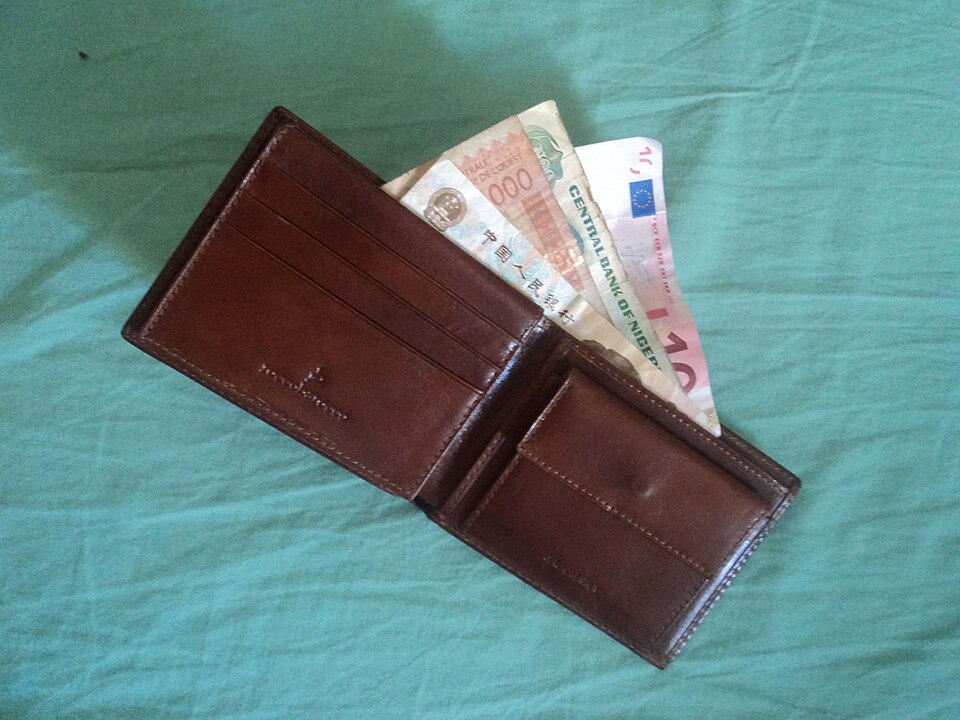
These objects had sections for specific purposes, none of which matched what a child actually had.
The design assumed an adult life. Divisions intended for notes, cards and documents are useless to somebody with none of those, so children repurposed every compartment and used them in an order that made sense only to them.
The arrangement was strictly maintained. A child who had decided what went in which section kept to it precisely, and could tell immediately if anything had been moved.
13. It Fell Apart at the Fold
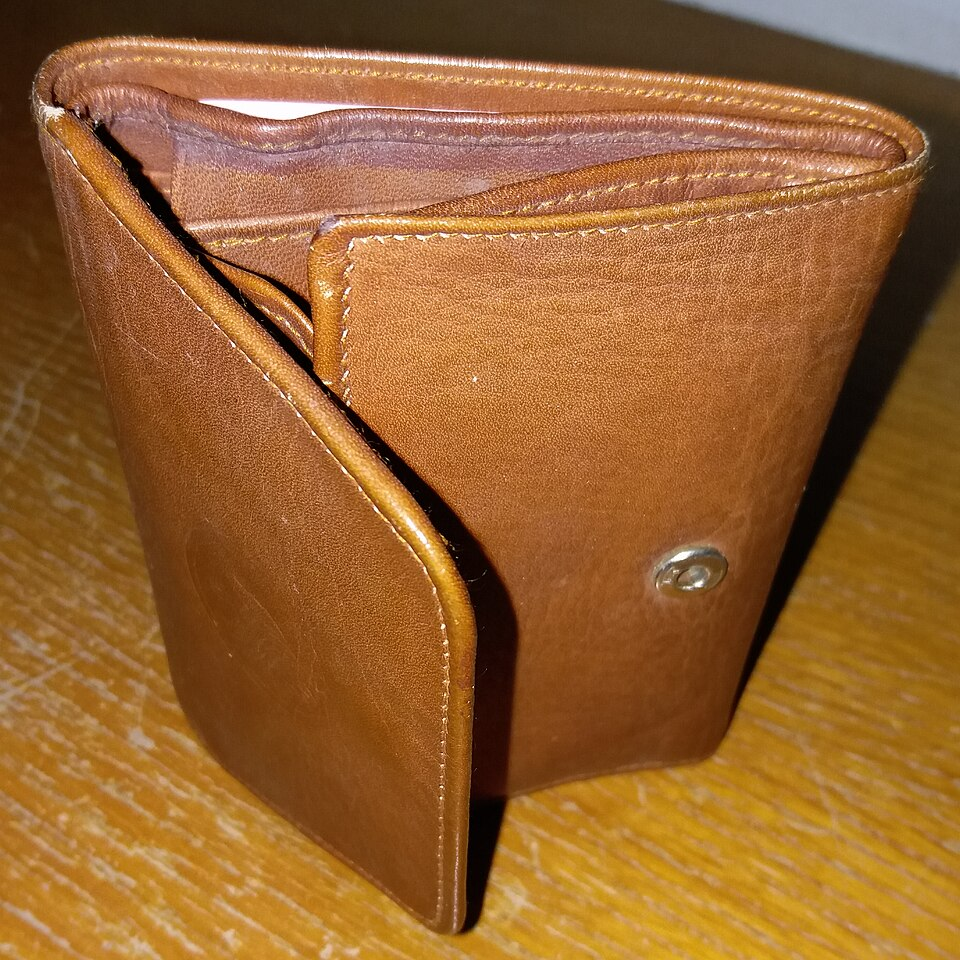
Every one of these failed in the same place, because that is where the material was worked hardest.
The failure was structural and universal. A hinge that is opened and closed several times a day will go before anything else, which means every wallet of that period developed the same crack in the same position.
Nobody repaired them. A split along the fold was tolerated for a year or more, got worse, and was eventually the reason the object was replaced rather than the reason anybody did anything about it.
The failure also arrived earlier than anybody expected. An object a child had been given to last for years developed its split within about eighteen months, which is a lesson about the quality of inexpensive things that most people did not draw at the time.
14. Replacing It Was Never as Good
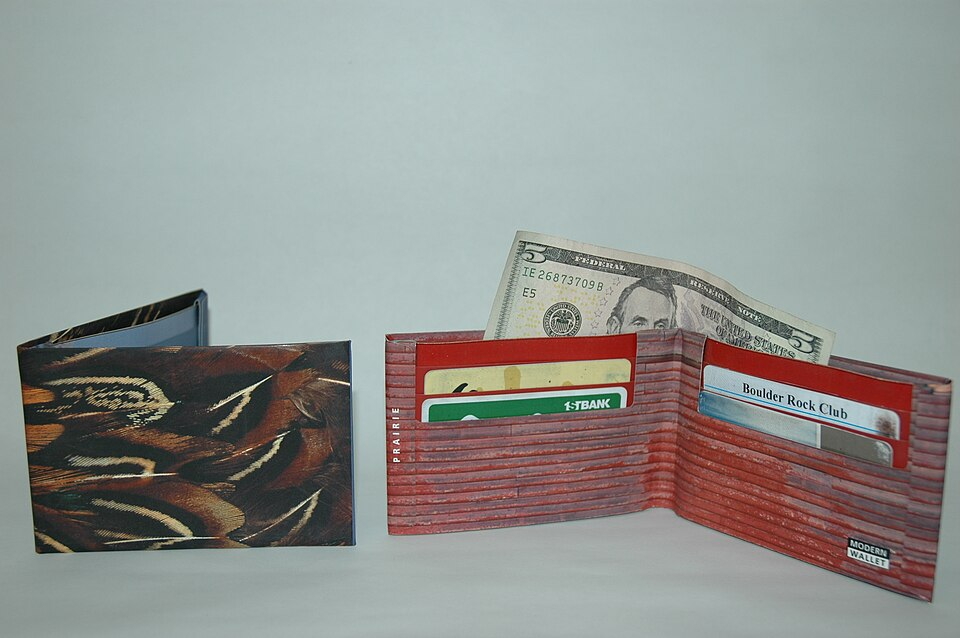
A second wallet, bought rather than given, did not occupy the same place as the first.
The difference was in the decision. The first one had arrived as somebody’s judgement about a child’s status, and a replacement was simply a purchase, which is a completely different object however similar it looked.
People remember the first and not the second. Almost nobody can describe their second wallet, which says something about what the first one actually was.
15. It Was the First Object a Child Owned Alone
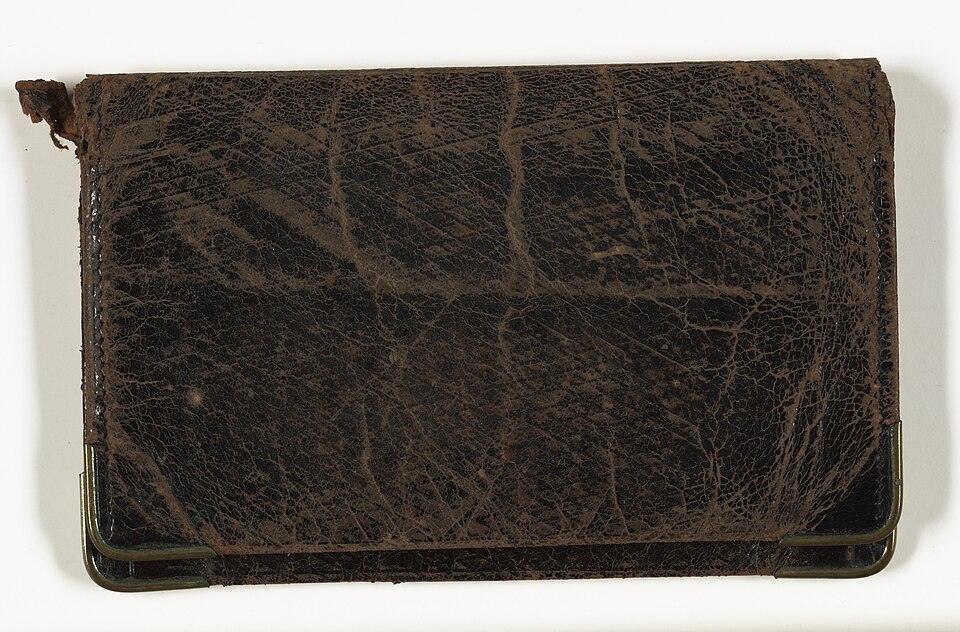
Everything else in a child’s possession was shared, inherited, communal or subject to inspection, and this was not.
That is the real significance of it. A possession that is yours, carried on your person, closed, private and not available to anybody else was genuinely novel for a child of that period, and the money was incidental.
Which is why it is remembered so disproportionately. People describe a cheap folded object from 1968 in more detail than they describe things of far greater value, because of what it was rather than what it was worth.
16. Then Children Stopped Needing Somewhere to Keep Cash
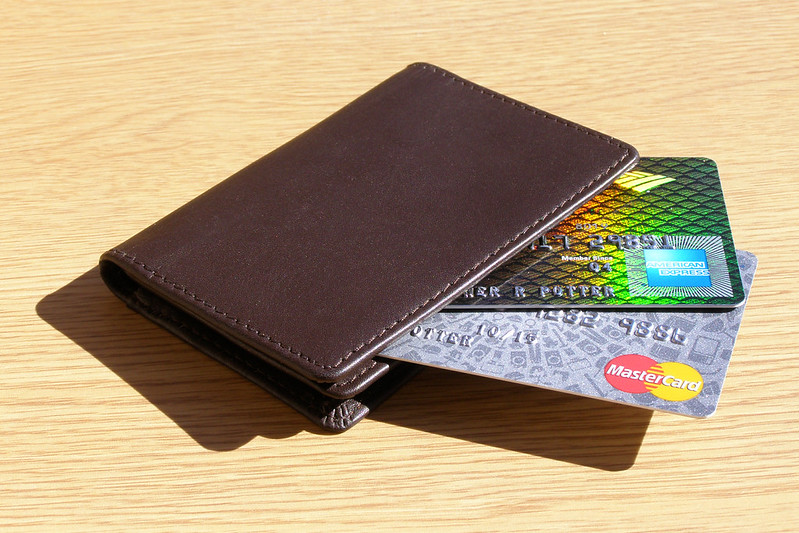
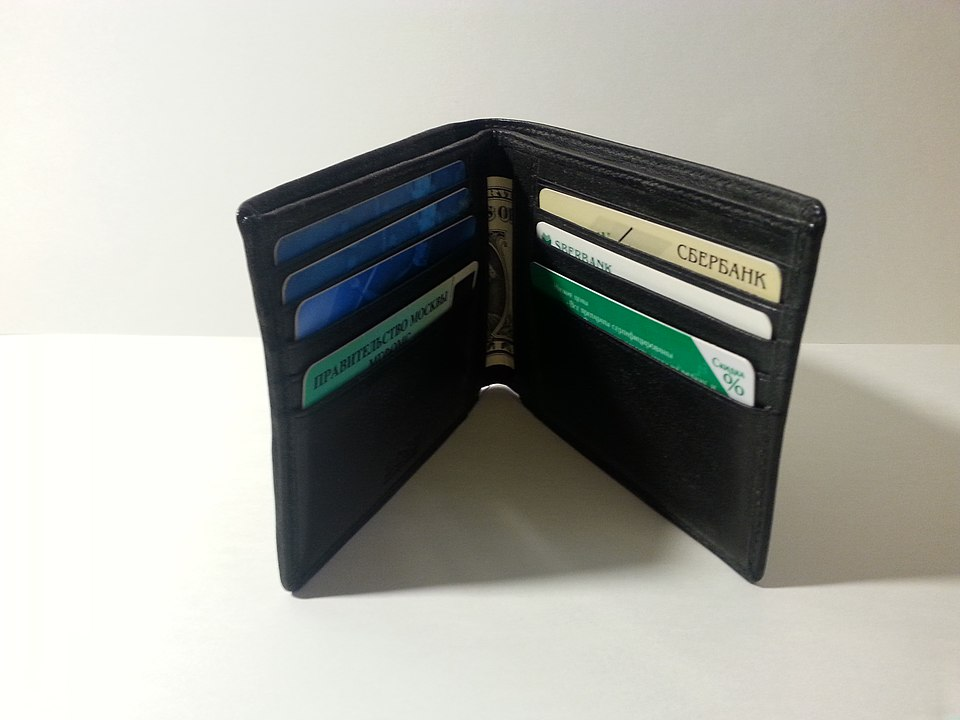
Cards, accounts, devices, far less cash in circulation and a complete change in how children hold money removed the object and the stage it marked.
Most of that is straightforward progress and nothing here is an argument against it. A child’s money is now safer, recorded and recoverable, which is plainly better than a folded container in a shallow pocket.
What went with it is a first private thing. An object handed over before there was anything to put in it, carried empty for a year, filled with an accumulation that was a self-portrait, displayed to anybody who would look, lost out of a pocket that was never the right size, and remembered sixty years later in more detail than things that cost a hundred times as much.
What It Was Actually For
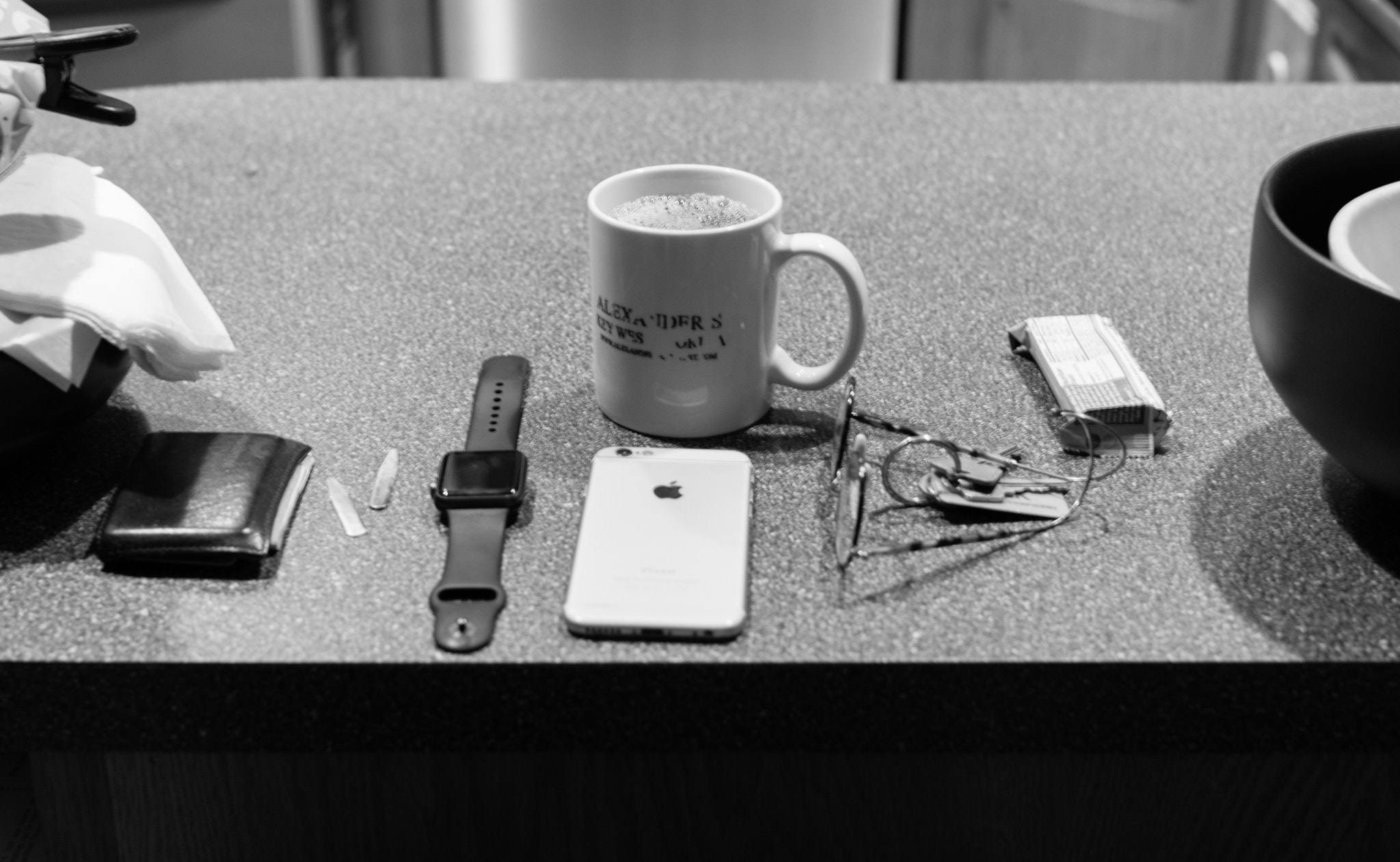
Read in order, the sixteen describe an object whose stated purpose was the least important thing about it. The money came years later. What filled it in the meantime was paper, tickets, cards and small flat objects of no value to anybody else – an accumulation that reflected a child’s own interests exactly, and which is a more honest record of what mattered to them than anything they would have said out loud. The clear window compelled its own occupant, because a frame designed to display something is unbearable when empty, and whatever went behind the plastic occupied the one position other people would see.
The real significance is in the fifteenth item. Everything else a child of that period possessed was shared, inherited, communal or open to inspection; this was closed, carried on the person and available to nobody else. It was the first private thing most of them had, which is why siblings tested it immediately and why the grievance about having been gone through was entirely legitimate and generally not upheld.
The arrival of actual money changed the object completely and ended the thing that had defined it. A wallet with currency in it is not opened in front of an audience, and the display habit of the first few years stopped within about a week – replaced by counting, repeatedly, a total that was checked far more often than it changed.
Most of the change is straightforward progress and nothing above is an argument against it. A child’s money is now safer, recorded and recoverable, which is plainly better than a folded container in a pocket that was never the right size for it.
What went with it is a first private thing: handed over before there was anything to put in it, carried empty for a year, displayed to anybody who would look, lost rather than worn out, and remembered sixty years later in more detail than possessions that cost a hundred times as much.
Like our content? Follow us for more.