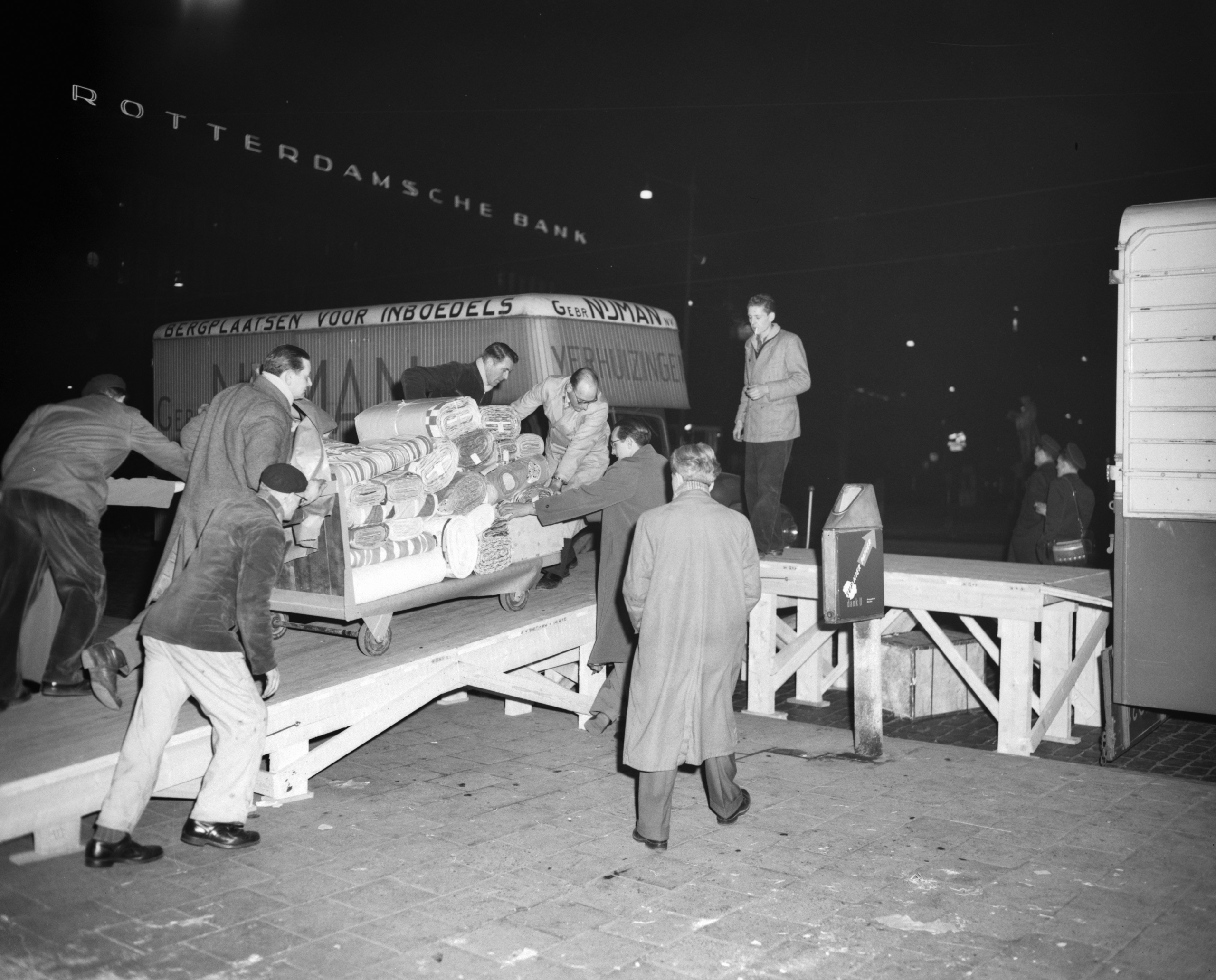
The removal trade in 1960 ran on four men, a lorry, a set of leather straps and a rope. There were no tail lifts, no stair-climbing trolleys, no weight assessments and no protective equipment of any kind, and the load was whatever a household owned, carried on somebody’s back.
It produced an injury profile closer to heavy industry than to a service trade, and it also produced a genuine craft in loading and packing that the men were rightly proud of. Here are sixteen things about that job.
1. Everything went on a man’s back, because there was nothing else
A household move in 1960 was done by three or four men, a lorry and a set of leather straps. There were no stair climbers, no powered tail lifts on an ordinary van, no sack trucks on most jobs and no hoisting equipment beyond a rope.
The modern trade runs on equipment: powered tail lifts, stair-climbing trolleys, furniture skates, hump straps designed around a shoulder yoke rather than a bare back, two-man carry systems and genuine assessment of what is being moved before anybody touches it. The expectation now is that the equipment takes the load and the men guide it.
The change was not a matter of comfort. The trade had an injury profile that read like a quarry, and the equipment arrived because the injuries were unsustainable rather than because anybody minded the effort.
Like our content? Follow us for more.
2. A piano was carried on one man’s back
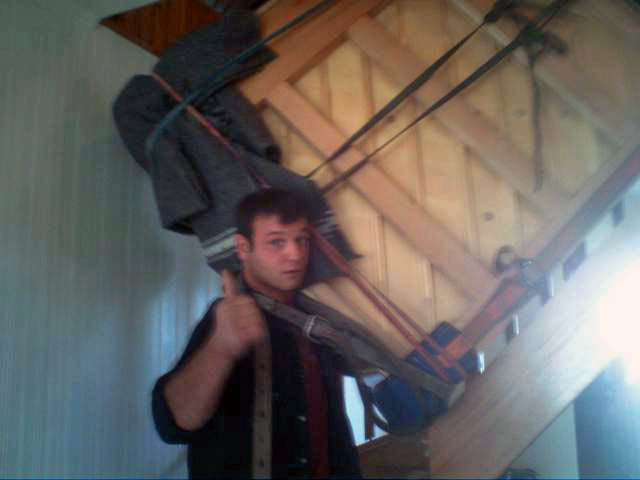
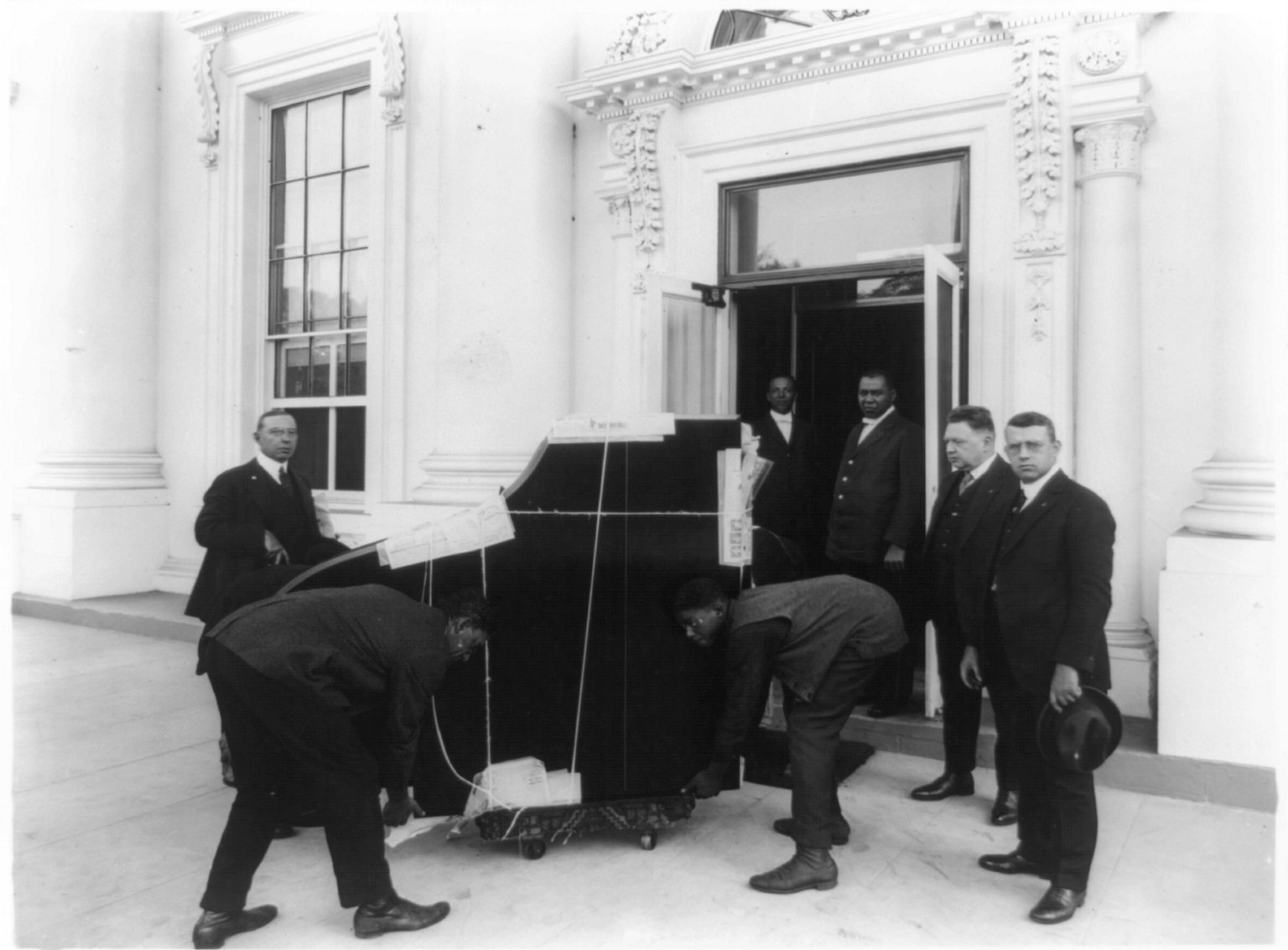
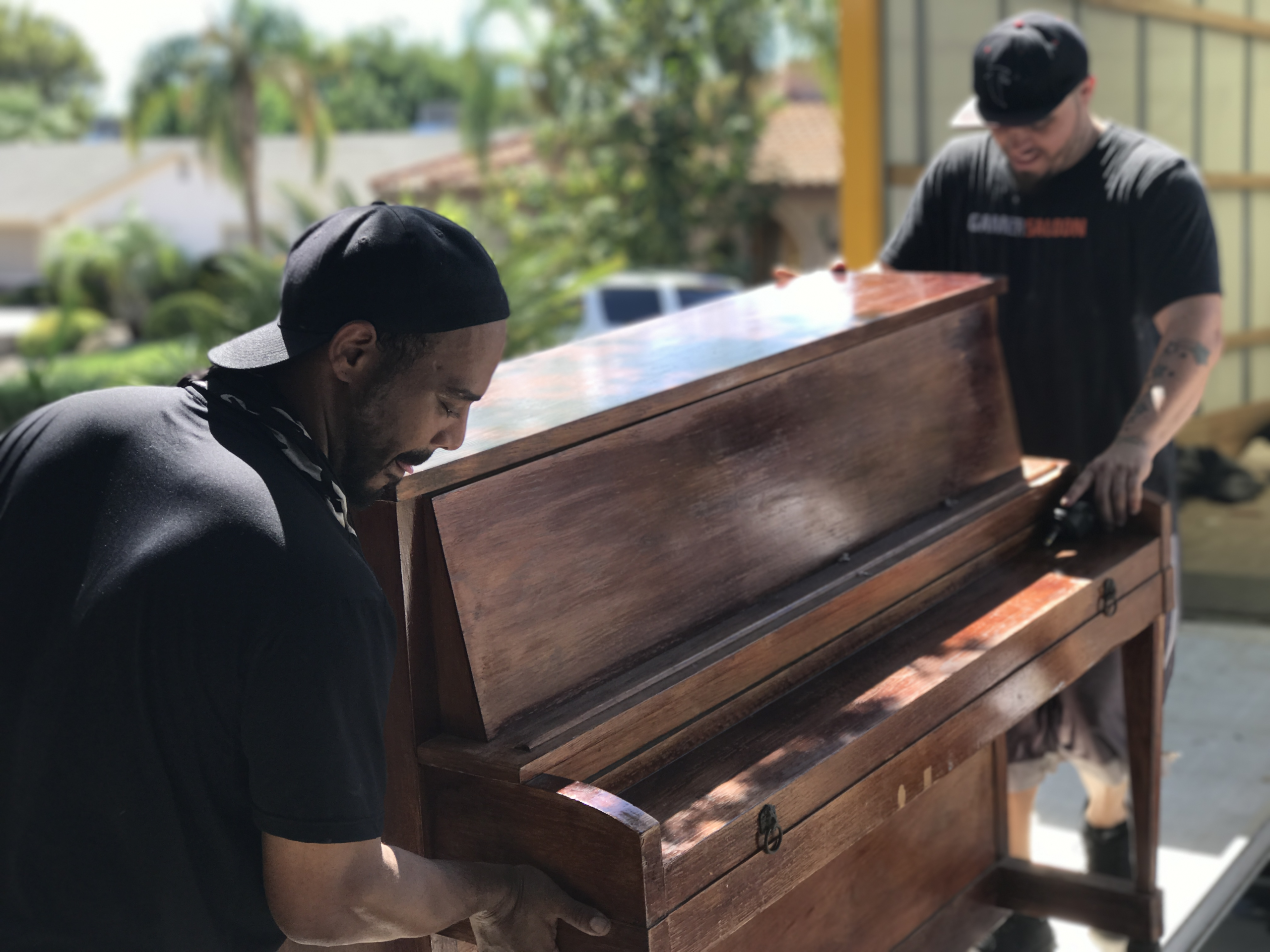
An upright piano went up or down stairs on a single man’s back, tipped onto a leather strap across his shoulders with another man steadying it from below, and the whole weight of it rested on one spine at the point of the turn.
Piano moving is now a specialist job with its own equipment — piano boards, skids, dollies, stair-climbing machines, four-man crews and in many cases a crane for an upper floor. Any firm that sent one man up a staircase under an upright would not be insurable.
This is the item that every retired removal man mentions first, and the ones still alive to mention it are the ones whose backs held.
3. The real danger was the turn on a landing
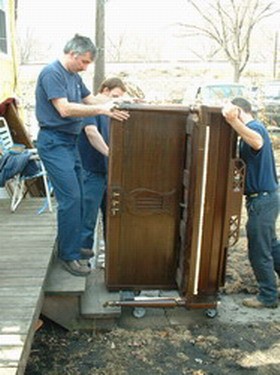
Stairs were manageable in a straight run. The hazard was the quarter-turn landing in a terraced house, where the load had to be lifted, pivoted and taken over a banister with no room for feet, and where the man underneath took everything.
Modern practice assesses the route before the lift: measuring the stair, the landing and the doorways, deciding whether the item goes that way at all, and choosing an external hoist or a dismantle instead where it does not. The decision is made before the weight is picked up rather than halfway round the bend.
A surprising amount of modern removal work is dismantling and rebuilding furniture precisely to avoid this, which was not an option when the furniture was built to be solid and not to come apart.
4. Big items went out through an upstairs window on a rope
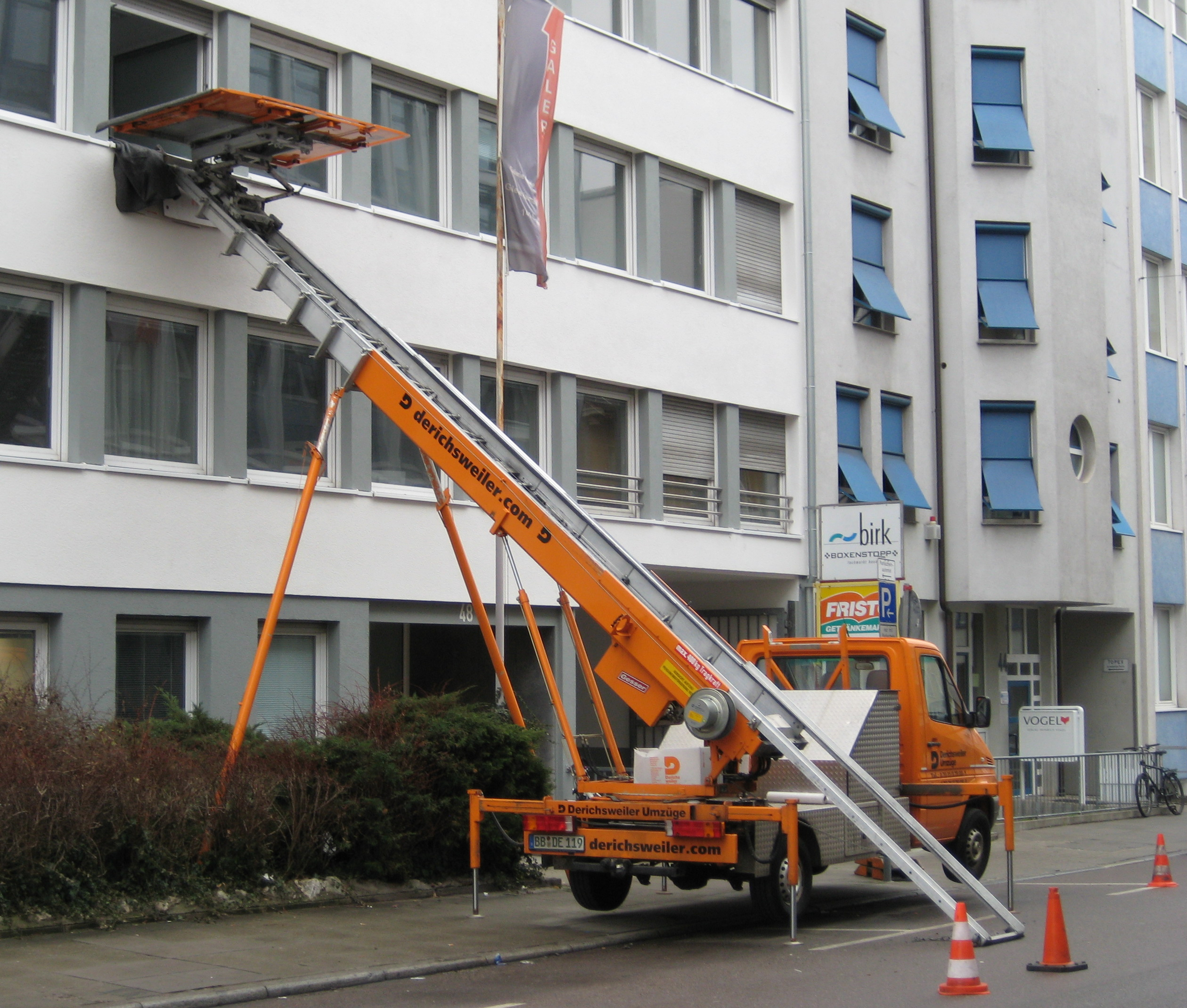
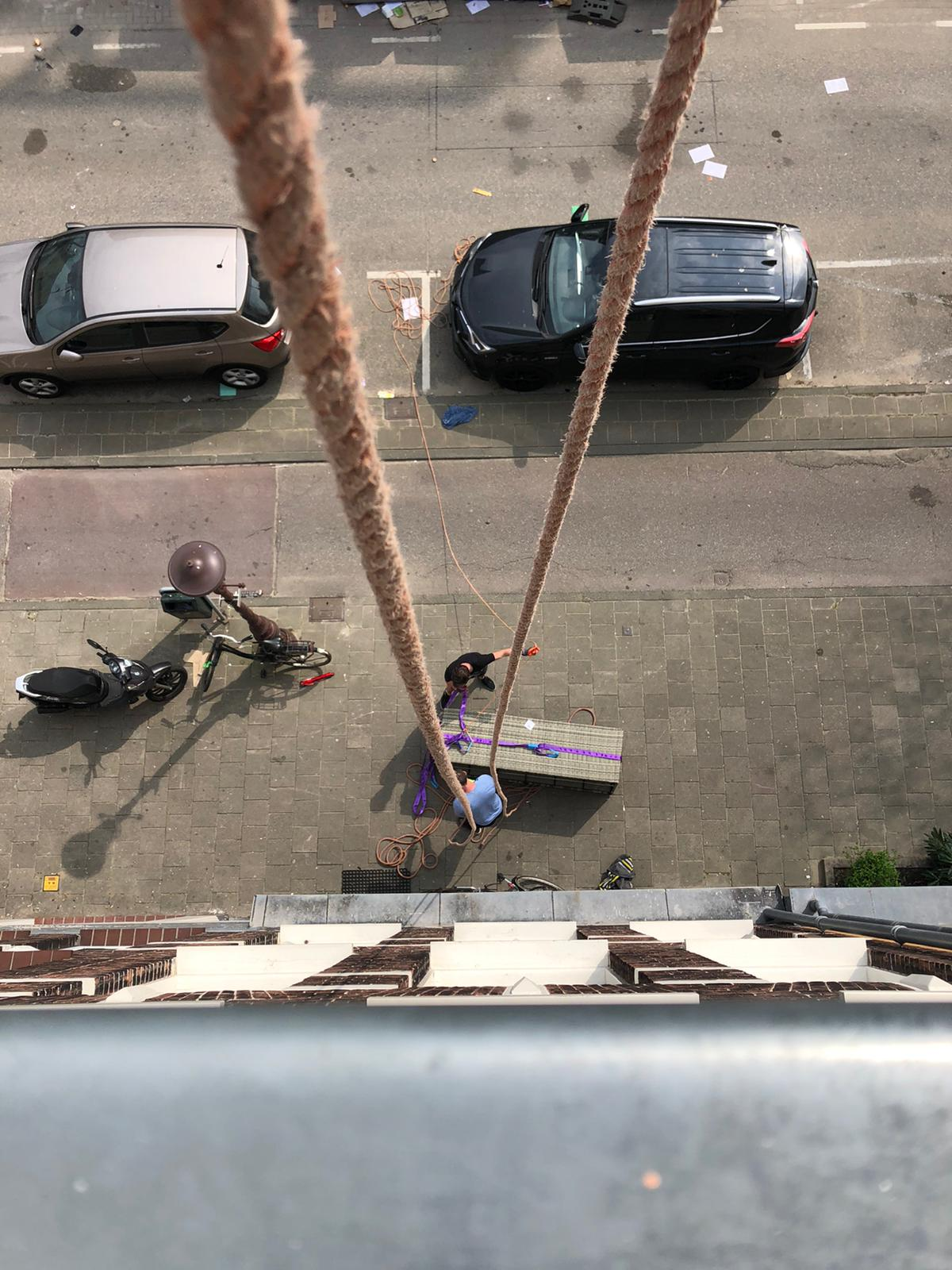
A wardrobe or a piano that would not go down a staircase came out of the window, on a rope over a gin wheel hooked to the sill or the parapet, lowered hand over hand by men standing in the room with their feet braced.
Lifting operations are now planned: a rated hoist or crane, an appointed person responsible for the plan, inspected and certificated lifting gear, exclusion of people from underneath the load, and no lifting over a public footway without permission and barriers. The friction of the arrangement is the point.
The historic version of this had three failure modes at once — the fixing, the rope and the men holding it — with the street below unprotected, and it was done as a routine part of an ordinary Tuesday.
5. Nobody had assessed the weight of anything
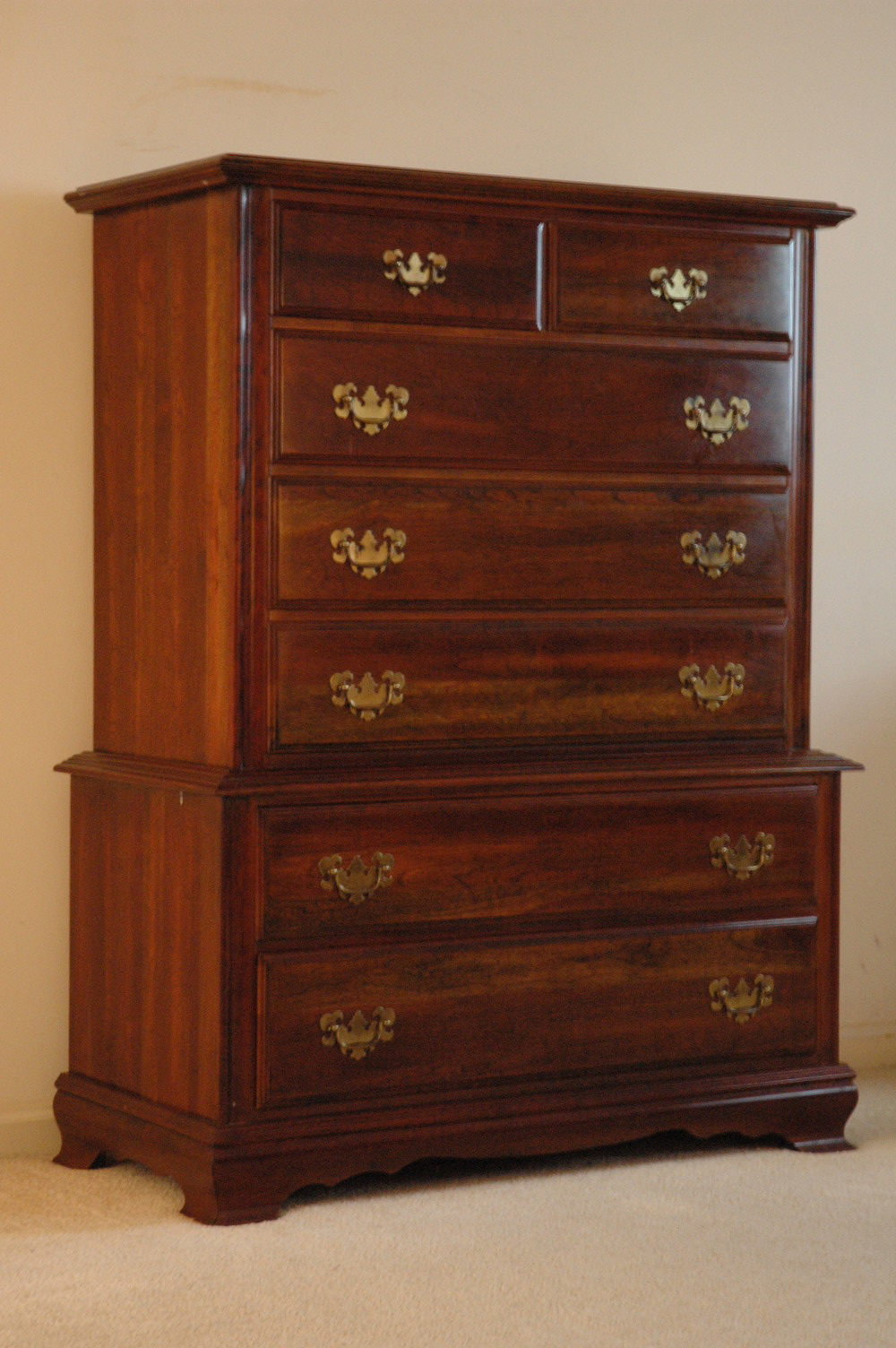
A wardrobe was lifted with the drawers still in it. A chest of drawers went up with the contents left in place to save time. Nobody weighed anything, and the judgement was whether two men could get it off the floor.
There is now a formal expectation of assessment: the weight and shape of the load, where it has to go, who is lifting it, the number of people needed and the aids available, with the hierarchy being to avoid the lift, then mechanise it, then reduce it — which in practice means emptying the drawers.
Emptying a chest of drawers before you move it is the single most useful thing in this file and it applies to anybody moving their own things, which is most people.
6. Appliances were disconnected by whoever turned up
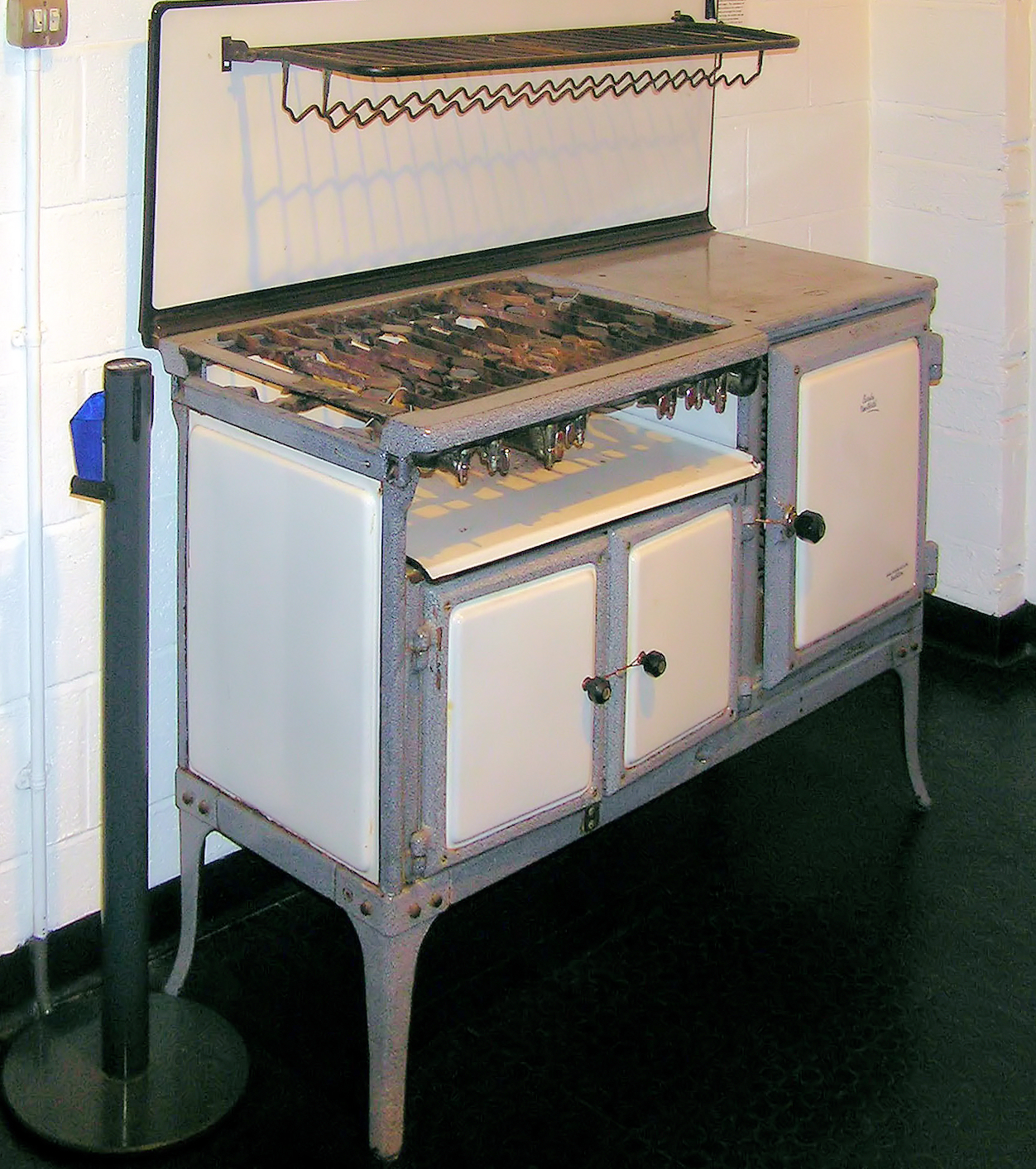
Cookers, gas fires and water heaters were pulled off their connections by the removal men, who had a spanner and a sense of how it probably worked, and reconnected at the other end in the same spirit.
Gas work is now restricted to registered engineers in essentially every developed jurisdiction, and disconnection as well as connection falls inside that restriction. Electrical connection of fixed appliances is similarly controlled. A removal firm will cap a supply only if it holds the registration, and most simply will not touch it.
This is the one item in the file where the hazard was to the household rather than the men. A gas appliance reconnected by somebody unqualified is the classic source of a carbon monoxide incident, and it is why the restriction exists.
7. The lorry was roped and sheeted by hand
Most firms ran open or part-open lorries, and the load was built up, covered with a tarpaulin and roped down with a set of knots that every man in the trade knew, in whatever weather there was, standing on the load.
Load security is now a defined legal duty with specified restraint systems, rated straps, curtain-sided or box bodies as standard, and prohibitions on climbing on an unsecured load. Working at height on a vehicle bed is treated as working at height, with the same requirements as any other.
The roping was a genuine skill and the men were proud of it, and it was also the reason a proportion of the trade’s falls happened before the lorry had moved at all.
8. Loading was an art and the load was a structure
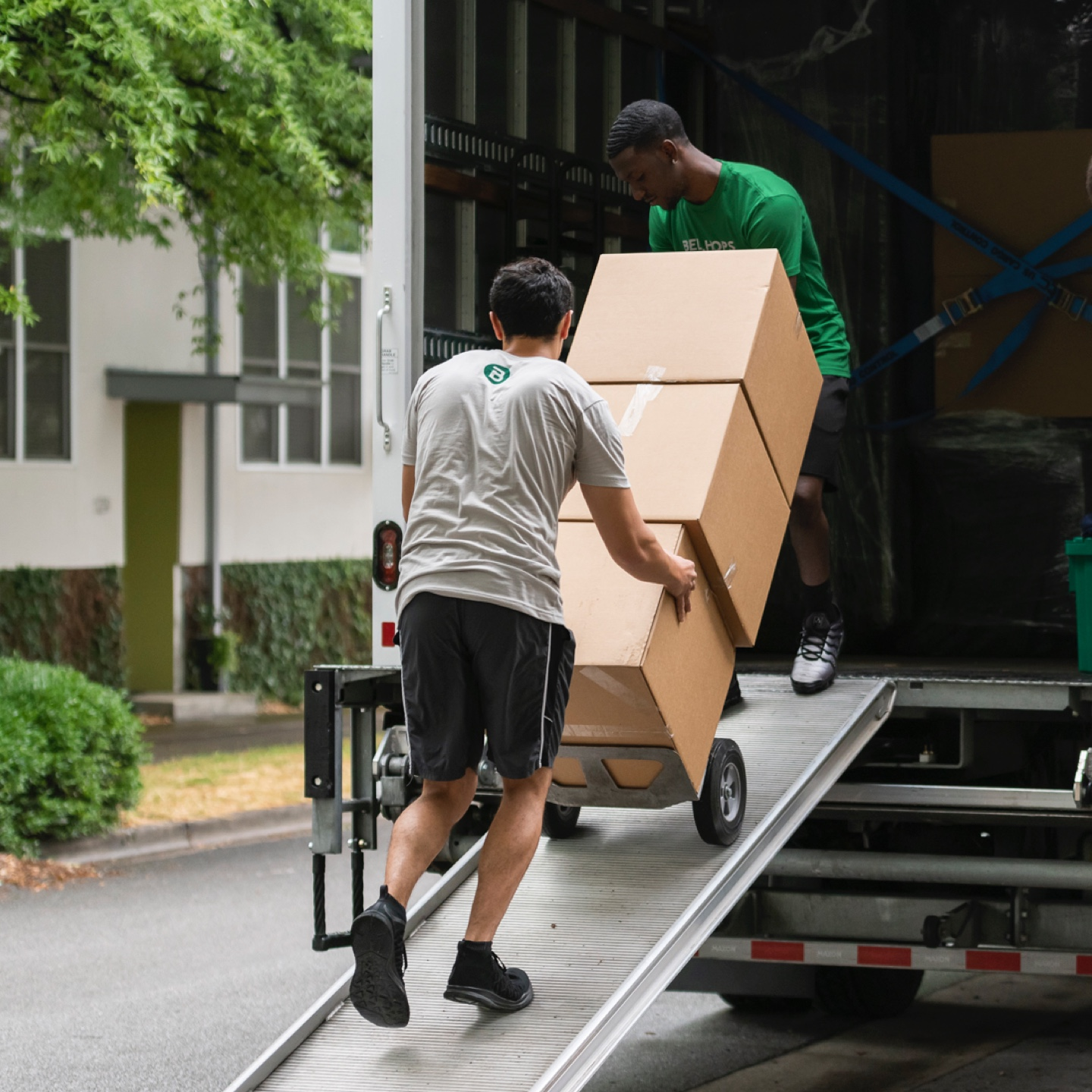
A van was packed from the floor to the roof as a single interlocking mass, heaviest and squarest at the bottom, mattresses as padding against the sides, every gap filled, so that nothing could move in transit. A good loader could get a three-bedroom house into a space that looked impossible.
The skill still exists and the good firms still have it, but the modern van is designed to help: fixed rails, strapping points, decking boards, moving blankets and a body that does not flex. The load no longer has to hold itself together through its own geometry.
This is the part of the old trade that was unambiguously excellent. The men who could do it were valuable and knew it, and the knowledge was passed on by working next to somebody rather than by any kind of training.
9. Packing was straw, newspaper and a tea chest
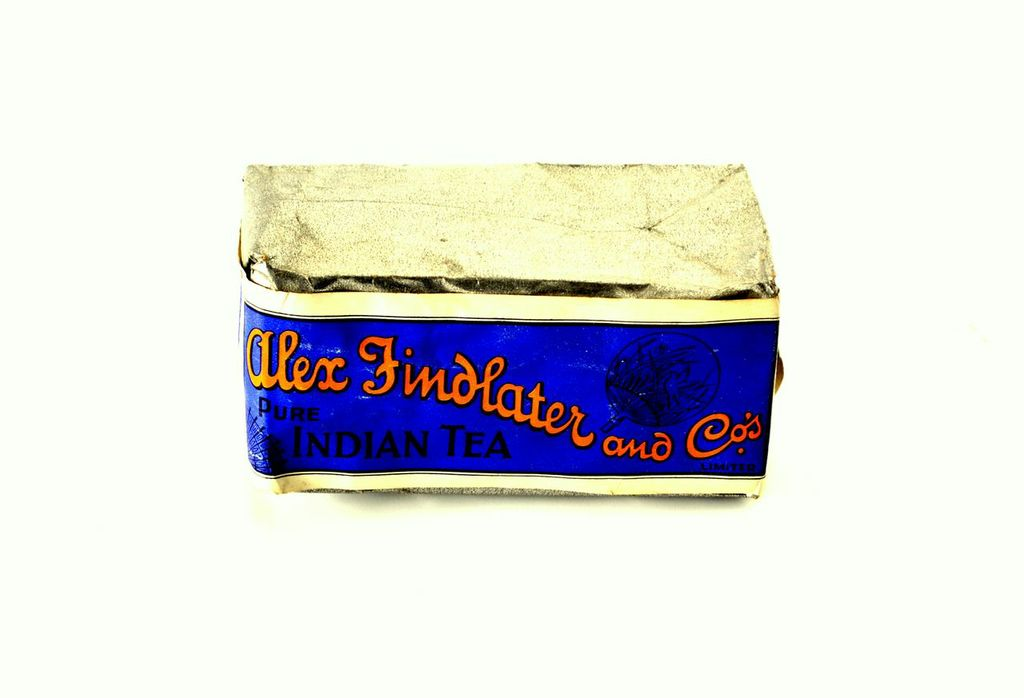
China and glass went into wooden tea chests, often lined with foil from the tea trade, packed with straw, wood shavings, screwed-up newspaper and whatever else was to hand, by men who could do it fast and well.
Packing is now cardboard cartons of specified sizes, bubble wrap, paper, purpose-made dish packs and wardrobe boxes, which are lighter, cleaner, stackable and recyclable. Tea chests disappeared because they were heavy when empty, splintered, and the metal edging cut hands.
Properly packed straw in a tea chest did work. The complaints about it were the weight and the mess at the other end, not the breakages.
10. Men wore a flat cap and whatever was on their feet
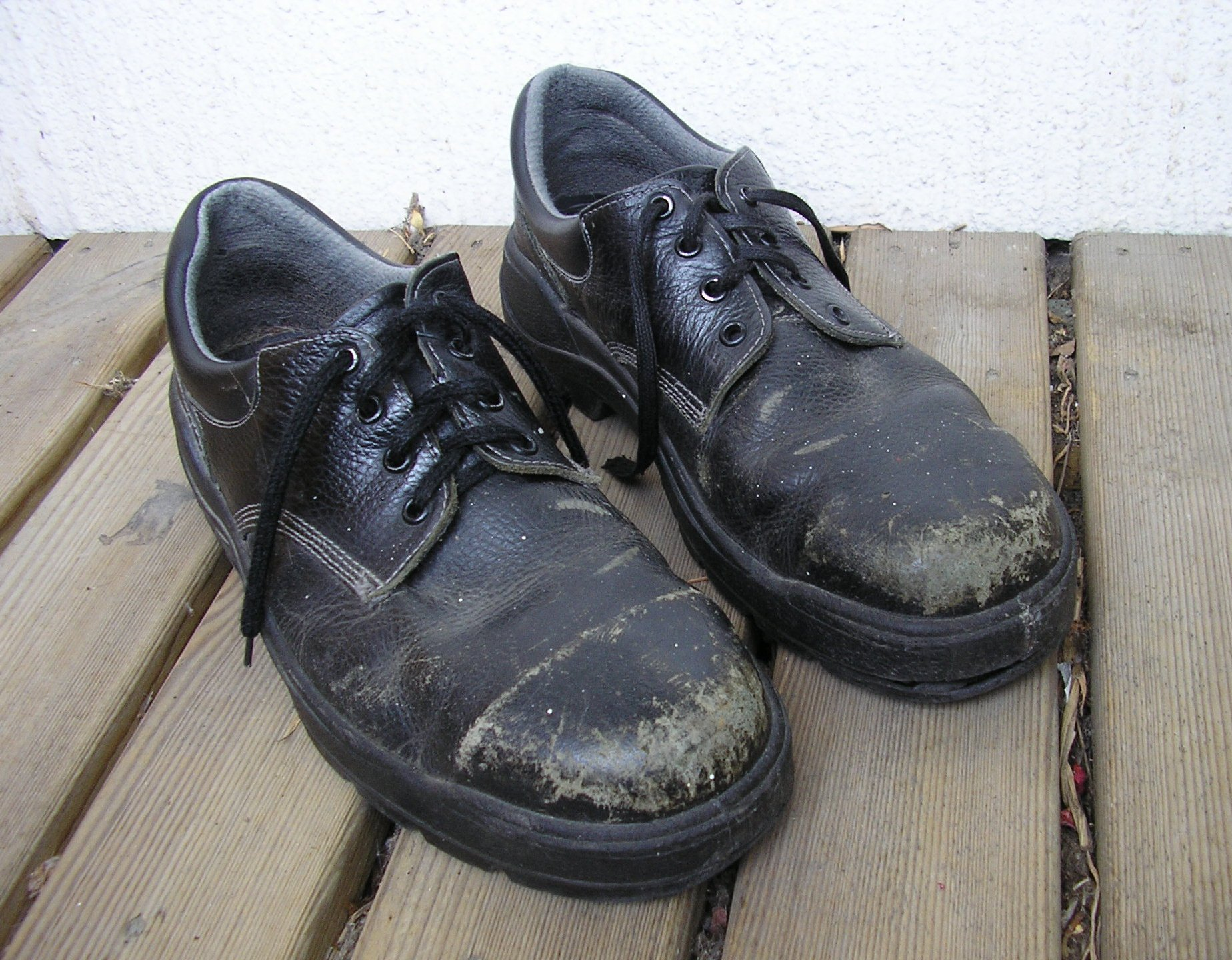
There were no hard hats, no safety boots, no gloves and no high-visibility anything. Working clothes were a jacket, a cap and ordinary shoes, and on a hot day a man might do the whole day in plimsolls.
Protective equipment is now provided as a duty rather than an option: safety footwear with toe protection, gloves appropriate to the handling, head protection where there is a risk of something falling, and visibility clothing on the roadside. It is supplied free and its use is a condition of the job.
Toe protection is the one that matters most in this trade. The injury that ends a removal man’s career is not usually a back; it is a foot under a dropped load.
11. Hernias and backs were the trade’s retirement plan
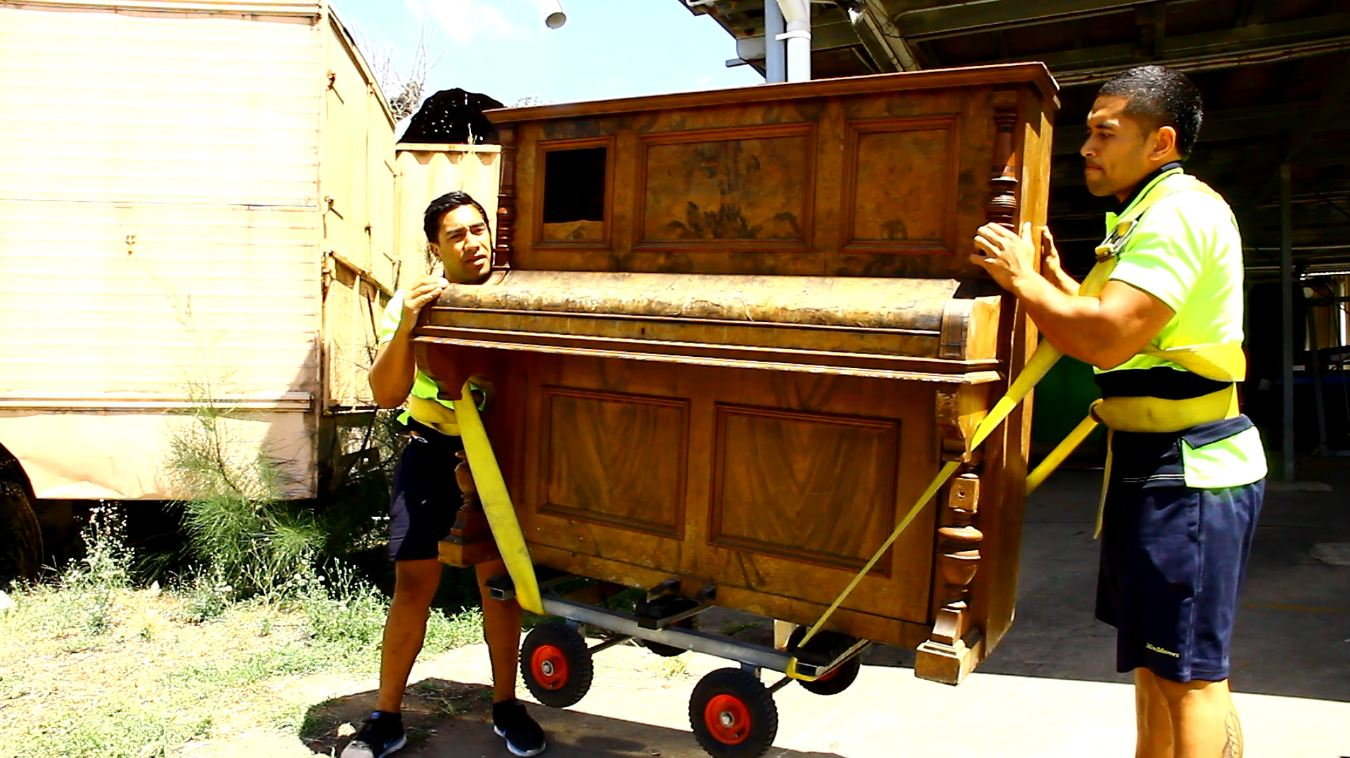
Removal men accumulated hernias, disc injuries and crushed fingers as an occupational certainty, and the response was a truss, a few days off and a return to work. Men left the trade when their bodies stopped, and there was little behind them when they did.
Manual handling is now a defined area of health and safety law, with assessment, training, equipment and recording, and employers carry liability for injuries caused by failing to control it. Injury rates in the trade are a fraction of what they were and the remaining ones are reportable events.
The point worth holding on to is that none of it was recorded at the time, which is why the occupational history of the trade exists only in what the men themselves said about it afterwards.
12. The long-distance run was driven by exhausted men
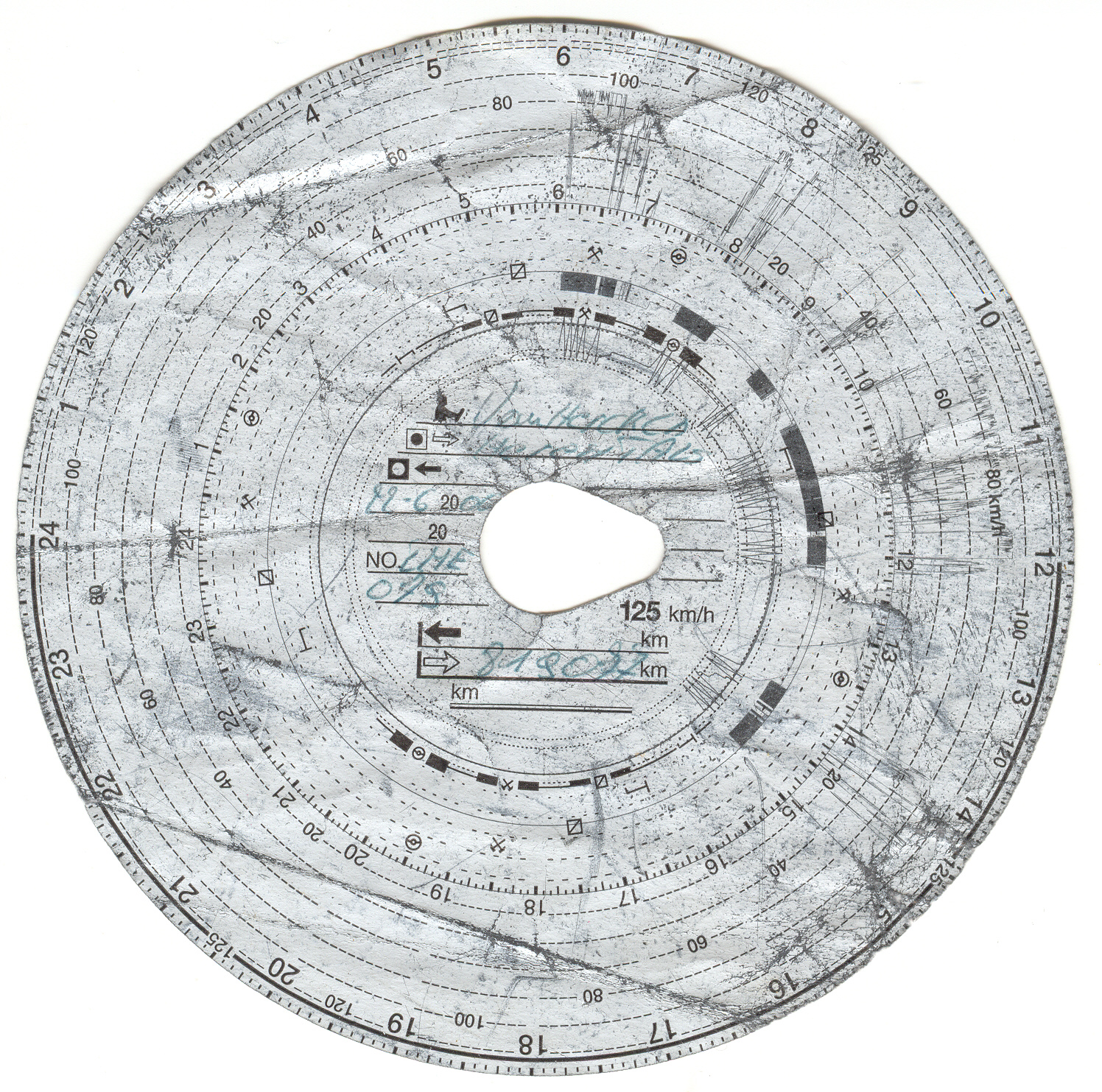
A move from one end of the country to the other was done by the same men who had loaded it, driving through the night, sleeping in the cab or on the load, unloading the next morning and driving home. Drivers’ hours were barely regulated and barely observed.
Drivers’ hours are now recorded by tachograph with defined daily and weekly limits, mandatory breaks, rest period requirements and penalties for both driver and operator. Fatigue is treated as a primary cause of serious road collisions rather than as a feature of a hard-working trade.
The men who did these runs tell the story as a point of pride, and the modern limits exist because of what was happening to the people they shared the road with.
13. The firm’s reputation was built on trust and watched closely
A removal crew had unsupervised access to everything a household owned, including money, jewellery and documents, and the trade carried a reputation it mostly did not deserve and could never quite shake.
The modern arrangement is contractual and documented: inventory and condition reports, employee vetting in some firms, insurance cover with a claims process, and a complaints route through a trade association. The relationship is still built on trust and now has paperwork behind it.
The old defence against the reputation was personal. A local firm’s name was on the lorry and on the man’s father before him, and that was the guarantee offered.
14. There was no real insurance
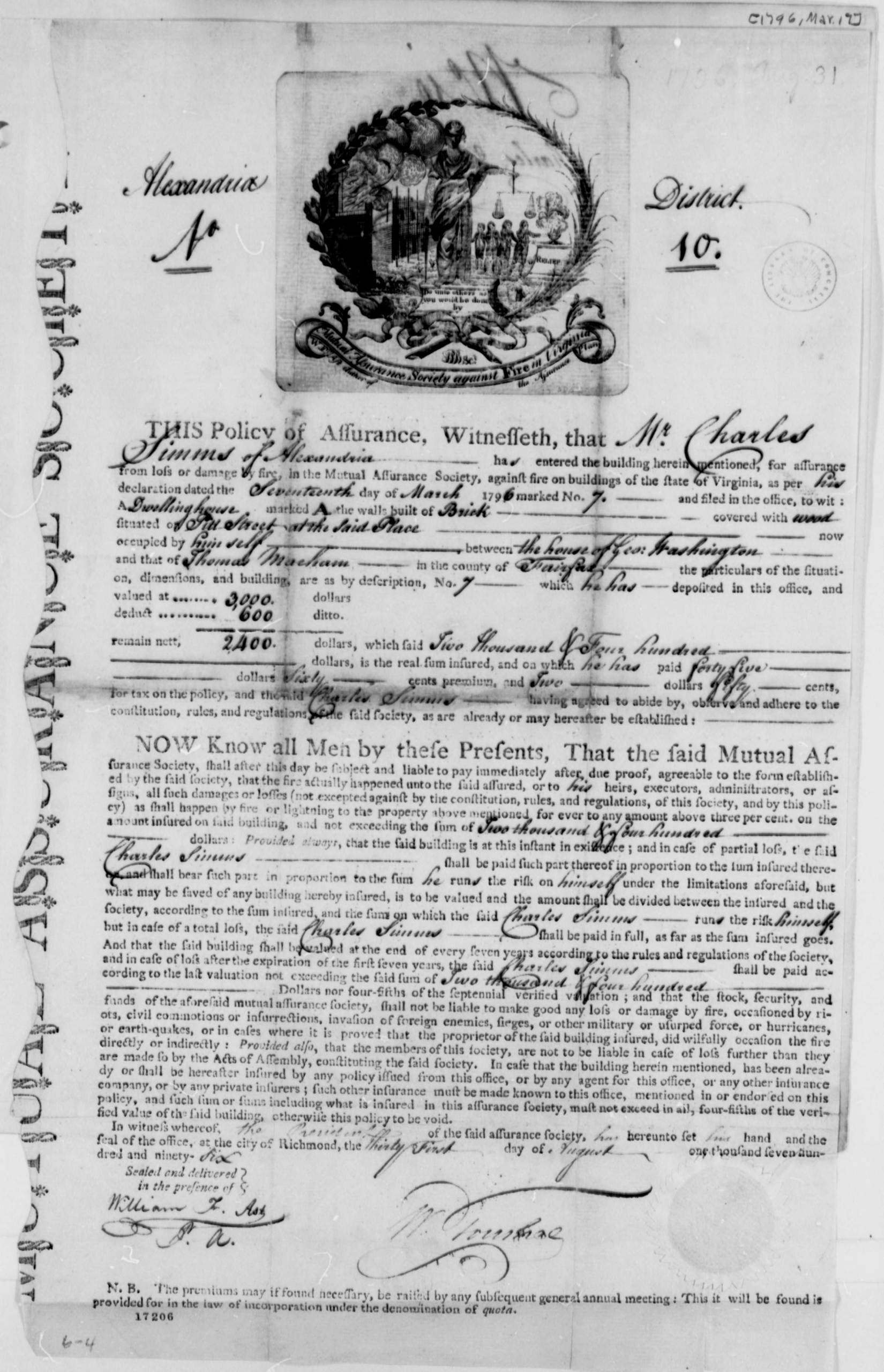
Cover was either absent or written so that it excluded breakage, scratching, anything packed by the customer, anything not packed by the customer and anything that happened in transit. A damaged piano was a conversation, not a claim.
Goods in transit insurance is now standard and specified, with declared values, defined exclusions that have to be disclosed, and a limitation period. Customers are told what is covered before the job rather than after the damage, and the trade associations publish standard terms.
The practical advice that follows applies to anybody moving now: read what the cover actually says about items you packed yourself, because that is where the exclusion usually sits.
15. The van itself was often older than the men driving it
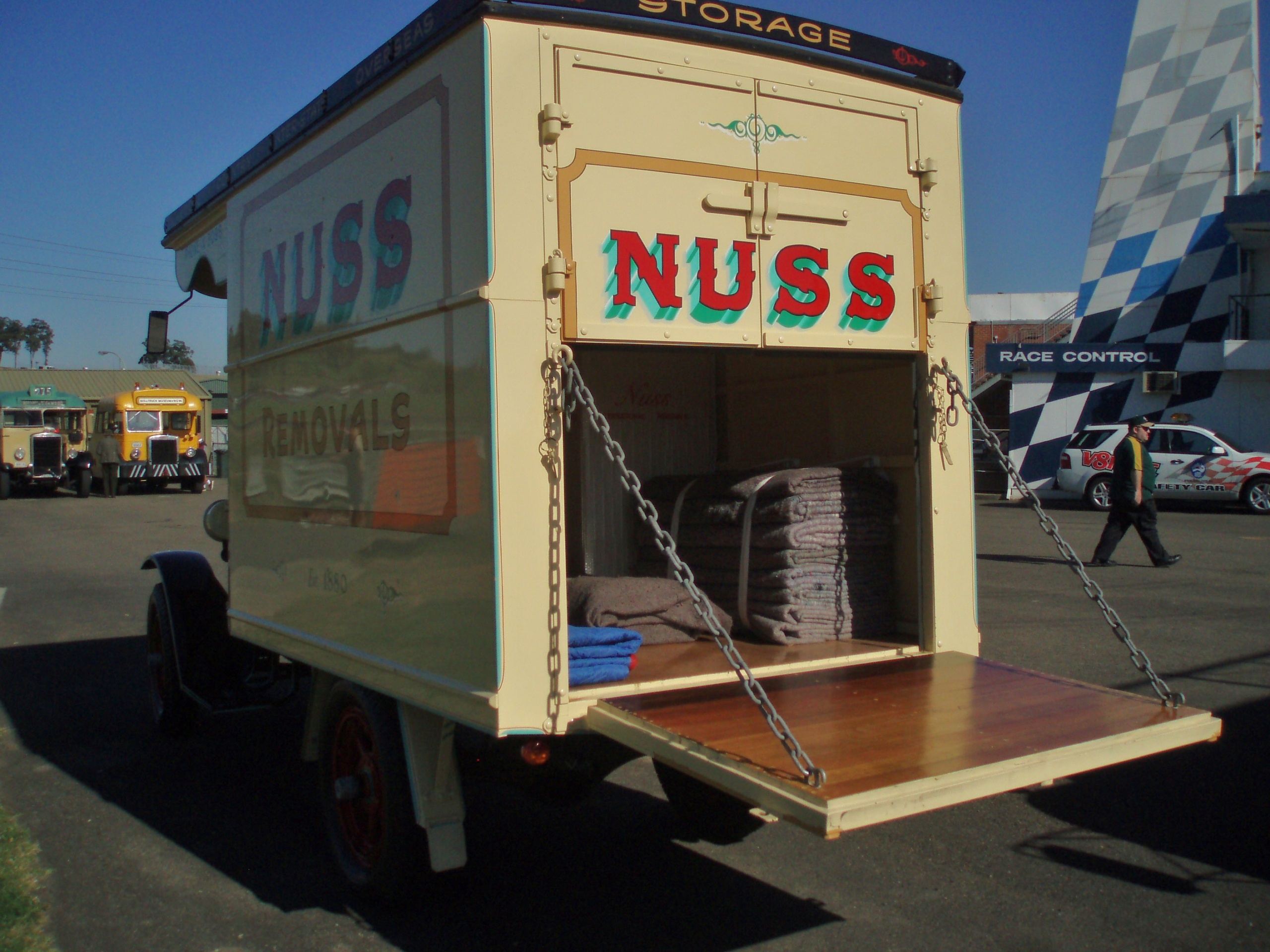
Lorries ran for decades on drum brakes with no servo assistance, crossply tyres, no power steering, cab heaters that did not work and a maintenance regime that consisted of fixing things when they stopped.
Commercial vehicle testing, operator licensing, defect reporting systems, daily walkaround checks and recorded maintenance schedules have replaced that entirely, and a vehicle with a defect is prohibited rather than nursed. Braking performance on a loaded modern van is in a different category.
A fully loaded removal lorry is one of the heaviest things on an ordinary road, and the brakes it had in 1960 were designed for a lighter and slower world than the one it was driving in by then.
16. And what the trade did better than it gets credit for
Four men could empty a house in a morning, pack a lifetime of china into straw so that it arrived whole, build a load that did not shift in two hundred miles, and put a family’s furniture into a new house in the right rooms by the evening. It was hard, skilled, underpaid work done largely without complaint.
The skill has not gone, and a good crew today is doing the same job with better equipment, better protection and a written inventory. What has gone is the assumption that a man’s back is the equipment, which is the only part anybody involved would want back.
The honest summary: the piano on one man’s back and the wardrobe out of the window were the two practices that did the most damage, emptying the drawers is the one piece of advice worth taking from the whole file, and the loading was a genuine craft that deserves more respect than it got.
What the equipment replaced
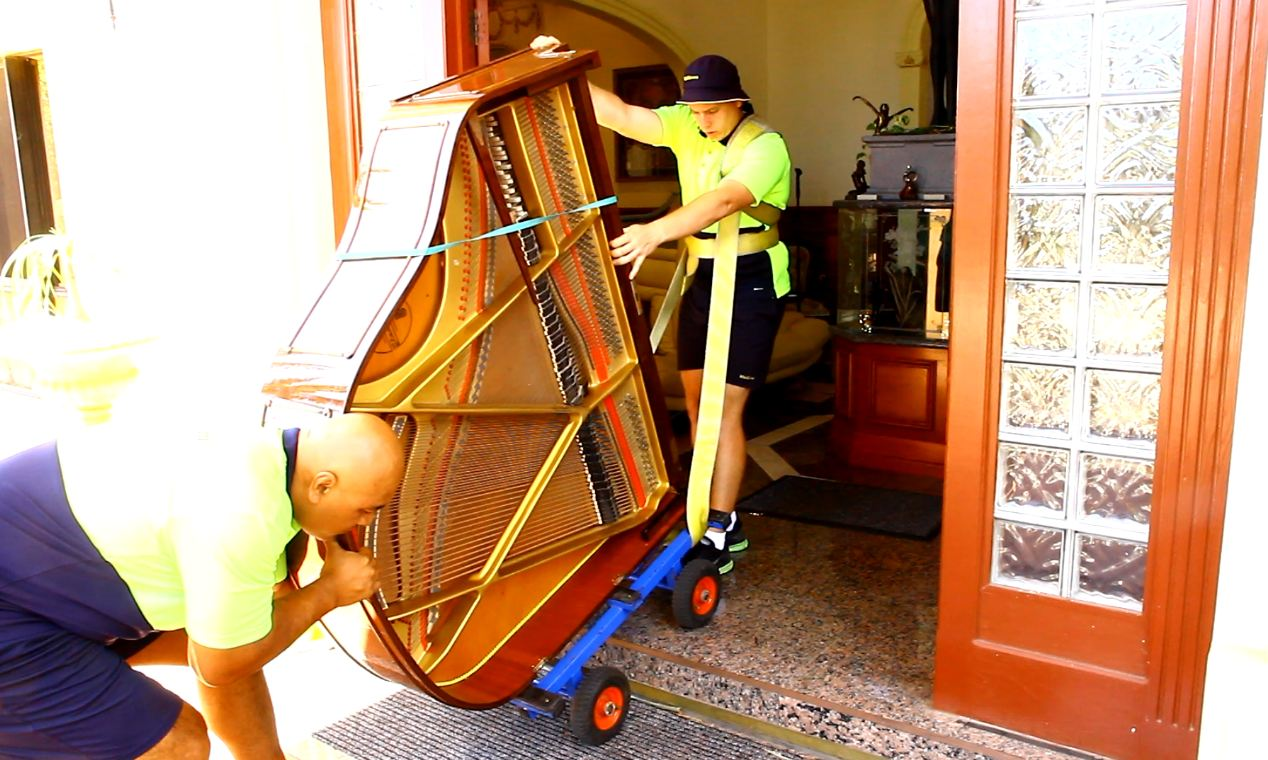
Two practices in this file account for most of the harm. The piano carried on one man’s back is the obvious one, and the wardrobe lowered out of an upstairs window on a rope over a gin wheel is the one with the most ways to go wrong at once — the fixing, the rope and the men holding it, with an unprotected street below. Both have been replaced by planned lifting operations with rated and certificated gear, and neither would be insurable now.
The less visible change is the assessment. In 1960 the question was whether two men could get an item off the floor. Now the question is asked before anybody touches it: what does it weigh, where does it have to go, does it fit, how many people does it need, and what equipment is available — with a hierarchy of avoiding the lift, mechanising it, then reducing it. Reducing it means emptying the drawers, which is the piece of this that applies to everybody.
And one item in the file had the household rather than the men on the wrong end of it. Cookers and gas fires were disconnected and reconnected by whoever turned up with a spanner. Gas work is now restricted to registered engineers, disconnection included, and the reason is that an appliance reconnected by somebody unqualified is the classic source of a carbon monoxide incident.
Three things here are worth acting on. Empty the drawers before anything is lifted, including if you are doing it yourself, because it is the easiest reduction in load there is. Never let anybody who is not a registered engineer disconnect or reconnect a gas appliance, however confident they sound. And read what your removal cover actually says about items you packed yourself, because that is where the exclusion usually sits.
The rest is a record of a trade that carried a household’s entire possessions on its back and built a real craft out of doing it well, at a cost to the men that nobody was recording at the time.
Like our content? Follow us for more.