


Holding two nationalities feels like an advantage and in most respects is one. At a border it is a set of obligations, because each country has rules about which document its own nationals must use, and those rules are not a matter of preference.
The traps are consistent: the airline accepting a document is not permission, a visa locks you into one passport for that journey, and the second nationality that smooths one border can close the consular route at another. Here are fifteen things that decide which document you show.
1. Which passport you present is a legal question, not a preference
A traveller with two nationalities often treats the choice of document as a convenience — whichever queue is shorter, whichever visa is easier. Each country has rules about which document its own nationals must use, and those rules are not optional.
The general position is that a country is entitled to require its own nationals to enter and leave on its own passport, and to disregard any other nationality they hold while they are on its territory.
Before any trip involving a country you are a national of, find that country’s published rule on how its nationals must enter and leave. It is usually a short, clear statement.
Like our content? Follow us for more.
2. Most countries require their nationals to enter and leave on their own document
This is the central rule and it catches people constantly. Entering a country of which you are a national on another country’s passport is irregular in many places and prohibited in some, even where the airline accepted it.
The reasons are administrative as much as anything: the country wants a record of its nationals’ movements, and the entry stamp or electronic record in the wrong passport creates a gap that surfaces later, often on departure.
Carry both passports if you hold two and the rules require each to be used at its own border. Present each at the right place rather than choosing one for the whole trip.
3. The airline check and the immigration check ask different questions
An airline checks whether you will be admitted at the destination, because it is liable if you are not. Immigration checks whether you may enter. The two can accept different documents and frequently do.
This is why a traveller can be told at check-in that one passport is fine and then be questioned on arrival about the other. The airline’s interest ends at the door of the aircraft.
If the airline accepts a document that your destination’s rules say is wrong for you, that is not permission. The decision at the border is the one that counts.
4. Visa requirements follow the passport you present, not the one in your pocket

A traveller who needs a visa on one nationality and not on the other is sometimes able to choose. But the choice is made at the point of application and travel, and the whole journey has to be consistent with it.
Where a visa or electronic authorisation is issued against one passport, that is the document that must be presented on arrival. Boarding with one and arriving with another is a common and avoidable problem.
Pick one document for the destination, apply on it, travel on it, and keep every document in that journey consistent with the choice.
5. Electronic authorisations ask about other nationalities, and the answer matters
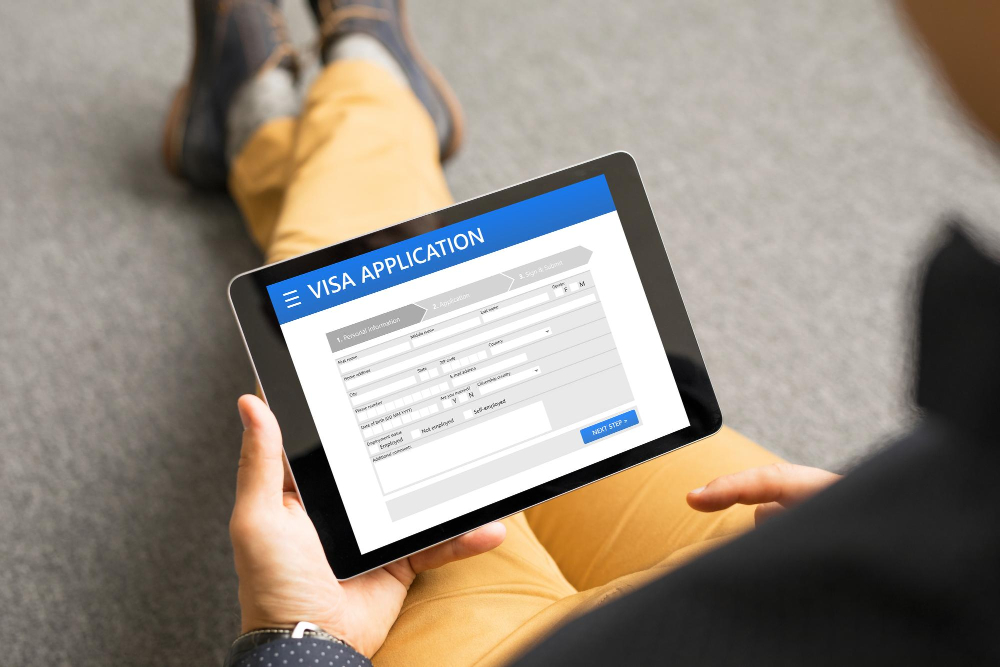
Most electronic travel authorisation systems ask whether the applicant holds any other nationality, and several exclude people who hold a particular nationality from using the system at all, requiring a full visa instead.
Answering that question inaccurately is a false declaration with serious consequences, including refusal of entry and long-term bars. The question exists because the eligibility rules depend on it.
Declare every nationality you hold on every application, and read the eligibility rules before assuming a streamlined route is available to you.
6. Military service obligations attach to nationality, not residence

A number of countries have compulsory or conditional military service and apply it to their nationals regardless of where they live, including people who have never lived there and who acquired the nationality through a parent.
Arriving on that country’s passport can be the point at which the obligation becomes active, and in some cases exit can be restricted until it is resolved or formally deferred.
If you hold a nationality of a country with national service, check the position for someone of your age and circumstances before travelling there, and get any deferral or exemption in writing.
7. Exit controls can hold you for an obligation you did not know about

Separately from service obligations, some countries operate exit controls that check their own nationals against unpaid taxes, fines, court orders, family law obligations and military records before permitting departure.
A traveller who entered as a visitor on another passport may be treated as a national on departure and assessed accordingly, which is the mechanism by which a short visit becomes a long one.
Where you hold a nationality of a country with exit controls, resolve anything outstanding before travelling and keep the documentation with you.
8. Consular protection is weakest exactly where you might expect it

In the country of your other nationality, your first country’s consulate may be unable to assist, because that country is generally entitled to treat you solely as its own national and to decline consular access.
This matters most in detention, in family law matters and in exit disputes — the situations in which assistance is most needed. The second passport that feels like an advantage is the thing that closes the route.
Read both countries’ published guidance on dual nationals, and make sure somebody at home knows which document you travelled on.
9. Nationality, residence and tax are three separate things
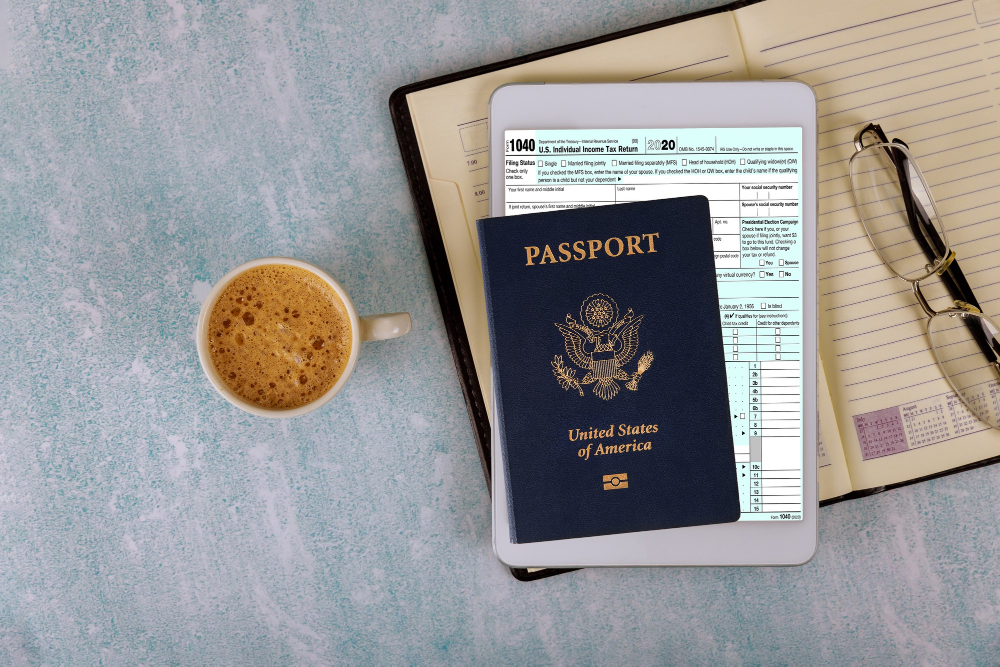
Travellers routinely conflate them. Nationality determines which document you must use and what obligations attach. Residence determines which country’s rules govern your day-to-day life. Tax liability follows its own rules again, which may key on citizenship, residence, days present or source of income.
Changing one does not change the others, and a passport is not evidence of tax position in either direction. A few countries tax on the basis of citizenship regardless of where somebody lives.
If you hold two nationalities and live in a third place, take proper advice on the tax position rather than inferring it from the passports.
10. Children born abroad may be nationals without anybody realising

Nationality is commonly transmitted by descent, by birthplace, or by both, which means a child can hold a nationality nobody in the family applied for or registered, sometimes for more than one country.
This becomes visible at a border, at a military service age, or when the child applies for a document of their own. It can also create obligations that the family has never considered.
If a child in your family was born abroad or has a parent or grandparent of another nationality, it is worth establishing what they actually hold before they travel independently.
11. Some countries do not permit dual nationality at all
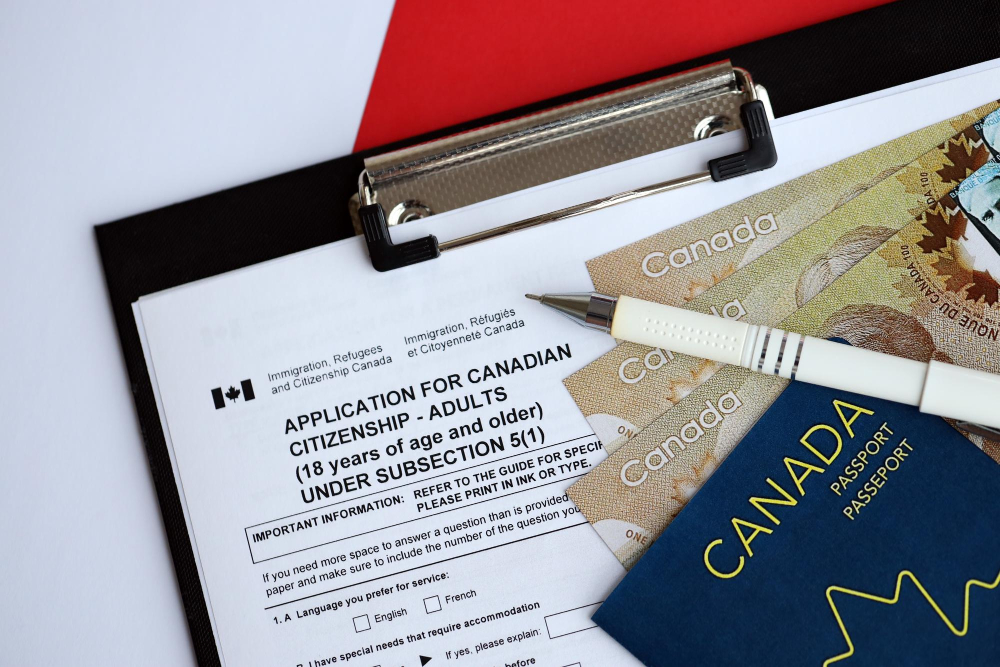
A number of countries provide that acquiring another nationality automatically forfeits their own, sometimes without notification, and others require a formal renunciation as a condition of naturalisation elsewhere.
A traveller can therefore hold a passport that is no longer valid as evidence of a nationality they no longer have, and discover it on arrival. Rules in this area have also changed in both directions in recent years.
If you have naturalised somewhere, check whether your original nationality survived it under the law as it stood at the time and as it stands now.
12. Renouncing a nationality is a formal process, not a decision

Giving up a nationality generally requires an application, a fee, evidence of another nationality, and in some countries the consent of the state, which can be refused or delayed for years. Simply not using a passport has no effect.
There are also consequences: loss of residence rights, loss of consular protection from that country, and in some cases tax or reporting obligations that attach to the act of renunciation itself.
This is a matter for a lawyer in both countries and not for an article. The only point made here is that it is a process with requirements rather than a choice that can be made at a desk.
13. Two passports can carry two different names
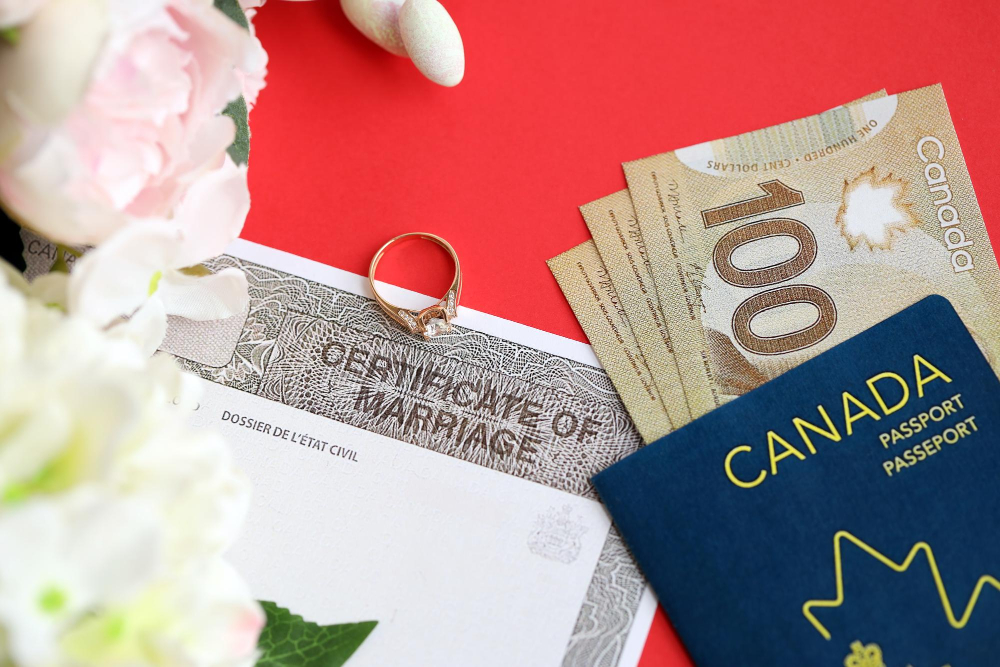
Where nationality documents were issued at different times, in different scripts, or under different naming conventions, the two passports may show meaningfully different names — different transliterations, different surname orders, a maiden name on one.
Border systems and airline bookings both key on the document presented, so a traveller using one passport outbound and the other on return creates a mismatch across the journey that surfaces at check-in or at a border.
Keep each journey consistent with one document where you can, and where both must be used, carry evidence connecting the two names, such as a marriage certificate or a change of name document.
14. An expired second passport is not an irrelevance

Nationality does not expire when a passport does. A country’s rules on how its nationals must enter still apply to somebody whose passport from that country lapsed twenty years ago, and the lapse is not a solution.
Border officials can often see a prior nationality from records, a previous visa, a place of birth or a name, and the question of why a national is entering on another document is then asked.
If you hold a lapsed nationality of a country you are travelling to, find out what its rules require before you go rather than hoping the record has gone.
15. And the practical rule that covers most cases
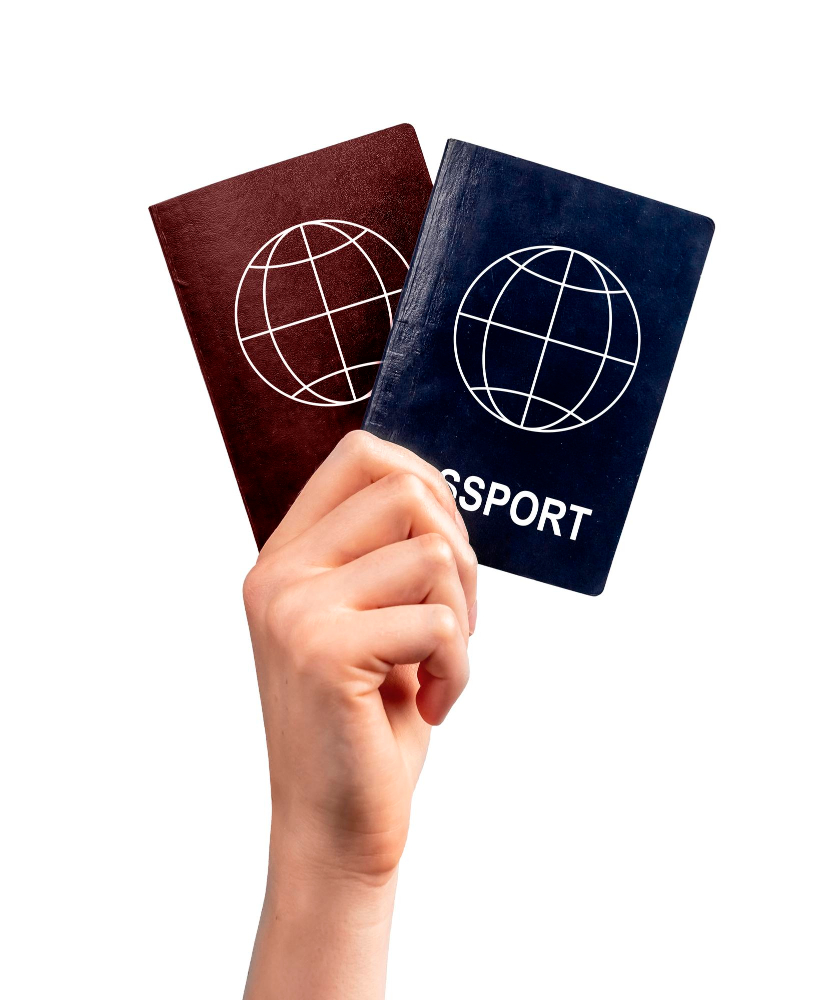
Use each country’s own passport at its own border, and one consistent document everywhere else. Apply for visas and authorisations on the document you will actually present. Declare every nationality you hold on every form that asks.
Then check three things for any country you are a national of: how its nationals must enter and leave, whether it operates exit controls, and whether any service or reporting obligation attaches to somebody of your age and circumstances.
The honest summary: the airline accepting a document is not permission, visa and authorisation choices lock you into one passport for that journey, consular help is weakest in your other country of nationality, and a nationality acquired by descent that nobody registered is the one most likely to surprise a family at a border.
The structure underneath
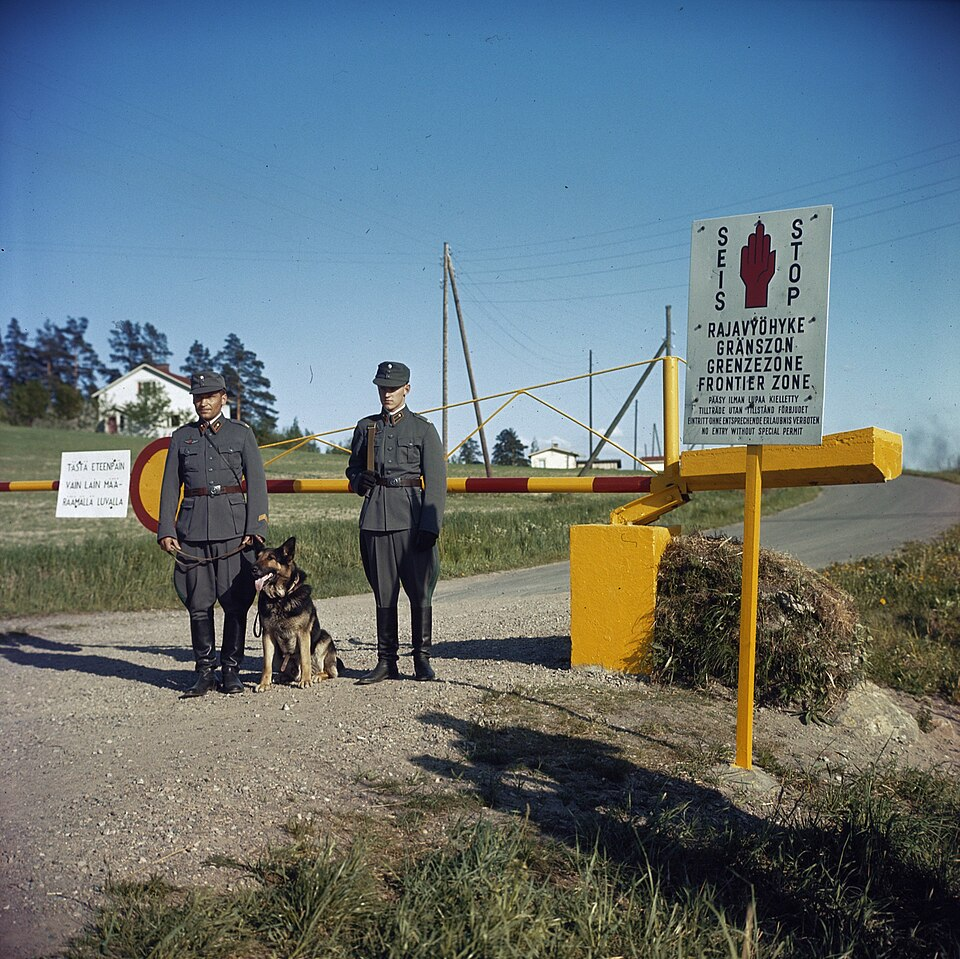
One principle explains most of the file. A country is entitled to treat its own nationals as its own nationals, to require them to use its document at its border, and to disregard any other nationality they hold while they are on its territory. Everything else follows from that — the entry requirement, the exit controls, the service obligations, and the limit on what another country’s consulate can do for you there.
The second structure is the chain of consistency. A visa or electronic authorisation is issued against one specific passport, and that document has to be the one presented on arrival. Boarding on one and arriving with the other is a common, avoidable problem, and it is made worse where the two passports carry different transliterations or a different surname order.
The third is what people do not know they hold. Nationality passes by descent and by birthplace, so a child can be a national of a country nobody in the family applied to, with obligations attached. And nationality does not lapse when a passport does — a document that expired twenty years ago does not remove the rule about how that country’s nationals must enter.
The working rule is short. Use each country’s own passport at its own border, use one consistent document for everywhere else, apply for visas and authorisations on the document you will actually present, and declare every nationality you hold on every form that asks — the eligibility rules for streamlined entry systems depend on that answer, and an inaccurate one is a false declaration.
For any country you are a national of, check three things before you go: how its nationals are required to enter and leave, whether it operates exit controls against taxes, fines, court orders or military records, and whether any service obligation attaches to somebody of your age.
And if there is a child in your family born abroad or with a parent or grandparent of another nationality, establish what they actually hold before they travel on their own.
Like our content? Follow us for more.
