Rick Steves built his career telling Americans to go to Europe — but in a 2023 interview with travel writer Johnny Jet, he named the four American cities he considers essential viewing for any traveler. He has also publicly said that his mission is to inspire Americans to venture beyond Orlando, that New Orleans is the best food city he has experienced in the U.S., and that American towns should borrow Italy’s piazza concept. Six places he keeps coming back to — and the exact advice he gives first-time visitors to each, in his own published interviews and travel blog posts.
1. Boston, Massachusetts
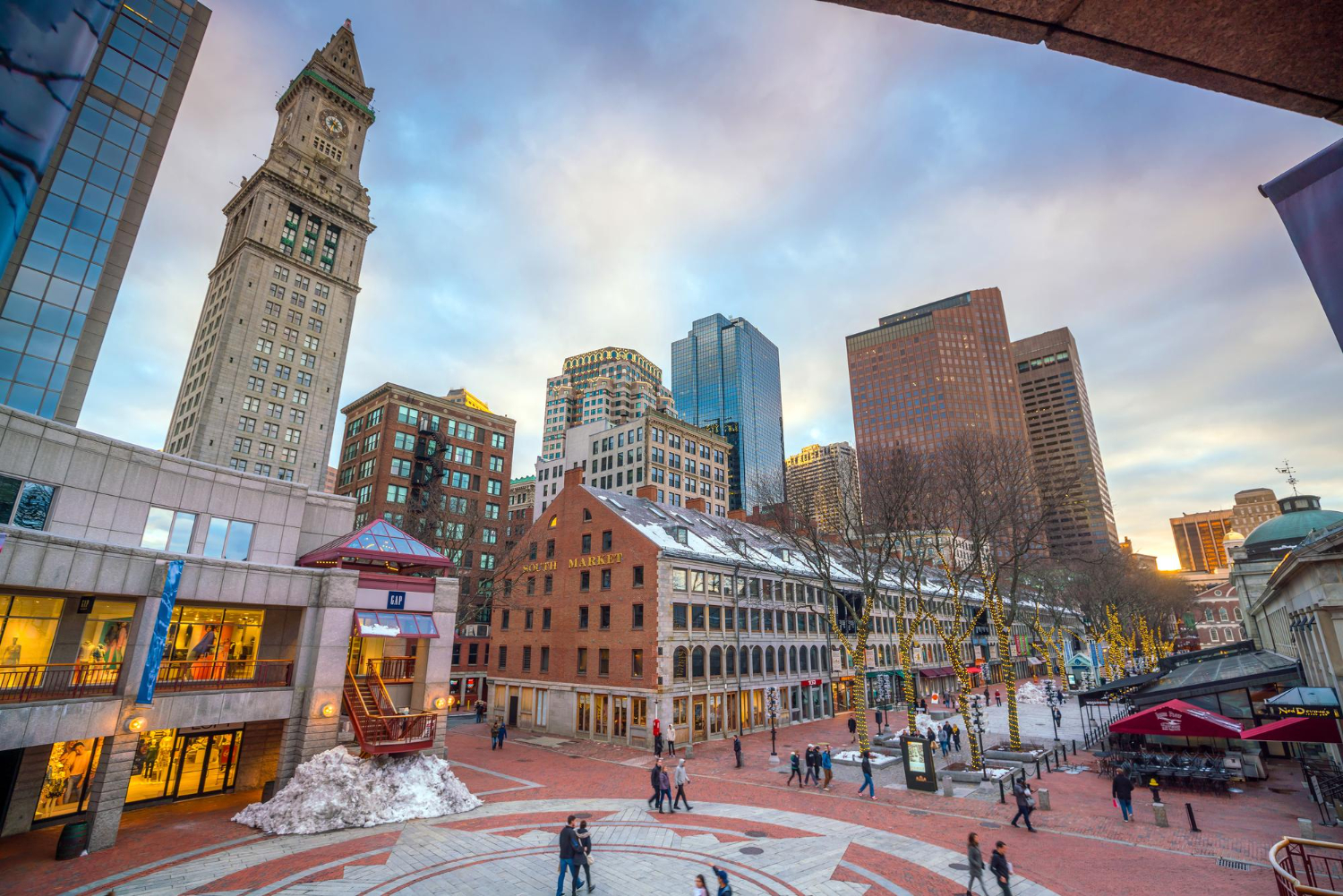
Steves has repeatedly recommended Boston for its walkability and its layered American history. In June 2023, he performed “Rick Steves’ Europe: A Symphonic Journey” with the Boston Pops Orchestra at Symphony Hall for two consecutive sold-out nights, acting as the on-stage narrator between performances of European Romantic-era anthems. He has cited the Freedom Trail, the Boston Public Library at Bates Hall (the country’s first public library, founded in 1848), and the city’s pedestrian downtown as models for what other American cities could become. In a June 2023 episode of his podcast, Steves interviewed Boston-based author Jeff Speck about Speck’s book “Walkable City: How Downtown Can Save America One Step at a Time.” Steves’ specific traveler tips for Boston: stay near the Common rather than at an airport hotel, walk everywhere within the central city, do not rent a car (the traffic and parking will defeat you), use the T for longer trips, and budget at least one full day for the Freedom Trail. He has also said that Boston is the rare American city where a European traveler will feel comfortable on day one because the urban scale, the pedestrian rhythm, and the public-transit logic match what European travelers expect from a major capital.
2. New Orleans, Louisiana
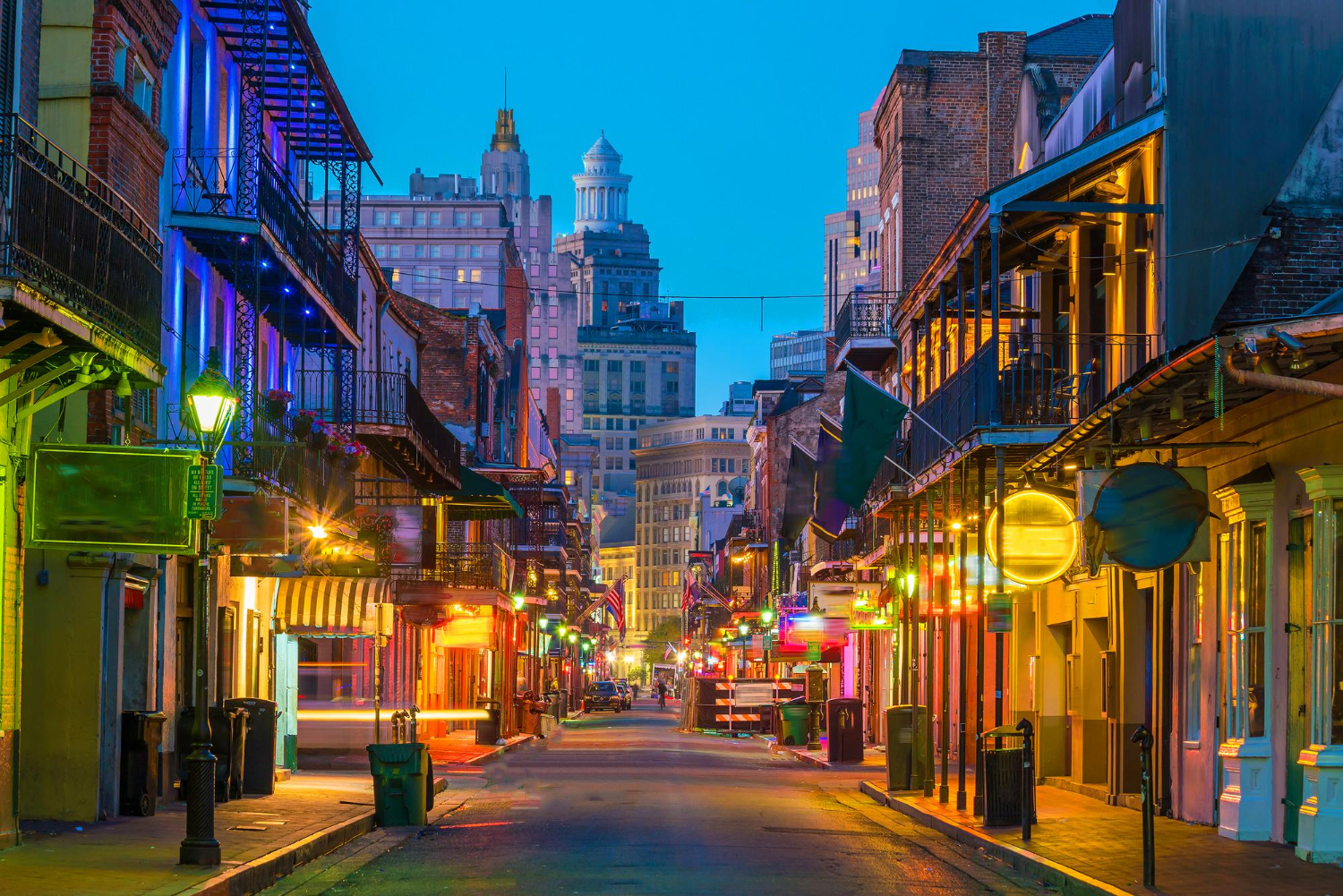
Steves has called New Orleans the American city where he most enjoyed eating, writing in a published trip report that he “can’t remember enjoying eating anywhere in the USA as much.” He specifically recommended four restaurants during his visits: August on Tchoupitoulas, Boucherie in the Riverbend, the Ruby Slipper Cafe (multiple locations), and Elizabeth’s in the Bywater. All four still operate today, and several accept online reservations. His suggested first-day itinerary: ride the Steamboat Natchez paddlewheeler down the Mississippi (operations resumed in November 2023 after a temporary suspension), then walk Frenchmen Street rather than Bourbon Street for live jazz after dark. He has been explicit about avoiding the Bourbon Street tourist circuit — his guidance is that the genuine New Orleans culture, food, and music are best experienced in the Marigny, Bywater, and Tremé neighborhoods. Steves has also recommended the National WWII Museum, the Mississippi River streetcar route, and a guided tour of the cemetery system. His Steamboat Natchez recommendation came with his daughter on the trip, which he wrote about for his blog. The trip predated the boat’s brief 2023 mechanical pause.
3. New York City, New York
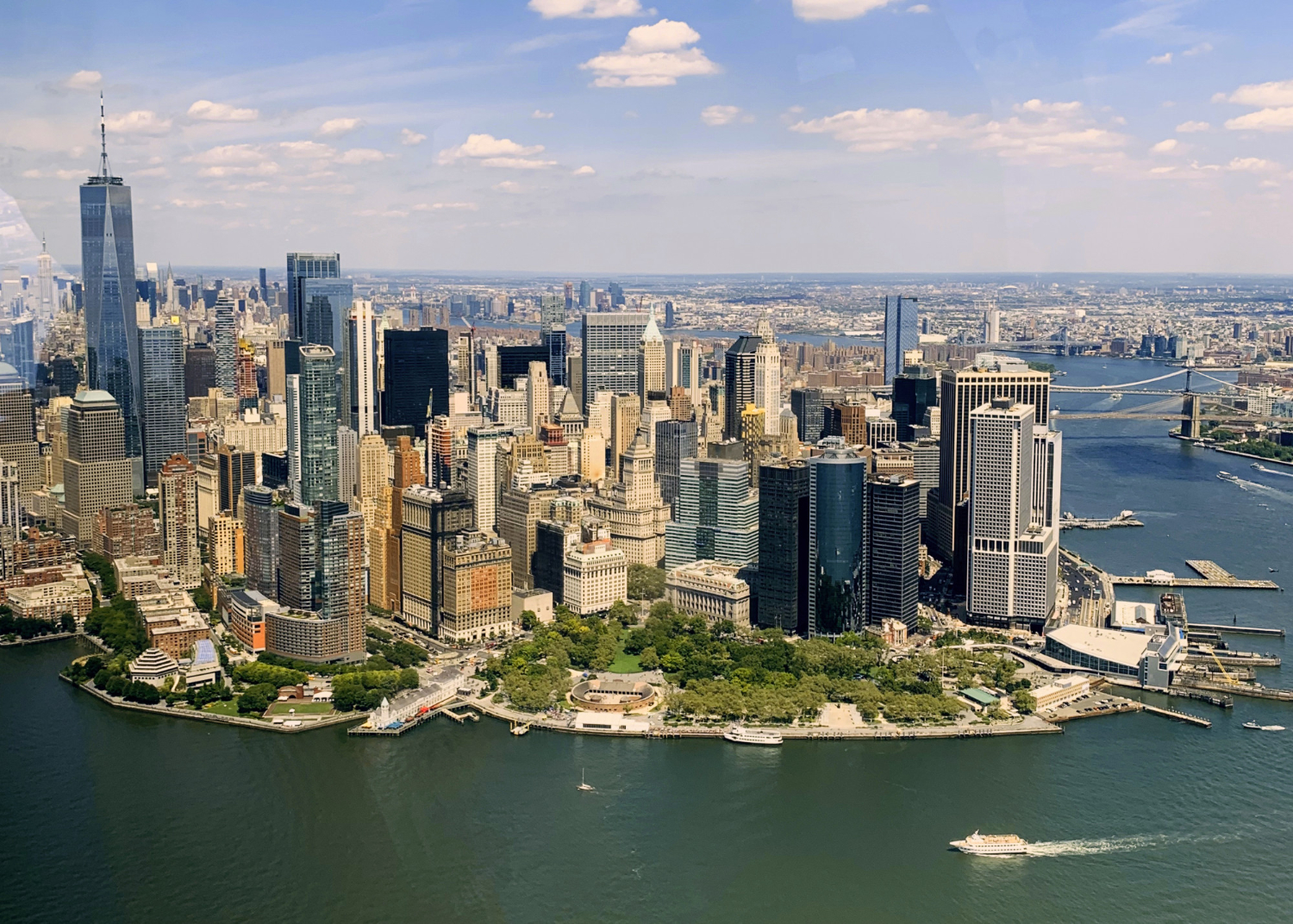
The New York Times Magazine profiled Steves in March 2019, drawing a contrast between his deep European travel fluency and his relative unfamiliarity with Manhattan. The profile noted that Steves had spent nearly forty years guiding Americans through European cities while comparatively few of his own travel hours had been in New York. Since the 2019 profile, Steves has visited Manhattan regularly and incorporated New York into his American-tourism commentary. His advice to first-time visitors echoes his Boston playbook: walk, ride the subway, treat New York as you would any major European capital, do not drive in. Eat at neighborhood restaurants rather than the high-profile tourist spots in Midtown. Take the Staten Island Ferry for the harbor view (it is free). Use Central Park as a refuge from sensory overload, not as a destination to “do” in two hours. Steves has been particularly enthusiastic about the High Line — the elevated park built on the disused Manhattan freight rail line — as an example of the kind of pedestrian urban infrastructure he wants more American cities to adopt. He has also recommended the Tenement Museum in the Lower East Side as the single most informative immigrant-history experience in the country.
4. Washington, D.C.
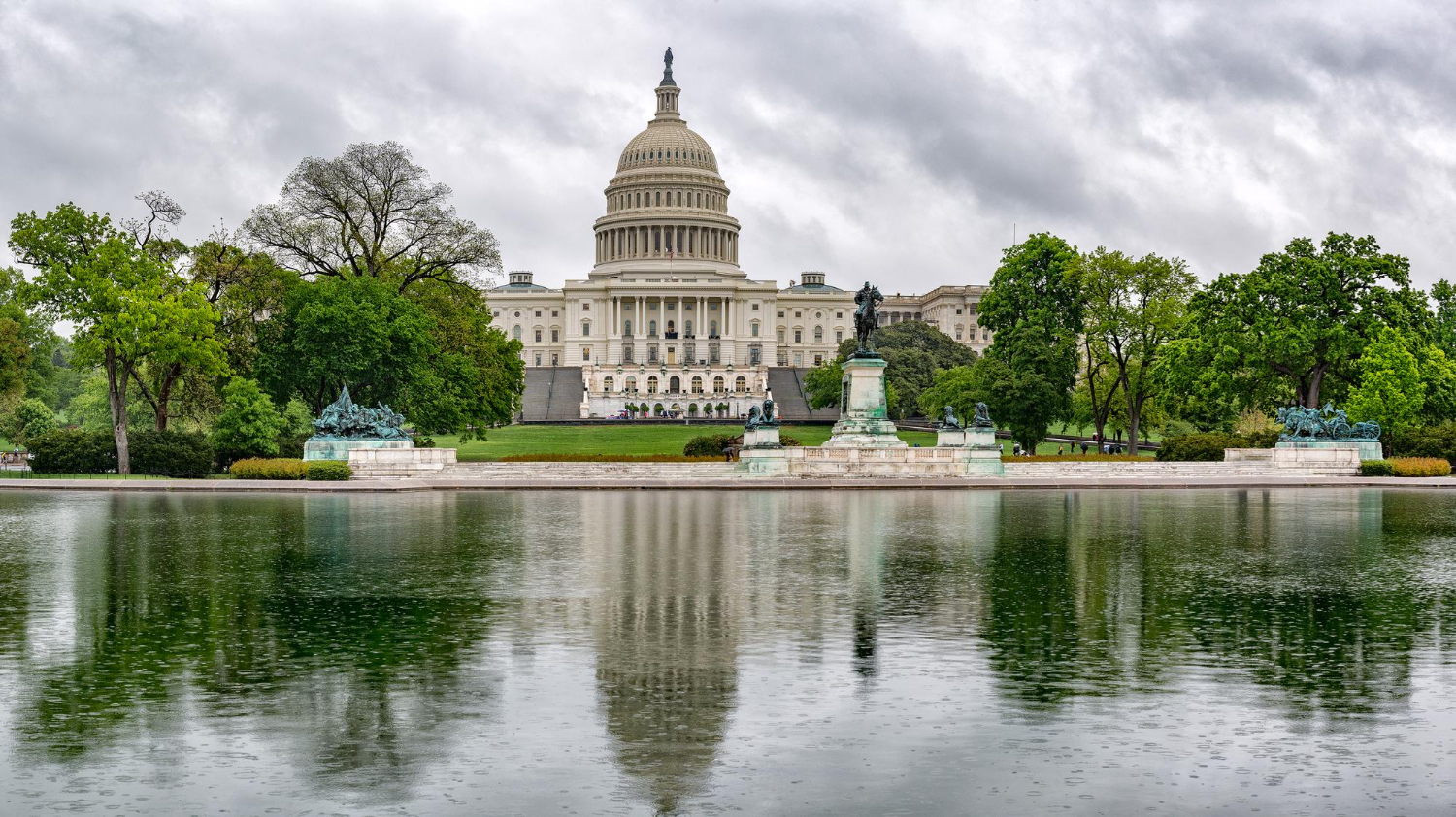
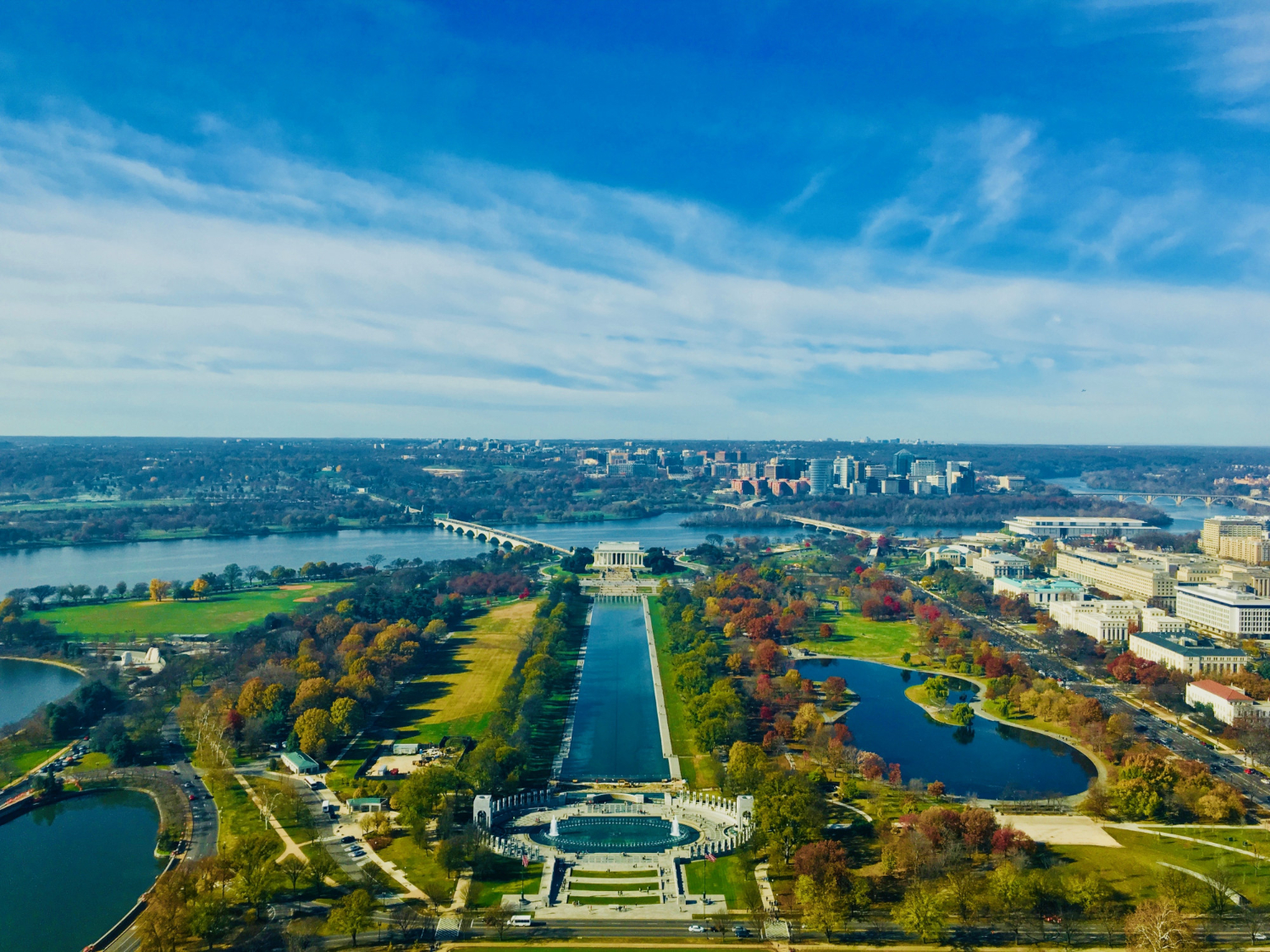
Steves visited Washington in 2019 to film a trip report for his YouTube channel, calling D.C. “our nation’s capital” with great museums, galleries, and restaurants. The trip combined the political ceremonial sites — Washington Monument, Lincoln Memorial, the Capitol building when Congress was in session — with extended time in the Smithsonian system. His specific recommendation for first-time travelers: skip the long queues at the major monuments by visiting at sunrise or after 6 p.m., then spend the rest of the day in the Smithsonian museums, which are free and open most days. He has particularly recommended the National Gallery of Art, the National Museum of African American History and Culture (a free timed pass is required for entry), the National Air and Space Museum, and the National Museum of the American Indian. He has also recommended walking the National Mall end-to-end at least once, suggesting visitors do it in the morning before the heat builds. For dining, Steves has pointed travelers toward U Street, 14th Street, and Adams Morgan rather than Georgetown or the National Mall food courts, which he has called overpriced and bland.
5. The Orlando Area, Beyond the Theme Parks
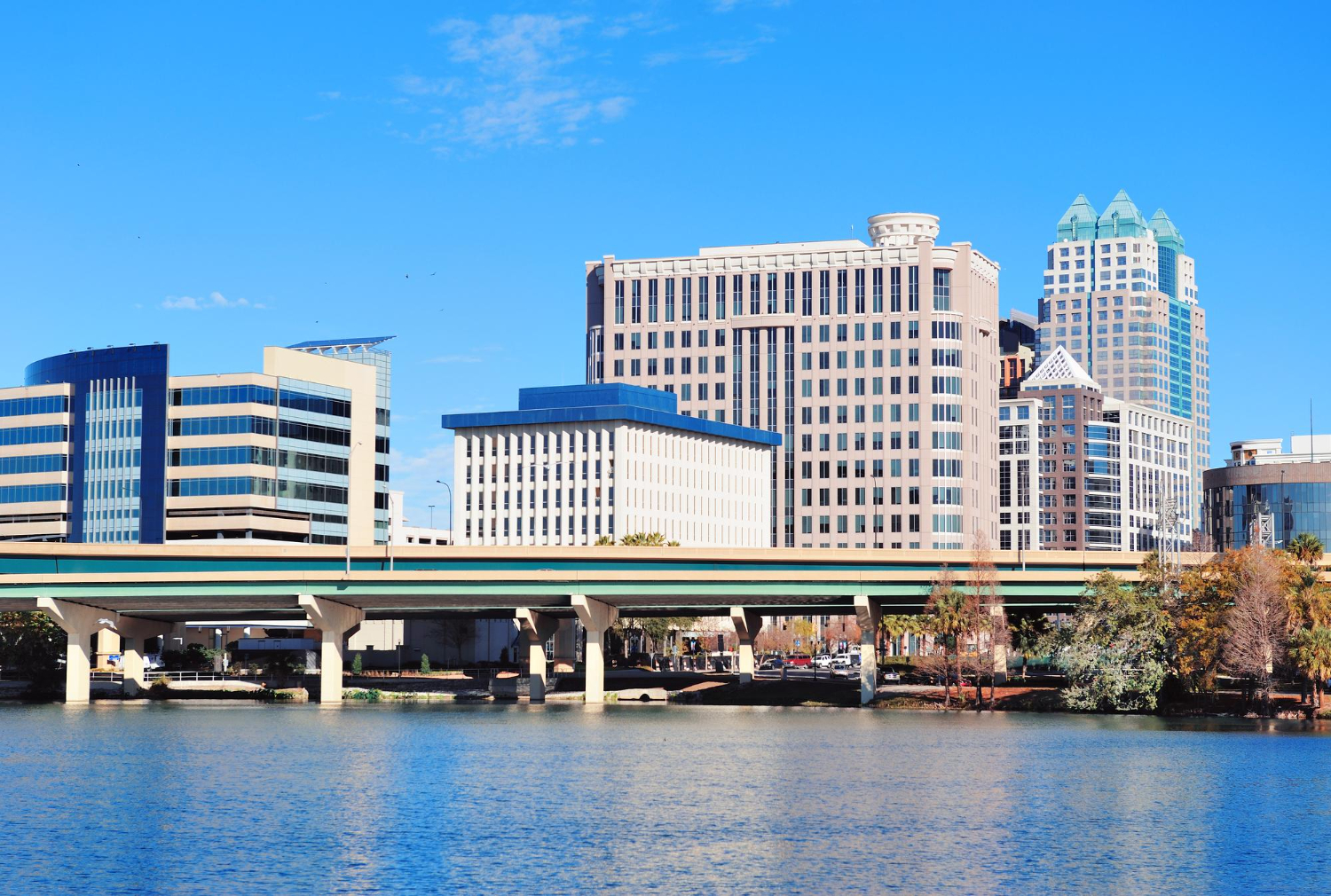
Steves has been unusually direct about Orlando: it represents the kind of travel he wants Americans to move past. At a 2020 town hall event in Sarasota, Florida, he told the audience that his mission is to inspire Americans to venture beyond Orlando, framing the city as a symbol of untested travel boundaries rather than a destination in itself. But in a 2017 podcast episode titled “Orlando Beyond Disney,” he and his guests recommended specific Central Florida attractions worth a visit. Kennedy Space Center on Merritt Island, where entire rockets and Space Shuttle Atlantis are on permanent public display, was his top non-park recommendation — Steves described it as a reminder of the country’s lost commitment to space exploration. Cassadaga, a small spiritualist village north of Orlando that bills itself as the oldest continuously active religious community in the Southeastern United States, was his offbeat second choice. The Cassadaga Spiritualist Camp Bookstore and the historic Cassadaga Hotel are still in operation. Steves’ framing in the podcast was that Orlando travelers should give themselves at least one day outside the theme park gates.
6. Edmonds, Washington
Steves lives in Edmonds, the small ferry town north of Seattle where he based his European travel company in 1976. He has spent decades bringing piazza-style pedestrian zones to Edmonds’ downtown. In a 2025 conversation with the Strong Towns podcast — covered widely in travel media — Steves explained his view that American downtowns need walkable central spaces where people meet face to face, without cars, locked doors, or televisions. He cited Italy’s piazzas as the model. Edmonds is his working laboratory for that idea. The town’s Fifth Avenue downtown has been progressively closed to vehicle traffic, with seating, planters, and live music programmed into the central blocks. The ferry to the San Juan Islands and to Kingston leaves from the Edmonds dock several times daily, making the town a practical day-trip destination from Seattle. Steves has also recommended the Edmonds Marsh for walking, the local farmers market in summer, and the small downtown bookstore. He has called Edmonds the place that proves an American town can choose to be more like a European village.