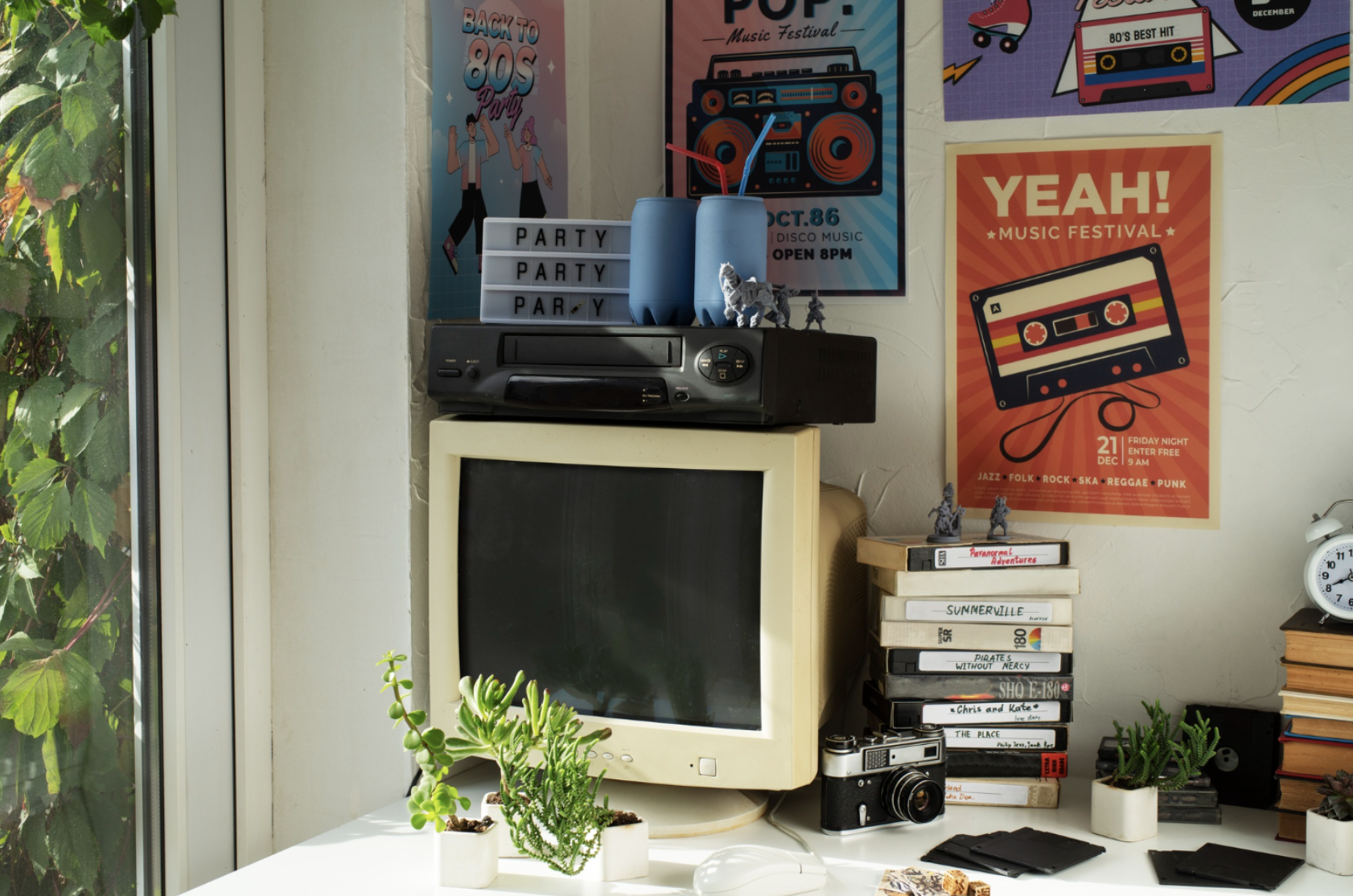
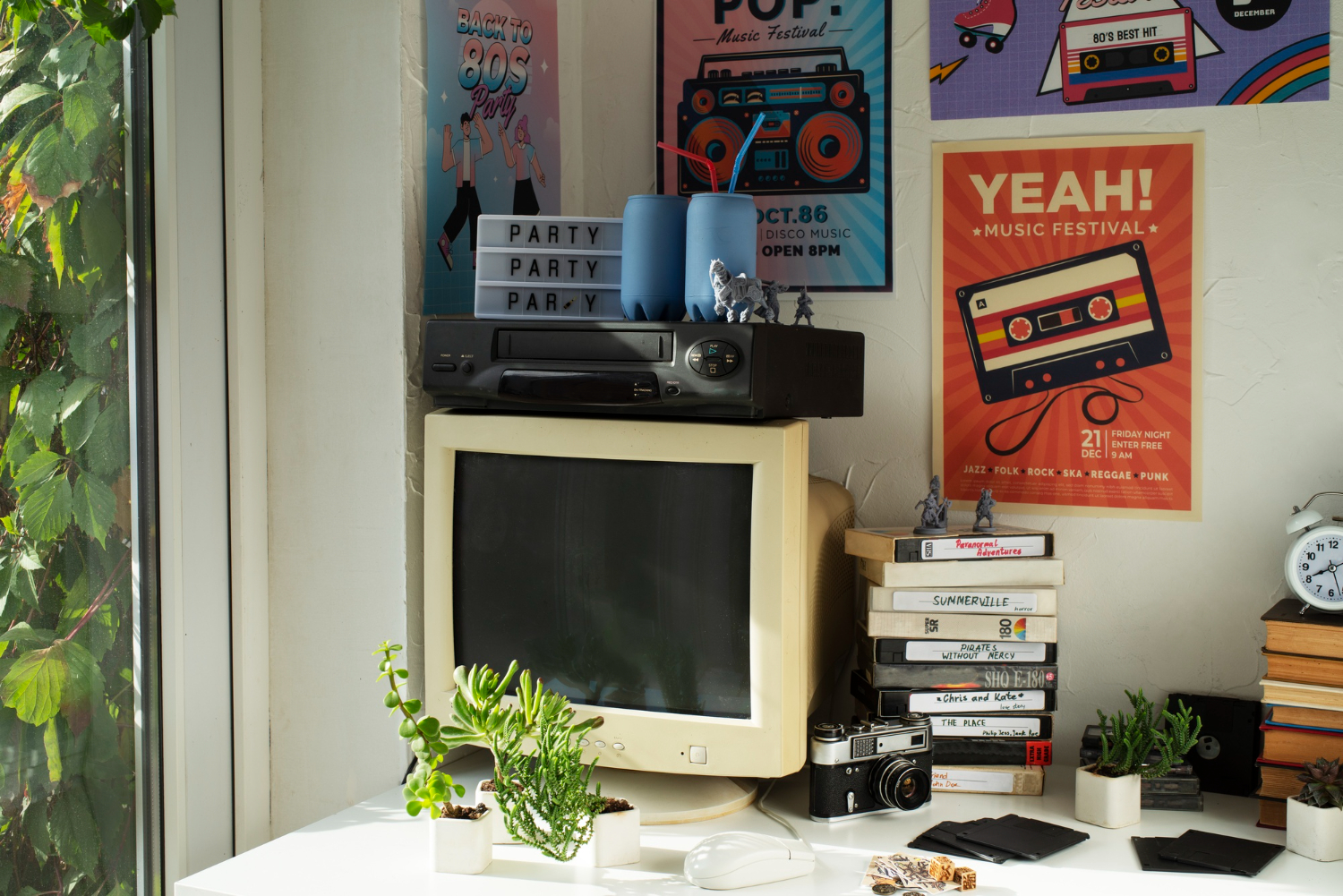
A boombox. A wired phone (sometimes their own line). Posters torn from Tiger Beat or YM. The bedroom of a 1990s American kid was a complete material ecosystem that has almost entirely been replaced by a single device — the smartphone. The physical objects that defined a generation’s private space have either been absorbed by digital replacements or simply disappeared. Here are 13 specific items every ’90s kid had in their bedroom that 2026 kids have never seen in person.
For the millennial and older Gen-Z readers: the bedroom you grew up in contained dozens of physical objects that have now been substantially eliminated by smartphone consolidation. For younger readers: your parents’ bedrooms looked nothing like yours, and the differences reveal something specific about how rapidly material culture has changed in 30 years.
1. A boombox or stereo system
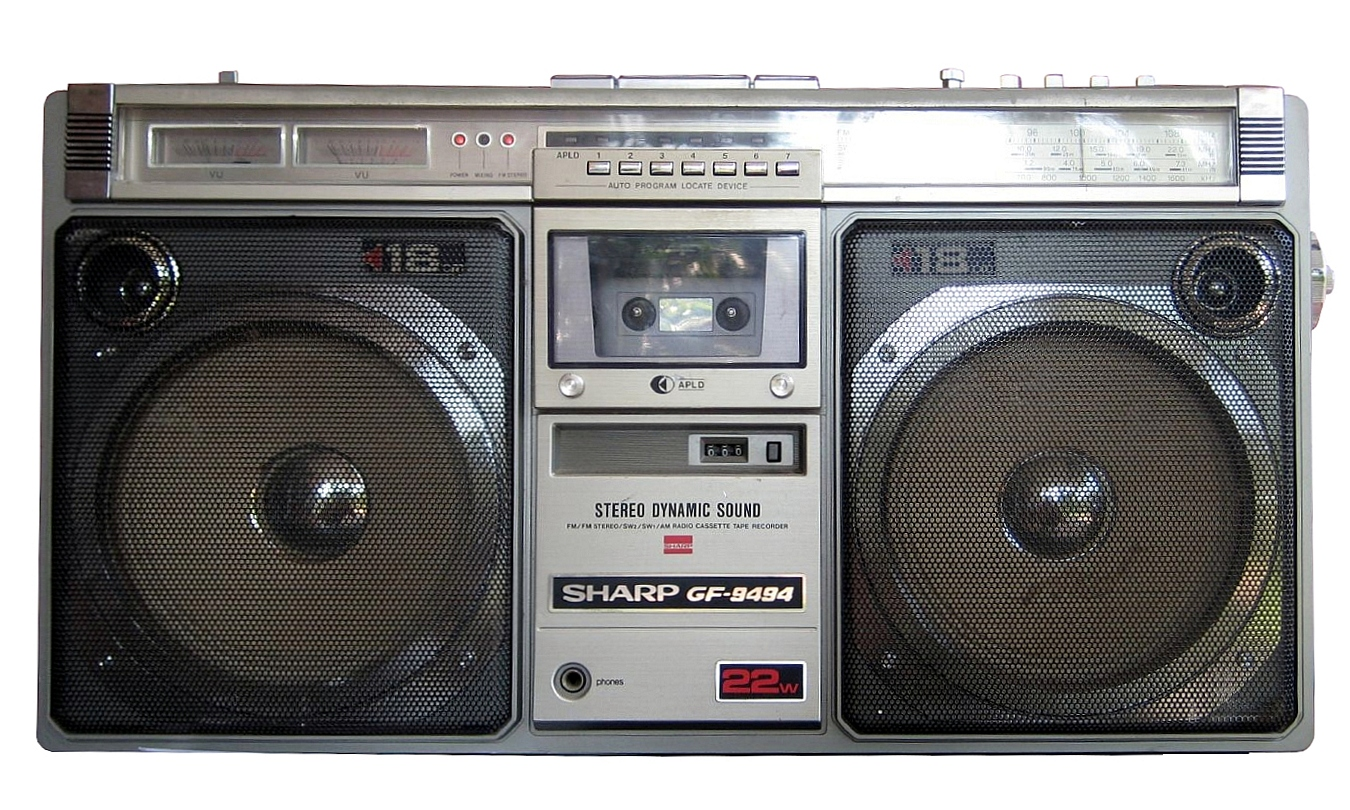
The dedicated music-playback device occupied substantial bedroom real estate throughout the 1990s. Boomboxes, dual-cassette decks, CD players, and various combination stereos were standard bedroom equipment. Most kids had at least a basic stereo by age 10. The replacement is the smartphone. Modern bedrooms typically have a single Bluetooth speaker or simply phone speakers. The dedicated audio equipment that occupied entire bedroom shelves in 1995 has been compressed into apps. Many 2026 kids have never operated a CD player and have only seen cassette tapes in retro-themed media.
2. A wired telephone (sometimes a private line)
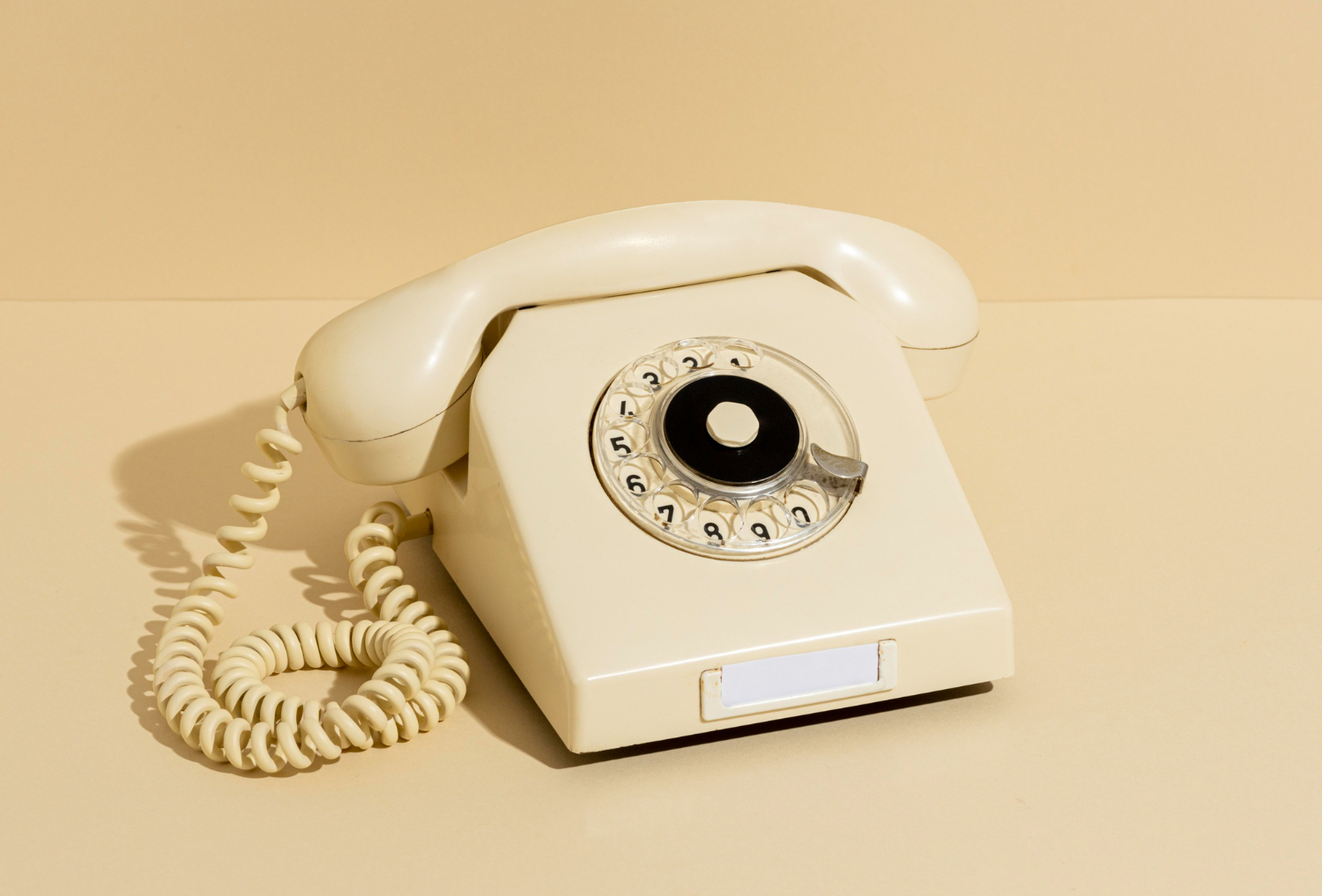
Kids of the 1990s frequently had wall-mounted or desk telephones in their bedrooms. The most-coveted situation was getting a private line — a separate phone number for the kid, distinct from the family phone. Phone numbers were memorized for dozens of friends. Modern kids have smartphones essentially exclusively. The wall-mounted bedroom phone has disappeared entirely from new home construction and renovation. Even landline households almost never put extensions in kids’ rooms anymore. The ritual of calling friends through wired bedroom phones has been replaced by texting through always-present mobile devices.
3. A clock radio with snooze button
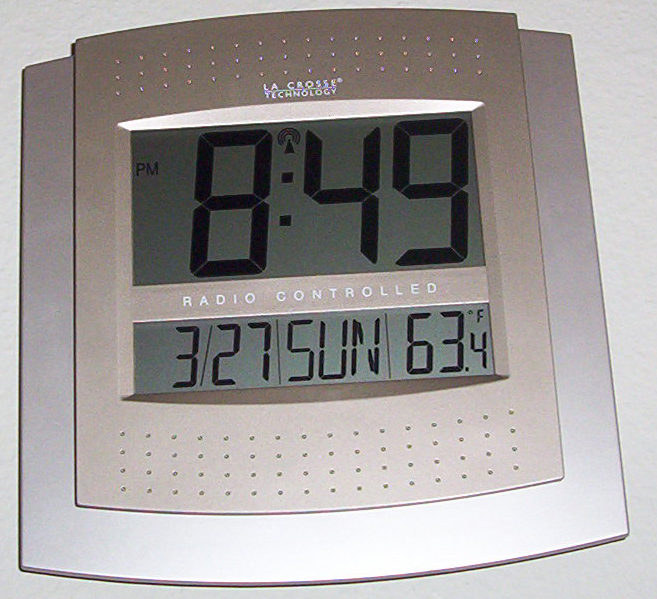
The bedside clock radio was nearly universal in 1990s bedrooms — a glowing red or green LED display showing the time, with AM/FM radio and an alarm function. Brands like General Electric, Sony, and Panasonic dominated the category. Modern kids use phone alarms exclusively. The dedicated alarm clock has substantially disappeared from teenage bedrooms. Some adults maintain the habit (partly to avoid having phones in bedrooms for sleep hygiene reasons), but the physical clock radio as standard kid bedroom equipment is gone. Many 2026 kids have never set a non-phone alarm.
4. Magazine subscriptions piled by the bed
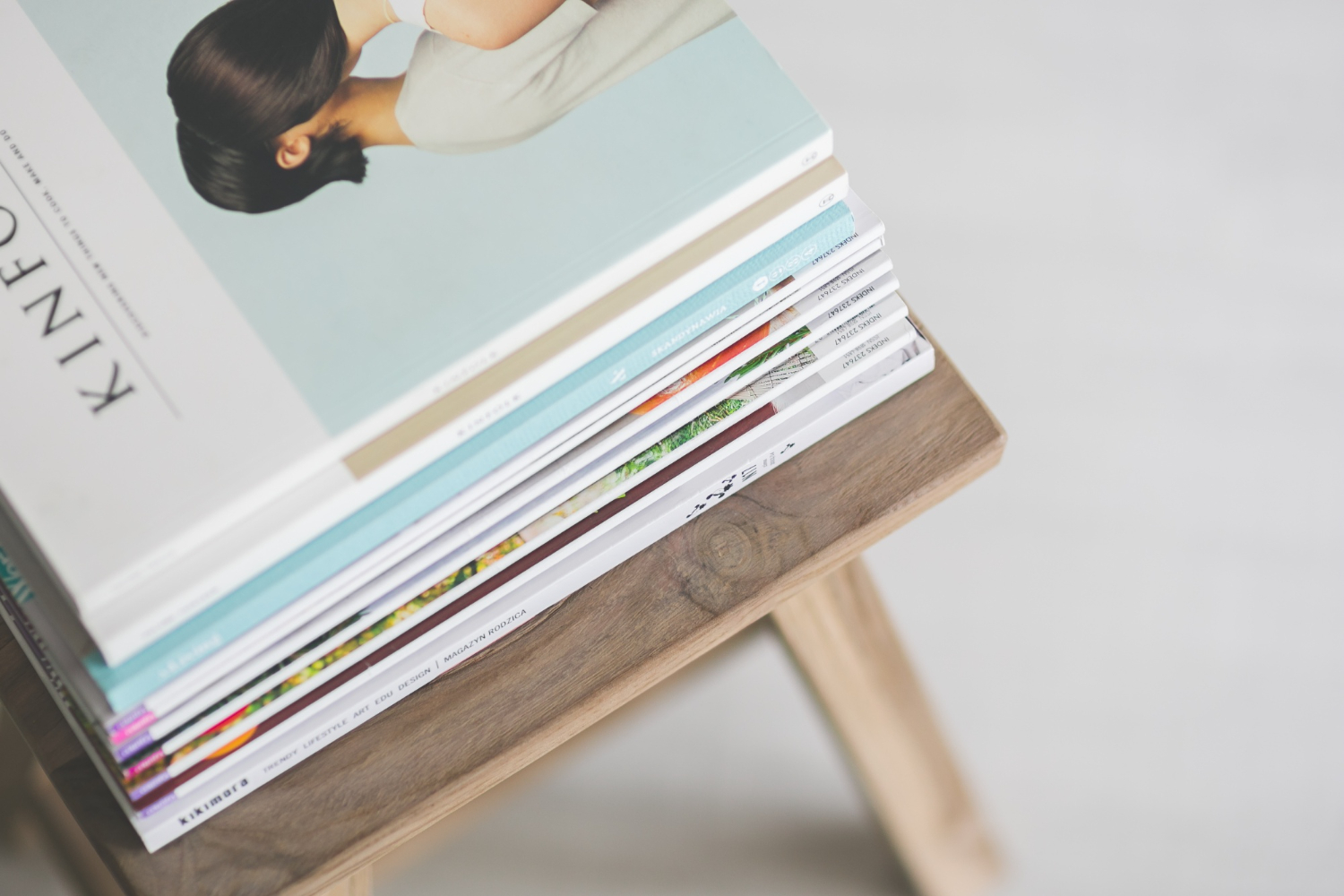
The 1990s bedroom contained substantial magazine inventory. Teen-targeted publications — Seventeen, YM, Tiger Beat, Bop, Sassy, J-14 — arrived monthly. Comics, gaming magazines (Nintendo Power, GamePro), and various other publications accumulated in stacks. Print magazines have substantially collapsed. Most teen-focused publications have either ceased printing or migrated entirely online. Bedrooms no longer accumulate paper publications. The specific ritual of receiving a magazine, reading it cover-to-cover, and adding it to the bedside stack has disappeared. Modern equivalents (TikTok, Instagram) provide similar content streams without the physical artifacts.
5. Posters torn from those magazines

Magazine posters and pull-out centerfolds were the primary wall decoration source for 1990s kids. Each issue of Tiger Beat or Seventeen contained multiple posters of pop stars, actors, and athletes that kids would carefully tear out and tape to walls. Modern kids decorate substantially differently. Wall posters still exist but are typically purchased rather than torn from magazines. Many bedroom walls now feature minimal decoration — string lights, small framed photos, or simply empty walls. The “every available wall surface covered in magazine pull-outs” aesthetic that defined 1990s teen bedrooms is essentially gone.
6. A VCR and stack of VHS tapes
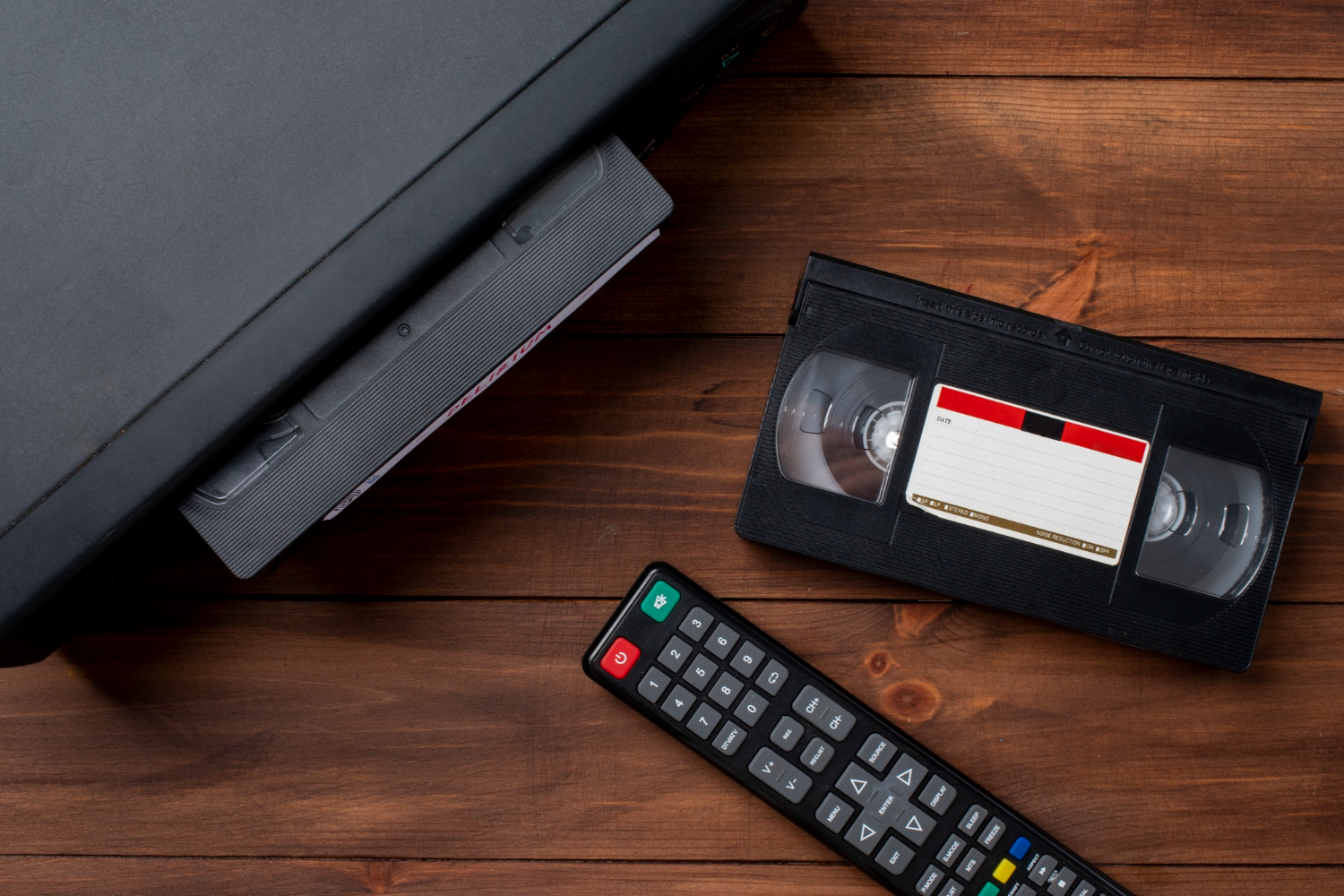
Many 1990s kids had a VCR in their bedroom — sometimes shared, sometimes their own — along with a substantial collection of VHS tapes. Recorded TV shows, owned movies, and homemade recordings filled shelves. Modern equivalents are entirely streaming-based. VCRs have been functionally extinct for over a decade. VHS tapes are objects of nostalgia or specific collector interest. The specific bedroom culture of building VHS collections, recording TV shows, and watching tapes alone has been entirely replaced by streaming services accessible from any screen.
7. Dust-jacket-protected encyclopedia volumes (sometimes)

For the more academic-leaning 1990s kid, a partial set of encyclopedias might live on a bedroom shelf — typically inherited from parents or grandparents, used for school projects. Encyclopedia Britannica, World Book, or Funk & Wagnalls were common brands. Encyclopedia Britannica ceased print publication in 2012. Modern students use Google and Wikipedia exclusively. The specific physical act of consulting bound encyclopedia volumes has essentially disappeared from American childhood. Some kids in 2026 have never opened a physical encyclopedia. The reference book as bedroom shelf occupant is gone.
8. A Trapper Keeper or Lisa Frank-decorated school supplies
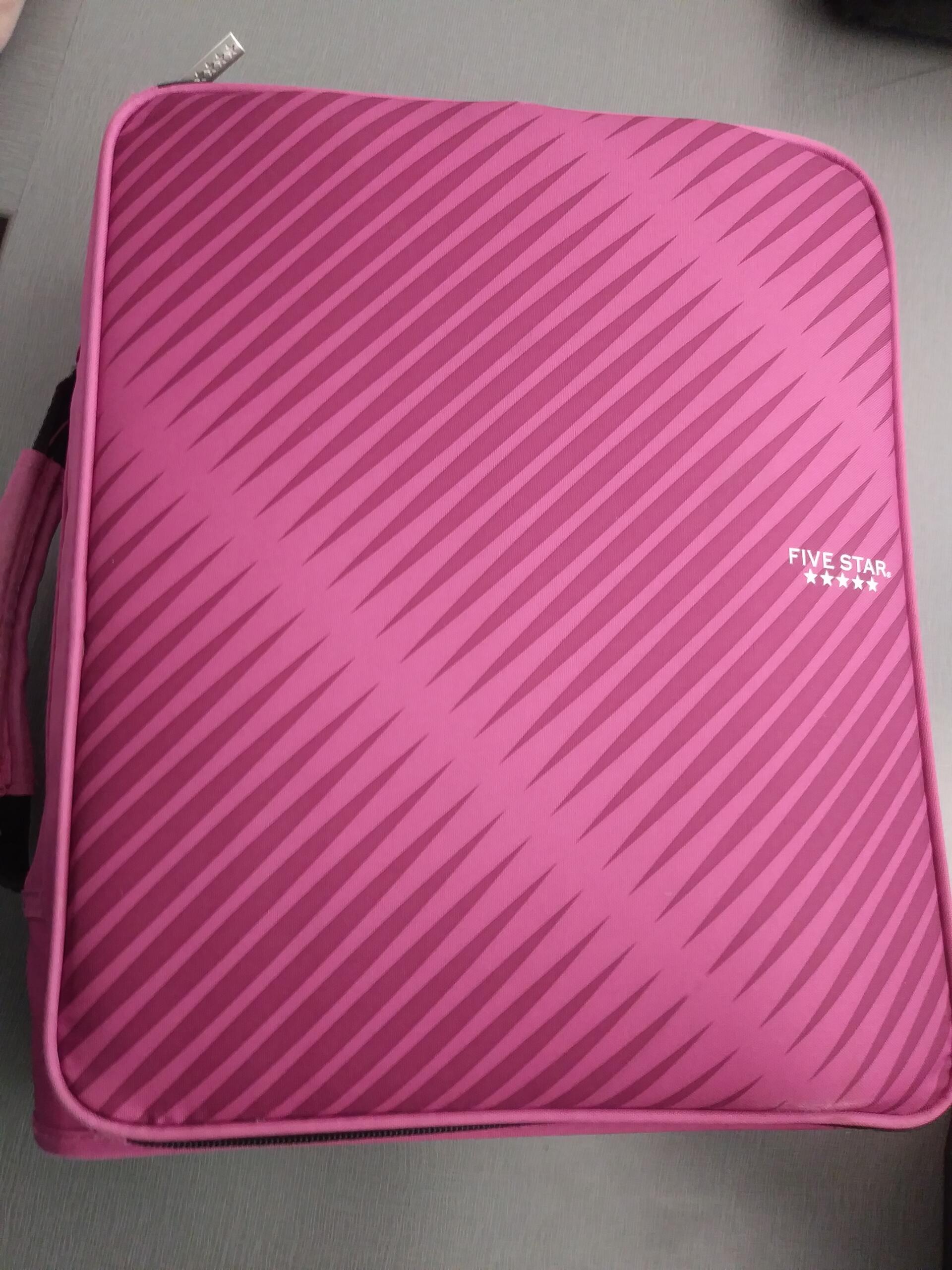
The bedroom desk of a 1990s kid contained substantial school supply infrastructure: Trapper Keepers (Mead’s iconic Velcro binder system), Lisa Frank-decorated notebooks featuring rainbow animals and unicorns, scented markers, gel pens in dozens of colors. Modern school work is overwhelmingly digital. Trapper Keepers still exist but in dramatically reduced volumes. Lisa Frank operates as a nostalgia brand rather than mainstream supplier. The specific aesthetic of 1990s kid school supplies — neon colors, holographic patterns, overwhelming visual stimulation — has been replaced by minimalist designs and digital tools.
9. A diary with a small lock
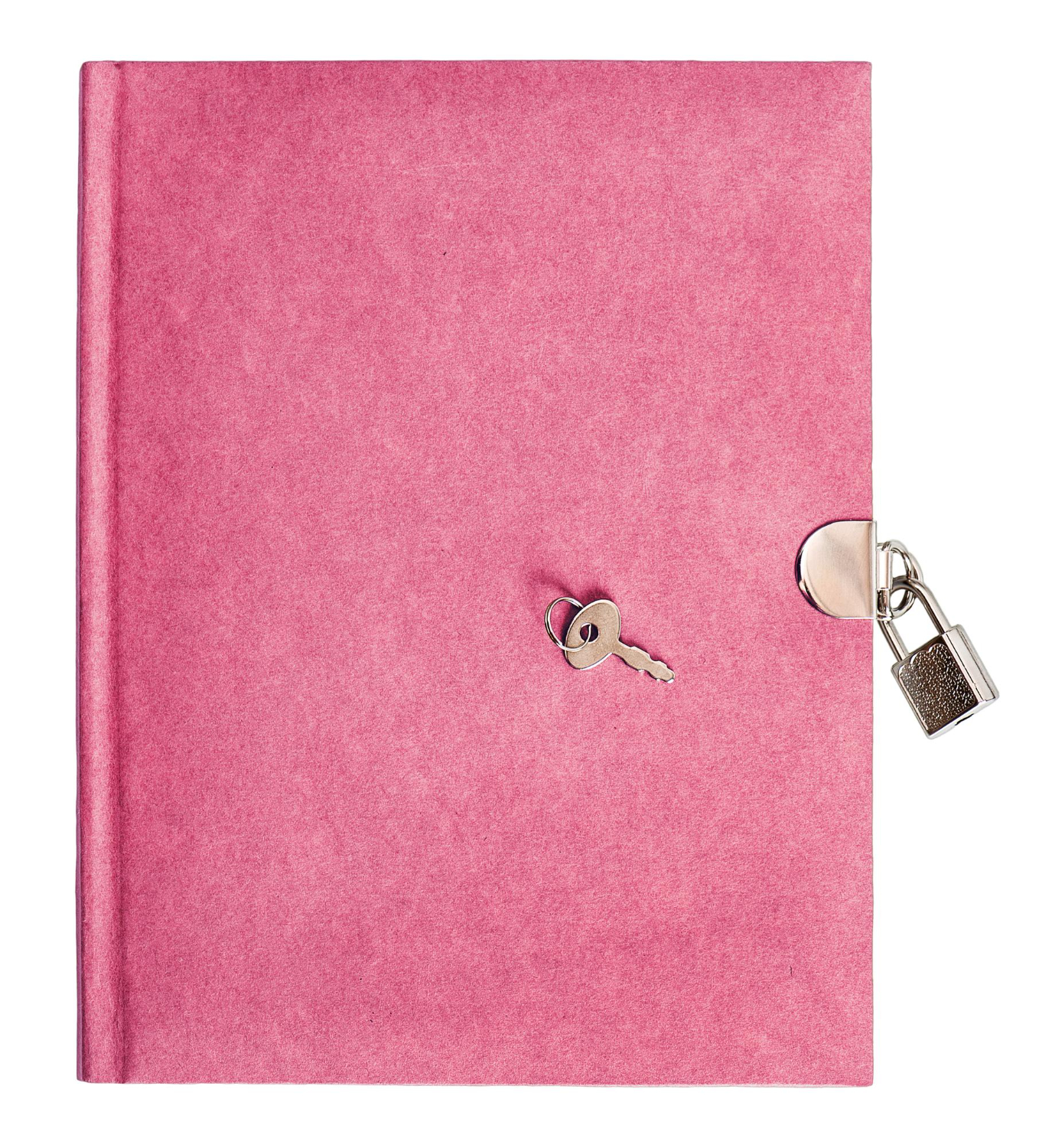
Many 1990s kids — particularly girls — kept locked diaries in their bedrooms. The locks were typically symbolic (any determined sibling could pick them in seconds), but the ritual of writing private thoughts in a physical book was widespread. Modern kids journal substantially less. Those who do typically use phone apps or password-protected digital documents. The specific physical artifact — a small bound book with a tiny brass key — has substantially disappeared from kids’ bedrooms. The ritual of physical journaling continues among adults seeking digital detox but is essentially gone from kid bedrooms.
10. A Walkman, Discman, or eventually MP3 player
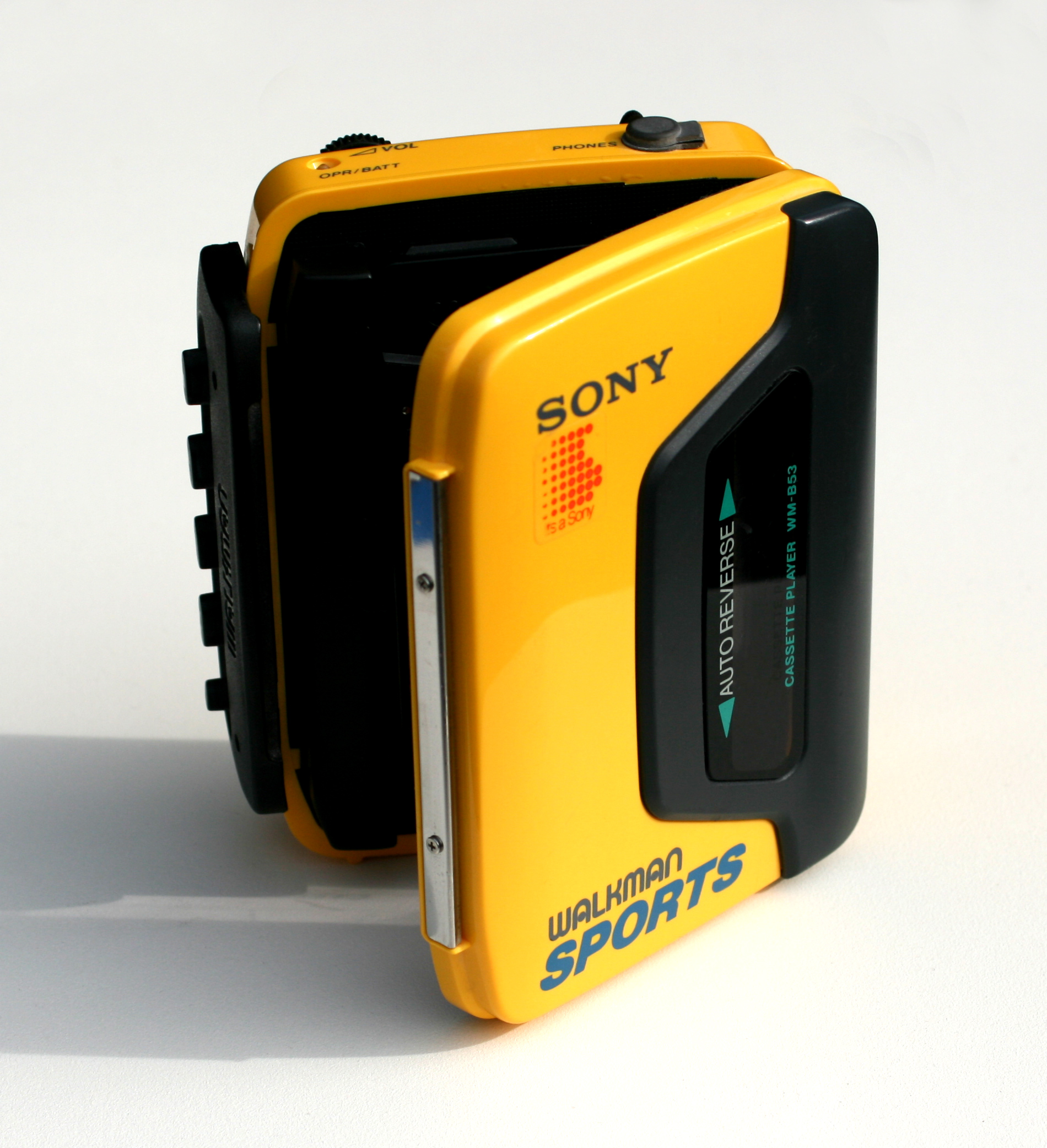
Portable music devices accumulated in 1990s bedrooms. The Sony Walkman (cassette), the Sony Discman (CD), and eventually early MP3 players (Rio PMP300, Diamond Multimedia) all occupied bedside tables. Each had distinctive headphones, batteries, and accessories. Smartphones have absorbed all of these functions. Dedicated music devices essentially don’t exist for kids in 2026 (specialized exceptions like running watches with music storage exist but aren’t standard kid equipment). The physical device collection that defined 1990s music consumption has been compressed entirely into a single phone app.
11. A landline phone book and a Rolodex
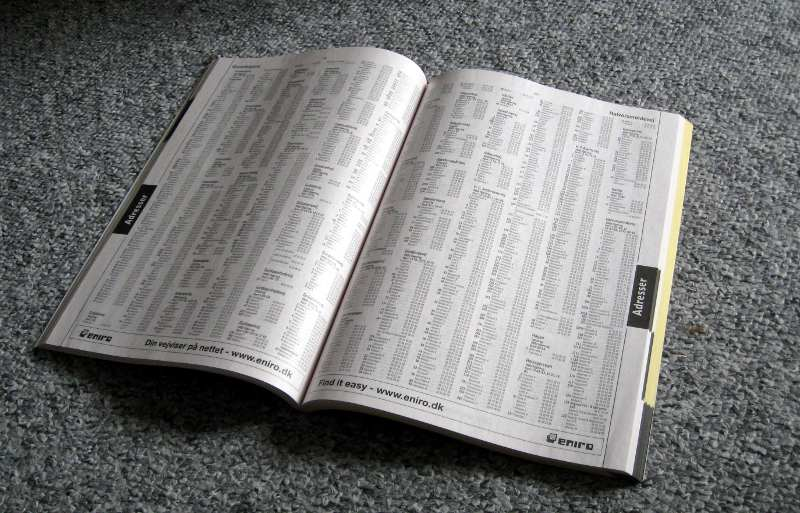
Many 1990s kids kept their own contact lists — typically in dedicated phone books with friend phone numbers, addresses, and birthdays. Some had small Rolodexes with cards for each contact. Modern equivalents are entirely smartphone contact lists. The physical phone book has disappeared. Friend addresses, phone numbers, and birthdays are stored in apps or memory of social media systems. Many 2026 kids cannot recall a single friend’s phone number from memory — there’s no need to memorize what the phone stores automatically.
12. A piggy bank, allowance jar, or collection of saved cash

The 1990s kid bedroom typically contained physical cash storage. Piggy banks, jars labeled by purpose (concert tickets, video games, savings), and small wallets accumulated coins and bills. Money was a physical object kids could see, count, and physically possess. Modern kids increasingly receive allowances digitally — through Greenlight, Step, or similar kid-focused banking apps. Cash itself has substantially disappeared from kid bedrooms. The specific tactile relationship with money that came from physical accumulation has been replaced by app-based interactions.
13. A landline-connected Brother or Smith Corona word processor
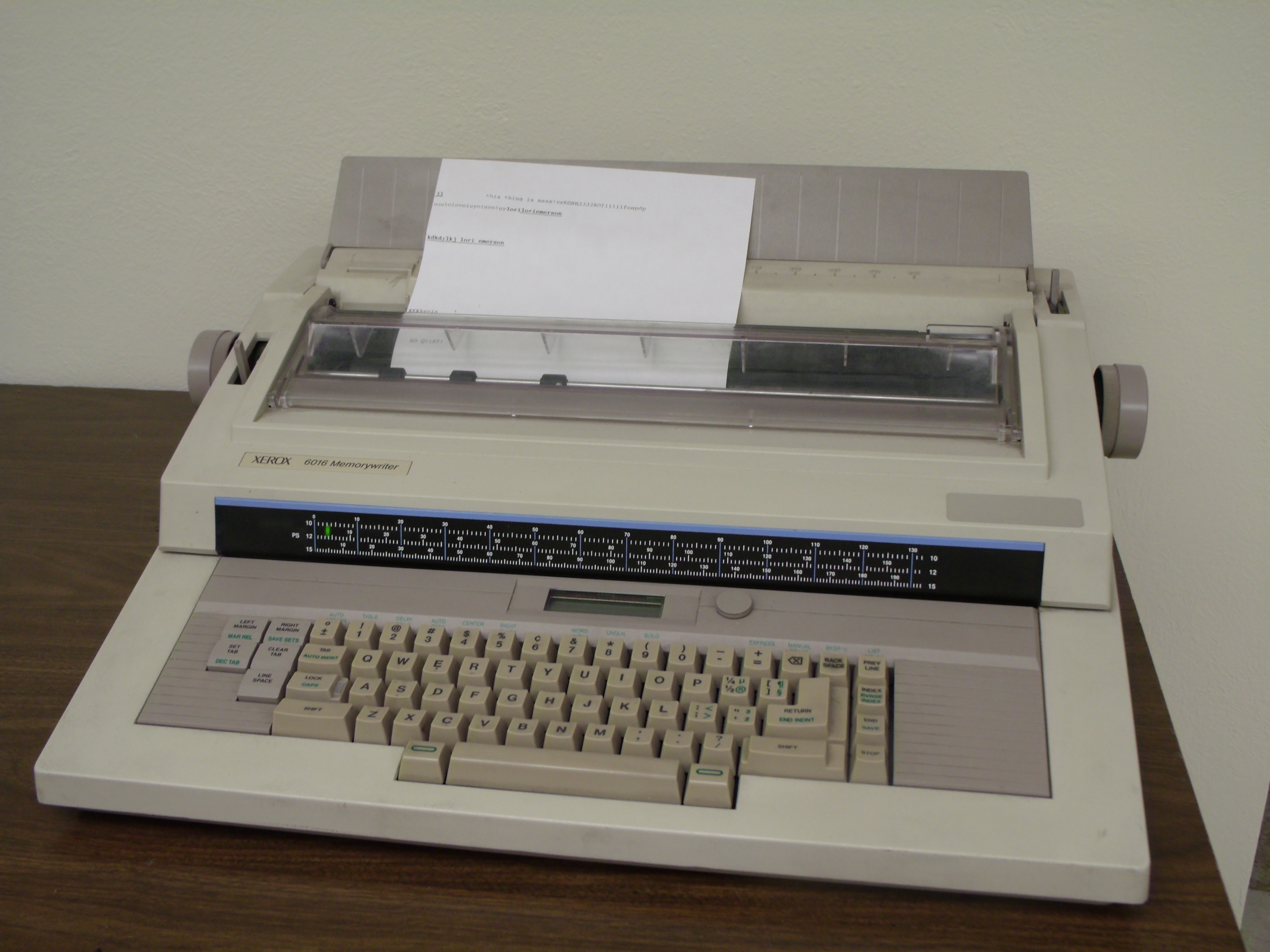
The most-equipped 1990s kid bedrooms (typically older teens working on schoolwork) sometimes contained dedicated word processors — Brother, Smith Corona, or Casio devices that combined typewriter and basic word processing. These were less common than computers but appeared in many homes during the transition era. Word processors disappeared entirely by the early 2000s as personal computers became affordable. Modern kids use shared family computers, personal laptops, or tablets. The specific category of “word processor” — neither typewriter nor full computer — was a brief 1990s phenomenon now essentially extinct.
What’s Actually Disappeared

The 1990s kid bedroom contained roughly 30-50 distinct physical objects that defined daily life: phones, music devices, magazines, posters, tapes, books, school supplies, diaries, contact lists, money, time-keeping devices. The 2026 kid bedroom contains 5-10 distinct physical objects — most of them substantially the same as the 1990s version (a bed, lamps, basic furniture) — plus the smartphone that has absorbed approximately 25-40 separate device functions. The cumulative compression represents one of the most dramatic changes in domestic material culture in modern history. The smartphone replaced an entire room’s worth of objects.