Sam Goody, Sharper Image, Borders, The Limited, Wet Seal, Sports Authority, Suncoast, and Warner Bros. Studio Stores were inescapable in the ’90s. Each one collapsed for a specific business reason — and most of them well before the rise of e-commerce people typically blame.
If you grew up American in the 1990s, your weekend probably involved a shopping mall. The specific stores varied by region but the categories were consistent: a music store like Sam Goody, a bookstore like Borders or Waldenbooks, a high-end gadget store like Sharper Image, a women’s clothing chain like The Limited, a teen retailer like Wet Seal, a sporting goods chain like Sports Authority, a movie store like Suncoast, and brand-themed stores like the Warner Bros. Studio Store and the Disney Store.
Almost none of these still exist as physical retailers. The story of how each one collapsed is genuinely different — and most of them, surprisingly, didn’t fail because of Amazon or e-commerce. The peak retail apocalypse for these specific chains was 2008-2017, when the bigger forces were the 2008 financial crisis, mall traffic decline, and specific business mistakes.
Here are eight of the most-missed, with the actual stories.
1. Sam Goody — bankrupt 2006, killed by digital downloads
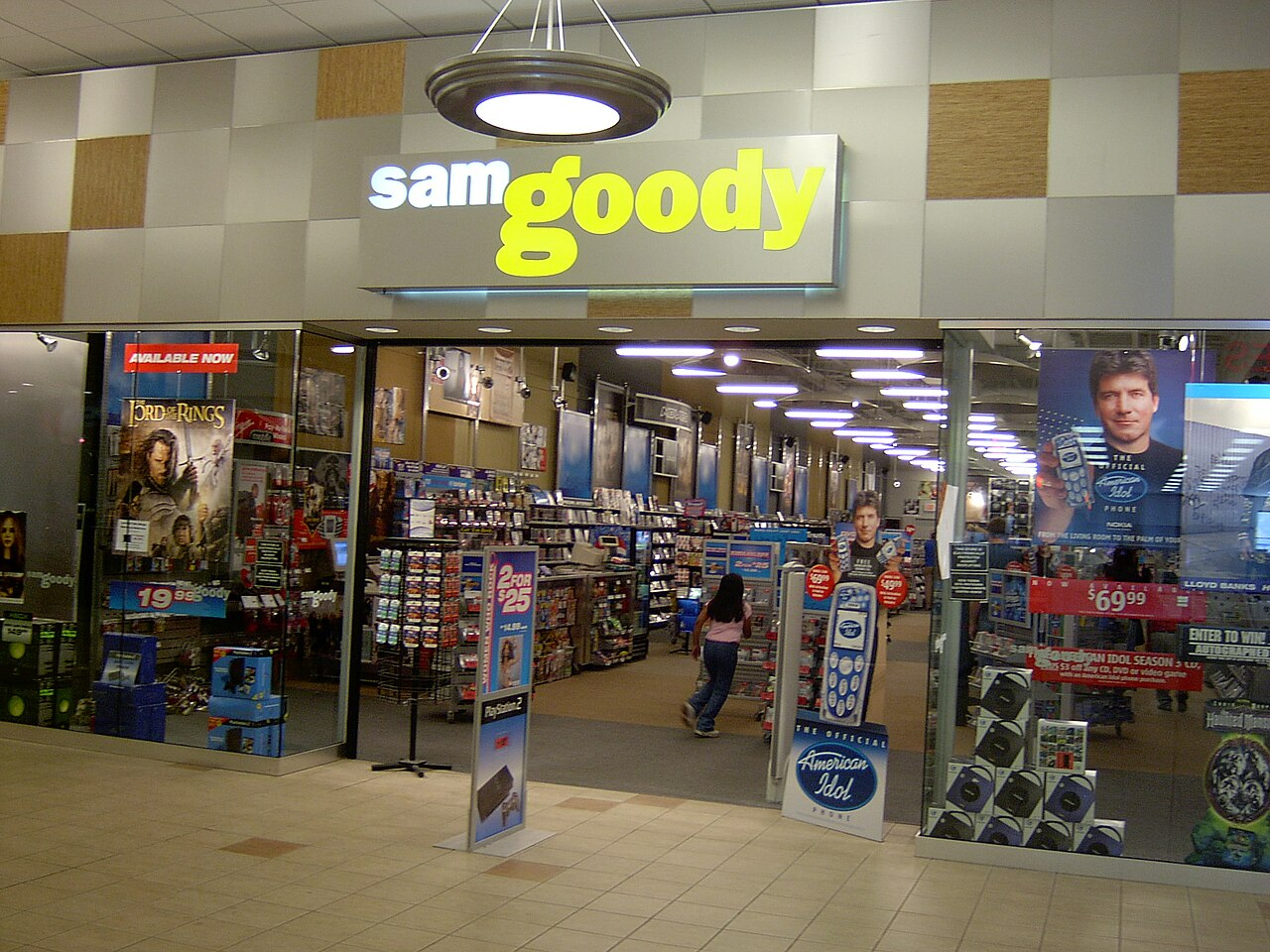
Sam Goody was the dominant music retailer in American malls through the 1980s and 1990s. The chain’s parent company, Musicland, filed for Chapter 11 bankruptcy in 2006. After bankruptcy, most surviving Sam Goody stores were rebranded as FYE locations.
The cause was specific and unmistakable: digital music downloads. The iTunes Music Store launched in 2003. By 2005, digital sales were rapidly cannibalizing physical CD sales. Sam Goody’s entire business model — physical retail of new-release CDs at full price — became commercially untenable within roughly three years.
A small detail that’s not widely known: two Sam Goody locations technically still operate as of recent reporting. One in Medford, Oregon (Rogue Valley Mall) and one in St. Clairsville, Ohio. They are the last of what was once one of America’s largest specialty retail chains.
2. Sharper Image — bankrupt 2008, killed by a lawsuit

Sharper Image, the high-end gadget retailer, filed for Chapter 11 bankruptcy in February 2008 and closed all of its retail locations. The brand still exists as an e-commerce platform but the physical stores are gone.
The most specific cause of Sharper Image’s collapse was a 2005 Consumer Reports article that gave the company’s flagship product, the Ionic Breeze air purifier, a “fail” rating. Sharper Image responded by suing Consumer Reports — and lost. Customers then began suing Sharper Image for misrepresentation of the Ionic Breeze’s effectiveness. The combination of legal costs, refund obligations, and damaged consumer trust around its highest-margin product effectively ended the chain.
3. Borders — liquidated 2011, killed by Amazon (and management mistakes)
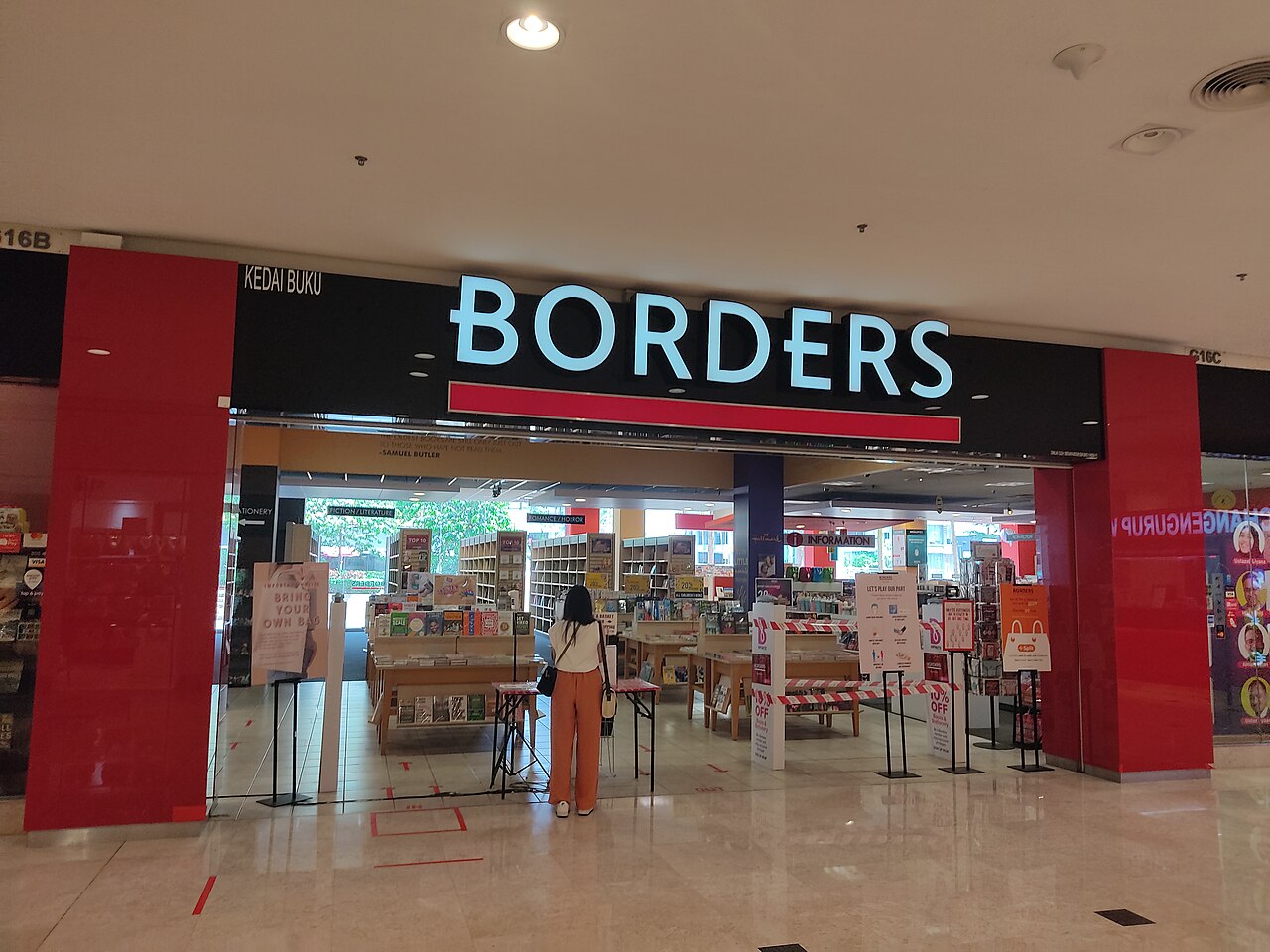
Borders Group, Inc., which operated both Borders bookstores and Waldenbooks, liquidated all of its assets in 2011. The company had been one of the two dominant American bookstore chains alongside Barnes & Noble.
Borders’ collapse was partly the Amazon story everyone associates with bookstore decline, but it was also a specific story of management decisions. The most-cited mistake was Borders’ 2001 decision to outsource its entire online business to Amazon. From 2001 to 2008, Amazon ran Borders.com — meaning that Borders effectively trained its own customers to buy books from Amazon during the years when Amazon was building its dominance.
When Borders finally launched its own website in 2008, the company had already lost the e-commerce battle by seven crucial years. The 2008 financial crisis accelerated what was already happening, and the company filed for bankruptcy in February 2011, then liquidated entirely later that year.
4. The Limited — bankrupt 2017, victim of fast fashion

The Limited was a defining women’s clothing chain for American working women in the 1980s and 1990s. At its peak, the chain operated more than 750 stores across the United States. The brand was forced to file for bankruptcy in early 2017 and closed all of its physical stores. Only an online operation survives.
The Limited’s collapse is best understood as part of the broader collapse of the mid-priced women’s clothing category in American malls. Customers shifted to fast-fashion chains (H&M, Zara, Forever 21) that offered trendier styles at lower prices, and to luxury and athleisure brands at the higher end. The Limited’s mid-priced “office wear and casual wear for working women” positioning lost its market.
5. Wet Seal — bankrupt 2015, then 2017
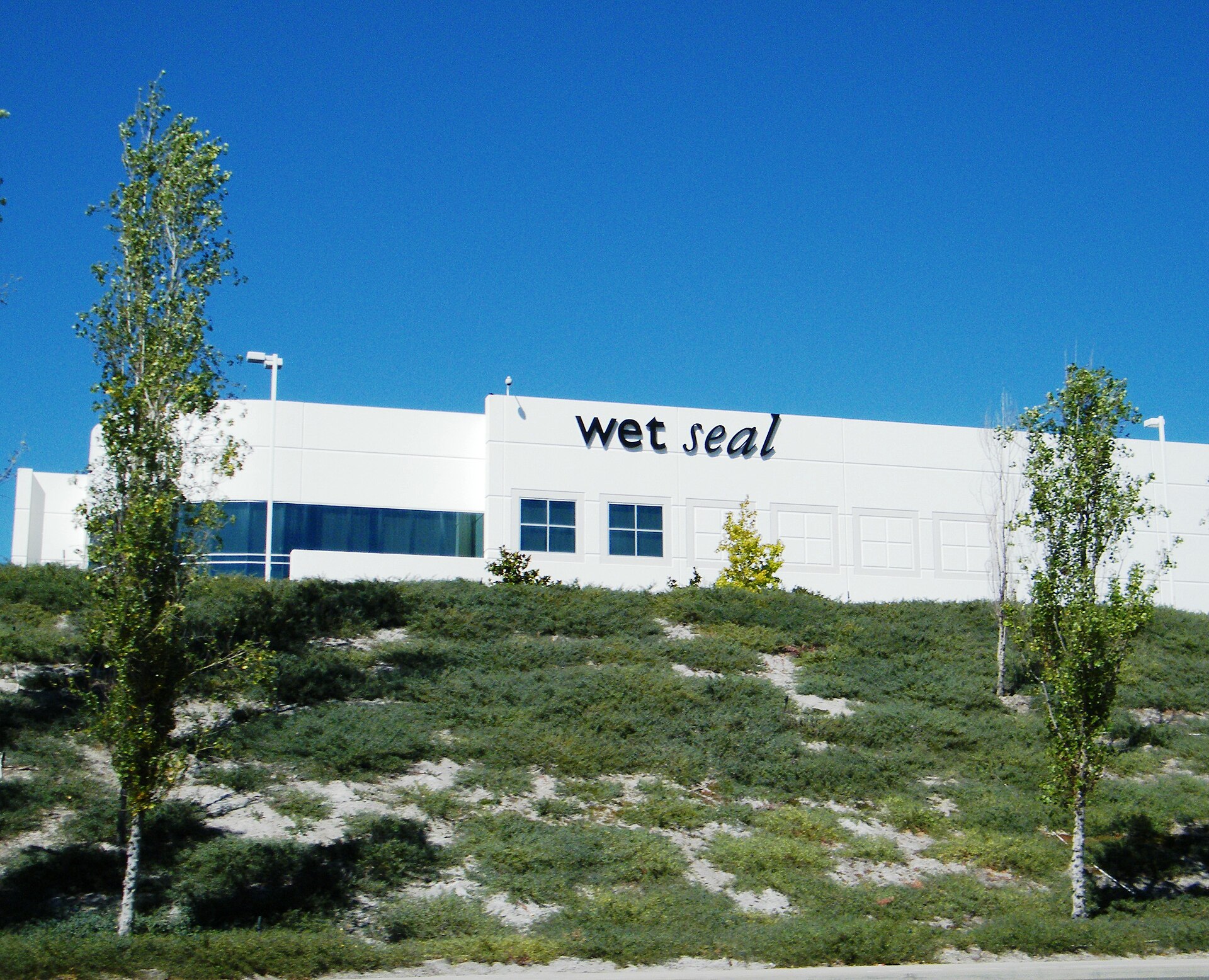
Wet Seal was the trendy junior teen retailer where ’90s and 2000s American teenagers bought wide-leg jeans, baby doll tees, and lingerie-style camisoles. The company filed for Chapter 11 bankruptcy in 2015 after closing 338 stores. By the end of 2017, all Wet Seal brick-and-mortar stores had closed permanently. An online operation continues.
Wet Seal’s collapse came from competition with newer teen-focused chains (Forever 21, H&M, Charlotte Russe) and from costly lawsuits. The chain “hemorrhaged cash quickly in the 2010s,” as Best Life put it in their 2022 retrospective. Like The Limited, Wet Seal was caught in a broader collapse of mall-based teen apparel retail.
6. Sports Authority — bankrupt 2016, killed by competition
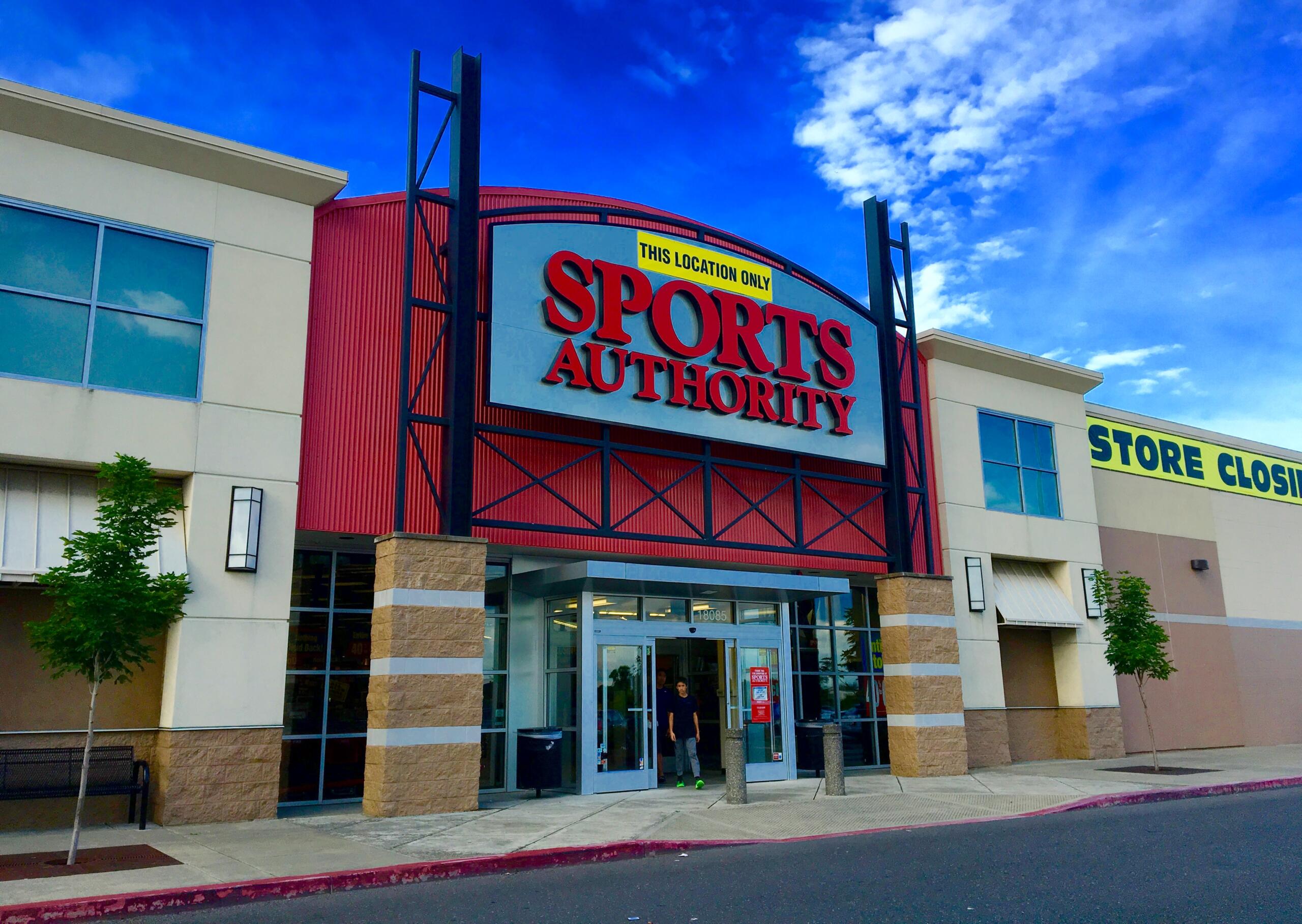
Sports Authority filed for Chapter 11 bankruptcy in March 2016, announced in May 2016 that all remaining locations would close, and was effectively dissolved by mid-2016. The brand name and intellectual property were sold to Dick’s Sporting Goods, which had been the chain’s primary national competitor.
The specific cause was financial structure. A hedge fund had acquired Sports Authority in 2006 in a leveraged buyout — the same private-equity-backed pattern that contributed to the 2024 casual dining bankruptcies. By the early 2010s, Sports Authority was carrying debt it couldn’t service while losing market share to Dick’s Sporting Goods, REI, and Amazon. The chain that had once been “the authority in everything athletics,” as Best Life summarized, never recovered.
7. Suncoast Motion Picture Company — closed 2009, killed by streaming
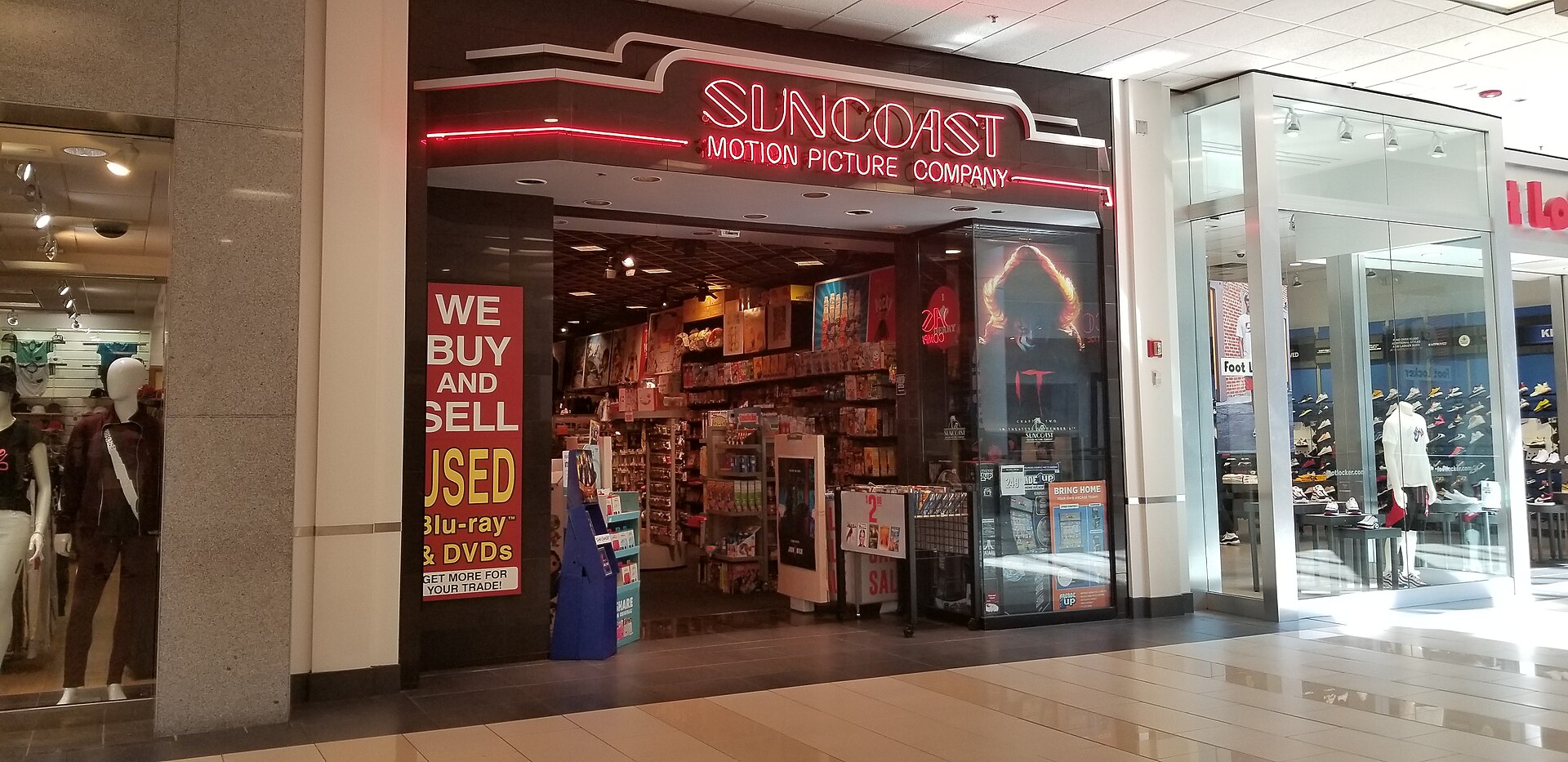
Suncoast was the mall-based VHS, DVD, and Blu-ray retailer where Americans went to buy specific movies they wanted to own. The chain operated under the same Musicland parent company as Sam Goody, and by 2009, all Suncoast branches had closed.
The cause was straightforward: streaming services were beginning to make physical movie ownership obsolete. Netflix’s streaming service launched in 2007. By 2009, the value proposition of paying $25 for a Blu-ray you could watch once and put on a shelf was rapidly declining for American consumers who could rent the same movie digitally for $4 or stream it as part of a $9/month subscription.
8. Warner Bros. Studio Store — closed 2001, victim of corporate merger
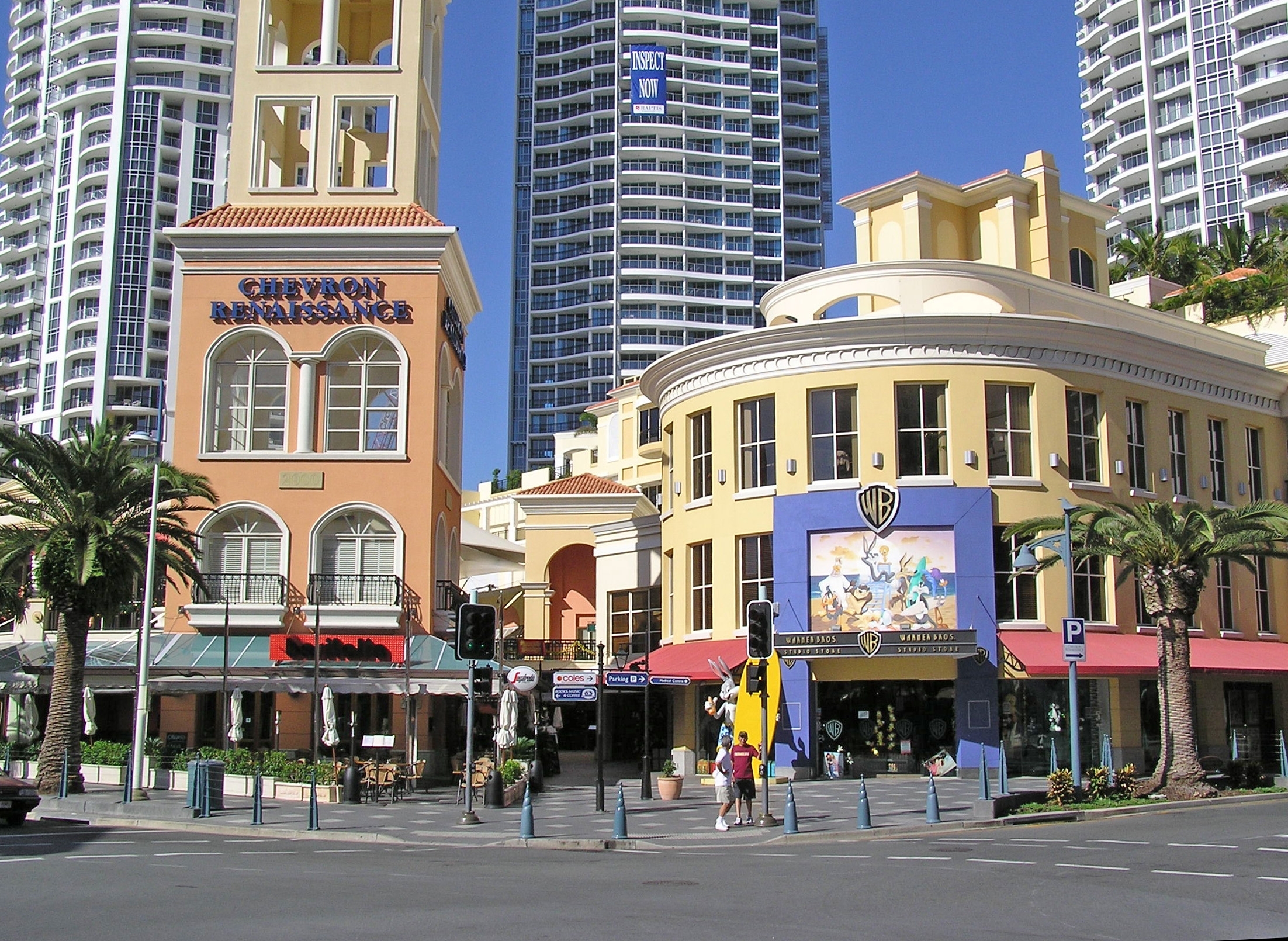
The Warner Bros. Studio Store was the sister concept to the Disney Store — a mall-based retailer selling Bugs Bunny, Looney Tunes, DC Comics, and other Warner Bros. branded merchandise. The store was effectively killed by a corporate merger.
When AOL and Time Warner merged in 2000-2001, the new combined company conducted aggressive cost-cutting across non-core operations. The Warner Bros. Studio Stores, which had not been particularly profitable, were closed as part of those cuts in 2001. Unlike most mall stores that died from market forces, the Warner Bros. Studio Stores were effectively a casualty of the AOL-Time Warner merger — a corporate transaction that’s now considered one of the worst mergers in business history.
The Disney Store, by contrast, survived for decades after the Warner Bros. closure. Disney closed most of its physical stores by 2021 in favor of a digital strategy.
What replaced these stores in the malls
The interesting question, looking at all eight collapses together, isn’t just why these stores died — it’s what’s now in the spaces they vacated. The pattern, according to retail real estate analysis from CBRE and other firms, is consistent:
Discount apparel retailers (TJ Maxx, Marshalls, Ross) absorbed many of the spaces previously occupied by The Limited and Wet Seal.
Specialty fitness and beauty (Ulta, Sephora, athleisure chains like Lululemon and Athleta) replaced specialty teen retail in many malls.
Larger entertainment concepts (movie theaters with dining, family entertainment centers) replaced the smaller media stores like Sam Goody and Suncoast.
Restaurant and food hall expansions absorbed many of the Sharper Image and Warner Bros. Studio Store spaces.
Mixed-use redevelopment has converted entire underperforming malls — particularly in the suburbs that grew up around the chains in this article — into residential and office space. The Highland Mall in Austin, the Cinderella City Mall in Englewood, Colorado, and many others have been demolished or partially demolished.
For Americans who feel a specific sense of loss about these stores — the smell of CD plastic at Sam Goody, the demo gadgets at Sharper Image, the listening stations at Borders — it’s worth knowing that the loss is generally not just nostalgia. The retail experience these stores provided (physical browsing, hands-on product discovery, social mall-trip context) genuinely doesn’t exist in the same form anywhere now. Online retail has its own advantages, but the specific experience of being a 1990s American teenager spending Saturday afternoon browsing CDs and trying out massage chairs is genuinely a thing of the past.
The malls themselves are mostly still there. The stores in this article are mostly not.