


The 1995 American teenager carried specific items that defined daily life in the pre-internet era. Specific brands of backpack contents. Specific entertainment devices. Specific communication tools. Specific identification methods. Almost none of these items exist in 2026 American teen life — replaced by smartphones, digital alternatives, and various other technological substitutes. The transformation has been so complete that 1995 teen daily inventory now seems almost unrecognizable to current teenagers. Here’s what was actually in that 1995 JanSport backpack — and what specifically replaced each item.
The 1995 American teenage daily inventory reflects specific technological, cultural, and economic moment that has substantially disappeared within one generation. Walking through what teenagers actually carried provides specific insight into how pre-internet daily life functioned — and how dramatically the smartphone era has transformed the basic infrastructure of teenage existence. Most current adults who were teenagers in 1995 can readily recall the specific items that defined their daily lives; current teenagers often find descriptions of these items genuinely incomprehensible.
The JanSport Backpack
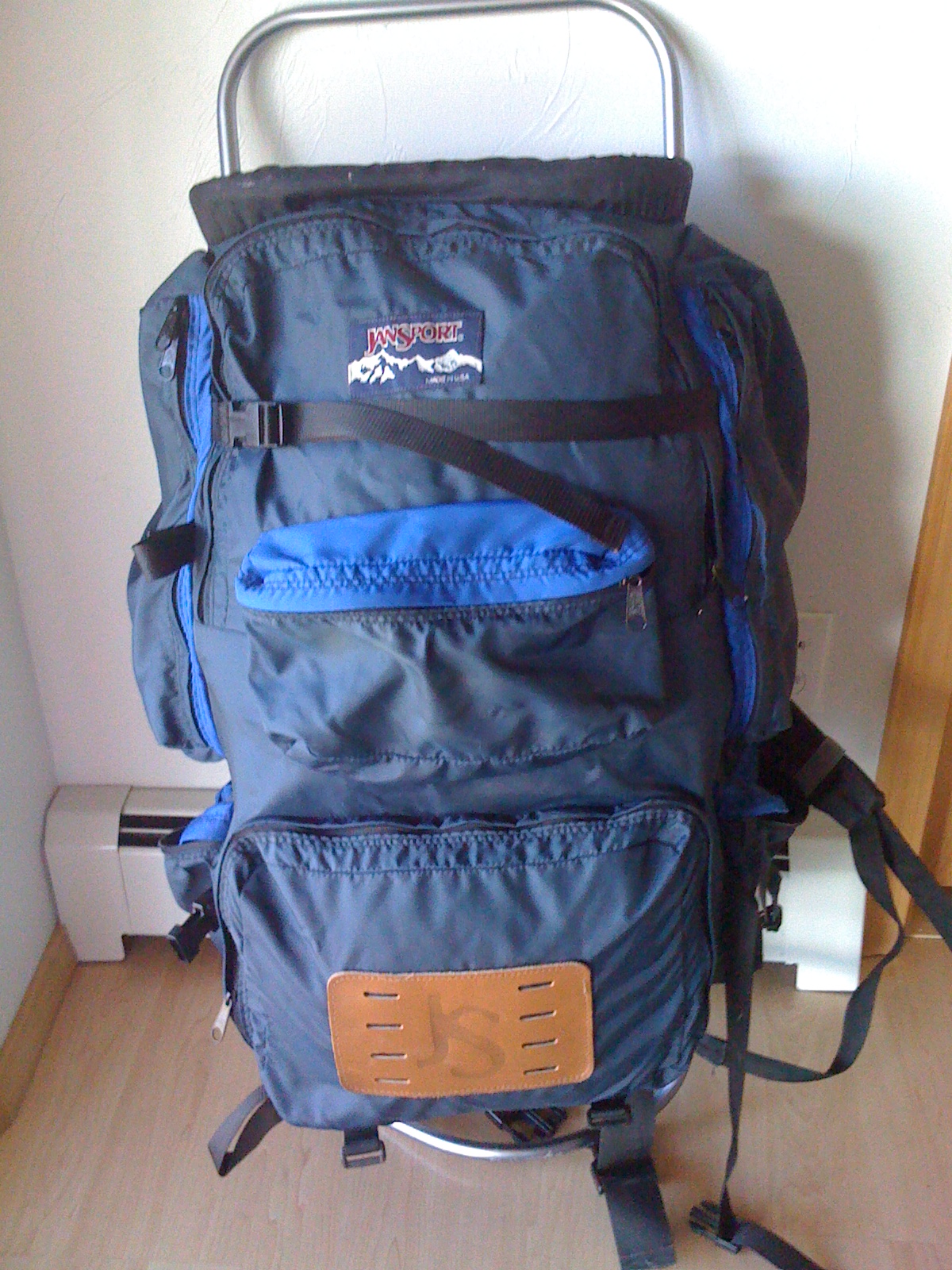
The JanSport backpack was essentially universal teenage equipment in 1995. The specific brand had become so dominant that “JanSport” was used essentially as generic term for backpack. Specific styles, colors, and configurations indicated various social affiliations. The classic JanSport “Right Pack” with leather bottom was particularly iconic. The backpacks lasted essentially forever — many 1995-era JanSports remain functional in 2026, demonstrating substantially better durability than current backpack alternatives.
JanSport continues operating but represents substantially smaller portion of teen backpack market. Current teen backpacks come from various brands optimized for laptop/tablet transport rather than traditional book carrying. The specific JanSport dominance of 1995 has been replaced by substantial brand fragmentation. Various “vintage” JanSport styles have experienced periodic nostalgic resurgences but the universal default position of 1995 has substantially disappeared.
The Discman or Walkman
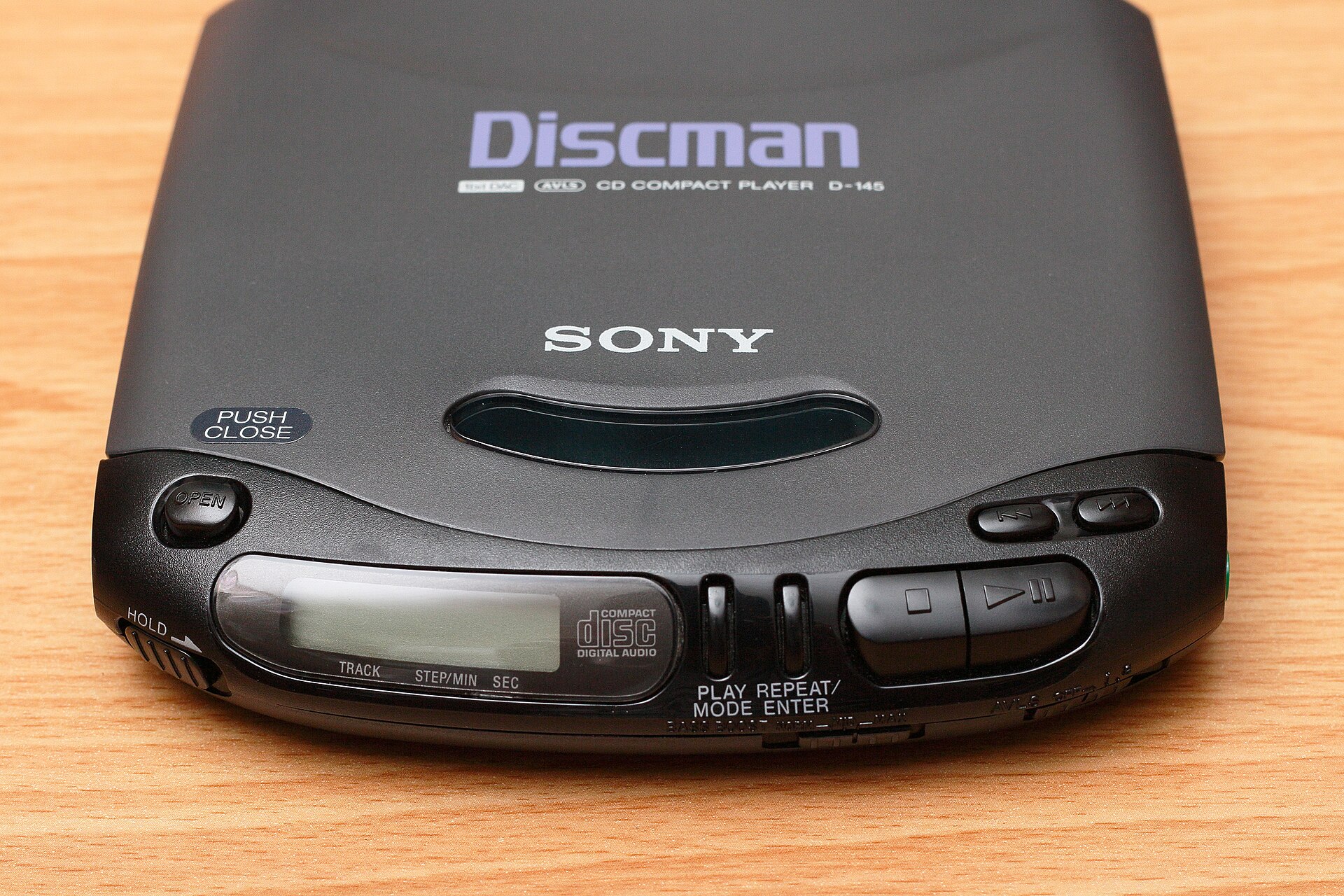
Portable CD players — most famously the Sony Discman — were essential 1995 teen equipment. The Discman replaced the cassette-tape Walkman that had dominated the 1980s. CD players provided substantially better sound quality but had specific limitations: required CDs to be carried separately (typically in fabric CD wallets), skipped during physical movement (anti-skip technology was improving but still imperfect), and ran through batteries rapidly (typically 4-8 hours per battery set).
The Discman has been completely replaced by smartphone music apps, Bluetooth wireless earbuds, and various other digital alternatives. The specific physical infrastructure of 1995 portable music — the device, the CDs, the headphones, the batteries, the CD wallets — has essentially disappeared from American teen life. Current teenagers typically carry only smartphones plus wireless earbuds, eliminating the substantial physical apparatus that defined 1995 portable music. Some specific vintage equipment has gained collectible status but practical use has substantially ended.
The Trapper Keeper
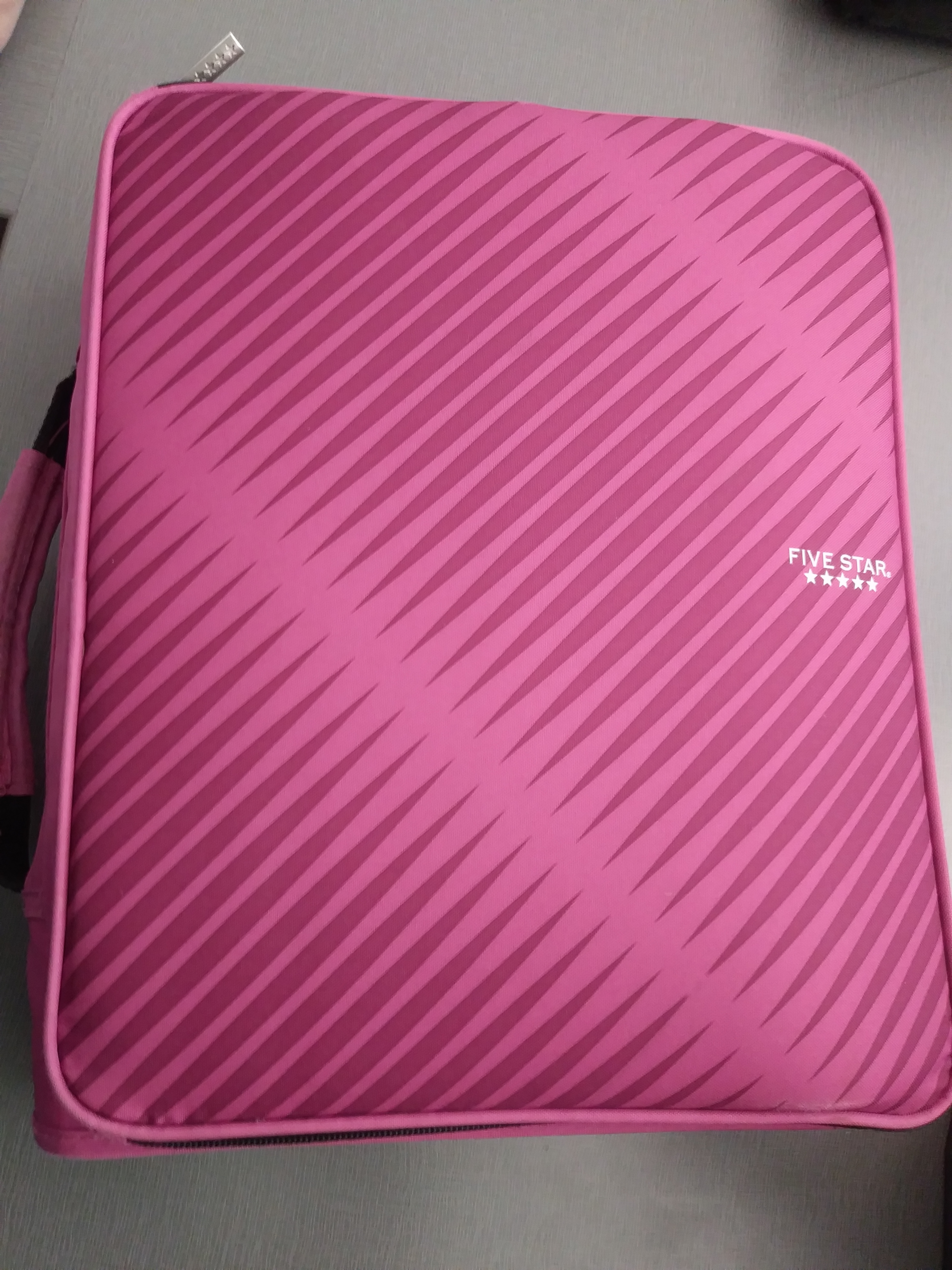
The Mead Trapper Keeper was substantially universal school binder equipment for American teenagers from approximately 1980 through approximately 2005. The distinctive vinyl-covered three-ring binder with velcro closure provided specific features: substantial paper capacity, organized subject sections, attached folder pockets, and various other organizational elements. Specific Trapper Keeper designs (Designer Series with various themes, Air series with mesh panels, etc.) became substantially iconic.
Modern teen organization typically uses substantially different infrastructure. Many current teens don’t carry physical binders at all — relying instead on tablets/laptops for note-taking and organization. Schools that still require paper-based organization typically use simpler binder alternatives. The specific Mead Trapper Keeper has substantially declined in market presence. Some specific vintage Trapper Keeper designs have become collectibles and occasional retro reissues have appeared, but the universal teen position has substantially ended.
The Beeper or Pager
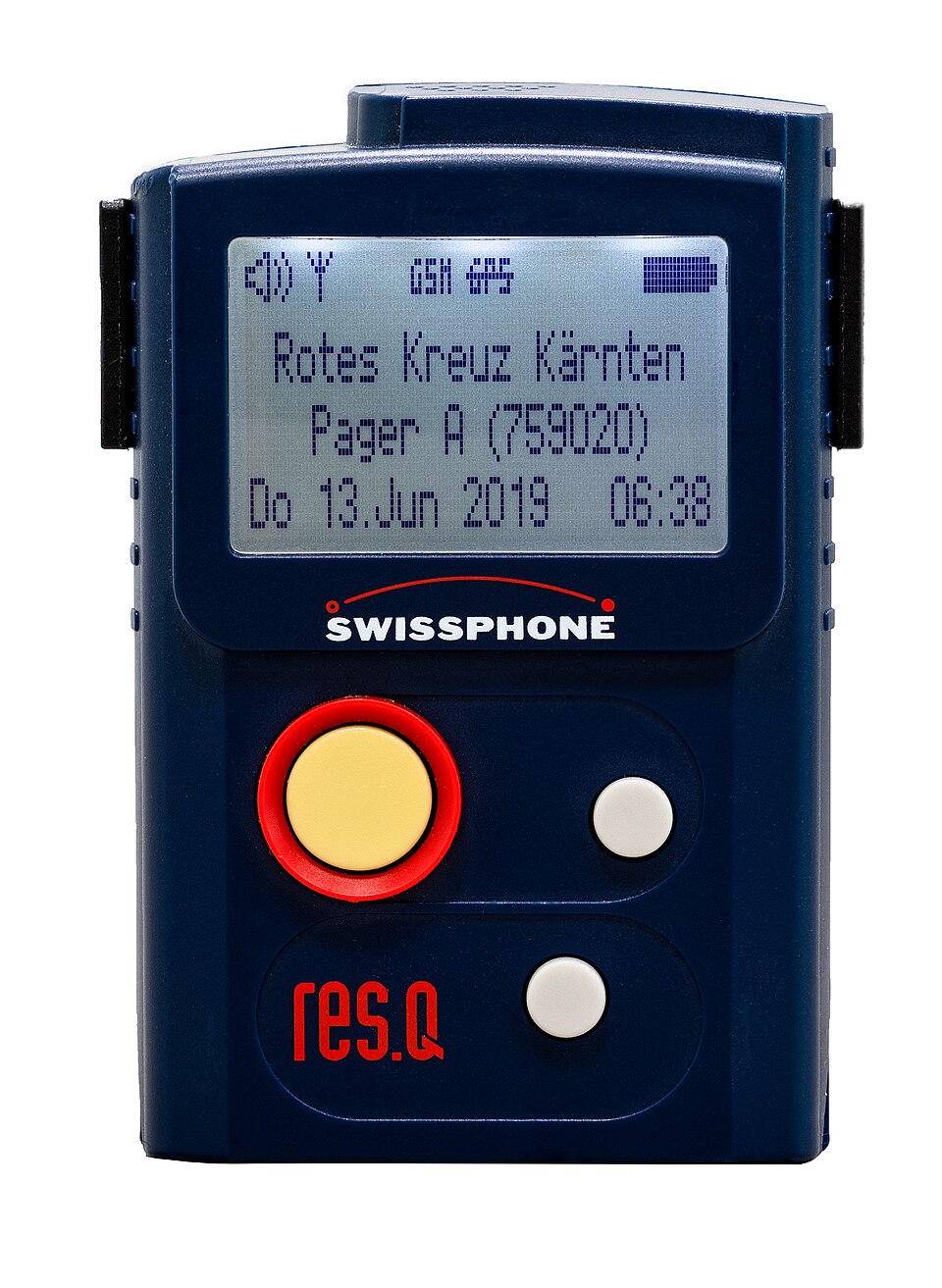
By 1995, beepers (also called pagers) had become substantially common teen equipment despite originally being adult/business devices. The pagers received numeric messages displayed on small screens — typically used for receiving phone numbers to call back. Specific code systems developed: 143 meant “I love you” (numbers correspond to letter counts), 911 meant “call back urgently,” various other coded messages. The cumulative coded communication culture was genuinely substantial in late-1990s teen social life.
Pagers have been completely replaced by mobile phones and smartphones. The specific limitations that drove pager culture (one-way messages, code systems for limited screen capacity) became irrelevant once two-way text messaging became available. By 2005, pagers had essentially disappeared from teen use. The specific 1995 pager experience — wearing the device on belt, recognizing numeric codes, finding payphones to call back — has substantially ended within one technological generation.
The Specific Calculator
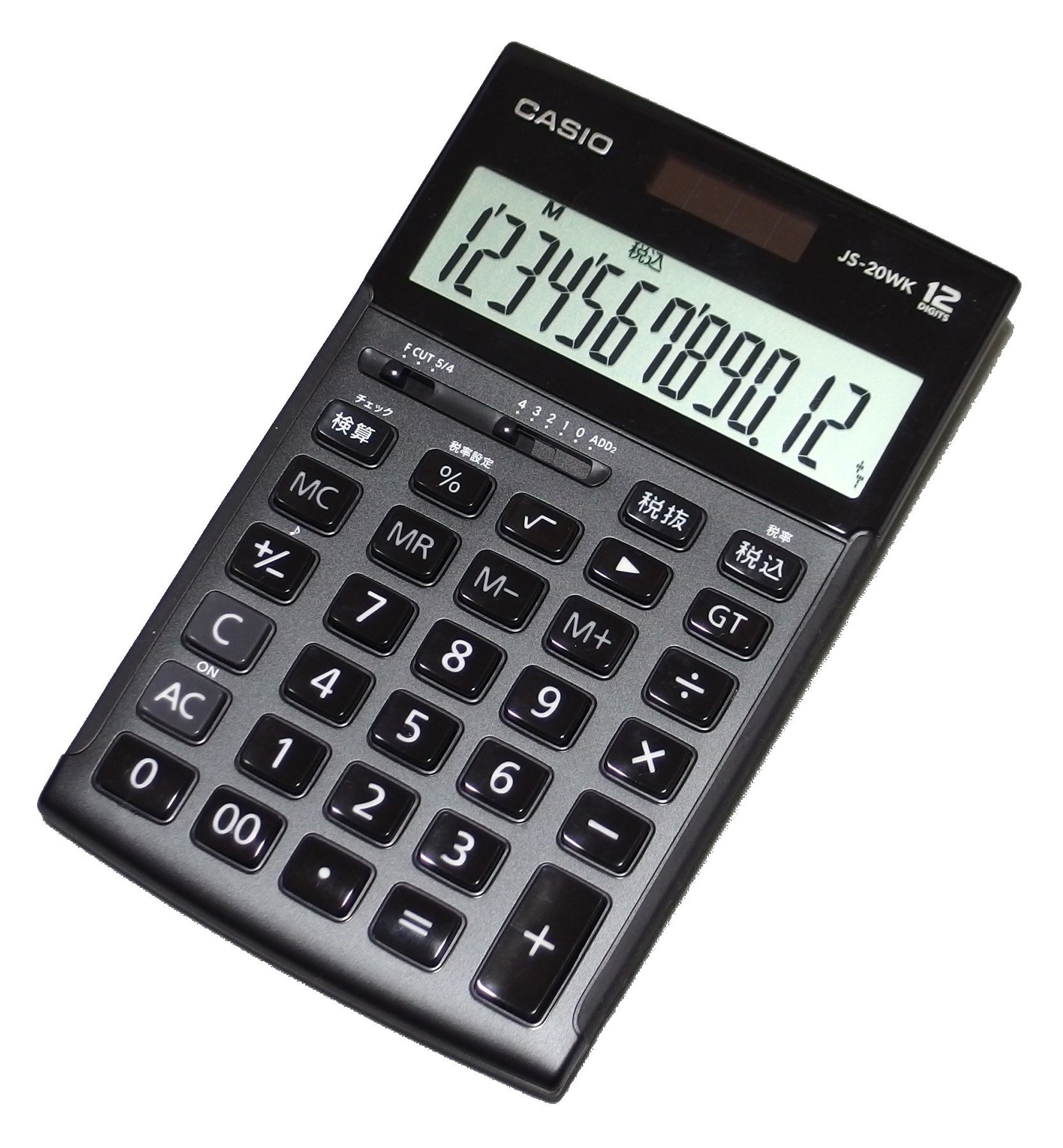
Texas Instruments graphing calculators (particularly the TI-82, TI-83, and TI-83 Plus) became substantially universal high school math equipment starting in 1995. The specific calculators cost $80-150 (substantial money in 1995 terms but increasingly required by school curricula). Various games could be programmed onto the calculators (Tetris, Snake, various others) providing surreptitious entertainment during boring classes.
The TI-83 Plus and successor models continue being used in current high school math classes — making graphing calculators one of the few 1995 teen items that has substantially persisted into 2026. The persistence reflects specific factors: educational testing organizations have approved specific calculator models for standardized tests, alternative tablet/computer math software has been resisted by educational institutions, and the specific function (graphing calculations) maps poorly onto smartphone interfaces. The calculators are substantially the same products being sold continuously for over 30 years.
The Specific Brand Watches
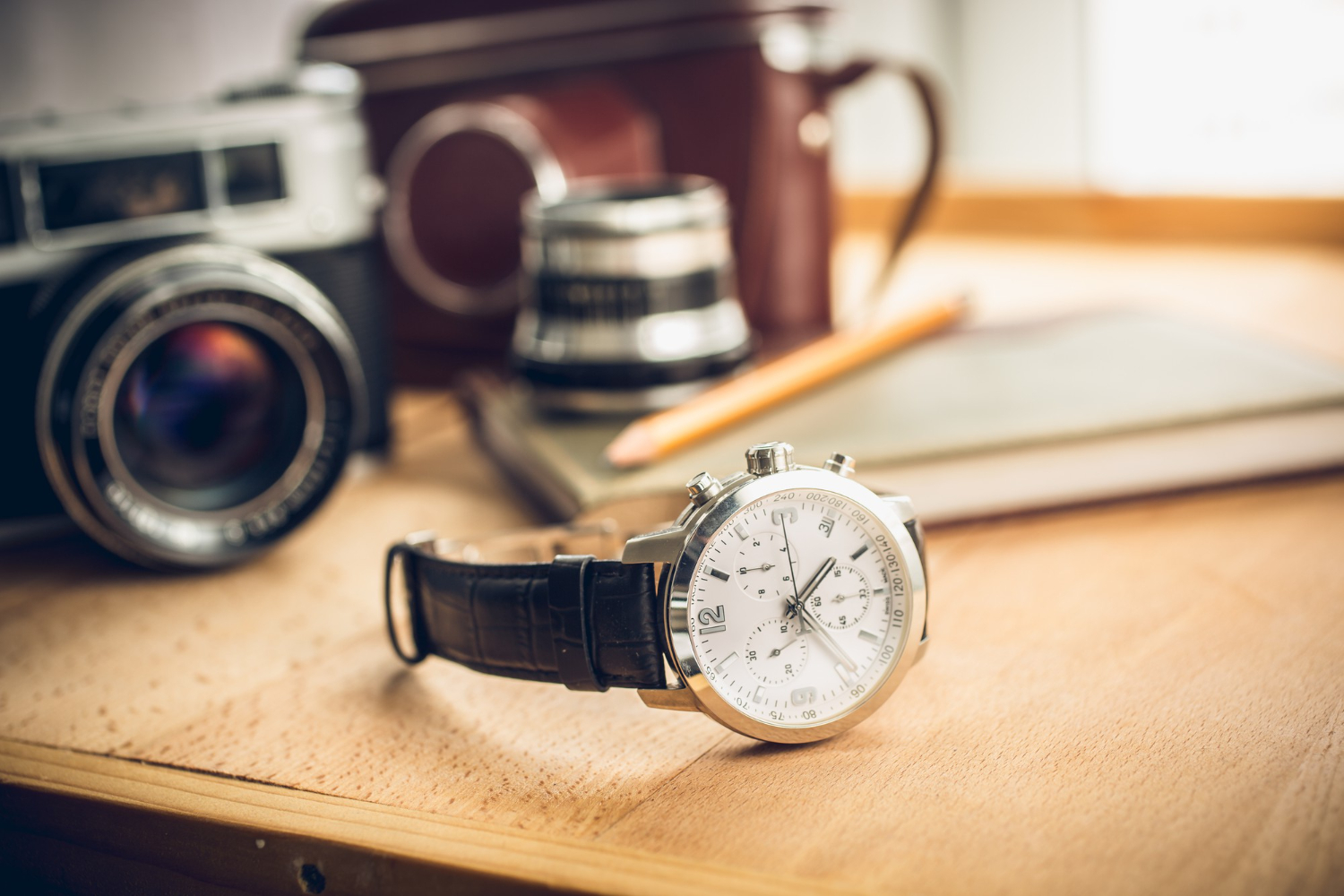
Specific watch brands defined 1995 teen identity. Swatch watches (Swiss-made plastic-cased watches) were substantially popular across various teen demographics. G-Shock watches by Casio (rugged digital watches) had substantial following particularly among male teens. Various other specific brands had specific social associations. The watches were typically functional rather than primarily decorative — teenagers actually used them to tell time before everyone had smartphones.
Modern teens typically don’t wear watches. Smartphones provide time-telling function. Smartwatches exist but represent relatively small portion of teen market. The specific 1995 teen watch culture — with brand-specific identity associations, daily functional use, and substantial market presence — has substantially disappeared. Some specific vintage watches have become collectibles. Current teen wrist accessories are typically decorative rather than functional, representing substantial cultural shift in teen relationships with timekeeping technology.
The Yearbook
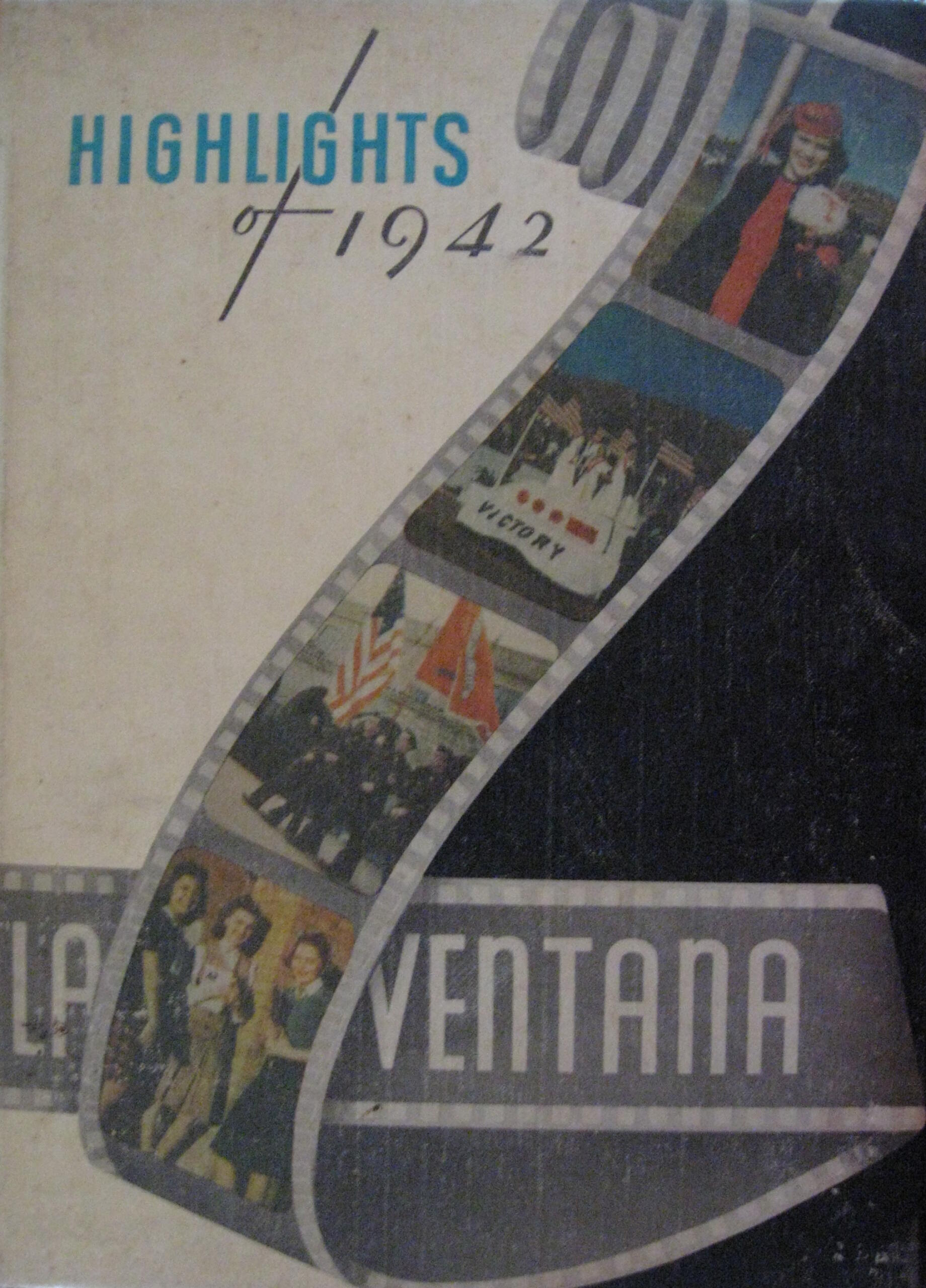
Yearbooks were substantially central to American high school culture in 1995. Each spring, students received the school’s annual yearbook containing photographs, signatures, and various other elements documenting the school year. The yearbook signing ritual (asking peers to sign yearbook pages with various messages) was substantially central to end-of-year teen social culture. “Have a great summer!” became somewhat ironic standard signature text.
Modern American high schools continue producing yearbooks but the cultural centrality has substantially diminished. Current students document their school years through social media, smartphones, and various other digital alternatives. The yearbook signing ritual continues at many schools but reflects substantially smaller cultural significance than in 1995. Many students don’t purchase yearbooks at all — preferring digital alternatives or simply not documenting school years through traditional yearbook formats. The specific 1995 yearbook centrality has substantially declined.
The Disposable Camera
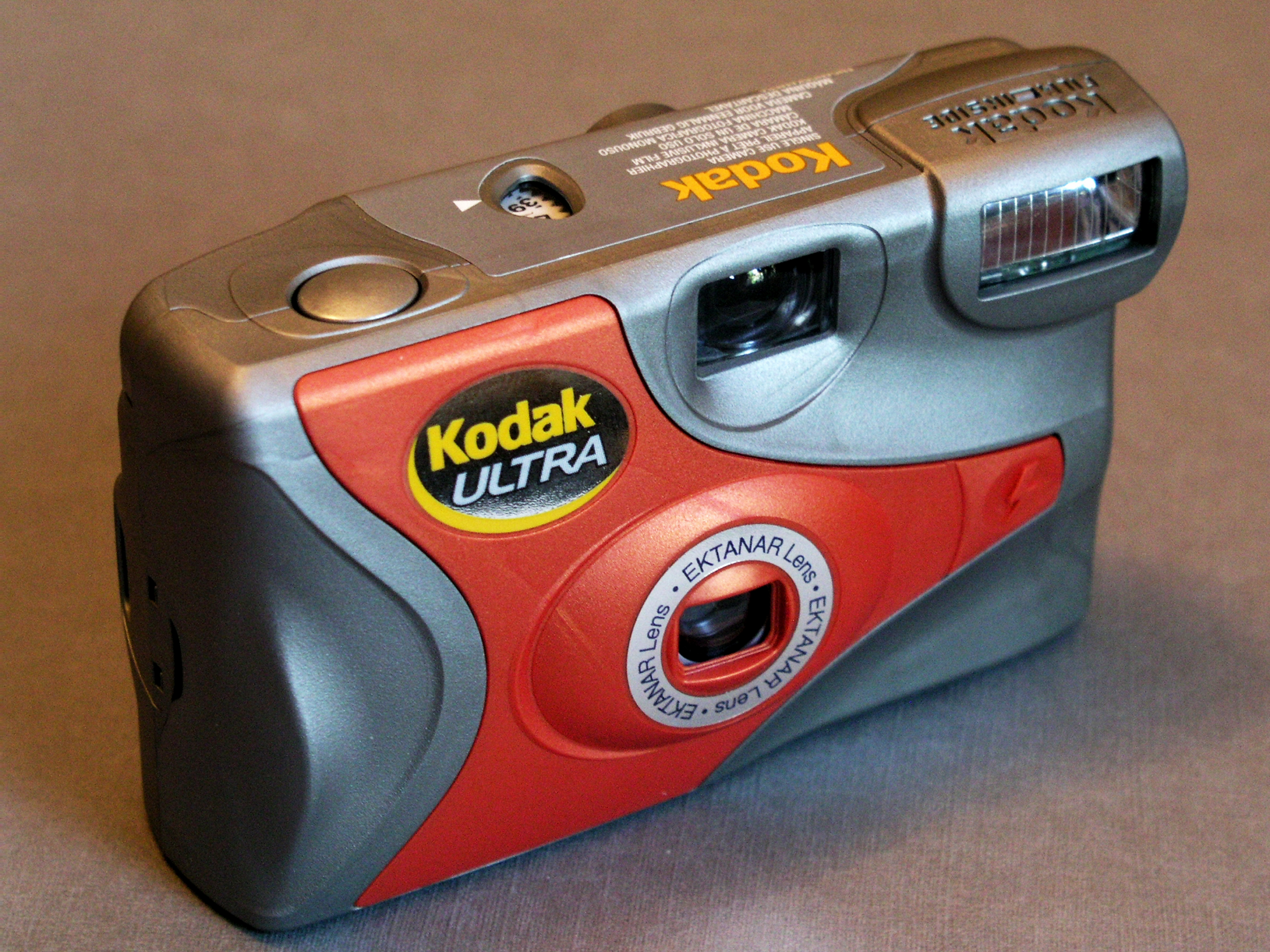
Kodak FunSavers and similar disposable cameras were substantially common 1995 teen equipment for documenting events, parties, vacations, and various other moments. The cameras typically held 24-27 exposures, required no setup, and produced reasonable quality photos when developed. The development process took 1-7 days at drugstore developers like CVS or Walgreens. Teens typically purchased multiple disposable cameras per year for various photographing needs.
Disposable cameras have essentially disappeared from teen use. Smartphones provide substantially better photography with immediate review and unlimited storage. The specific 1995 photographic process — buying cameras, taking photos uncertain of results, waiting for development, reviewing prints, sharing physical copies — has been replaced by smartphone digital photography with immediate review and digital sharing. Some specific vintage photographic experiences have gained nostalgic appeal among young adults but practical teen photography has substantially shifted to smartphones entirely.
What This Transformation Actually Reveals

The 1995 American teenage daily inventory represents specific technological moment when various functions required various separate physical devices and items. Music required Discman plus CDs plus headphones plus batteries plus CD wallet. Communication required pager plus payphone access plus calling card plus coin change. Photography required disposable camera plus development trips plus print sharing. Time required watch. Math required graphing calculator. Organization required Trapper Keeper. The cumulative physical apparatus was substantial.
Smartphones have integrated essentially all these functions into single devices that fit in pockets. The integration produces substantial convenience but eliminates the specific cultural elements that surrounded each separate function. Music culture, photography culture, communication culture, organization culture — all have been substantially transformed by smartphone integration. Whether the transformation represents progress or loss depends on specific values about what teenage daily life should involve. What’s clear: the 1995 specific items that defined teenage daily life have substantially disappeared, replaced by smartphone-enabled alternatives that produce substantially different cultural patterns. Current teenagers have no more memory of these 1995 items than 1995 teenagers had of 1965 teenage daily life — each generation has its specific technological infrastructure that defines daily existence in ways that succeeding generations find genuinely incomprehensible.
