

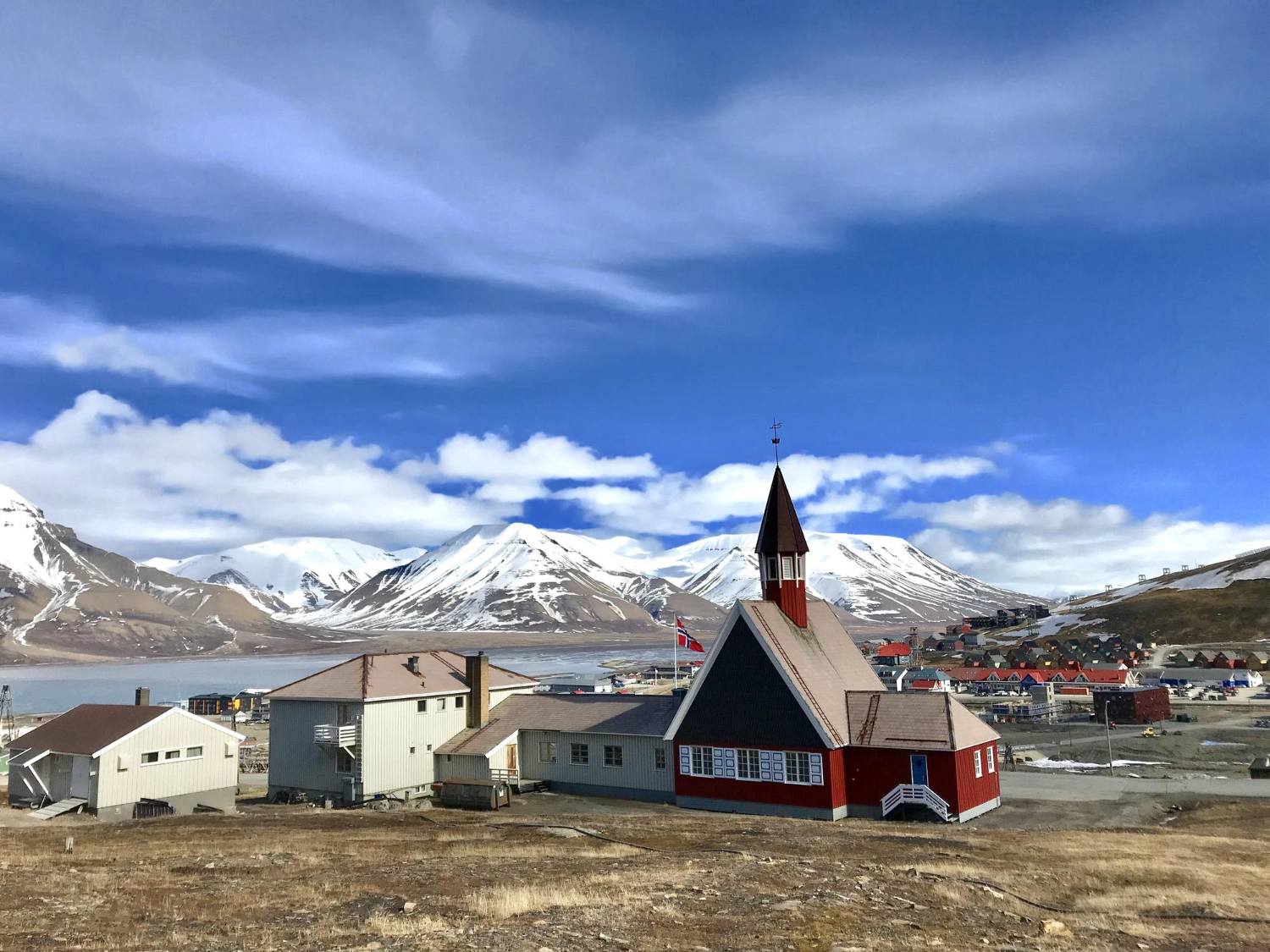
Svalbard, the Norwegian Arctic archipelago located between mainland Norway and the North Pole, experiences continuous daylight from approximately April 19 through August 23 — 76 days when the sun never sets below the horizon. The phenomenon, called the Midnight Sun, occurs because the islands lie above 78° north latitude. The reverse occurs in winter: from approximately October 26 through February 16, the sun never rises — 110 days of continuous polar night. The combination creates one of the most extreme daylight cycles humans regularly inhabit. Here’s how locals actually adapt — and what visitors experience during midnight sun season.
The Midnight Sun phenomenon affects various Arctic locations but Svalbard provides one of the most extreme examples accessible to ordinary travelers. The 76 days of continuous daylight reflect specific astronomical reality: at sufficiently high latitudes, the Earth’s axial tilt during summer keeps the sun above the horizon continuously rather than producing daily sunrise/sunset cycles. Understanding what this actually means for daily life — and what visitors should expect — matters substantially for travelers planning Svalbard or similar Arctic destinations.
The Specific Geography
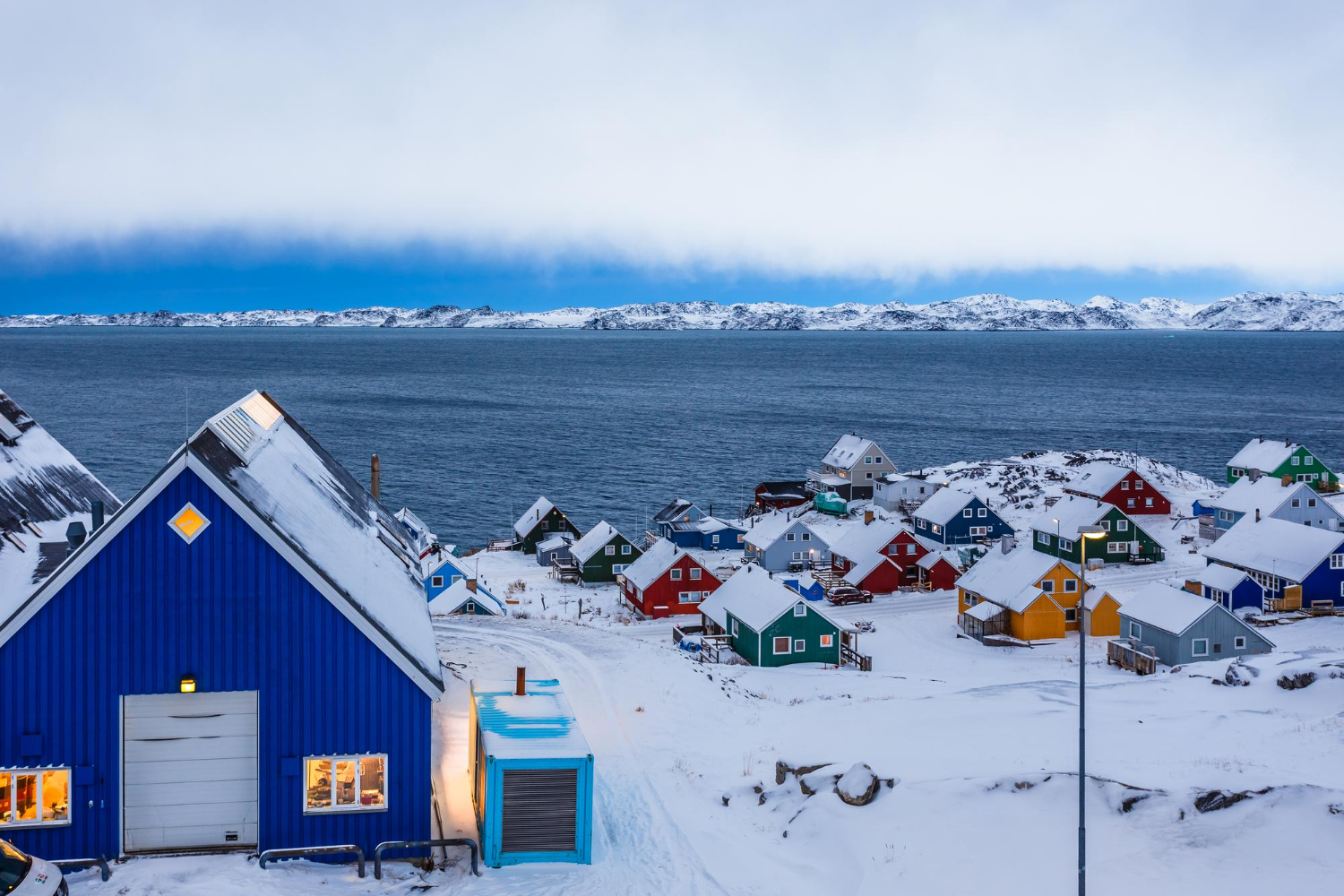
Svalbard sits at extreme northern latitude — between approximately 74° and 81° north. The main settlement, Longyearbyen, lies at 78°13′ north, making it the world’s northernmost town with population over 1,000 (population approximately 2,400). The archipelago consists of multiple islands totaling approximately 61,022 square kilometers — substantially larger than Switzerland though far less inhabited. Geographic position roughly 1,300 kilometers north of the Arctic Circle places Svalbard well within the polar regions.
The extreme latitude produces specific daylight patterns substantially different from temperate regions. The midnight sun period extends approximately April 19 to August 23 — about 126 days when the sun is above horizon throughout the 24-hour cycle (with intermittent periods near the boundaries when sun briefly approaches but doesn’t cross horizon). The polar night period extends approximately October 26 to February 16 — about 113 days when the sun never appears above horizon. The transition periods between these extremes produce dramatic daily sunrise/sunset cycles compressed into very short timeframes.
The Astronomy Behind the Phenomenon
The Midnight Sun results from Earth’s 23.5-degree axial tilt combined with extreme latitude. Above the Arctic Circle (66.5° north), at least one day per year occurs when the sun doesn’t set. The duration of continuous daylight increases with increasing latitude. At the Arctic Circle, only one specific day per year experiences midnight sun. At extreme latitudes like Svalbard, the period extends to nearly four months.
The mechanism is genuinely straightforward. During Northern Hemisphere summer, Earth’s axial tilt points the northern polar region toward the sun. The rotational geometry means that high-latitude locations remain on the sunlit side of Earth throughout the 24-hour rotation cycle. The sun appears to circle the sky rather than rising and setting — moving in a specific pattern that varies by latitude and time within the midnight sun period. The same geometry produces opposite effect during winter, when high-latitude regions remain in Earth’s shadow throughout 24-hour cycles.
What 24-Hour Daylight Actually Looks Like
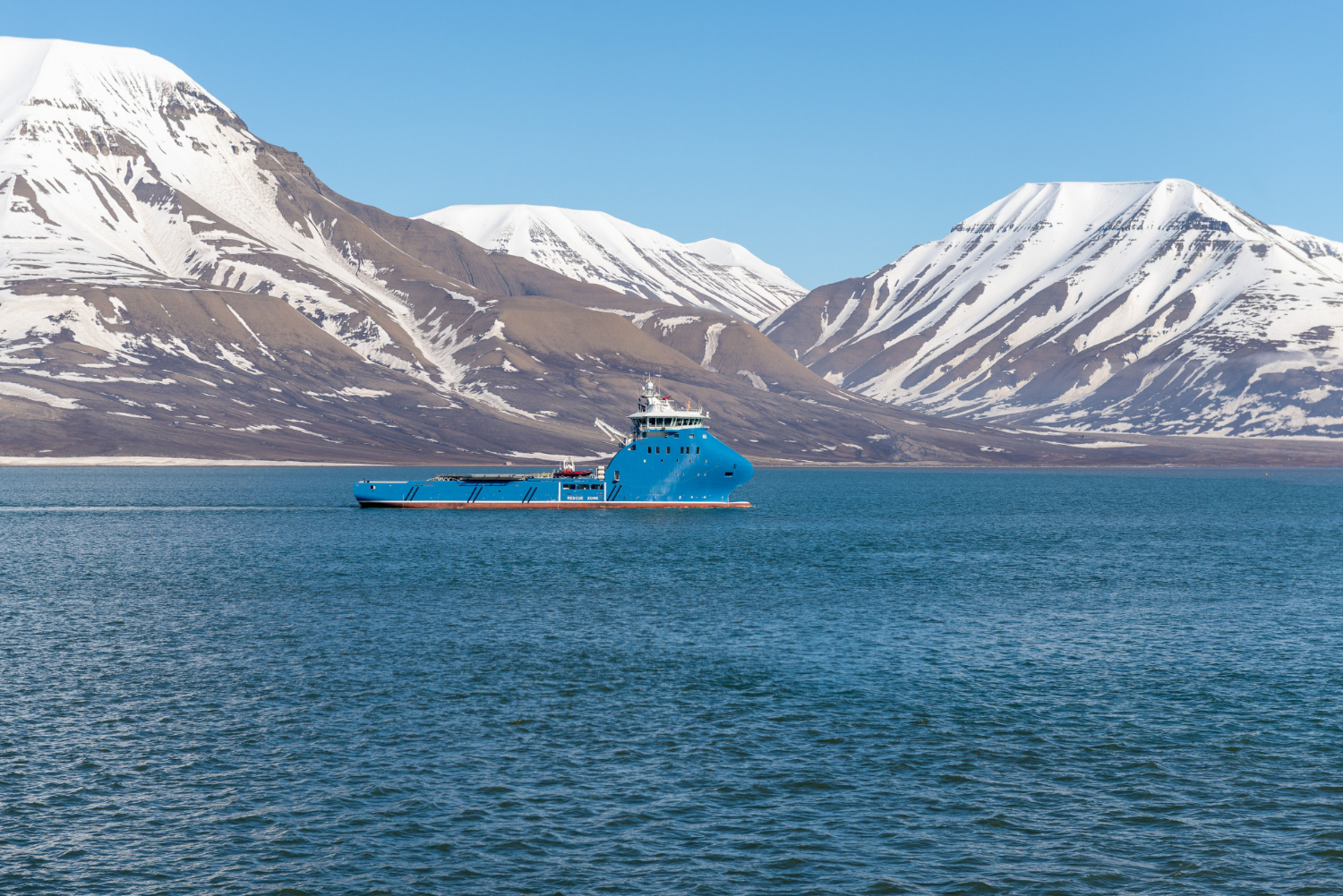
Visitors who experience midnight sun for the first time typically find the visual reality genuinely disorienting. The sun doesn’t reach overhead position as it would in temperate regions — instead, it tracks a low circle around the horizon throughout the day. At midnight, the sun appears in the northern sky at relatively low elevation. At noon, the sun reaches its highest position in the southern sky. The continuous variation across the day is more subtle than typical sunrise/sunset cycles but genuinely present.
Light quality varies substantially throughout the 24-hour period despite continuous sunshine. The “golden hour” effect that occurs at typical sunrise/sunset persists for extended periods during Arctic summer — light remains warm-toned and dramatically angled throughout substantial portions of the day. The combination produces specific photographic conditions that have made Svalbard substantially popular with photographers seeking distinctive light. Many photographers specifically time visits for late midnight sun period (early August) when light angles become most dramatic.
How Locals Actually Adapt
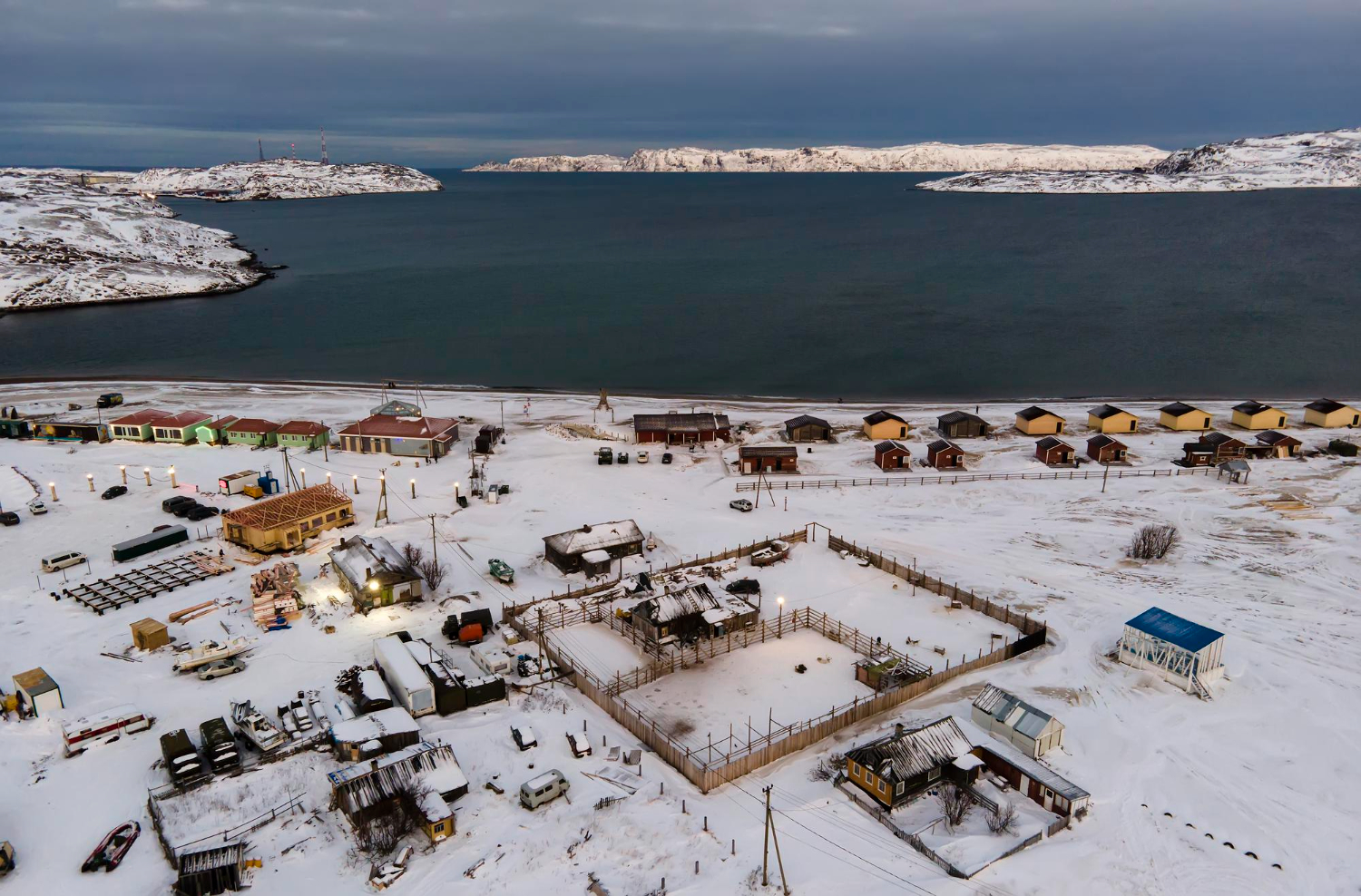
Permanent Svalbard residents have developed specific adaptation strategies for the extreme daylight cycles. Heavy blackout curtains are universal in residential buildings — without them, sleeping during midnight sun becomes substantially difficult. Sleep schedules are typically maintained through environmental control rather than natural light cues. Most residents report adapting to the cycle but acknowledging that the first weeks of midnight sun and polar night each season require specific adjustment.
The adaptation isn’t perfect or universal. Some residents experience specific seasonal affect issues during transitions. Sleep quality can be affected during midnight sun for residents who rely on natural light cues for circadian rhythm regulation. Various medical and psychological adaptations are common. Long-term Svalbard residents typically describe the cycles as genuinely livable but acknowledge requiring specific lifestyle adjustments that residents of temperate regions don’t need to make. The cumulative experience of multiple cycles tends to make adaptation easier — first-year residents typically struggle more than long-term residents.
What Visitors Should Expect
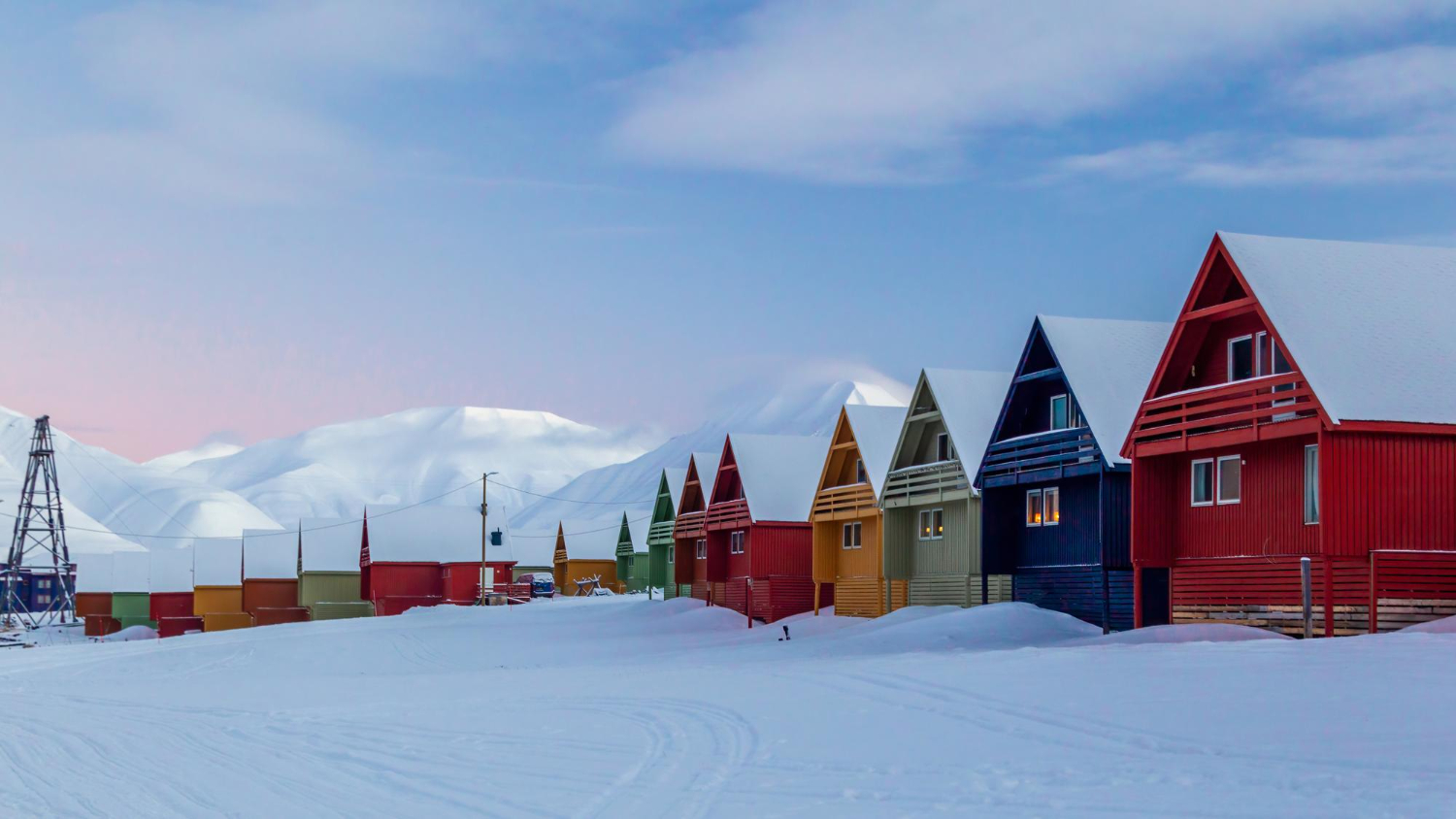
Travelers planning Svalbard visits during midnight sun season should expect specific experiences. Sleep during midnight sun visits requires either heavy blackout curtains (most accommodations provide), sleep masks, or substantial fatigue overcoming the unusual conditions. Some visitors find the continuous daylight genuinely difficult; others adapt within days. The disorientation can be substantial — losing track of time becomes easy when temporal cues from sunrise/sunset are absent.
Activities during midnight sun visits can occur essentially around the clock. Hiking at midnight is genuinely possible. Boat trips at unusual hours become available. Wildlife viewing extends throughout the day rather than being concentrated near dawn/dusk. Photography continues throughout the 24-hour period. The expanded activity windows create specific opportunities — many visitors specifically plan extreme schedules taking advantage of continuous daylight. The downside: maintaining normal sleep patterns requires specific effort despite the temptation to extend activities indefinitely.
The Polar Night Reality
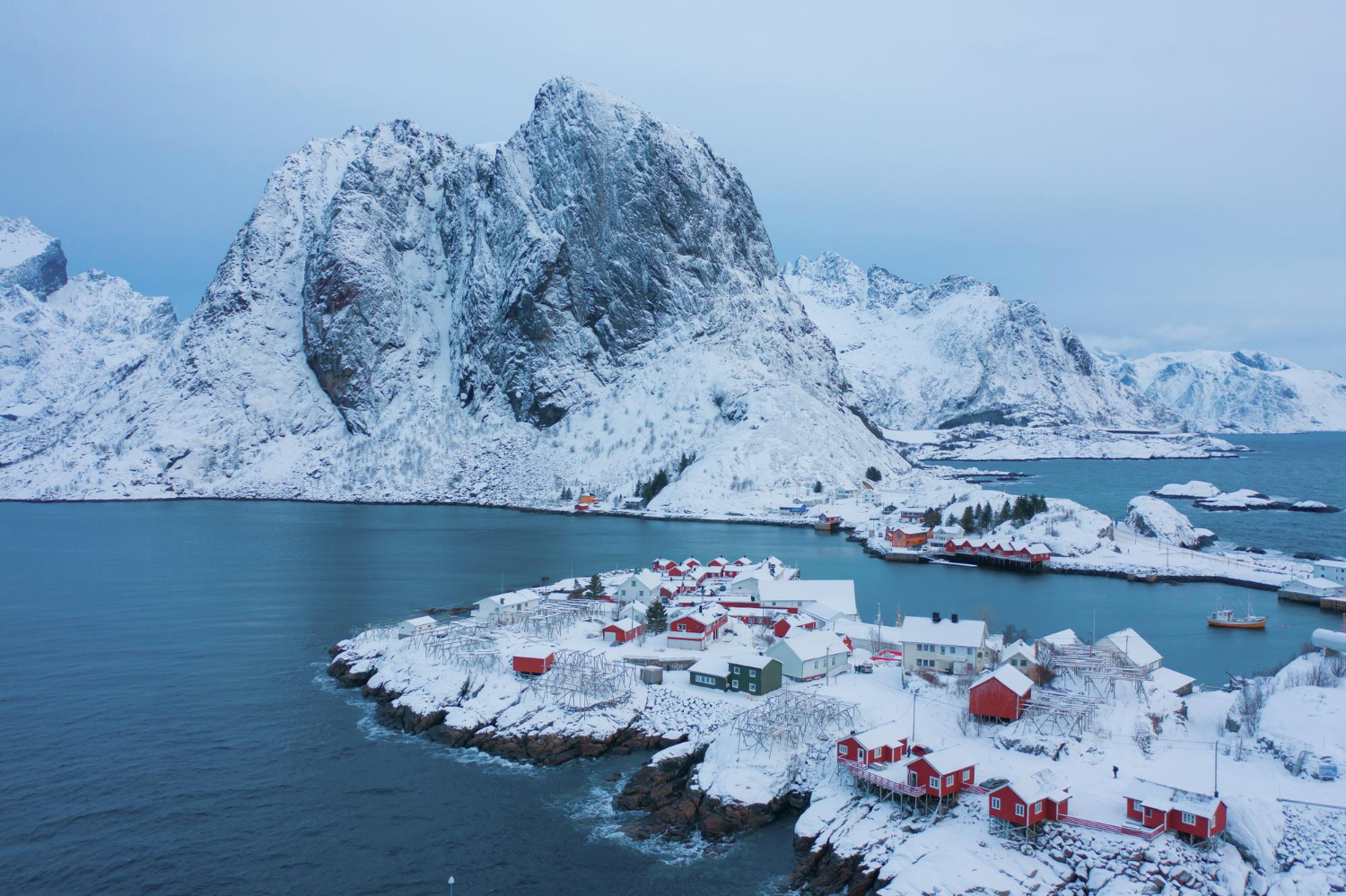
The opposite phenomenon — continuous darkness during polar night — produces substantially different effects. Approximately 113 days each winter, the sun doesn’t rise above the Svalbard horizon. The lighting isn’t entirely dark — extended twilight periods provide some illumination, and snow reflectivity amplifies available light substantially. But the cumulative darkness is genuine and challenging.
Polar night visits attract specific visitors interested in northern lights viewing (auroras require dark skies), winter wildlife observation, ice cave exploration, and various other cold-weather activities. The combination of extended darkness, extreme cold, and limited daylight creates substantially different visitor experience than midnight sun season. Most tourists prefer summer visits, but winter visits offer specific experiences that summer cannot provide. The two seasons attract substantially different visitor populations with substantially different expectations and preparation requirements.
The Wildlife Considerations
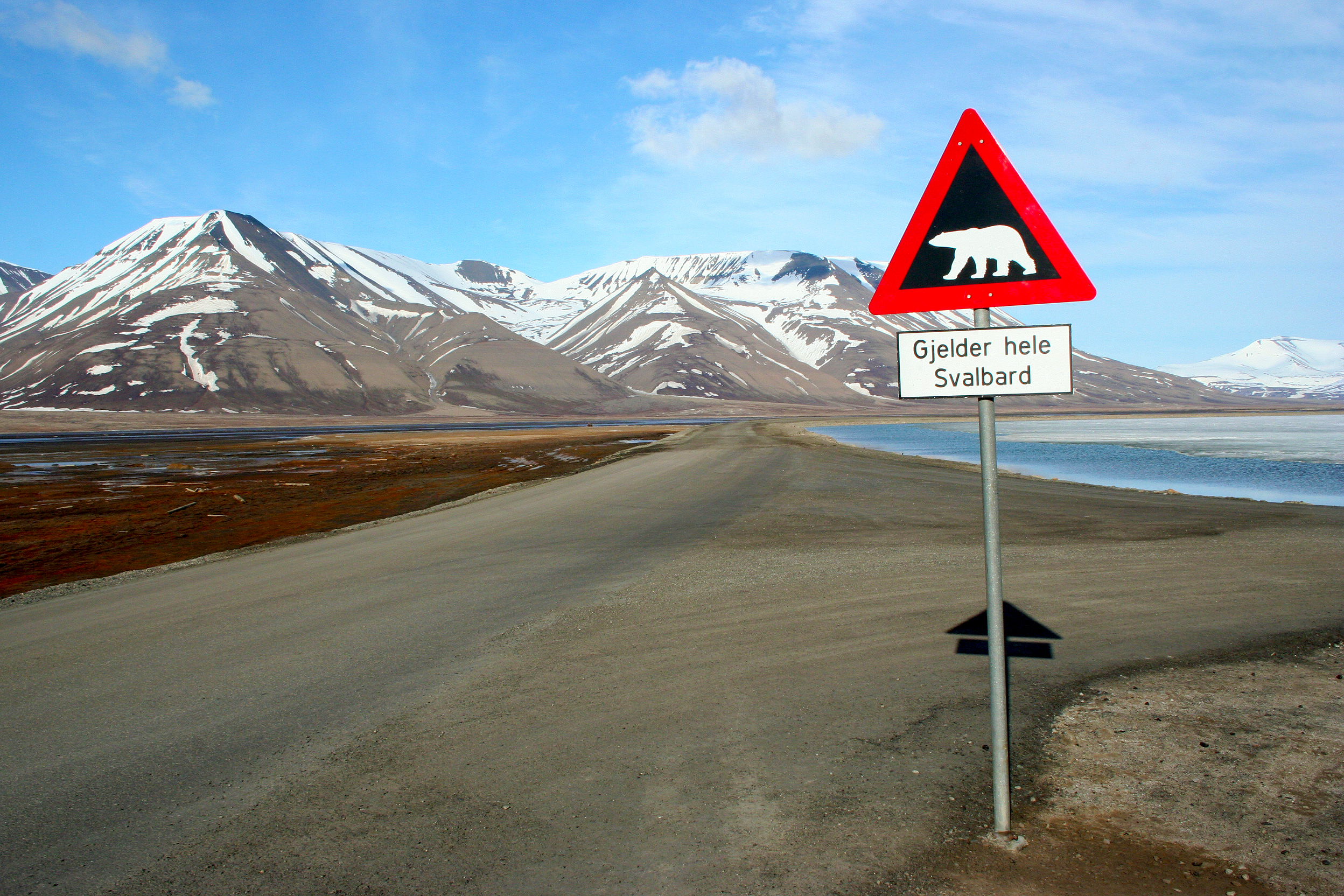
Svalbard hosts substantial Arctic wildlife including polar bears, Arctic foxes, reindeer, walruses, seals, and various bird species. Polar bear safety is genuinely substantial concern — the bears actively hunt humans when opportunities arise, and Svalbard authorities require armed escort for travel outside settlement boundaries. Many visitors are surprised by the strict polar bear safety requirements, but the regulations reflect genuine ongoing risk rather than excessive precaution.
The midnight sun period provides specific wildlife viewing opportunities. Polar bears can be observed from authorized boat tours. Walrus colonies become accessible. Seabird colonies are at peak activity. Reindeer become more visible. The combination of extended daylight plus active wildlife creates substantial nature observation opportunities. Wildlife photography during midnight sun produces some of the most distinctive Arctic imagery available.
How to Actually Visit Svalbard
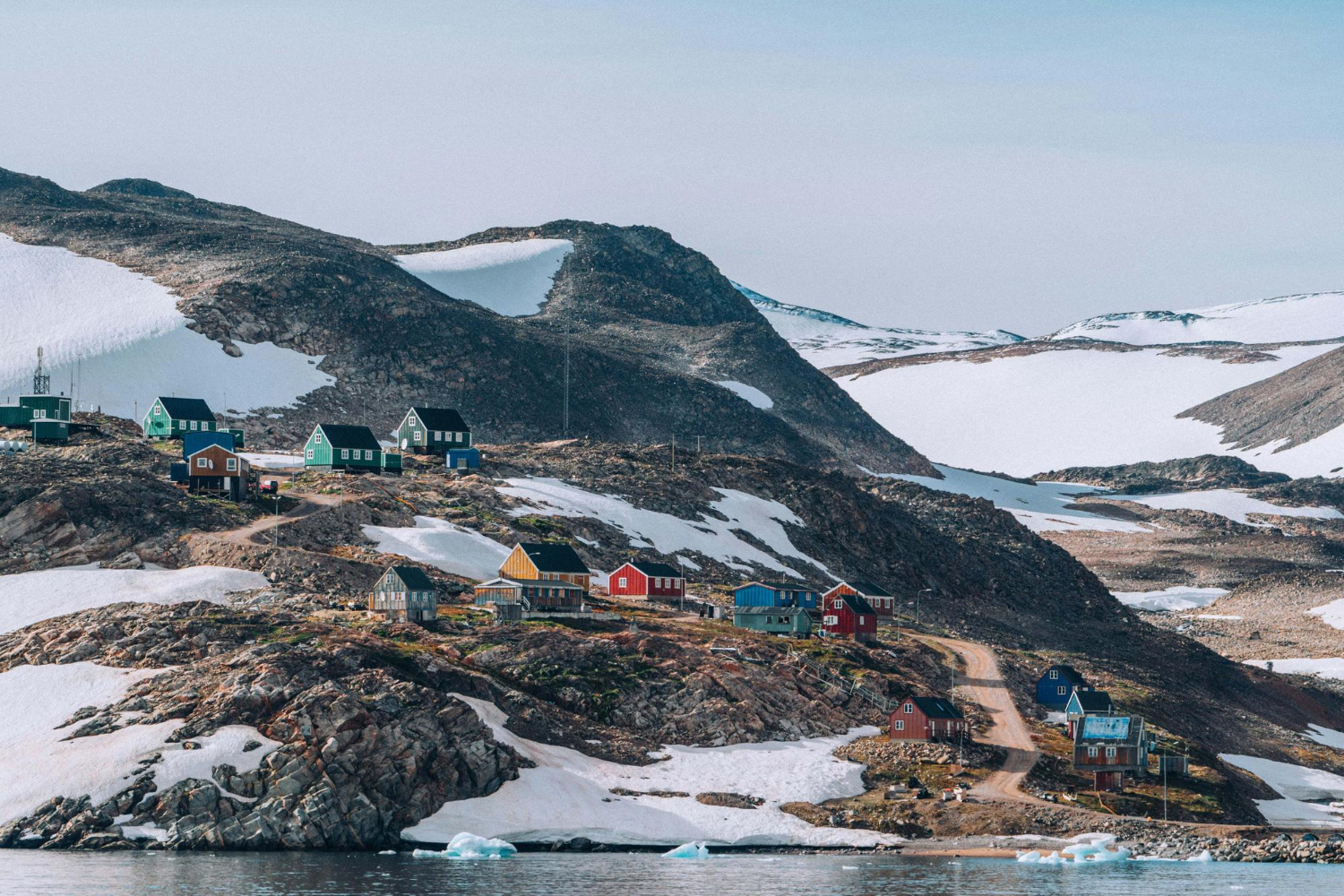
Practical guidance for travelers planning Svalbard trips. Access is via flights to Longyearbyen Airport from Oslo or Tromsø — typically 3-hour flights from Oslo. SAS and Norwegian Air operate the routes with multiple weekly flights. Visa requirements: most travelers can enter Svalbard visa-free regardless of normal Schengen requirements (Svalbard has unique international status under the 1920 Spitsbergen Treaty).
Accommodation options range from budget hostels in Longyearbyen to substantial hotels and remote wilderness camps. Costs are substantial — Svalbard is genuinely expensive even by Norwegian standards. Most visitors plan 3-7 day visits. Activities typically require booking through licensed operators (independent travel outside Longyearbyen is restricted due to polar bear safety requirements). Total trip costs for typical international visitors run $3,000-8,000+ per person depending on activities and accommodation choices.
What Midnight Sun Actually Represents
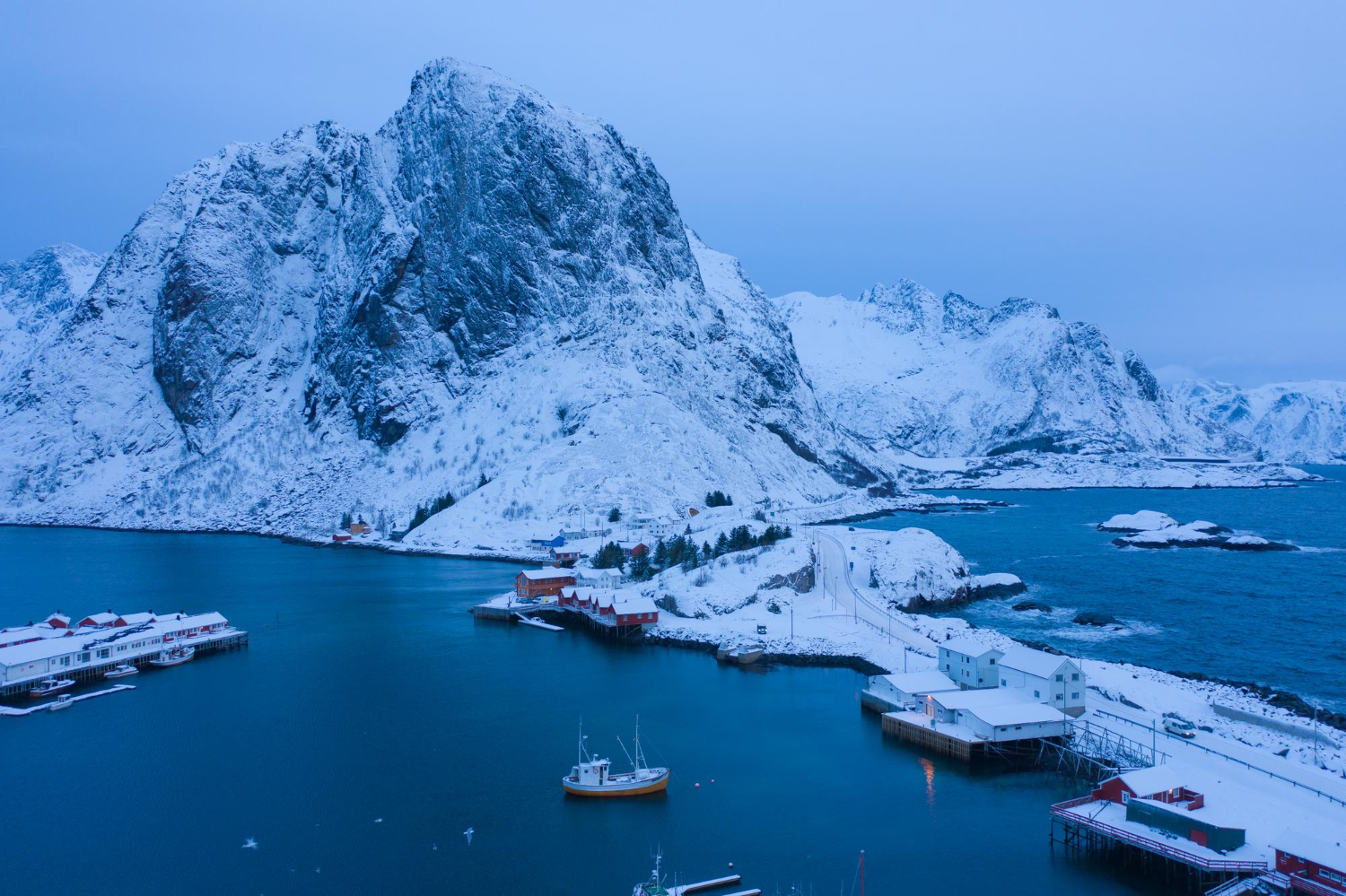
The Svalbard midnight sun represents one of the most extreme natural phenomena accessible to ordinary travelers. The 76 days of continuous daylight provide genuine experience of astronomical reality that’s substantially different from anything visible from temperate regions. The cumulative experience — both visual and physiological — produces specific impressions that mainstream tourism rarely matches. For travelers willing to accept the substantial costs and logistical complications, Svalbard provides genuine encounter with extreme polar conditions that exists nowhere else in quite the same way. Various other Arctic locations offer similar phenomena but Svalbard provides specific combination of accessibility, infrastructure, wildlife, and dramatic landscape that few alternatives can match. The midnight sun isn’t just visual phenomenon — it represents direct experience of Earth’s astronomical reality at scales rarely accessible from typical human living environments. The fact that humans live permanently in such conditions, with cumulative cultural adaptations across generations, provides additional perspective on human capacity for adapting to extreme natural environments. For visitors who experience even brief exposure to the phenomenon, the cumulative impression typically persists as one of the more memorable aspects of substantial international travel.
