The Transportation Security Administration screens approximately 2.4 million passengers daily across U.S. airports. The agency’s screening systems detect substantially more than the prohibited weapons and explosives that public messaging emphasizes. Specific food items, medications, electronics, currency amounts, and various other content trigger secondary screening for reasons TSA doesn’t always publicly disclose. Understanding what the scanners actually detect — and what triggers the various secondary screening processes — helps travelers minimize delays and prepare appropriately. Here’s what TSA actually does at airport security, beyond the public-facing weapons messaging.
The Transportation Security Administration operates one of the largest passenger screening systems in the world. The agency processes approximately 2.4 million passengers daily across major U.S. airports. The screening technology has substantially evolved since the agency’s 2001 creation, with current systems capable of detecting substantially more than the basic weapons and explosives that public messaging emphasizes. Understanding what the systems actually do helps travelers prepare appropriately — and reduces the disappointment of discovering at the checkpoint that specific items require unexpected handling.
What the X-Ray Machines Actually See
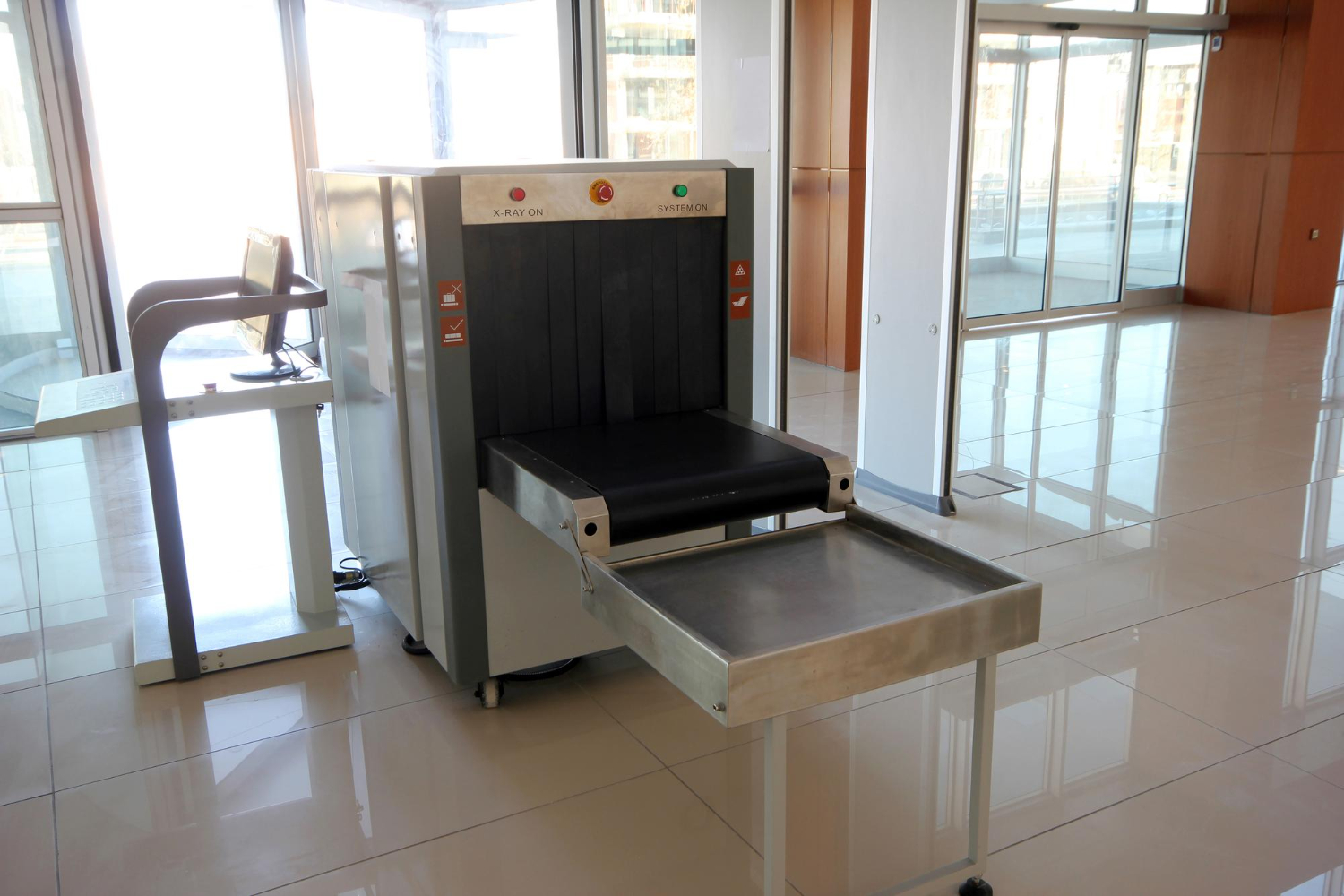
Modern TSA carry-on baggage X-ray machines use dual-energy technology that distinguishes between materials of different densities and atomic compositions. The systems display different materials in different colors based on these characteristics: organic materials (food, plants, paper, explosives) typically appear orange. Inorganic materials (most metals) appear blue. Materials of intermediate composition appear in shades of green and other colors. The color coding allows operators to identify substantially more than just object shapes.
The technology specifically targets explosives detection. Most explosive materials have specific atomic compositions that produce characteristic X-ray signatures distinct from common organic materials. The machines can detect substantially small quantities of suspected explosives even when concealed within other items. Various other materials with similar characteristics (some food items, some medications, certain organic chemicals) can produce false positives that trigger secondary screening despite being legitimate. The cumulative system substantially exceeds basic shape detection.
The Specific Food Items That Trigger Alerts
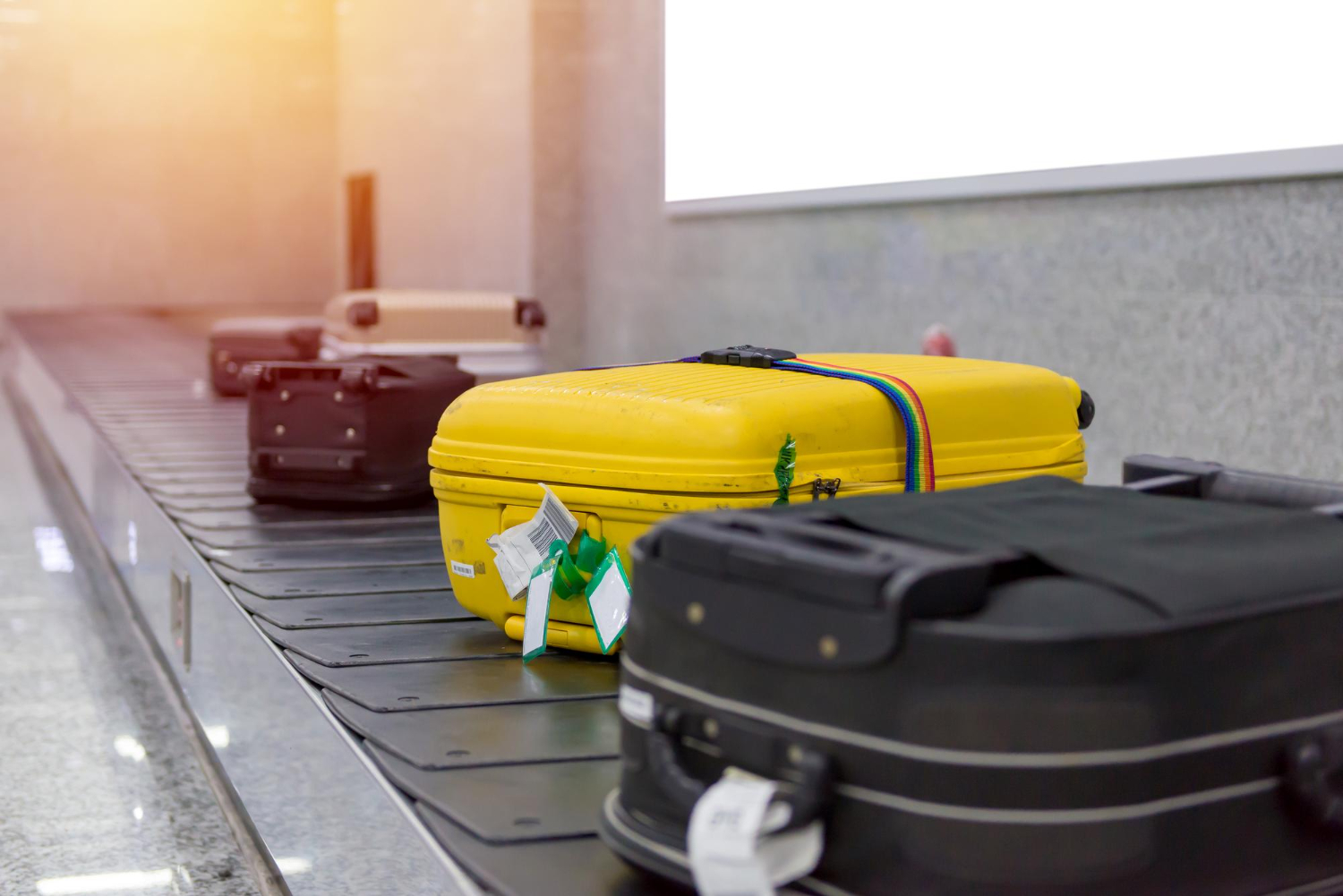
Several specific food items routinely trigger TSA secondary screening due to their X-ray characteristics. Peanut butter — substantial quantities resemble explosive materials in X-ray imaging and are typically restricted to small quantities (under 3.4 oz) under TSA liquid rules. Hummus — similar issue with consistency triggering liquid restrictions and suspicious-density alerts. Chocolate — substantial quantities of dense chocolate can trigger explosive detection algorithms. Cheese — particularly substantial quantities of dense cheese varieties.
Various other food items can trigger alerts depending on quantity and packaging. Powders over 12 ounces have been subject to specific screening since 2018. Various other food items can require unpackaging or additional screening depending on TSA officer judgment and current threat assessments. The cumulative pattern means that “carry-on food” isn’t always straightforward — some specific items create substantially more screening complications than travelers expect.
The Medication Considerations
TSA has specific procedures for medication screening that travelers should understand. Liquid medications can exceed the standard 3.4 oz limit if declared at security, but require specific declaration and may receive additional screening. Pill medications generally don’t require declaration but should be in original prescription containers when possible. Controlled substances may require additional documentation depending on quantity and specific substance.
Specific medications can trigger additional screening for various reasons. Some medications produce X-ray characteristics that resemble suspicious materials. Insulin pumps and various other medical devices require specific protocols. CPAP machines trigger specific screening procedures. Travelers with specific medical needs should arrive earlier to accommodate potential additional screening time. Most medication screening proceeds smoothly when travelers communicate clearly with TSA officers about their specific needs.
The Currency Amount Issue
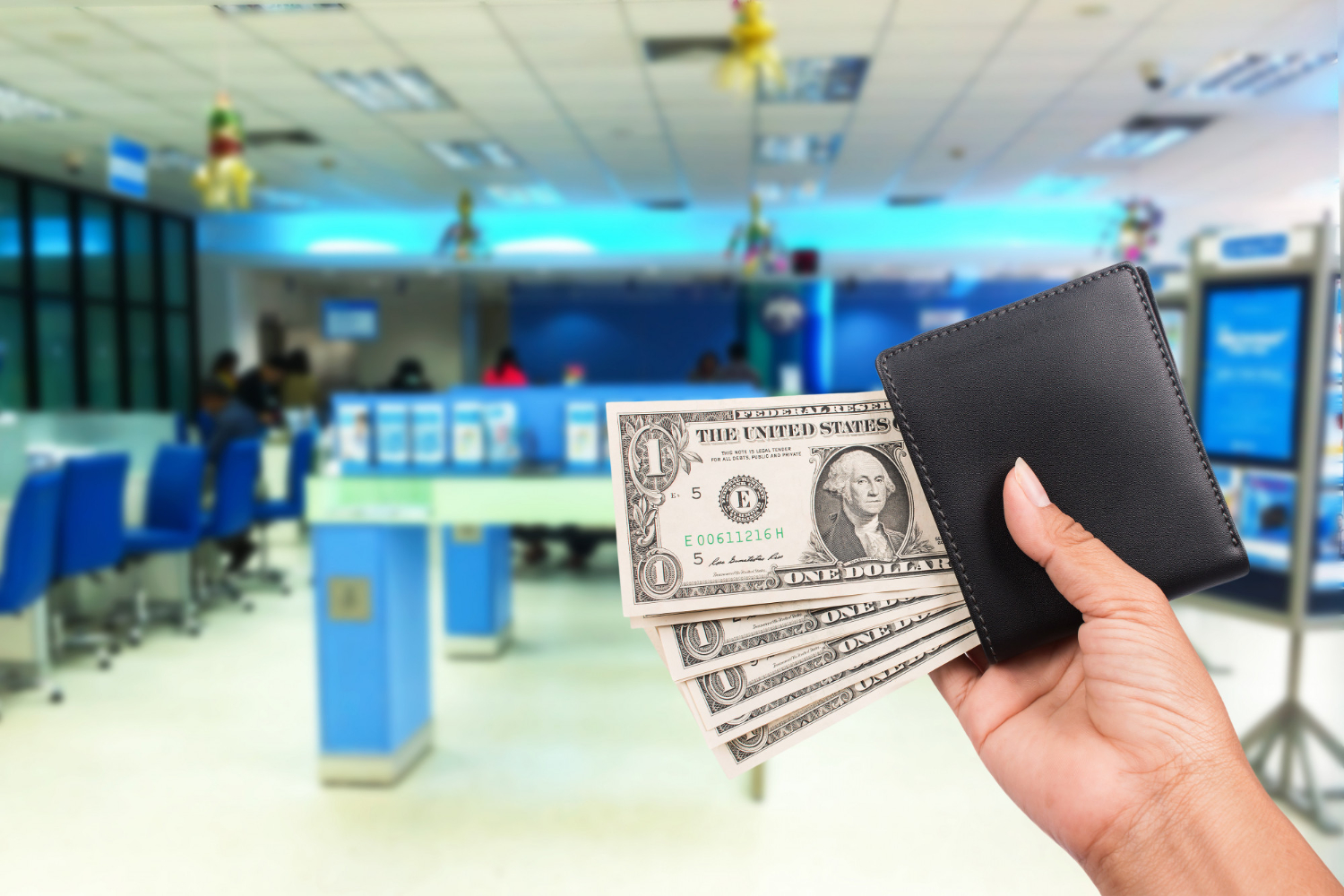
Carrying substantial amounts of cash through TSA checkpoints triggers specific procedures that travelers often don’t expect. Domestically, there’s no legal limit on cash carried through airports — but amounts exceeding $10,000 require declaration when entering or leaving the United States. TSA isn’t primarily concerned with cash amounts (that’s customs/CBP’s domain), but TSA officers may flag substantial cash for additional review.
Various practical complications can arise. TSA officers may delay travelers carrying substantial cash for additional screening or questioning. Local law enforcement may be called for civil asset forfeiture procedures in some specific cases. Travelers carrying substantial cash should document the legitimate sources and intended uses. The combination of legal cash carrying plus practical complications means that substantial cash transport requires more careful preparation than travelers typically expect. Most travelers should consider alternative payment methods (cards, electronic transfers) when substantial amounts are involved.
The Electronic Device Screening
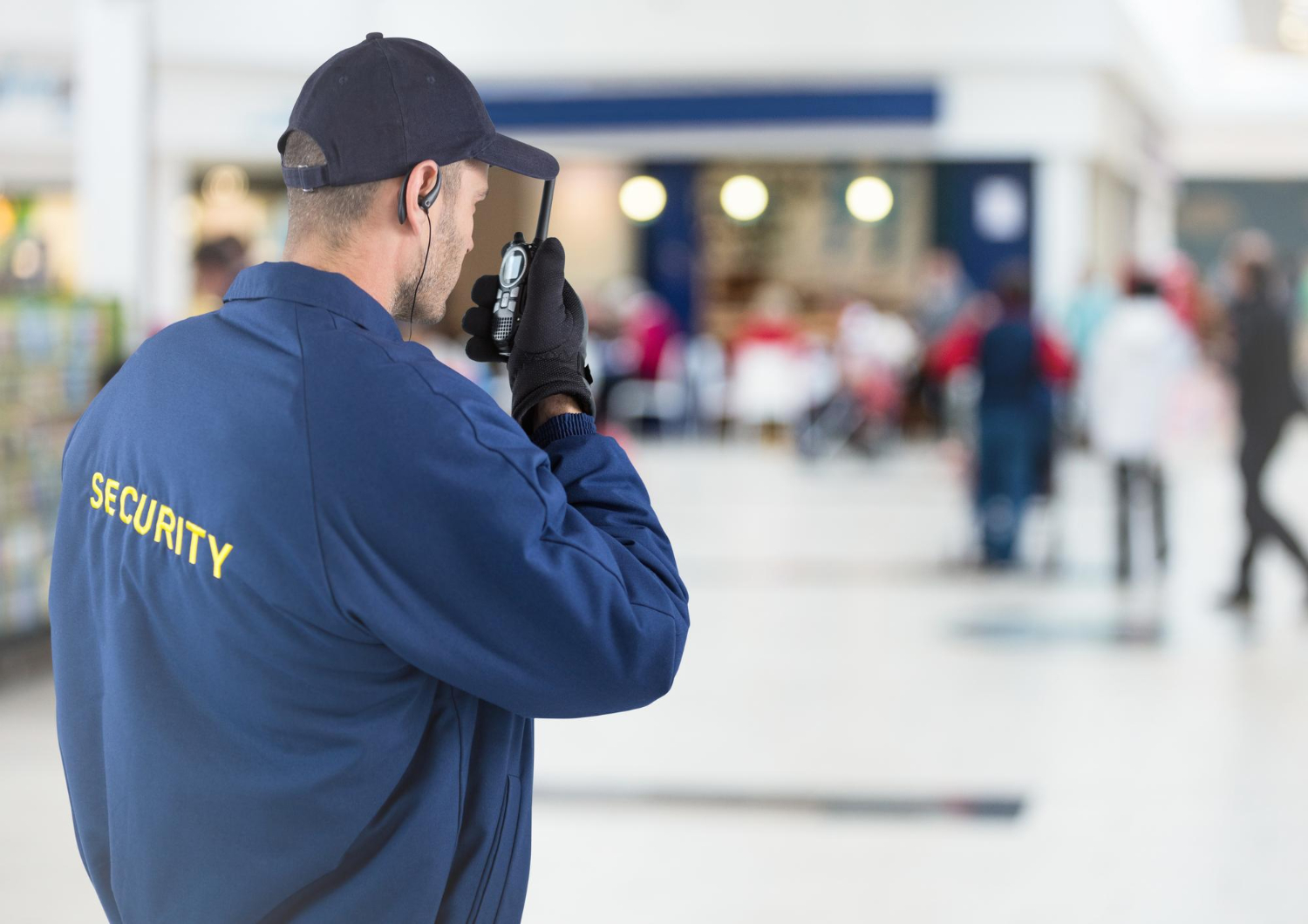
TSA has expanded electronic device screening substantially over recent years. Standard laptops require removal from bags during screening. Larger electronics (gaming consoles, large tablets) typically require similar removal. Various other devices may require additional screening depending on type and TSA officer judgment.
The TSA Pre-Check program eliminates most electronic device removal requirements for enrolled travelers. The program costs approximately $78 for 5-year enrollment and typically pays for itself in time savings for frequent travelers. Various other Trusted Traveler programs (Global Entry, NEXUS, SENTRI) provide similar benefits with additional international travel benefits. The cumulative time savings from these programs substantially affect travel experience for frequent travelers — though the specific benefits vary based on which airports and which times travelers actually use.
The Body Scanner Realities
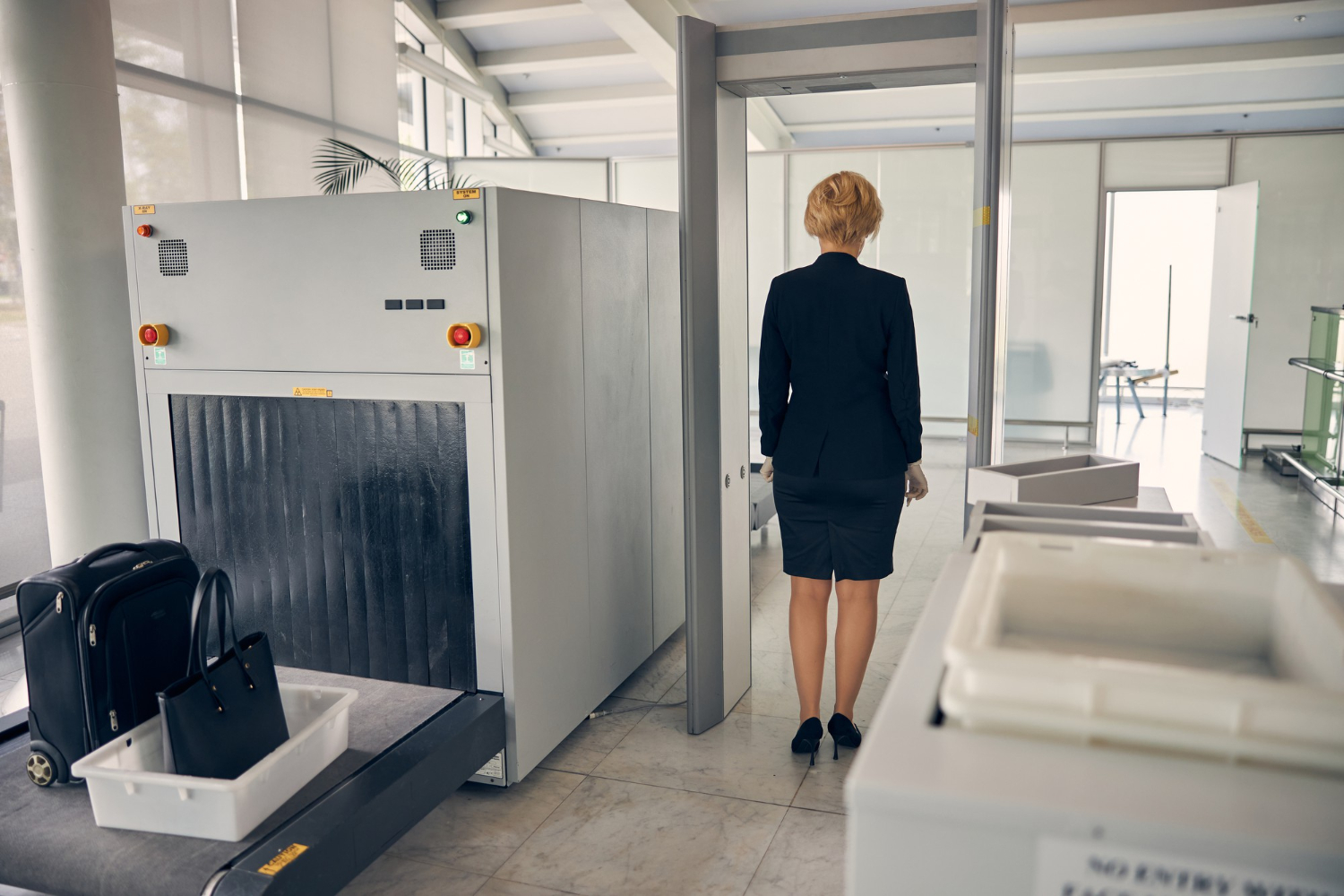
The full-body scanners that have replaced metal detectors at most major airports use millimeter wave technology to detect items concealed under clothing. The scanners produce generic body outline images rather than detailed body images (an evolution from earlier scanner generations that produced more detailed images and triggered substantial privacy concerns). Various items concealed under clothing can be detected including: weapons of various types, explosive materials, substantial concealed objects, and various other specific items.
Travelers can opt out of body scanners in favor of pat-down searches, though this typically takes substantially longer. Various medical conditions, religious considerations, and personal preferences may motivate opt-outs. Pregnancies, surgical implants, and various other conditions don’t require opt-outs — the scanners are generally safe and the imaging doesn’t penetrate beyond skin surface. Most travelers proceed through body scanners without complications.
The Behavioral Screening
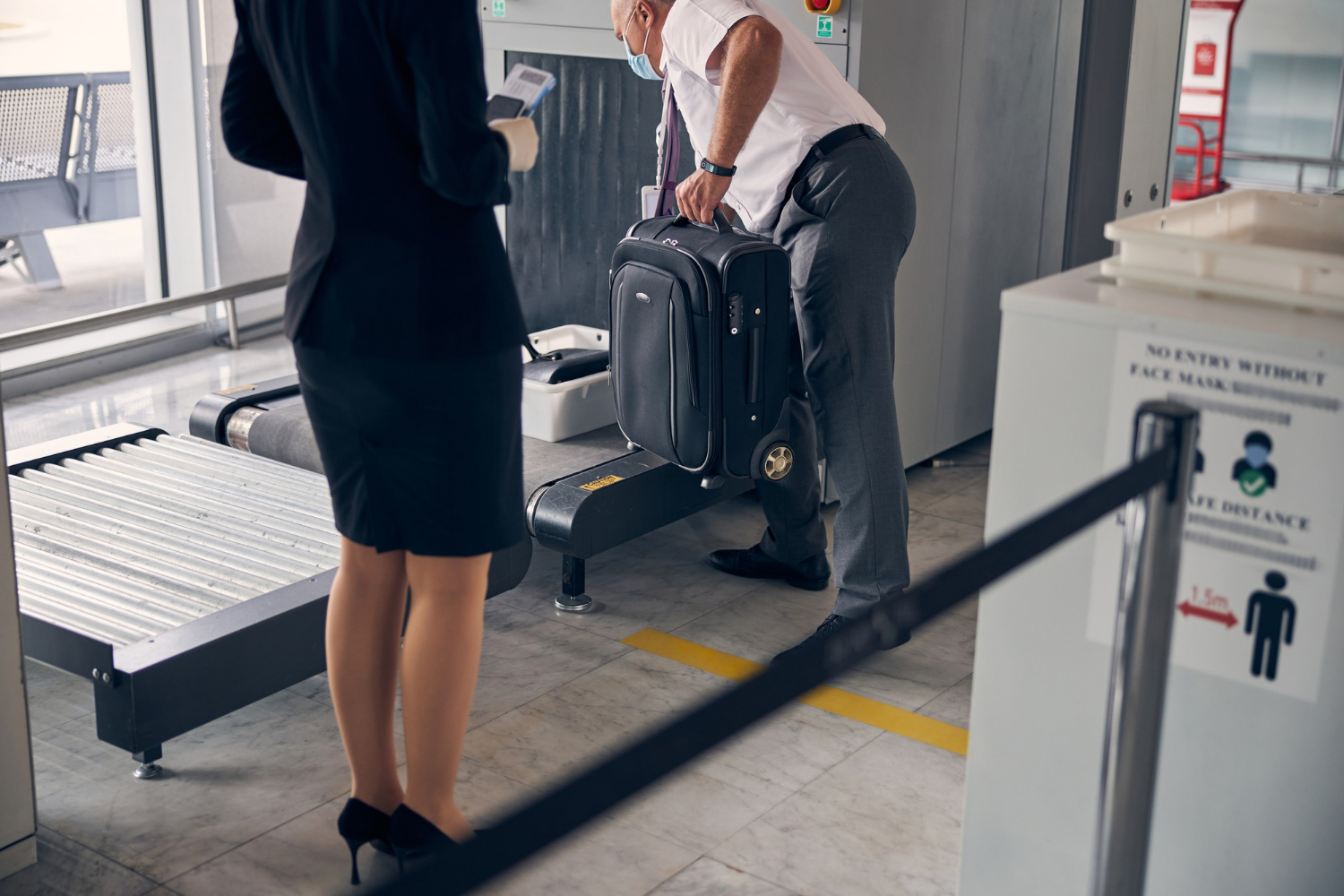
Beyond physical screening, TSA officers receive training in behavioral observation. The Screening Passengers by Observation Techniques (SPOT) program has been controversial but continues operating in modified form. Officers observe passenger behavior for specific signs that have been associated with security threats: substantial nervousness disproportionate to the situation, avoiding eye contact with security personnel, providing inconsistent responses to questions, and various other behavioral patterns.
The reliability of behavioral screening has been substantially debated in academic research. Various studies have questioned whether the specific behavioral indicators reliably distinguish actual security threats from various other causes of unusual behavior. TSA continues defending the programs while critics argue they produce substantial false positives without preventing genuine threats. Travelers should be aware that behavior at security checkpoints does affect screening — appearing genuinely calm and cooperative typically produces better outcomes than appearing nervous or evasive.
The Random Selection Component
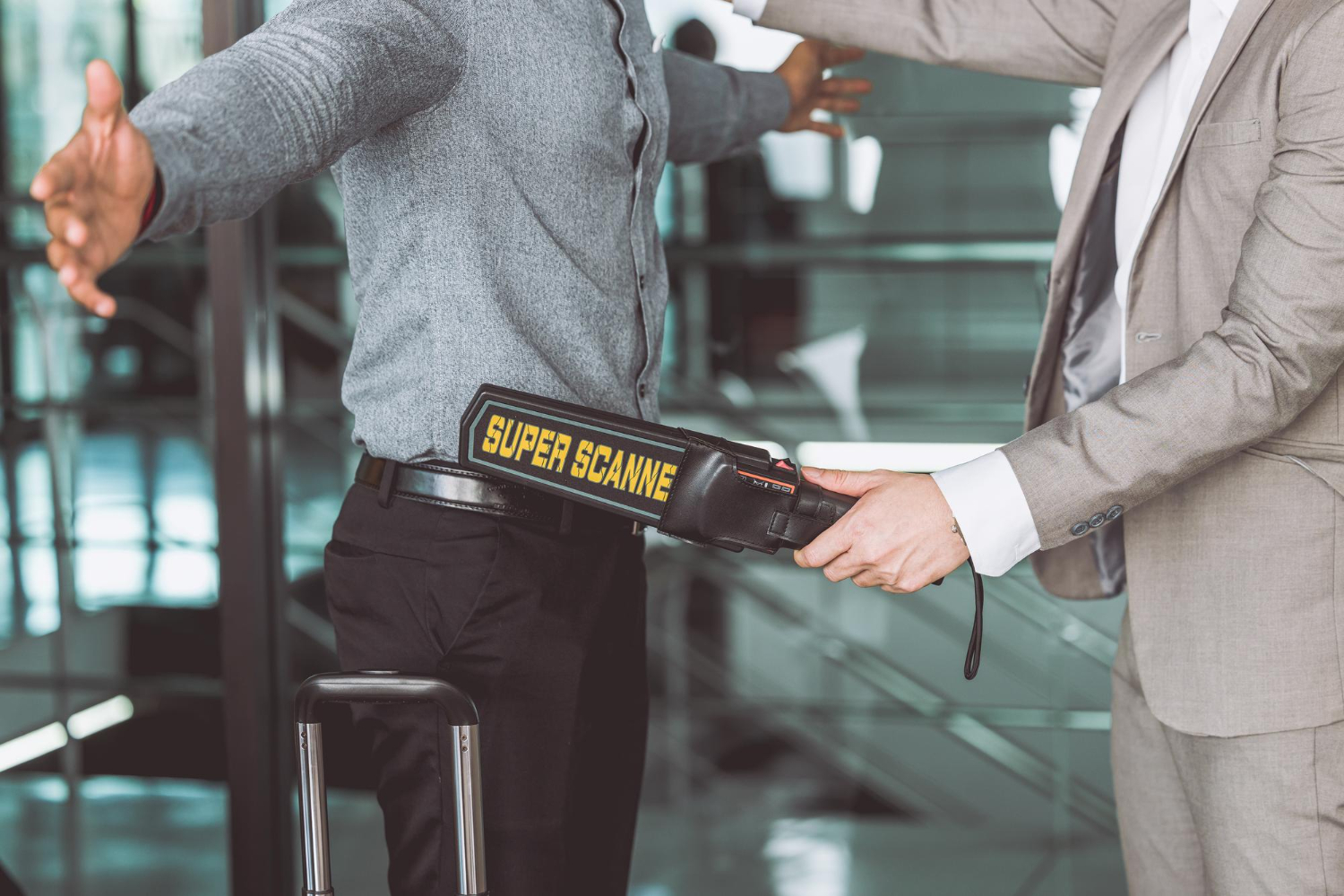
Some TSA secondary screening is genuinely random — selected through computer randomization rather than specific behavioral or item-based triggers. The randomization serves specific purposes: prevents predictable bypass strategies, validates that targeted screening isn’t producing biased results, and maintains uncertainty that affects various security calculations. TSA doesn’t disclose specific random selection rates but acknowledges they exist.
Travelers selected for random additional screening should expect specific procedures: additional pat-down search, additional baggage screening, possible explosive trace detection swabs, possible additional questioning. The procedures typically take 5-15 minutes additional time. Random selections can occur regardless of TSA Pre-Check status or other Trusted Traveler enrollments — the programs reduce but don’t eliminate random selection probability. Most random selections produce no concerning findings and travelers proceed normally after the additional screening.
What Travelers Should Actually Do
Practical guidance for navigating TSA effectively. Arrive at airports with substantial time buffer (2 hours for domestic flights, 3+ hours for international). Pack carry-ons with TSA screening in mind — items requiring removal should be easily accessible. Keep travel documents readily available. Wear easily-removed shoes if not enrolled in TSA Pre-Check. Be prepared to explain unusual items in carry-on. Carry medications in original prescription containers with documentation when possible.
Specific strategies to minimize delays: enroll in TSA Pre-Check or other Trusted Traveler programs if traveling frequently, ship valuable items rather than carrying through checkpoints, declare substantial cash through other channels rather than carrying through TSA, avoid bringing prohibited items even when you think rules don’t apply to your specific case. Most TSA delays result from preventable preparation issues rather than legitimate security findings. Travelers who specifically prepare for screening procedures typically experience substantially less stress and shorter delays than those who don’t.
What This All Reveals About TSA
The TSA system represents specific accumulated security response to threats that have evolved substantially since 2001. The technology, procedures, and policies continue evolving as new threats emerge and existing approaches are evaluated. Various aspects of the system have been substantially debated regarding effectiveness, costs, civil liberties, and various other considerations. What’s clear: TSA screening detects substantially more than the basic weapons/explosives that public messaging emphasizes. Travelers who understand the broader screening capabilities can prepare more effectively and experience less unexpected complications. The system isn’t perfect and produces various legitimate criticisms, but it’s also not arbitrary — specific procedures address specific identified threats through specific evidence-based responses. For most travelers, basic preparation plus respectful interaction with TSA officers produces smooth screening experiences. The various specific items and behaviors that trigger additional screening are generally explicable once travelers understand the underlying logic, even when specific TSA decisions seem arbitrary in individual cases.