

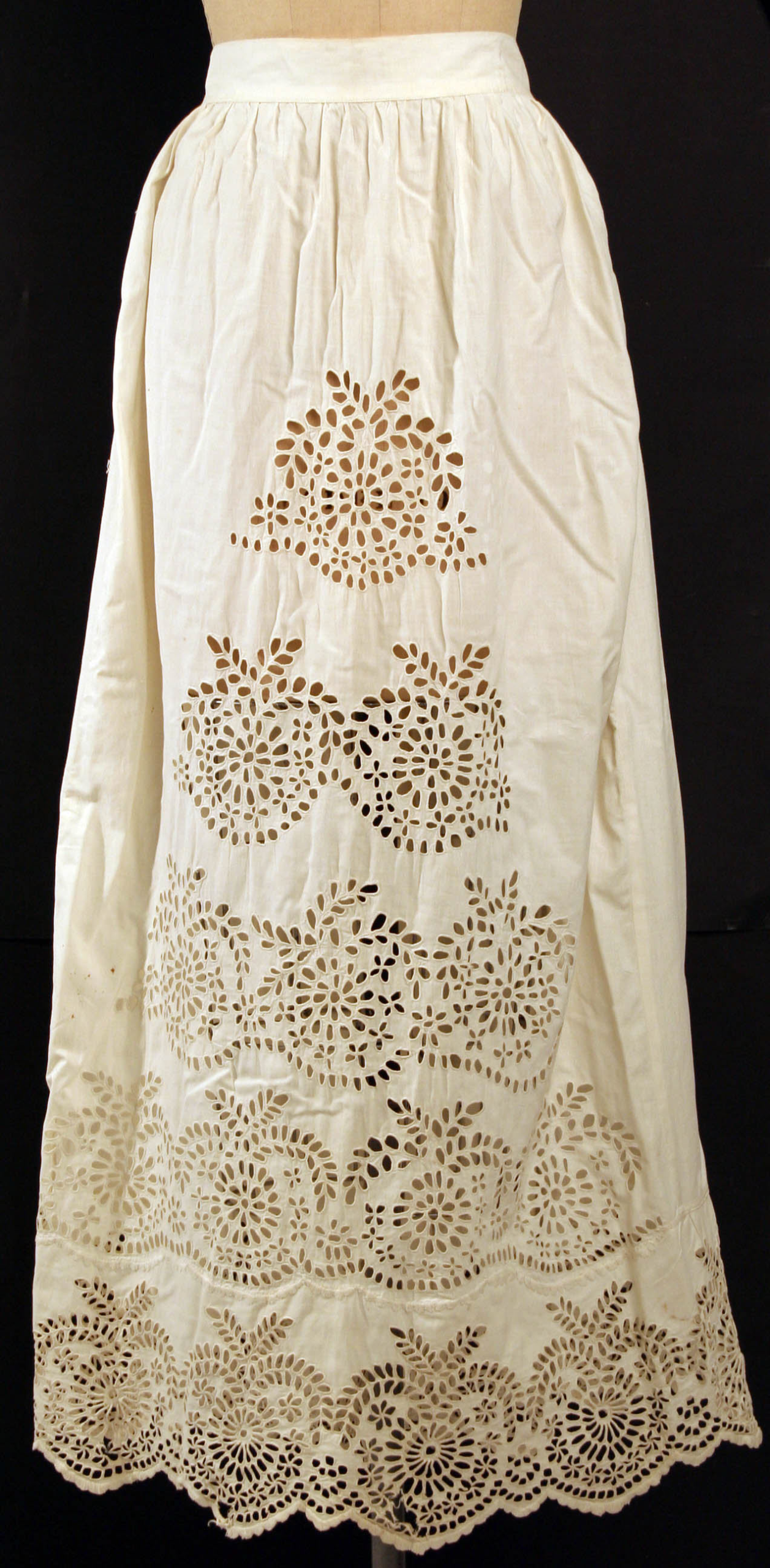
The shape of a skirt came from underneath, not from the dress.
A dress of that period is not a shaped object. It is a covering, and the outline everybody recognises from photographs was built up beneath it out of separate layers that could be changed independently – which reverses how people now think about clothing entirely.
The crude version was simply several underskirts at once, each adding bulk, with the outermost smoothing the ones below. That has one real advantage: a woman can adjust her own silhouette by putting on or leaving off a layer, so one dress can be worn in several shapes and nothing has to be remade when the fashionable outline moves. And the layers were not equal – the innermost was plain, washable and expected to be dirtied, while the outer one was properly finished because it was the only one anybody saw. Here are sixteen things every woman knew.
1. The Shape of a Skirt Came From Underneath
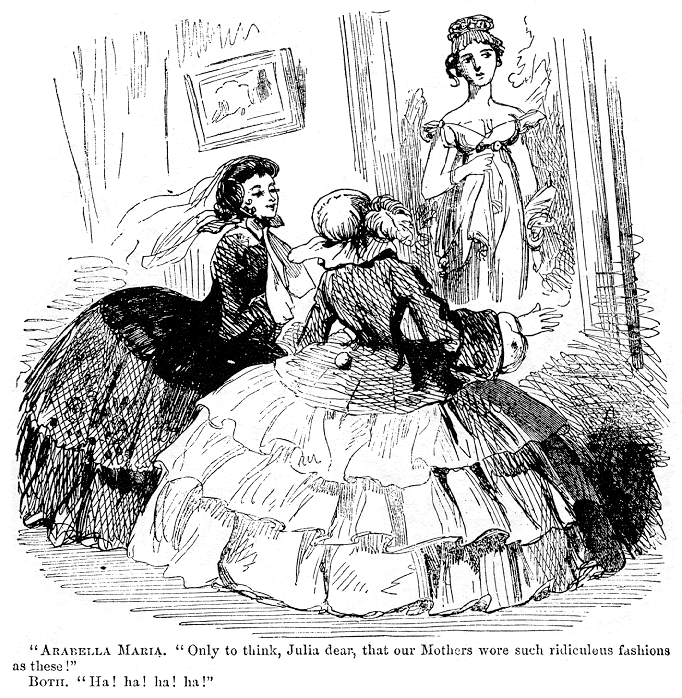
The outline of a woman’s dress was produced by the layers beneath it rather than by the cut of the dress itself, which hung over whatever structure was there.
Outer garments are cut and constructed to their own shape.
Start with where the shape came from, because it reverses how people now think about clothing. A dress of that period is not a shaped object – it is a covering, and the silhouette everybody recognises from photographs was built up underneath it out of separate layers that could be changed independently.
Like our content? Follow us for more.
2. Several Petticoats Did the Work of One Structure
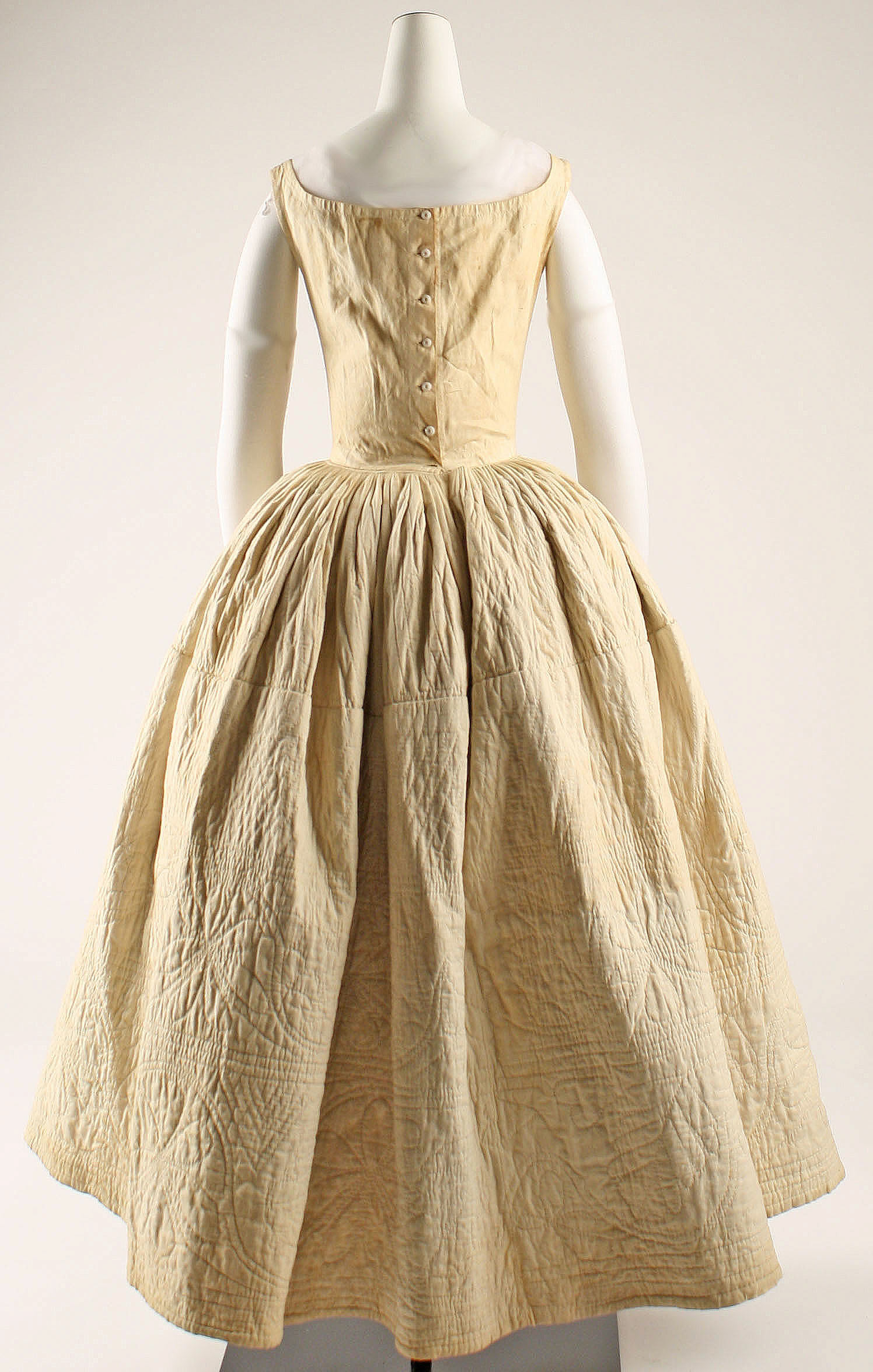
Fullness was produced by wearing a number of underskirts at once, each adding bulk, with the outermost one smoothing the layers below.
Not applicable.
Stacking layers is a crude solution and it has one great advantage. A woman can adjust her own silhouette by putting on or leaving off a petticoat, which means one dress can be worn in several shapes – and no garment has to be remade when the fashionable outline changes.
3. The Bottom One Was Plain and Took the Wear
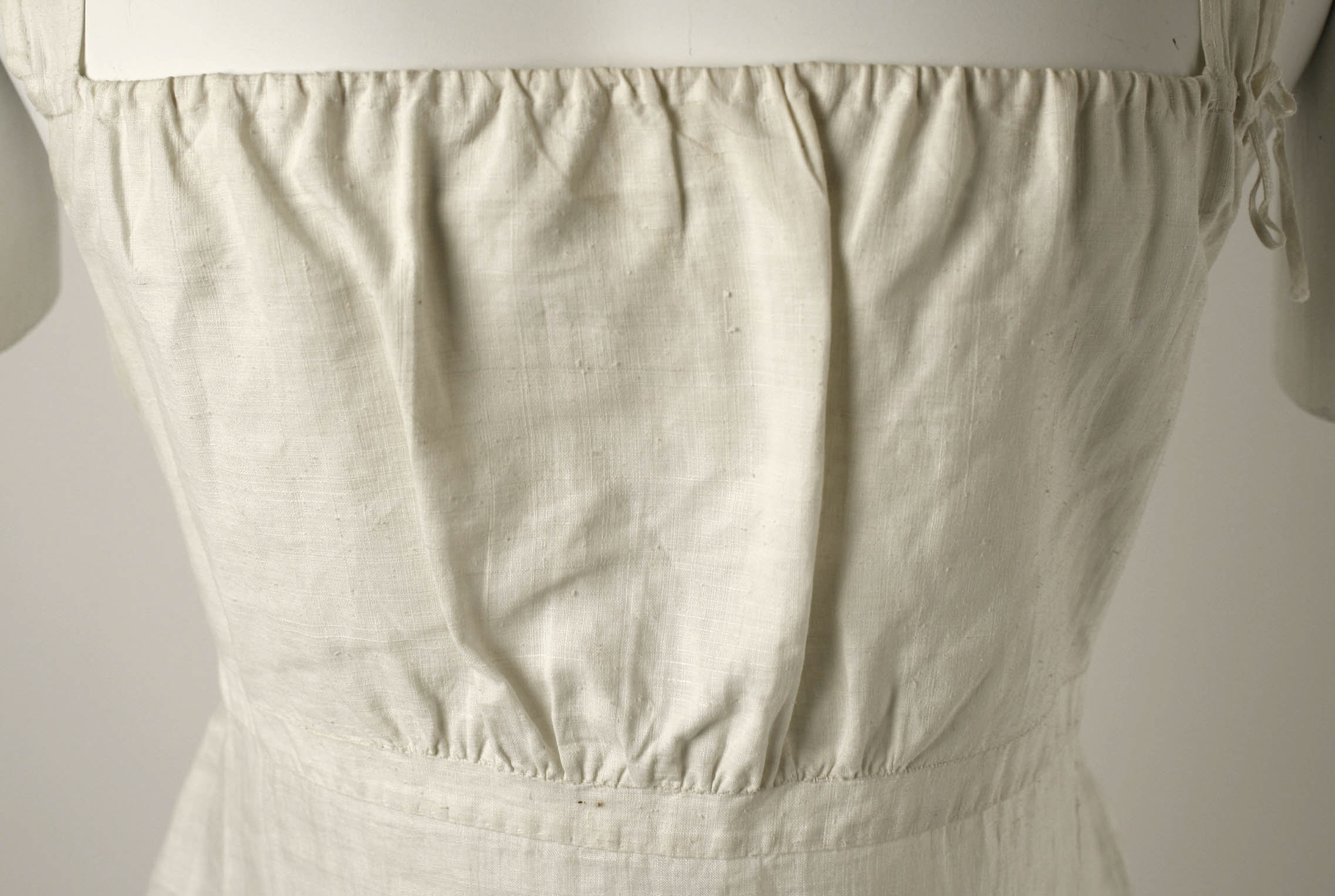
The innermost petticoat was simple, washable and expected to be dirtied, which protected everything above it from the body and everything below it from the ground.
Not applicable.
The layering follows exactly the same logic as the apron. A cheap washable layer absorbs the damage so that expensive layers stay clean, and the garment nearest the skin is the one that goes in the wash most often – which is a sacrificial component rather than an item of clothing.
4. The Top One Was the Only One Anybody Saw
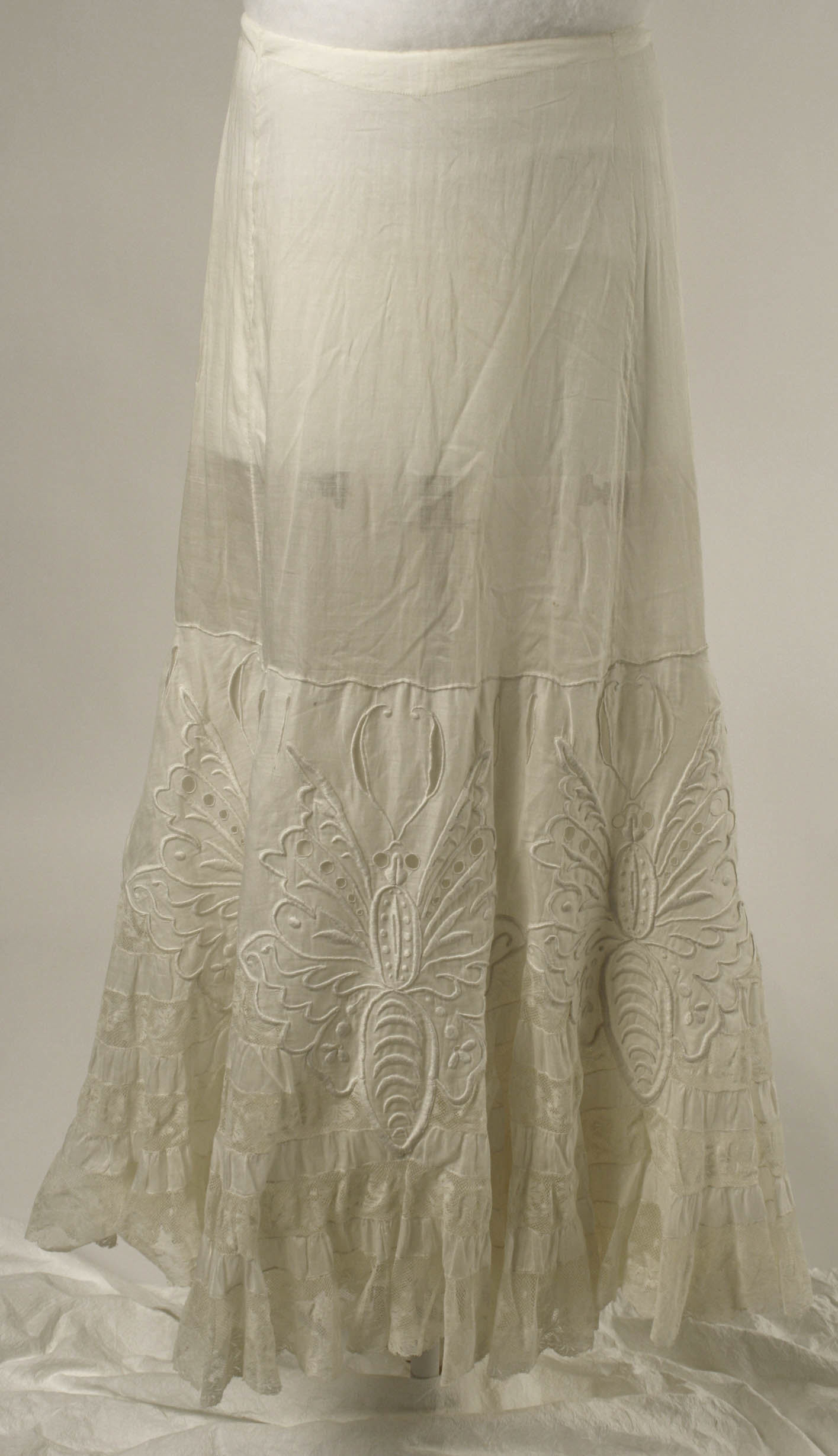
The outer petticoat was finished properly, sometimes trimmed, because it would show when a woman sat, climbed or lifted her skirt – and a glimpse of it was expected.
Not applicable.
The hierarchy of finish is a sensible allocation of effort and money. Only one of the several layers is ever visible, so that is the one that gets the trimming and the better fabric, while the ones underneath are made of whatever will do the job.
5. Stiffened Fabric Replaced Some of the Bulk
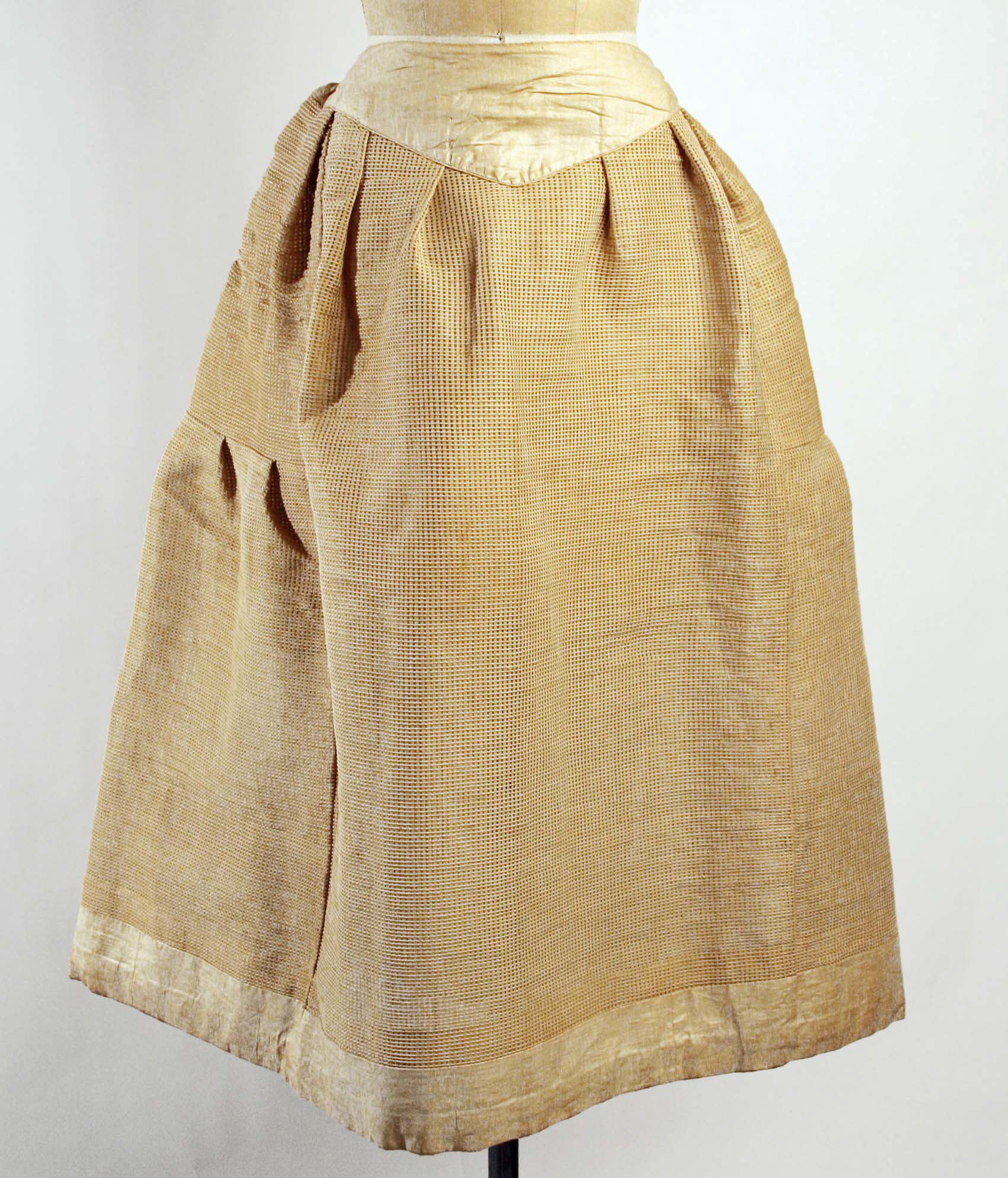
Petticoats made of stiff woven material, or with stiffening worked into the hem, held a skirt out without needing as many layers of soft cloth.
Synthetic stiff net does the same job far more lightly.
The move from quantity to stiffness is a real improvement and the principle is simple. A fabric that resists bending holds its own shape, so one stiff layer can replace three soft ones – which reduces the weight enormously while producing the same outline.
6. The Hoop Replaced All of Them at Once
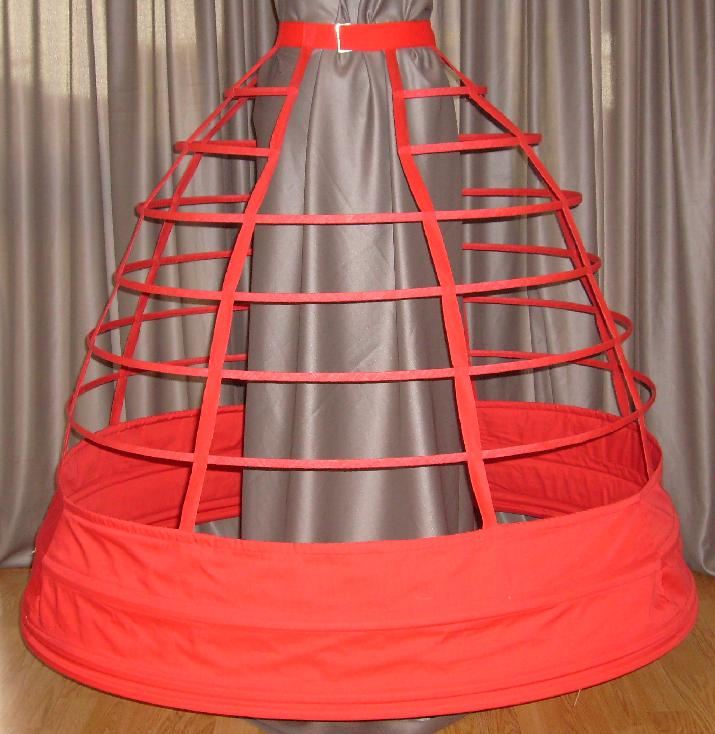
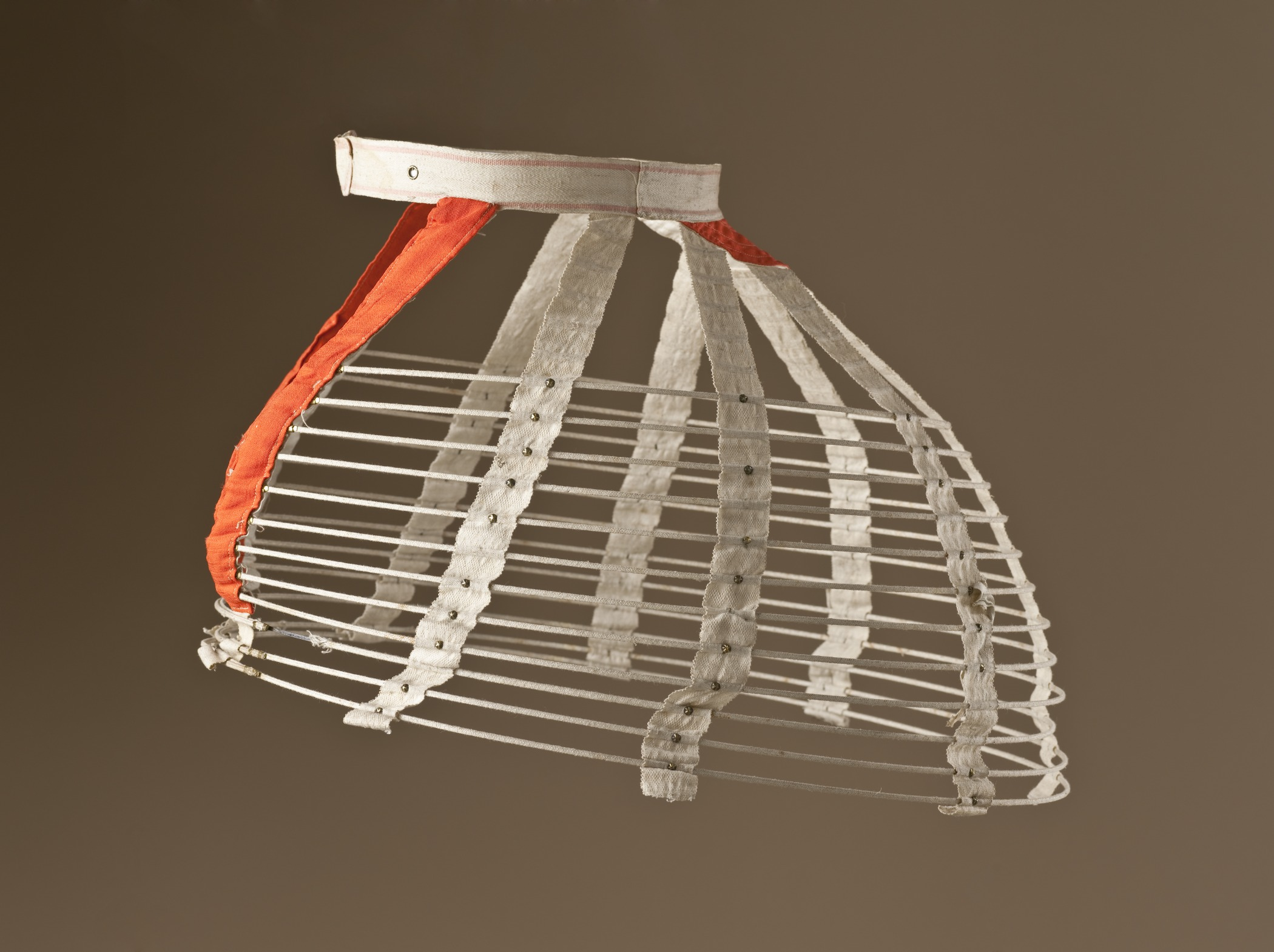
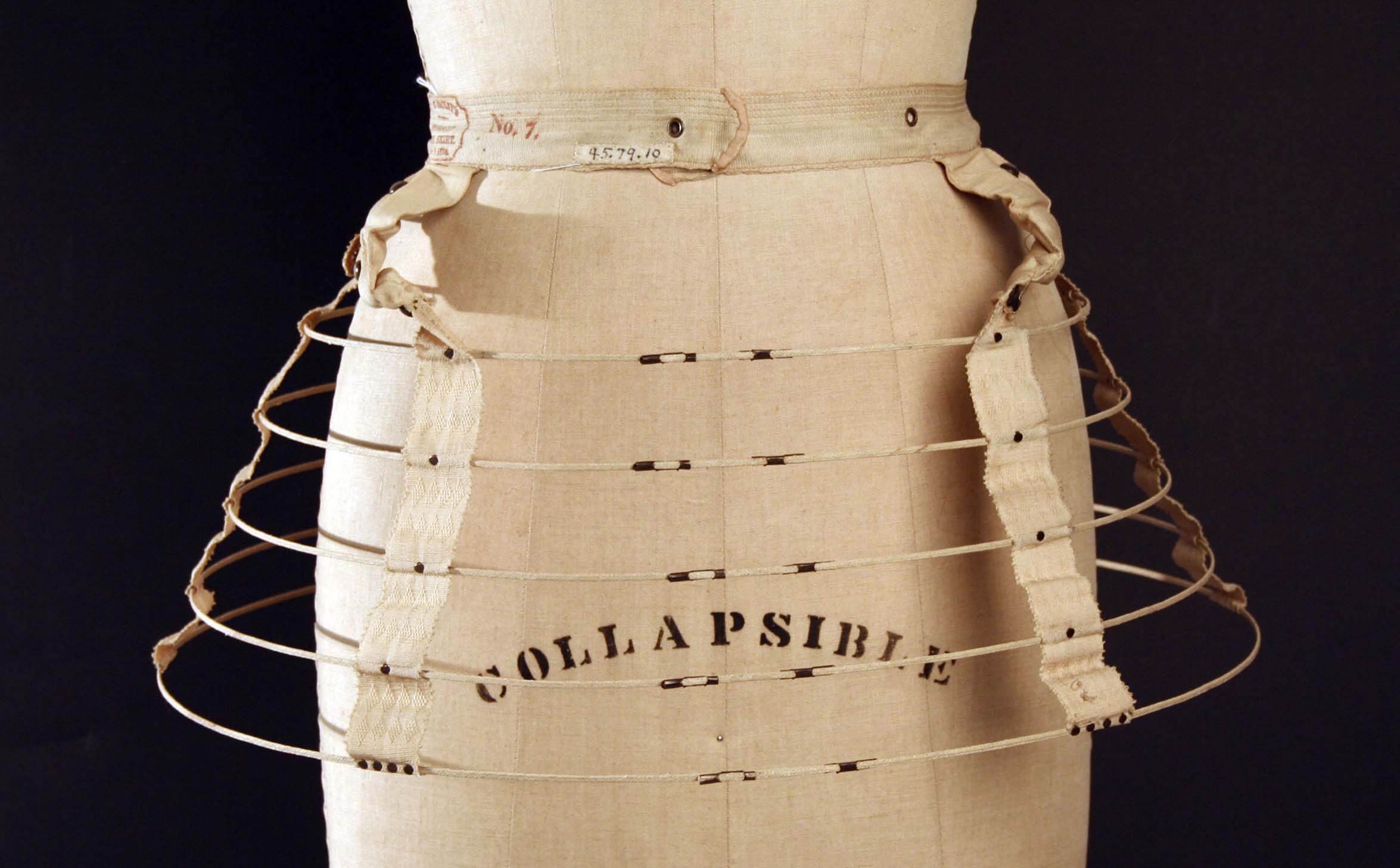
A frame of flexible hoops suspended from a waistband held a skirt out at whatever diameter the hoops described, with almost nothing underneath.
Not applicable.
The hoop is the engineering solution and it was an enormous relief rather than an affliction. Several heavy petticoats weigh a great deal and are hot; a light frame holding the same shape weighs almost nothing and leaves the legs free – which is why it was adopted so fast and so widely.
7. Hoops Were Genuinely Awkward in Practice
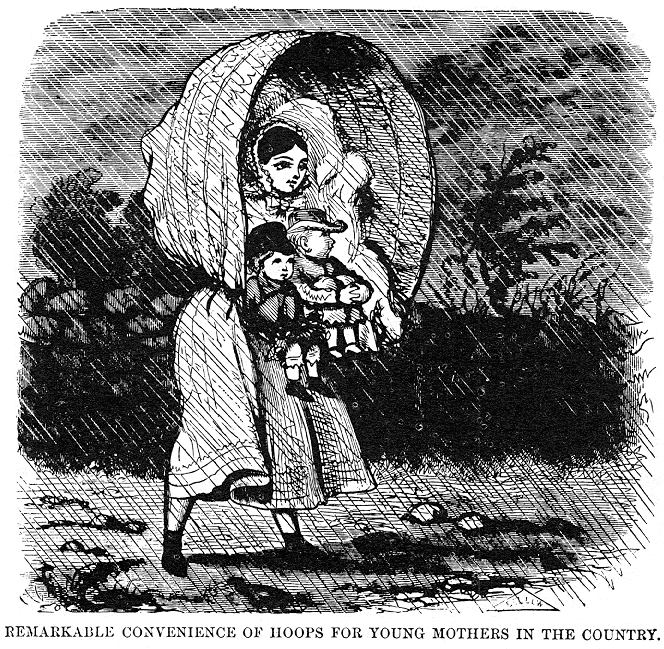
A rigid circle several feet across does not fit through doorways designed for people, cannot sit in ordinary chairs without managing, and moves independently of the wearer in wind.
Not applicable.
The practical problems were real and were complained about at the time. Managing a hoop is a learned skill involving how to sit, how to pass through a door, how to climb into a vehicle and how to stand near a fire – and all of those are things a woman had to think about every time she moved.
8. The Bustle Moved the Volume to the Back
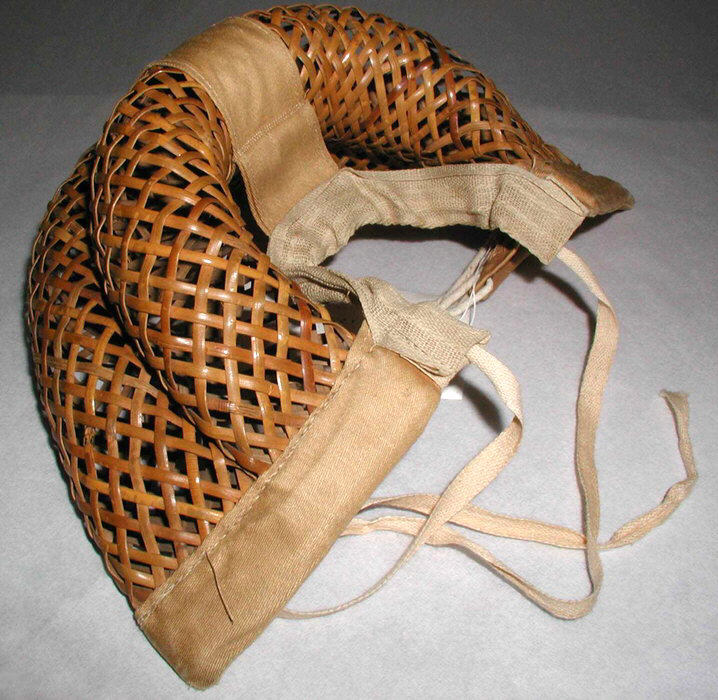
Later, the fullness was concentrated behind rather than all round, supported by a pad, a frame or a gathered arrangement at the back of the waist.
Not applicable.
Moving the volume is a change in the shape of the problem rather than its nature. Concentrating the support at one point lets the front and sides hang close to the body, which is far more practical for walking through a world built for people – and it is the same structural trick applied asymmetrically.
9. Everything Was Supported From the Waist
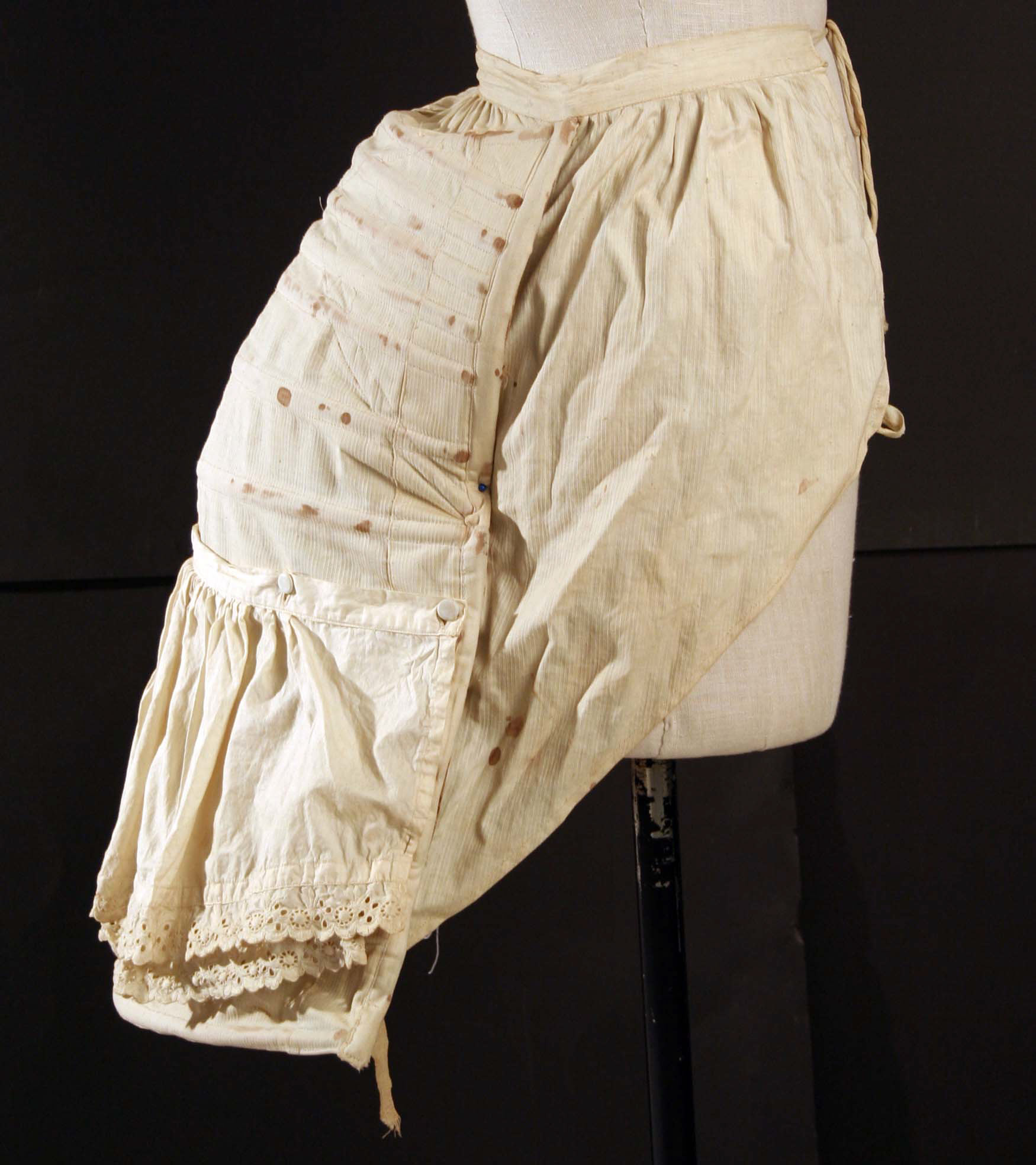
All of it – petticoats, hoops, bustles – hung from a band at the waist, which means the entire weight of the structure was carried on one narrow part of the body.
Weight is distributed from the shoulders or not carried at all.
This is the mechanical fact that shaped the whole period’s underclothing, and it is not comfortable. Hanging several pounds of fabric from a waistband concentrates the load on the lower back and the waist, which is why the arrangement was increasingly criticised and why suspension from the shoulders was proposed as an improvement.
10. The Layers Were Also Warmth
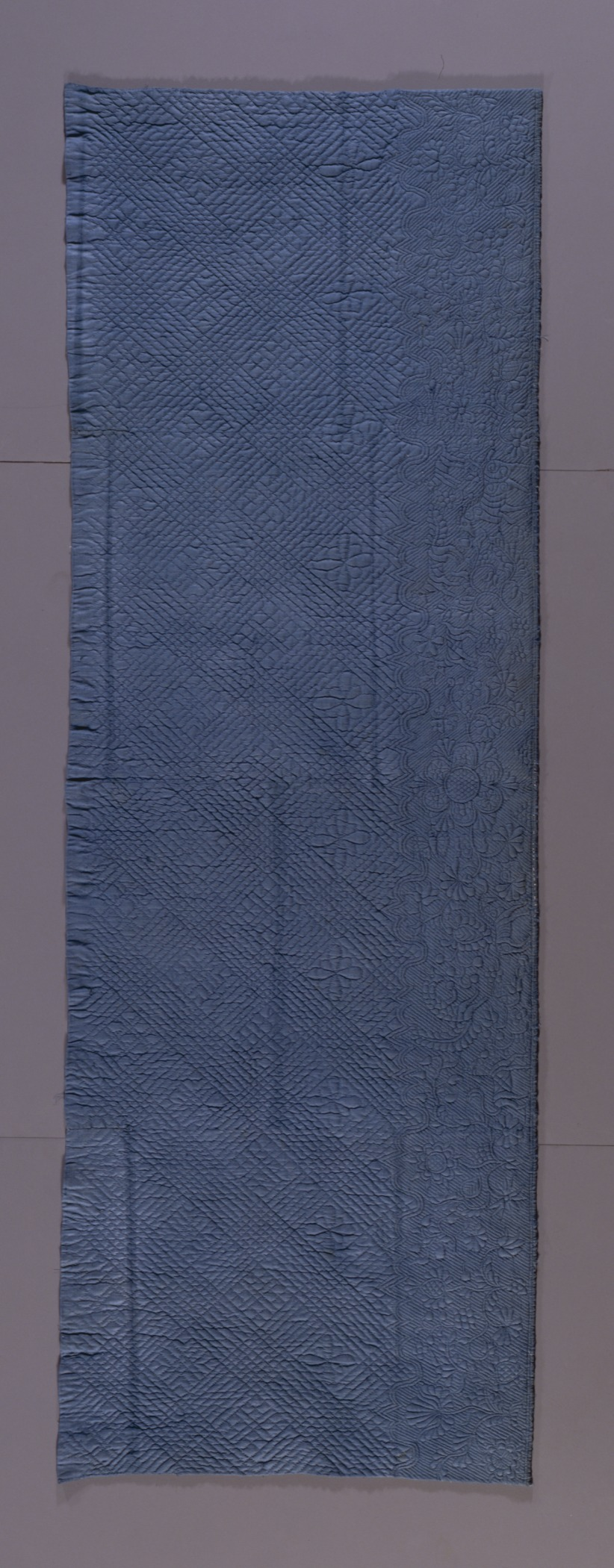
In an unheated house in winter, several skirts of heavy fabric are a genuine insulating system rather than merely a shape.
Central heating.
The thermal function is the half that gets forgotten and it matters. A woman in a cold house with cold floors and draughts at ankle level has a real problem, and layers of wool and flannel below the waist solve it – which means removing the layers required the house to be warm first.
11. Laundering Them Was an Enormous Job
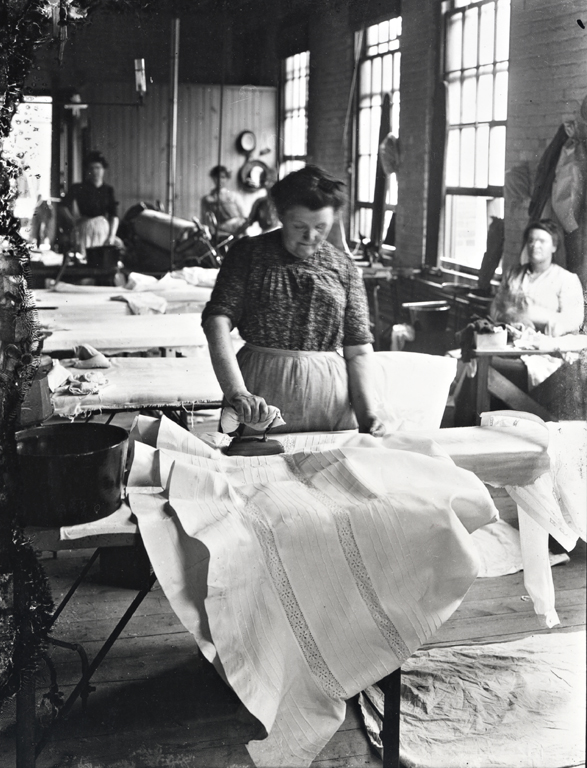
Several heavy skirts per person, worn daily and dirtied at the hem, had to be washed by hand – which made the laundry burden of the whole system substantial.
Machines.
The laundry cost is the hidden price of the silhouette, and it fell on the same people who wore it. Each additional layer is another heavy wet garment to wash, wring and dry, and the hems collected everything off the floor and the street – so the fashionable outline was being paid for in somebody’s labour every single week.
12. Girls Were Dressed the Same Way in Miniature
Children’s clothing followed the adult structure with fewer and lighter layers, and a girl’s progression to full underpinnings was a marked stage.
Not applicable.
The graduation is worth noting because it was explicit. Adding layers as a girl grew was a visible social progression rather than a practical change, which means the underclothing was carrying information about age and status that nobody could see and everybody understood.
13. The Whole System Was Argued About at the Time
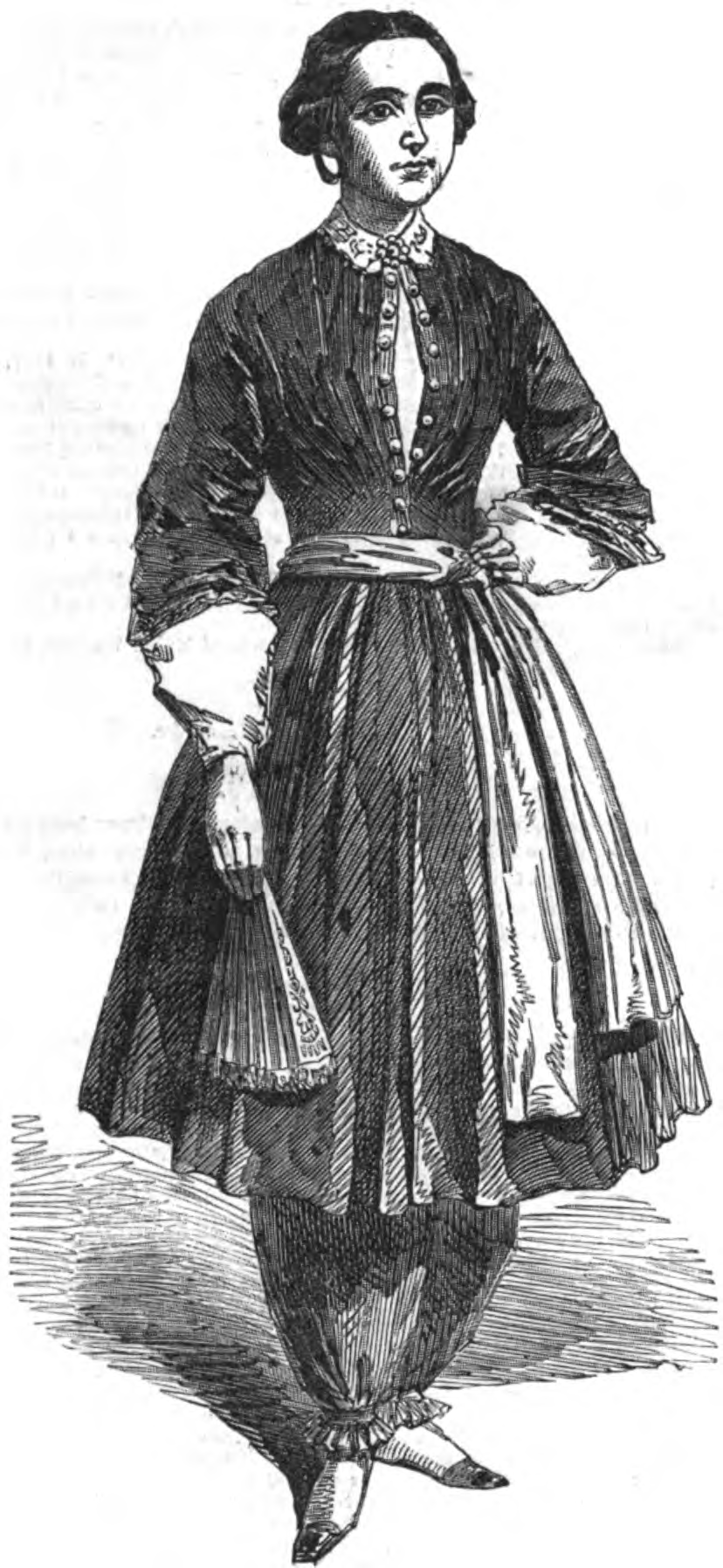
Contemporary criticism of heavy and constricting underclothing was substantial, with arguments made about weight, health, movement and expense.
Not applicable in the same form.
It is worth being clear that the objections were not invented later. People living with this system wrote about the weight hanging from a waistband, the difficulty of moving and the cost of maintaining it – so the changes that followed came partly from pressure inside the period rather than only from fashion moving on.
14. Then the Silhouette Stopped Needing Support
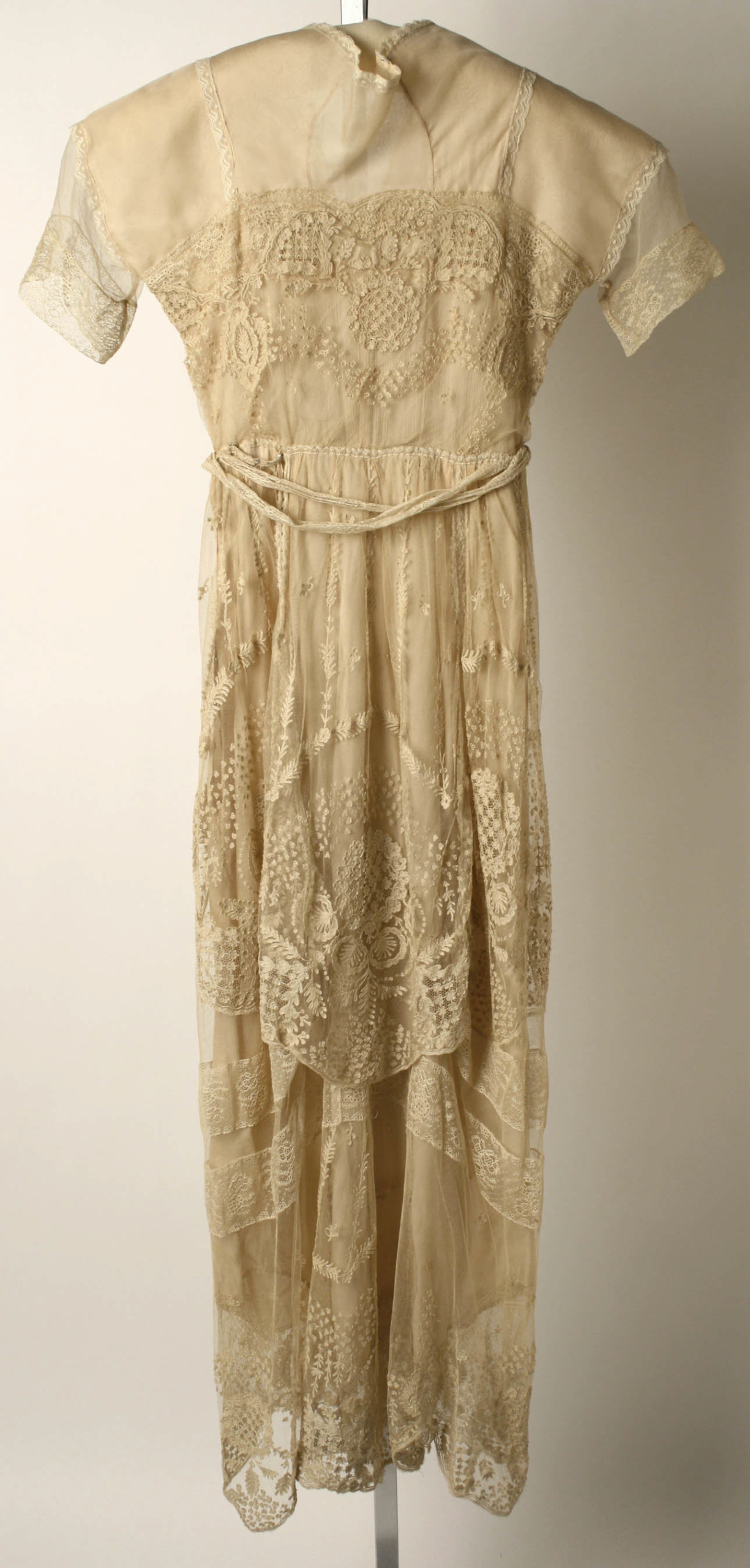
Outer garments were cut and constructed to produce their own shape, which removed the need for anything underneath to hold them out.
Universal.
This is the decisive technical change and it reverses the whole arrangement. Once a dress is a shaped object rather than a covering, the structure moves from the underwear into the dress itself – and everything that existed to produce a silhouette from below becomes unnecessary in one step.
15. Then Synthetic Net Did It With One Light Layer
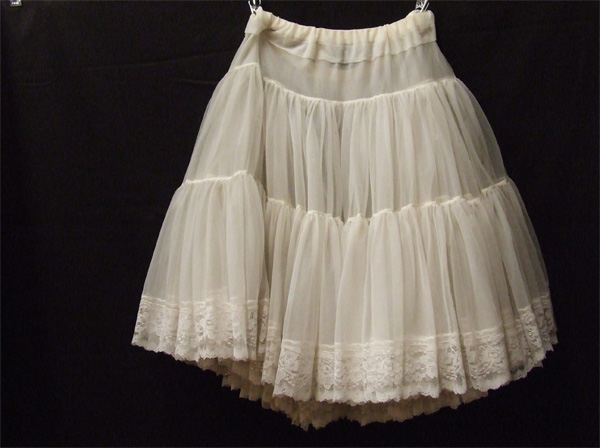
Stiff synthetic netting produces fullness at almost no weight, which is why the petticoat returned briefly in a form that weighed a fraction of the original.
A specialist and occasional garment.
The brief return is the satisfying footnote. When a full skirt came back into fashion, nobody went back to stacked heavy cloth – they used a light stiff synthetic that does the same job for a tiny fraction of the weight and the laundry, which is exactly what the original system would have used if it had been available.
16. And by 1964 It Was History Except as a Costume
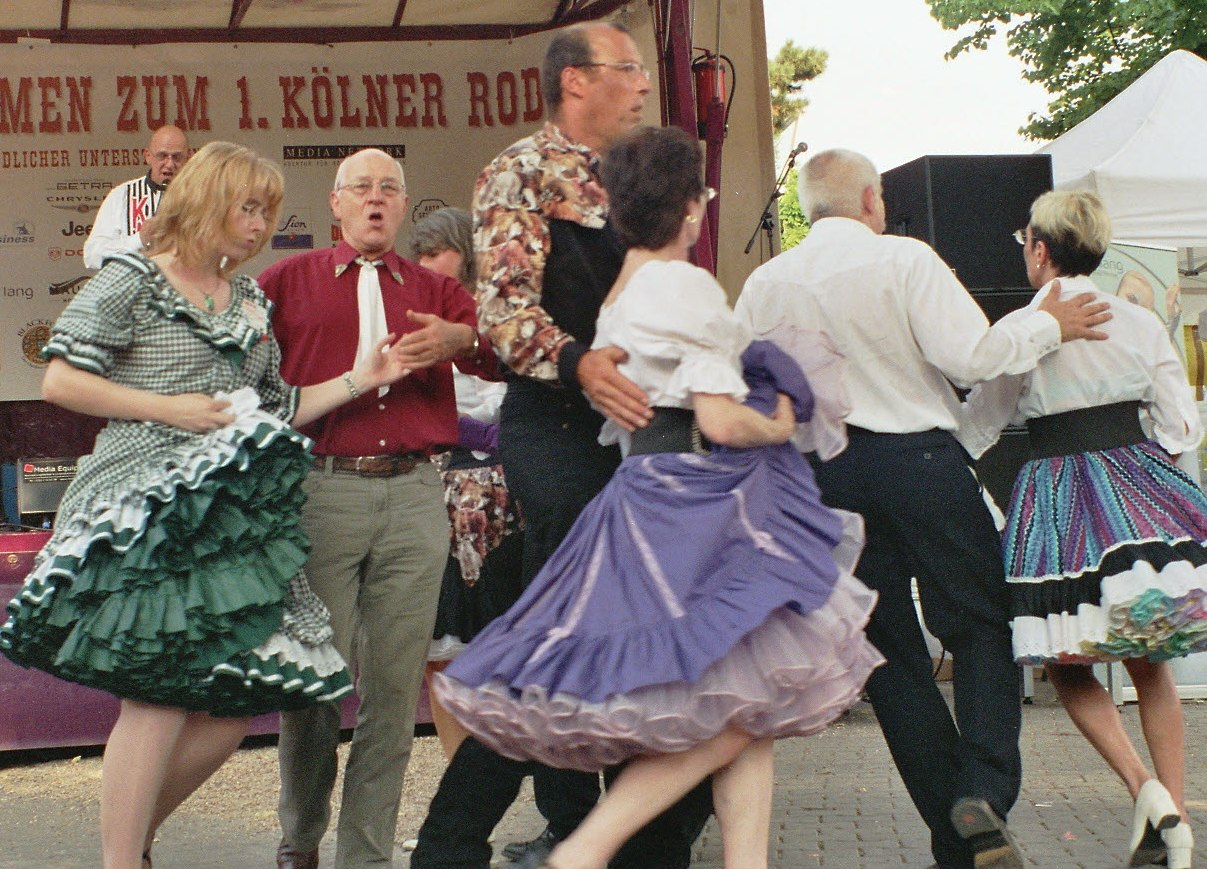
Hoops, bustles and stacks of petticoats survived in attics, in theatrical wardrobes and in pageants, and the structural reasoning behind them had been entirely forgotten.
Costume and historical dress.
And what deserves the last word is that this was a load-bearing system and it should be judged as one. The outline in every photograph of the period was not produced by a dress but assembled underneath it from separate parts – several layers whose innermost was sacrificial and whose outermost was the only one anybody saw, replaced progressively by stiffened fabric and then by a light frame that held the same shape at a fraction of the weight, with the whole assembly hung from a single band at the waist. It was also the household’s winter insulation below the waist, and it generated an enormous quantity of heavy hand laundry every week, paid for by the people wearing it. The objections to all of that were made at the time by the people living with it. What finally ended it was not a change of taste but a change in construction: once a dress could hold its own shape, there was nothing left for any of it to do.
It Was a Load-Bearing System and Should Be Judged as One
Petticoats and hoops get treated as the definition of impractical clothing, and the structure underneath a nineteenth-century skirt is better understood as engineering with a known set of trade-offs.
Start with the reversal. A dress of that period is a covering rather than a shaped garment, and the silhouette was assembled beneath it from separate components. Which means the outline in every photograph was not produced by the dress at all.
The first solution was quantity: several underskirts at once, each adding bulk, the outermost smoothing the ones below. Crude, and with one genuine advantage – a woman adjusts her own shape by adding or leaving off a layer, so one dress serves several outlines and nothing needs remaking when fashion moves.
The layers were deliberately unequal. The innermost was plain and washable and expected to be dirtied, protecting everything above it from the body and everything below from the ground – exactly the apron’s logic, a sacrificial component rather than a garment. The outermost was finished properly and sometimes trimmed, because it showed when a woman sat, climbed or lifted her skirt, and a glimpse of it was expected.
Then the engineering improved, twice.
Stiffened fabric replaced bulk with resistance to bending, so one stiff layer did the work of three soft ones at a large saving in weight. And the hoop replaced all of them at once: a light frame of flexible hoops hung from a waistband, holding the skirt out at whatever diameter the hoops described, with almost nothing underneath.
The hoop deserves to be understood as a relief rather than an affliction. Several heavy petticoats weigh a great deal and are hot; a frame holding the same shape weighs almost nothing and leaves the legs free, which is why it was adopted so fast.
It was also genuinely awkward, and people said so at the time. A rigid circle several feet across does not fit through doorways designed for people, will not sit in an ordinary chair without management, and moves independently of its wearer in wind. Managing one is a learned skill about how to sit, how to pass a door, how to climb into a vehicle and how to stand near a fire.
The bustle then moved the volume to the back, concentrating the support at one point so the front and sides could hang close to the body – the same structural trick applied asymmetrically, and far more practical for walking through a world built for people.
And here is the mechanical fact underneath all of it: everything hung from a band at the waist. Petticoats, hoops, bustles – several pounds of structure carried on one narrow part of the body, loading the waist and the lower back. Which is why the arrangement was increasingly criticised and why suspension from the shoulders was proposed instead.
Two functions get forgotten.
The layers were warmth. In an unheated house with cold floors and draughts at ankle level, several skirts of heavy wool and flannel are a genuine insulating system – which means removing them required the house to be warm first.
And they were an enormous laundry burden. Several heavy skirts per person, worn daily, dirtied at the hem from floors and streets, washed by hand. Each additional layer is another heavy wet garment to wash, wring and dry, so the fashionable outline was paid for in somebody’s labour every week – the labour of the same people wearing it.
Girls were dressed the same way in miniature, with fewer and lighter layers, and adding layers as a girl grew was an explicit social progression. So the underclothing was carrying information about age and status that nobody could see and everybody understood.
It is worth being clear that the objections are not a modern invention. People living inside this system wrote about the weight hanging from a waistband, the difficulty of moving and the expense of maintaining it, so the changes that followed came partly from pressure within the period.
What ended it was a change in construction rather than in taste. Once outer garments were cut and built to produce their own shape, the structure moved from the underwear into the dress – and everything whose purpose was holding a silhouette out from below became unnecessary in a single step.
The footnote is satisfying. When full skirts came back, nobody returned to stacked heavy cloth: they used stiff synthetic net, which does the same job at a tiny fraction of the weight and the washing. Which is exactly what the original system would have used if it had existed.
So judge the thing as a load-bearing system. A silhouette assembled from separate parts, with a sacrificial inner layer and a finished outer one, progressively replaced by stiffness and then by a frame that held the same shape for almost no weight, the whole assembly suspended from one band at the waist – while also serving as the household’s winter insulation below the waist and generating a very large quantity of heavy hand laundry every week.
The people who wore it knew all of that, and said so.
If you see a hoop frame in a museum, pick up the weight in your mind.
It replaced several heavy petticoats, and that was the point of it.
Like our content? Follow us for more.
