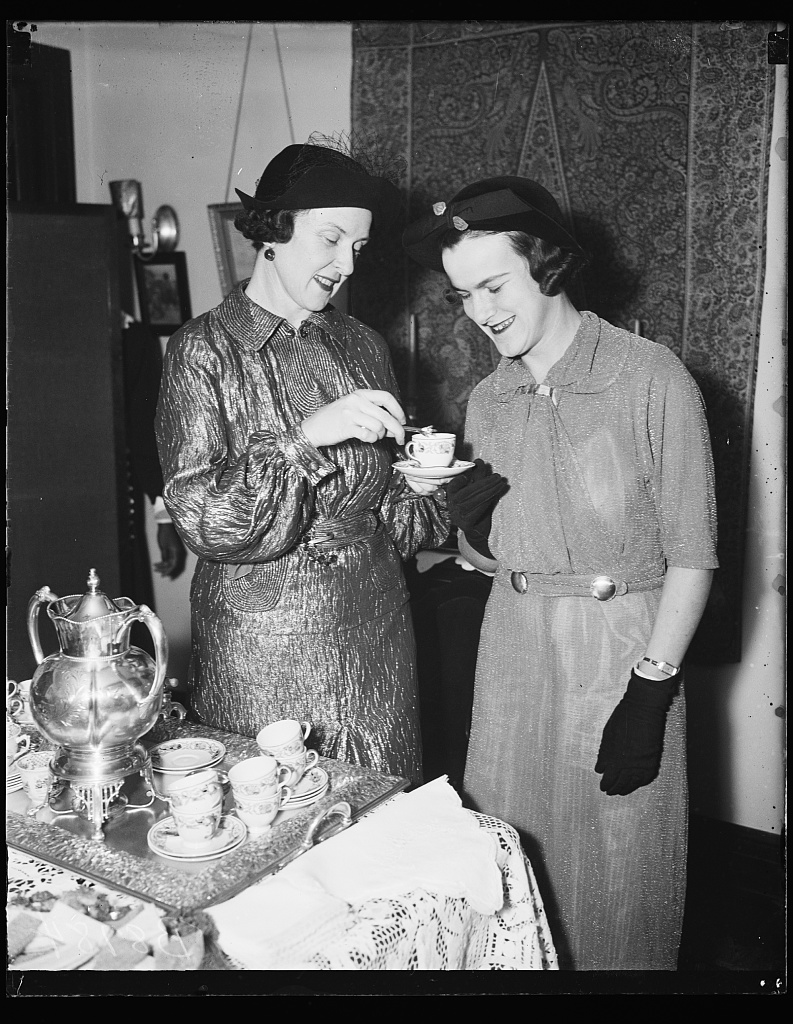
The morning gathering happened because everybody was home and alone, which is the condition the whole practice answers.
A woman at home with small children spent most of the day with no other adult to speak to. That is a real problem, and a standing arrangement to sit in somebody’s kitchen in the middle of the morning is a direct and sensible solution to it.
The timing was dictated by everybody else’s schedule. After the house had been cleared, before lunch and the afternoon’s work, there was a gap of an hour or two that belonged to nobody – it existed because husbands had gone to work and older children to school, and it closed again when the demands resumed. The window was carved out of a day that was otherwise entirely allocated. Here are fifteen things every woman knew.
1. The Morning Gathering Happened Because Everybody Was Home and Alone
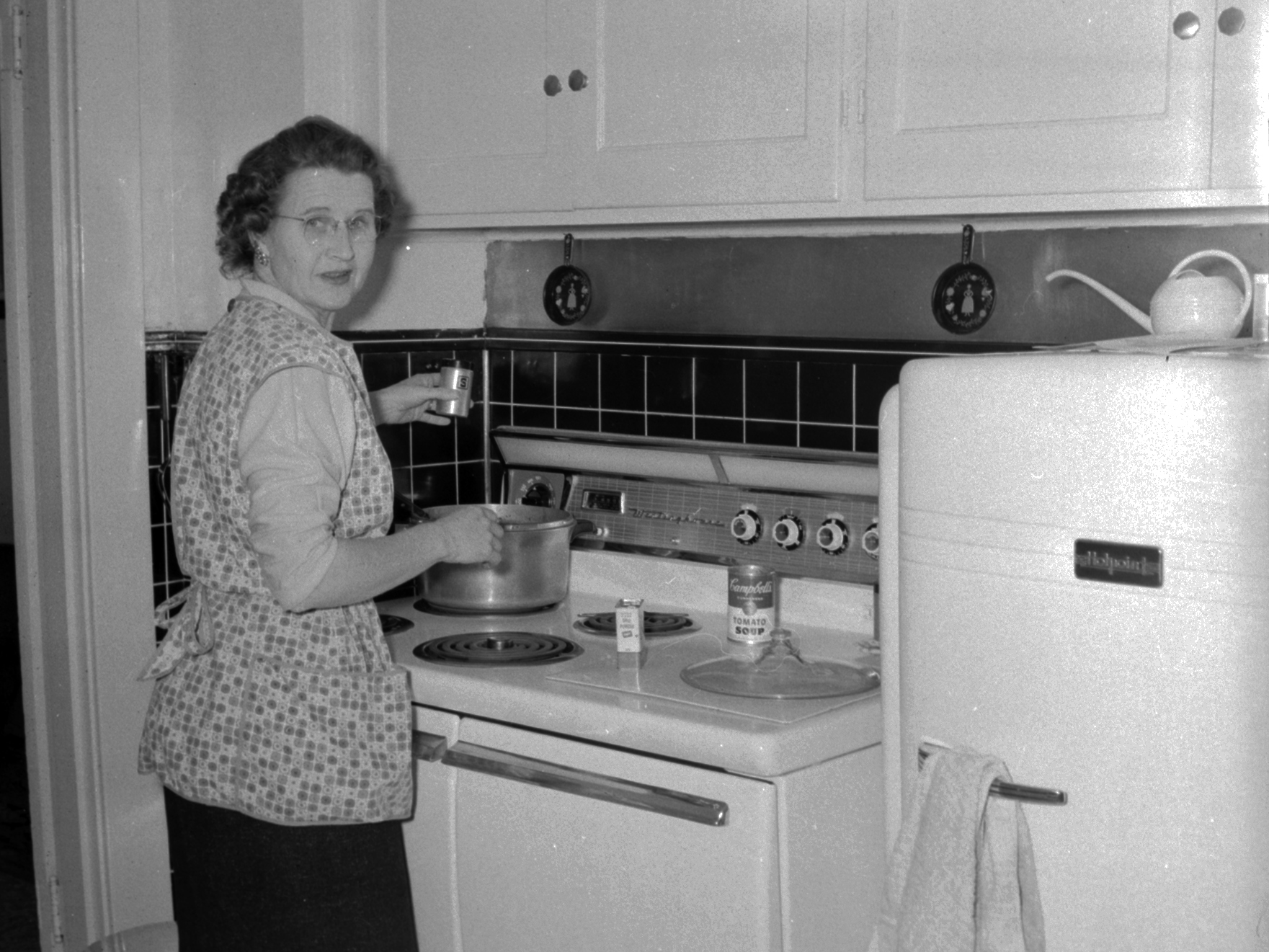
Women at home with small children spent most of the day without another adult to speak to, which is the condition the whole practice answers.
Most adults are at work or reachable instantly.
Start with the isolation, because that is what the coffee hour was for. A person alone in a house with young children for nine hours a day has a real problem, and a standing arrangement to see other adults in the middle of the morning is a direct and sensible answer to it.
Like our content? Follow us for more.
2. It Was Mid-Morning, Which Was the Only Available Window
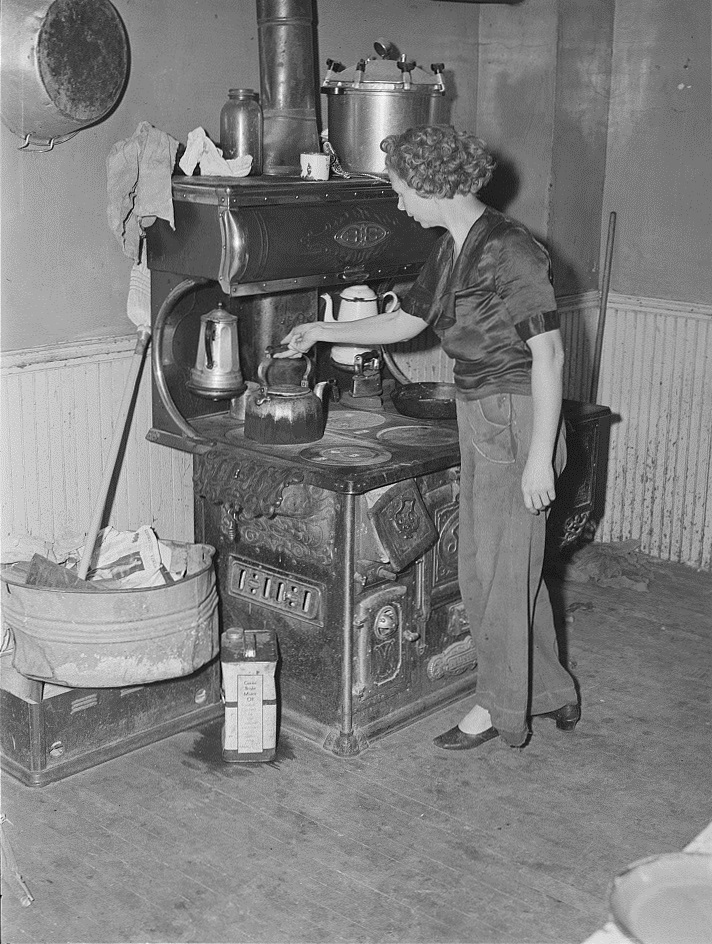
After the house was cleared and before lunch and the afternoon’s work, there was a gap of an hour or two that belonged to nobody else.
No equivalent window.
The timing was dictated by everybody else’s schedule, which is the point. The window existed because husbands had gone to work and older children to school, and it closed when the demands resumed – so it was carved out of a day otherwise entirely allocated.
3. The Hostess Rotated and Everybody Tracked Whose Turn It Was
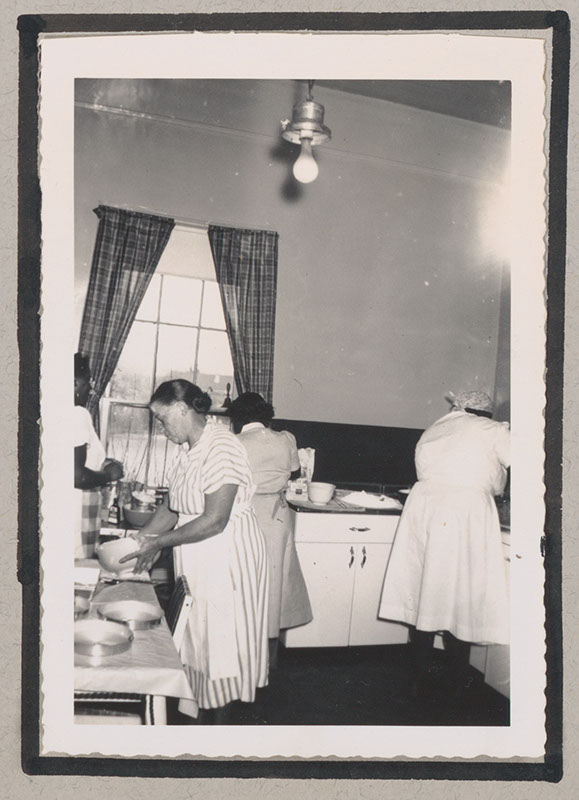
The gathering moved between houses on an understood rotation, so the burden of providing was shared rather than falling on one kitchen.
Not applicable.
Rotation is the mechanism that made it sustainable, and the accounting was informal but exact. Nobody wrote it down and everybody knew who had hosted last, which meant the obligation circulated and no single household carried it.
4. Hosting Meant the House Had to Be Fit to Be Seen
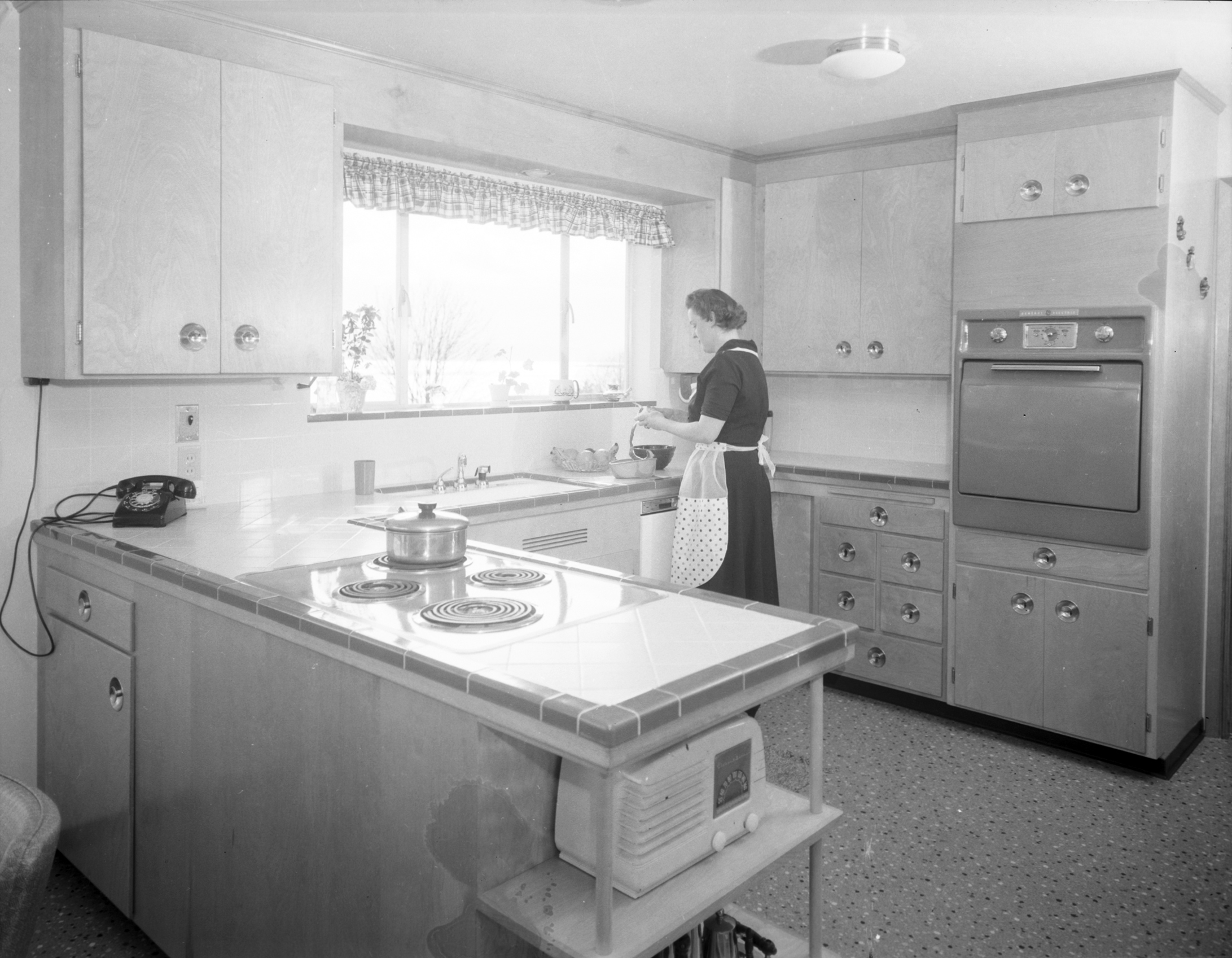
Having people in required cleaning, which meant the rotation imposed a standard on everybody’s house in turn.
Not applicable.
The inspection effect is the hidden cost and it was genuinely felt. A gathering that moves between kitchens means every kitchen gets looked at, so the social arrangement carried an implicit continuing judgement about how a house was kept.
5. Something Baked Was Expected, and Competition Was Real
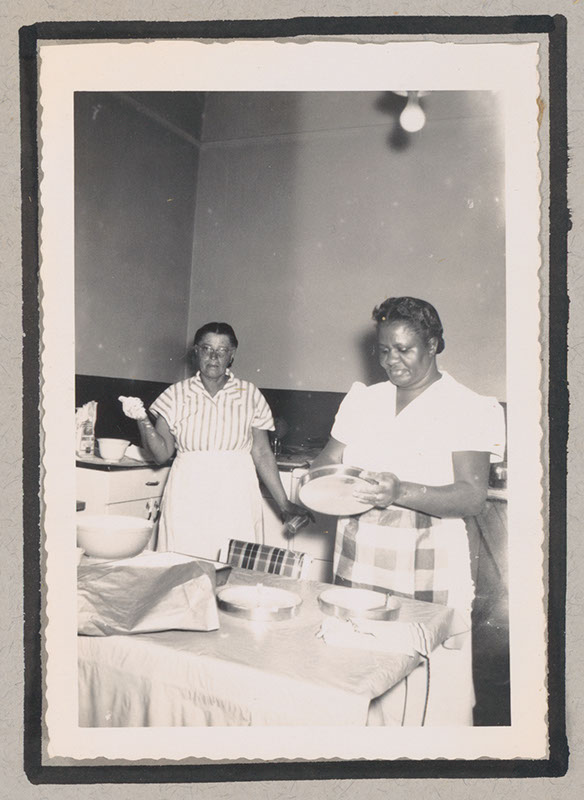
The hostess produced something, and the quality of it was noticed, compared and remembered.
Rarely.
Competitive baking is funny and it was not trivial for the people involved. In a setting where domestic work was the main field of recognised achievement, the thing you put on the table was one of very few public demonstrations of competence available.
6. Children Came With Their Mothers and Were Not the Point
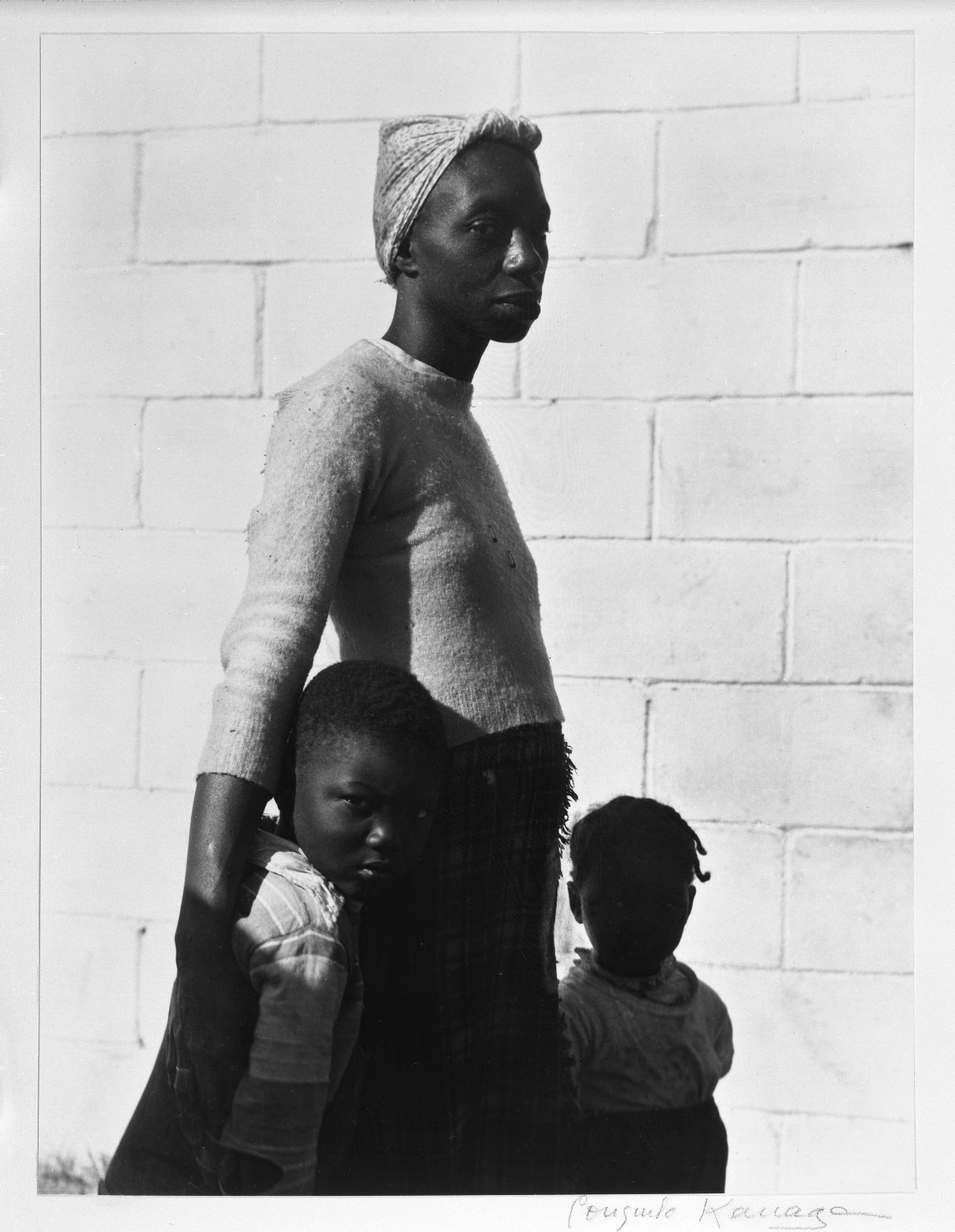
Small children were brought along and left to occupy themselves in another room or underfoot, which is the only way the arrangement could work.
Scheduled playdates built around children.
Bringing the children is what distinguishes this from a modern arrangement, and the priority ordering was the reverse of now. The gathering was for the adults and the children were incidental to it, rather than the gathering being organised around the children’s activity.
7. The Information That Mattered Moved Here
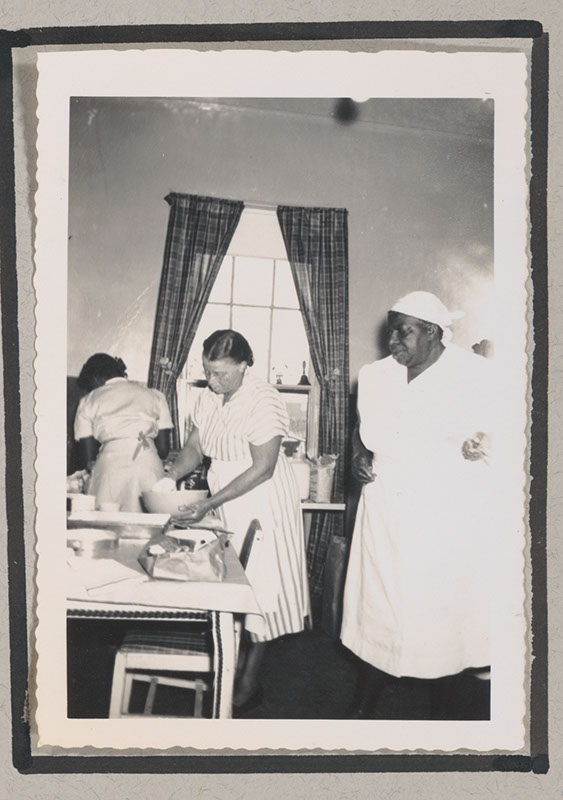
Who was ill, who was pregnant, who was in trouble, what a thing cost, how to deal with something – the practical knowledge of a neighbourhood circulated at these tables.
Online and fragmented.
The informational function was probably the most important one and it was entirely unofficial. Nobody attending described it as a knowledge network, and it was the fastest and most reliable one most households had access to.
8. Advice Was Given Freely and Taken Seriously
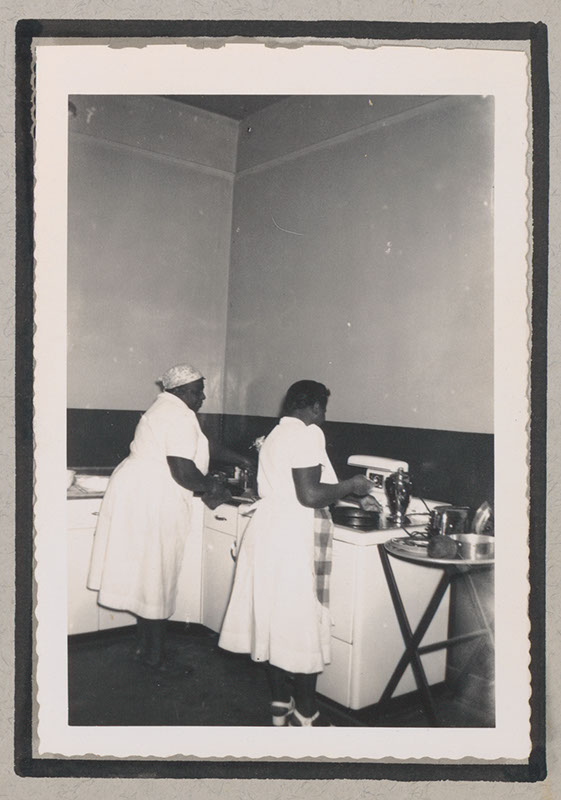
Questions about children, cooking, illness, husbands and money were asked and answered by people with direct experience and no professional standing.
Sought from professionals or online.
Peer advice from women who had done the same thing recently is a real resource, and it had the obvious limitation. The quality depended entirely on who happened to be sitting at that table, and there was no way to tell good advice from confident advice.
9. Bridge and Canasta Gave the Afternoon Version a Structure
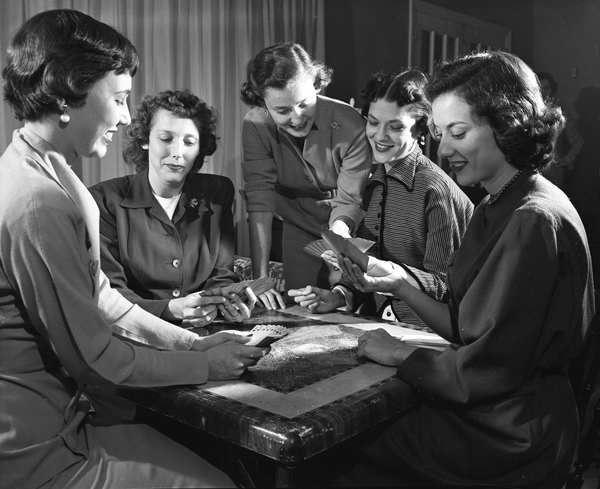
Where the morning coffee was unstructured, the card club met on a fixed day with fixed membership and an actual activity.
Not applicable.
The card club solved a different problem than the coffee hour, and the structure was the point. A game gives a reason to meet, a reason to stop and something to do with the hands, which makes the gathering easier to sustain over years than conversation alone.
One further thing about the advice is worth saying, because it explains why these tables mattered more than their contents suggest. Most of what was being asked about – a child who would not sleep, a stain that would not come out, how to manage on what was coming in – had no other available source of help. There was no handbook for most of it, a doctor was for illness rather than for questions, and a mother or sister might be three states away and reachable only by letter. So a kitchen with four women in it was not merely company: it was the only consultation anybody was going to get that week.
10. Membership Was Closed and Exclusion Was Real
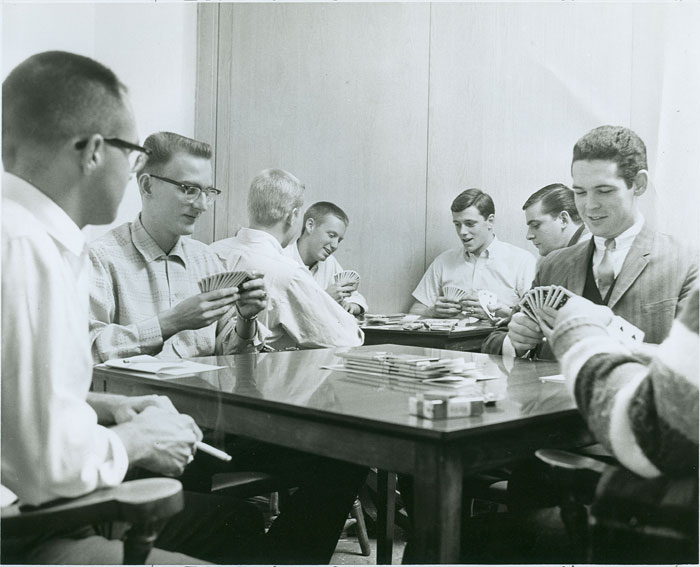
A card club had a set number of places, and being in one or not being in one mattered in a small social world.
Not applicable.
Fixed membership creates insiders and outsiders automatically, and it should not be glossed over. A new arrival in a neighbourhood could find every table full, which is a quiet and efficient way of keeping somebody outside without anybody being unkind to them.
11. The Whole Thing Depended on Not Working for Pay
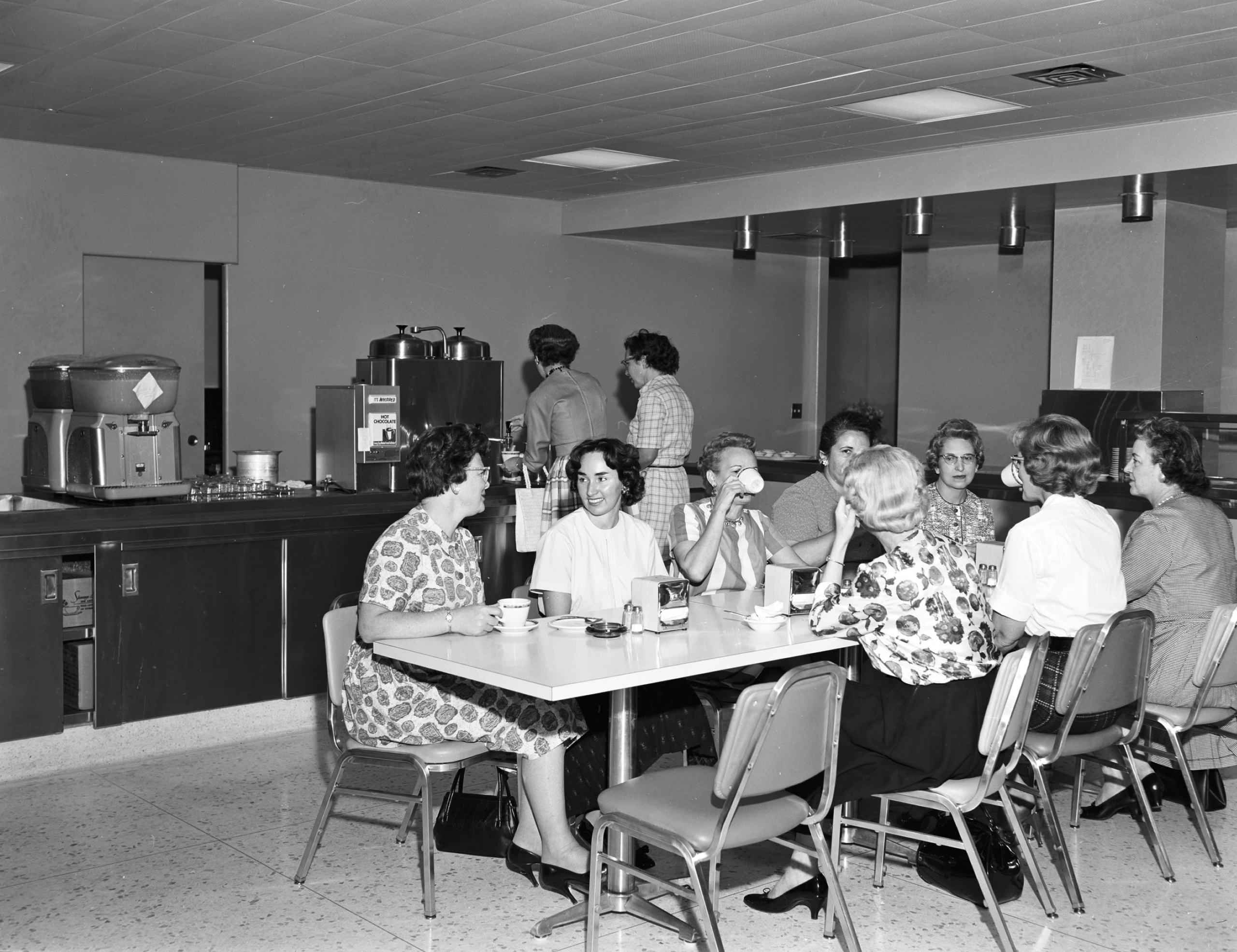
The practice existed for women who were at home during the day, which meant it was structurally unavailable to anybody who had a job.
Not applicable.
This is the limit that is easiest to forget and it is the one that mattered most. A great many women did work for wages, and the mid-morning gathering simply excluded them – so this was never a universal experience and should not be described as one.
12. It Was Also the Only Regular Adult Company Some People Had
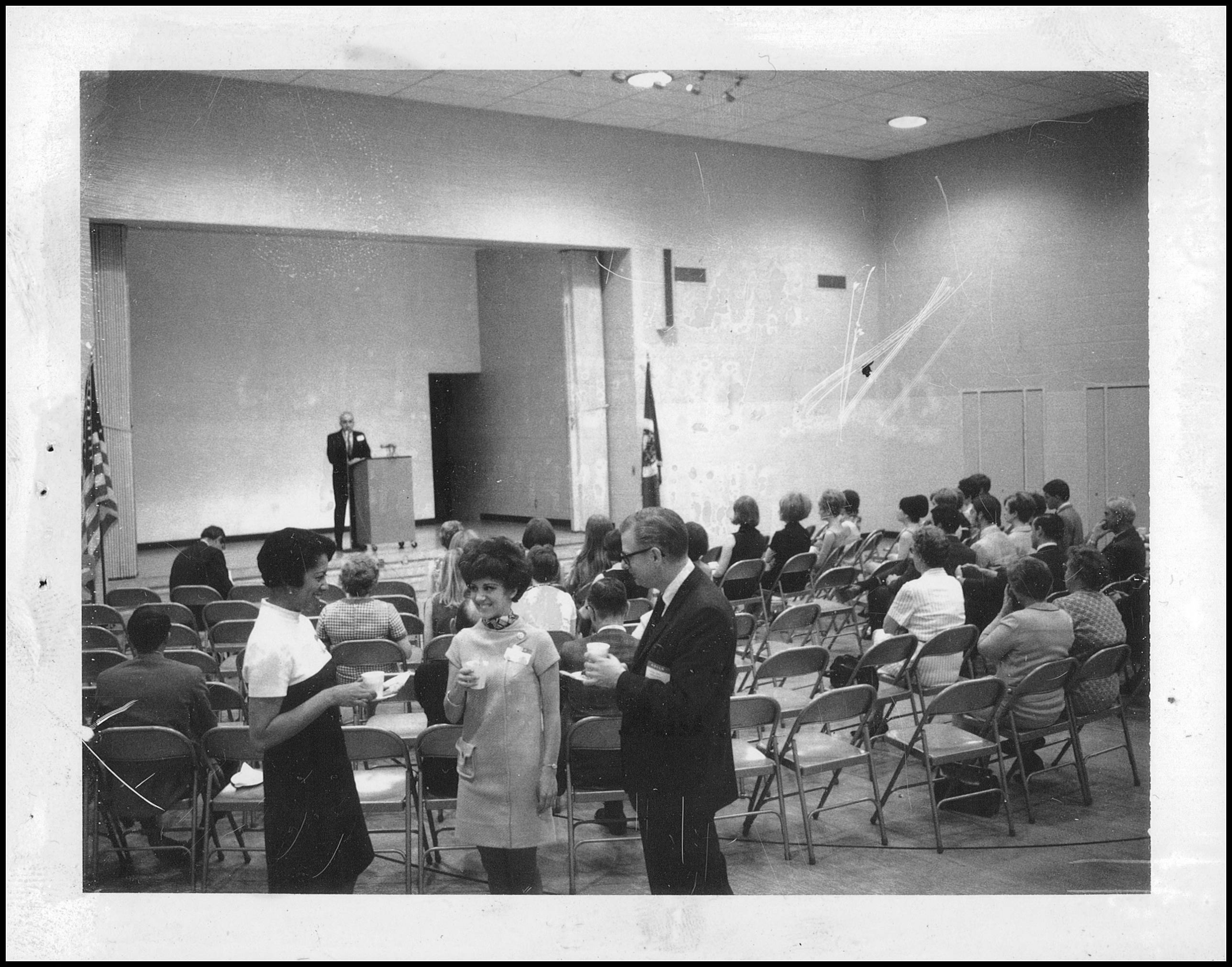
For a woman at home with small children and no car, the coffee hour could be the single social event of a week.
Not applicable.
The weight this carried varied enormously depending on circumstances. For somebody with a car, family nearby and a telephone it was pleasant; for somebody with none of those it was the entire social provision of her life, which is a very different thing.
13. Then Cars, Jobs and the Telephone Changed the Conditions
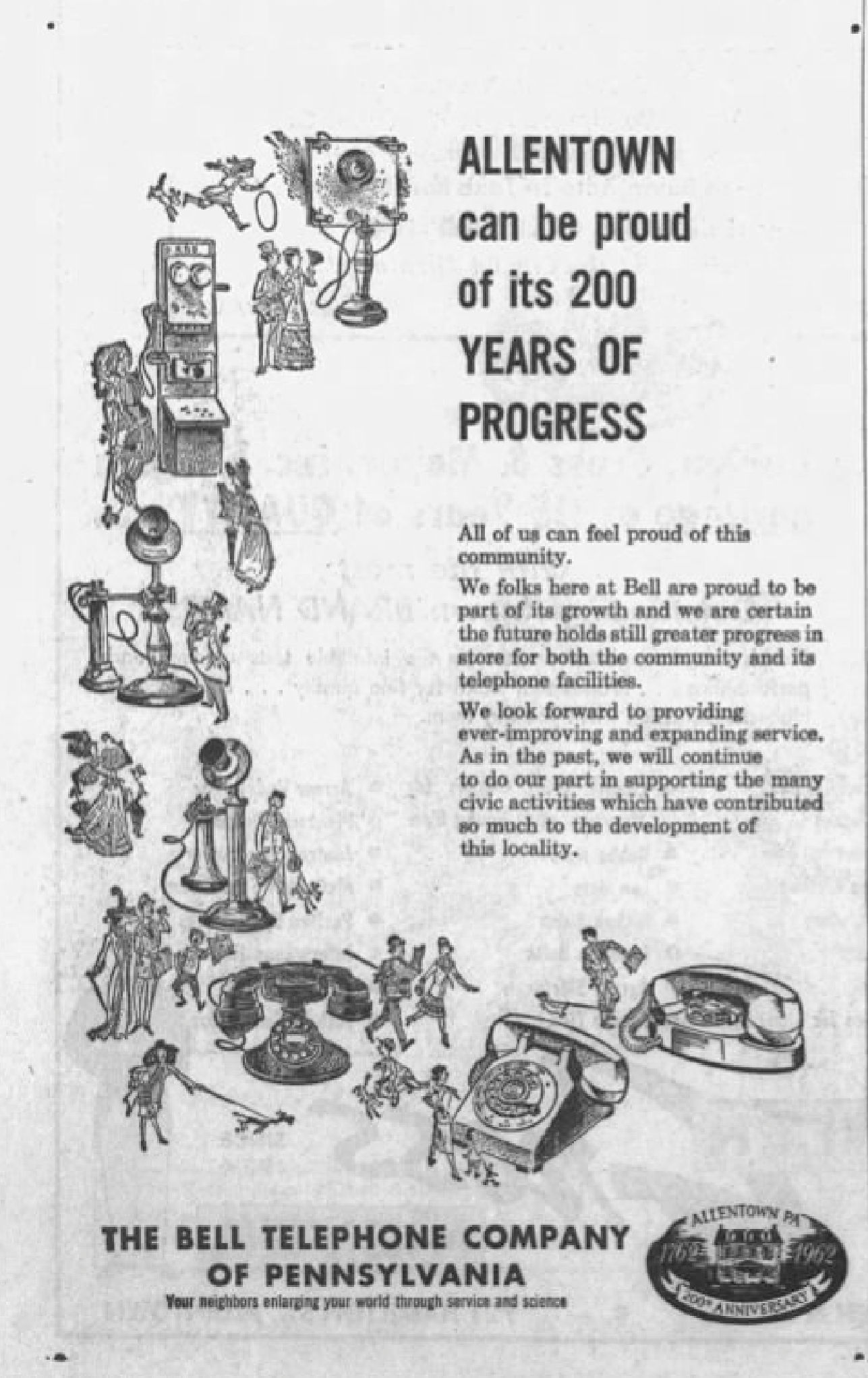
Second cars, wider employment and cheap local calling each removed part of the reason the gathering had to happen in person at a fixed time.
Universal.
The dismantling was practical rather than cultural. Each change took away one of the constraints the practice was built on, and a custom that exists because of isolation, immobility and an empty mid-morning will not survive the removal of all three.
14. The Coffee Itself Was the Least Important Part

The pot was the excuse rather than the attraction, and everybody involved understood that perfectly well.
Not applicable.
Naming a gathering after its refreshment is a useful social fiction. It gives a reason to arrive and a natural moment to leave, and it means nobody has to say out loud that the purpose is simply to be in a room with another adult.
There is a practical detail that shows how finely this was balanced, and it is about distance. The gathering only worked between houses close enough to walk to with a small child in tow, which in practice meant a few hundred yards. That radius defined the group entirely – not shared interests, not choice, not friendship, simply which kitchens a woman could reach on foot in ten minutes while carrying somebody. People ended up spending years with whoever happened to live nearby, which produced some unlikely friendships and some strained ones, and nobody regarded the selection as something they had any say in.
15. And by 1962 the Tables Were Already Getting Harder to Fill
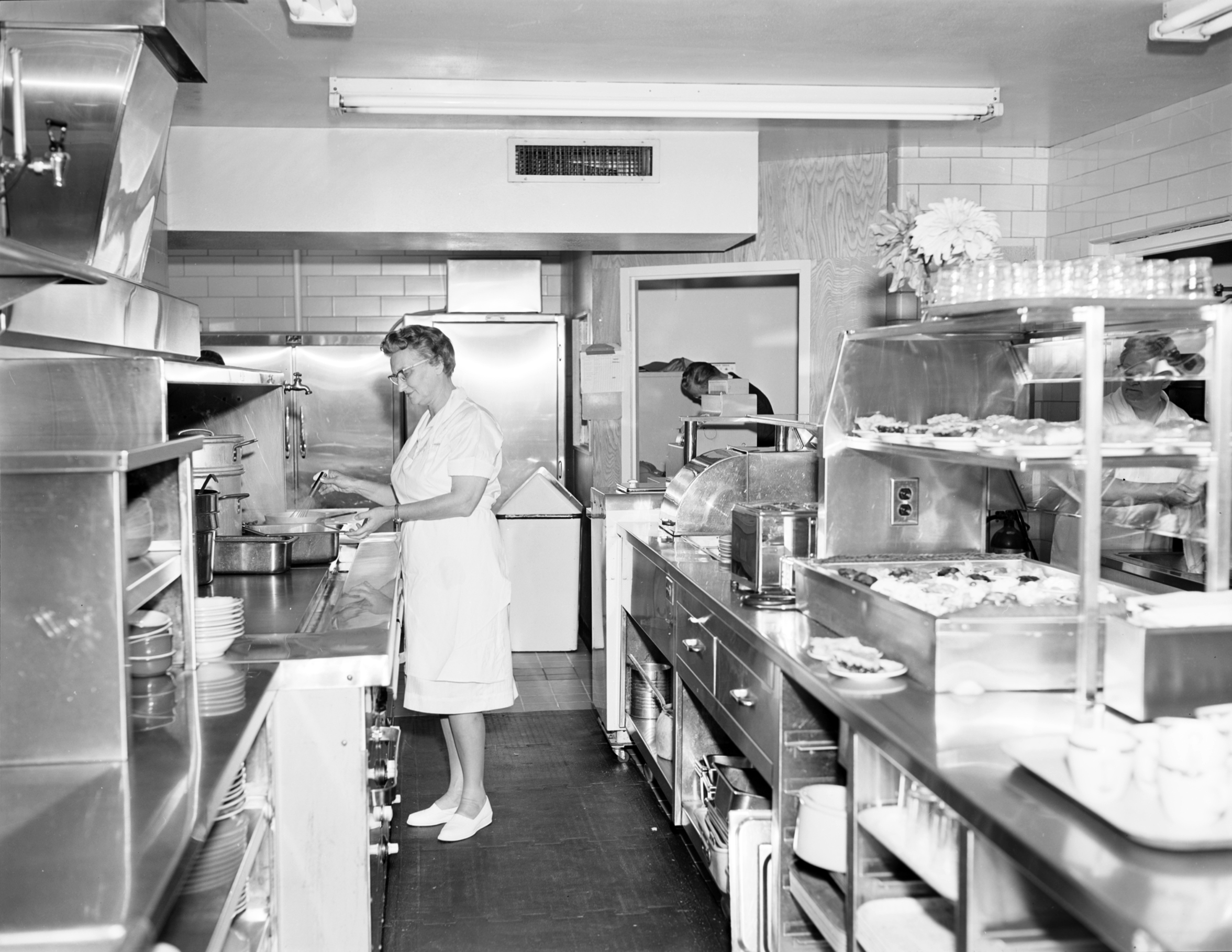
More women were working, more households had a second car, and the rotation that had once run itself needed organising.
Gone.
And what deserves the last word is that this was infrastructure rather than leisure. The problem it solved was specific – an adult alone in a house with small children for most of the day, with no car and an expensive telephone – and the solution had real engineering in it: a window carved out of the only hour nobody else had claimed, a rotation that shared the cost of hosting, a named refreshment that supplied both an excuse to come and a moment to leave, and a card game in the afternoon version to give people something to do with their hands so the thing could run for years. It carried the neighbourhood’s practical knowledge faster than anything else available. It also inspected every kitchen in turn, kept its membership closed, and was structurally unavailable to any woman who worked for wages – which is a great many of them. It ended when second cars, wider employment and cheap calling removed the isolation it was built on.
It Was Infrastructure, Not Leisure
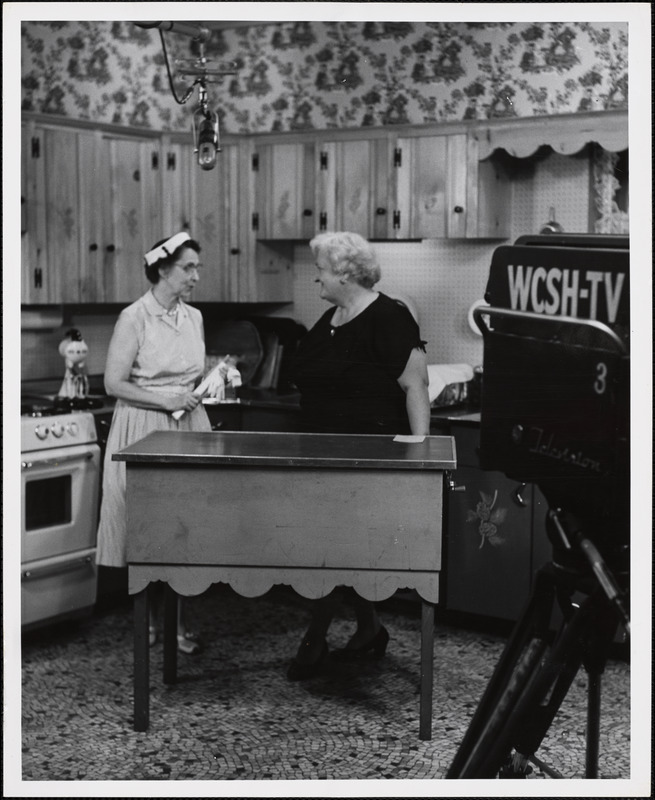
The mid-morning coffee gathering gets remembered as women sitting about drinking coffee, and it is better understood as a piece of social infrastructure built to solve a specific and serious problem.
The problem was isolation. An adult alone in a house with small children for most of the day, with no car and a telephone that cost money to use, has no other adult contact at all.
The solution had real engineering in it.
The timing used the only unclaimed hour in the day – after the house was cleared, before lunch – which existed because everybody else had left and closed when they started coming back.
The rotation shared the cost. Hosting moved between houses on an understood schedule that nobody wrote down and everybody tracked exactly, so no single kitchen carried the burden.
The refreshment supplied the social fiction. Naming a gathering after the coffee gives a reason to arrive and a natural moment to leave, and it means nobody has to say out loud that the purpose is simply to be in a room with another adult.
And the afternoon version added structure, which is why card clubs lasted. A game provides a reason to meet, a reason to stop and something to do with the hands – which sustains a gathering over years far better than conversation alone.
Its most valuable output was information. Who was ill, who was expecting, who was in difficulty, what something cost, how to handle a problem – the practical knowledge of a neighbourhood moved at these tables, faster and more reliably than through any other channel a household had. Nobody attending would have described it as a knowledge network.
Advice came with it, given freely by people with direct recent experience and no professional standing. That is a genuine resource with an obvious limitation: the quality depended entirely on who was sitting at that table, and there was no way to distinguish good advice from confident advice.
Now the parts that should not be smoothed over.
Hosting meant the house was inspected. A gathering that circulates between kitchens means every kitchen gets looked at in turn, so the arrangement carried a continuing implicit judgement about how a house was kept. The baking was competitive for the same reason – in a setting where domestic work was the main field of recognised achievement, what you put on the table was one of very few public demonstrations of competence available.
Card clubs had closed membership, and a fixed number of places creates insiders and outsiders automatically. A newcomer could find every table full, which is a quiet and efficient way of keeping somebody outside without anybody being unkind.
And the whole practice was structurally unavailable to any woman who worked for wages – which was a great many of them. This was never a universal experience and should not be described as one.
The weight it carried also varied enormously. For a woman with a car, family nearby and a telephone, it was pleasant. For a woman with none of those, it could be the only social event of her week, which is an entirely different thing.
Children were brought along and were not the point – left to occupy themselves in another room or underfoot – which is the exact reverse of a modern arrangement organised around the children’s activity.
Then the conditions went. Second cars, wider employment and cheap local calling each removed one of the constraints the practice was built on, and a custom that exists because of isolation, immobility and an empty mid-morning does not survive the removal of all three.
If your mother had a card club, notice that it met on a fixed day with fixed places.
That structure is why it lasted twenty years and the coffee mornings did not.
Like our content? Follow us for more.