Writing was the only way to reach anybody far away, and that is what made it ordinary rather than special.
Long distance calls were expensive and kept for emergencies, so an ordinary relationship with somebody in another state ran entirely on paper. The correspondence was not a gesture or a nicety – it was the whole connection, and if it stopped, so did the relationship.
The delay then shaped everything written in it. A letter took days to arrive and days for a reply, so you were always writing to somebody whose situation would have changed before they read it. You cannot ask a question and expect a useful answer, which pushes letters toward summary and reflection instead of exchange – a fundamentally different kind of writing. Here are fifteen things every family did.
1. Writing Was the Only Way to Reach Anybody Far Away
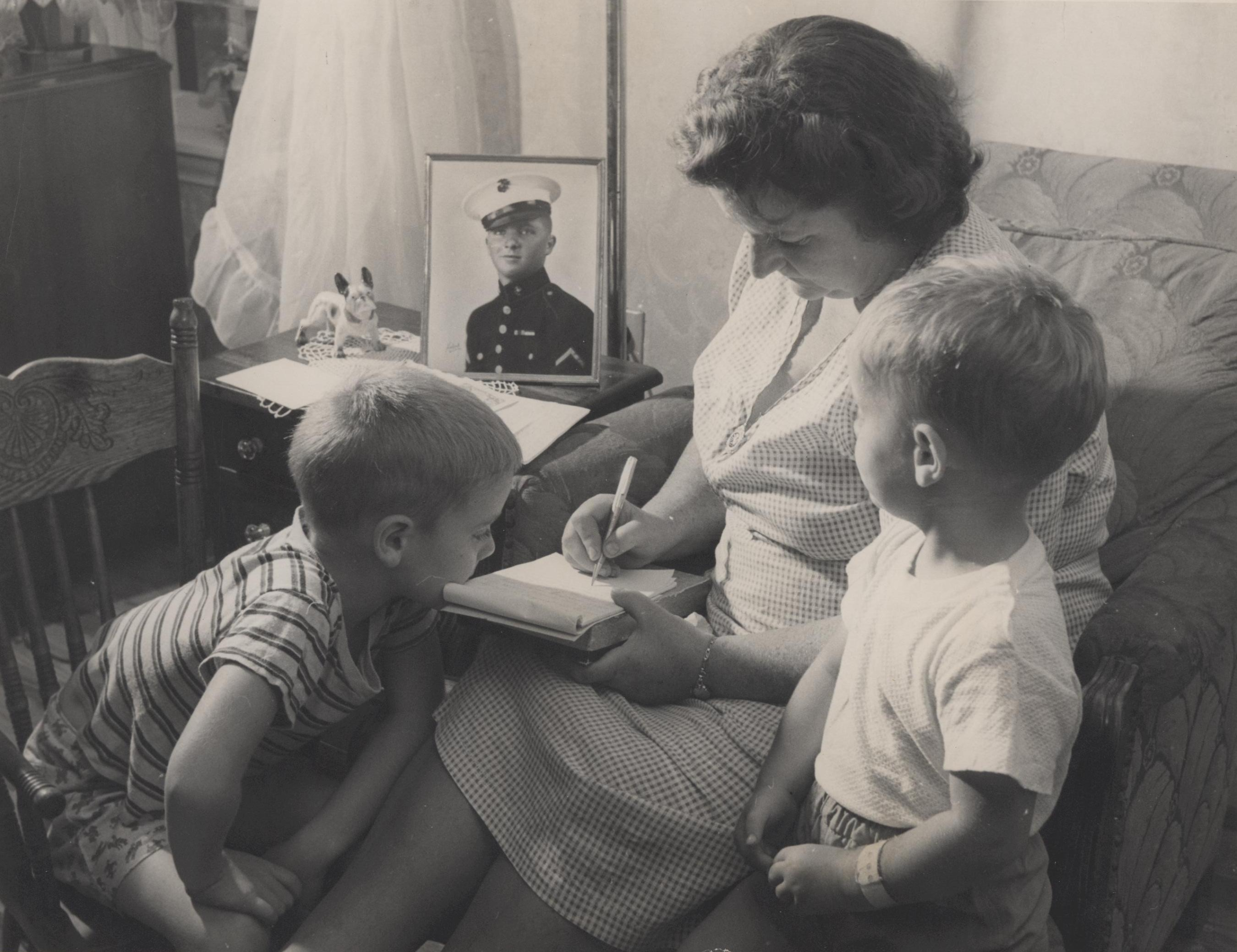
Long distance calls were expensive and reserved for emergencies, so an ordinary relationship with somebody in another state ran entirely on paper.
Instant and free.
Start with the absence of an alternative, because that is what made letter writing ordinary rather than special. If the telephone is priced out of casual use, then maintaining any distant relationship means writing – and the correspondence is not a gesture but the whole connection.
Like our content? Follow us for more.
2. The Delay Was Built Into Everything You Wrote
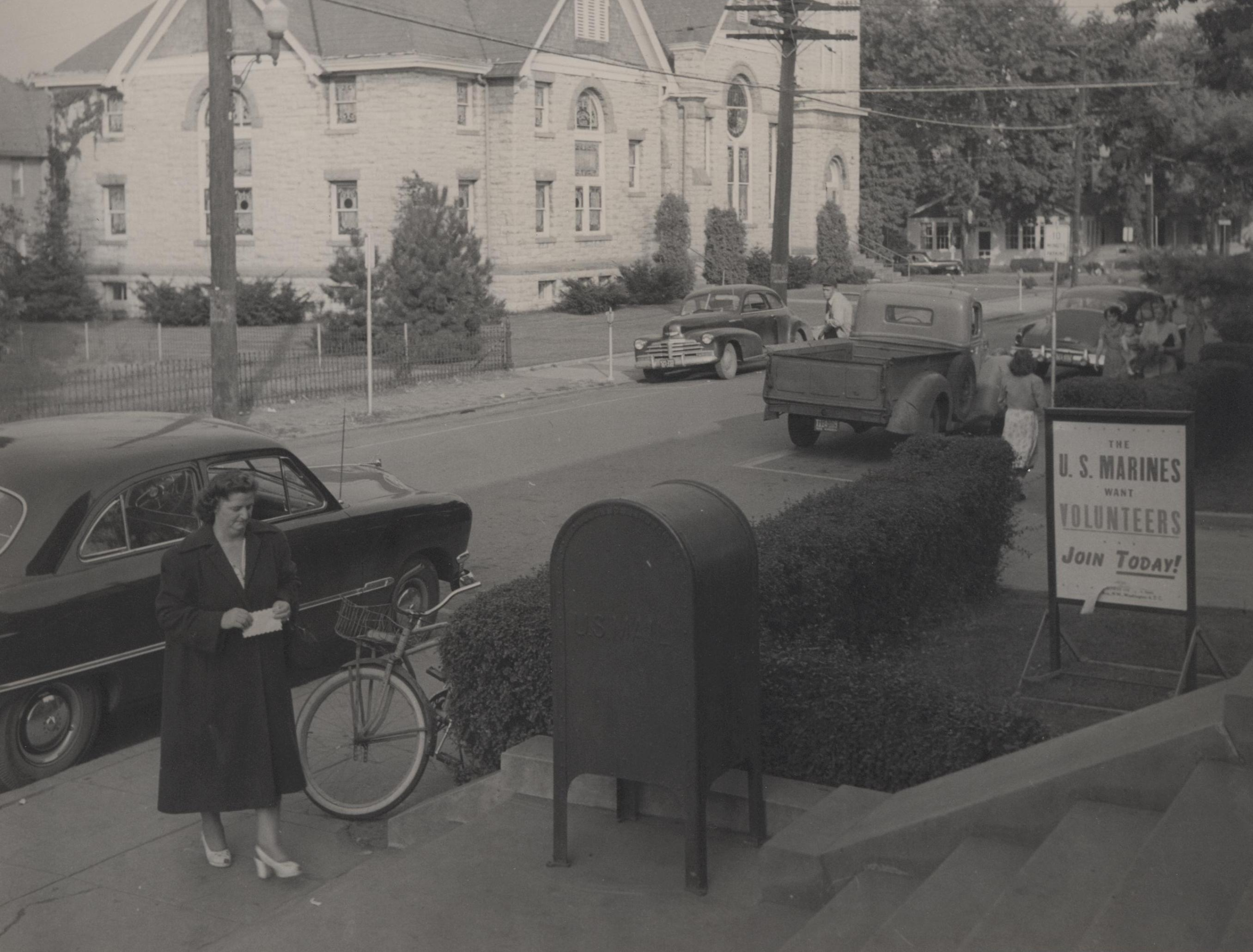
A letter took days to arrive and days for a reply, so you were writing to somebody whose situation would have changed before they read it.
No delay.
The lag shapes the content completely and it is the hardest thing to recreate now. You cannot ask a question and expect a useful answer, so letters tend toward summary and reflection rather than exchange – which produces a fundamentally different kind of writing.
3. Paper and Postage Cost Money, So Pages Were Filled
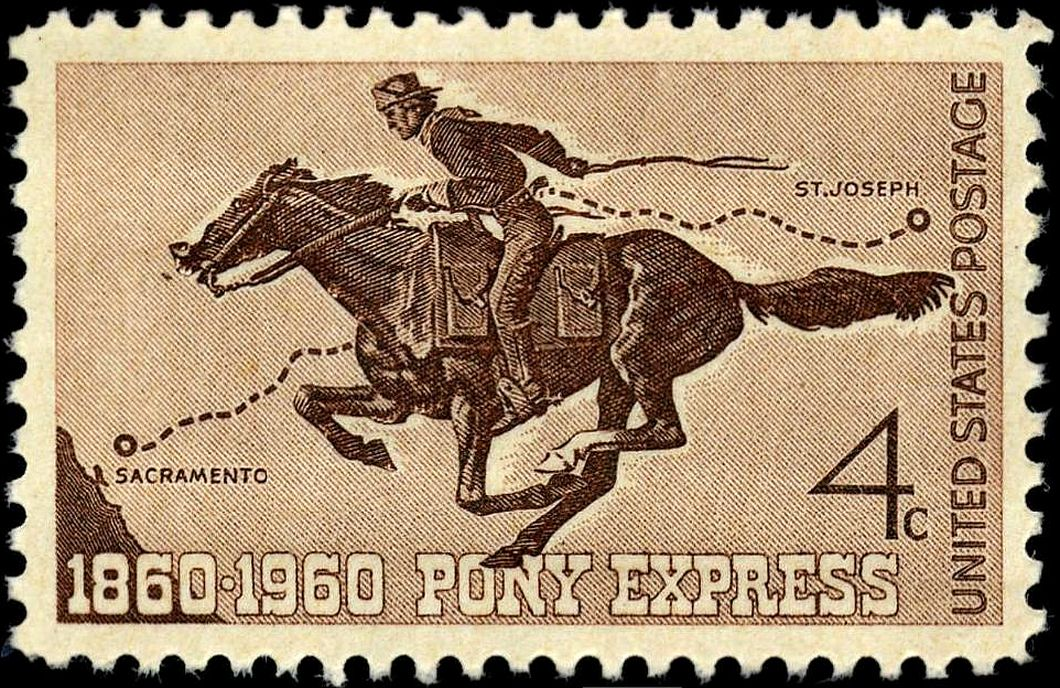
Stationery was bought, stamps cost real money, and an envelope could carry several sheets for the same price – so nobody wrote three lines.
No marginal cost.
The economics pushed directly toward length, which is the opposite of every later technology. A fixed cost per letter and a free marginal page means the rational thing is to fill the paper, so people wrote until they ran out of things to say rather than until they had said the point.
4. Thin Paper Existed Because Weight Decided the Price
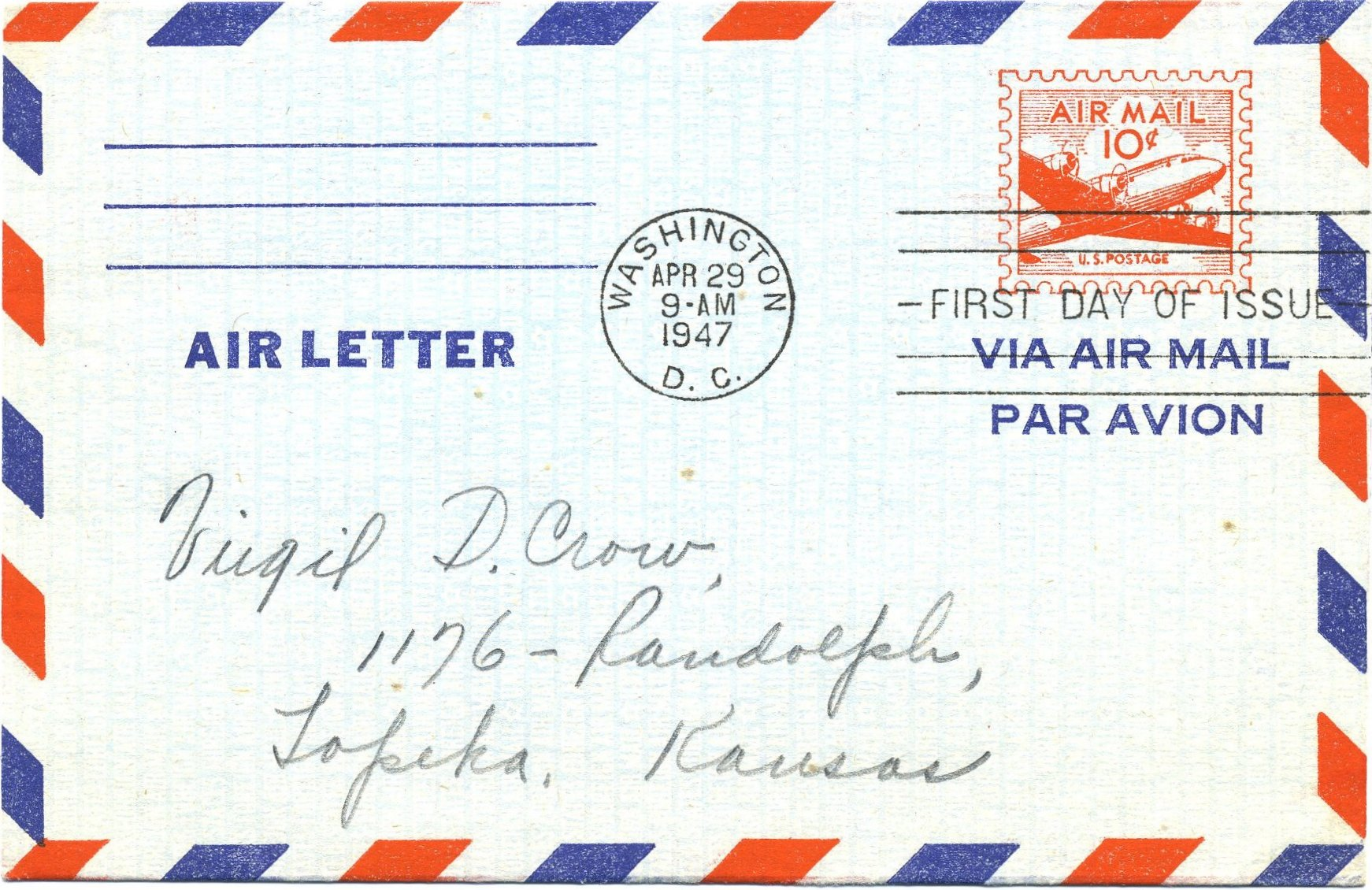
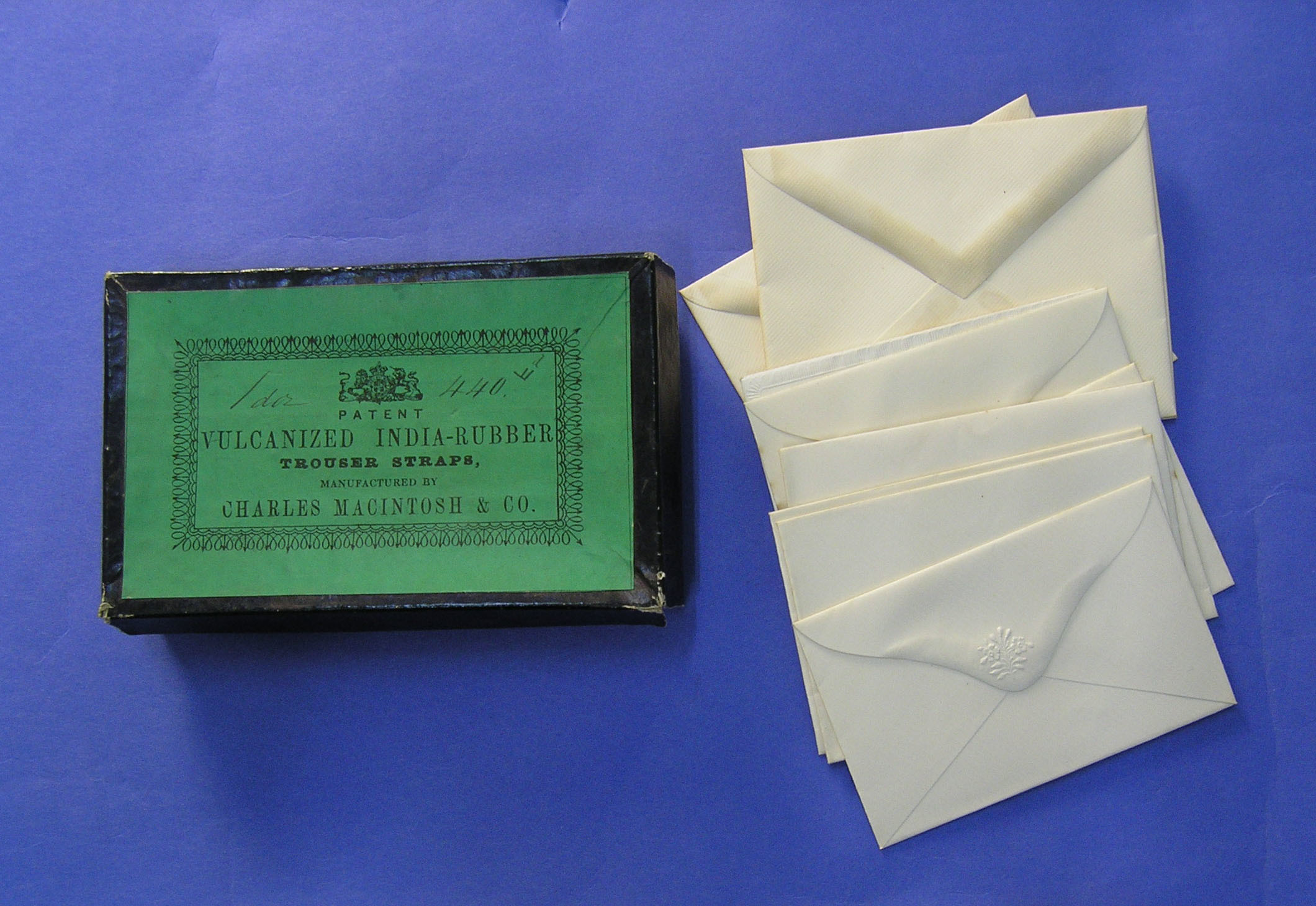
Lightweight sheets and folding letter forms let more words travel for less postage, particularly overseas.
Not applicable.
Paper engineered around a pricing rule is a lovely example of a constraint producing an object. The post charged by weight, so a manufacturer made paper as light as it could be written on – and the result was a distinctive material that existed purely because of a tariff.
5. The Handwriting Was Half the Message
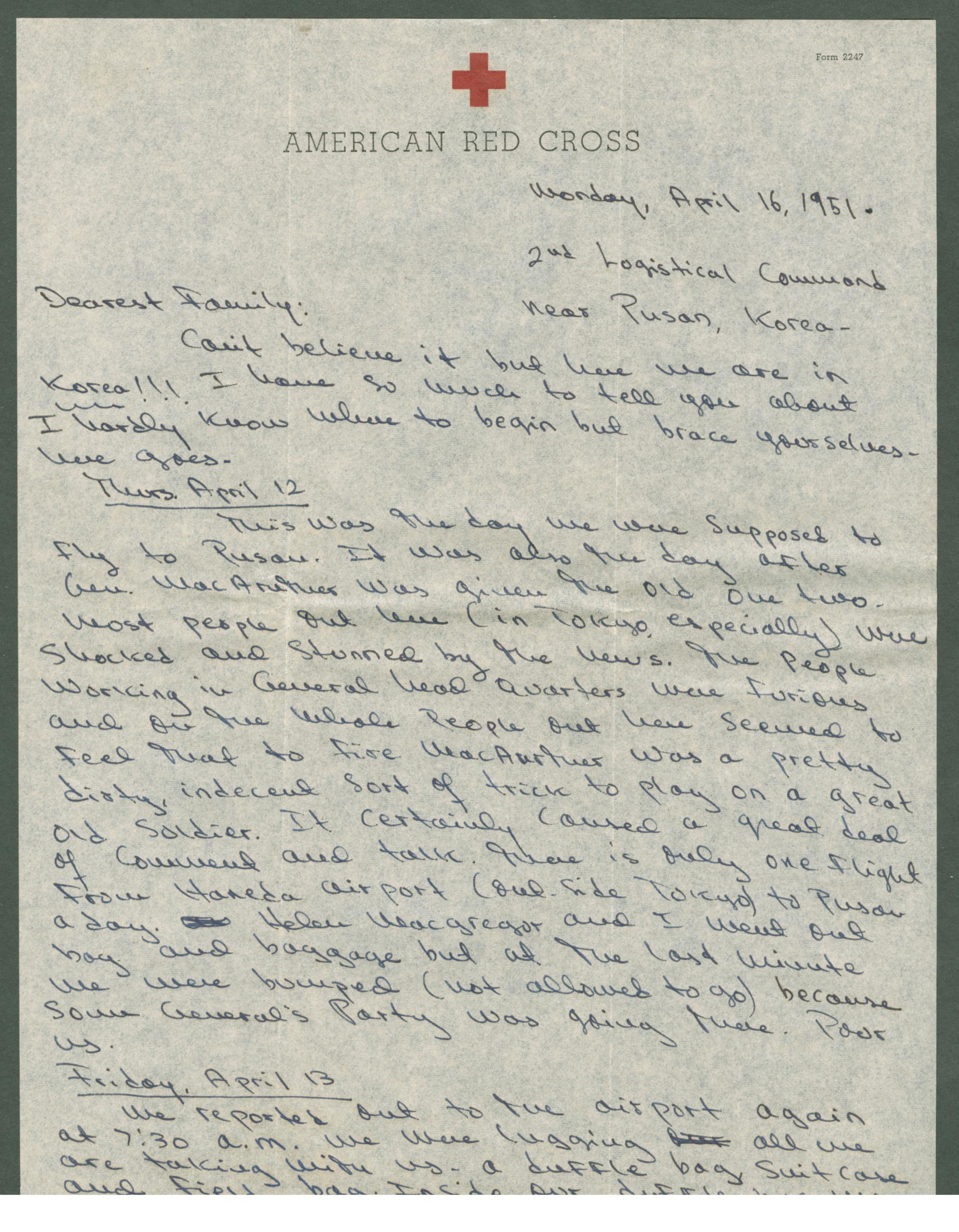
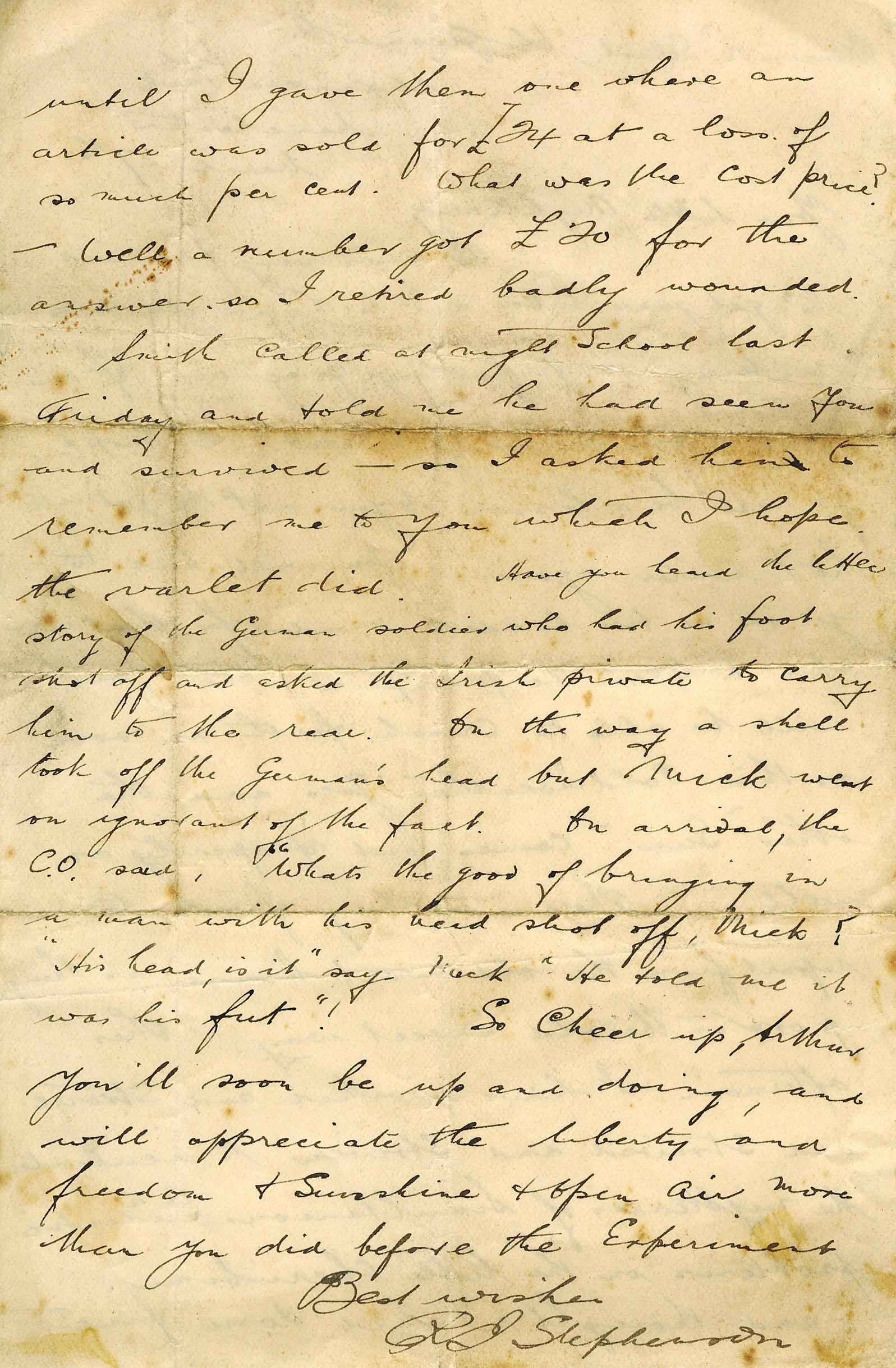
A letter carries the sender’s hand – its steadiness, its haste, its changes over years – which is information no typed message contains.
Absent entirely.
The physical trace is what makes these objects survive emotionally. You can see that somebody was tired, or in a hurry, or had written carefully, and a shaky hand in a late letter tells a reader something nobody wrote down on purpose.
6. Children Were Made to Write Thank-You Letters
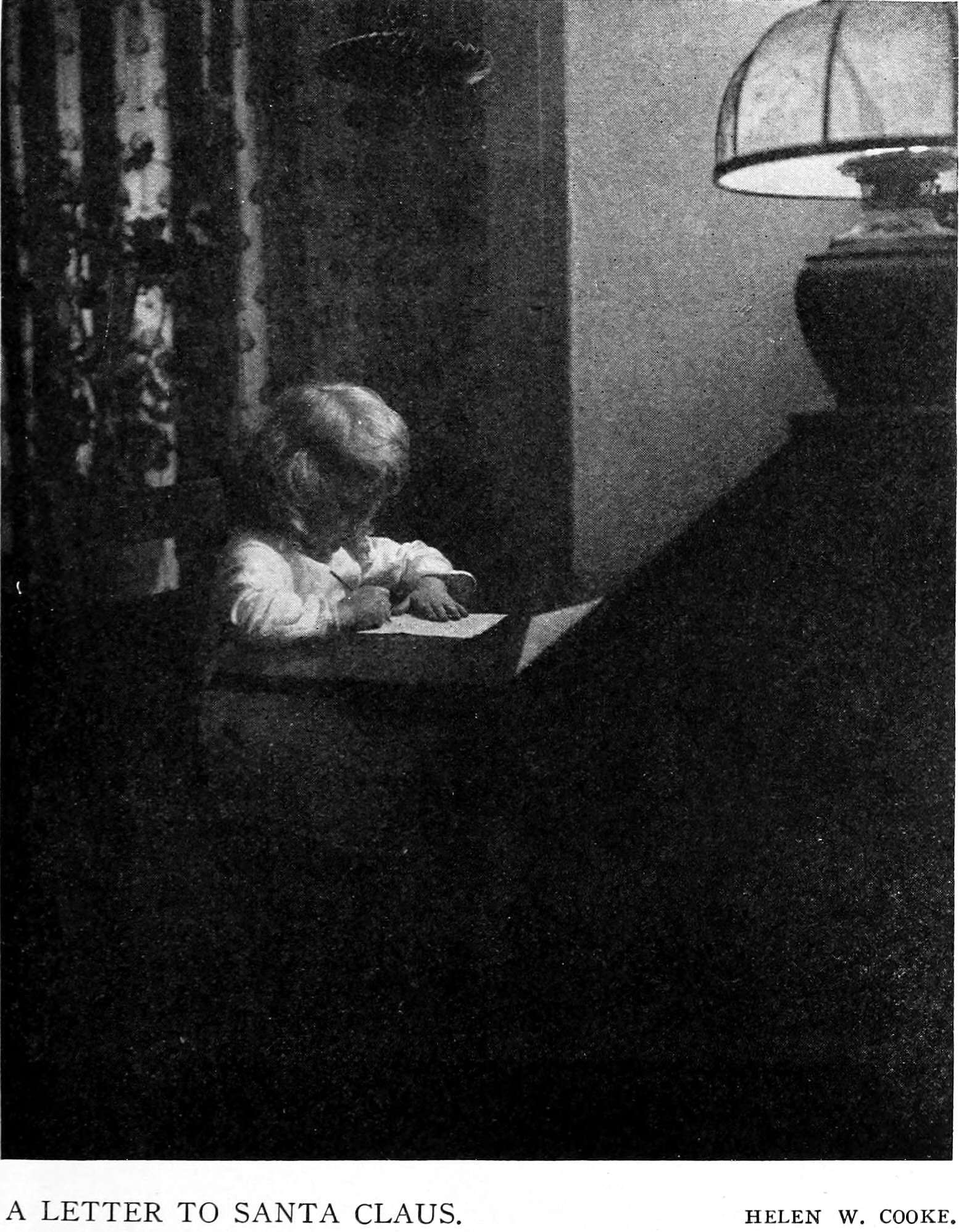
A gift required a written acknowledgement, produced under supervision, and the obligation was enforced rather than suggested.
Rarely.
The enforcement is the part everybody remembers resenting. It was also a drill in a real skill – composing something appropriate to a specific person about a specific thing – performed under duress by children who would otherwise never have practised it.
7. Letters Were Read Aloud to the Whole Family
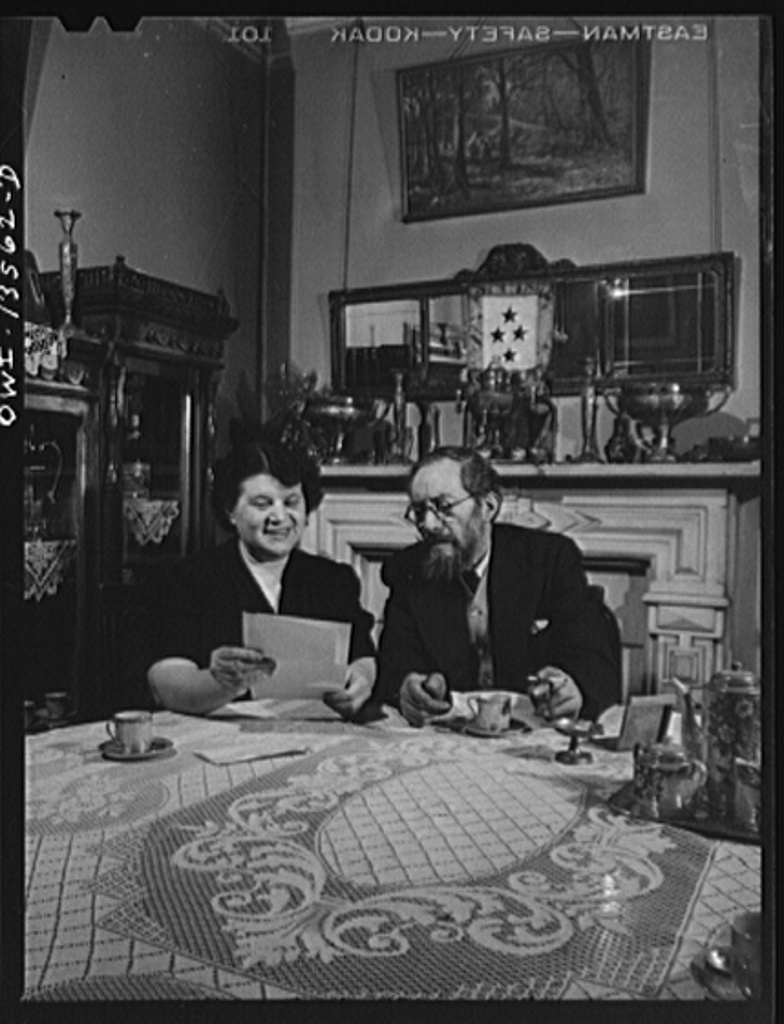
Mail from a relative was an event, opened in company and read out, which made correspondence semi-public rather than private.
Private.
Reading aloud changes what people write, and experienced correspondents knew it. A letter addressed to one person but heard by six has to work for all of them, which is why so much family correspondence reads like a bulletin rather than a conversation.
There is a second consequence of the semi-public reading that is easy to miss, and it concerns what did not get written. A correspondent who knows a letter will be read out in a kitchen cannot put anything difficult in it – a worry, a disagreement, anything that needed to be said to one person only. So the family letter carried the news and left out the trouble, and whatever was genuinely private either travelled in a separate letter marked for one reader or did not travel at all.
8. They Were Kept, Tied Up and Stored
Letters were saved in bundles, boxes and drawers for decades, because they were the only record of a relationship that existed.
Not applicable.
Retention is what turned correspondence into an archive, and it happened without anybody deciding to create one. A box of letters is the most complete record most families have of a particular decade, and it exists because throwing them out never occurred to anybody.
9. The Mailbox Was Checked at a Known Time
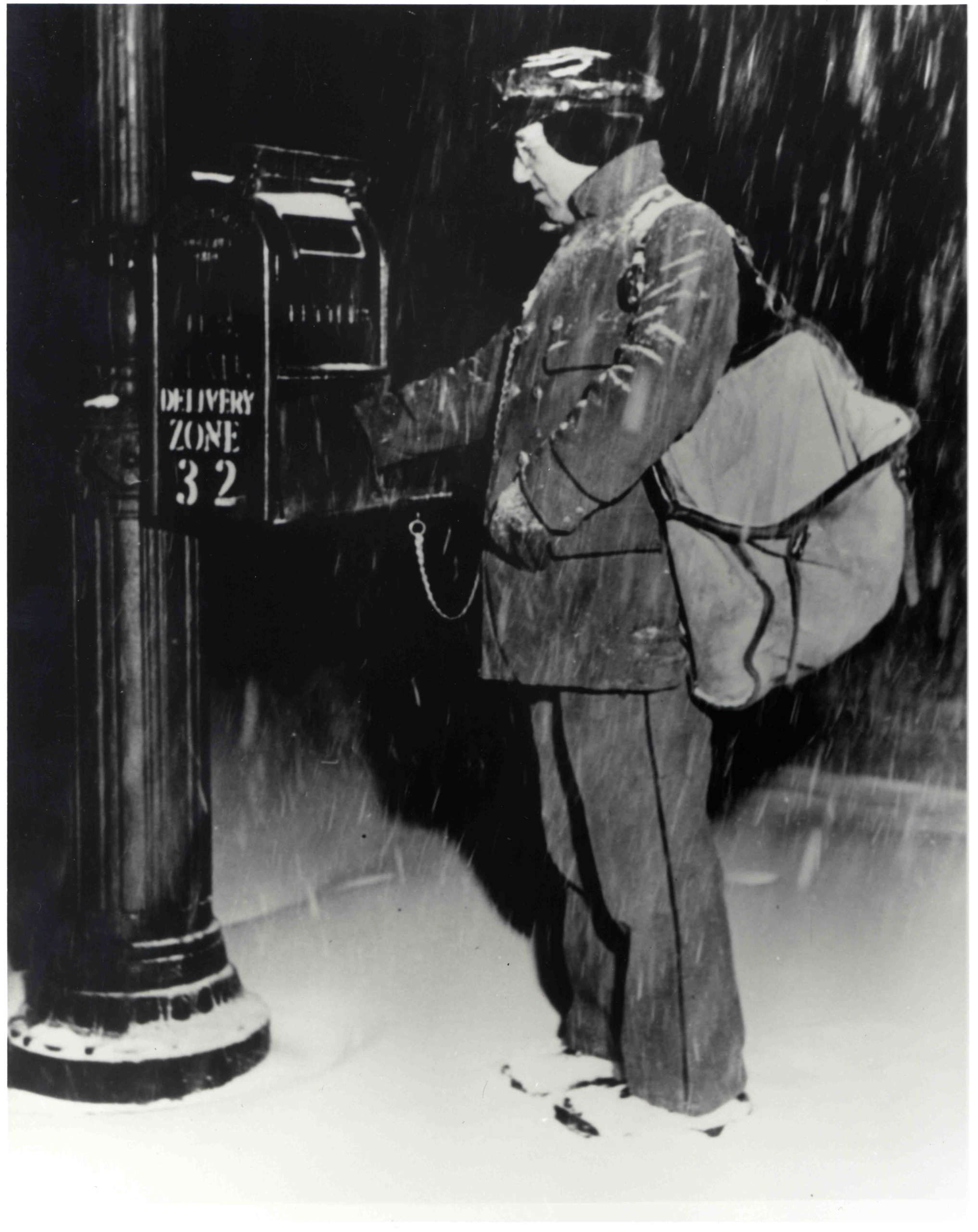
Delivery arrived once a day at roughly the same hour, which gave the household a daily event with a genuine element of anticipation.
Continuous and ambient.
A single daily arrival concentrates anticipation in a way a stream cannot. Everything that was coming arrived at once, so there was a moment each day when the household’s news either turned up or did not – and both outcomes were felt.
10. Not Hearing From Somebody Meant Something
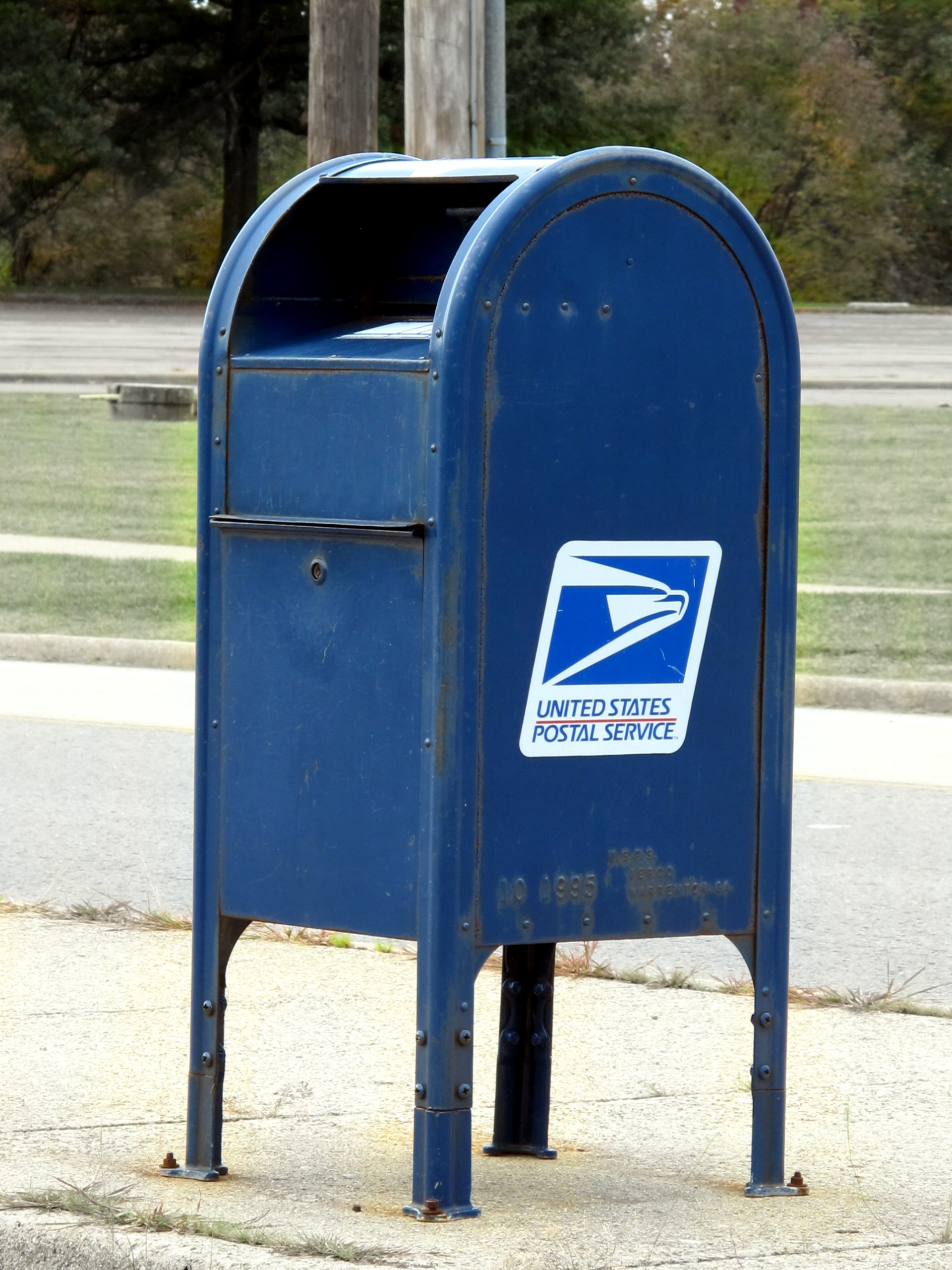
A gap in correspondence was noticed, counted and interpreted, because the alternative explanations were few.
Ambiguous.
Silence was legible because the channel was narrow. If writing is the only contact and nothing arrives for two months, that absence carries information – which is a kind of clarity that a world of many channels has removed entirely.
11. Postcards Did a Different Job and Everybody Knew It
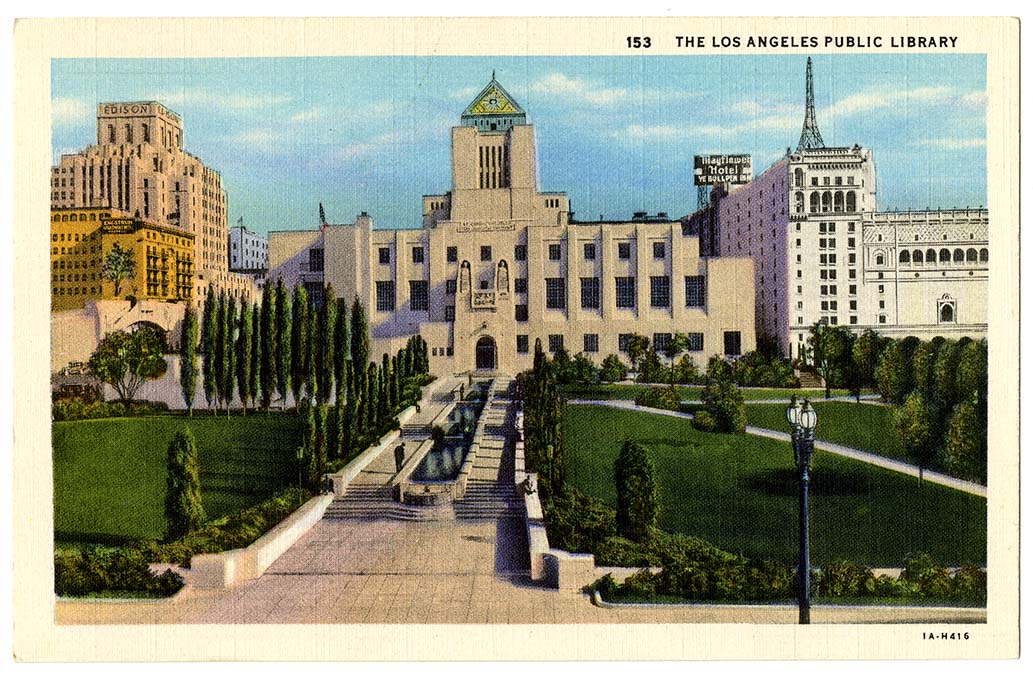
A card was short, public, cheap and quick – used to say you had arrived, you were thinking of somebody, or something brief that needed no privacy.
Replaced by messages.
The two formats divided the work precisely. A letter is private, long and slow; a card is open, brief and fast, and anybody handling it can read it – so the choice of format was itself a statement about what kind of message this was.
12. Overseas Mail Ran on Its Own Rules and Timescales
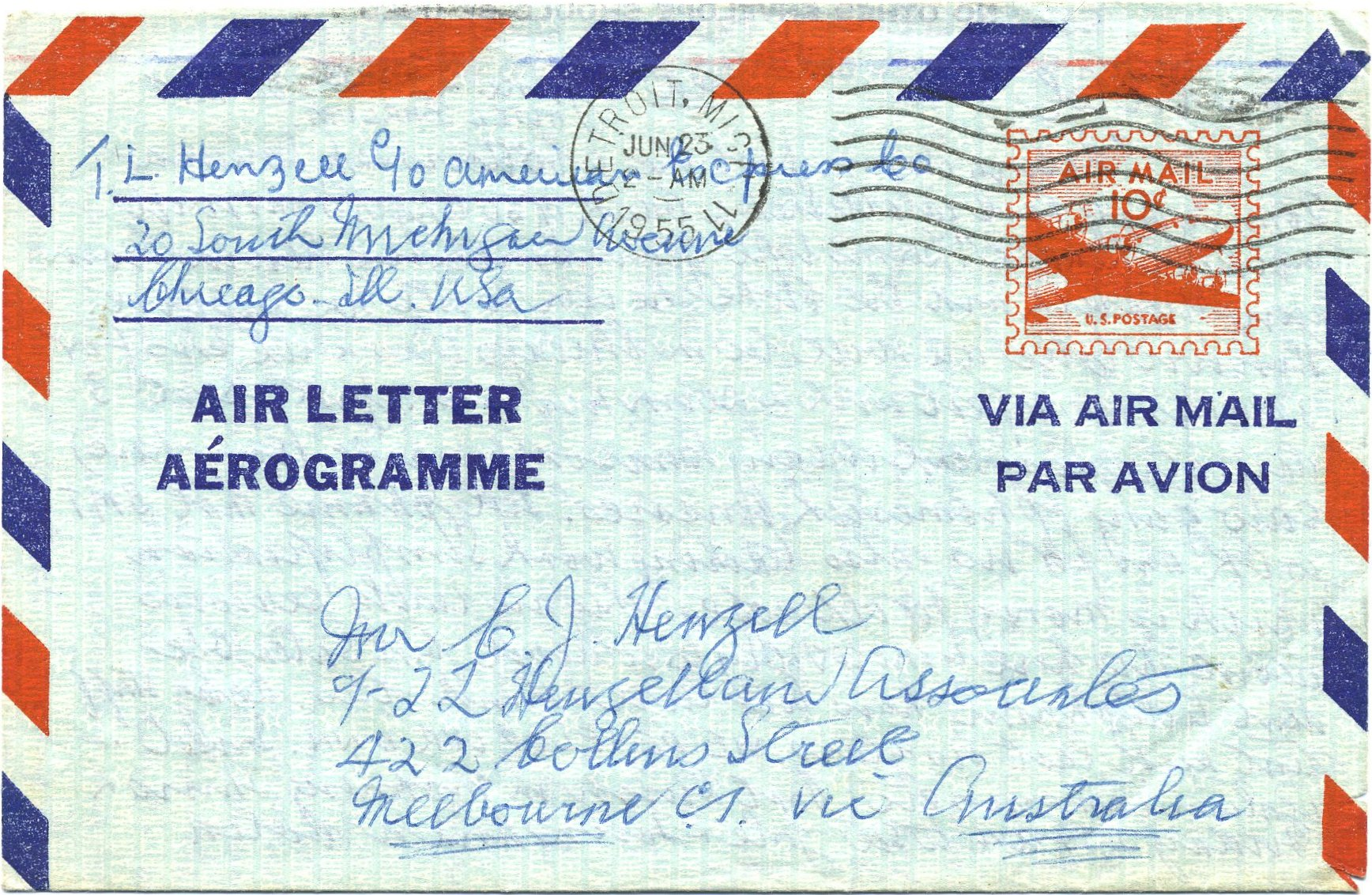
Letters to and from other countries took weeks, cost more, and often crossed in transit so that replies answered questions nobody remembered asking.
Instant.
The crossing problem is the characteristic failure of slow correspondence. Two people writing simultaneously each answer a letter the other has already superseded, which produces conversations permanently out of step – and both parties simply learned to live with it.
13. Then Cheap Long Distance Removed the Reason
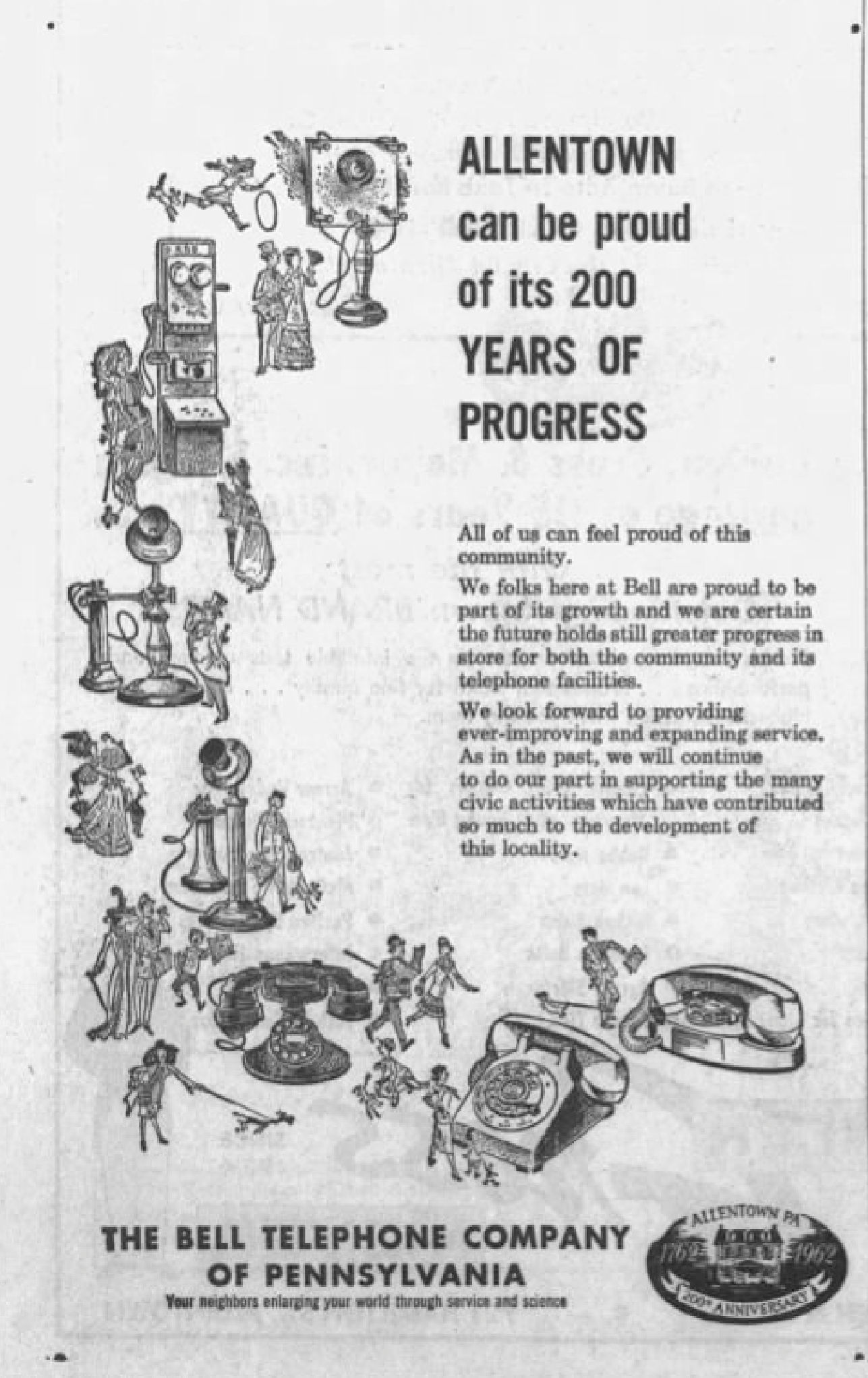
Falling call prices made it possible to speak to somebody far away without an occasion, which took the ordinary traffic away from letters at once.
Universal.
The telephone did to letters exactly what it did to dropping in, and the mechanism is the same. Once a faster option becomes affordable for routine use, the slower one is left with only what it does better – and for most everyday purposes, a letter does nothing better.
It is worth noticing what happened to the writing itself as the traffic fell. A weekly letter is a habit, and a habit produces fluency: somebody who writes every Sunday for twenty years gets good at it, finds a voice and stops labouring over how to begin. Reduce that to four letters a year and the fluency goes, which is why so many people who could once fill four sides without effort came to find a single page difficult. The skill was never taught and it was never lost through neglect – it simply stopped being practised.
14. Letters Survived Only for the Things Speech Cannot Do
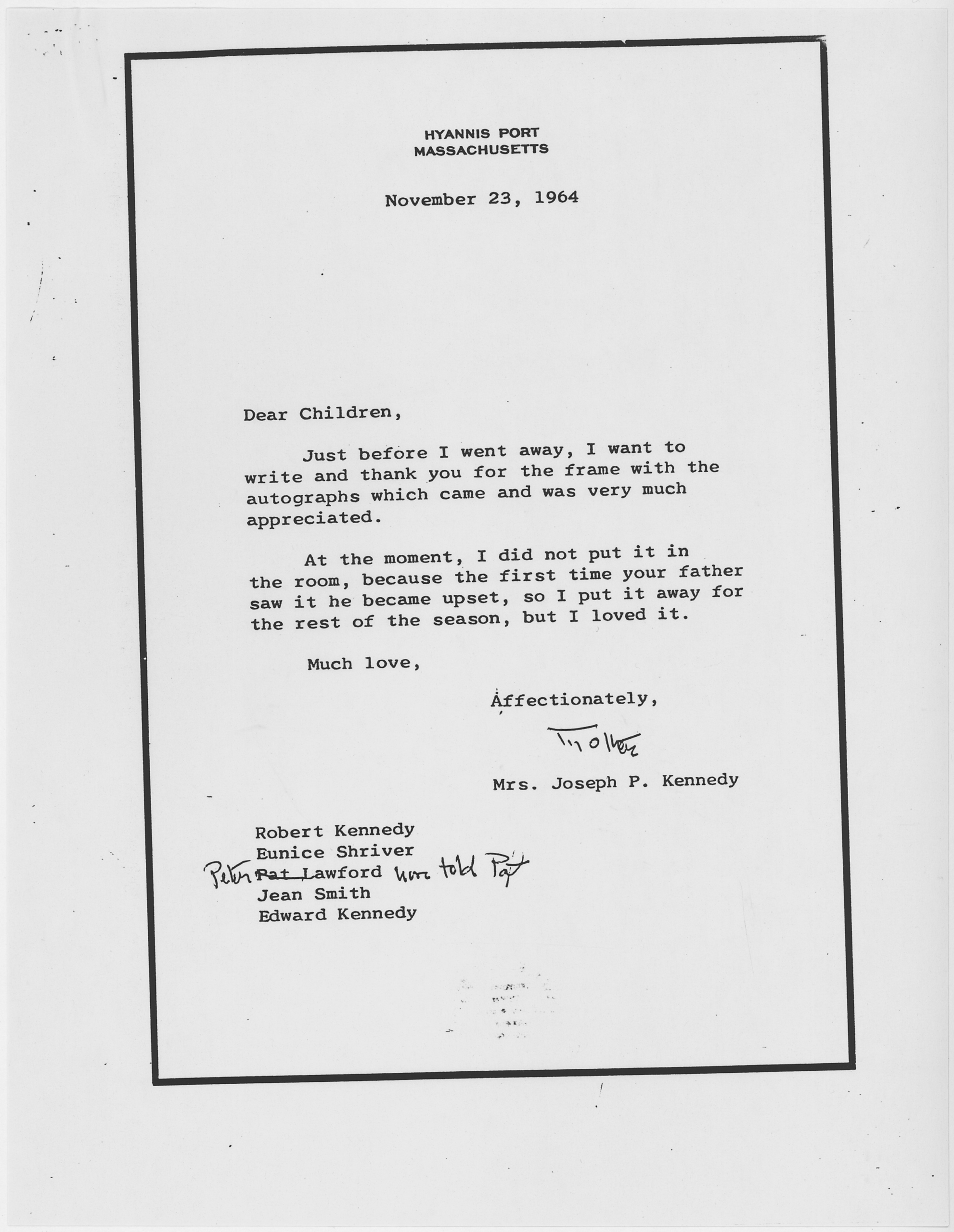
Condolence, formal thanks, serious news and anything that needed to be kept continued on paper long after everything else had moved.
A narrow category.
The residue is revealing, because it shows what writing was actually for. Permanence, consideration and the ability to be read more than once are the properties a call lacks – so the letter retreated precisely to the occasions where those properties matter most.
15. And by 1960 Most Households Already Wrote Far Less Than Their Parents Had
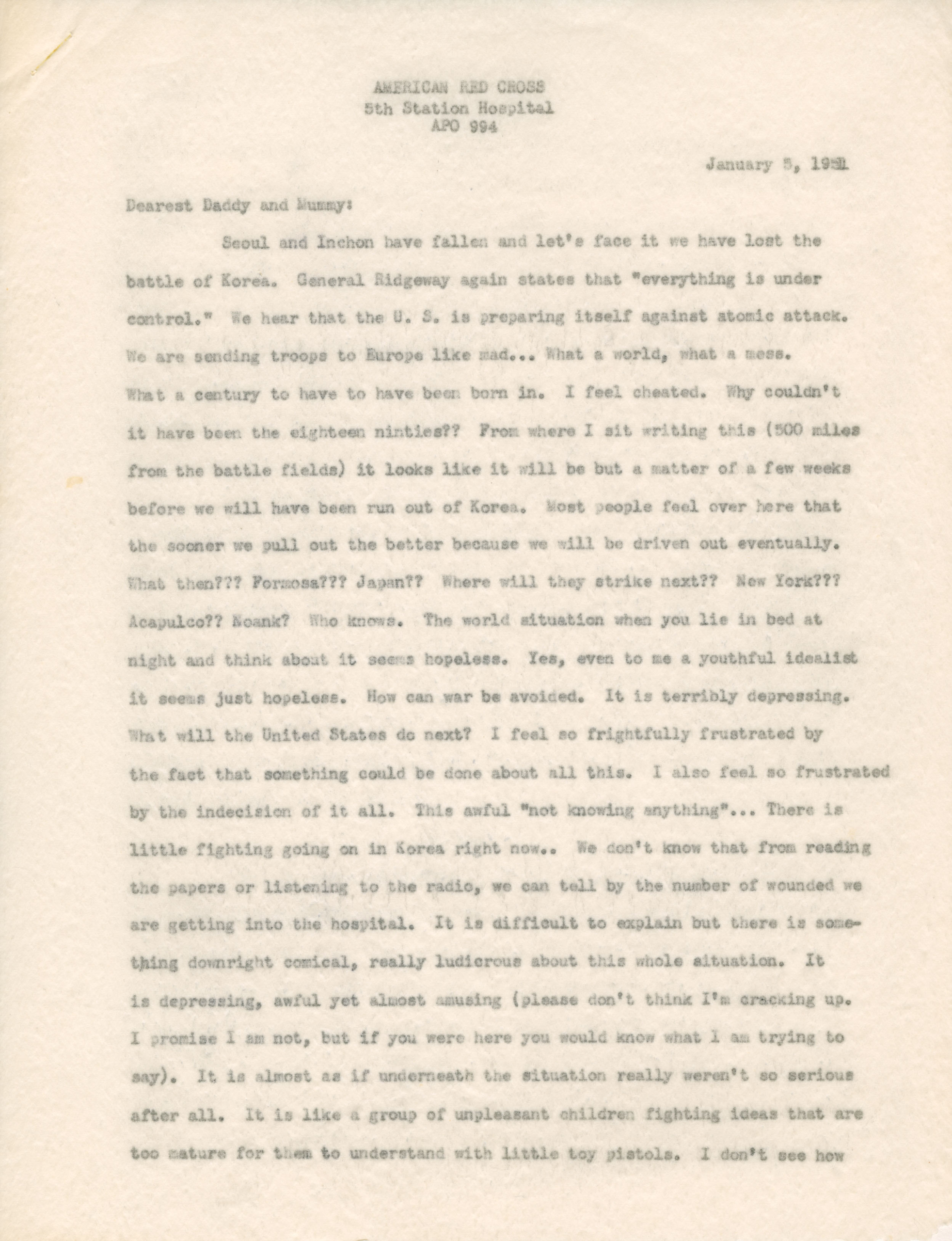
The stationery was still in the drawer and the thank-you letters were still enforced, while the weekly family letter was already becoming a monthly one.
Gone.
And what deserves the last word is that nearly everything distinctive about letters came from constraints rather than from sentiment. The lag made them reflective, because you cannot ask a question of somebody whose situation will have changed by the time they read it. The pricing made them long, because the cost is per envelope and the next page is free – which is the exact opposite of every technology since. The weight rule produced a paper light enough to exist only because of a tariff. Being read aloud to a room made family letters into bulletins rather than conversations. And the narrowness of the channel is what made silence mean something, because if writing is the only contact then a two-month gap carries information. None of that was chosen. What was chosen, and what nobody thought of as a decision, was keeping them – which is why a box in an attic is the most complete record most families have of anybody’s life.
The Constraints Made the Letters, Not the Sentiment
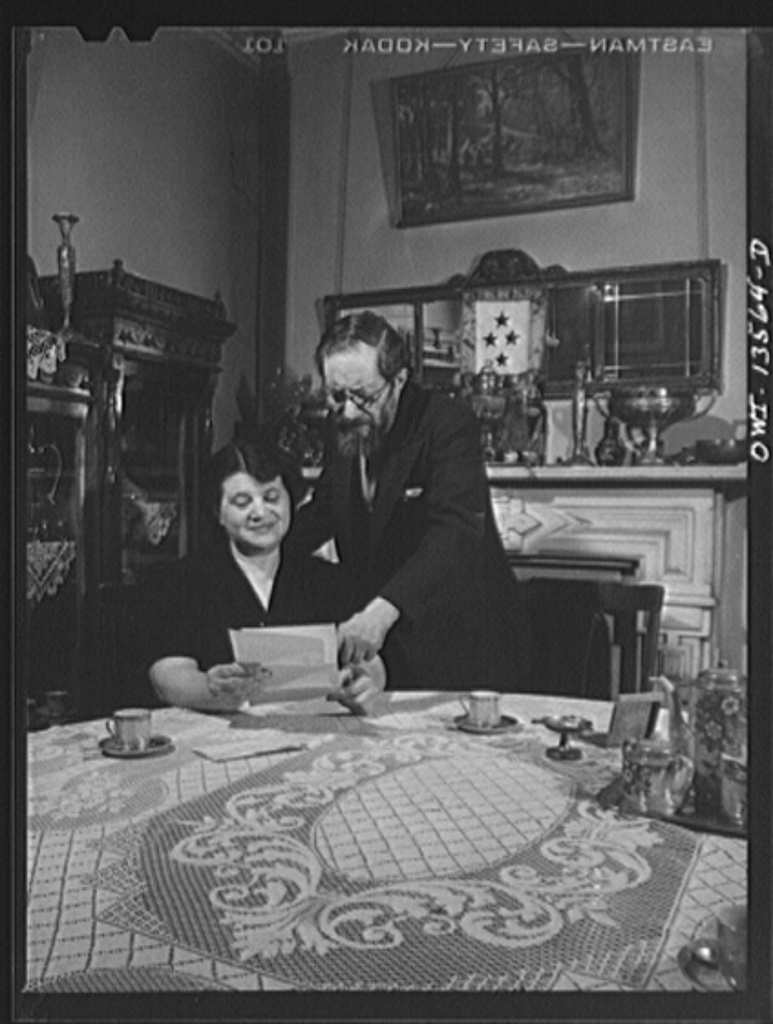
Letter writing is remembered as a more thoughtful way of communicating, and nearly everything that made it thoughtful was a constraint rather than a choice.
The lag made them reflective. Days each way means you are writing to somebody whose circumstances will have moved on, so questions are largely pointless and the natural mode becomes summary, account and reflection.
The pricing made them long. The cost is per envelope and the next sheet is effectively free, so the rational thing is to fill the paper – which is the exact reverse of every technology since, and it is why people wrote until they ran out of things to say rather than until they had made their point.
The weight rule even produced a material. The post charged by weight, so manufacturers made paper as light as could be written on, and lightweight sheets and folding letter forms existed purely because of a tariff.
Being read aloud made family letters into bulletins. Mail from a relative was opened in company and read out, so correspondence was semi-public – and a letter addressed to one person but heard by six has to work for all of them. Experienced correspondents wrote accordingly.
And the narrowness of the channel made silence legible. If writing is the only contact, a two-month gap carries real information, because there are very few alternative explanations. That clarity has been removed entirely by a world with many channels.
Two formats divided the work precisely. A letter is private, long and slow; a postcard is open, brief, cheap and fast, readable by anybody who handles it – so choosing between them was itself a statement about what kind of message this was.
Overseas mail ran on its own timescale and produced the characteristic failure of slow correspondence: two people writing simultaneously each answer a letter the other has already superseded, so the conversation runs permanently out of step. Both sides simply learned to live with it.
Two human details are worth keeping.
The handwriting is half the message. A letter carries the sender’s hand – steady, hurried, careful, changing over years – which is information nobody wrote down on purpose and which no typed message contains.
And children were made to write thank-you letters, under supervision, as an enforced obligation rather than a suggestion. Everybody remembers resenting it, and it was a genuine drill in composing something appropriate to a specific person about a specific thing, practised under duress by people who would otherwise never have done it at all.
The daily rhythm mattered too. Delivery came once a day at roughly the same hour, which concentrates anticipation in a way a continuous stream cannot – there was a single moment when the household’s news either arrived or did not, and both outcomes were felt.
Then cheap long distance did to letters exactly what the telephone did to dropping in. Once a faster option becomes affordable for routine use, the slower one is left with only the things it does better – and for everyday purposes a letter does nothing better.
So it retreated to where its properties still matter: condolence, formal thanks, serious news, and anything that needs to be kept. Permanence, consideration and the ability to be read more than once are precisely what a call lacks.
And the last thing was never a constraint at all. Keeping them was a choice nobody experienced as a decision – letters went into bundles, boxes and drawers because throwing them out simply did not occur to anybody.
Which is why a box in an attic is the most complete record most families have of anybody’s life.
If you have a box of them, notice the handwriting changing across the years.
Nobody wrote that down on purpose, and it is still there.
Like our content? Follow us for more.