Loose fibres have no strength. Twisting them makes them grip each other, and that is thread.
Short fibres laid side by side pull apart instantly. The same fibres twisted together are squeezed against one another along their whole length, so pulling on the end tightens the grip rather than releasing it – which is the entire principle, and everything else is machinery built around it.
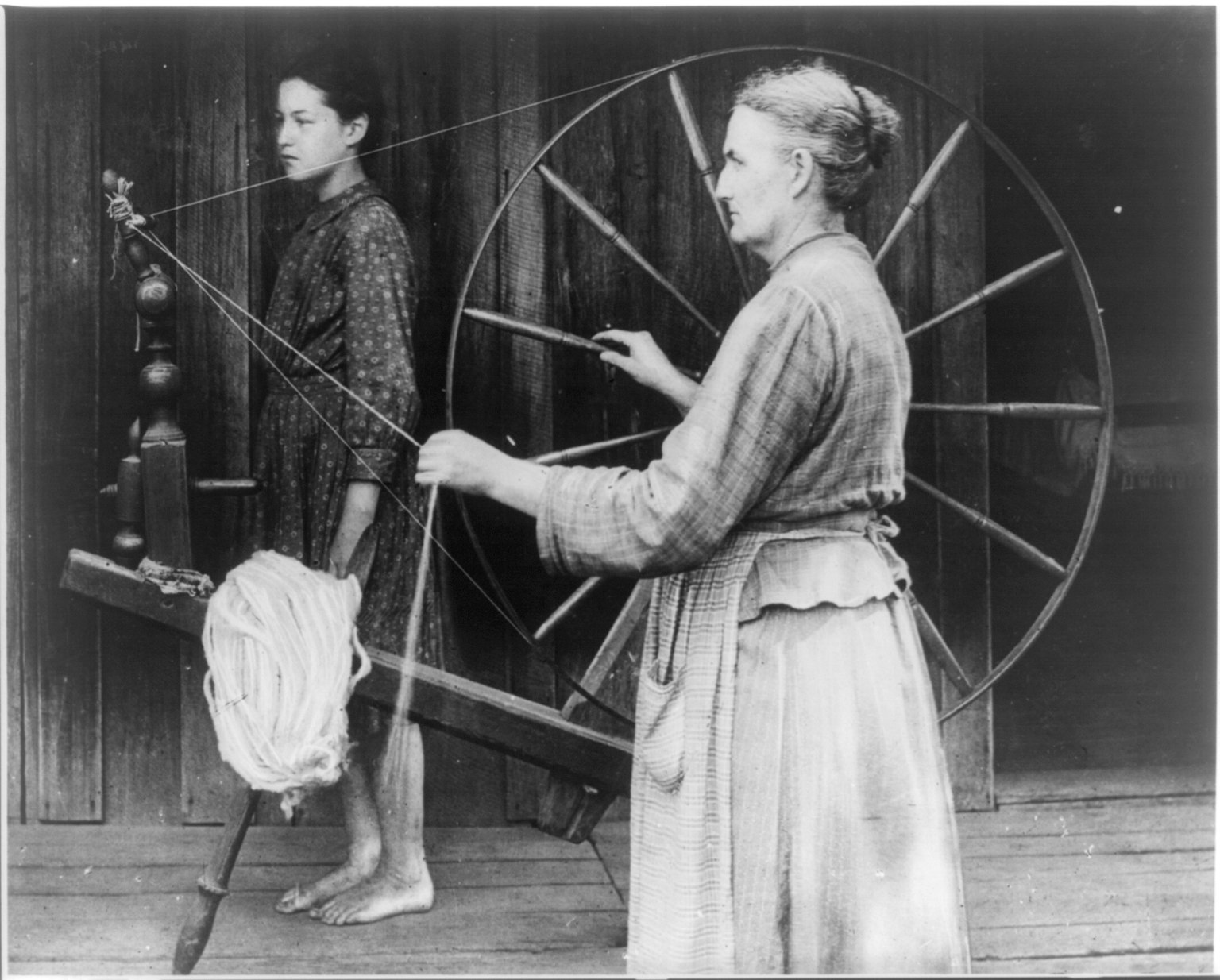
The large wheel is not spinning the thread. It is a drive wheel whose only job is to turn a much smaller spindle very fast, which is a gear ratio: one slow steady turn becomes hundreds of revolutions, and that is the only way a person can put enough twist into a thread to be worth doing. Here are sixteen things every household knew.
1. Spinning Is Twisting, and Twist Is the Whole Trick
Loose fibres held together have no strength. Twisting them makes them grip each other along their whole length, and that grip is what turns a handful of wool into thread.
Industrial spinning does the same thing at enormous speed.
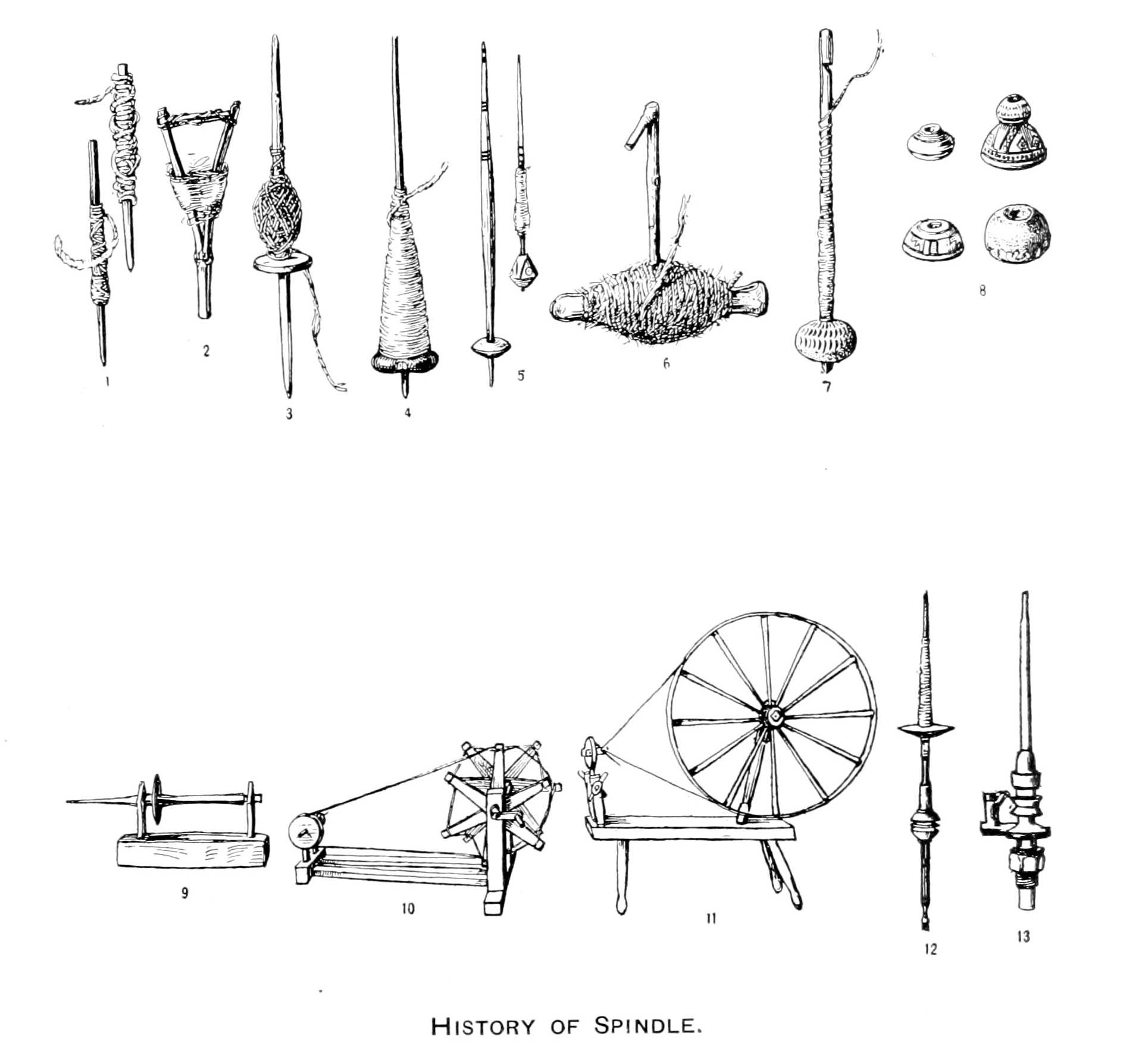
Start with the physical principle because everything else is machinery built around it. Short fibres laid side by side pull apart instantly; the same fibres twisted together are squeezed against one another so that pulling on the end tightens the grip rather than releasing it – which is why a thread is strong and a tuft is not.
Like our content? Follow us for more.
2. The Wheel Does Not Spin the Thread. It Spins the Spindle.
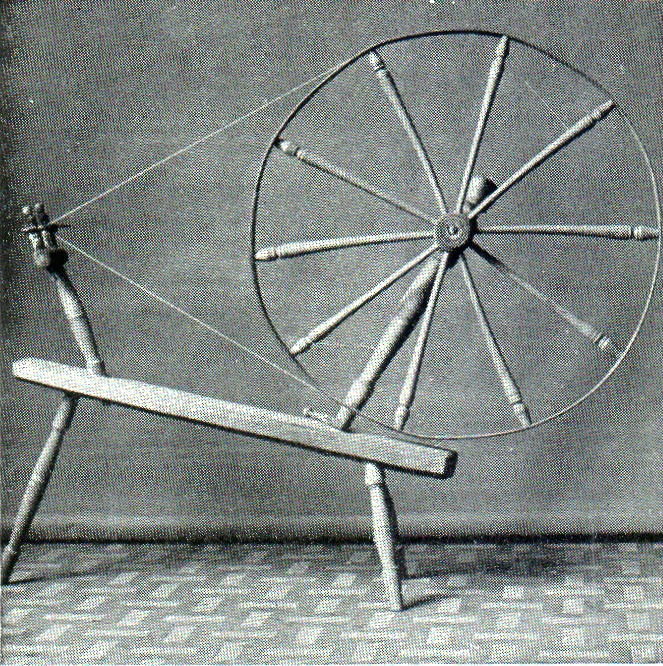
The large wheel is a drive wheel. Its only job is to turn a much smaller spindle very fast through a cord or belt, multiplying the speed.
The same ratio principle in every powered machine.
This is the thing people most misunderstand about the object. The size difference between the wheel and the spindle is a gear ratio – a slow steady turn of a big wheel becomes hundreds of revolutions of a small one, which is the only way a human can put enough twist into a thread to be worth doing.
3. The Fibre Had to Be Prepared First
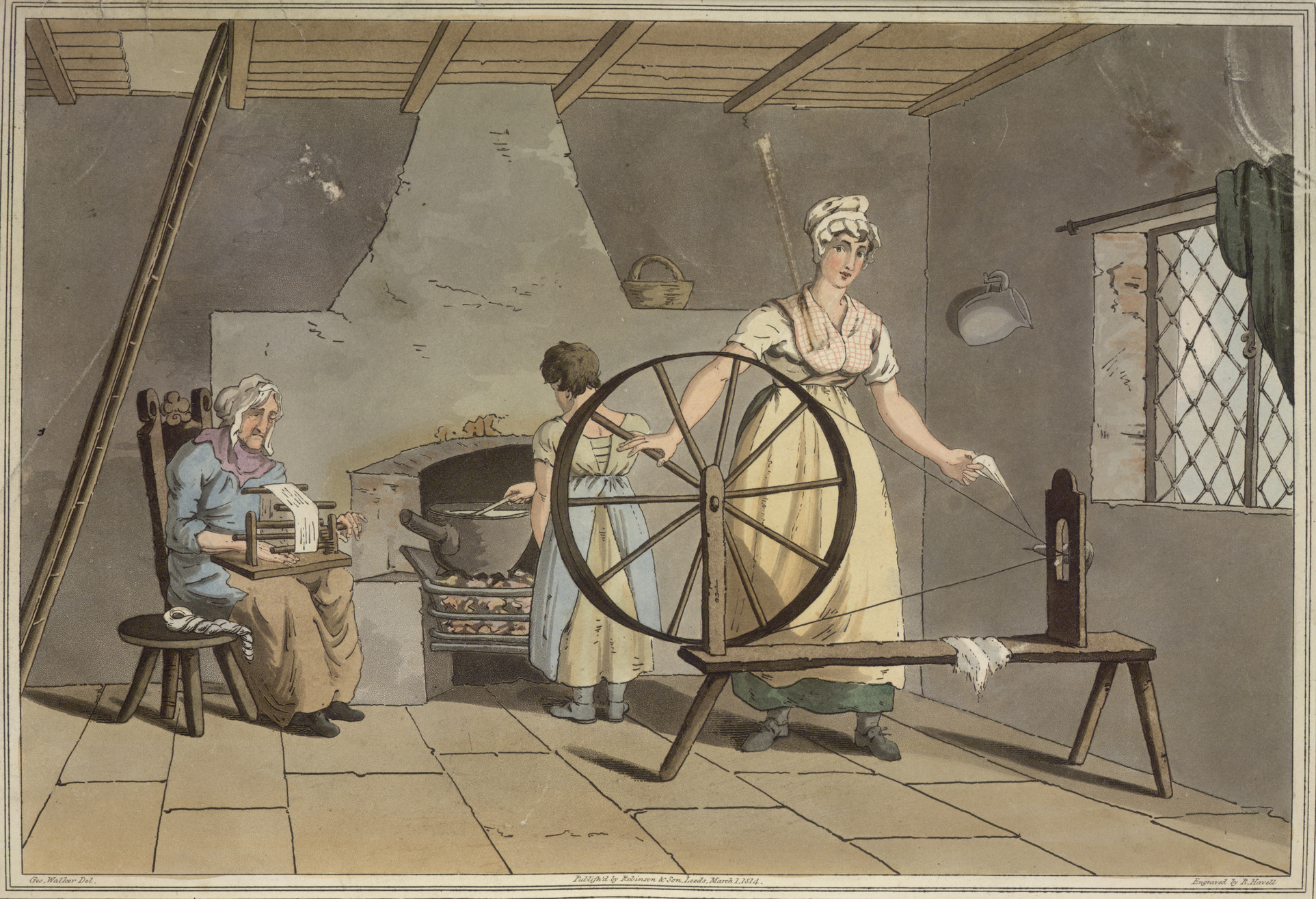
Wool was cleaned, then combed or carded between paired boards covered in wire teeth, which aligned the fibres into a soft airy mass ready to be drawn out.
Mechanised at every stage.
Carding is the invisible labour that made spinning possible and it took far longer than the spinning did. Fibres straight out of a fleece lie in every direction and cannot be drawn out evenly, so the preparation is what determines whether a thread comes out smooth or lumpy – and a careless carder guarantees bad yarn.
4. Drafting Was Done With the Fingers
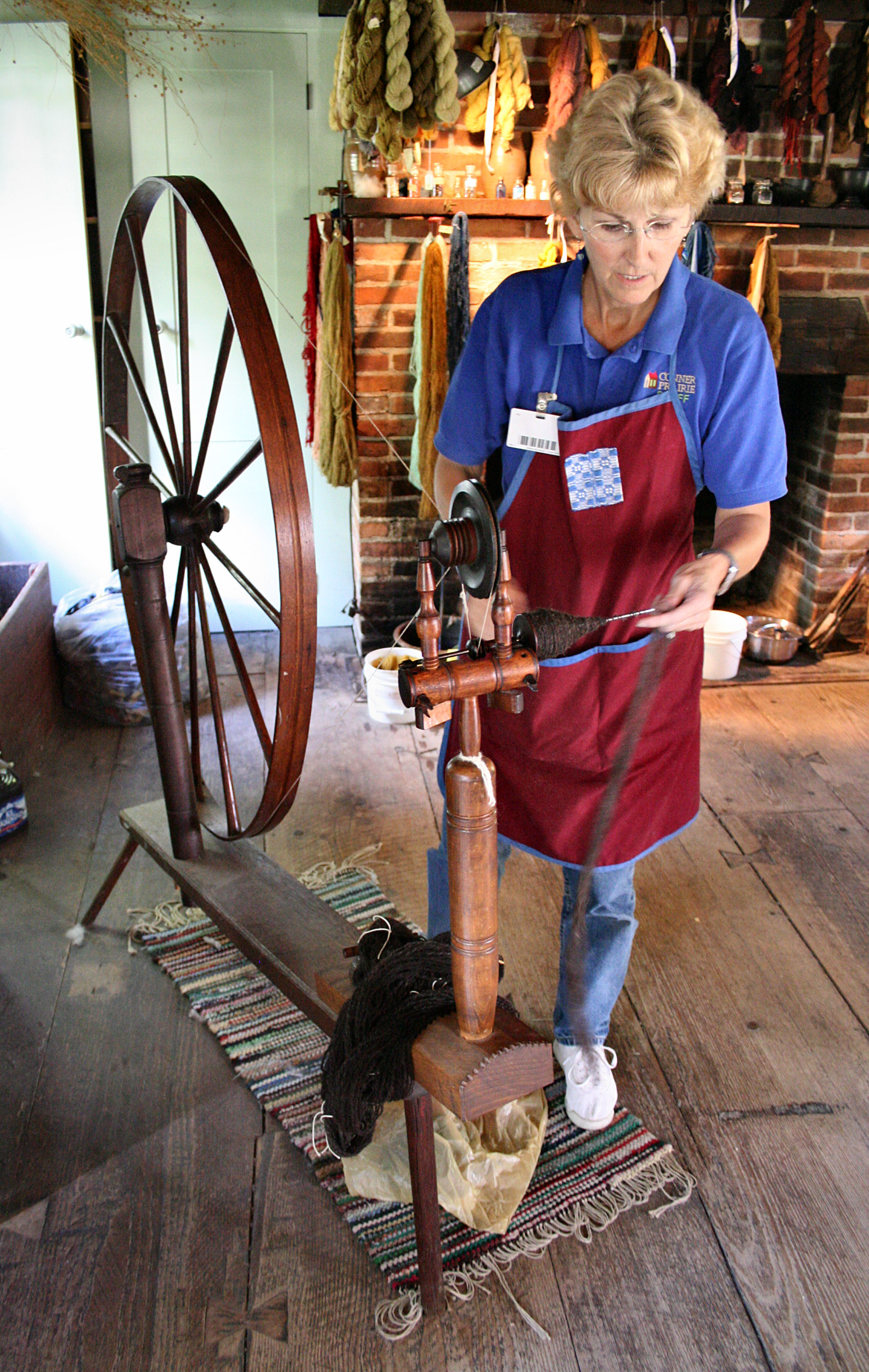
The spinner pulled a small quantity of fibre out of the mass with one hand while controlling how much twist ran into it with the other, continuously, by feel.
Mechanised and completely automatic.
Drafting is the actual skill and it is almost impossible to describe. Too much fibre gives a thick thread, too little gives a thin one, and the thread must be drawn out and twisted at a matched rate – all of it judged by the resistance felt in the fingers while the wheel keeps turning.
5. A Treadle Freed Both Hands
Earlier wheels had to be turned by hand, which left only one hand for the fibre. A foot treadle and crank turned the wheel instead, so both hands could work.
Not applicable.
The treadle is the single most consequential improvement in the whole device, and the reason is arithmetic rather than comfort. Two hands drafting rather than one is not slightly faster – it is a different process, giving continuous production rather than alternating between turning and drawing.
6. The Flyer Twisted and Wound at the Same Time
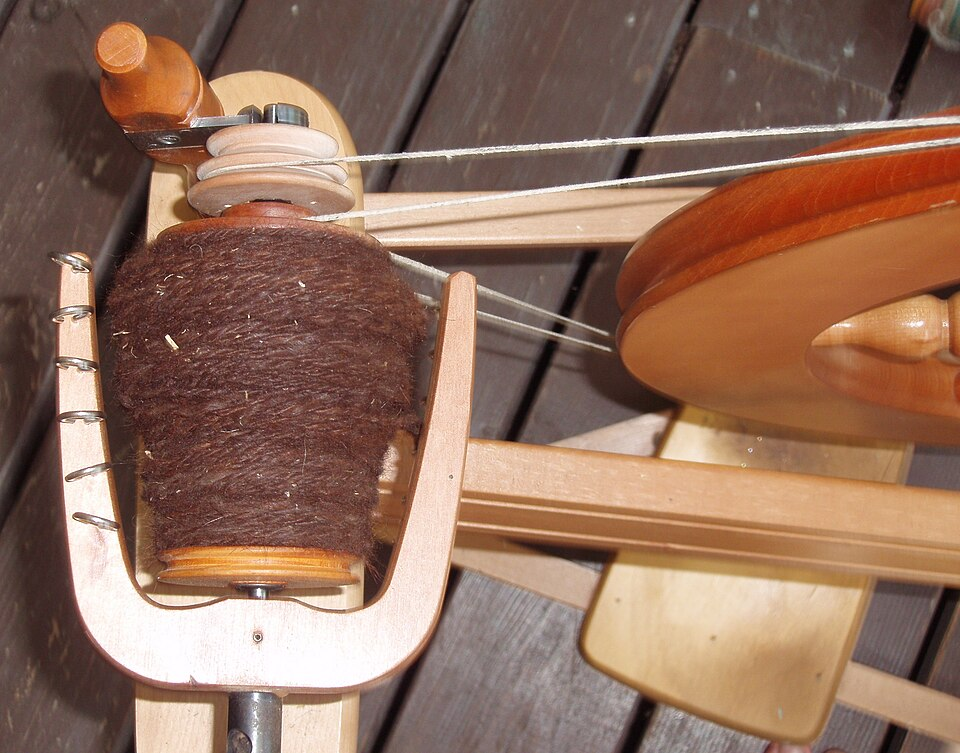
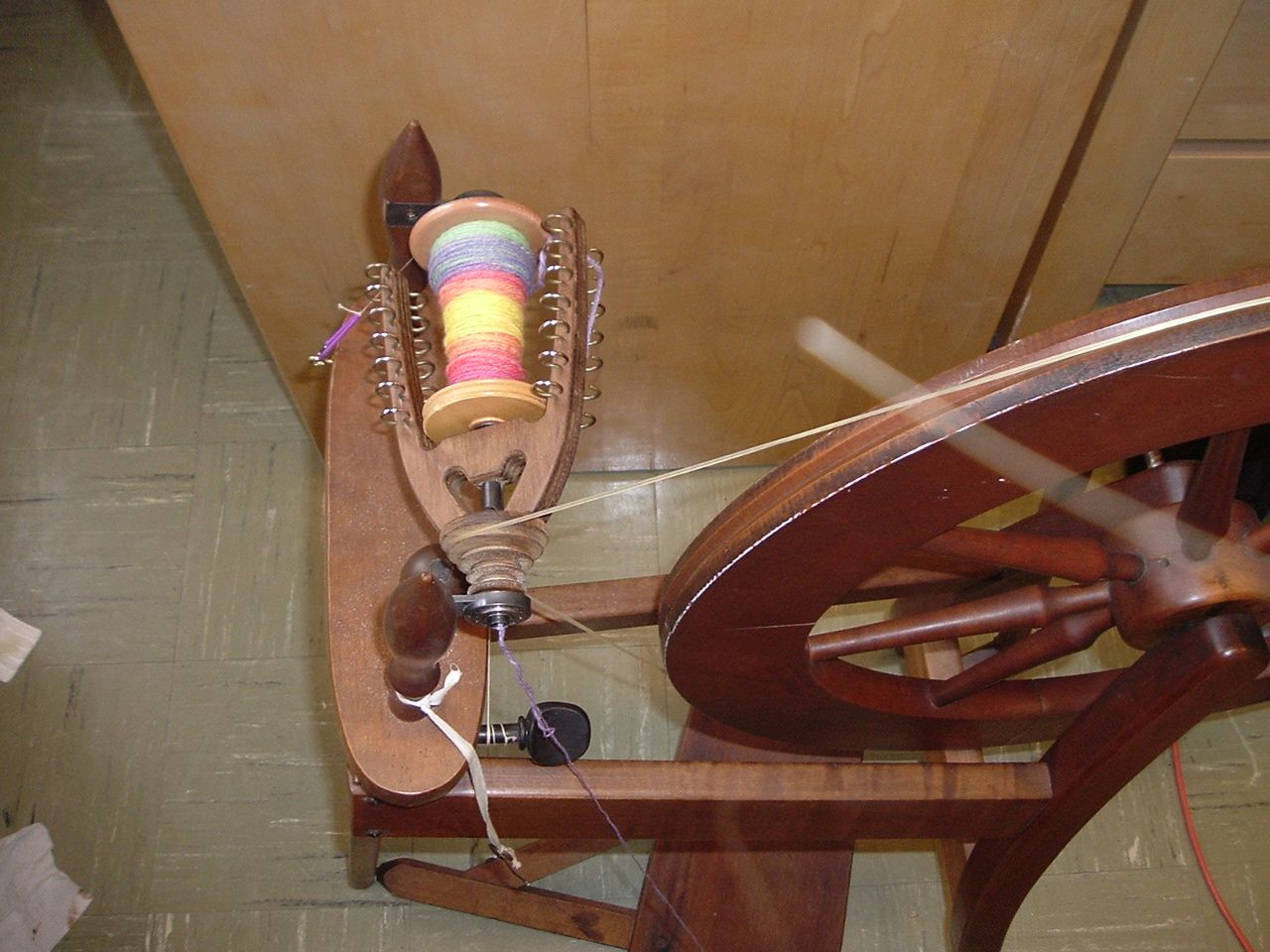
A U-shaped arm revolving around the bobbin put twist into the thread while the bobbin turned at a slightly different rate, which wound the finished thread on continuously.
The same principle, at industrial scale.
The flyer is the genuinely ingenious part of the machine. Twisting and winding are two different motions and earlier spinners had to stop and do them in turn, while a flyer running slightly faster than its bobbin performs both simultaneously – which doubles output and is why the device looks the way it does.
7. Tension Was Everything and It Was Adjustable
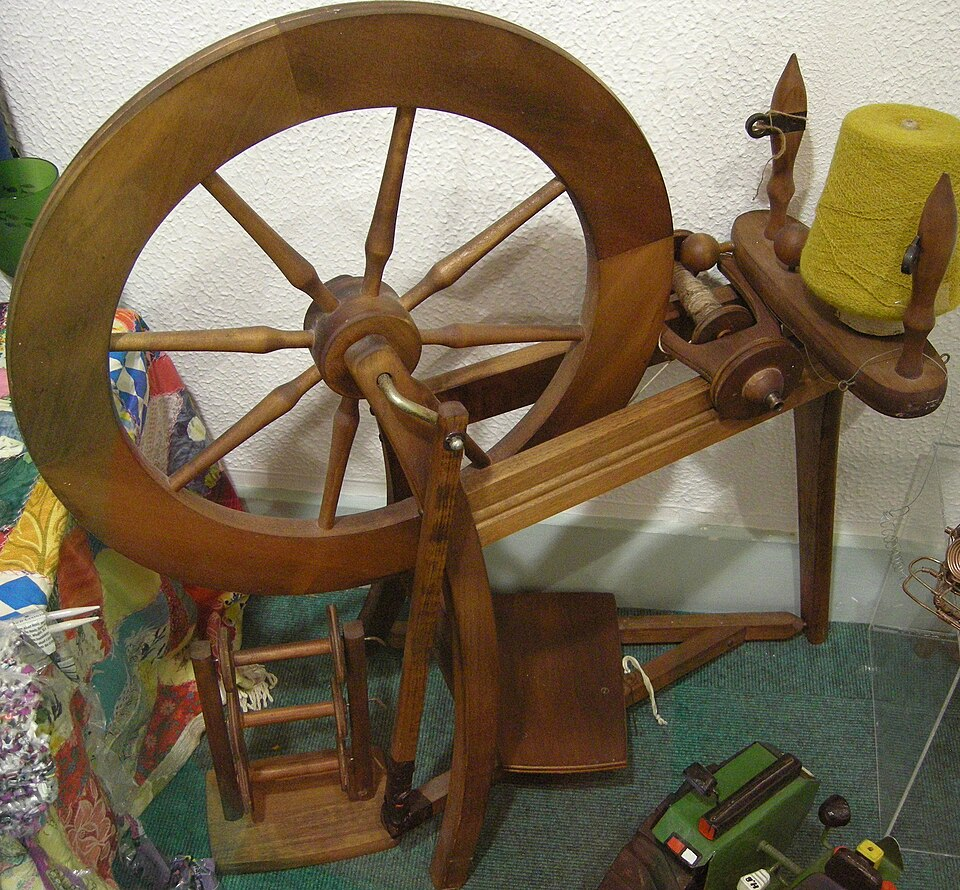
A cord or band controlled how hard the bobbin was braked, which decided how fast the thread was pulled on and therefore how much twist it received.
Controlled mechanically.
This is where a spinner tuned the machine to her material. More braking pulls the thread in faster and gives less twist; less braking gives more twist and a harder thread – so a single wheel could produce soft yarn for a shawl or hard yarn for stockings, and the adjustment was a matter of judgement rather than a setting.
8. Thread Was Then Plied, Which Is Twisting Backwards
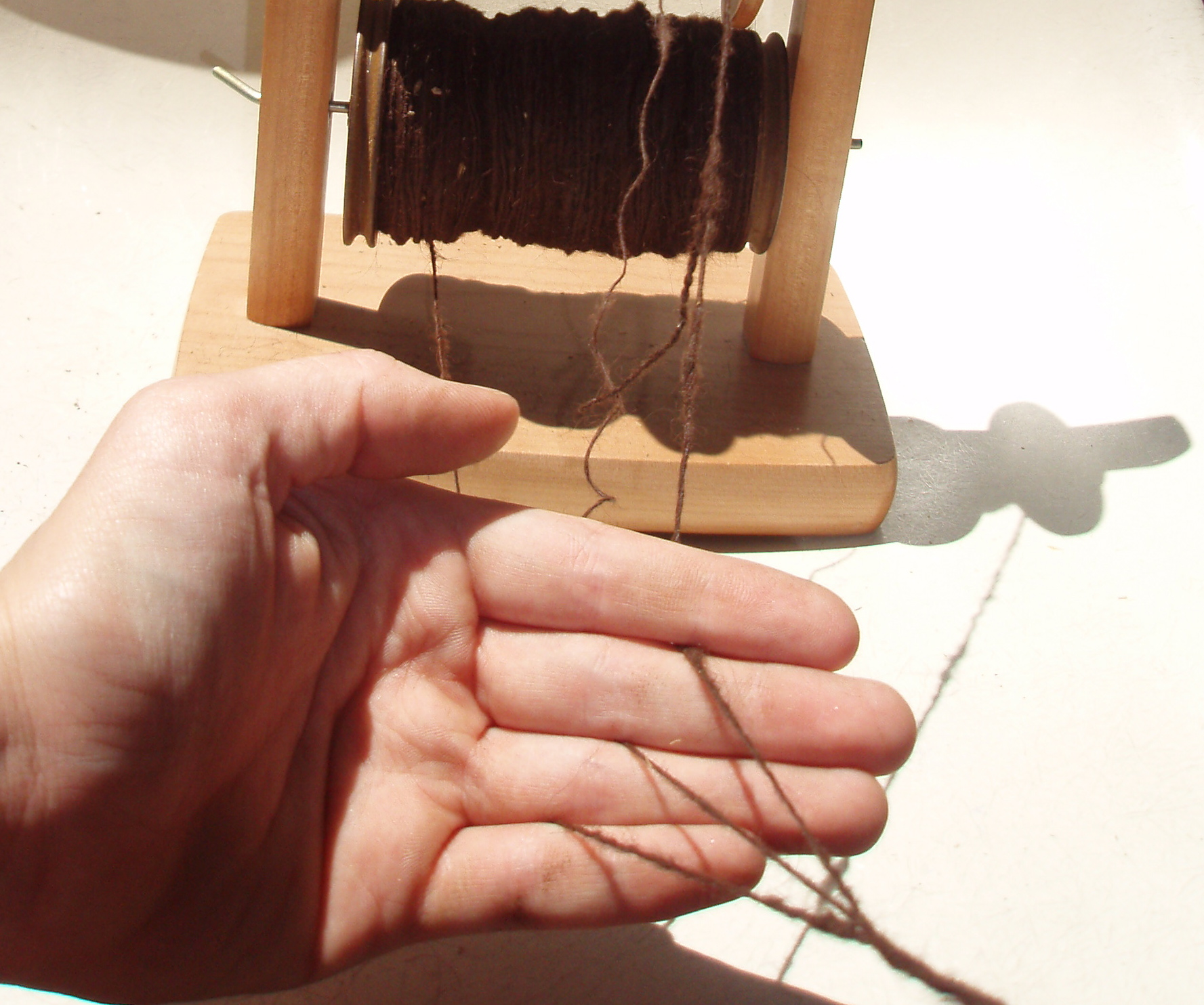
Two or more single threads were twisted together in the opposite direction to the twist already in them, which balances the yarn and stops it kinking.
Standard practice.
Plying is a nice piece of applied physics. A single thread is under torsion and will curl back on itself given the chance, but twisting two of them the other way sets the two forces against each other – which produces a yarn that hangs straight and is far stronger than either single.
9. The Wheel Was Furniture and It Was Always in the Room
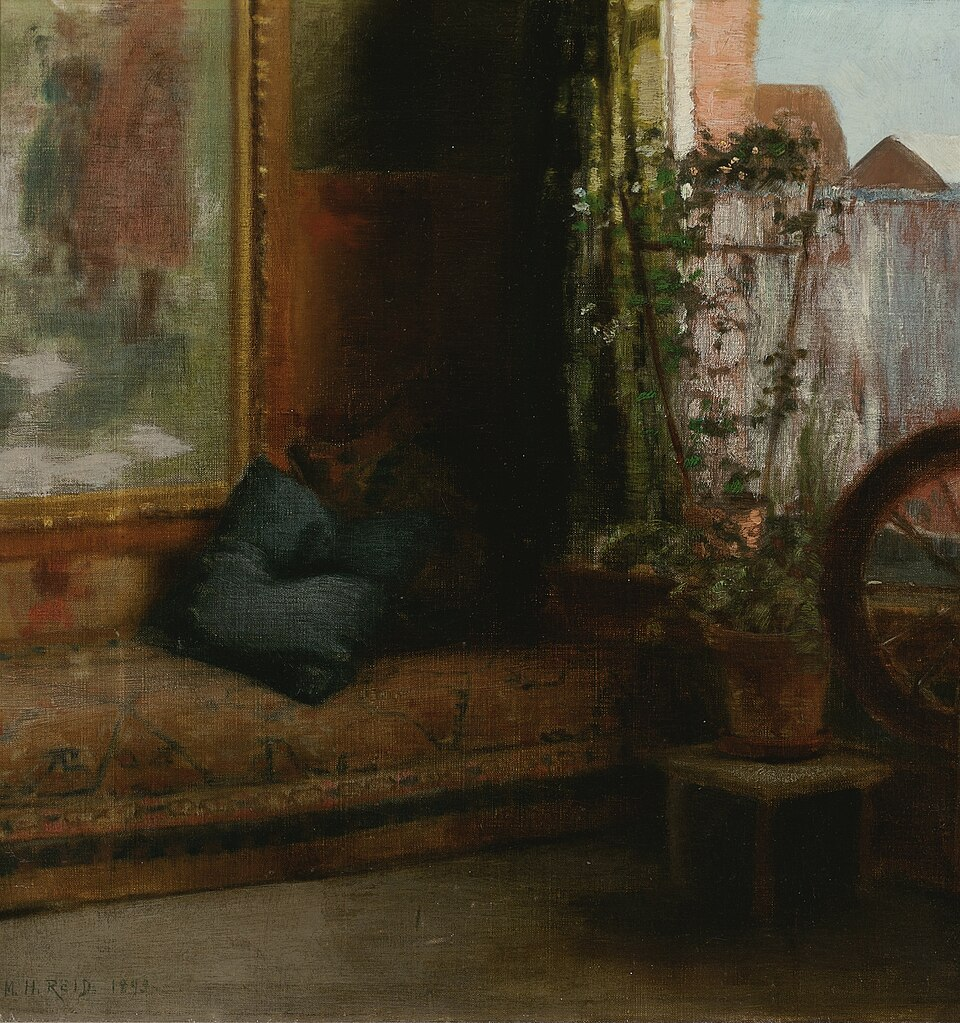
A spinning wheel stood in the main living space, not in a workshop, because the work was done in whatever time was available between everything else.
Not applicable.
The placement tells you what kind of work this was. Spinning filled gaps – while minding a child, while talking, while waiting for something – which means it had to be done where the household was, and the wheel was therefore a permanent occupant of the room everybody sat in.
10. It Was Measured in Distance, Not Hours
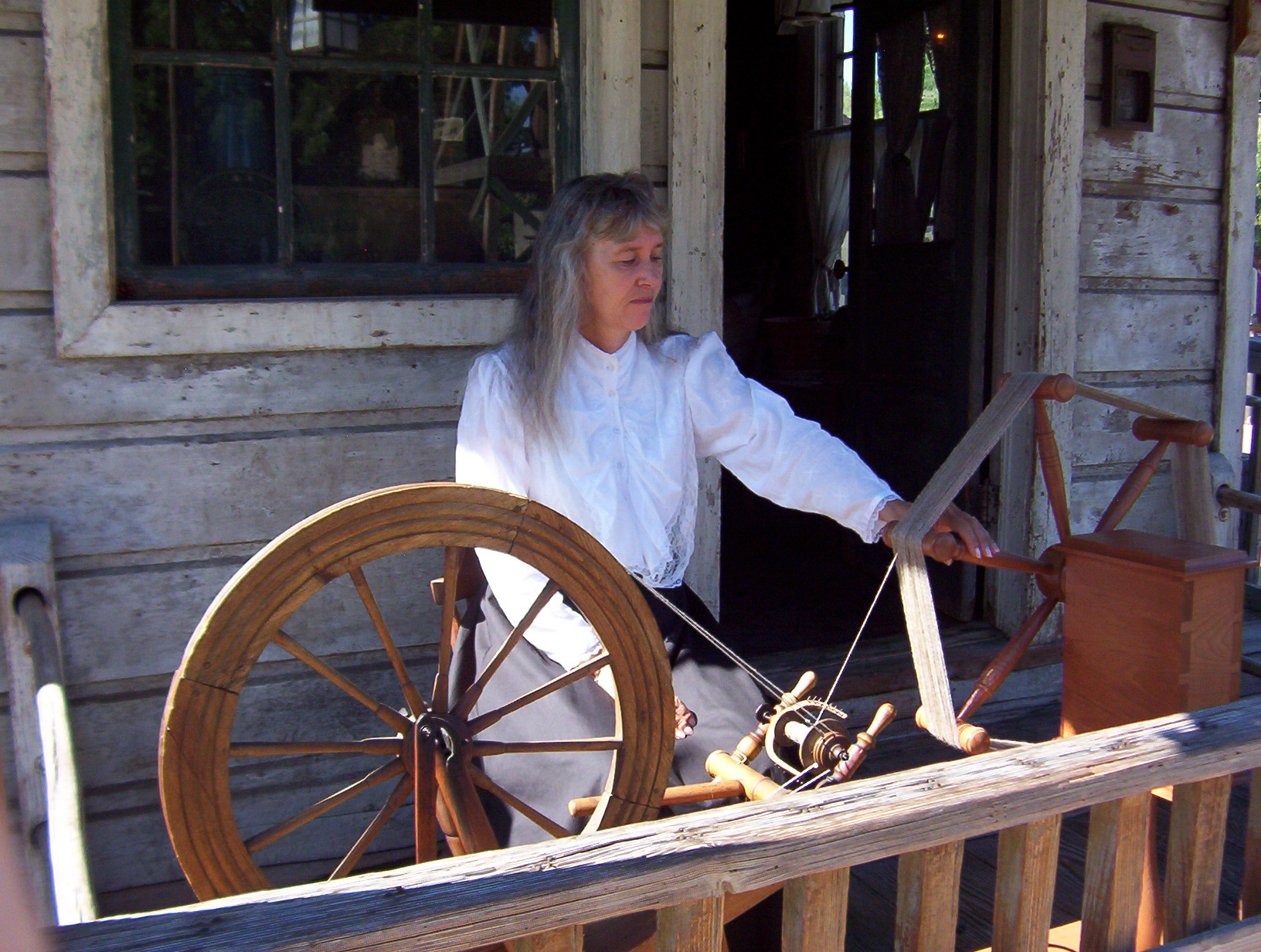
Output was counted in skeins and in the length of yarn produced, which was wound onto a reel of known circumference, sometimes one that clicked at a set count.
Measured by weight and length industrially.
Measuring by length rather than time is the detail that reveals the economics. A household producing yarn needed to know how much it had, not how long it had spent, because the yarn was the product – and a reel that counts for you is a small machine built specifically to do the household’s bookkeeping.
11. The Quantity Required Was Enormous
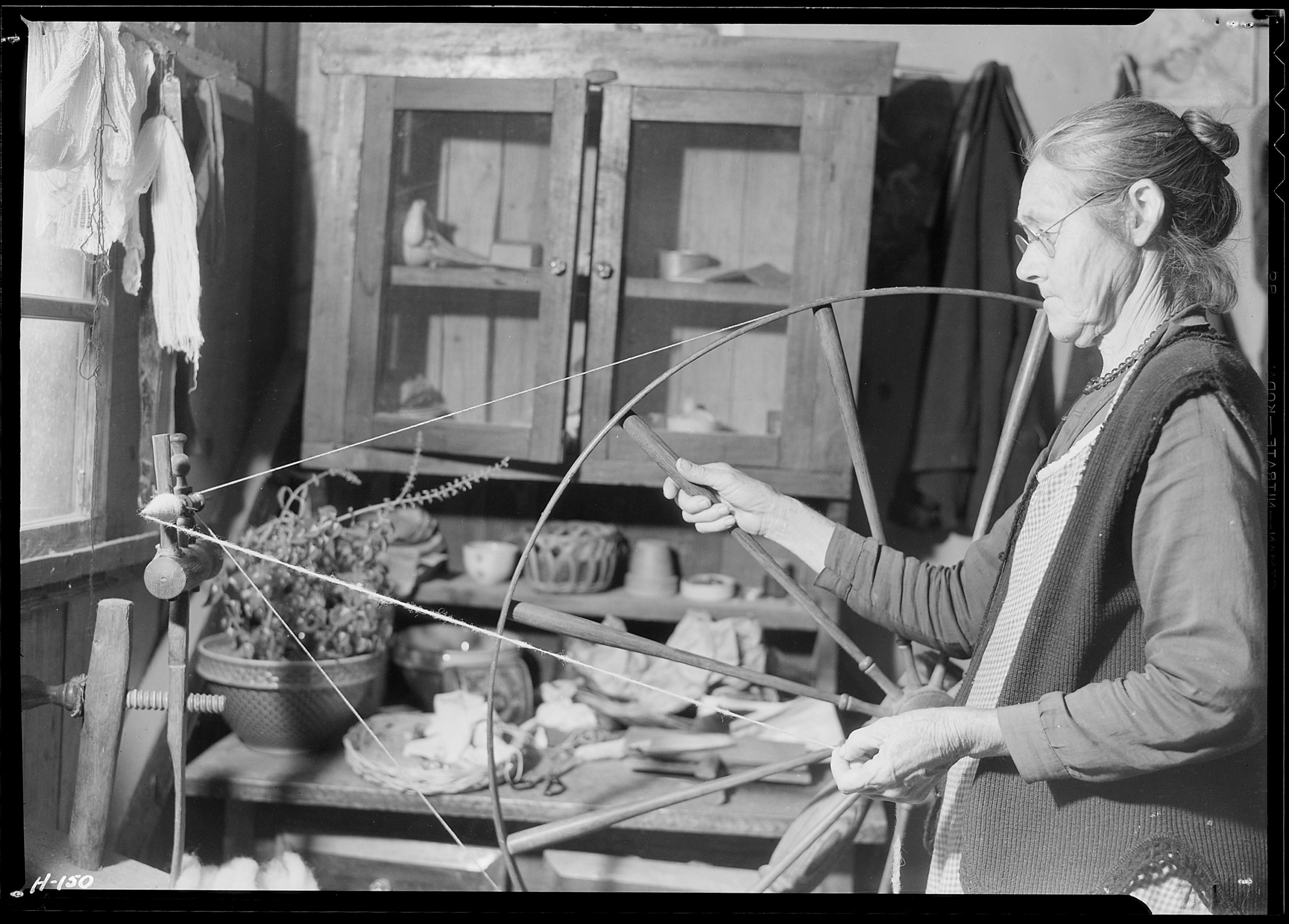
Clothing, blankets, stockings and household cloth for a whole family consumed far more yarn than most people imagine, and the spinning was effectively continuous.
Not applicable.
The scale is the part that gets lost behind the picturesque image. One garment represents a very large length of thread, every member of a family needed several, and everything wore out – so a household making its own cloth had somebody spinning nearly all the time, for years, as a baseline condition of being clothed.
12. It Was Usually the Unmarried Daughters’ Work
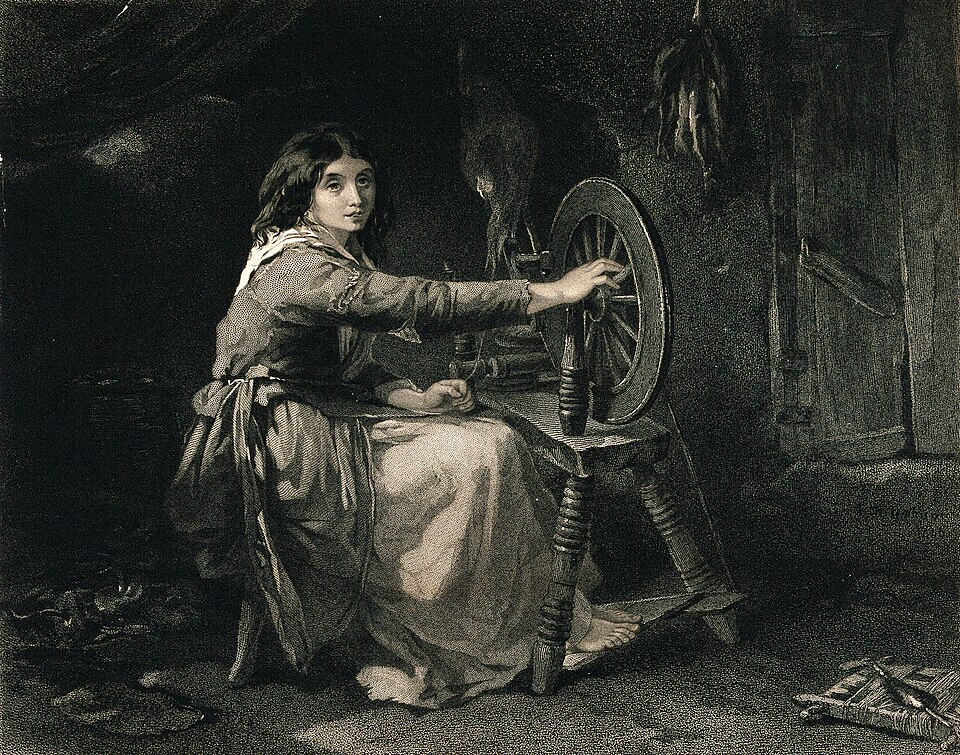
Spinning fell disproportionately to young women in a household, to the point that the word for an unmarried woman came from the occupation.
Not applicable.
The etymology is the clue and it is worth saying plainly. A task requiring enormous patience, no heavy strength and constant availability was assigned to the household members with the least claim on their own time, and the language still carries that assignment in a word nobody now connects to a wheel.
13. Then the Mill Took the Spinning First
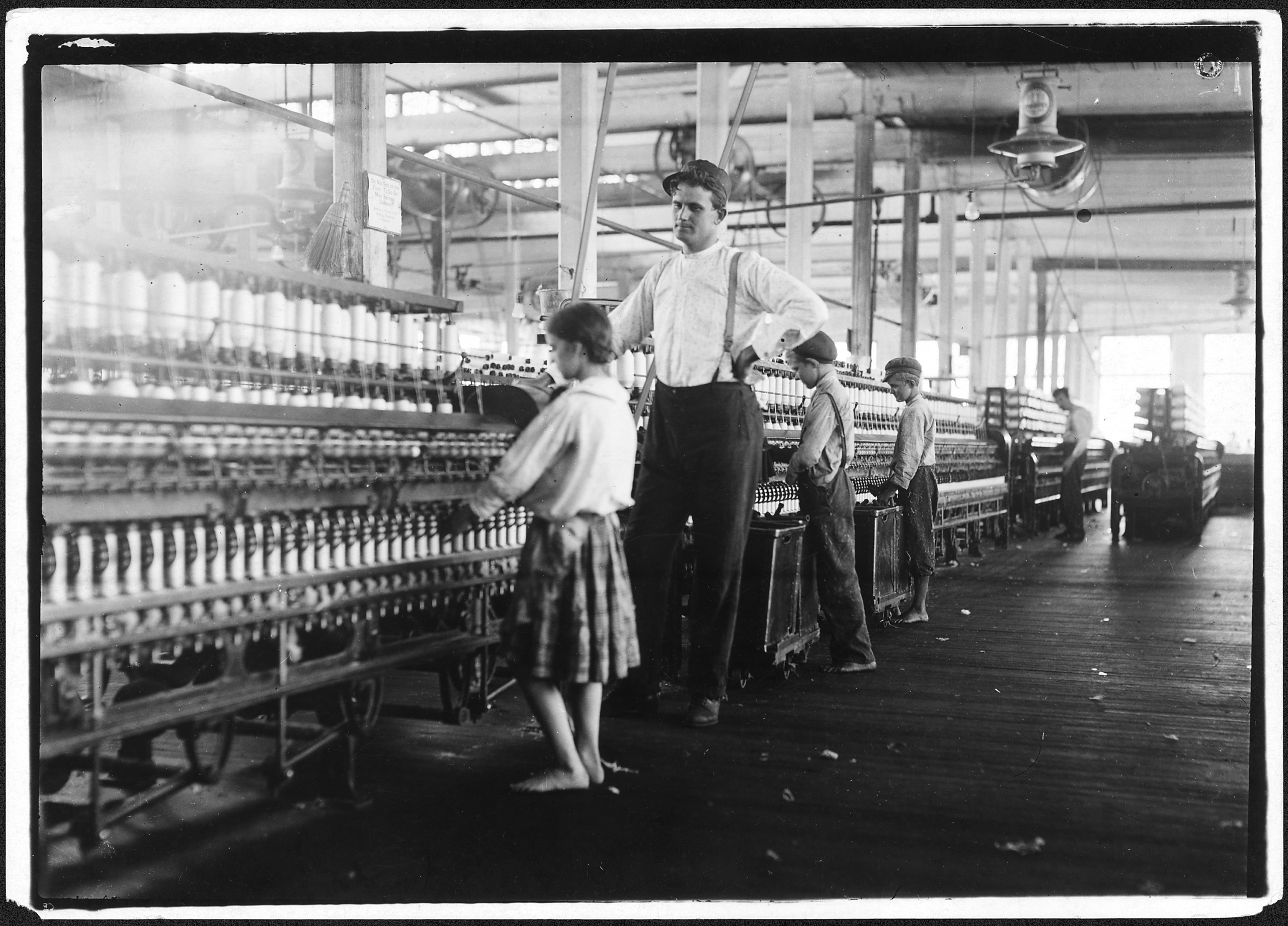
Powered spinning machinery produced thread far cheaper than any household could, and bought yarn replaced home-spun long before cloth-making itself ended.
Universal.
The order of events matters and is usually got backwards. Spinning was mechanised before weaving in most places, so households carried on weaving and sewing for decades with yarn they bought – which means the wheel went silent while the loom was still working.
14. Then Cloth Itself Became Cheaper Than Making It
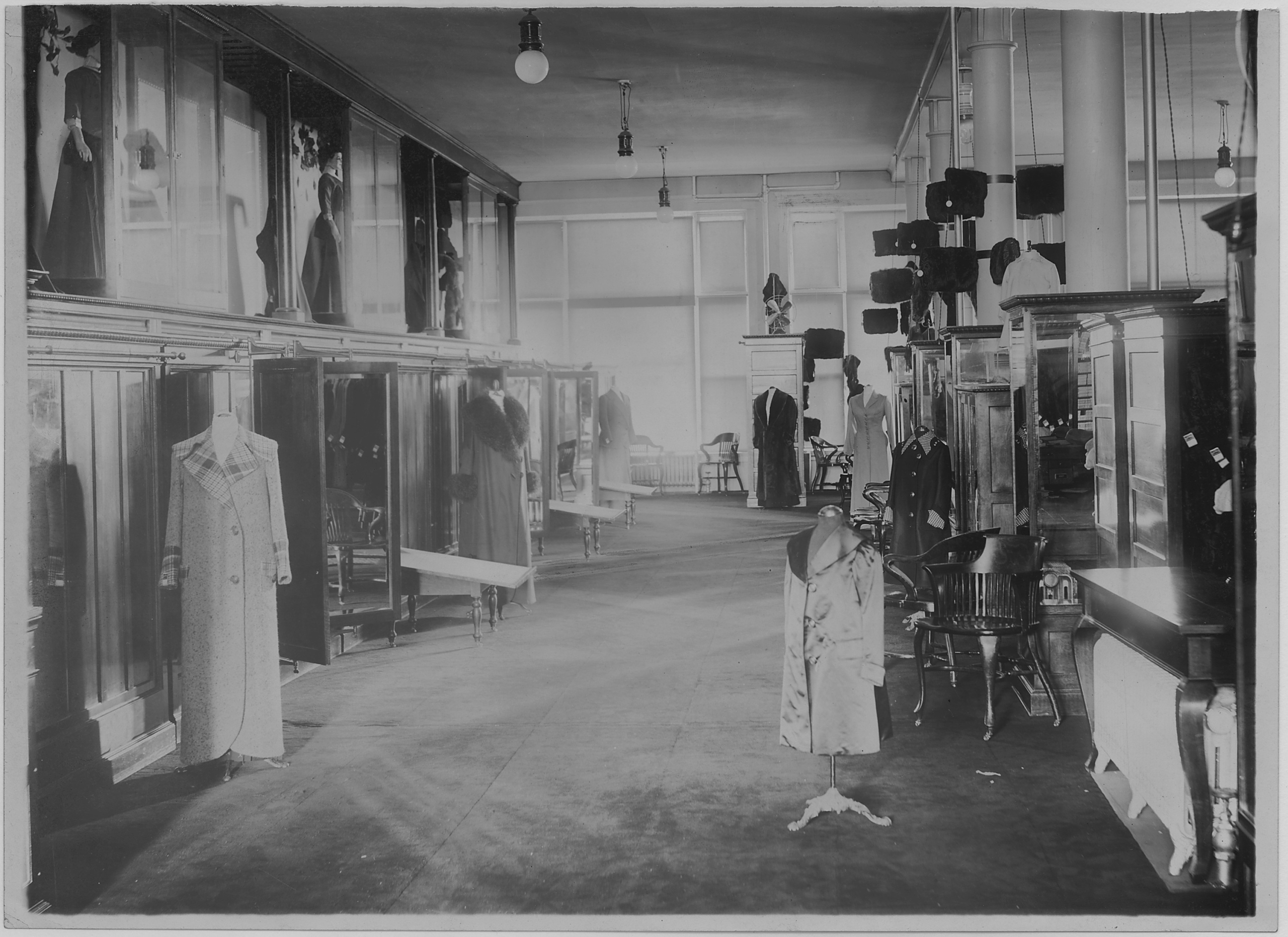
Mill-woven fabric sold by the yard undercut domestic production entirely, and the household stopped at sewing.
Universal.
This is the point at which the whole chain collapsed. Once cloth could be bought more cheaply than the raw fibre could be processed at home, every step before cutting out a garment became uneconomic – and a household’s textile work shrank to assembly and repair.
15. The Wheels Became Decoration Almost Immediately
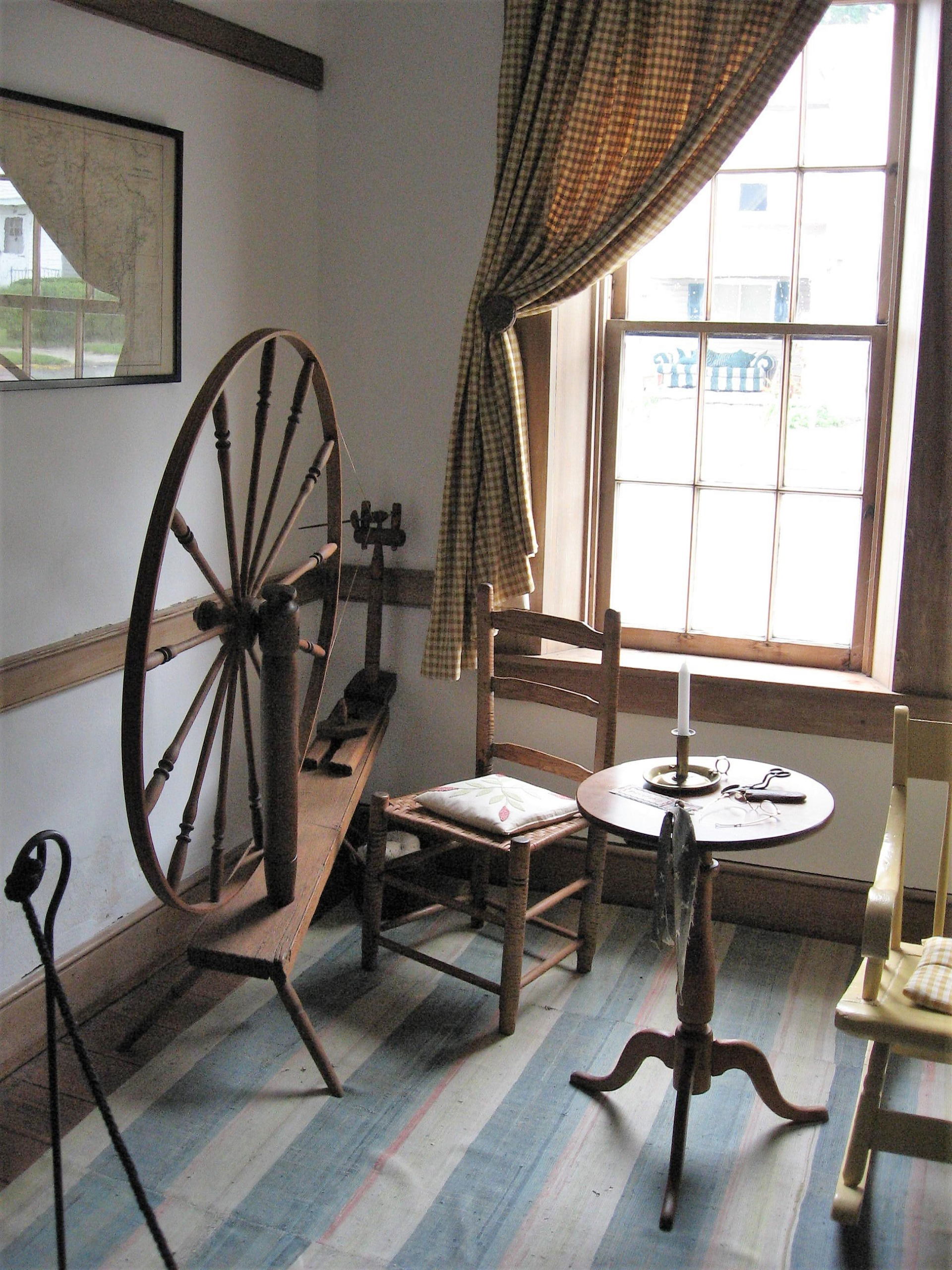
Obsolete wheels were kept, painted, hung on walls and set in corners as ornaments representing a vanished way of life, within a generation of ceasing to be used.
A craft revival uses working wheels, while enormous numbers of decorative ones survive.
The speed of the transition from tool to ornament is remarkable and it is why so many survive. An object that is useless but handsome and loaded with sentiment does not get burned, so the wheels moved from the living room to the parlour corner without ever leaving the house.
16. And by 1964 Almost Nobody Could Use One
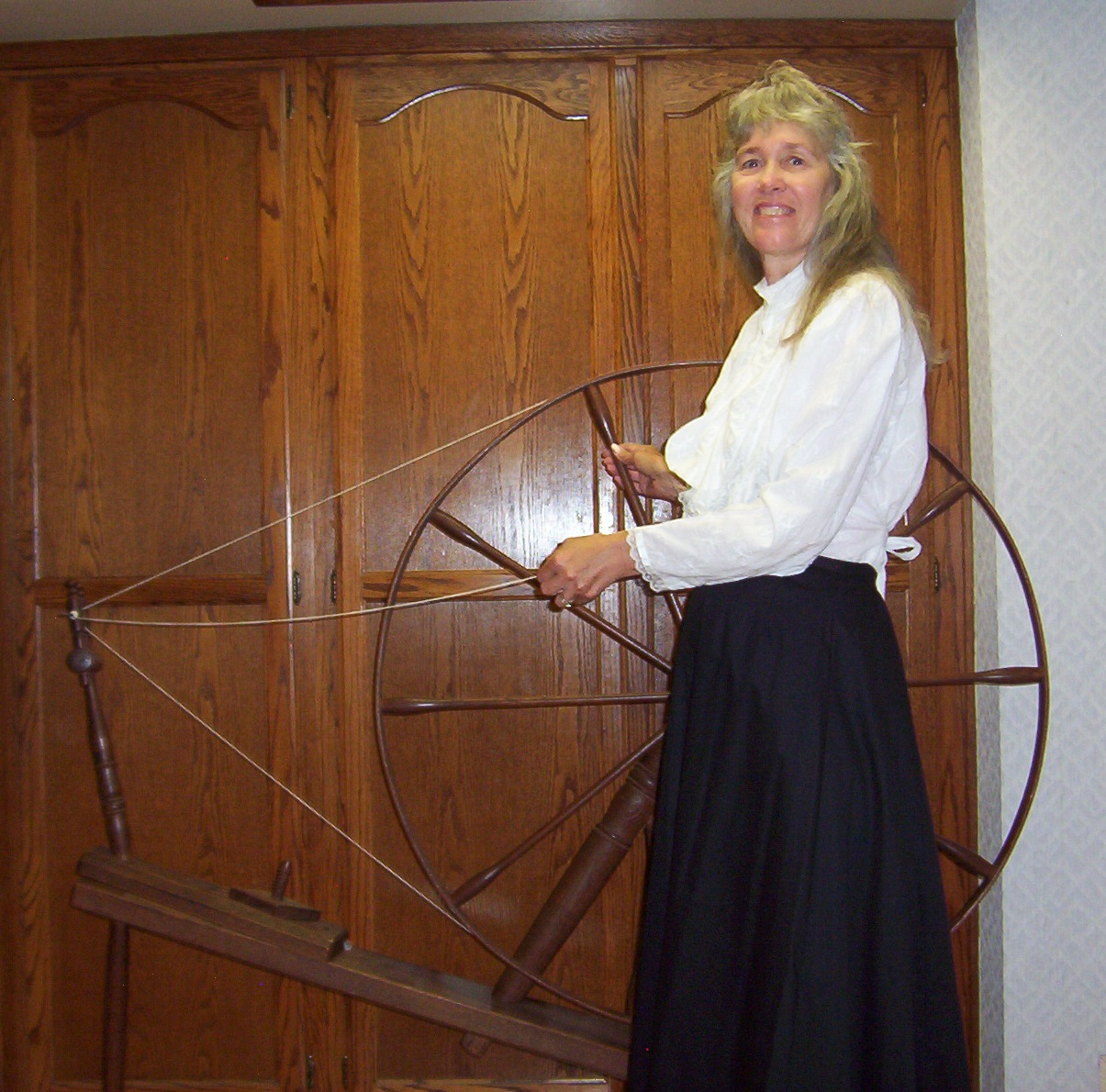
Spinning wheels were common objects in American houses and the knowledge to operate them was very nearly gone, surviving in isolated pockets and among a few craftspeople.
A large and skilled craft community, learned deliberately from teachers and books.
And what deserves the last word is the gap between the object and the skill. The wheels survived in enormous numbers because they are beautiful, and the thing they were for – the fingers judging thickness and twist simultaneously by feel, the foot keeping an even rhythm for hours, the tension adjusted for a particular fleece – survived hardly at all. A household once contained a person who could turn a cleaned fleece into balanced two-ply yarn of a chosen weight, continuously, while talking to somebody else, because the family’s clothing depended on it. Within two generations the same house contained the same wheel, painted, in a corner, with nobody in it who could have made a yard of thread. The craft has since been deliberately recovered by people who sought it out, which is the only reason it exists at all – and the wheels in the corners were waiting the whole time.
The Wheels Survived and the Skill Did Not
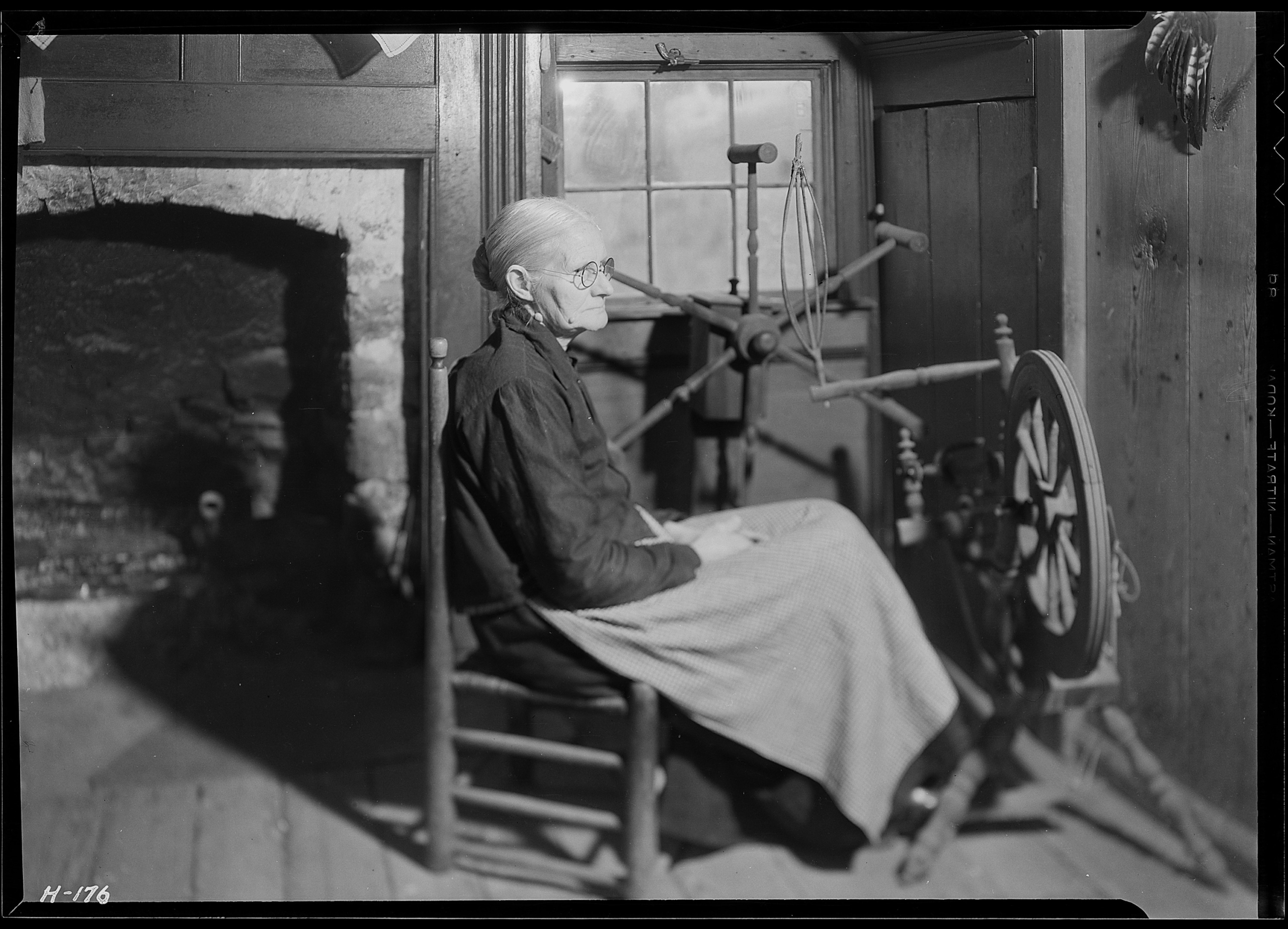
A spinning wheel is one of the most recognisable objects in the world and almost nobody now knows what any part of it does, which is a strange position for a machine to end up in.
Start with the principle. Loose fibres have no strength at all – lay them side by side and they pull apart. Twist them and they are pressed against each other along their whole length, so that pulling on the end tightens the grip instead of releasing it. That is spinning. Everything else is machinery built to apply twist faster than fingers can.
And the big wheel is not what people think. It is a drive wheel, and its only job is to turn a much smaller spindle through a cord – which is a gear ratio. One slow turn of a large wheel becomes hundreds of revolutions of a small one, and that multiplication is the only way a human can put in enough twist to make the work worthwhile.
The invisible labour came first. Wool was cleaned and then carded or combed between paired boards covered in wire teeth, aligning the fibres into a soft airy mass. That took far longer than the spinning, and it determined everything – fibres straight off a fleece lie in every direction and cannot be drawn out evenly, so a careless carder guarantees bad yarn.
Then drafting, which is the actual skill and is nearly impossible to describe. The spinner pulls a small quantity of fibre out of the mass with one hand while controlling how much twist runs into it with the other, continuously, judging everything by the resistance felt in the fingers while the wheel keeps turning. Too much fibre gives a thick thread, too little a thin one, and the drawing and the twisting have to be matched.
Which explains why the treadle mattered so much. Earlier wheels were turned by hand, leaving one hand for the fibre; a foot treadle and crank freed both. That is not a small improvement in comfort – two hands drafting instead of one is a different process, producing continuously rather than alternating between turning and drawing.
The flyer is the genuinely ingenious part. Twisting and winding are two separate motions, and earlier spinners had to stop and do them in turn. A U-shaped arm revolving around the bobbin at a slightly different rate does both at once, which doubles the output and is the reason the machine looks the way it does.
And tension was the tuning. A cord braked the bobbin, deciding how fast the thread was pulled on and therefore how much twist it received – more braking for soft yarn, less for a hard one. So a single wheel could make yarn for a shawl or yarn for stockings, by judgement rather than by a setting.
Finally the thread was plied: two or more singles twisted together in the opposite direction to the twist already in them. A single thread is under torsion and will curl back on itself, and twisting the other way sets the two forces against each other – producing yarn that hangs straight and is far stronger than either single.
Now the domestic facts, which are the part that puts the machine in context.
The wheel stood in the main living space rather than a workshop, because the work filled gaps – while minding a child, while talking, while waiting – so it had to be where the household was.
Output was counted in length rather than hours, wound onto a reel of known circumference that sometimes clicked at a set count. Measuring by length tells you the economics: the yarn was the product, and a reel that counts is a small machine built to do the household’s bookkeeping.
And the quantity needed was enormous. One garment is a very large length of thread, every family member needed several, and everything wore out – so a household making its own cloth had somebody spinning nearly all the time, for years, as the baseline condition of being clothed.
The work fell disproportionately to the unmarried young women of a household, to the point that the English word for an unmarried woman came from the occupation. A task needing enormous patience, no heavy strength and constant availability went to the people with the least claim on their own time, and the language still carries that assignment.
The end came in the order people usually reverse. Spinning was mechanised before weaving, so households went on weaving and sewing for decades using bought yarn – the wheel went silent while the loom was still working. Then mill cloth sold by the yard undercut domestic production entirely, and the household’s textile work shrank to assembly and repair.
And the wheels became ornaments almost immediately. Useless but handsome and loaded with sentiment, they were painted, hung on walls and set in corners within a generation – which is why so many survive.
Which leaves the gap. The wheels survived in enormous numbers because they are beautiful. The thing they were for survived hardly at all.
A household once contained a person who could turn a cleaned fleece into balanced two-ply yarn of a chosen weight, continuously, while talking to somebody else, because the family’s clothing depended on it. Two generations later the same house held the same wheel, painted, in a corner, with nobody in it who could have made a yard of thread.
The craft exists today only because people deliberately went and found it again.
If there is a spinning wheel in your family, check whether it has a treadle.
That one feature is the difference between one hand on the fibre and two.
Like our content? Follow us for more.