One person could lift what four could not, and there was no magic in it.
An arrangement of pulleys and a rope trades distance for force. You pull a long way with a small effort instead of a short way with a large one, and the total work comes out the same – which is the whole of it, and the reason it was in every barn, every well house and every shed with a beam overhead.
The trade was always rope length for effort. Double the advantage and you halve the pull but double the rope that has to come through your hands, so a load lifted one foot on a four-part arrangement needs four feet pulled. The gain is not free; it is paid for in time and in rope. Here are sixteen things everybody once knew.
1. One Person Could Lift What Four Could Not
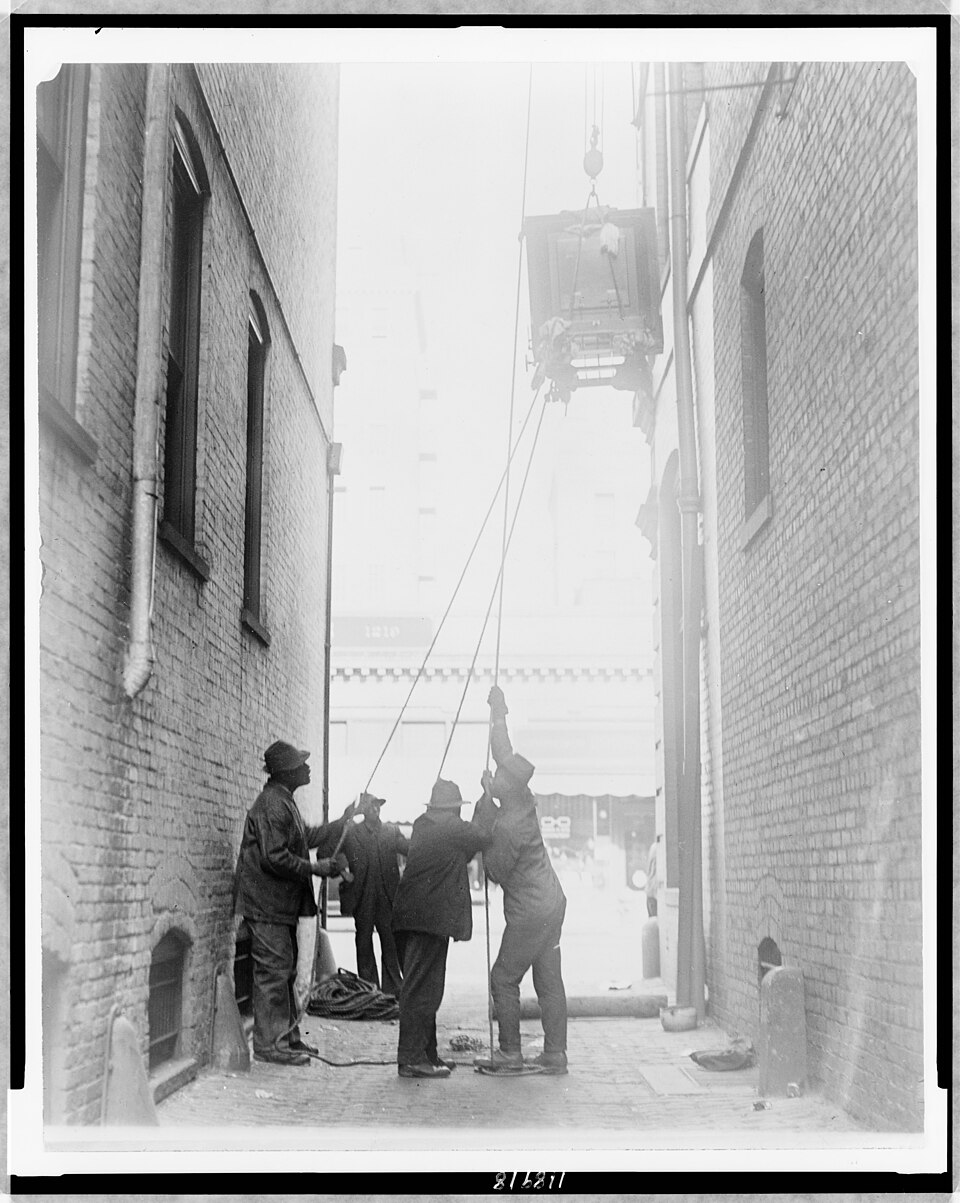
An arrangement of pulleys and a rope let a single person raise a load far heavier than they could manage directly, at the cost of pulling much more rope.
Powered hoists and lifts.
Start with the whole point, because everything else follows from it. The device does not create force out of nothing – it trades distance for force, so you pull a long way with a small effort instead of a short way with a large one, and the total work is the same.
Like our content? Follow us for more.
2. The Trade Was Always Rope Length for Effort
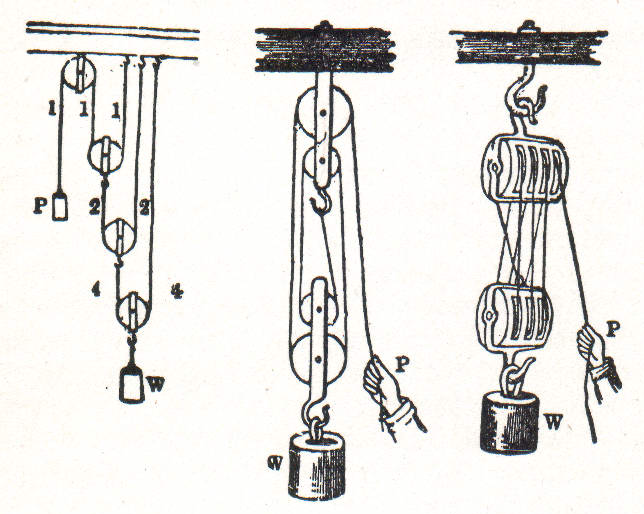
Doubling the mechanical advantage halved the pull required and doubled the length of rope that had to come through the hands.
The same physics, hidden inside machinery.
This is the single fact that makes the thing intelligible. A load lifted one foot on a four-part arrangement requires four feet of rope to be pulled, which means the gain is not free – it is paid for in time and in the amount of rope the job needs.
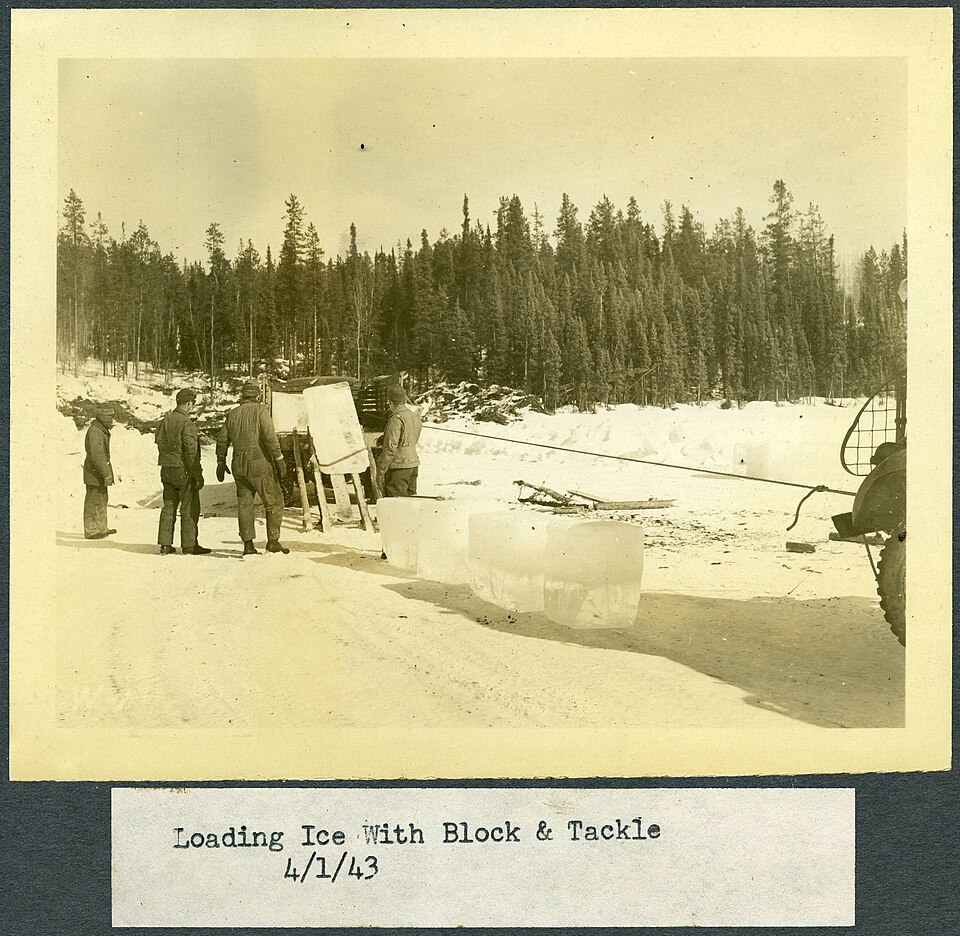
3. It Was Two Blocks, Not One
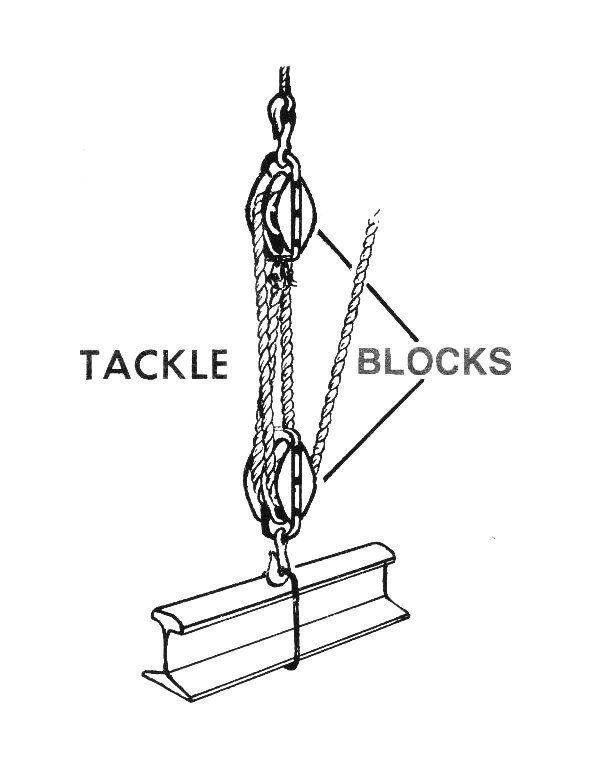
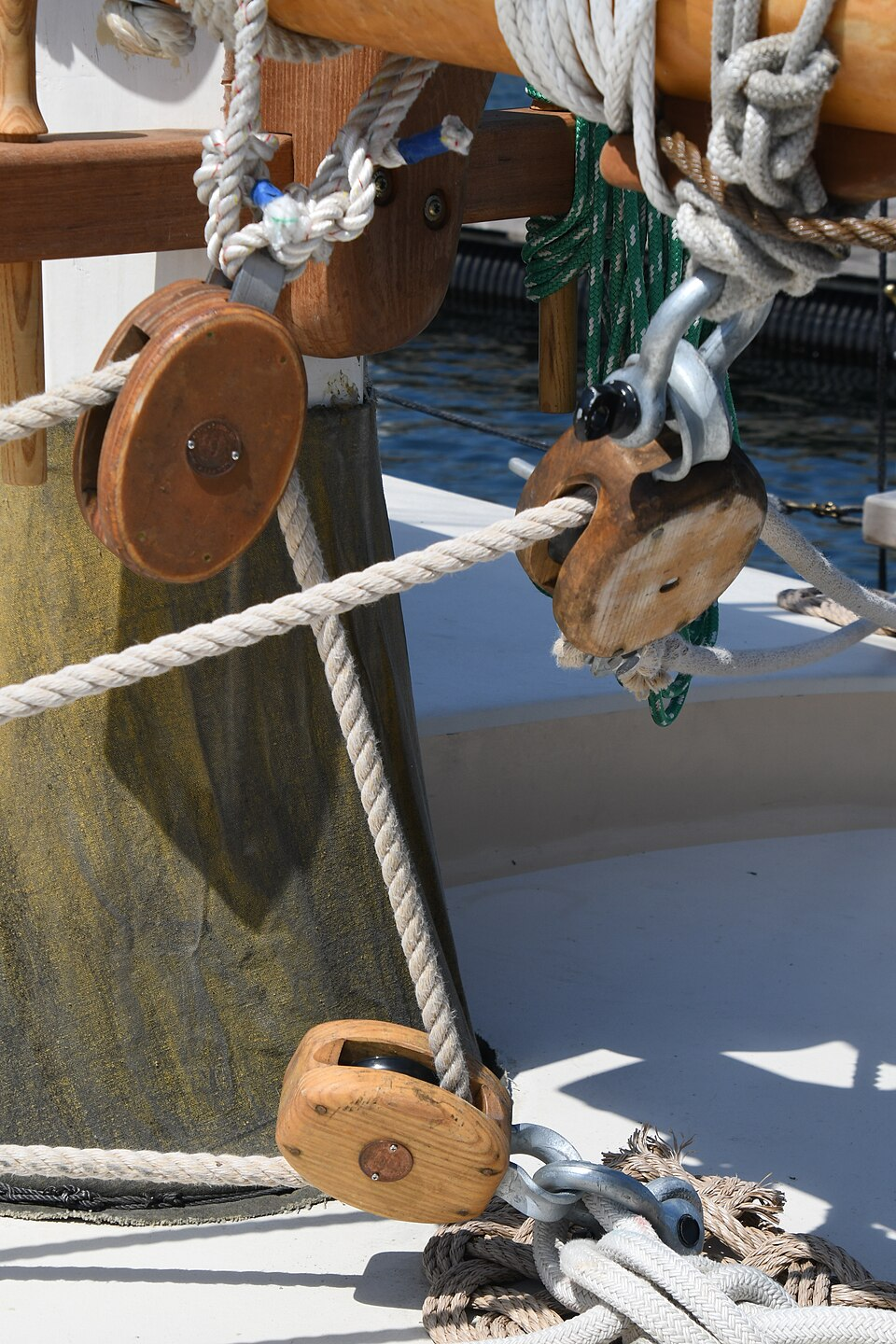
The arrangement needed a fixed block anchored above and a movable block attached to the load, with the rope running between them.
Not applicable.
The distinction between the two blocks is where most of the confusion lives. A single fixed pulley changes only the direction of the pull and gains nothing – the advantage comes entirely from the block that travels with the load and is supported by several lengths of rope at once.
4. You Counted the Ropes at the Moving Block
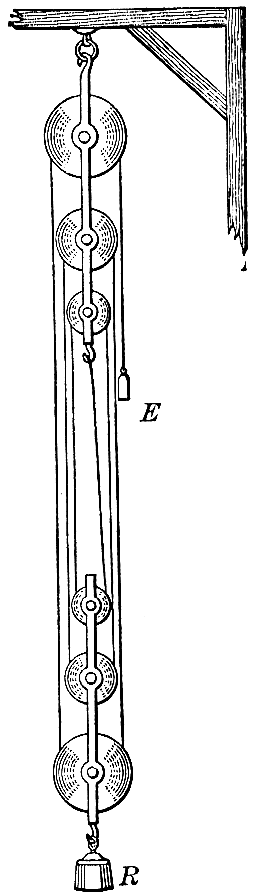
The mechanical advantage was found by counting how many lengths of rope supported the travelling block, not by counting pulleys.
Not applicable.
Counting at the moving block is the practical rule and it is exact. The weight is shared equally among the lengths holding it up, so four lengths means each carries a quarter – which is the whole calculation, available at a glance to anybody standing underneath it.
5. The Anchor Mattered More Than the Tackle
Whatever the tackle was fastened to had to withstand the entire load, and that beam, limb or hook was the part most likely to fail.
Rated and certified.
The anchor is the real risk and it was understood as such. The tackle reduces what the hands must pull but not what the top must hold, so the overhead support is carrying the full weight regardless of how many parts the rope runs in.
6. Rope Was the Consumable and It Was Watched
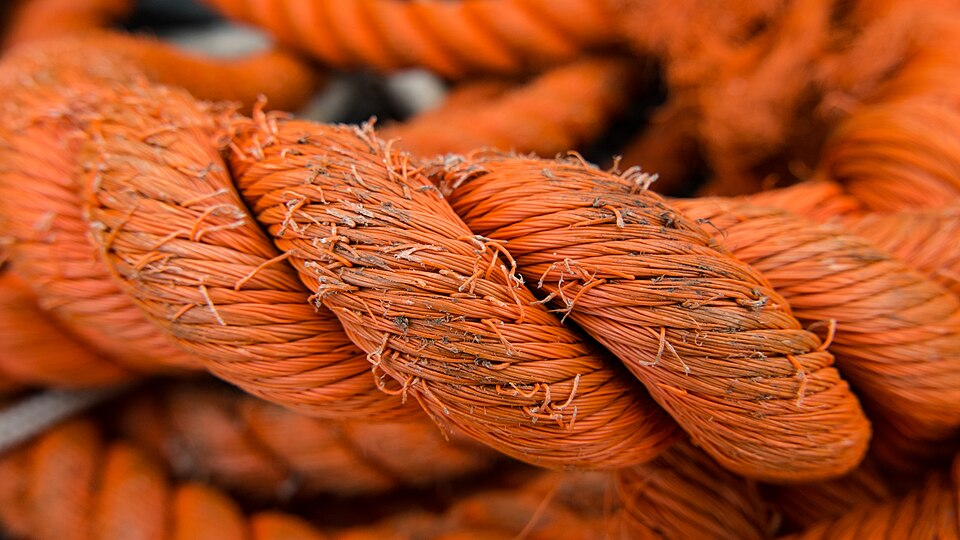
The rope wore where it ran over the sheaves and where it was knotted, and a frayed or stiffened rope was the usual reason to stop.
Replaced on a schedule.
Rope condition was a judgement made constantly and it was the main maintenance task. Fibre rope degrades from flexing, abrasion and damp, and the places it degrades are the places under the most load – which is why inspection concentrated at the sheaves and the knots.
7. Snatch Blocks Let the Rope Be Rerouted
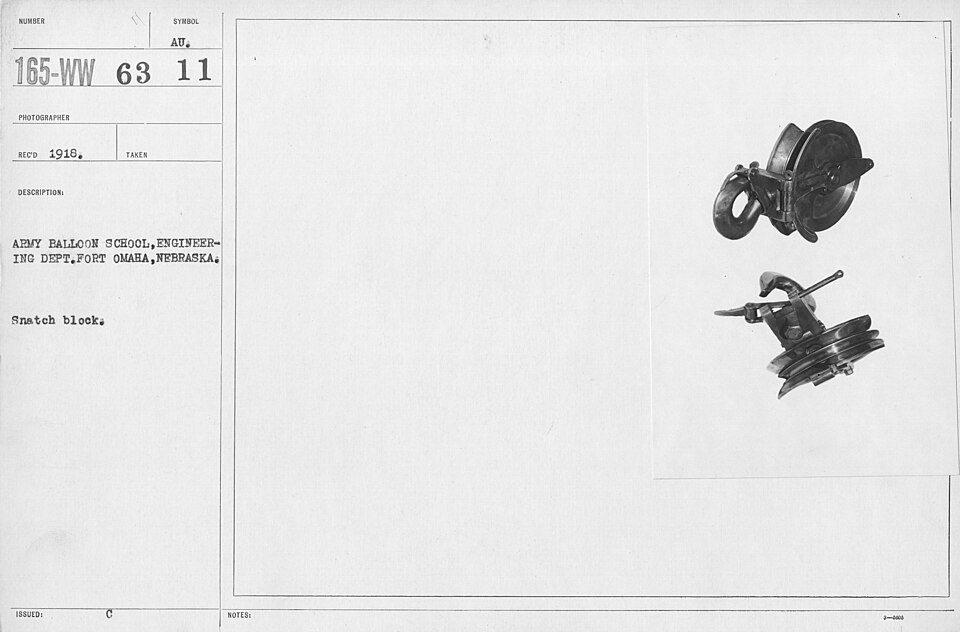
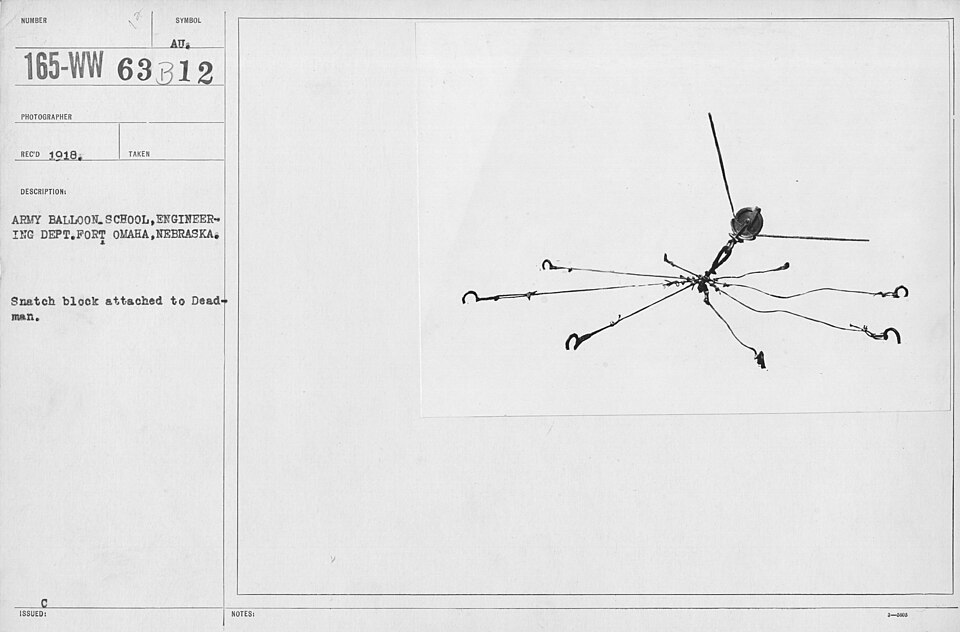
A block that opened on one side could be put onto a rope already in place, which allowed a pull to be turned around a corner or redirected.
Still used.
The side-opening block is a genuinely clever piece of design and it solves a real problem. Threading a long rope through a closed block is slow, so a block you can clip on in the middle of a span lets the direction of a pull be changed without taking anything apart.
8. A Pull Could Be Turned Through Any Angle
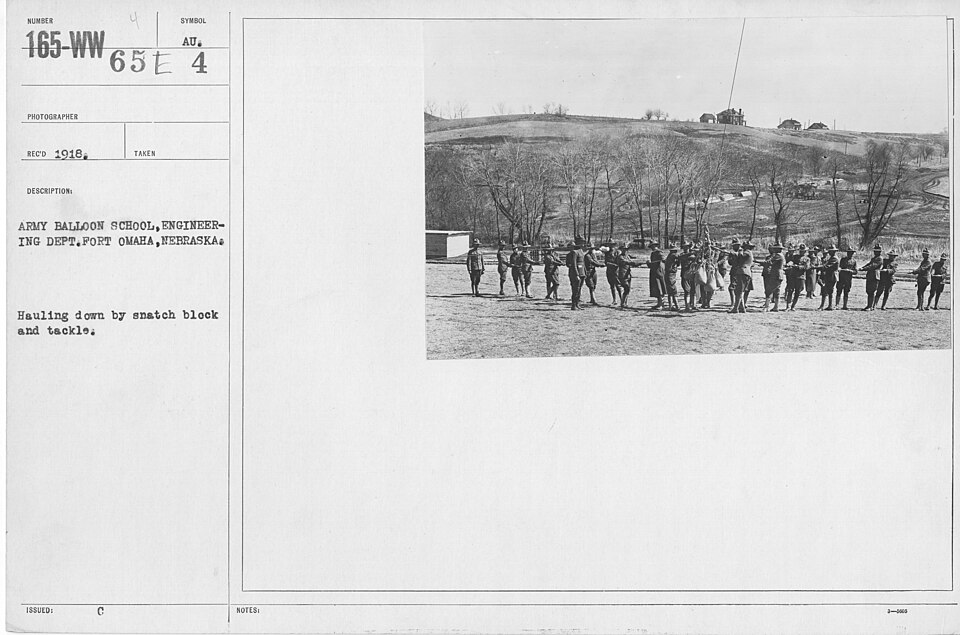
With enough blocks, a horizontal pull from a team or a winch could be converted into a vertical lift, or routed around an obstruction.
Not applicable.
Redirection is what made the arrangement so flexible and it is the reason for the whole kit. The source of the pull rarely stood where the lift needed to happen, so the ability to bend the line meant the power could be applied from wherever there happened to be room.
9. The Hayfork Hoist Was the Best Known Version
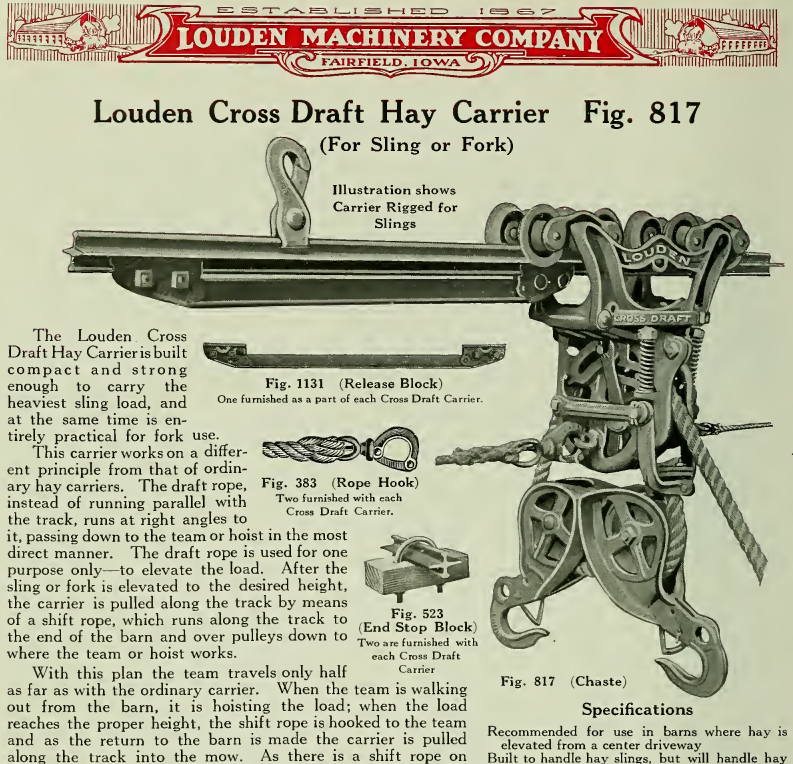
A track under the barn’s peak carried a travelling carriage, and tackle lifted a load from a wagon below and ran it along the track to be dropped.
Not applicable.
The barn installation is the one most people have seen and it is a complete system rather than a tool. A lift and a horizontal traverse combined mean a load can be taken from a vehicle and placed anywhere along the building’s length – which is a materials handling solution built into the architecture.
10. A Horse Usually Supplied the Pull
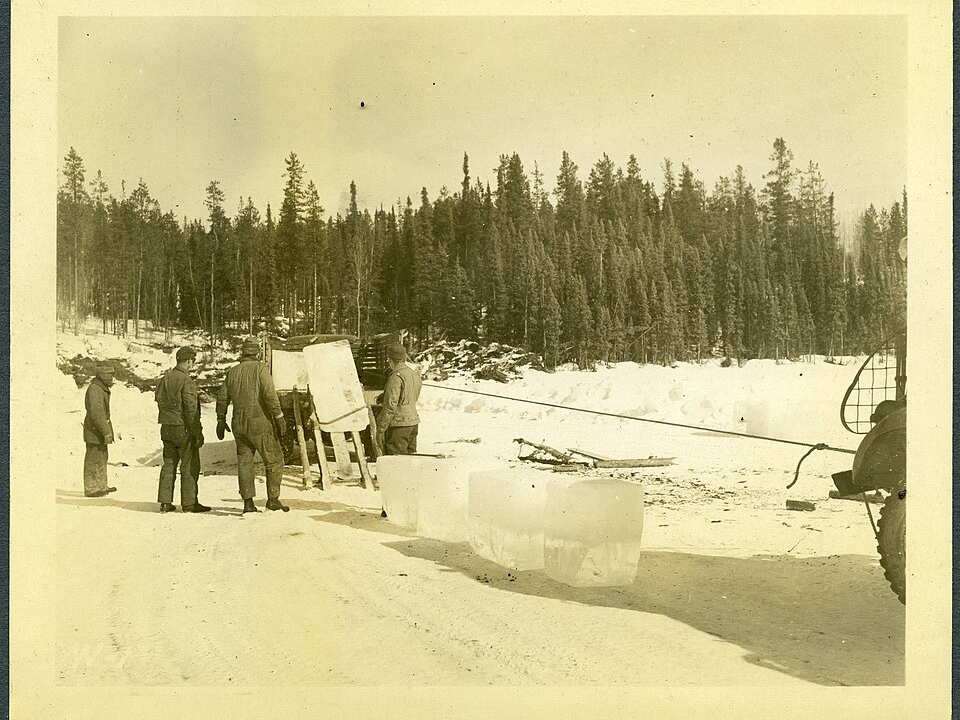
The rope from the tackle commonly ran out of the building to a horse, which walked away to raise the load and backed up to lower it.
Motors.
Using an animal as the power source is the detail that explains the layout of these buildings. A horse pulls steadily in a straight line and cannot work in a confined space, so the rope had to be routed out of the building – which is exactly what the redirecting blocks were for.
11. Loading and Unloading Were Separate Problems
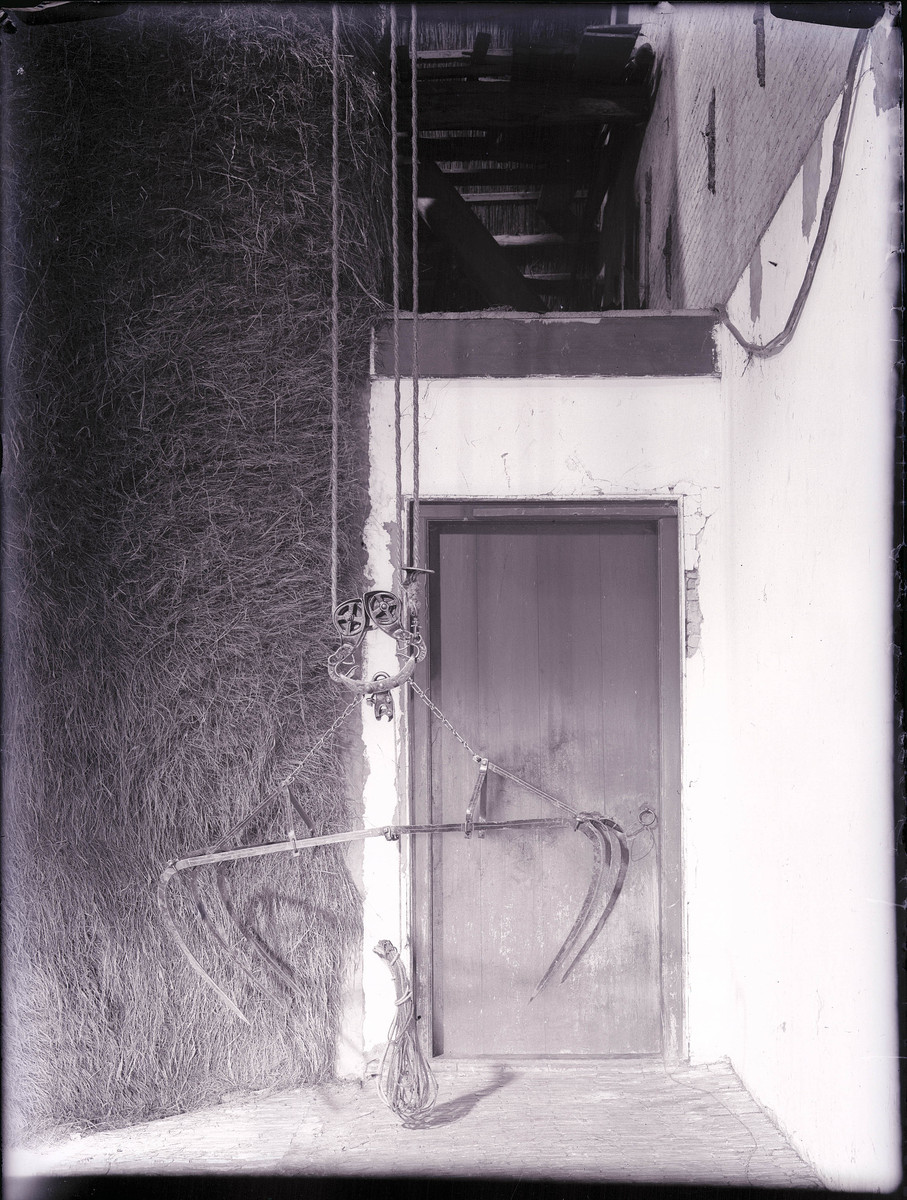
Getting the load off the wagon required a grapple or fork that would grip and release on command, which is a different problem from lifting it.
Mechanised handling.
The gripping mechanism is the part that gets forgotten and it had to work from a distance. A device that holds reliably under load and lets go on a signal from somebody standing well away is a real piece of engineering, independent of the tackle that lifts it.
12. The Same Kit Pulled Stumps and Vehicles
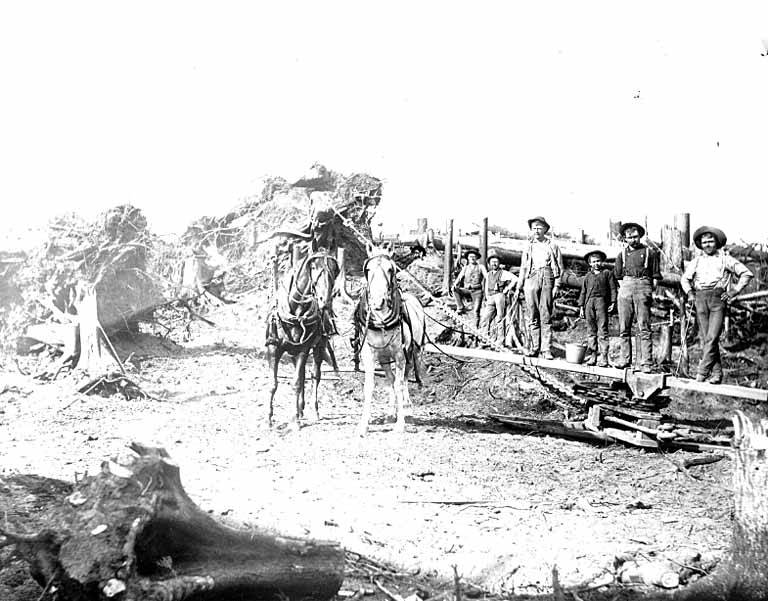
A tackle, a rope and an anchor could be used horizontally to drag a stump, shift a stone or recover a vehicle from a ditch.
Winches.
Horizontal use is where the arrangement earned its keep and it is the same mechanics turned sideways. There is nothing vertical about the principle, so the identical kit that lifted into a loft could multiply a horizontal pull to move something that would not budge.
13. The Load Had to Be Held While Hands Were Changed
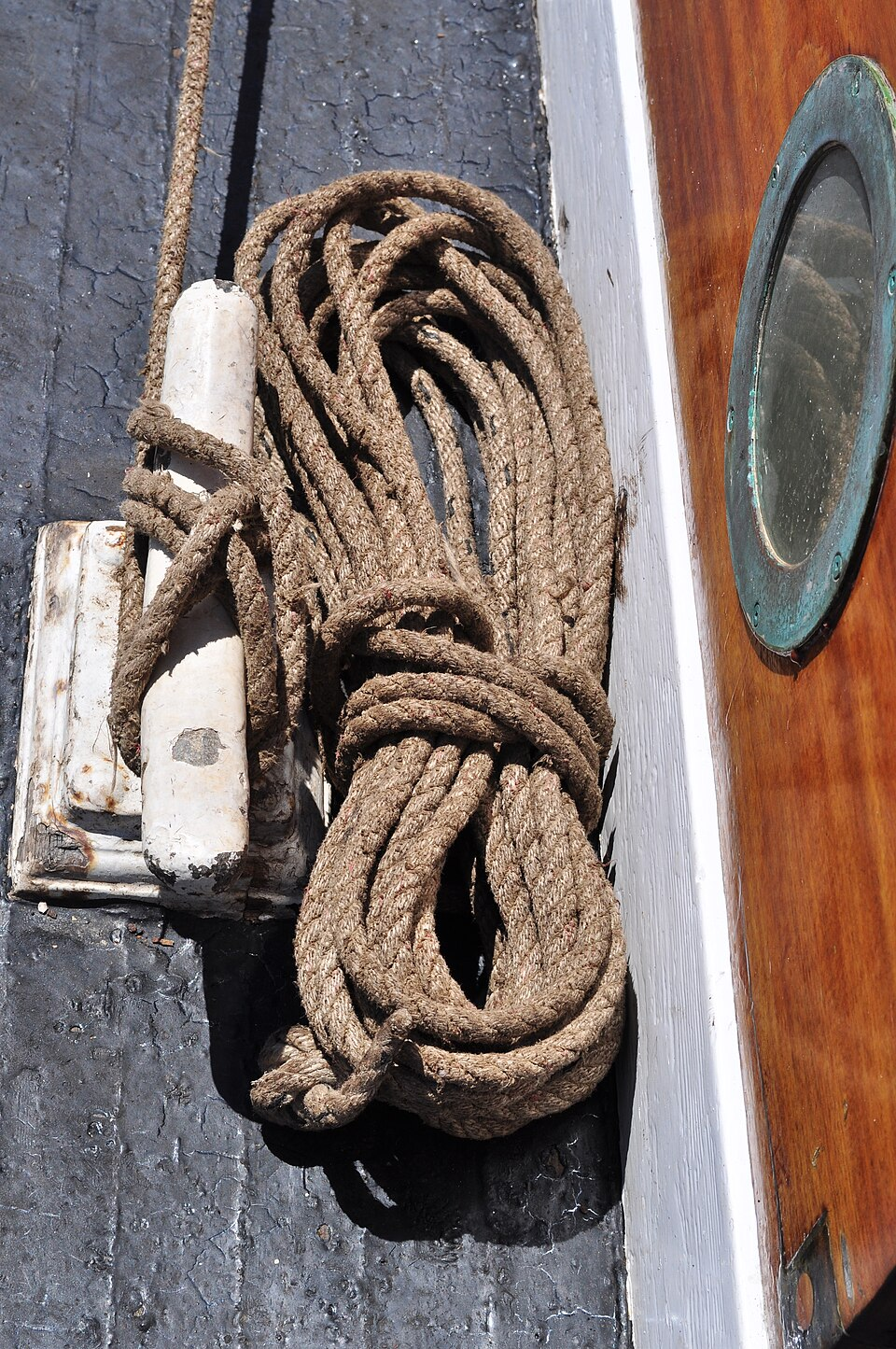
A lift could not always be completed in one pull, so there had to be a way to hold the load at an intermediate height while the rope was repositioned.
Brakes and locks.
Holding partway up is the practical difficulty nobody mentions and the solutions were improvised. A rope under full load cannot simply be let go, so a hitch, a cleat, a turn around a post or a second person was needed before anyone could change their grip.
14. A Failure Released All of the Stored Energy at Once
A rope or anchor that let go under load did not fail gently, and the rope itself became dangerous.
Guarded and rated equipment.
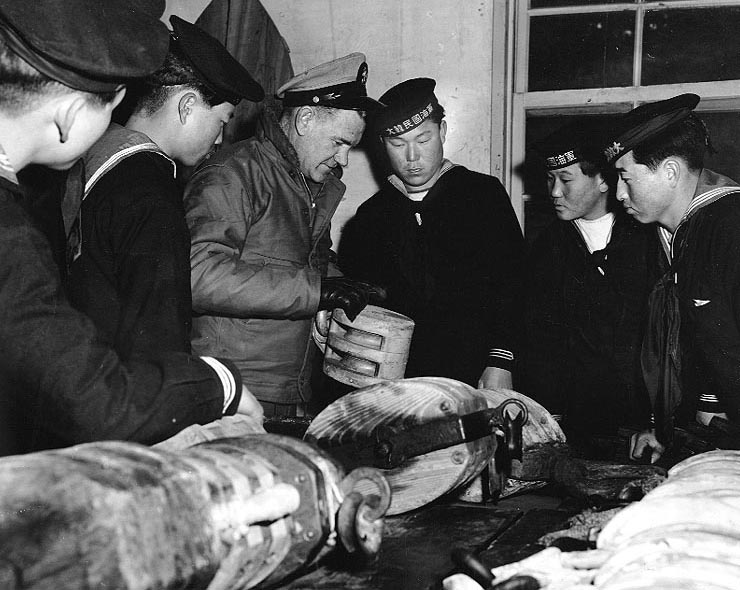
This is the honest safety point and it is why the practice was conservative. A loaded rope holds energy, and when it parts the load falls while the rope moves fast – so sensible practice was to stay out of the line of pull and under nothing suspended.
15. Then the Tractor and the Elevator Made It Unnecessary
Powered elevators, loaders and lifts moved material faster and without the setup, and the tackle’s advantage disappeared.
Universal.
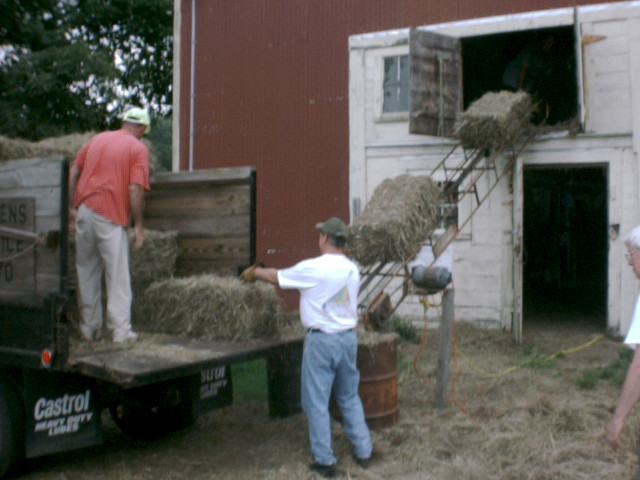
The replacement is straightforward and nobody mourned it. A mechanical advantage that costs rope and time is only worth having when there is no power available – and once an engine could turn a chain, the arithmetic of pulleys stopped mattering.
16. And by 1964 the Blocks Hung in Barns as Fixtures
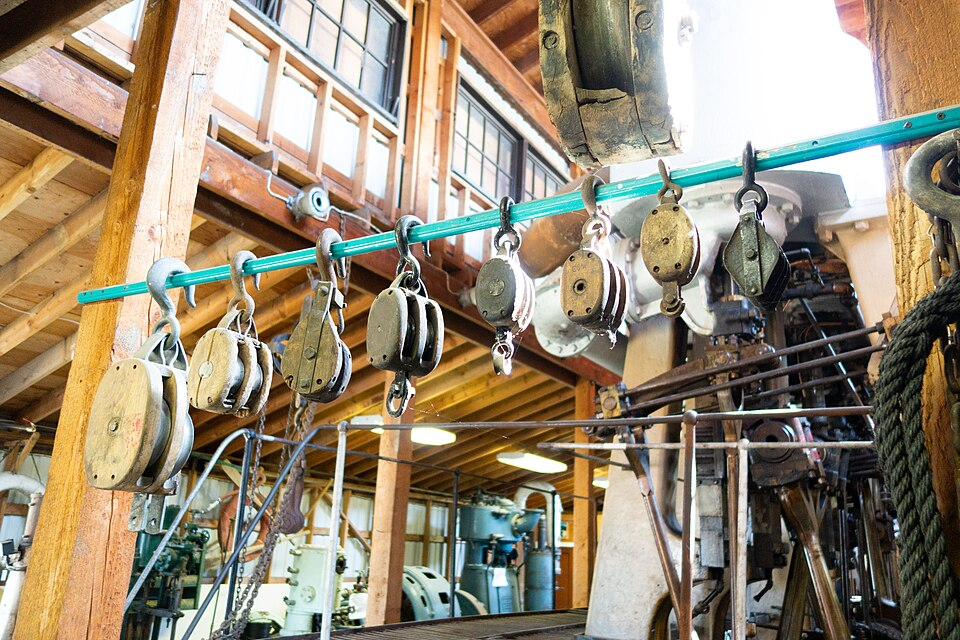
The tracks stayed under barn peaks and the blocks stayed on their hooks long after anything was lifted with them, because nobody had a reason to take them down.
Decorative or scrapped.
And what deserves the last word is that this was arithmetic you could see. A tackle makes the physics visible in a way almost nothing else does – count the lengths of rope holding the travelling block and you have the advantage exactly, with the price stated in the same breath, because every foot the load rises costs as many feet of rope as there are parts. The anchor carries the whole weight no matter how you rig it, the rope is the part that wears and the part that is watched, the redirecting blocks mean the power can come from anywhere there is room for it to come from, and the honest hazard is that a loaded rope stores energy and does not let go gently. All of it was replaced by an engine, which is fair – but an engine hides its reasoning, and a block and tackle hanging from a beam explains itself to anybody willing to count.
It Was Arithmetic You Could Actually See
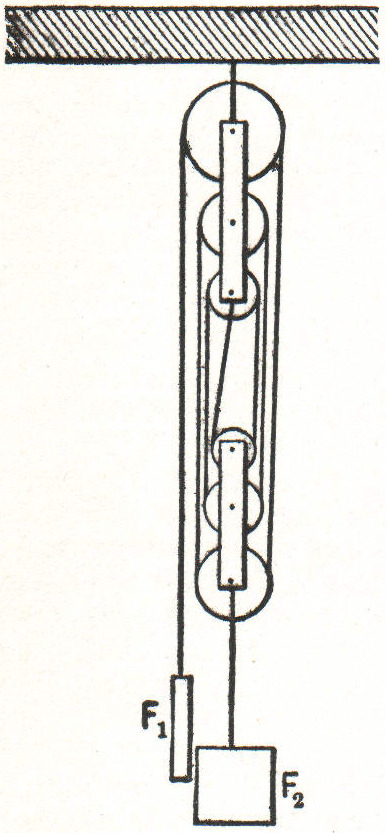
A block and tackle is the most legible machine ever in common use, and it is worth explaining properly because almost nothing else makes its own reasoning so visible.
Begin with what it does not do. It does not create force. It trades distance for force – a long pull with a small effort in place of a short pull with a large one – and the total work is unchanged. Everything else follows from that.
The trade is exact and it is the fact that makes the device intelligible. Double the mechanical advantage and the required pull halves while the rope that must pass through the hands doubles. Lift a load one foot on a four-part arrangement and four feet of rope come in. The gain is paid for in time and in rope length.
It is two blocks, not one, and this is where the confusion usually sits. A single fixed pulley changes only the direction of a pull and gains nothing at all. The advantage comes entirely from the block that travels with the load, because that block is held up by several lengths of rope at once.
Which gives the practical rule: count the lengths supporting the travelling block. Not the pulleys – the ropes. The weight is shared equally among them, so four lengths means each carries a quarter, and that is the entire calculation, available at a glance to anybody standing underneath.
Now the part that mattered most. The anchor carries the full load no matter how the rope is rigged. A tackle reduces what the hands must pull and reduces nothing at all about what the beam, limb or hook above has to hold – so the overhead support was always the component most likely to fail, and it was treated that way.
Rope was the consumable. Fibre rope degrades from flexing, abrasion and damp, and it degrades fastest exactly where the load is highest: over the sheaves and at the knots. So inspection concentrated there, and a stiffened or frayed rope was the ordinary reason to stop work.
Two pieces of design made the thing flexible.
The snatch block, which opens on one side, can be put onto a rope already in place. Threading a long rope through a closed block is slow, so a block you can clip on mid-span lets a pull be turned around a corner without taking anything apart.
And with enough blocks, a pull can be bent through any angle – a horizontal pull from a team or a winch converted into a vertical lift, or routed around an obstruction. That is the reason for the whole kit, because the source of the power almost never stood where the lift had to happen.
The best known installation was the hayfork hoist: a track under the barn’s peak carrying a travelling carriage, with tackle lifting a load from a wagon below and running it along the track to be dropped wherever it was wanted. That is not a tool, it is a materials handling system built into the architecture of the building.
And the power usually came from a horse. The rope ran out of the building to an animal that walked away to raise the load and backed up to lower it – which explains the layout of these barns completely, because a horse pulls steadily in a straight line and cannot work in a confined space. The rope had to leave the building, and the redirecting blocks are what let it.
Two problems get forgotten.
Gripping is separate from lifting. Getting a load off a wagon needs a fork or grapple that holds reliably under load and releases on a signal from somebody standing well clear – a real piece of engineering in its own right, independent of the tackle.
And holding partway up was a genuine difficulty. A lift could not always be finished in one pull, and a rope under full load cannot simply be let go, so a hitch, a cleat, a turn around a post or a second pair of hands was needed before anybody changed grip.
The same kit worked sideways, and that is where it earned its keep. There is nothing vertical about the principle, so the arrangement that lifted into a loft could equally multiply a horizontal pull to drag a stump, shift a stone or recover a vehicle from a ditch.
The honest hazard is worth stating. A loaded rope stores energy, and when a rope or anchor lets go it does not let go gently – the load falls and the rope moves fast. Which is why sensible practice was conservative: stay out of the line of pull, and stand under nothing that is suspended.
Then an engine could turn a chain, and all of it became unnecessary. A mechanical advantage paid for in rope and time is only worth having where there is no power available, so powered elevators and loaders ended the subject without anybody objecting.
The blocks stayed on their hooks and the tracks stayed under the peaks, because nobody had a reason to take them down.
They are worth looking at. An engine hides its reasoning entirely; a block and tackle explains itself to anybody willing to count the ropes.
If you find one hanging in a barn, count the lengths of rope at the moving block.
That number is the whole machine.
Like our content? Follow us for more.