

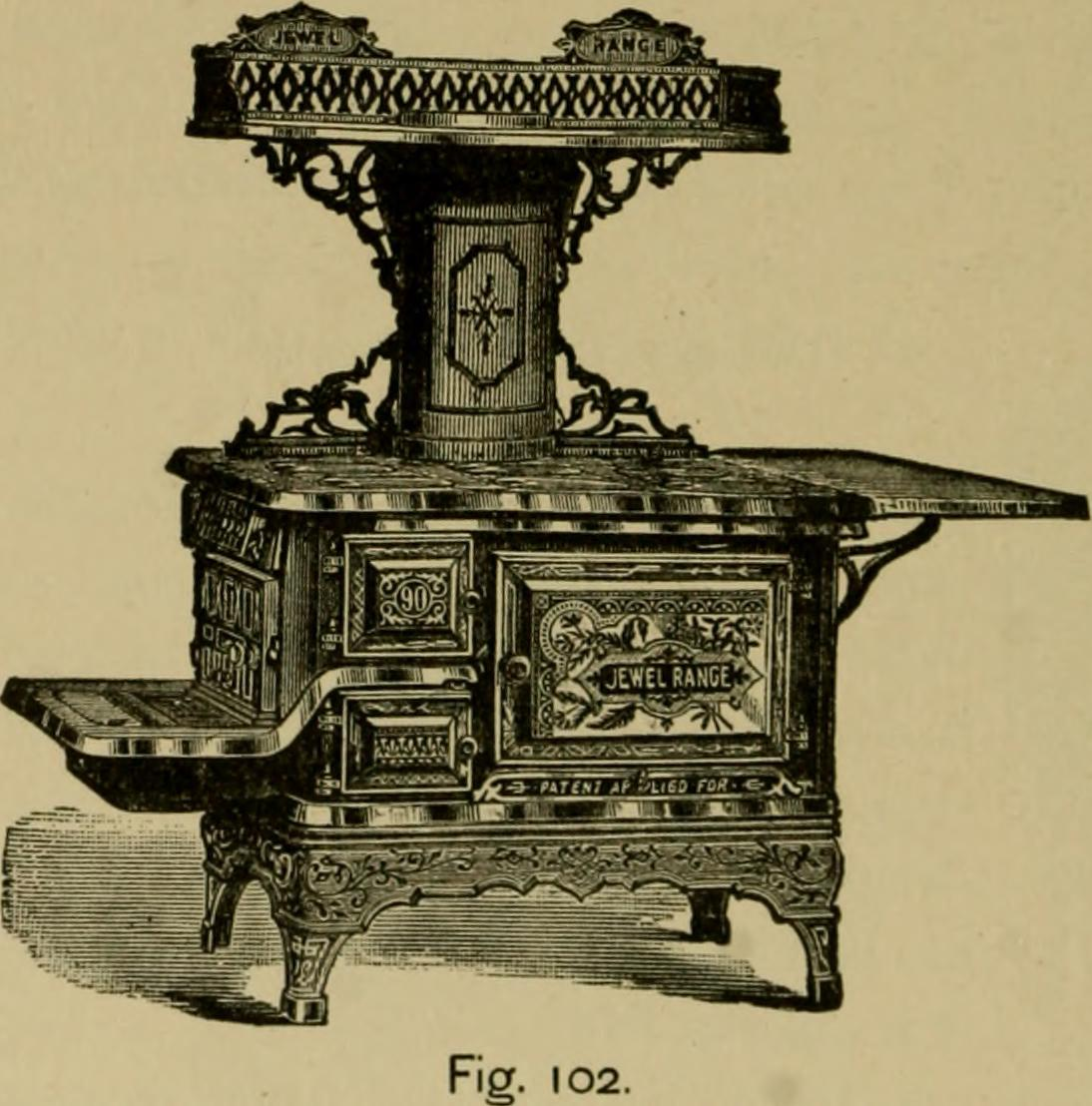
The stove was blacked because bare cast iron rusts.
That is the whole reason, and the job gets remembered as pure decoration because the result was so striking. But a kitchen is the dampest room in the house, cast iron corrodes in damp air, and a surface treatment that keeps moisture off the metal is the only thing standing between the stove and a slow deterioration.
The working ingredient was finely divided graphite, which is the genuinely clever part. Almost any ordinary coating would scorch, smoke and fail on a hot surface – graphite is already carbon in its stable form, so heat does nothing whatever to it. And it was rubbed into the iron rather than laid over it, because a film on a surface that goes cold to hot and back again every day would blister and lift. Here are sixteen things every woman knew.
1. The Stove Had to Be Blacked Because Bare Iron Rusts
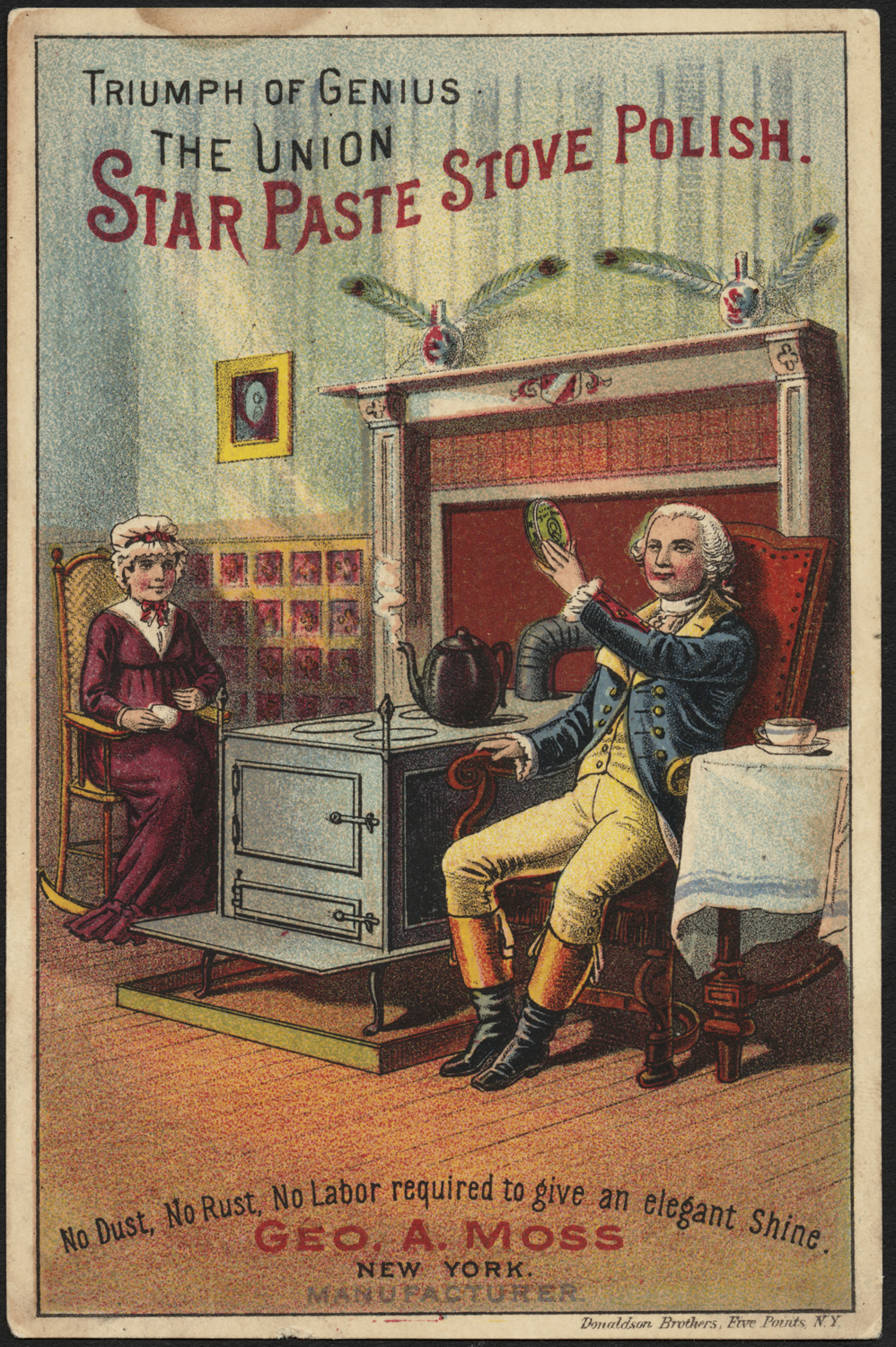
Cast iron left alone in a kitchen full of steam develops surface rust, and the coating was applied to stop it.
Enamel and stainless surfaces that need nothing.
Start with the reason, because the job gets remembered as pure decoration and it was not. A kitchen is the dampest room in the house, cast iron rusts in damp air, and a surface treatment that excludes moisture is the only thing standing between the stove and a slow deterioration.
Like our content? Follow us for more.
2. The Coating Was Graphite, and Graphite Does Not Burn Off
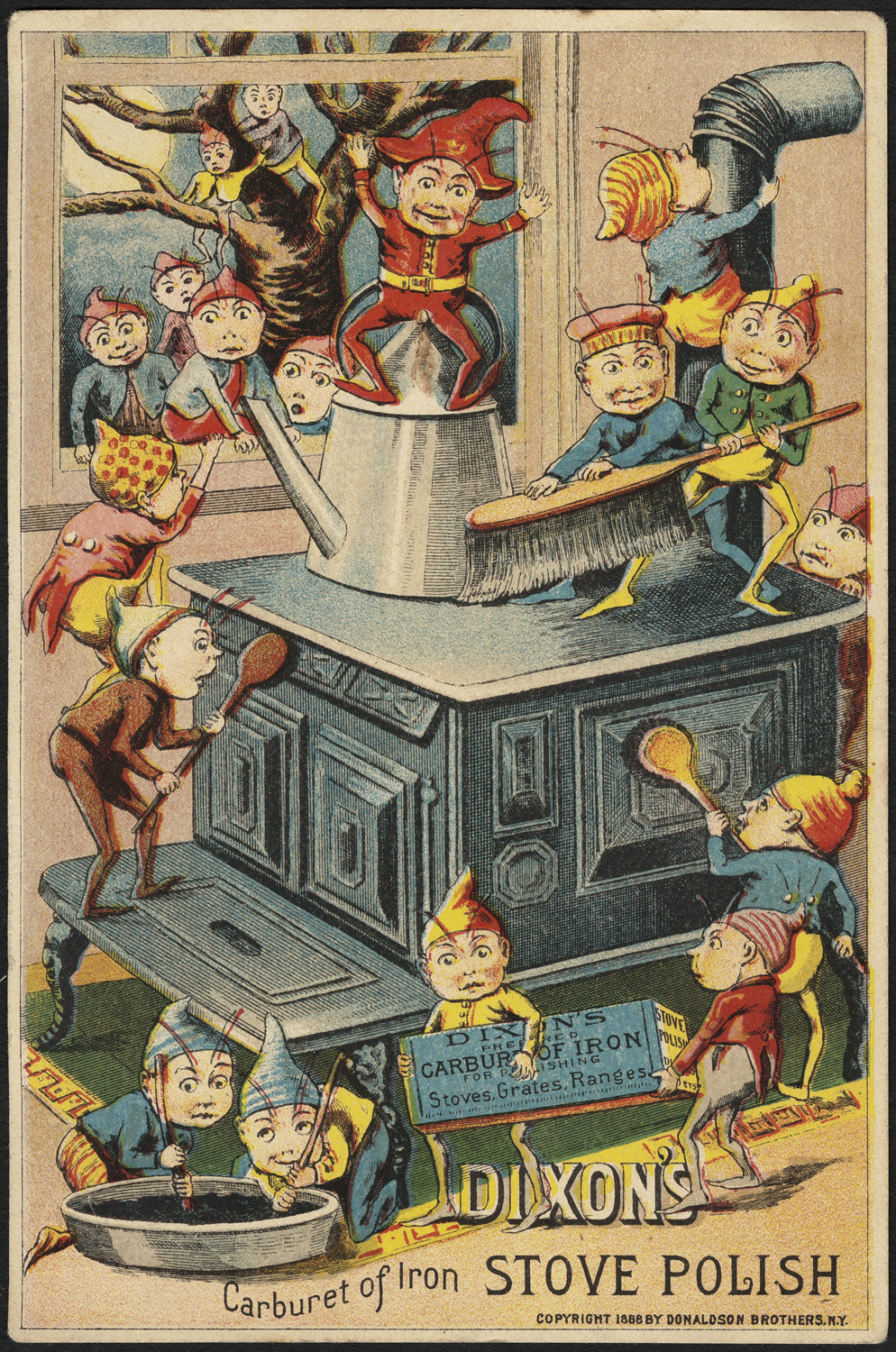
The preparation’s working ingredient was finely divided graphite, which survives the temperatures a stove reaches instead of charring away.
Not applicable.
The choice of material is the clever part and it is a genuine piece of chemistry. Almost any ordinary coating would scorch, smoke and fail on a hot surface – graphite is already carbon in its stable form, so heat does nothing to it at all.
3. It Was Not Paint and It Did Not Form a Film
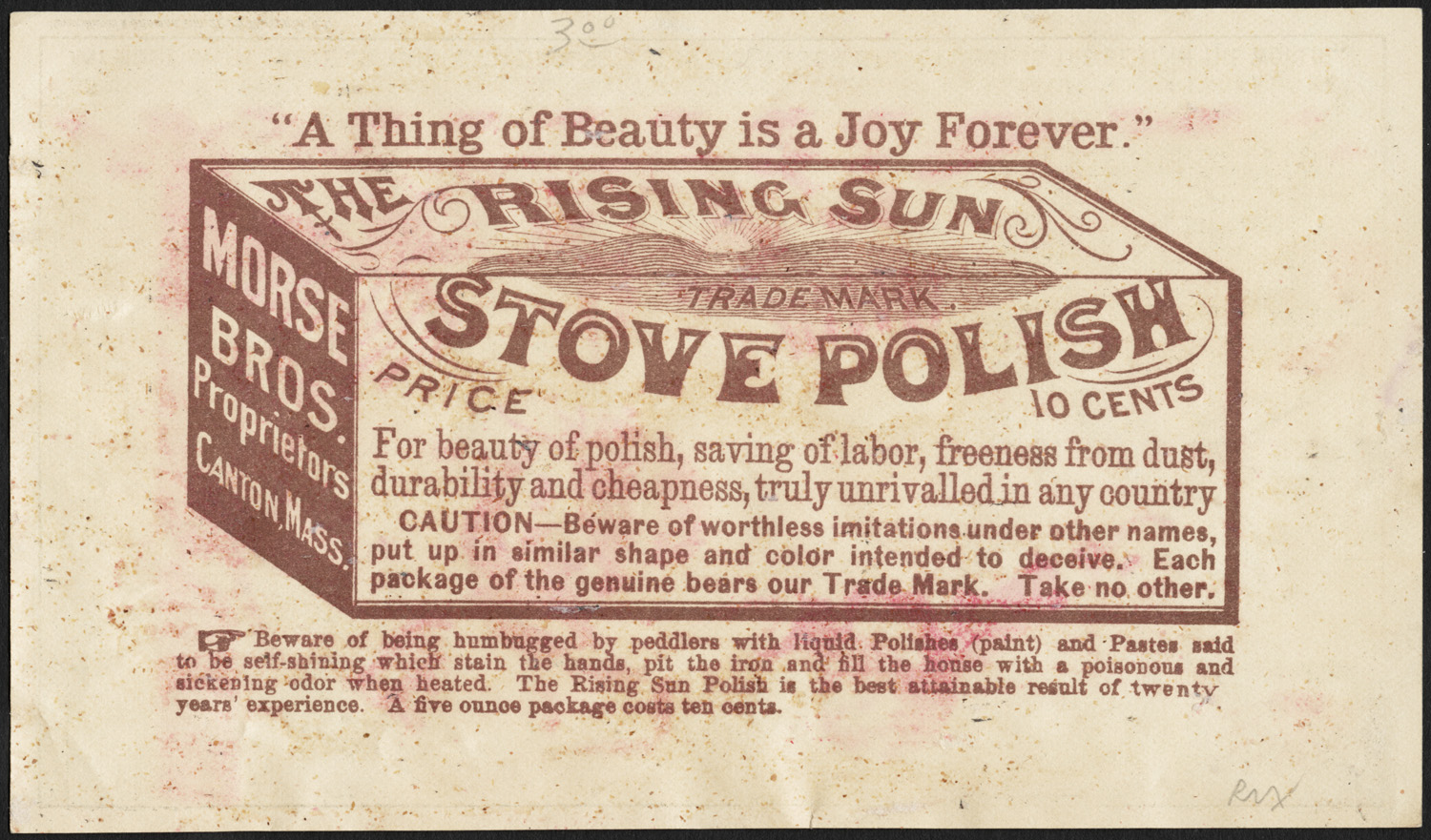
The graphite was rubbed into the iron rather than laid over it, filling the surface and leaving a thin burnished layer bonded to the metal.
Not applicable.
The distinction matters because it explains why the job was done the way it was. A film would blister and peel on a surface that goes from cold to very hot repeatedly, while material worked into the metal’s own texture expands and contracts with it and has nothing to lift off.
4. The Shine Came From Rubbing, Not From the Mixture
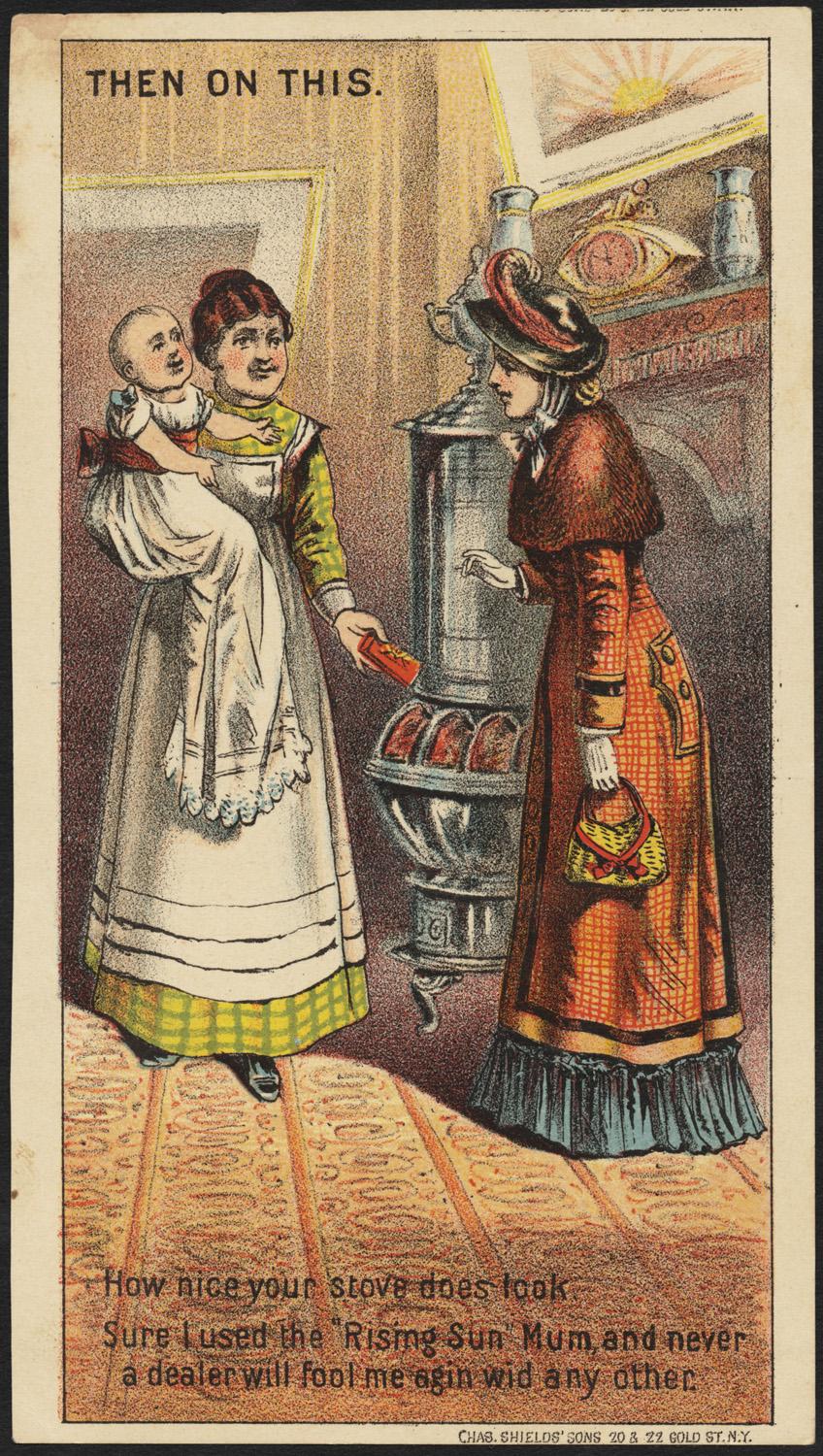
The characteristic deep gloss was produced by burnishing the applied coating with a brush and a cloth until the graphite flattened and reflected.
Not applicable.
This is why the job took so long and it is the part nobody anticipates. Applying the preparation is quick; the appearance everybody remembers is entirely a product of the labour that came afterwards, which means the shine was a direct display of time spent.
5. The Mixture Was Applied to a Barely Warm Stove
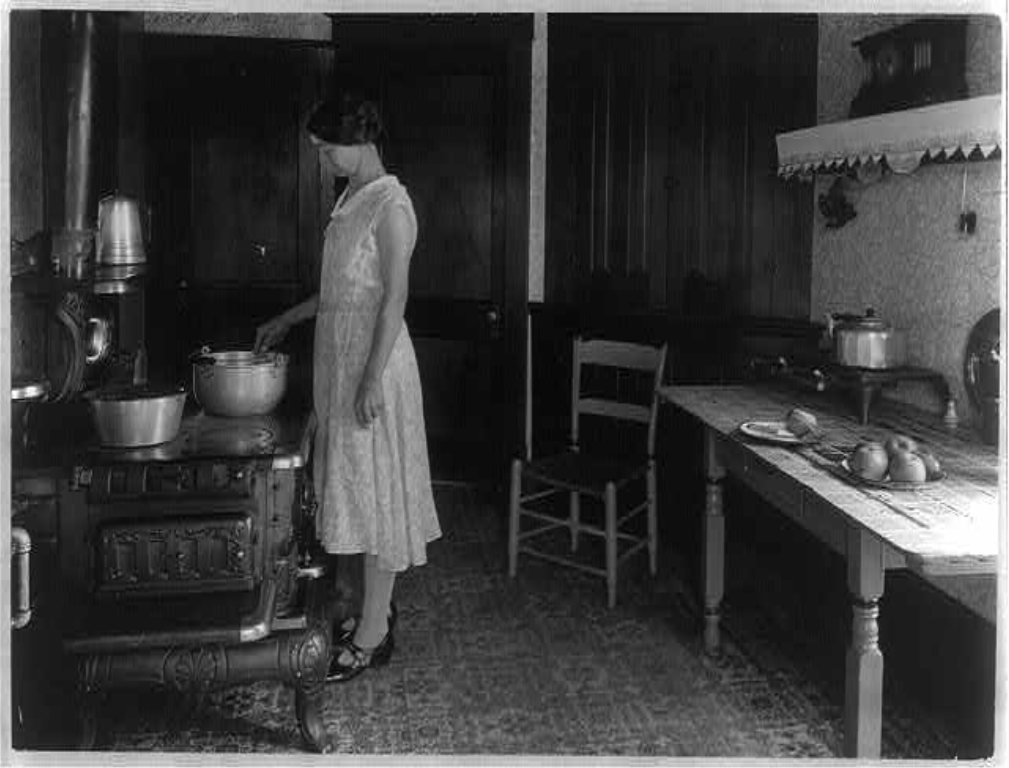
A cold stove took the coating poorly and a hot one dried it before it could be worked, so the job was done as the fire died or before it was lit.
Not applicable.
The temperature window is the kind of practical constraint that organised the whole week. A task that can only be done at one particular stage of the stove’s daily cycle has to be scheduled around the fire, which means the stove dictated when its own maintenance happened.
6. It Was Filthy Work and It Got Everywhere
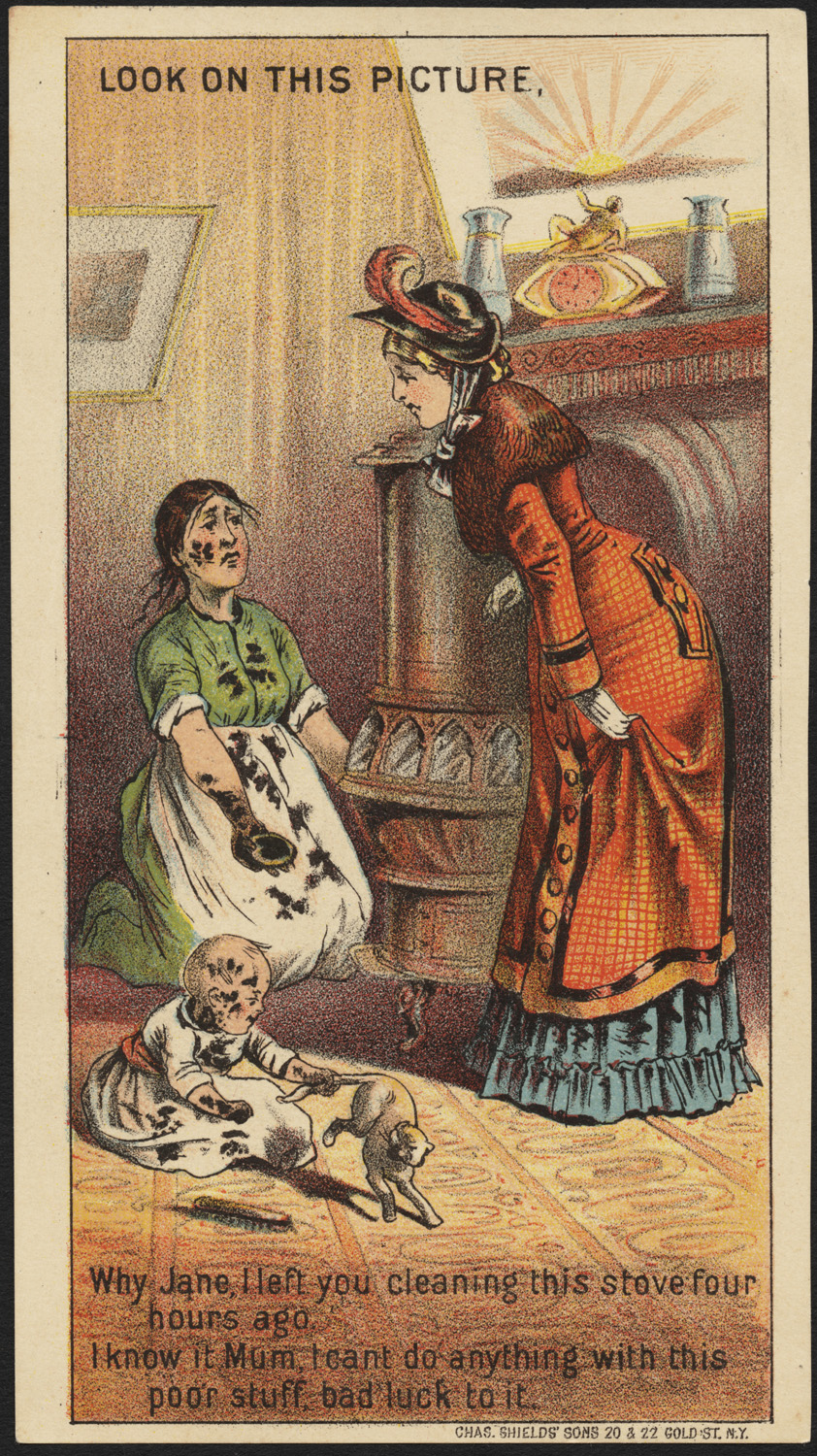
Graphite is a fine black powder that transfers to hands, clothes, cloths and anything nearby, and it does not wash out easily.
Not applicable.
The mess is the honest complaint about this job and it was universal. A fine dark powder applied by hand to a large object in the middle of the kitchen gets onto everything within reach, which is why it was done in old clothes and followed by cleaning the room.
7. The Nickel Trim Was a Completely Separate Job
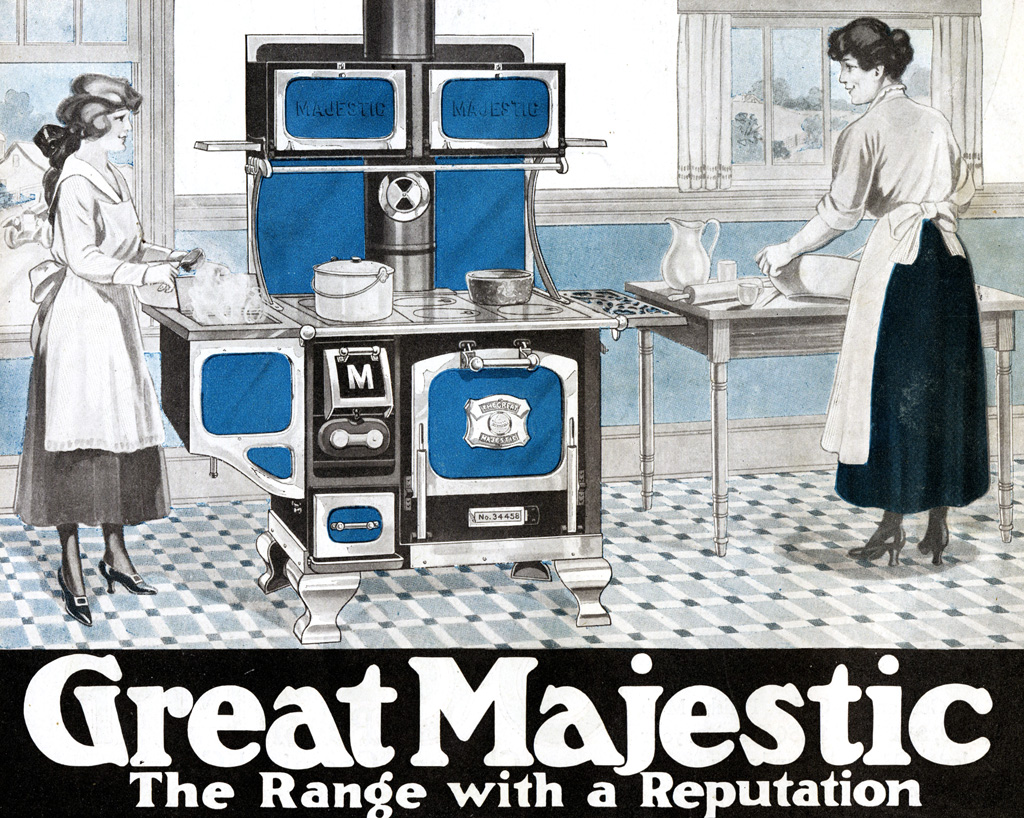
The bright plated parts – rails, handles, doors and ornament – were cleaned with a different preparation and could not be blacked.
Not applicable.
The two-material problem doubled the work and it is a design decision with consequences. Putting bright trim on a black stove means two incompatible surfaces on one object, each requiring its own preparation, its own cloths and its own attention.
8. The Top Was Treated Differently From the Rest
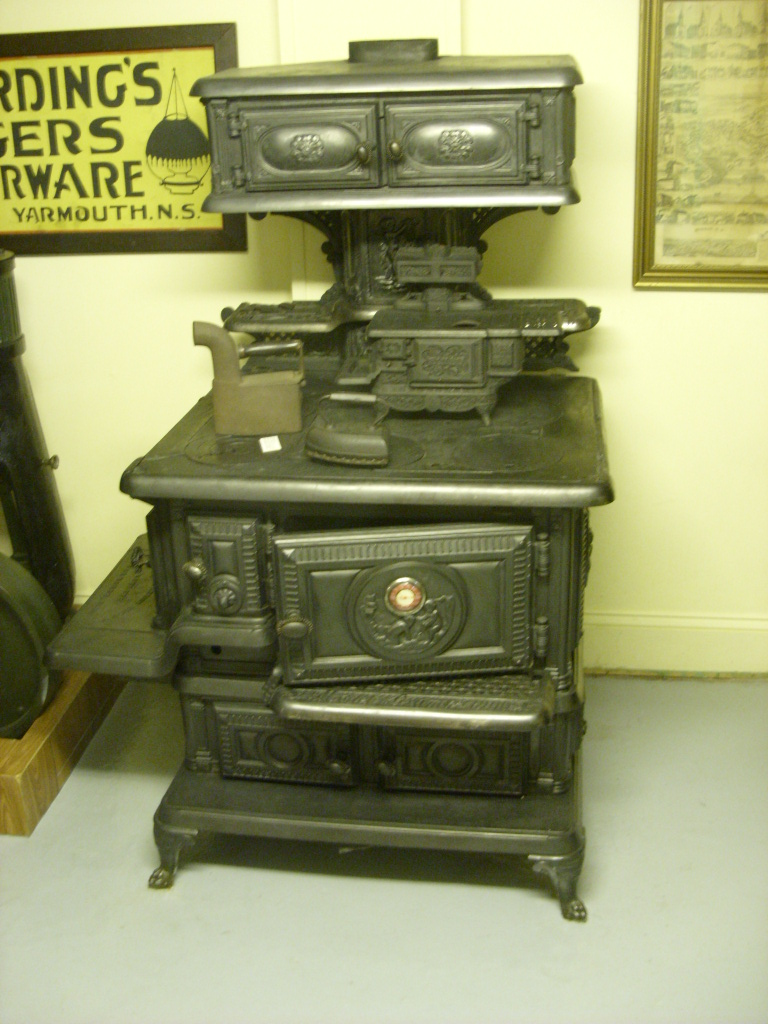
The cooking surface was scraped, scoured and kept clean rather than coated, because anything applied there would come off onto pans.
Not applicable.
Separating the working surface from the decorated one is a sensible division and it reflects what each part is for. The top is a griddle in all but name and has to be clean metal, while the sides and front are furniture and are treated as such.
9. Boiling Over Undid the Work Immediately
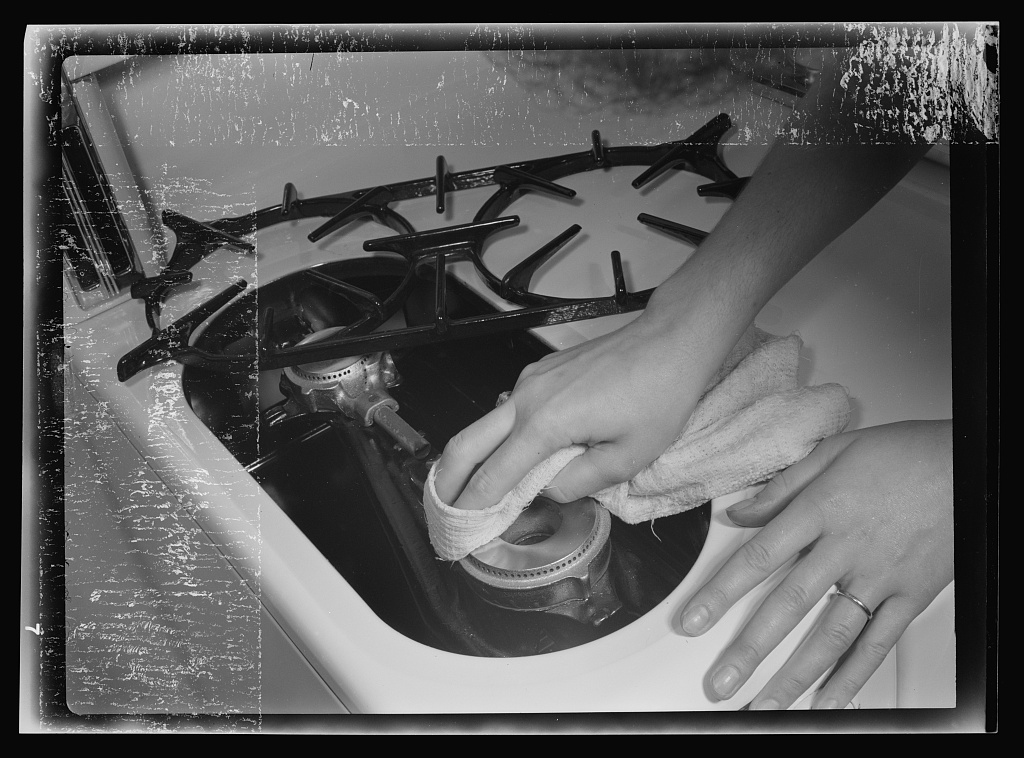
Anything that boiled onto a hot blacked surface burned on, and removing it took off the coating with it.
Wiped clean.
The fragility of the finish explains a great deal of kitchen behaviour and it is not fussiness. If a spill means redoing a long job, then preventing spills becomes a genuine priority – which is why pans were watched and lids were used.
10. How a Stove Looked Was Read as Information About the House
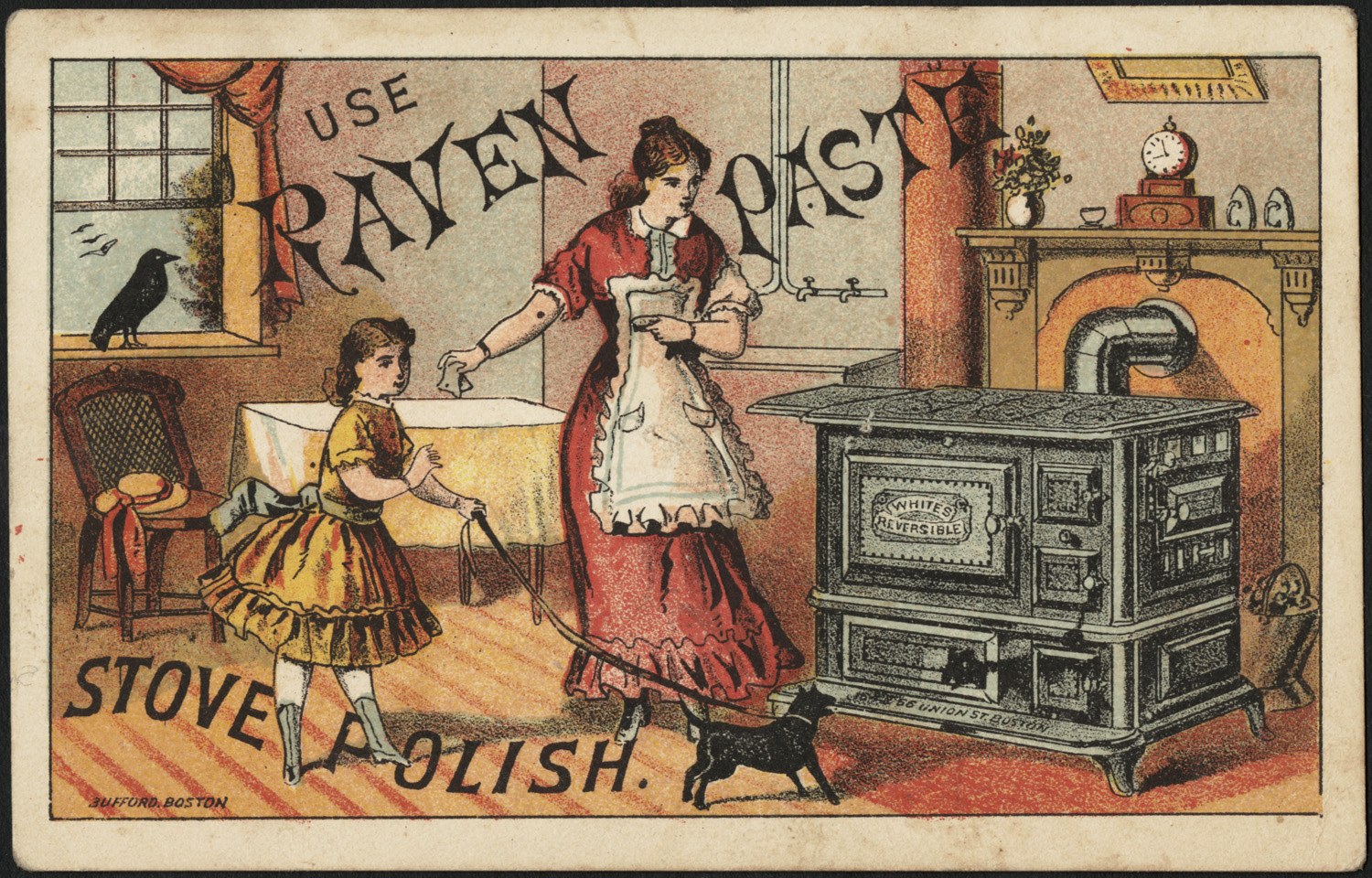
A visibly maintained stove was understood by visitors as evidence of a well-run household, and a neglected one was equally legible.
Not applicable in the same way.
The social dimension is real and it was heavy. Making the most prominent object in the most used room into a public test of somebody’s diligence puts a permanent, visible obligation on one person – and the obligation was recurring rather than occasional.
11. Saturday Was Usually When It Happened
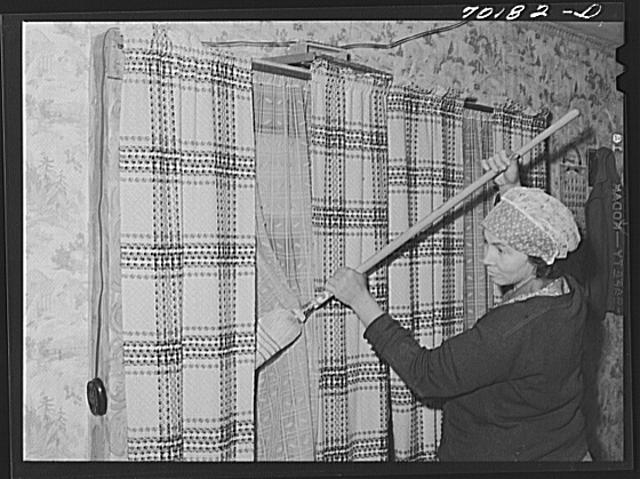
The job was commonly fixed to the end of the week, so that the stove was at its best for Sunday and for anybody who called.
Not applicable.
Fixing the task to a day is the same logic that produced washday and baking day. A recurring job with a known duration is easier to live with on a schedule than as something that might be demanded at any time, so it was given a slot.
12. Children Were Given the Burnishing to Do
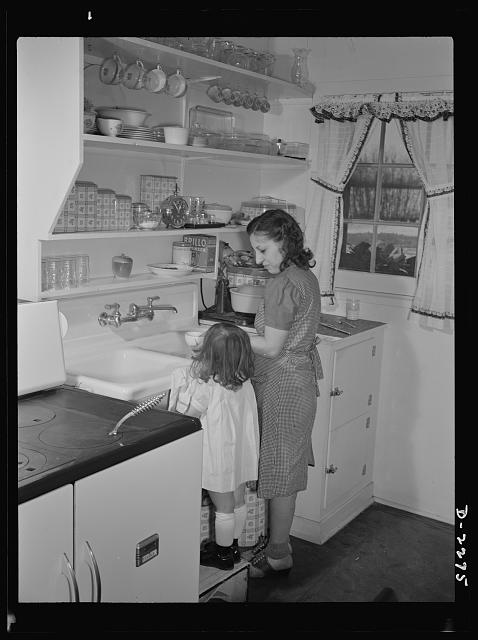
The rubbing stage needed effort rather than judgement, which made it the part handed to whoever was available and least skilled.
Not applicable.
Task division by skill level is consistent across all of this household work and it is rational. The application needed knowing how much and where; the polishing needed only persistence – so it went to the person whose time was least valuable to the household.
13. A Rusted Stove Could Be Brought Back
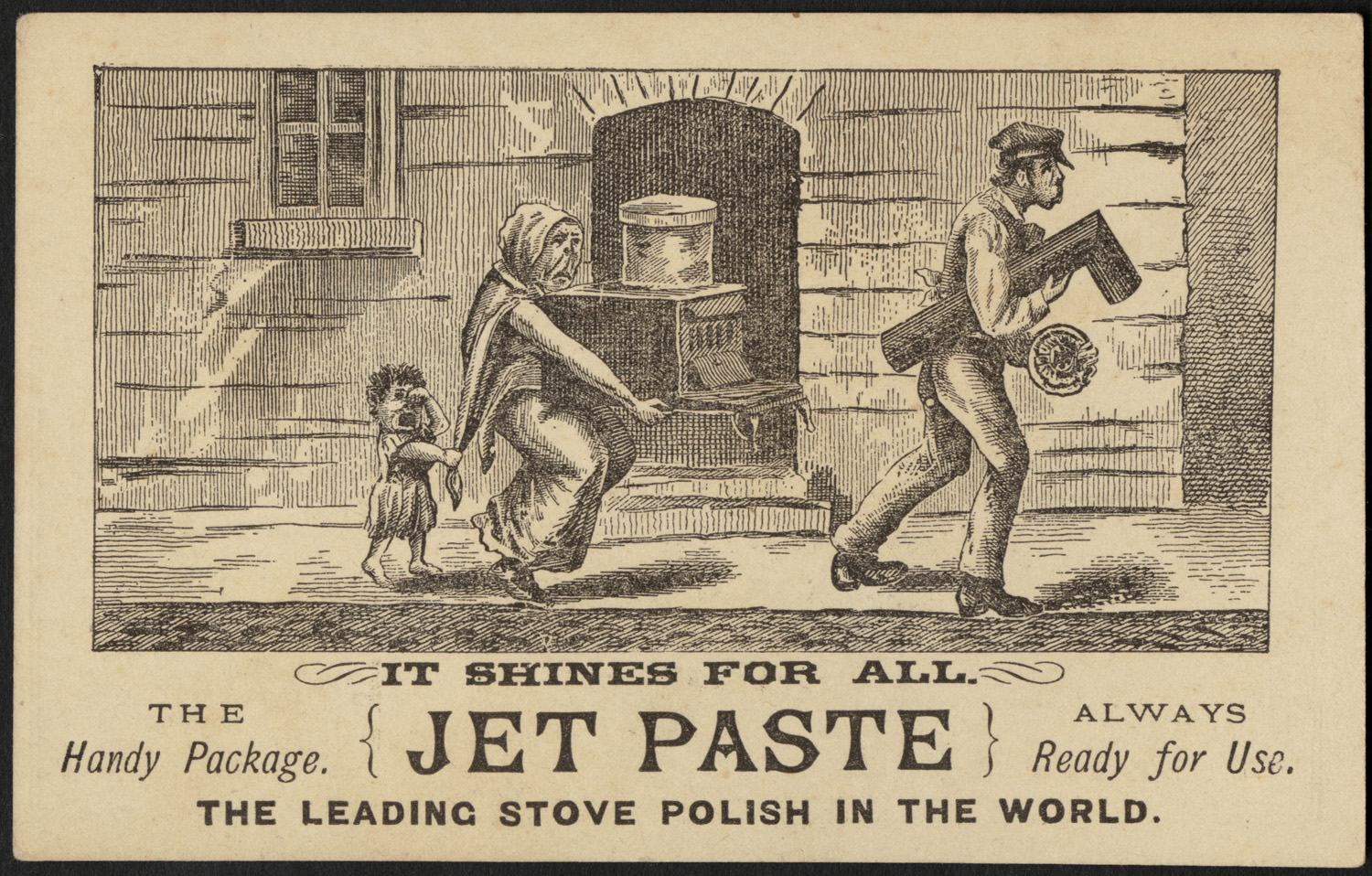
Surface rust was scoured off with an abrasive and the coating reapplied, which restored the stove rather than condemning it.
Not applicable.
Recoverability is the reason this maintenance regime made sense and it is worth noting. The damage the coating prevents is superficial and reversible, so a neglected stove is a job rather than a loss – which is a very different relationship with an appliance than people have now.
14. Then Enamel Arrived and Ended the Whole Practice
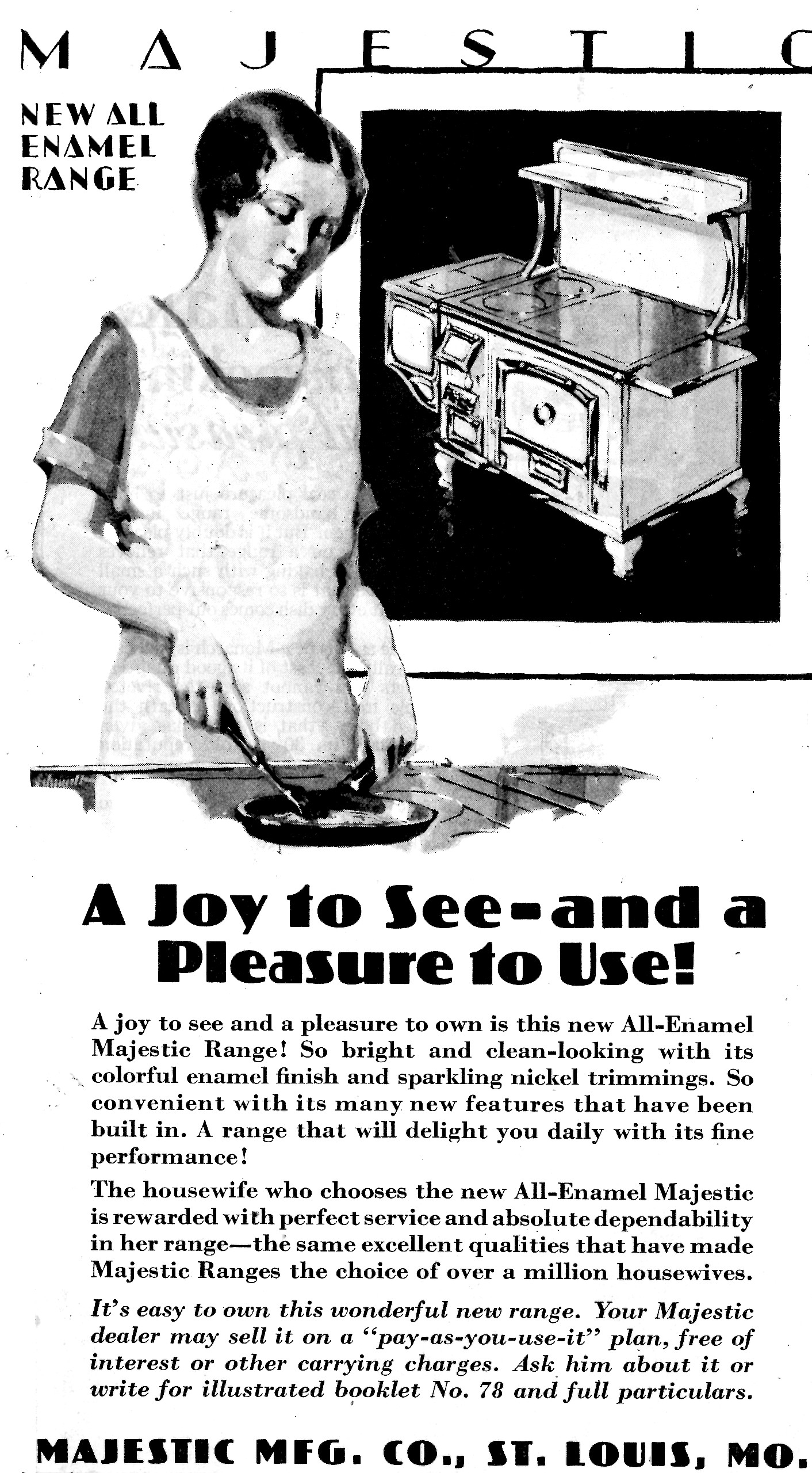
Stoves finished in fused enamel could be wiped with a cloth, needed no coating and did not rust, which removed the task completely.
Universal.
This is the decisive change and it was received as an enormous relief. A surface that is cleaned rather than maintained eliminates a recurring hours-long job entirely, and the enthusiasm for enamel in its first years makes complete sense once you know what it replaced.
15. The Tins and Brushes Stayed in the Cupboard Afterwards
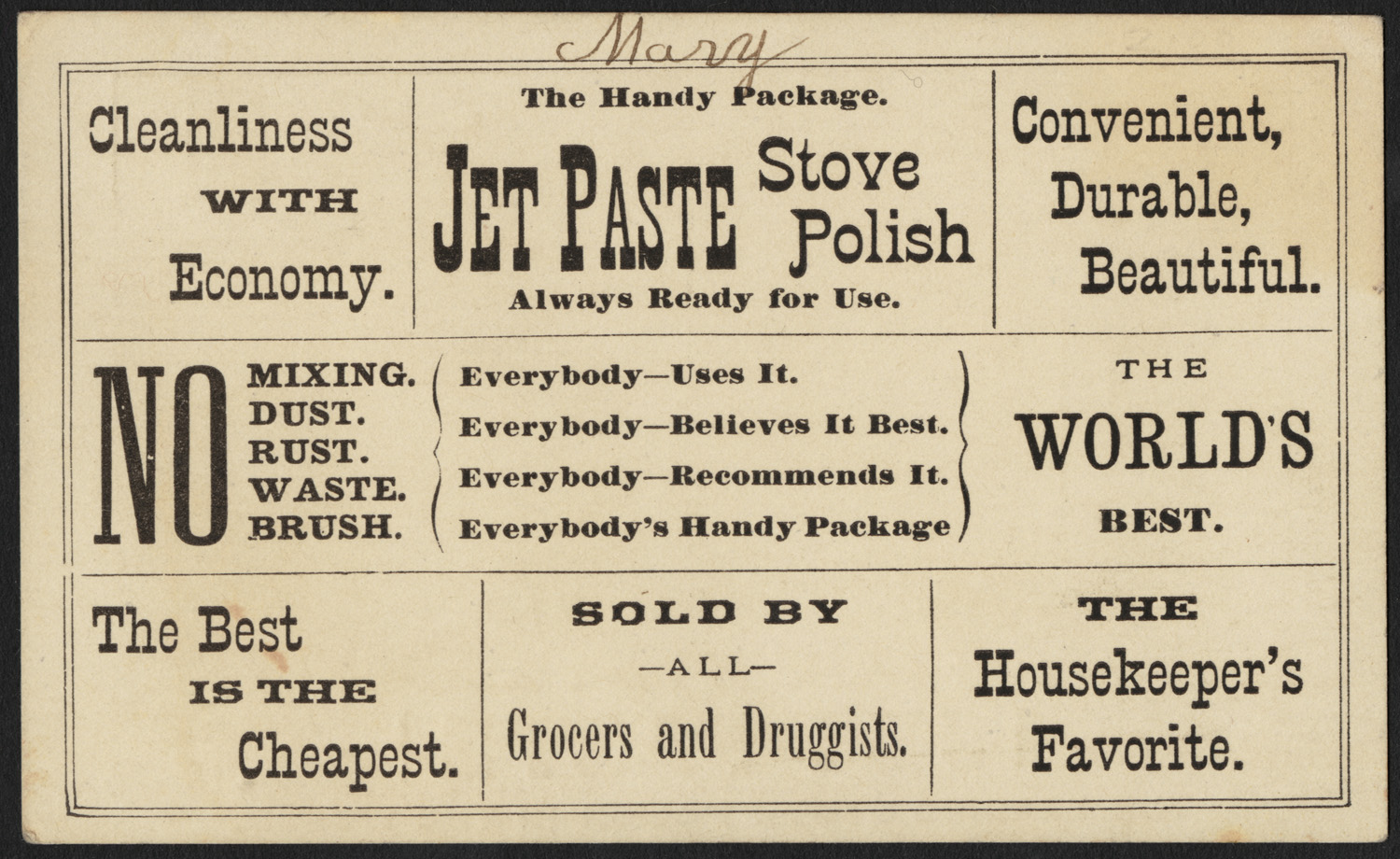
Long after the last stove was blacked, the preparation and its brushes remained in houses because nobody threw out something that might be needed.
Not applicable.
What stayed behind is the useful evidence and it turns up constantly. A tin of stove polish in the back of a cupboard is the physical remainder of a weekly job that disappeared, and the brushes are shaped for a task nobody now recognises.
16. And by 1964 It Was Only a Memory of Black Hands
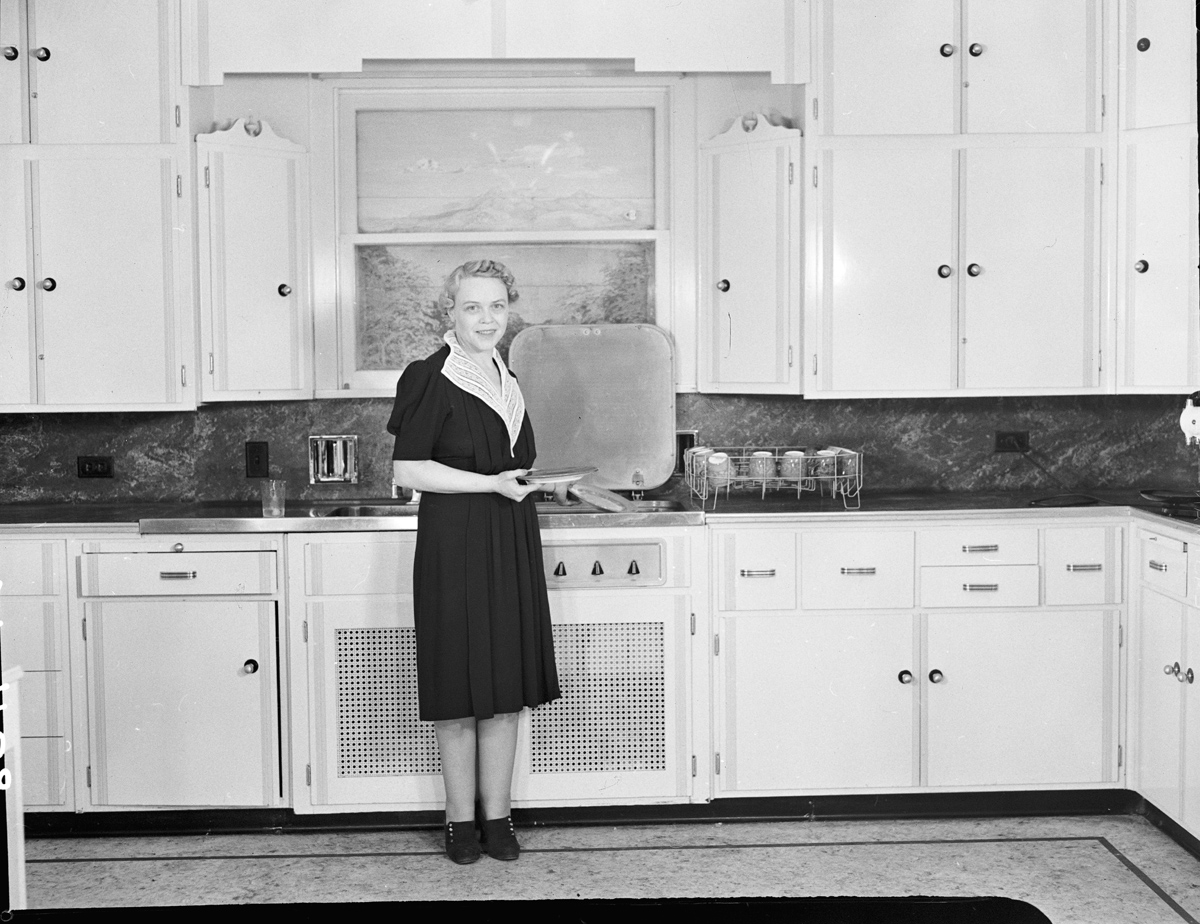
The practice had ended, and what survived was the recollection of the smell, the mess and the hours rather than any understanding of why it was done.
Gone entirely.
And what deserves the last word is that this was corrosion control and not housekeeping vanity. Cast iron in the dampest room of the house rusts, and the answer was graphite – carbon in a form heat cannot touch – rubbed into the metal’s own surface rather than laid over it as a film that would blister. The deep shine everybody remembers was not in the tin; it came entirely out of the burnishing, which is why the job took hours and why a gleaming stove was read as a direct statement about how much time somebody had spent. It could only be done in a narrow window as the fire died, it had to be redone whenever a pan boiled over, the bright trim needed an entirely different preparation, and the cooking surface could not be coated at all. Then enamel arrived and the entire regime became unnecessary in a single step, which is exactly why nobody fought to keep it.
It Was Corrosion Control and It Was Replaced in One Step
Blacking the stove sounds like the purest example of pointless household labour, and it is better understood as a corrosion problem with a well-chosen solution.
The reason first. A kitchen is the dampest room in the house, cast iron rusts in damp air, and the coating exists to exclude moisture from the metal. The appearance is a by-product of a treatment that had a real job to do.
The material was the right one. The working ingredient was finely divided graphite, and that choice is a genuine piece of chemistry: almost any ordinary coating scorches, smokes and fails on a surface that gets hot, while graphite is already carbon in its stable form and heat does nothing at all to it.
It was also applied in the right way. The graphite was rubbed into the iron rather than laid over it, filling the surface and leaving a thin burnished layer bonded to the metal. A film would blister and peel on something cycling from cold to very hot every day; material worked into the metal’s own texture expands with it and has nothing to lift off.
Now the part that explains the hours. The deep gloss everybody remembers was not in the tin. It came from burnishing the applied coating with a brush and a cloth until the graphite flattened and reflected – so the application was quick and the appearance was entirely a product of the labour afterwards. Which means a gleaming stove was a direct, visible statement about how much time somebody had spent on it.
Three constraints made the job harder than it needed to be.
It had a temperature window. A cold stove took the coating poorly and a hot one dried it before it could be worked, so it had to be done as the fire died or before it was lit – the stove dictated when its own maintenance could happen.
It was filthy. Graphite is a fine black powder that transfers to hands, clothes, cloths and anything within reach, and it does not wash out, so the job was done in old clothes and followed by cleaning the room.
And the stove was two incompatible surfaces on one object. The bright plated trim – rails, handles, doors, ornament – could not be blacked and needed its own preparation and its own cloths, which doubled the work. The cooking top was a third case again: scraped and scoured rather than coated, because anything applied there would come off onto pans. The top is a griddle in all but name and has to be clean metal; the sides and front are furniture.
Then there was the fragility. Anything that boiled onto a hot blacked surface burned on, and removing it took the coating with it – which explains a great deal of kitchen behaviour that otherwise looks like fussiness. If a spill means redoing a long job, watching pans and using lids becomes a real priority.
The social weight was heavy and should be said plainly. A visibly maintained stove was read by visitors as evidence of a well-run household, and a neglected one was just as legible. Making the most prominent object in the most used room into a public test of one person’s diligence puts a permanent, recurring obligation on her – not an occasional one.
So it was given a day. Saturday, usually, so the stove was at its best for Sunday and for anybody who called – the same logic that produced washday and baking day, because a recurring job with a known duration is easier to live with on a schedule than as something that might be demanded at any moment.
And it was divided by skill. The application needed judgement about how much and where; the burnishing needed only persistence, so the rubbing went to whoever was available and least skilled, which usually meant a child. That division runs through all of this household work and it is entirely rational.
One more thing is worth noticing: a neglected stove was recoverable. Surface rust scoured off and the coating went back on, so a rusted stove was a job rather than a loss. That is a very different relationship with an appliance than anybody has now.
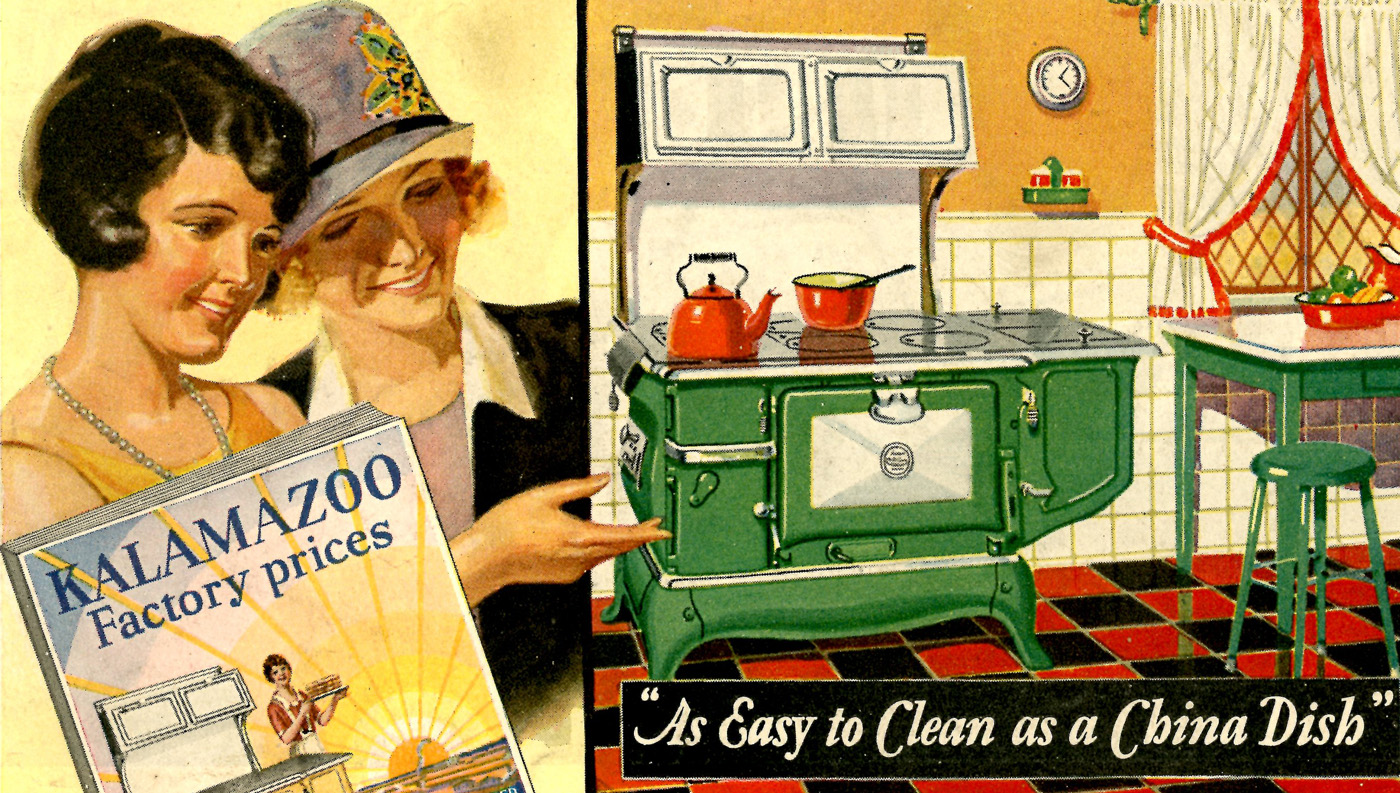
Then enamel arrived. A fused enamel surface is wiped with a cloth, needs no coating and does not rust – which removed a weekly multi-hour task completely, in one step. The enthusiasm for enamel stoves in their first years makes perfect sense once you know what they replaced.
What stayed behind was the tins and the brushes, in the backs of cupboards, because nobody throws out something that might be needed. The brushes are shaped for a task that nobody now recognises.
That is the honest summary. Graphite, chosen because heat cannot touch it, rubbed into iron rather than laid on it, with the shine coming entirely out of somebody’s arms – and then made unnecessary at a stroke by a surface that could simply be wiped.
Nobody fought to keep it, and nobody should have.
If you find a tin of it at the back of a cupboard, look at the brush beside it.
That brush is shaped for hours of work that nobody does any more.
Like our content? Follow us for more.
