Every farm had one chain that was trusted and several that were not.
The good one was known by sight and kept where it could be found. The questionable ones got the jobs where a failure would not matter much. And that ranking tells you how the thing was actually regarded – a chain whose history was known, where it came from, what it had pulled, whether it had ever been snatched, was a different object from one that merely looked the same.
Because a chain is strong only where it is weakest. The capacity of the whole length is the capacity of its poorest link, which means one damaged link makes the entire chain a short chain. Most things degrade gradually and keep working at reduced capacity; a chain does not average out at all. Here are fifteen things every farmer knew.
1. Every Farm Had One Chain That Was Trusted and Several That Were Not
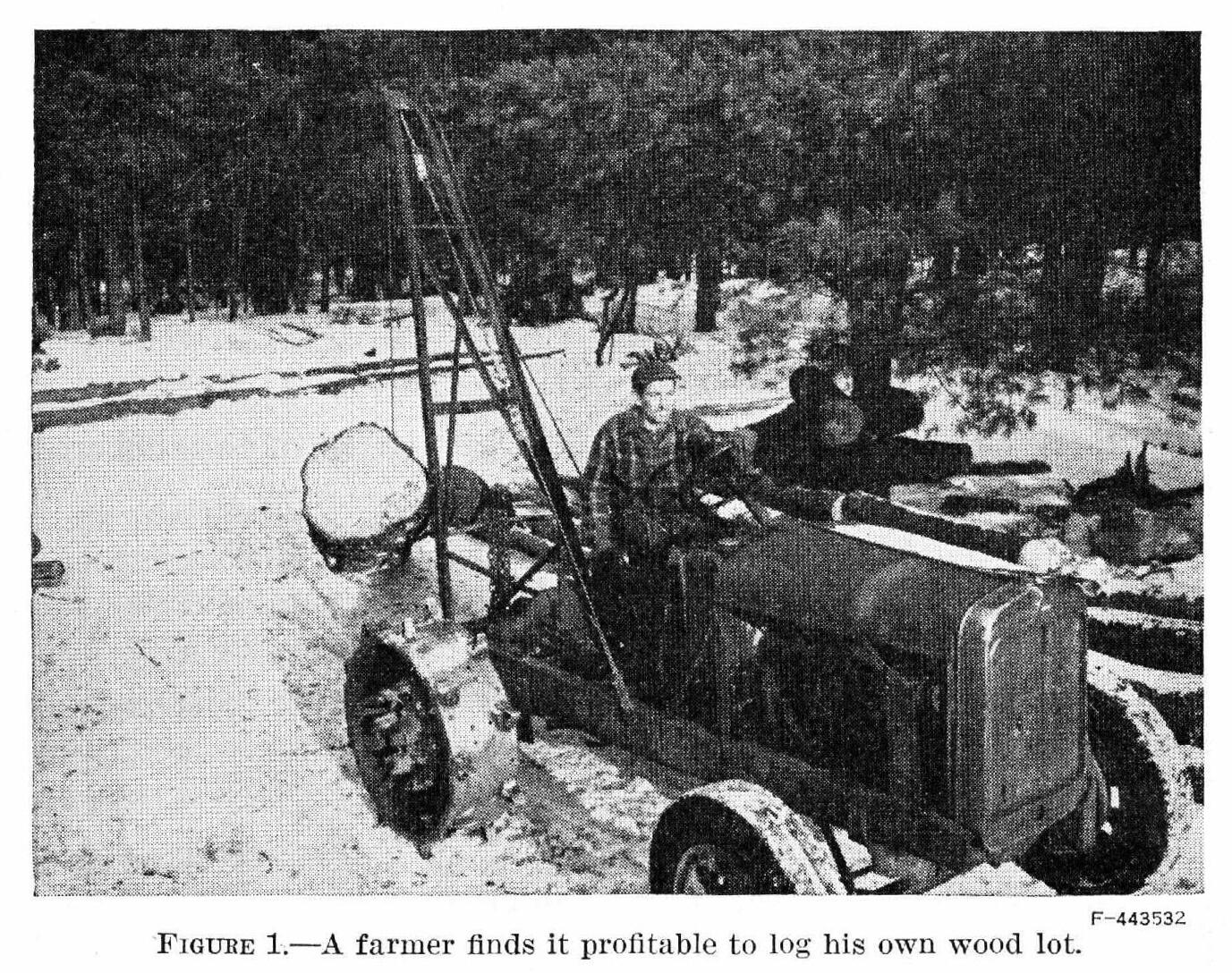
The good log chain was known by sight, kept where it could be found, and the questionable ones were used for jobs where failure did not matter much.
Rated slings and straps with tags.
Start with the fact that these were ranked, because it tells you how the thing was actually regarded. A chain whose history was known – where it came from, what it had pulled, whether it had ever been shock loaded – was treated as a different object from one that merely looked similar, and the distinction was carried entirely in somebody’s memory.
Like our content? Follow us for more.
2. A Chain Is Strong Only Where It Is Weakest
The capacity of the whole length is the capacity of its poorest link, which means a single damaged link makes the entire chain a short chain.
The same, with documentation.
This is the fact the whole subject turns on and it is unusually unforgiving. Most things degrade gradually and keep working at reduced capacity, but a chain does not average out – it fails entirely at one point, so the condition of ninety-nine links is irrelevant if the hundredth is stretched.
3. Links Stretch Before They Break and That Is the Warning
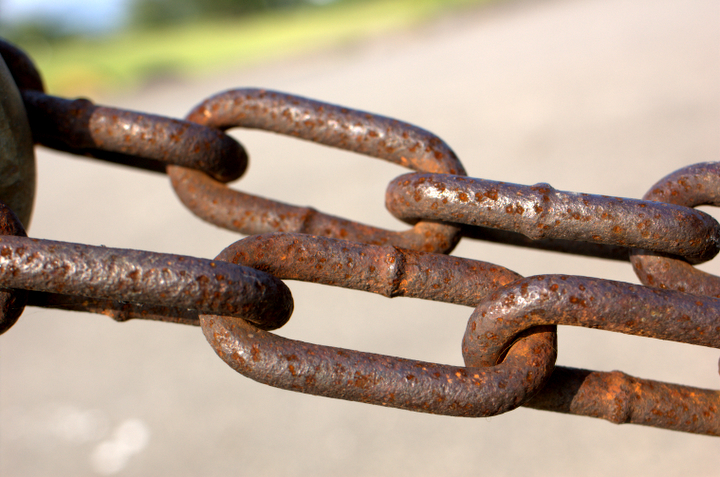
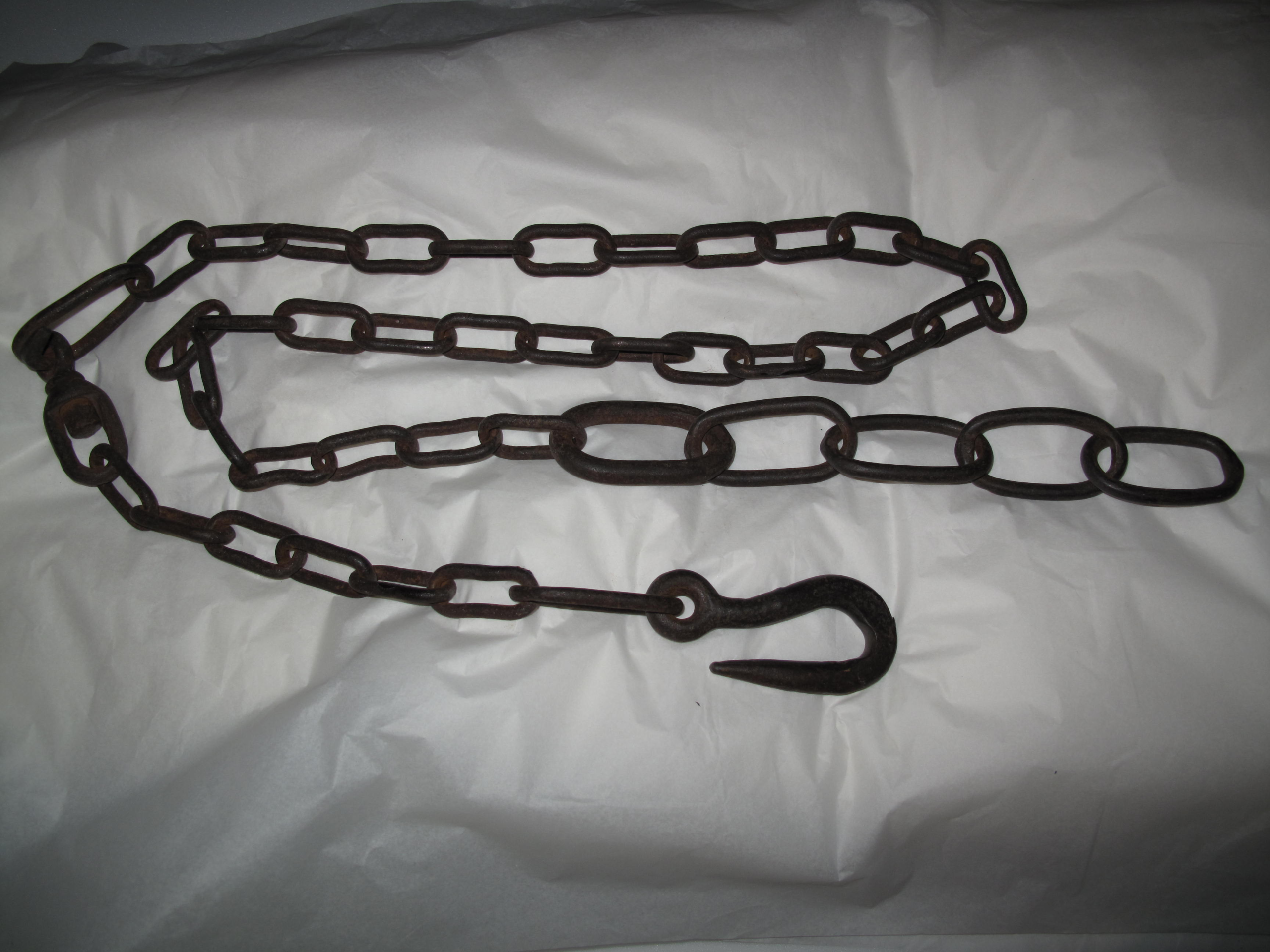
An overloaded link elongates visibly, going from a short oval to a longer narrower one, which is the clearest possible signal that the chain has been abused.
Inspected formally.
The visible deformation is the most useful thing about steel in tension and it was read constantly. A link that has yielded has changed shape permanently, so running the chain through your hands tells you what it has survived – which is a diagnostic almost nothing else offers for free.
4. The Hooks Were the Part That Actually Failed
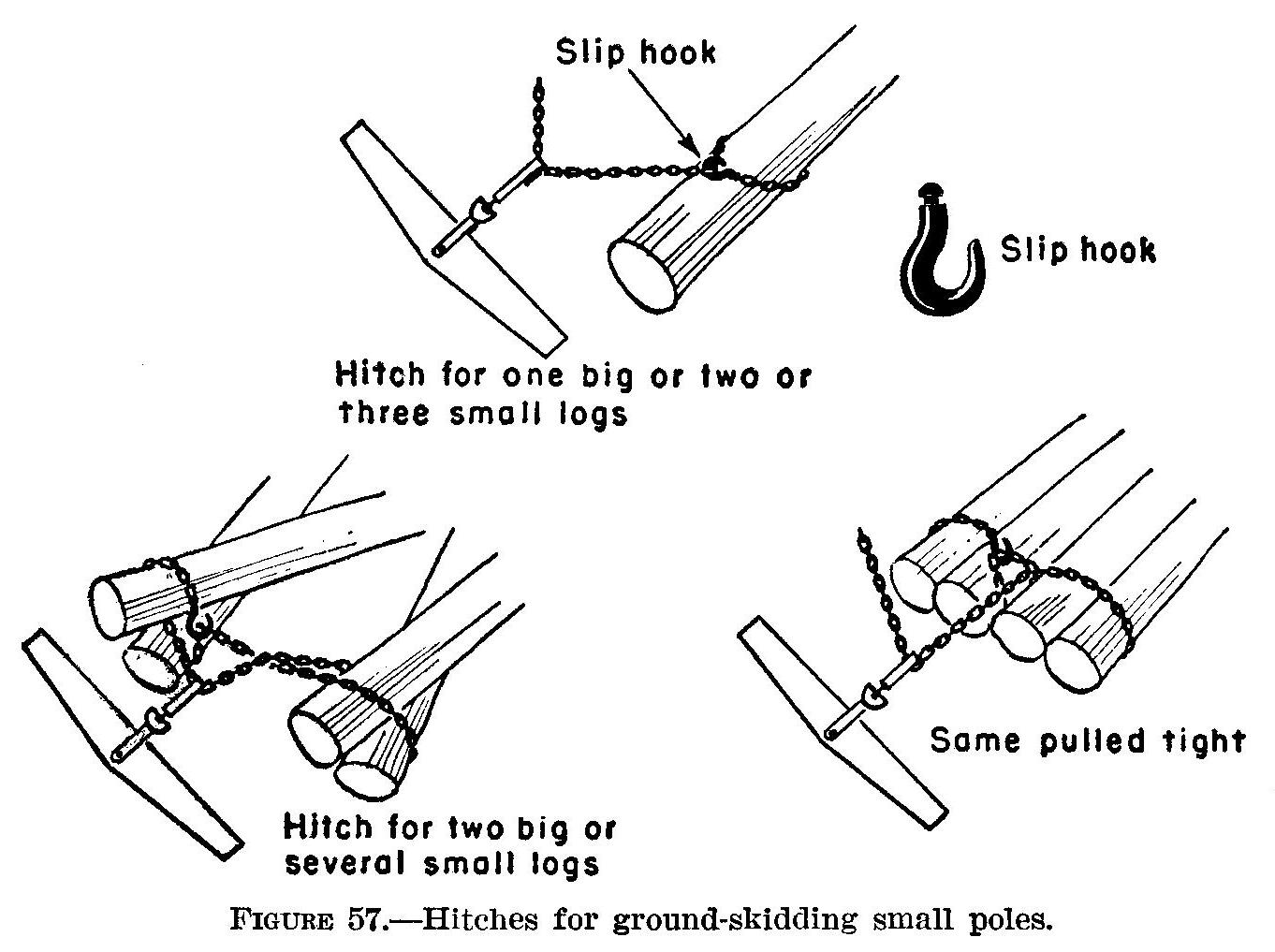
A hook is an open shape carrying the load on a curve, and it bends open under abuse while the links behind it remain sound.
Latched and rated.
The end fittings are the real weak point and the geometry explains why. A closed link carries tension in a loop that cannot spread, while a hook is an interrupted loop whose opening gets wider under load – so the failure mode is a hook straightening rather than a link parting.
5. A Grab Hook Shortened the Chain Without Knots
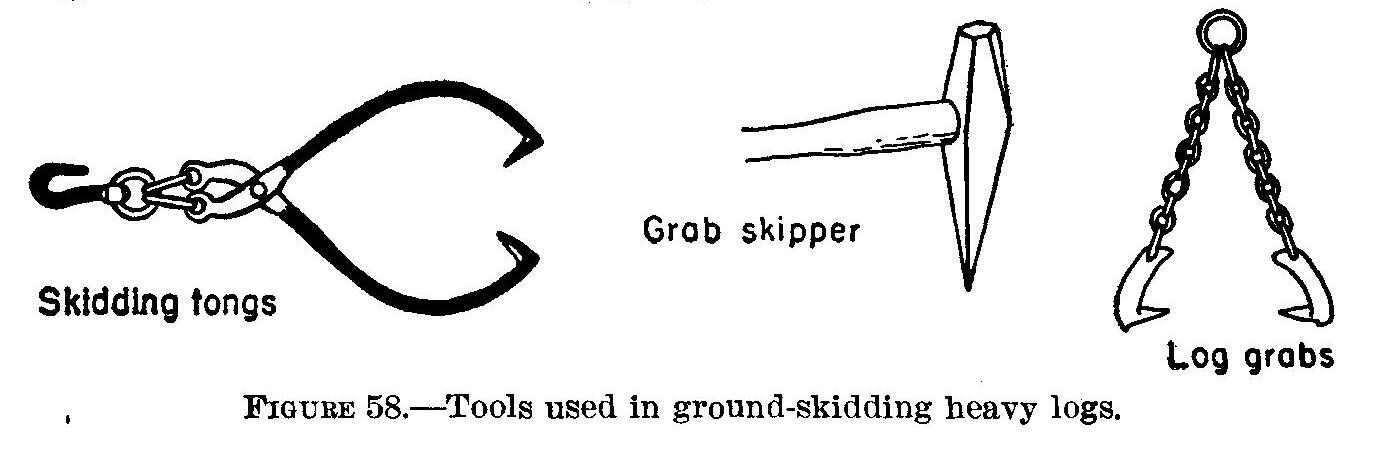
A hook shaped to seize a single link let any length of chain be used, by taking up the slack and gripping a link partway along.
Still used.
The grab hook is a very neat answer to a real problem and it has no equivalent in rope. A chain cannot be knotted, so the only way to adjust its working length is to grip it somewhere other than the end – which is exactly what a narrow hook that admits one link does.
6. Chain Was Chosen Over Rope for Specific Reasons
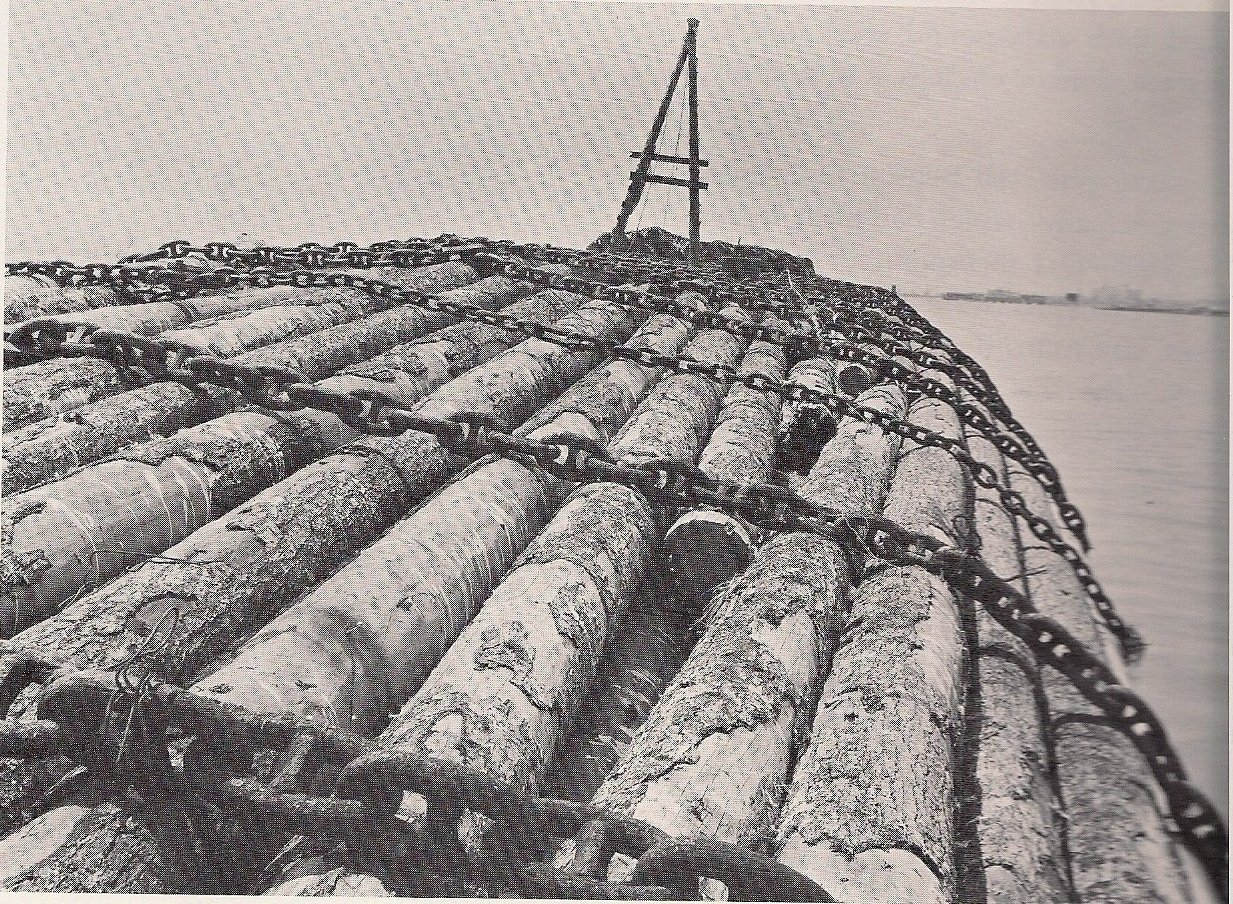
Chain resists abrasion over stone and bark, does not absorb water, is not cut by edges and does not rot when left outdoors.
Synthetic straps, for other reasons.
The material comparison is worth setting out, because the choice was deliberate rather than traditional. Rope is lighter, kinder to the hands and easier to handle, and it fails at everything chain is for – dragging across rough ground, round sharp corners, and being left where it was last used.
7. A Shock Load Was Worse Than a Heavy One
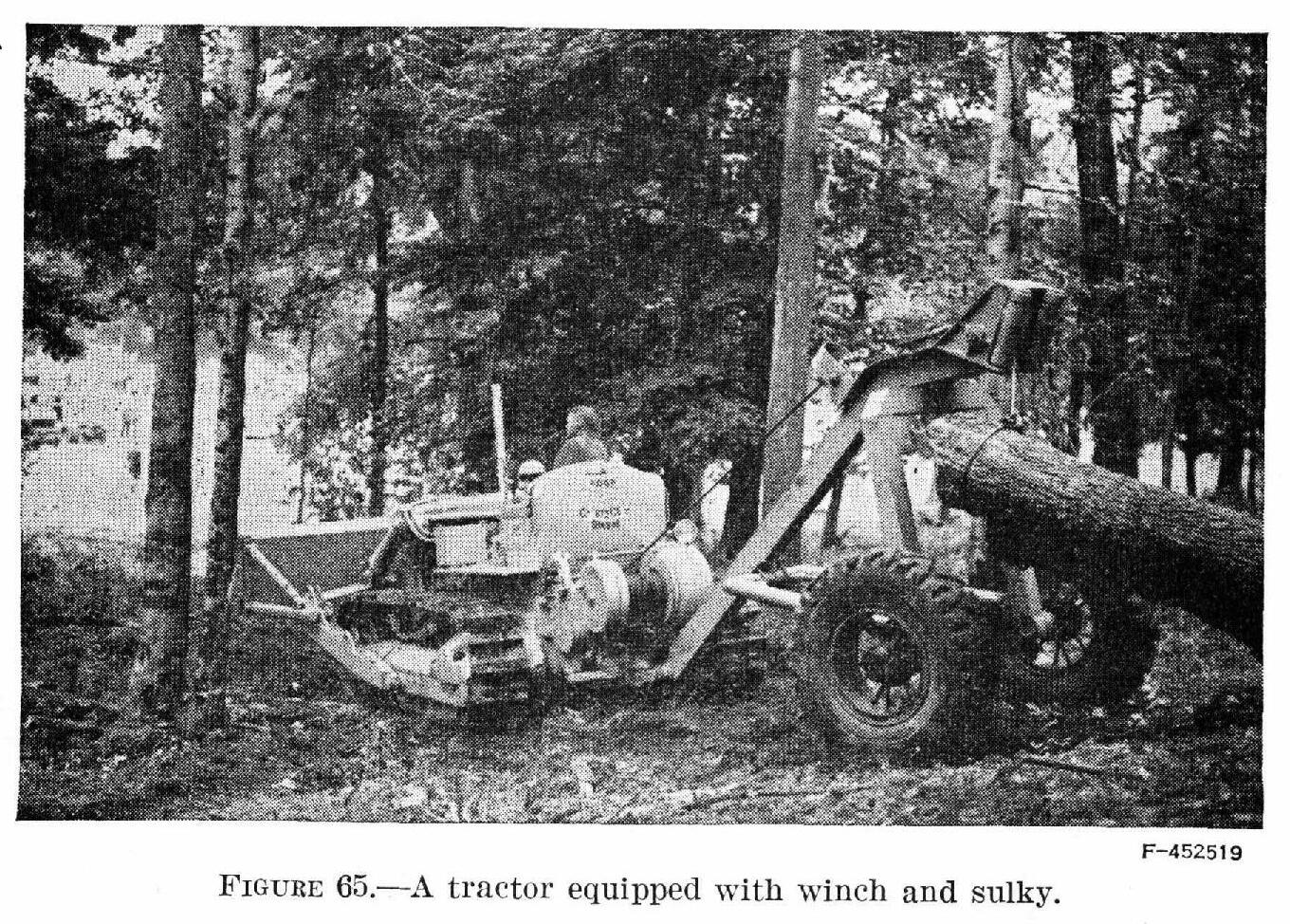
Taking up slack suddenly put far more force into a chain than pulling steadily on a greater weight, which is how most chains were ruined.
The same physics.
The dynamics are the part that gets underestimated and the arithmetic is brutal. A moving mass arrested by a chain delivers a force set by how fast it stops, so a running start into a tight chain can exceed by several times what the same load applies when eased into motion.
8. Nobody Stood in Line With a Loaded Chain
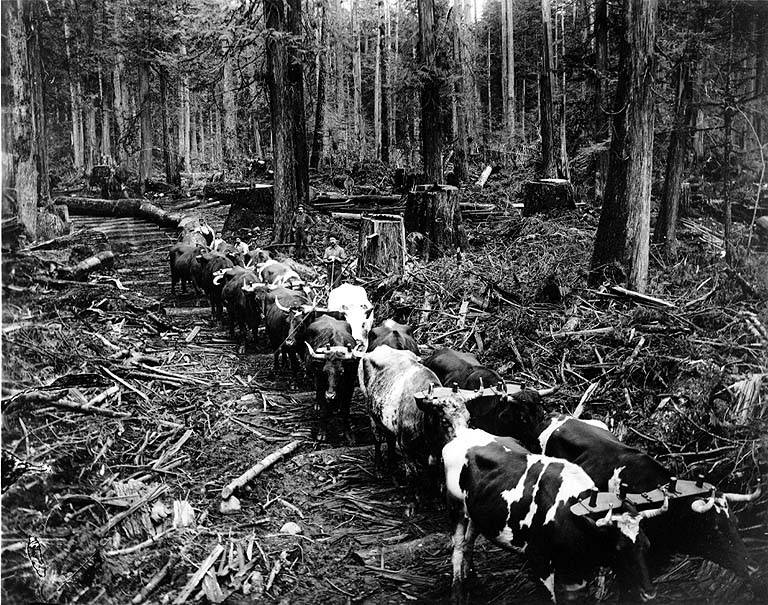
A chain under tension that lets go travels along its own axis, which means the dangerous places are ahead of it and behind it.
Guarded and rated.
This is the honest safety point and it was understood as a rule rather than advice. Stored energy in a stretched steel line goes somewhere when the tension releases, and the direction it goes is the direction it was pulling – which makes the line of pull the place not to be.
9. Wrapping a Load Was a Skill in Itself
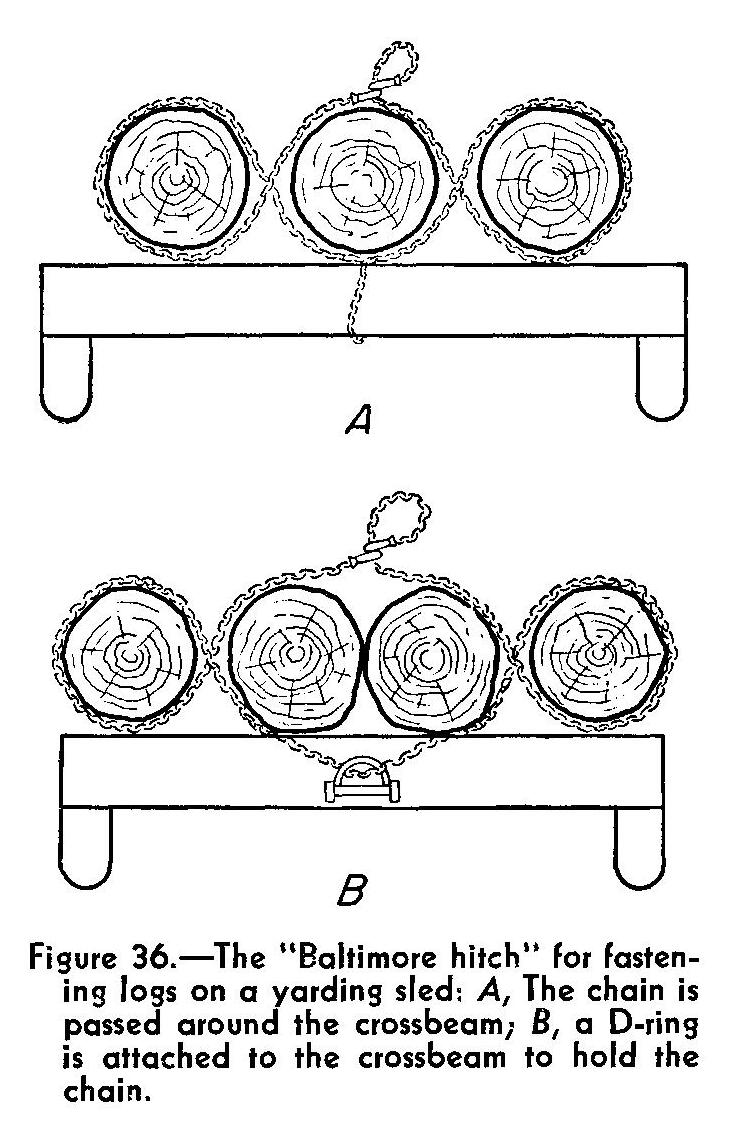
Getting a chain around an irregular object so it would grip rather than slide required knowing where to place it and which way to pass the end.
Slings and shaped fittings.
The rigging judgement is what separated people who could use a chain from people who merely owned one. An irregular load will roll, pivot or slip out of a badly placed wrap, so the placement determines whether the pull moves the object or simply tightens around it.
10. A Chain Left on the Ground Disappeared Into It
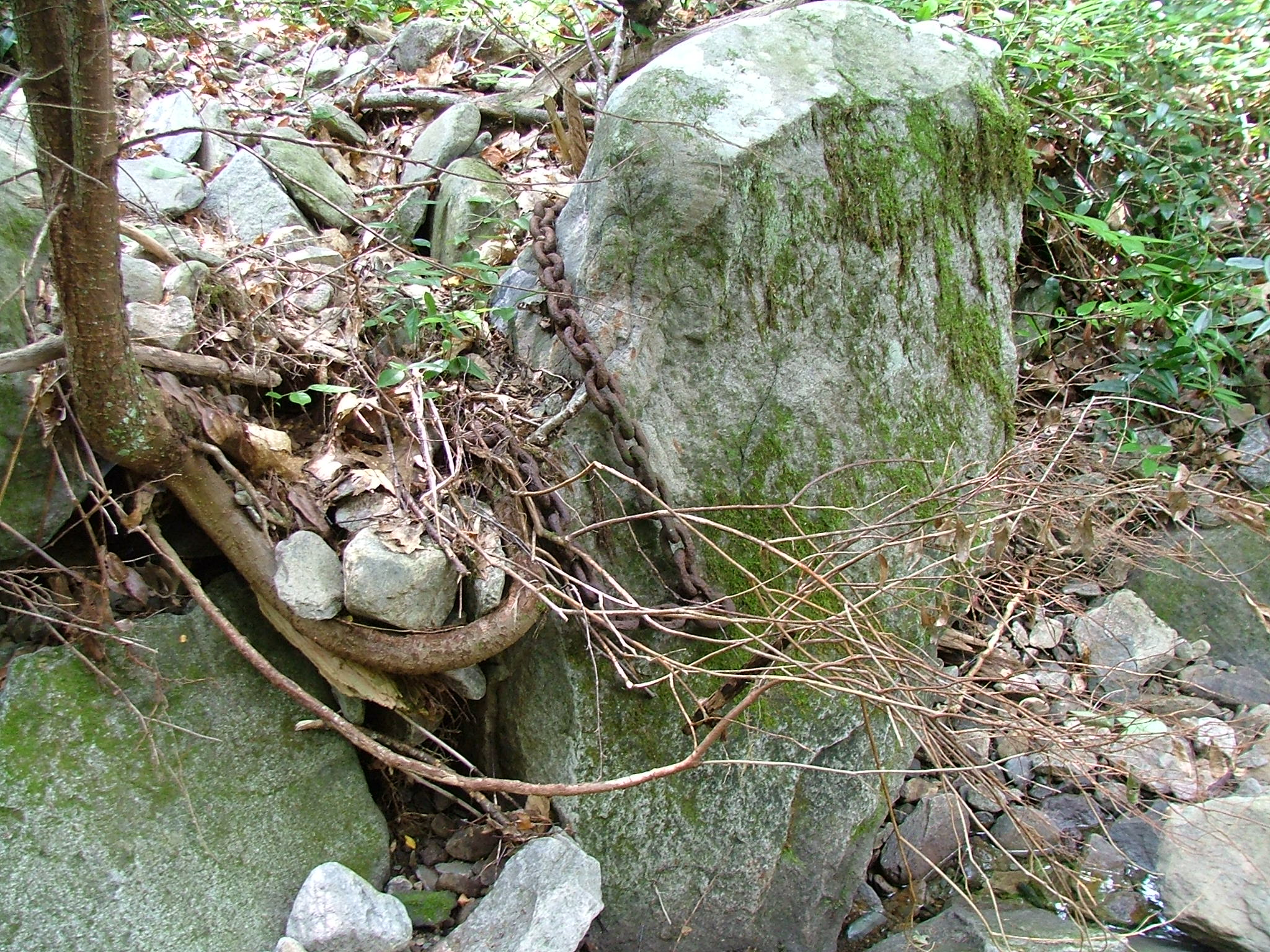
Chains dropped in grass, mud or snow were lost constantly, and a lost chain was an expensive thing to replace.
Not applicable in the same way.
The loss rate is the mundane problem nobody writes about and it was a genuine annoyance. A dark heavy object laid flat in vegetation is effectively invisible from standing height, which is why chains were hung on specific hooks and why finding one in the spring was a small event.
11. It Doubled as a Tyre Chain, a Fence Repair and a Gate Latch
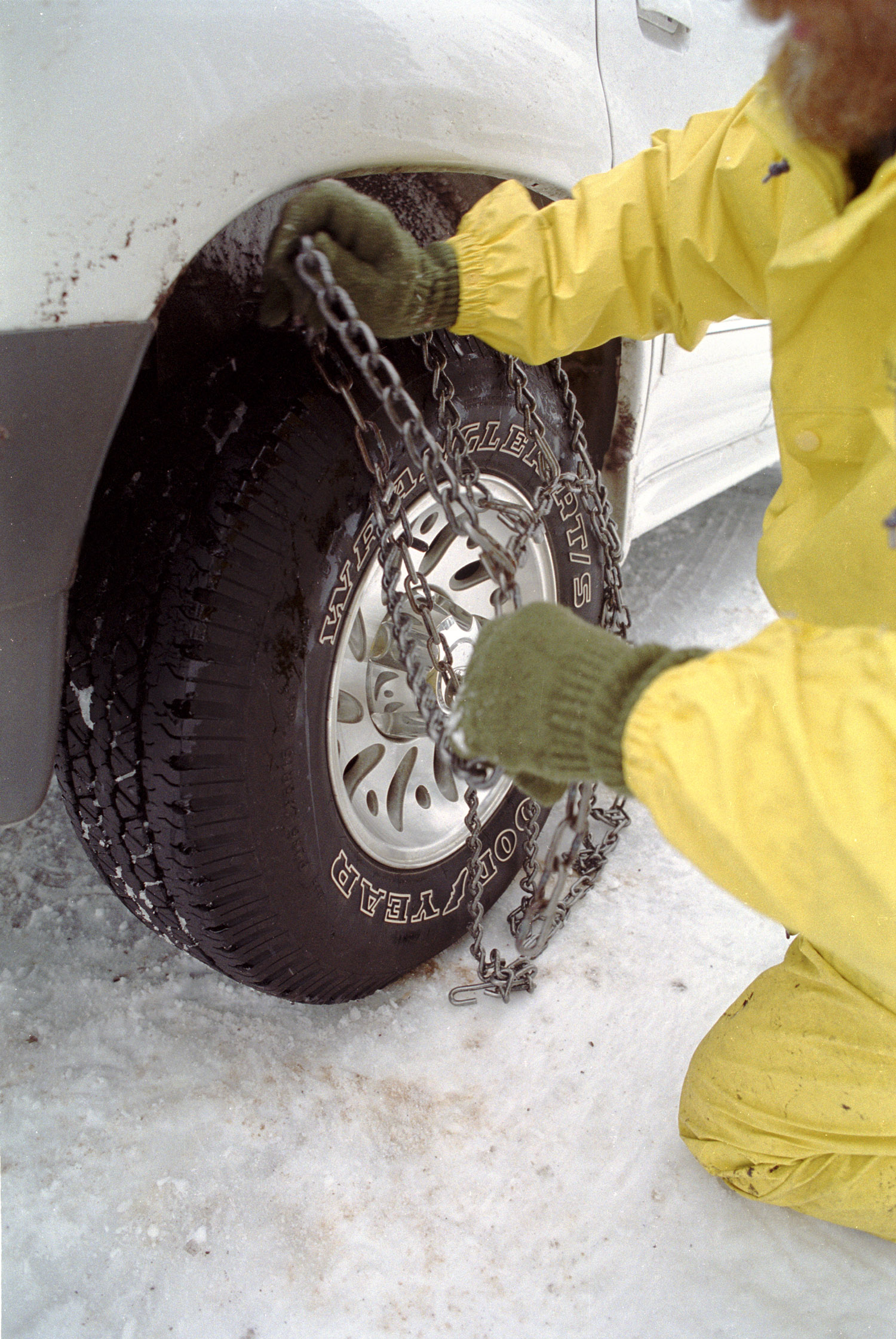
The same length served as traction, as a splice in a broken fence, as a way to secure a gate and as a rough measure of distance.
Dedicated products.
General usefulness is why one of these was in every vehicle and shed, and it follows from the form. A flexible strong line with a hook at each end can join, bind, drag, hold or hang almost anything – so it was kept not for a job but for the jobs nobody had anticipated.
12. Repair Was Done by Replacing the Link, Not the Chain
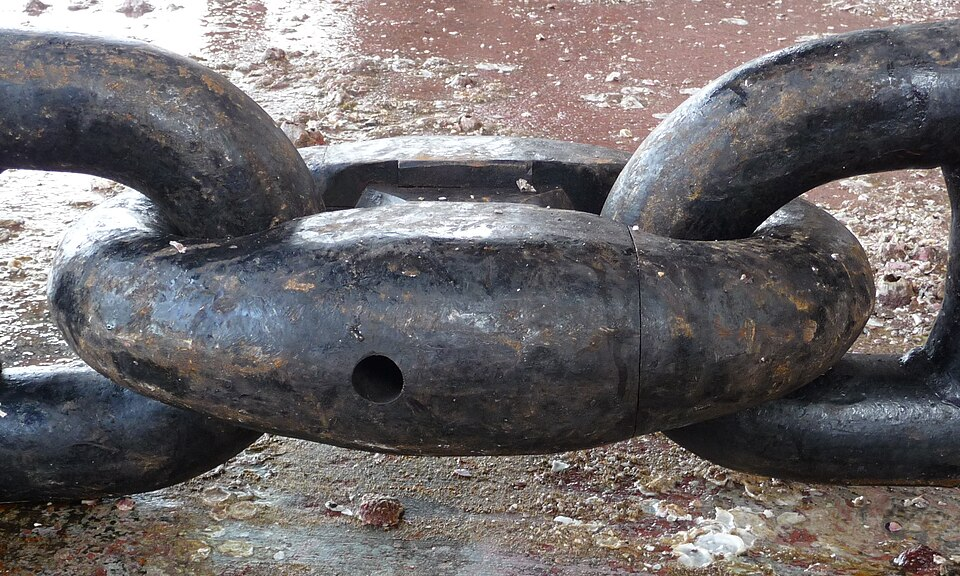
A damaged link was cut out and a connecting link fitted, which restored the length at a fraction of the cost of a new chain.
Replacement, usually.
Repairability is the economic logic of the whole object and it was taken for granted. A chain is a series of identical components, so a failure is local and the remedy is local too – which is why old chains carry visibly different links along their length.
13. Those Repair Links Became the Weak Point

A connecting link is an assembled component rather than a forged one, so a repaired chain was commonly weaker than it looked.
Rated components only.
The honesty about repairs is what separated careful users from careless ones. A link that goes together in the field is not equivalent to one forged whole, so a mended chain had a known soft spot – and anybody who remembered where it was treated the chain accordingly.
14. Then Synthetic Straps Took Over for Most Jobs
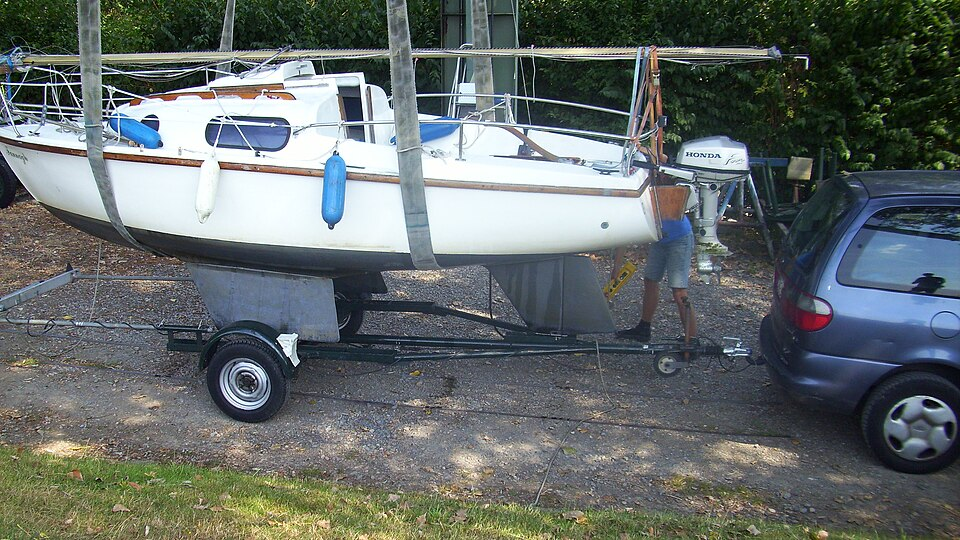
Wide woven straps are lighter, store flat, do not rust and carry printed ratings, which answered almost every farm use except dragging over rock.
Dominant.
The replacement is largely an improvement and it is worth saying so. A strap that weighs a fraction as much, cannot rust and states its own capacity on a label removes both the weight and the guesswork – and the guesswork was the dangerous part.
15. And by 1974 the Old Chain Was Kept Anyway
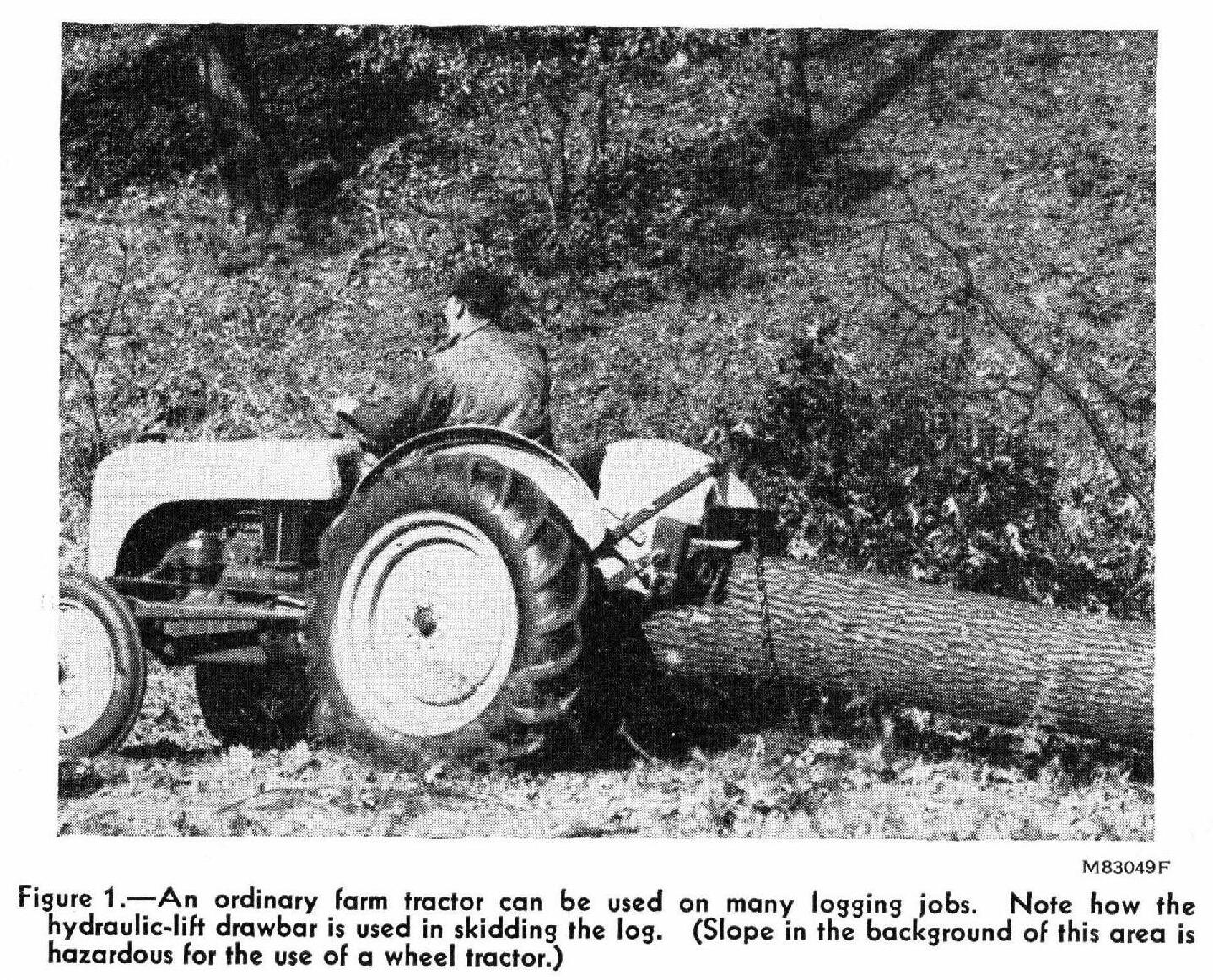
Chains stayed hanging in sheds and riding in truck beds long after straps had taken over, because nobody could think of a reason to get rid of one.
Still hanging there.
And what deserves the last word is that a chain is the most honest object on a farm. It is strong only where it is weakest, so the condition of ninety-nine links means nothing if the hundredth has stretched – and a stretched link shows it, visibly and permanently, which makes the thing’s whole history readable by running it through your hands. The hooks were what actually failed, because an interrupted loop spreads under load while a closed one cannot. A sudden snatch did more damage than a far heavier steady pull, the line of pull was the place not to stand, and a repaired chain carried a known soft spot that the owner was expected to remember. All of that was knowledge held in one person’s head about one specific object, which is exactly what a printed rating on a woven strap replaced – and that replacement was an improvement, because the guesswork was the dangerous part.
It Is the Most Honest Object on the Place
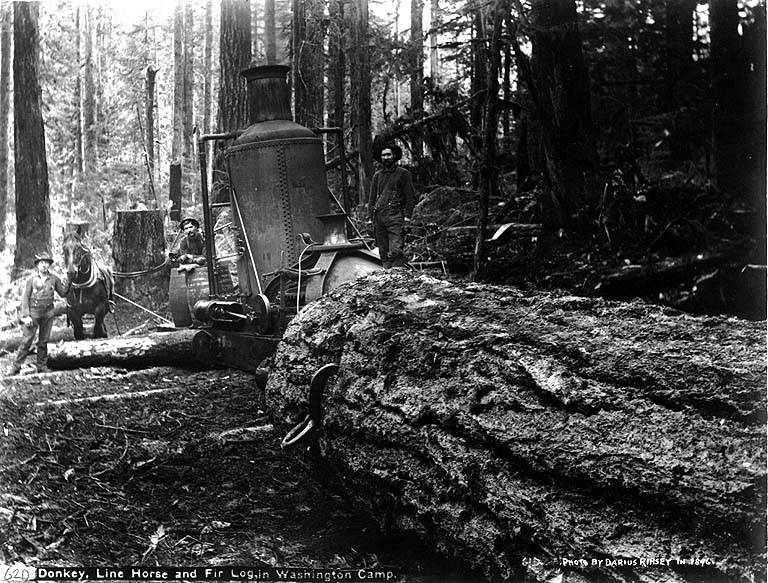
A log chain is a line of identical steel loops, and almost everything interesting about it follows from that one fact.
Start with the unforgiving part. A chain is strong only where it is weakest – the capacity of the whole length is the capacity of its poorest link. Which means the condition of ninety-nine links is irrelevant if the hundredth has been stretched. Nothing averages out. The thing either holds or it fails entirely, at one point, and that point is wherever the worst damage is.
Then the remarkable part, which is that the damage is visible. An overloaded link elongates permanently – a short oval becomes a longer narrower one – so running a chain through your hands tells you what it has survived. That is a free diagnostic almost nothing else offers, and it was read constantly. It is also why history mattered: a chain whose working life was known was treated as a different object from an identical-looking one whose history was not.
The hooks were what actually failed, and the geometry says why. A closed link carries tension in a loop that cannot spread. A hook is an interrupted loop, and its opening widens under load – so the characteristic failure was a hook straightening out while every link behind it stayed sound.
One fitting deserves particular admiration. A grab hook, shaped to seize a single link, lets any length of chain be used at any working length. A chain cannot be knotted, so the only way to adjust it is to grip it somewhere other than its end, and a narrow hook that admits exactly one link does precisely that. Rope has nothing equivalent, because rope does not need it.
Which raises the material question, and the choice was deliberate rather than traditional. Rope is lighter, kinder to the hands and far easier to handle – and it fails at everything a chain is for. Dragging over stone and bark, passing round sharp corners, lying out in the weather, getting wet. Chain resists abrasion, is not cut by edges, does not absorb water and does not rot where it was left.
Now the two things that ruined chains and endangered people.
A shock load was worse than a heavy one, and the arithmetic is brutal. A moving mass arrested by a chain delivers a force determined by how fast it stops, so a running start into a tight chain can exceed several times over what the same load applies when it is eased into motion. Most ruined chains were ruined that way.
And nobody stood in the line of pull. Stored energy in a stretched steel line goes somewhere when the tension releases, and the direction it goes is the direction it was pulling – so the dangerous places are ahead of the chain and behind it. That was treated as a rule rather than as advice.
The skill, as opposed to the knowledge, was in the wrap. An irregular load will roll, pivot or slip out of a badly placed chain, so where you put it and which way you pass the end decides whether the pull moves the object or just tightens around it. That is what separated people who could use a chain from people who merely owned one.
Two ordinary realities round the picture out.
Chains were lost constantly. A dark heavy object lying flat in grass, mud or snow is effectively invisible from standing height, which is why they were hung on particular hooks and why finding one in the spring counted as a small event.
And one was kept in every vehicle and shed because of what it could do that nobody had planned for – traction, a splice in a broken fence, a way to hold a gate, a rough measure of distance. A flexible strong line with a hook at each end can join, bind, drag, hold or hang almost anything.
Repair was local, which is the economic logic of the object. A damaged link was cut out and a connecting link fitted, restoring the length for a fraction of the price of a new chain – which is why old chains carry visibly different links along their run.
But those repair links were honest weak points. A link assembled in the field is not equivalent to one forged whole, so a mended chain had a known soft spot, and the owner was expected to remember where it was.
Then synthetic straps arrived and took over nearly everything, and that was largely an improvement. A wide woven strap weighs a fraction as much, stores flat, cannot rust, and carries its capacity printed on a label.
Which is the real end of the story. All that chain knowledge lived in one person’s head, about one specific object, and it was knowledge nobody could transfer. The printed rating replaced it – and that was worth doing, because the guesswork was the dangerous part.
The chains stayed hanging up anyway. Nobody has ever thought of a reason to throw one away.
If you have one in the shed, run it through your hands and look at the link shapes.
The stretched ones are a record of the worst day that chain ever had.
Like our content? Follow us for more.